13 Three Door Wardrobe Designs
Three-door wardrobes offer a balanced, symmetrical look that suits a wide range of bedroom sizes and styles. The three doors can be configured with equal widths or with a wider center door for a focal point. This configuration provides ample storage while maintaining a sense of proportion. Here are thirteen three-door wardrobe designs to inspire your next project.
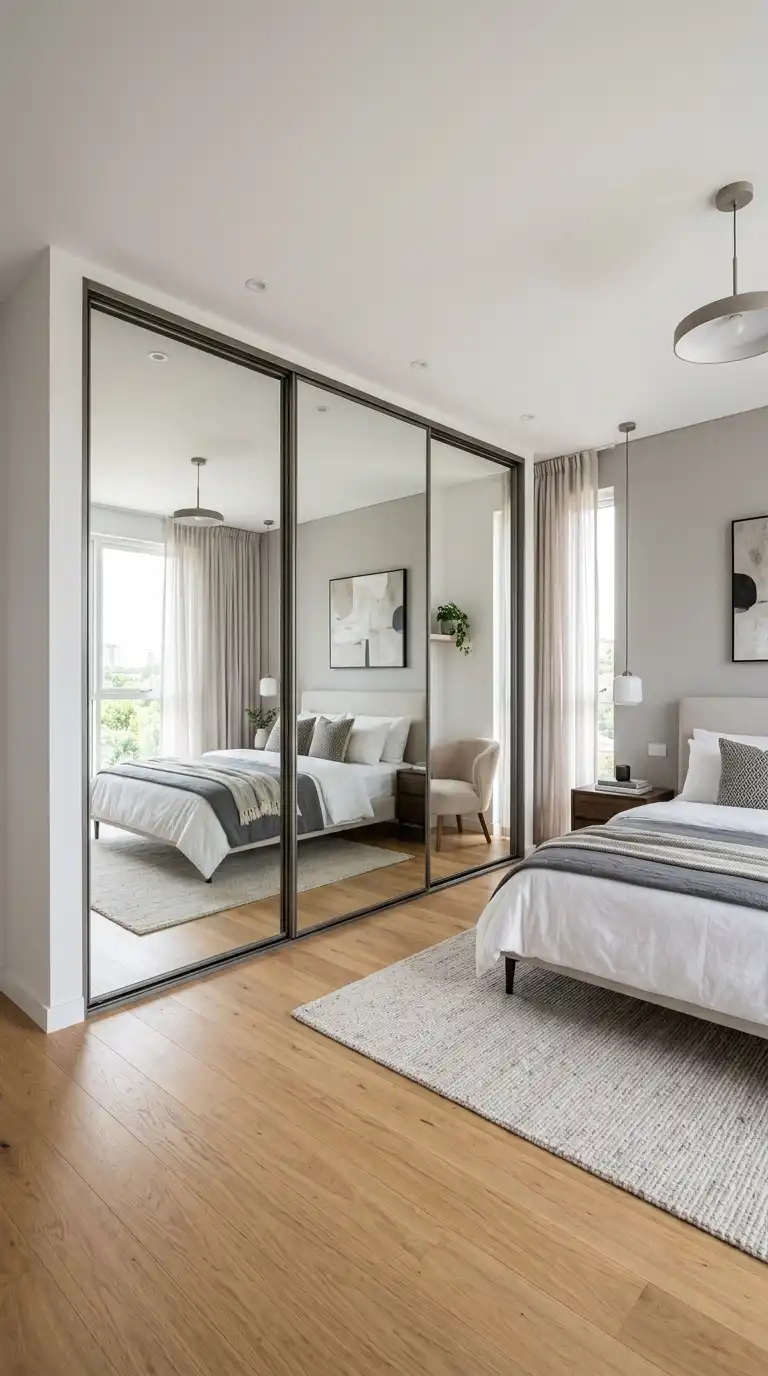
1. Equal Three-Door Sliding Wardrobe
A three-door sliding wardrobe with equal-width doors creates a balanced, modern look. The sliding mechanism saves floor space, making this design ideal for compact bedrooms. Choose mirrored panels to reflect light and visually expand the space, or opt for matte finishes for a sleek, understated aesthetic.
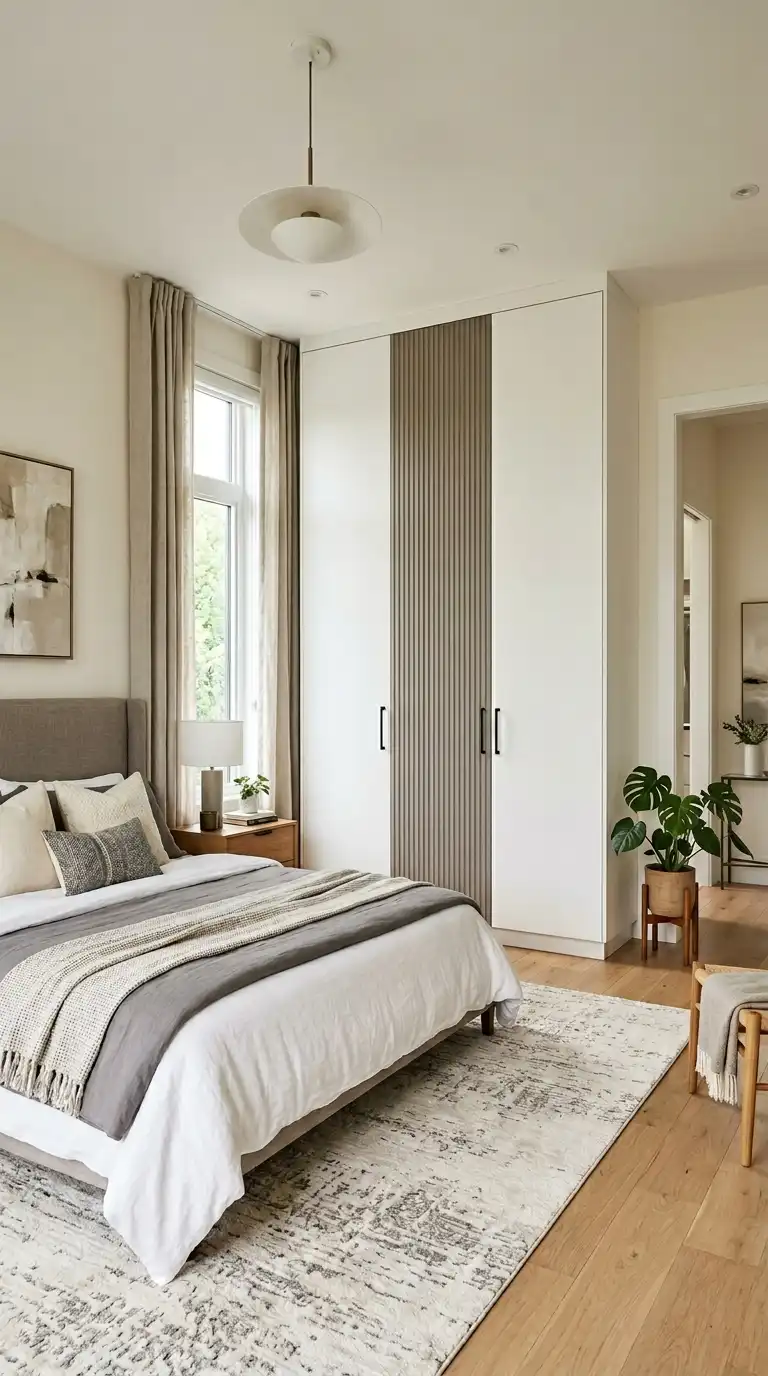
2. Hinged Three-Door Wardrobe with Central Accent
Create a focal point with a three-door hinged wardrobe where the center door features a contrasting finish, texture, or pattern. Use fluted panels, glass, or a bold color for the center door, while the outer doors remain neutral. This asymmetrical symmetry adds visual interest and personality.
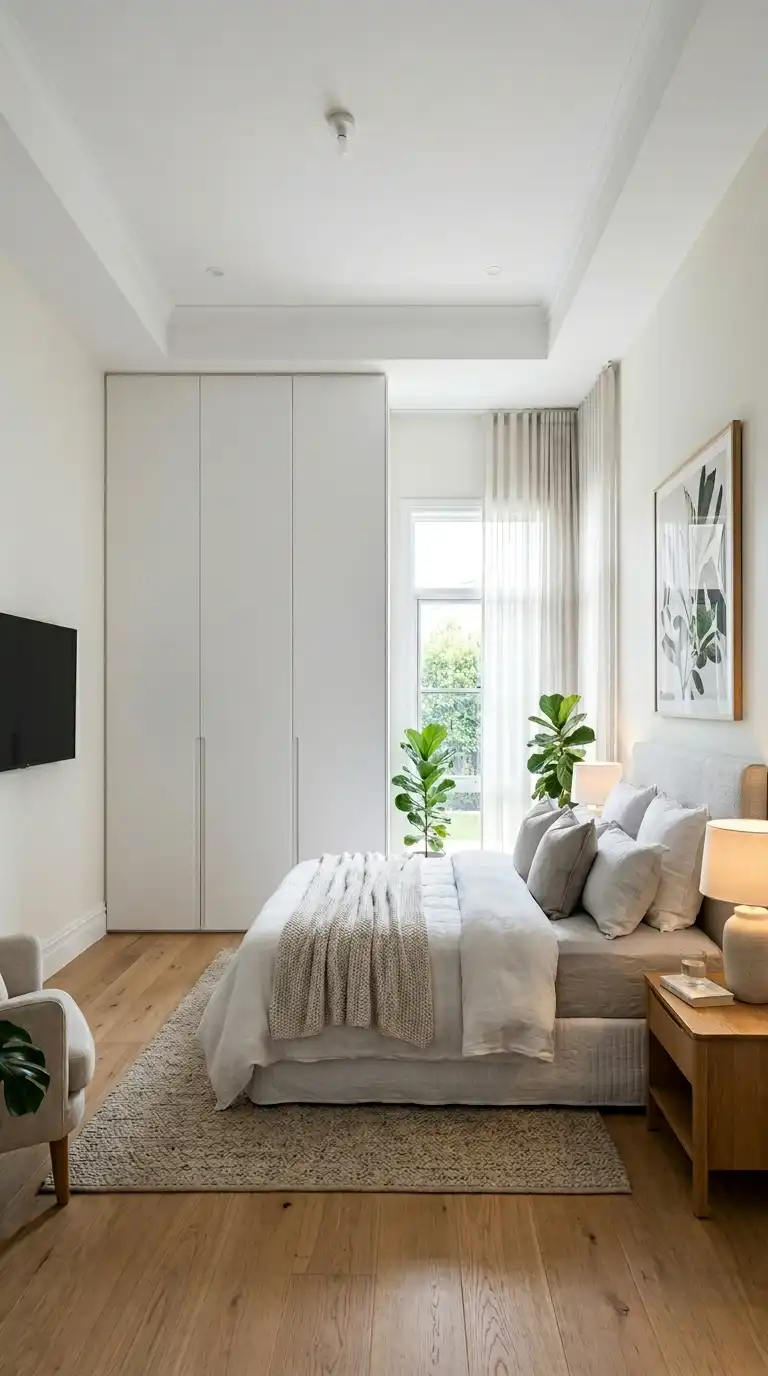
3. Three-Door Wardrobe with Floor-to-Ceiling Height
Floor-to-ceiling three-door wardrobes maximize vertical storage and create a dramatic, built-in appearance. The continuous vertical lines draw the eye upward, making the room feel taller. Use handleless doors for a seamless look, or add slim handles for subtle detailing.
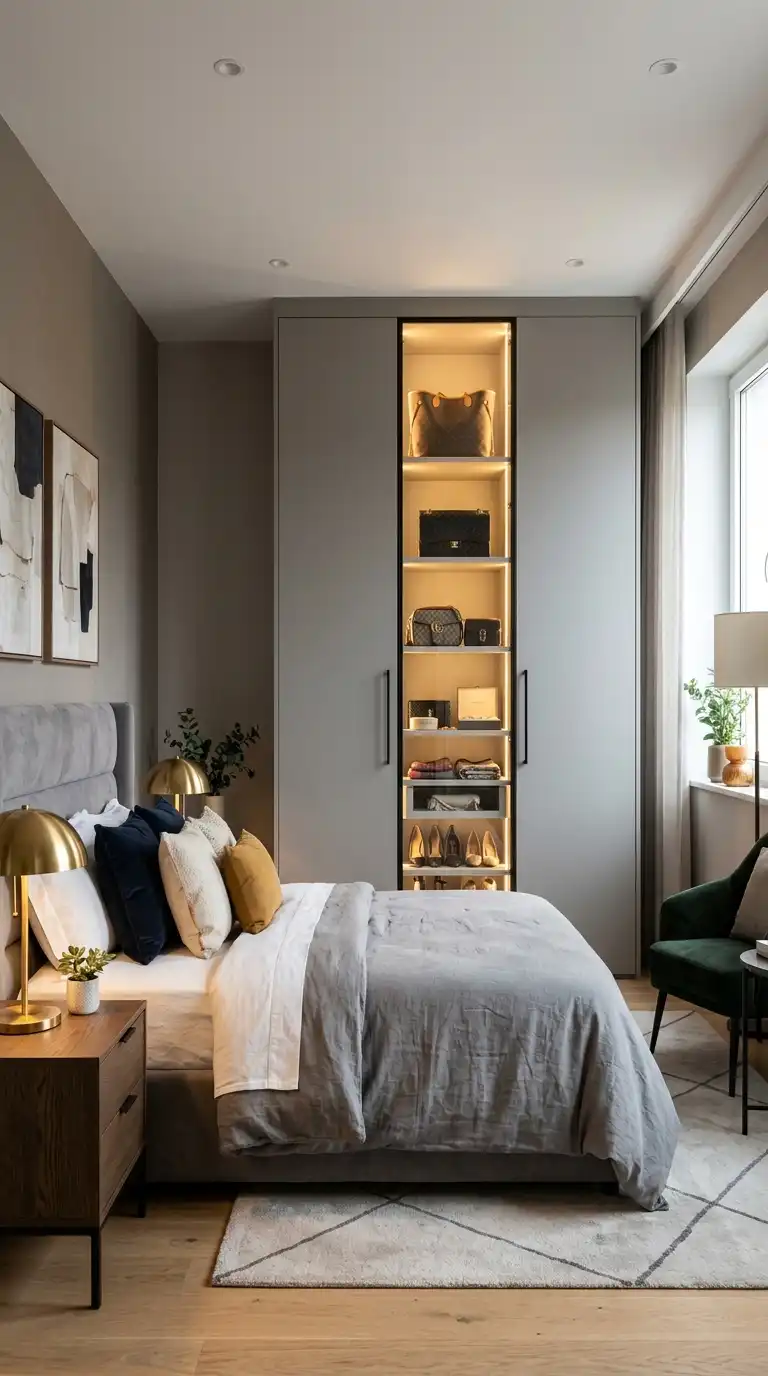
4. Three-Door Wardrobe with Glass-Front Center Door
Use a glass-front center door to display accessories or folded items, while the outer doors remain solid for concealed storage. The glass adds lightness and allows you to showcase a curated collection. Choose frosted glass for privacy or clear glass for full display.
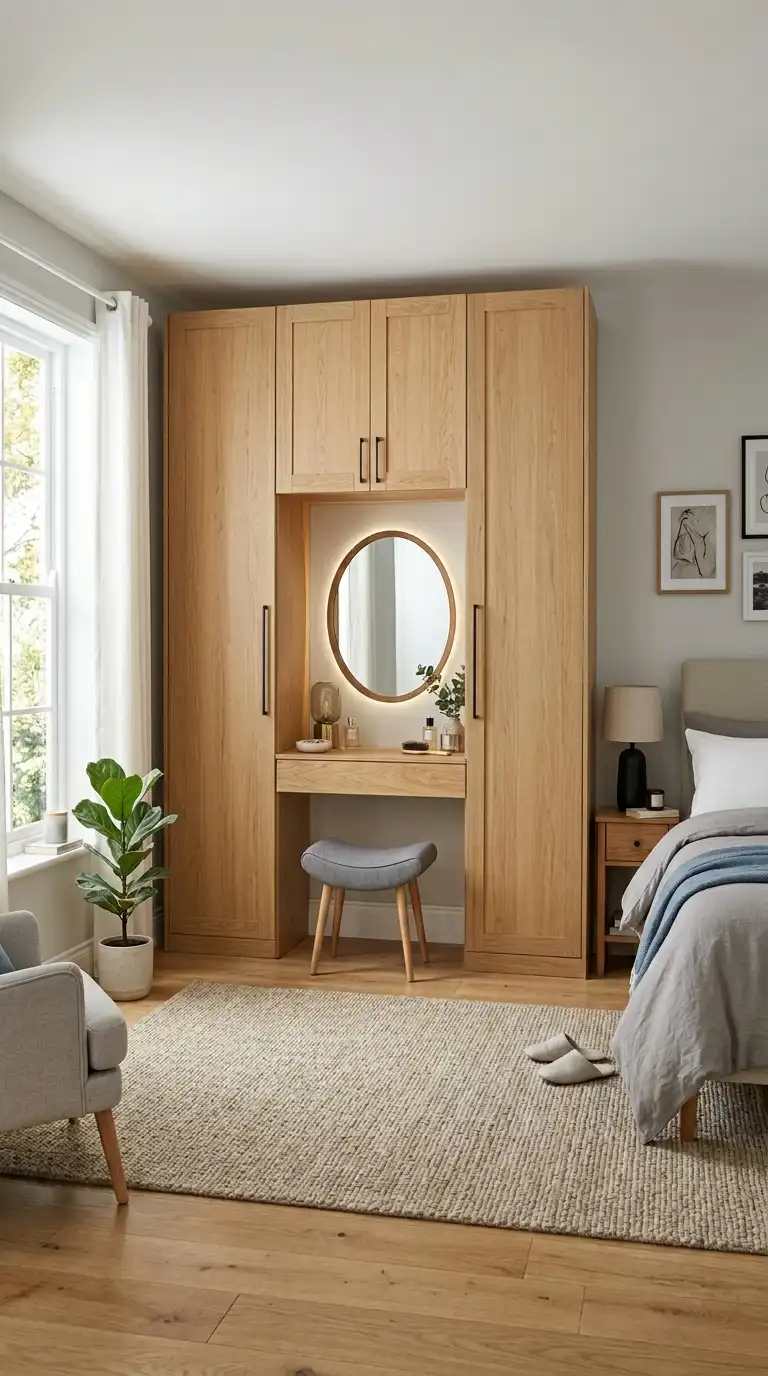
5. Three-Door Wardrobe with Integrated Dressing Table
Incorporate a dressing table into a three-door wardrobe by positioning the table in the center section. The center door can be removed or replaced with a fold-down surface, while the outer doors provide storage. This layout creates a dedicated grooming zone within the wardrobe.
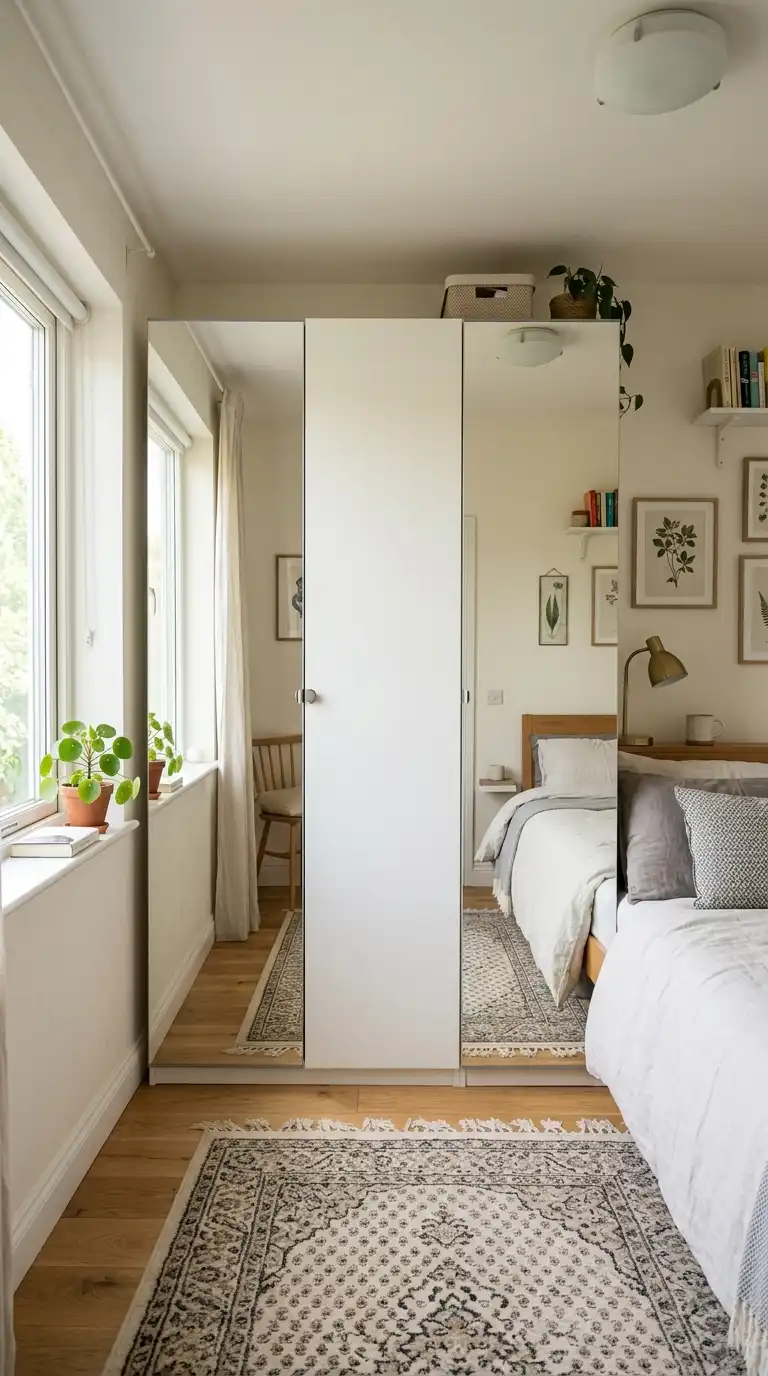
6. Three-Door Wardrobe with Mirrored Outer Doors
Use mirrored panels on the outer doors and a solid finish on the center door for a balanced look. The mirrors reflect light and serve as practical dressing mirrors, while the solid center door adds contrast. This design is ideal for small bedrooms where light and space are at a premium.
7. Three-Door Wardrobe with Open Shelving Section
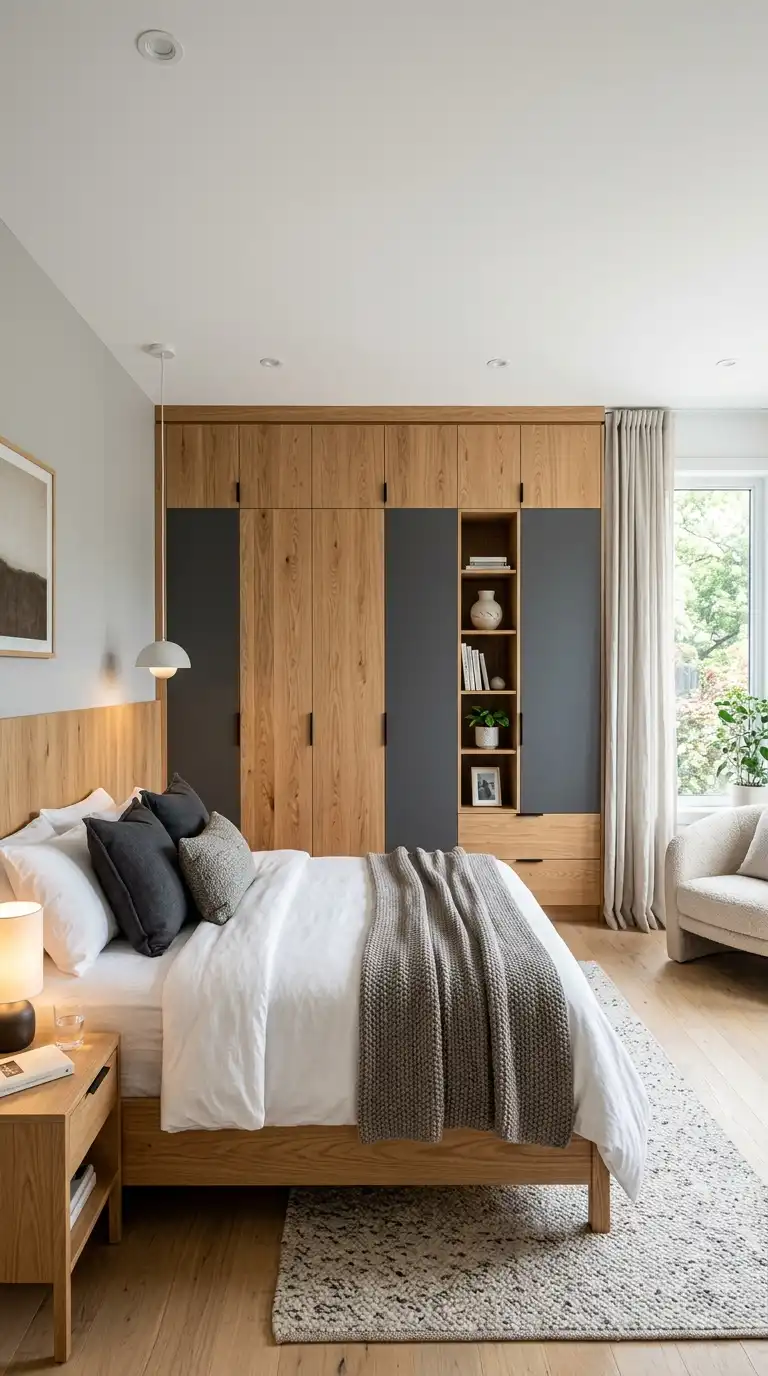
Replace one door with open shelving to create a display area within the wardrobe. Use the open section for accessories, books, or folded items, while the closed doors conceal clothing. This approach adds visual interest and prevents the wardrobe from feeling too monolithic.
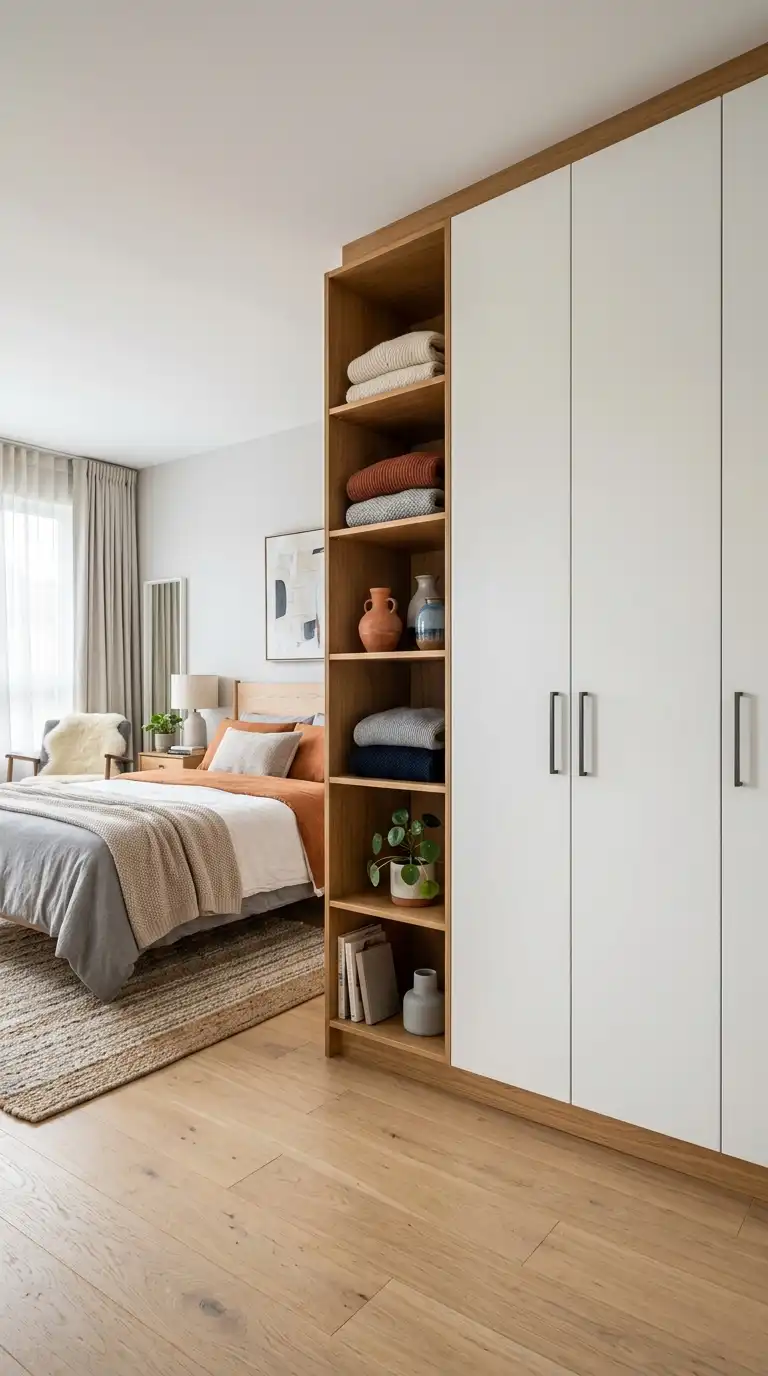
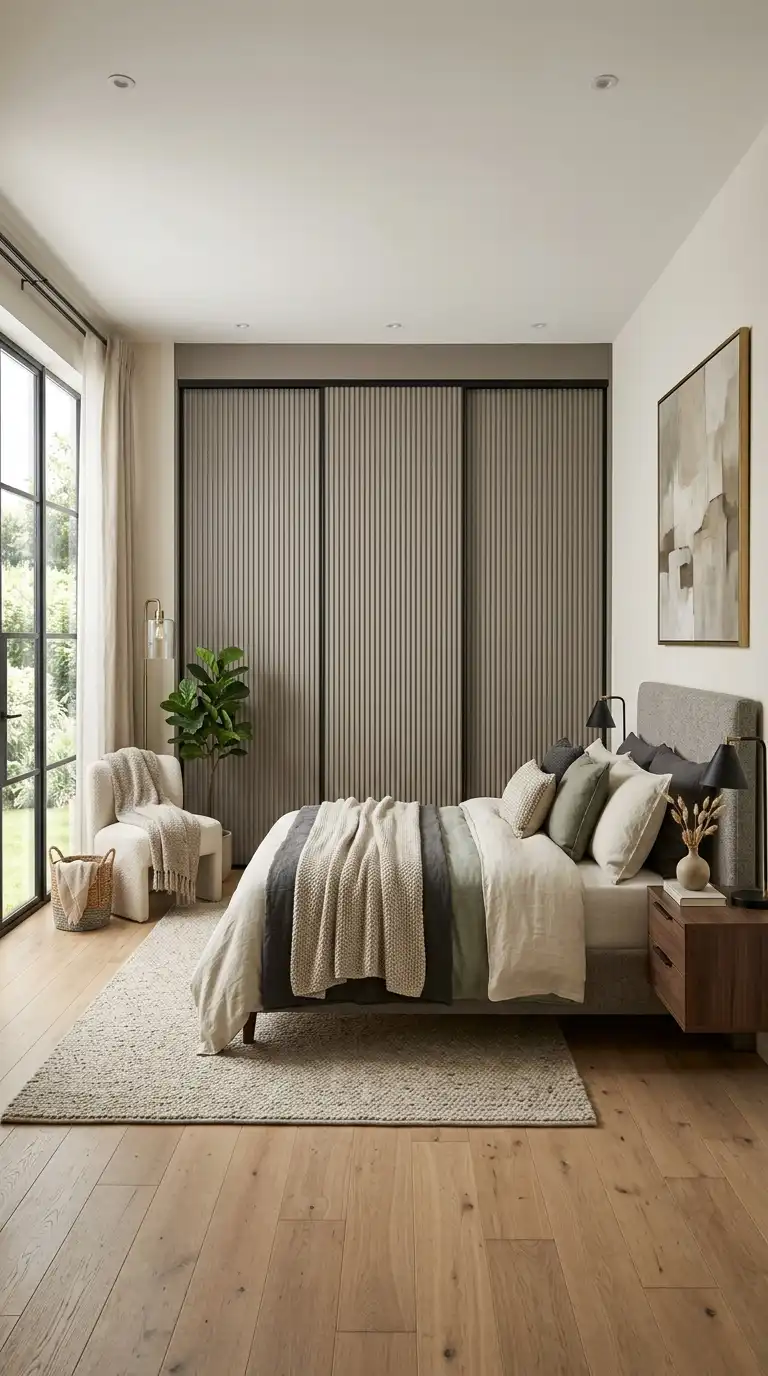
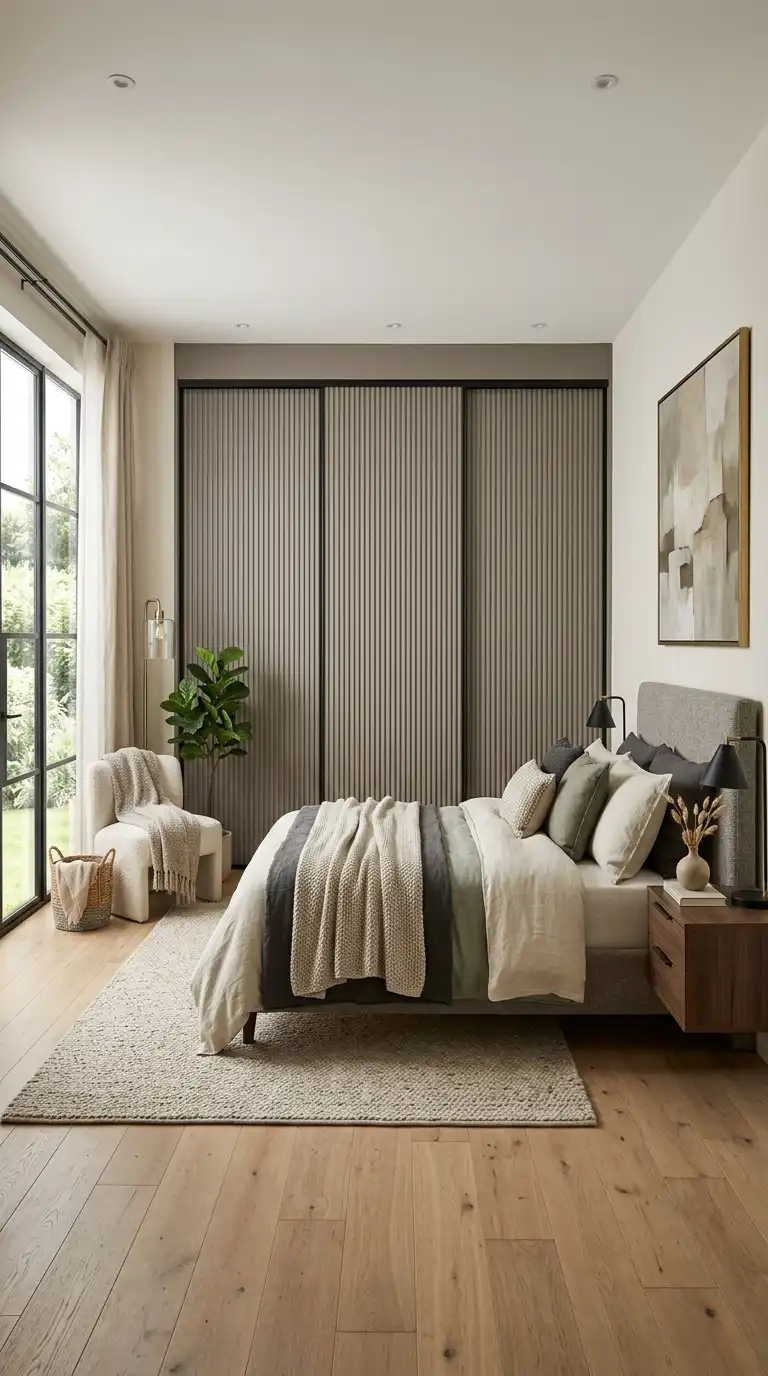
8. Three-Door Sliding Wardrobe with Textured Panels
Use textured panels—such as fluted or ribbed surfaces—on a three-door sliding wardrobe for added depth and architectural interest. The vertical grooves create rhythm and catch light, transforming the wardrobe into a design feature. Choose a consistent finish across all three doors for a cohesive look.
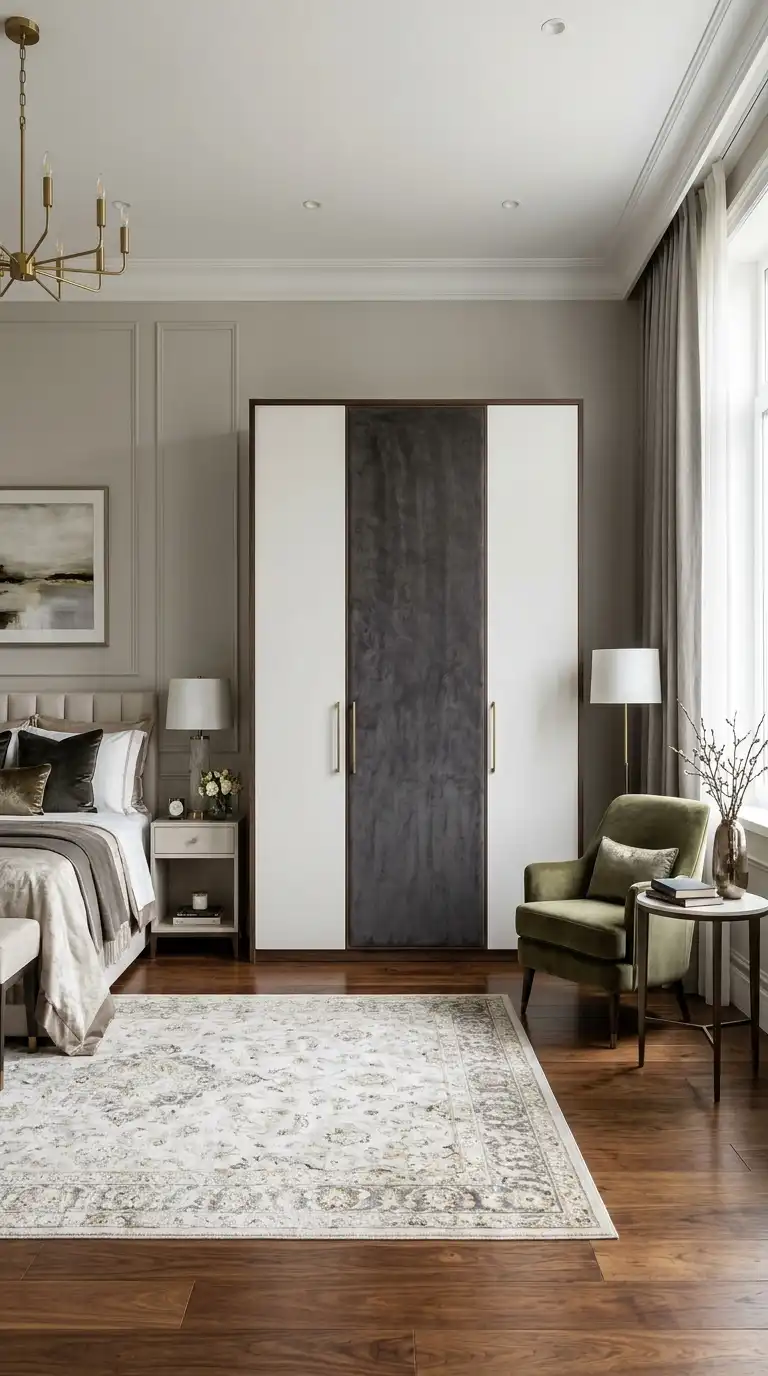
9. Three-Door Wardrobe with Leather or Suede Accents
Add a touch of luxury to a three-door wardrobe with leather or suede panels on the center door. The soft texture contrasts beautifully with smooth finishes on the outer doors. Choose neutral tones for understated elegance or bold colors for a dramatic statement.
10. Three-Door Wardrobe with Integrated Lighting
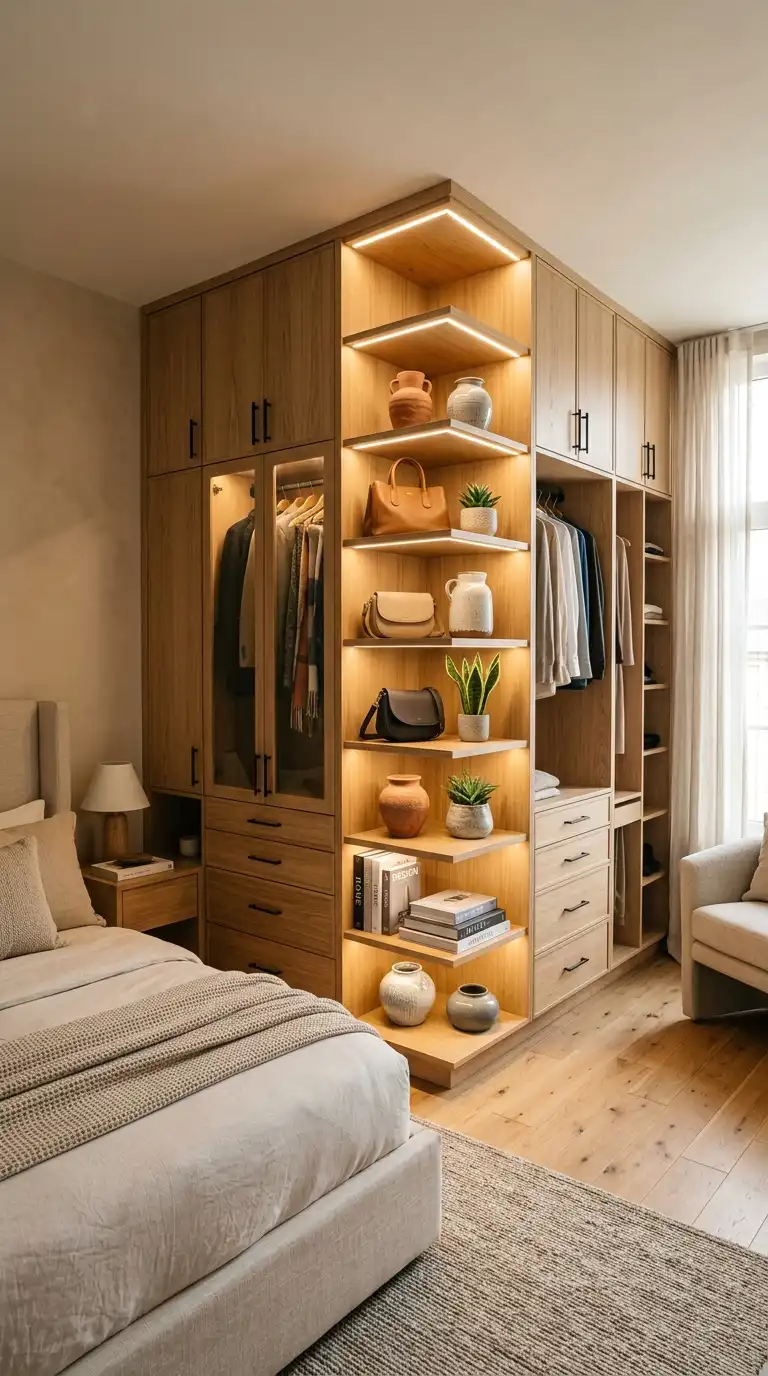
Add integrated LED lighting to a three-door wardrobe to highlight the doors and create ambiance. Install lights along the top edge, or use backlighting behind glass or fluted panels. Motion sensors can activate the lights when doors are opened, adding convenience and luxury.
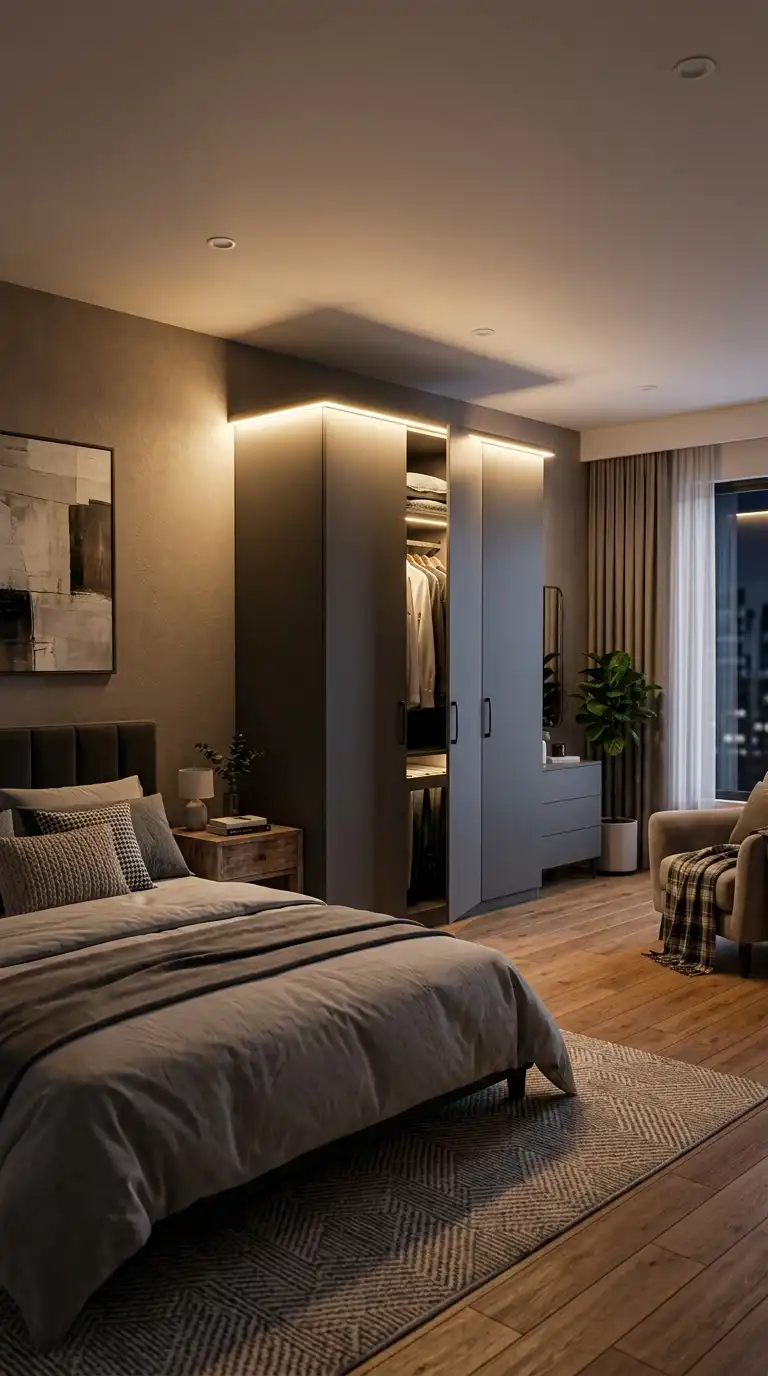
11. Three-Door Wardrobe with Two-Tone Finish
Use two contrasting finishes on a three-door wardrobe to create visual interest. For example, use a light wood finish on the outer doors and a matte dark finish on the center door, or vice versa. This approach adds personality and breaks up the expanse of cabinetry.
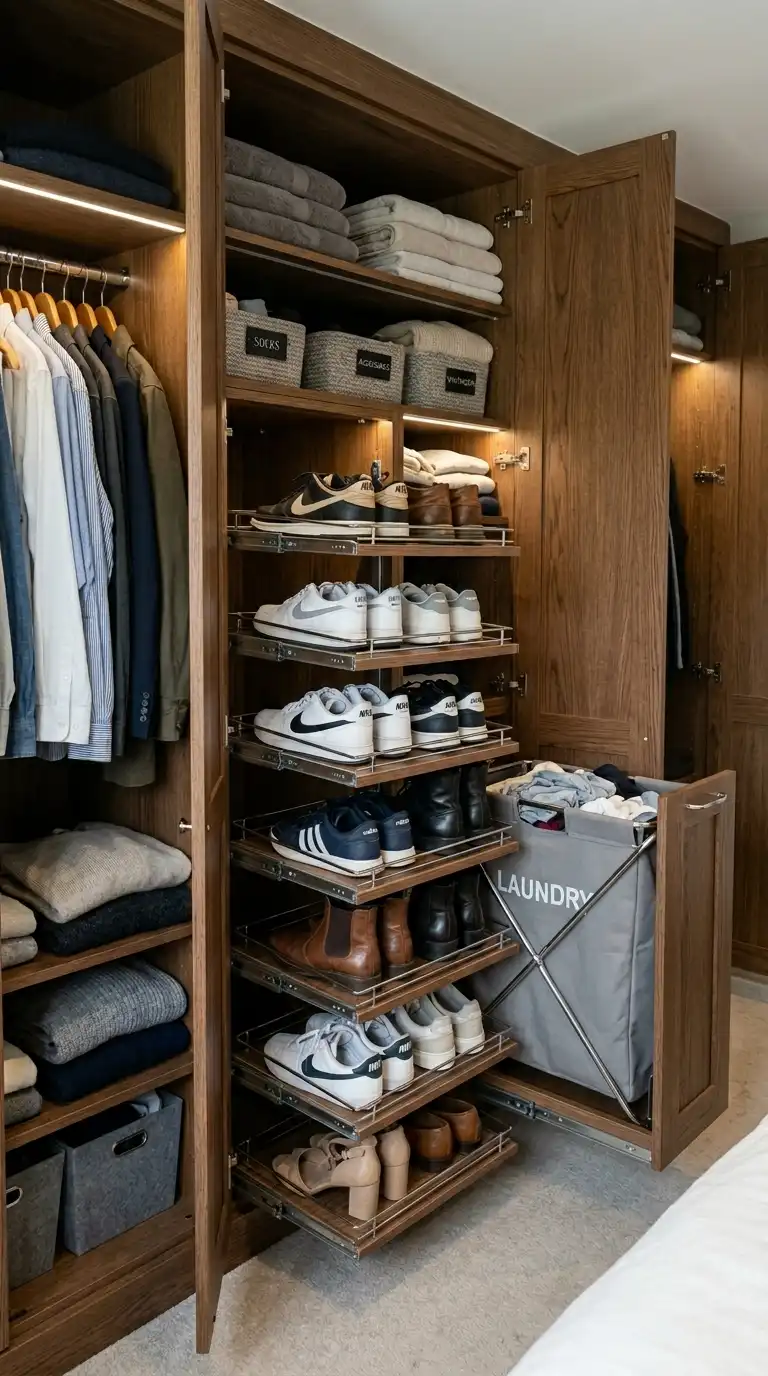
12. Three-Door Wardrobe with Pull-Out Features
Incorporate pull-out features into your three-door wardrobe for enhanced functionality. Use pull-out shoe racks, pull-out hampers, or pull-out accessory trays behind one or more doors. These features maximize storage and keep the wardrobe organized.
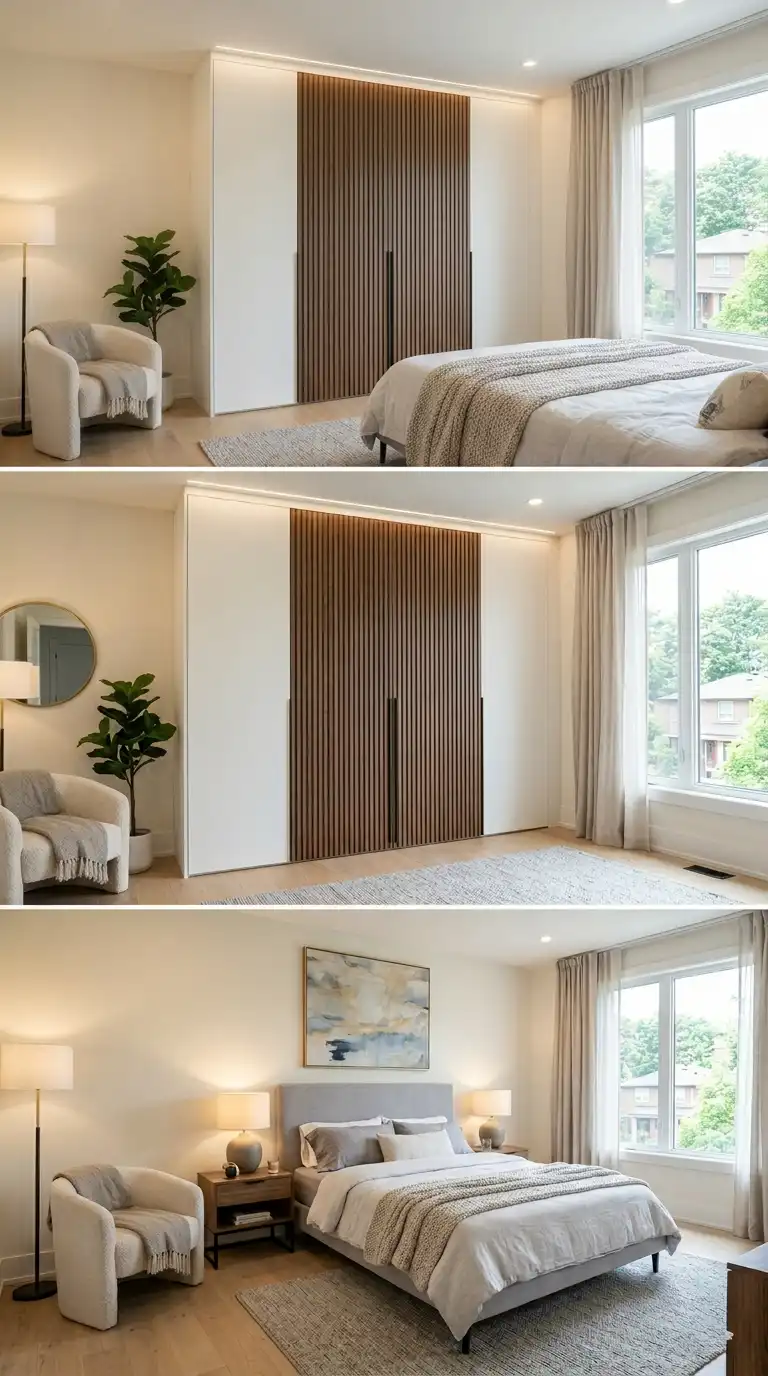
13. Three-Door Wardrobe with Asymmetrical Door Widths
Break away from equal-width doors by designing a three-door wardrobe with asymmetrical door widths. Use a wider center door for a focal point, or vary the widths to suit your storage needs. This approach creates a custom, architectural look.
Frequently Asked Questions
- What are the advantages of a three-door wardrobe?
Three-door wardrobes offer balanced proportions and ample storage. The configuration allows for flexible interior organization—one section for hanging, one for drawers, one for shelves. The symmetrical look suits a wide range of bedroom styles. - Can I mix door styles on a three-door wardrobe?
Yes. Mixing door styles—such as glass, fluted, mirrored, and solid—adds visual interest and allows you to customize the design. Keep finishes consistent for cohesion, or use contrasting finishes for a bold look. - What is the best width for three doors?
For a balanced look, each door is typically 60–80 centimeters wide, depending on the overall wardrobe width. For smaller spaces, narrower doors (45–60 centimeters) may be used. - Should I choose hinged or sliding doors for a three-door wardrobe?
Hinged doors offer full access to the interior but require swing space. Sliding doors save floor space and are ideal for compact bedrooms. Consider your room layout and available space when choosing. - How do I organize a three-door wardrobe?
Use one section for hanging clothes (dresses, coats), another for double hanging (shirts, trousers), and the third for drawers and shelves. Adjust the configuration based on your storage needs.