15 Wardrobe Door Designs
Wardrobe doors are the most visible element of your storage, setting the tone for the entire bedroom. They define the aesthetic, influence the sense of space, and impact functionality. From sleek sliding panels to classic hinged styles, from mirrored surfaces to textured finishes, the choice of door design can transform a simple wardrobe into a defining architectural feature. Here are fifteen wardrobe door designs to inspire your next project.
1. Full-Height Sliding Doors
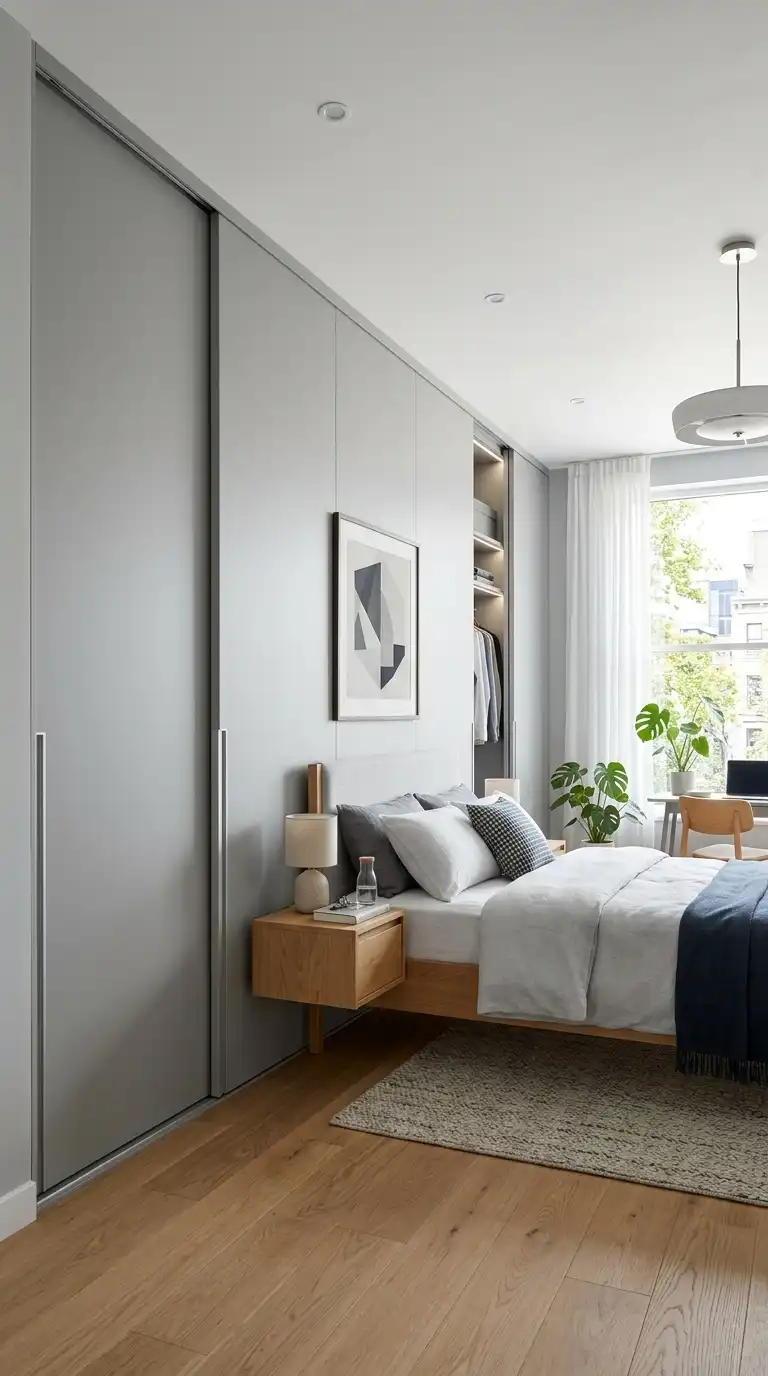
Full-height sliding doors create a seamless, uninterrupted surface that draws the eye upward, making the room feel taller and more spacious. The doors glide smoothly along a track, requiring no swing space—ideal for compact bedrooms. Choose matte finishes in neutral tones for a minimalist look, or opt for textured panels for added depth. Slim, integrated handles maintain the clean aesthetic, while the absence of visible hardware emphasizes simplicity.
2. Hinged Panel Doors
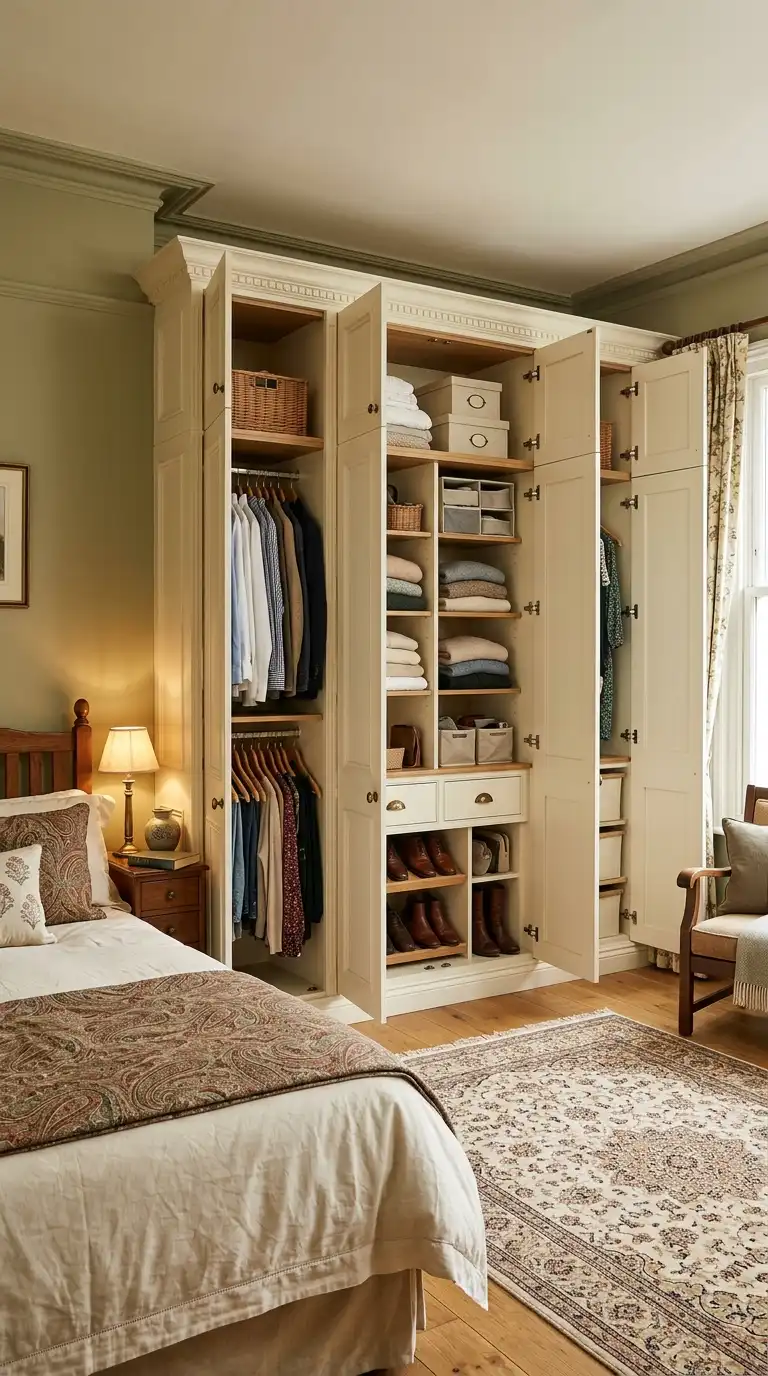
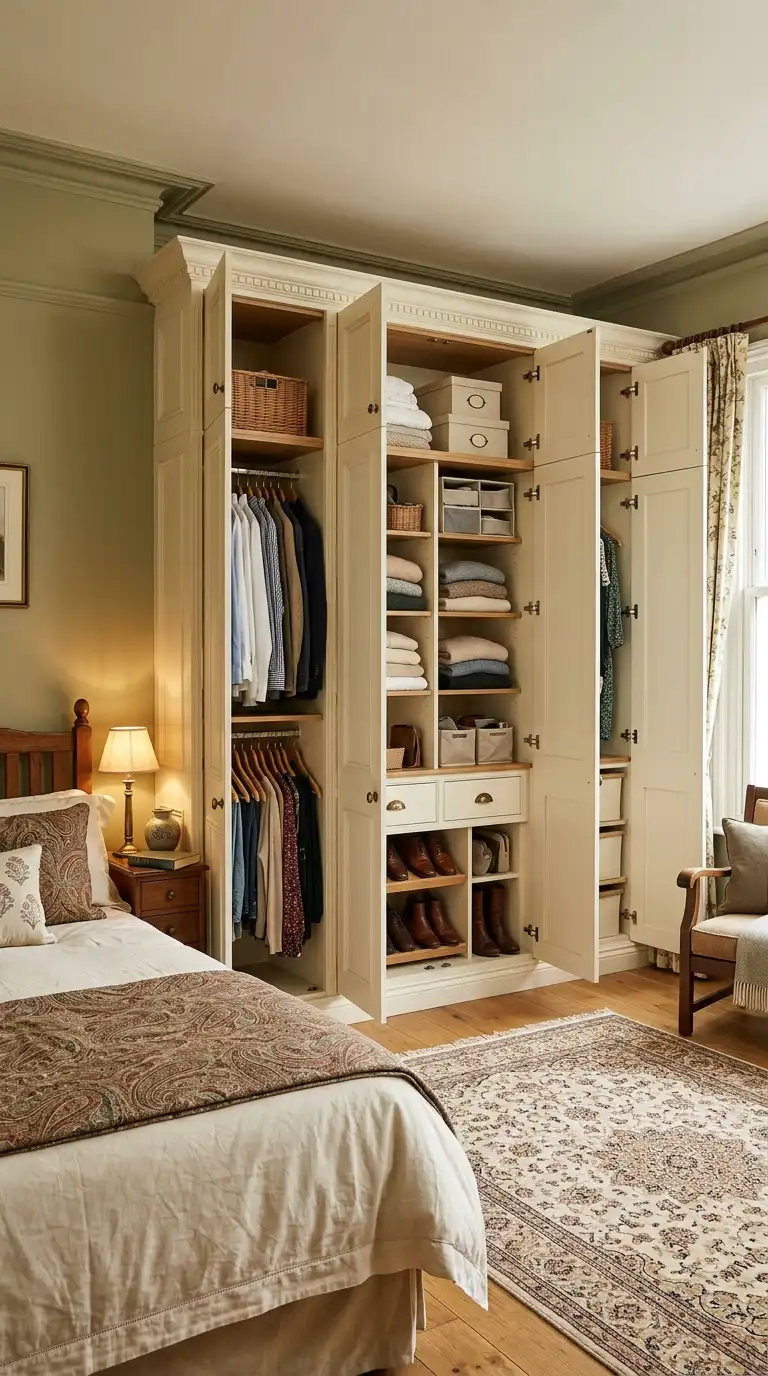
Hinged panel doors offer a classic, timeless look that suits traditional, transitional, and contemporary interiors. The doors swing open on hinges, providing full access to the wardrobe interior. Panel detailing—whether raised, recessed, or flat—adds architectural interest. Choose a simple shaker profile for a clean, versatile look, or opt for ornate molding for a more traditional aesthetic. Quality hinges ensure smooth operation, and soft-close mechanisms add a touch of luxury.
3. Fluted or Ribbed Doors
Fluted or ribbed doors add texture and architectural interest to a wardrobe. The vertical grooves create rhythm and depth, catching light and casting subtle shadows that change throughout the day. This detailing transforms a simple wardrobe into a design feature, adding visual richness without overwhelming the space. Fluted panels work beautifully in modern, transitional, and eclectic interiors. Choose a matte finish to emphasize the texture, and pair with minimal hardware to let the pattern take center stage.
4. Mirrored Doors
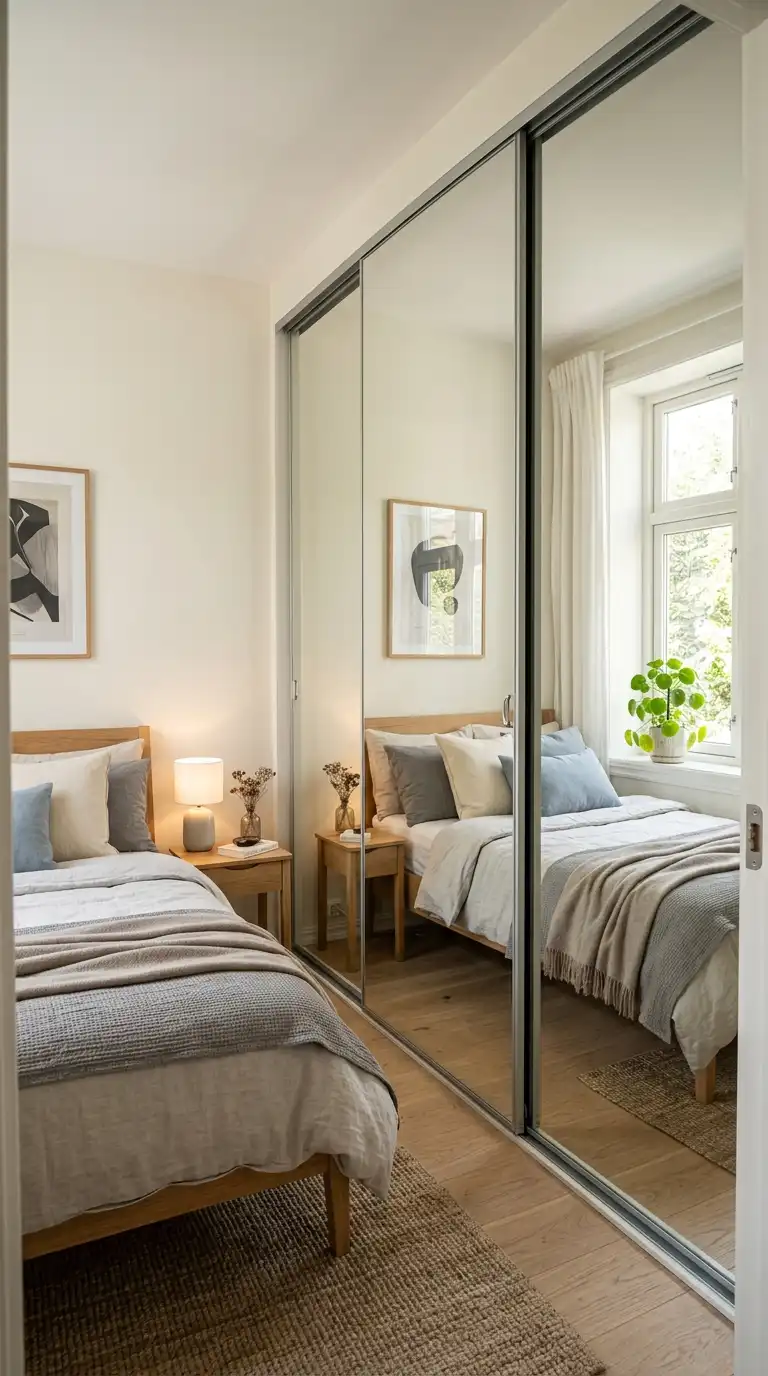
Mirrored doors serve both practical and spatial purposes. A full-length mirror integrated into the wardrobe eliminates the need for a separate mirror, reducing visual clutter. The reflective surface also bounces light around the room, making the space feel larger and brighter. For a minimalist approach, choose frameless mirrors or those with slim, discreet edges. Position mirrored panels strategically to reflect natural light from windows, enhancing the sense of openness.
5. Glass-Front Doors
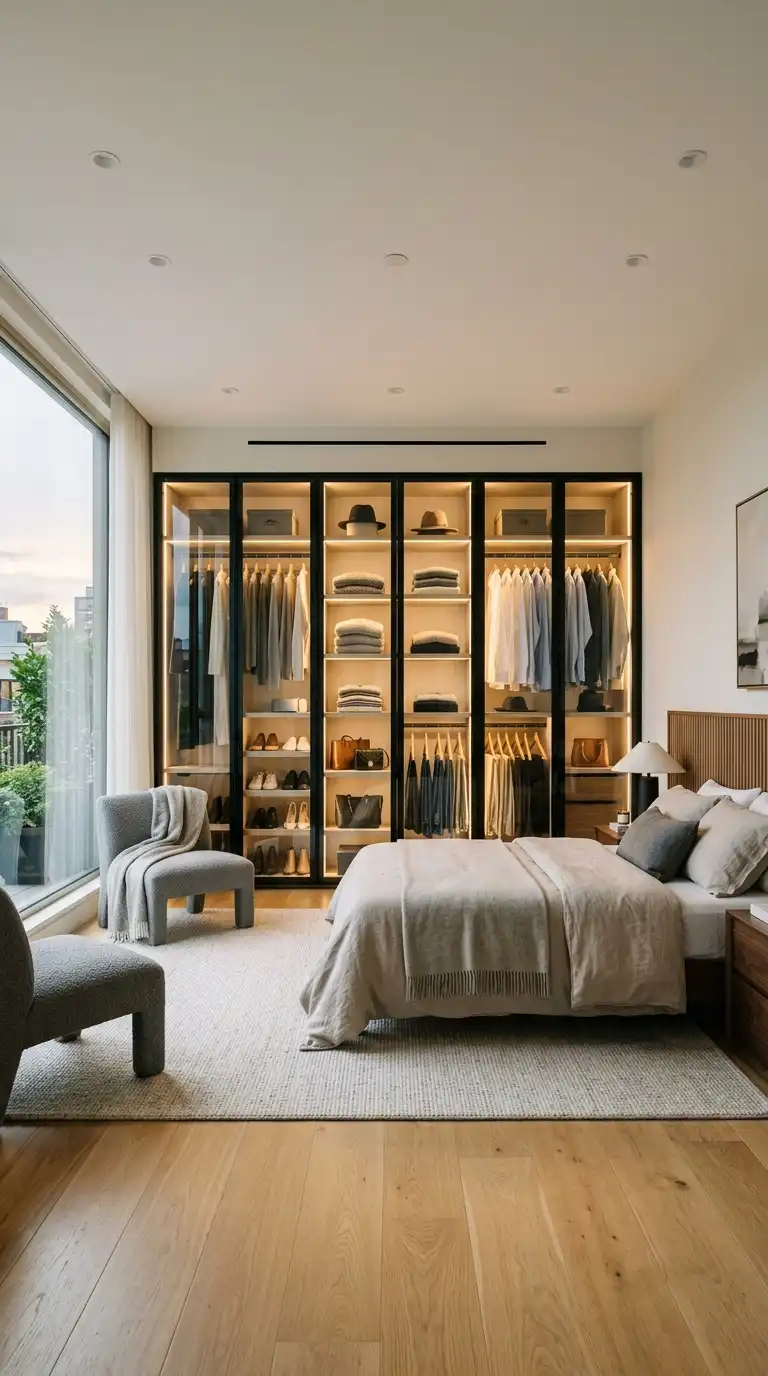
Glass-front doors add elegance and lightness to a wardrobe, allowing you to display your favorite pieces while keeping them protected. Choose clear glass for a full display, frosted glass for privacy, or tinted glass for a dramatic effect. Slim metal frames in black, brass, or chrome add structure and a modern edge. Interior LED lighting highlights the contents and creates a warm, inviting glow. This design is perfect for those who want to showcase a curated wardrobe or create a boutique-inspired look.
6. Louvered Doors
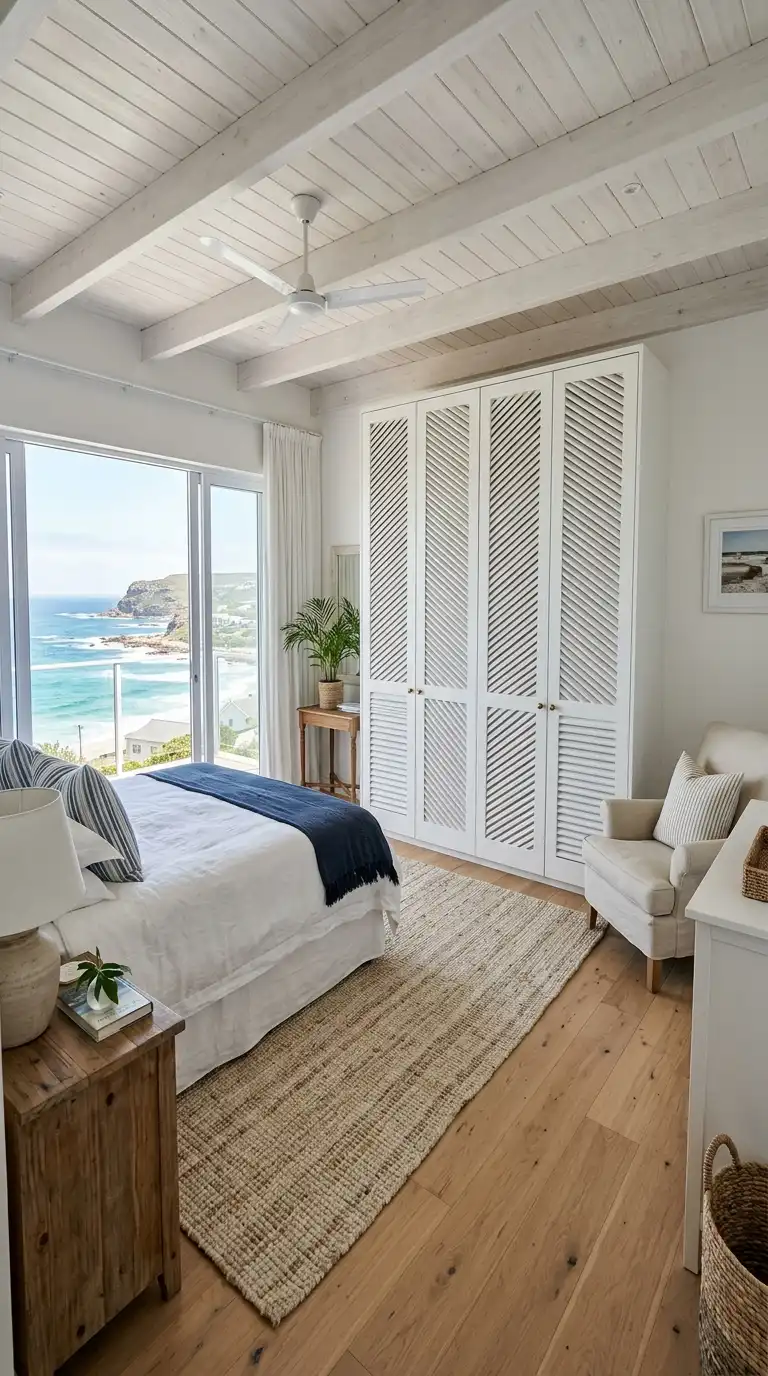
Louvered doors bring a relaxed, coastal feel to a wardrobe. The angled slats allow for airflow, making them ideal for climates where ventilation is important. Louvered doors suit beach houses, coastal cottages, and spaces inspired by tropical or Mediterranean design. Choose white or light wood finishes for an airy, breezy look, or opt for darker tones for a more sophisticated take. The horizontal lines add texture and rhythm, breaking up large expanses of cabinetry.
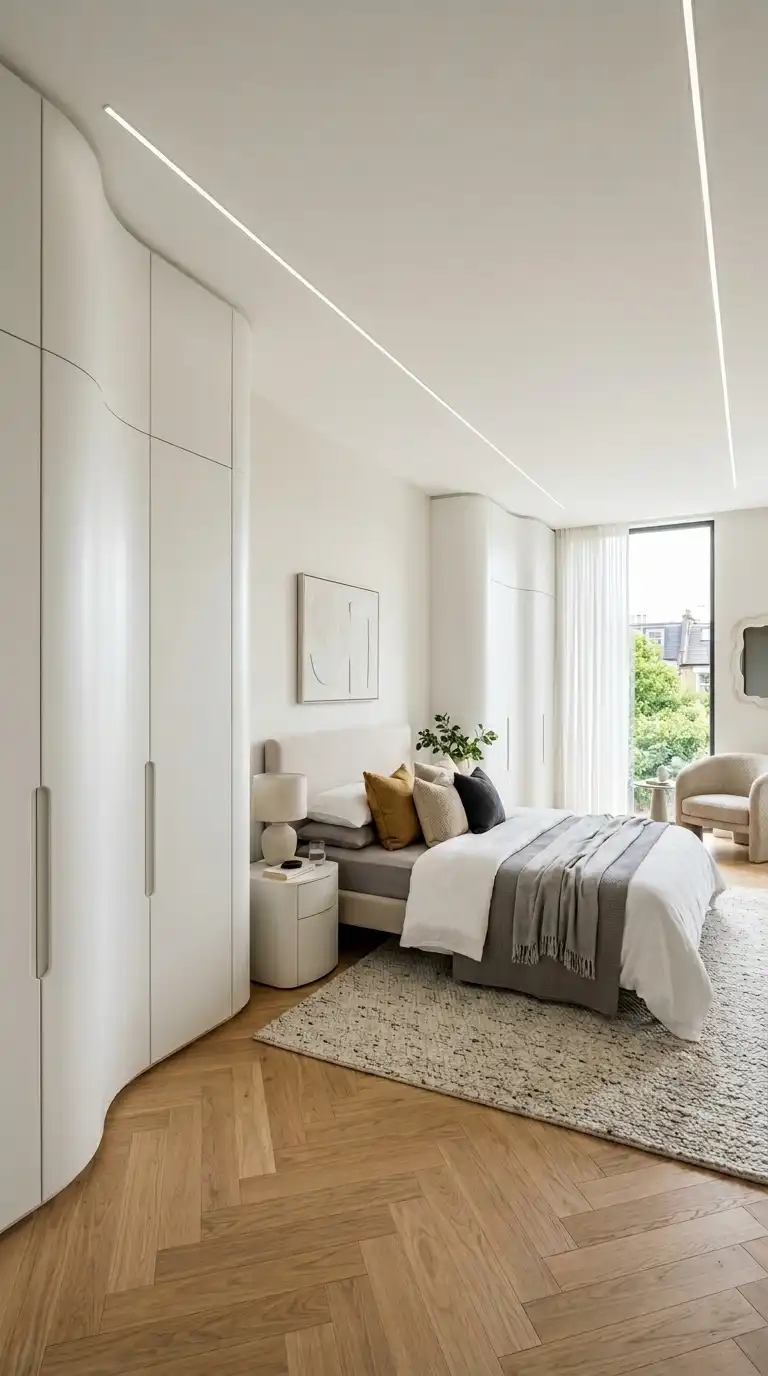
7. Curved Doors
Curved doors offer a soft, sculptural alternative to traditional flat panels. The gentle curve follows the natural line of the corner or creates a flowing, organic form that feels less angular than standard designs. Curved doors can be made from flexible plywood or custom-molded materials, finished in paint, veneer, or laminate. This design is a striking focal point in contemporary and modern bedrooms, adding a sense of movement and fluidity to the space.
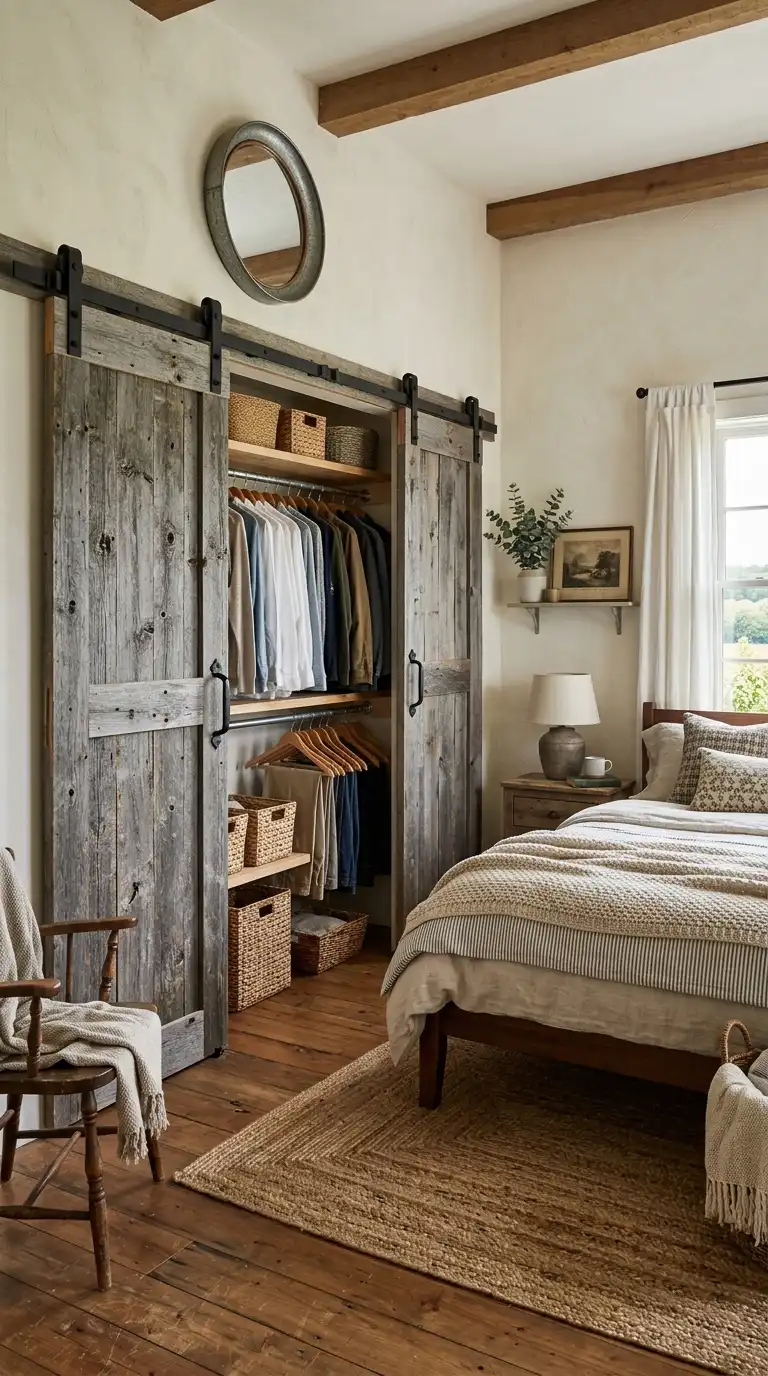
8. Barn Doors
Barn doors add rustic charm and farmhouse appeal to a wardrobe. The doors slide on an exposed track, saving space while making a design statement. Choose reclaimed wood, distressed finishes, or painted panels to suit your style. The hardware—wheels, tracks, handles—becomes part of the design, often in black or aged metal. This style works beautifully in farmhouse, cottage, and eclectic bedrooms, adding warmth and character.
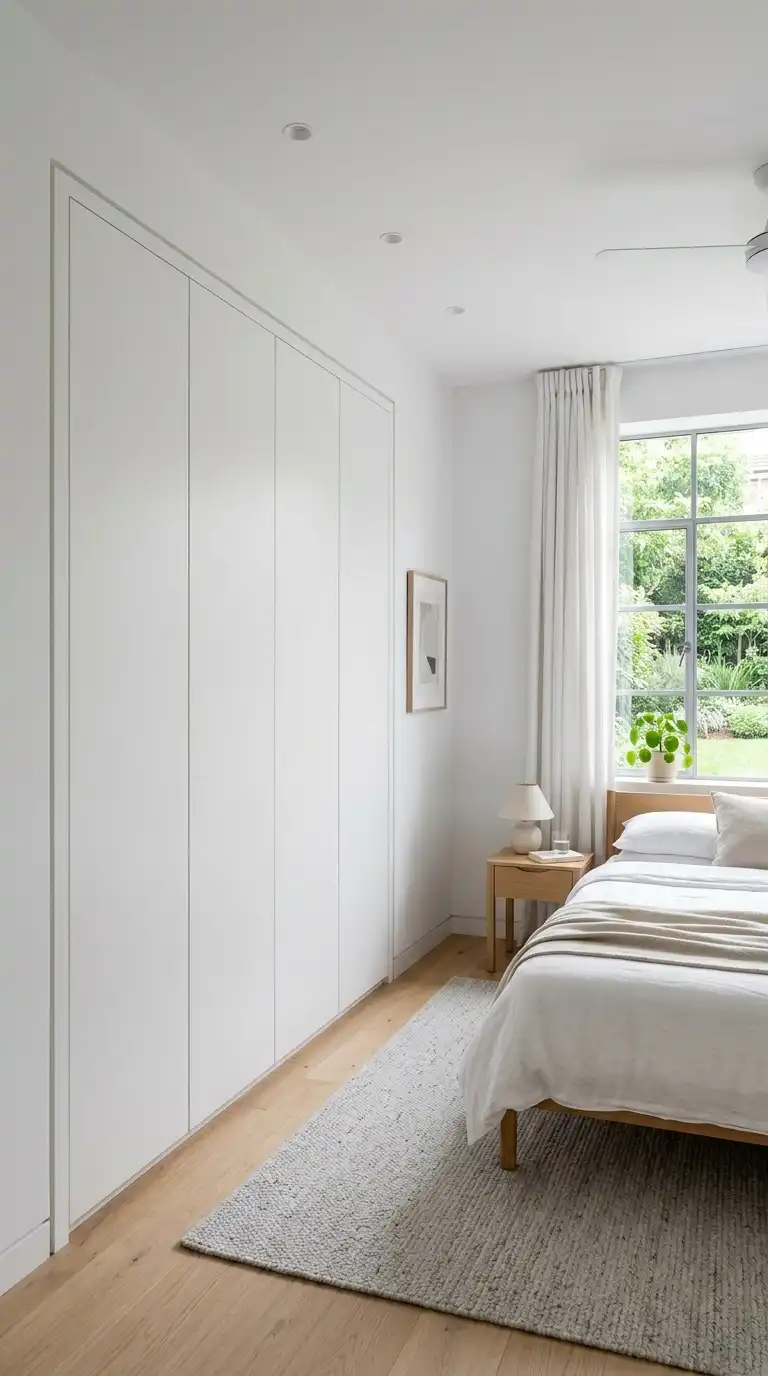
9. Inset or Flush Doors
Inset or flush doors sit perfectly flush with the surrounding frame, creating a seamless, minimalist appearance. This design eliminates protruding surfaces and creates clean, uninterrupted lines. Push-to-open mechanisms or discreet magnetic catches replace visible hardware, maintaining the sleek aesthetic. Inset doors require precise installation but result in a polished, custom look that feels both modern and timeless.
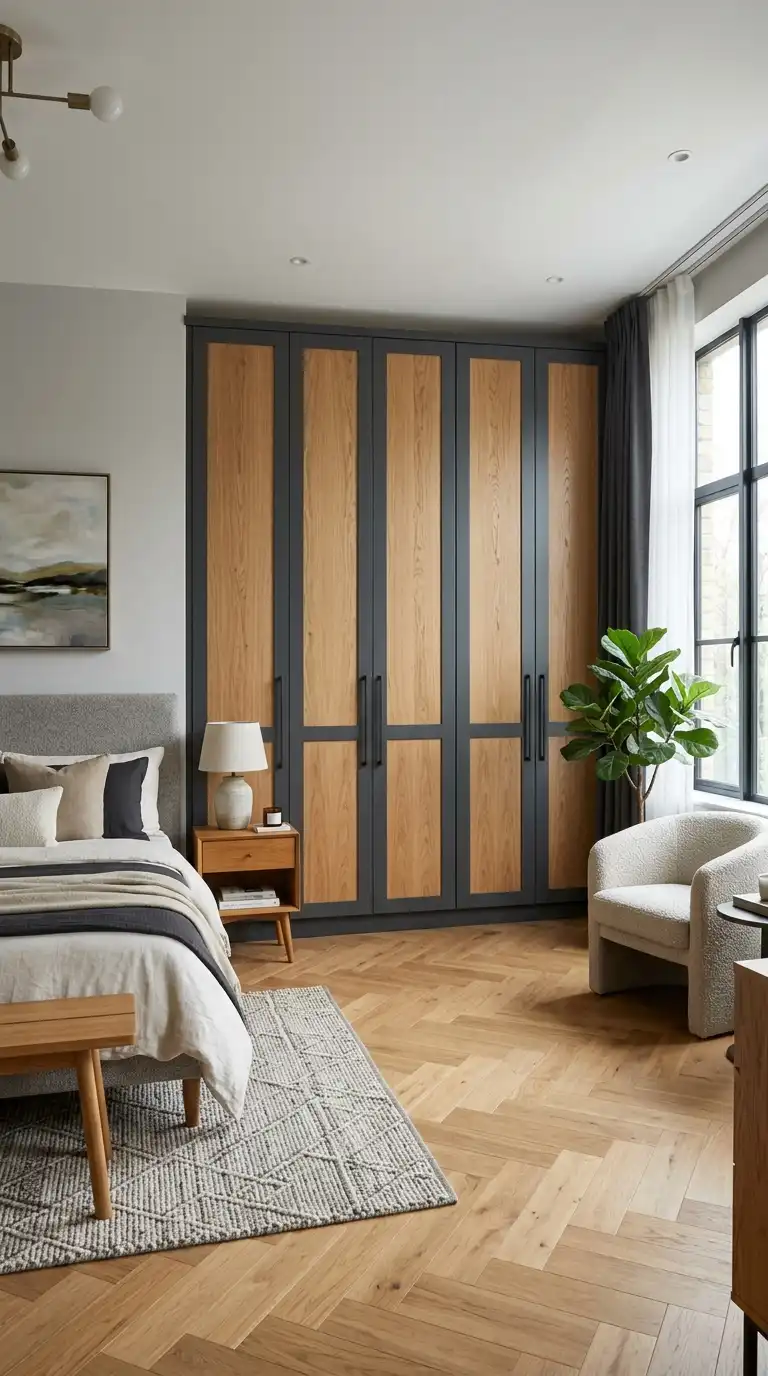
10. Two-Tone Doors
Two-tone doors add visual interest and personality by combining two complementary finishes within a single door design. Use one finish for the main panel and another for trim, or create a horizontal or vertical division. Popular combinations include light wood with matte white, dark wood with high-gloss gray, or matte black with natural oak. This approach breaks up large expanses of cabinetry and creates a custom, designer look.
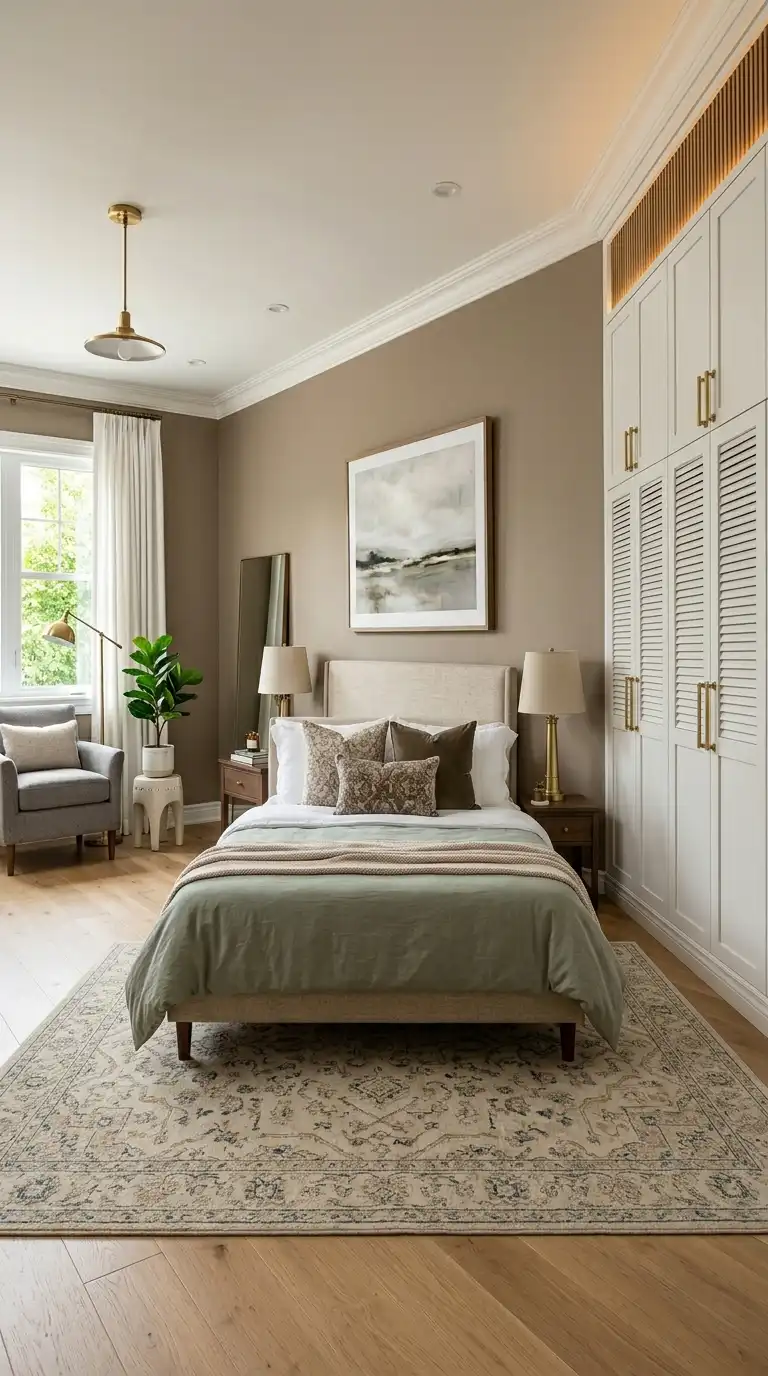
11. Louvered and Solid Combination
Combine louvered sections with solid panels for a wardrobe that balances texture with simplicity. Use louvered doors for the upper sections to allow airflow and add visual interest, while solid panels below provide a grounding, stable base. This combination works beautifully in coastal, transitional, and eclectic interiors, offering the best of both worlds.
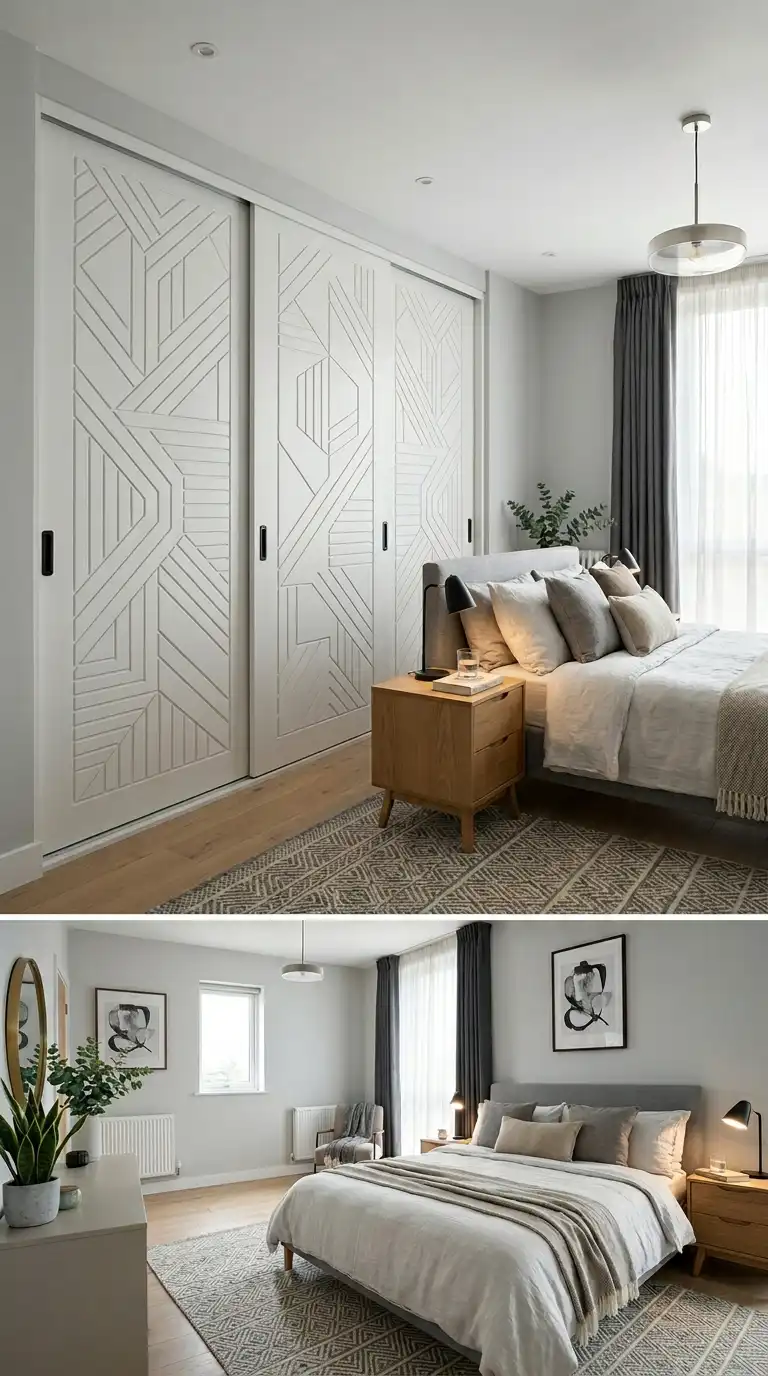
12. Geometric Patterned Doors
Geometric patterned doors add bold, graphic appeal to a wardrobe. The pattern can be achieved through inlaid veneer, routed grooves, or applied molding. Choose patterns like chevron, herringbone, hexagon, or simple grid for a contemporary edge. Keep the rest of the room simple to let the pattern take center stage. This design is ideal for modern, eclectic, and art-forward interiors.
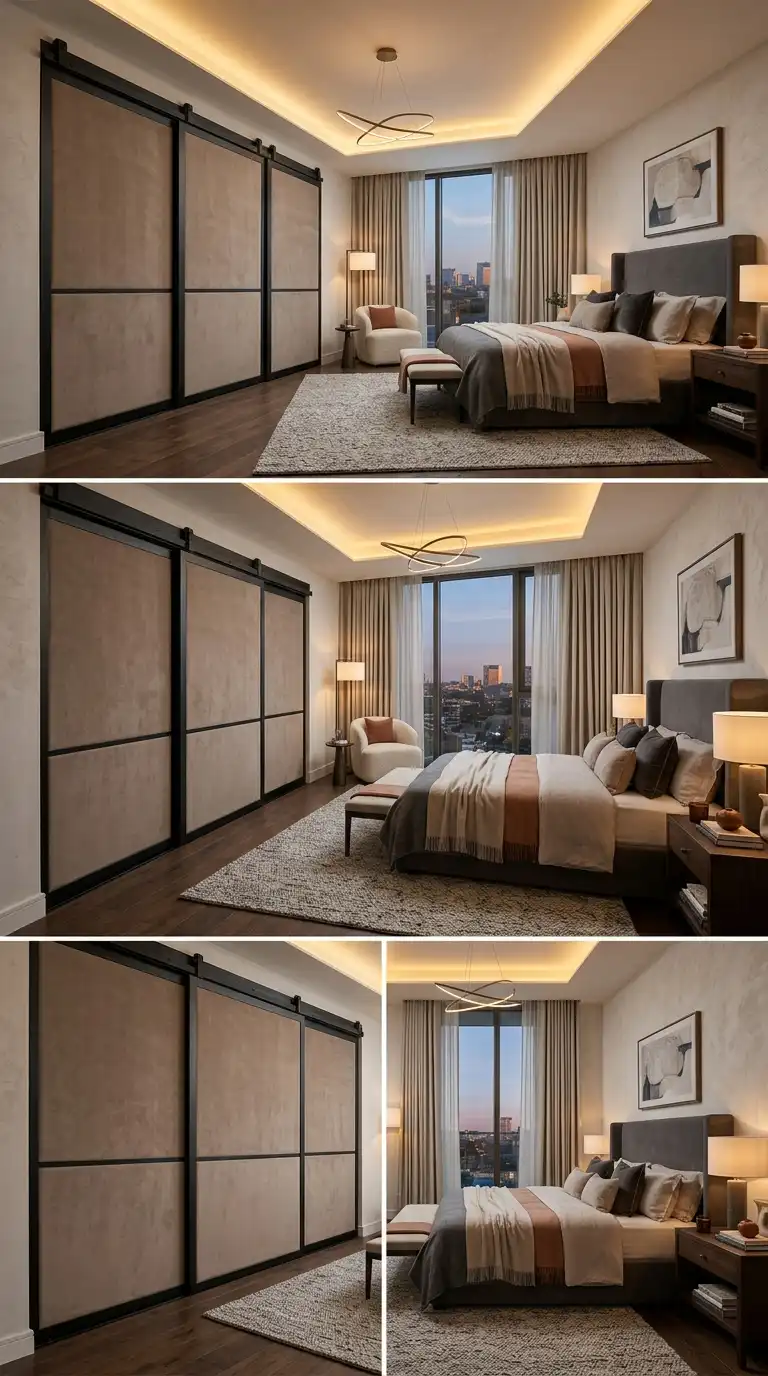
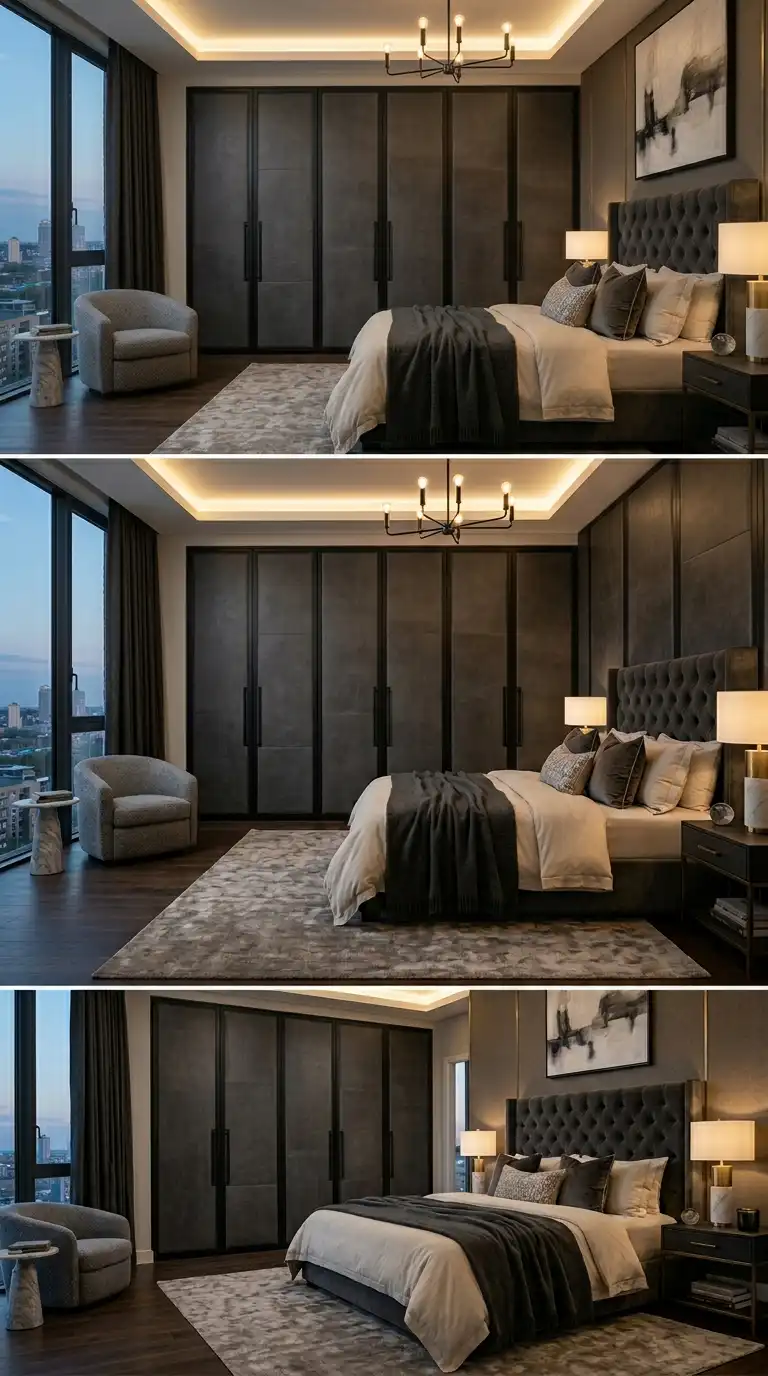
13. Leather or Upholstered Doors
For a truly luxurious touch, incorporate leather or upholstered panels into wardrobe doors. Soft, textured materials like leather, velvet, or suede add warmth, sophistication, and a tactile element that contrasts beautifully with smooth surfaces. Use upholstered panels on door fronts or as accent sections within a larger design. Choose neutral tones for understated elegance or bold jewel tones for a dramatic statement.
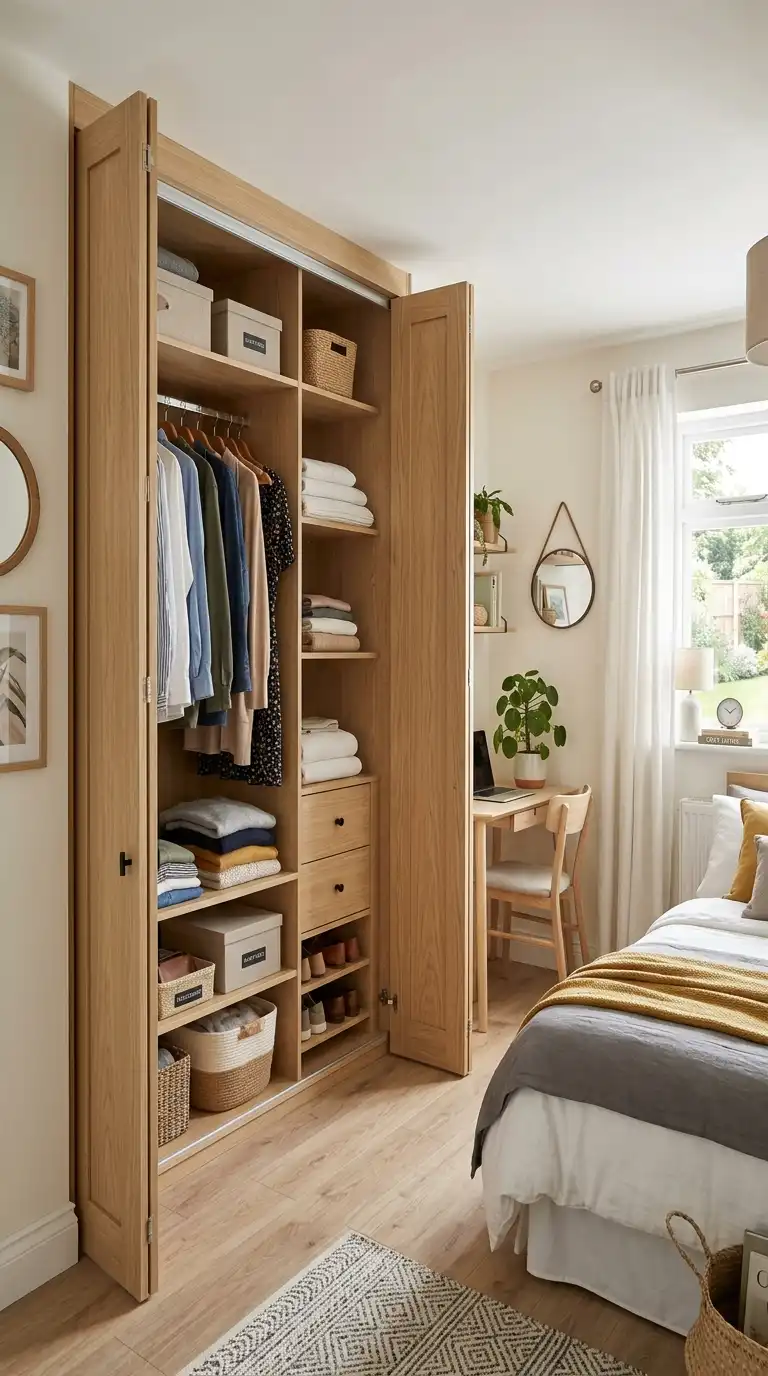
14. Fold-Away or Bi-Fold Doors
Bi-fold doors are a practical solution for spaces where hinged doors would swing into the room and sliding doors are not feasible. The doors fold back on themselves, providing wide access to the wardrobe interior. This design is ideal for smaller wardrobes or alcoves where maximizing the opening is essential. Choose paneled, mirrored, or textured finishes to suit your style.
15. Pivot Doors
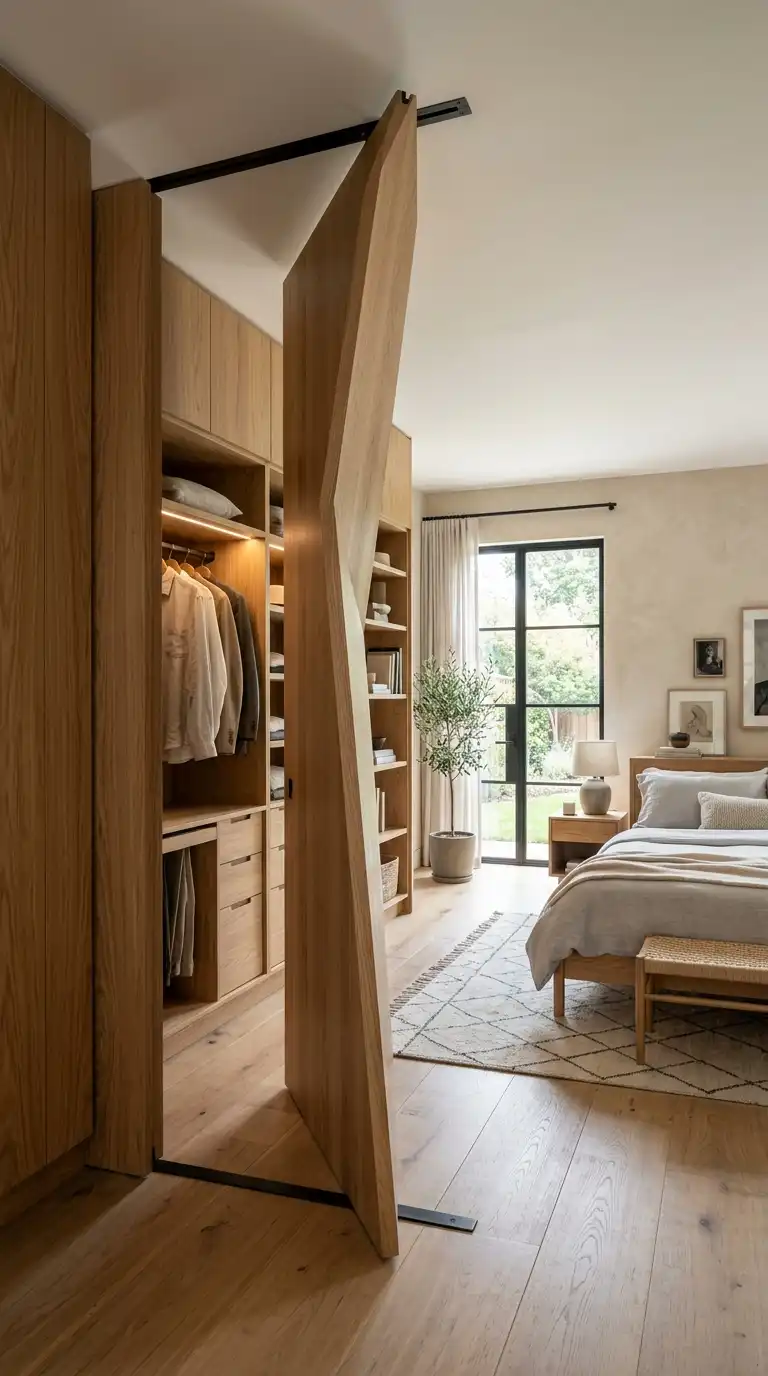
Pivot doors offer a dramatic, architectural alternative to traditional hinged or sliding doors. The door rotates on a pivot hinge, creating a striking visual effect and allowing for larger, heavier panels. Pivot doors can be finished in wood, metal, glass, or composite materials, becoming a sculptural element in the room. This design is ideal for modern, contemporary, and high-end interiors where the wardrobe itself is a statement piece.
Frequently Asked Questions
- What type of wardrobe door is best for a small bedroom?
Sliding doors are ideal for small bedrooms as they require no swing space. Full-height mirrored sliding doors also reflect light and visually expand the room. Bi-fold doors offer wide access while taking up less space than hinged doors. - How do I choose between hinged and sliding doors?
Hinged doors provide full access to the wardrobe interior but require swing space. Sliding doors save floor space and work well in compact rooms but may limit access to one section at a time. Consider your room layout and storage needs. - What are the most durable materials for wardrobe doors?
High-quality laminates, solid wood, and MDF with durable finishes offer excellent durability. Glass and mirrored doors should be made from tempered safety glass. For high-traffic areas, choose materials resistant to scratches and moisture. - Can I mix different door styles in one wardrobe?
Yes. Combining door styles—such as glass-front with solid panels, or louvered with flat panels—adds visual interest and creates a custom look. Ensure the finishes and hardware are consistent for a cohesive design. - How do I maintain different door finishes?
Regular dusting with a soft cloth prevents buildup. For painted or laminate finishes, use mild soap and water. For glass, use a glass cleaner and lint-free cloth. For wood, use appropriate wood cleaners or polishes. For leather or upholstered panels, follow manufacturer care instructions.
Wardrobe doors are the face of your storage, offering the first impression of your bedroom design. Whether you choose the sleek minimalism of full-height sliding panels, the timeless elegance of hinged shaker doors, the textural richness of fluted panels, or the luxury of upholstered fronts, the right door design transforms a functional necessity into a defining architectural feature. Consider your space, your style, and your storage needs, and let these fifteen designs guide you toward a wardrobe that is as beautiful as it is practical.