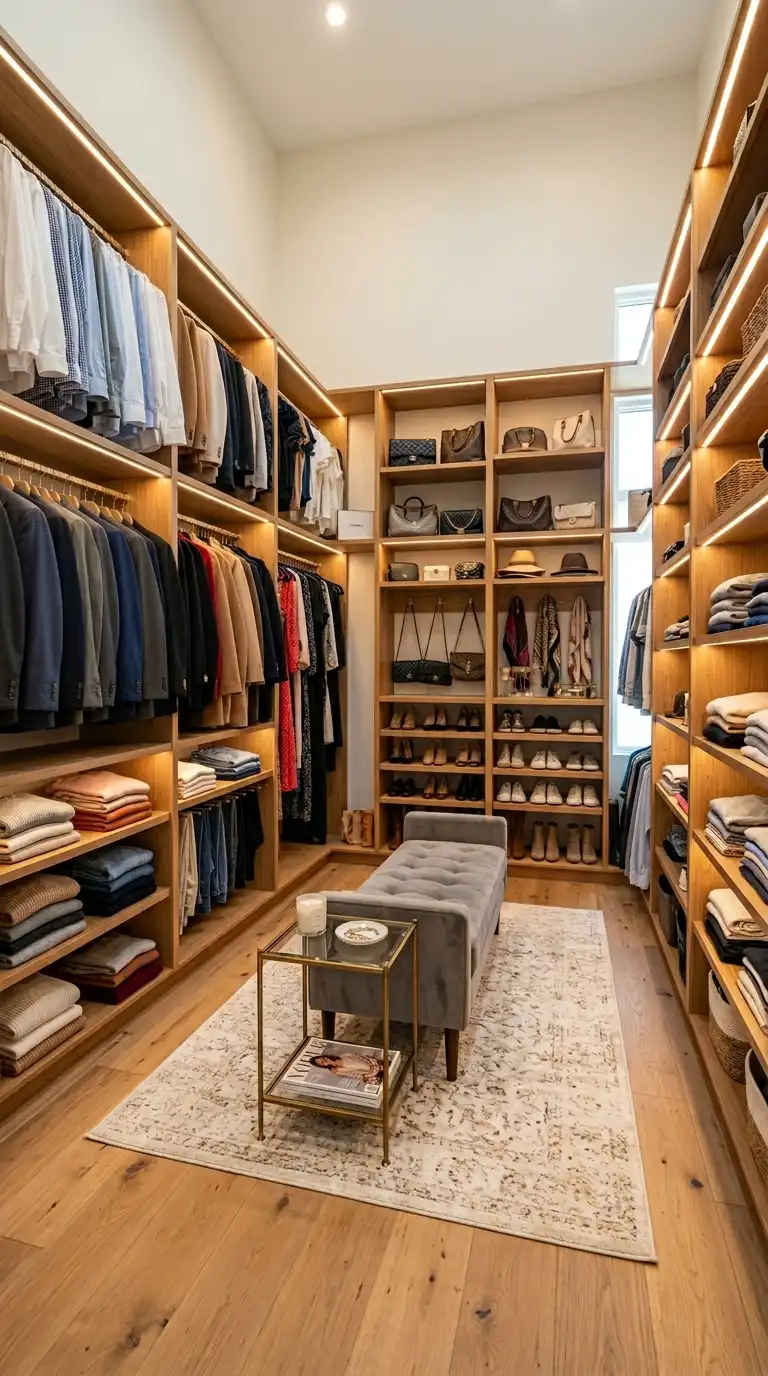
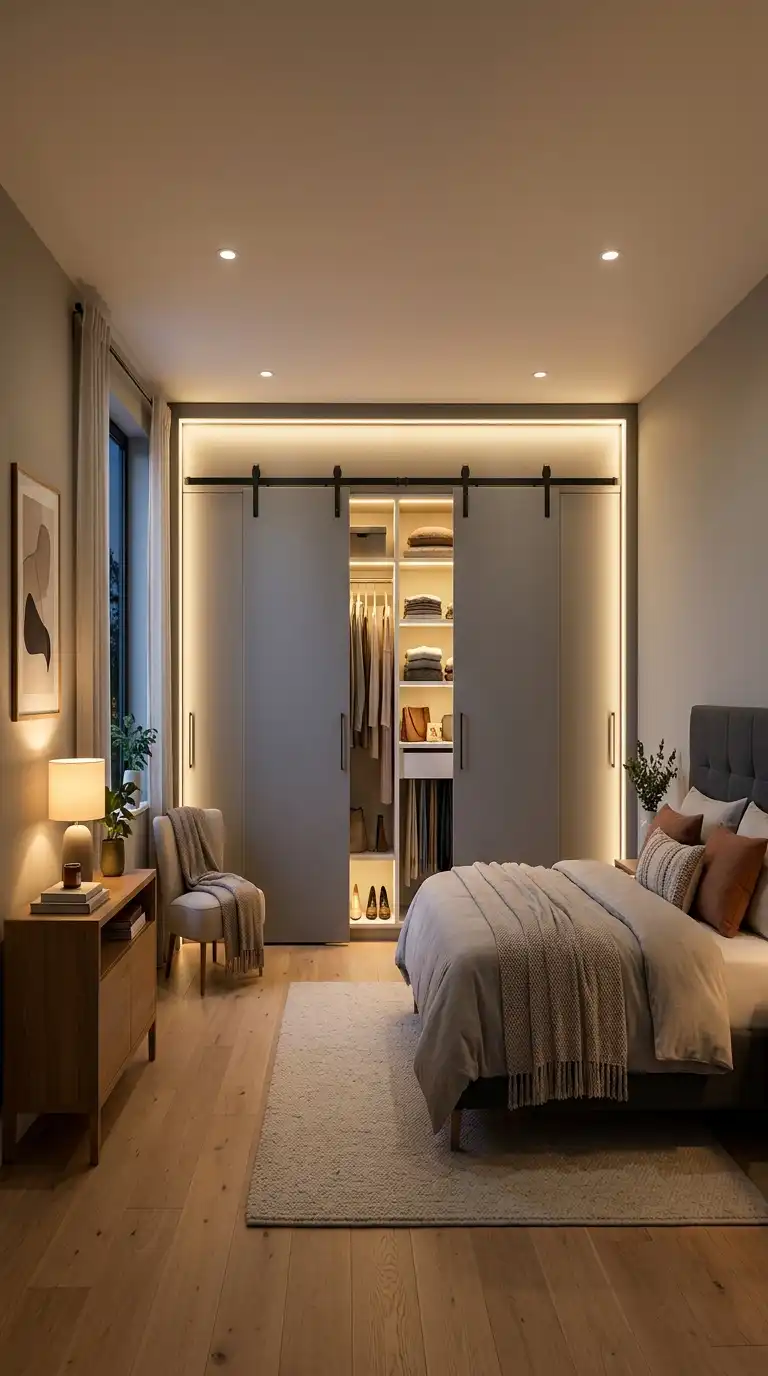
15 Bedroom with Wardrobe Designs
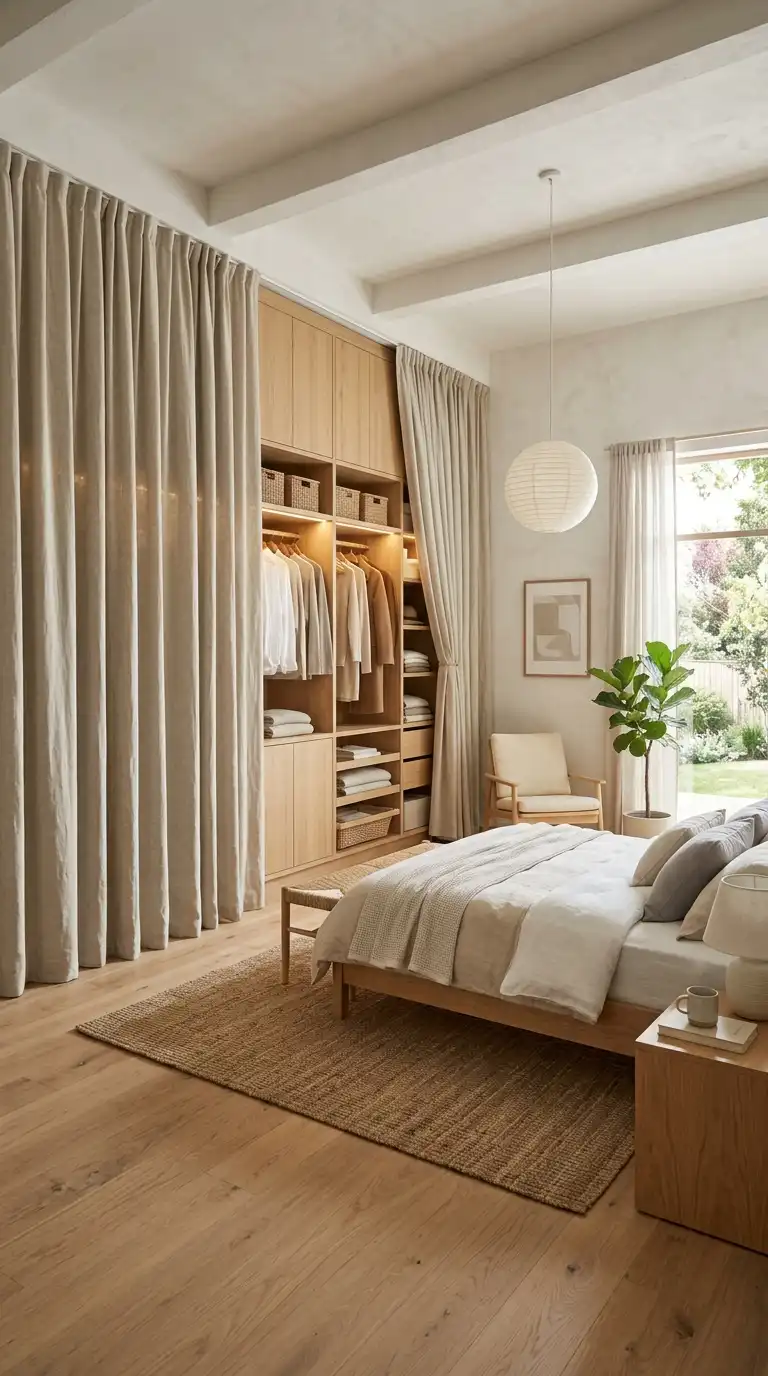
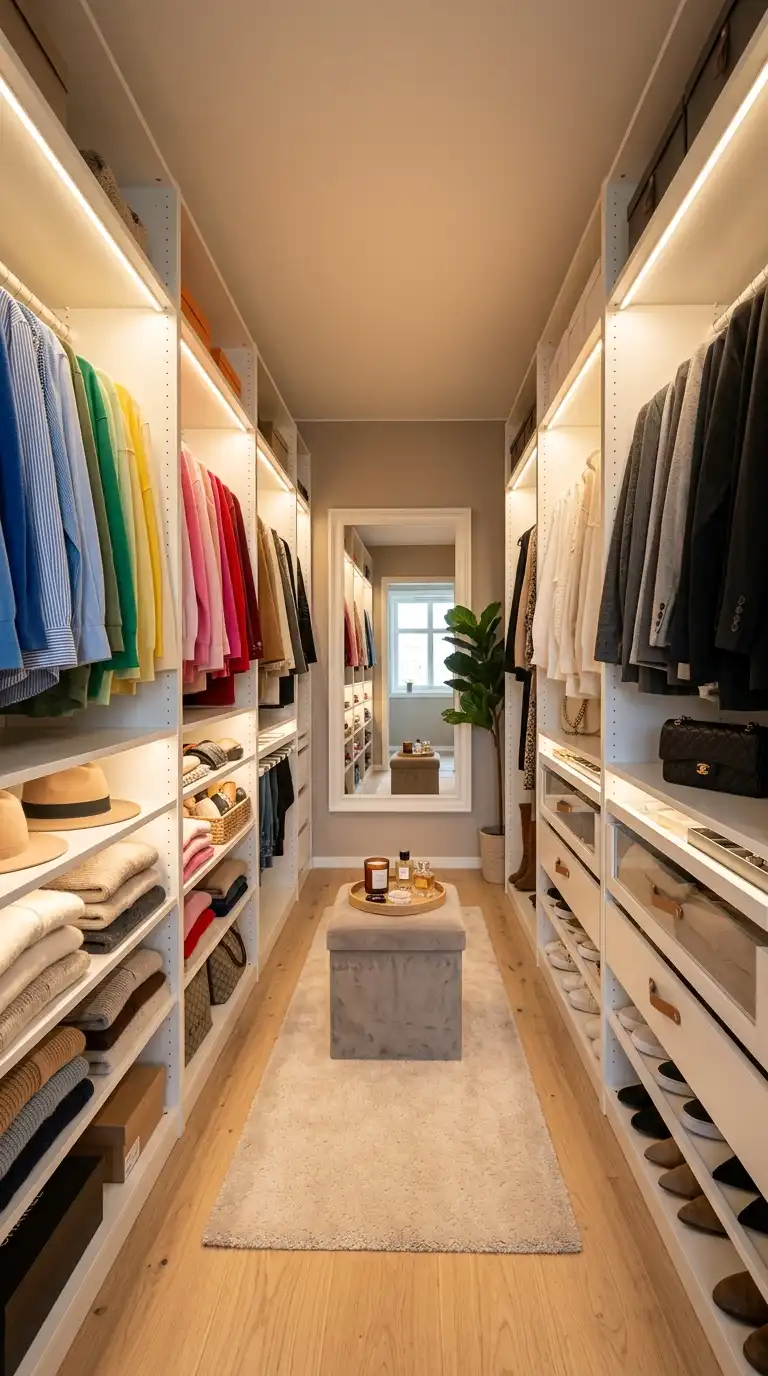
The relationship between bedroom and wardrobe is fundamental to creating a space that is both functional and beautiful. A well-designed wardrobe integrates seamlessly with the room’s architecture, complements the decor, and provides the storage you need without overwhelming the space. From compact solutions for small bedrooms to luxurious dressing zones in master suites, here are fifteen bedroom with wardrobe designs to inspire your next project.
1. Wall-to-Wall Wardrobe in Small Bedroom
In a small bedroom, a wall-to-wall wardrobe maximizes storage without sacrificing floor space. Use floor-to-ceiling doors in a light color to make the room feel larger. Mirrored panels reflect light and visually expand the space. Sliding doors eliminate the need for swing clearance.
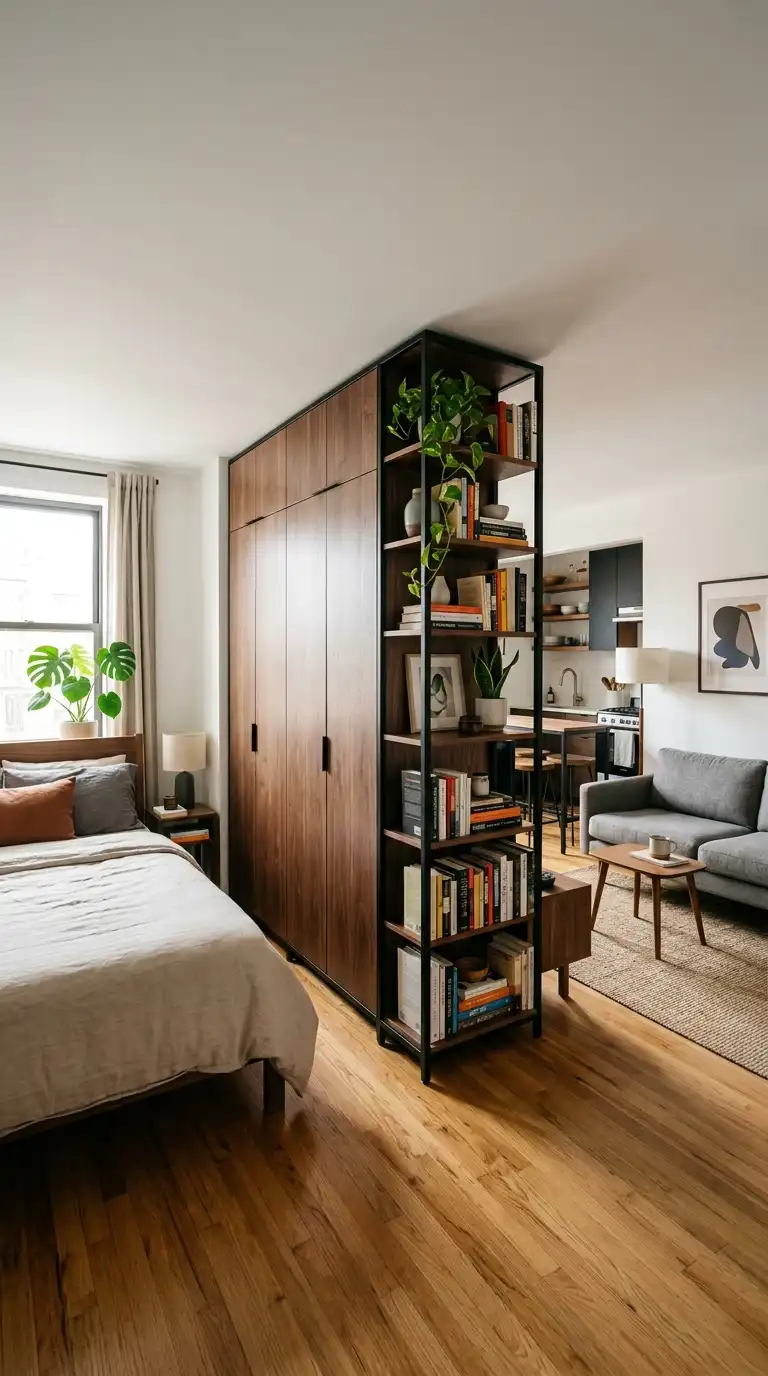
2. Wardrobe as Room Divider
In an open-plan or studio bedroom, a wardrobe can serve as a room divider, separating the sleeping area from the living or dressing area. Use a double-sided wardrobe with storage on both sides, or leave one side open for display. This creates distinct zones while maintaining an open feel.
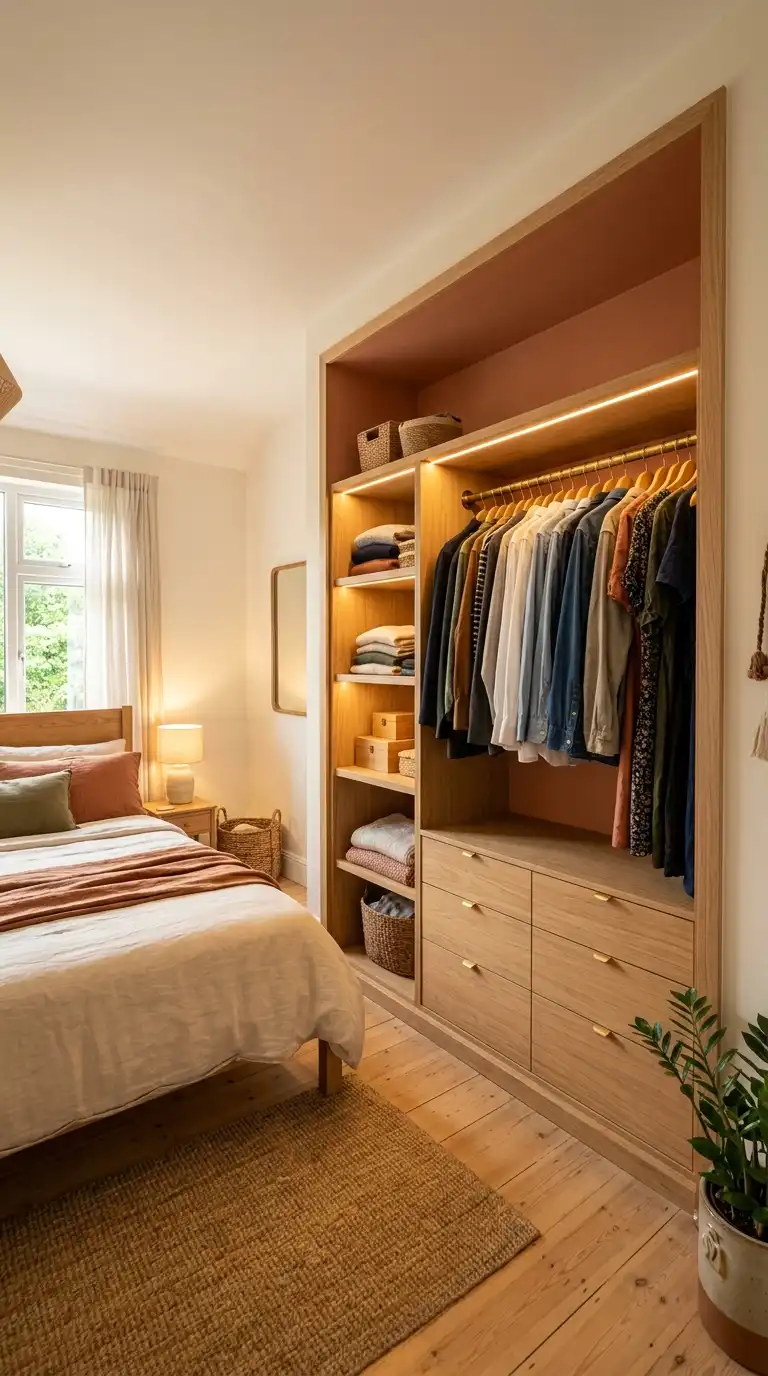
3. Alcove Wardrobe
If your bedroom has an alcove or recessed wall, transform it into a built-in wardrobe. The recessed space provides natural definition, and custom shelving and hanging rods can be fitted precisely to the alcove’s dimensions. This makes use of awkward space while creating a seamless look.
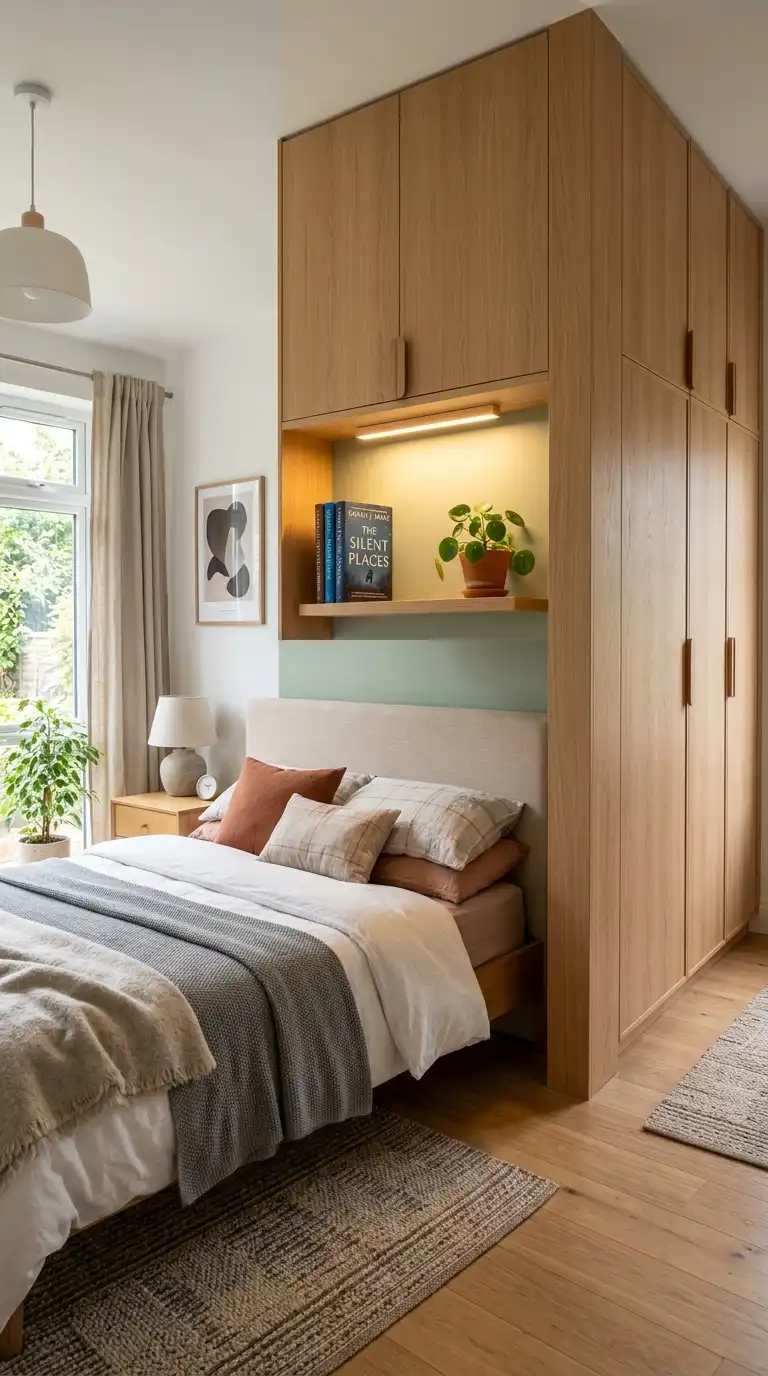
4. Wardrobe with Bedside Niche
Incorporate a bedside niche into your wardrobe design by extending the wardrobe to include a shelf or cubby beside the bed. This eliminates the need for a separate nightstand and creates a cohesive, custom look. Add a built-in reading light for functionality.
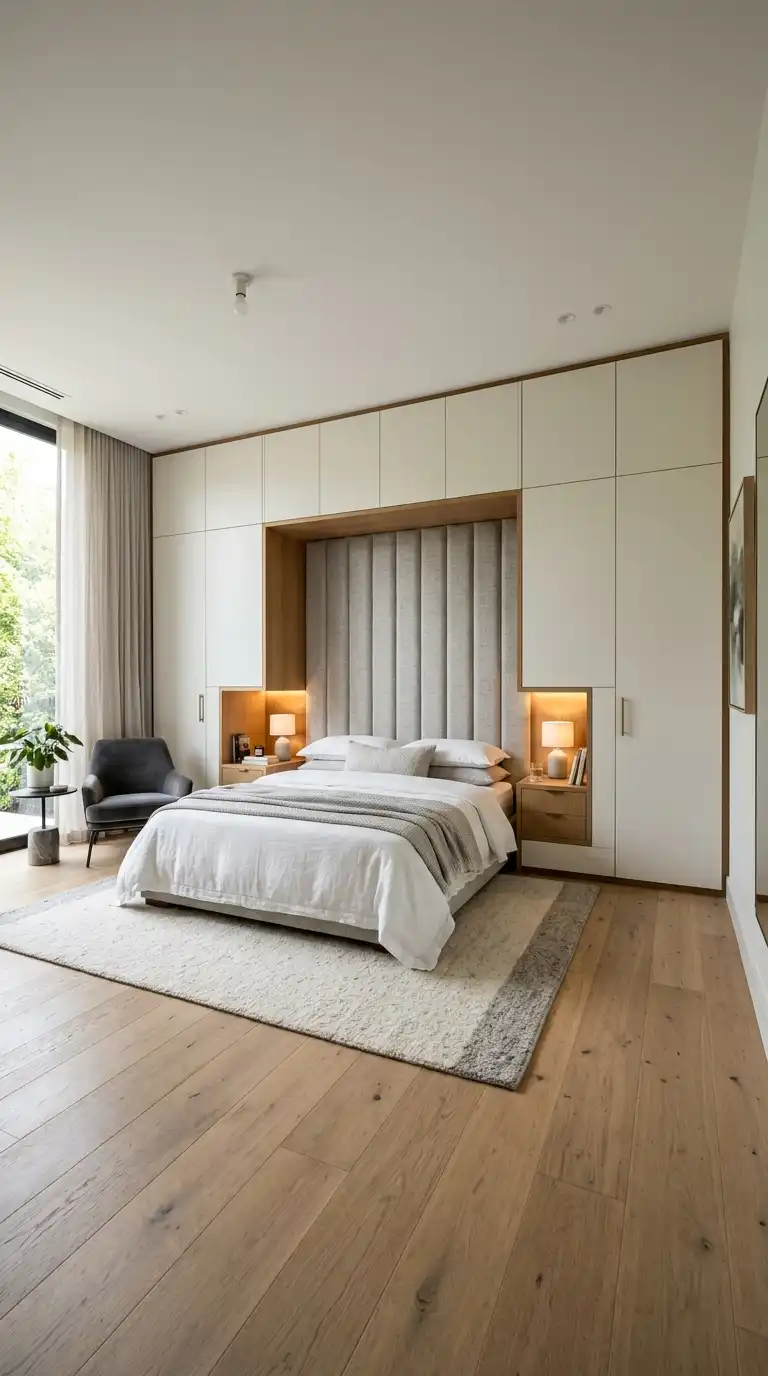
5. Wardrobe with Integrated Headboard
For a truly custom look, design a wardrobe that integrates with the headboard. Extend the wardrobe to wrap around the bed, creating a unified storage and sleeping zone. This approach is ideal for master suites and rooms with limited wall space.
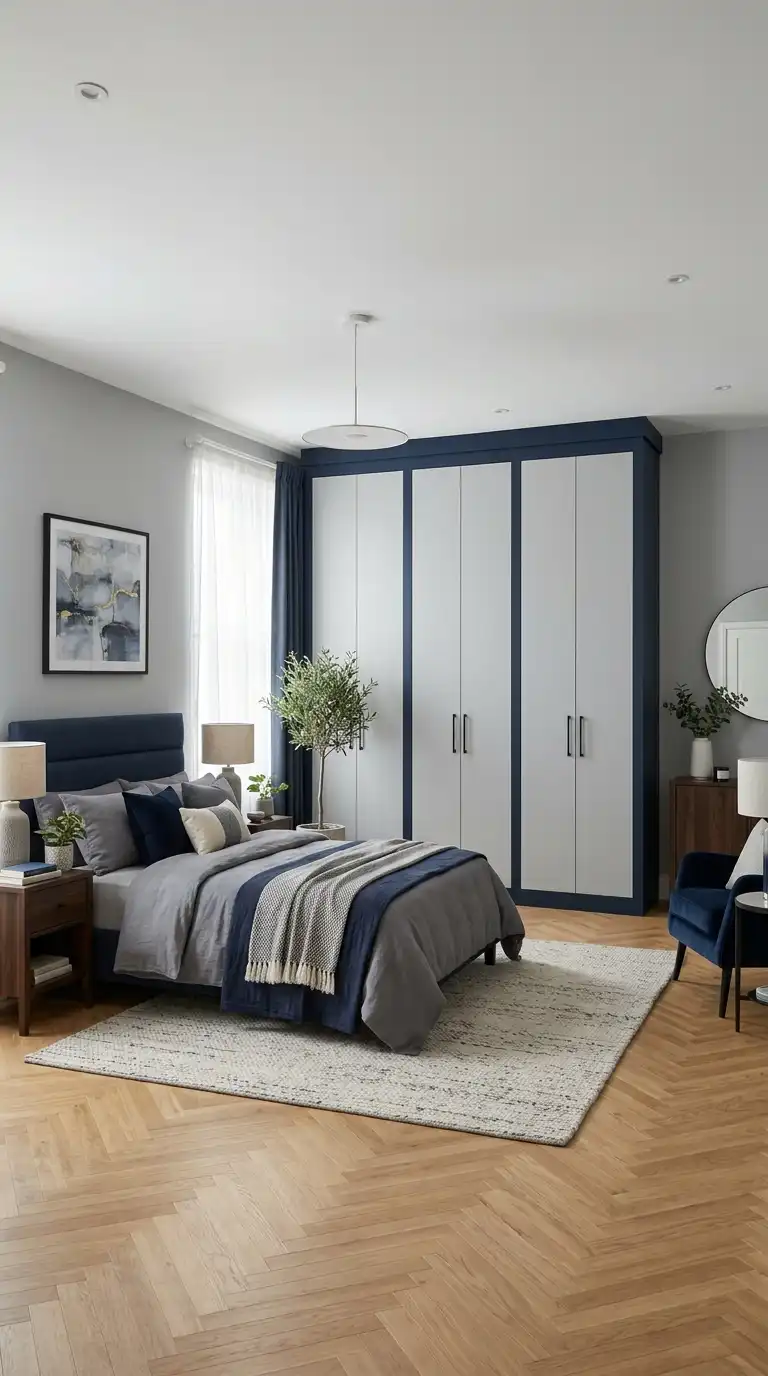
6. Two-Tone Bedroom and Wardrobe
Use a two-tone approach to create visual interest and define the wardrobe within the bedroom. Paint the wardrobe in a contrasting color to the walls, or use a different finish for the wardrobe doors. This makes the wardrobe a design feature rather than a hidden element.
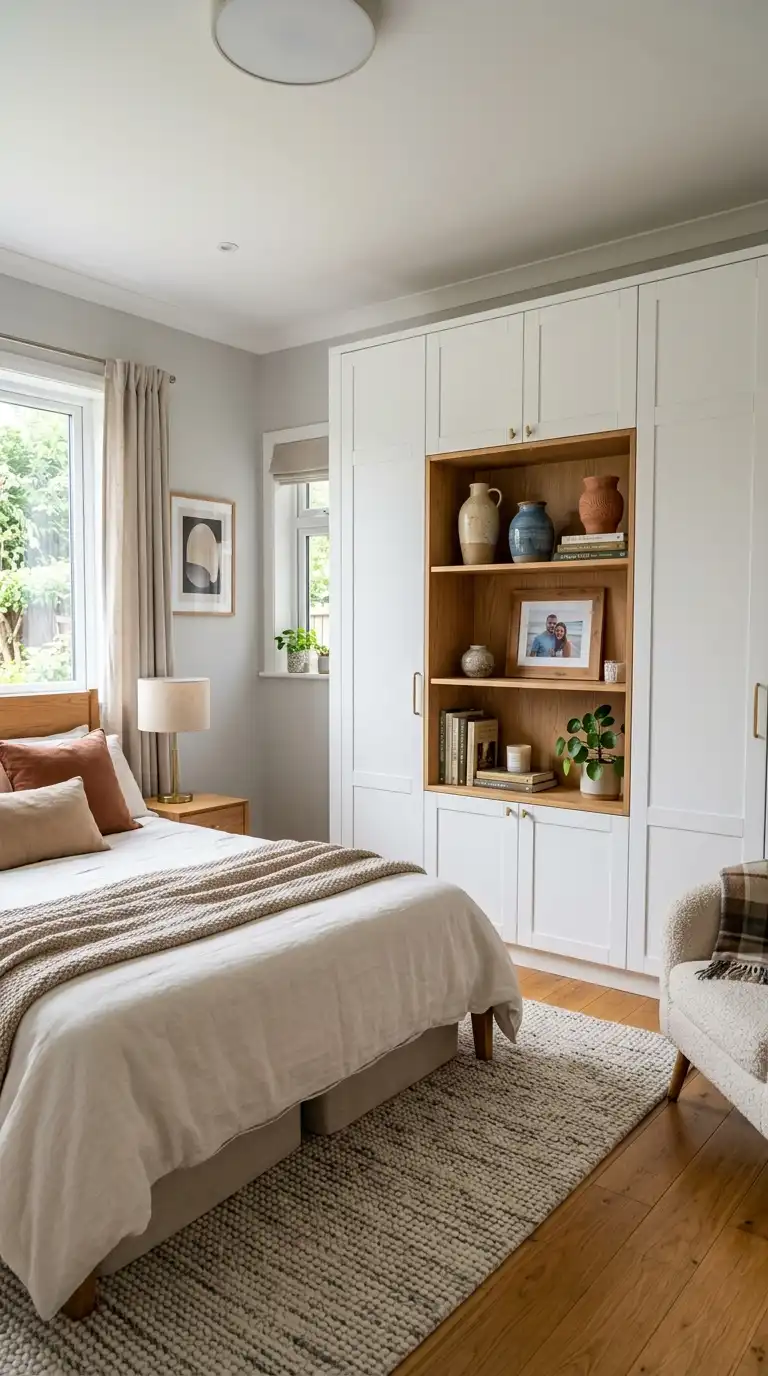
7. Wardrobe with Open Display Section
Incorporate an open display section into your bedroom wardrobe to showcase accessories, books, or decorative objects. This breaks up the solid cabinetry and adds personality to the room. Use the open section at eye level for easy access and display.
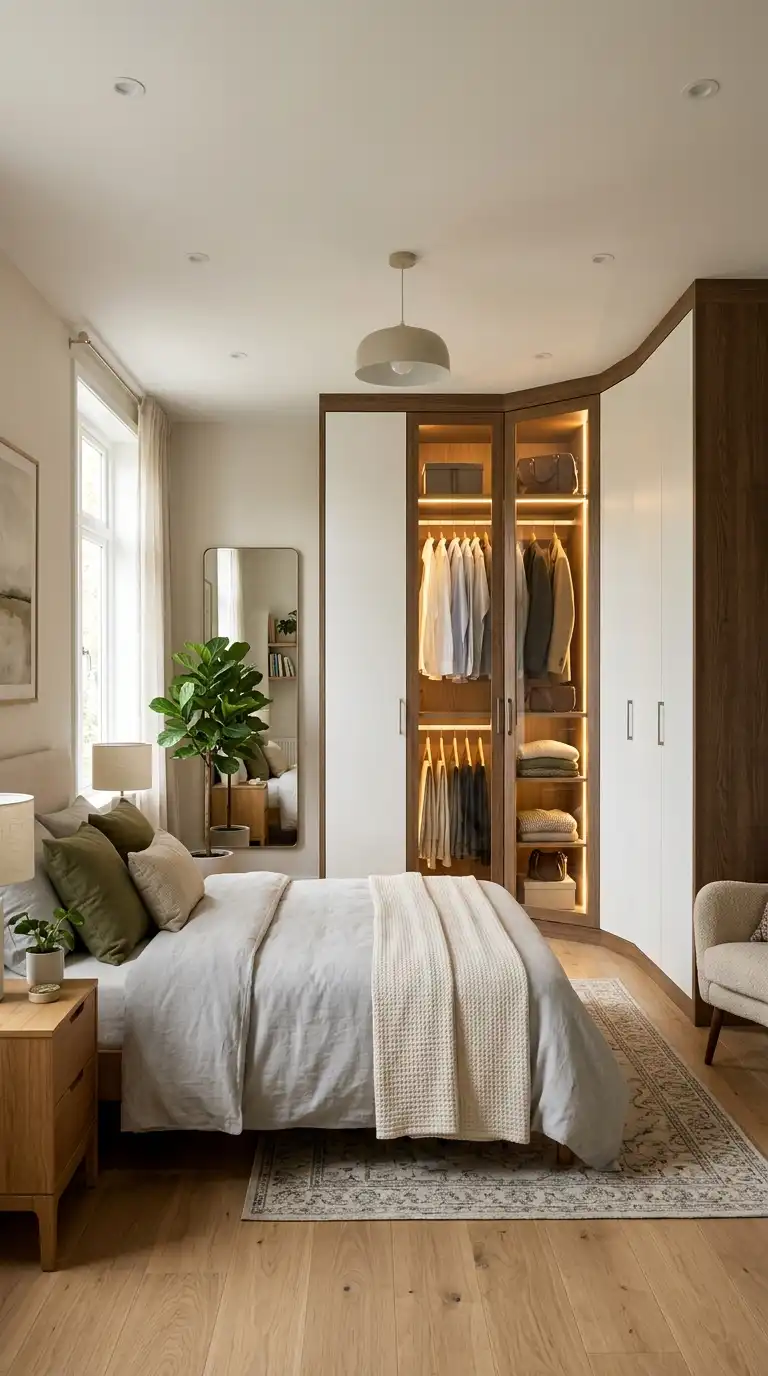
8. Wardrobe with Glass-Front Corner
If your bedroom has a corner wardrobe, consider using glass-front doors on the corner section to create a light, open feel. The transparency allows light to pass through, preventing the corner from feeling heavy or dark. Internal lighting enhances the effect.
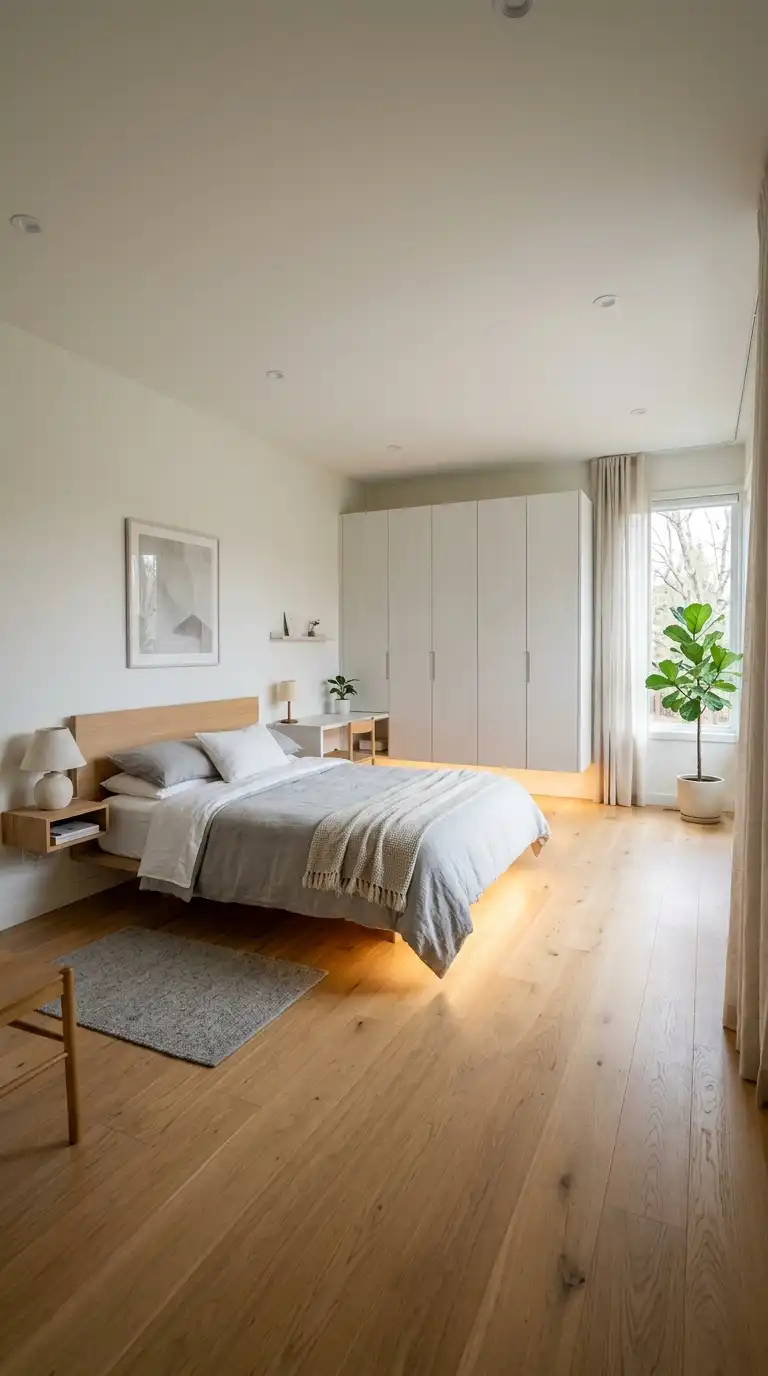
9. Wardrobe with Floating Effect
Create a floating effect by mounting your wardrobe off the floor and adding under-cabinet lighting. The gap beneath allows light to pass through, making the room feel larger and the wardrobe less bulky. This design works well in modern and minimalist bedrooms.
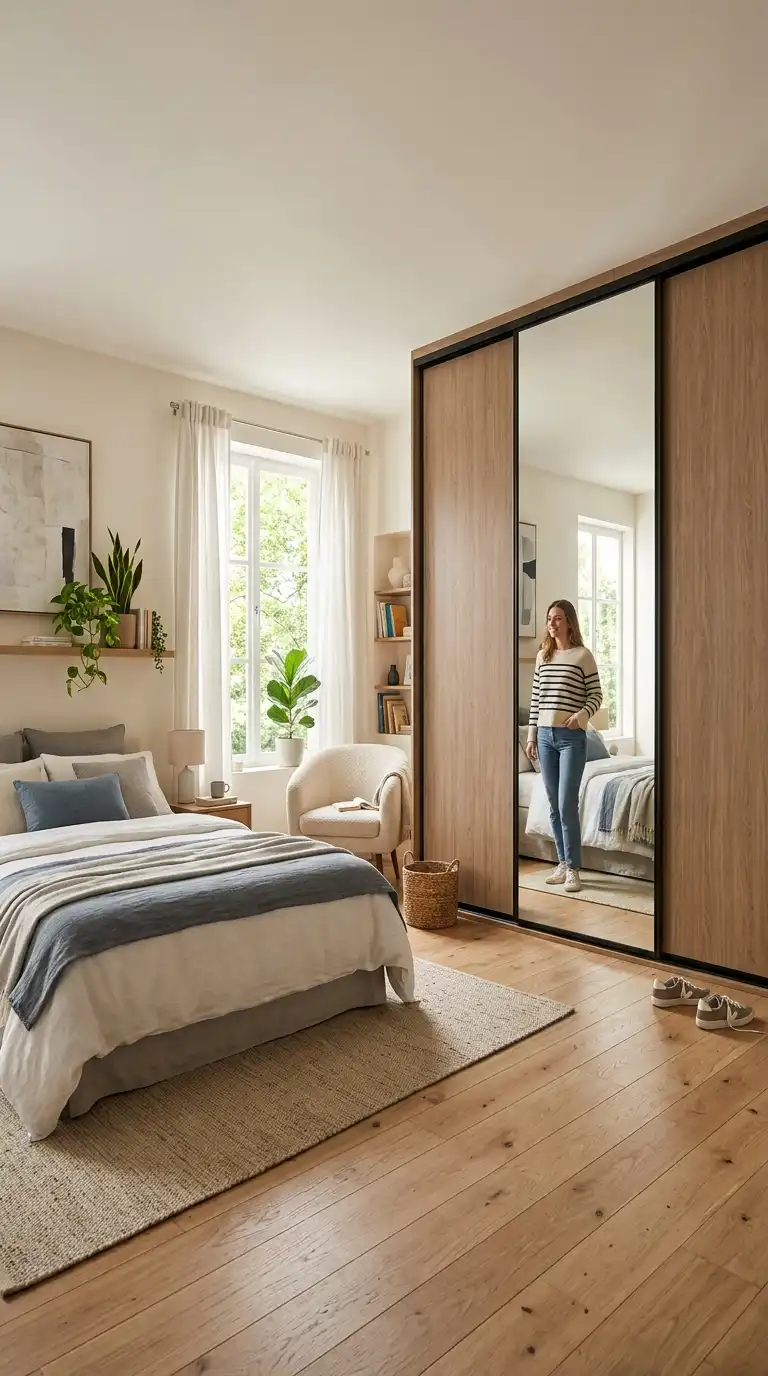
10. Wardrobe with Full-Length Mirror
Incorporate a full-length mirror into your bedroom wardrobe to combine storage with functionality. The mirror can be integrated into a sliding door, a hinged door, or a panel. Position it to reflect natural light and make the room feel larger.
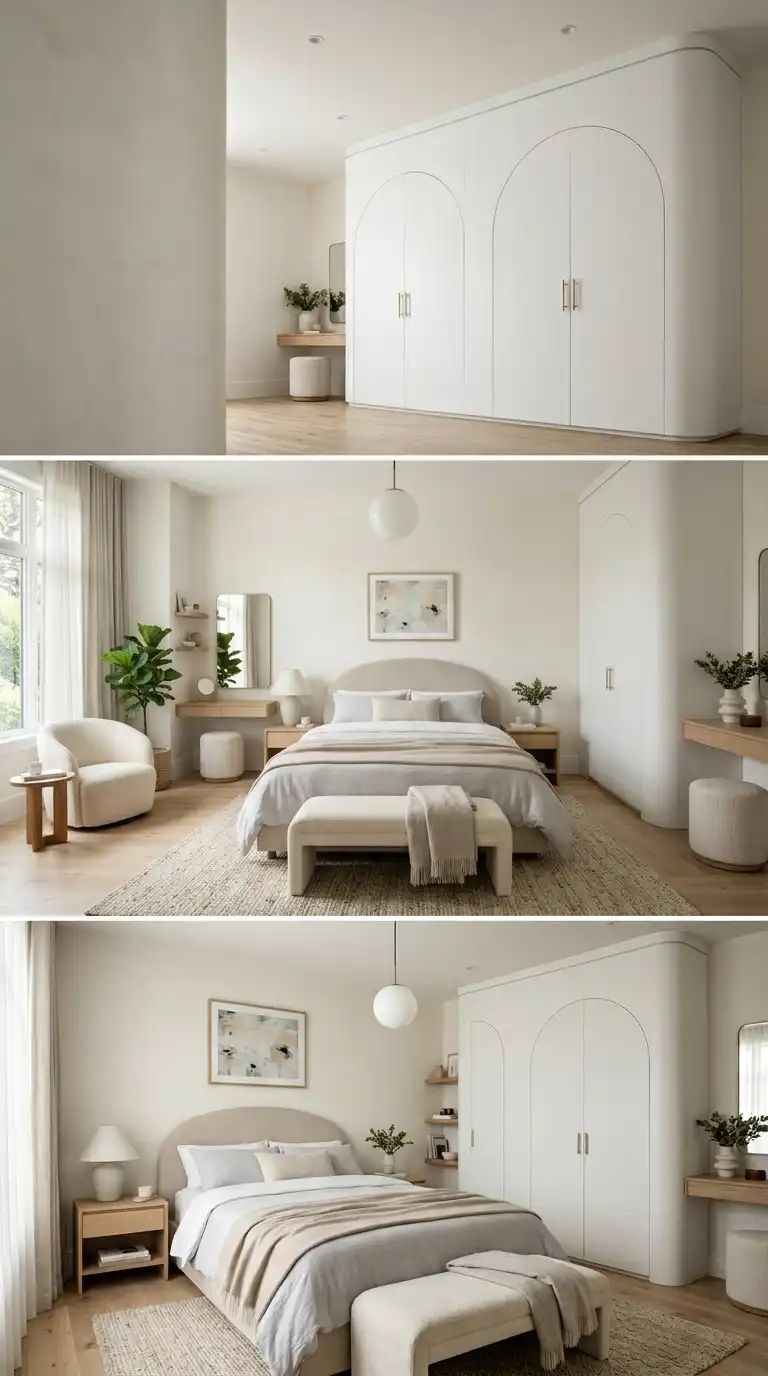
11. Wardrobe with Curved Details
Soften the look of your bedroom wardrobe with curved details. Rounded corners, arched door tops, or curved panels add a sense of fluidity and elegance. This design works beautifully in traditional, transitional, and contemporary bedrooms.
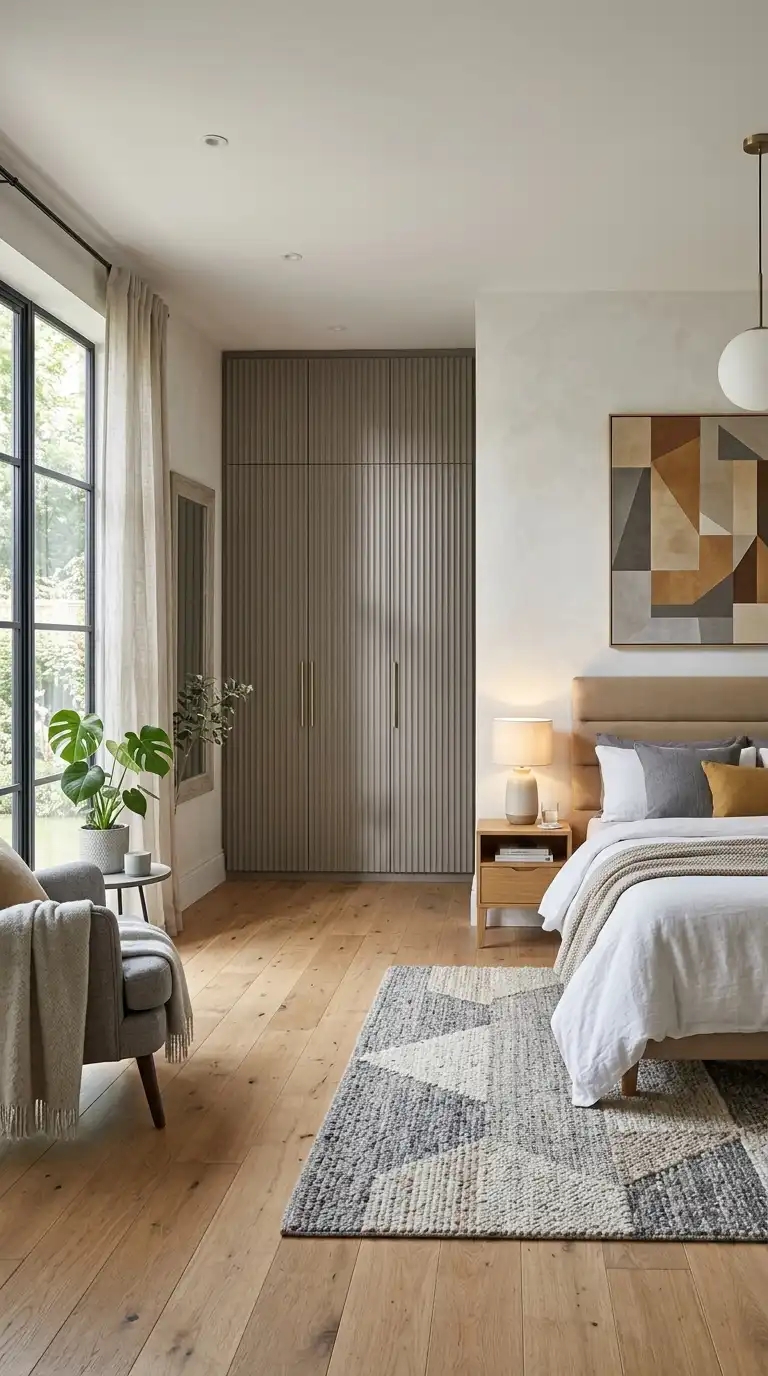
12. Wardrobe with Textured Finish
Add depth and interest to your bedroom with a textured wardrobe finish. Fluted, ribbed, or grooved panels create visual rhythm and catch light throughout the day. This detail transforms the wardrobe into a design feature without adding color or pattern.
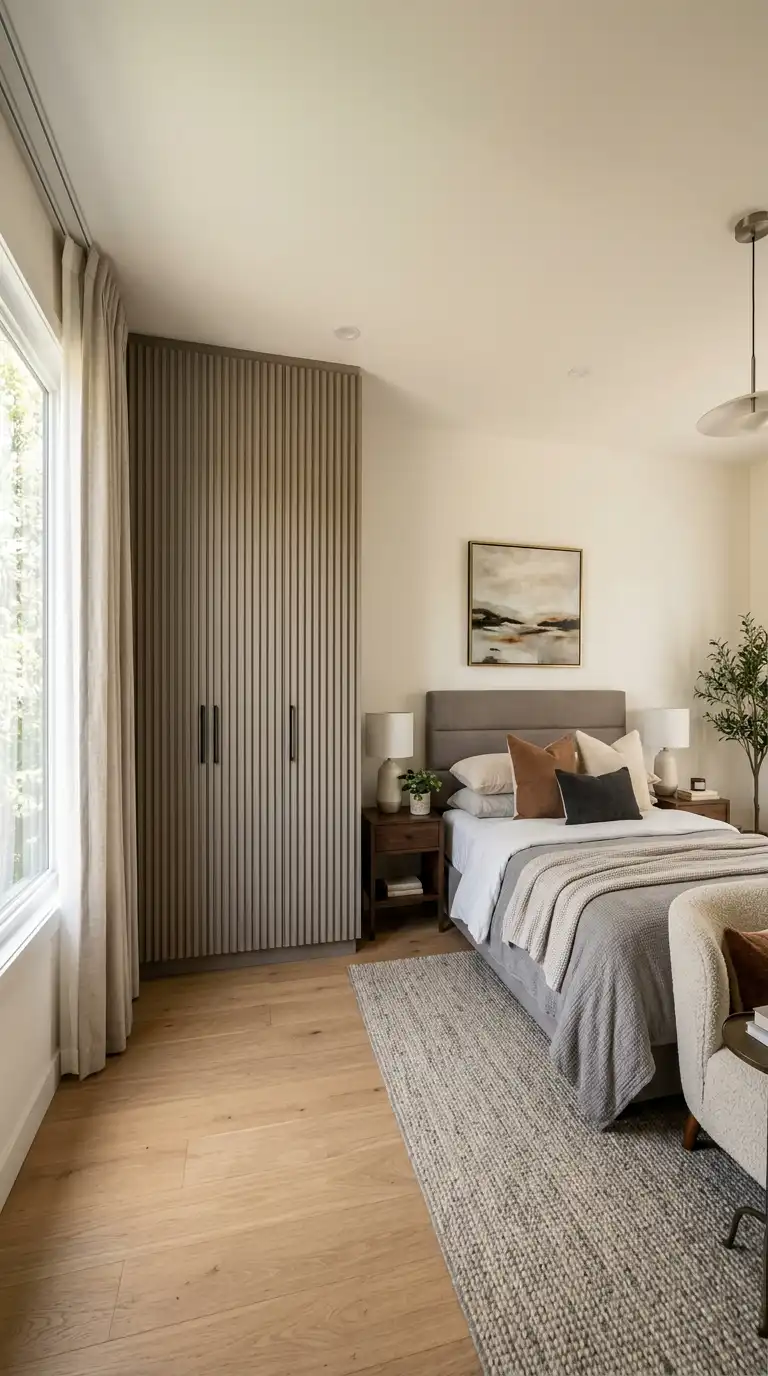
13. Wardrobe with Integrated Seating
Incorporate a built-in bench or seating area into your bedroom wardrobe for a functional dressing zone. The seat can be positioned at the base of the wardrobe, with storage underneath for shoes or accessories. This adds comfort and practicality.
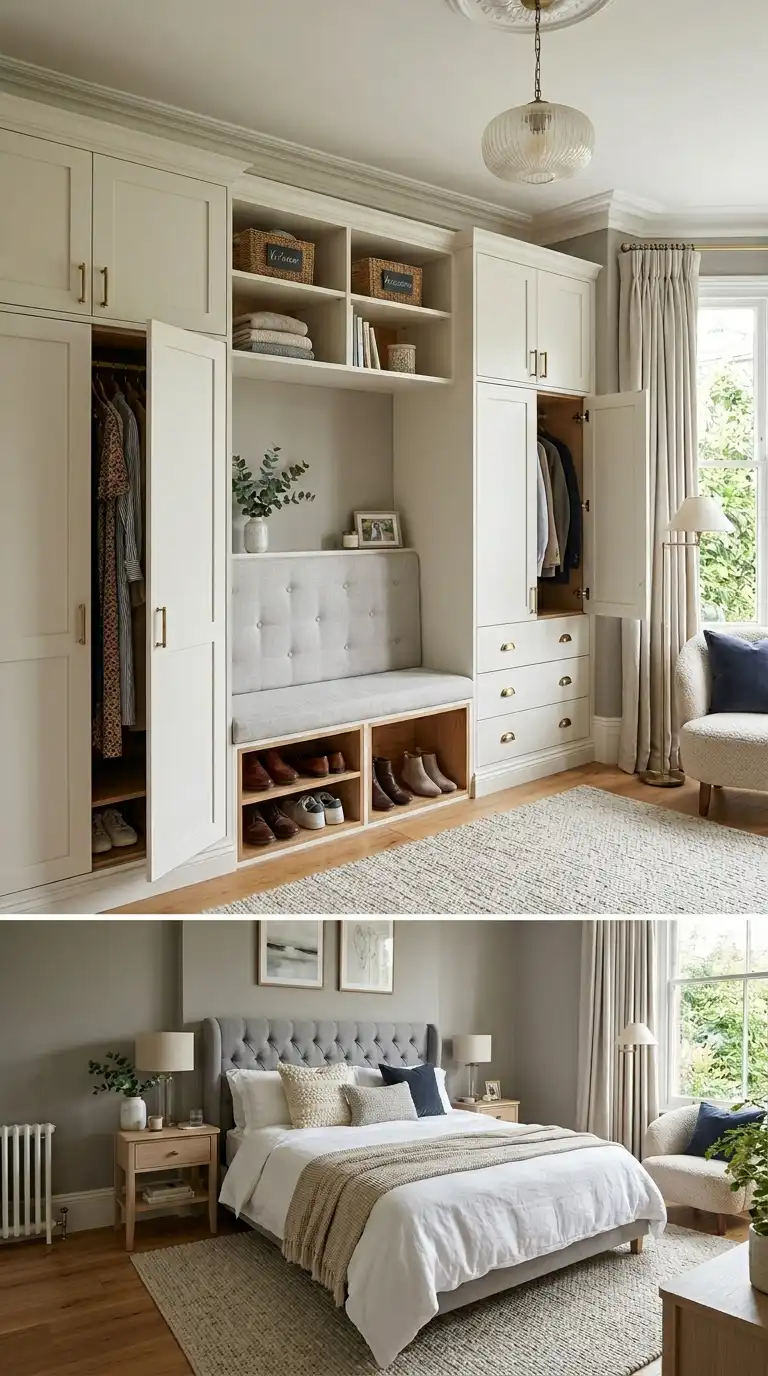
14. Wardrobe with Hidden Door
For a truly seamless look, design your wardrobe with hidden doors that blend with the wall. Use flush panels, matching wall paint, and no visible hardware. When closed, the wardrobe disappears, creating a clean, uncluttered bedroom.
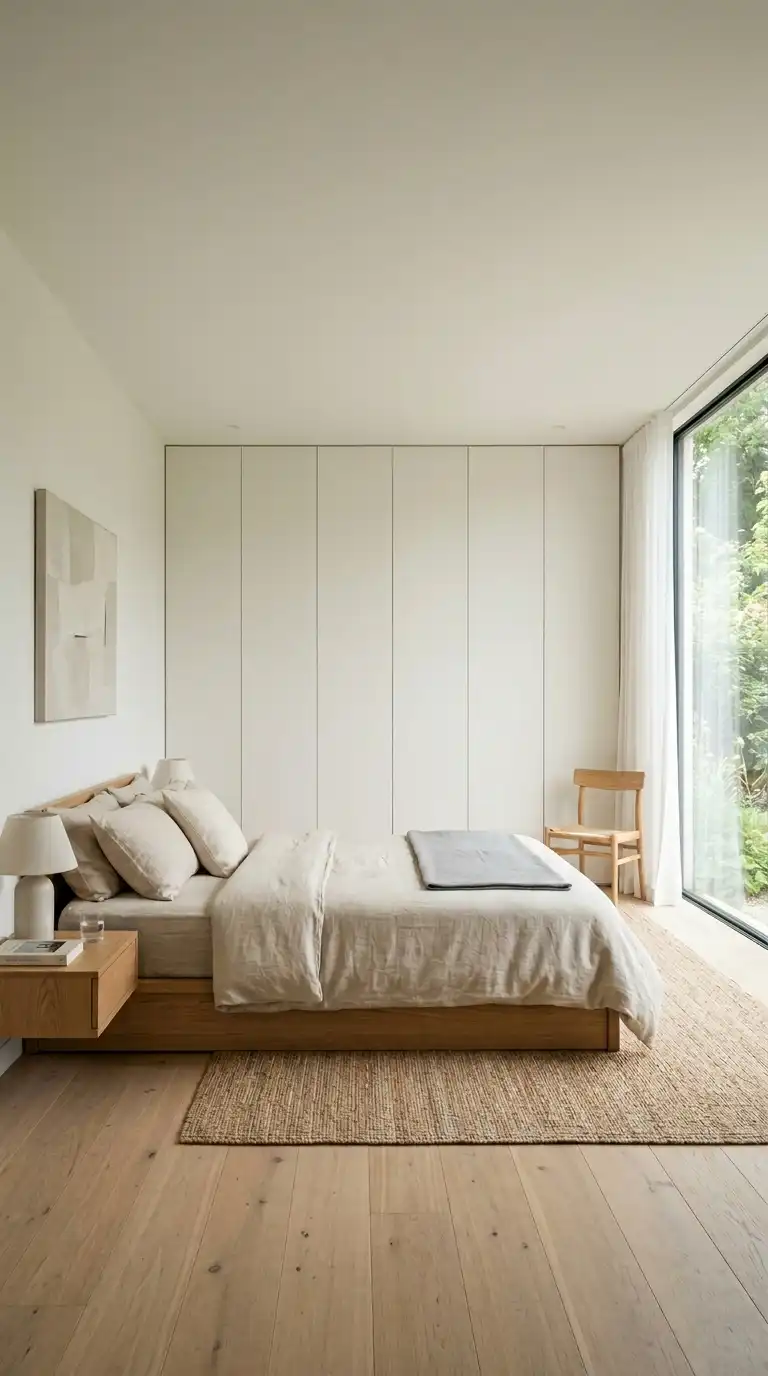
15. Wardrobe with Smart Storage
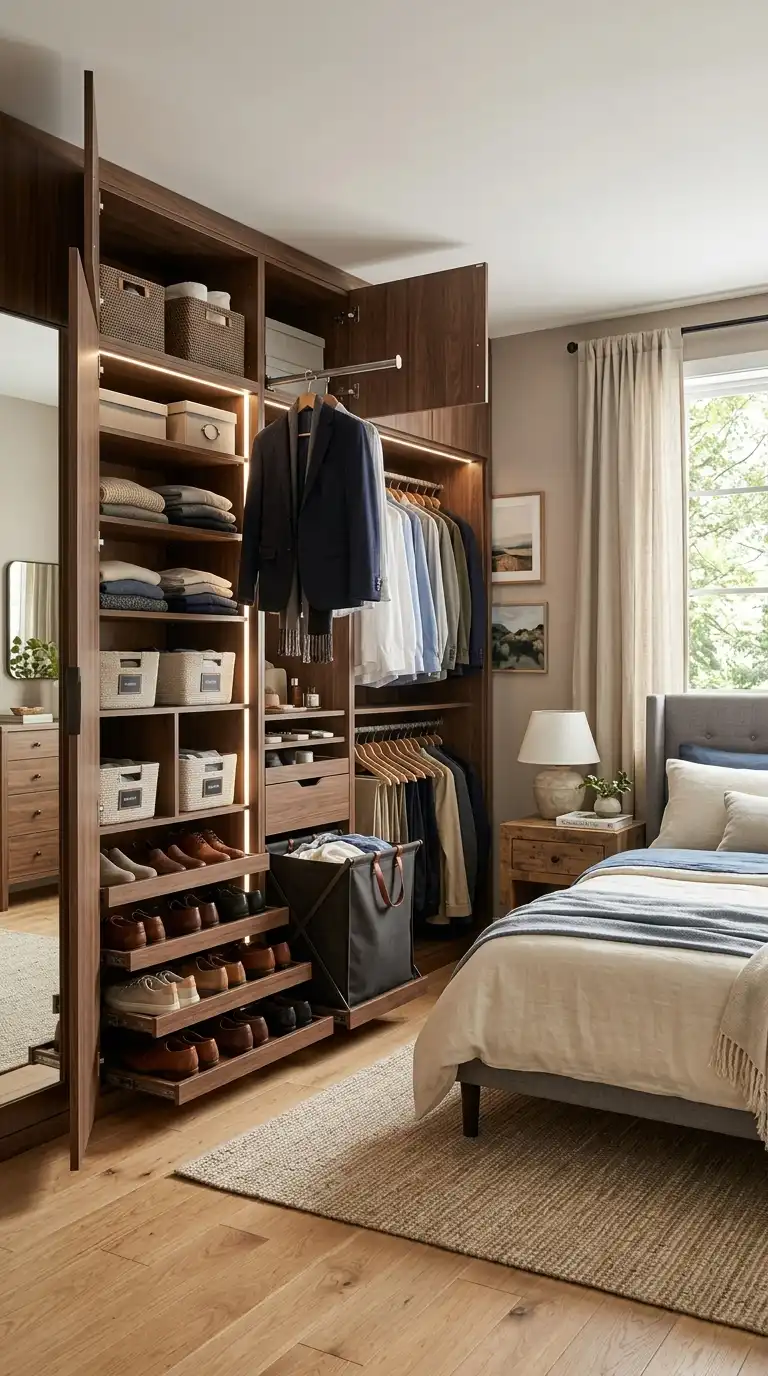
Incorporate smart storage solutions into your bedroom wardrobe to maximize functionality. Pull-out shoe racks, adjustable shelving, built-in hampers, and valet rods make organization effortless. These features are especially valuable in smaller bedrooms where every inch counts.
Frequently Asked Questions
- How do I choose a wardrobe for my bedroom?
Consider the size and layout of your room, your storage needs, and your aesthetic preferences. For small spaces, sliding doors and floor-to-ceiling designs maximize storage. For larger rooms, walk-ins and custom built-ins offer luxury and flexibility. - Can I add a wardrobe to a bedroom with sloped ceilings?
Yes. Custom wardrobes can be designed to fit under sloped ceilings, with doors cut to match the angle. Floor-to-ceiling designs maximize storage in attics and rooms with irregular architecture. - What is the best placement for a wardrobe in a bedroom?
The most common placement is along the longest wall to maximize storage without encroaching on floor space. Corner wardrobes make use of often-wasted space. In larger rooms, a wardrobe can serve as a room divider. - How do I make a wardrobe blend with my bedroom decor?
Choose finishes that complement your wall color, flooring, and furniture. Handleless designs and flush panels create a seamless look. Two-tone wardrobes can tie together different elements in the room. - What lighting works best for a bedroom wardrobe?
Layered lighting is ideal. Overhead lighting for overall illumination, integrated LED strips inside the wardrobe for visibility, and accent lighting to highlight the wardrobe as a design feature. Warm white lighting (2700K–3000K) creates a cozy atmosphere.