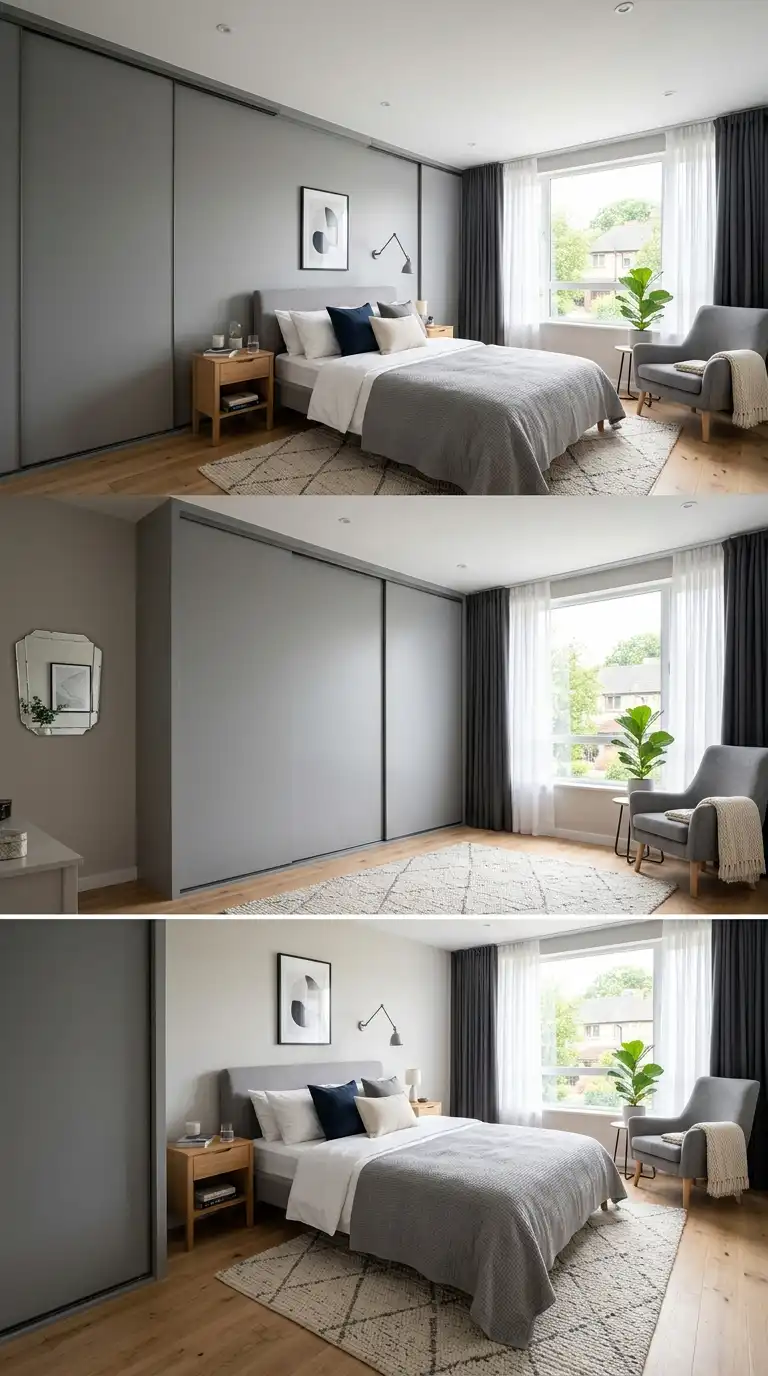
12 Wardrobe Planner Tips
A wardrobe planner is an essential tool for building a cohesive, functional, and stylish closet. Whether you are starting from scratch, decluttering, or planning a seasonal refresh, a thoughtful planning process ensures that every piece you own serves a purpose and works together harmoniously. Here are twelve steps to guide your wardrobe planning journey.
1. Assess Your Current Wardrobe
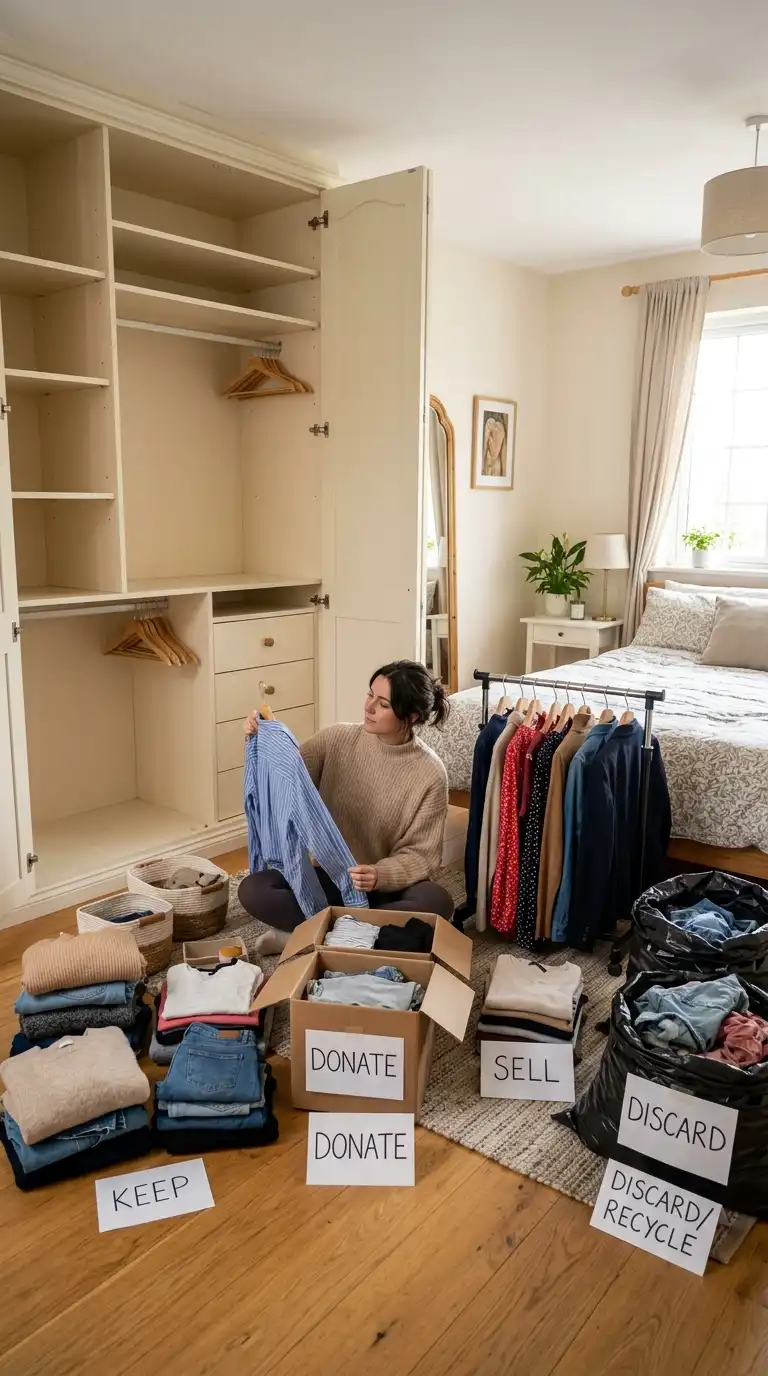
Begin by taking everything out of your closet. Sort items into categories: keep, donate, sell, and discard. Be honest about what you actually wear. If you haven’t worn an item in over a year, it is unlikely you will wear it again. This process creates space for the pieces you truly love and use.
2. Define Your Personal Style
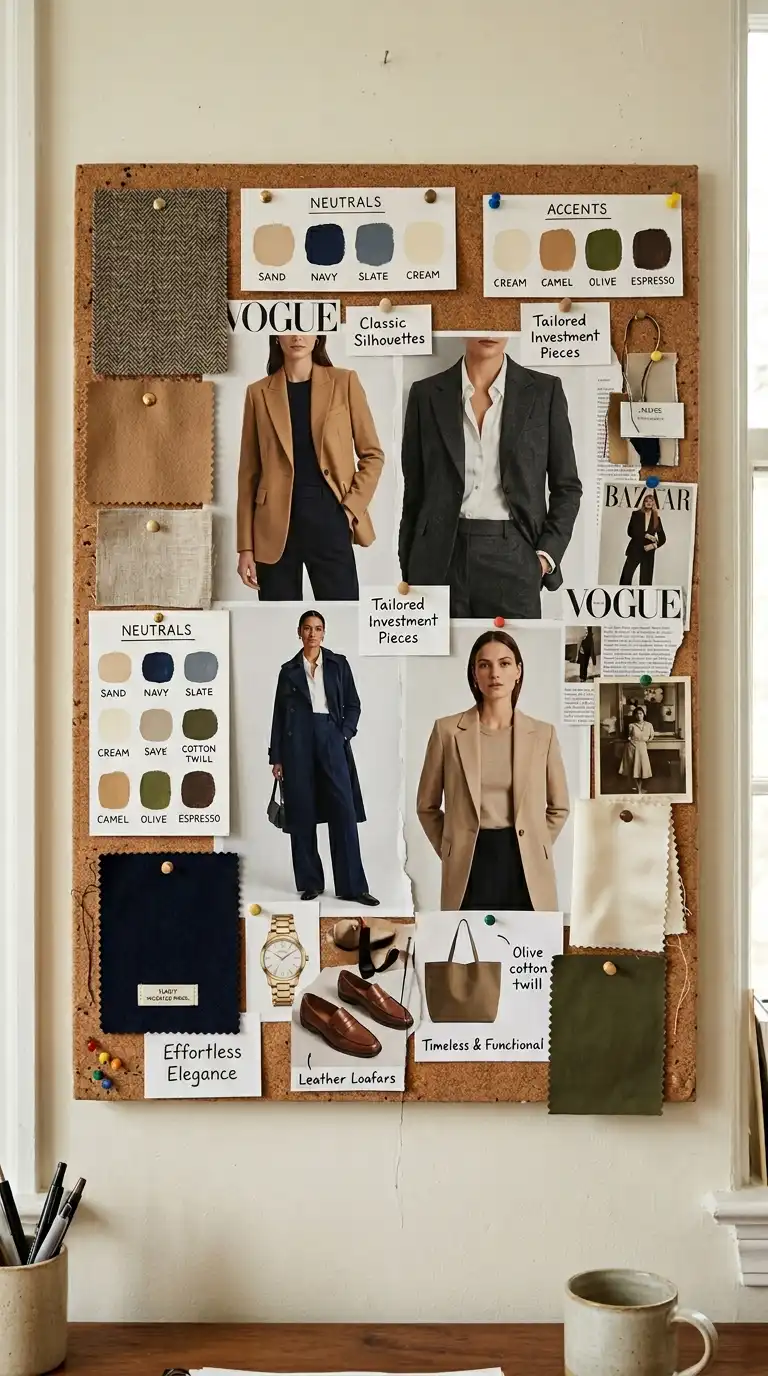
Take time to define your personal style. Look at your favorite outfits, create a mood board, or browse inspiration online. Identify the colors, silhouettes, and fabrics that make you feel confident and comfortable. Your wardrobe should reflect who you are and how you want to present yourself.
3. Choose Your Color Palette
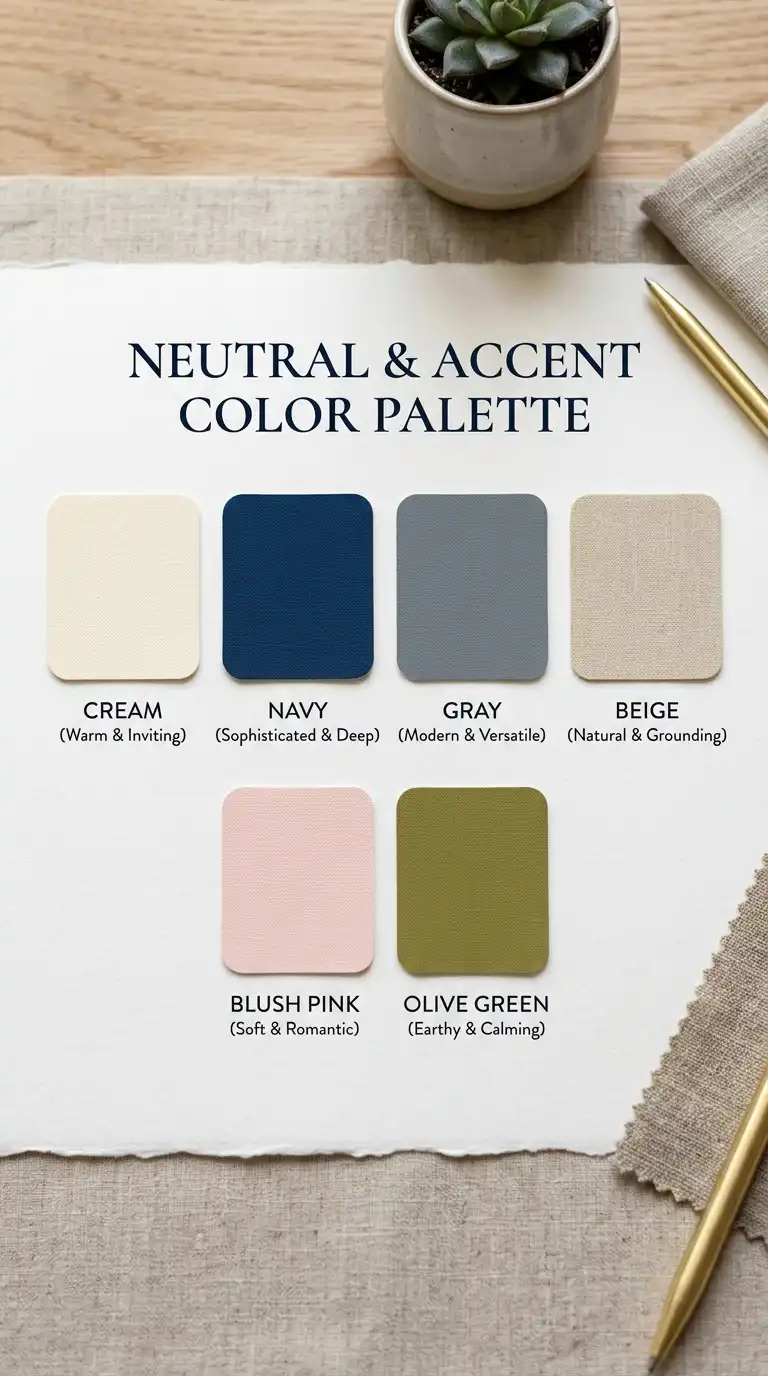
Select a color palette for your wardrobe. Start with neutrals—white, cream, navy, gray, black, or beige—that form the foundation. Add two to three accent colors that complement each other and suit your style. A cohesive color palette ensures that most pieces mix and match seamlessly.
4. Identify Your Lifestyle Needs
Consider your daily activities, work environment, social life, and hobbies. Your wardrobe should serve your lifestyle. If you work in a professional setting, prioritize tailored pieces. If you have an active lifestyle, include comfortable, functional items. A wardrobe that aligns with your life is a wardrobe you will use.

5. Create a List of Essential Pieces
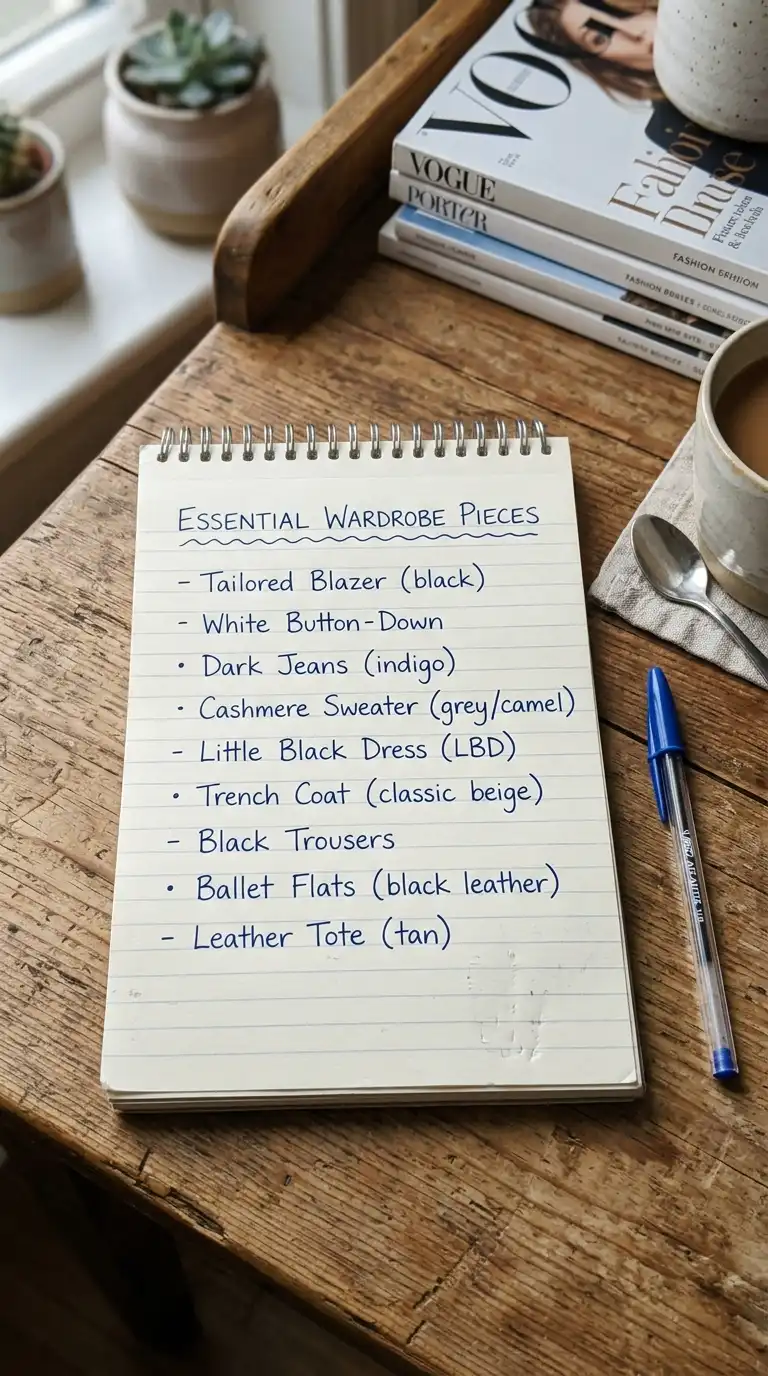
Based on your style, color palette, and lifestyle, create a list of essential pieces you need. This might include a tailored blazer, white button-down, dark jeans, cashmere sweater, little black dress, trench coat, and versatile footwear. Focus on quality over quantity.
6. Assess Your Existing Pieces
Review the items you kept from your initial declutter. Identify which pieces align with your new vision and which gaps need filling. Make a note of items that need tailoring or repair. This assessment helps you build on what you already have.
7. Set a Budget
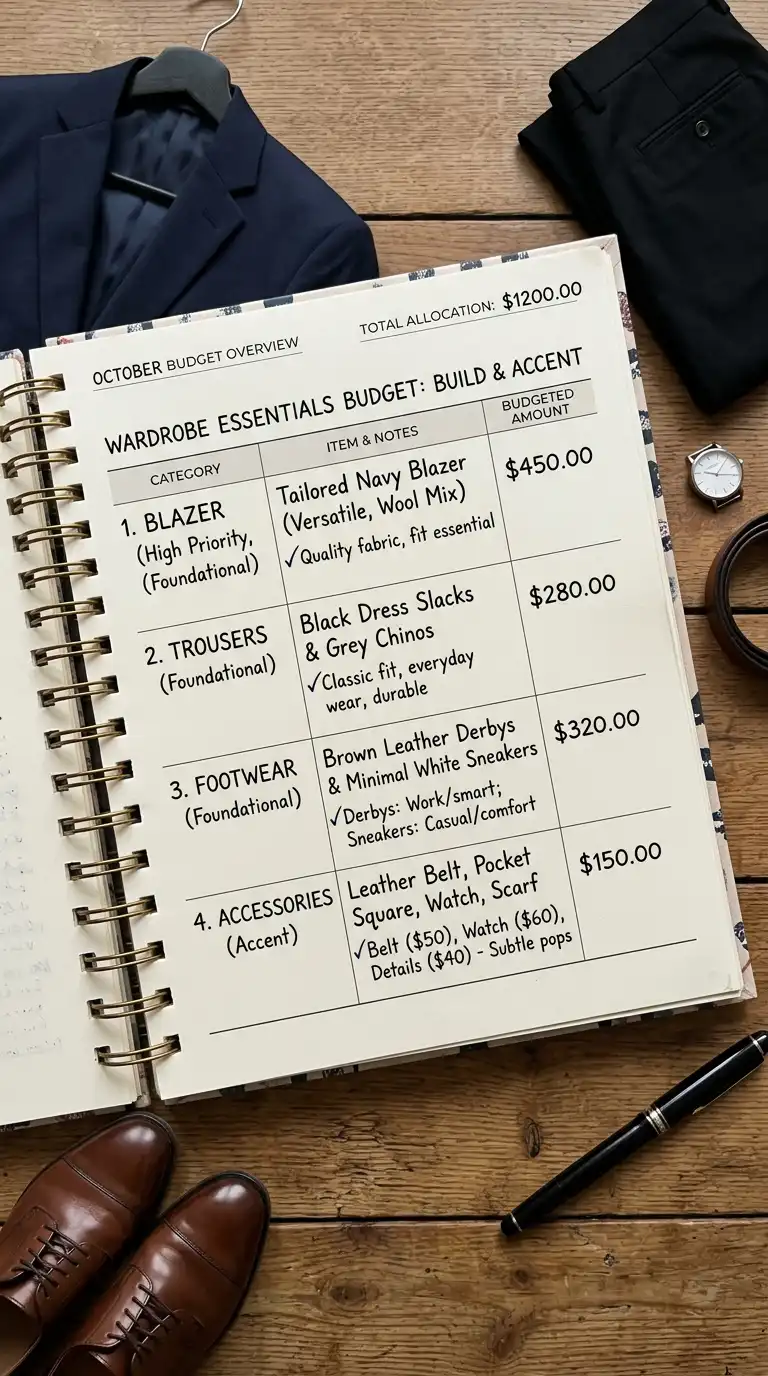
Determine how much you can invest in new pieces. Prioritize spending on items you will wear frequently—a quality blazer, well-fitted jeans, a versatile coat—and consider more affordable options for trend-driven pieces. Quality over quantity ensures longevity.
8. Shop with Intention
When shopping, refer to your list and color palette. Ask yourself: Does this fit my style? Does it work with what I already own? Is it quality? Can I wear it multiple ways? Avoid impulse purchases that do not align with your plan. Shopping with intention builds a cohesive wardrobe.

9. Invest in Quality Fabrics
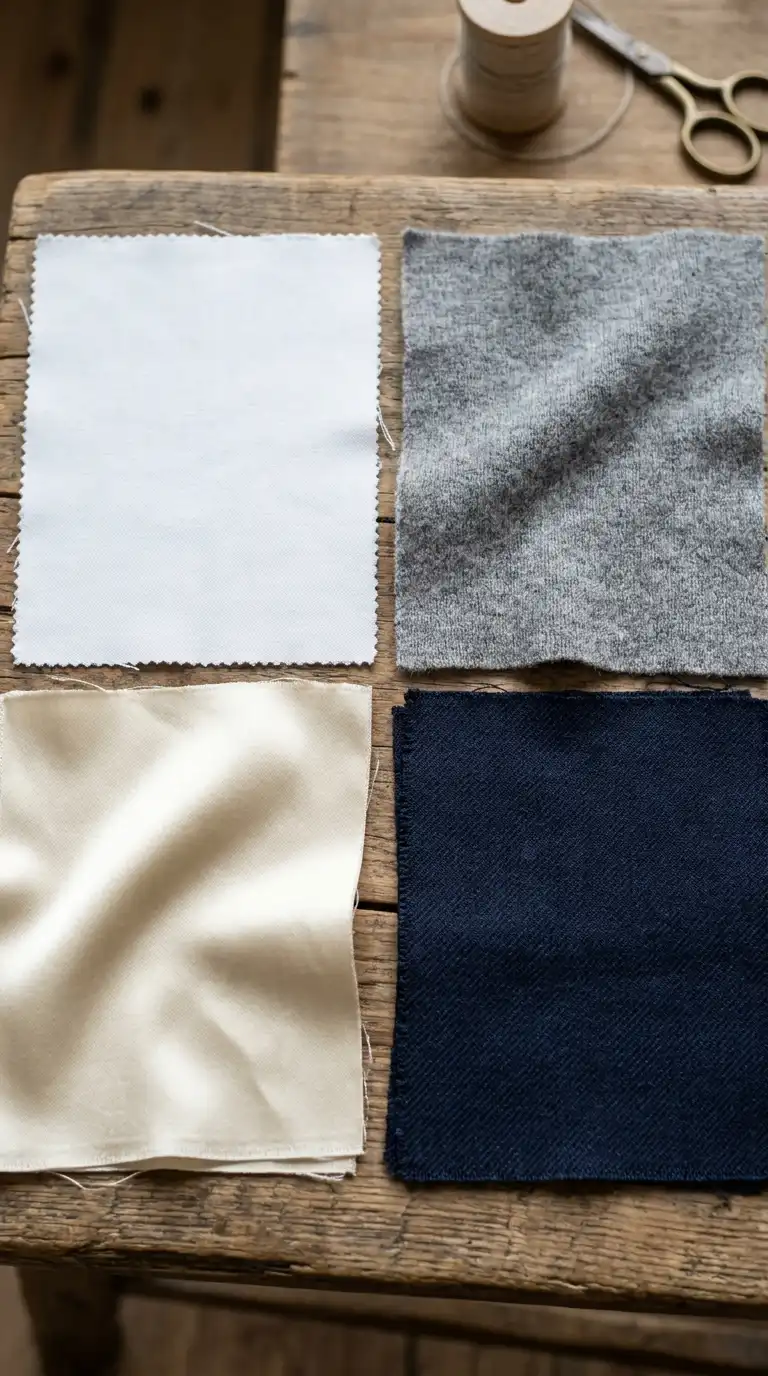
Choose natural fibers like cotton, linen, wool, cashmere, and silk for durability and timeless appeal. Quality fabrics drape better, last longer, and feel more comfortable. While the initial investment may be higher, the cost-per-wear over time is often lower than fast fashion alternatives.
10. Ensure Proper Fit
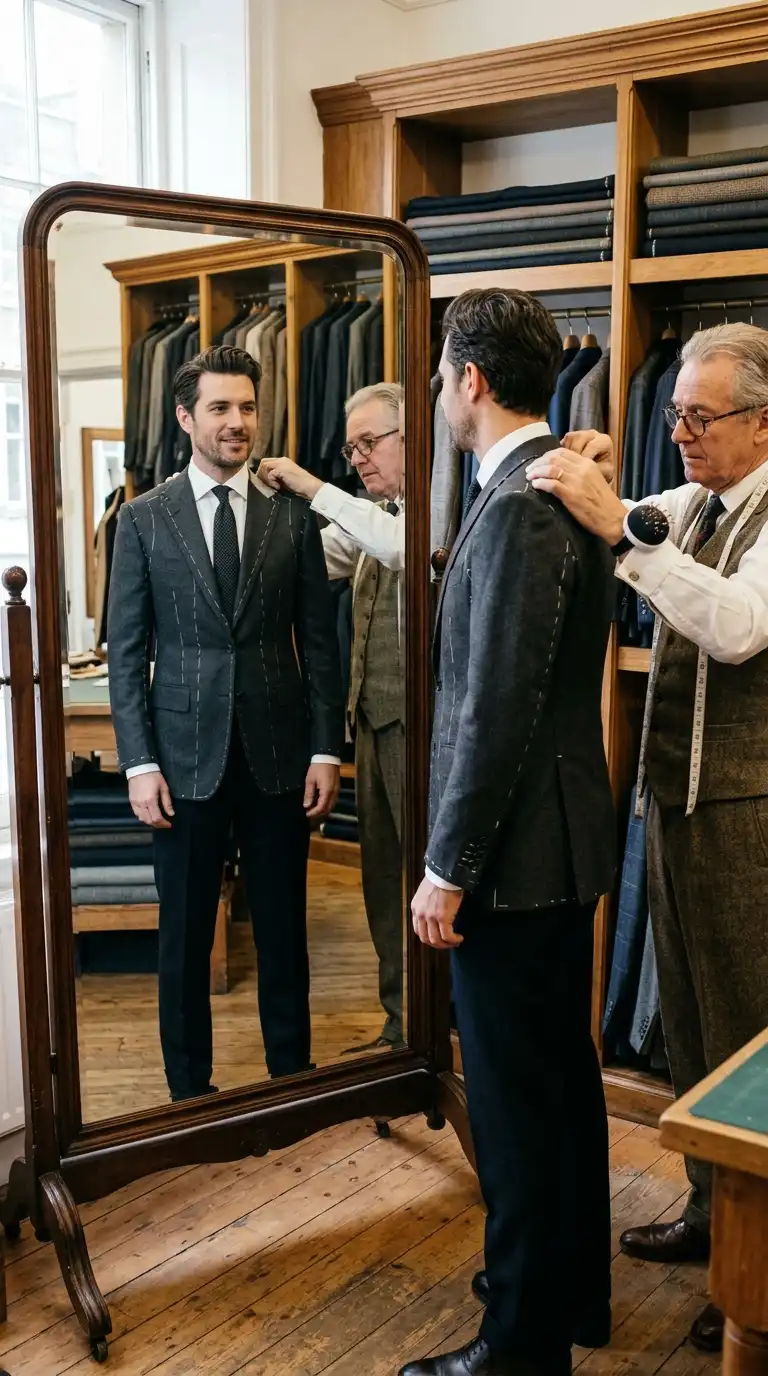
Fit is everything. A well-fitted garment looks more expensive and feels more comfortable. Invest in tailoring for pieces that are almost perfect but need minor adjustments. A few alterations can transform a good piece into a great one.
11. Organize Your Wardrobe
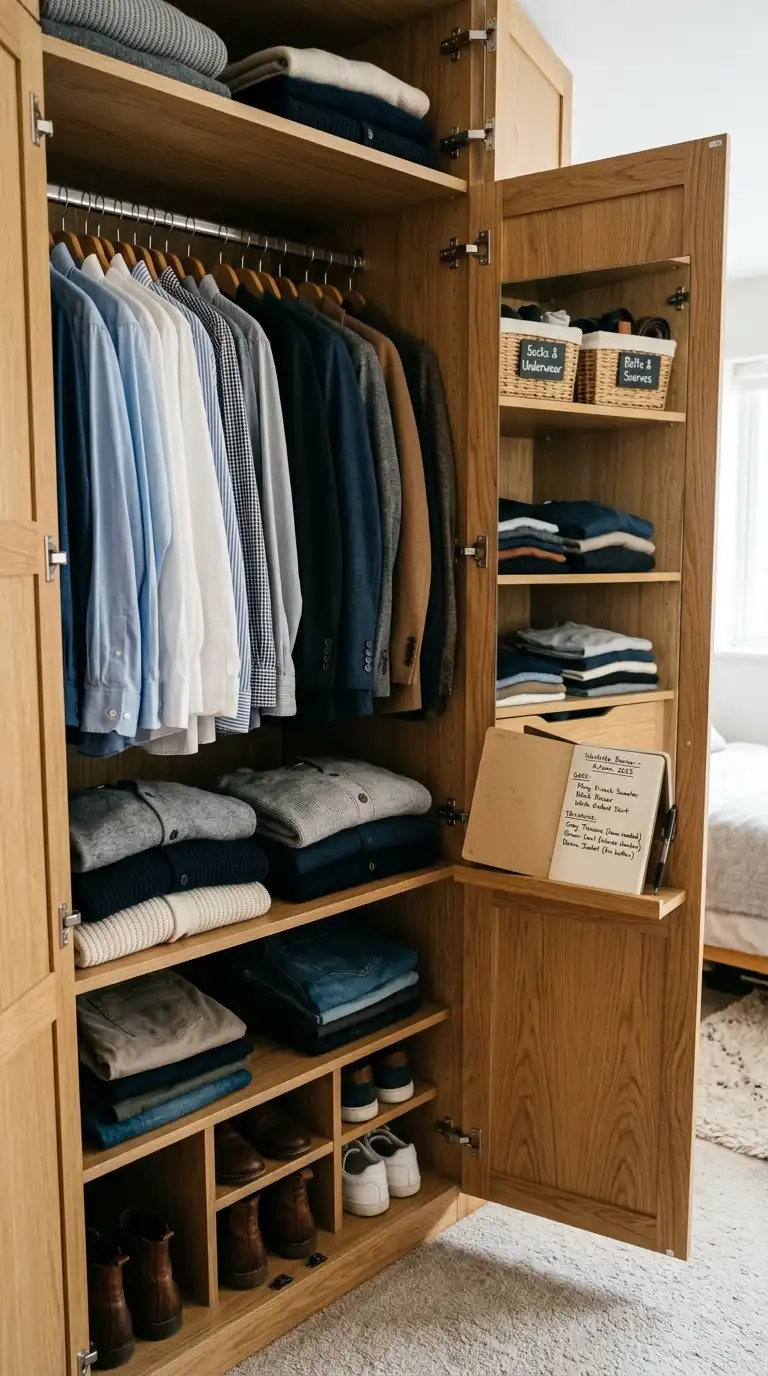
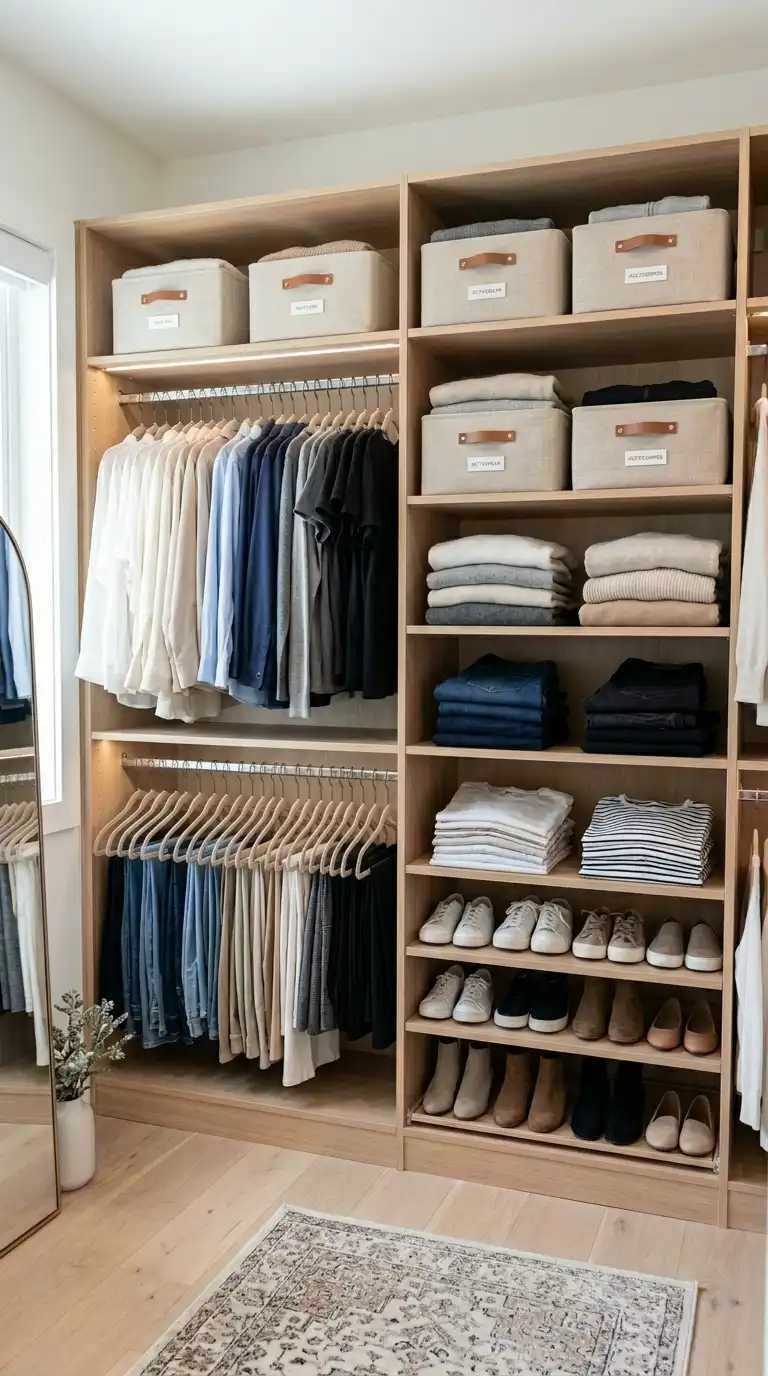
Once you have your curated collection, organize your wardrobe for visibility and ease. Use uniform hangers, group similar items together, and arrange by color or category. A well-organized wardrobe makes getting dressed faster and helps you appreciate what you own.
12. Maintain and Edit Seasonally
A wardrobe is a living system. Review your collection seasonally, reassessing what works and what doesn’t. Replace worn items, donate pieces no longer serving you, and add a few new pieces to keep the collection feeling current. Regular editing prevents clutter and maintains cohesion.

Conclusion
Building a wardrobe is a journey, not a destination. By planning thoughtfully—assessing what you have, defining your style, choosing a cohesive palette, and shopping with intention—you create a collection that serves you for years. A well-planned wardrobe simplifies getting dressed, reduces decision fatigue, and ensures that every piece you own is something you truly love and wear.