
12 Backyard Garden Designs
A backyard garden is a living canvas—a space to cultivate beauty, grow food, and connect with nature. Whether you have a sprawling yard or a compact urban lot, thoughtful garden design transforms your outdoor space into a vibrant, productive, and peaceful retreat. From vegetable patches and flower borders to pollinator gardens and edible landscapes, here are twelve backyard garden ideas to inspire your next planting project.
1. Create a Vegetable Garden
Growing your own vegetables is rewarding, sustainable, and delicious. Design a vegetable garden with raised beds for easy access and soil control. Arrange beds in rows or geometric patterns for a structured look, and include pathways for easy maintenance. Plant a mix of seasonal vegetables—tomatoes, peppers, lettuce, carrots, and herbs—for a continuous harvest. A vegetable garden can be both productive and beautiful, especially when you incorporate flowers for companion planting.

2. Design a Pollinator Garden
Support local bees, butterflies, and birds by planting a pollinator garden. Choose native flowering plants that provide nectar and habitat throughout the growing season. Include milkweed for monarch butterflies, coneflowers, bee balm, lavender, and asters. Arrange plants in drifts for visual impact, and provide a shallow water source like a birdbath with stones for perching. A pollinator garden adds vibrant color and movement to your backyard.

3. Build a Cut Flower Garden
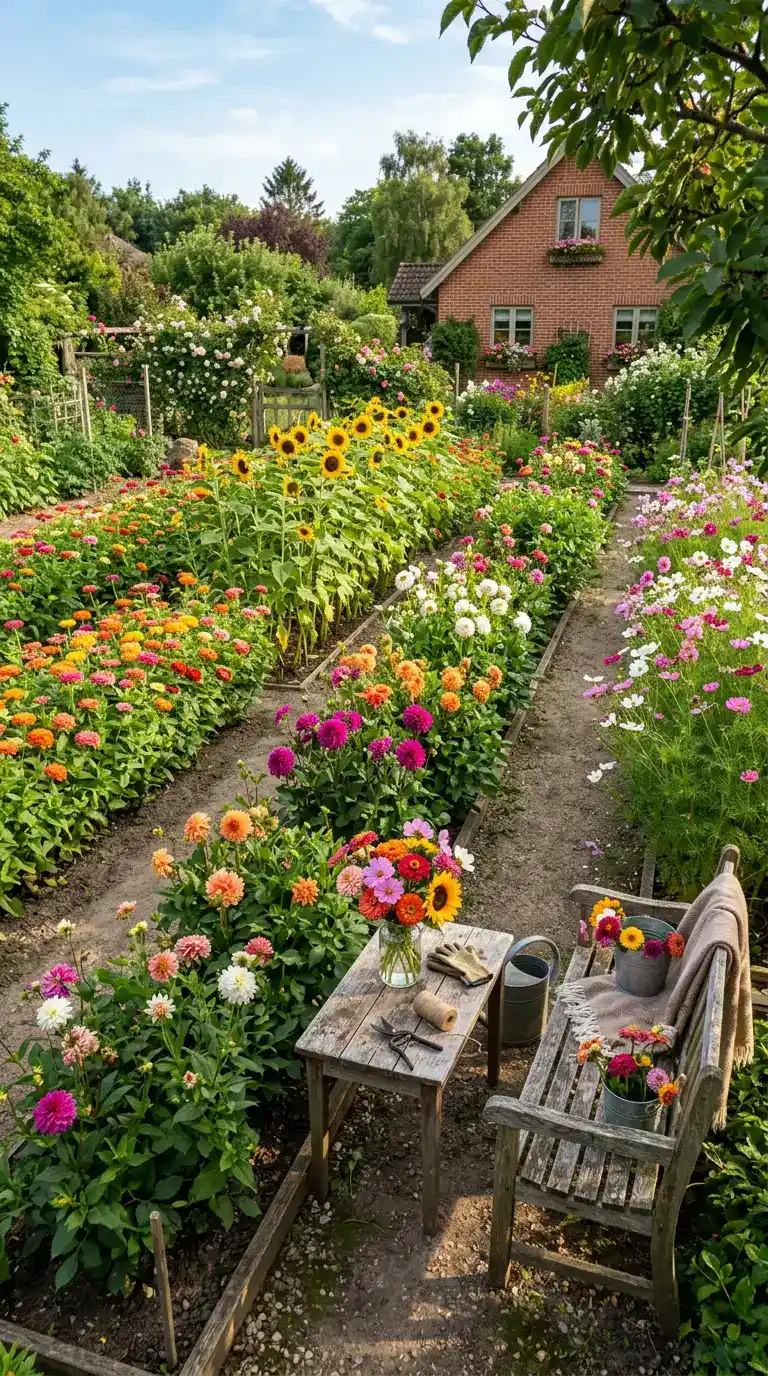
A cut flower garden provides fresh blooms for your home throughout the growing season. Plant a dedicated area with annuals and perennials that produce abundant, long-stemmed flowers—zinnias, sunflowers, dahlias, cosmos, and snapdragons. Arrange rows for easy harvesting, and include a small bench or table for arranging bouquets. A cut flower garden adds beauty and practicality to your landscape.
4. Create a Shade Garden
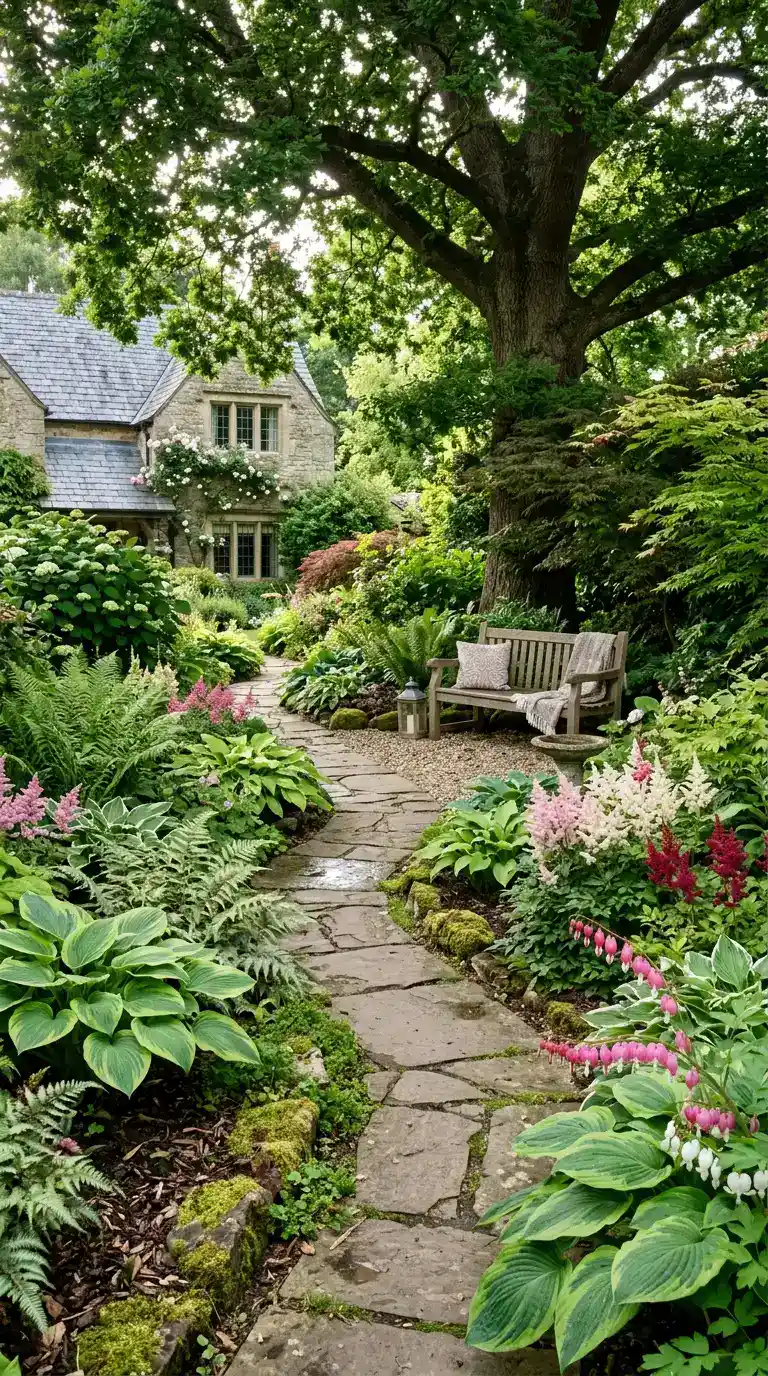
Transform a shady corner into a lush, tranquil retreat with a shade garden. Choose plants that thrive in low light—hostas, ferns, astilbe, bleeding heart, and hellebores. Layer plants by height, with taller specimens at the back and ground covers at the front. Add a winding pathway and a bench for quiet contemplation. A shade garden offers a cool, peaceful escape on hot summer days.
5. Install a Vertical Garden
When ground space is limited, grow up. A vertical garden allows you to add lush greenery without sacrificing floor space. Use a living wall system, hanging planters, or a trellis with climbing vines like jasmine, ivy, or clematis. A vertical garden adds texture, color, and a sense of privacy to your backyard while maximizing growing space.

6. Design a Herb Garden
An herb garden brings fragrance, flavor, and beauty to your backyard. Plant herbs in raised beds, containers, or a spiral design for visual interest. Include culinary favorites like basil, rosemary, thyme, mint, and oregano, as well as medicinal herbs like lavender and chamomile. Position the herb garden near your kitchen for easy access while cooking.

7. Create a Butterfly Garden
Design a garden specifically to attract butterflies. Choose plants that provide nectar for adults and host plants for caterpillars. Include milkweed for monarchs, parsley for swallowtails, and a variety of nectar-rich flowers like butterfly bush, zinnias, and lantana. Add flat stones for basking and a shallow water source. A butterfly garden brings color, movement, and joy to your backyard.

8. Build a Raised Bed Garden
Raised beds offer excellent drainage, soil control, and easy access for planting and maintenance. Use wood, stone, or metal to construct beds in geometric shapes or terraced designs. Raised beds are ideal for vegetables, herbs, and flowers, and they can be built to accommodate gardeners of all abilities. Incorporate pathways and seating for a complete garden experience.

9. Create a Wildlife Habitat
Design your backyard to support local wildlife by providing food, water, shelter, and nesting sites. Plant native trees and shrubs that produce berries, install bird feeders and houses, and add a water source like a birdbath or small pond. Leave some areas of leaf litter for insects and small creatures. A wildlife habitat brings nature up close and creates a dynamic, ever-changing garden.

10. Design a Cottage Garden
A cottage garden embraces abundance, color, and a relaxed, informal aesthetic. Plant a mix of perennials, annuals, and flowering shrubs in layered drifts. Include classic cottage plants like roses, delphiniums, foxgloves, peonies, and lavender. Allow plants to spill over pathways, and incorporate climbing vines on arbors and trellises. A cottage garden feels romantic, nostalgic, and full of life.

11. Install a Rain Garden
A rain garden captures and filters stormwater runoff, reducing erosion and improving water quality while adding beauty to your landscape. Plant it in a low area where water naturally collects, using native plants that tolerate both wet and dry conditions—swamp milkweed, blue flag iris, and cardinal flower. A rain garden is both functional and ecologically beneficial.

12. Create a Container Garden
For small backyards, patios, or balconies, a container garden offers flexibility and creativity. Use pots, planters, and hanging baskets of various sizes and materials to grow flowers, herbs, vegetables, and even small trees. Group containers at different heights for visual interest, and choose a cohesive color palette for a polished look. A container garden can be easily rearranged and adapted as your needs change.

Conclusion
A backyard garden is a reflection of your creativity, a source of fresh food and flowers, and a sanctuary for relaxation and connection with nature. Whether you choose to grow vegetables, attract pollinators, create a tranquil shade garden, or embrace the abundance of a cottage garden, thoughtful design ensures that your garden is both beautiful and functional. Start with a vision, choose plants suited to your climate and space, and enjoy the process of watching your garden grow and evolve with the seasons.


