
14 Backyard Landscaping Designs
A thoughtfully designed backyard landscape transforms your outdoor space into a functional, beautiful, and inviting extension of your home. Whether you have a sprawling estate, a modest suburban lot, or a compact urban garden, the right design balances aesthetics with practicality, creating spaces for relaxation, entertainment, gardening, and play. From formal gardens and naturalistic retreats to modern minimalist designs and family-friendly layouts, here are fourteen backyard landscaping designs to inspire your next project.
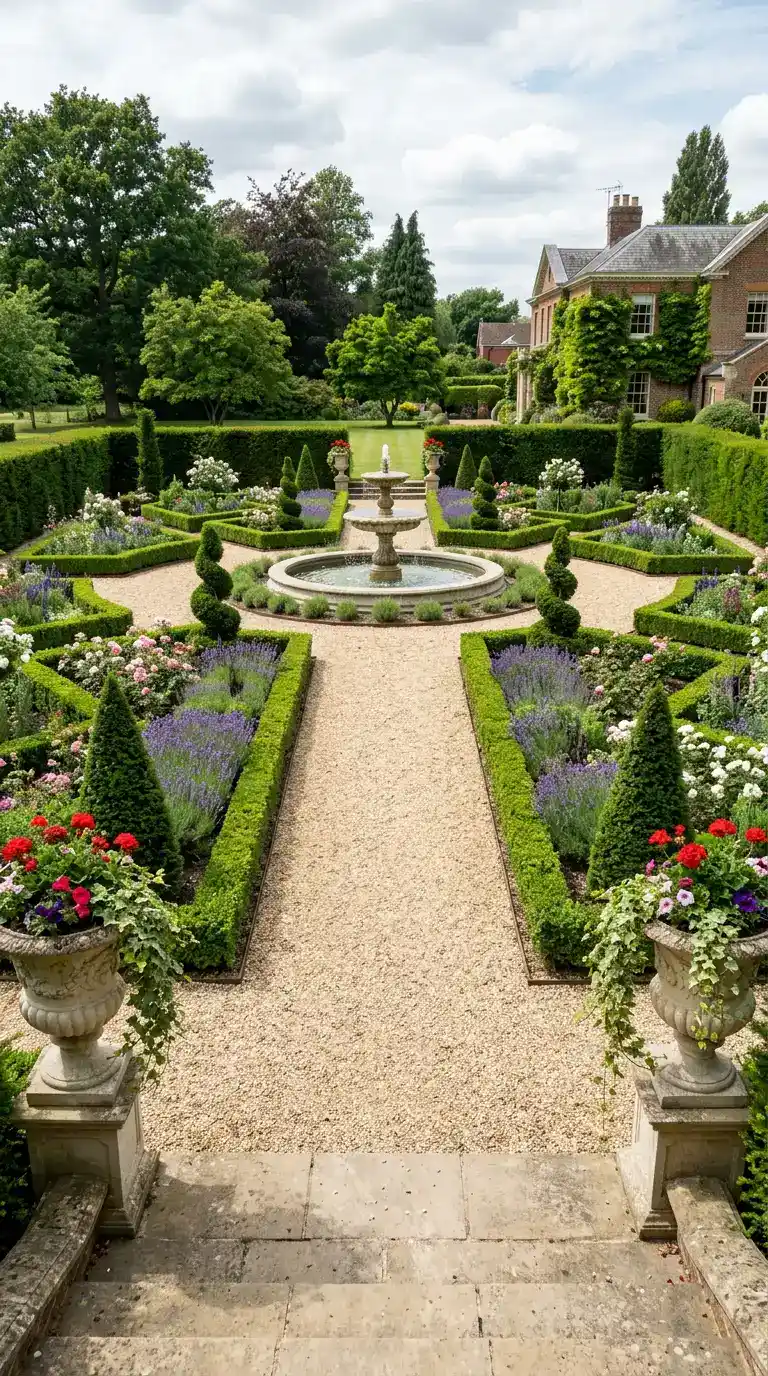
1. Formal Garden Design
A formal garden is characterized by symmetry, geometric shapes, and a sense of order. Use clipped hedges, topiaries, and precisely arranged planting beds to create a structured, elegant landscape. A central axis—often aligned with the house—leads to a focal point like a fountain, statue, or pergola. Pathways are straight and often bordered with low hedges or boxwoods. This design suits traditional and classical homes and creates a timeless, sophisticated outdoor space.
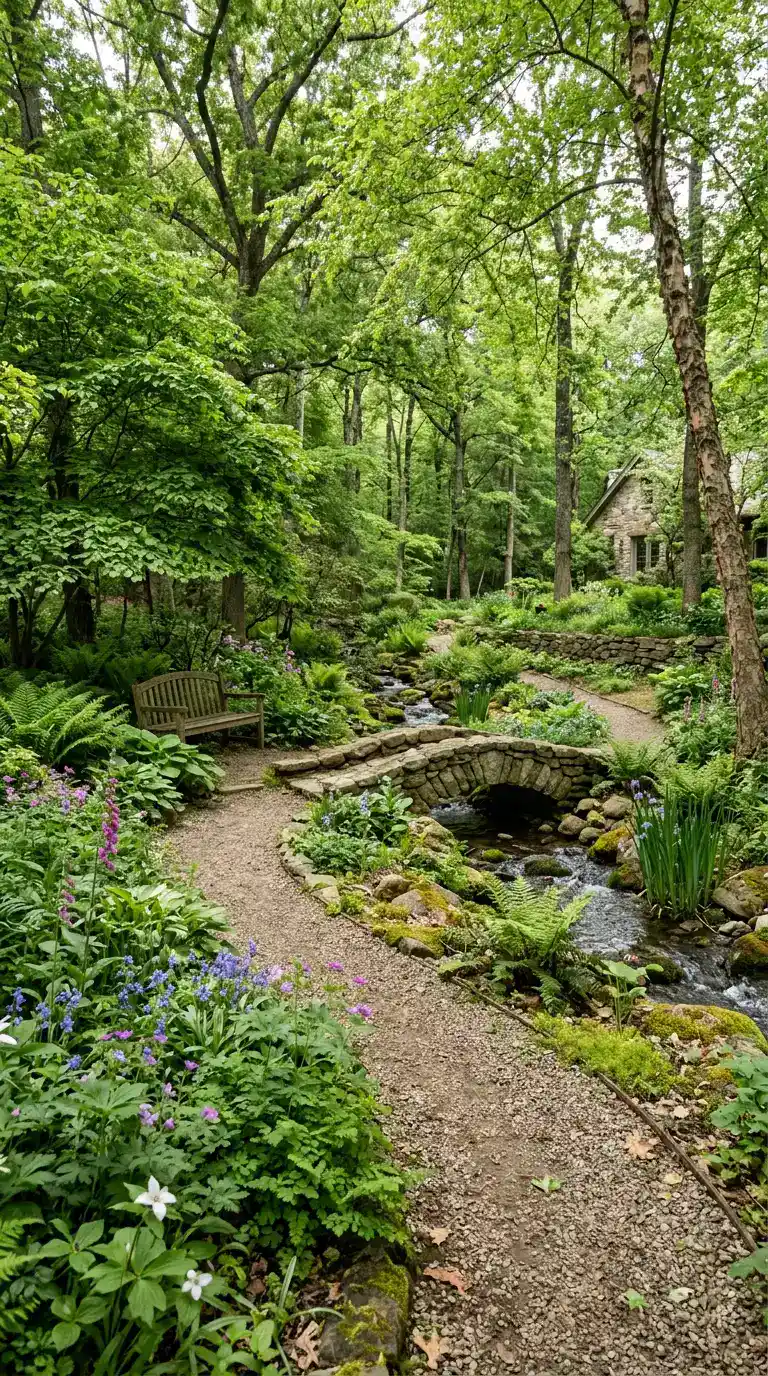
2. Naturalistic or Woodland Garden
Embrace the beauty of nature with a naturalistic or woodland garden that mimics the curves and randomness of the wild. Use winding pathways, irregularly shaped planting beds, and native plants like ferns, wildflowers, and shade trees. Incorporate natural materials like stone, wood, and gravel. A woodland garden creates a peaceful, serene atmosphere that feels like an escape from the built environment.
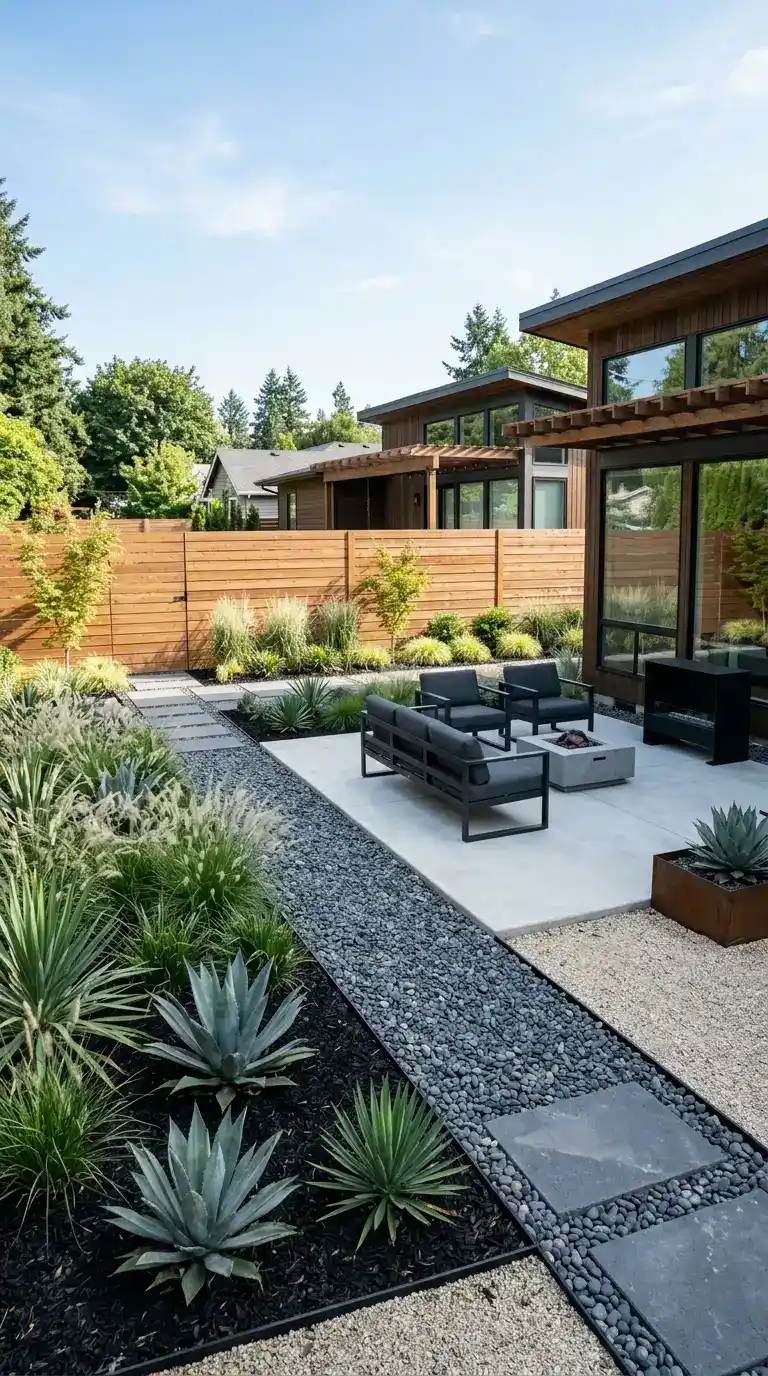
3. Modern Minimalist Design
Modern minimalist landscaping emphasizes clean lines, a restrained material palette, and simplicity. Use geometric hardscaping—rectangular patios, square stepping stones, and angular retaining walls. Choose a limited selection of materials like concrete, wood, and gravel. Plantings are often massed in drifts of ornamental grasses, succulents, or low ground covers. The result is a calm, uncluttered outdoor space that complements contemporary architecture.
4. Mediterranean-Inspired Landscape
Capture the warmth and romance of the Mediterranean with terracotta pots, olive trees, lavender, and gravel pathways. Use stone or stucco walls, pergolas draped with climbing vines, and a central fountain or water feature. Plant drought-tolerant species like rosemary, lavender, bougainvillea, and citrus trees. A Mediterranean landscape feels sun-drenched, inviting, and perfect for outdoor dining and entertaining.
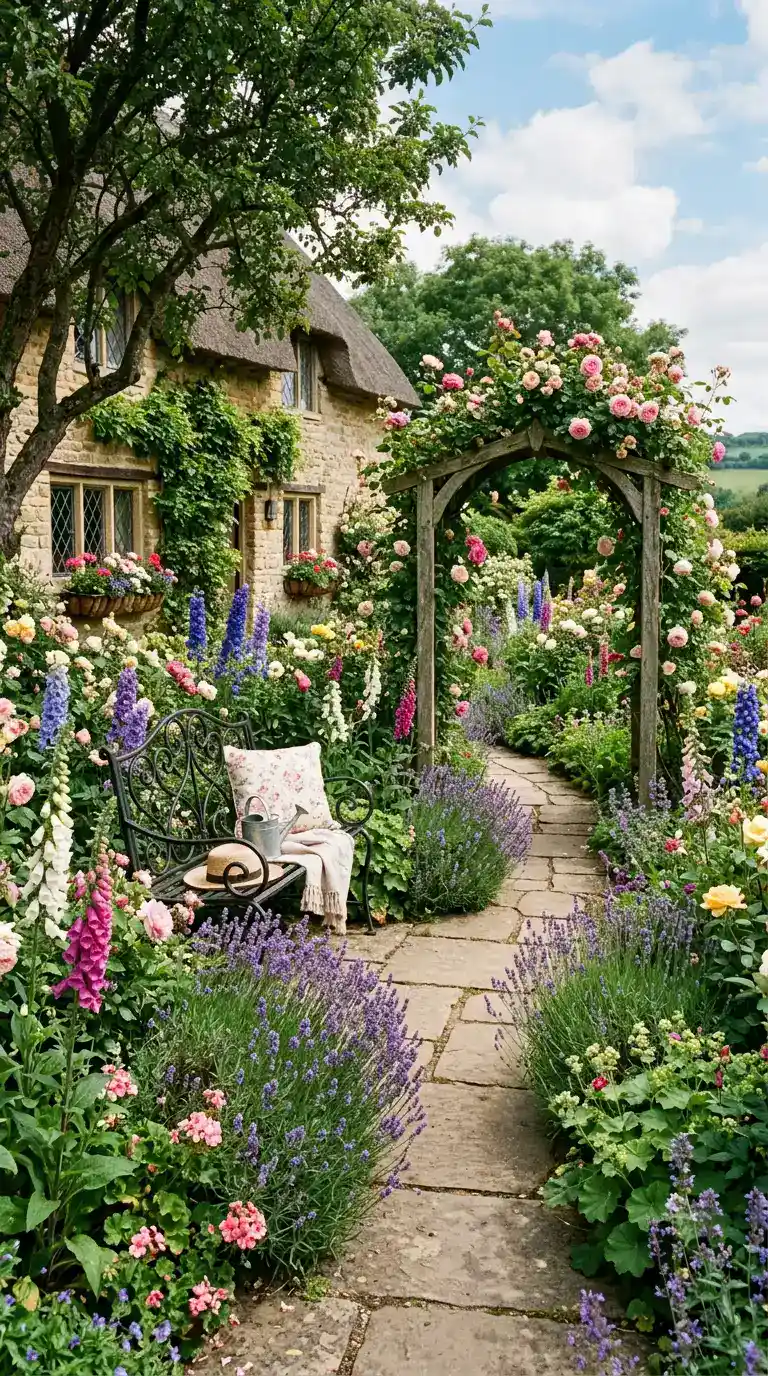
5. Cottage Garden Design
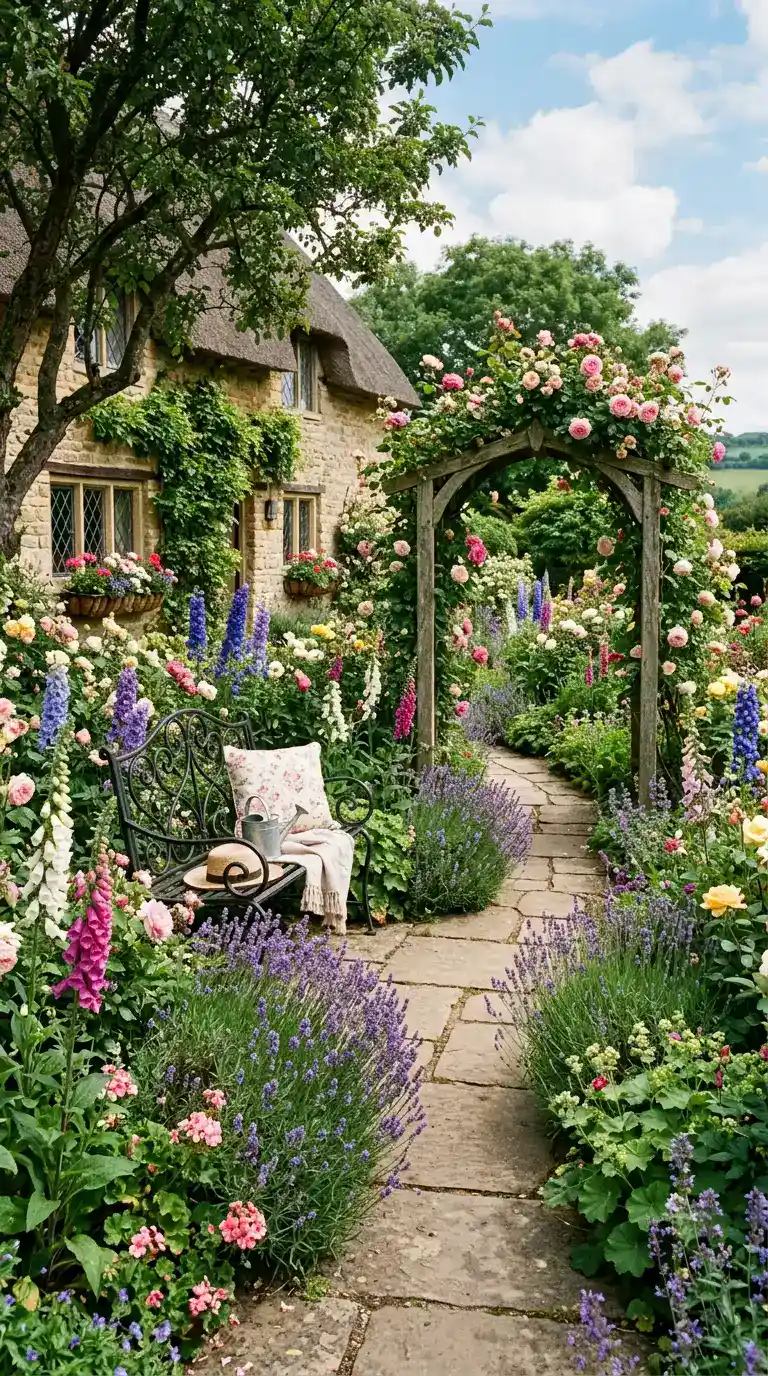
A cottage garden embraces abundance, color, and a relaxed, informal aesthetic. Plant a mix of perennials, annuals, and flowering shrubs in layered drifts. Include classic cottage plants like roses, delphiniums, foxgloves, peonies, and lavender. Allow plants to spill over pathways, and incorporate climbing vines on arbors and trellises. A cottage garden feels romantic, nostalgic, and full of life.
6. Japanese-Inspired Zen Garden
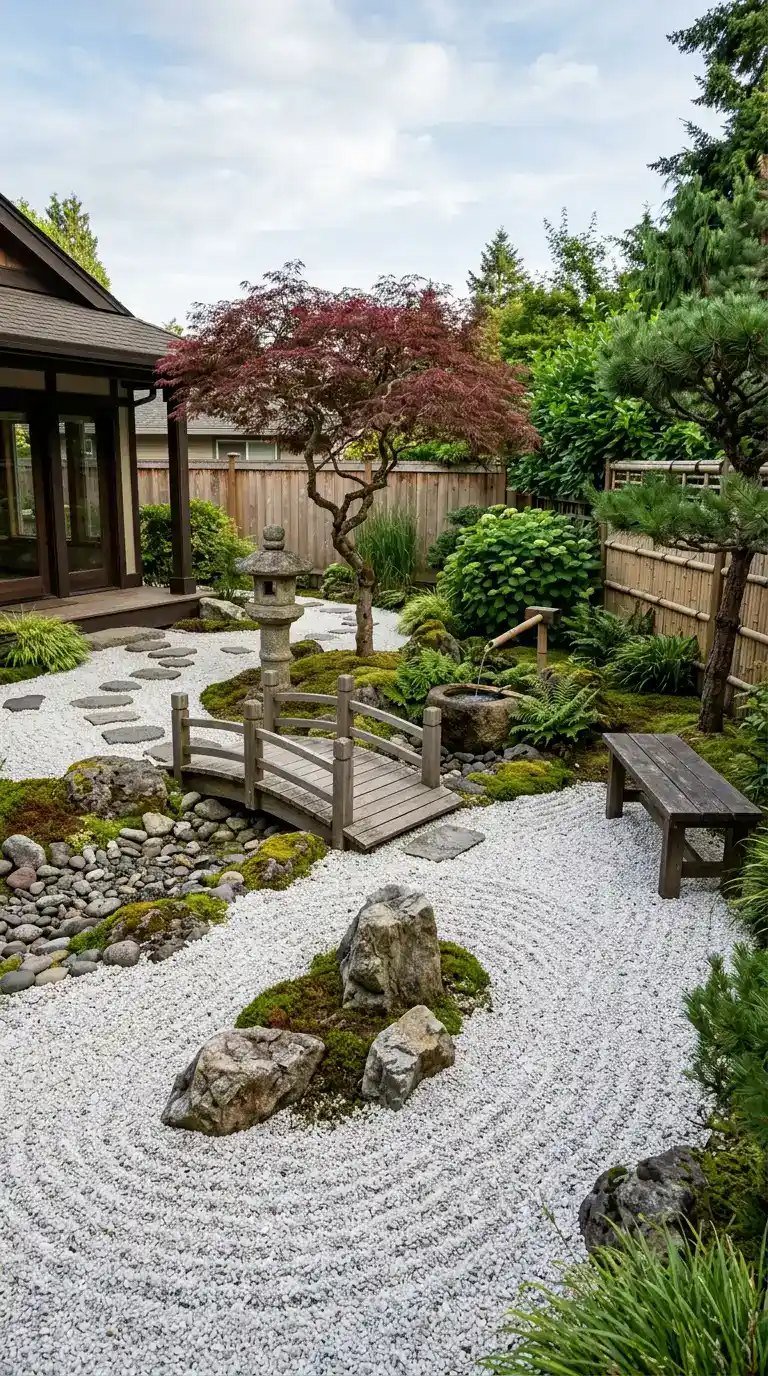
Create a tranquil retreat with a Japanese-inspired Zen garden. Use gravel or sand raked in patterns to represent water, and arrange rocks and boulders to suggest mountains. Plant bamboo, Japanese maples, moss, and evergreens. Include a water feature like a small pond or bamboo fountain, and a simple wooden bench for meditation. A Zen garden offers a quiet space for reflection and mindfulness.
7. Tropical Paradise
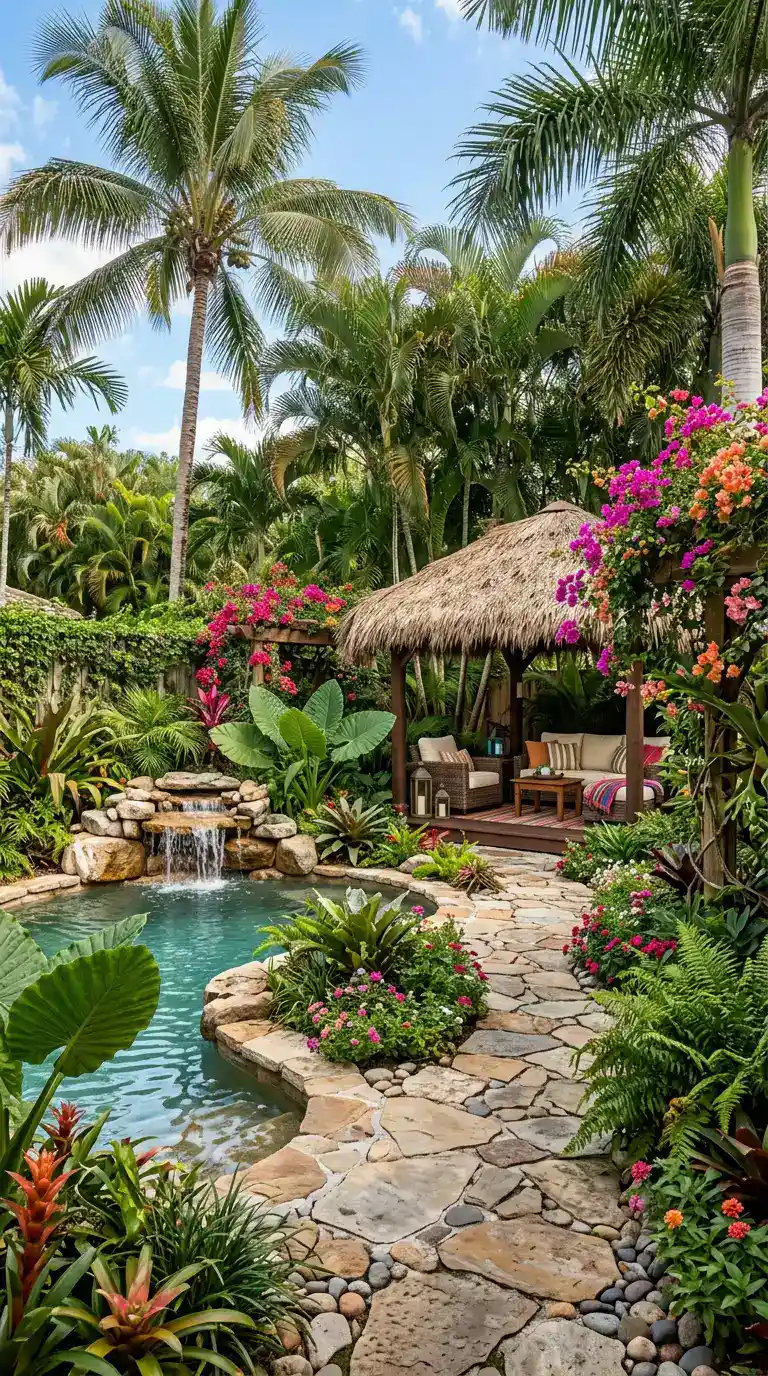
Transform your backyard into a lush tropical escape with large-leaf plants like elephant ears, banana trees, and birds of paradise. Add palms, ferns, and flowering vines for depth and texture. Use natural materials like stone, wood, and thatch for structures. Incorporate a water feature, a pool, or a hot tub to enhance the resort-like feel. A tropical landscape creates a sense of vacation and relaxation year-round.

8. Xeriscape or Drought-Tolerant Design
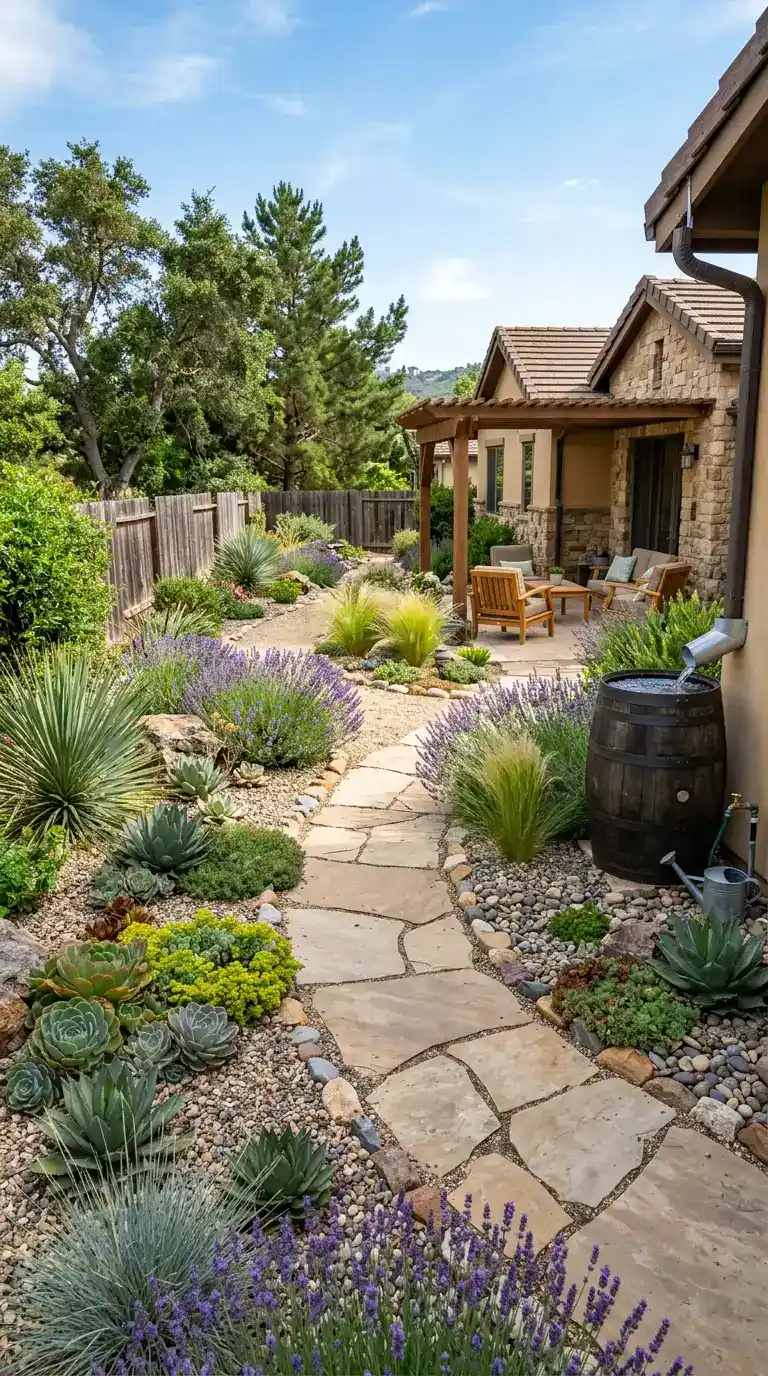
For water-conscious landscaping, a xeriscape design uses drought-tolerant plants, gravel, and efficient irrigation to create a beautiful, low-maintenance garden. Choose succulents, ornamental grasses, lavender, and native species that thrive with minimal water. Use mulch or gravel to retain moisture and suppress weeds. A xeriscape landscape is both environmentally responsible and visually striking.
9. Family-Friendly Design
Design a backyard that accommodates the needs of children and adults alike. Include a flat lawn for running and games, a play structure or sandbox, and a vegetable garden for hands-on learning. Create a comfortable seating area for parents within view of the play zones. Use durable, low-maintenance materials that can withstand active use. A family-friendly landscape encourages outdoor activity and quality time together.
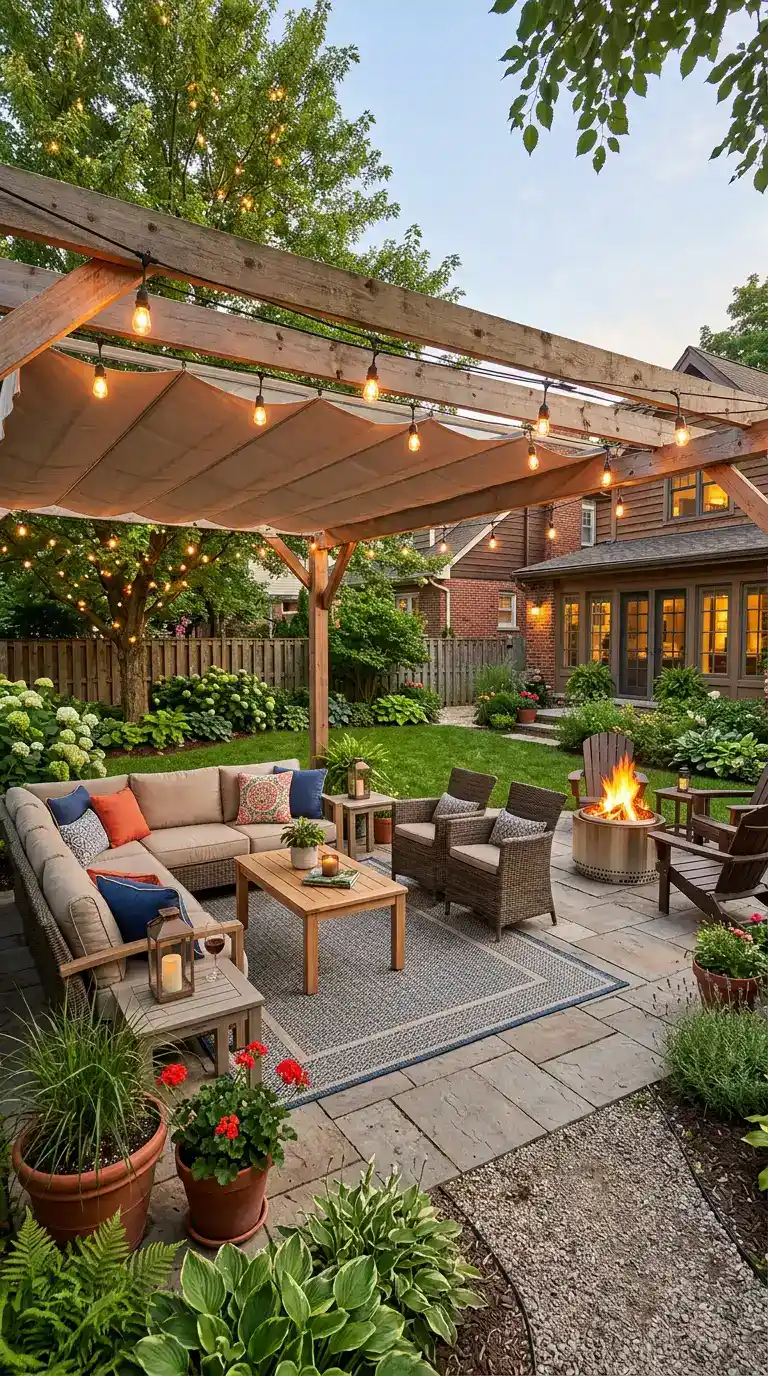
10. Outdoor Living Room Design
Extend your indoor living space outdoors with a well-appointed outdoor living room. Use comfortable, weather-resistant furniture arranged in a conversational layout. Add an outdoor rug to define the space, and include a pergola or shade structure for shelter. Incorporate a fire pit or fireplace for warmth, and use lighting to create ambiance. An outdoor living room becomes a natural gathering spot for family and friends.
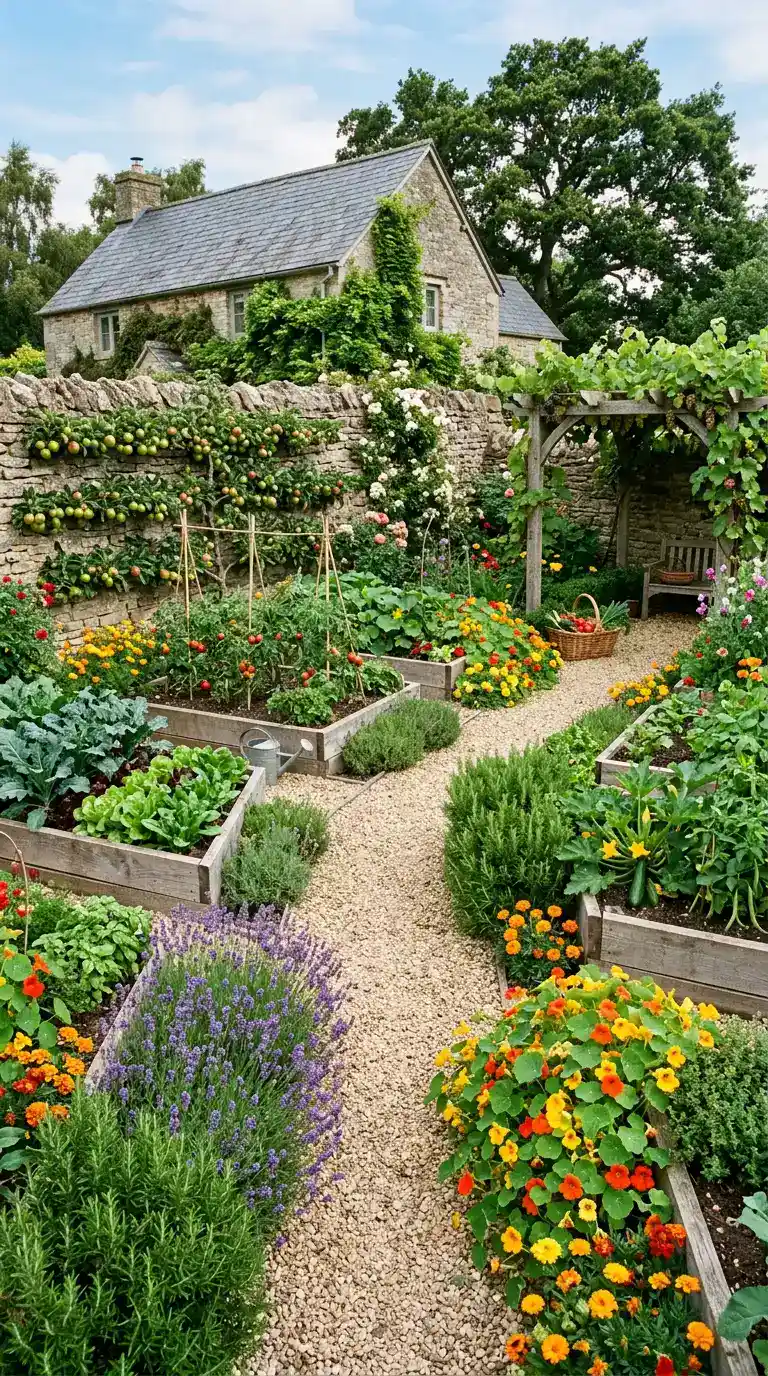
11. Edible Landscape
Combine beauty and productivity with an edible landscape that integrates vegetables, fruits, and herbs into your ornamental garden. Use raised beds, espaliered fruit trees, and edible flowers like nasturtiums and calendula. Incorporate herbs like rosemary and lavender as border plants. An edible landscape is both functional and beautiful, providing fresh produce while enhancing your outdoor space.
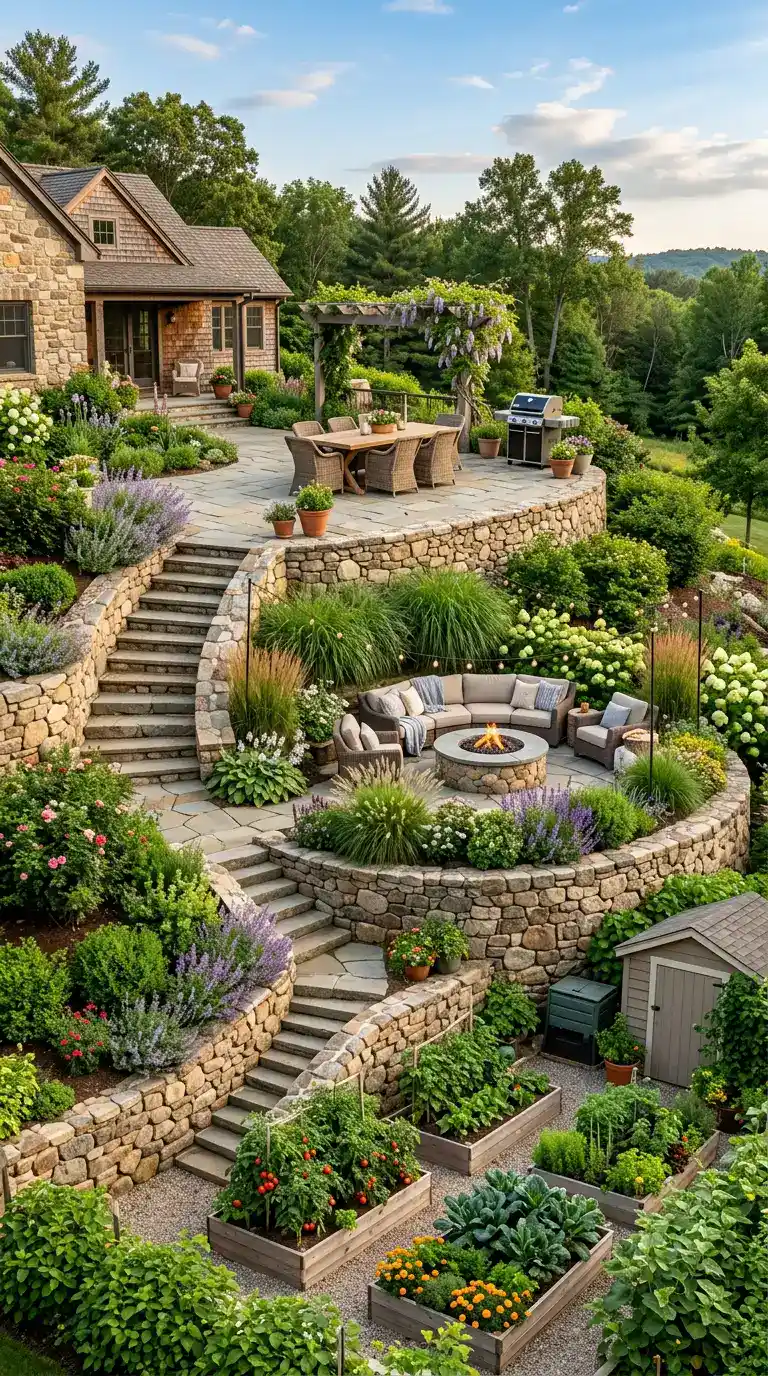
12. Hillside or Terraced Design
For sloped backyards, a terraced design uses retaining walls to create flat, usable levels. Each terrace can serve a different purpose—a dining area on one level, a lounge area on another, and a garden on the lowest level. Use stone or timber retaining walls, and connect the levels with steps and pathways. A terraced landscape maximizes usable space on challenging terrain.
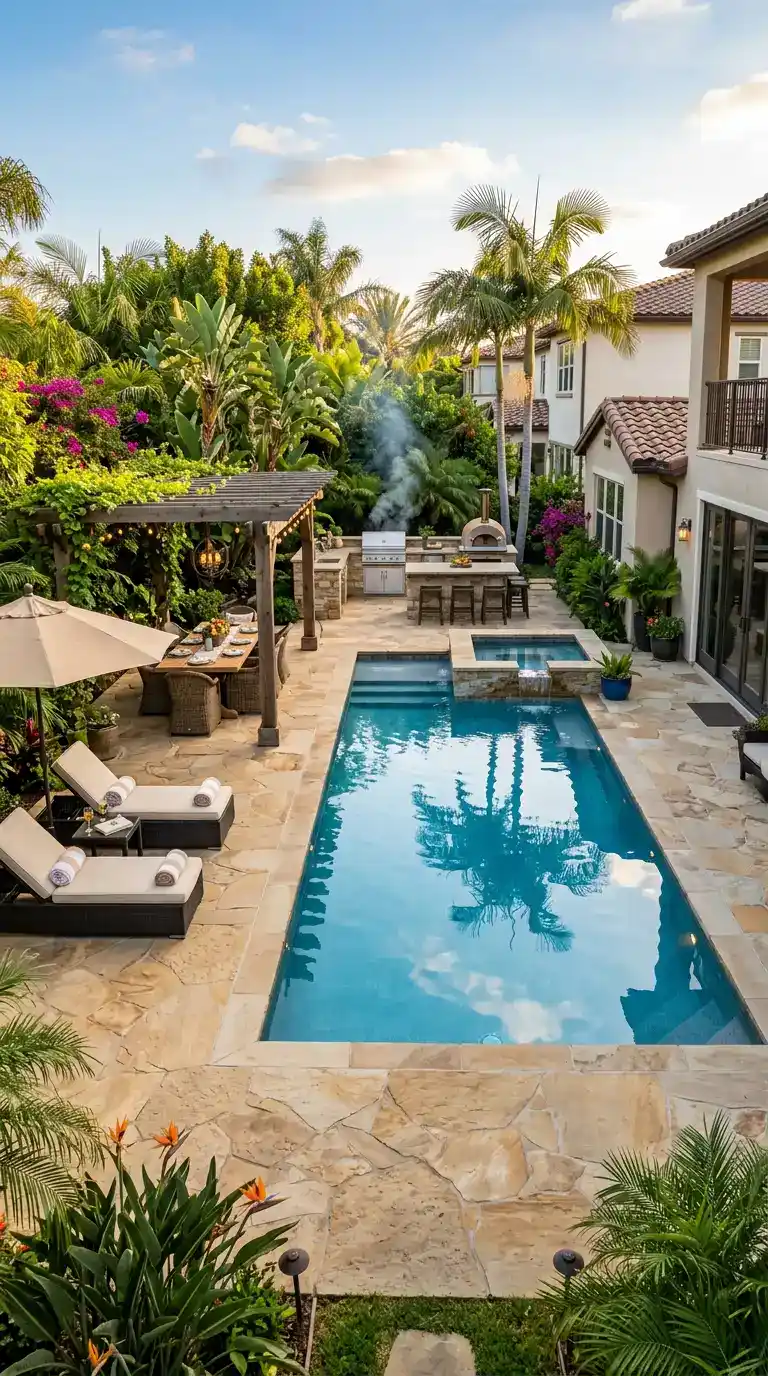
13. Pool-Centric Design
Design your backyard around a swimming pool as the central feature. Position the pool to capture sun and views, and arrange seating, dining, and lounging areas around it. Use decking or paving to create a cohesive surface, and add landscaping to soften the edges and provide privacy. A pool-centric design creates a resort-like atmosphere ideal for relaxation and entertaining.
14. Sustainable and Native Landscape
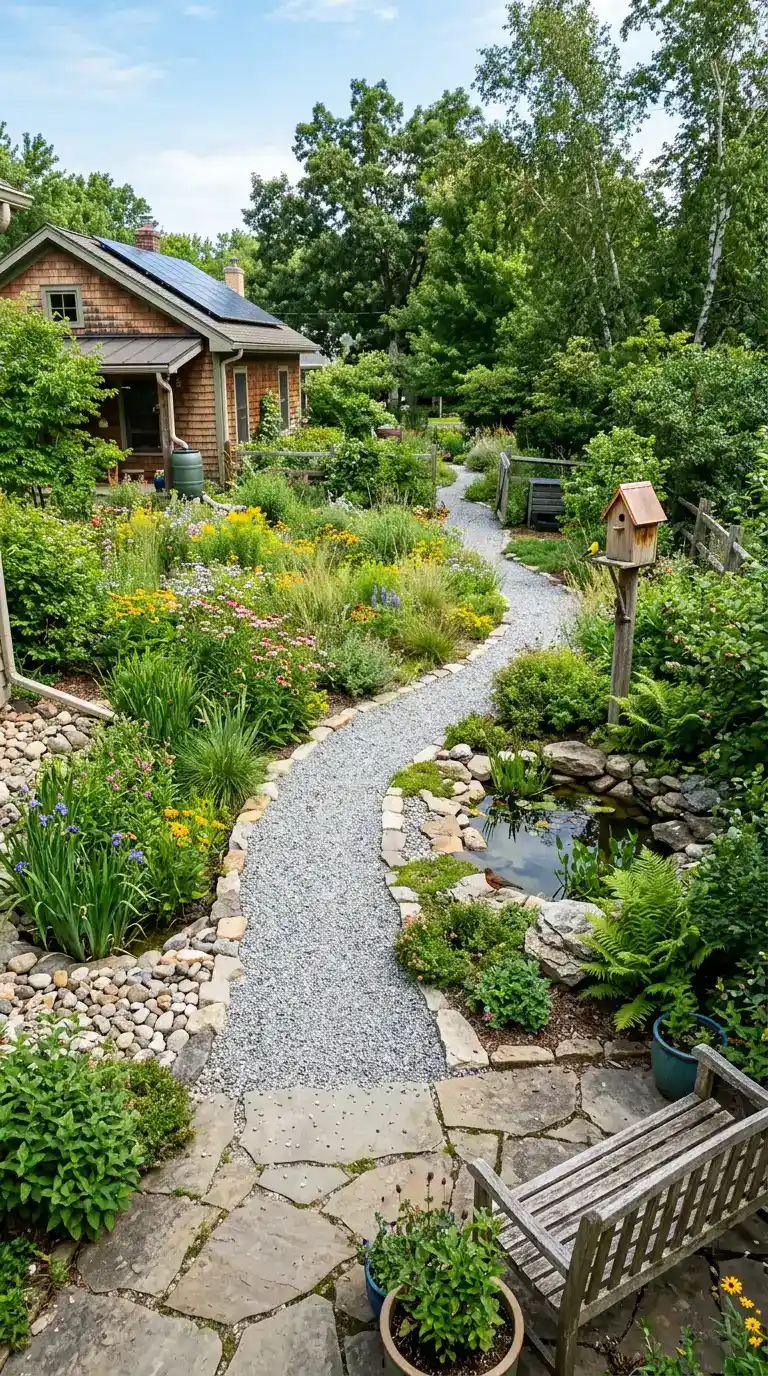
Design a landscape that works in harmony with your local environment by using native plants, permeable paving, rain gardens, and sustainable practices. Native plants require less water, fertilizer, and maintenance, and they support local pollinators and wildlife. Incorporate a rain garden to manage stormwater, and use permeable materials to reduce runoff. A sustainable landscape is both beautiful and ecologically responsible.
Conclusion
Backyard landscaping is an opportunity to create an outdoor space that reflects your style, meets your needs, and enhances your connection to nature. Whether you prefer the elegance of a formal garden, the tranquility of a Japanese Zen retreat, the abundance of a cottage garden, or the clean lines of modern minimalism, thoughtful design ensures that your landscape is both beautiful and functional. Consider how you will use the space—for entertaining, gardening, relaxation, or play—and choose a design that supports those activities. With careful planning and attention to detail, your backyard can become a cherished extension of your home and a source of joy for years to come.


