
13 Backyard Chicken Farming Ideas
Raising chickens in your backyard is a rewarding experience that provides fresh eggs, natural pest control, and garden fertilizer. Chickens are entertaining, relatively low-maintenance, and can thrive in both urban and rural settings. A well-designed coop and run keep your flock safe, healthy, and happy. From mobile coops and upcycled designs to predator-proof runs and chicken gardens, here are thirteen backyard chicken farming ideas to inspire your flock-keeping journey.
1. Portable Chicken Tractor
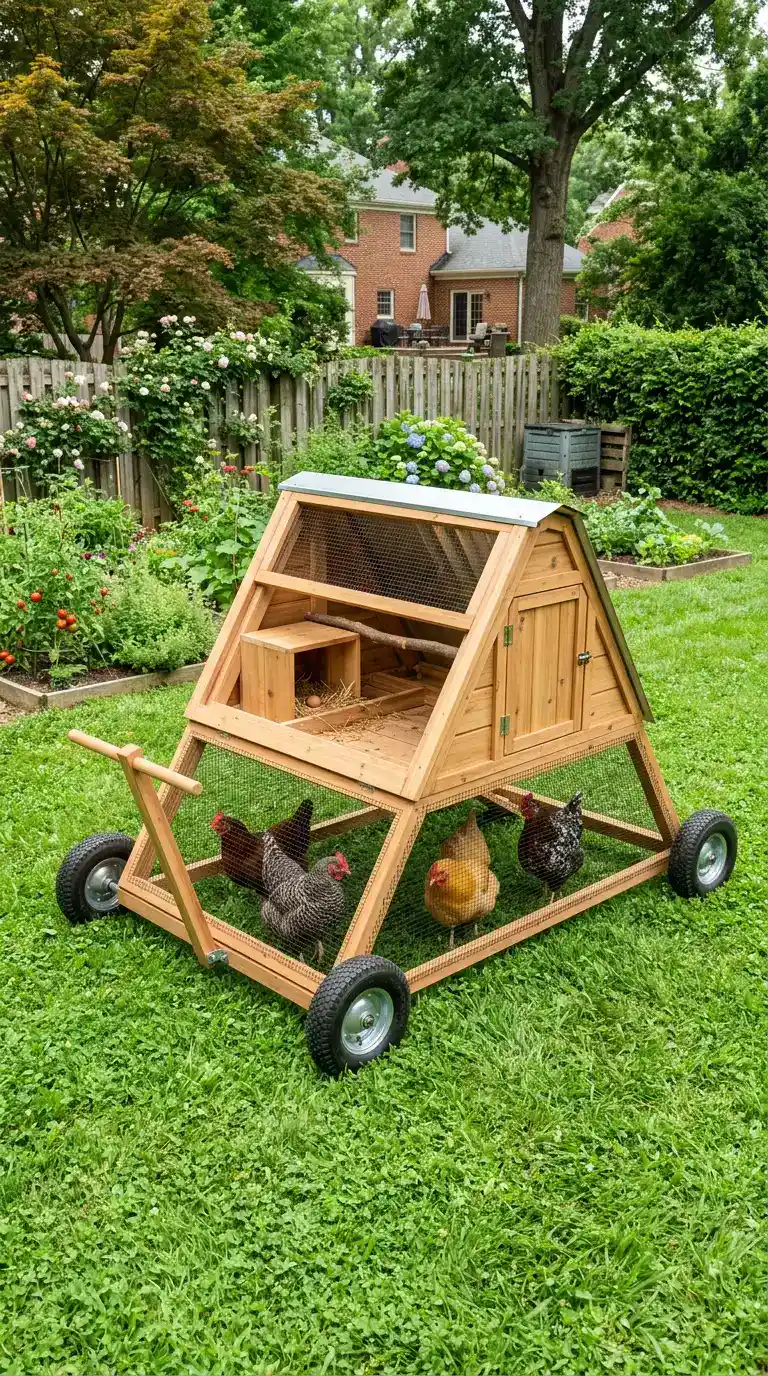
A chicken tractor is a lightweight, movable coop that allows you to rotate your flock to fresh grass regularly. This design benefits both chickens and your lawn—chickens get fresh forage, and their waste fertilizes the soil. Build a triangular or A-frame tractor with wheels on one end for easy movement. Include a roosting bar, nesting boxes, and a covered area for shade and weather protection.
2. Upcycled Shed Coop
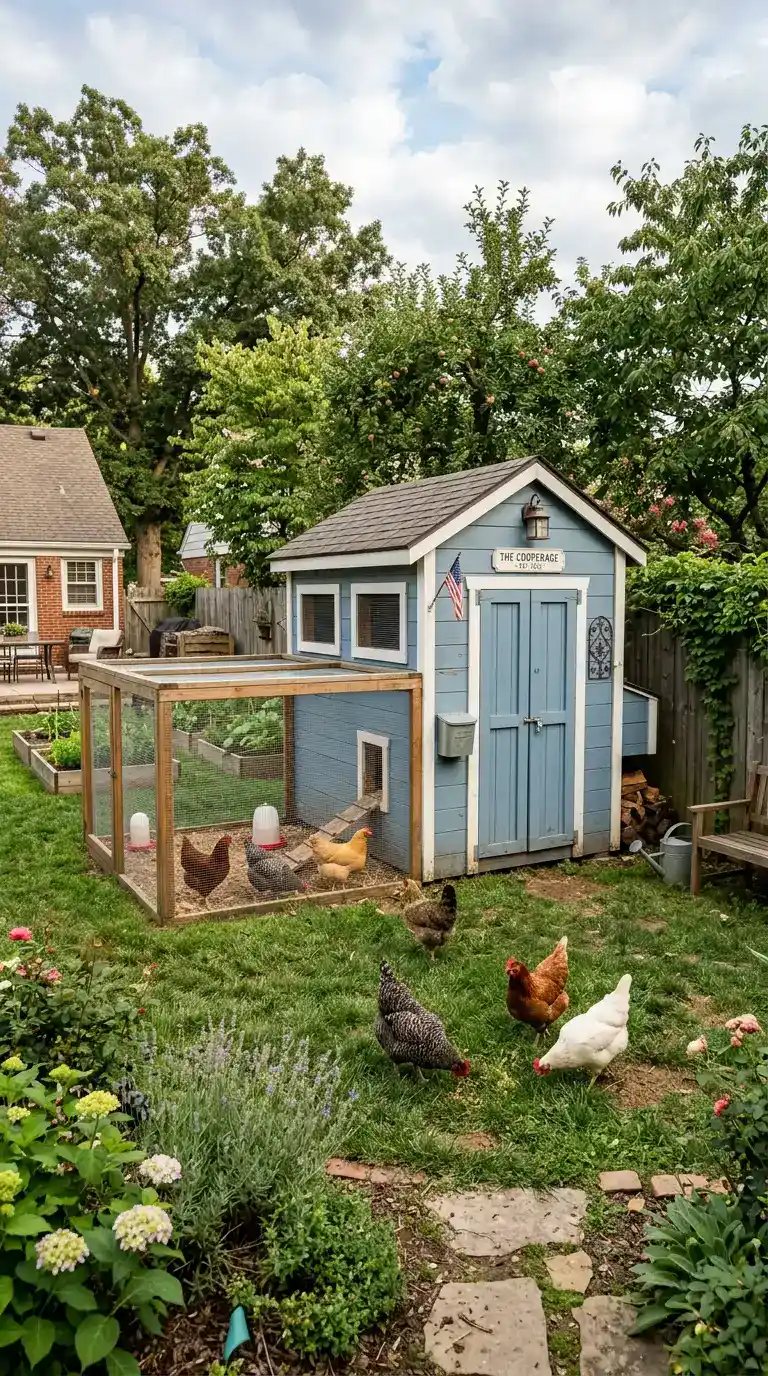
Convert an old garden shed, playhouse, or small building into a spacious chicken coop. This is an affordable option that repurposes existing structures. Add ventilation windows, roosting bars, nesting boxes, and an access door for cleaning. Paint the exterior to match your backyard aesthetic. A converted shed coop provides ample space for a larger flock.
3. Pallet Coop
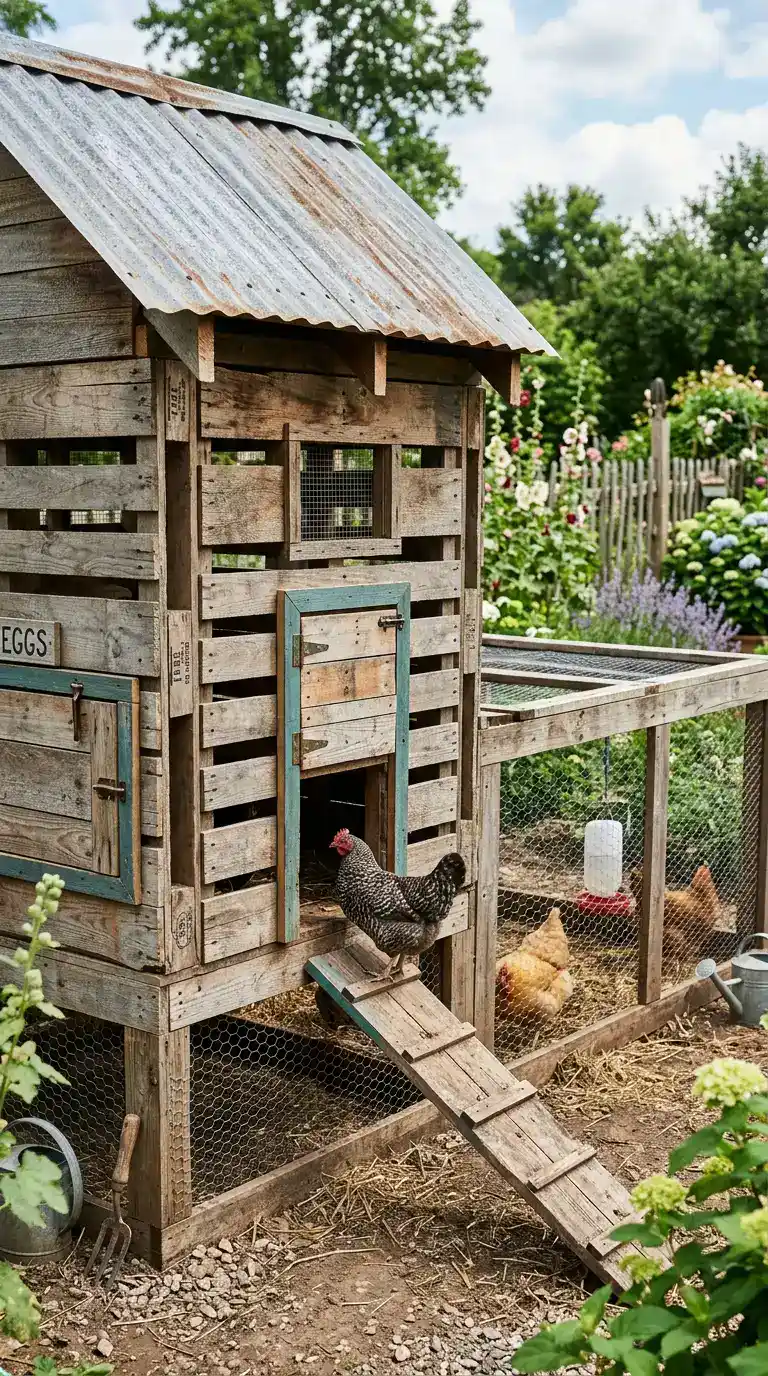
Build a chicken coop from reclaimed wooden pallets for an eco-friendly, budget-friendly project. Disassemble pallets and use the wood to construct the coop walls, floor, and roof. Sand the wood to prevent splinters, and seal it for weather protection. Pallet coops have a rustic, farmhouse charm and can be customized to fit any space.
4. Mobile A-Frame Coop
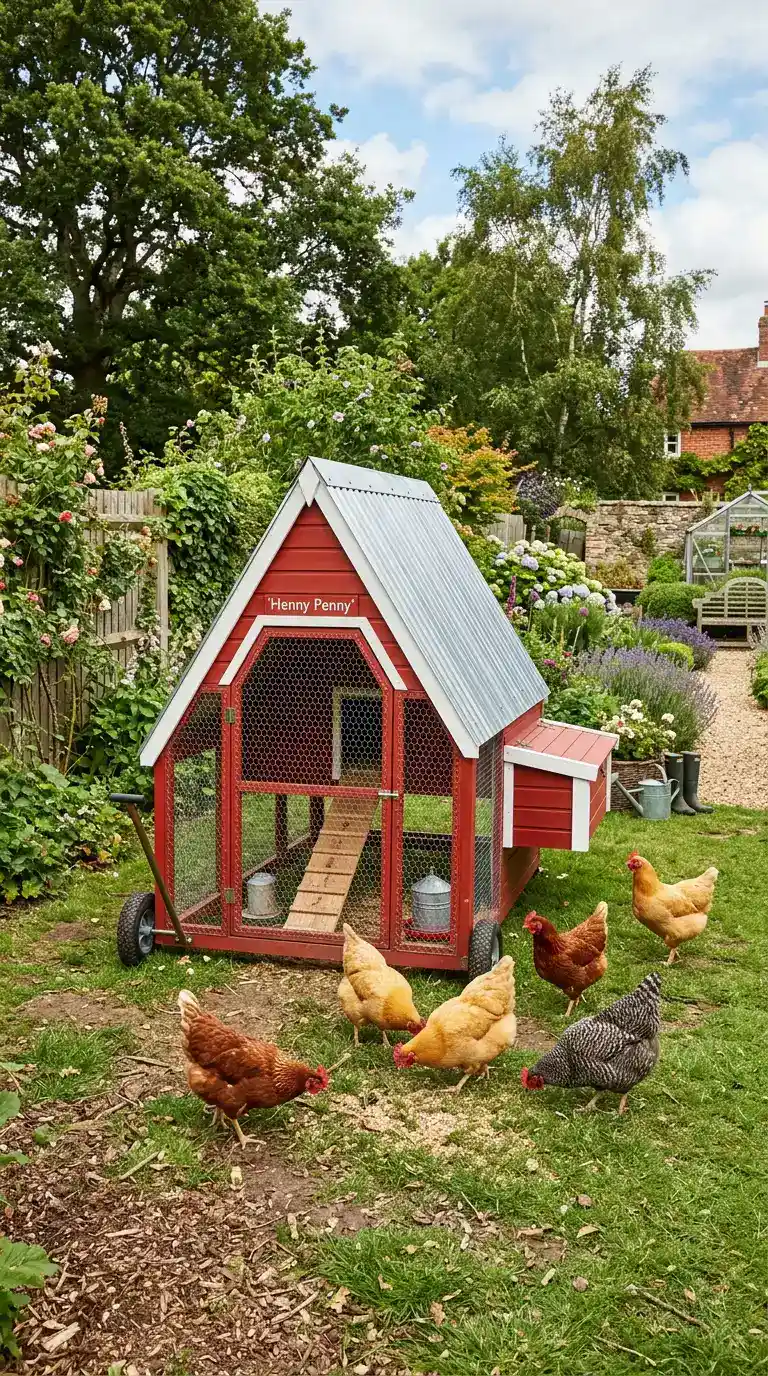
An A-frame coop is easy to build, portable, and provides excellent shelter for a small flock. The triangular shape sheds rain and snow, and the slanted sides can be covered with wire mesh for ventilation. Add wheels to one end for easy movement around the yard. An A-frame coop is ideal for 2-4 chickens and can be moved daily to fresh grass.
5. Chicken Run with PVC Hoops
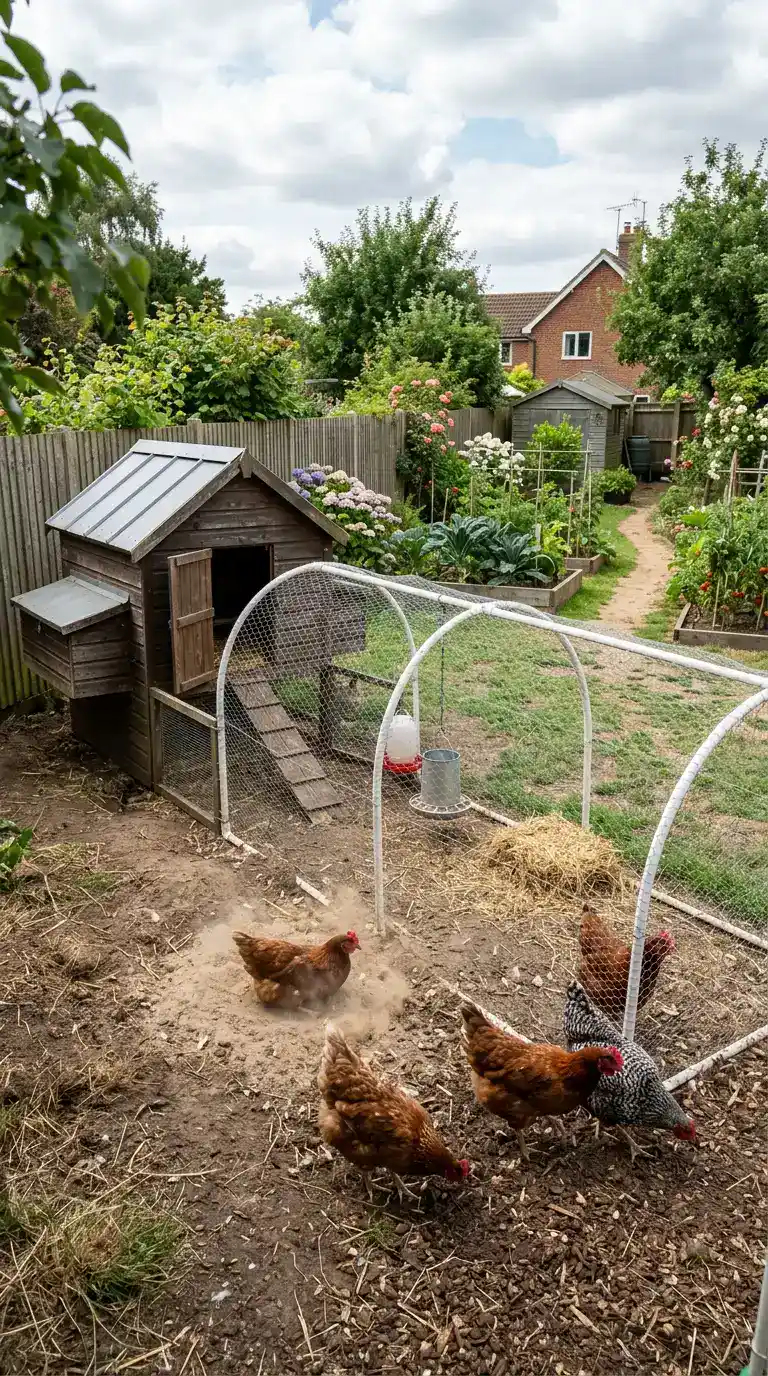
A PVC hoop run is an affordable, lightweight, and easy-to-build enclosure for your chickens. Use PVC pipes bent into arches and covered with chicken wire or hardware cloth. Secure the ends into the ground or into wooden baseboards. A PVC hoop run provides protected outdoor space for your flock while keeping predators out.
6. Deep Litter System
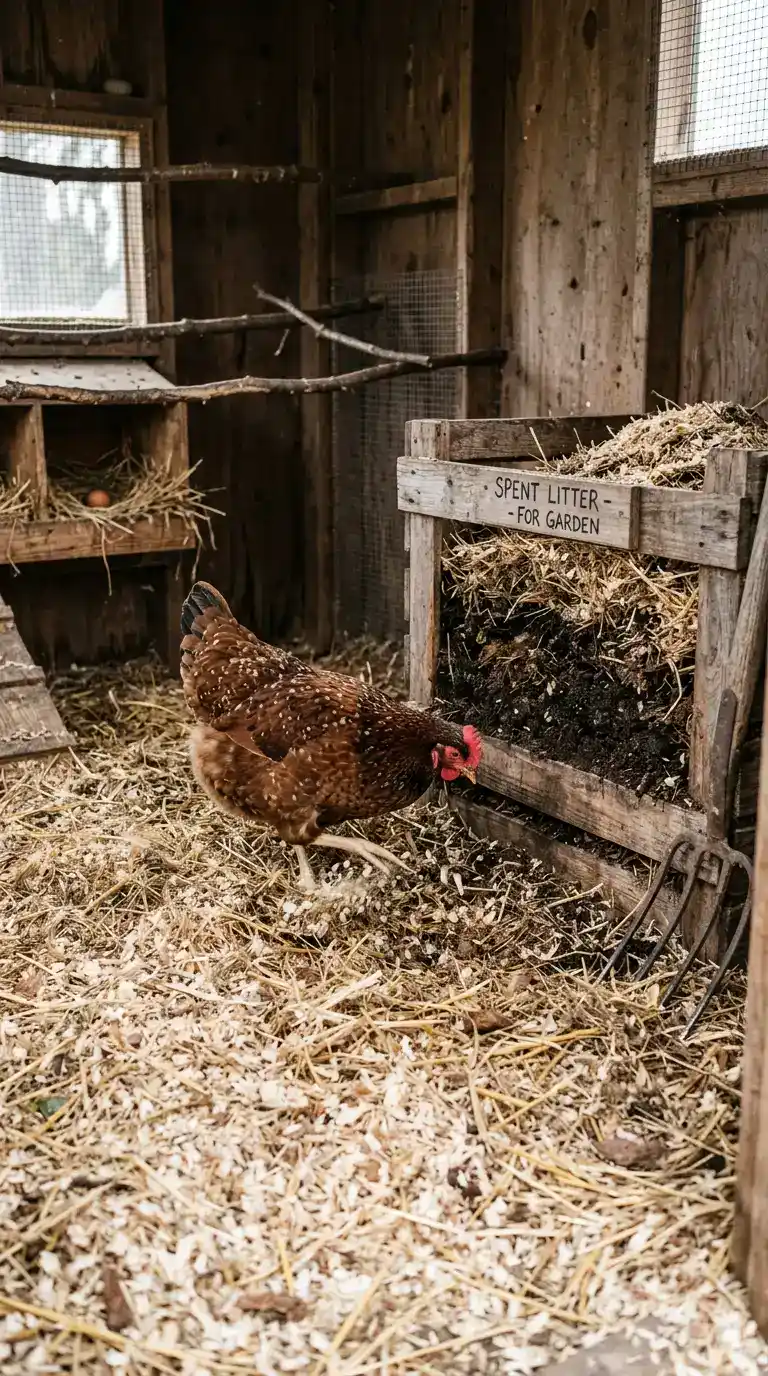
The deep litter system is a low-maintenance method for managing coop waste. Instead of frequent cleaning, you add layers of carbon-rich materials—pine shavings, straw, leaves—to the coop floor. The litter decomposes with the help of chicken droppings, creating heat that keeps the coop warm in winter and producing compost for your garden. Turn the litter occasionally and add fresh material as needed.
7. Predator-Proof Fort Knox Coop
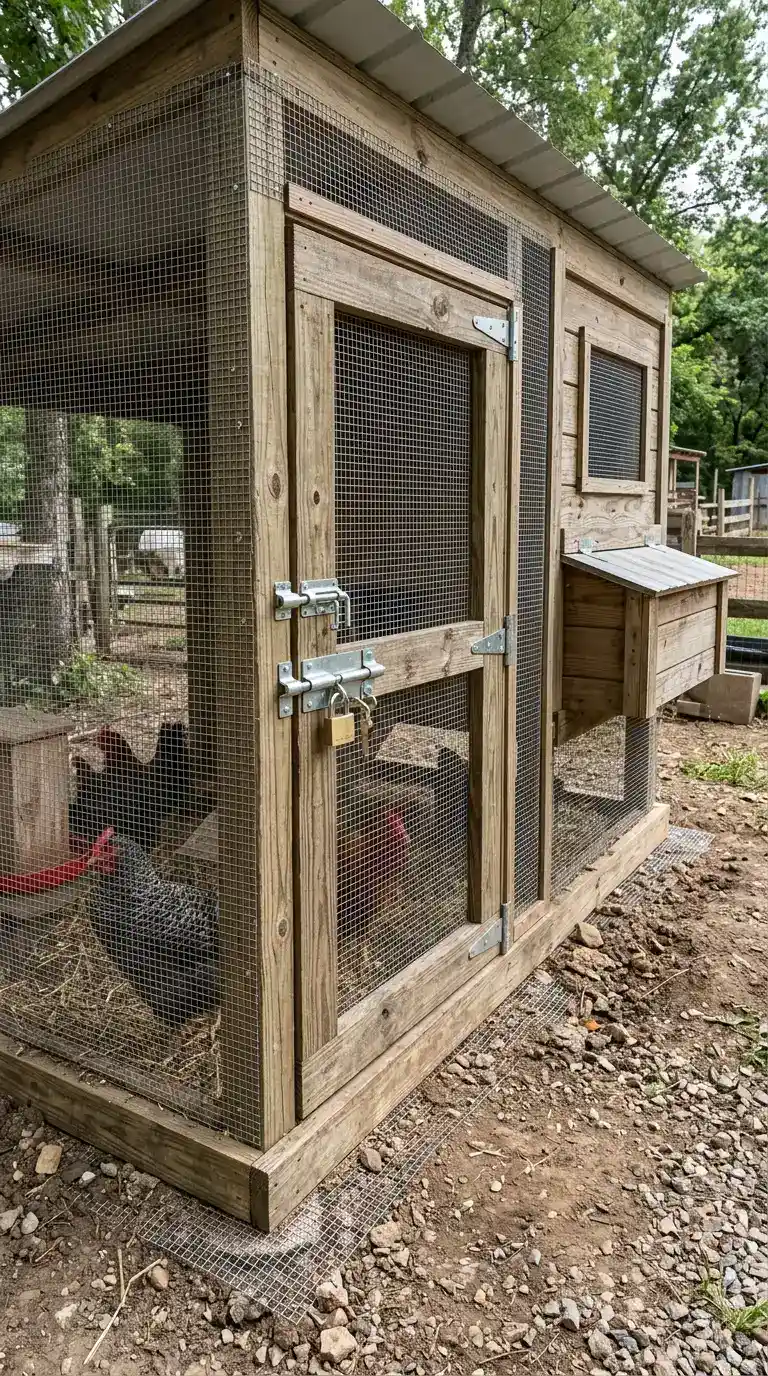
Protecting your flock from predators is essential. Build a coop with hardware cloth (not chicken wire) on all openings, including windows, vents, and the run. Bury hardware cloth 12 inches deep around the perimeter to prevent digging predators. Use heavy-duty locks on doors, and reinforce any weak points. A predator-proof coop gives you peace of mind and keeps your chickens safe.
8. Chicken Garden or Forage Area
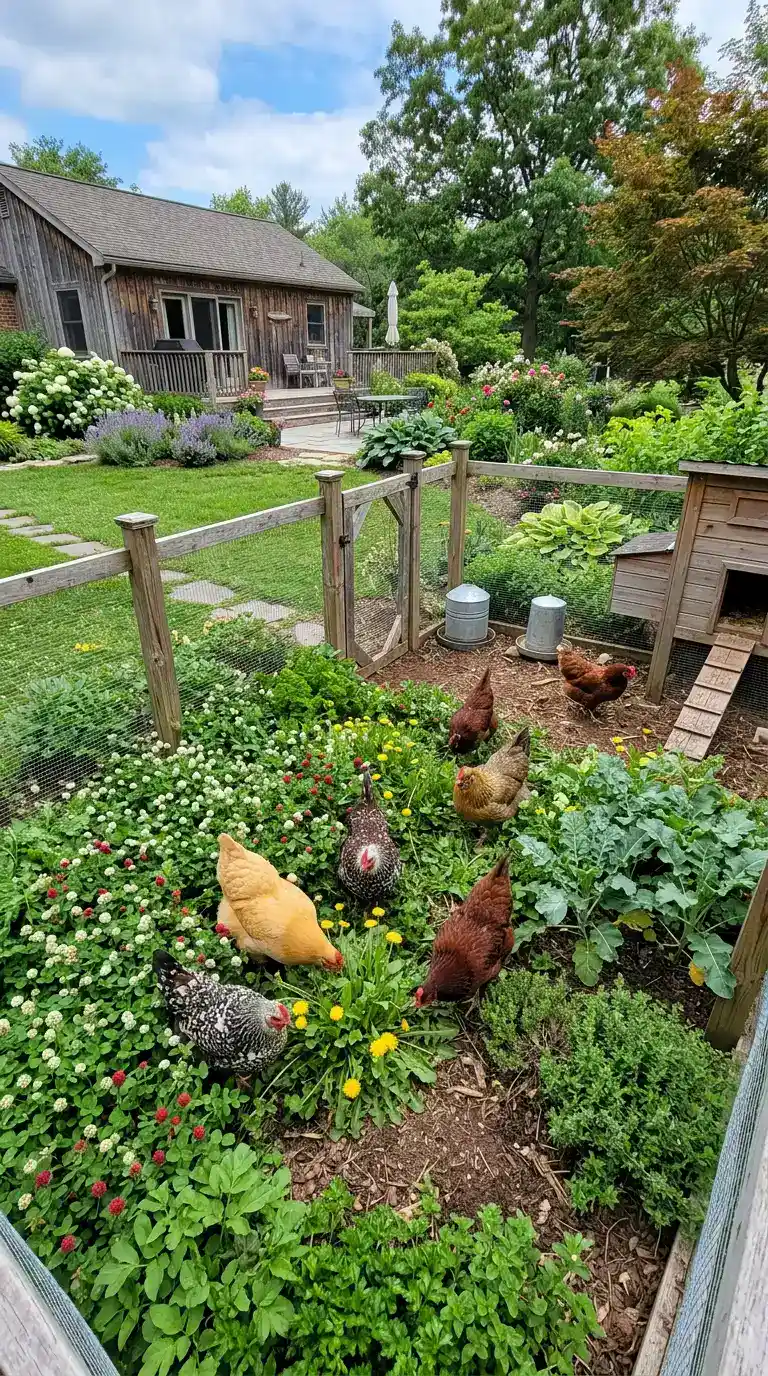
Plant a dedicated forage area for your chickens with chicken-friendly plants like clover, dandelion, kale, lettuce, and herbs like oregano and thyme. Rotate your chickens through different forage zones to prevent overgrazing and allow plants to recover. A forage area provides enrichment, supplements their diet, and reduces feed costs.
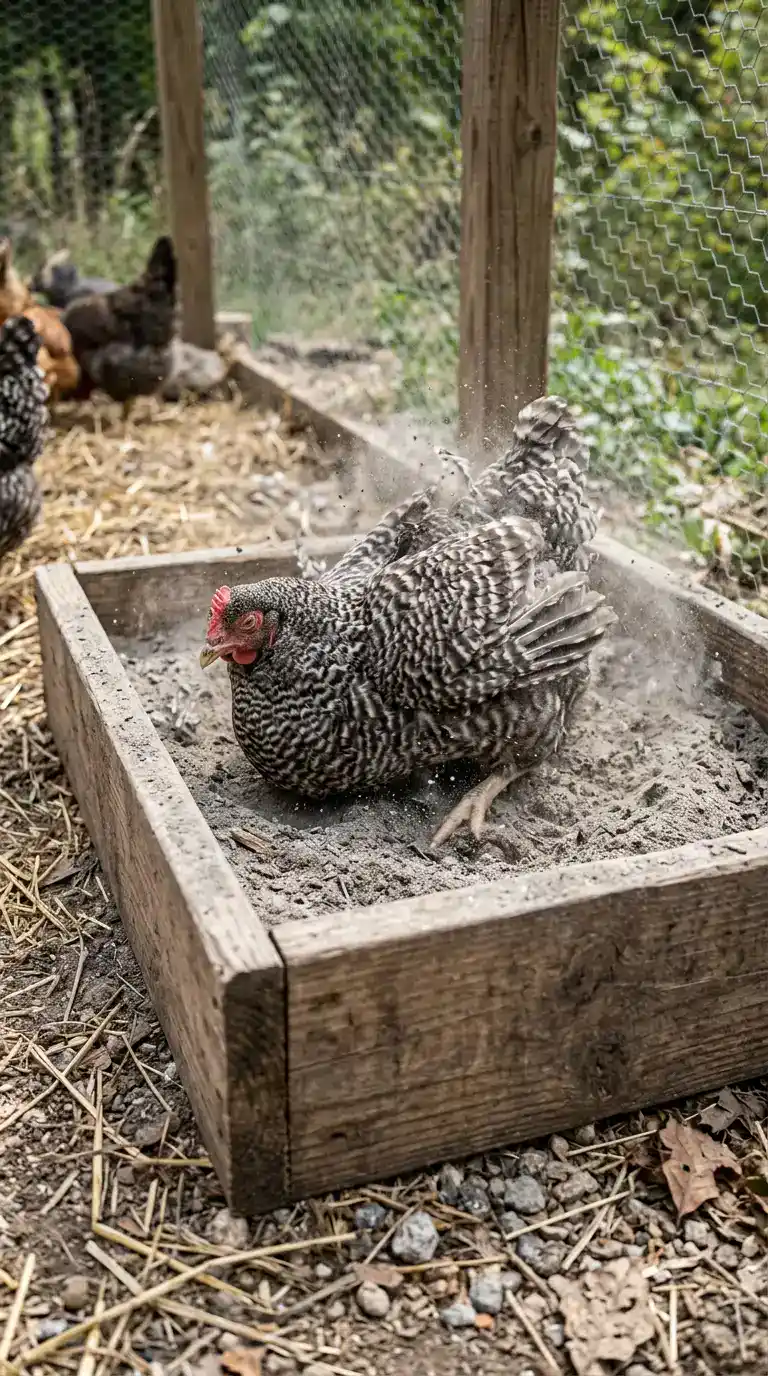
9. Dust Bath Station
Chickens need dust baths to keep mites and lice at bay. Create a designated dust bath area in the run or coop using a shallow container or a low-sided wooden box. Fill it with a mixture of sand, wood ash, and diatomaceous earth. Your chickens will happily roll and fluff in the dust, keeping themselves clean and pest-free.
10. Rainwater Collection System
Collect rainwater for your chickens by placing a barrel under a downspout near the coop. Use the collected water to fill their waterers. Rainwater is free and reduces your water bill. Ensure the barrel has a screen to prevent mosquitoes and debris. In winter, switch to heated waterers to prevent freezing.

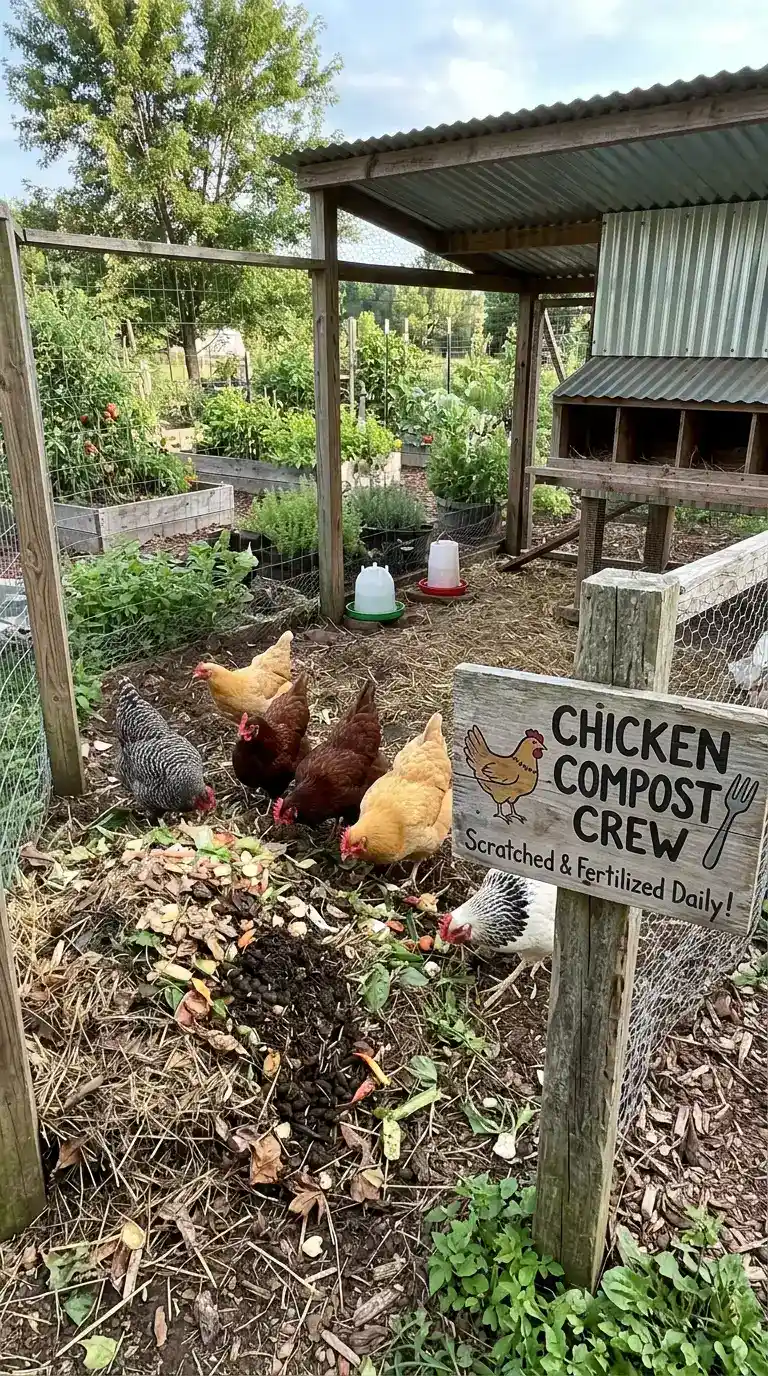
11. Composting Chicken Run
Combine your chicken run with a composting system. Place your compost pile inside the run, and let your chickens do the work. They will scratch through the pile, turning the compost, eating bugs, and adding their own manure. This setup reduces the need for mechanical turning and creates rich compost for your garden.
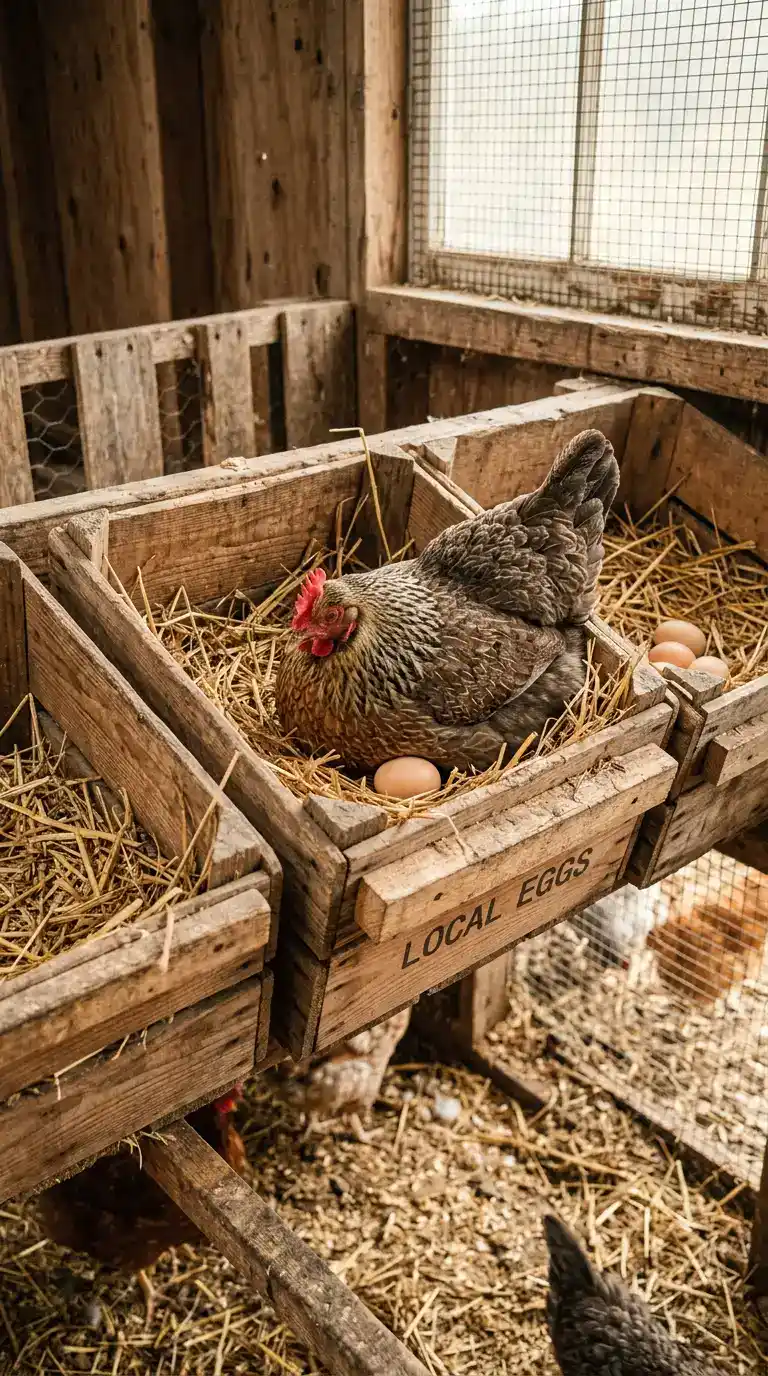
12. Nesting Box from Repurposed Materials
Build nesting boxes from repurposed materials like old wooden crates, plastic buckets, or even a recycled filing cabinet. Each nesting box should be about 12x12x12 inches, with a lip to keep bedding inside. Place them in a dark, quiet corner of the coop. Line with straw or pine shavings. Repurposed nesting boxes are budget-friendly and add character.
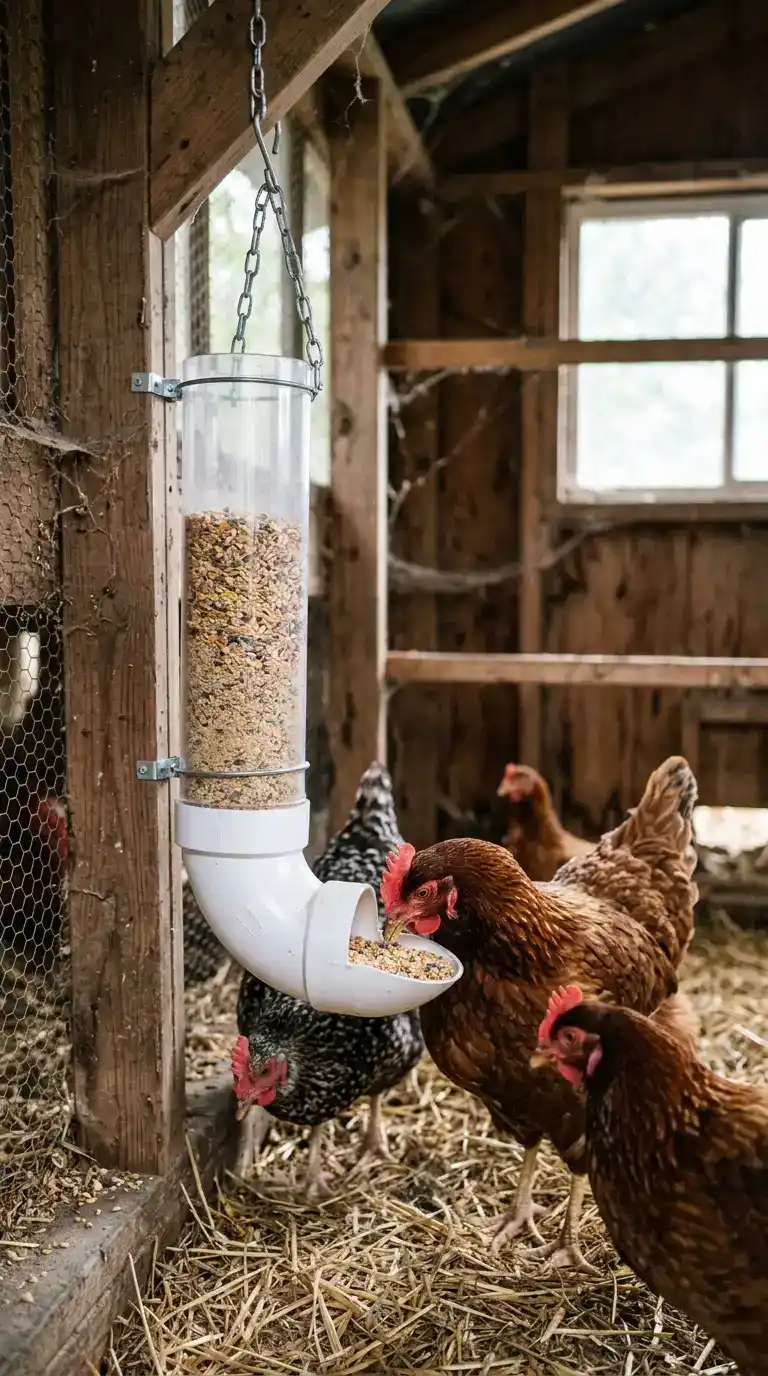
13. Automatic Chicken Feeder
Build an automatic chicken feeder from PVC pipes to save time and reduce waste. Use a large PVC pipe with a cap on top and a curved elbow at the bottom that dispenses feed as chickens eat. Hang the feeder at back height to prevent spoilage and rodents. An automatic feeder keeps feed dry and available for several days.
Conclusion
Backyard chicken farming is a rewarding pursuit that provides fresh eggs, natural pest control, garden fertilizer, and endless entertainment. Whether you build a portable chicken tractor, convert a shed, create a predator-proof coop, or plant a chicken forage garden, thoughtful design keeps your flock healthy, safe, and happy. Start small, learn as you go, and enjoy the many benefits of raising your own backyard flock. With a little planning and effort, your chickens will thrive and reward you with fresh eggs and delightful companionship.


