
14 Dog Run Backyard Ideas
A dedicated dog run gives your furry friend a safe, designated space to exercise, play, and relieve themselves without destroying your garden or escaping the yard. A well-designed dog run considers your dog’s size, energy level, and needs, while also blending aesthetically with your landscape. From simple fenced runs to elaborate agility courses, here are fourteen dog run backyard ideas to create a canine paradise.
1. Side Yard Dog Run
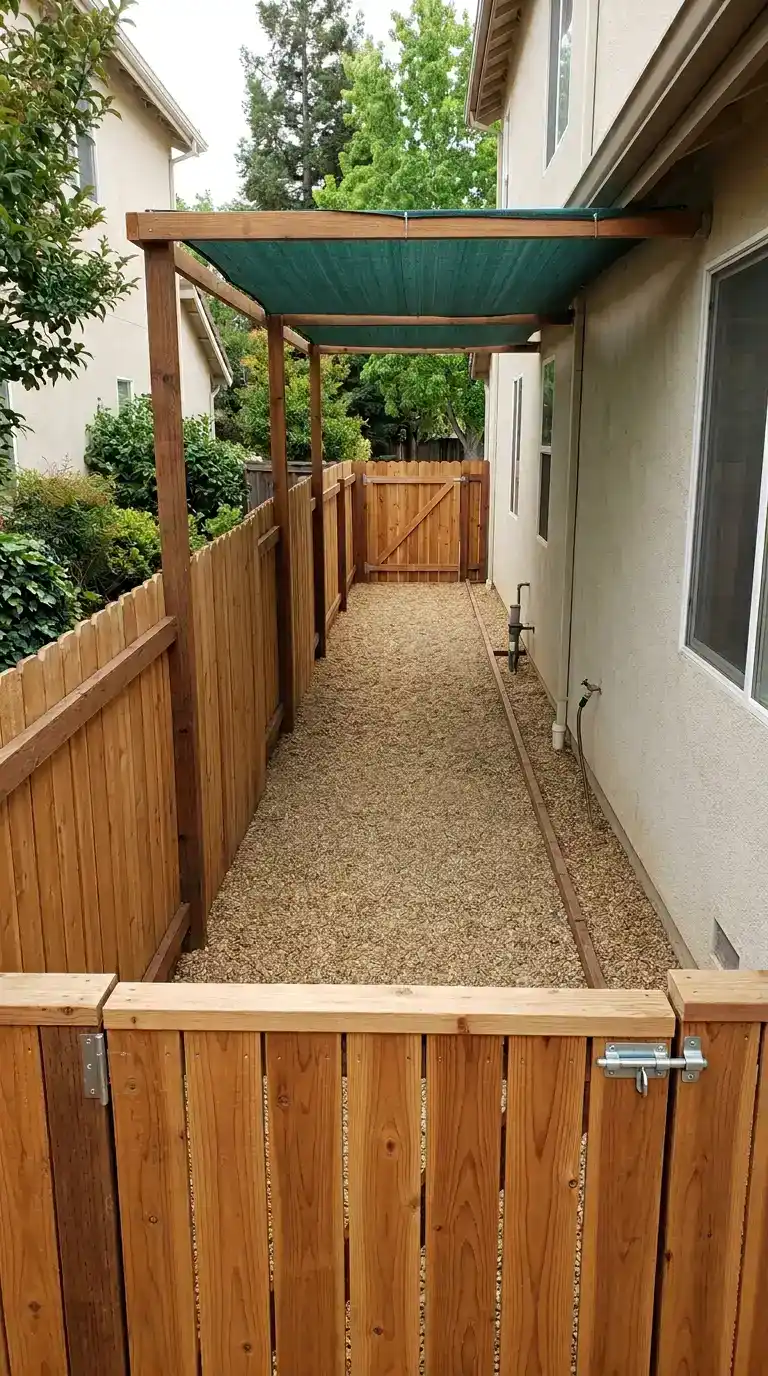
Transform the narrow, often unused side yard into a functional dog run. Install a gate at both ends for easy access, and use fencing that matches your existing perimeter fence. Cover the ground with pea gravel, decomposed granite, or artificial turf for easy cleaning. Add a shade cloth or plant a tree for sun protection.
2. Mulch or Wood Chip Run
Wood chips or playground mulch provide a soft, natural surface for a dog run. They are affordable, provide good drainage, and are gentle on paws. Choose cedar or pine mulch, which also repels insects. Rake regularly to keep the surface even and replace mulch as needed.

3. Artificial Turf Run
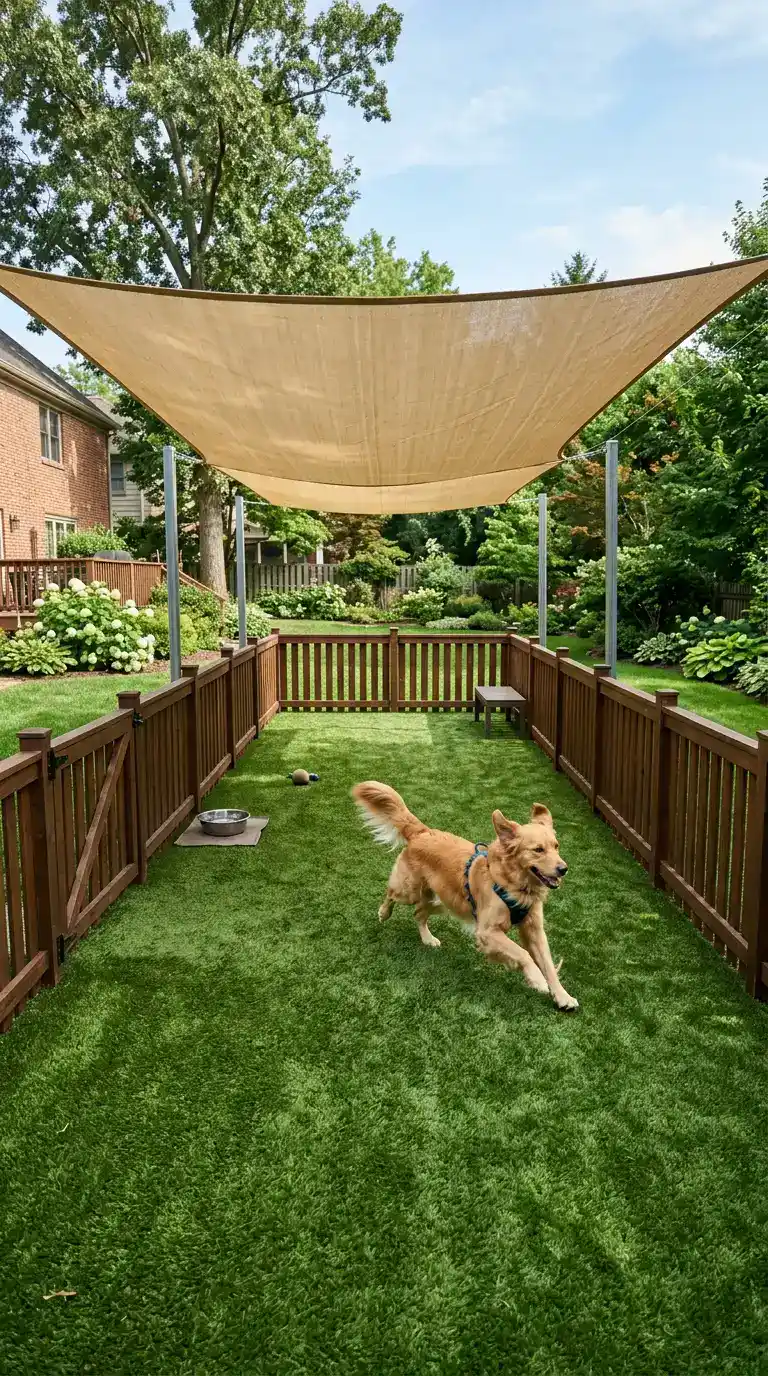
Artificial turf is a low-maintenance, mud-free surface that stays green year-round. It drains well and is easy to hose off. Choose pet-specific turf with antimicrobial properties and good drainage. Artificial turf is ideal for small dog runs or for homeowners who want a clean, polished look.
4. Pea Gravel Run
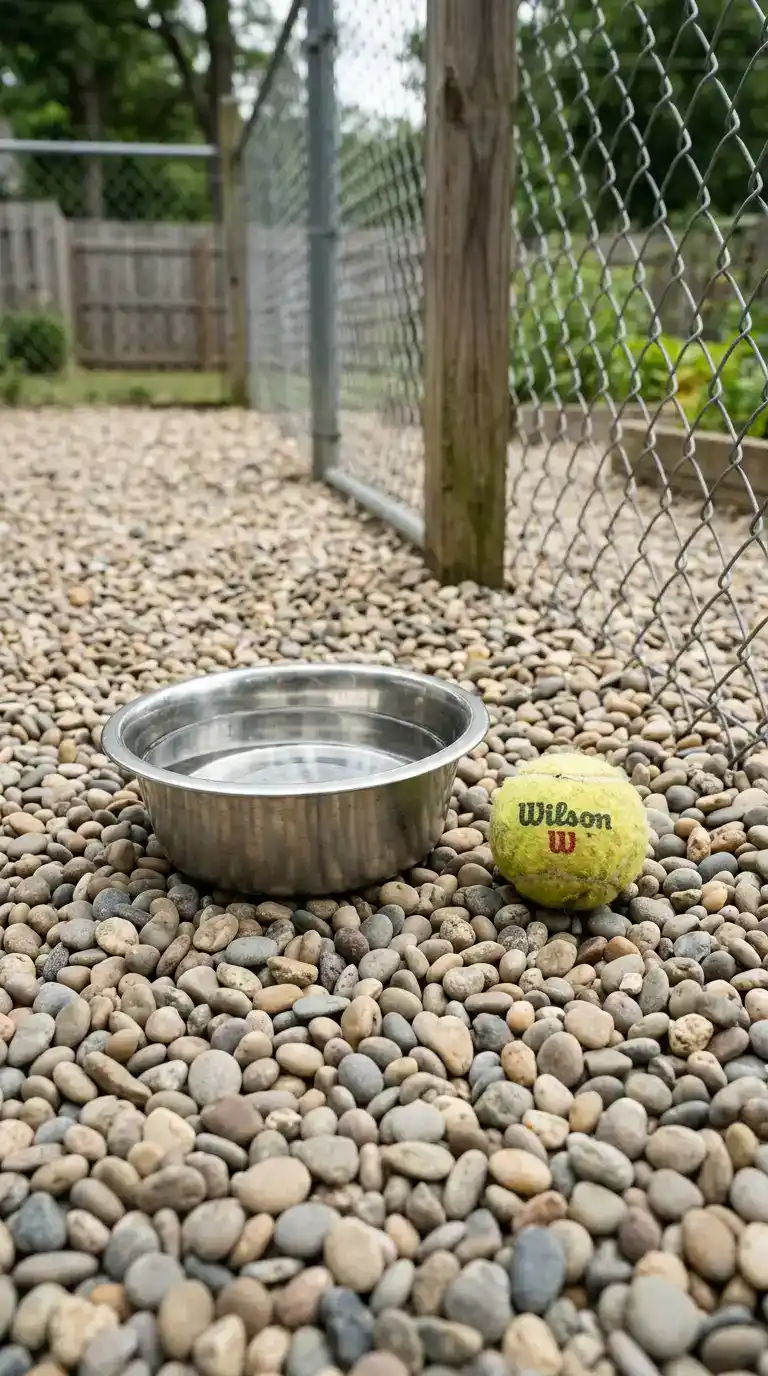
Pea gravel is a popular choice for dog runs because it drains well, does not retain odors, and is comfortable for dogs to walk on. The rounded stones are gentle on paws. Rake regularly to keep the surface level, and hose down periodically to remove waste. Pea gravel is also affordable and easy to install.
5. Shaded Dog Run
Dogs need protection from the sun, especially in hot climates. Install a shade sail, a pergola, or plant a fast-growing tree over part of the run. Ensure there is always a shaded area where your dog can rest. A shaded run is essential for the health and comfort of your pet.

6. Dog Run with Sandbox
Some dogs love to dig. Instead of fighting the instinct, give them a designated digging area within the run. Build a small sandbox frame and fill it with play sand. Bury toys or treats to encourage digging in the right spot. A digging pit saves your lawn and flower beds.

7. Agility Course Run
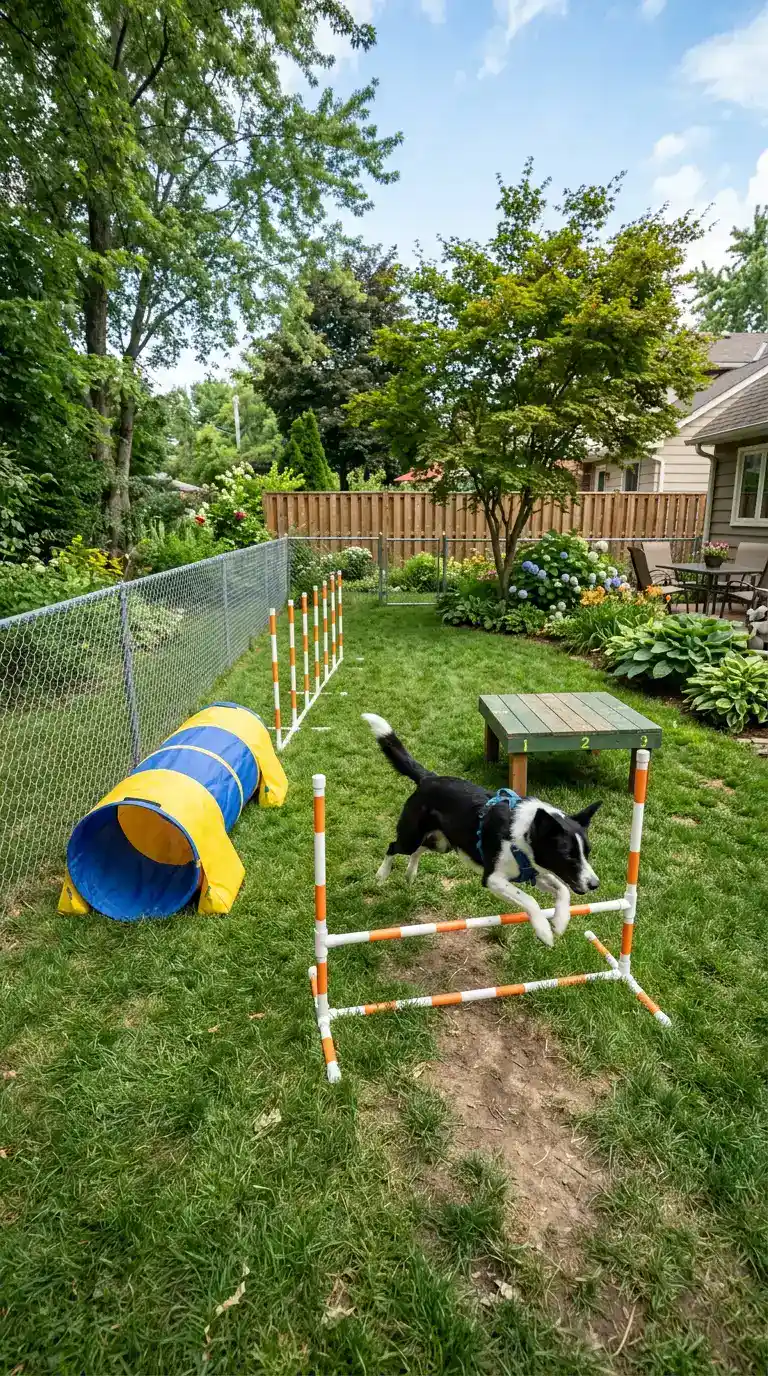
Create a mini agility course within your dog run for exercise and mental stimulation. Add inexpensive obstacles like a tunnel made from a large cardboard box or a pop-up play tunnel, weave poles made from PVC pipes, a low jump made from a broomstick and cinder blocks, and a pause table made from a sturdy wooden crate. An agility course is especially beneficial for high-energy breeds.
8. Double-Gate Entry
A double-gate or airlock entry prevents escape when you enter or exit the run. Install two gates with a small enclosed area between them. You close the first gate behind you before opening the second. This is essential for dogs who are quick to dash out.

9. Dog Run with Wading Pool
On hot days, a small wading pool gives your dog a place to cool off. Use a hard plastic kiddie pool or a heavy-duty rubber livestock tank. Place it in a shaded area of the run, and change the water regularly. A pool is especially appreciated by water-loving breeds.

10. Gravel and Paver Combo
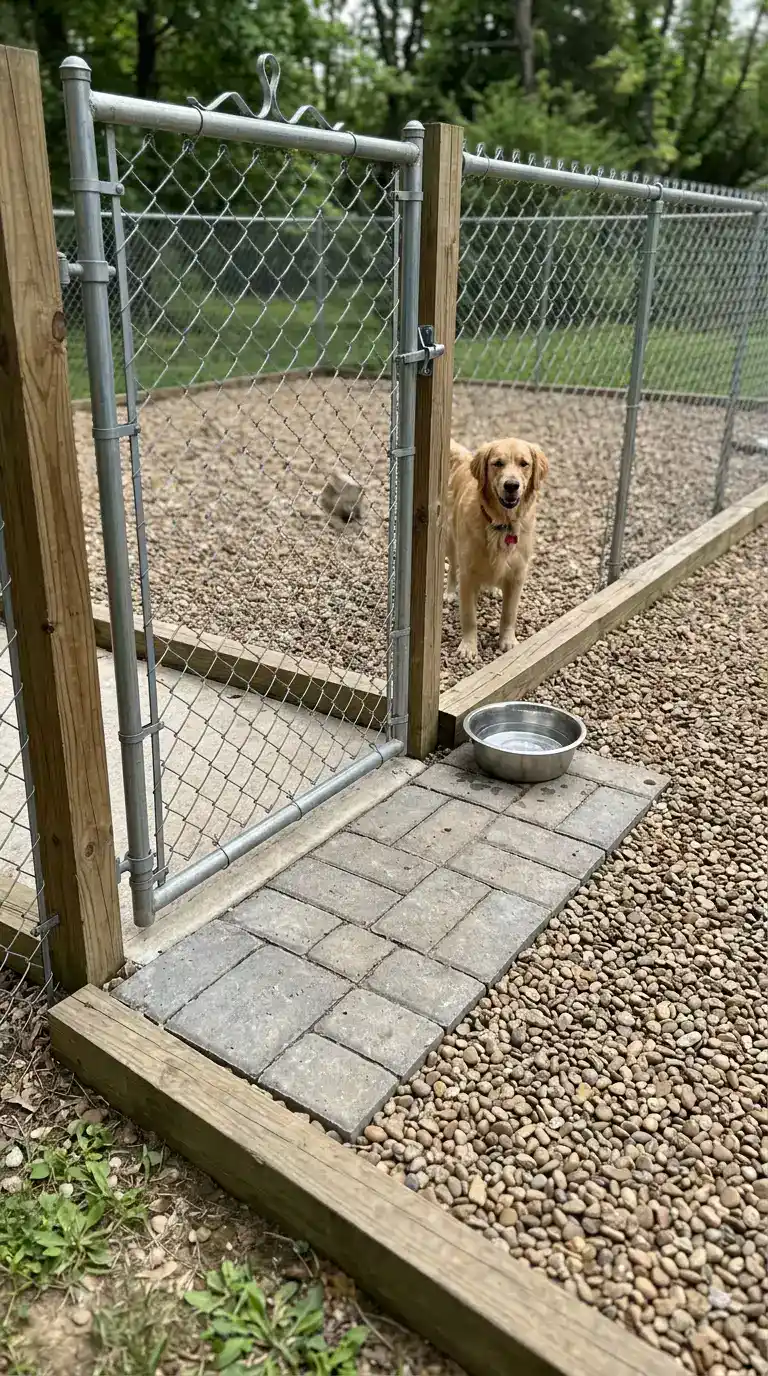
Combine different surfaces to create interest and function. Use pavers or concrete pads under the gate area to prevent digging, and gravel or mulch for the main run. Pavers provide a solid, mud-free surface at high-traffic zones like the gate and water bowl area.
11. Dog Run with Shelter
Provide a doghouse or sheltered area where your dog can retreat from sun, wind, or rain. Place the shelter in a corner of the run, elevated slightly for drainage. Add straw or a raised bed inside for comfort. A shelter is essential for dogs that spend extended time outdoors.

12. Pee Gravel Pad
Designate a specific area within the run for urination to make cleaning easier. Use a small section of pea gravel or decomposed granite that can be hosed down regularly. Dogs naturally prefer to urinate on gravel or stone, so they will likely use the designated area.

13. Natural Grass Run
If your dog prefers grass and your yard can handle it, create a run with natural sod. Choose a durable grass variety like Bermuda or tall fescue. Rotate the run location seasonally to allow grass to recover, or use a movable fence system. Grass is soft, natural, and easy on paws.
14. Sensory and Enrichment Run
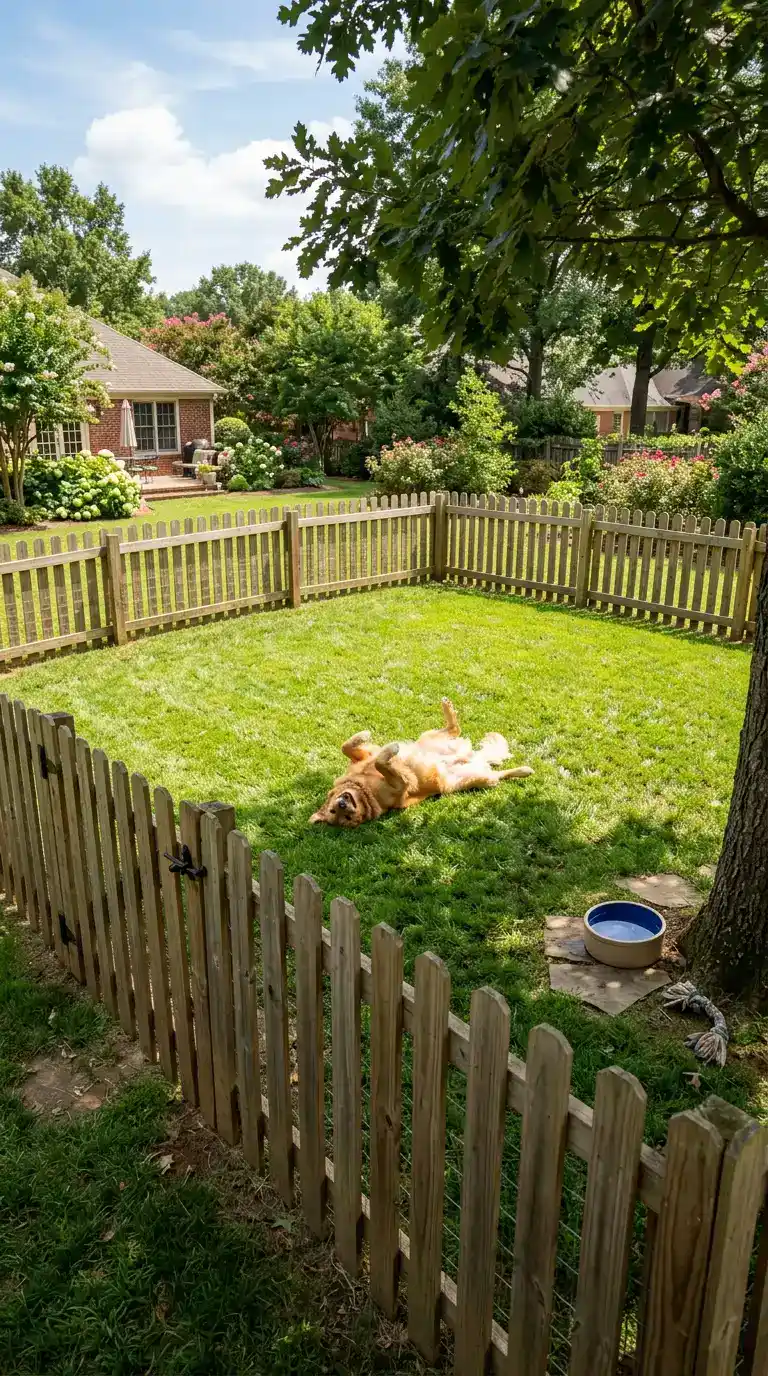
Add sensory and enrichment features to keep your dog mentally stimulated. Plant dog-safe herbs like mint, rosemary, and thyme for sniffing. Add a sandbox for digging, a log or boulder for climbing, and hanging ropes for tugging. Rotate toys and hide treats for scavenger hunts. A sensory run is especially beneficial for intelligent, high-energy breeds.

Conclusion
A backyard dog run is an investment in your pet’s safety, health, and happiness. Whether you choose a simple side yard run with pea gravel, a shaded artificial turf area, an agility course for high-energy breeds, or a sensory garden for mental stimulation, thoughtful design ensures your dog has a dedicated space to play, exercise, and relax. Consider your dog’s size, breed, energy level, and digging habits when planning the run, and always provide fresh water, shade, and shelter. With a well-designed dog run, your backyard can become a canine paradise where both you and your furry friend can enjoy the outdoors together.


