
14 Backyard Ponds Ideas
A backyard pond turns ordinary outdoor space into a living ecosystem. The sound of trickling water, the flash of goldfish, the dragonflies skimming the surface—it’s a small slice of wilderness just steps from your door. Whether you have a sprawling yard or a tiny patio, these 14 pond ideas range from weekend DIY projects to showpiece installations.
1. The Preformed Shell Pond (Beginner’s Best Friend)
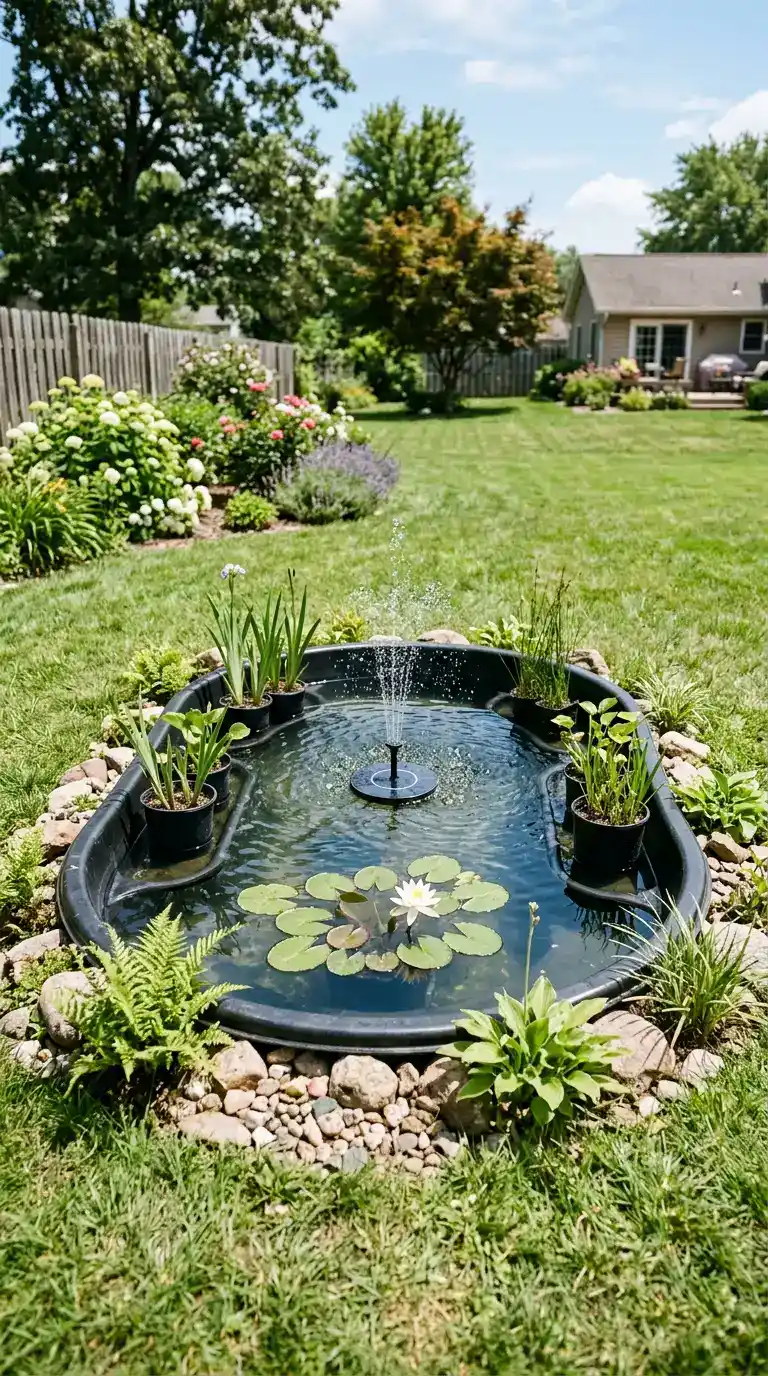
A rigid plastic shell from a garden center is the easiest way to start. Dig a hole to match the shell’s shape, drop it in, level it, and add water. No liner folding, no rocks balancing. Choose a 100–200 gallon size for first-timers. Add a small fountain pump to keep water moving.
2. The Liner-and-Rock Natural Pond
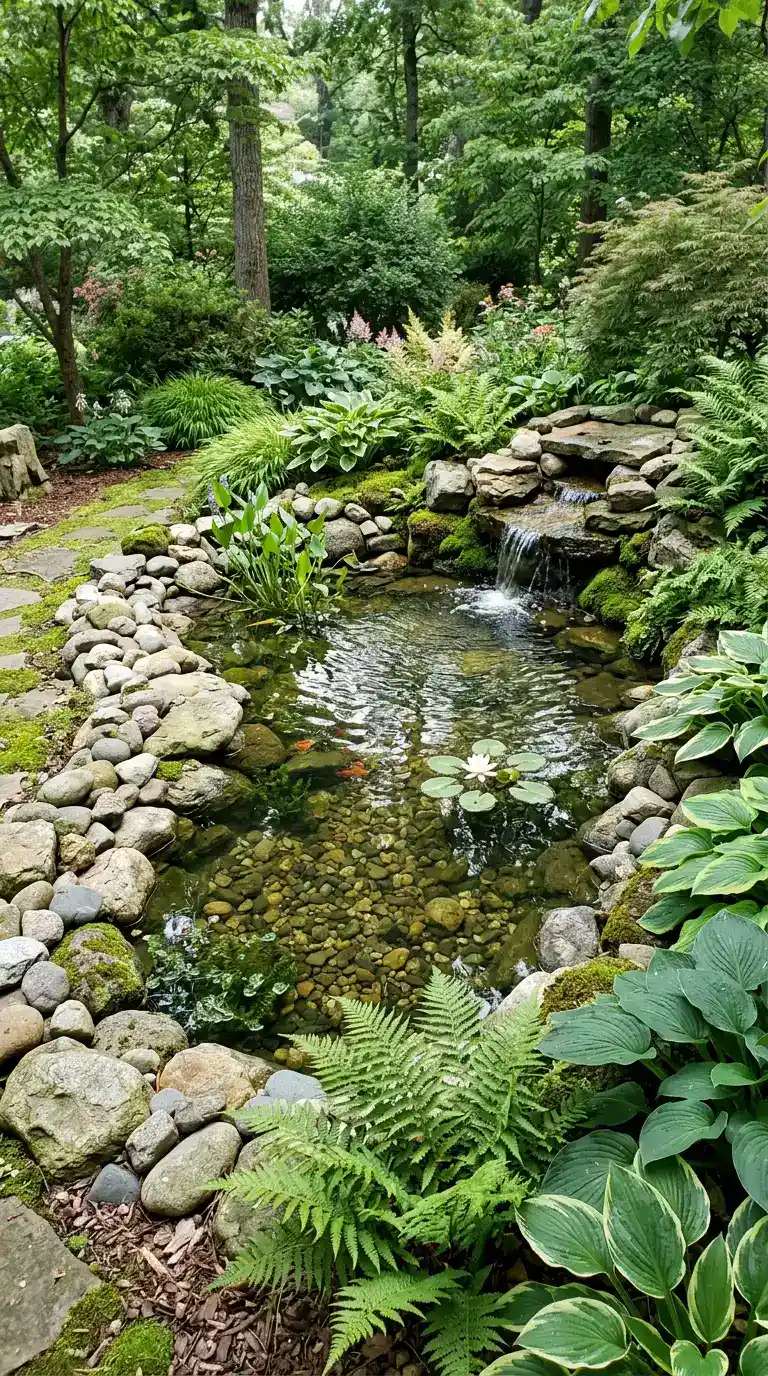
For custom shapes, use a flexible EPDM rubber liner. Dig any shape you like—kidney, figure-eight, or freeform. Cover the liner with rounded river stones and gravel to hide it completely. The result looks like a natural spring that’s always been there.
3. The Container Pond (For Patios or Balconies)
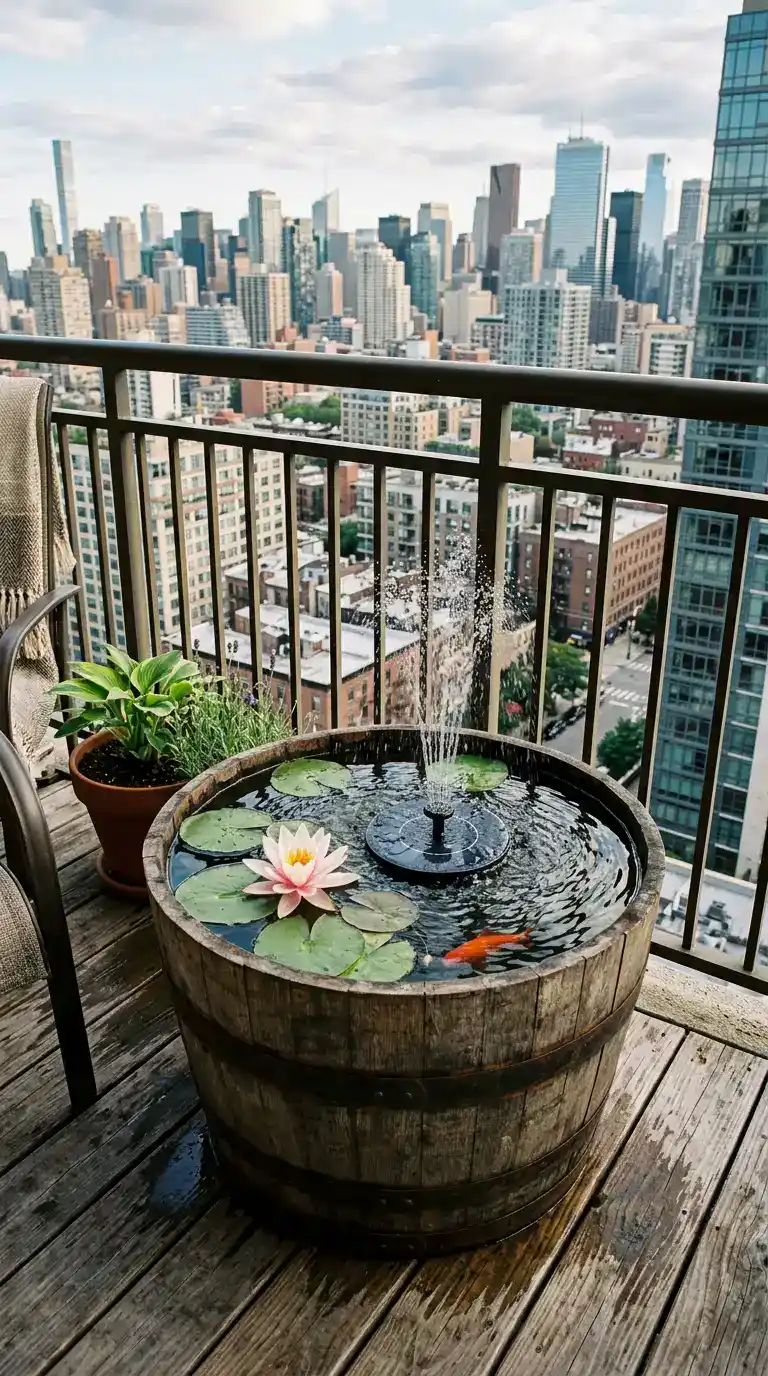
No yard? No problem. A half whiskey barrel, a large glazed ceramic pot, or even a galvanized washtub becomes a miniature pond. Seal any drainage holes with waterproof epoxy. Add a tiny solar fountain, one small water lily, and a few mosquito fish. It fits on an apartment balcony.
4. The Koi Pond with a Viewing Window
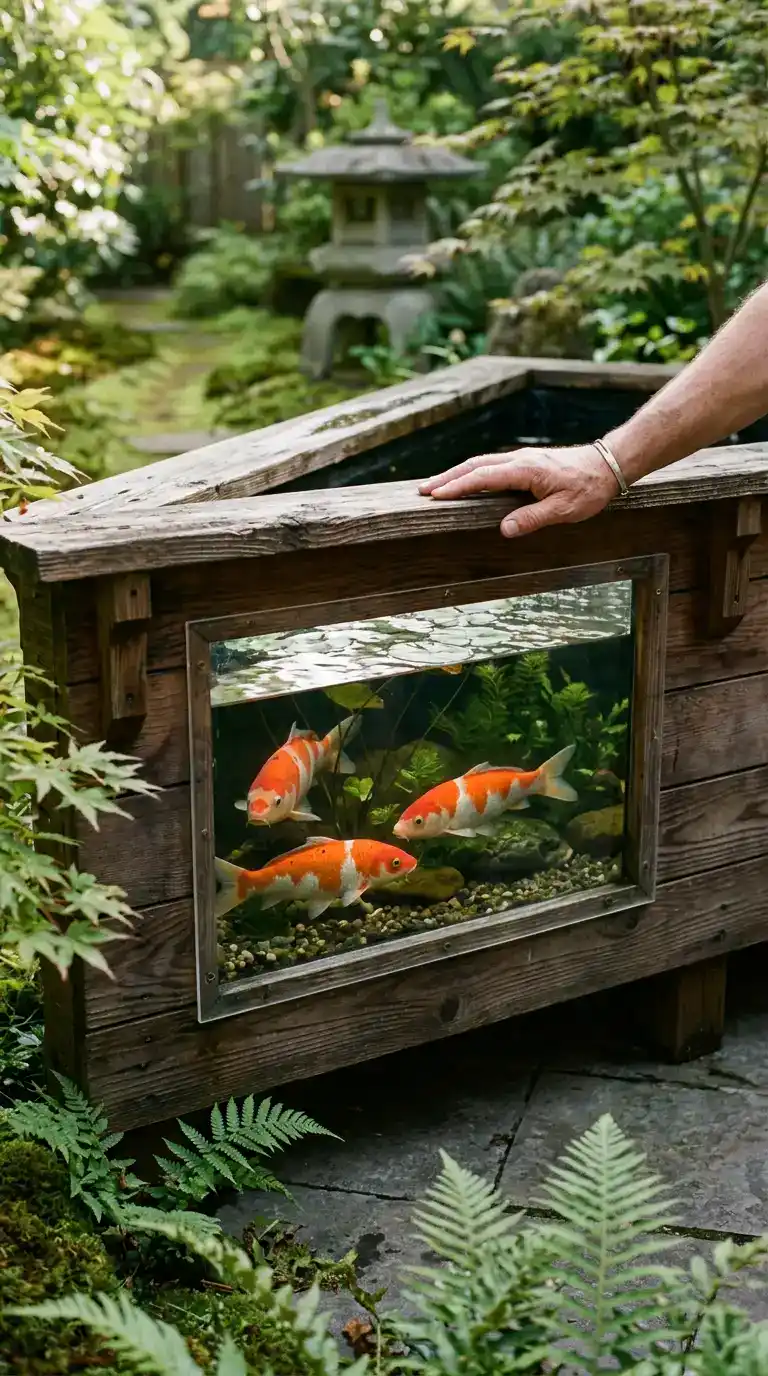
Take your pond to the next level by installing a clear acrylic window into the side wall. Build a raised pond (above ground) using timber or concrete blocks. Insert the window before adding the liner. Watch koi swim past from a seated position. It’s like having an aquarium built into your yard.
5. The Bog Filter Pond (No Pump Cleaning)
A bog filter is a shallow, plant-filled section connected to your main pond. Water pumps up through gravel in the bog, where plant roots filter out nutrients. The result: crystal clear water with almost no algae and zero chemical treatments. Nature does the work.

6. The Disappearing (Pondless) Waterfall
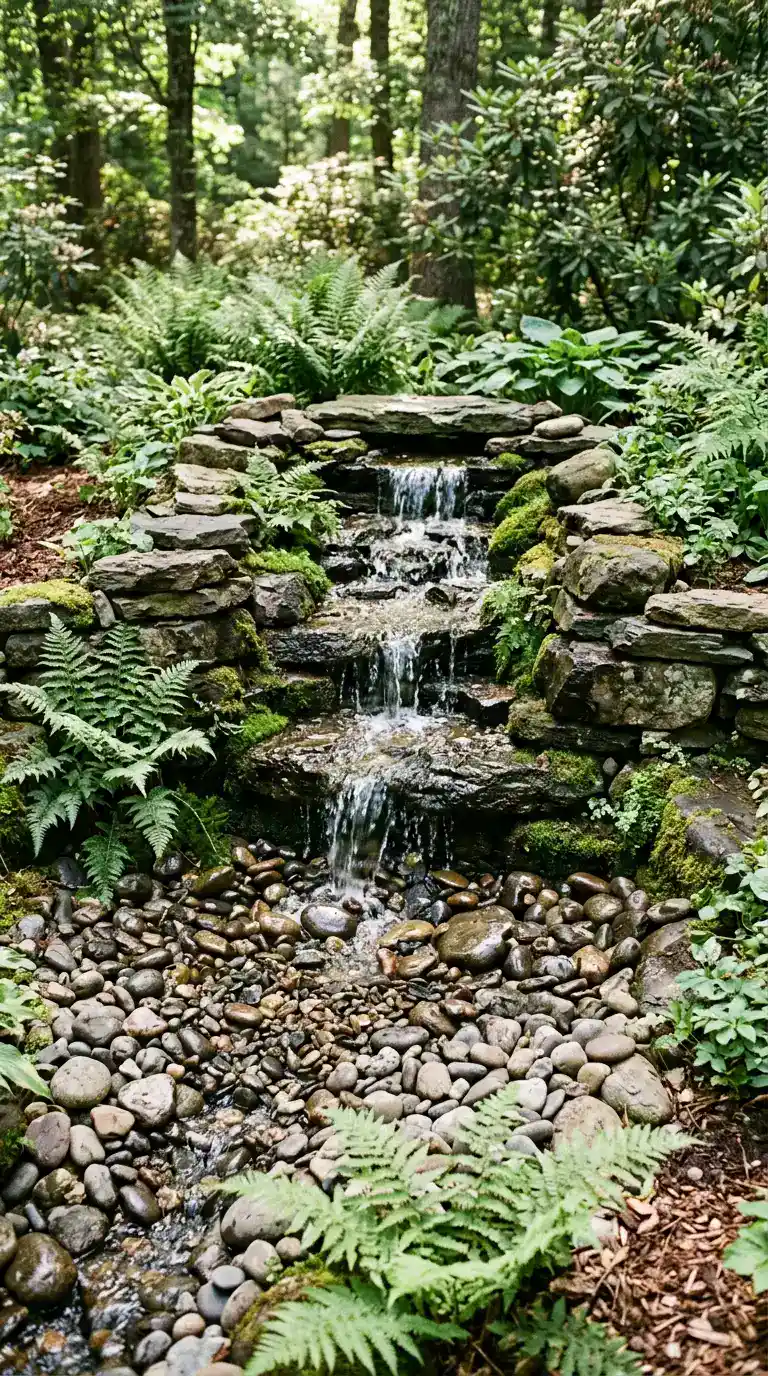
A pondless waterfall has no standing water pool—just a streambed that flows into a gravel-filled basin hidden underground. A recirculating pump pushes water back to the top. Perfect for small yards or homes with young children. You get the sound of water without the safety risk.
7. The Wildlife Pond (No Fish, No Pump)
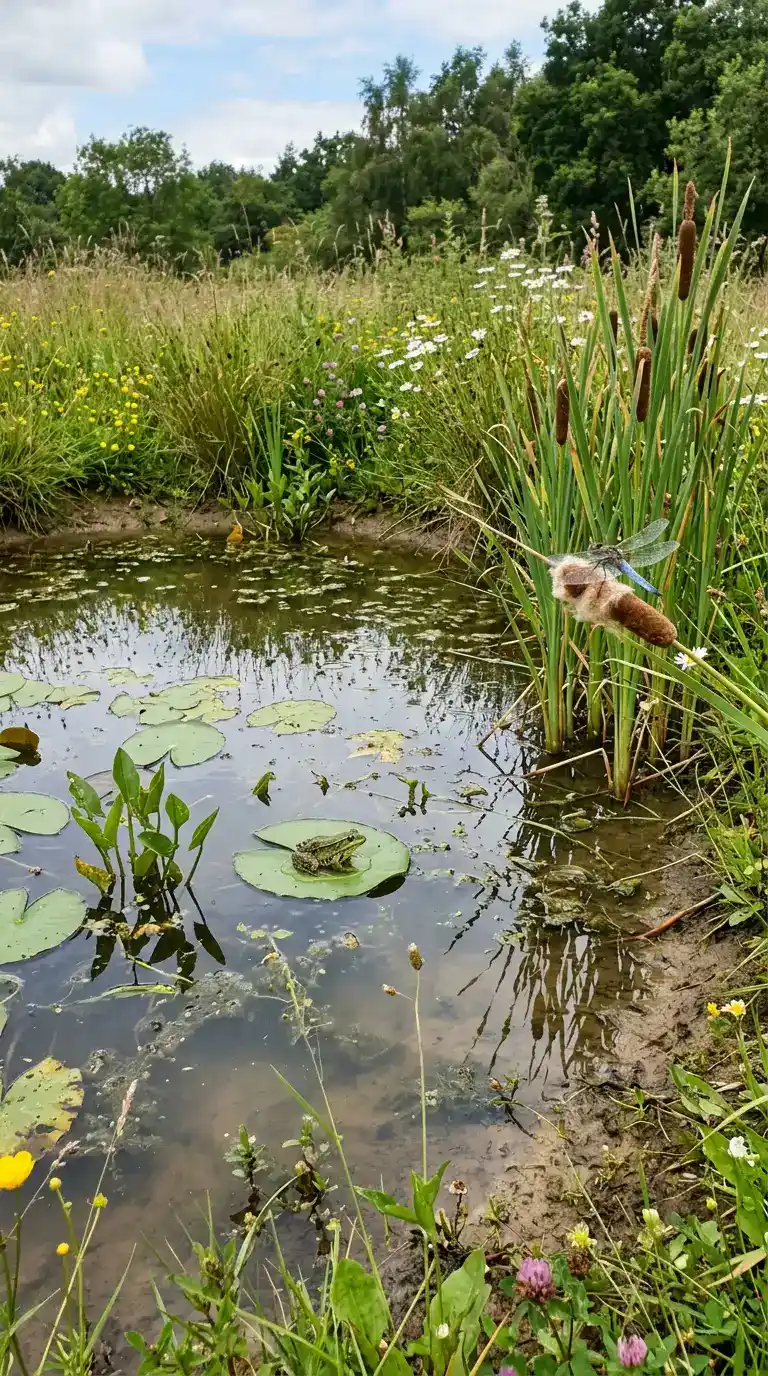
Dig a shallow depression (12–18 inches deep) with gently sloping sides so animals can climb out. Line it, fill it, and add native marginal plants. Skip the fish and pump. Frogs, newts, dragonflies, and birds will find it within weeks. It becomes a self-regulating miniature ecosystem.
8. The Formal Raised Brick Pond
For a more architectural look, build a square or rectangular pond above ground using brick or stone veneer. Keep the shape geometric. Add a single central fountain or a sleek spout. Plant only one or two formal plants (like dwarf papyrus). This style suits modern homes and small courtyards.

9. The Japanese Tsukubai (Bamboo Basin Pond)
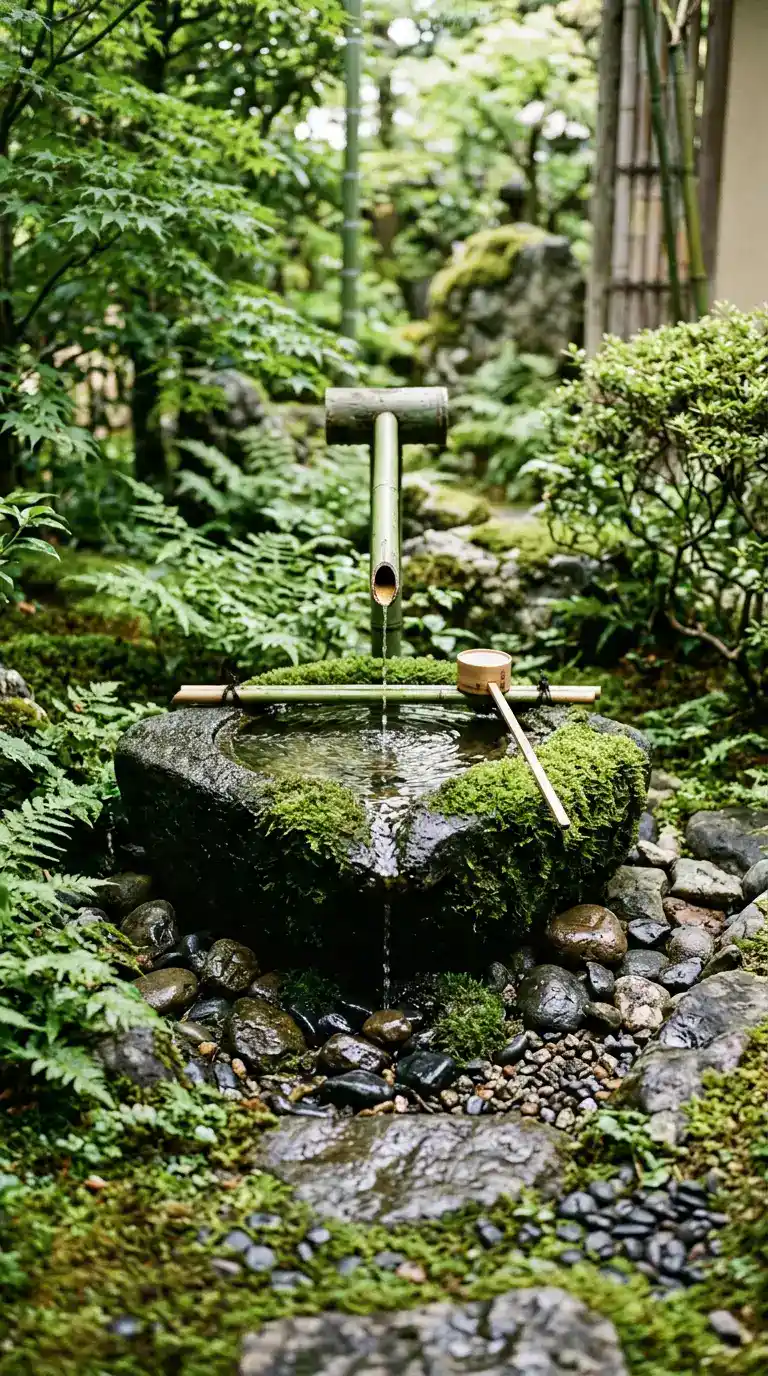
A tsukubai is a small, low stone basin traditionally used in Japanese tea gardens. Water trickles through a bamboo spout into the basin, then overflows into a tiny gravel-filled pond. It’s meant for ritual handwashing and quiet contemplation. Build one in a corner of your yard as a meditation feature.
10. The Stream-and-Pond Combo
A single pond is nice. A pond connected to a meandering stream is magical. Use extra liner to create a winding streambed from a higher elevation down to the main pond. Add small drops and pools along the way. The sound changes as water moves over rocks—fast and bubbly at the top, slow and deep at the bottom.

11. The Night-Lit Pond with Submersible Lights
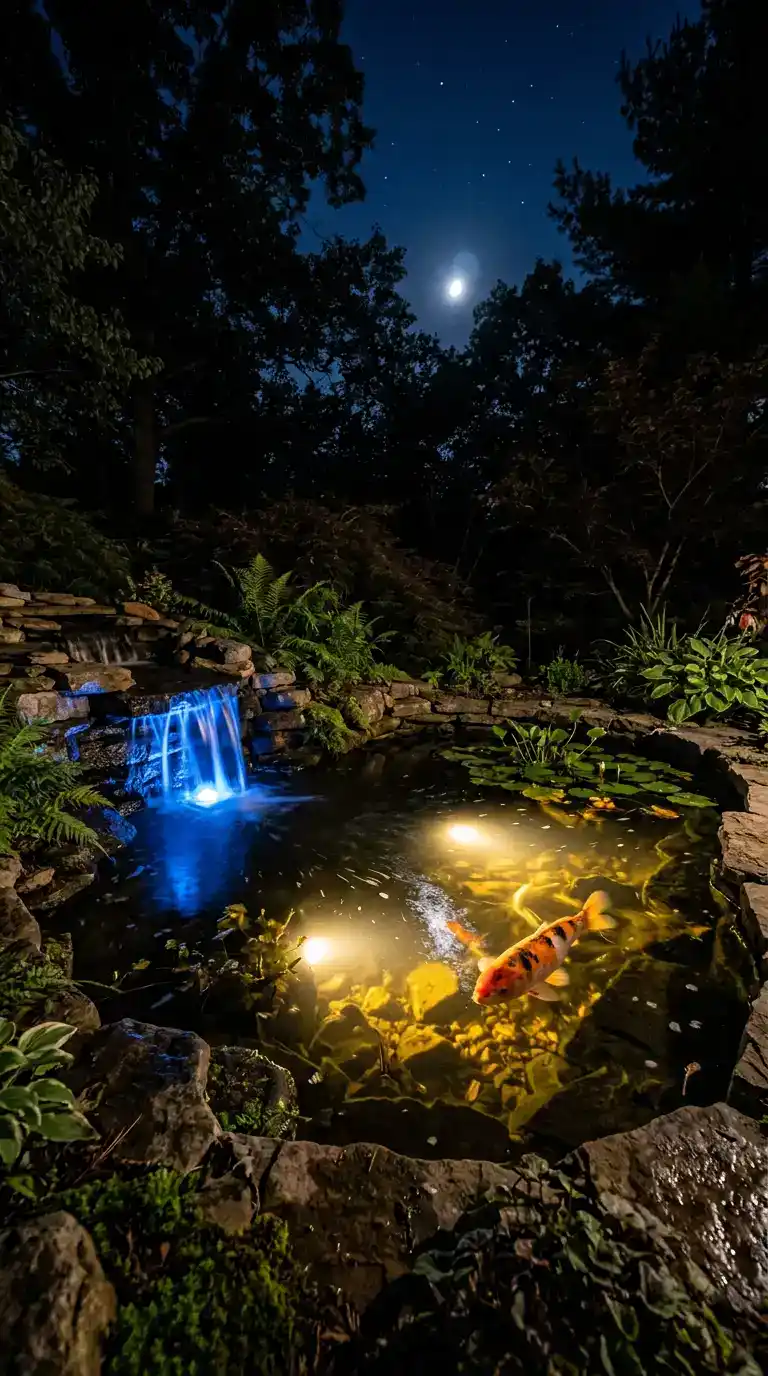
Your pond shouldn’t disappear after sunset. Drop a few LED submersible lights (warm white or soft blue) into the water. Aim them upward at waterlilies or down at swimming fish. The pond becomes a glowing jewel in your nighttime landscape. Add lights to the waterfall for extra drama.
12. The Gravel Beach Entry Pond
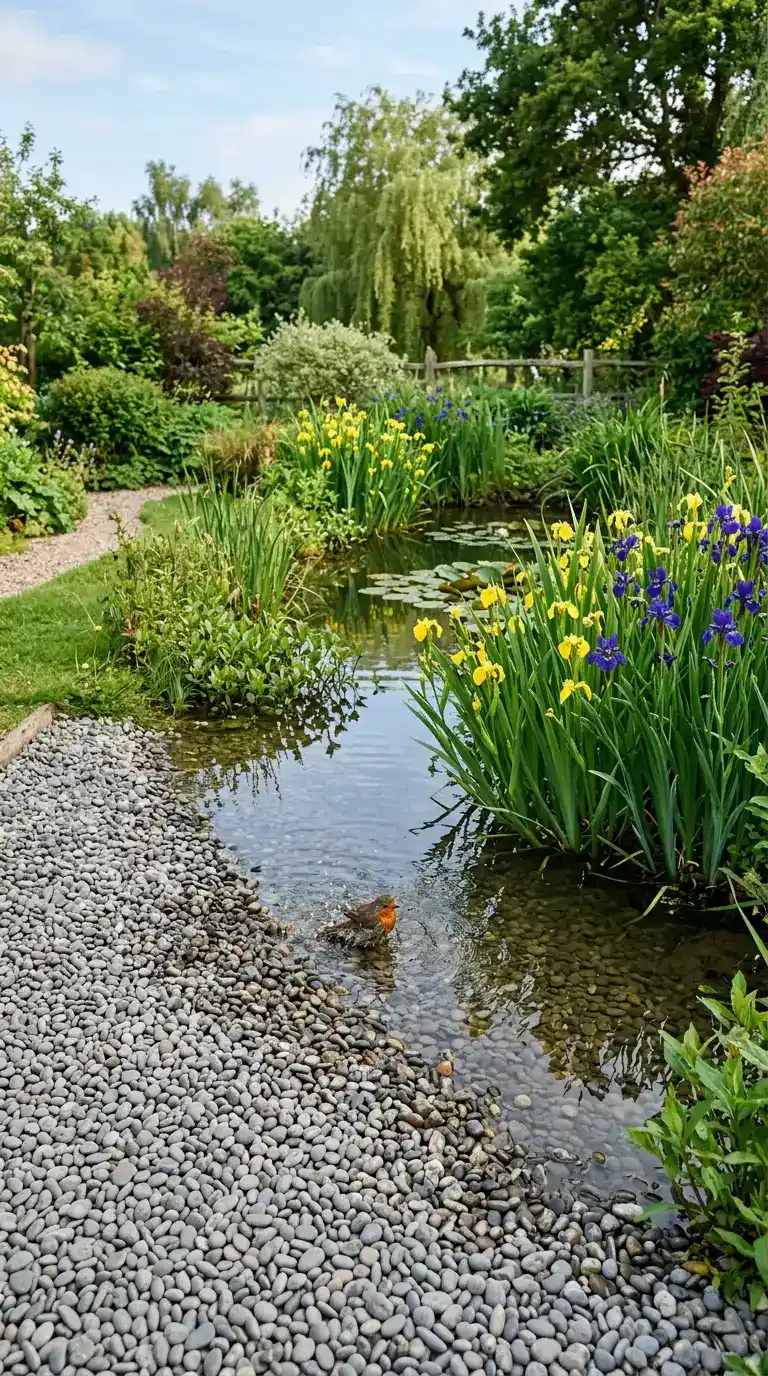
Instead of a sharp liner edge, slope one side of your pond gradually and cover it with smooth pea gravel. This creates a “beach” where birds can bathe, frogs can hop out, and you can kneel to tend plants. It also softens the transition from lawn to water.
13. The Recycled Tub Pond (Vintage Find)
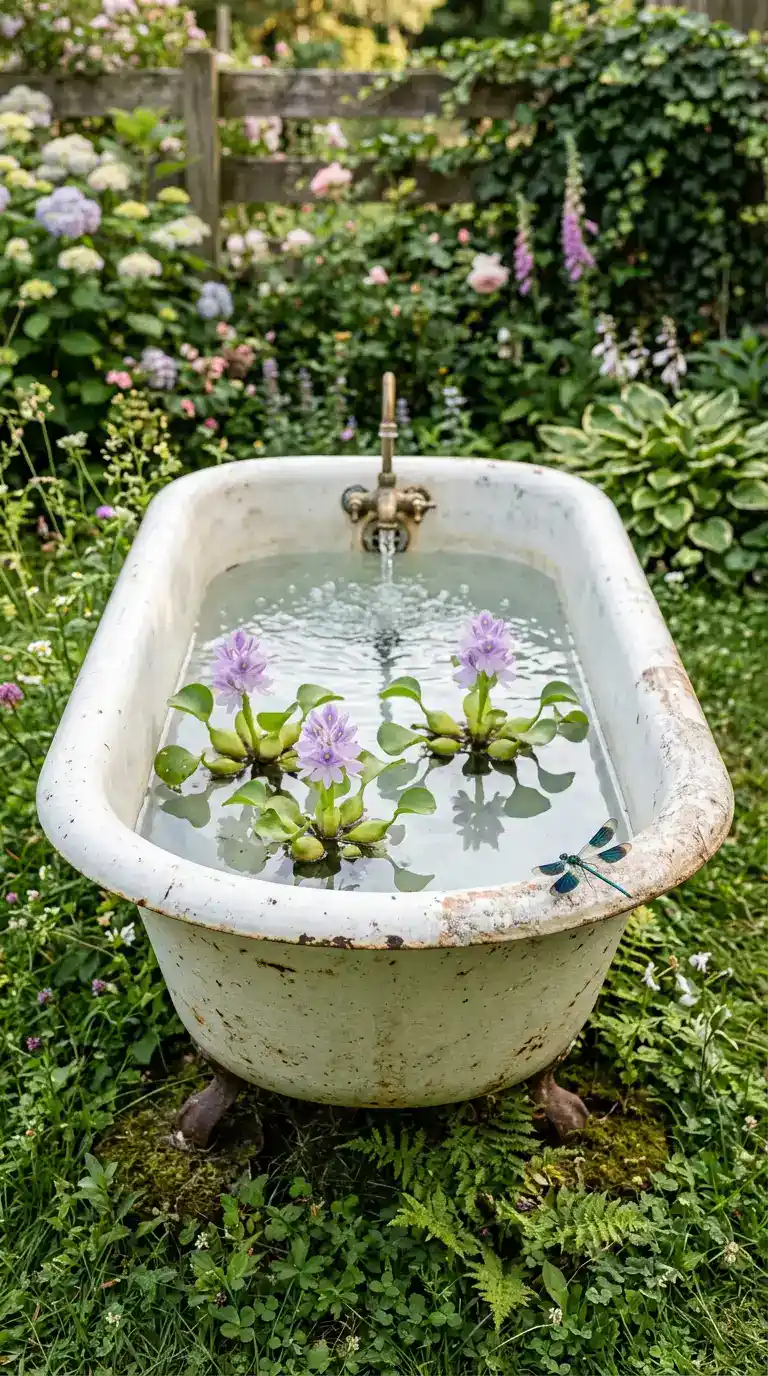
Repurpose a clawfoot bathtub, a cast iron kettle, or an old farmhouse sink as a quirky pond. Seal any drain holes. Add a small pump and a few floating plants. The contrast between the vintage object and living water makes for a great conversation piece.
14. The Marginal Plant Ring Pond
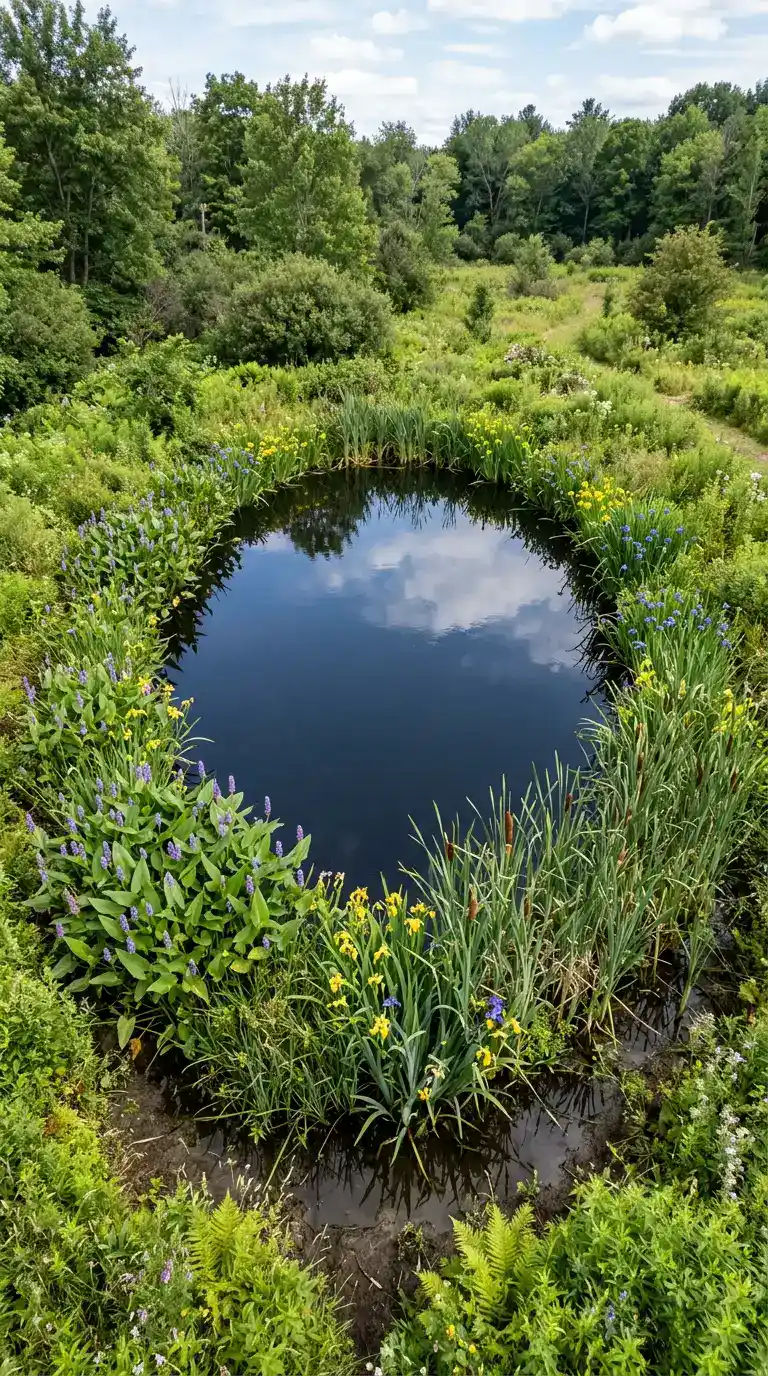
Focus entirely on plants, not fish. Design your pond with wide, shallow shelves (6–8 inches deep) around the entire perimeter. Plant these shelves densely with marginal plants: pickerelweed, lizard’s tail, dwarf cattails, and blue flag iris. The center stays open water. The ring of green hides the liner and feeds the ecosystem.
Conclusion
A backyard pond doesn’t have to be huge or expensive. Start with a container on a balcony or a preformed shell in a quiet corner. Add water, a few plants, and listen. The first time a frog finds it or a dragonfly lands on a lily pad, you’ll understand why people have been building ponds for thousands of years. Water changes everything. Dig in.


