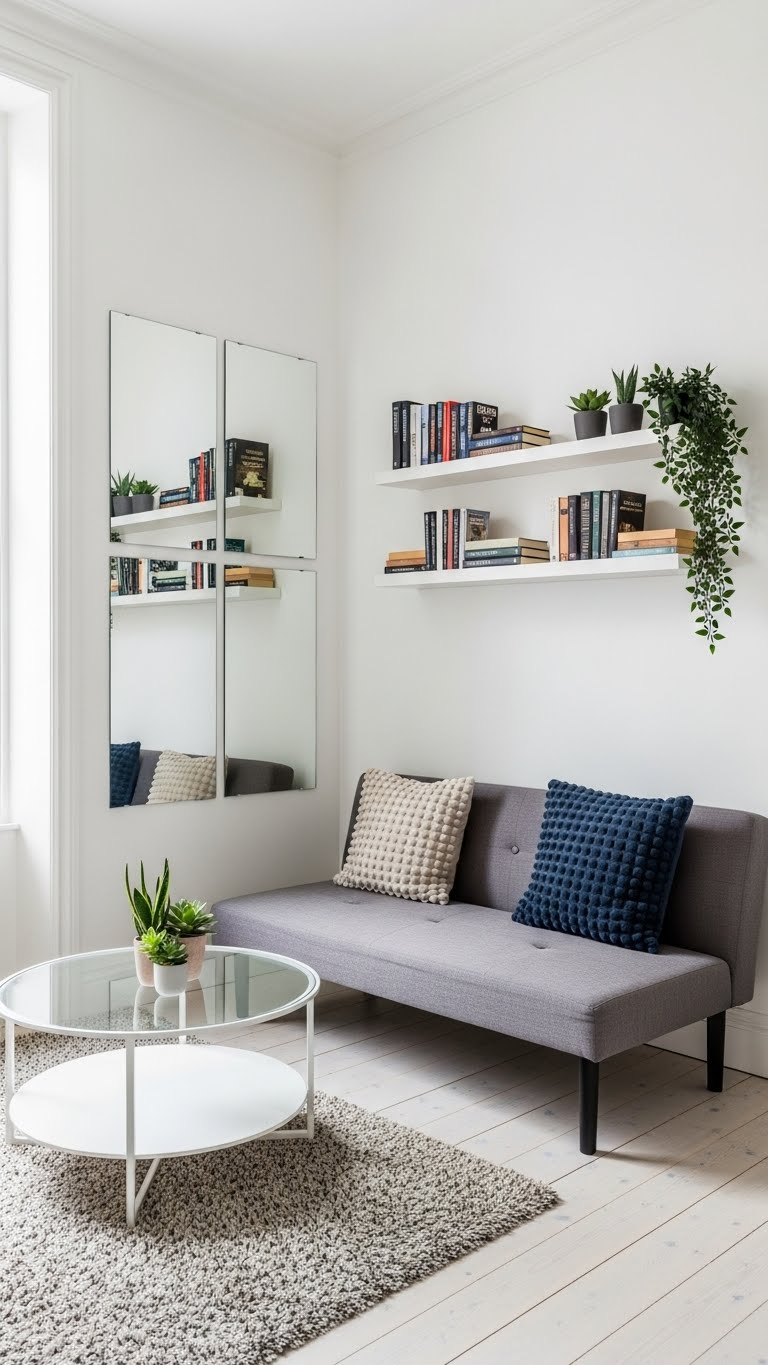
The living room is considered the heart of every home. It is where memories are created, guests are welcomed, and relaxation is enjoyed after long days. A well-designed living room can be transformed into a sanctuary that reflects personal style while providing comfort and functionality.
In this guide, ten inspiring living room design ideas will be explored. These ideas can be applied to any space, whether a compact apartment or a spacious house is being worked with. From modern aesthetics to cozy arrangements, practical solutions will be discovered that can elevate any living area.
1. Small Space Living Room Solutions That Maximize Every Inch
Small living rooms should not be seen as limitations. When the right design strategies are implemented, even the most compact spaces can be turned into stylish and functional areas.
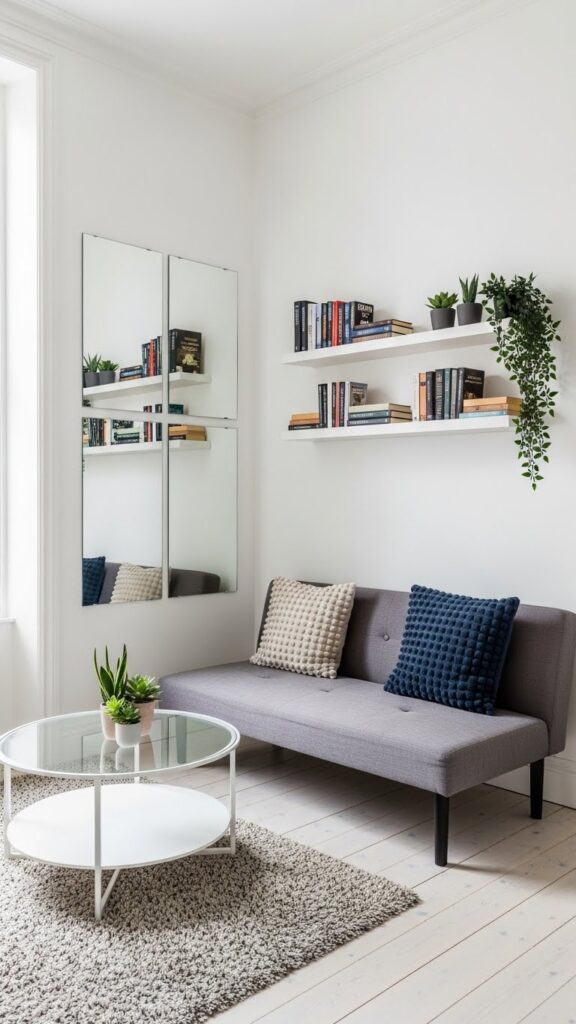
Multi-functional furniture should be embraced. A sofa bed can be used for seating during the day and sleeping at night. Ottoman storage pieces can be utilized to hide blankets, magazines, and remote controls. Nesting tables can be pulled out when needed and tucked away when more floor space is required.
Vertical space should be maximized. Wall-mounted shelves can be installed to draw the eye upward and create the illusion of height. Tall bookcases can be used instead of wide, bulky ones. Artwork can be hung higher on walls to make ceilings appear taller than they actually are.
Light colors should be chosen for walls and large furniture pieces. Whites, creams, and soft grays are known to make rooms feel more open and airy. A monochromatic color scheme can be created to avoid visual clutter. Pops of color can be added through pillows, throws, and small decorative items that can be easily changed.
Mirrors should be strategically placed. A large mirror can be positioned opposite a window to reflect natural light throughout the space. Mirrored furniture or decorative mirrors can be used to create depth and make the room feel twice its actual size.
Furniture should be scaled appropriately. A massive sectional sofa should be avoided in a tiny room. Instead, a loveseat or apartment-sized sofa can be selected. Furniture with exposed legs should be chosen to create a sense of openness, as heavy, skirted pieces can make spaces feel cramped.
2. Modern Designs for Contemporary Living
Modern living room designs are characterized by clean lines, minimal clutter, and a focus on functionality. This aesthetic has been embraced by homeowners who appreciate simplicity and sophistication.
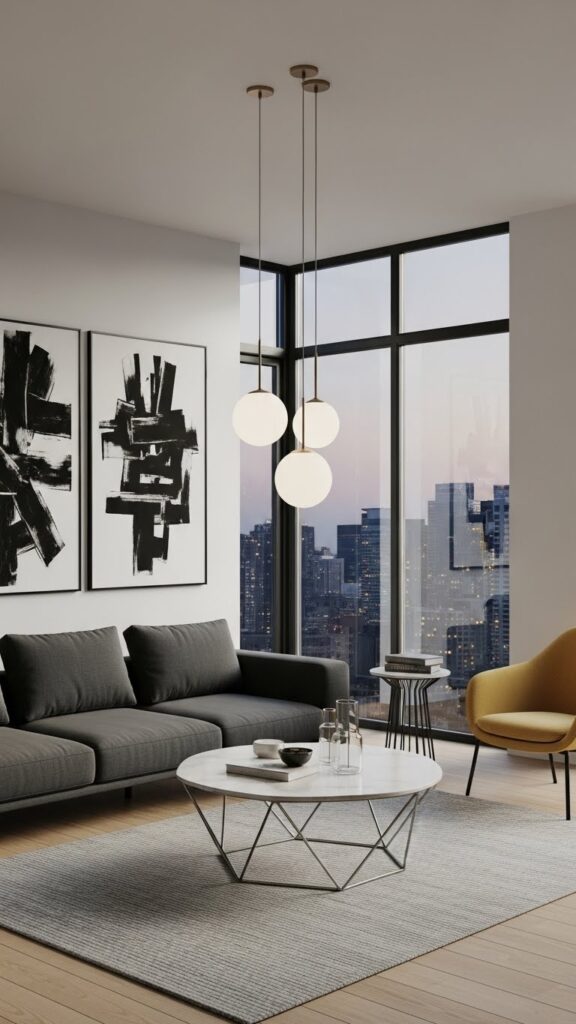
Furniture with simple, geometric shapes should be selected. Sofas with straight lines and low profiles are preferred over ornate, traditional pieces. Coffee tables made from glass, metal, or polished wood can be chosen to maintain the streamlined look.
A neutral base can be created with walls in shades of white, gray, or beige. Bold accent colors can be introduced through a single statement piece like an accent chair, area rug, or piece of artwork. Black and white combinations can be used for a classic modern feel, or jewel tones can be added for drama.
Technology should be integrated seamlessly. Televisions can be mounted on walls or hidden in sleek media consoles. Smart home features can be incorporated that control lighting, temperature, and entertainment systems. Wireless speakers can be chosen that blend with the decor rather than dominate it.
Natural materials can be mixed with industrial elements. A leather sofa can be paired with a concrete coffee table. Warm wood floors can be balanced with metal light fixtures. This combination creates interest while maintaining the modern aesthetic.
Clutter should be eliminated. Closed storage solutions can be invested in that keep everyday items out of sight. A “less is more” philosophy should be adopted where each piece in the room serves a purpose. Surfaces should be kept clear except for one or two carefully chosen decorative objects.
3. 2026 Trends Shaping Living Room Design
The design world is constantly evolving, and 2026 has brought fresh ideas that are being incorporated into living rooms around the world. These trends are being shaped by a desire for sustainability, comfort, and personal expression.
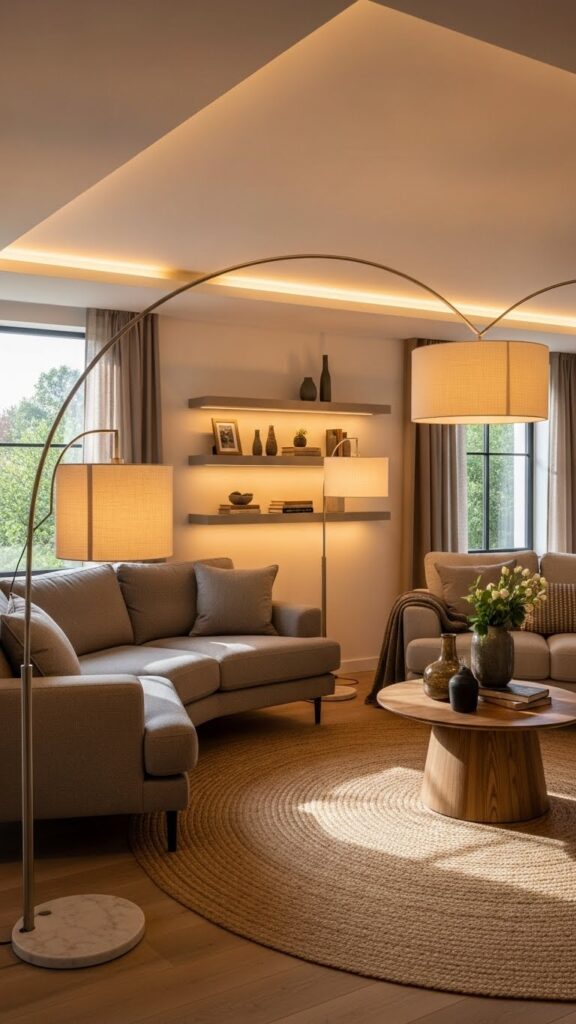
Curved furniture has been embraced. Sofas, chairs, and tables with soft, rounded edges are being chosen instead of sharp, angular pieces. This trend creates a more welcoming and organic feel in living spaces. Arched doorways and rounded mirrors are also being incorporated to complement this aesthetic.
Sustainable and natural materials are being prioritized. Furniture made from reclaimed wood, bamboo, and rattan is being selected. Organic fabrics like linen, cotton, and wool are being used for upholstery and textiles. Homeowners are becoming more conscious of where their furniture comes from and how it was made.
Earthy, warm color palettes have been favored. Terracotta, rust, warm browns, sage green, and creamy neutrals are being used to create grounding, nature-inspired spaces. These colors are being paired with natural textures to bring the outdoors inside.
Biophilic design elements are being integrated. Large indoor plants are being displayed throughout living rooms. Living walls or vertical gardens are being installed. Natural light is being maximized, and when possible, connections to outdoor spaces are being created through large windows or glass doors.
Personalization and maximalism have made a comeback. Gallery walls filled with personal photographs, artwork, and collections are being created. Bold patterns and rich textures are being layered. Spaces are being designed that tell stories and reflect individual personalities rather than following rigid design rules.
Multi-functional zones are being created within single rooms. A reading nook can be carved out in one corner. A small workspace can be integrated near a window. These flexible spaces are being designed to adapt to changing needs throughout the day.
4. Creating a Cozy Atmosphere for Ultimate Comfort
A cozy living room is one where warmth and comfort are felt the moment the space is entered. This inviting atmosphere can be achieved through thoughtful design choices that engage multiple senses.
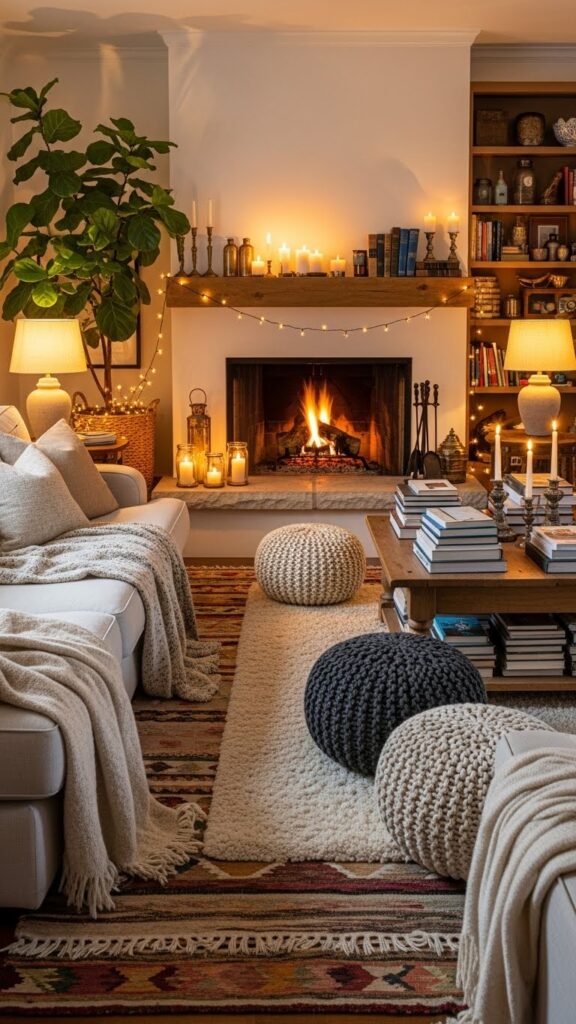
Soft textures should be layered throughout the space. Multiple throw pillows in various fabrics like velvet, knit, and faux fur can be placed on sofas. Chunky knit blankets can be draped over chair arms. Plush area rugs can be layered over hardwood or tile floors to add warmth underfoot.
Warm lighting should be incorporated at multiple levels. Overhead lighting should be avoided as the only source. Instead, table lamps, floor lamps, and wall sconces can be used to create pools of warm light. Dimmer switches can be installed to adjust brightness according to mood and time of day. Candles can be added for ambiance and a gentle flicker.
A focal point that promotes gathering should be created. A fireplace, whether real or electric, can be positioned as the room’s centerpiece. Furniture can be arranged around it to encourage conversation. If a fireplace is not available, a television or large piece of artwork can serve as the anchoring element.
Warm colors should be embraced. Deep reds, burnt oranges, rich browns, and golden yellows can be used to create an enveloping feeling. These colors can be introduced through wall paint, furniture, or accessories depending on how bold a statement is desired.
Personal touches should be added. Family photos can be displayed in beautiful frames. Books that are actually read can be arranged on shelves or stacked on coffee tables. Meaningful objects collected from travels or inherited from loved ones can be showcased. These personal elements make a space feel truly lived-in and loved.
Comfort should be prioritized in furniture selection. Deep, sink-in sofas can be chosen. Oversized chairs that can be curled up in can be selected. The furniture should be tested before purchasing to ensure it is as comfortable as it looks.
5. Apartment Living Room Ideas for Renters
Designing a living room in an apartment comes with unique challenges, especially for renters who cannot make permanent changes. However, beautiful and personalized spaces can still be created without losing security deposits.
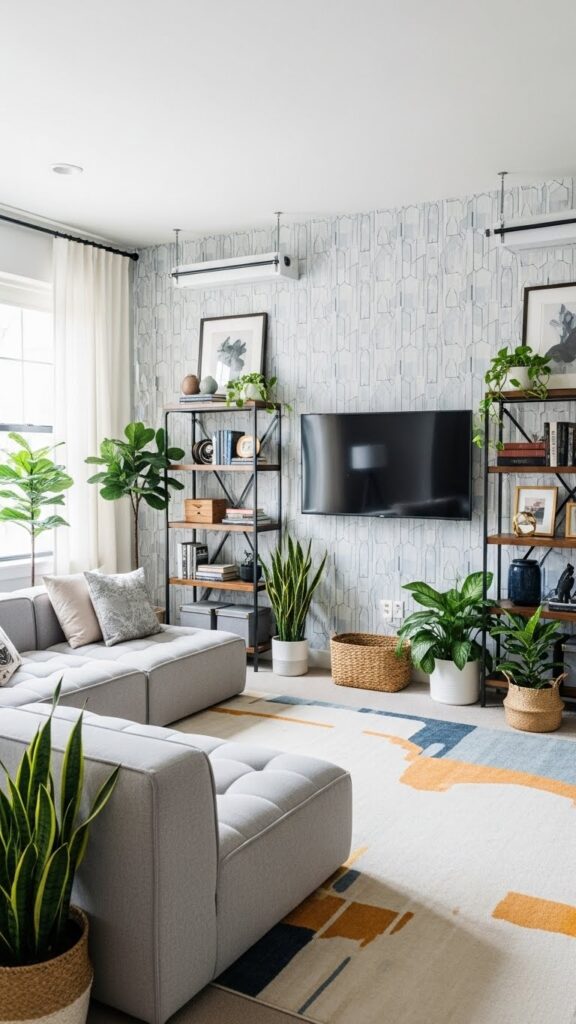
Removable solutions should be utilized. Peel-and-stick wallpaper can be used to create an accent wall that can be removed without damage. Command hooks and strips can be employed to hang artwork and mirrors. Temporary window treatments can be installed that do not require drilling into walls.
Furniture should be invested in rather than permanent fixtures. A beautiful, quality sofa can be purchased that can move to the next home. Freestanding bookcases and storage units can be selected instead of built-ins. Area rugs can be used to define spaces and add personality without altering floors.
Vertical space should be used wisely. Tall bookshelves can be positioned to draw the eye upward. Wall-mounted floating shelves can be installed with minimal damage. Over-door organizers can be used for additional storage without taking up floor space.
The apartment’s existing features should be worked with rather than against. If carpet cannot be replaced, it can be covered with large area rugs. If wall colors cannot be changed, personality can be added through furniture, textiles, and artwork. Existing light fixtures can be enhanced with stylish lamp shades if they cannot be replaced.
Multi-purpose furniture should be chosen. A coffee table with storage underneath can be selected. A console table behind the sofa can serve as both a decorative element and a workspace. Poufs can be used as extra seating, footrests, or side tables.
A cohesive look can be created with portable items. Throw pillows, blankets, artwork, and decorative objects can be coordinated to tie the room together. These items can be taken when moving, ensuring the next space can be styled just as beautifully.
6. Smart Storage and Organization Ideas
An organized living room feels more spacious and peaceful. Clever storage solutions can be implemented that keep clutter at bay while maintaining style.
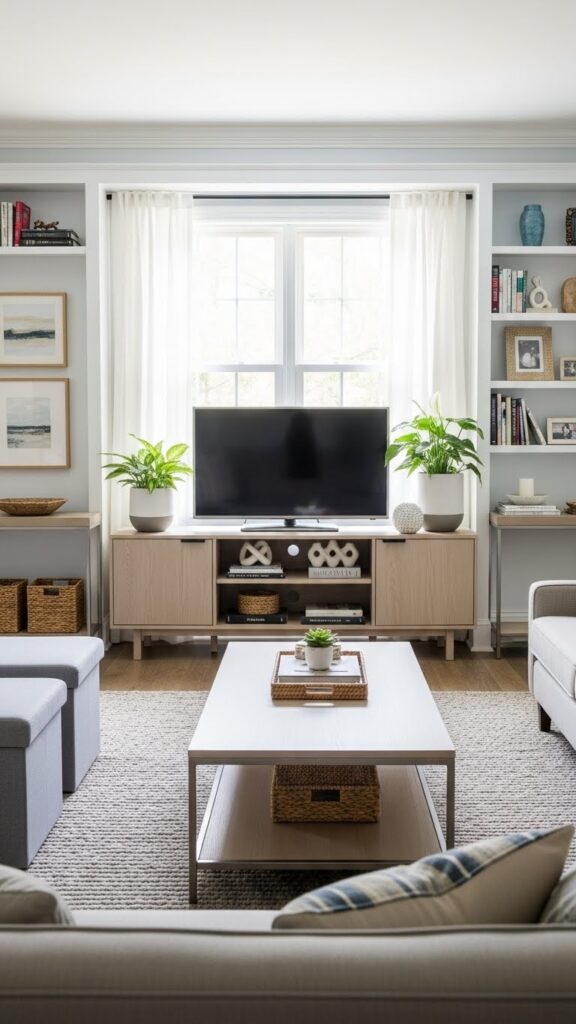
Hidden storage should be maximized. Coffee tables with lift tops or drawers can be chosen. Ottoman benches that open to reveal storage space can be selected. Media consoles with closed cabinets can be used to hide electronics, cords, and miscellaneous items.
Decorative storage can be displayed. Beautiful baskets can be used to corral throws, magazines, or toys. Attractive boxes or bins can be stacked on shelves. Vintage trunks or chests can serve as both coffee tables and storage solutions.
Vertical storage should be utilized. Floor-to-ceiling bookcases can be installed to maximize storage capacity. Floating shelves can be arranged in interesting configurations. The space above doorways can be used for small shelving units.
Everything should have a designated place. A system should be created where remotes live in a specific drawer or basket. A tray on the coffee table can be designated for current reading materials. Mail and papers should be sorted immediately and stored in a designated spot.
Regular decluttering should be practiced. A “one in, one out” rule can be adopted where something old is removed when something new is brought in. Living room items should be reassessed seasonally to determine what is still needed and loved. Surfaces should be kept clear except for intentional decorative arrangements.
7. Color Psychology and Palette Selection
Colors have a profound impact on mood and perception. The right color palette can be chosen to create the desired atmosphere in any living room.
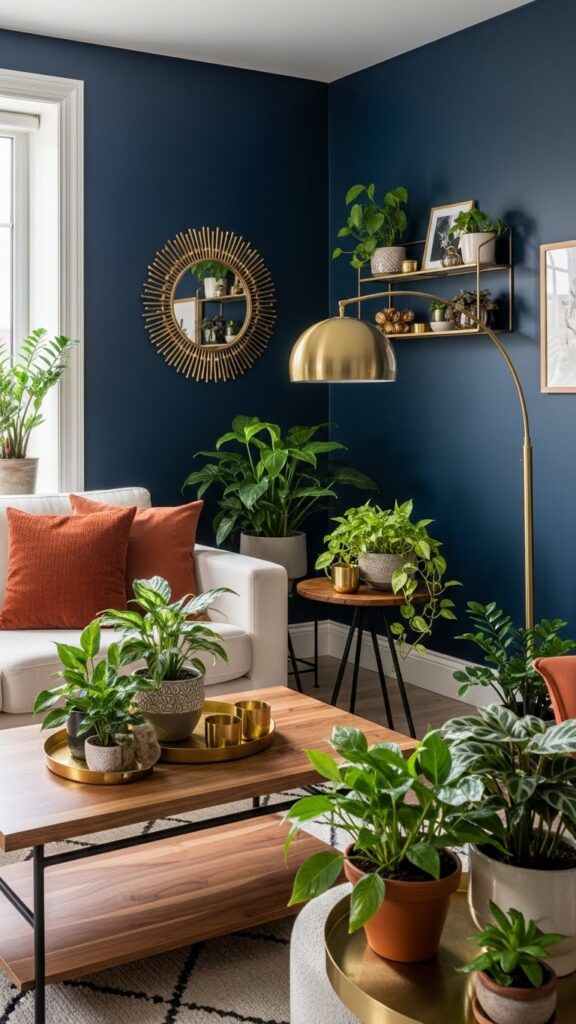
The room’s purpose should be considered. For a calming retreat, blues, greens, and soft grays can be chosen. For an energizing space, yellows, oranges, and warm reds can be incorporated. For a sophisticated atmosphere, deep jewel tones or classic neutrals can be selected.
The 60-30-10 rule can be followed. Sixty percent of the room should be covered in a dominant color (usually walls). Thirty percent should be a secondary color (upholstery, curtains). Ten percent should be an accent color (pillows, artwork, accessories). This creates balance and visual interest.
Natural light should be tested. Paint samples should be applied to walls and observed at different times of day. Colors can appear dramatically different in morning versus evening light. North-facing rooms may need warmer colors to counteract cool light, while south-facing rooms can handle cooler tones.
A cohesive flow can be created. Colors from adjacent rooms should be considered so transitions feel natural. A thread of color can be carried throughout the home through accessories or accent walls.
Personal preference should be trusted. While trends and rules are helpful, the space should be filled with colors that bring joy. If a particular shade makes the heart happy, ways can be found to incorporate it, even if it seems unconventional.
8. Lighting Layers for Perfect Ambiance
Lighting is often overlooked but is one of the most important elements in living room design. Multiple layers of light can be created for functionality and mood.
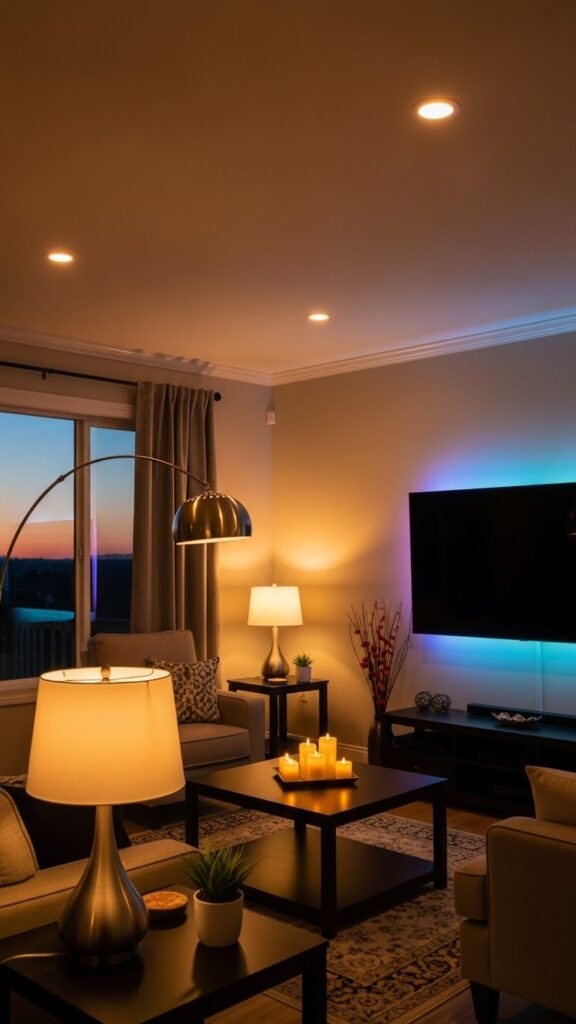
Three types of lighting should be incorporated. Ambient lighting provides overall illumination and can come from ceiling fixtures or recessed lights. Task lighting focuses on specific activities like reading and can be provided by floor or table lamps. Accent lighting highlights artwork or architectural features and can be achieved with picture lights or wall sconces.
Dimmers should be installed wherever possible. This allows light levels to be adjusted for different activities and times of day. Bright light can be used for cleaning or entertaining, while softer light creates a cozy evening atmosphere.
A variety of light fixtures should be mixed. Overhead lights can be combined with floor lamps, table lamps, and wall sconces. Different heights and styles can be incorporated to add visual interest while providing practical illumination.
Natural light should be maximized during the day. Heavy curtains can be replaced with sheer panels or light-filtering shades. Furniture should be arranged to not block windows. Mirrors can be placed to bounce light around the room.
The color temperature of bulbs should be considered. Warm white bulbs (2700-3000K) create a cozy, inviting atmosphere suitable for living rooms. Cool white bulbs can feel harsh in relaxation spaces but may be preferred for task lighting.
9. Bringing Nature Indoors with Biophilic Design
Humans have an innate connection to nature, and bringing natural elements into the living room can improve wellbeing and create a serene environment.
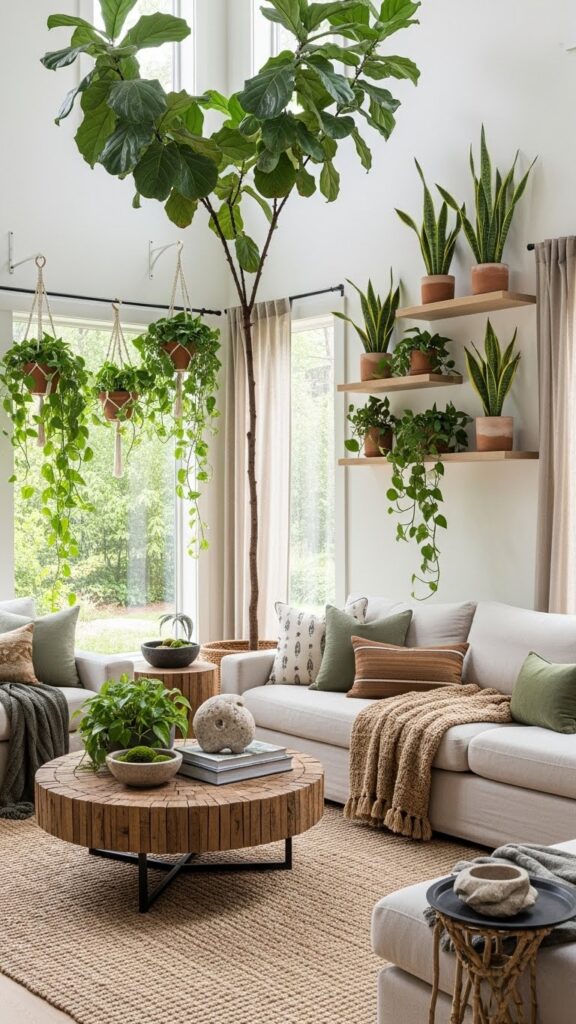
Plants should be incorporated at various levels. Large floor plants like fiddle leaf figs or bird of paradise can be positioned in corners. Medium plants can be placed on side tables or plant stands. Small succulents or trailing plants can be arranged on shelves or hung from ceilings.
Natural materials should be chosen for furniture and decor. Wood, stone, bamboo, rattan, and jute can be selected. These materials bring texture and warmth while connecting the space to the natural world. Live-edge wood tables or stone accent pieces can be particularly striking.
A connection to outdoor spaces should be created when possible. Large windows should be left unobstructed to frame outdoor views. Glass doors leading to balconies or patios can be installed if feasible. Even in urban apartments, window boxes with herbs or flowers can provide a green connection.
Natural colors can be embraced. Earth tones like browns, greens, blues, and sandy neutrals can be used as the foundation. These colors are known to create calming, grounding atmospheres.
Natural light should be prioritized. Window treatments should be kept minimal to allow maximum daylight. Furniture should be arranged to not block light sources. If natural light is limited, full-spectrum bulbs can be used to mimic daylight.
Water features can be considered. A small tabletop fountain can add the soothing sound of running water. An aquarium can serve as both a focal point and a connection to nature. These elements engage multiple senses and enhance the biophilic experience.
10. Stylish Decor That Adds Personality
The finishing touches are what transform a living room from merely functional to truly special. Decor items can be selected that reflect personal style and tell a unique story.
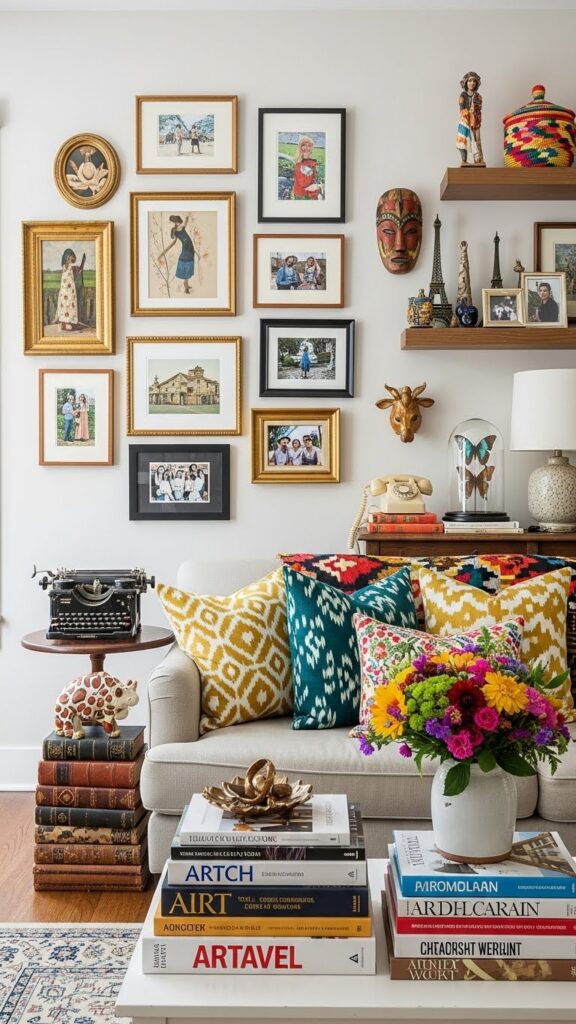
A gallery wall can be created. Family photos, artwork, prints, and even three-dimensional objects can be mixed. Frames in various sizes and finishes can be used, or a uniform look can be created with matching frames. The arrangement should be planned on the floor before hanging to ensure a pleasing composition.
Collections should be displayed. Items collected over time, whether vintage cameras, pottery, or books, can be showcased. These collections can be grouped together for impact rather than scattered throughout the house.
Textiles should be layered. Throw pillows in different sizes, patterns, and textures can be mixed. A throw blanket can be draped casually over the sofa. Curtains that complement the color scheme while adding softness can be hung.
Coffee table styling should not be neglected. A tray can be used to corral items and create organization. A stack of beautiful books can be arranged. A small plant or fresh flowers can be added. A decorative object that sparks joy can be included. The arrangement should be kept simple and functional.
Artwork should be chosen that resonates personally. Original pieces can be invested in from local artists, or affordable prints can be selected that speak to personal taste. The art should be hung at eye level, generally with the center of the piece about 57-60 inches from the floor.
Seasonal updates can be made. Pillow covers can be swapped out. Decorative objects can be rotated. Fresh flowers or seasonal branches can be displayed. These small changes keep the space feeling fresh without requiring major overhauls.
1930s Living Room Interior Design Ideas
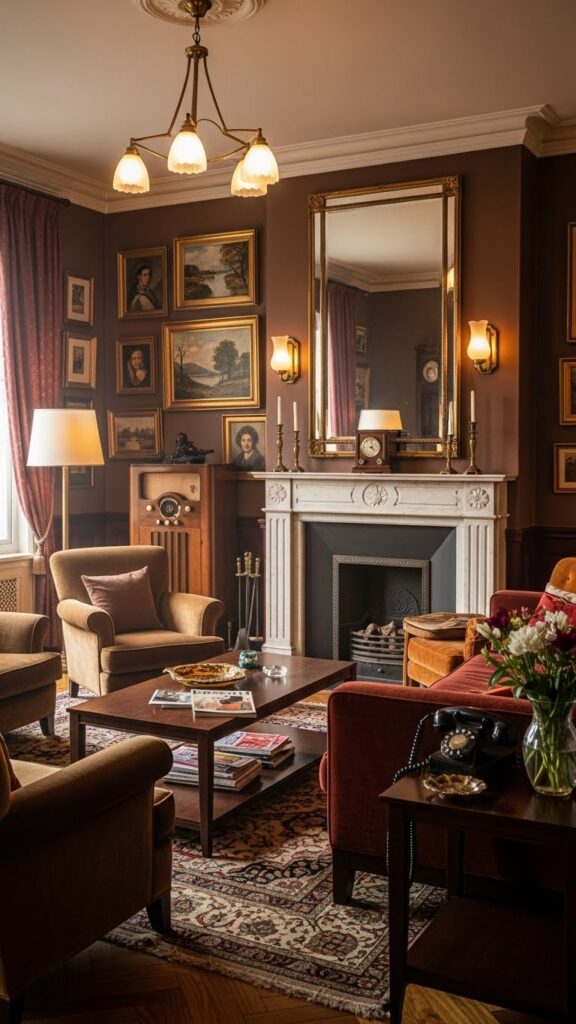
Step back into the glamour of the 1930s with these timeless living room interior design ideas. Discover classic Art Deco elements, rich wood furniture, bold geometric patterns, elegant lighting, and warm color palettes that defined the era. Perfect inspiration for creating a vintage living room with authentic 1930s charm, sophistication, and character—ideal for history lovers, retro home décor fans, and classic interior design enthusiasts.
1 BHK Living Room Interior Design Ideas
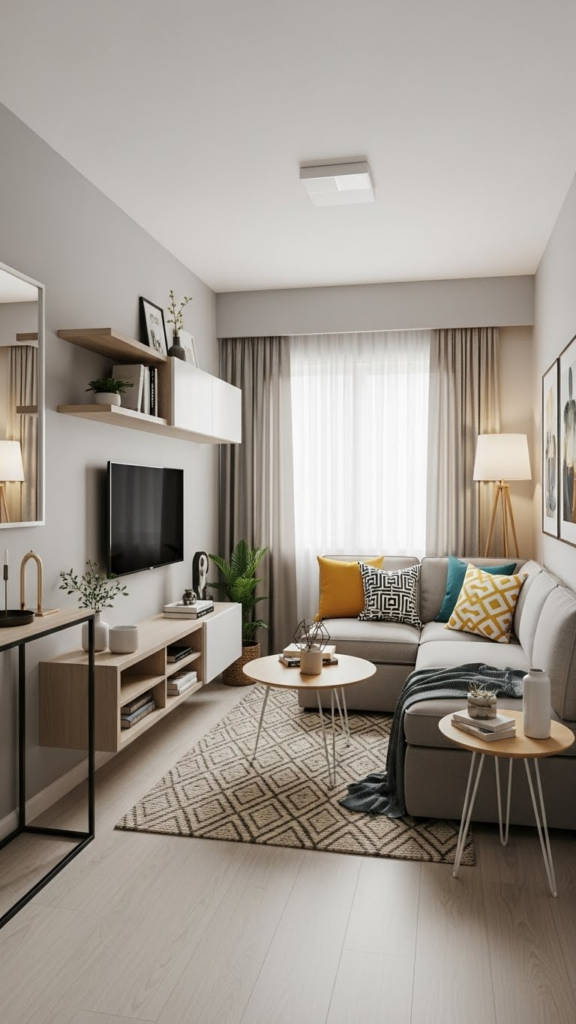
Explore smart and stylish 1 BHK living room interior design ideas perfect for small apartments. From space-saving furniture and modern layouts to cozy décor, neutral color palettes, and clever storage solutions, these ideas help you create a functional yet beautiful living room. Ideal inspiration for compact homes, renters, and budget-friendly interior design lovers.
Bringing It All Together
The perfect living room is not created overnight. It evolves as needs change, tastes develop, and new pieces are discovered. The ideas presented here can be mixed and matched to create a space that truly feels like home.
Whether a small apartment is being worked with or a generous living area is available, whether modern designs are preferred or cozy traditional styles are loved, the key is to create a space that serves both practical needs and emotional wellbeing.
The room should be started with a clear vision of how the space will be used. Furniture that fits the scale of the room should be invested in. A cohesive color palette should be chosen. Multiple layers of lighting should be incorporated. Personal touches should be added that make the space uniquely yours.
Design rules can be helpful, but they should not be limiting. If something unconventional brings joy, it should be included. The living room is a reflection of who lives there, and that authenticity is what makes a space truly beautiful.
Small changes can be started with if a complete redesign feels overwhelming. A new throw pillow can be added. A wall can be painted. Furniture can be rearranged. Each small improvement will build momentum and confidence.
Most importantly, the space should be enjoyed. A living room is meant to be lived in, not just looked at. Feet should be put up on the coffee table. Movies should be watched. Friends should be gathered. The wear and tear of a well-loved room is something to be celebrated, not feared.
A living room is being created that will be cherished for years to come. Whether 2026 trends are being embraced, a cozy retreat is being built, or a small space is being maximized, the perfect living room is within reach. The journey of transforming a space is just as rewarding as the final result, so it should be enjoyed every step of the way.