Making the most of your apartment living room doesn’t require a massive budget or endless square footage. Whether you’re working with a cozy studio or navigating tricky layouts, smart design choices can transform any space into a comfortable, stylish retreat. This comprehensive guide explores creative solutions for every apartment living room challenge, from tiny footprints to unusual architectural features.
Living Room Design Small Spaces
Small living rooms demand thoughtful planning, but size limitations can actually inspire creativity. The key is choosing furniture that serves multiple purposes and arranging pieces to maximize flow. A loveseat or apartment-sized sofa works better than a full sectional, while nesting tables provide surface space without permanence. Opt for furniture with exposed legs to create visual airflow underneath, making the room feel less crowded. Mirrors strategically placed across from windows double your natural light and create the illusion of depth. Keep accessories minimal but meaningful—a few well-chosen pieces make more impact than cluttered shelves.
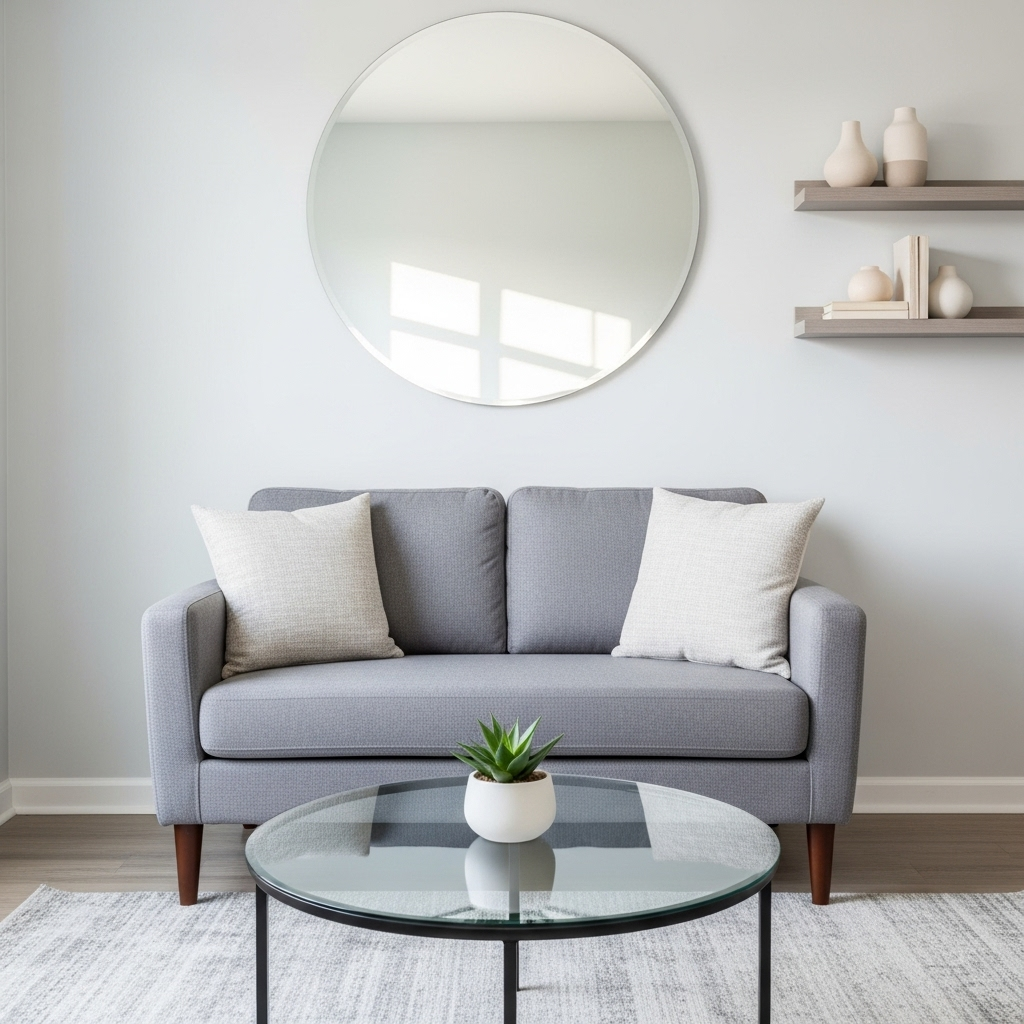
Living Room Design Small Apartment
Small apartments benefit from cohesive color schemes that flow from room to room, creating visual continuity that makes spaces feel larger. Stick to a neutral base with pops of color through easily changeable elements like pillows, throws, and artwork. Vertical storage solutions are your best friend—tall bookcases draw the eye upward and provide ample storage without eating floor space. Consider a media console with built-in storage to hide clutter. Lightweight furniture that’s easy to rearrange gives you flexibility to adapt your space for different occasions, from movie nights to hosting friends.
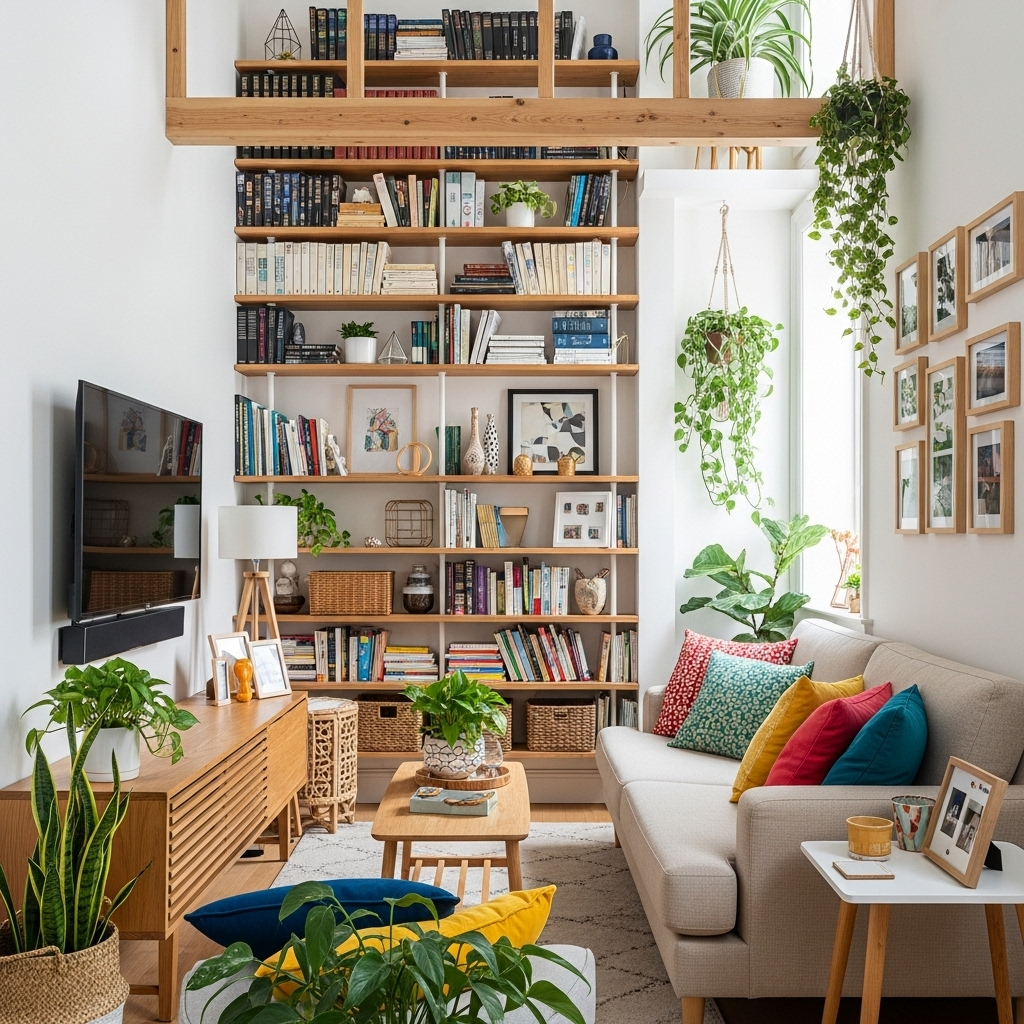
Living Room Design for Small House
Small houses often have defined living rooms with doorways and walls, unlike open studios. Use this to your advantage by creating an intimate, cozy atmosphere. Embrace the proportions rather than fighting them—a smaller sofa positioned facing the room’s focal point (fireplace or window) creates better conversation flow than oversized furniture crammed against walls. Layer lighting with table lamps, floor lamps, and overhead fixtures to add warmth and dimension. Area rugs help define the seating zone and add texture underfoot. Don’t shy away from artwork; a large piece can actually make a small room feel more substantial and intentional.
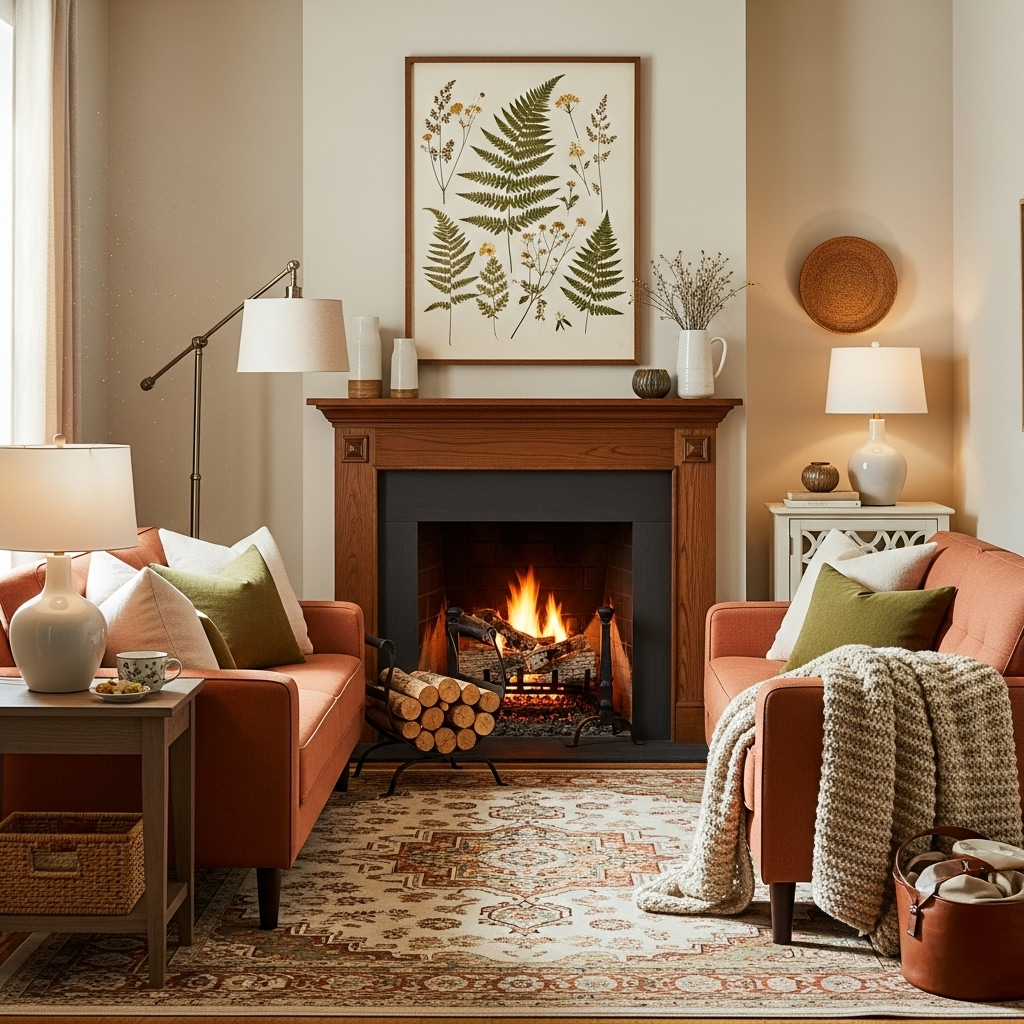
Living Room Design Decor Small Spaces
Decorating small spaces requires a “less is more” philosophy, but that doesn’t mean boring. Choose one statement piece—whether it’s a bold accent chair, vibrant artwork, or unique light fixture—and build around it. Floating shelves display treasures without bulky furniture. Plants bring life without taking valuable floor space; hanging planters and wall-mounted options work beautifully. Texture adds interest when you’re working with limited color—combine smooth, rough, soft, and woven elements. Store items in beautiful baskets or decorative boxes that double as decor. Every piece should earn its place through function, beauty, or preferably both.
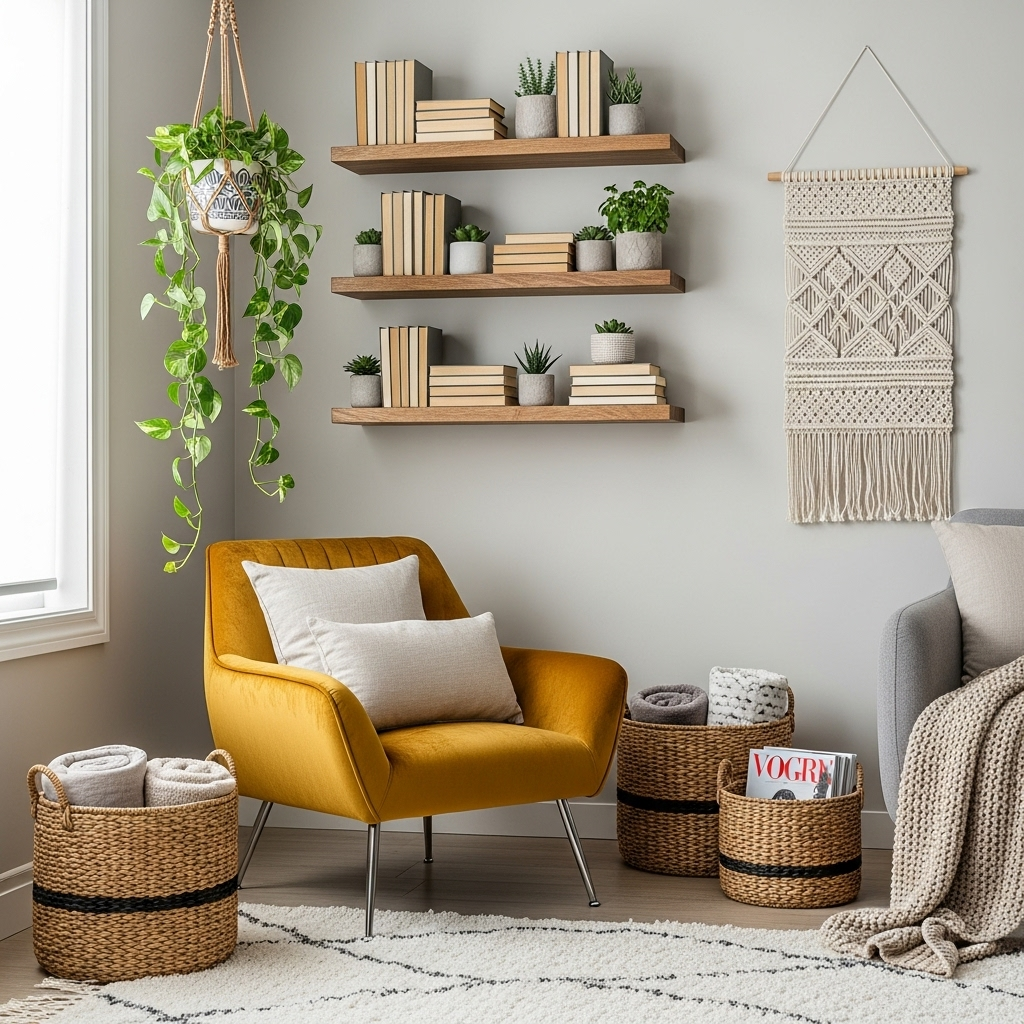
Open Concept Kitchen Dining Living Room Small Apartment Design
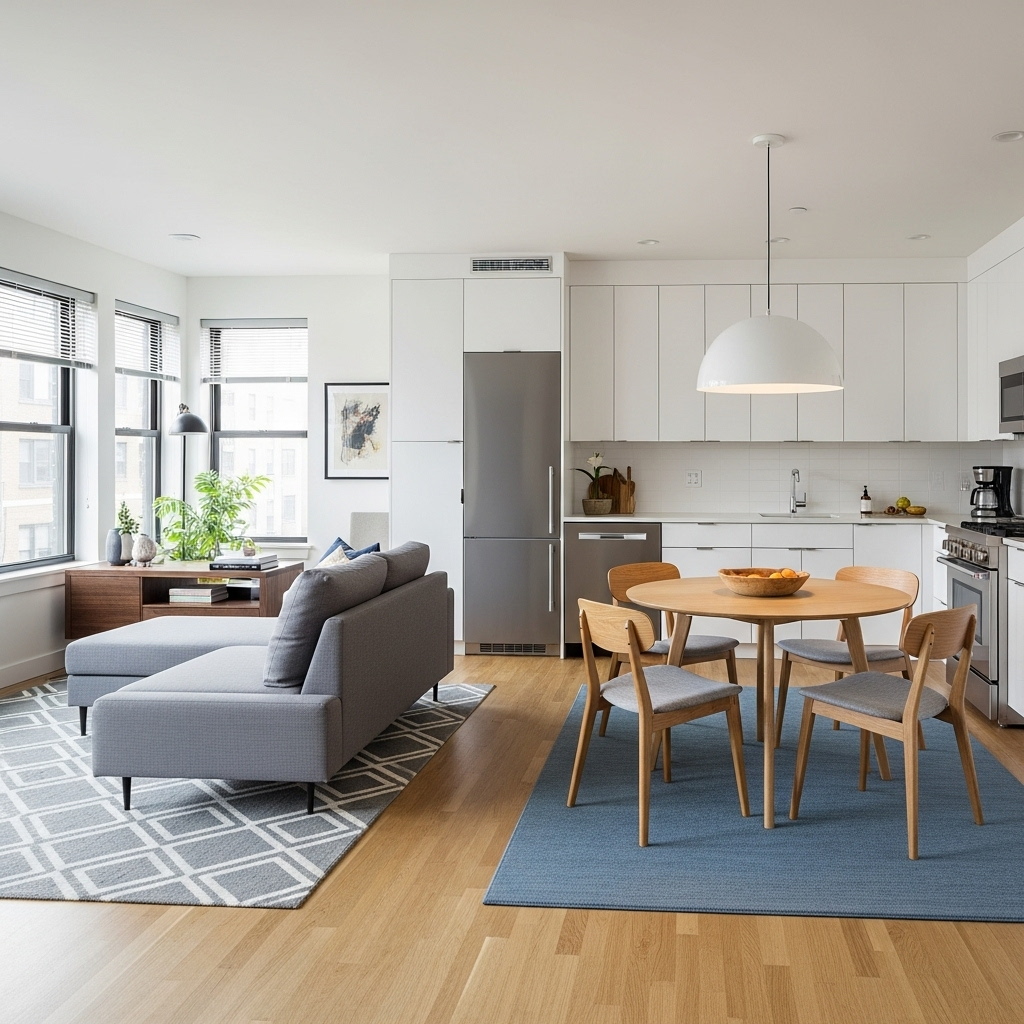
Open concept layouts maximize space but require zoning strategies to define different areas. Area rugs are essential—one under the dining table, another anchoring the living room seating. Use the back of your sofa as a natural divider between living and dining zones. A console table behind the couch provides additional surface space and visual separation. Maintain consistent flooring and wall colors throughout while varying furniture styles slightly to distinguish each zone. Pendant lights over the dining area and different lighting in the living space further define purposes. Keep sightlines clear by avoiding tall furniture that blocks views across the space.
Living Room Design Under Staircase
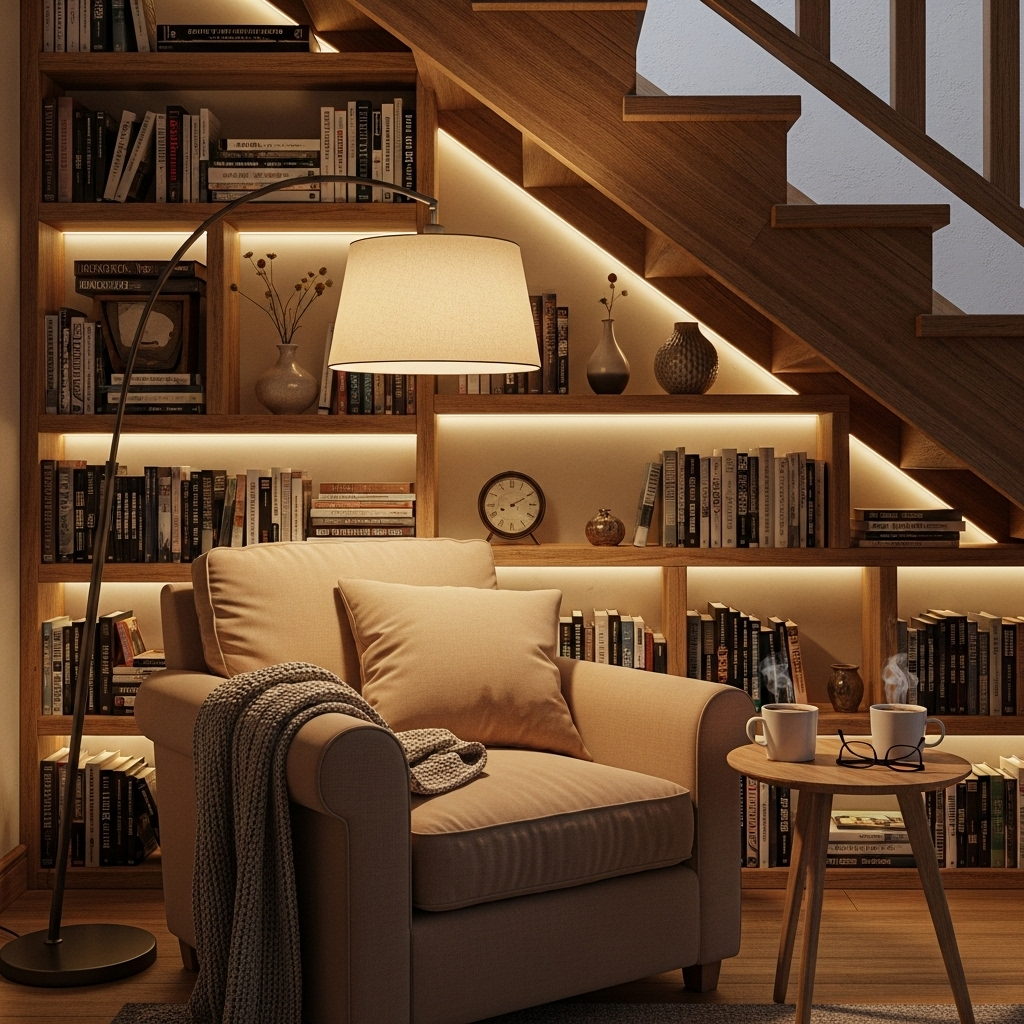
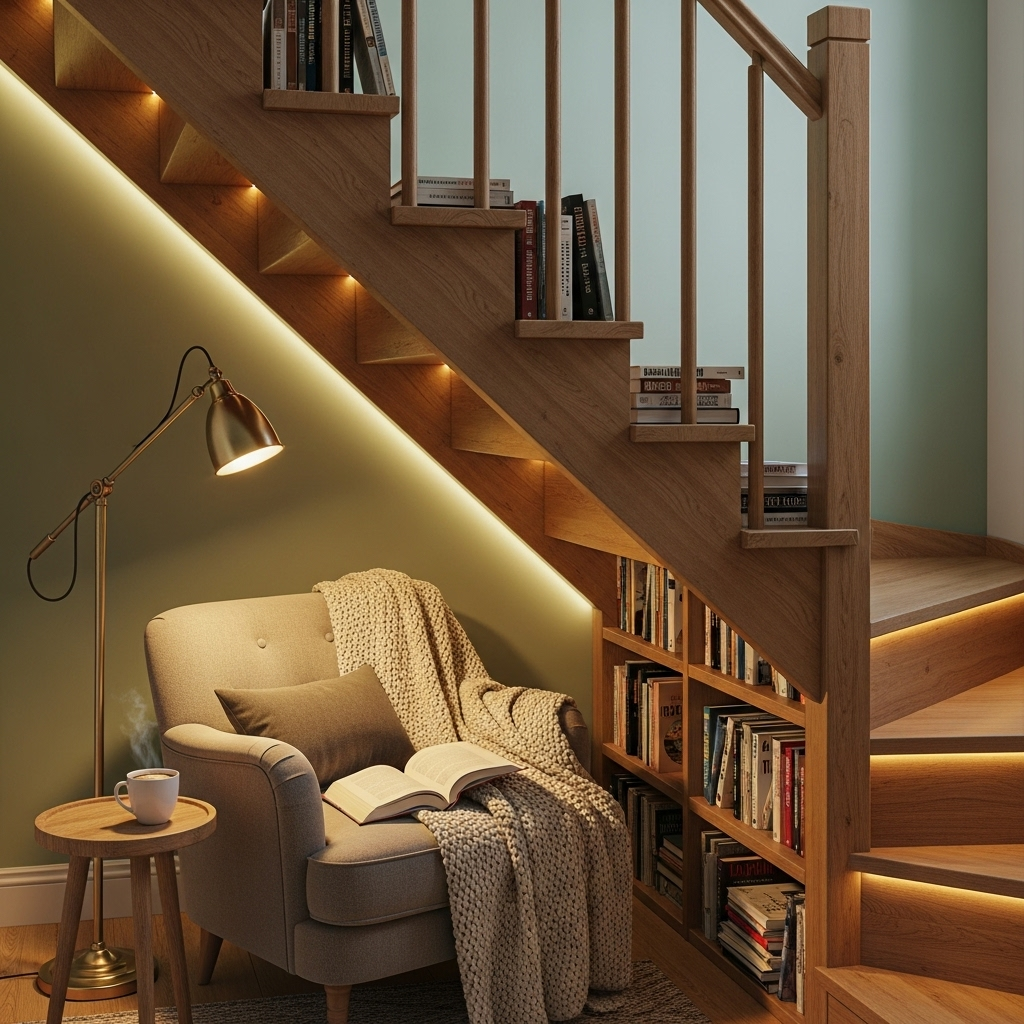
The space beneath staircases often goes unused, but it holds incredible potential. Transform it into a cozy reading nook with a small armchair, floor lamp, and floating shelf for books. The sloped ceiling creates an intimate, cave-like atmosphere perfect for relaxation. Alternatively, install built-in shelving that follows the staircase angle for display or storage. If the space is large enough, a small desk creates a tucked-away workspace. Paint the understairs area a different color or add wallpaper to make it feel intentional rather than leftover space.
Living Room Design Under Stairs
For larger under-stair spaces that open to the living room, consider built-in seating with storage underneath. Custom benches with cushions and pillows create additional seating when entertaining while providing hidden storage for throws, games, or seasonal items. Open shelving units work well here too, displaying books, plants, or decorative objects. If your staircase is particularly tall, you might fit a small entertainment center or bar area. The key is treating this space as an intentional extension of your living room rather than an afterthought.
Living Room Design Under the Stairs
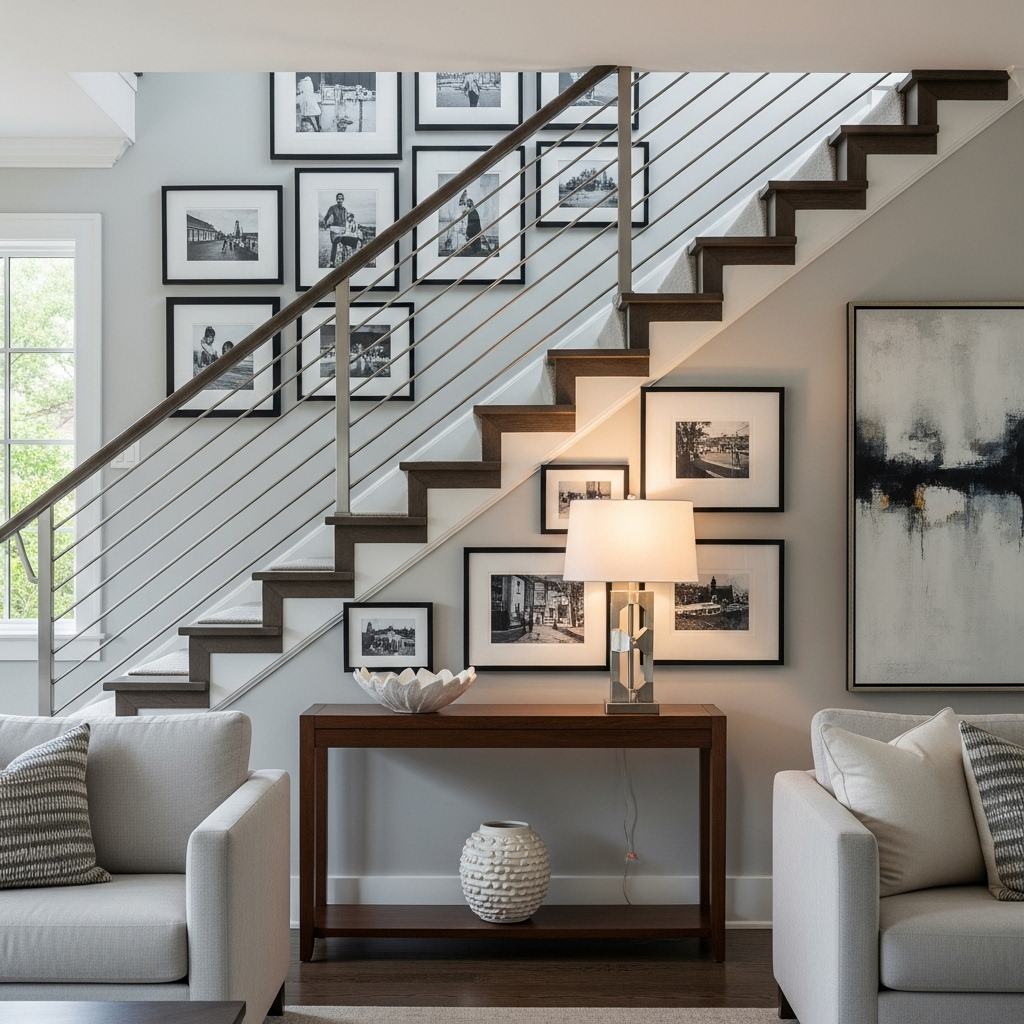
When the under-stair area is visible from the main living space, aesthetics matter as much as function. Consider it an opportunity for a focal point. A gallery wall that follows the staircase angle draws the eye and adds personality. Alternatively, a floor-to-ceiling bookshelf creates a library feel. For pet owners, this space works wonderfully as a stylish dog bed area with a custom cushion and decorative gate. Whatever you choose, ensure it complements your overall living room design scheme in color and style.
Living Room Design Narrow
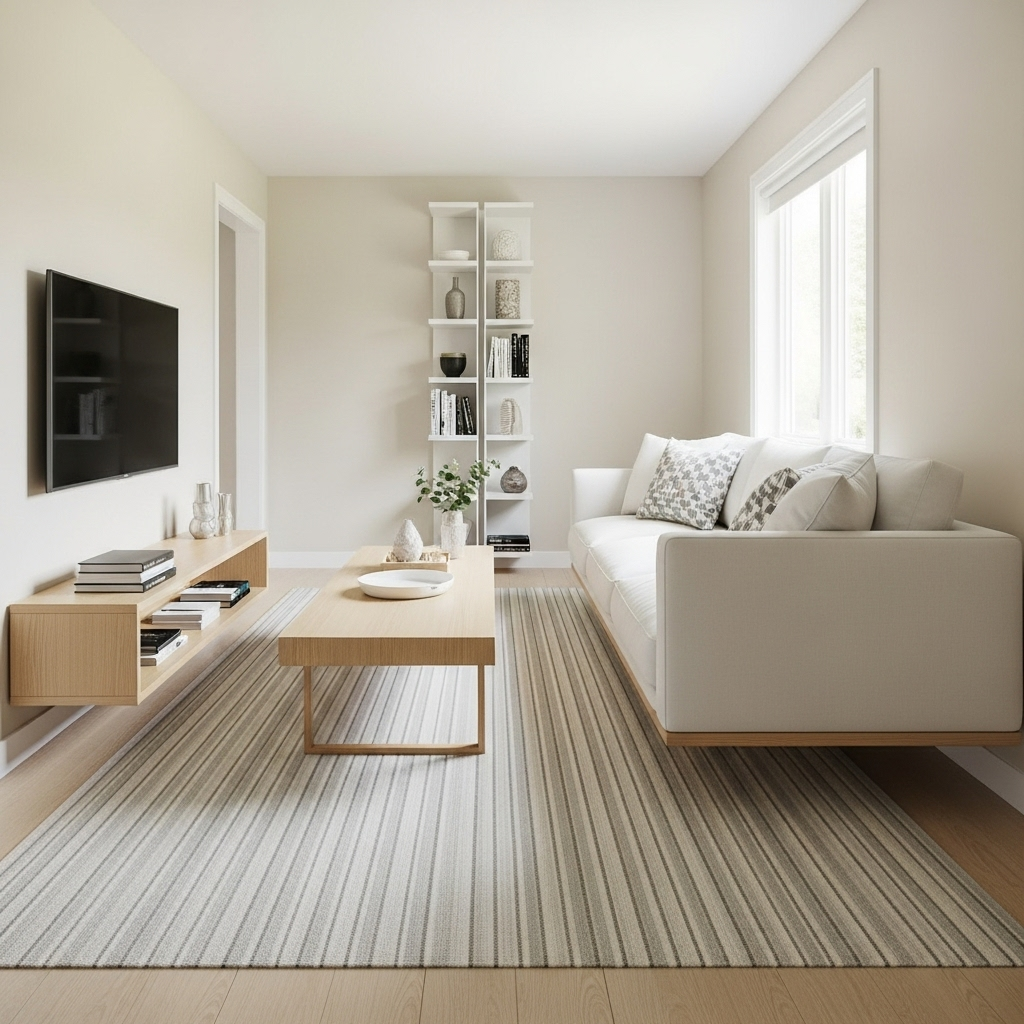
Narrow living rooms require furniture placement that encourages movement rather than blocking it. Float your sofa away from the wall, creating a walkway behind it, which counterintuitively makes the room feel more spacious. Choose a long, narrow coffee table or ottoman that echoes the room’s proportions. Avoid blocking the length of the room with furniture placed perpendicular to the long walls. Instead, embrace the bowling alley effect by creating zones along the length—seating area at one end, perhaps a small desk or bookshelf at the other. Vertical stripes in rugs or wallpaper can emphasize height, balancing the narrow width.
Living Room Design Long Narrow
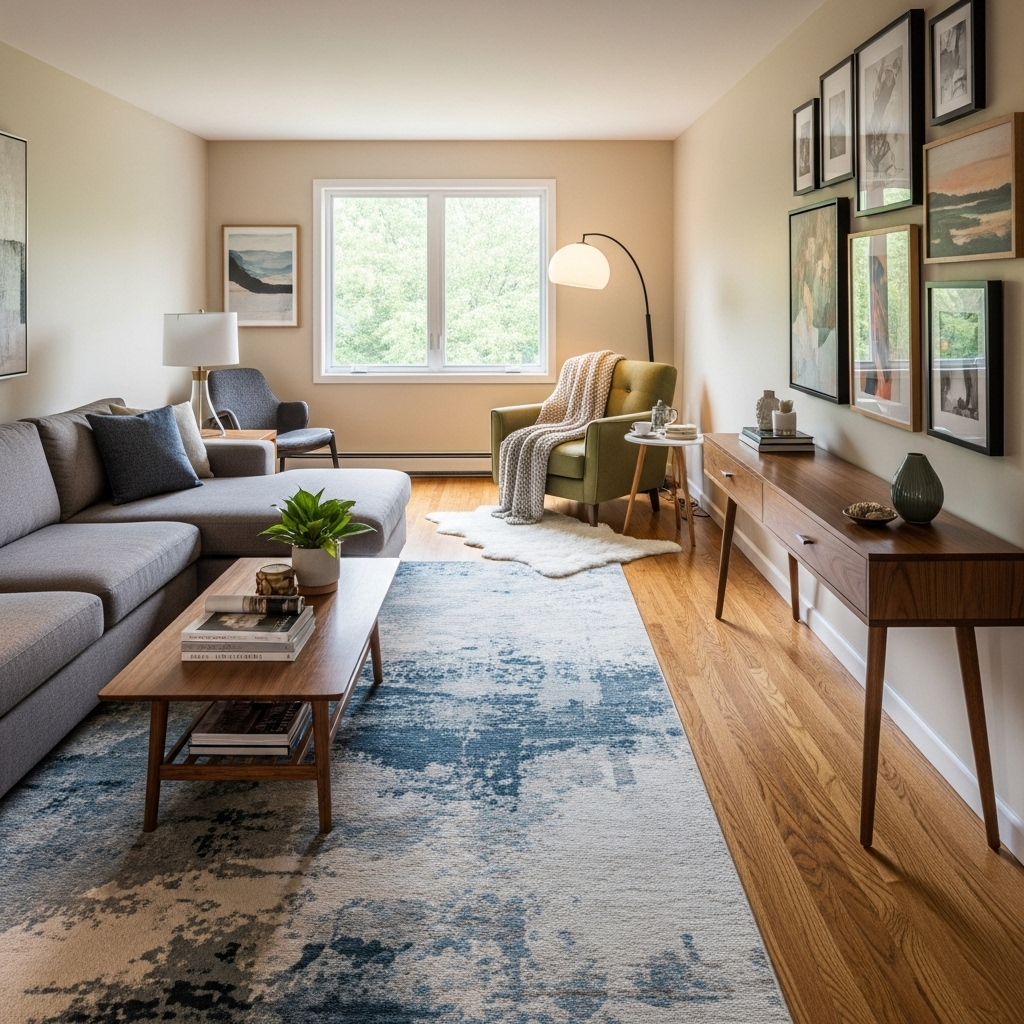
Long narrow spaces work beautifully when divided into multiple functional zones. Create a primary seating area with sofa and chairs, then add a secondary purpose to the other end—a reading corner, workspace, or game table. Use rugs to define each zone clearly. Arrange furniture to create conversation areas rather than lining everything against walls, which emphasizes the narrow shape. Multiple light sources throughout the length prevent dark corners and add ambiance. Consider running a console table along one long wall for display space without protruding far into the room.
Living Room Design Rental
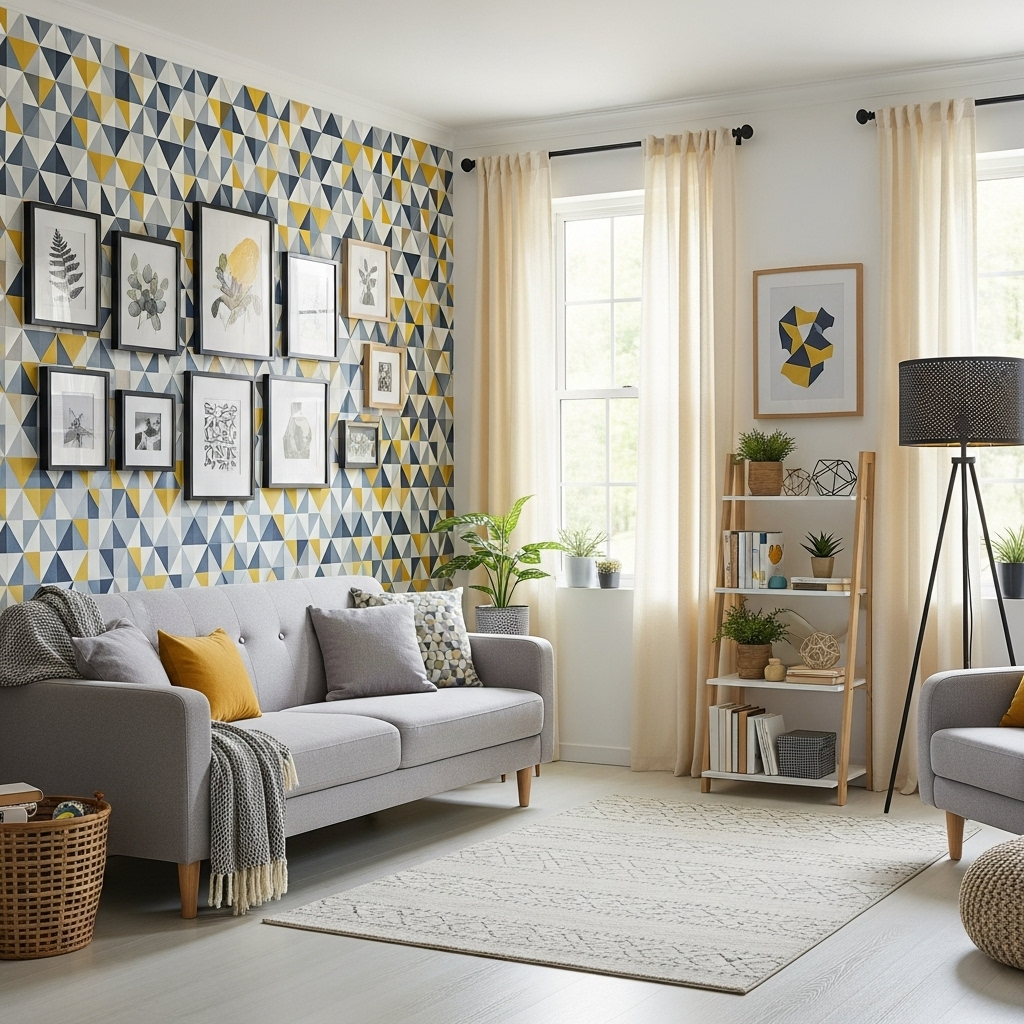
Rental living rooms require non-permanent solutions that make the space feel like home without losing your security deposit. Removable wallpaper adds personality to bland walls and peels off cleanly. Command hooks and damage-free hanging systems let you display artwork without nail holes. Invest in quality furniture and lighting you’ll take with you rather than built-ins. Large area rugs can hide unfortunate flooring while adding warmth and style. Tension rods work for curtains without drilling. Focus your budget on moveable items—a great sofa, beautiful lighting, and accessories that reflect your style will transform any rental into your personal space.
Living Room Design on a Budget
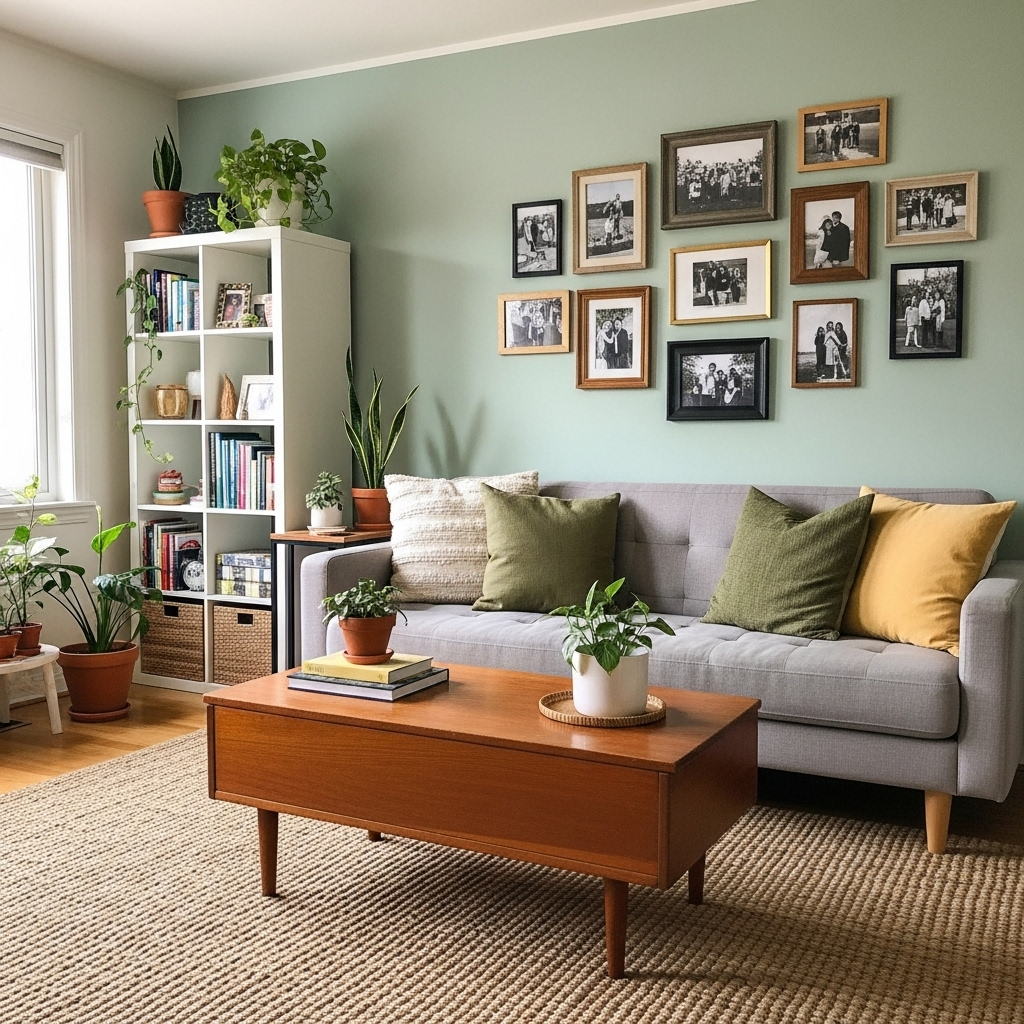
Beautiful living rooms don’t require unlimited funds. Start with a plan before buying anything—measure your space and create a layout. Shop secondhand for quality furniture pieces, focusing budget on items you use daily like seating. Paint is the most affordable transformation tool—a fresh coat or accent wall costs little but delivers major impact. DIY artwork, thrifted frames, and printed photos personalized your space affordably. Rearrange what you own before buying new items. Invest in one statement piece and fill in with budget-friendly accessories. Plants from cuttings or inexpensive nurseries add life for minimal cost. Patience pays off—building a room over time with intentional choices beats impulse purchases that don’t work together.
Creating an apartment living room that feels spacious, stylish, and functional comes down to smart choices tailored to your specific challenges. Whether you’re working with unusual layouts, tiny footprints, or tight budgets, these strategies prove that limitations spark creativity. Your perfect living room is absolutely achievable—it just takes planning, resourcefulness, and a clear vision of how you want to live in your space.