Nigerian Jollof Rice: Recipes, Tips & Variations
Nigerian Jollof rice is more than just a dish—it’s a cultural icon, a party staple, and the centerpiece of countless celebrations across West Africa. This vibrant, flavorful one-pot meal has sparked friendly rivalries, inspired viral debates, and continues to win hearts around the world. Whether you’re a first-time cook or looking to perfect your technique, this comprehensive guide will take you through everything you need to know about creating authentic, delicious Nigerian Jollof rice.
What is Nigerian Jollof Rice?
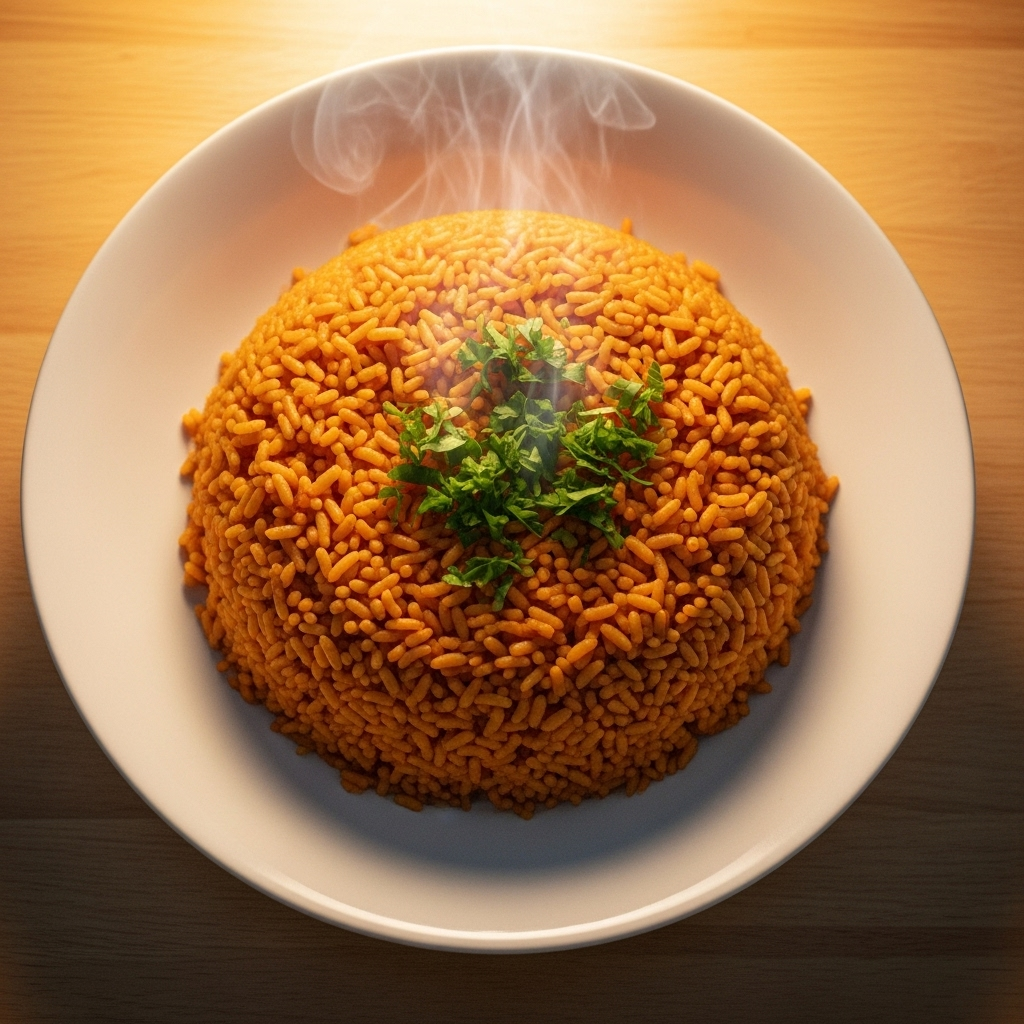
Nigerian Jollof rice is a beloved West African dish featuring rice cooked in a rich, spiced tomato sauce. The rice absorbs a complex blend of flavors from tomatoes, peppers, onions, and aromatic spices, resulting in grains that are tender, flavorful, and often tinged with a beautiful orange-red hue. What sets Nigerian Jollof apart is its distinctive smoky flavor and the perfect balance of spices that creates an unforgettable taste experience.
Classic Nigerian Jollof Rice Recipe
The foundation of great Jollof rice starts with understanding the classic recipe. This traditional method has been passed down through generations and remains the gold standard for home cooks and professional chefs alike.
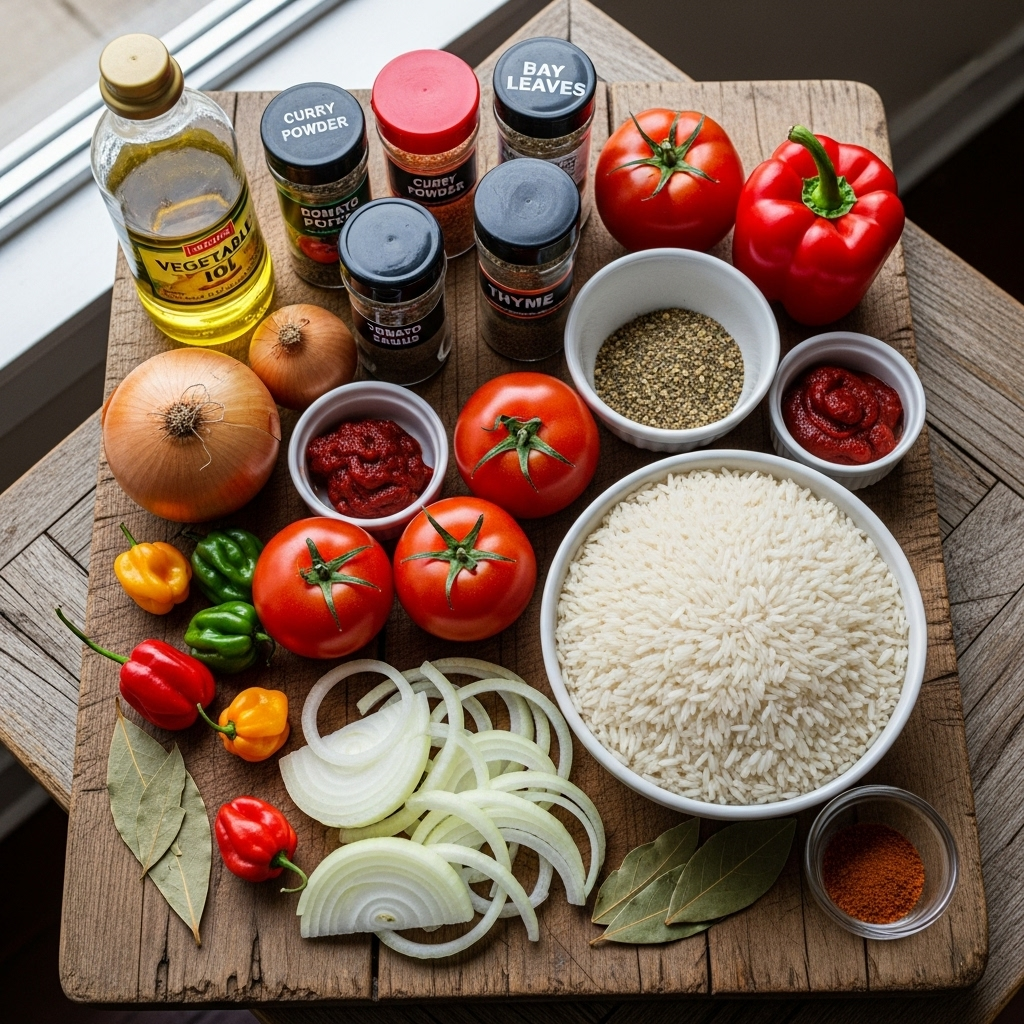
Ingredients for Nigerian Jollof Rice
- long-grain parboiled rice
- fresh tomatoes and tomato paste
- red bell peppers
- scotch bonnet peppers for heat
- onions
- garlic
- ginger
- curry powder
- thyme
- bay leaves
- chicken or beef stock
- vegetable oil
- salt to taste
The quality of your ingredients directly impacts the final result, so choose fresh produce and good-quality stock whenever possible.
How to Make Nigerian Jollof Rice
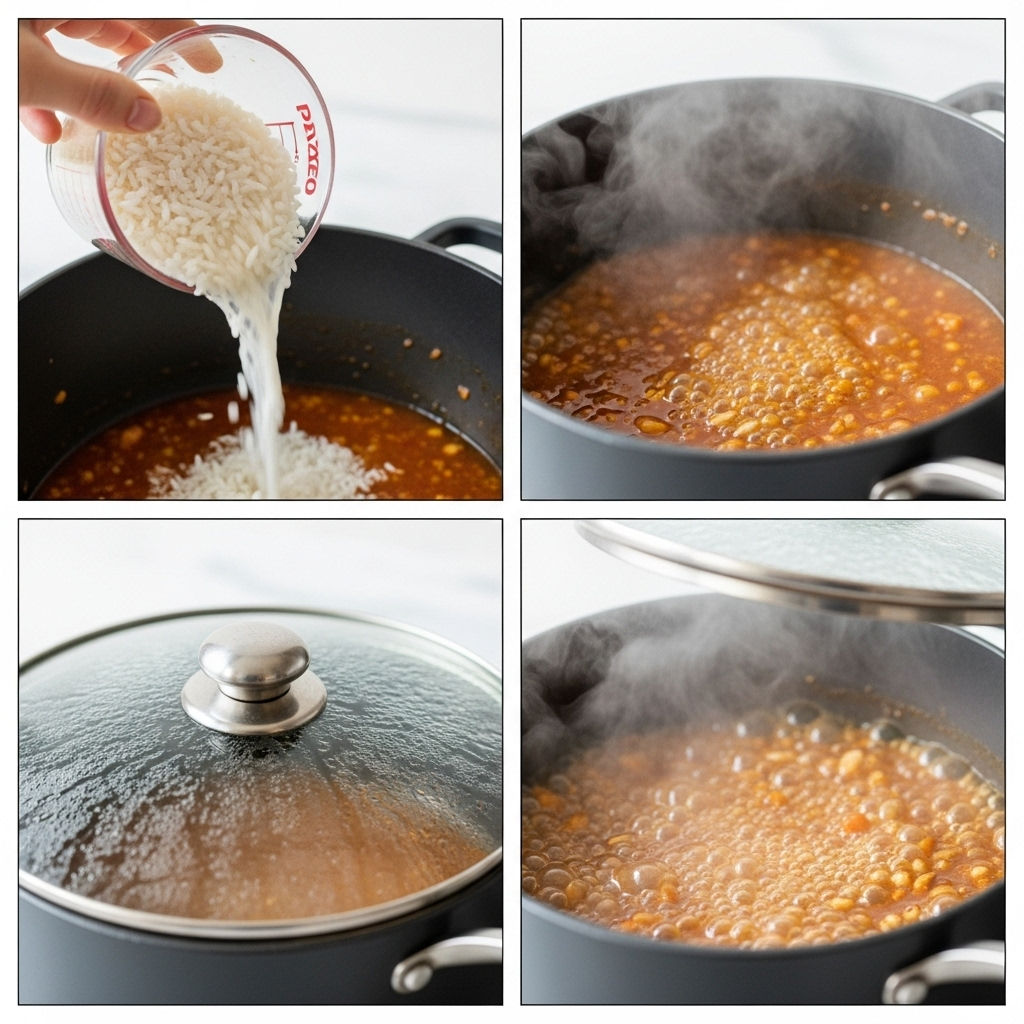
Making Nigerian Jollof rice is a labor of love that rewards patience and attention to detail. Start by blending your tomatoes, peppers, and onions into a smooth paste. Heat oil in a large pot and fry the tomato mixture until it reduces and loses its raw taste—this step is crucial and can take 20-30 minutes. The mixture should darken and the oil should begin to separate. Add your tomato paste and fry for another few minutes, then stir in your spices, curry powder, thyme, and seasonings. Pour in your stock, bring to a boil, then add your washed rice. Stir once, reduce the heat to low, cover tightly, and let the rice steam until tender. The key is resisting the urge to stir too much, which can make the rice mushy.
How to Cook Nigerian Party Jollof Rice
Party Jollof rice holds legendary status in Nigerian cuisine. It’s the Jollof rice that guests rave about long after the celebration ends, often cooked in large quantities over firewood or with specific techniques that create that coveted smoky flavor and perfectly cooked grains.
The secret to party Jollof lies in several factors: using a wider, shallower pot that allows for better heat distribution, achieving the right rice-to-liquid ratio, and most importantly, creating that signature “smoky” bottom layer. Many cooks intentionally allow the bottom to slightly char, creating a crispy, flavorful layer that’s considered the best part. Some modern cooks achieve this smoky flavor by adding a small piece of charcoal to the pot.
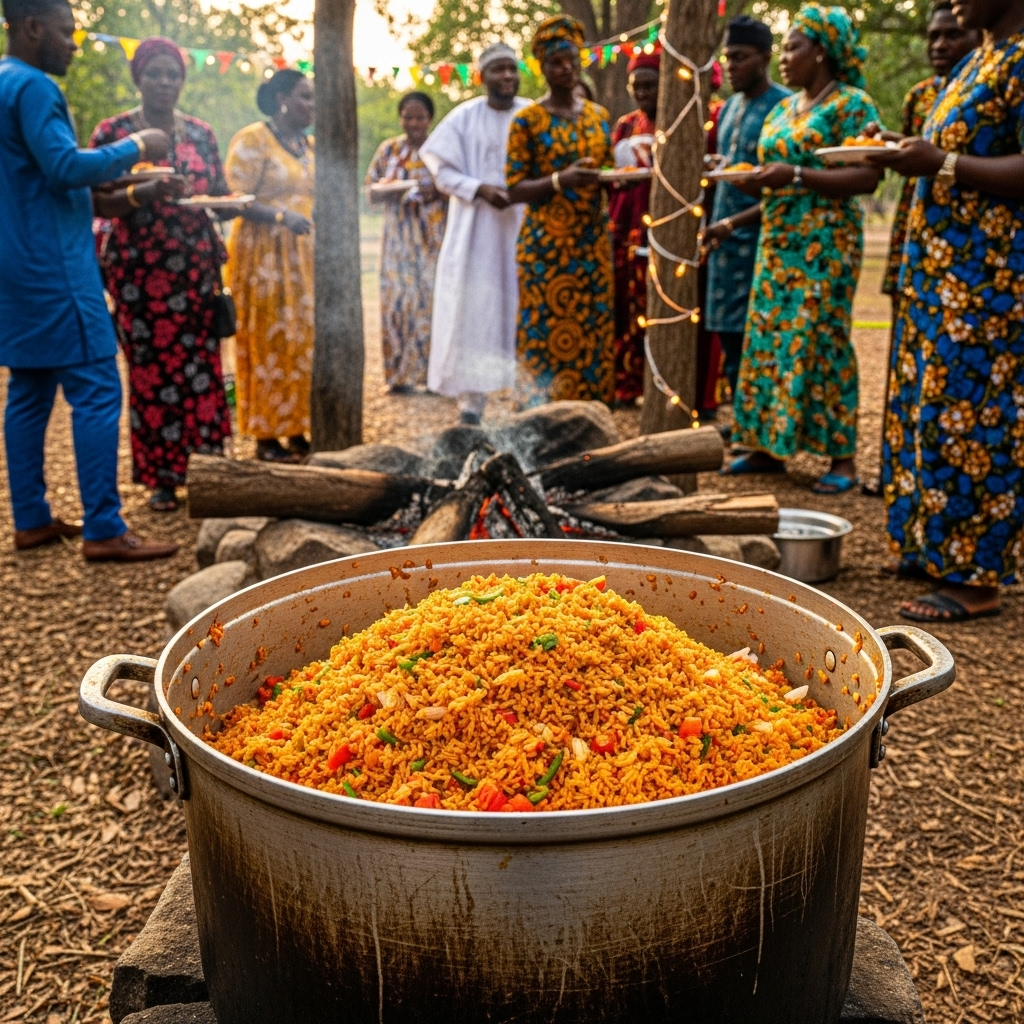
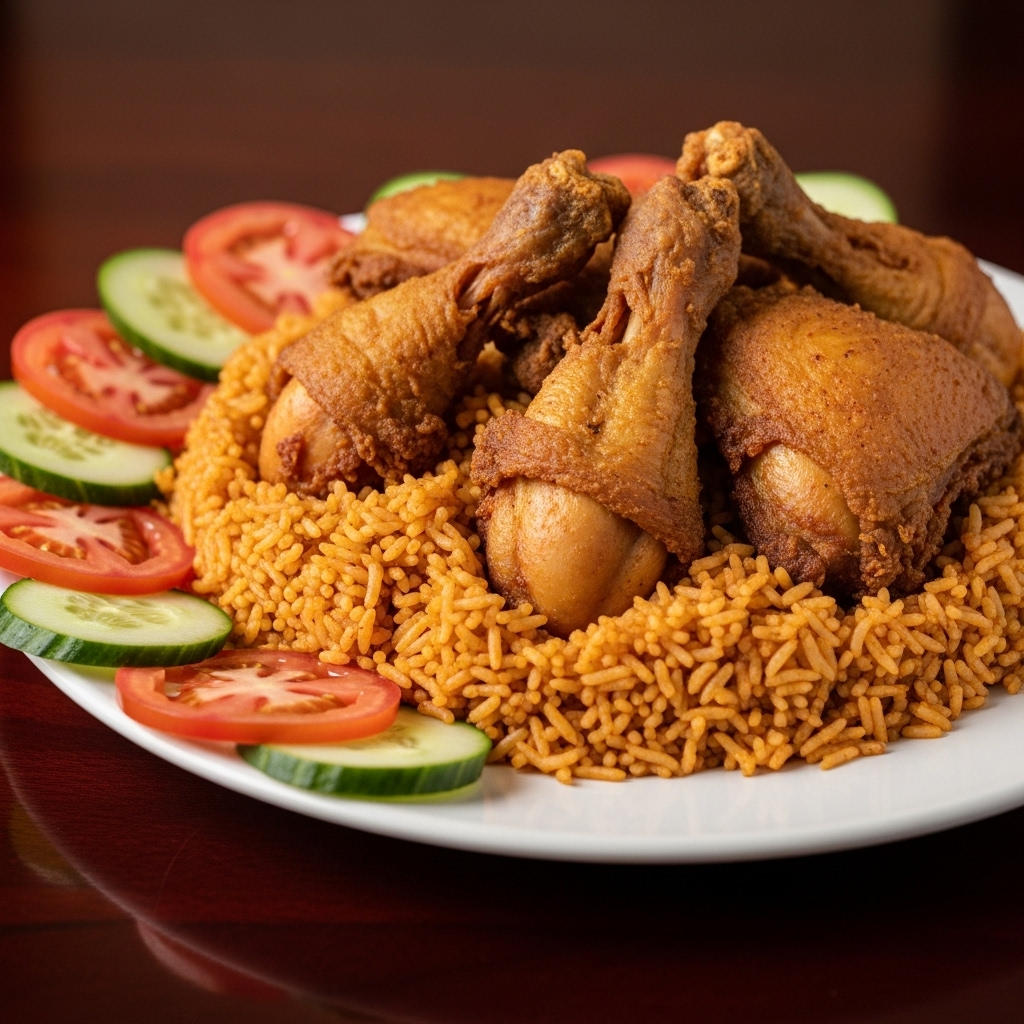
Delicious Nigerian Jollof Rice with Chicken
Jollof rice with chicken is perhaps the most popular combination, creating a complete meal that’s both satisfying and impressive. The chicken can be prepared in various ways—fried until crispy, grilled with spices, or cooked in a rich stew.
For the best results, season your chicken pieces with curry powder, thyme, garlic, ginger, and salt, then either fry until golden or bake until cooked through. Some cooks prepare the chicken separately and serve it alongside the rice, while others cook the chicken in the tomato base before adding the rice, allowing the flavors to meld beautifully.
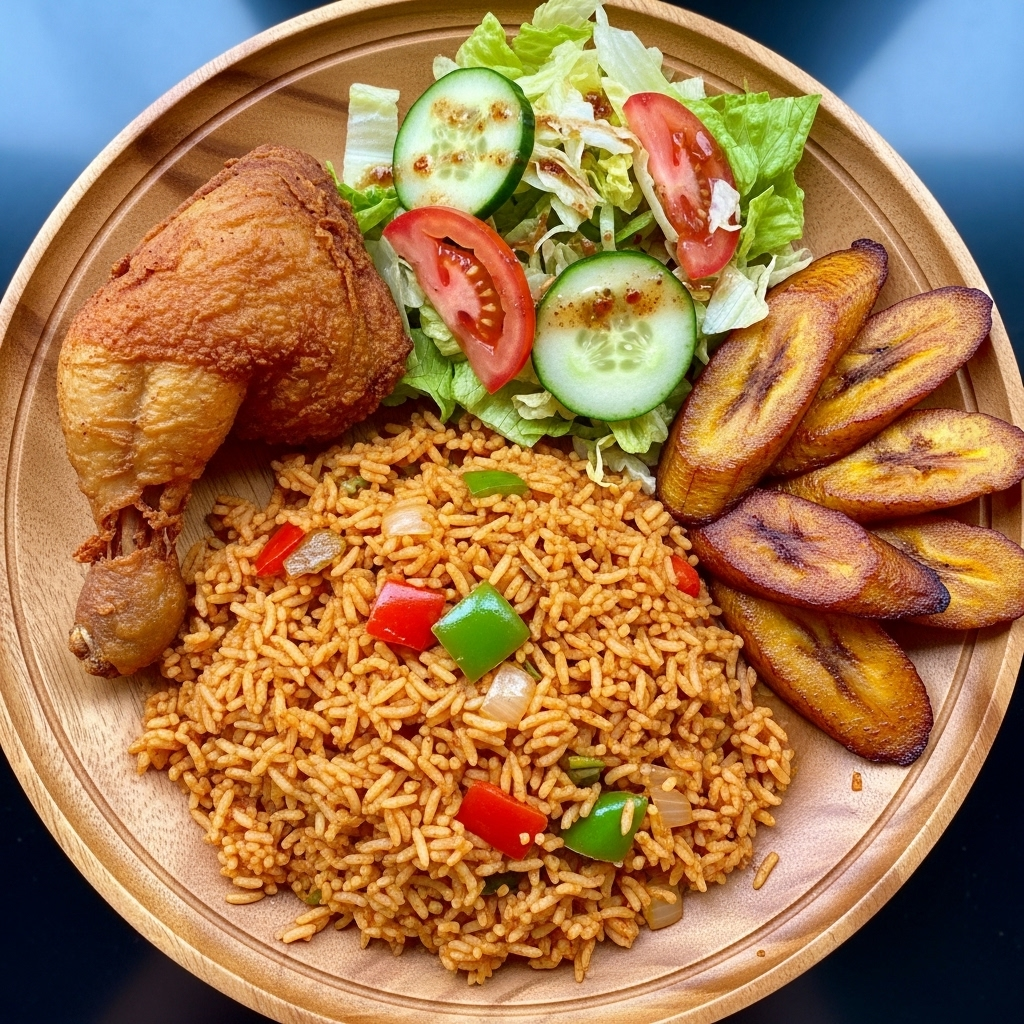
Nigerian Jollof Rice with Chicken and Plantain
Taking Jollof rice to the next level means adding sweet, caramelized fried plantain (dodo). This combination represents the holy trinity of Nigerian cuisine and creates a perfect balance of savory, smoky, and sweet flavors.
Ripe plantains are sliced diagonally and fried in oil until golden and caramelized on the edges. The natural sweetness of the plantain provides a delightful contrast to the spicy, savory Jollof rice and seasoned chicken. Add a fresh salad of lettuce, tomatoes, and cucumbers with a light vinaigrette, and you have a restaurant-worthy meal.
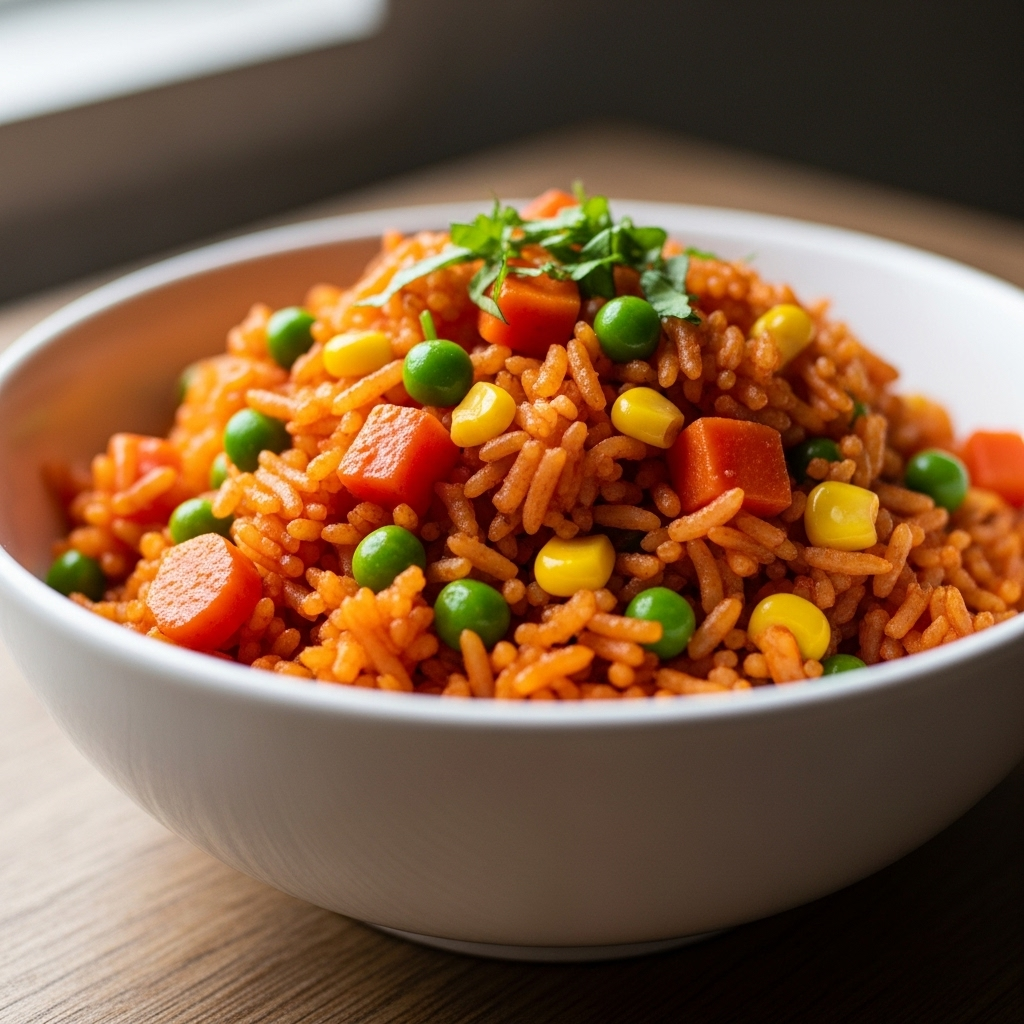
Nigerian Jollof Rice with Vegetables
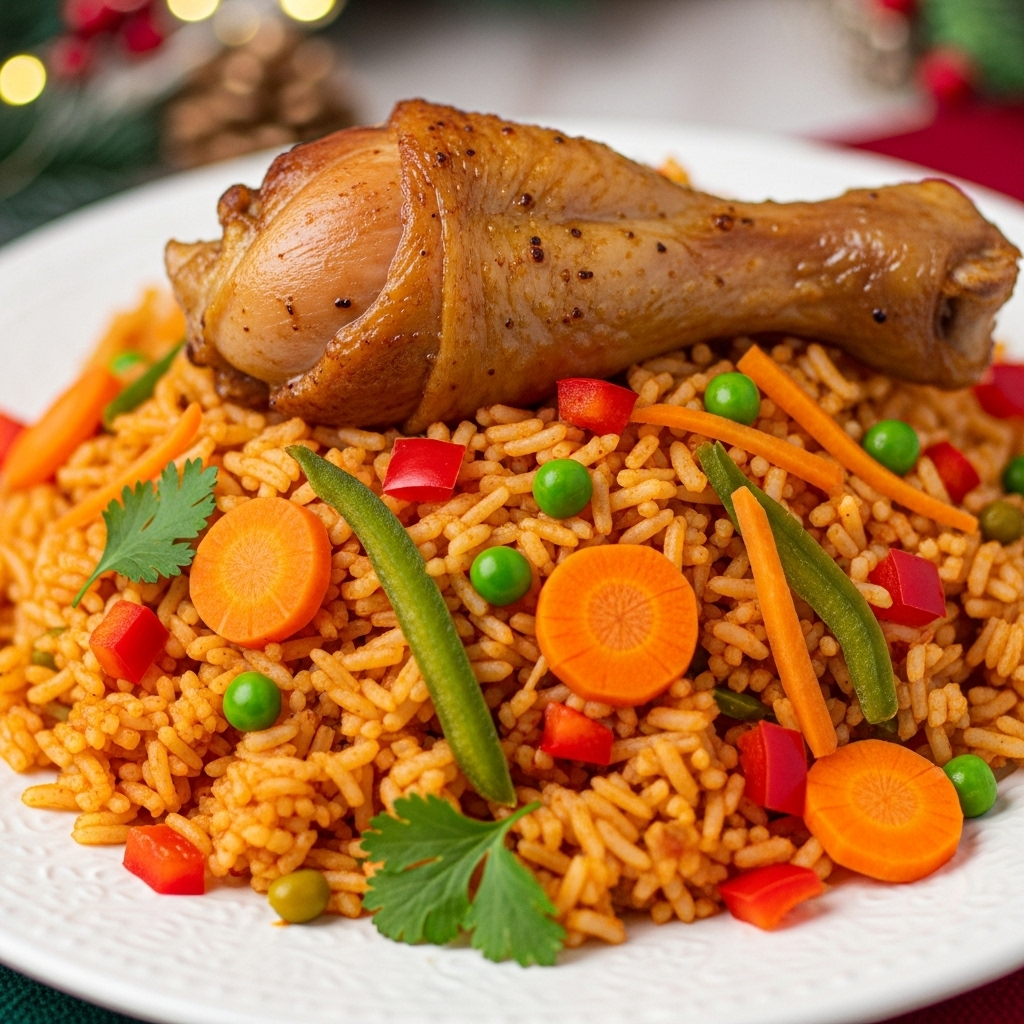
For a healthier, more colorful variation, Nigerian Jollof rice with vegetables incorporates carrots, peas, green beans, and sweet corn. This version is popular among health-conscious cooks and adds nutritional value without compromising flavor.
The vegetables are typically added during the last 10 minutes of cooking, allowing them to retain some texture while absorbing the Jollof flavors. This version is especially beautiful when served, with pops of green, orange, and yellow against the red rice.
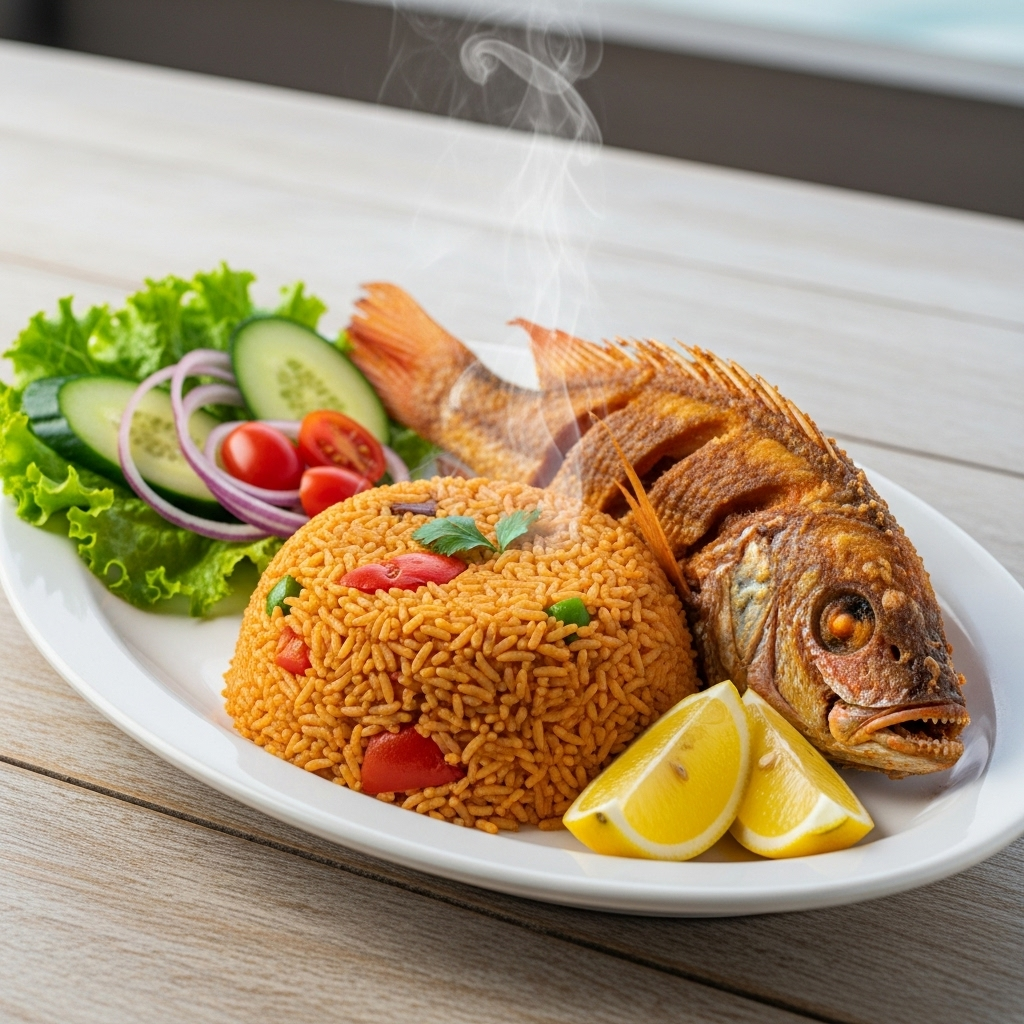
Nigerian Jollof Rice with Fish
Fish lovers rejoice—Jollof rice pairs wonderfully with various fish preparations. Grilled, fried, or stewed fish creates a lighter alternative to chicken while maintaining that protein-rich, satisfying quality.
Popular fish choices include tilapia, mackerel, and croaker. The fish can be seasoned with similar spices used in the Jollof rice, creating harmony across the plate. Fried fish provides a crispy texture contrast, while grilled fish offers a healthier option with smoky undertones.
Nigerian Jollof Rice with Beef
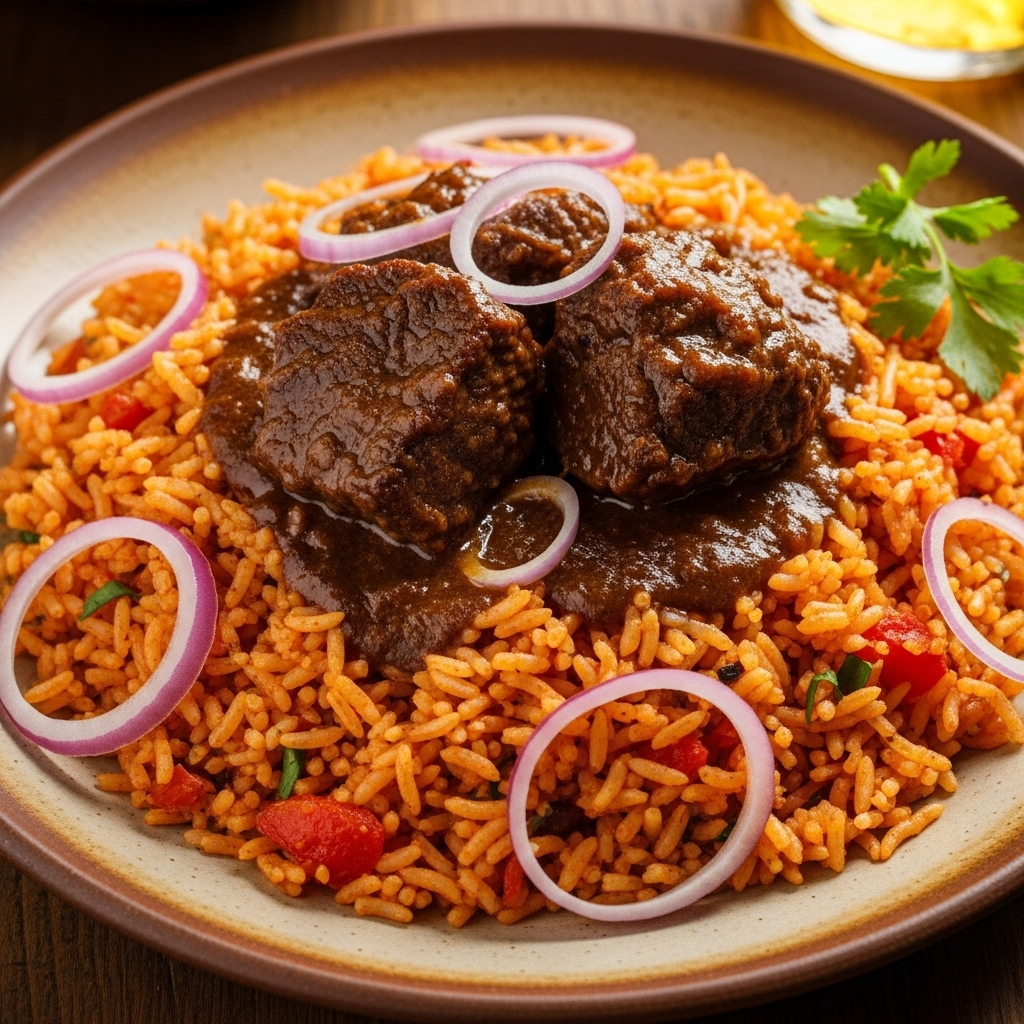
Beef is another protein that pairs beautifully with Jollof rice. Whether you choose tender beef chunks cooked in a rich stew or grilled beef suya with its spicy peanut coating, the combination is hearty and satisfying.
Nigerian beef stew features beef slowly cooked in a tomato-based sauce with similar seasonings to the Jollof rice. The stew can be ladled over the rice or served on the side, with the flavors complementing each other perfectly.
Vegan Nigerian Jollof Rice
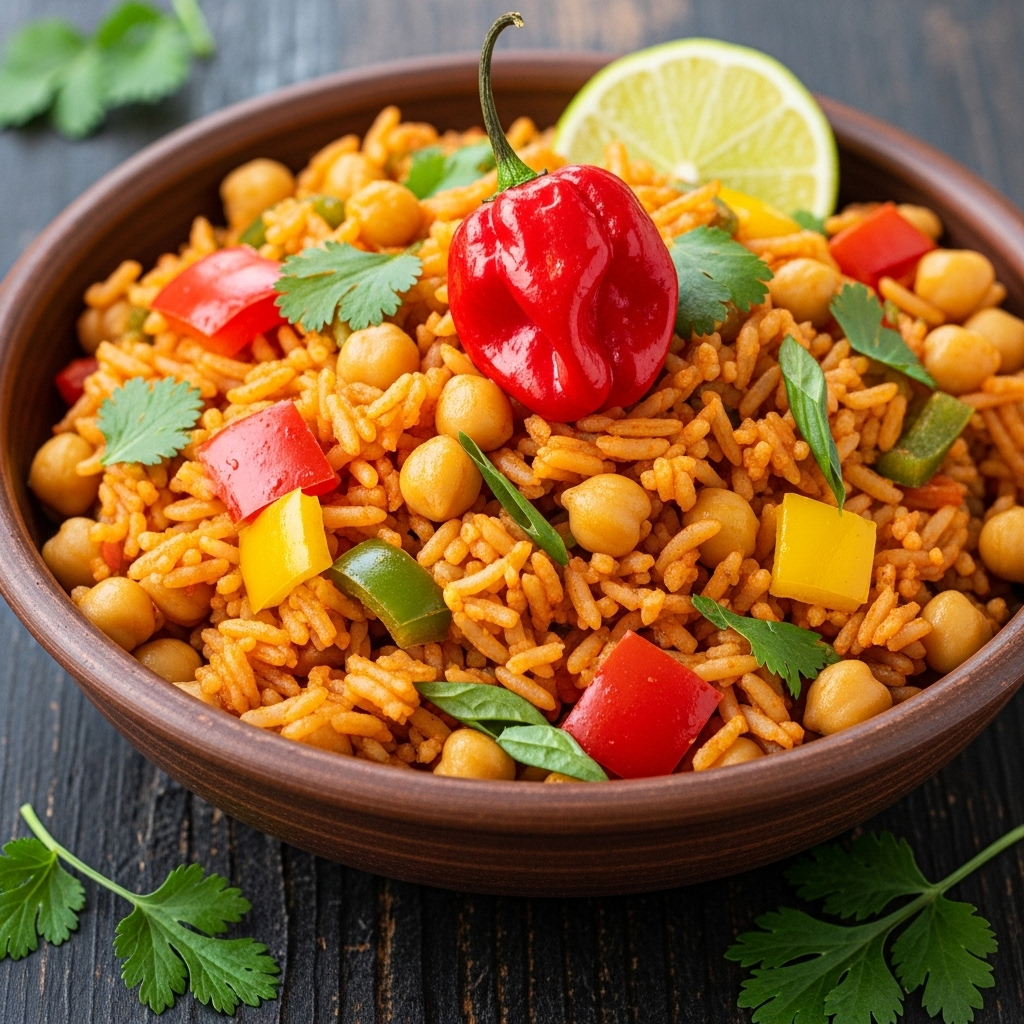
Nigerian Jollof rice is naturally adaptable to vegan diets with just a few modifications. Simply use vegetable stock instead of chicken or beef stock, and load up on vegetables for added nutrition and texture.
Vegan Jollof rice can be enhanced with mushrooms for umami depth, chickpeas for protein, or plant-based protein alternatives. The dish remains just as flavorful and satisfying, proving that Jollof rice transcends dietary preferences.
Jollof Rice Ghanaian vs Nigerian
The great Jollof wars—a friendly rivalry between Ghana and Nigeria over who makes the best Jollof rice—has become a cultural phenomenon. While both countries produce delicious versions, there are distinct differences.
Nigerian Jollof typically uses a tomato base that’s fried longer, creating a deeper, more concentrated flavor with that signature smoky taste. Ghanaian Jollof often includes more vegetables and uses a slightly different spice blend. Both are delicious, and the “better” version ultimately comes down to personal preference and nostalgia.
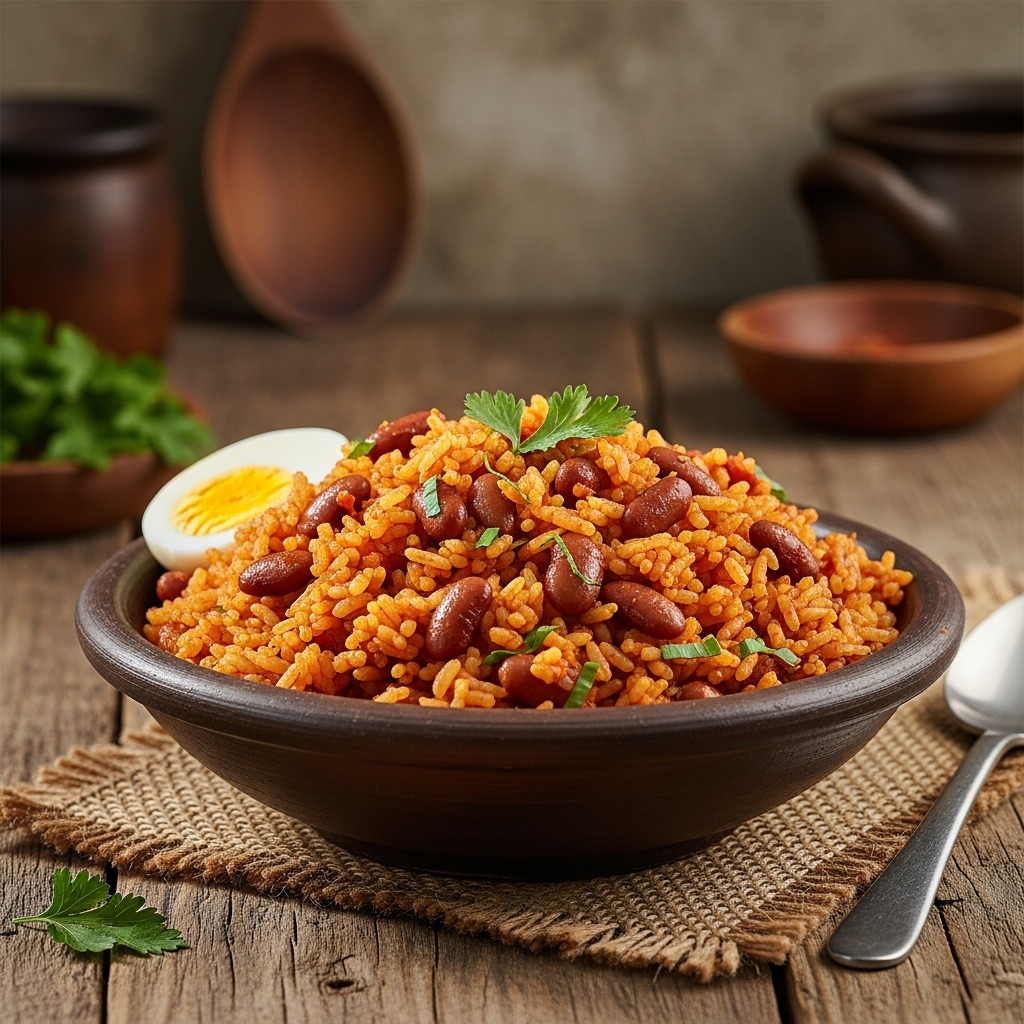
Nigerian Jollof Rice and Beans
Jollof rice and beans is a variation that combines two beloved Nigerian dishes. The beans add protein, fiber, and a unique texture while cooking alongside the rice in the same flavorful tomato base.
This combination dish is hearty, nutritious, and economical, making it popular for everyday meals. The beans should be partially cooked before being added with the rice to ensure everything finishes cooking at the same time.
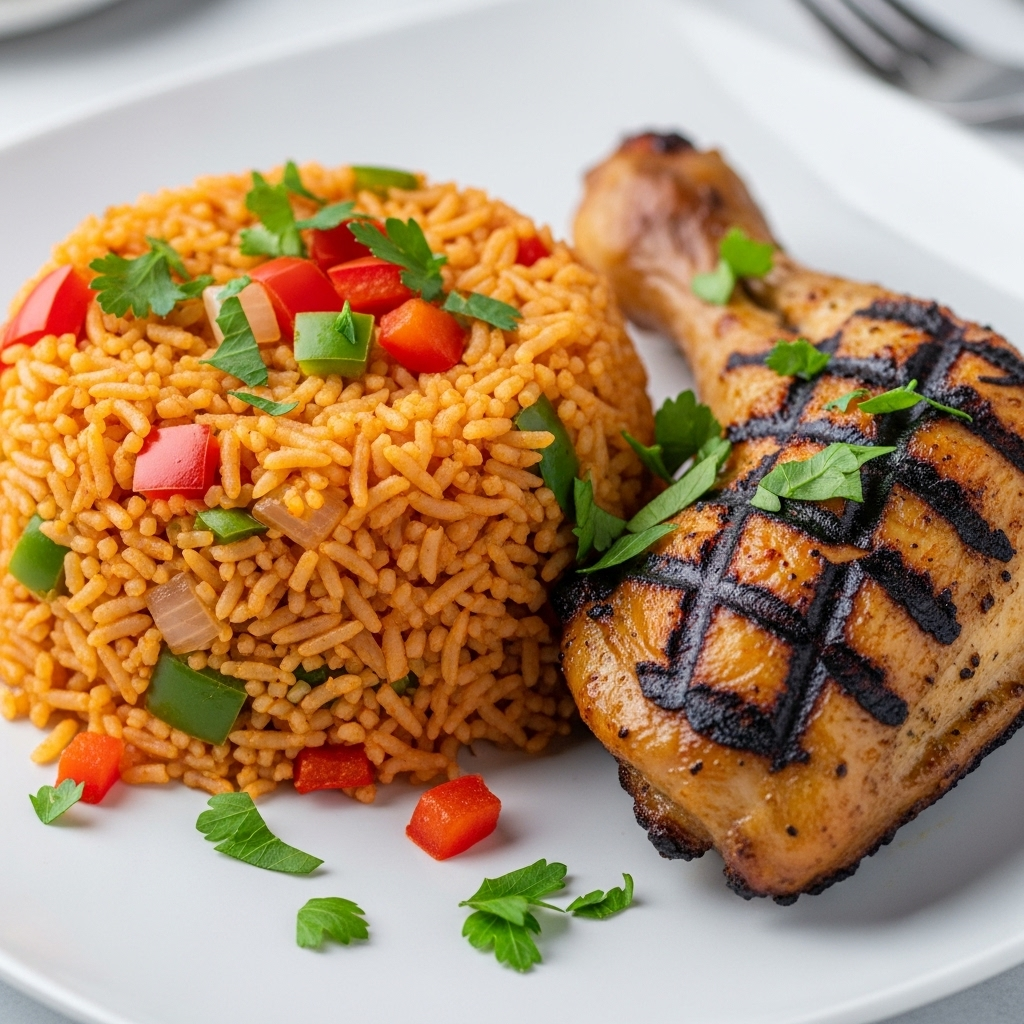
Nigerian Jollof Rice with Grilled Chicken
Grilled chicken brings a healthy, flavorful protein option to your Jollof rice plate. The chicken is marinated in Nigerian spices, garlic, ginger, and lemon juice, then grilled until charred and juicy.
The smokiness from the grill complements the smoky undertones in the Jollof rice, creating a harmonious flavor profile. This combination is lighter than fried chicken while maintaining that satisfying, complete meal quality.
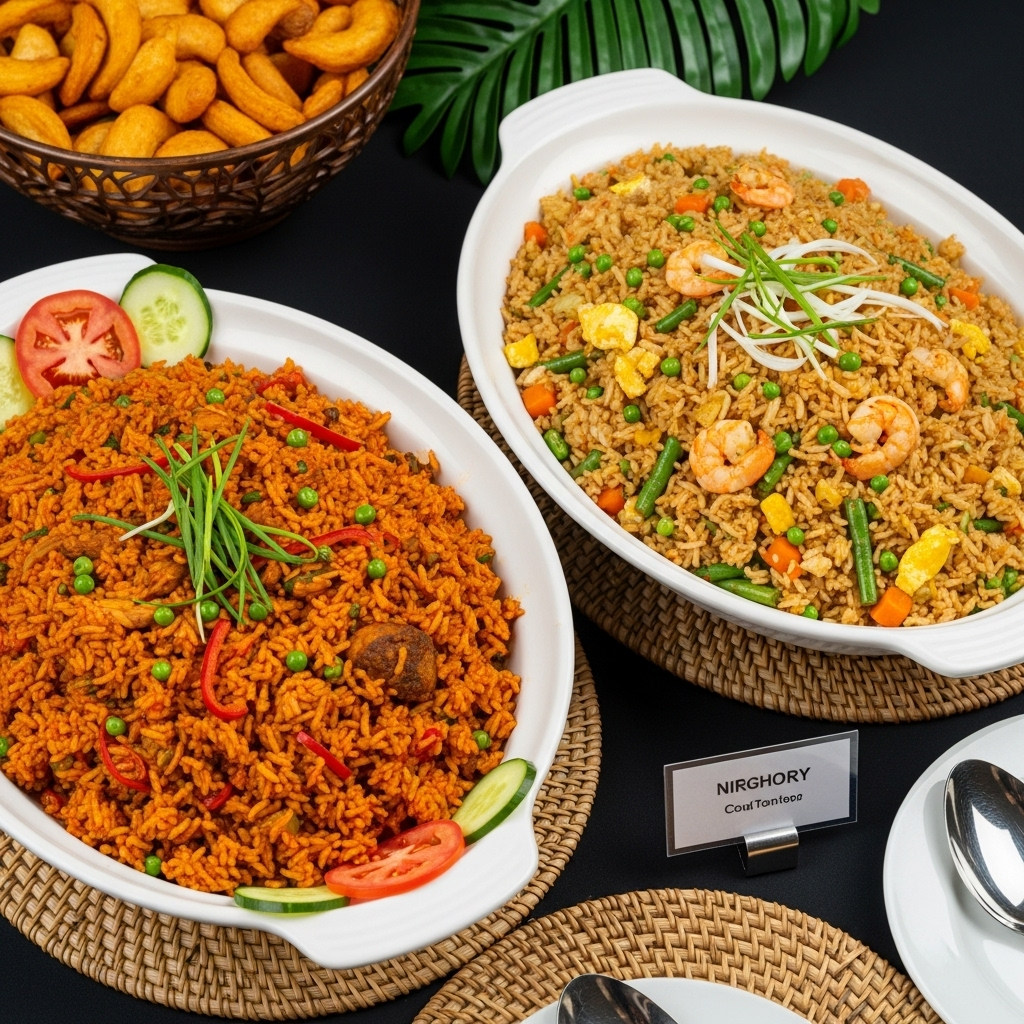
Nigerian Fried Rice and Jollof Rice
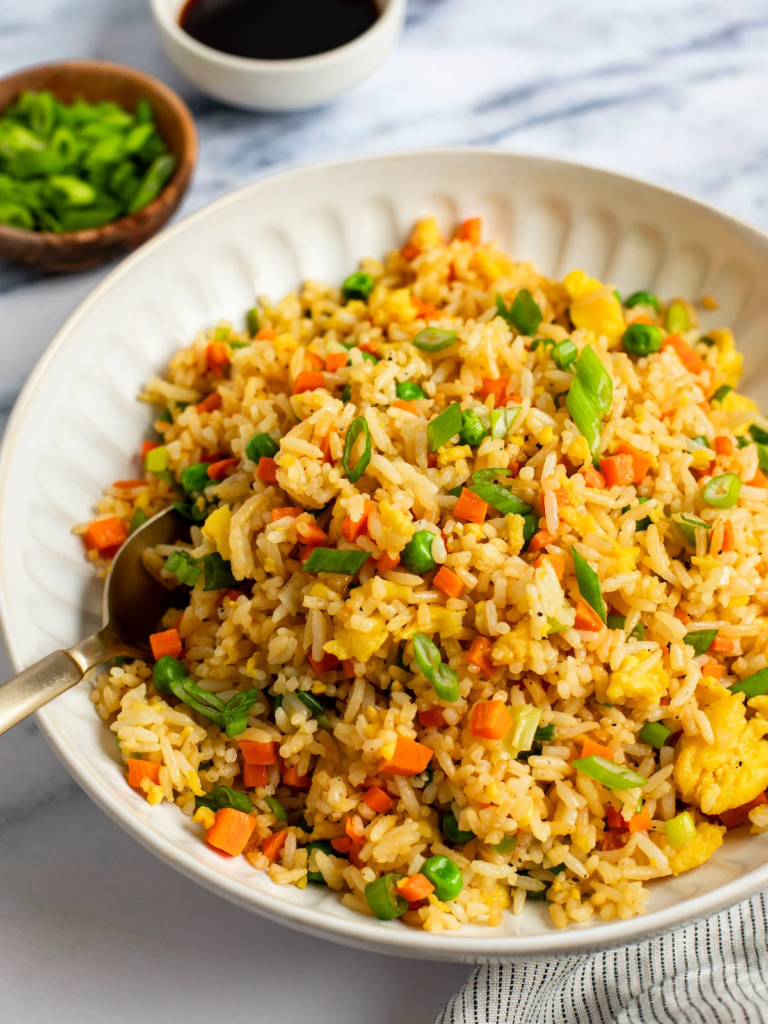
At many Nigerian celebrations, you’ll find both fried rice and Jollof rice served side by side, allowing guests to choose their favorite or sample both. Nigerian fried rice is more colorful with mixed vegetables and soy sauce, while Jollof rice delivers that tomato-based comfort.
Serving both demonstrates culinary prowess and ensures there’s something for everyone. The two rice dishes share some ingredients but offer distinctly different flavor profiles and textures.
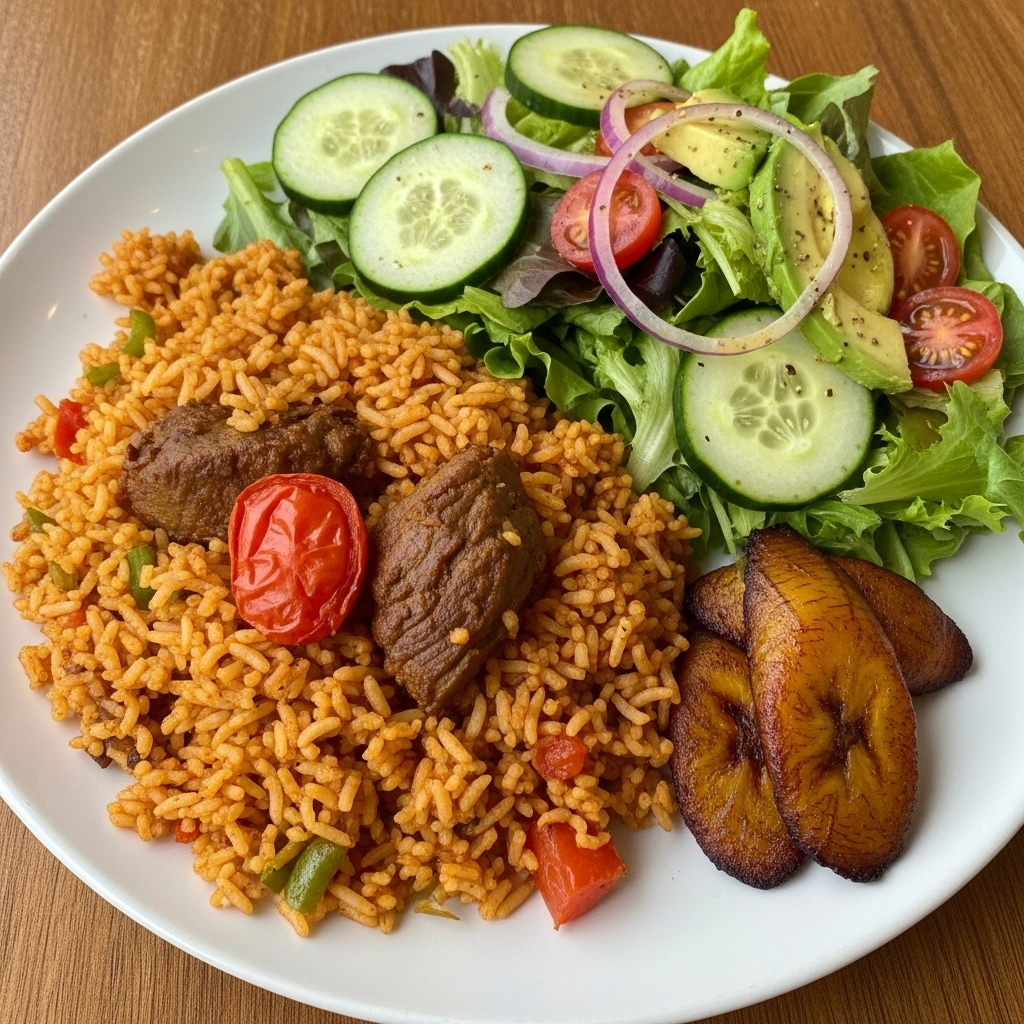
Nigerian Jollof Rice and Salad
A fresh, crisp salad provides the perfect counterbalance to rich, flavorful Jollof rice. Nigerian-style salad typically includes lettuce, tomatoes, cucumbers, cabbage, and carrots with a simple vinaigrette or creamy dressing.
The cool, refreshing salad cuts through the richness of the Jollof rice and adds crucial freshness and crunch to the plate. This combination is standard at restaurants and special occasions across Nigeria.
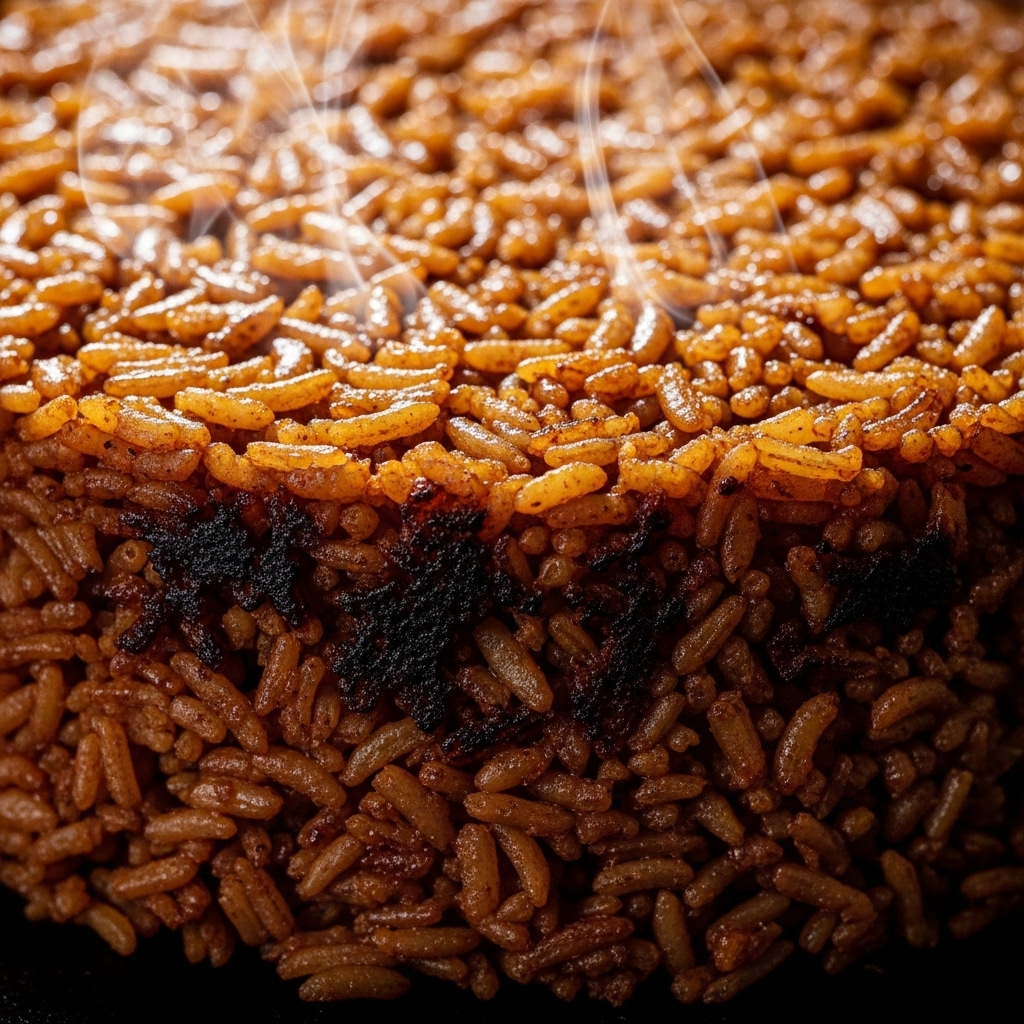
Nigerian Smokey Jollof Rice
The smokiness in Nigerian Jollof rice is what makes it truly special. Achieving that authentic smoky flavor traditionally comes from cooking over firewood, but modern cooks have developed creative techniques to replicate it.
Methods include intentionally allowing the bottom to char slightly, adding activated charcoal to the pot for a few minutes, or using liquid smoke. The result is a deep, complex flavor that elevates the dish from good to extraordinary. That slightly burnt bottom layer, called “the crust,” is often the most fought-over portion.
Nigerian Jollof Rice Takeaway
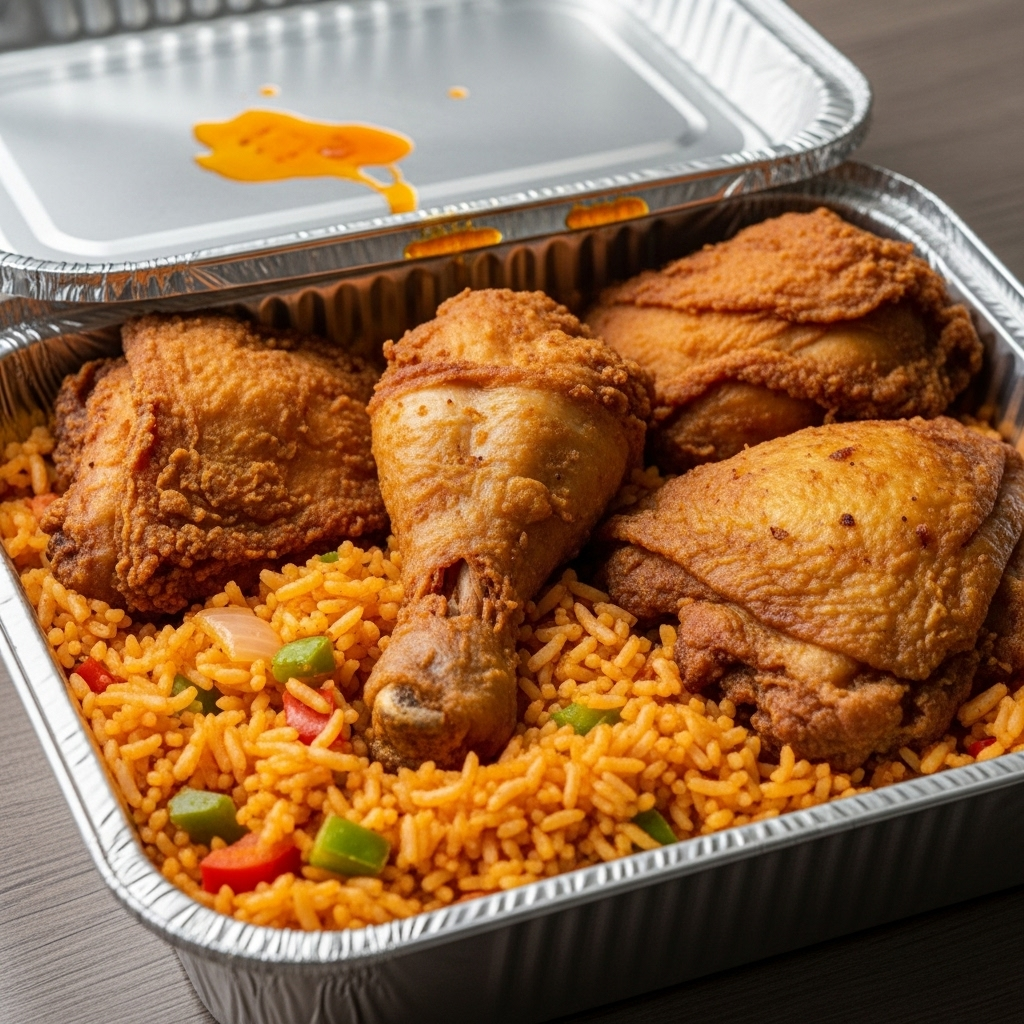
Nigerian Jollof rice travels well, making it a popular takeaway and delivery option. The foil containers that arrive at your door, still warm and fragrant, have become iconic in their own right.
Takeaway Jollof rice often comes packaged with your choice of protein and sides, creating a complete meal. The rice actually benefits from sitting in the container for a short time, allowing the flavors to meld even further. Many Nigerians have fond memories of late-night Jollof rice takeaway runs.
Nigerian Jollof Rice with Turkey
During holiday seasons, particularly Christmas and New Year, turkey finds its way onto Nigerian Jollof rice plates. The large bird is typically seasoned with Nigerian spices and roasted until golden, then served alongside the festive rice.
Turkey breast or drumsticks provide lean protein and a celebratory feel. The combination represents a fusion of Western holiday traditions with classic Nigerian flavors, creating something uniquely Nigerian.
Nigerian Jollof Rice Spices
The spice blend is what gives Nigerian Jollof rice its distinctive flavor profile. Understanding these spices helps you customize the dish to your taste and troubleshoot when something’s missing.
Essential spices include curry powder (which provides the yellow undertones), dried thyme, bay leaves, and white pepper. Many cooks add their own signature touches—garlic powder, onion powder, smoked paprika, or bouillon cubes for extra depth. The scotch bonnet pepper provides heat, though it can be adjusted based on preference. Getting the spice balance right is crucial—too much curry overpowers, too little thyme makes it flat.
Tips for Perfect Nigerian Jollof Rice Every Time
Mastering Nigerian Jollof rice takes practice, but these tips will help you avoid common pitfalls. First, don’t rush the tomato frying process—this is where the depth of flavor develops. Second, use the right rice-to-liquid ratio (typically 1:2), but adjust based on your rice type. Third, once you add the rice and stir it once, resist the urge to keep stirring, which creates mushy rice.
Taste your tomato base before adding rice and adjust seasonings—it should be slightly overseasoned as the rice will dilute it. Use a tight-fitting lid and low heat for steaming. If you want that smoky flavor without firewood, the charcoal method works wonders. Finally, let the rice rest for 5-10 minutes after cooking for perfect texture.
Conclusion: Your Nigerian Jollof Rice Journey
Nigerian Jollof rice is more than just a recipe—it’s a connection to culture, tradition, and community. Whether you’re making it for the first time or the hundredth time, each pot of Jollof rice is an opportunity to create something special.
Don’t be discouraged if your first attempt isn’t perfect. Even experienced cooks sometimes have batches that don’t turn out quite right. The key is to keep trying, adjust based on your results, and most importantly, cook with love. Share your Jollof rice with family and friends, start conversations, and maybe even engage in the friendly Jollof wars debate.
Ready to start cooking? Pin this guide for easy reference, and don’t forget to save your favorite variations. Your perfect plate of Nigerian Jollof rice awaits!