Retro and Historical Bedroom Interior Design from the 1930s to 2000s
Stepping into a vintage-inspired bedroom is like traveling through time. Each decade from the 1930s to the 2000s brought distinctive design elements, color palettes, and aesthetic philosophies that continue to inspire modern interiors. Whether you’re renovating a period home, creating a nostalgic retreat, or simply drawn to retro aesthetics, understanding historical bedroom design helps you authentically recreate these iconic looks. This comprehensive guide explores bedroom interior design across eight transformative decades.
The Golden Age: 1930s–1950s
Bedroom Interior 1930s
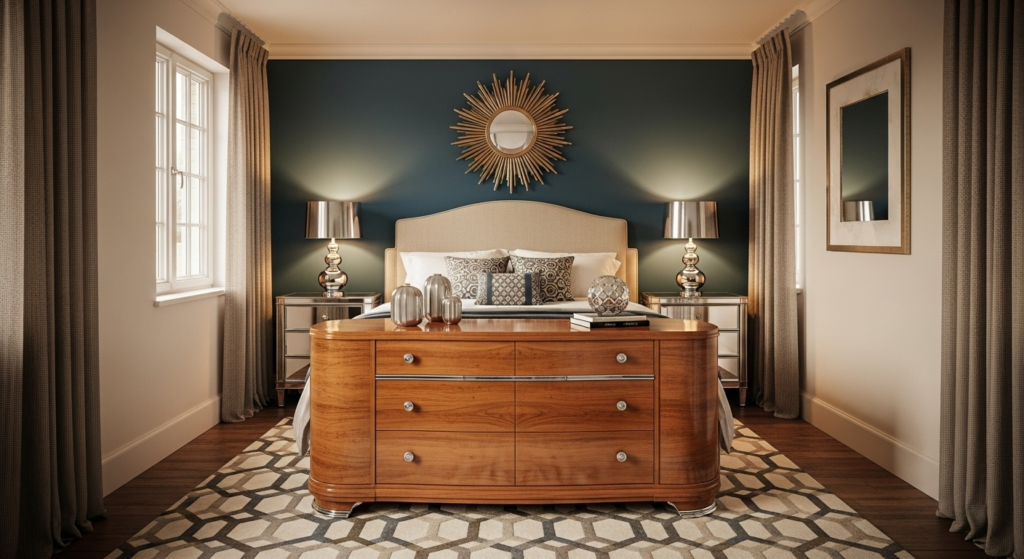
The bedroom interior 1930s represents the height of Art Deco elegance and Hollywood Regency glamour. This era embraced luxury despite economic challenges, with streamlined furniture featuring waterfall edges, exotic wood veneers like mahogany and walnut, and geometric patterns. Bedrooms showcased mirrored furniture, sunburst motifs, and chrome accents. Color palettes included dusty rose, peacock blue, cream, and mint green. Curved headboards, tufted upholstery, and symmetrical arrangements defined the sophisticated 1930s aesthetic. Lighting fixtures featured stepped designs and frosted glass, while textiles incorporated bold geometric patterns and luxurious materials like silk and velvet.
50s House Interior Bedroom
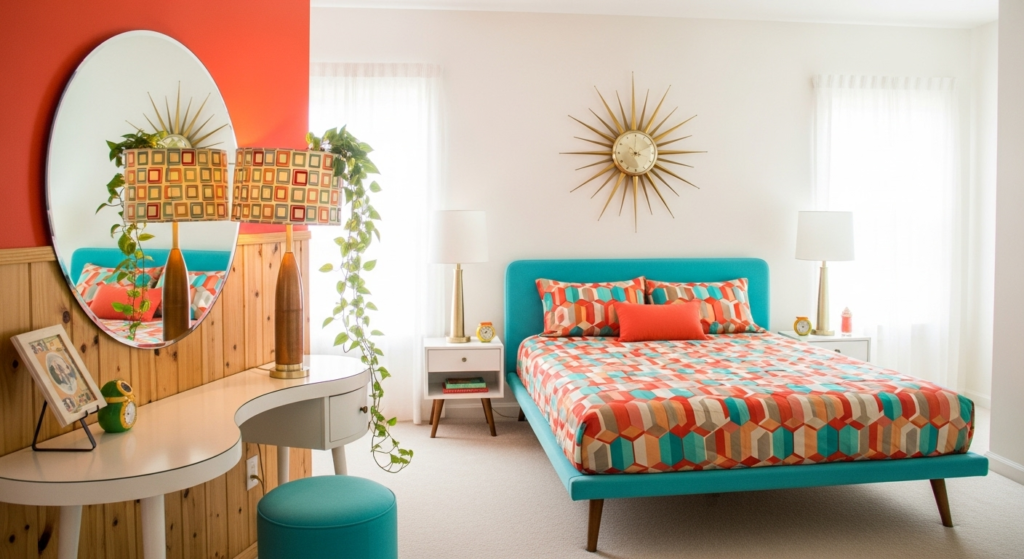
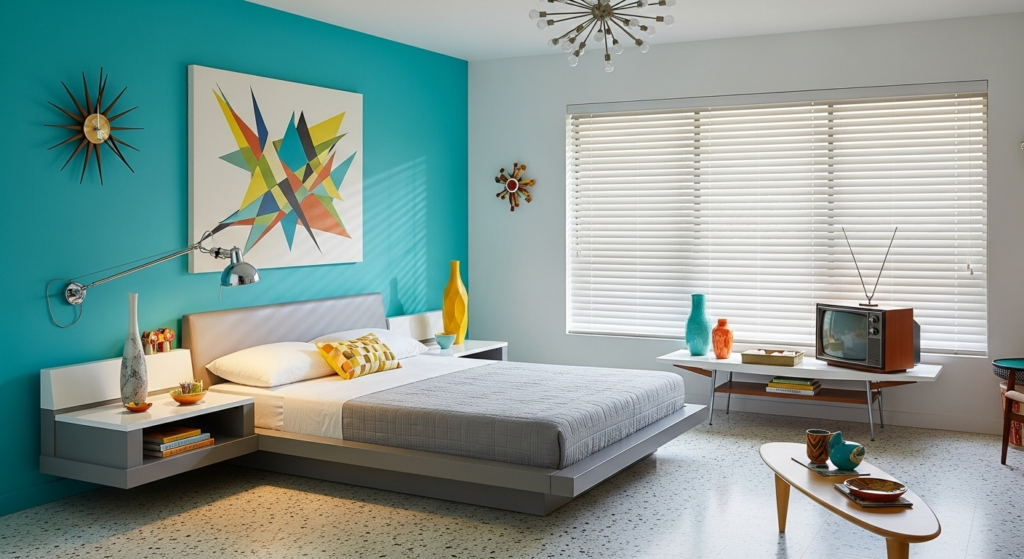
The 50s house interior bedroom captured post-war optimism with atomic age influences and mid-century modern sensibilities. Ranch-style homes featured bedrooms with clean lines, tapered furniture legs, and organic shapes. Popular elements included kidney-shaped vanities, bullet planters with trailing philodendrons, starburst clocks, and boomerang patterns. Knotty pine paneling added warmth, while pastel color schemes—turquoise, coral, mint, and butter yellow—created cheerful spaces. Built-in storage solutions maximized functionality, and textured fabrics like nubby weaves and bouclé added tactile interest.
50s Interior Design Bedroom
The 50s interior design bedroom evolved throughout the decade from early conservative styles to late-fifties modern aesthetics. Early 50s bedrooms retained some 1940s traditional elements with wooden furniture and floral patterns, while late 50s embraced space-age influences with sleek lines and bold colors. Iconic features included low-profile beds, sectional headboards with built-in nightstands, vinyl upholstery, and chrome details. Window treatments featured venetian blinds or simple cafe curtains. The television became a bedroom fixture, often housed in modern console units. Abstract art and ceramics provided decorative accents in this transitional decade.
50 Shades of Grey Bedroom Interior Design
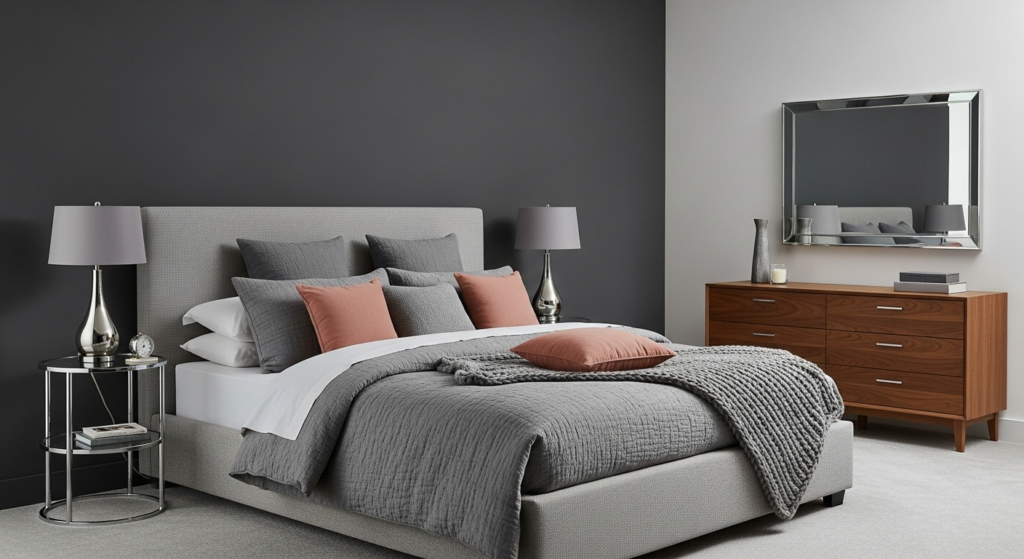
While the phrase “50 shades of grey bedroom interior design” evokes modern associations, grey was actually a sophisticated choice in mid-century design. Monochromatic grey schemes in 1950s bedrooms created elegant, mature spaces that balanced cool minimalism with warm textures. Designers layered charcoal, slate, dove grey, and silver tones with natural wood accents and pops of color like yellow or coral. This timeless approach combined modern simplicity with cozy livability, proving grey’s versatility long before contemporary trends. Textured fabrics, varied finishes, and metallic accents prevented grey schemes from feeling flat or cold.
The Revolution: 1960s
60 Interior Design Bedroom
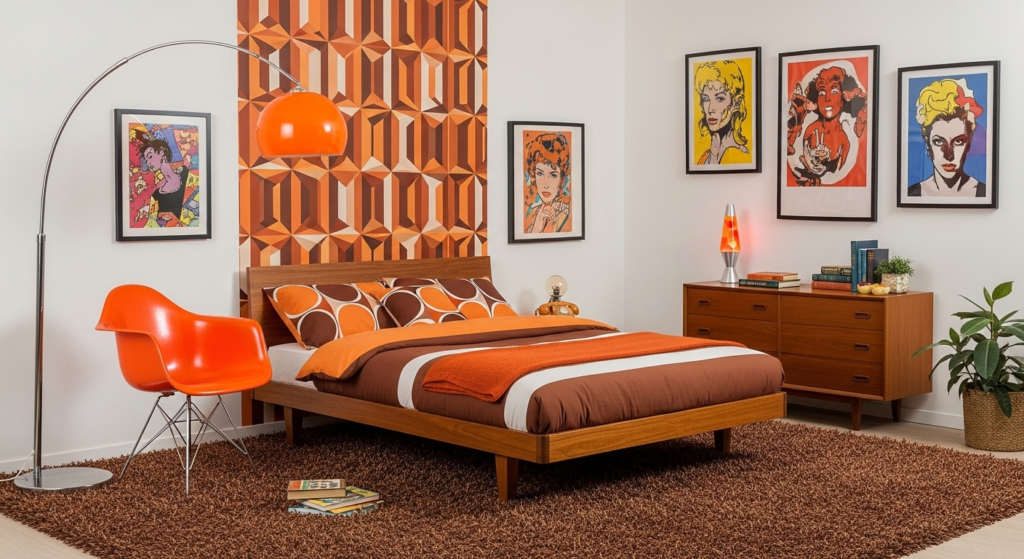
The 60 interior design bedroom marked a dramatic shift toward youth culture and experimentation. Early 60s continued Scandinavian minimalism with teak furniture and clean lines, while late 60s exploded with psychedelic colors and bold patterns. Orange, avocado green, and harvest gold dominated palettes. Bedrooms featured low platform beds, molded plastic chairs, and space-age lighting like Sputnik chandeliers and arc floor lamps. Pop art prints, lava lamps, and geometric wallpapers created visual excitement. The decade embraced both minimalist Danish modern and maximalist mod aesthetics.
60s Bedroom Interior
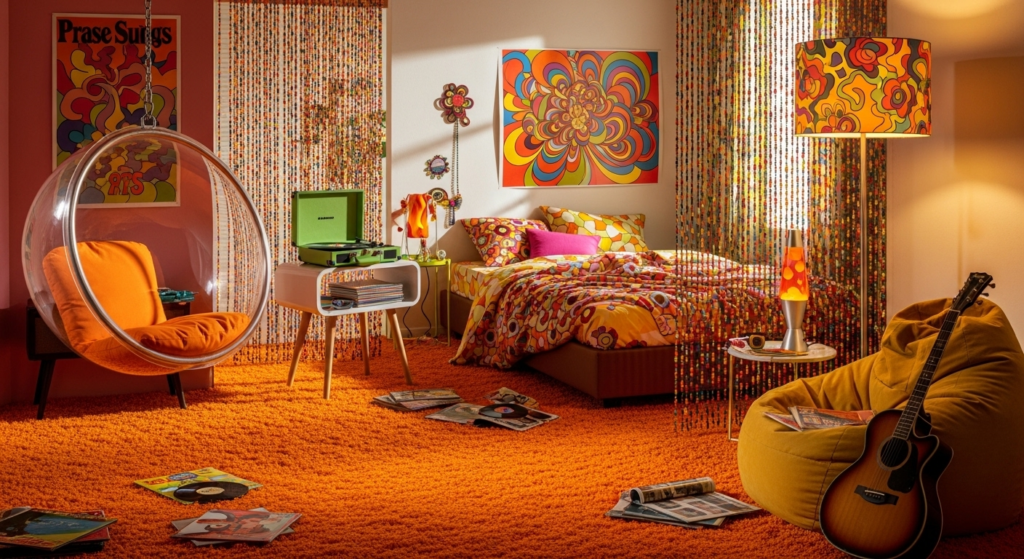
The 60s bedroom interior celebrated freedom and creativity with unconventional furniture arrangements and bold design choices. Sunken conversation areas occasionally extended into bedroom spaces in progressive homes. Egg chairs, bubble chairs, and bean bags provided alternative seating. Wall-to-wall carpeting in bold colors replaced traditional rugs, while room dividers created flexible spaces. Bedrooms incorporated entertainment centers for record players, and posters replaced traditional artwork. The decade’s youth-driven culture transformed bedrooms into personal expression spaces rather than merely functional sleeping areas.
60s Bedroom Interior Design
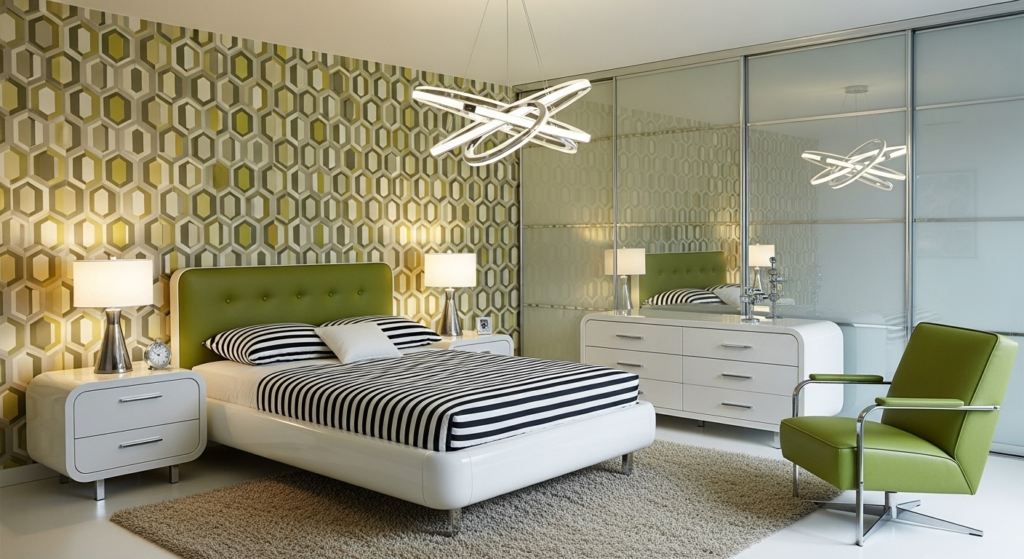
The 60s bedroom interior design showcased technological optimism through space-age materials and futuristic forms. Molded fiberglass furniture, acrylic accessories, and vinyl upholstery represented modern materials. Chrome and glass coffee tables brought living room sophistication to bedroom sitting areas. Geometric patterns—circles, hexagons, and Op Art designs—adorned wallpapers and textiles. Sliding closet doors with geometric cutouts or frosted glass panels became architectural features. Built-in storage systems maximized efficiency, reflecting the decade’s fascination with streamlined living and modernist principles.
60s Luxury Interior Bedroom
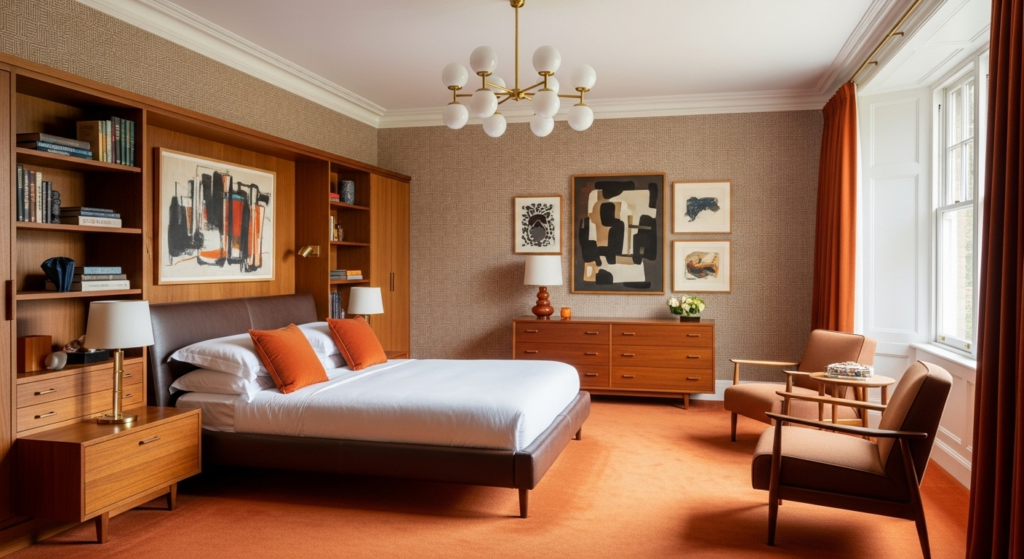
The 60s luxury interior bedroom combined mid-century elegance with opulent materials and sophisticated palettes. Wealthy homeowners embraced designer furniture from makers like Knoll and Herman Miller, featuring rich woods, leather upholstery, and brass accents. Luxury bedrooms included custom built-ins, statement lighting fixtures, and carefully curated art collections. Color schemes moved beyond bright pop colors to sophisticated combinations like chocolate brown with burnt orange, or navy with gold. Textured wall coverings, thick pile carpeting, and floor-to-ceiling draperies added richness while maintaining the decade’s modern aesthetic.
Modern 60s Interior Bedroom
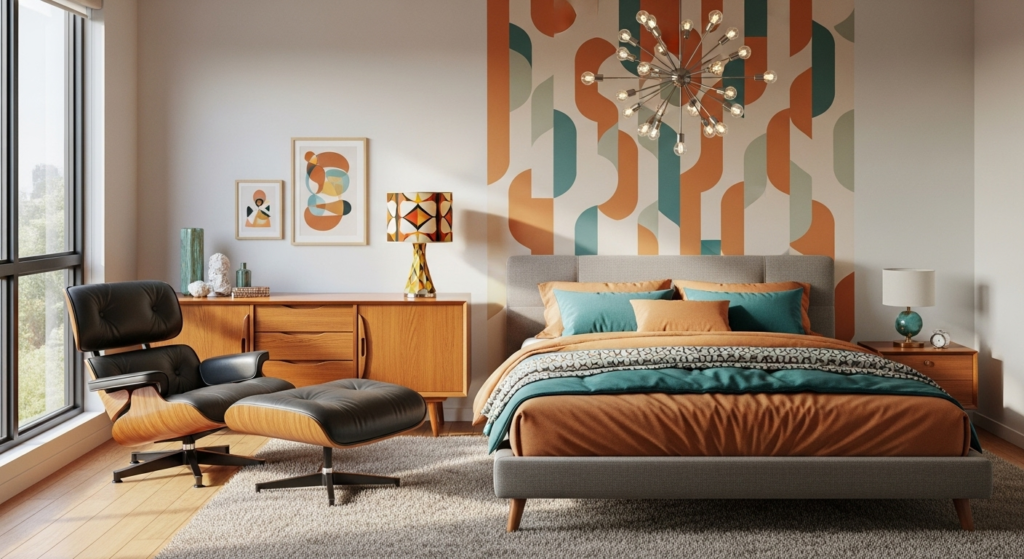
The modern 60s interior bedroom reinterprets iconic sixties design for contemporary living. Today’s interpretations maintain the decade’s clean lines and bold aesthetics while incorporating modern comforts and technologies. Updated versions feature reproduction mid-century furniture alongside authentic vintage pieces, creating eclectic spaces that honor the past while meeting current needs. Modern takes might soften psychedelic patterns, incorporate sustainable materials, or blend 60s furniture with contemporary neutral palettes. This approach allows homeowners to enjoy retro charm with twenty-first-century functionality.
The Eclectic Era: 1970s
Bedroom Interior 70s
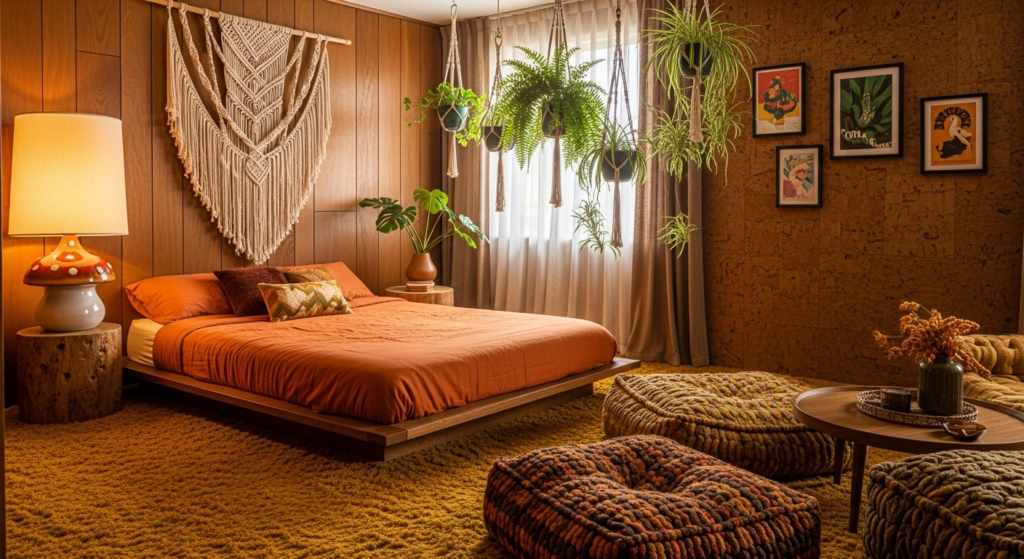
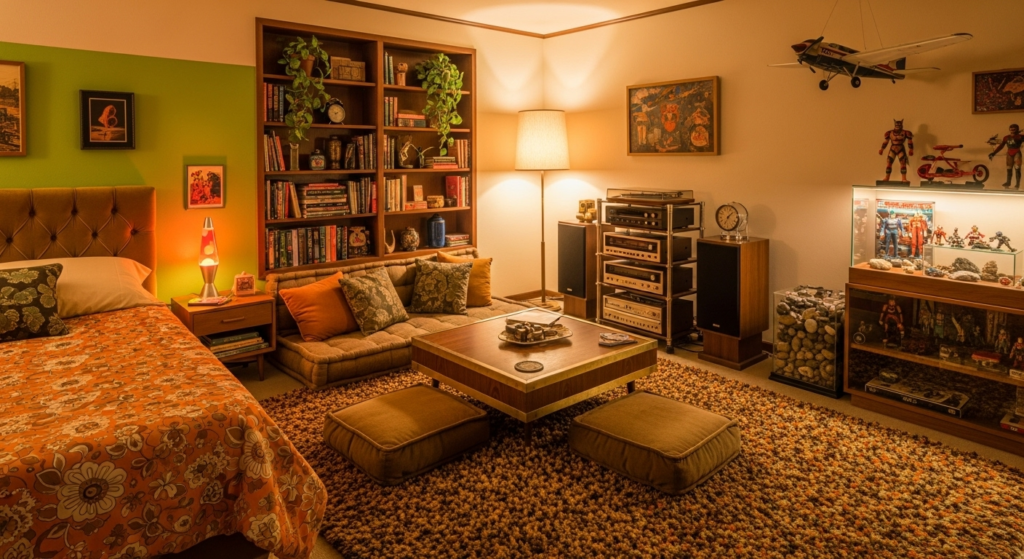
The bedroom interior 70s embraced earthy warmth and natural materials after the 60s bright optimism. Harvest gold, avocado green, burnt orange, and chocolate brown dominated color palettes. Shag carpeting in deep pile became ubiquitous, while wood paneling—real or simulated—covered walls. Platform beds with built-in side tables represented the decade’s love for integrated furniture. Macramé wall hangings, ceramic lamps with oversized shades, and cork bulletin boards added textural interest. Bedrooms became personal sanctuaries with conversation pits, floor cushions, and informal seating arrangements reflecting the decade’s casual lifestyle.
Interior Design Bedroom 70s
The interior design bedroom 70s celebrated self-expression through personalized spaces reflecting individual interests and hobbies. Bedrooms incorporated hobby areas, reading nooks with built-in bookshelves, and display spaces for collections. Conversation pits lined with cushions created informal social spaces within bedrooms. Stereo systems became design focal points with component speakers and equipment displayed on dedicated furniture. Waterbeds gained popularity despite practical drawbacks, representing the decade’s experimental spirit. Velvet upholstery, tufted headboards, and luxurious textures brought sensual comfort to sleeping spaces.
70s Aesthetic Interior Design Bedroom
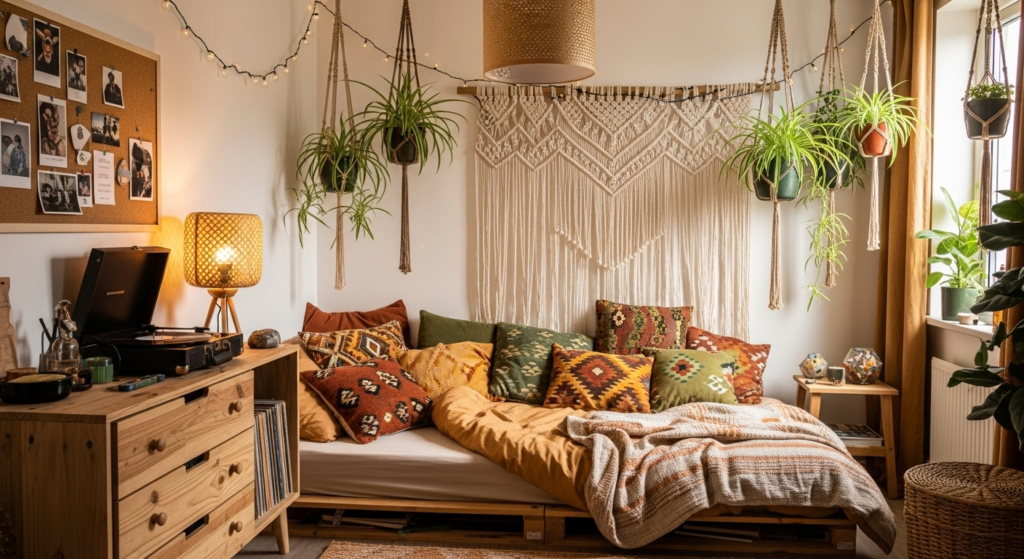
The 70s aesthetic interior design bedroom captures the decade’s distinctive vibe through specific design elements and styling choices. Key aesthetics include the bohemian earth-child look with natural fibers, plants, and handcrafted elements; the disco-glam style with metallics, mirrors, and luxurious fabrics; and the back-to-nature movement featuring raw wood, stone, and organic shapes. Bedrooms embraced eclecticism, mixing grandma’s antique dresser with mod plastic furniture and ethnic textiles. The overall aesthetic prioritized comfort, warmth, and personality over coordinated perfection, creating spaces that felt lived-in and authentic.
70s Luxury Interior Bedroom
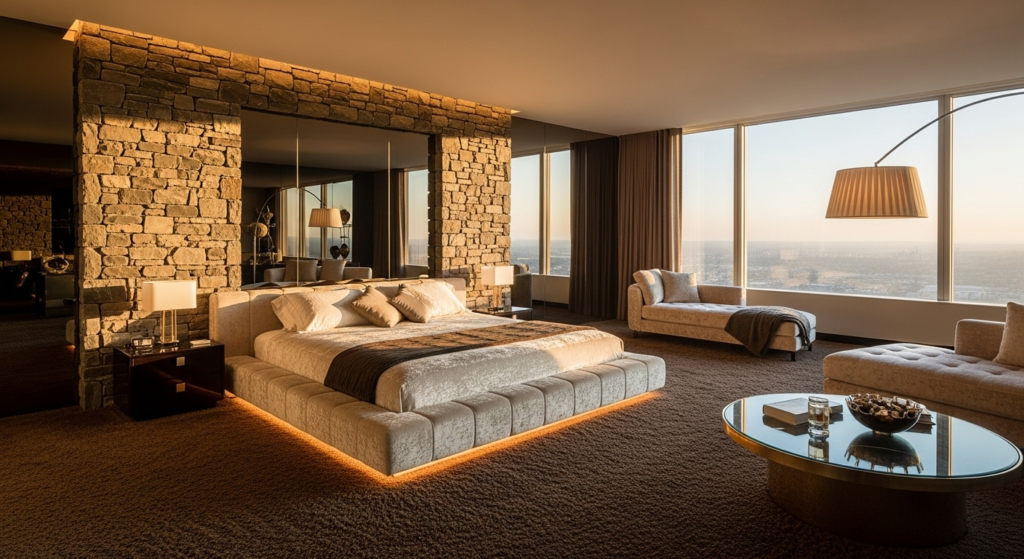
The 70s luxury interior bedroom elevated the decade’s signature elements through premium materials and sophisticated execution. Wealthy homeowners installed custom platform beds with integrated sound systems and lighting, employed interior designers who coordinated every detail, and invested in high-end furnishings from prestigious makers. Luxury bedrooms featured sunken sleeping areas with multiple levels, floor-to-ceiling windows with panoramic views, and architectural details like exposed stone walls or brick. Rich velvets, suedes, and furs created tactile luxury, while mirrored walls and ceilings expanded spaces and added glamour.
70s Minimalism Interior Bedroom
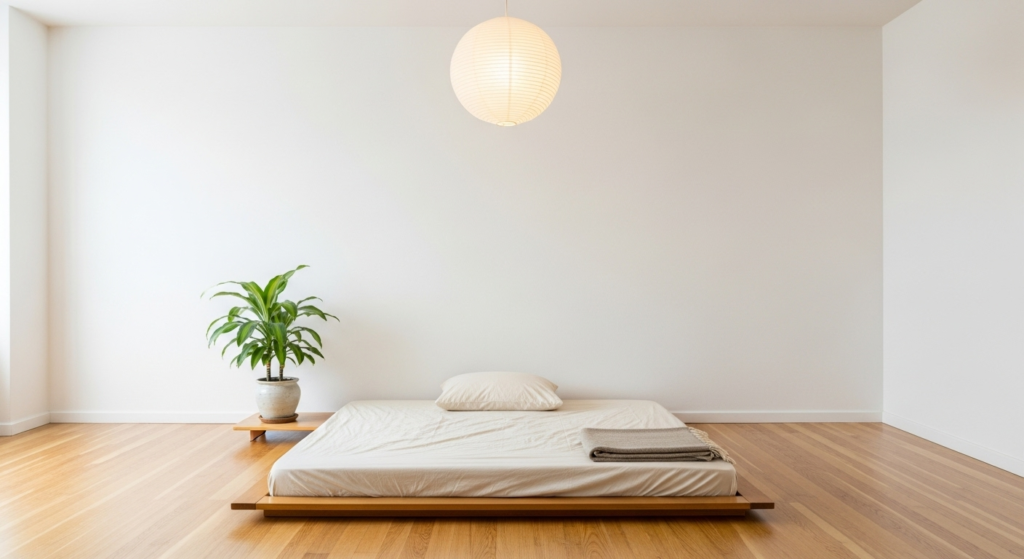
The 70s minimalism interior bedroom represented an alternative aesthetic focused on simplicity and intentional design. Influenced by Japanese aesthetics and Scandinavian modernism, minimalist 70s bedrooms featured low platform beds without headboards, neutral color palettes dominated by white, beige, and natural wood tones, and sparse decoration with carefully selected objects. Clean lines, uncluttered surfaces, and hidden storage maintained visual simplicity. Natural materials like cotton, linen, and unstained wood provided warmth without busy patterns. This restrained approach offered calm retreats contrasting with the decade’s more common maximalist tendencies.
70s Space Age Interior Bedroom
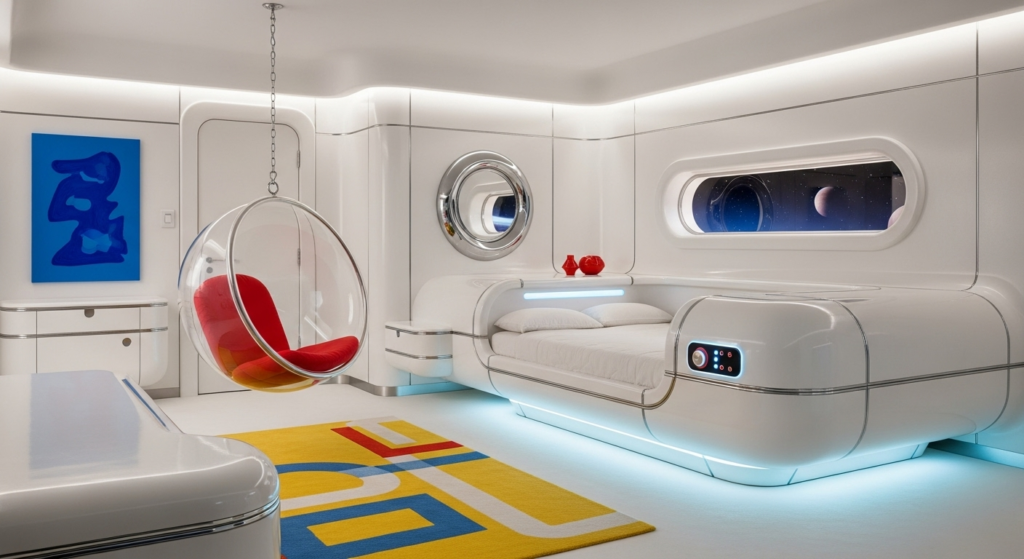
The 70s space age interior bedroom continued 60s futuristic themes with more refined execution. Influenced by actual space exploration achievements, bedrooms incorporated pod-like furniture, spherical hanging chairs, and curved walls. White, silver, and primary colors created futuristic palettes, while molded plastic and fiberglass furniture resembled spacecraft interiors. Built-in electronics, intercom systems, and experimental lighting created high-tech environments. Though less common than earth-toned bohemian styles, space-age bedrooms represented progressive design thinking and optimistic technological futures, often appearing in modernist homes and apartments.
The Bold Decade: 1980s
Bedroom Interior 80s
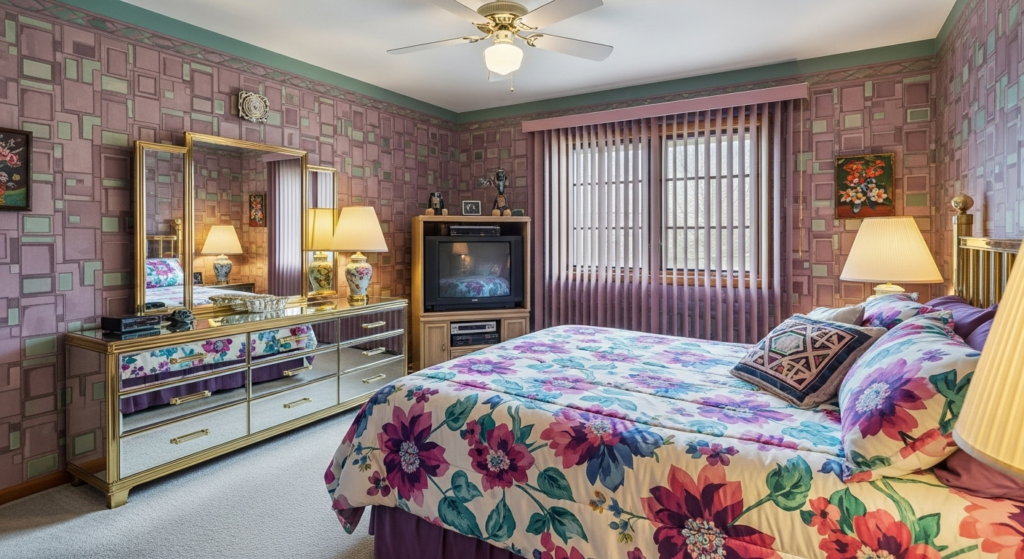
The bedroom interior 80s exploded with bold colors, geometric patterns, and glamorous excess. Pastel palettes—mauve, dusty rose, seafoam green, and peach—dominated early-to-mid 80s, while jewel tones and metallics emerged later. Mirrored furniture, glass-brick walls, and brass accents brought shine and reflection. Oversized furniture with rounded edges, modular storage systems, and entertainment centers designed for VCRs and stereos characterized the decade. Vertical blinds replaced heavy drapes, while ceiling fans with light kits became standard. Pattern mixing reached extremes with floral bedding, geometric wallpaper, and animal-print accents coexisting boldly.
80s Bedroom Interior Design
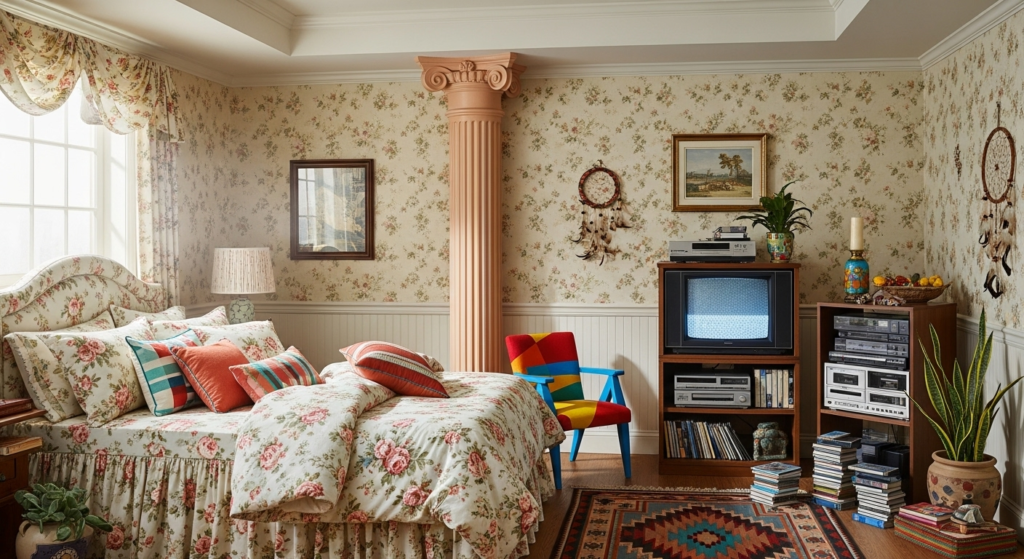
The 80s bedroom interior design embraced postmodern eclecticism with fearless style combinations. Designers mixed high and low, traditional and contemporary, creating unexpected juxtaposes. Southwestern influences appeared through Santa Fe-style furniture, cactus motifs, and terracotta accents. Laura Ashley florals competed with Memphis Milano geometric boldness. Bedrooms featured architectural elements like columns, arches, and tray ceilings with dramatic paint treatments. Ruffles adorned everything from bed skirts to lampshades, while chintz fabrics brought traditional patterns into modern contexts. Technology became visible with TVs, VCRs, and stereo systems prominently displayed rather than hidden.
80s Art Deco Interior Bedroom
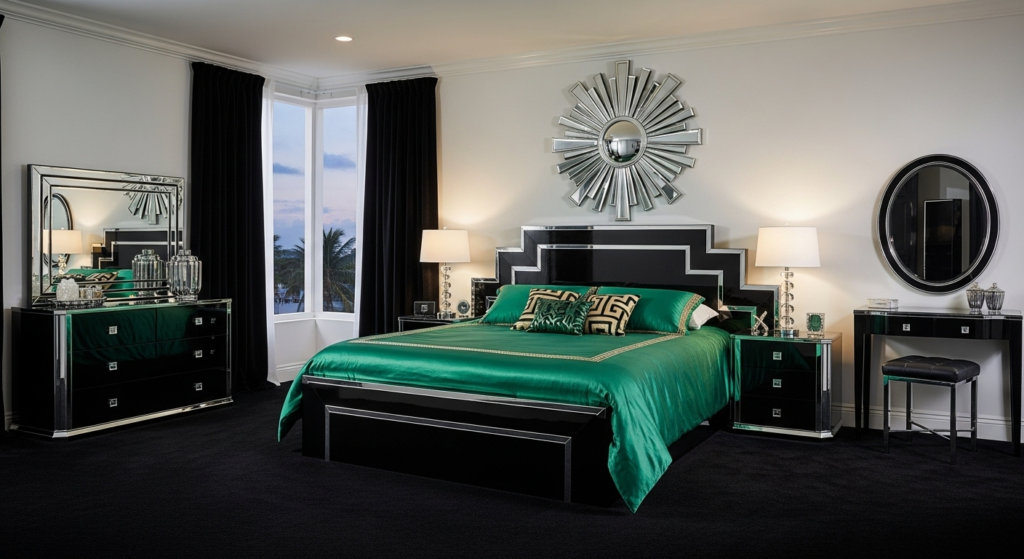
The 80s art deco interior bedroom represented a revival of 1920s-30s glamour reinterpreted through contemporary lenses. This trend brought back geometric patterns, stepped forms, and luxurious materials but with 80s color palettes and scale. Black lacquer furniture with chrome details, mirrored surfaces, and beveled glass created sophisticated glamour. Color schemes included black and gold, navy and silver, or dramatic jewel tones. Bedrooms featured statement headboards with geometric shapes, zigzag patterns, and sunburst motifs. This aesthetic appeared in both residential design and Miami-inspired hospitality spaces, influencing popular culture through television and film.
80s Post Modern Interior Design Bedroom
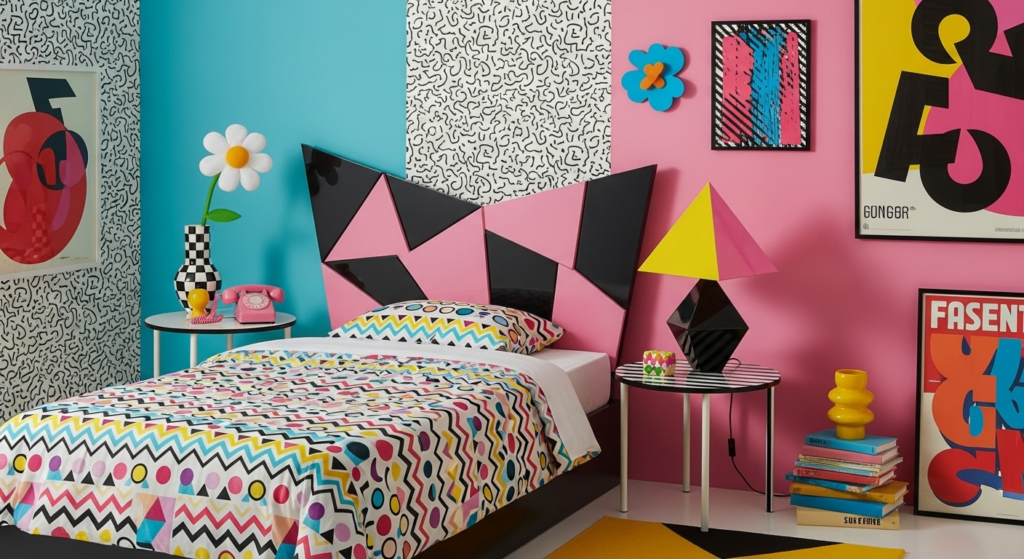
The 80s post modern interior design bedroom rejected modernist minimalism for playful experimentation and ironic references. Memphis Milano aesthetic epitomized postmodernism with squiggly patterns, asymmetrical forms, and unexpected color combinations—turquoise with pink, yellow with purple. Furniture featured unusual proportions and decorative elements purely for visual interest rather than function. Bedrooms became artistic statements incorporating sculptural furniture, bold graphics, and whimsical accessories. This avant-garde approach influenced mainstream design, making even conservative spaces bolder and more colorful during this revolutionary design decade.
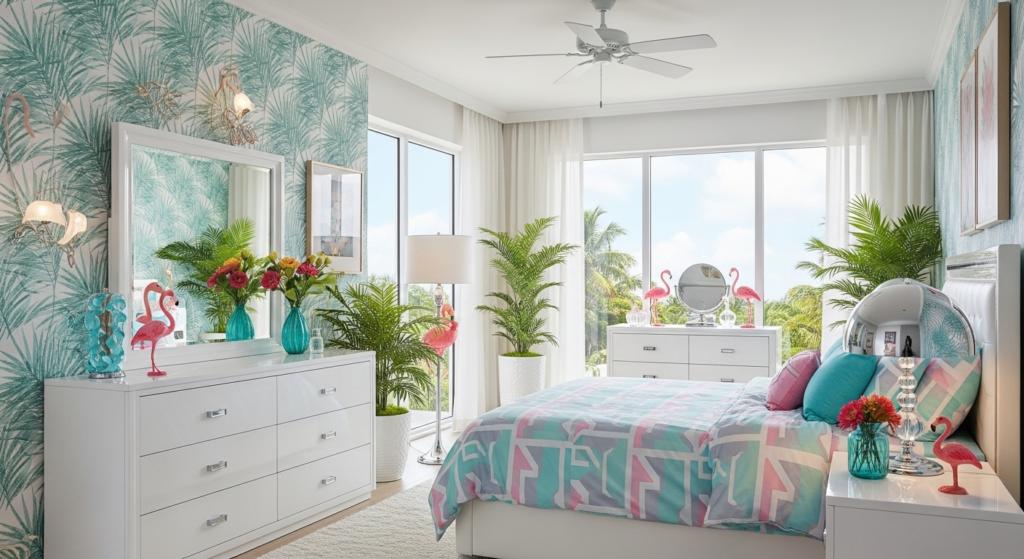
Miami 80s Interior Bedroom
The miami 80s interior bedroom captured South Beach glamour through specific color palettes and tropical influences. Pastel schemes—particularly pink, turquoise, and yellow—created the iconic Miami Vice aesthetic. White lacquer furniture, glass tables, and chrome accents brought sleek sophistication. Tropical elements included palm frond prints, flamingo motifs, and rattan accents. Bedrooms featured floor-to-ceiling windows with ocean views (or the aspiration thereof), ceiling fans for subtropical climate comfort, and outdoor access to balconies or terraces. This sun-soaked aesthetic influenced popular culture and represented aspirational luxury lifestyle during the decade.
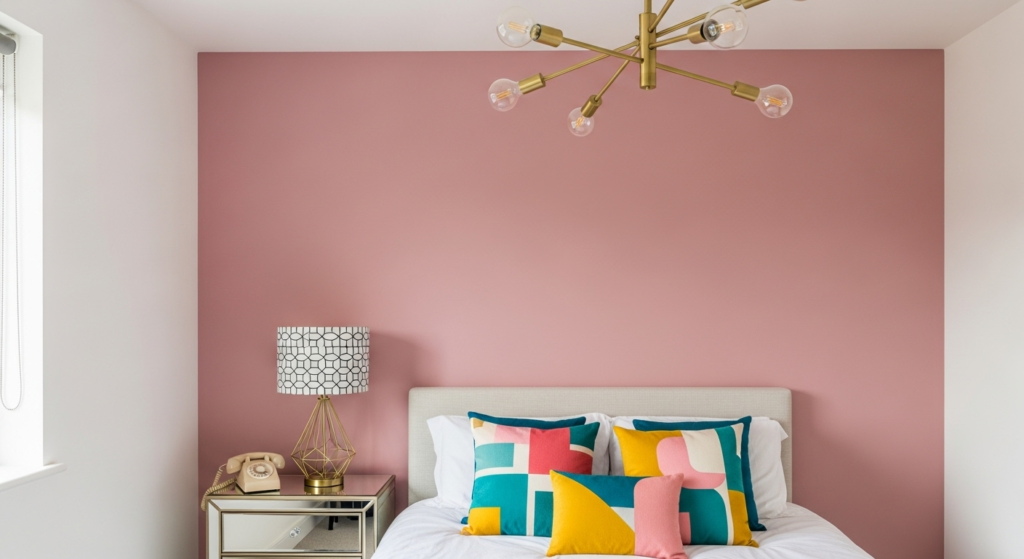
Modern 80s Interior Design Bedroom
The modern 80s interior design bedroom reinterprets decade-defining elements for contemporary tastes. Today’s versions selectively incorporate 80s characteristics—perhaps geometric patterns or brass accents—while avoiding dated excess. Modern interpretations might use dusty rose as an accent rather than overwhelming mauve walls, incorporate one mirrored piece rather than entire mirrored walls, or embrace postmodern shapes with contemporary simplicity. This approach allows homeowners to enjoy 80s nostalgia while maintaining current design standards, creating spaces that reference the past without replicating it entirely. The key is balance—capturing 80s spirit without becoming costume-like.
The Transition: 1990s–2000s
Bedroom Interior 90s
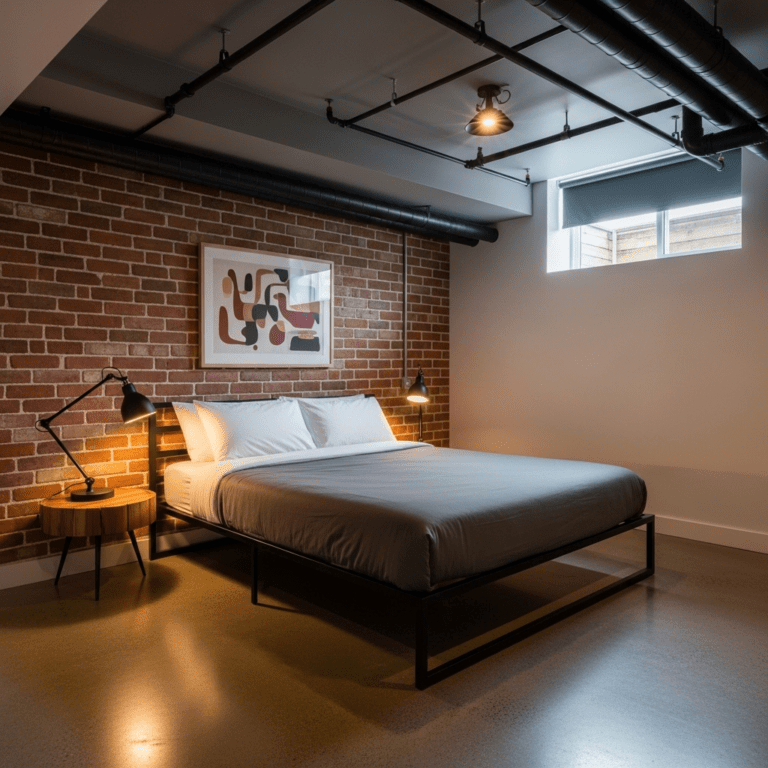
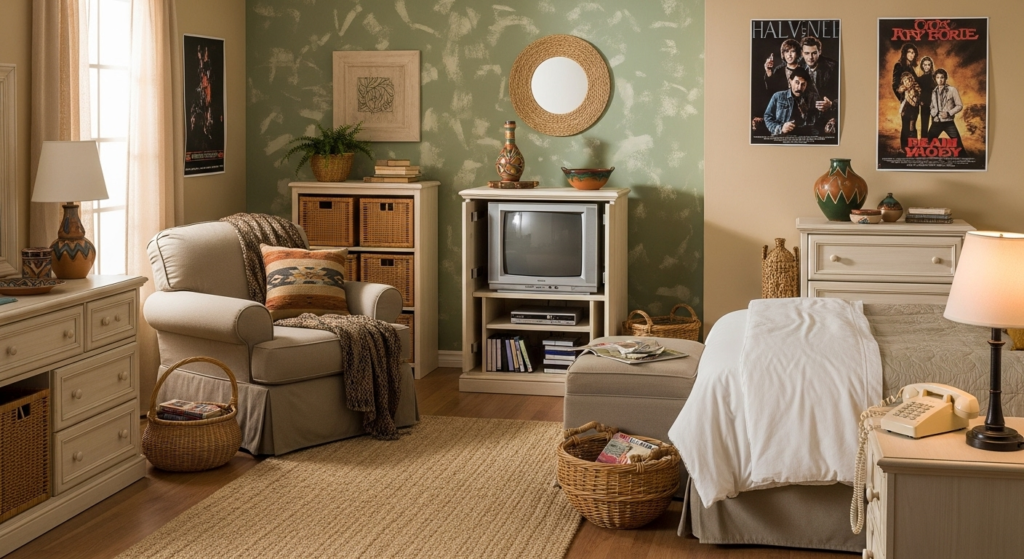
The bedroom interior 90s marked a retreat from 80s excess toward simplified, neutral palettes and casual comfort. Beige, taupe, sage green, and terracotta dominated color schemes. Bedrooms featured overstuffed furniture, slip-covered pieces, and natural materials like wicker and rattan. Sponge-painted accent walls, faux finishes, and decorative paint techniques added texture without busy patterns. Entertainment centers evolved to accommodate larger TVs and emerging DVD players. The decade embraced Southwestern, Tuscan, and Mediterranean influences through wrought iron accents, earthy ceramics, and natural fiber textiles. Minimalism gained traction as the decade progressed, preparing for 2000s clean aesthetics.
90s Bedroom Ideas Interior Design
The 90s bedroom ideas interior design encompassed diverse trends from grunge minimalism to sophisticated neutrals. Platform beds with simple frames replaced ornate headboards, while futons in wooden frames served dual purposes in smaller spaces. Bedrooms incorporated home office areas as computers became household standards. Feng shui principles influenced furniture placement and clutter reduction. Candles became major decorative elements, often displayed in groups. Bedrooms featured inspirational quotes, abstract metal wall art, and potted ficus trees. The decade’s eclecticism allowed personal expression while moving away from coordinated bedroom suites toward individually selected pieces.
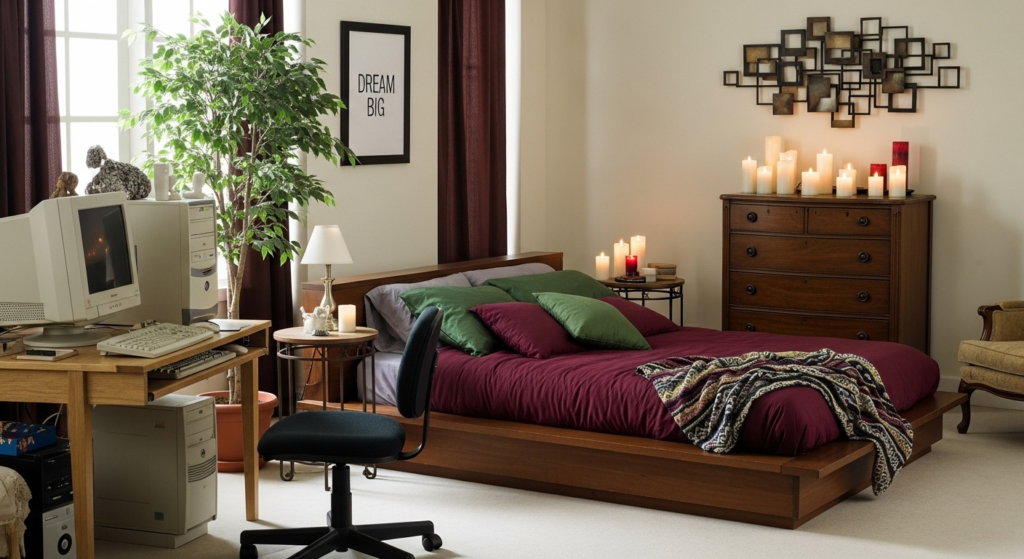
90s Decor Interior Design Bedroom
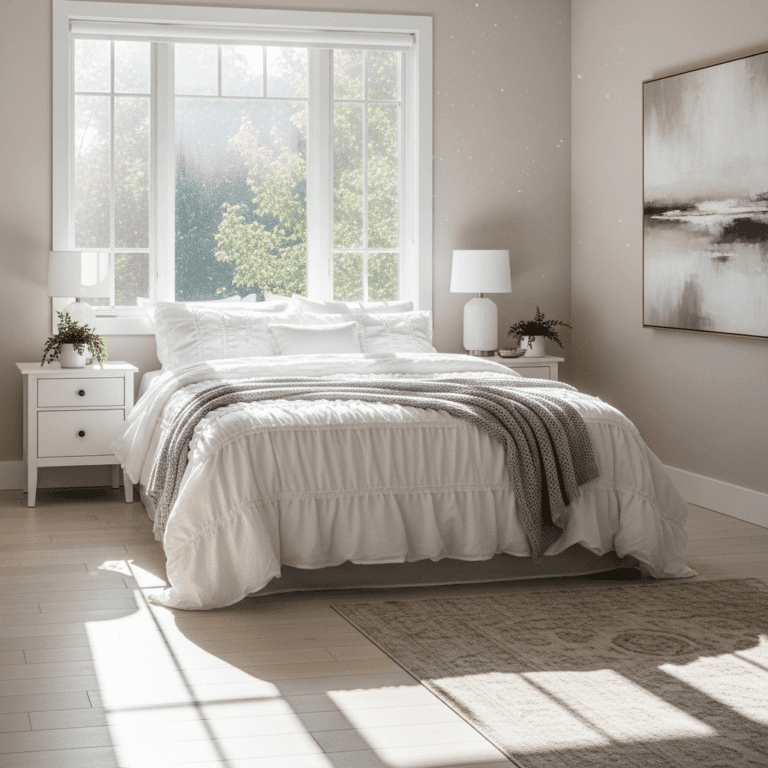
The 90s decor interior design bedroom featured specific decorative elements defining the decade’s aesthetic. Window treatments simplified to cellular shades, Roman blinds, or bamboo blinds replacing heavy drapes. Bedding became layered with multiple pillows in varying sizes and a focus on texture rather than busy patterns. Area rugs replaced wall-to-wall carpeting as wood floors became desirable. Decorative bowls, vases, and accessories in natural materials like stone, wood, and ceramic created organic displays. The decade popularized the “less is more” philosophy, though rooms still felt warm and inviting rather than stark. This represented a thoughtful curation rather than minimalist severity.
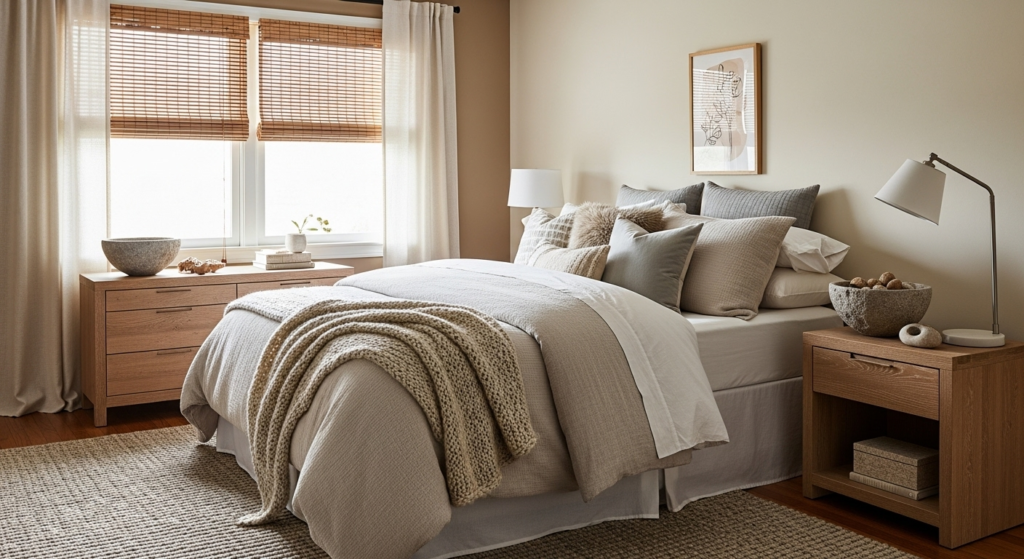
Bedroom Interior 2000s
The bedroom interior 2000s ushered in millennium modern aesthetics with clean lines, contemporary furniture, and technology integration. Flat-screen TVs replaced bulky entertainment centers, mounted on walls or placed on sleek low-profile stands. White became dominant, often paired with chocolate brown, black, or bold accent colors. Bedrooms featured tufted leather or velvet headboards, mirrored or metallic accent furniture, and glass elements. Home theater systems, surround sound, and gaming setups influenced room layouts. The decade embraced both minimalist modernism and glamorous touches like crystal chandeliers and faux fur throws. HGTV culture influenced design awareness, making sophisticated contemporary design more accessible.
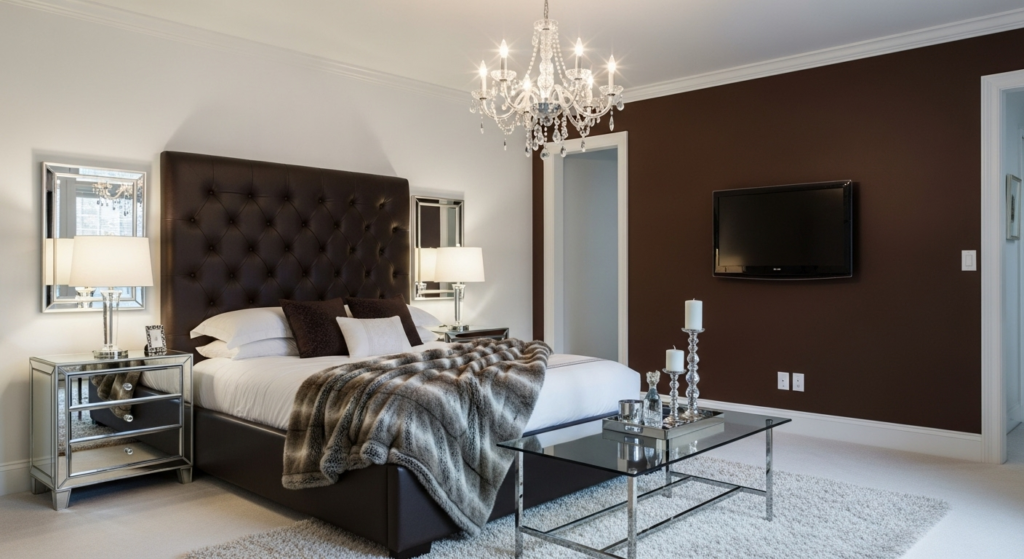
Conclusion
From Art Deco elegance of the 1930s through millennium modernism of the 2000s, each decade brought distinctive bedroom interior design philosophies reflecting broader cultural movements. Whether you’re authentically restoring a period home or incorporating nostalgic elements into contemporary spaces, understanding these historical design languages helps create cohesive, meaningful interiors. Retro bedroom design continues inspiring modern aesthetics, proving that great design transcends temporal boundaries. By studying these decades, we gain appreciation for design evolution while discovering timeless elements worthy of revival in today’s bedrooms.