20 Yoga Exercises for Beginners
Beginning your yoga journey doesn’t require advanced flexibility, expensive equipment, or hours of free time. Yoga exercises for beginners focus on building foundational strength, improving flexibility, and establishing a mind-body connection through accessible movements. Whether you’re looking to reduce stress, increase mobility, or simply try something new, this comprehensive guide provides everything you need to start a safe and effective yoga practice from the comfort of your home.
Understanding Yoga Exercises vs. Traditional Workouts
Yoga exercises differ from conventional fitness routines by integrating physical movement with breath control and mindfulness. Unlike repetitive gym exercises, yoga flows connect poses in sequences that work multiple muscle groups simultaneously while calming the nervous system. For beginners, yoga offers low-impact movement that builds strength without strain, improves flexibility gradually, enhances balance and coordination, reduces stress and anxiety, and can be modified for any fitness level. This holistic approach makes yoga an ideal starting point for those new to exercise or returning after a break.
Essential Breathing Exercises for Beginners
Diaphragmatic Breathing (Belly Breathing)
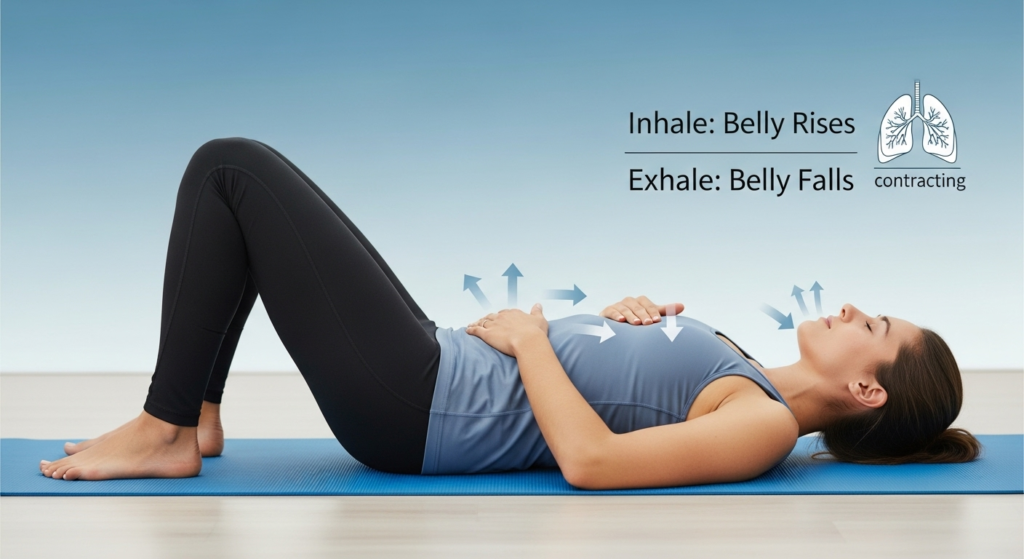
Before moving into physical yoga exercises, mastering breath control is crucial. Diaphragmatic breathing forms the foundation of all yoga practice. Sit or lie comfortably, place one hand on your chest and one on your belly. Inhale deeply through your nose, allowing your belly to expand while keeping your chest relatively still. Exhale slowly through your nose, feeling your belly deflate. Practice for 5-10 minutes daily. This simple exercise reduces stress, increases oxygen intake, improves focus and concentration, and prepares your body for physical practice.
Alternate Nostril Breathing (Nadi Shodhana)
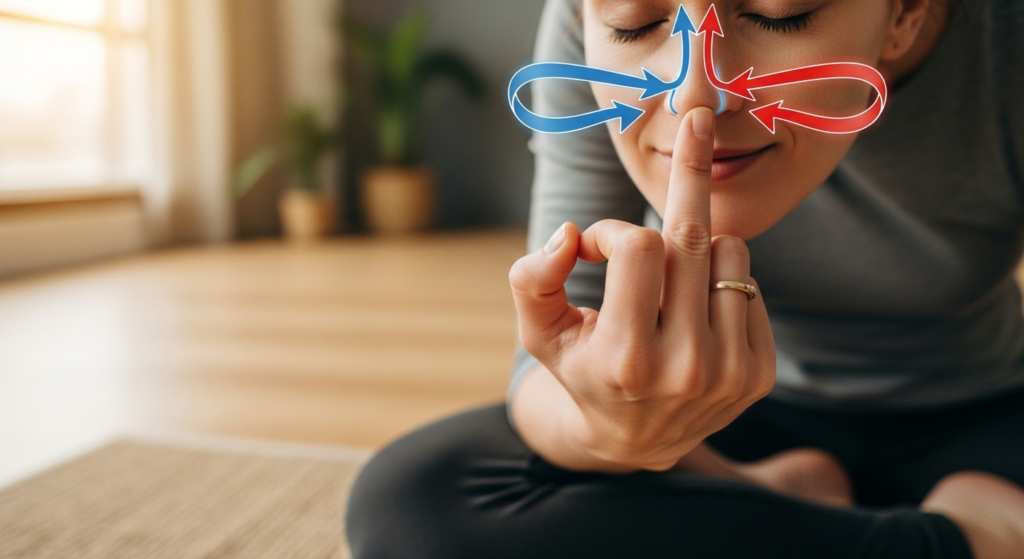
This balancing breath exercise calms the mind and energizes the body. Sit comfortably with a straight spine. Use your right thumb to close your right nostril, inhale through the left nostril, then close the left nostril with your ring finger, release the right nostril, and exhale through the right. Inhale right, switch, exhale left. Continue alternating for 5-10 rounds. This exercise balances left and right brain hemispheres, reduces anxiety, improves respiratory function, and enhances mental clarity before or after physical practice.
Beginner Yoga Exercise Sequences
Morning Energizing Sequence (10 Minutes)
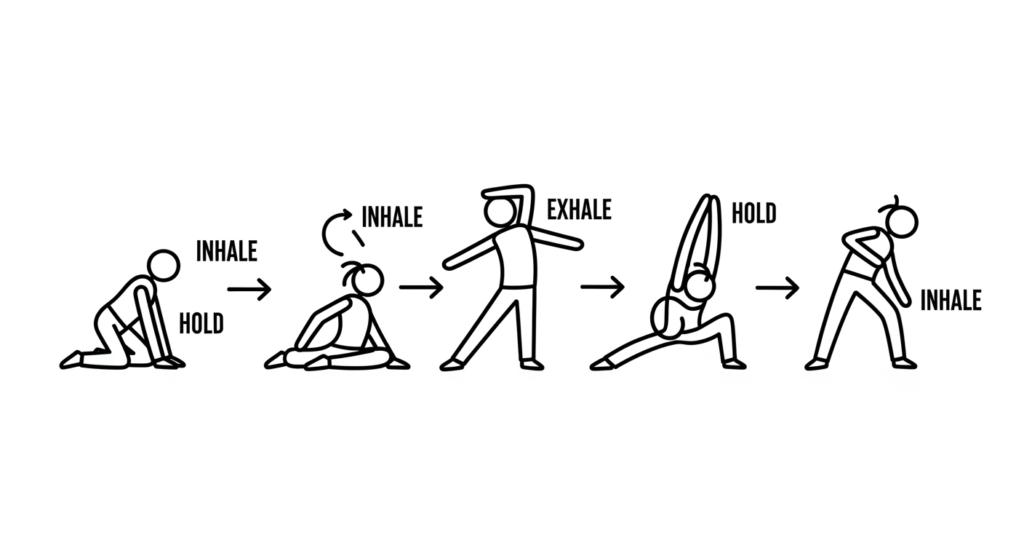
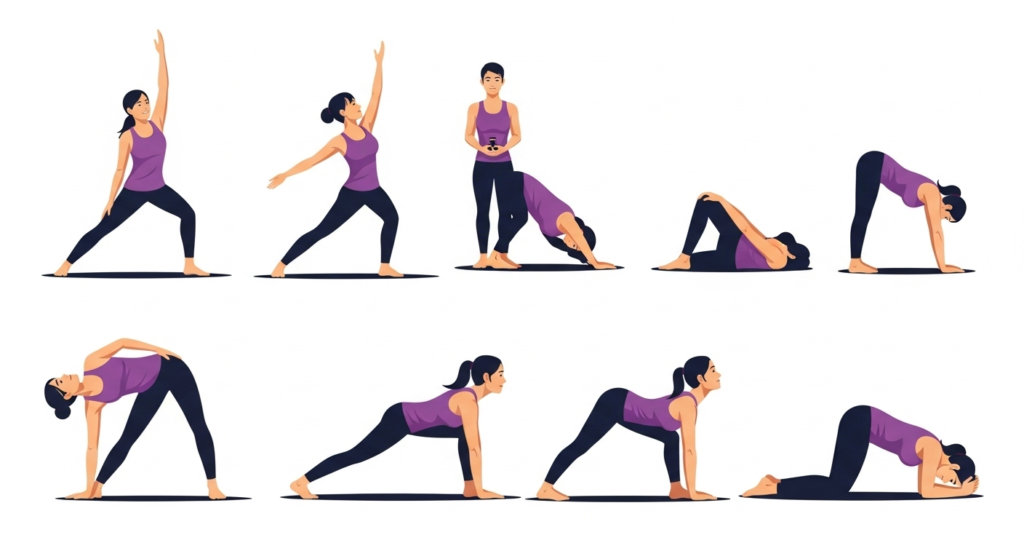
Start your day with this revitalizing flow. Begin in Mountain Pose, establishing steady breath and posture. Move into Standing Side Stretch, reaching one arm overhead and bending to the opposite side, holding for 5 breaths each side. Step into Forward Fold, letting your head hang heavy and arms dangle. Transition to Downward-Facing Dog, holding for 5-8 breaths. Step forward into Low Lunge on each side, holding for 5 breaths. Rise to Mountain Pose, then flow through Cat-Cow sequences for spinal mobility. Finish with Standing Forward Fold and return to Mountain Pose, setting intentions for your day.
Evening Relaxation Sequence (15 Minutes)
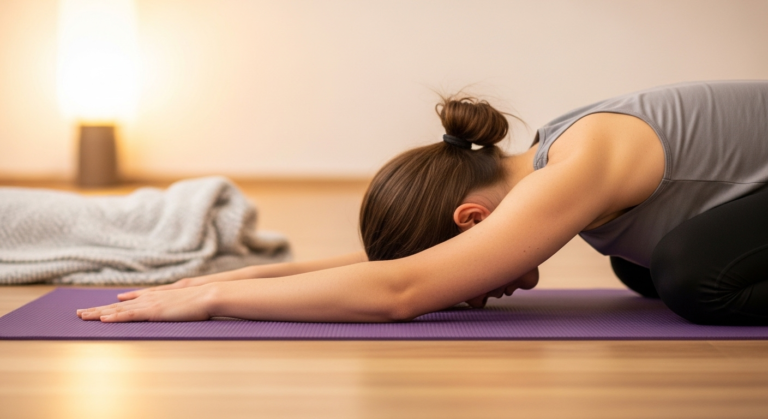
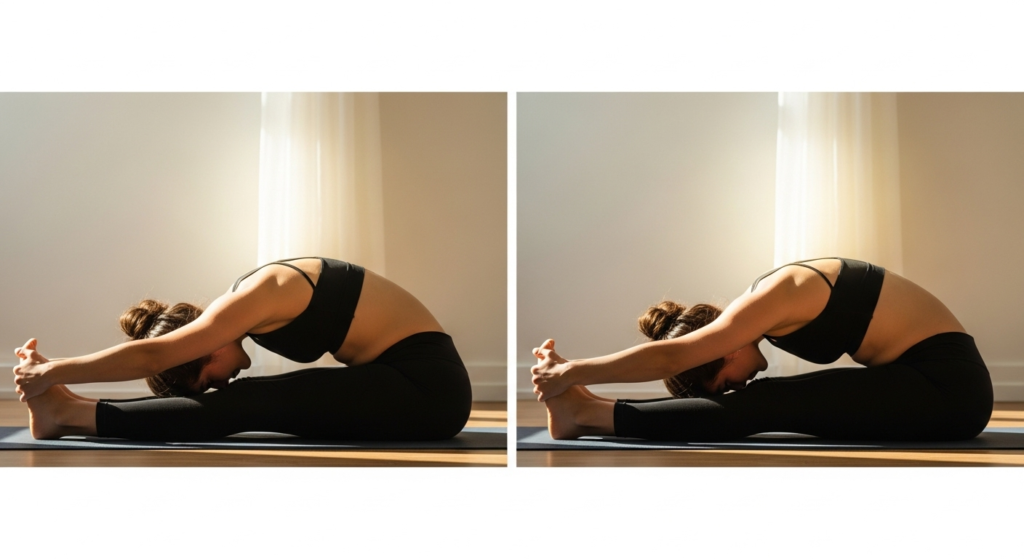
Wind down with gentle stretches that release daily tension. Start in Child’s Pose, breathing deeply for 2 minutes. Move to Tabletop position for Cat-Cow flows (10 rounds). Transition to Downward-Facing Dog, then step into Low Lunge with a gentle twist on each side. Come to seated position for Seated Forward Fold, holding for 10 breaths. Lie down for Supine Twist on each side, knees falling to one side while arms extend. Practice Bridge Pose (5 breaths, repeated 3 times). Finish with Legs-Up-The-Wall pose for 5 minutes, followed by Corpse Pose for final relaxation.
Strength-Building Yoga Exercises
Plank Pose Progression
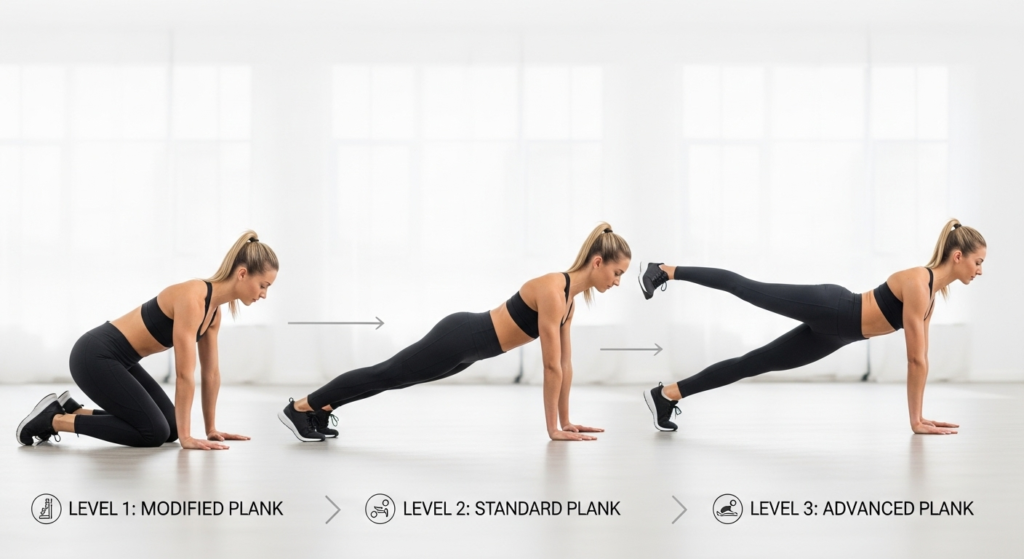
Plank builds full-body strength essential for advanced poses. Start in Tabletop position with hands beneath shoulders. Step feet back one at a time, creating a straight line from head to heels. Engage your core, press through your palms, and keep your gaze slightly forward. Beginners can start on knees (modified plank), holding for 10-15 seconds and gradually increasing duration. Work up to 30-60 second holds. This exercise strengthens arms, shoulders, and core, improves posture, builds endurance, and develops body awareness. Practice 3-5 rounds with rest between holds.
Chair Pose (Utkatasana)
Chair Pose powerfully strengthens legs and core. Stand with feet hip-width apart, bend knees as if sitting in a chair, keeping weight in your heels. Raise arms overhead, palms facing each other. Keep your spine long and chest lifted. Hold for 5-8 breaths, building to 10 breaths over time. This exercise strengthens quadriceps, glutes, and calves, engages core muscles, improves balance, and builds mental stamina. Practice 3-5 rounds, resting in Mountain Pose between repetitions.
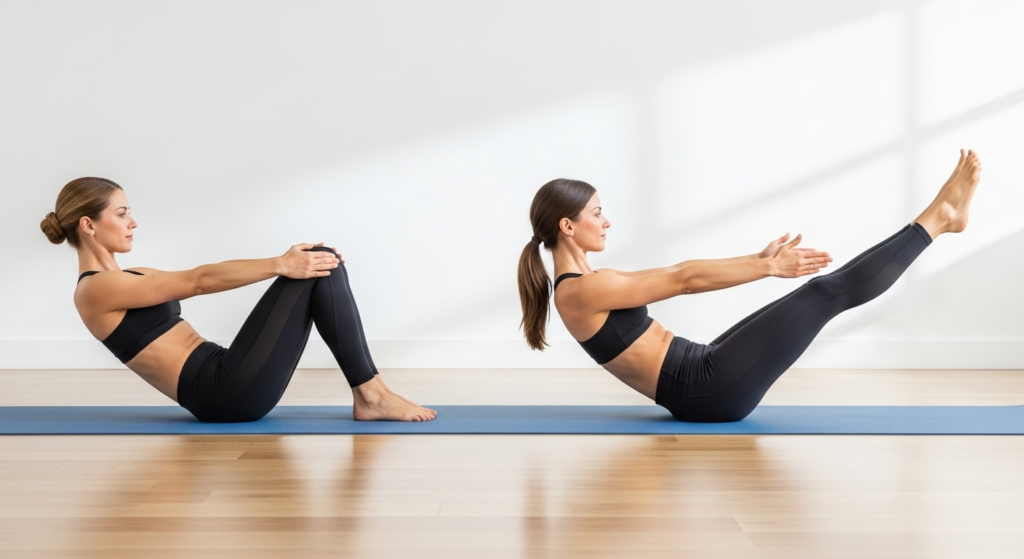
Boat Pose (Navasana)
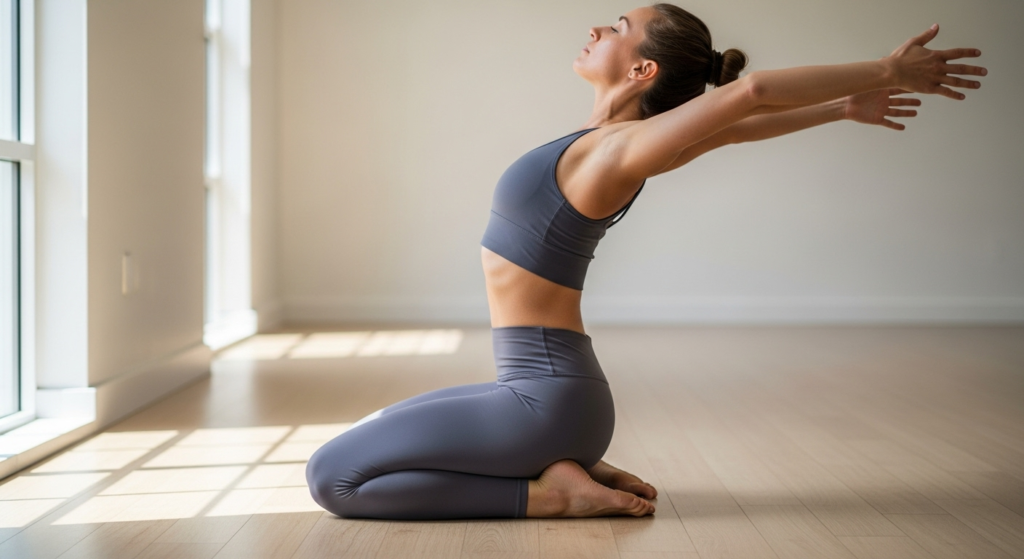
Boat Pose challenges core strength while improving balance. Sit with knees bent and feet flat on the floor. Lean back slightly, lift feet off the ground, and extend arms forward parallel to the floor. Beginners keep knees bent; intermediate practitioners straighten legs. Hold for 5 breaths, building to 10 breaths. Practice 3-4 rounds with rest between. This exercise strengthens abdominal muscles, hip flexors, and spine, improves balance and digestion, and builds core stability essential for all yoga practice.
Flexibility-Enhancing Yoga Exercises
Standing Forward Fold Variations
Forward folds gently stretch the entire back body. Stand with feet hip-width apart, hinge at hips (not waist), and fold forward. Let arms hang, head heavy, knees soft. Hold for 8-10 breaths. Variations include: grabbing opposite elbows for deeper shoulder stretch, placing hands on blocks for less flexibility, or gently swaying side to side. This exercise stretches hamstrings and calves, releases lower back tension, calms the nervous system, and improves flexibility gradually. Practice daily, noticing progress over weeks rather than days.
Pigeon Pose (Eka Pada Rajakapotasana)
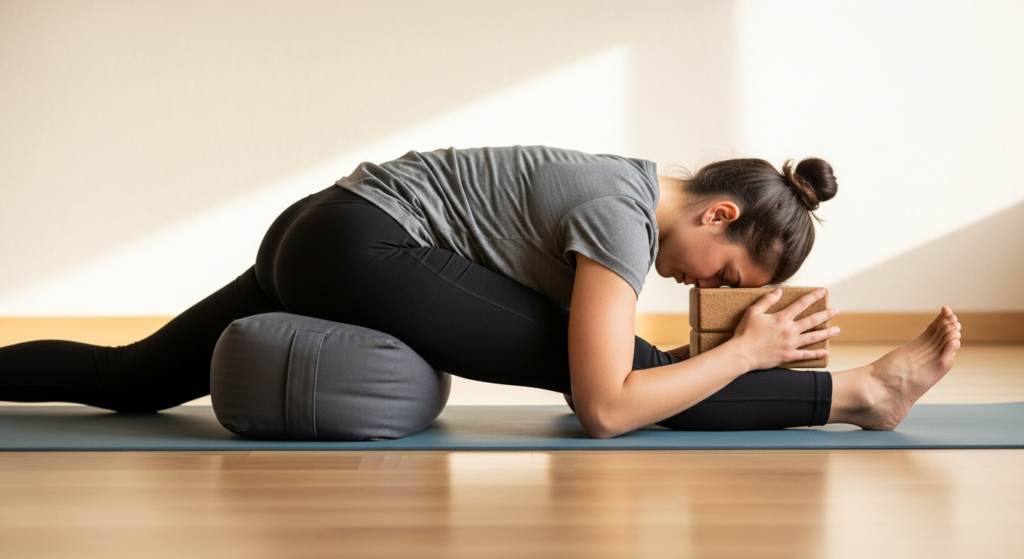
Pigeon Pose opens tight hips accumulated from sitting. From Downward-Facing Dog, bring right knee forward behind right wrist, right ankle near left wrist. Extend left leg straight behind you. Square your hips and fold forward over the front leg, using a bolster or folded blanket under the right hip for support if needed. Hold for 10-15 breaths each side. This deep hip opener releases hip flexors and external rotators, relieves lower back pain, prepares body for deeper stretches, and releases emotional tension stored in hips.
Supine Figure-Four Stretch
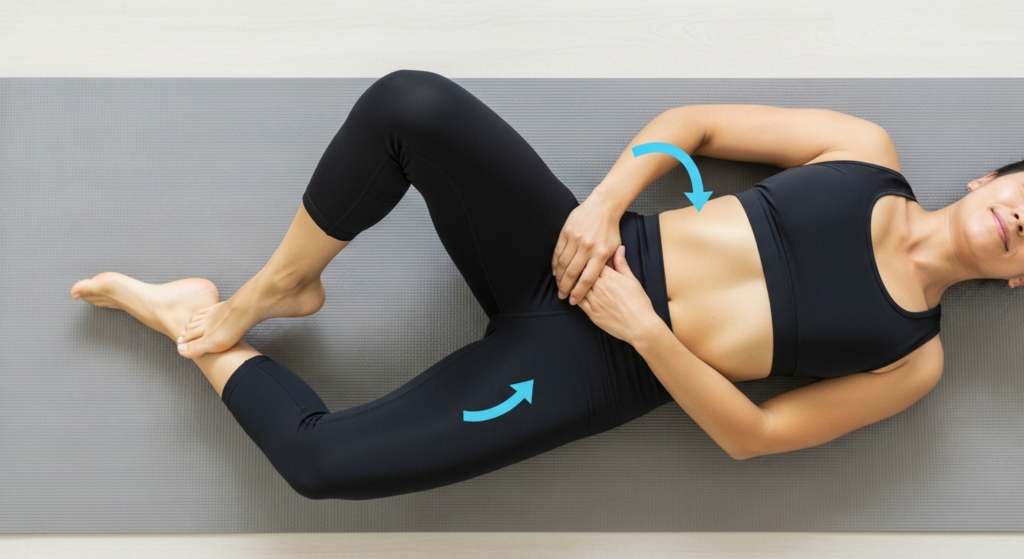
This accessible hip opener provides pigeon pose benefits while lying down. Lie on your back, bend both knees with feet flat. Cross right ankle over left thigh, flexing the right foot. Thread right arm through the legs and clasp hands behind left thigh. Gently pull left thigh toward chest while pressing right knee away. Hold for 10-15 breaths each side. This gentle exercise opens hips and outer glutes, relieves sciatic pain, accessible for limited flexibility, and provides safe deep stretching for beginners.
Balance-Improving Yoga Exercises
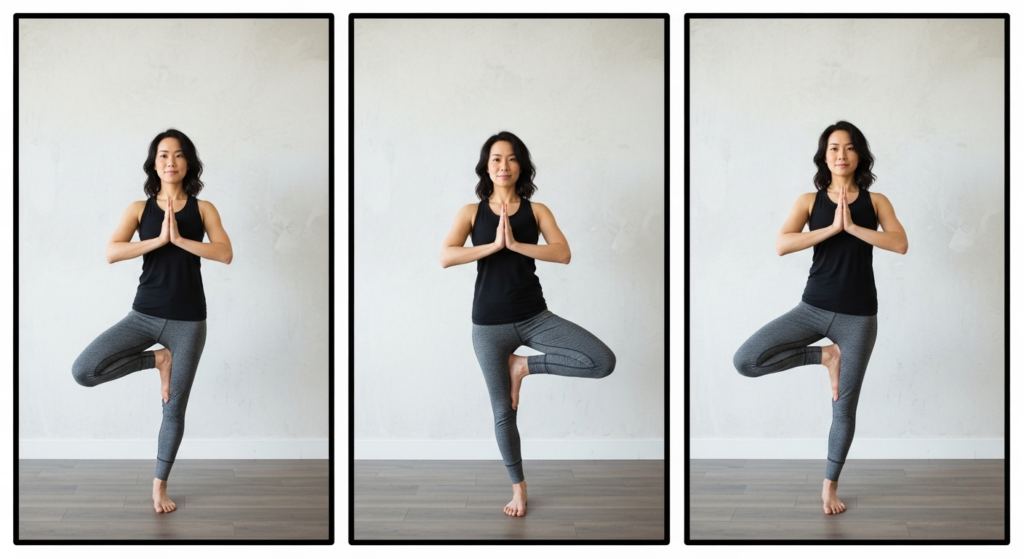
Tree Pose (Vrksasana)
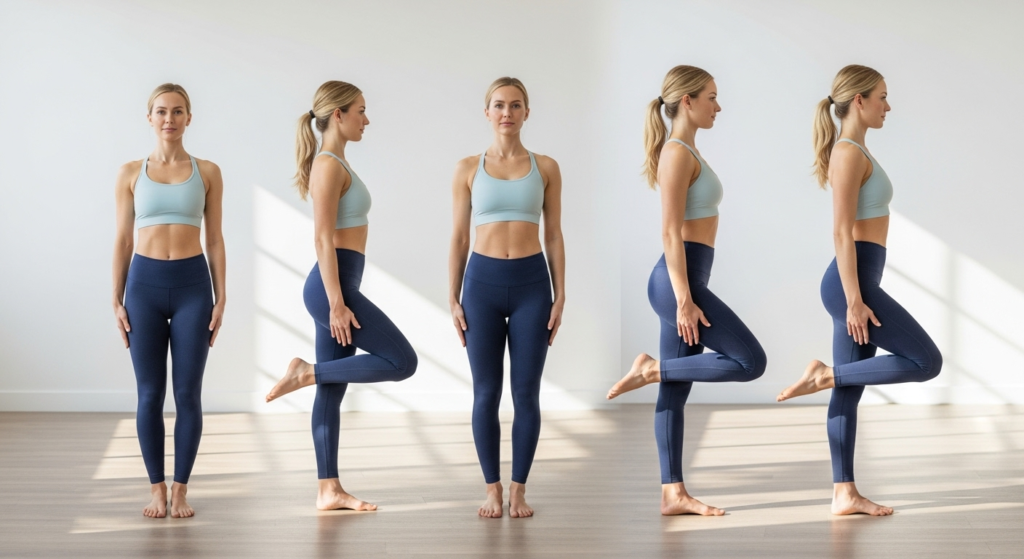
Tree Pose develops balance and focus. Stand in Mountain Pose, shift weight to left foot, place right foot on left inner ankle, calf, or thigh (never directly on knee). Bring hands to prayer position at chest or raise overhead. Find a focal point (drishti) and breathe steadily. Hold for 5-10 breaths each side. This classic balance pose strengthens ankles and legs, improves concentration and focus, develops body awareness, and builds confidence. Practice near a wall for support when beginning.
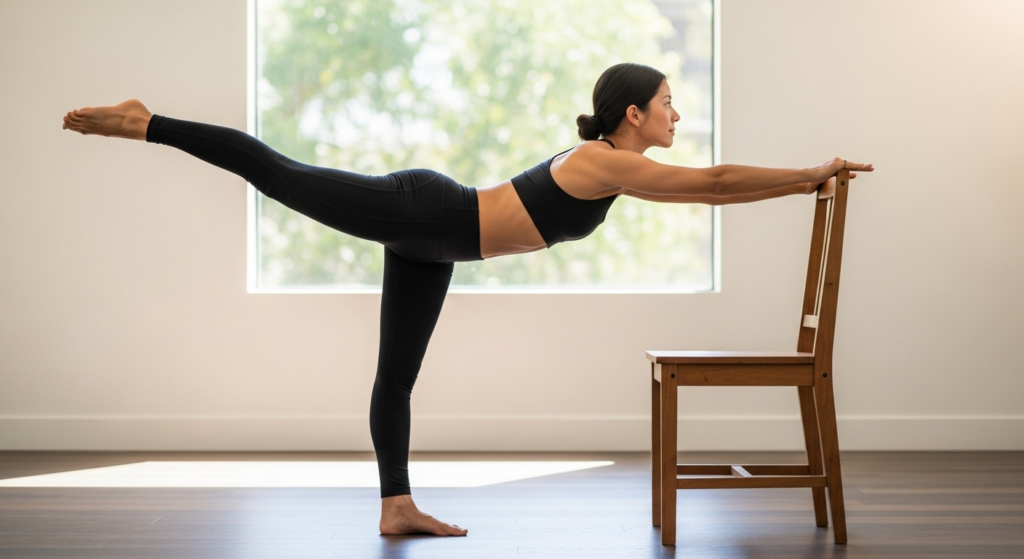
Warrior III (Virabhadrasana III)
This challenging balance pose builds stability and strength. From Mountain Pose, shift weight to right foot, hinge forward at hips while lifting left leg behind you. Extend arms forward or keep hands at hips for easier balance. Create a straight line from fingertips to lifted heel. Hold for 5 breaths each side. This advanced beginner exercise strengthens standing leg and core, improves balance and coordination, develops focus and determination, and challenges stability. Begin with shorter holds and use a wall or chair for support.
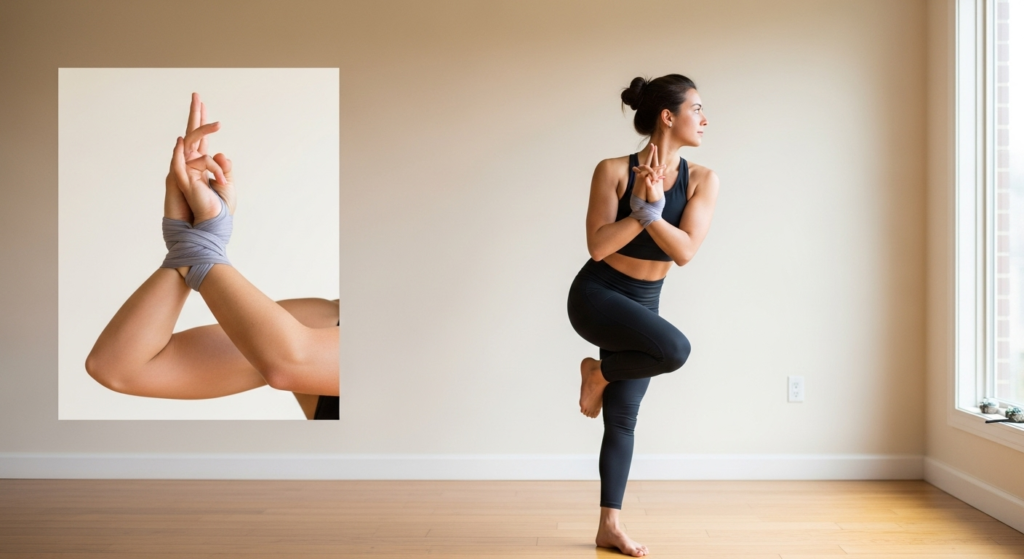
Eagle Pose (Garudasana)
Eagle Pose requires balance while stretching shoulders and hips. Stand on right leg, cross left thigh over right, hooking left foot behind right calf if possible. Cross right arm over left at elbows, bring palms together. Sink into a slight squat. Hold for 5-8 breaths each side. This intricate pose improves balance and coordination, opens shoulders and upper back, strengthens legs and ankles, and enhances concentration. Beginners can practice the arm position separately before adding the leg wrap.
Core-Strengthening Yoga Exercises
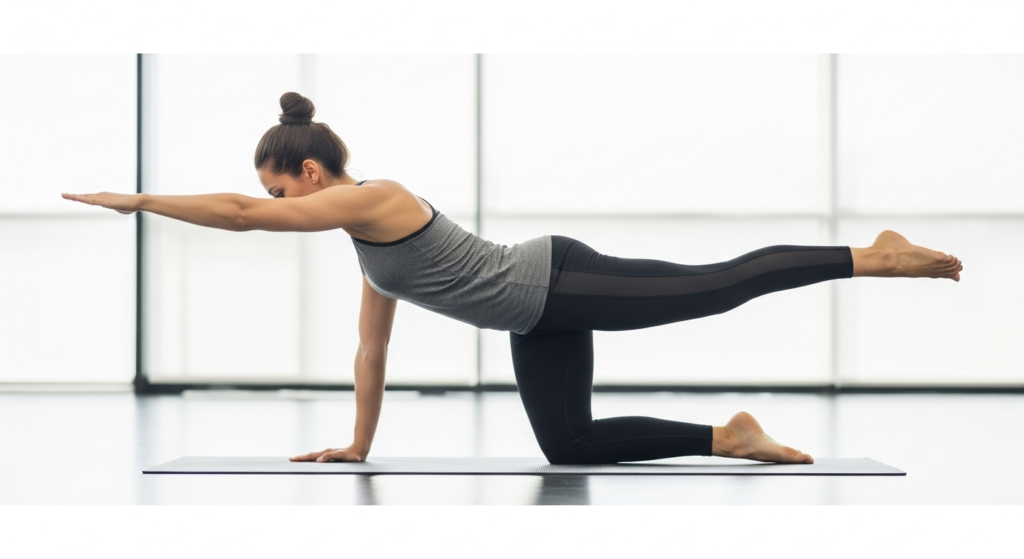
Bird Dog Exercise
Bird Dog combines core strength with balance. Start in Tabletop position. Extend right arm forward and left leg back simultaneously, creating a straight line. Keep hips level and core engaged. Hold for 5 breaths, then switch sides. Complete 8-10 repetitions alternating sides. This exercise strengthens core and back muscles, improves coordination and balance, develops body awareness, and protects spine. Perfect for beginners building foundational strength safely.
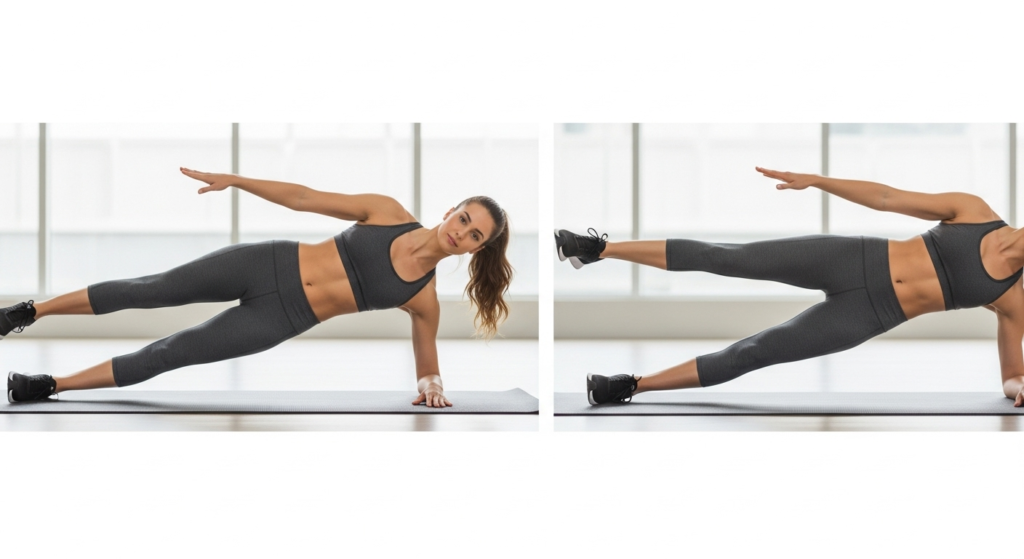
Modified Side Plank
Side Plank builds lateral core strength. Lie on right side, prop yourself up on right forearm with elbow beneath shoulder. Stack or stagger feet, lift hips off the ground, creating a straight line. Beginners keep bottom knee down for support. Hold for 10-15 seconds each side, building to 30 seconds. This exercise strengthens obliques and shoulders, improves lateral stability, challenges balance, and builds full-body strength. Practice 3 rounds each side.
Cool-Down and Recovery Exercises
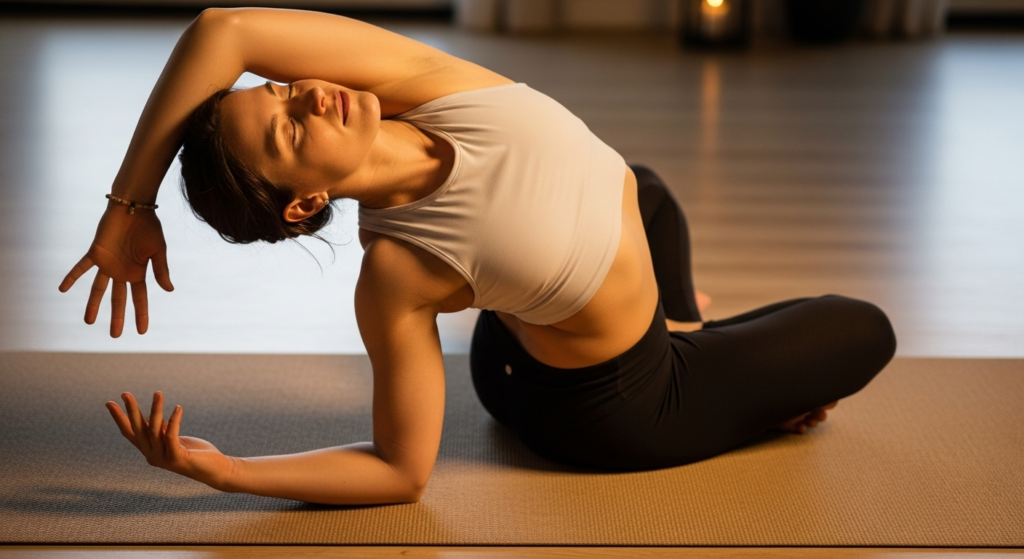
Seated Spinal Twist
Twists aid digestion and release spine tension. Sit with legs extended, bend right knee and place right foot outside left thigh. Hug right knee with left arm, place right hand behind you. Inhale to lengthen spine, exhale to twist right. Hold for 8-10 breaths each side. This gentle twist massages internal organs, releases spine tension, improves spinal mobility, and aids detoxification. Perfect for ending practice or relieving sitting tension anytime.
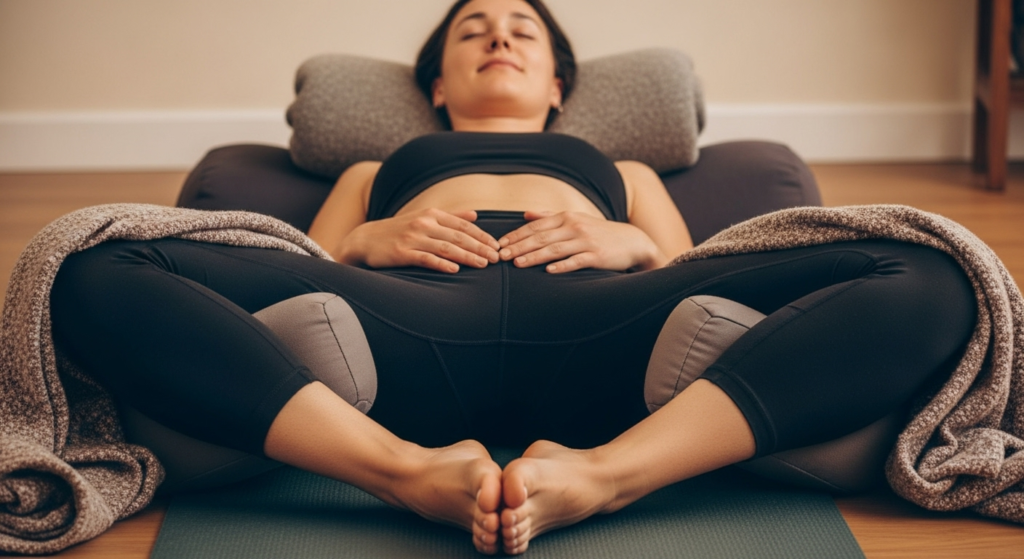
Reclining Butterfly Pose
This restorative hip opener provides deep relaxation. Lie on your back, bring soles of feet together, allowing knees to fall open. Place hands on belly or extend arms to sides. Support knees with blocks or pillows if needed. Hold for 3-5 minutes, breathing deeply. This deeply relaxing pose opens hips and groin, relieves menstrual discomfort, reduces stress and fatigue, and prepares body for final relaxation.
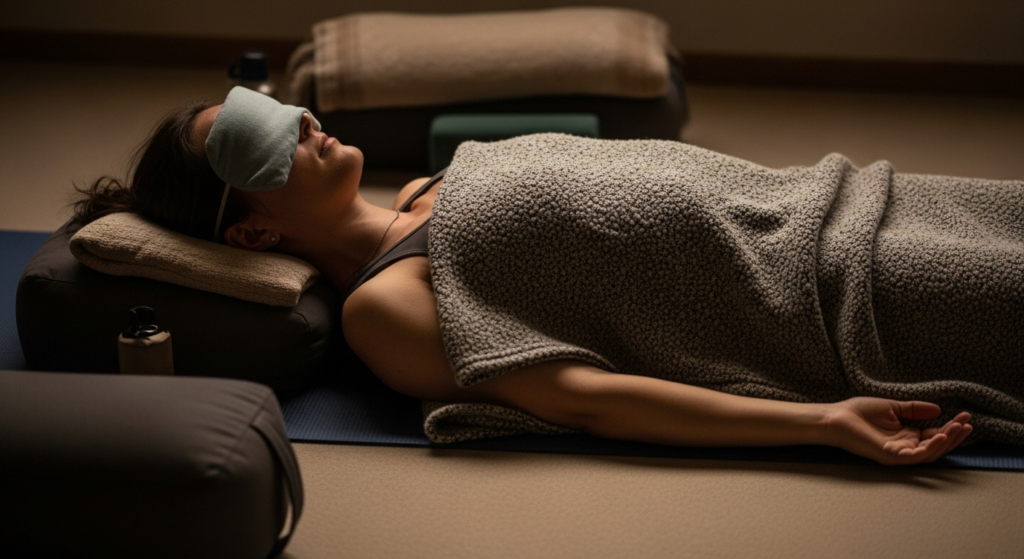
Final Relaxation (Extended Savasana)
End every practice with extended relaxation. Lie flat on your back, legs extended slightly apart, arms at sides with palms up. Close eyes and systematically relax every body part from toes to crown. Breathe naturally, releasing all effort. Rest for 5-10 minutes. This crucial integration allows your nervous system to reset, body to absorb practice benefits, mind to achieve deep relaxation, and complete practice feeling refreshed. Never skip this essential exercise.
Creating Your Beginner Yoga Exercise Routine
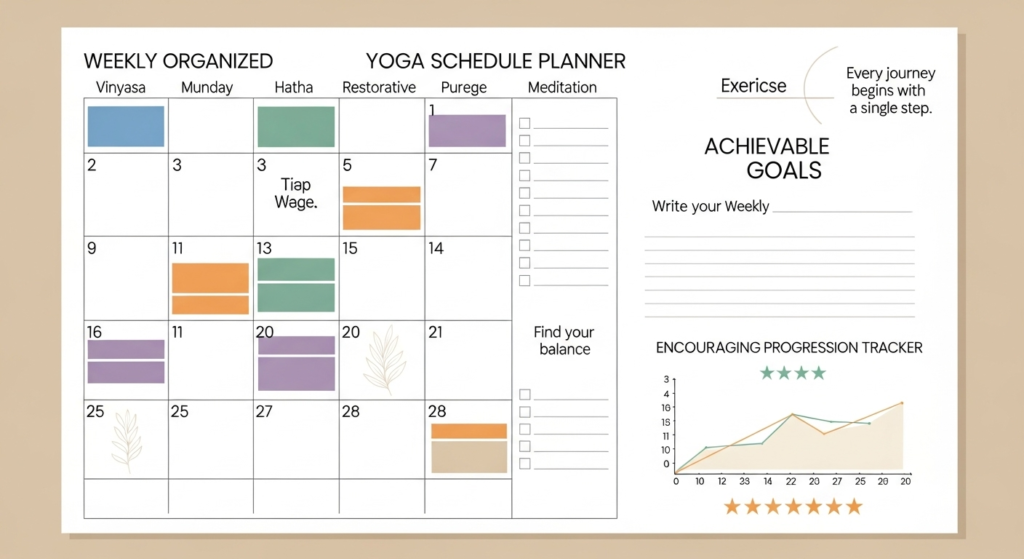
Start with 20-30 minute sessions 3-4 times weekly. Begin each session with breathing exercises (5 minutes), warm up with gentle stretches and Cat-Cow flows, practice your chosen sequence focusing on proper form, cool down with seated stretches and twists, and always end with Savasana. As strength and flexibility improve, gradually increase session length and frequency. Track progress through photos or journaling, celebrating small victories like holding poses longer or achieving better alignment.
Conclusion
Yoga exercises for beginners provide accessible entry into a transformative practice that benefits body, mind, and spirit. These foundational exercises build strength, flexibility, balance, and inner peace while accommodating any fitness level. Remember that consistency matters more than perfection—regular practice with proper form yields better results than occasional intense sessions. Start where you are, honor your body’s limits, and enjoy the journey of discovering what your body can do. With patience and dedication, you’ll develop a sustainable yoga practice that serves your wellness goals for years to come.