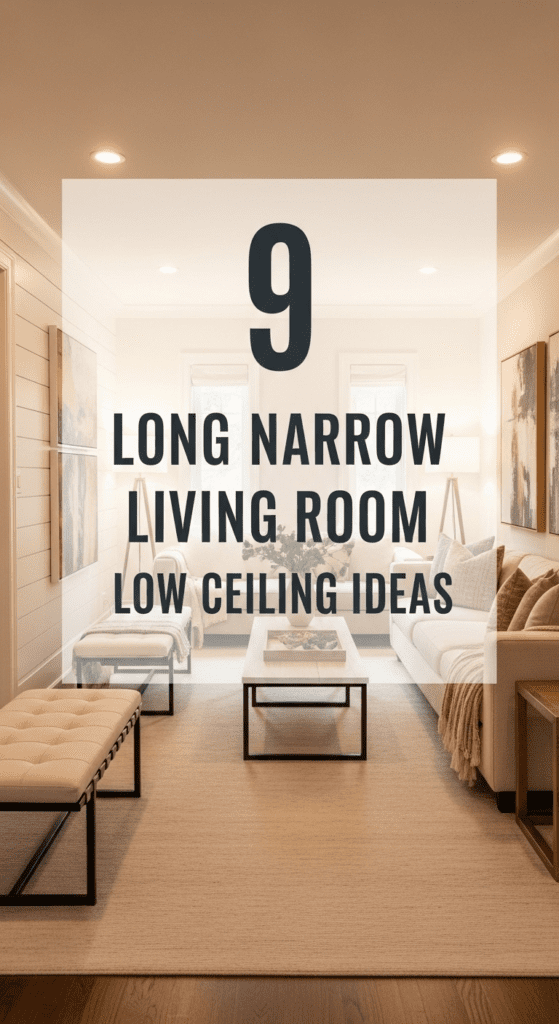
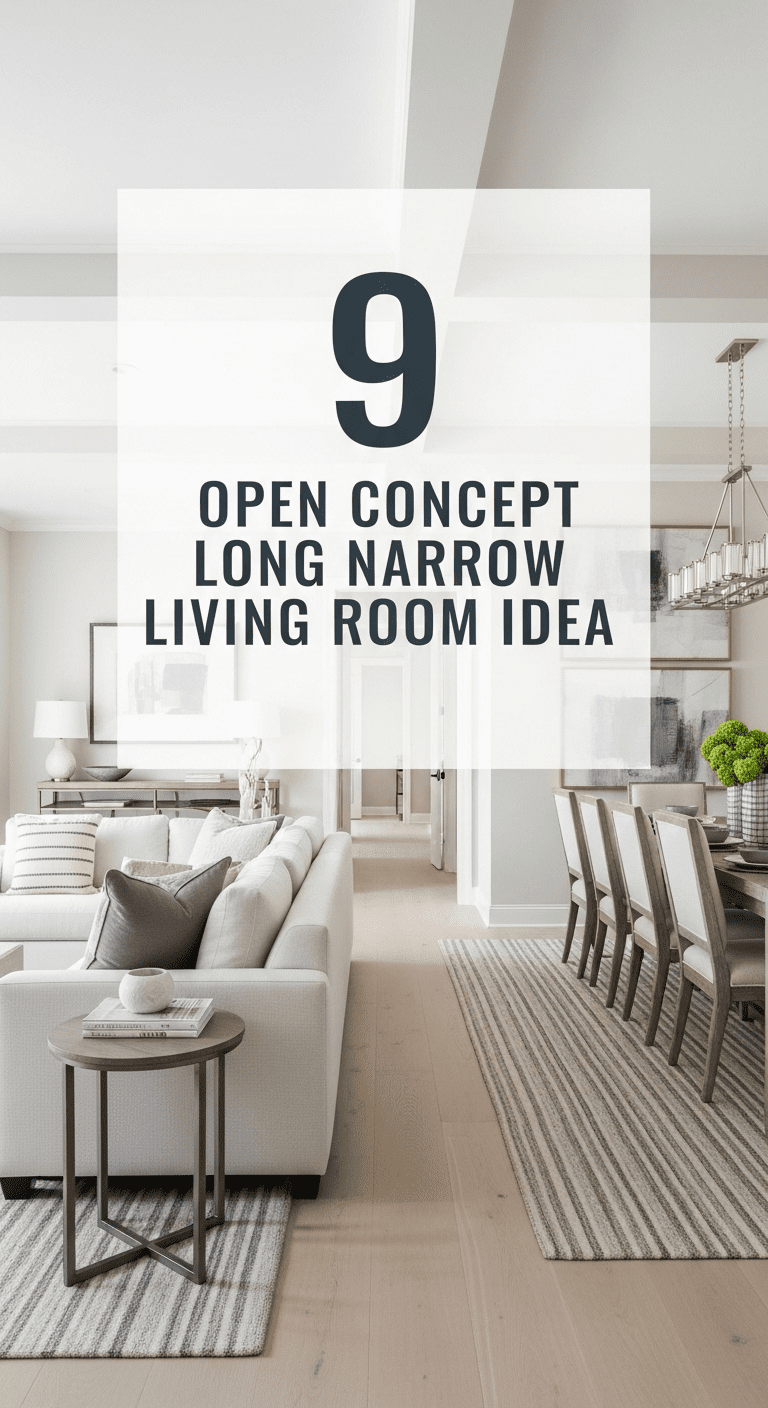
9 Long Narrow Living Room Low Ceiling Ideas
Long narrow living room low ceiling spaces present a double challenge—limited width and height. Smart design choices can make these rooms feel taller and more spacious. Here are nine ideas to maximize your narrow, low-ceilinged living room.
See also: Guest Bedroom Color Scheme 18 Palettes to Set the Perfect Mood
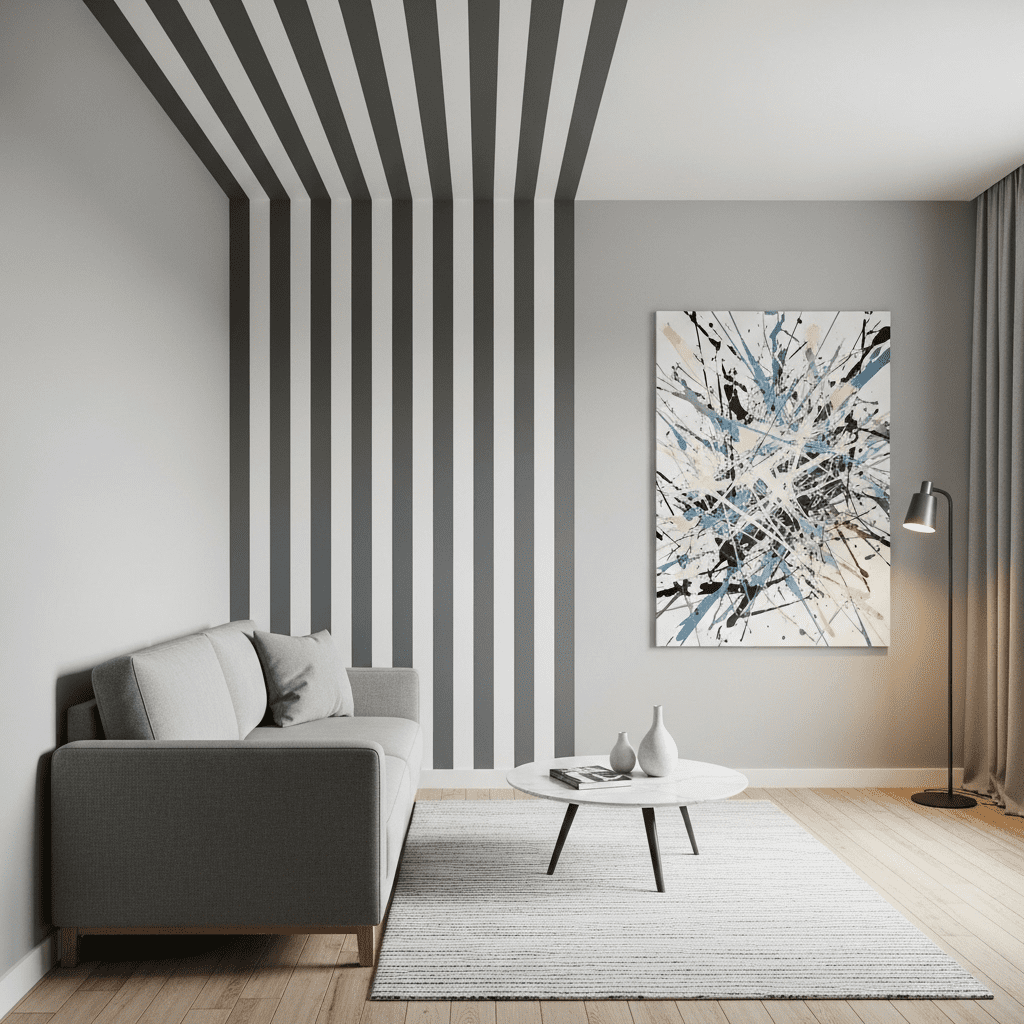
1. Vertical Stripe Accent Wall
Paint vertical stripes on one wall to draw the eye upward and create height illusion.
Use two coordinating paint colors in vertical stripes from floor to ceiling. The upward lines trick the eye into perceiving more height. Choose subtle tone-on-tone or bold contrasting stripes depending on your style.
See also: Guest Bedroom Essentials 24 Must Have Items for a Five Star Stay
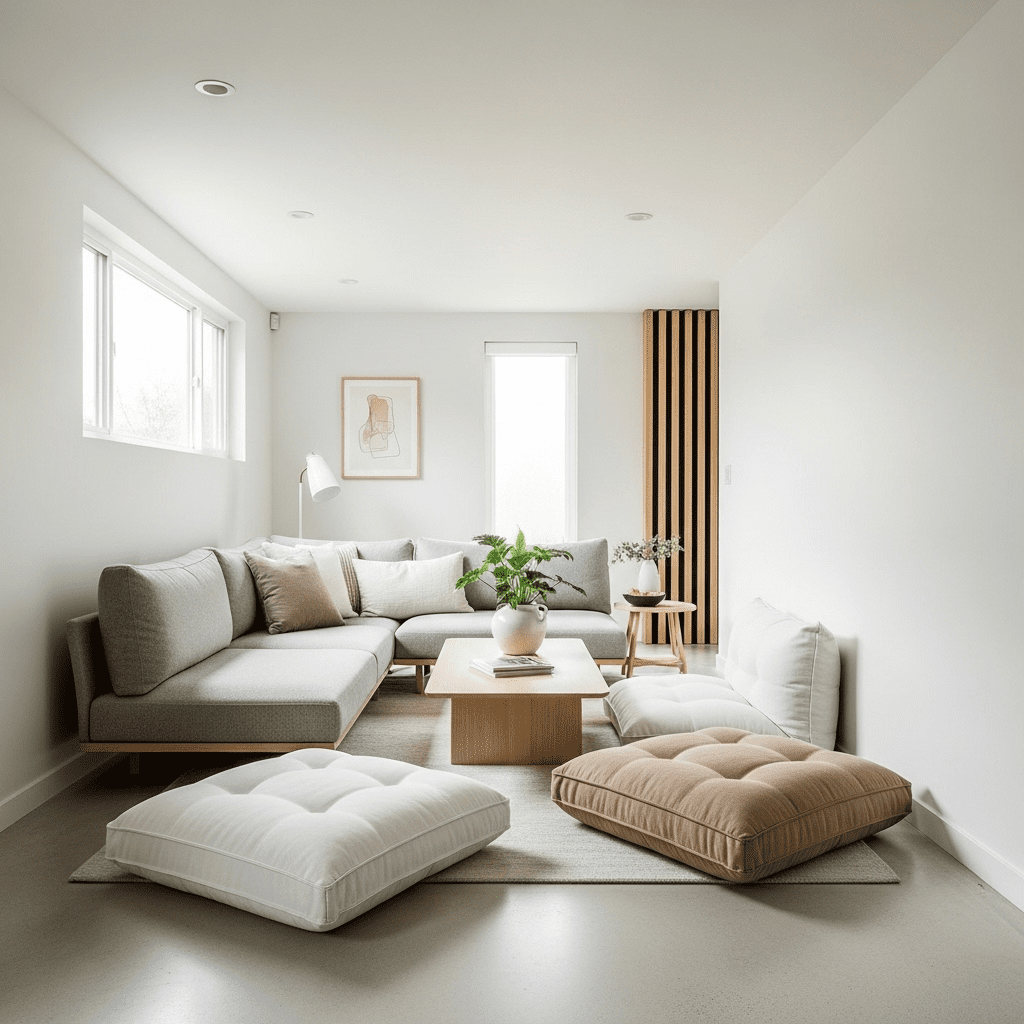
2. Low-Profile Furniture Only
Choose furniture with low backs and slim profiles that don’t emphasize the low ceiling.
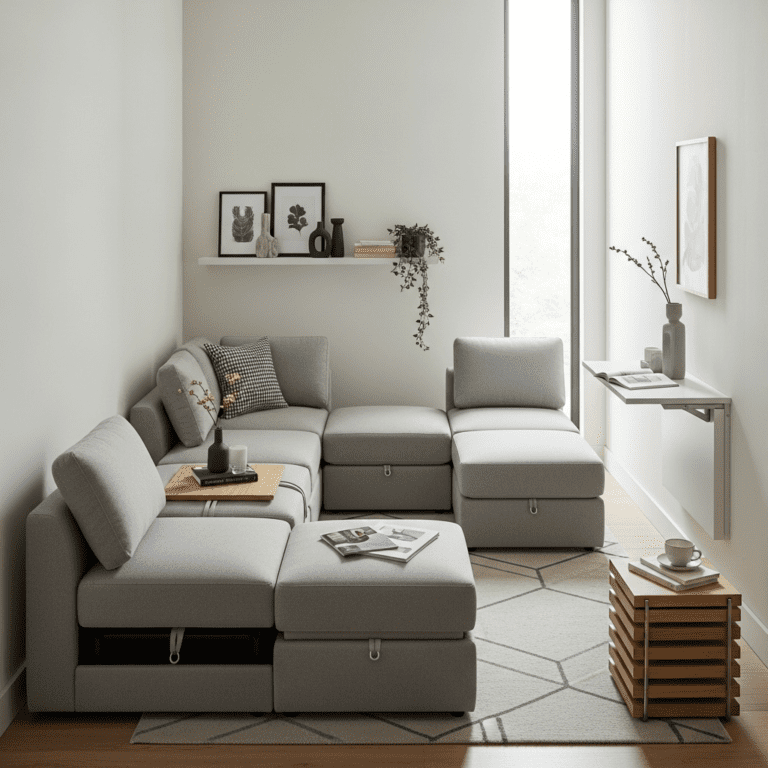
Select sofas under 30 inches tall, low coffee tables, and armless chairs. The low furniture creates breathing room between furnishings and ceiling, making the space feel less cramped.
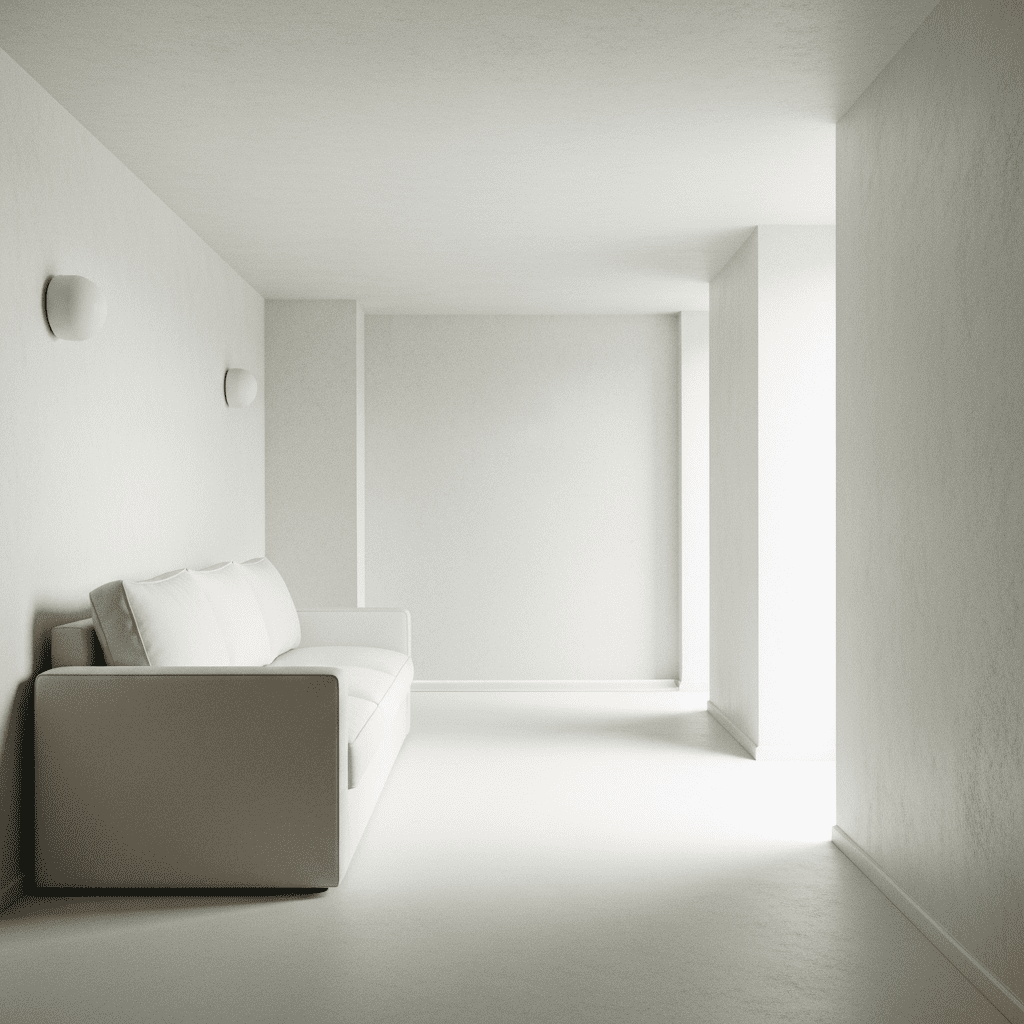
3. Same Color Walls and Ceiling
Paint walls and ceiling the same light color to eliminate visual boundaries.
Use soft white or pale gray on all surfaces including ceiling. This creates continuous flow that makes ceilings feel higher. The lack of contrast removes the defined ceiling line.
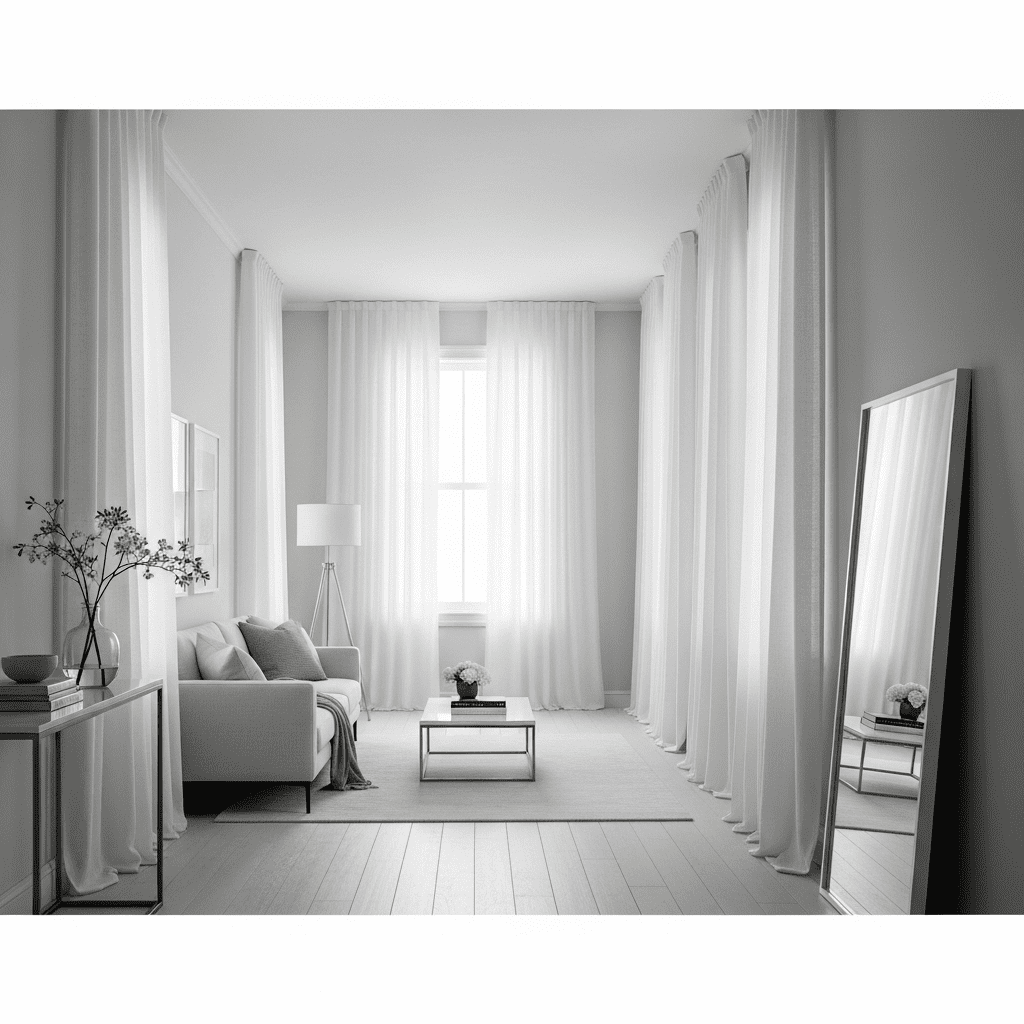
4. Floor-to-Ceiling Curtains
Hang curtains as close to the ceiling as possible, letting them extend to the floor.
Mount curtain rods near the ceiling line rather than above the window frame. The long vertical panels create upward emphasis. Use light fabrics that don’t add visual weight.
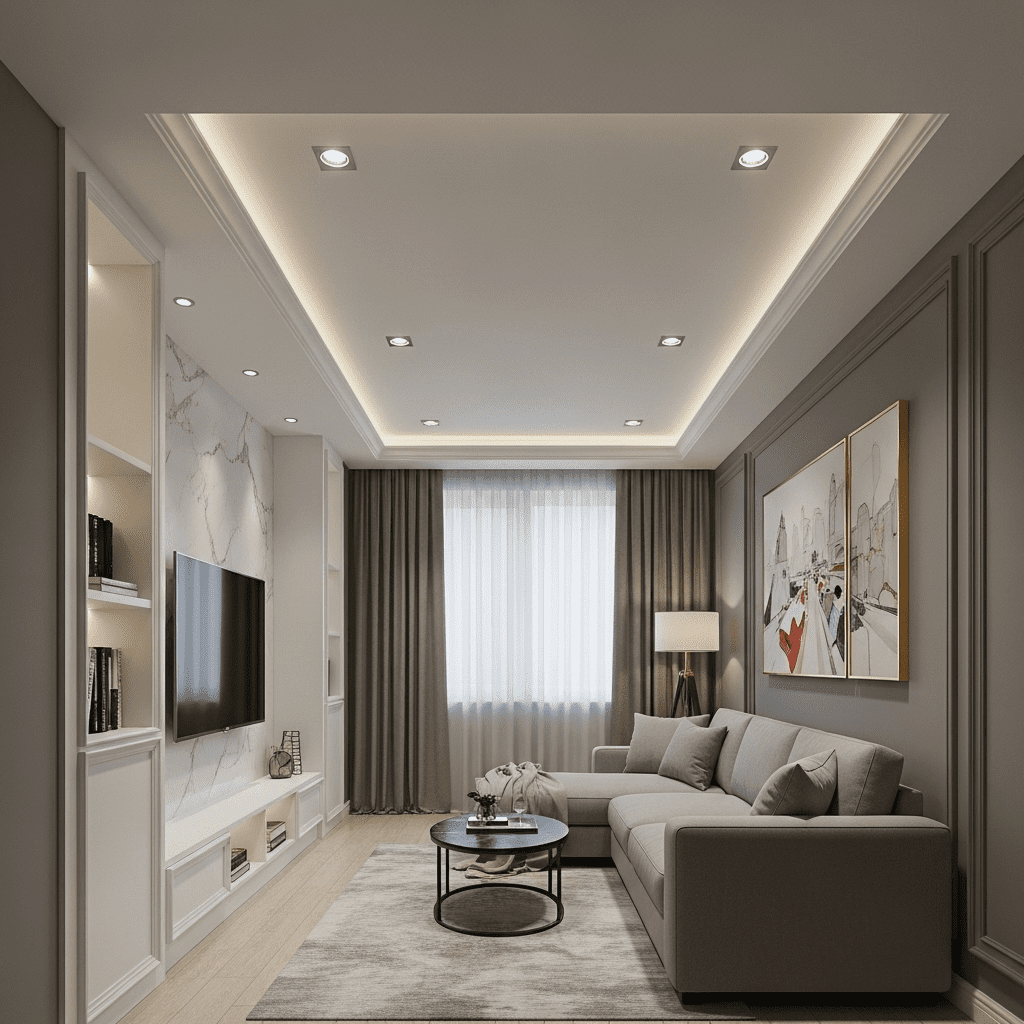
5. Recessed or Flush Lighting
Use recessed lighting or flush-mount fixtures that don’t hang down from low ceilings.
Install can lights or ultra-slim LED flush mounts that sit against the ceiling. Avoid any hanging fixtures like chandeliers or pendants that consume vertical space and emphasize low ceilings.
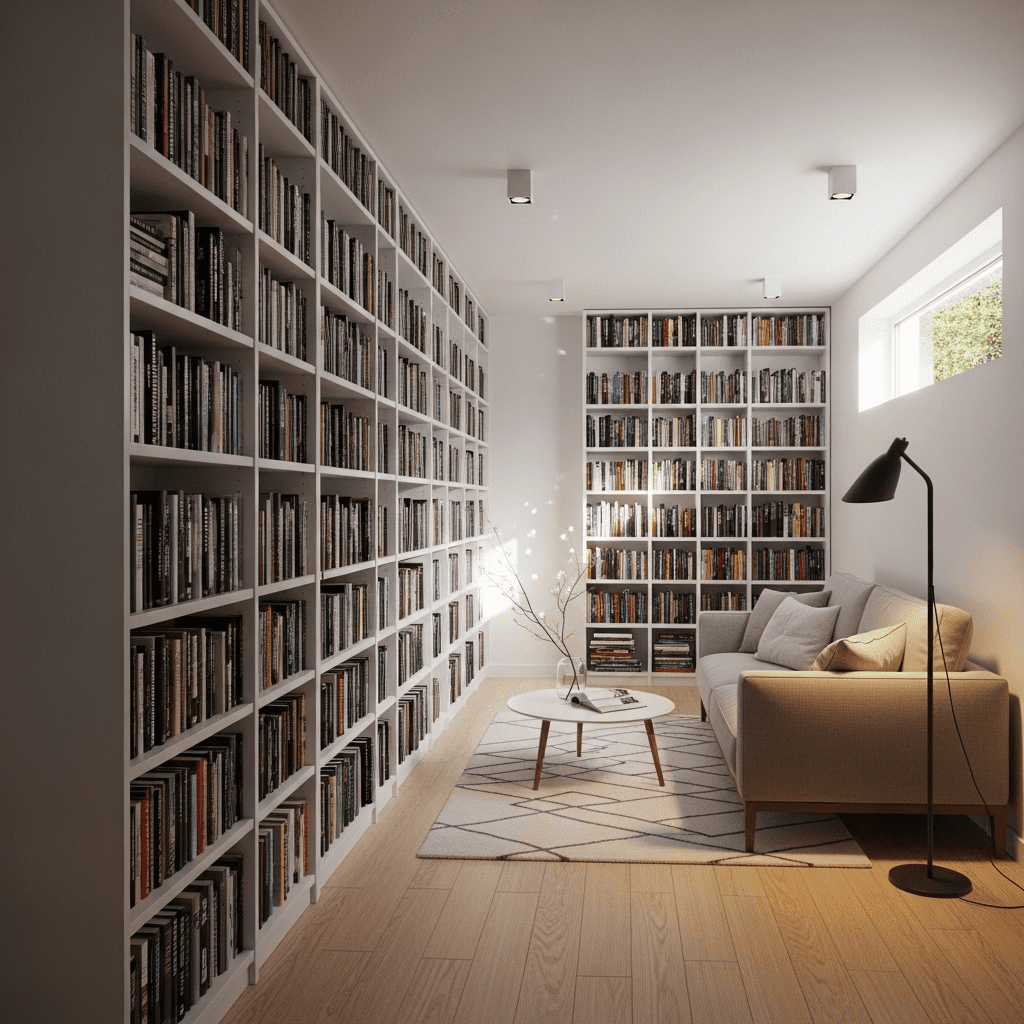
6. Tall Narrow Bookcases
Install tall, narrow bookcases that draw the eye upward along the walls.
Choose floor-to-ceiling shelving units that emphasize vertical space. The tall storage draws attention up while providing practical function. Style with books and decor arranged vertically.
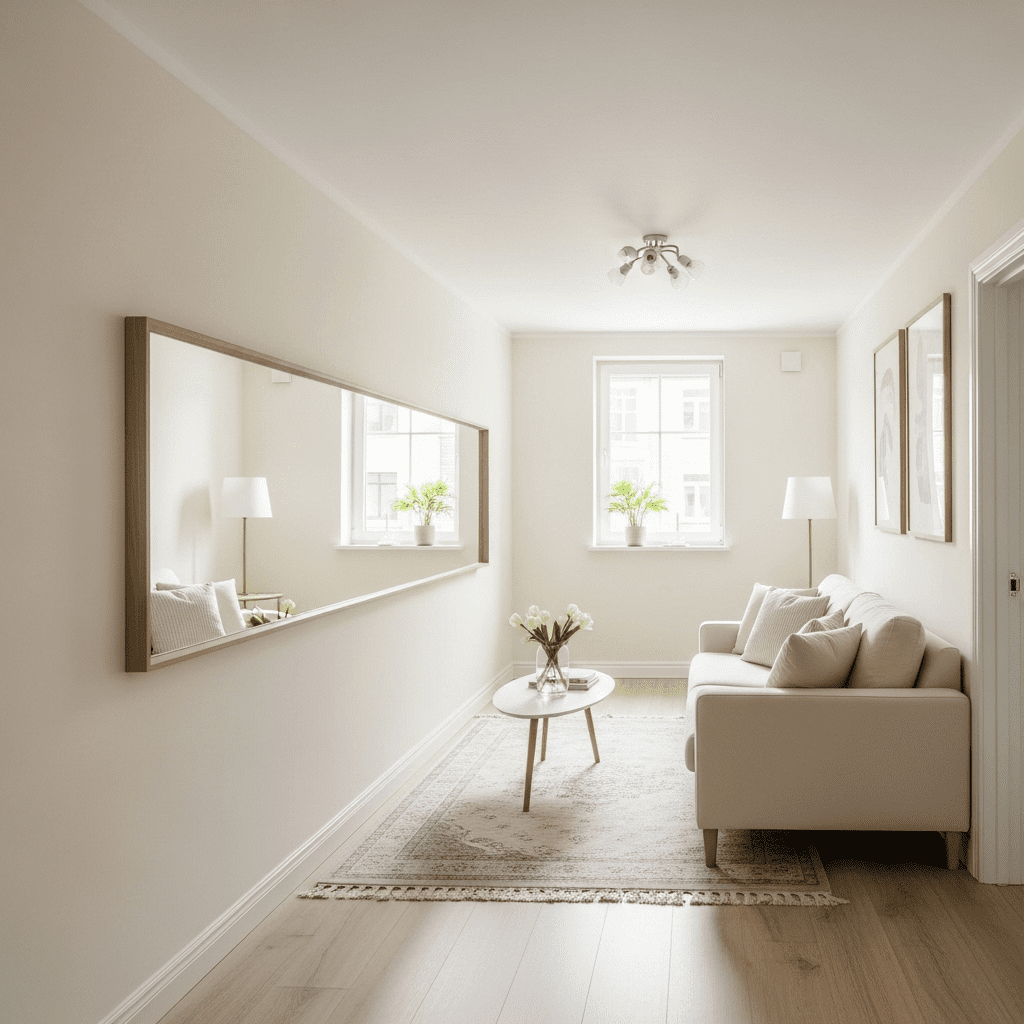
7. Horizontal Mirror Placement
Hang large horizontal mirrors on walls to create depth and reflect light.
Position wide mirrors on long walls at eye level. The reflection creates illusion of more space while bouncing light. Horizontal orientation doesn’t emphasize the low ceiling like vertical mirrors might.
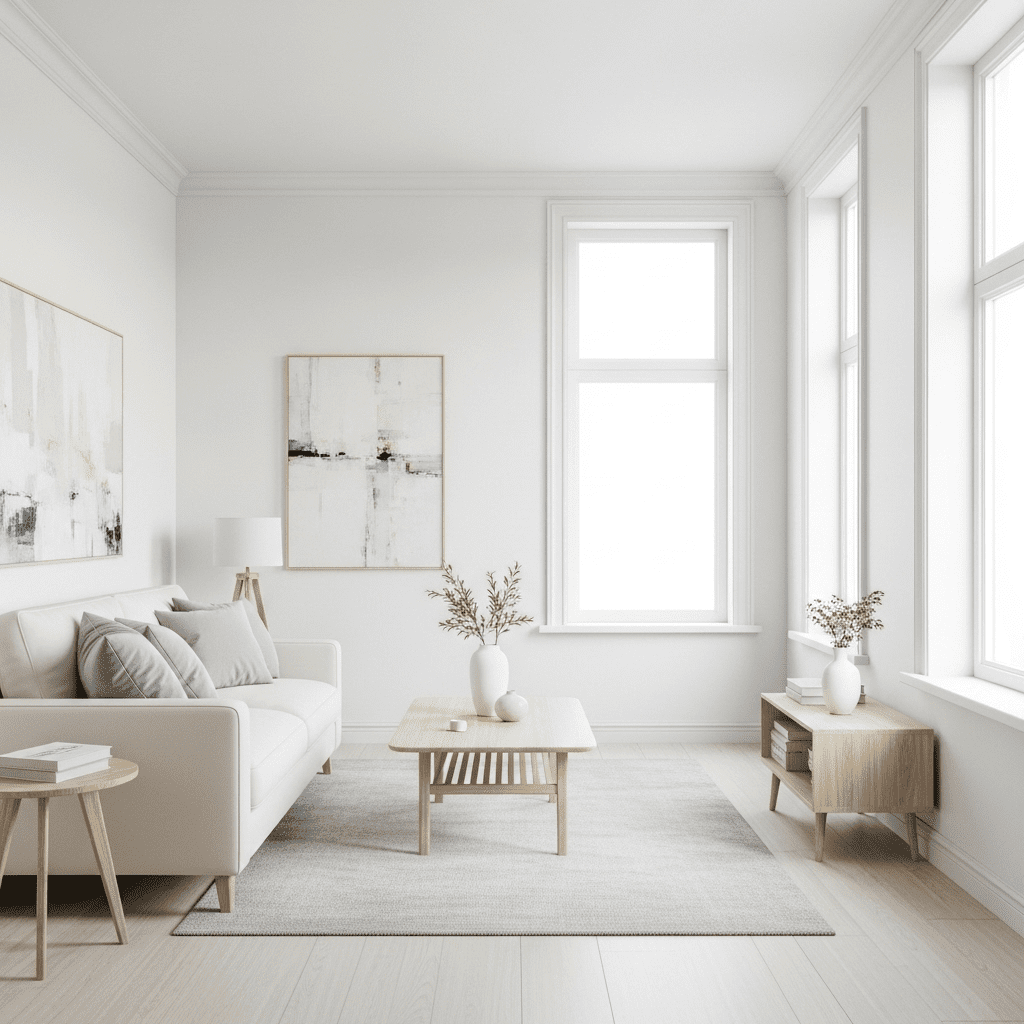
8. Light Color Palette Throughout
Use exclusively light colors for walls, ceiling, furniture, and accessories.
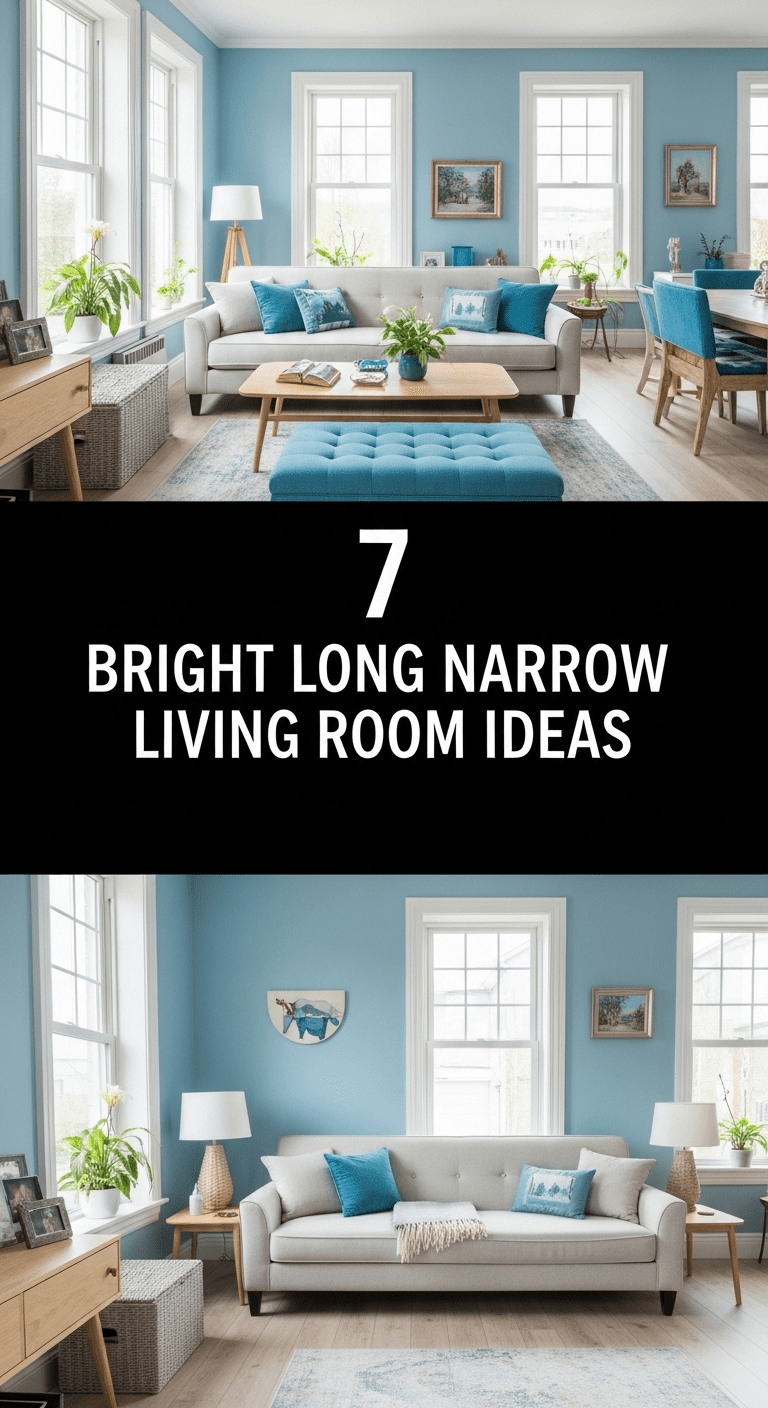
Choose whites, creams, pale grays, and soft pastels throughout. Light colors reflect maximum light and create airiness essential in low-ceilinged narrow spaces. Avoid dark colors that close in the room.
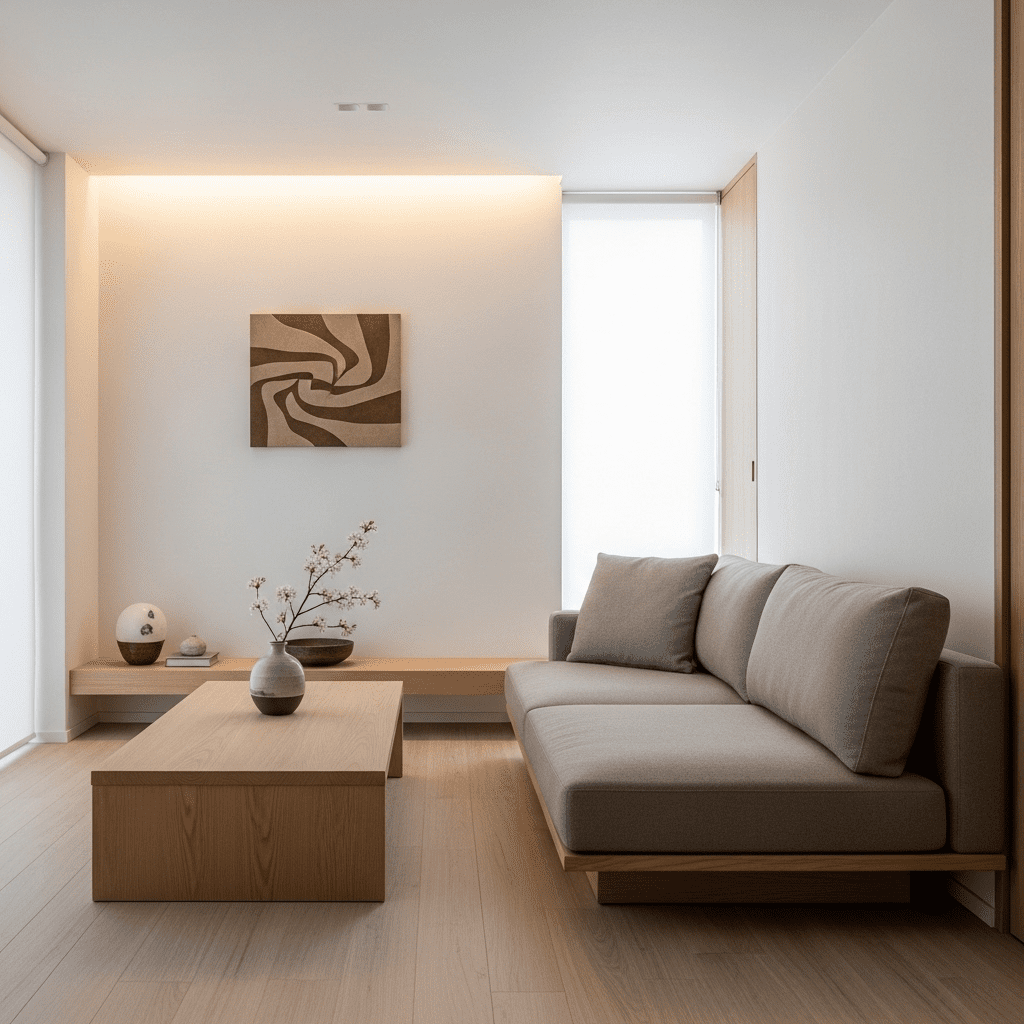
9. Minimal Decor Approach
Keep decor minimal to prevent visual clutter in the limited vertical space.
Choose few but impactful pieces rather than many small items. Avoid busy patterns on walls or ceilings. The restrained approach prevents the space from feeling chaotic or cramped.
Low Ceiling Design Quick Tips
Avoid Hanging Lights: Skip chandeliers and pendants that drop from ceiling. Stick to recessed or flush-mount fixtures.
Paint Ceiling White: Even if walls are colored, keep ceilings white to maximize height perception.
No Crown Molding: Skip crown molding that draws attention to ceiling line. Keep wall-to-ceiling transition minimal.
Horizontal Emphasis: Use horizontal lines in art and decor to widen space rather than vertical that emphasizes low ceiling.
Scale Down: Choose smaller-scale furniture appropriate to the room’s dimensions. Oversized pieces overwhelm low spaces.
Reflective Surfaces: Use mirrors, glass, and glossy finishes that reflect light and create spaciousness.
Low ceilings combined with narrow width require strategic design, but these solutions create comfortable, livable spaces that feel much larger than their dimensions!