10 Long Narrow Living Room Dining Layout
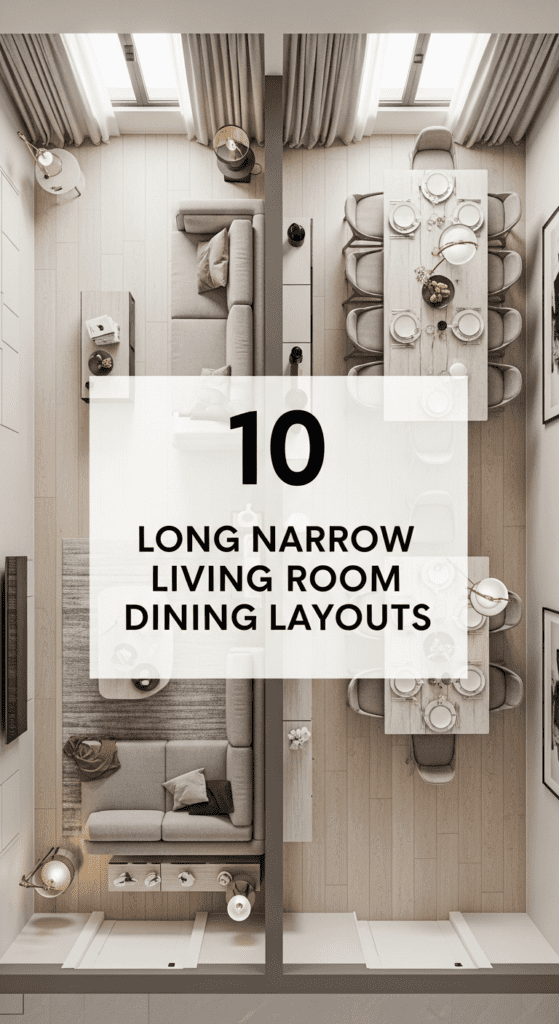
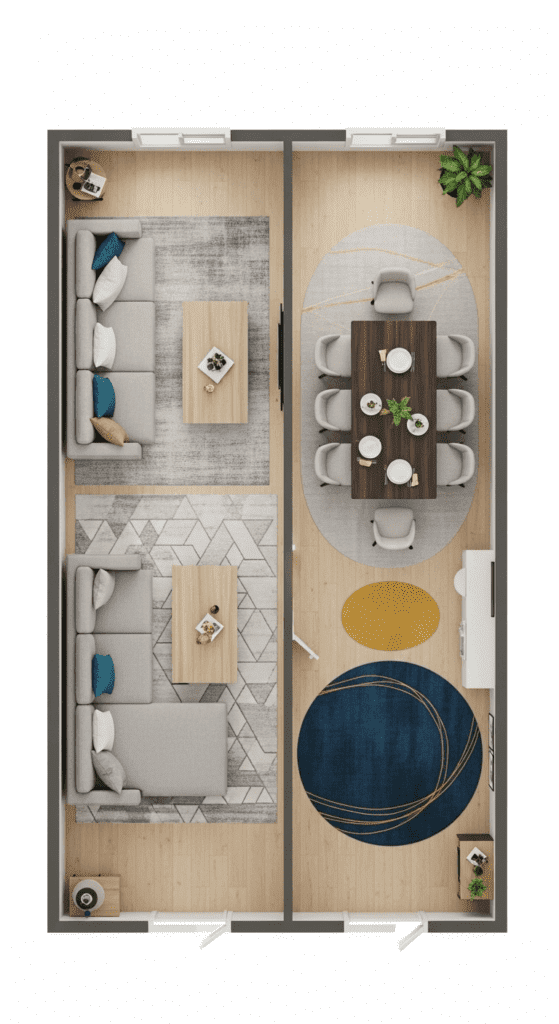
Long narrow living room dining layout requires smart zoning to accommodate both functions without cramping either space. These dual-purpose rooms need clear definition while maintaining flow. Here are ten effective layout strategies for combined living-dining narrow rooms.
See also: Vintage Guest Bedroom Ideas 12 Ways to Capture Timeless Charm
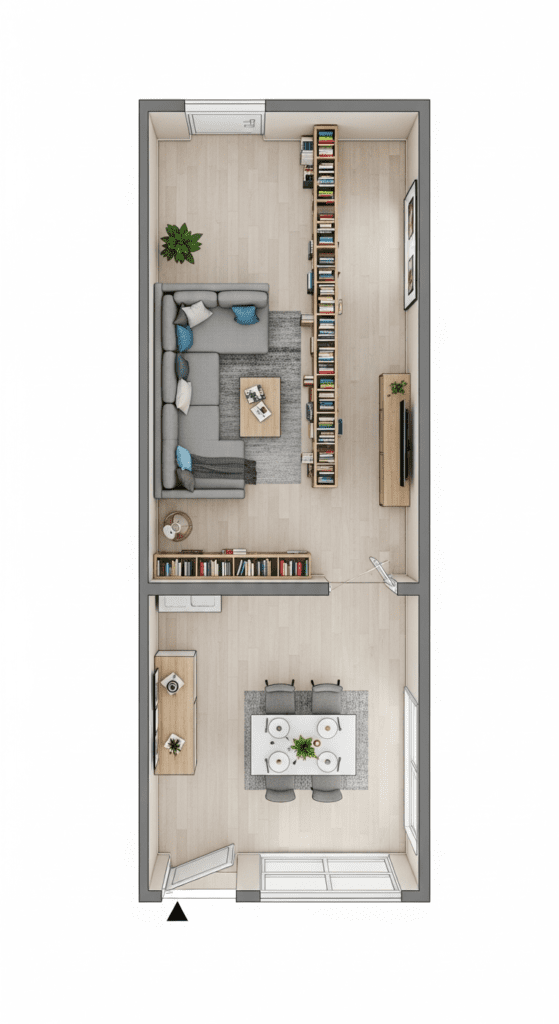
1. Linear End-to-End Layout
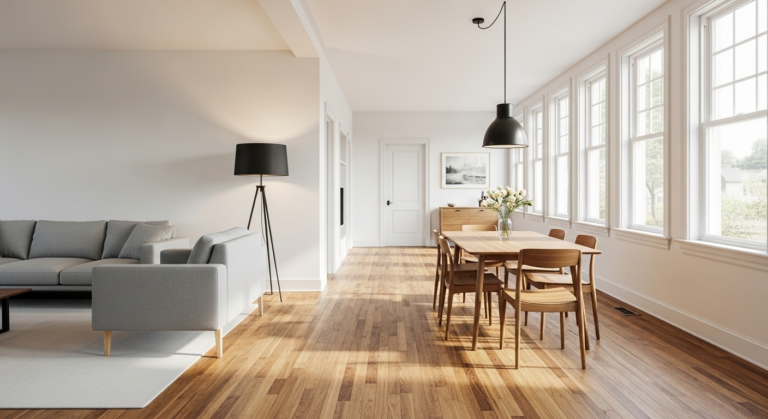
Place living area at one end and dining area at the opposite end of your narrow room.
Position sofa and seating at the front, dining table and chairs at the back. Use area rugs to define each zone separately. This creates clear functional separation while maintaining open flow.
See also: Relaxing Guest Bedroom Ideas 14 Ways to Create a Serene Sanctuary
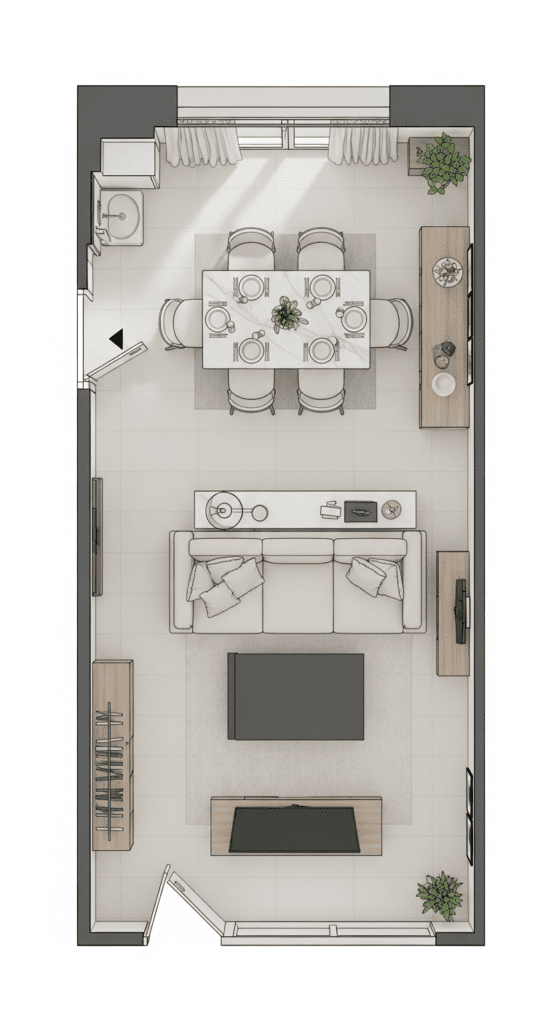
2. Sofa as Divider Layout
Use your sofa back to separate living and dining areas naturally.
Float the sofa perpendicular with living space in front and dining table positioned behind it. Add a console table behind sofa for extra definition. This creates two rooms within one narrow space.
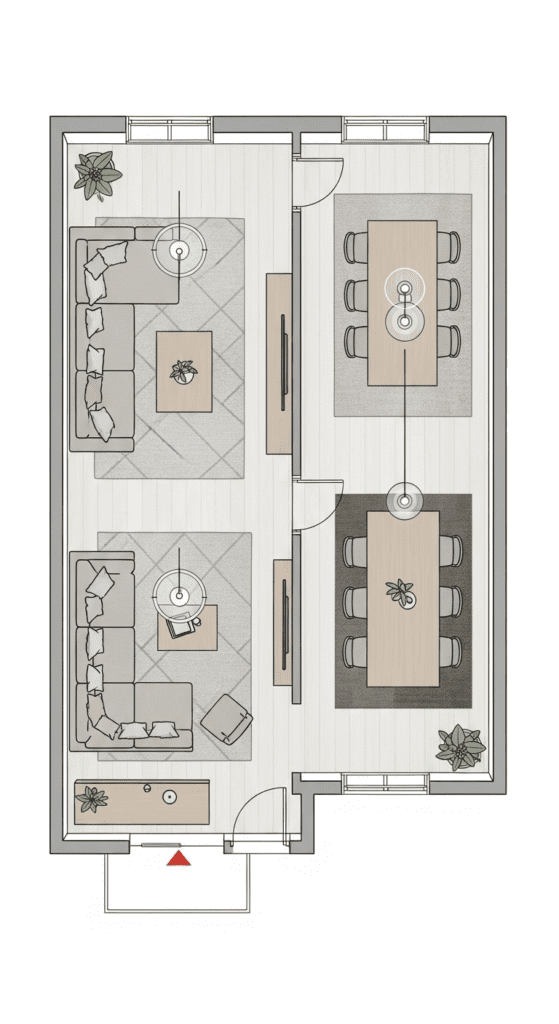
3. Side-by-Side Parallel Layout
Position living and dining areas side-by-side along the length of the room.
Place sofa along one long wall with dining table along the opposite wall. This works in wider narrow rooms (12+ feet). Use lighting and rugs to define each zone separately.
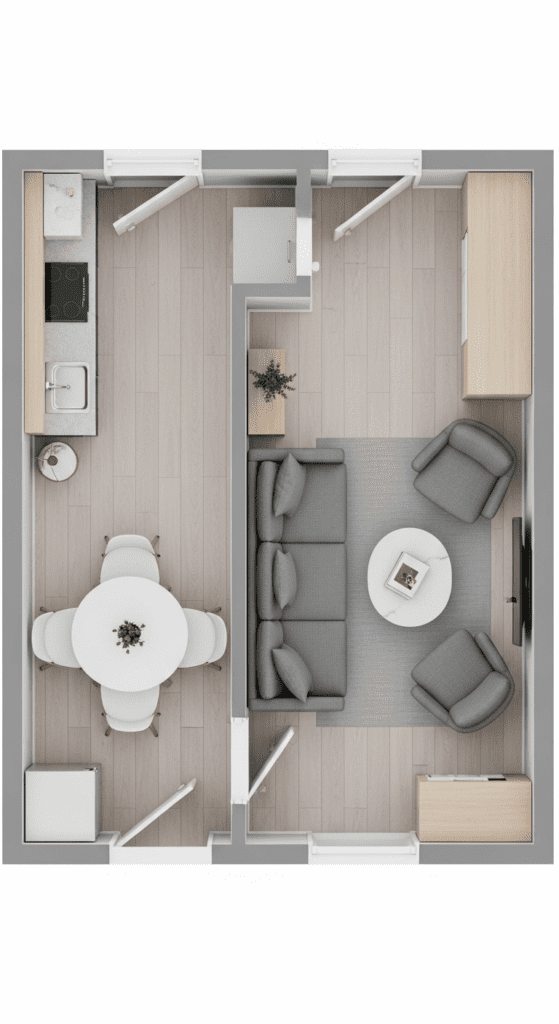
4. Round Table Space Saver
Use a round dining table to maximize space efficiency in the dining zone.
Round tables take up less visual space and allow better traffic flow than rectangular ones. Position at one end with living furniture at the other. The circular shape softens the linear room.
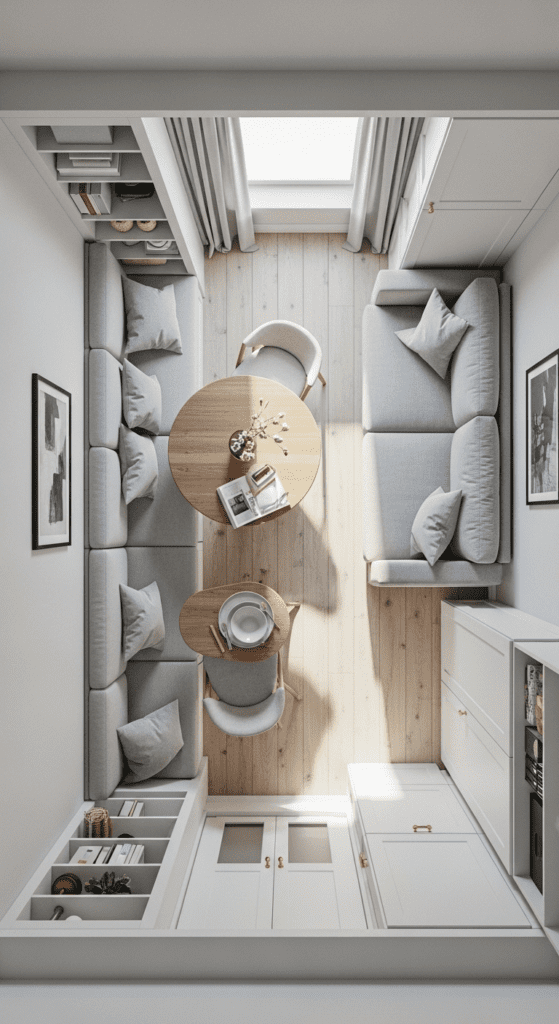
5. Banquette Built-In Solution
Install built-in banquette seating for the dining area to save space.
Create L-shaped or straight banquette along wall with dining table in front. This maximizes seating without free-standing chairs. Use remaining space for living room furniture.
6. Offset Asymmetrical Layout
Position furniture off-center rather than aligned for visual interest.
Place dining table closer to one long wall, sofa angled on the opposite side. The asymmetry creates dynamic flow and prevents the bowling alley effect. Adds personality to narrow space.
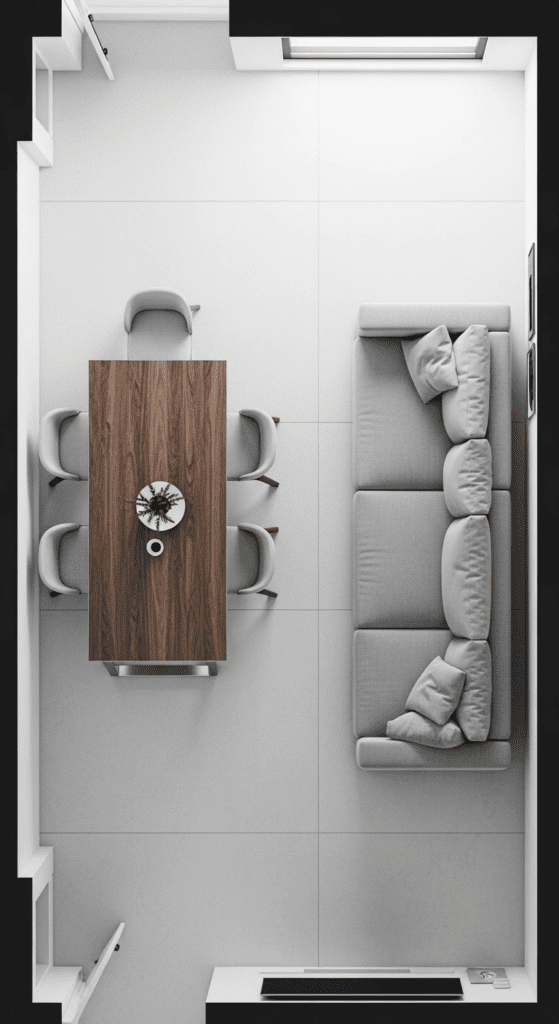
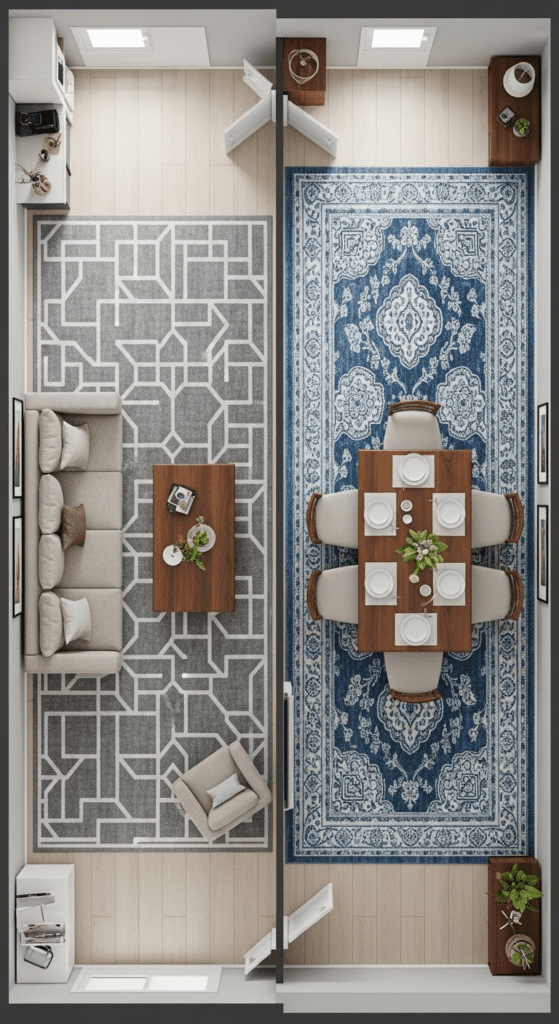
7. Rug-Defined Zone Layout
Use two distinct area rugs to clearly separate living from dining functions.
Place large rug under living furniture, different coordinating rug under dining table. The rugs create psychological boundaries without physical dividers. Choose complementary styles and colors.
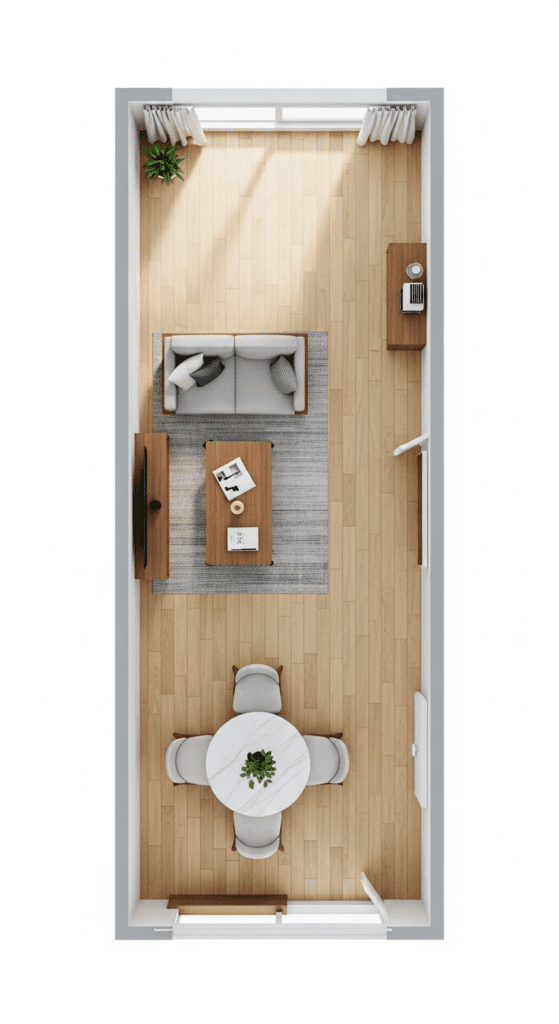
8. Minimalist Dual-Purpose Layout
Keep furniture minimal in both zones to maintain openness in the narrow space.
Use small loveseat instead of full sofa, compact dining table for four. Leave generous open floor space between zones. The minimal approach prevents cramping in limited square footage.
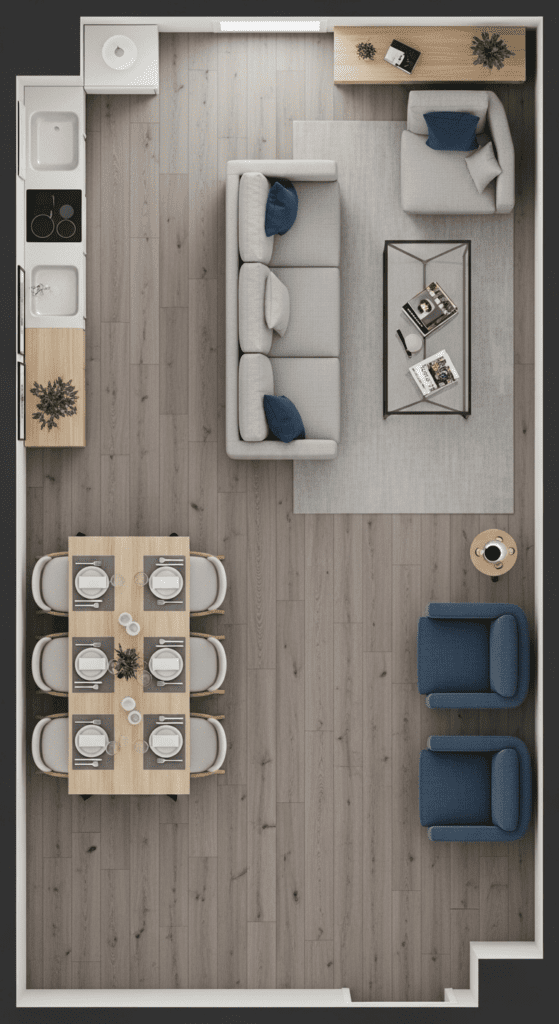
9. Perpendicular Dining Placement
Position dining table perpendicular to the room’s length while living furniture runs parallel.
Place rectangular dining table across the width at one end. This breaks up the linear flow while efficiently using space. Living furniture occupies the remaining length.
10. Half-Wall Divider Layout
Use a low bookshelf or half-wall to partially separate living and dining zones.
Position 3-4 foot tall bookshelf perpendicular between areas. This provides separation while maintaining visual connection. Store books, display objects, or dining items on shelves.
Living-Dining Layout Quick Tips
Clear Pathways: Maintain 36 inches minimum between furniture for comfortable movement between zones and through the space.
Lighting Separation: Use different lighting styles—pendant over dining, floor lamps in living—to define each zone clearly.
Cohesive Design: Use consistent color palette and style throughout both areas. They should feel like one coordinated space.
Scale Appropriately: In narrow combined spaces, slightly smaller furniture prevents overcrowding. Consider apartment-sized pieces.
Traffic Flow First: Plan the main pathway through the space before placing furniture. Don’t block natural flow.
Flexible Furniture: Consider extendable dining tables or nesting tables that adapt to different needs and occasions.
Combined living-dining narrow rooms require thoughtful planning but create flexible, efficient spaces perfect for modern living!