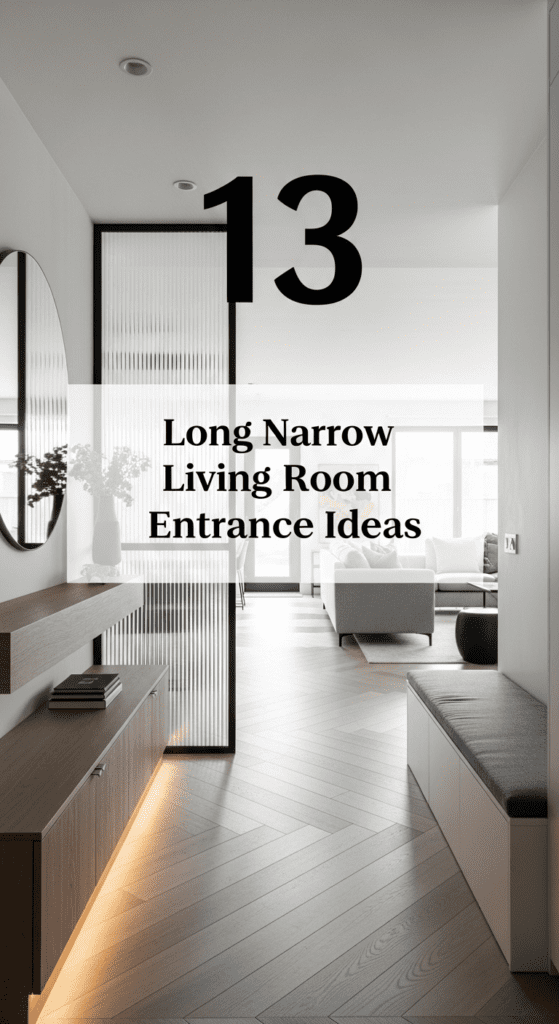
13 Long Narrow Living Room Entrance Ideas That Turn a Tight Space Into a Grand Welcome
That first step into a long, narrow living room can feel more like entering a hallway than a welcoming sanctuary. But this common layout isn’t a curse—it’s a canvas for clever design. The secret? Guiding the eye, defining zones, and using proportions to your advantage. Here are 13 transformative ideas to turn your “bowling alley” entrance into your home’s best feature.
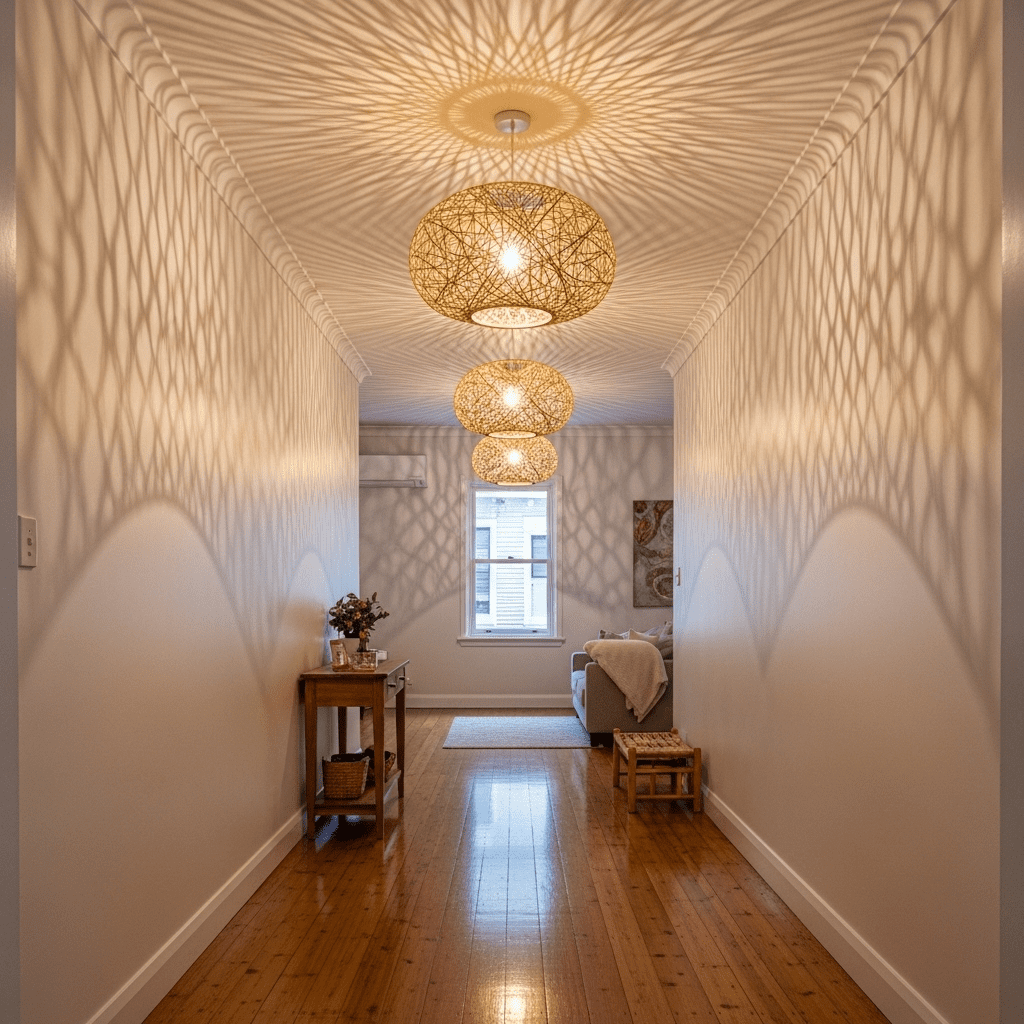
1. The “Journey of Light” Strategy
Idea: Install a series of statement pendant lights or a linear LED track down the center of the room’s length. This creates a rhythmic visual path that draws you in and elevates the ceiling, making the space feel less like a tunnel.
2. The Runner That Guides
Idea: Choose a long, bold runner with a pattern that runs lengthwise. Stripes are a classic choice, but don’t be afraid of a colorful geometric or floral pattern. It anchors the entry path and adds a massive dose of personality.
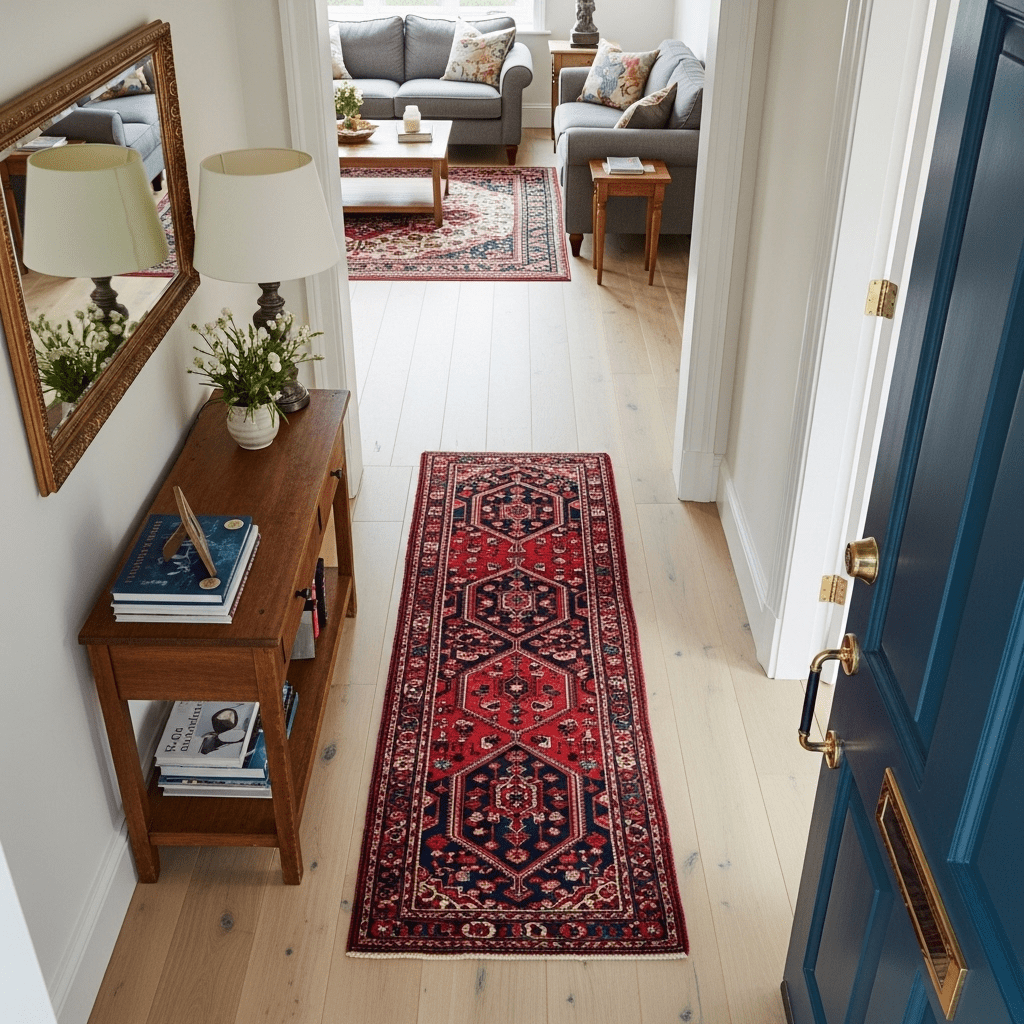
3. The “Zone Defense” Layout
Idea: Don’t fight the length—embrace it with clear zones. Place a console table and mirror at the entrance (Zone 1: Landing), two armchairs and a small side table in the middle (Zone 2: Conversation), and your main sofa and TV at the far end (Zone 3: Relaxation).
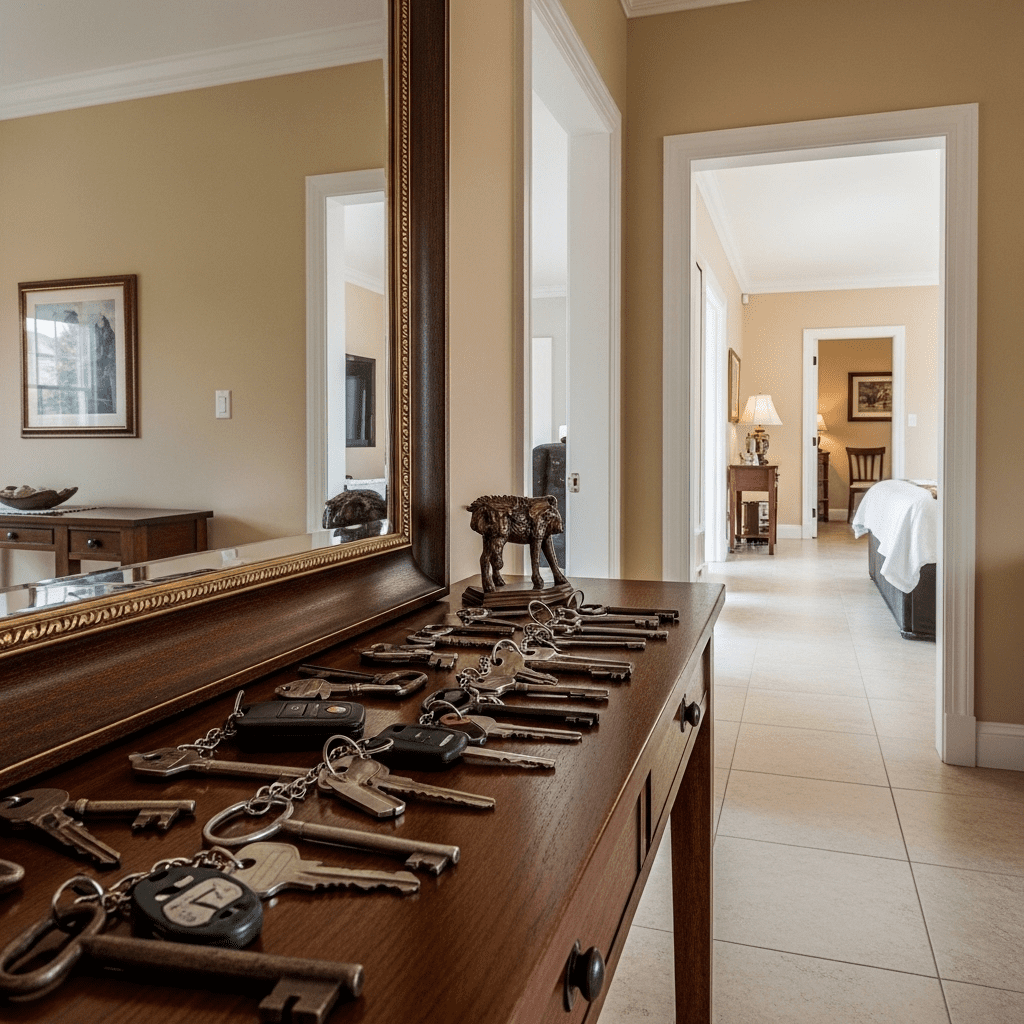
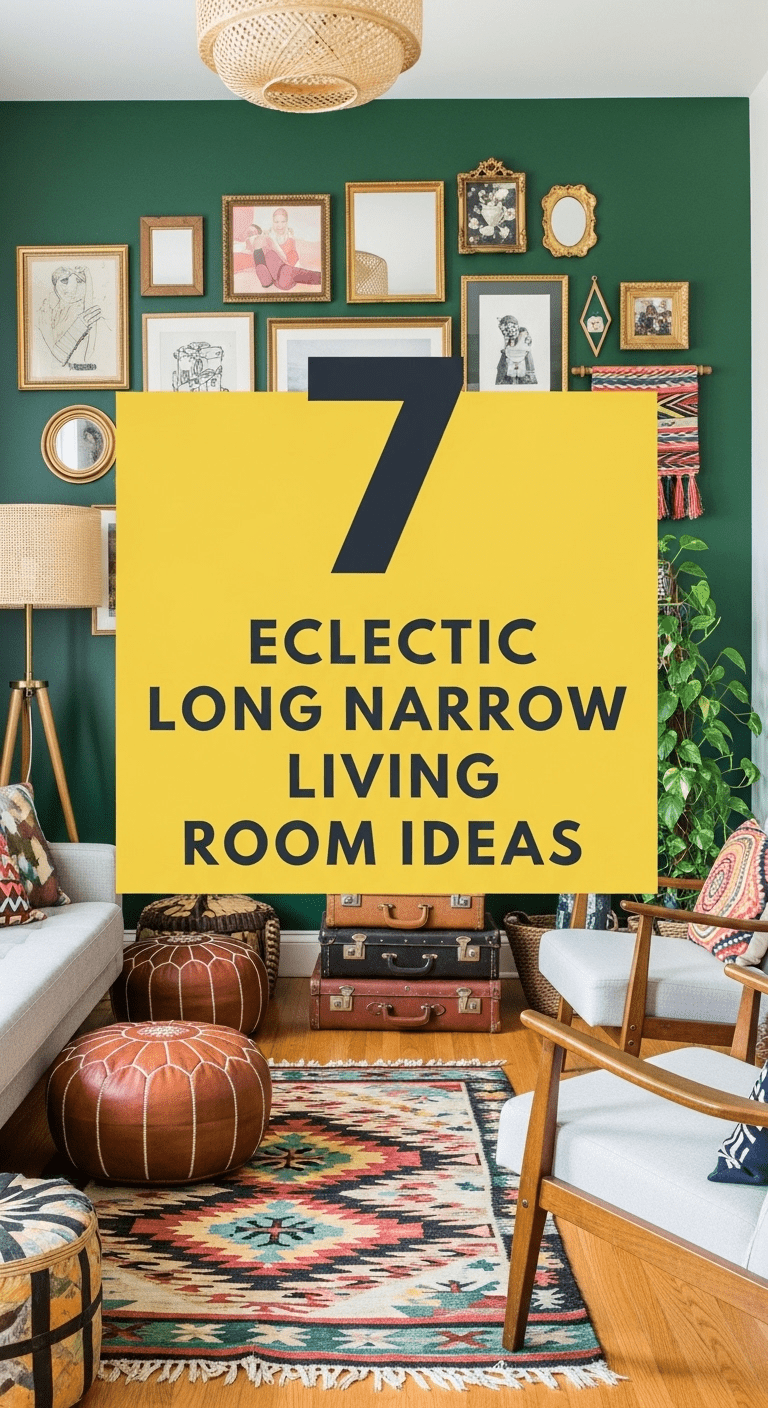
4. The Gallery Wall Flank
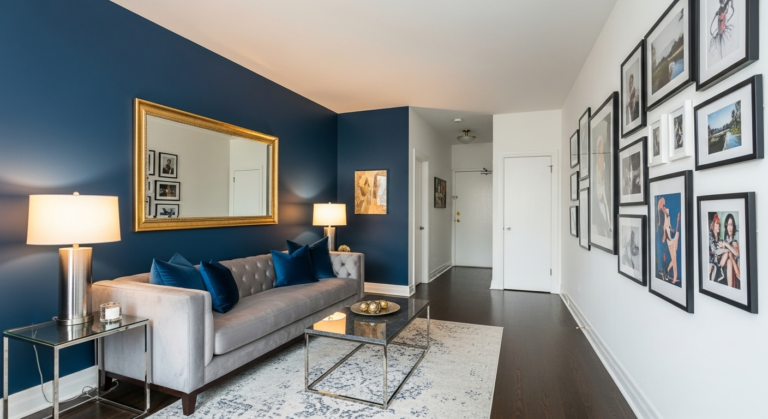
Idea: Transform one long wall into a curated gallery. Use a consistent element—like all black frames or all natural wood—to create cohesion. This gives guests a captivating visual journey as they walk in and distracts from the narrowness.
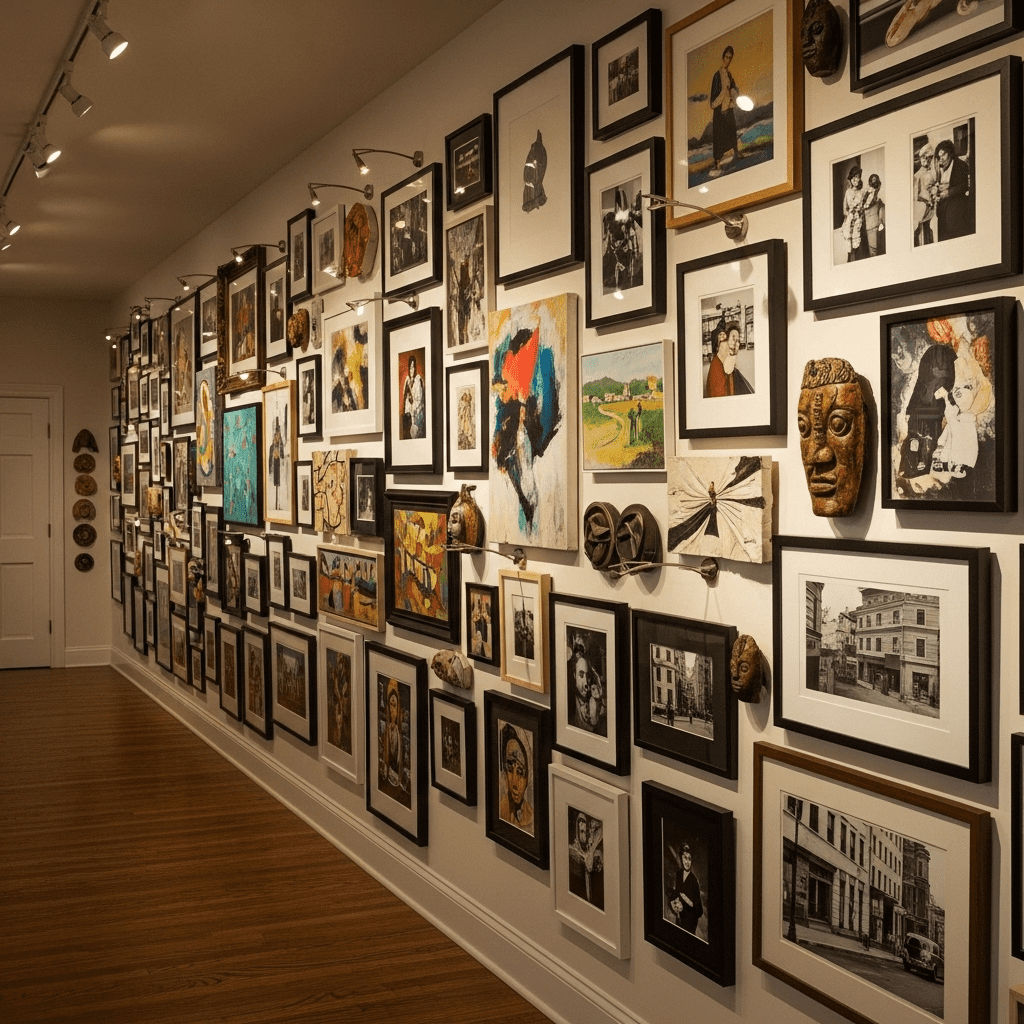
5. The Mirrored Wall Magic
Idea: Use a large mirror (or a series of them) on the longest wall opposite the entrance. It will instantly double the visual space, reflect light from the far end, and make the room feel twice as wide.
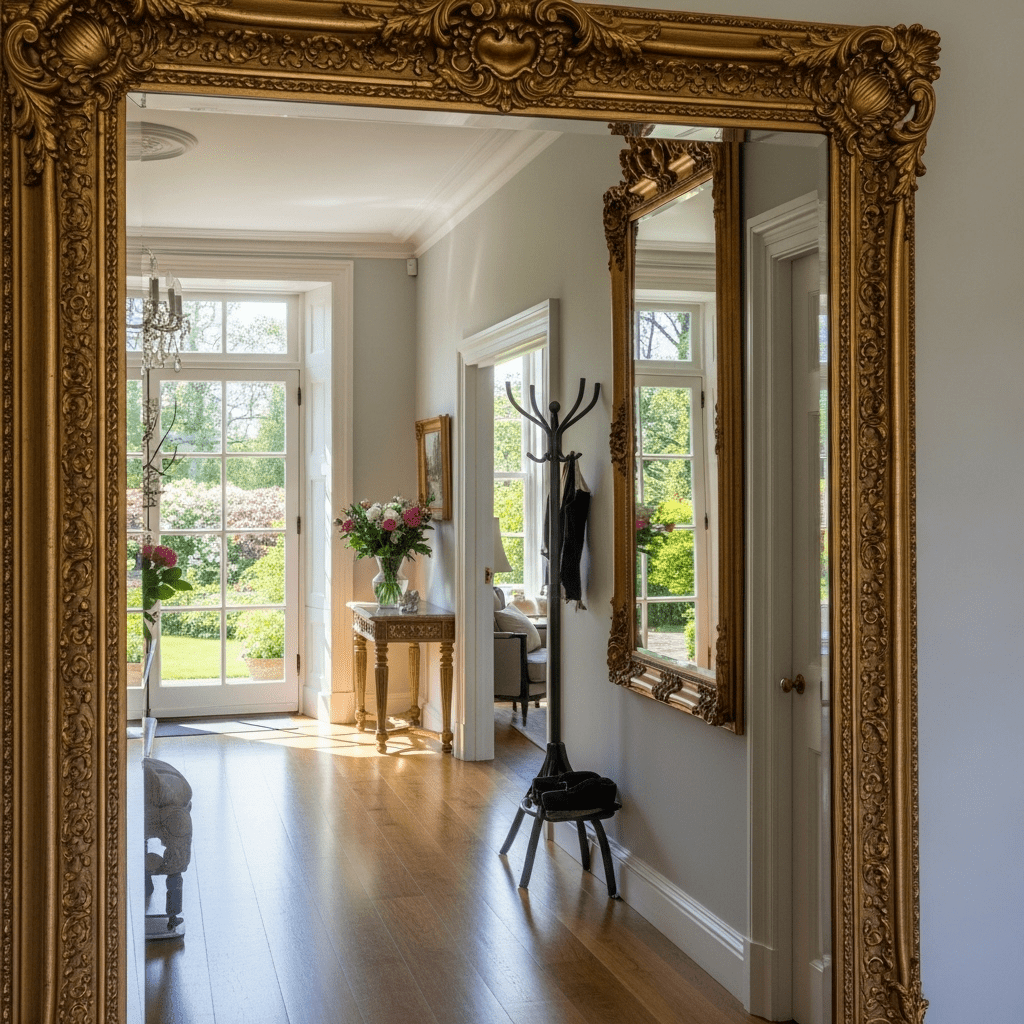
6. The Strategic Sleeper Sofa
Idea: For studios or multi-purpose rooms, place a streamlined, armless sofa (or a stylish sofa bed) perpendicular to the entrance, facing the long wall. It creates a room divider for a sleeping area behind it without blocking the flow.
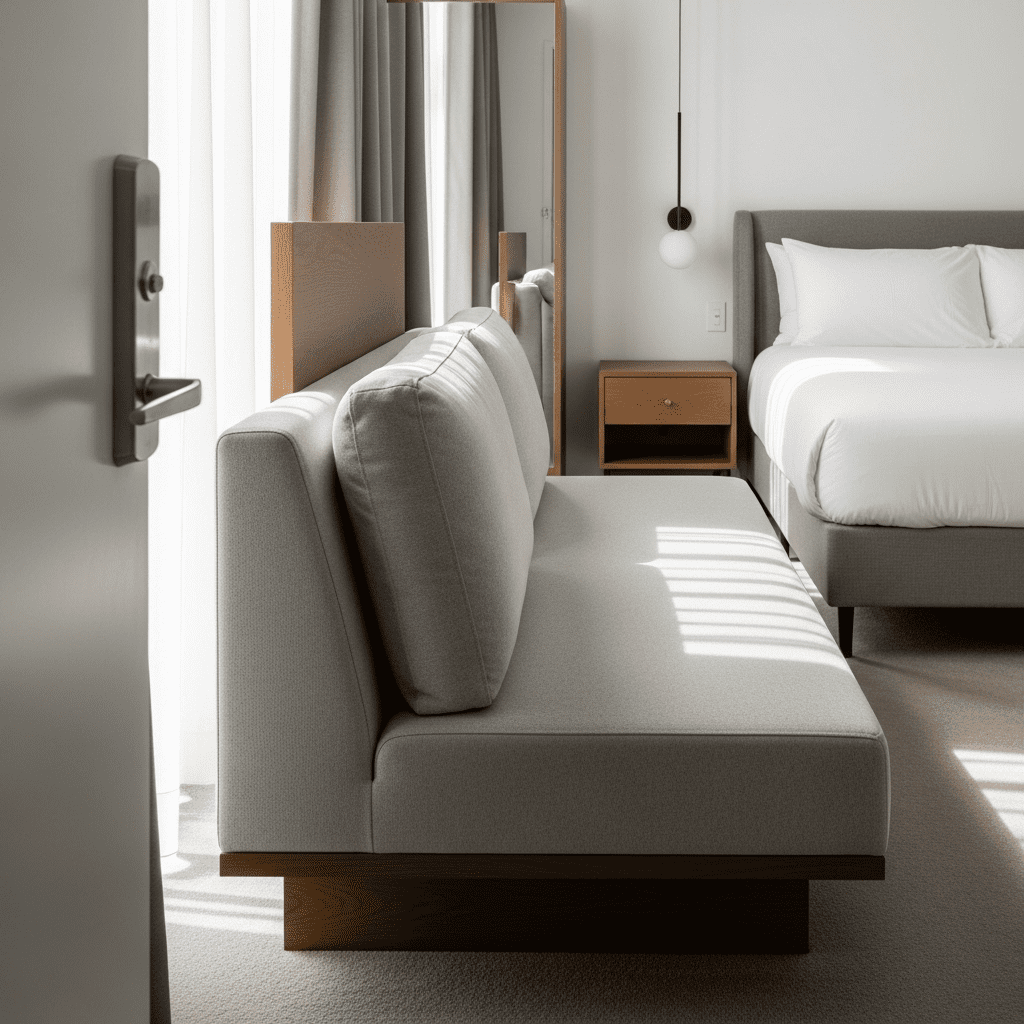
7. The Console & Conga Line
Idea: A slim console table behind the sofa is a game-changer. It provides surface space for lamps and decor, separates the seating area from the walkway, and reinforces the zoning without a bulky piece.
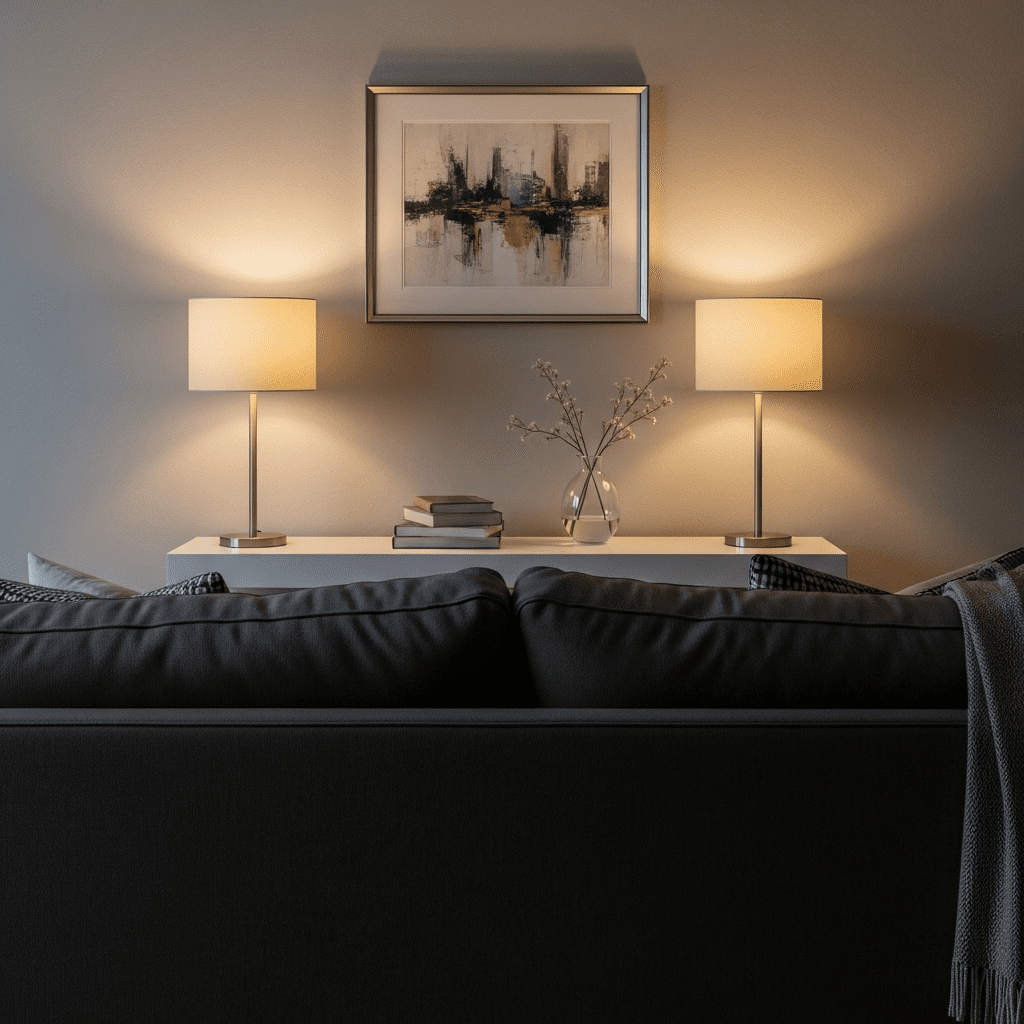
8. The Go-Long Lighting
Idea: Install a stunning, linear chandelier or multiple flush-mount ceiling lights in a straight line. This emphasizes the length as an intentional, dramatic feature and provides essential ambient light throughout the tunnel.
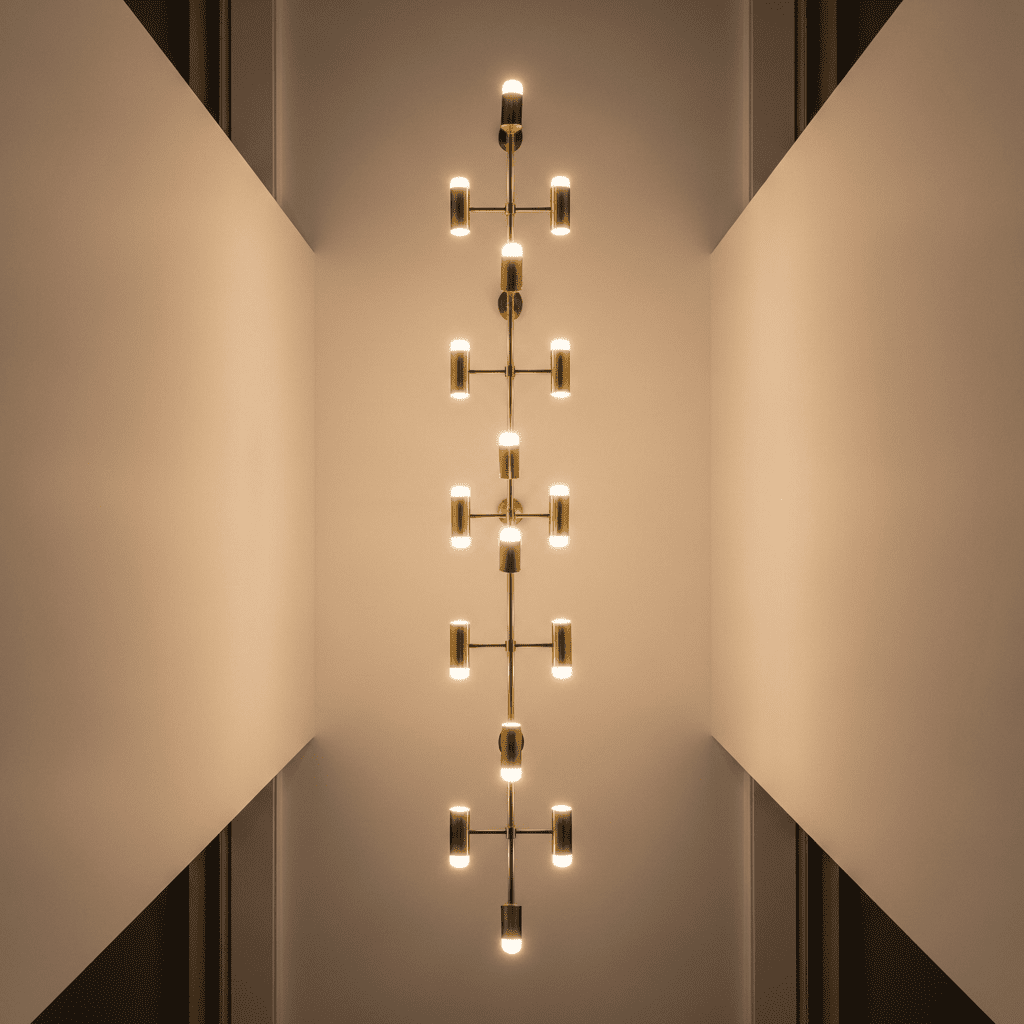
9. The Focal Point Finale
Idea: Create a powerful visual anchor at the far wall to pull focus. This could be a bold piece of art, a vibrant paint color, an eye-catching fireplace, or a media wall. It gives the eye a rewarding destination.
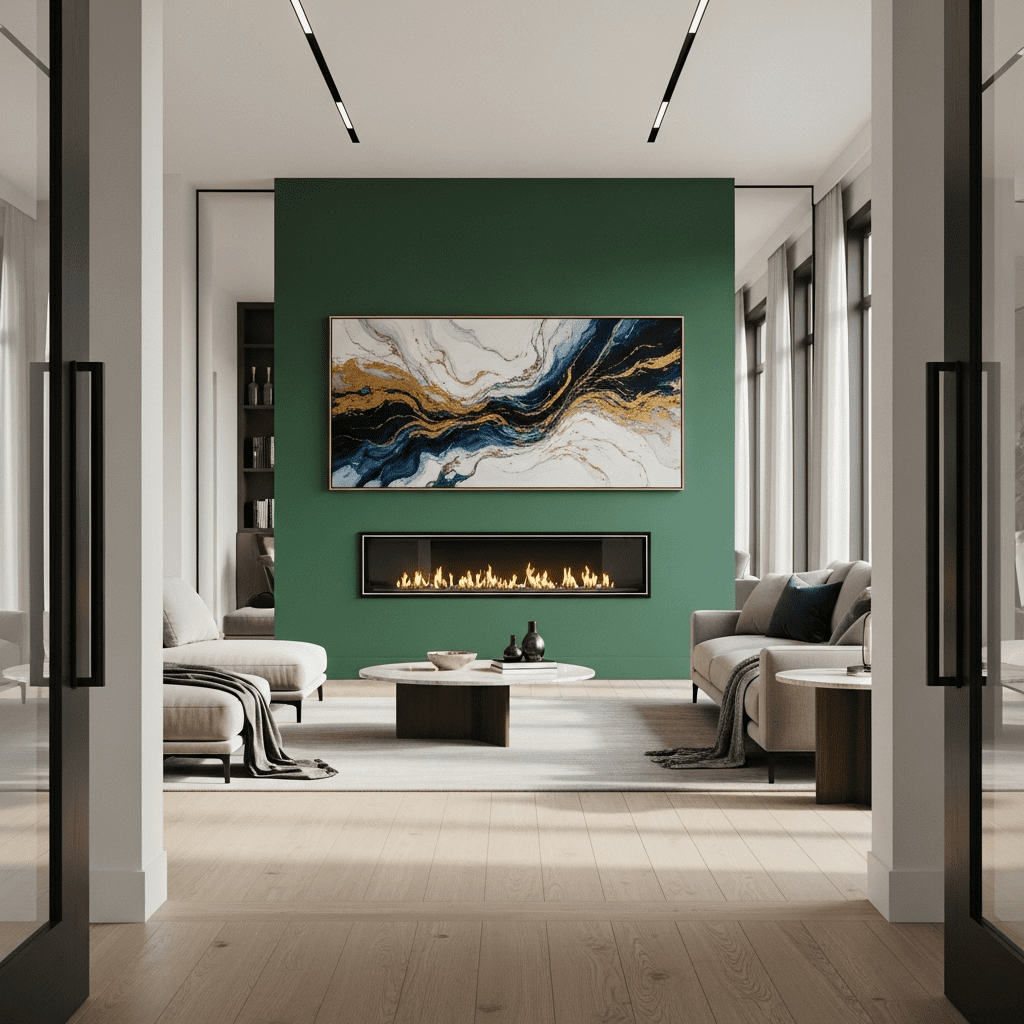
10. The Lean & Long Furniture
Idea: Choose furniture with exposed legs (sofas, chairs, consoles) to allow light and sightlines to pass underneath. This creates a sense of airiness. Opt for longer, lower pieces that complement the room’s proportions.
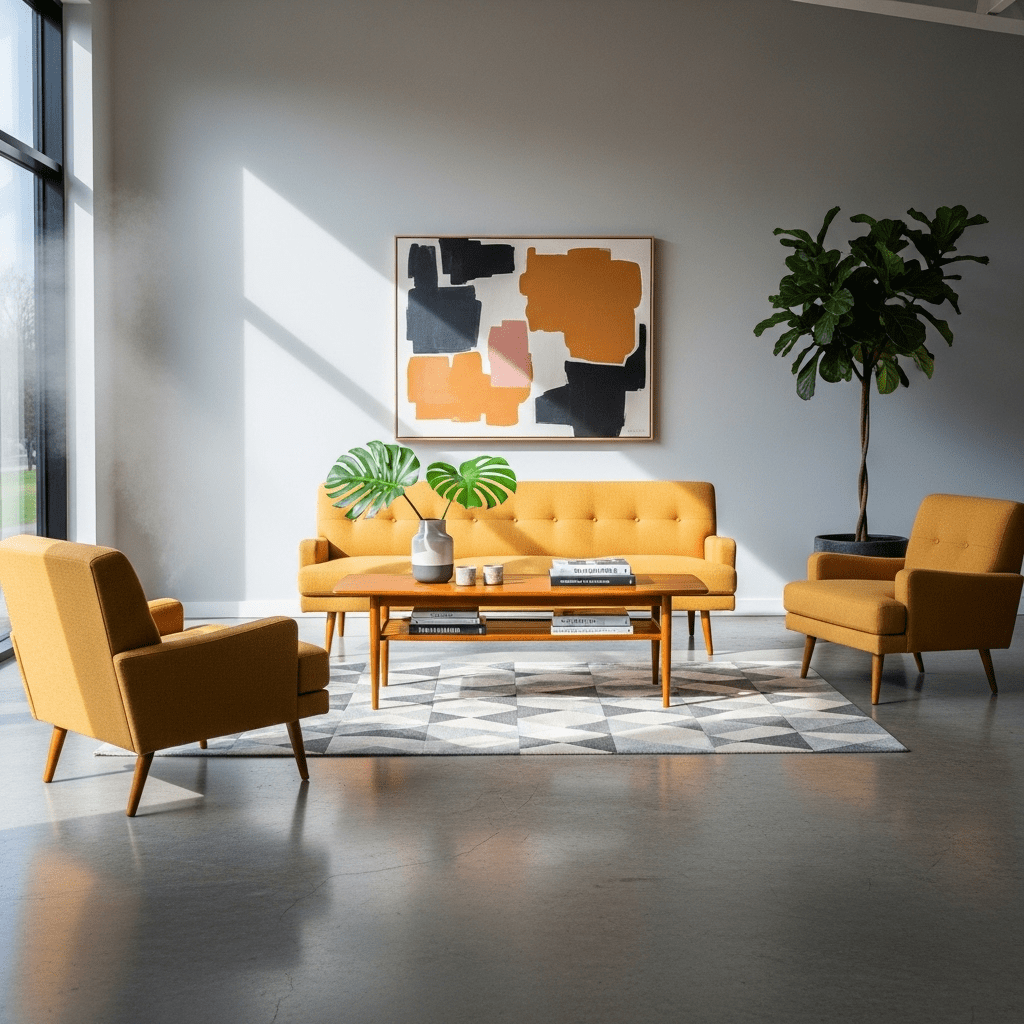
11. The Perpendicular Pull
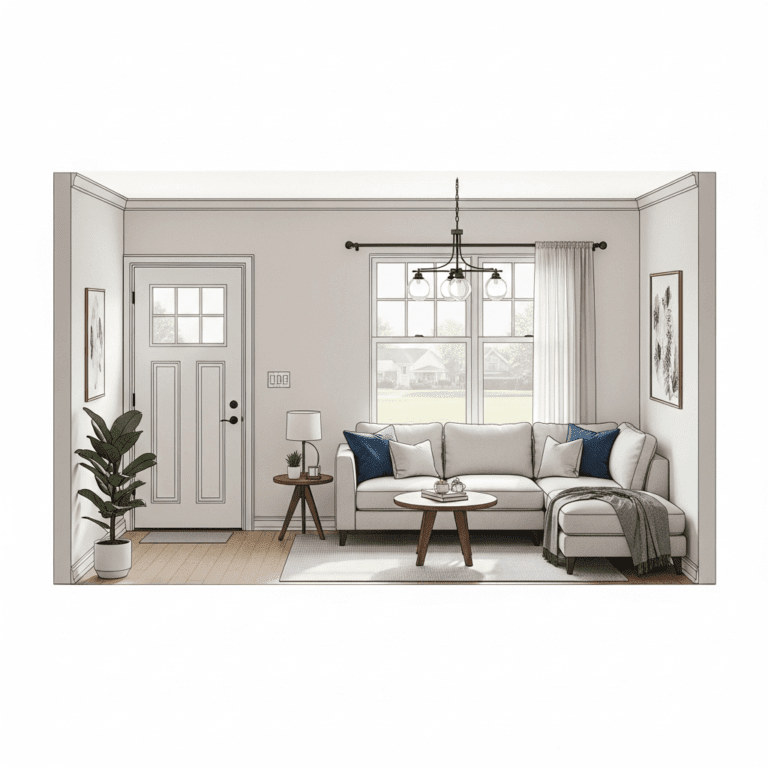
Idea: Arrange your main seating in an “L” shape at the far end, using the far wall and the adjacent side wall. This cozy configuration maximizes the seating area in the usable width and makes the narrow entrance feel more open.
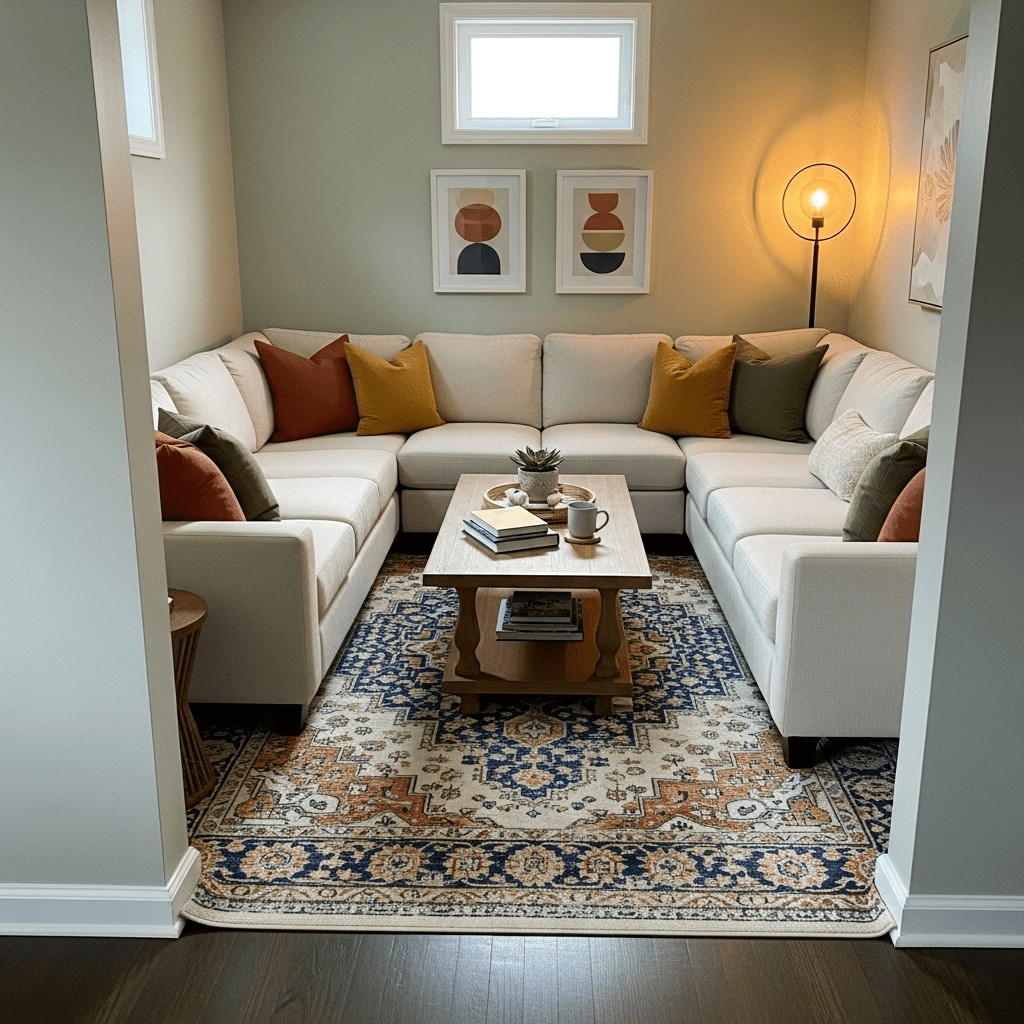
12. The Tone-on-Tone Serenity
Idea: Paint walls, trim, and ceilings the same light, receding color (soft white, pale grey, creamy beige). This monochromatic scheme blurs boundaries, making it hard to tell where walls end and begin, which visually widens the space.
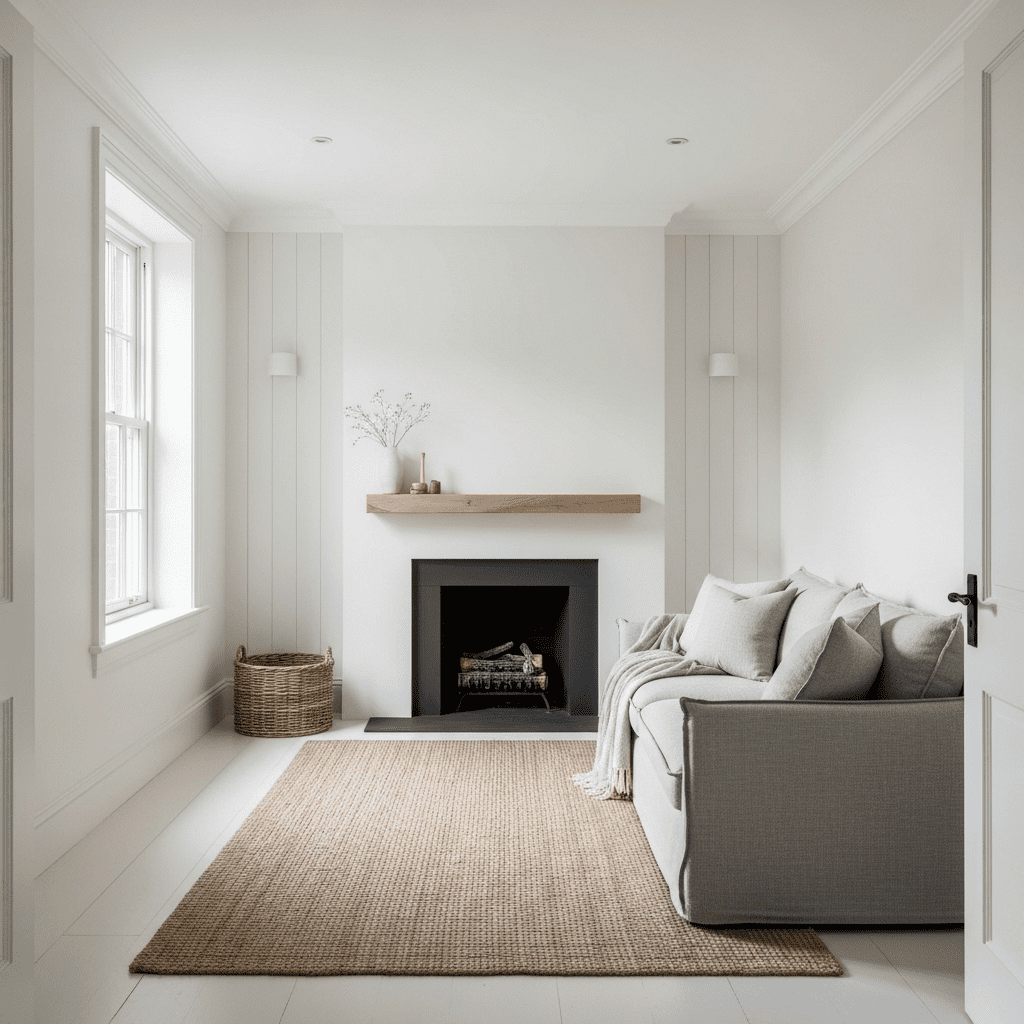
13. The Diagonal Dynamo
Idea: Break the rigid lines by placing a key piece, like an area rug or a pair of armchairs, on a slight diagonal. This dynamic angle adds energy, softens the boxy feel, and cleverly steals a bit more visual width.
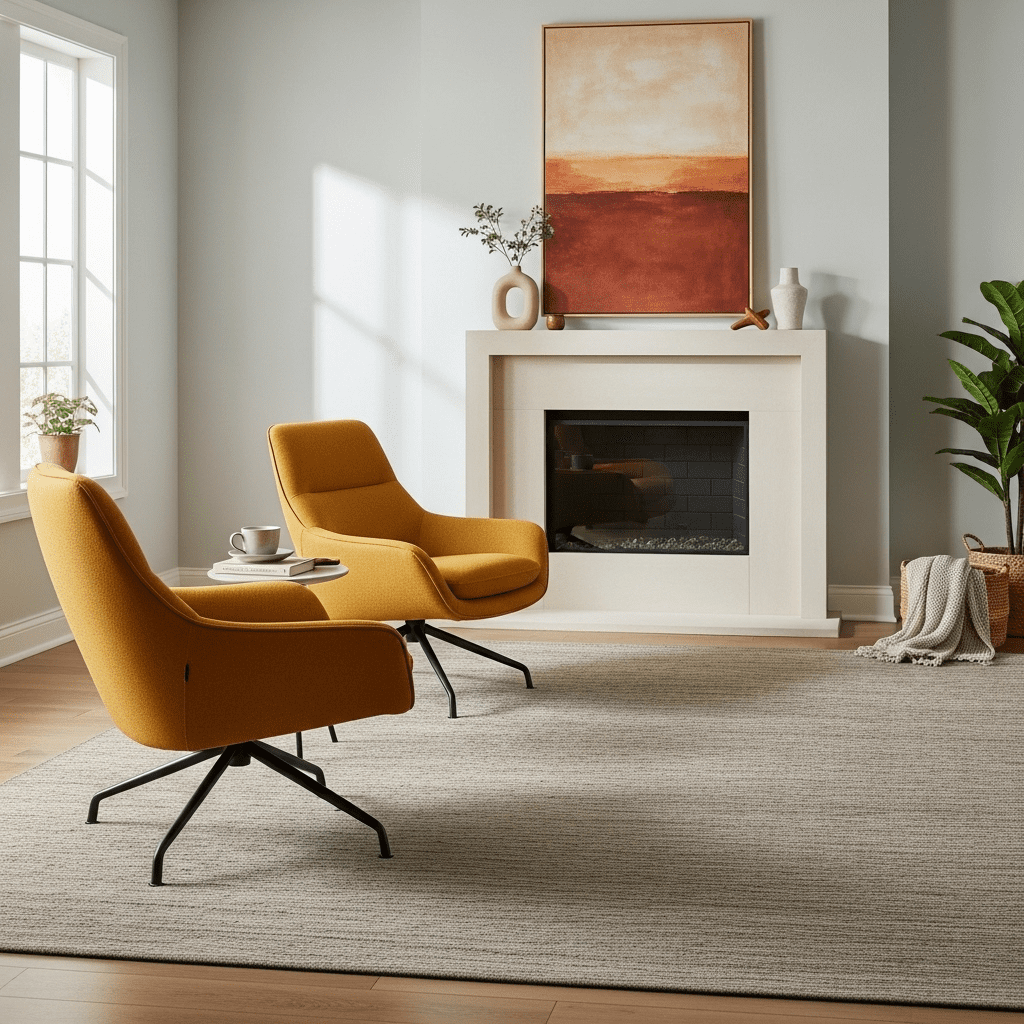
The Takeaway: A long, narrow living room entrance is an opportunity for a dramatic and functional reveal. The goal isn’t to hide the shape, but to choreograph the experience within it. Start with lighting and a rug to define the path, use mirrors and color to manipulate perception, and always, always create a compelling focal point to draw you happily into the space.