Flute Fingerings

flute fingering chart

Flute fingering chart for beginners – Low notes, high notes, and various octaves

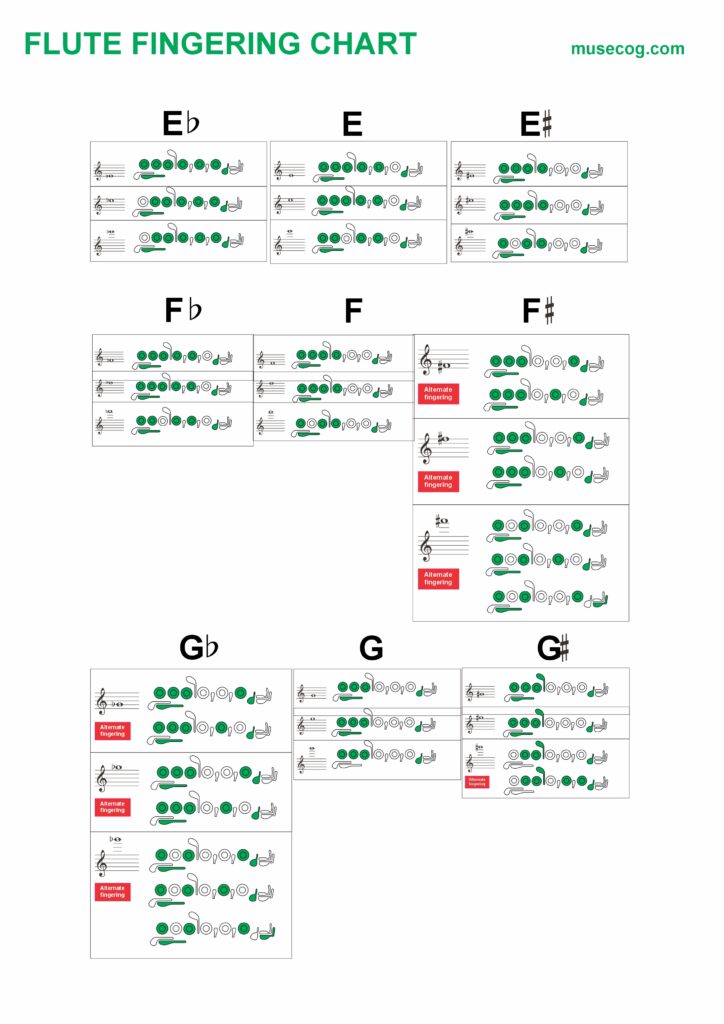
A flute fingering chart for beginners is an essential tool that helps new flutists learn how to produce sound on the flute by guiding them through the fingerings for each note. The Boehm-system flute, is a modern flute and the most widely used type of flute, utilizes a standard set of fingerings that are also

Flute fingering chart for beginners – Low notes, high notes, and various octaves Read More »

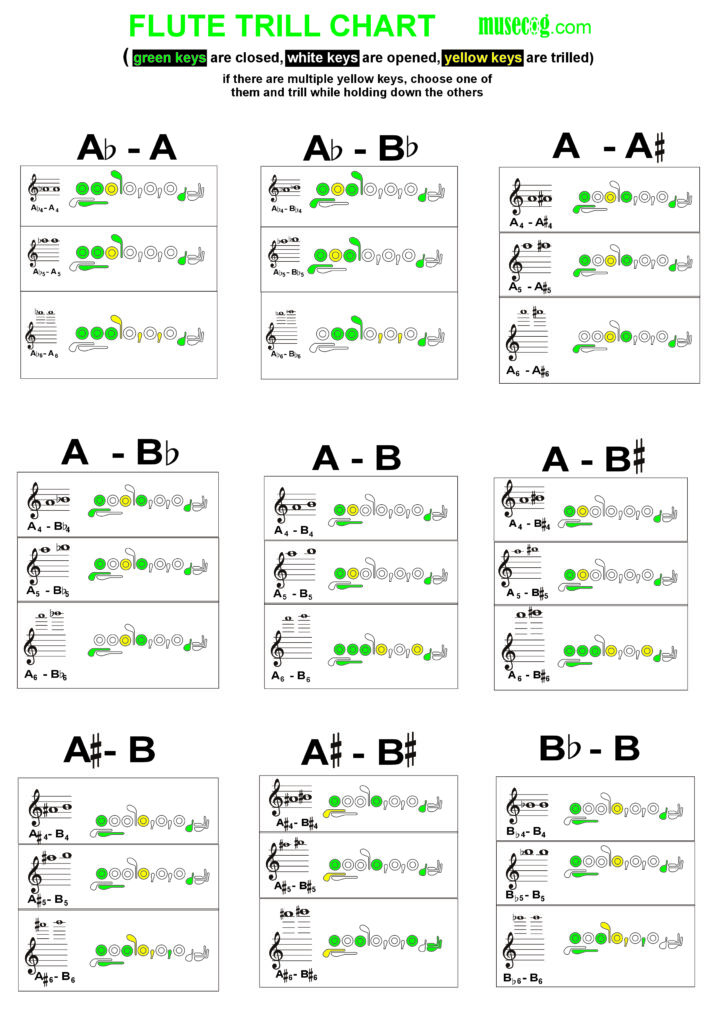
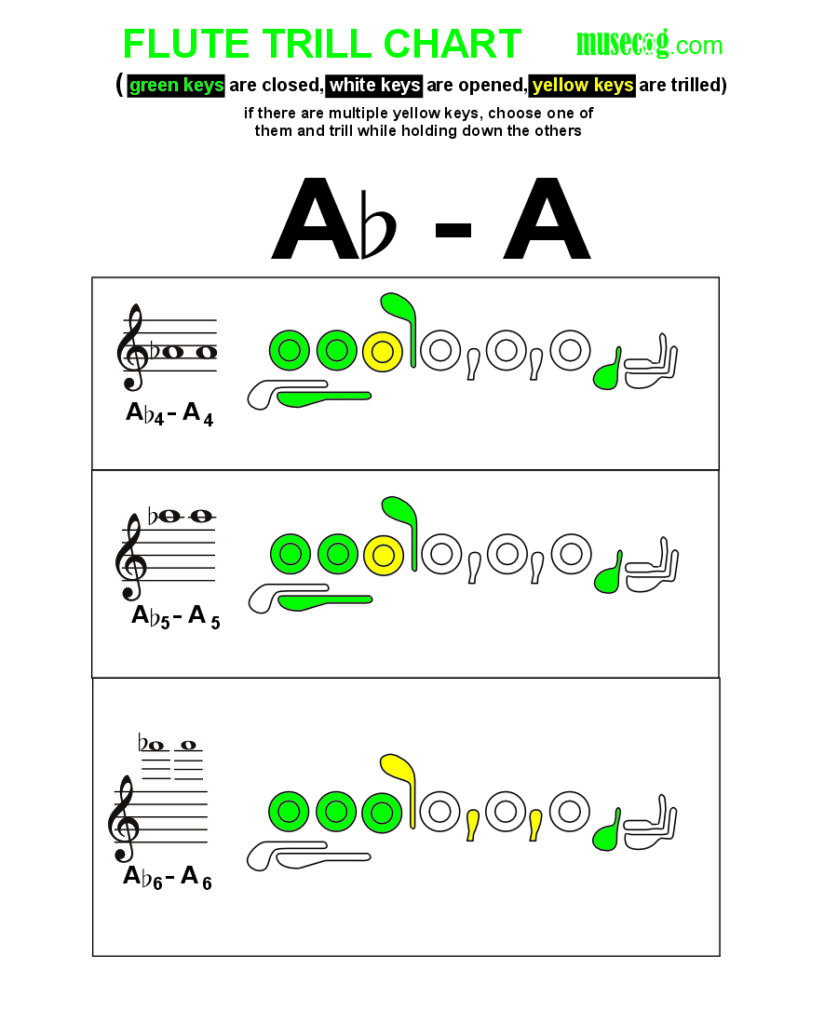
How to play G sharp on the flute: Fingering and trill chart for low and high octaves

G sharp is a musical note that is a half-step higher than G. In Western music notation, it is represented by the symbol “G#” and is sometimes also written as “Ab” (A flat), depending on the context. It is commonly used in various scales and chords, including the G# major scale and the G# minor

How to play G sharp on the flute: Fingering and trill chart for low and high octaves Read More »

g flute finger chart

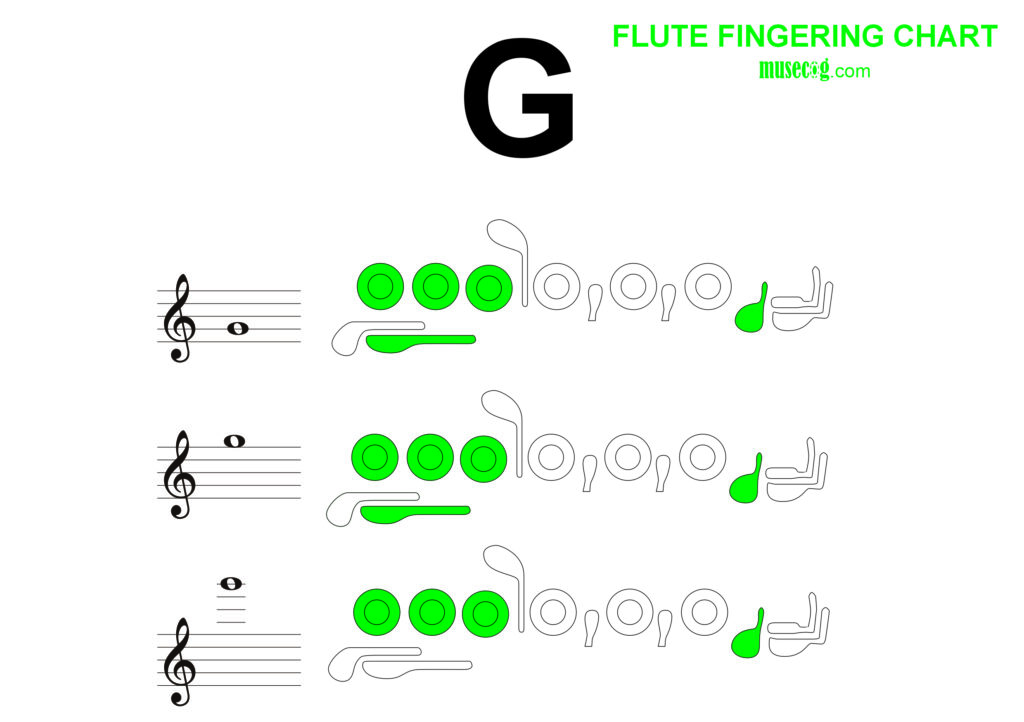
How to play G natural on the flute: Fingering and trill chart for low and high octaves

In flute music, “G natural” refers to the G note that is played without any sharpening or flattening. It is the natural form of the G note and is seen on the second line, first ledger space and fourth ledger line of the treble clef. G natural flute fingering chart Below is a G natural

How to play G natural on the flute: Fingering and trill chart for low and high octaves Read More »

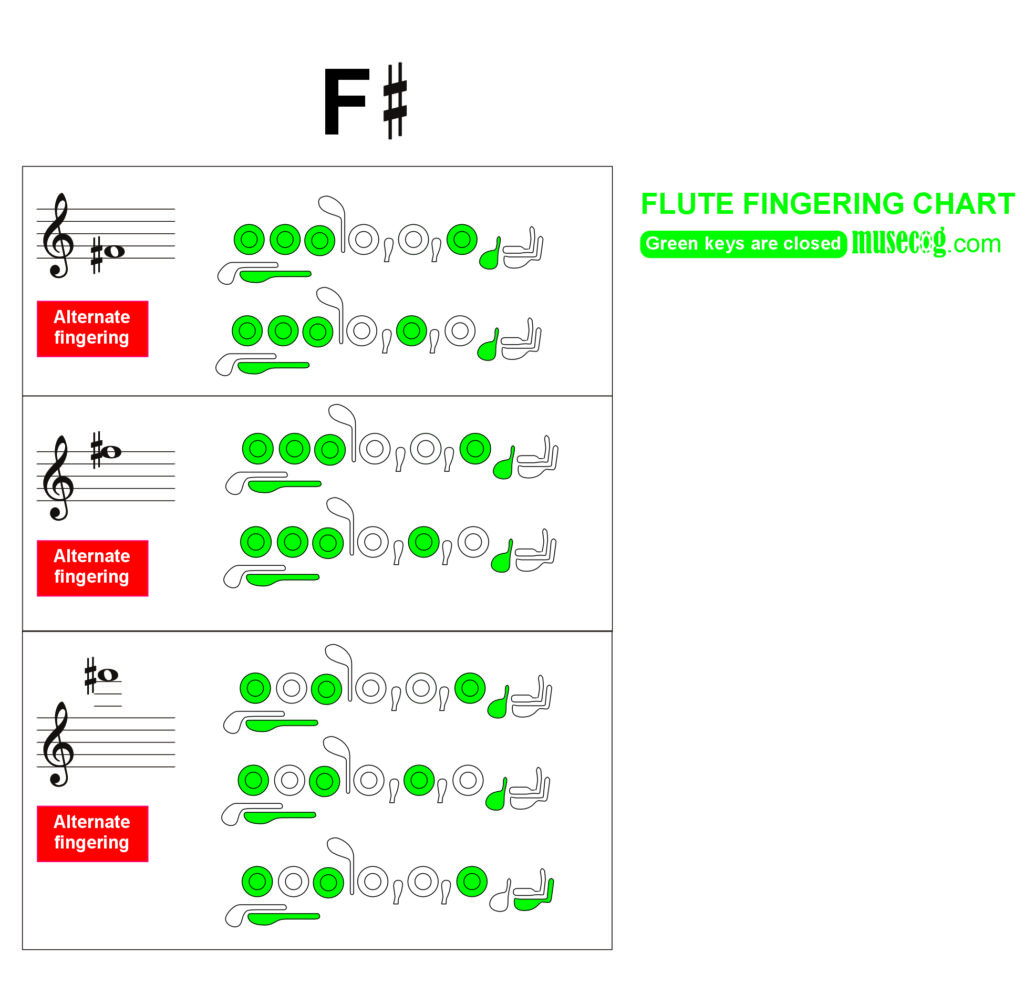
g flat flute finger chart

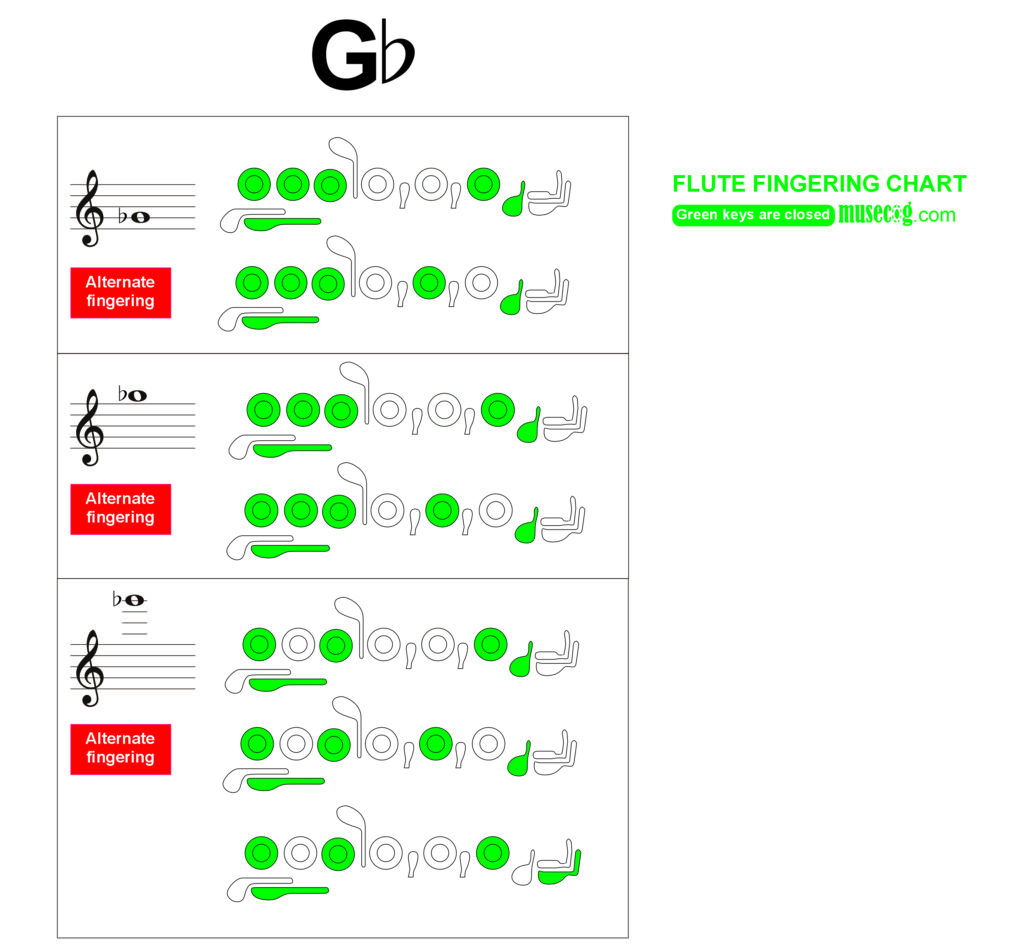
How to play G flat on the flute: Fingering and trill chart for low and high octaves

In music theory, G flat (Gb) is a musical note that is a half step lower than G natural and a half step higher than F natural. It is also known as F sharp (F#) enharmonically, which means that although they are different notations, they represent the same pitch. G flat flute fingering chart Below

How to play G flat on the flute: Fingering and trill chart for low and high octaves Read More »

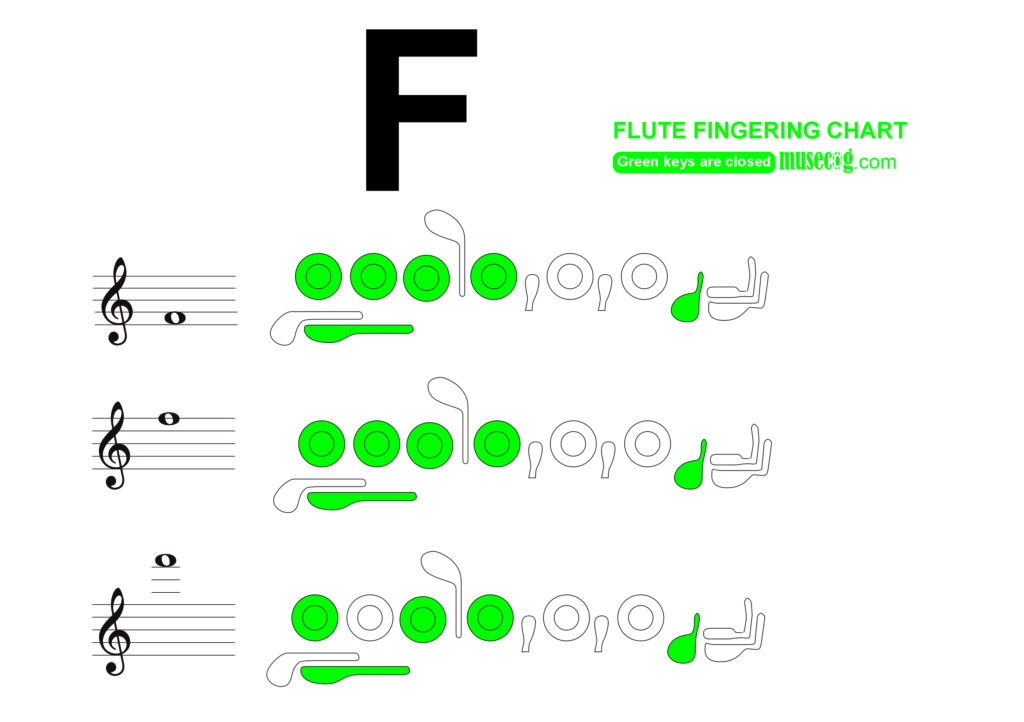
F natural flute fingering chart

How to play F natural on the flute: Fingering and trill chart for low and high octaves

In classical music, F natural refers to the note F that is not modified by any accidental. The natural sign (♮) is used to indicate that the note should be played without any alteration to its pitch. In some musical contexts, F might be modified by a sharp (♯) or a flat (♭), but when

How to play F natural on the flute: Fingering and trill chart for low and high octaves Read More »

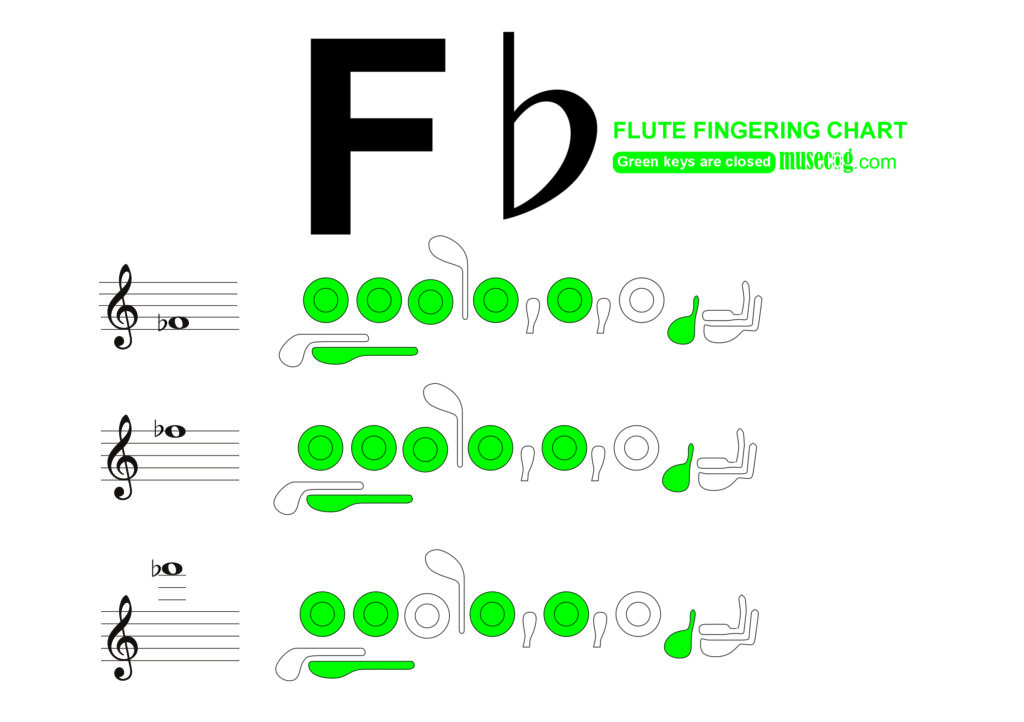
f flat flute finger chart

How to play F flat on the flute: Fingering and trill chart for low and high octaves

In music theory, “F flat” is a term used to describe a pitch that is a semitone lower than an “F” natural. It is essentially the same note as “E natural,” but is referred to as “F flat” in certain contexts to indicate its role in a specific key or chord progression. Similarly, other notes

How to play F flat on the flute: Fingering and trill chart for low and high octaves Read More »

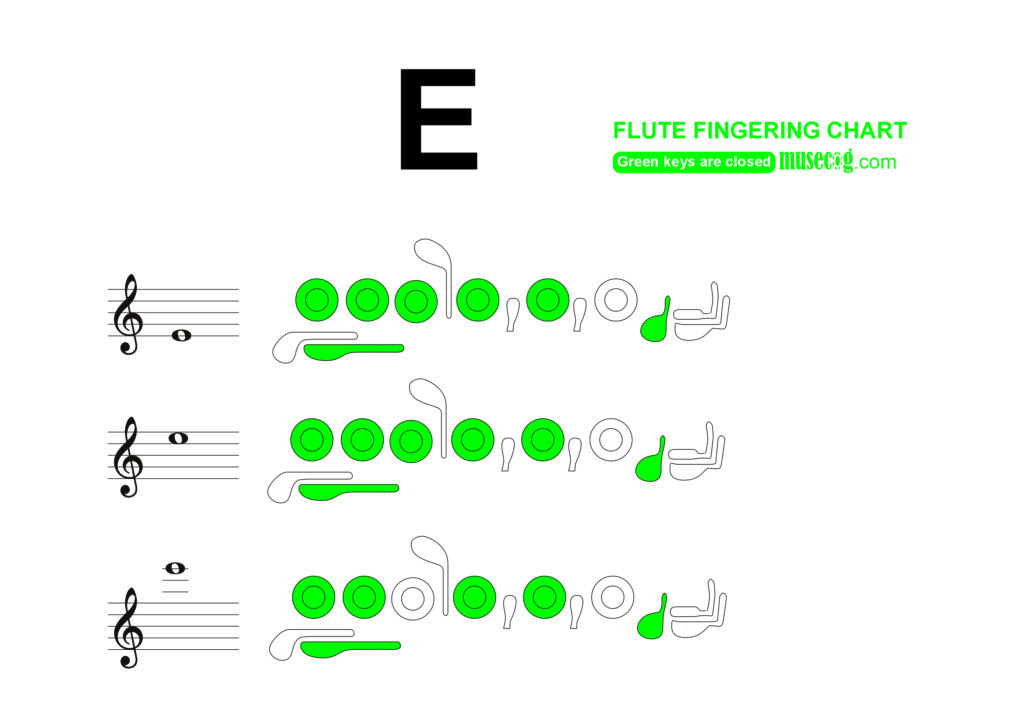
e flute finger chart

How to play E natural on the flute: Fingering and trill chart for low and high octaves

In music theory, “E natural” refers to the pitch E played without any alterations or modifications, such as sharps (#) or flats (b). It is also known as the “pure” or “normal” E. E natural flute fingering chart What is E natural on the flute? On the flute, E natural is the note that is

How to play E natural on the flute: Fingering and trill chart for low and high octaves Read More »

Featured on Twelve Tools Featured on Wired Business Featured on aihuntlist.com Online Metronome - Featured AI Agent on AI Agents Directory
Scroll to Top