
14 Cozy Living Room Designs for Small Spaces
Cozy living room designs for small spaces prove that limited square footage can actually enhance comfort and intimacy rather than diminish it. The key lies in embracing the inherent warmth of compact rooms while employing smart design strategies that maximize both function and feeling. These fourteen designs demonstrate how to transform small living rooms into inviting sanctuaries where every element contributes to a sense of comfort, warmth, and contentment—proving that cozy isn’t about size, but about thoughtful, heartfelt design.
See also: Guest Bedroom Ideas on a Budget 15 Savvy Ways to Save
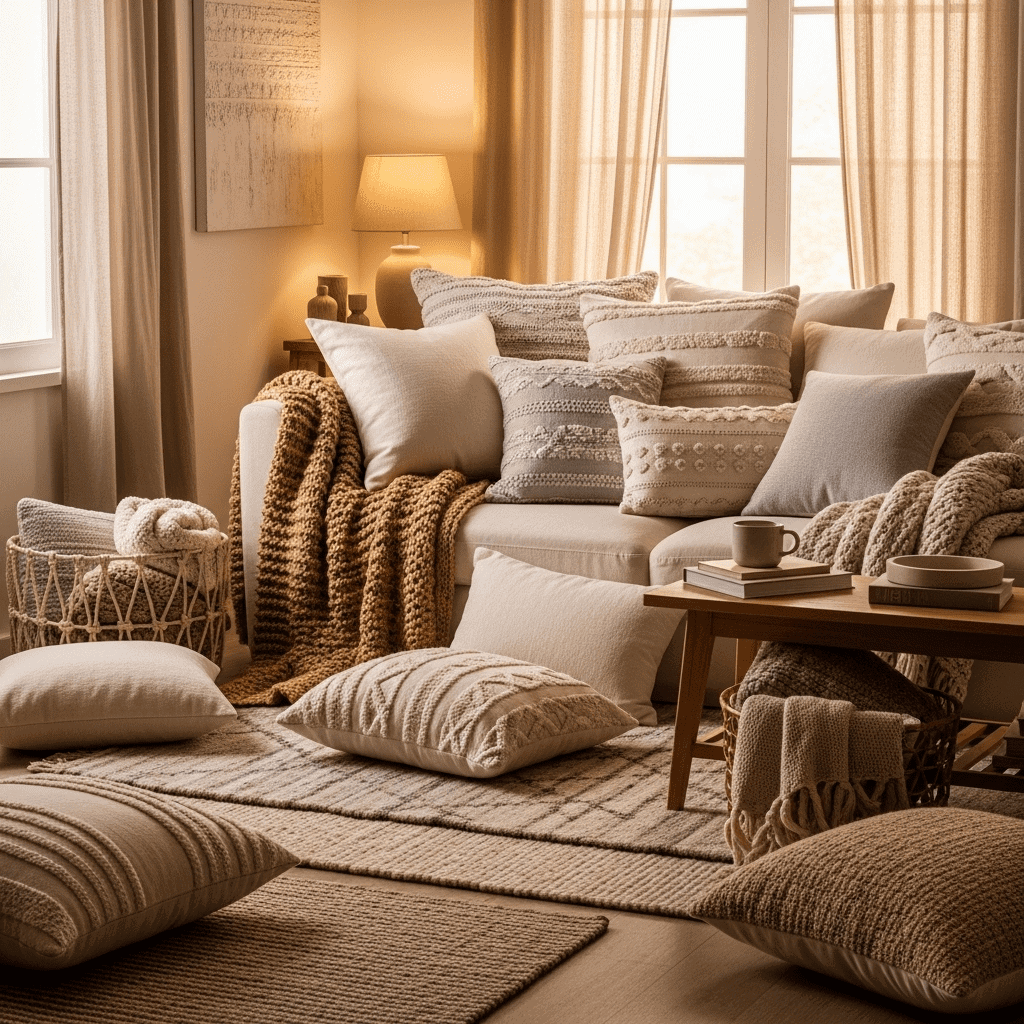
1. Layered Textile Sanctuary
Create ultimate coziness through abundant textiles—plush throws, soft cushions, thick curtains, and layered rugs. Multiple textures and fabrics invite touch and add warmth without consuming space.
2. Reading Nook Corner
Dedicate a corner to a comfortable reading chair with good lighting, small side table, and bookshelf. This cozy focal point makes small spaces feel intentional and personalized.

3. Warm Wood Accents
Natural wood furniture, exposed beams, or wood accent walls add organic warmth. Wood tones ground small spaces while creating cozy, cabin-like atmospheres.

See also: Coastal Guest Bedroom Designs 17 Ways to Bring the Ocean Home
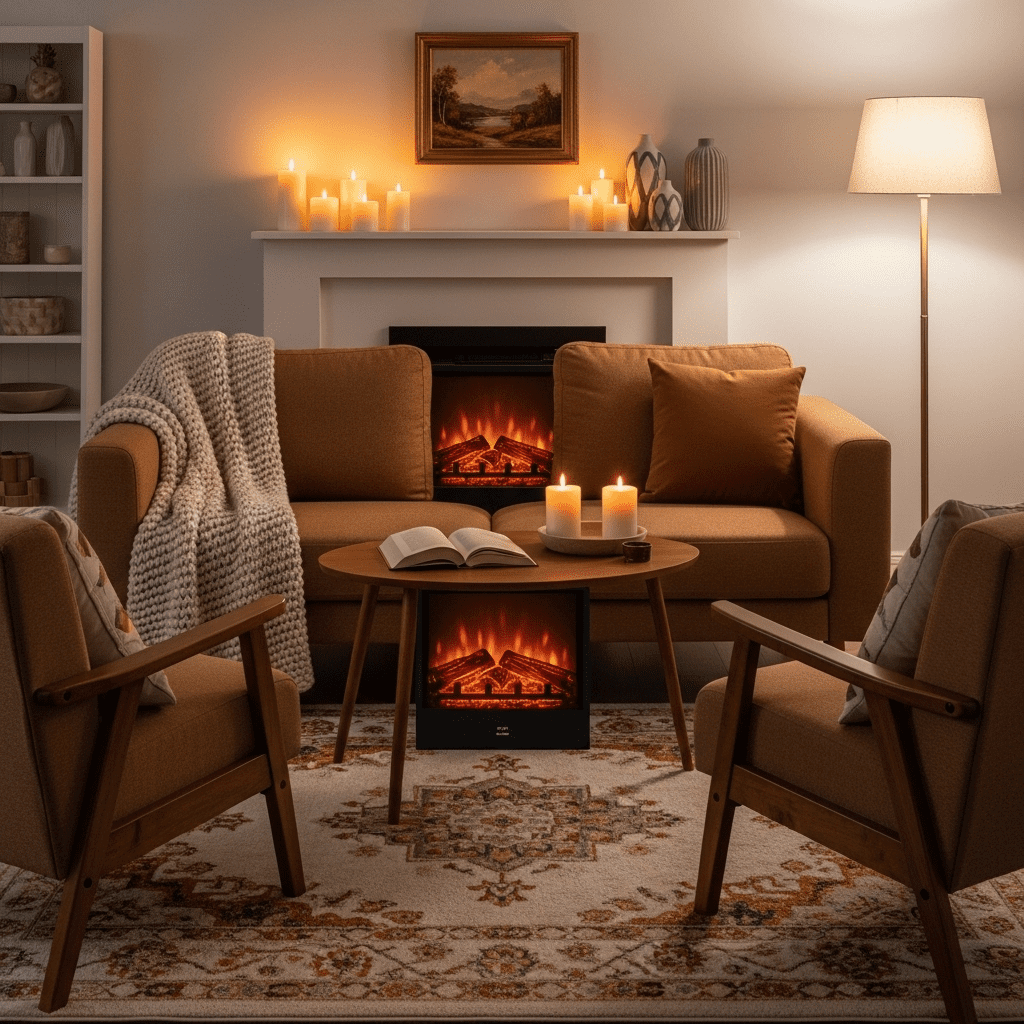
4. Fireplace Focal Point
Even electric or small-scale fireplaces create instant coziness. The flickering flames and warmth make small living rooms feel like intimate retreats.
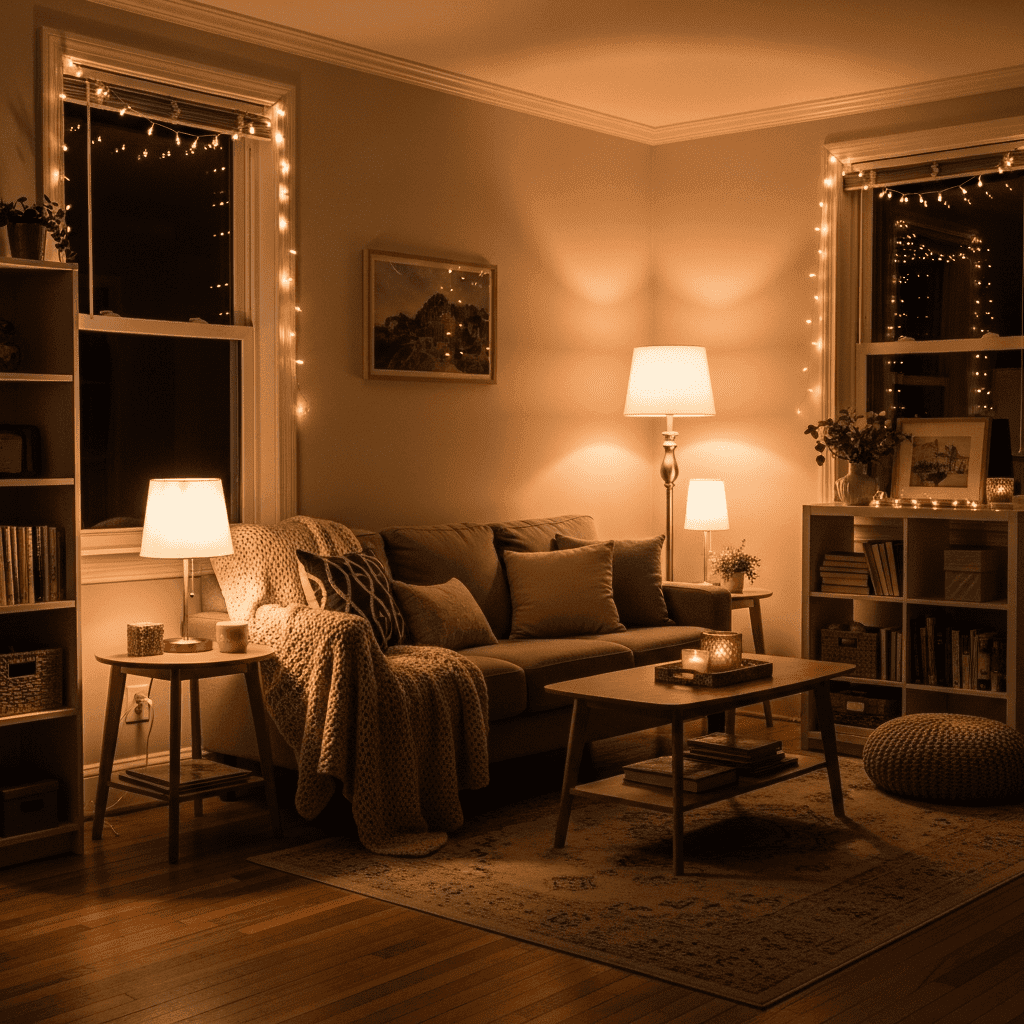
5. Soft Ambient Lighting
Layer warm-toned lighting through table lamps, floor lamps, and string lights. Avoid harsh overhead lighting in favor of multiple soft sources creating warm ambiance.
6. Enclosed Seating Area
Create cocoon-like intimacy by positioning furniture close together in conversation groupings. This intentional coziness makes small spaces feel designed rather than cramped.

7. Warm Neutral Palette
Cream, beige, caramel, and warm grey tones create enveloping comfort. These colors reflect light while maintaining warmth better than stark white.

8. Built-In Window Seat
Transform window areas into cozy nooks with cushioned built-in seating and storage underneath. Perfect for reading, relaxing, or simply enjoying views.

9. Plush Oversized Furniture
Contrary to conventional wisdom, one generous, supremely comfortable sofa often creates more coziness than multiple small, uncomfortable pieces.

10. Gallery of Personal Photos
Cover walls with family photos, travel memories, and personal artwork. This creates warmth through meaningful connections and stories.

11. Bookshelf Walls
Floor-to-ceiling bookshelves filled with books create instant coziness and intellectual warmth. The texture and color of book spines add character.

12. Natural Elements and Plants
Abundant houseplants, natural materials, and organic textures bring nature’s calming influence indoors, creating peaceful, cozy environments.

13. Canopy of String Lights
String lights across ceilings or around windows create magical, warm ambiance. This simple addition transforms small spaces into enchanting retreats.

14. Vintage Collected Style
Mix vintage furniture, inherited pieces, and flea market finds for collected-over-time coziness. Authentic character beats coordinated perfection for warmth.

Understanding Cozy Design
Coziness transcends mere aesthetics—it’s an emotional response created through deliberate design choices:
Warmth: Both literal (temperature, lighting) and metaphorical (color, texture, personal meaning) contribute to cozy feelings.
Comfort: Physical comfort through soft seating, supportive cushions, and ergonomic arrangements is non-negotiable for true coziness.
Safety and Enclosure: Cozy spaces feel protected and contained—not exposed or overly open. Small rooms naturally provide this intimacy.
Personal Connection: Meaningful objects, photos, and inherited pieces create emotional warmth that new, generic items cannot.
Sensory Richness: Cozy engages multiple senses—soft textures to touch, warm colors to see, pleasant scents, comfortable sounds.
Invitation: Cozy spaces beckon you to sit, stay, relax—they feel welcoming rather than precious or untouchable.
Color Strategies for Cozy Small Spaces
Warm Neutrals: Cream, beige, warm grey, soft taupe create enveloping backgrounds without darkness.
Deep Rich Tones: Contrary to rules, deep colors (navy, forest green, burgundy) can make small rooms feel cozy and cocoon-like.
Earthy Palette: Terracotta, rust, ochre, chocolate brown ground spaces in natural warmth.
Soft Pastels: Blush pink, soft sage, pale yellow add gentle color without sacrificing coziness.
Monochromatic Warmth: Various shades of one warm color create cohesive, enveloping environments.
Strategic White: Warm white (ivory, cream) rather than stark white maintains brightness without coldness.
Furniture Selection for Cozy Comfort
Comfort Over Style: Prioritize genuinely comfortable seating over trendy pieces that look good but feel unwelcoming.
Appropriate Scale: Furniture should fit the room but not be so small it feels temporary or uncomfortable.
Soft Upholstery: Choose soft, touchable fabrics—velvet, chenille, linen—over leather or hard surfaces.
Rounded Forms: Curved furniture feels more inviting than sharp-edged pieces; rounded arms and backs enhance coziness.
Multi-Function Pieces: Storage ottomans, nesting tables, fold-out furniture maximize small space functionality.
Low Profiles: Lower furniture maintains sight lines while creating grounded, secure feelings.
Textile and Texture Layering
Cozy depends heavily on textile abundance:
Throws and Blankets: Multiple throws in various textures invite curling up and add visual softness.
Cushion Abundance: Generous cushions in varied sizes and textures make seating more comfortable and visually cozy.
Soft Curtains: Heavy, soft curtains add warmth, improve acoustics, and create enclosure.
Layered Rugs: Multiple rugs or thick, plush single rugs add softness underfoot and visual warmth.
Wall Textiles: Tapestries, macramé, or fabric wall hangings soften hard surfaces and add warmth.
Natural Fibers: Wool, cotton, linen, jute—natural materials feel warmer than synthetics.
Lighting for Cozy Atmosphere
Lighting critically impacts coziness:
Warm Color Temperature: Use 2700K bulbs—warm white to soft white—avoiding cool daylight temperatures.
Multiple Sources: Layer 3-5 light sources rather than single overhead fixtures.
Dimmers: Dimming capability allows mood adjustment from functional to intimate.
Table and Floor Lamps: Personal-scale lighting feels cozier than architectural fixtures.
Candles: Real or LED candles add flickering warmth and romance.
String Lights: Fairy lights create magical, intimate ambiance.
Avoid Overhead: Minimize or eliminate harsh overhead lighting in favor of peripheral sources.
Creating Intimate Arrangements
Conversation Distance: Position seating 4-8 feet apart—close enough for easy conversation without shouting.
Furniture Floating: Pull furniture slightly away from walls creating intimate groupings rather than perimeter arrangements.
Focal Points: Arrange seating around fireplaces, windows, or entertainment centers creating purpose.
Pathway Clarity: Maintain clear circulation while keeping furniture close enough for intimacy.
Corner Utilization: Fill corners with reading chairs, plants, or lighting preventing dead spaces.
Storage Solutions for Cozy Spaces
Clutter destroys coziness; organized storage maintains it:
Hidden Storage: Closed cabinets, storage ottomans, and concealed shelving hide necessary items.
Decorative Storage: Beautiful baskets, vintage trunks, and attractive boxes store while contributing to aesthetics.
Vertical Solutions: Tall narrow shelving maximizes storage without consuming floor space.
Multi-Purpose Furniture: Coffee tables with shelves, sofas with storage, benches that open.
Regular Editing: Periodically remove unused items maintaining clean, cozy environments.
Personal Touches for Warmth
Family Photos: Display meaningful memories creating emotional warmth and personal connection.
Travel Souvenirs: Objects from travels tell stories and add authentic character.
Inherited Items: Grandma’s blanket, Dad’s chair—family pieces add irreplaceable warmth.
Hobby Display: Show collections, instruments, or crafts reflecting personal interests.
Handmade Elements: DIY art, knitted blankets, crafted items add authentic, personal warmth.
Books and Magazines: Visible reading material suggests comfort and intellectual engagement.
Scent and Sound
Cozy engages senses beyond sight:
Pleasant Aromas: Candles, essential oils, baking scents create olfactory coziness.
Soft Sounds: Gentle music, nature sounds, crackling fire sounds enhance atmosphere.
Acoustic Softness: Textiles, rugs, and soft furnishings absorb sound creating peaceful environments.
Minimal Noise: Reduce external noise through curtains, rugs, and strategic furniture placement.
Seasonal Cozy Adjustments
Winter Warmth: Add heavier throws, flannel pillows, thicker curtains, warm colors.
Summer Lightness: Lighter textiles, cotton fabrics, brighter cushions maintain cozy without overheating.
Fall Transition: Warmer colors, harvest decorations, additional layers as temperatures drop.
Spring Freshness: Lighter colors, fresh flowers, opened windows maintaining cozy while refreshing.
Small Space Specific Strategies
Embrace Smallness: Don’t fight the compact size—celebrate intimacy rather than apologizing for it.
Maximize Vertical: Use walls fully with shelving, art, and storage freeing floor space.
Light Colors on Large Surfaces: Keep walls and large furniture light; add warmth through accessories.
Mirror Placement: Strategic mirrors reflect light and create depth without sacrificing coziness.
Clear Sightlines: Maintain views through the room preventing claustrophobic feelings.
Flexible Furniture: Choose pieces that move or adapt accommodating various activities and guest numbers.
Budget-Friendly Cozy
Cozy doesn’t require expensive investment:
Thrift Textiles: Vintage blankets, quilts, and cushions from thrift stores add character affordably.
DIY Elements: Create art, sew cushion covers, craft decorative items personally.
Paint Impact: Warm paint colors transform spaces dramatically for minimal cost.
Rearrange Existing: Simply repositioning current furniture can dramatically improve coziness.
Lighting Swap: Replace bulbs with warm temperatures—immediate, affordable impact.
Natural Elements: Collect branches, stones, pinecones—free natural décor adding warmth.
Common Cozy Mistakes
Too Much Stuff: Clutter fights coziness. Edit ruthlessly maintaining only loved, necessary items.
Harsh Lighting: Bright overhead lights destroy cozy atmospheres immediately.
Uncomfortable Seating: Beautiful but uncomfortable furniture prioritizes aesthetics over actual coziness.
Neglecting Scent: Unpleasant or absent scents miss opportunity for multi-sensory coziness.
Overly Minimal: Extreme minimalism can feel cold; cozy requires some abundance and layering.
Wrong Scale: Tiny furniture in attempts to “fit” small spaces looks insignificant and uncomfortable.
Maintaining Cozy Spaces
Regular Cleaning: Dusty, dirty spaces never feel cozy. Clean regularly maintaining fresh comfort.
Textile Care: Wash throws, fluff cushions, vacuum rugs keeping textiles fresh and inviting.
Declutter Routinely: Prevent accumulation—remove items weekly maintaining clean coziness.
Refresh Seasonally: Swap some textiles and décor seasonally preventing stagnation.
Candle Safety: If using real candles, practice safety—never leave unattended.
Plant Care: Keep plants healthy—dying plants reduce rather than enhance coziness.
The Psychology of Cozy
Understanding why certain elements create cozy feelings helps intentional design:
Hygge Influence: Danish concept emphasizing comfort, togetherness, and wellbeing informs modern cozy design.
Biophilia: Humans innately respond to natural elements—wood, plants, natural light—creating calm and comfort.
Nostalgia: Familiar items, traditional elements, and inherited pieces trigger comforting memories.
Enclosure: Humans feel secure in bounded, defined spaces rather than exposed, open areas.
Warmth Association: We associate warmth (color, temperature, texture) with safety and comfort.
Personal Territory: Cozy spaces feel personal and owned rather than generic or shared.
Cozy for Different Lifestyles
Families: Durable, washable fabrics; toy storage; comfortable floor space for children.
Singles: Personal expression emphasis; hobby integration; comfortable entertaining space.
Couples: Romance-friendly lighting; comfortable seating for two; intimate arrangements.
Readers: Good lighting; comfortable seating; accessible book storage; quiet atmosphere.
Entertainers: Flexible seating; conversation-friendly arrangements; welcoming atmosphere.
Pet Owners: Durable fabrics; pet-friendly materials; accessible pet beds or spaces.
Cozy living room designs for small spaces demonstrate that true comfort comes not from square footage but from thoughtful design that engages senses, honors personal meaning, and prioritizes genuine comfort over aesthetic trends. By layering soft textiles, implementing warm lighting, incorporating meaningful objects, and embracing the intimate nature of compact spaces, small living rooms transform into beloved sanctuaries—proving definitively that the coziest spaces are often the smallest ones, where every element contributes to an overwhelming sense of warmth, comfort, and home.


