How to Play the clarinet with braces
Can you play clarinet with braces? Yes, but it comes with a lot of discomfort and might lead to soreness of the mouth and lips area. Generally, you will produce airy clarinet sounds and would definitely play off pitch. Without braces, one could hit fourth octave without a hitch; but with braces, one would be struggling to get past anything that involves the second octave and that is absolutely frustrating; second octave E will even be harder.
A lot of students and professional clarinetists have had and played with braces. It is always noticeable that the horn of their clarinet will be 10% – 15% further away from your body to make the lower lip more comfortable. But some students and professionals cover their lower teeth and braces with paper (folded several times) for comfort.
Another hard task about braces is that it is tougher to recover to your original playing skills after taking them off but gradually, everything would return to normal.
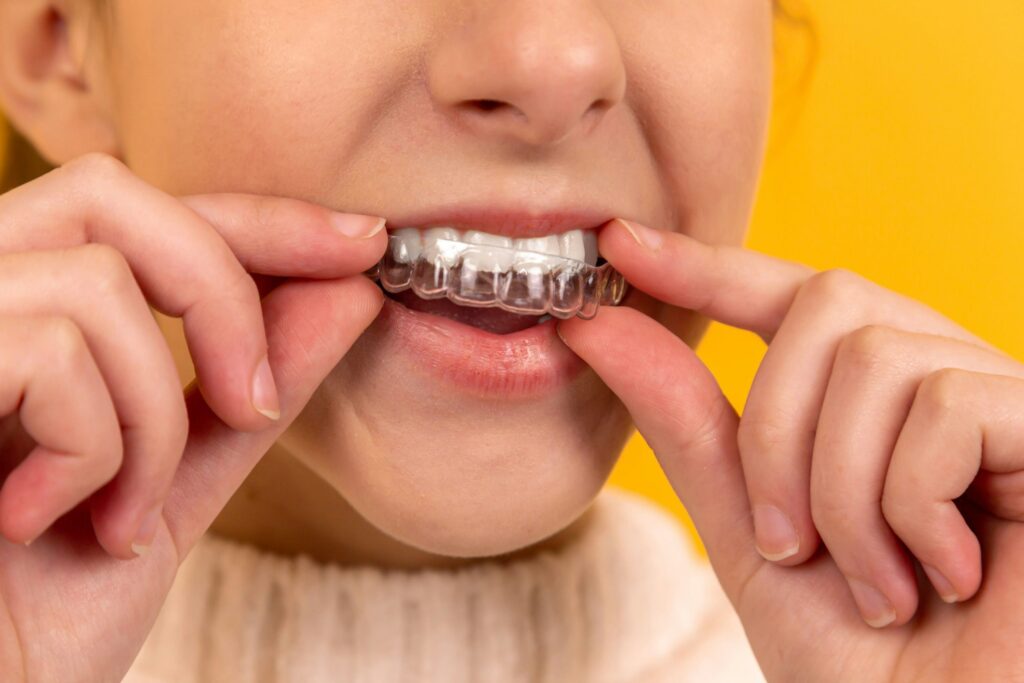
Solutions for playing clarinet with braces
Someone on reddit said that he had a bite plate to correct his overbite, and that was the biggest issue he faced. He had his bite plate attached to his upper teeth; it filled in the space at the roof of his mouth so that his mouthpiece was forced to rest on the plastic bite plate. Because of that, had to use less mouthpiece than he should have used, but it wasn’t a huge issue.
Just like eating with braces, playing is also painful each time your braces are tightened. Avoid playing with a double lip embouchure because you can’t do that without ripping your lips to shreds, playing double lip is absolutely impossible with braces.
You can apply orthodontic wax on your bottom braces for the first few weeks, until your lips gradually get used to it, and then there will be no use for the wax. Stock up on orthodontic wax, though! It’s extremely useful if you ever have to play for hours on end; your teeth will start to cut through your lip after a while even without braces.
Also make sure you are playing with the correct posture and finger placement. Study some alternative finger placements that might seem easier for you. This will help you manage the pains that the braces give.
In most cases, the braces will end up creating more space between your lip and teeth and that is why it is necessary to practice with it often as soon as you put on your brace. I would also recommend doing the same after they are removed because the lip will feel separated from the teeth and could create an air gap leading to a plethora of interesting sounds.
For some other persons, depending on their strength and endurance, they’ll notice that their lower teeth will dig slightly into their lower lip. And some people may not even use wax or anything; but over time, their bottom lip will grow stronger. It’s a little harder to form a strong embouchure with braces since you have appliances in the way between your teeth and lips. After your braces get tightened or adjusted, you’ll probably be a little sore the next time you play, but that’s expected.
Essentials for Clarinetists with braces
A lower lip protector is a must for clarinetists wearing braces. EZO denture cushions are nice lip protection, whether or not I have braces. For a few weeks, you can cut off a portion of the denture pad, fold it, and shape it to fit your bottom teeth. Wax, folded cigarette paper, floral tape, or anything else that acts as a barrier between your lower lip and bottom teeth can also be used. Choose a cushion that you won’t need to change every five minutes because some of these are more resistant to saliva than others.
Toothpaste, floss, and a travel toothbrush: Maintaining good oral hygiene is always crucial, but it’s much more crucial for musicians, particularly those who wear braces.
Mouthwash: Mouthwash is a fantastic substitute if you need to clean your mouth but don’t have time to brush. In an emergency, reeds can also be sanitized with mouthwash. Expert advice: To prevent spills or leaks, cover the top with cling film before tightening the cap after each use.