
59 Luxury Bedroom Interior Design: 5-Star Hotels, Villa & Private Yatch
Have you ever stayed in a beautiful hotel and wished you could recreate that feeling at home? Or dreamed of the elegance found in luxury villas and private yachts? The good news is that you can bring these sophisticated design elements into your own bedroom. Luxury bedroom design isn’t just about expensive items—it’s about thoughtful details, quality materials, and creating a space that feels special every single day.
In this guide, we’ll explore the most luxurious bedroom styles from around the world. From five-star hotel designs to yacht interiors, you’ll discover the secrets behind creating truly exceptional sleeping spaces. Whether you’re renovating your master bedroom or simply looking for inspiration, these luxury design principles will help you create a bedroom that feels like a permanent vacation.
5 Star Hotel Bedroom Design Modern Interior
A 5 star hotel bedroom design modern interior represents the pinnacle of comfort, style, and attention to detail. These bedrooms aren’t just places to sleep—they’re carefully designed experiences that pamper guests and create lasting impressions. The best part? You can recreate this luxury in your own home.
The Foundation: Quality and Comfort
Five-star hotel bedrooms start with the bed itself. Hotels invest in the highest quality mattresses, often custom-made to their specifications. The bedding is crisp, white, and uses high thread count cotton—typically 300 thread count or higher. Multiple pillows of varying firmness give guests options, and a plush duvet or comforter provides the perfect weight.

Layering is essential in modern five-star hotel design. Start with quality fitted and flat sheets, add a light blanket, then a duvet with a pristine white cover. A bed runner or decorative throw at the foot adds visual interest and a pop of color. The bed should look inviting but not fussy—modern hotel design favors clean lines over excessive decorative pillows.
Color Palette and Materials
Modern five-star hotel bedrooms typically use neutral color palettes. Think warm whites, soft greys, taupes, and creams with accents in navy, charcoal, or jewel tones. This creates a calming, sophisticated atmosphere that appeals to all guests. Walls might be painted in soft neutrals or feature subtle textured wallpaper that adds depth without overwhelming.
Materials matter enormously. Natural wood furniture, often with a medium to dark finish, provides warmth and quality. Metal accents in brushed brass, gold, or matte black add contemporary elegance. Glass and mirrors increase light and create spaciousness. Every material should feel substantial and well-made—cheap furniture has no place in five-star design.
Lighting: Layered and Controllable
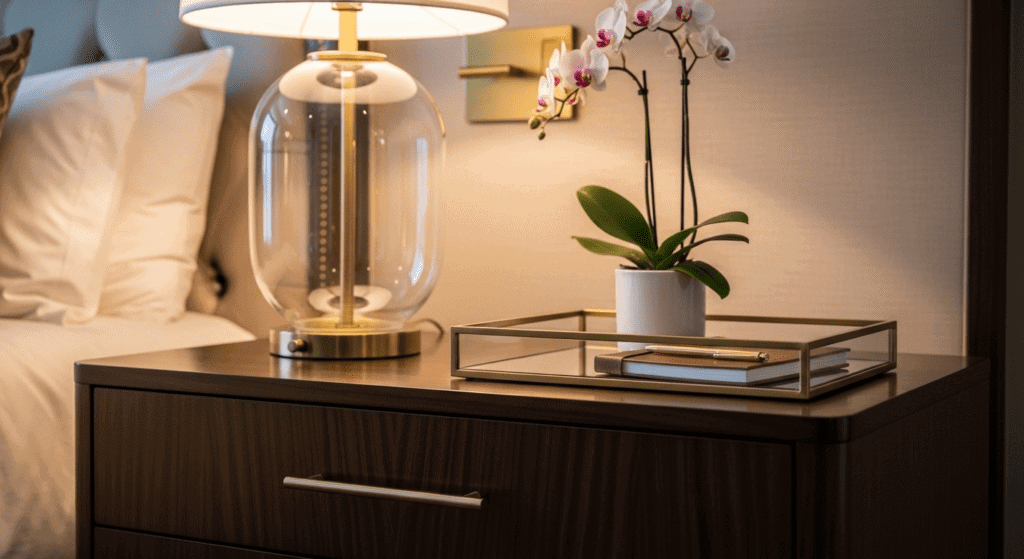
Luxury hotel bedrooms feature multiple lighting sources, all controllable from the bed. Bedside lamps or wall-mounted reading lights provide task lighting. Recessed ceiling lights or a statement chandelier offer ambient lighting. Accent lighting might highlight artwork or architectural features. Dimmer switches let guests adjust the mood from bright and energizing to soft and relaxing.

Modern hotels often include smart lighting systems, allowing guests to control everything from a bedside panel or tablet. While you might not need this technology at home, the principle remains—lighting should be flexible, layered, and easy to control without getting out of bed.
Storage and Organization
Five-star hotels hide clutter masterfully. Built-in closets with quality hangers, dresser drawers lined with fabric, and thoughtful details like shoe racks and luggage benches keep everything organized. Even when guests have multiple suitcases, the room still feels serene.
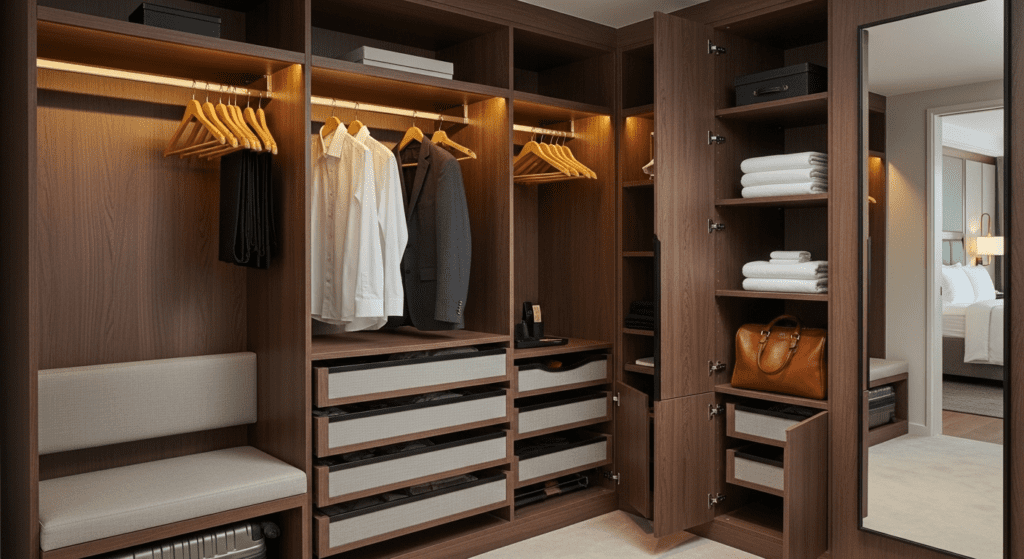
Apply this at home by maximizing hidden storage. Built-in wardrobes, under-bed storage, and furniture with concealed compartments keep surfaces clear. Nightstands should have drawers for hiding phones, chargers, and personal items. The goal is a bedroom that always looks ready for a professional photo.
The Details That Matter
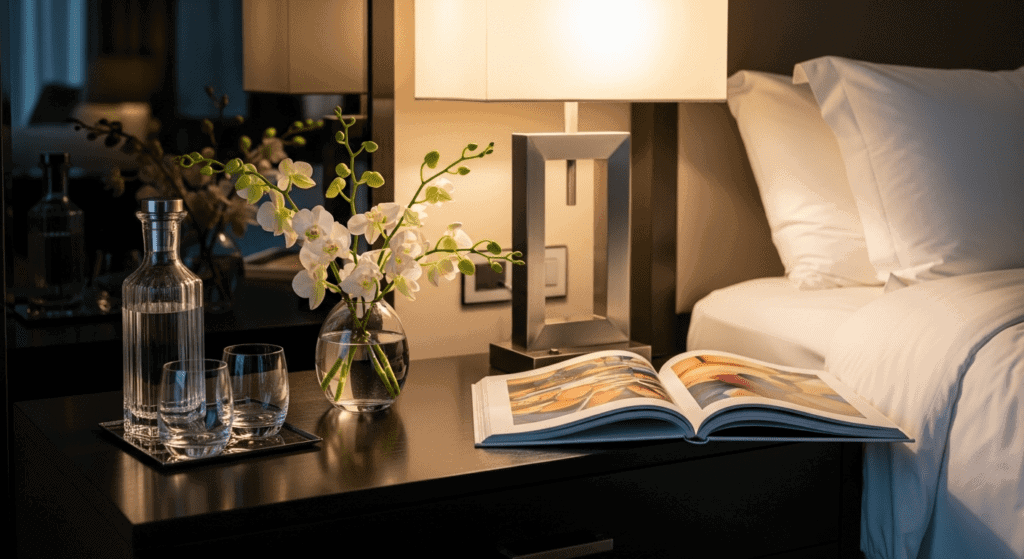
What truly distinguishes five-star hotel bedrooms are the thoughtful details. Fresh flowers or plants add life. A carafe of water with glasses on the nightstand shows care. Blackout curtains ensure restful sleep at any time. Quality artwork, properly scaled and framed, adorns the walls. A comfortable seating area—even just a chair with ottoman—creates a space beyond the bed.
Temperature control is crucial. Hotels provide heating and air conditioning controls accessible from the bed. At home, ensure your bedroom maintains comfortable temperatures year-round. Consider a ceiling fan for circulation and cost-effective cooling.
Creating the Experience at Home
To recreate five-star hotel design in your bedroom, start with the bed. Invest in the best mattress you can afford, quality sheets (look for 100% cotton with at least 300 thread count), and multiple pillows. Keep bedding predominantly white or neutral—you can always add color through throws and decorative pillows.
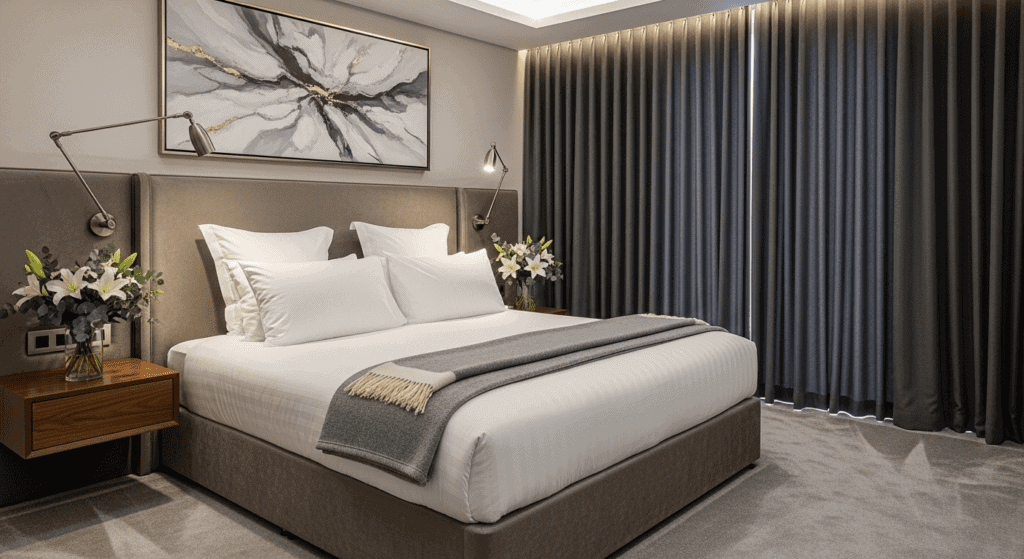
Choose substantial furniture pieces in quality materials. Avoid particle board—solid wood or quality veneers last longer and look better. Install dimmer switches and add multiple light sources at different heights. Clear surfaces of clutter and display only a few carefully chosen decorative items.
Add luxury through textures—a plush rug beside the bed, velvet or linen curtains, and quality upholstery. Finally, maintain your bedroom like a hotel—make the bed every day, keep surfaces clean and clear, and refresh flowers or plants regularly. The discipline of maintenance is part of what makes hotel rooms feel so special.
Bedroom Interior Hotel Style
Creating a bedroom interior hotel style means capturing the essence of luxury hospitality design in your personal space. Hotel-style bedrooms feel welcoming, comfortable, and effortlessly elegant. They make you feel like a guest in your own home—pampered and cared for.
The Hotel-Style Philosophy
Hotel-style design prioritizes guest comfort above all else. Every element serves a purpose. Furniture placement considers how people move through the space. Lighting accommodates different activities—reading, dressing, relaxing. Storage keeps belongings organized and out of sight. The overall effect is a room that anticipates needs before you realize you have them.
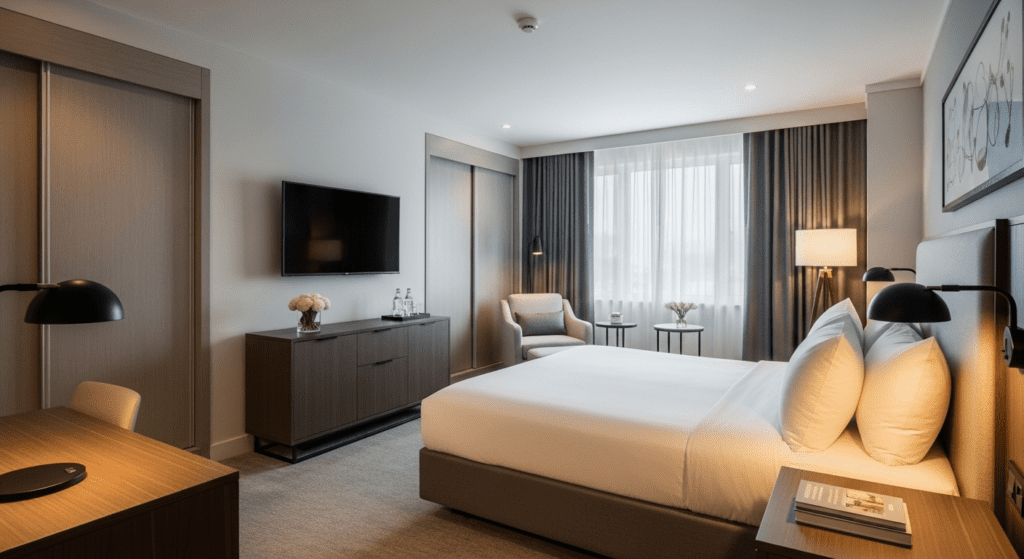
This style works because hotels must appeal to diverse tastes. They choose timeless designs over trendy ones, quality materials over cheap alternatives, and functionality over pure aesthetics. Your bedroom should follow these same principles—choose elements you’ll love for years, not seasons.
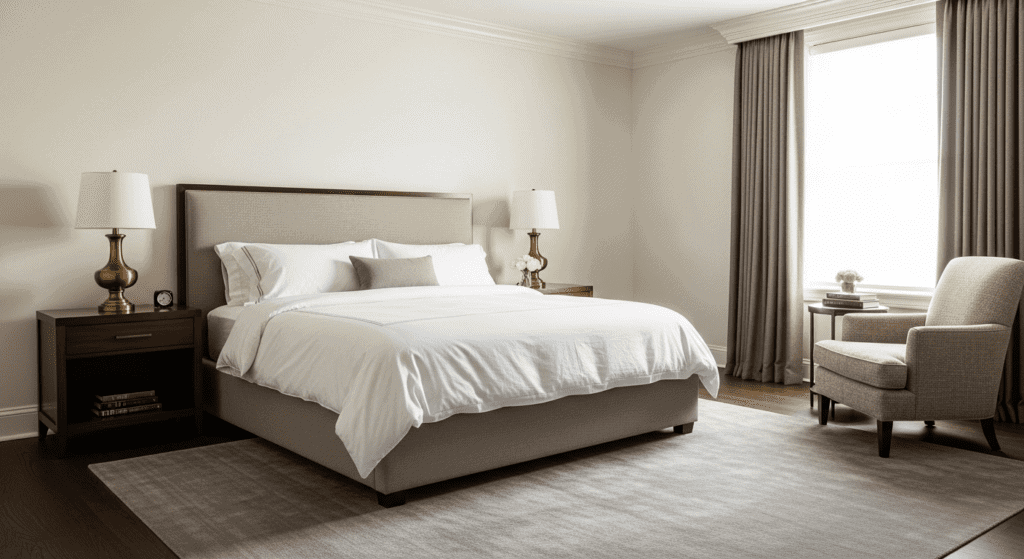
Key Elements of Hotel-Style Bedrooms
The bed dominates hotel-style bedrooms, centered on the main wall and dressed impeccably. Symmetry creates visual harmony—matching nightstands, identical lamps, and balanced artwork. This symmetry is both aesthetically pleasing and functionally smart, giving both partners equal access to lighting and storage.

Furniture is minimal but substantial. Beyond the bed and nightstands, you might include a dresser, a bench at the foot of the bed, and perhaps a reading chair. Each piece should be quality construction with clean lines. Avoid overcrowding—negative space is a luxury in itself.
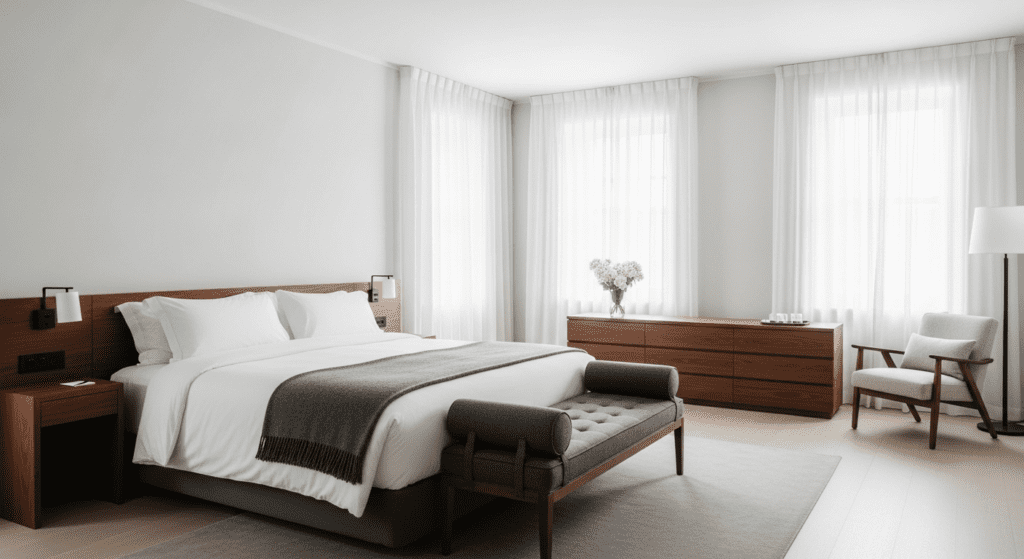
Window treatments in hotel-style bedrooms combine sheer curtains for daytime privacy with blackout curtains or shades for sleeping. Hardware is substantial and stylish—no cheap plastic rods. Curtains should be floor-length and ideally stationary panels that frame the window rather than opening and closing.

Color and Texture in Hotel Design
Hotel-style bedrooms favor neutral backgrounds with subtle color variation. Walls might be soft white, warm beige, or gentle grey. Texture adds interest—a grasscloth wallpaper accent wall, textured plaster, or subtle wall panels. Avoid bold paint colors or busy patterns that might tire quickly.

Color comes through accessories and bedding. Navy blue pillows, a rust-colored throw, or jewel-tone artwork add personality without overwhelming. These elements are easily changed, allowing you to refresh the room’s look without major renovation.
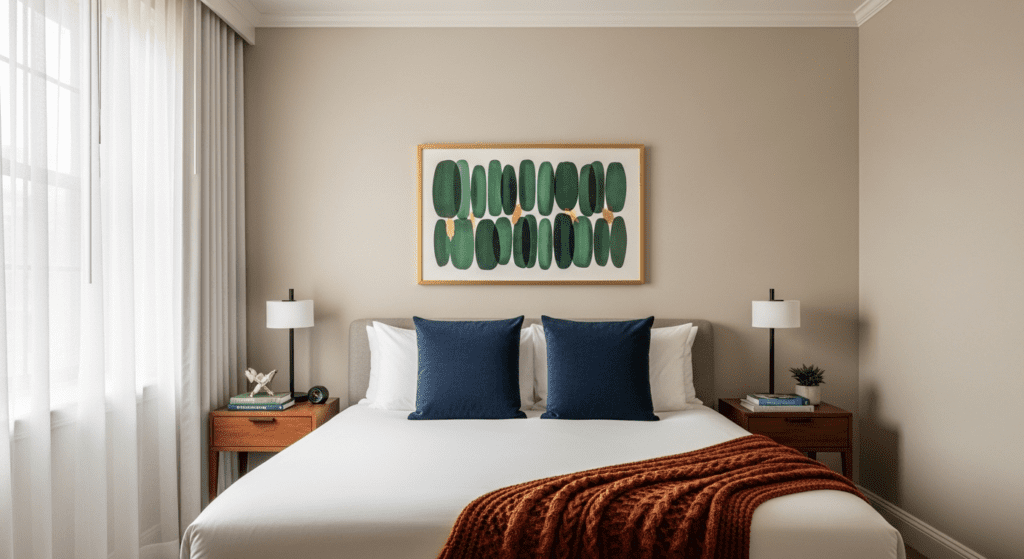
Texture is crucial in neutral spaces. Layer smooth and rough, shiny and matte, soft and firm. Combine a leather headboard with linen bedding. Place a wool rug over hardwood floors. Hang silk curtains beside textured walls. This variety keeps neutral rooms from feeling boring.

The Bathroom Connection
Many hotel-style bedrooms include spa-like bathroom connections. If your bedroom has an ensuite bathroom, treat them as one cohesive space. Continue the color palette and design style. Add luxurious touches like heated floors, quality towels, and beautiful containers for toiletries.

If possible, create an open connection or use glass doors between bedroom and bathroom. Hotels do this to make spaces feel larger and more luxurious. Even a simple frosted glass door feels more elegant than a solid wood door.

Maintenance and Presentation
Hotel-style bedrooms require discipline. Make your bed every day—this single habit transforms the entire room. Keep surfaces clear except for a few intentional items. Regularly dust, vacuum, and refresh. Change sheets weekly and rotate pillows and duvets seasonally.

Think of your bedroom’s presentation. If someone took a photo right now, would it look magazine-worthy? Hotels maintain this standard constantly, and you can too with daily five-minute tidying sessions.

Private Yacht Interior Bedroom
A private yacht interior bedroom represents ultimate luxury within compact spaces. Yacht bedrooms prove that small doesn’t mean compromising on style or comfort. These maritime masterpieces combine sophisticated design with smart space utilization, creating intimate retreats on the water.
The Challenge of Yacht Bedroom Design
Designing yacht bedrooms presents unique challenges. Space is limited and oddly shaped due to the boat’s hull. Every square inch must serve a purpose. Storage must be creative and abundant. Materials must withstand marine conditions—humidity, salt air, and constant motion. Lighting must be excellent despite limited windows. The result? Some of the most clever and luxurious small bedroom designs in the world.

Yacht designers have perfected the art of making small spaces feel larger. Their techniques work beautifully in any compact bedroom, whether on water or land. Study yacht interiors for inspiration when designing small bedrooms, studio apartments, or guest rooms.

Space Maximization Strategies
Yacht bedrooms use every vertical inch. Built-in storage extends to the ceiling. Under-bed storage holds linens, clothes, and supplies. Drawers fit into unexpected places—under stairs, in toe kicks, along walls. Nothing is wasted.

Furniture is often built-in and multi-functional. Beds might have storage underneath or fold into walls. Nightstands integrate into the bed frame or wall. Seating doubles as storage. This built-in approach eliminates gaps and dead space that freestanding furniture creates.

Mirrors expand visual space dramatically. Yacht bedrooms often feature mirrored closet doors, mirrored panels behind lighting, or decorative mirrors opposite windows. This doubles the perceived space and reflects natural light throughout the room.

Materials and Finishes
Yacht interior bedrooms showcase the finest materials—often even more luxurious than land-based homes because the limited space makes each surface more noticeable. Rich woods like teak, mahogany, and walnut are carefully selected and finished to perfection. These woods naturally resist moisture and age beautifully in marine environments.

High-gloss lacquered finishes, leather upholstery, and polished metals (often stainless steel, brass, or bronze) add glamour while being durable. Natural stone appears in accent pieces, though it’s used carefully due to weight considerations. Fabrics are marine-grade—resistant to moisture, mildew, and fading from sunlight.

The color palette typically includes navy blues, crisp whites, warm wood tones, and metallic accents. These nautical colors feel appropriate to the setting while creating sophisticated, timeless spaces. Occasional pops of coral, aqua, or sunny yellow reference the sea and sky.

Lighting in Compact Luxury Spaces
Yacht bedrooms feature exceptional lighting despite small windows. Recessed LED lights provide ambient illumination without taking space. Reading lights are built into walls or headboards. Accent lighting highlights beautiful finishes and artwork. All lighting is dimmable for mood setting.

Natural light is maximized through strategic window placement and light-colored surfaces that reflect it throughout the space. Windows might be larger than expected because being on water provides privacy that land homes lack.

LED technology is preferred for its efficiency, low heat output, and long lifespan—all important in confined spaces. Strip lighting under furniture or along the ceiling perimeter creates a floating effect that makes the room feel more spacious.

Bringing Yacht Luxury Home
You can apply yacht bedroom design principles to any small bedroom. Start by eliminating unnecessary furniture—keep only what you truly need. Choose built-in storage wherever possible, or select furniture with integrated storage. Maximize vertical space with floor-to-ceiling closets or shelving.

Invest in exceptional materials and finishes. In small spaces, quality is more noticeable and more important. Choose one statement material—perhaps a beautiful wood headboard wall, a leather upholstered bed, or a stunning light fixture. Keep other elements simple so your statement piece shines.

Use a cohesive color palette with mostly neutrals. Navy and white is classic and yacht-inspired, but you could also use grey and cream, or taupe and white. Add metallic accents for glamour. Keep patterns minimal—perhaps one patterned element like pillows or a throw.

Finally, embrace the luxury of less. Yacht owners carefully curate what comes aboard because space is precious. Apply this discipline to your bedroom—display only items you love, and store everything else out of sight.

Bedroom Interior Villa
A bedroom interior villa embodies relaxed luxury and indoor-outdoor living. Villa bedrooms, whether in tropical Bali, Mediterranean Italy, or desert Palm Springs, share certain characteristics: spaciousness, connection to nature, and a sense of escape from everyday life. These bedrooms feel like permanent vacations.
The Villa Bedroom Philosophy
Villa design prioritizes relaxation and connection to the surroundings. Unlike hotel rooms designed for short stays, villa bedrooms are spaces where you might spend weeks or months. They balance luxury with comfort, sophistication with approachability. Villa bedrooms invite you to linger—reading in bed with morning coffee, napping in the afternoon breeze, watching sunsets from your private terrace.

Space defines villa bedrooms. They’re typically large, with room for a seating area, perhaps a desk or dressing table, and easy flow to private outdoor spaces. This generosity of space creates ultimate luxury—room to breathe, move, and simply exist without feeling cramped.

Architectural Features and Indoor-Outdoor Living
Villa bedrooms often feature architectural drama. High ceilings with exposed beams, large windows or glass doors, and beautiful flooring (often stone, tile, or wood) create impact. Many villa bedrooms open directly to private terraces, gardens, or pools, blurring the line between inside and outside.

Bringing this aesthetic home means maximizing your bedroom’s connection to outdoors. If you have windows, treat them as features rather than covering them completely. Use sheer curtains that filter light while maintaining views. If you have a balcony or patio access, make the transition seamless with matching flooring or a large outdoor rug.

Large doors or floor-to-ceiling windows flood villa bedrooms with natural light. If you can’t alter your architecture, use mirrors strategically to reflect existing light and create the illusion of more windows. Paint walls in light colors that bounce light around the space.

Furniture and Layout
Villa bedroom furniture is substantial and comfortable. Four-poster beds, often with flowing fabric canopies, create romantic focal points. Upholstered headboards in natural fabrics like linen or cotton feel relaxed yet luxurious. Furniture is often made from local materials—teak in tropical villas, wrought iron in Mediterranean ones, rustic wood in mountain retreats.

Seating areas are essential. A pair of comfortable chairs with a small table creates a spot for morning coffee or evening conversation. A daybed or chaise lounge provides a place to read or nap. Unlike hotel rooms where every inch is calculated, villa bedrooms have space for these luxuries.

Don’t push all furniture against walls. In large villa bedrooms, furniture floats in the space, creating intimate groupings and natural pathways. The bed might sit away from walls with nightstands creating separation. This arrangement feels more luxurious and works better in large rooms.

Natural Materials and Textures
Villa bedrooms celebrate natural materials. Stone or tile floors feel cool in warm climates. Wood beams or ceilings add architectural interest. Woven elements—rattan headboards, jute rugs, basket storage—bring organic texture. Natural fiber curtains filter light while moving in the breeze.

Plants are essential in villa bedrooms. Large potted palms, trailing vines, or flowering plants bring the outdoors in. Fresh flowers on the nightstand add color and fragrance. If you lack green thumbs, quality artificial plants now look remarkably realistic.

Bedding in villa-style bedrooms is luxurious but not fussy. White or natural linen sheets feel crisp and cool. Lightweight duvets or coverlets suit warm climates better than heavy comforters. Decorative pillows in natural fabrics add color and pattern without feeling overdone.

Color Palettes for Villa Bedrooms
Villa bedroom colors reflect their locations. Tropical villas use whites and creams with pops of turquoise, coral, or jungle green. Mediterranean villas feature whites with navy, terracotta, and sun-washed blues. Desert villas embrace earth tones—sand, rust, sage, and warm white.

Whatever palette you choose, keep backgrounds neutral and bring color through accessories, artwork, and textiles. This creates a calm base while allowing personality and flexibility. You can change the room’s feel by swapping colorful elements without repainting.

Creating Villa Style at Home
To create villa-style bedrooms, start by decluttering and creating space. Remove unnecessary furniture—villa bedrooms breathe. Paint walls in warm whites or soft neutrals. Add natural textures through rugs, curtains, and accessories.

Maximize your connection to outdoors. Clean windows thoroughly and consider removing heavy curtains in favor of sheers or plantation shutters. Add plants—lots of them. Create a seating area even if small—a single comfortable chair with good light counts.

Invest in quality natural-fiber bedding. White linen sheets feel luxurious and work in any season. Add personality through throws and pillows in your chosen color palette. Finally, add thoughtful touches that make the room feel special—fresh flowers, beautiful books, quality toiletries displayed in the bathroom.

Creating Luxury in Your Own Bedroom
Whether you’re inspired by five-star hotels, yacht interiors, or villa bedrooms, you can incorporate luxury design principles into your own space. Luxury isn’t about spending enormous amounts—it’s about thoughtful choices, quality materials, and attention to detail.
Start with the Fundamentals
Every luxury bedroom, regardless of style, begins with excellent basics. Invest in the best mattress you can afford—quality sleep is the ultimate luxury. Choose high-quality sheets and bedding. Install proper lighting with multiple sources and dimmers. Ensure adequate storage to keep clutter hidden.

These fundamentals matter more than decorative items. A beautifully made bed with crisp sheets beats expensive artwork any day. Good lighting transforms any room more than new furniture. Hidden storage creates peace more than decorative objects.

Choose Quality Over Quantity
Luxury design features fewer items of higher quality rather than many cheap pieces. One beautiful wooden dresser beats three particle board pieces. A single piece of meaningful art makes more impact than a gallery wall of posters. Two perfect throw pillows work better than six mediocre ones.

When shopping, ask yourself: Is this quality? Will this last? Do I truly love this? If the answer to any question is no, wait for something better. Building a beautiful bedroom takes time, and that’s fine—luxury isn’t rushed.

Pay Attention to Details
Luxury is in the details. Hardware on furniture and doors—do handles feel substantial? Window treatments—do they hang properly and function smoothly? Bed making—are corners crisp and layers even? These small details separate ordinary rooms from extraordinary ones.

Walk through your bedroom as if you’re a guest. What do you notice? What looks sloppy or cheap? What delights you? Make a list of improvements, prioritizing ones that will have the biggest impact.

Maintain Your Space
Hotels maintain spotless rooms daily. Yacht crews keep everything pristine. Villa staff refresh linens and flowers regularly. You can do the same—it just requires discipline.

Make your bed every single day. Clear surfaces nightly. Dust and vacuum weekly. Wash bedding regularly. This maintenance is part of luxury living. A clean, organized room feels more luxurious than any amount of expensive furniture.

Personalize Thoughtfully
While hotels, yachts, and villas inspire us with their design, your bedroom should ultimately reflect you. Include meaningful objects, favorite colors, and elements that bring joy. The goal isn’t to replicate a hotel exactly—it’s to capture the feeling of luxury and comfort while making the space uniquely yours.

Display travel souvenirs that remind you of favorite trips. Frame family photos beautifully. Include books you love. Choose artwork that speaks to you. These personal touches transform design inspiration into a space that truly feels like home.

Conclusion: Your Personal Luxury Retreat
Whether you’re drawn to the modern sophistication of five-star hotels, the smart luxury of yacht interiors, or the relaxed elegance of villa bedrooms, you can create a luxurious retreat in your own home. It doesn’t require unlimited budgets—it requires understanding what makes these spaces special and applying those principles thoughtfully.
Start with quality fundamentals, choose fewer items of better quality, pay attention to details, and maintain your space with care. Most importantly, create a bedroom that makes you feel pampered, rested, and happy to come home. That’s the true measure of luxury—not how much you spent, but how the space makes you feel every single day.
Your bedroom should be your personal sanctuary, your luxury hotel suite, your private villa retreat. With thoughtful design and attention to detail, you can wake up every day feeling like you’re on a permanent five-star vacation. And isn’t that what we all deserve?


