
The Complete Guide to Bedroom Interior Colors: Transform Your Space with the Perfect Palette
Choosing the right color for your bedroom can make all the difference between a space that energizes you and one that helps you relax. Your bedroom color sets the mood, affects your sleep quality, and reflects your personal style. Whether you prefer calm neutrals or bold statement colors, this guide will help you create the perfect bedroom interior for your needs.
In this complete guide, we’ll explore every popular bedroom color option, from classic beige to vibrant orange. Each color brings its own personality and benefits to your sleeping space. Let’s discover which color palette is right for you.
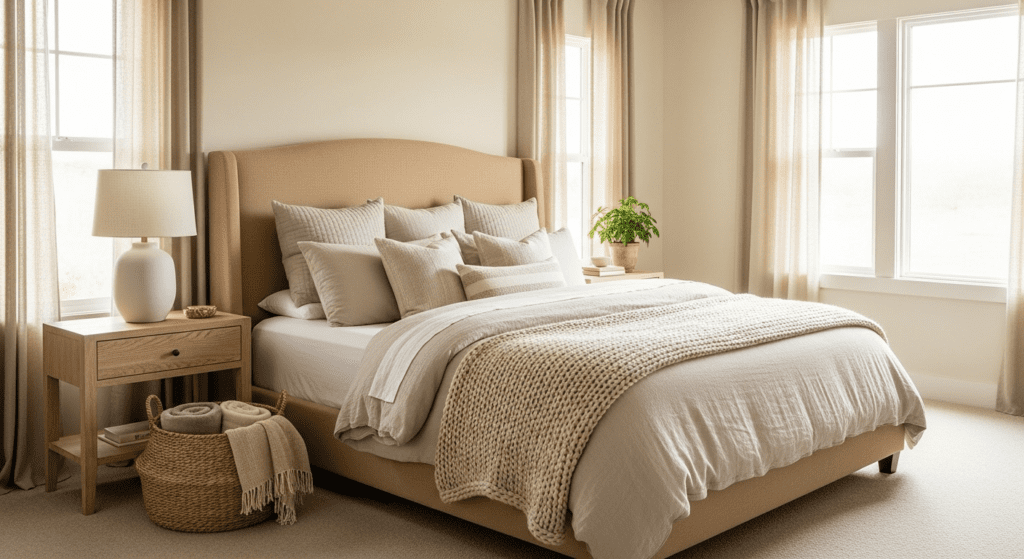
Bedroom Interior Beige
Beige is one of the most popular bedroom colors for good reason. This warm neutral creates a peaceful, calming atmosphere that’s perfect for rest and relaxation. Beige bedrooms feel cozy and welcoming without being too dark or heavy.
When designing a beige bedroom interior, mix different shades to add depth. Combine cream walls with tan bedding and caramel-colored furniture. Add texture through woven baskets, linen curtains, and wool rugs to keep the space from looking flat. Natural wood furniture works beautifully with beige, as do gold and brass metal accents.
Beige pairs well with almost any accent color. Add soft pink pillows for romance, navy blue throws for contrast, or green plants to bring life into the room. The beauty of beige is its flexibility—you can easily change your room’s look by switching out accent pieces.
Bedroom Interior Black
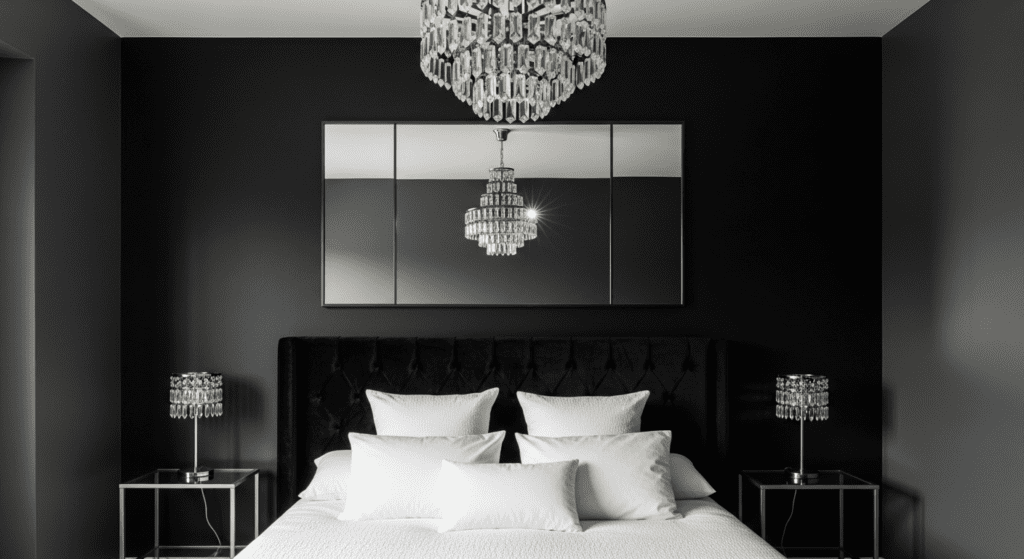
A black bedroom interior makes a bold, dramatic statement. While some worry that black will make a room feel small or dark, when done correctly, black creates a sophisticated, cozy space that feels like a luxurious retreat.
The key to a successful black bedroom is balance and lighting. Paint one or two accent walls black rather than all four walls. Or use black furniture and bedding against lighter walls. Make sure you have plenty of lighting—bedside lamps, ceiling lights, and natural light from windows keep the space from feeling cave-like.
Mix black with metallic accents like gold, brass, or silver to add glamour. White bedding on a black bed frame creates striking contrast. Add mirrors to reflect light and make the space feel larger. Texture is important in black rooms—velvet, silk, and glossy finishes catch the light and add visual interest.
Bedroom Interior Black and White
Black and white bedroom interiors never go out of style. This classic color combination is clean, modern, and endlessly adaptable. You can make it minimal and modern or soft and traditional depending on your furniture and accessories.
Start with white walls and add black through furniture, window treatments, or an accent wall. A black bed frame against white walls creates instant drama. Use patterned elements—striped pillows, geometric rugs, or floral artwork—to add interest to the two-color scheme.
Balance is essential in black and white bedrooms. If you have a lot of black furniture, use mostly white bedding and curtains. If your furniture is light, you can be bolder with black textiles. Add warmth with wood tones and prevent the space from feeling too stark with soft textures like fur throws or knit blankets.

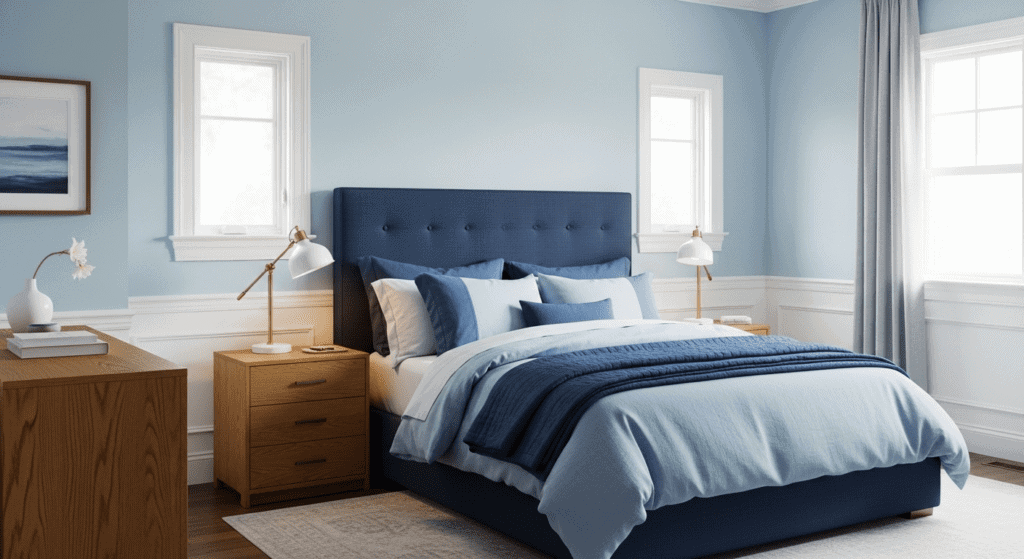
Bedroom Interior Blue / Blue Theme
Blue is the most popular color for bedrooms, and science backs this up—blue is proven to lower blood pressure and heart rate, making it ideal for sleep. A blue bedroom interior can range from soft and peaceful to bold and energizing.
Light blues like powder blue, sky blue, and pale aqua create calm, airy spaces that feel fresh and clean. These shades work well in small bedrooms because they make spaces feel larger. Medium blues like denim and slate bring more personality while still feeling relaxing.
For a cohesive blue theme, layer different shades of blue throughout the room. Use navy blue curtains, medium blue walls, and light blue bedding. Add white or cream to brighten the space and prevent it from feeling too monochrome. Natural wood, brass accents, and green plants complement blue beautifully.
Bedroom Interior Green / Green Wall
Green bedroom interiors bring the calming effects of nature indoors. Green is restful for the eyes and creates a peaceful atmosphere perfect for unwinding after a long day. A green wall can transform your bedroom into a tranquil retreat.
Sage green is currently very popular for bedrooms—this soft, muted shade feels sophisticated and works with many design styles. For a bolder look, try emerald green on one accent wall. Forest green creates a cozy, enveloping feel, while mint green brings freshness and energy.
When you have a green wall, keep other elements neutral to let the color shine. White bedding, natural wood furniture, and cream curtains balance green beautifully. Add plants to enhance the natural feel. Gold and brass metals look especially elegant with green. Avoid adding too many other colors—let green be the star.

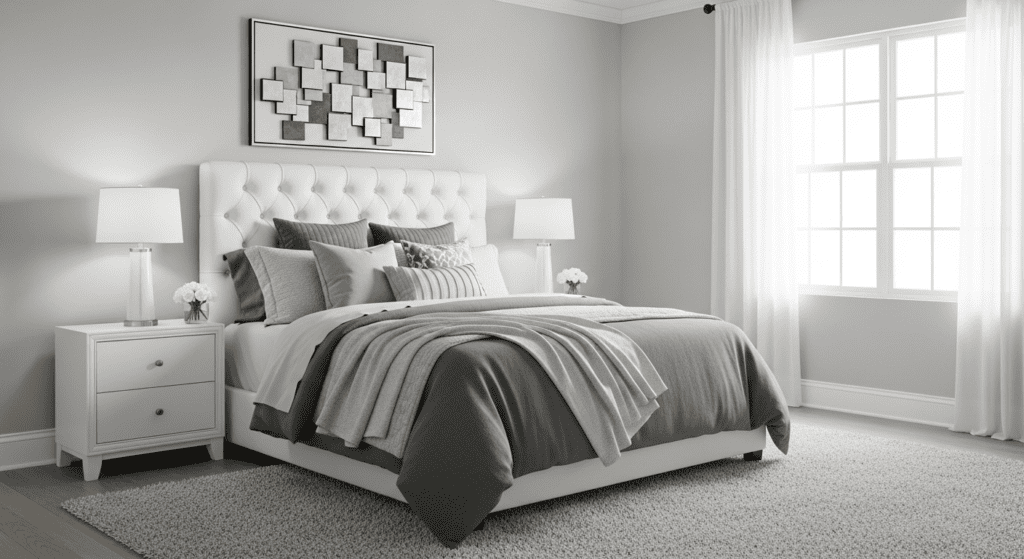
Bedroom Interior Grey / Grey and White
Grey bedroom interiors are modern, sophisticated, and incredibly versatile. Grey works with any design style and provides a neutral backdrop that makes other colors pop. A grey and white bedroom feels clean and calm without being stark.
Light grey walls create a soft, peaceful atmosphere. Medium grey adds more personality and works well for accent walls. Dark charcoal grey creates drama and coziness. Combine different shades of grey for depth—light grey walls with medium grey bedding and dark grey curtains.
The grey and white combination is perfect for modern bedrooms. Use white bedding against grey walls, or try a grey upholstered bed with white walls. Add warmth through wood tones, texture through fabrics, and personality through artwork and accessories. Pops of color like yellow, pink, or blue look stunning against grey and white.
Bedroom Interior Yellow / Yellow Wall
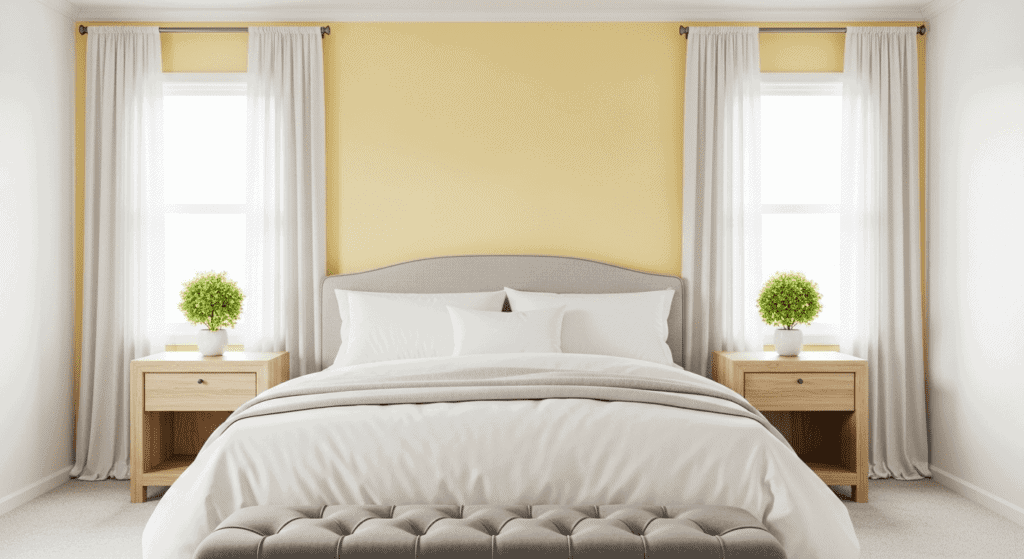
Yellow bedroom interiors are cheerful and energizing. A yellow wall can brighten up a dark bedroom and create a happy, optimistic atmosphere. Yellow is perfect if you want your bedroom to feel sunny and welcoming.
Choose your shade carefully—bright lemon yellow can be too stimulating for sleep, while soft buttery yellow or pale yellow creates a gentle glow. Use yellow on one accent wall rather than all walls to avoid overwhelming the space. The wall behind your bed is the perfect place for yellow.
Balance yellow with plenty of white to keep the room feeling fresh. Grey furniture and bedding look modern with yellow walls. Natural wood adds warmth. Plants and natural textures complement yellow’s sunny vibe. For a bold look, add navy blue or black accents to create striking contrast.
Green and Yellow Bedroom Interior Design
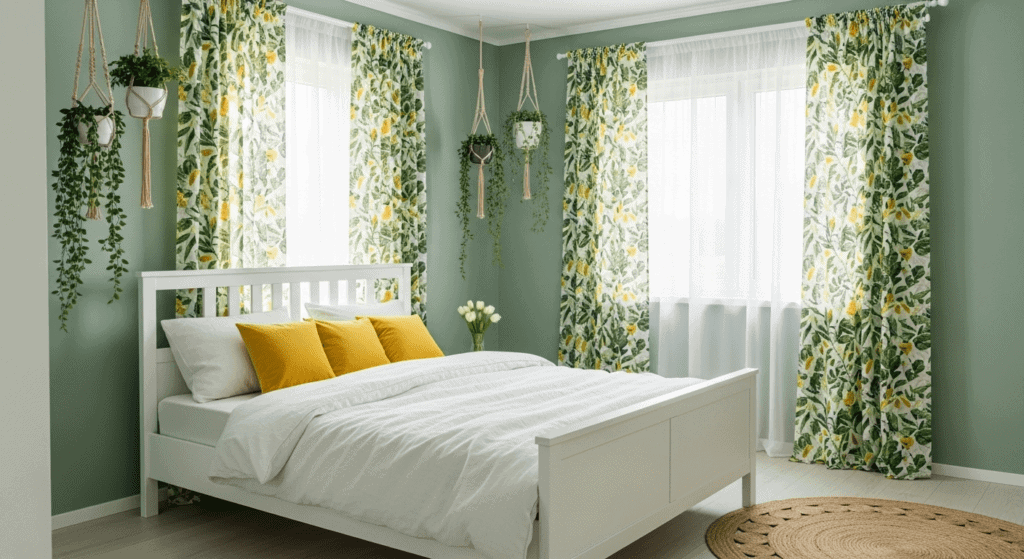
Combining green and yellow creates a fresh, nature-inspired bedroom that feels alive and energetic. This color combination works beautifully when you want a vibrant but not overwhelming space. Green and yellow bedroom interior design brings the garden indoors.
Use these colors in balanced proportions. Try soft sage green walls with yellow accent pillows and throws. Or paint one wall yellow and add green through bedding, curtains, and plants. Both colors work well in patterns—floral prints, leaf patterns, or geometric designs incorporating both shades.
Keep the main furniture neutral—white or natural wood—to let the green and yellow shine. This color combination works in modern, traditional, and bohemian bedrooms. Add natural textures like rattan, jute, and linen to enhance the organic feel. White trim and ceiling keep the space feeling bright and open.
Light Yellow Bedroom Interior Design
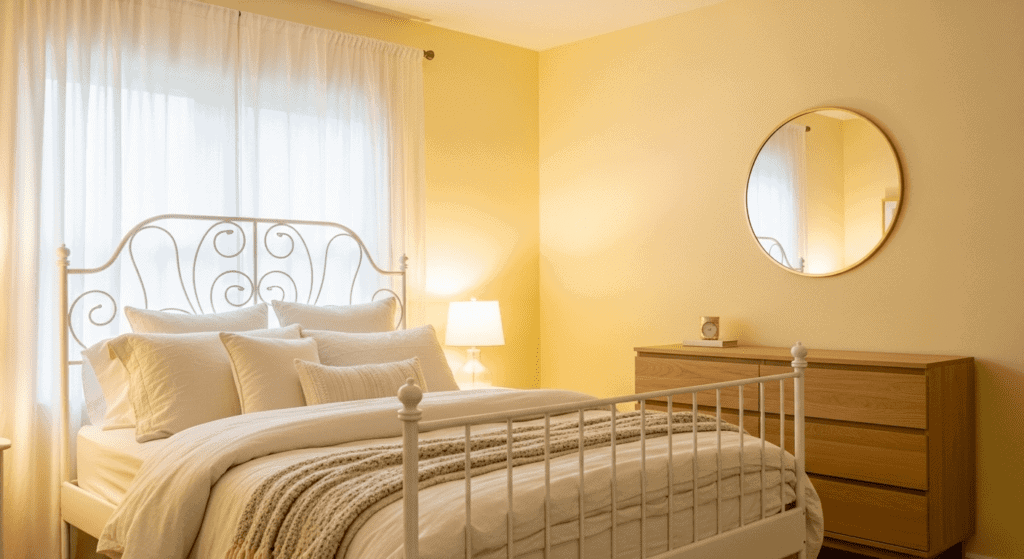
Light yellow bedroom interior design creates the most peaceful version of a yellow bedroom. Pale yellow or cream-yellow walls bring warmth and sunshine without being too bold. This soft shade works well in bedrooms where you want a cozy, comforting atmosphere.
Light yellow pairs beautifully with white, creating a bright and airy feel. It also works with grey for a more modern look, or with natural wood for a warm, traditional style. Light yellow walls make a perfect backdrop for colorful artwork and accessories.
This shade is forgiving and works in rooms with lots of natural light or rooms that need brightening. Add texture through bedding, curtains, and rugs to prevent the pale color from looking flat. Gold or brass accents enhance light yellow’s warm undertones. This is an excellent choice if you love yellow but want a subtle, restful bedroom.
Yellow and White Bedroom Interior
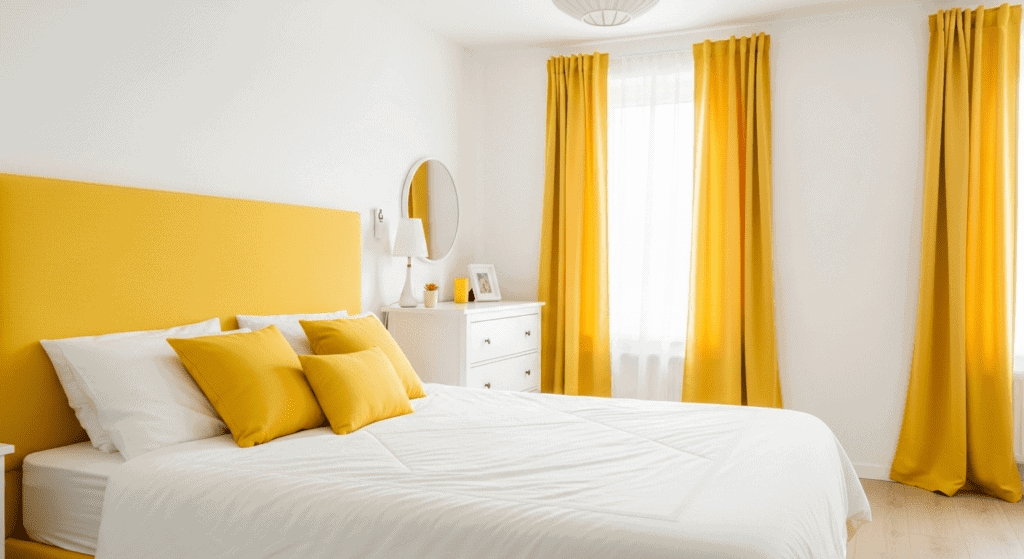
A yellow and white bedroom interior is crisp, clean, and cheerful. This fresh color combination brings energy while maintaining a light, airy feel. White balances yellow’s brightness and prevents the space from feeling overwhelming.
Use white as your dominant color with yellow as the accent, or split them more evenly depending on your preference. White walls with yellow bedding and curtains create a bright, happy space. Or try pale yellow walls with white furniture and bedding for a softer look.
This combination works especially well in modern and contemporary bedrooms. Clean lines, minimal furniture, and simple patterns look best. Add natural wood to warm up the crisp palette. Plants bring life to the space. Grey or black accents can add sophistication if you want to tone down the cheerfulness.
Bedroom Interior Pink
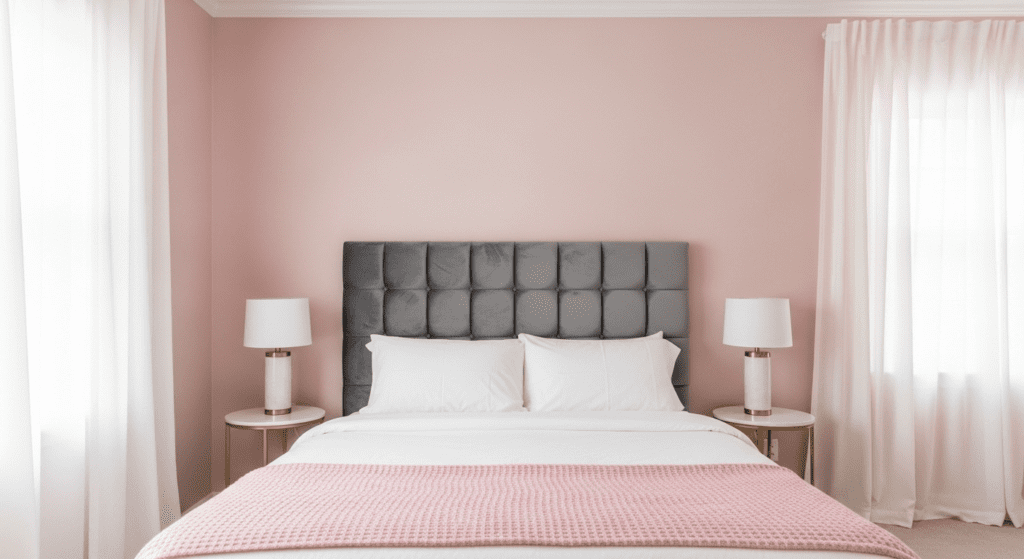
Pink bedroom interiors aren’t just for little girls—modern pink bedrooms are sophisticated, romantic, and calming. From dusty rose to blush to coral, pink creates warm, inviting spaces perfect for rest and relaxation.
Dusty pink and blush are extremely popular right now. These muted pinks feel grown-up and elegant. They work beautifully with grey, white, gold, and navy blue. Brighter pinks like coral or hot pink make bold accent walls that energize the space.
Create a sophisticated pink bedroom by pairing soft pink walls with grey bedding and white furniture. Add gold accents for glamour. For a romantic look, combine different shades of pink with white and cream. Velvet, silk, and plush textures enhance pink’s softness. Plants and natural wood prevent pink rooms from feeling too sweet.
Bedroom Interior Purple
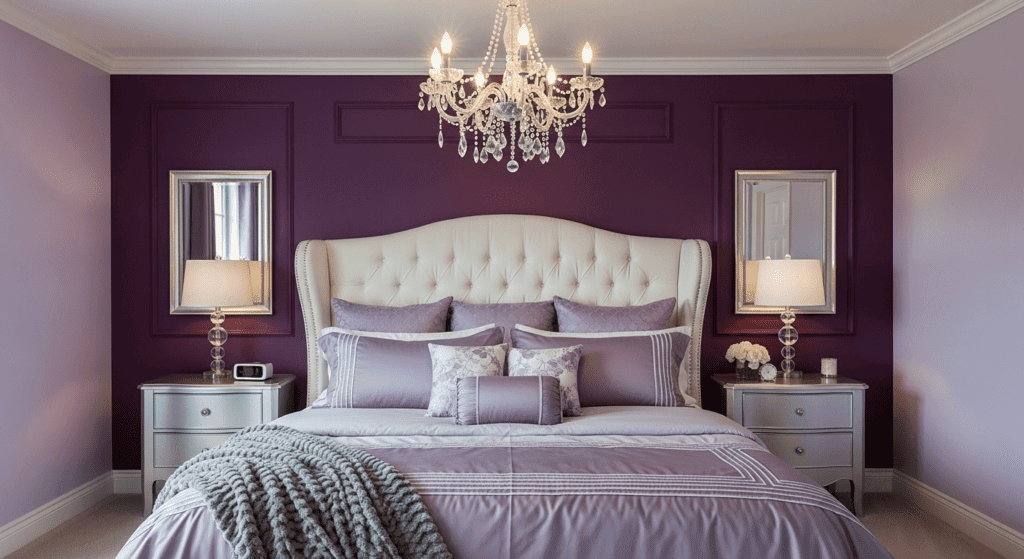
Purple bedroom interiors range from deeply dramatic to soft and dreamy. Purple is associated with luxury, creativity, and calm. The shade you choose dramatically affects the room’s mood.
Light lavender creates a peaceful, feminine space that promotes relaxation. Medium purple brings more energy and personality. Deep plum or eggplant creates a dramatic, cozy atmosphere similar to a jewel box. Royal purple makes a bold statement on an accent wall.
Purple works beautifully with white, grey, and silver. For a richer look, combine it with gold accents. Green is purple’s complementary color and creates striking contrast. Keep large furniture neutral and bring in purple through walls, bedding, and accessories. Mix different shades of purple for depth and interest.
Bedroom Interior Red
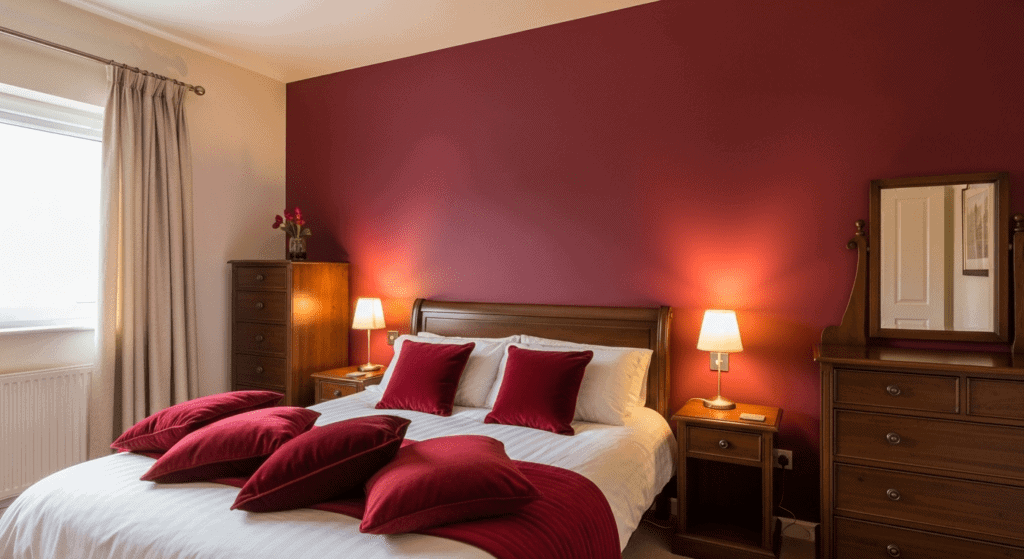
Red bedroom interiors are bold, passionate, and energizing. While red isn’t the most common bedroom color, when used correctly, it creates a warm, romantic space. Red stimulates energy, so use it carefully in sleeping areas.
Deep burgundy or wine red works better for bedrooms than bright cherry red. These rich shades create coziness without being too stimulating. Use red on one accent wall rather than the entire room. Or keep walls neutral and bring in red through bedding, curtains, and accessories.
Balance red with plenty of neutral colors—white, cream, beige, or grey. Black and white look dramatic with red. Natural wood warms up red’s intensity. Keep the space from feeling overwhelming by limiting how much red you use. Red works well in traditional, romantic, and eclectic bedroom styles.
Bedroom Interior Orange
Orange bedroom interiors are warm, cheerful, and energizing. Orange creates a cozy, inviting atmosphere and works especially well in rooms that don’t get much natural light. This underused color deserves more attention in bedroom design.
Choose softer shades for bedrooms—terracotta, burnt orange, peach, or coral are more restful than bright pumpkin orange. These earthy oranges create warmth without being too stimulating for sleep. Use orange on one accent wall or bring it in through textiles and accessories.
Orange pairs beautifully with white, cream, and natural wood for a warm, organic feel. Navy blue creates striking contrast with orange. Grey and orange is a popular modern combination. Add plants and natural textures to complement orange’s earthy vibe. This color works in bohemian, modern, and traditional bedrooms.

Bedroom Interior Olive Green
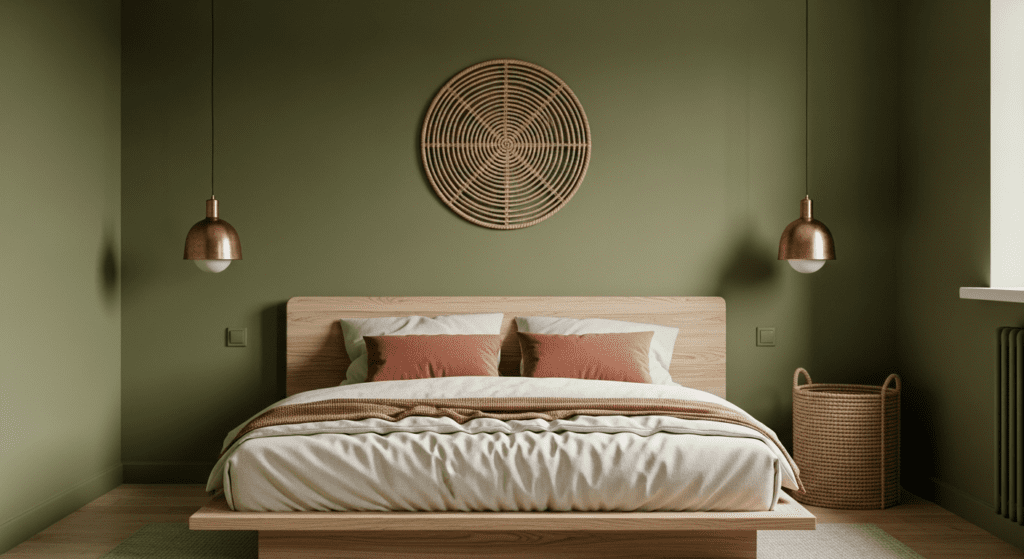
Olive green bedroom interiors bring a sophisticated, earthy feel to your sleeping space. This muted green is calming yet interesting, making it perfect for bedrooms. Olive green creates a grounded, natural atmosphere that promotes rest.
Olive green works in both modern and traditional bedrooms. Paint all walls for an enveloping, cozy feel, or use it as an accent wall. This shade looks beautiful with natural materials—wood, rattan, linen, and jute all complement olive green perfectly.
Pair olive green with cream, beige, or white for a soft, neutral palette. Gold and brass metals look especially elegant with olive. For more contrast, add black or charcoal grey accents. Mustard yellow or terracotta bring warmth to olive green bedrooms. This color creates a timeless look that won’t feel dated.
Bedroom Interior Navy Blue
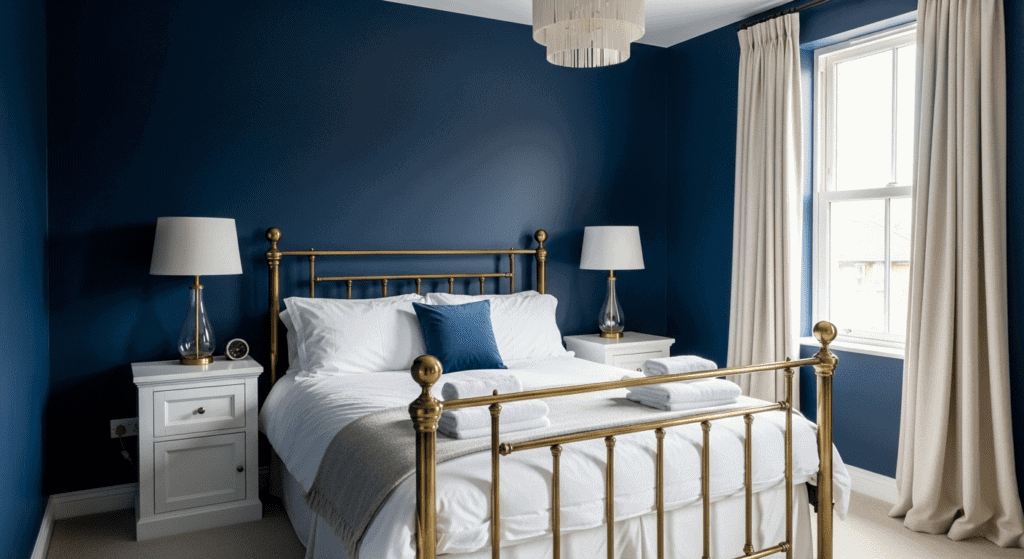
Navy blue bedroom interiors are classic, sophisticated, and incredibly versatile. Navy brings the calming benefits of blue with more depth and richness. A navy blue bedroom feels both restful and polished.
Navy works as a wall color or through furniture and textiles. Navy walls create a cozy, enveloping atmosphere—perfect for creating a sleep sanctuary. A navy upholstered headboard against white walls makes a striking statement. Navy bedding on a white or grey bed creates a crisp, nautical look.
Pair navy with white for a classic, timeless combination. Add gold or brass accents for elegance. Grey and navy create a modern, masculine feel. For warmth, combine navy with natural wood and cream. Navy works in traditional, modern, coastal, and preppy bedroom styles. This versatile color grows with you and never goes out of style.
Choosing the Right Color for Your Bedroom
Now that you’ve seen all these beautiful color options, how do you choose the right one for your bedroom? Consider these factors:
Your personal preferences matter most. You’ll spend a lot of time in your bedroom, so choose a color that makes you happy and relaxed. Don’t follow trends if they don’t appeal to you.
Consider the room’s natural light. Rooms with lots of sunlight can handle darker colors like navy, black, or deep purple. Rooms with limited light benefit from lighter shades like beige, light yellow, or pale blue.
Think about the room’s size. Light colors make small bedrooms feel larger. Dark colors can make large bedrooms feel cozier. But rules are meant to be broken—a small room painted in a rich color can feel like a jewel box.
Consider how you use the space. If your bedroom is just for sleeping, choose calming colors like blue, green, or beige. If you also use it for working or hobbies, you might prefer energizing colors like yellow or orange.
Test before committing. Buy sample pots of paint and test them on your walls. Colors look different in different lighting throughout the day. Live with the samples for a few days before making your final decision.
Start small if you’re nervous. You don’t have to paint all your walls. Start with one accent wall, or bring in color through bedding, curtains, and accessories. You can always add more color later.
Final Tips for a Beautiful Bedroom Interior
Whatever color you choose, these tips will help you create a beautiful, cohesive bedroom:
Layer different shades of your chosen color for depth and interest. Don’t use just one shade—mix light, medium, and dark versions.
Add texture through fabrics, rugs, and accessories. Texture makes any color look more interesting and prevents rooms from feeling flat.
Balance bold colors with neutral elements. If you have bright colored walls, keep furniture and large pieces neutral.
Use the 60-30-10 rule: 60% dominant color (usually walls), 30% secondary color (furniture and bedding), and 10% accent color (accessories and artwork).
Don’t forget lighting. Good lighting makes any color look better. Use a mix of ambient, task, and accent lighting.
Personalize your space with artwork, photos, and meaningful objects. Your bedroom should reflect your personality, not just follow design rules.
Your bedroom color sets the tone for your most personal space. Whether you choose calming beige, dramatic black, fresh green, cheerful yellow, romantic pink, or sophisticated navy, make sure it’s a color that makes you feel good. The perfect bedroom interior color is the one that helps you relax, sleep well, and wake up happy.


