
The Ultimate Guide to Bedroom Interior Design for Every Person and Age
Designing a bedroom isn’t one-size-fits-all. A bedroom for couples needs different features than a bedroom for kids. A teen’s room has different requirements than a young adult’s space. The perfect bedroom interior depends on who will use it, what they need, and how they live.
In this complete guide, we’ll explore bedroom design for every type of person and every stage of life. From creating the perfect couples’ retreat to designing an exciting gaming bedroom, you’ll find practical tips and inspiring ideas for any bedroom project. Let’s discover how to create the perfect bedroom for you or your loved ones.
Bedroom Interior for Couples
A bedroom interior for couples should be a peaceful retreat that reflects both personalities. This shared space needs to balance two people’s tastes, habits, and needs while creating a romantic, relaxing atmosphere.
Start with a neutral color palette that both partners enjoy—soft greys, warm beiges, or calming blues work well as foundations. Add personality through accent colors and accessories. Choose a comfortable, high-quality bed since it’s the room’s centerpiece. King or queen size gives both people enough space to sleep comfortably.

Create symmetry with matching nightstands and lamps on both sides of the bed. This gives each person their own space for books, phones, and personal items. Include adequate storage so the room doesn’t become cluttered—nothing kills romance like mess and chaos.
Consider adding a seating area if space allows. A cozy chair or small loveseat creates a spot for reading, talking, or morning coffee together. Soft lighting with dimmer switches sets the mood and allows for different activities. Blackout curtains help both partners sleep better.
Keep technology minimal or hidden. A TV in the bedroom can be fine, but make sure it doesn’t dominate the space. Create zones—a sleep zone, a dressing zone, and perhaps a reading zone. This helps the room feel organized and functional for two people with different schedules.

Bedroom Interior for Kids
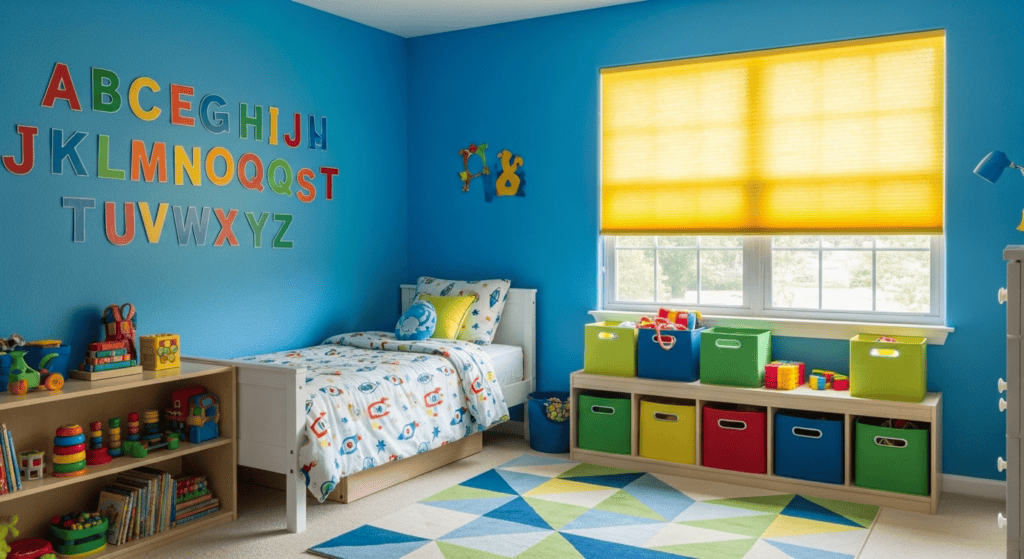
A bedroom interior for kids needs to be fun, functional, and safe. Children’s bedrooms should inspire creativity, support play, and grow with them as they develop. The best kids’ bedrooms balance whimsy with practicality.
Choose durable, easy-to-clean materials. Paint is better than wallpaper since tastes change quickly. Pick cheerful, bright colors that energize the space—yellows, blues, greens, and multi-color schemes work well. Avoid overly themed rooms that kids will outgrow quickly. Instead, use themed accessories that are easy to change.
Storage is crucial in kids’ bedrooms. Include toy boxes, shelving, and bins at kid-height so children can help clean up. Under-bed storage maximizes space. A combination of open shelving (for displaying favorite toys) and closed storage (for hiding mess) works best.

Safety comes first. Secure furniture to walls to prevent tipping. Cover electrical outlets. Choose rounded furniture corners. Use cordless window treatments to prevent strangulation hazards. Make sure the bed is appropriate for the child’s age—toddlers need low beds or rails.
Create different zones for different activities: sleeping, playing, and (for school-age kids) homework. Good lighting is important—overhead lights for play, desk lamps for homework, and nightlights for bedtime comfort. Make the room fun with colorful rugs, wall decals, or a creative ceiling fixture.
Bedroom Interior for Boy Kids
A bedroom interior for boy kids can explore many themes and styles while being functional and age-appropriate. Boys’ bedrooms should reflect their interests while providing space to sleep, play, and eventually study.
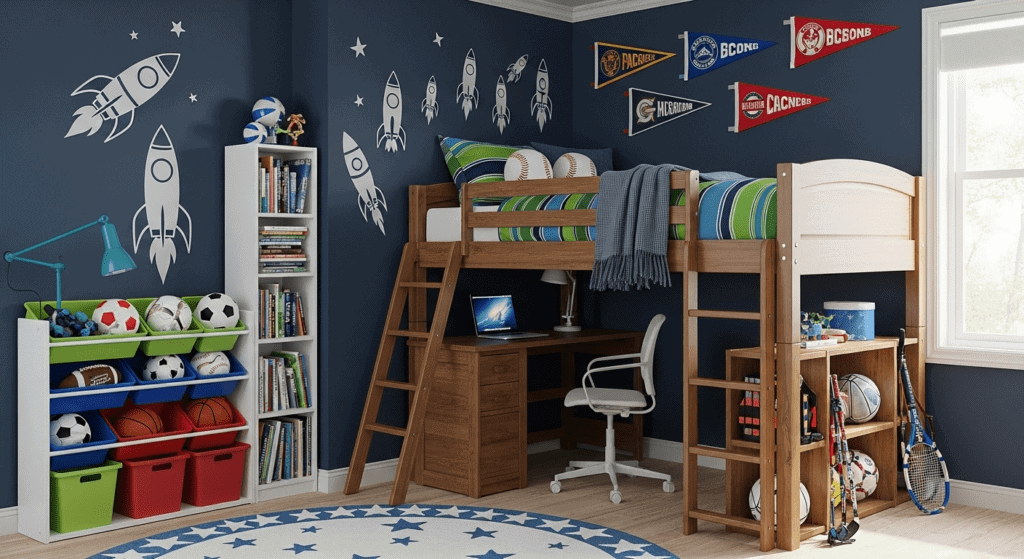
Popular color schemes include blues, greens, greys, and combinations of these. Navy blue with white or grey creates a classic look that ages well. Adventure themes like space, dinosaurs, vehicles, or sports allow for creativity without being too babyish.
Choose sturdy, durable furniture that can handle active play. A solid wood bed frame lasts longer than particle board. Consider a loft bed or bunk bed to maximize floor space for play areas. Include plenty of storage for toys, books, and collections—boys often accumulate lots of stuff.
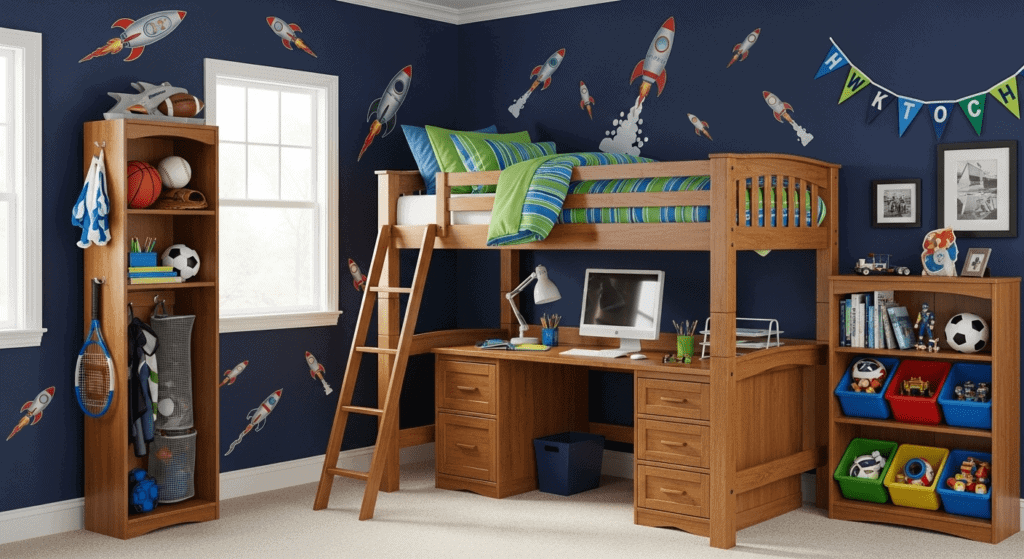
Create a display area for achievements, trophies, or favorite collections. Shelving for books and toys should be accessible and organized. A desk becomes important around age five or six for homework and creative projects.
Add personality through bedding, curtains, wall art, and rugs rather than permanent fixtures. This allows easy updates as interests change. Sports equipment storage, like hooks for baseball bats or bins for balls, keeps the room organized. Good task lighting helps with homework and reading.
Bedroom Interior for Girl Kids
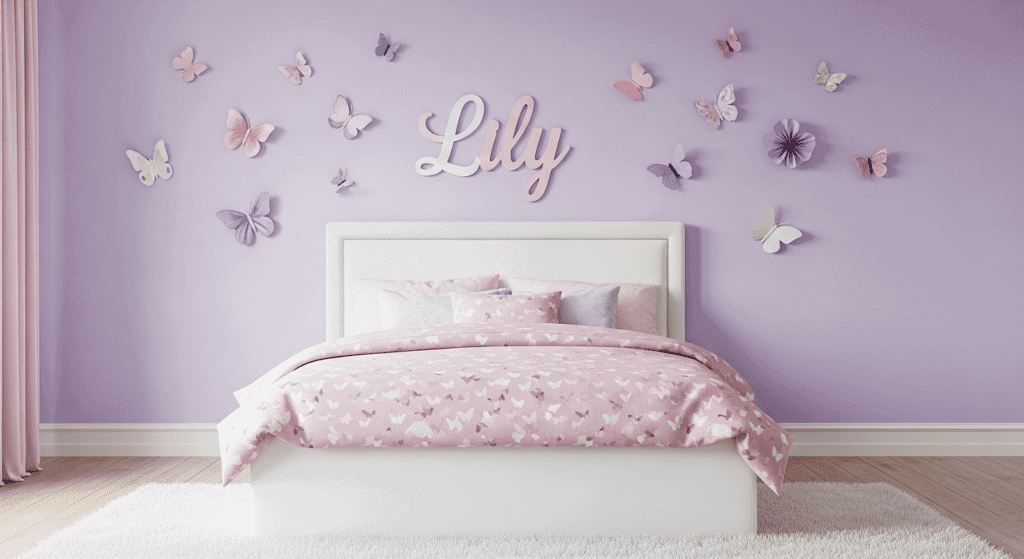
A bedroom interior for girl kids can be creative, colorful, and charming while growing with her through different stages. Girls’ bedrooms should encourage imagination, provide organizational systems, and reflect her unique personality.
Move beyond the all-pink stereotype—consider lavender, mint green, coral, yellow, or combinations of pastels and bright colors. Create a sophisticated look that won’t feel babyish as she grows. Accent walls in bold colors or removable wallpaper add personality without overwhelming the space.

Storage solutions are essential. Girls often have many toys, books, clothes, and accessories. Include a mix of drawers, shelves, and hanging storage. A dress-up area with a small wardrobe or hooks makes playing pretend more fun. Book displays encourage reading.
Consider adding a creative space—an art table, a reading nook with floor cushions, or a small vanity for older girls. Good lighting includes overhead lights, a desk lamp, and perhaps string lights for ambiance (battery-operated for safety).
Personal touches make the room special: a name sign, photo displays, or DIY art projects. Choose quality pieces that last rather than trendy items that quickly go out of style. A comfortable bed with fun bedding becomes a cozy retreat for reading and relaxing.
Bedroom Interior for a Teen
A bedroom interior for a teen needs to transition from childhood to young adulthood. Teen bedrooms are multi-purpose spaces—for sleeping, studying, hanging out with friends, and expressing identity. Respect their growing independence while creating a functional space.
Involve your teen in design decisions. Their room should reflect their personality, not yours. More sophisticated color schemes work better than childish themes—consider grey and yellow, navy and white, or forest green with natural wood. Accent walls or removable wallpaper let them express style without permanent commitment.

A good desk setup is crucial for homework and computer use. Include ergonomic seating, good lighting, and cable management for electronics. Create a comfortable seating area beyond the bed—floor cushions, a bean bag, or a small sofa gives friends a place to hang out.
Storage needs evolve—less for toys, more for clothes, shoes, books, and technology. A full-length mirror becomes important. Consider adding a corkboard or pegboard for photos, schedules, and memorabilia.
Privacy matters to teens. Curtains or blinds for windows, and perhaps a lock on the door (discuss ground rules). Let them personalize with posters, photos, and decorations. The room should feel like their own space while remaining functional and relatively organized.

Bedroom Interior for a Teen Girl
A bedroom interior for a teen girl balances sophistication with youthful energy. Teen girls want spaces that are Instagram-worthy yet functional for studying and relaxing. This is where personality really shines through in bedroom design.
Popular color palettes include blush pink with grey, teal and gold, or black and white with colorful accents. Many teen girls love bohemian style with tapestries, string lights, and plants. Others prefer clean, minimalist modern designs. Some embrace maximalist rooms filled with photos, art, and collections.
A vanity area becomes important for many teen girls—a place to get ready, try makeup, and style hair. Include good lighting around mirrors. Adequate clothing storage is essential, including hanging space, drawers, and shoe organization. A full-length mirror is a must-have.

Create an Instagram-worthy corner with good natural light for photos. Include a comfortable study area since academics become more demanding. Add personal touches like photo walls, DIY decorations, or favorite quotes in frames or vinyl letters.
Consider a daybed or seating area for friends to hang out. String lights or LED strips create ambiance (make sure they’re safe and approved). Plants, real or fake, add life to the space. Let her express herself through removable elements so she can update the room as her style evolves.

Bedroom Interior for a Young Adult
A bedroom interior for a young adult reflects independence, maturity, and personal style. Young adults need bedrooms that function as private retreats, often serving multiple purposes like working from home, exercising, or entertaining.
Choose sophisticated, timeless color schemes—charcoal and white, sage green and beige, or navy and cream. Invest in quality furniture pieces that will last beyond this life stage. A comfortable, adult-sized bed (full, queen, or king) is worth the investment in sleep quality.

Create a workspace if you work from home or do freelance projects. Include a proper desk, ergonomic chair, and organizational systems. Good lighting is crucial—layer ambient, task, and accent lighting. Blackout curtains help maintain healthy sleep schedules.
Maximize storage to keep small spaces organized. Under-bed storage, vertical shelving, and multi-functional furniture help. Consider a small dresser doubling as a TV stand, or a storage ottoman that provides seating.
Add personality through art, plants, and meaningful decorative items rather than posters or cheap accessories. Invest in good bedding—quality sheets and pillows improve sleep. Create a cohesive look with a planned color palette rather than random pieces. The room should feel put-together and intentional, reflecting your growing maturity.

Bedroom Interior for Men
A bedroom interior for men often emphasizes minimalism, functionality, and masculine aesthetics. Men’s bedrooms should be comfortable, organized, and reflect personal interests without unnecessary clutter.
Popular color schemes include grey and black, navy and white, or earth tones like brown and green. Industrial, modern, and minimalist styles work well. Exposed brick, concrete elements, or dark wood create masculine vibes. Keep the color palette cohesive—usually 2-3 colors maximum.
Invest in a quality bed and mattress. Men’s bedrooms often feature platform beds, leather upholstered headboards, or simple wooden frames. Crisp, solid-colored bedding in navy, grey, charcoal, or white looks clean and sophisticated. Skip decorative pillows—functional is fine.

Storage should be simple and organized. A dresser, nightstands, and perhaps a closet system keep everything in place. Display meaningful items like sports memorabilia, travel souvenirs, or technology, but avoid clutter. Open shelving for books or collections adds personality.
Include practical elements like a charging station for devices, good reading lights, and perhaps a chair for putting on shoes or working. Window treatments should be functional—blinds or simple curtains that block light. Add one or two pieces of meaningful artwork. The space should feel intentional, clean, and comfortable.

Bedroom Interior for a Girl
A bedroom interior for a girl (distinct from kids or teens) refers to creating a feminine, personal space for adult women. This bedroom should be a beautiful retreat that reflects individual style, whether that’s romantic, modern, bohemian, or glamorous.
Feminine doesn’t mean pink and frilly—it can be sophisticated and subtle. Consider soft greys, blush tones, sage green, or ivory. Add warmth through textures like velvet, silk, linen, and faux fur. Layer different fabrics for a luxurious feel.
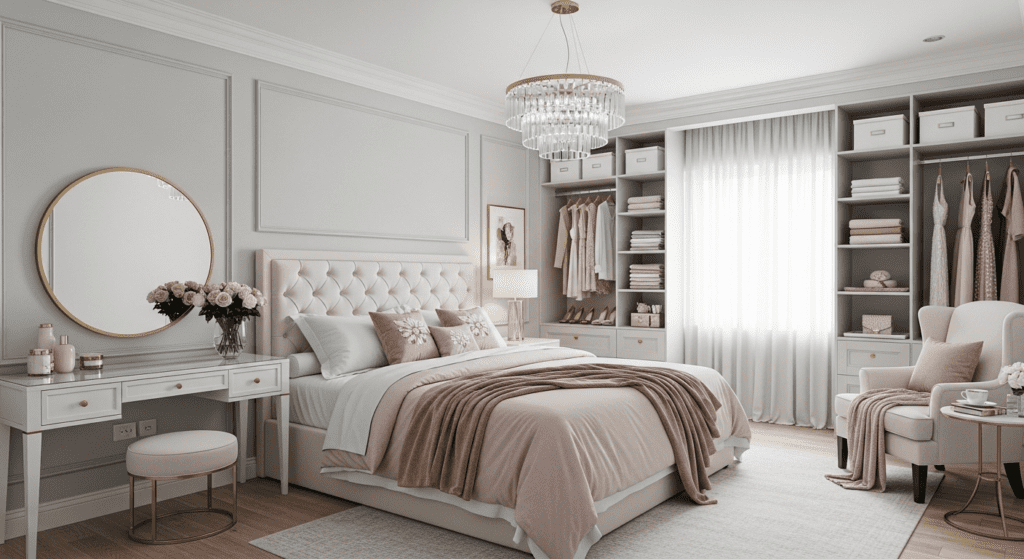
Create a beautiful focal point with an upholstered headboard, canopy bed, or dramatic artwork above the bed. Invest in quality bedding—high thread count sheets, a comfortable duvet, and decorative pillows that actually serve a purpose (supporting reading or relaxing).
Include a vanity or dressing area with good lighting and mirror. Adequate storage keeps the space serene—organize jewelry, accessories, and clothing. A full-length mirror is essential. Consider a comfortable seating area—a reading chair with ottoman or window seat.
Personal touches make the room special: fresh flowers, meaningful photos in beautiful frames, favorite artwork, or collections. Good lighting creates ambiance—bedside lamps, perhaps a chandelier, and candles (safely placed). The room should feel like a personal sanctuary that’s both beautiful and functional.

Bedroom Interior for Gaming
A bedroom interior for gaming requires careful planning to accommodate equipment, provide comfort for long sessions, and create an immersive environment. Gaming bedrooms blend functionality with personal style.
Start with a dedicated gaming setup area. An L-shaped or corner desk provides space for multiple monitors, consoles, keyboard, and accessories. Cable management is crucial—use clips, sleeves, or channels to keep cords organized and safe. Ergonomic gaming chairs prevent back pain during long sessions.
Lighting sets the mood. RGB LED strips behind monitors or around the room create ambiance and reduce eye strain. Smart bulbs let you change colors to match games or moods. Blackout curtains prevent screen glare. Include task lighting for keyboard visibility.
Storage solutions keep games, controllers, headsets, and accessories organized. Floating shelves display collectibles and game cases. Headphone stands or hooks keep expensive equipment safe. Consider a mini-fridge if space allows—staying hydrated without leaving the game.

The bed should still be comfortable since sleep is important for gaming performance. Choose bedding in colors that complement your gaming setup. Soundproofing considerations include carpet or rugs (reduce noise to neighbors) and acoustic panels (improve sound quality).
Add personality through gaming posters, collectible figures, or neon signs. Keep the space organized—clutter affects both performance and enjoyment. Balance gaming features with bedroom functionality. The room should support your passion while remaining a comfortable place to sleep and relax.

Creating the Perfect Bedroom for Anyone
No matter who the bedroom is for, these universal principles create successful spaces:
Understand the user’s needs. Talk to the person who will use the room. What do they love? What frustrates them about their current space? What activities happen in the bedroom? The more you understand their daily life, the better the design.
Plan for function first, style second. A beautiful room that doesn’t work for daily life will frustrate its user. Make sure there’s adequate storage, appropriate furniture, and good lighting before worrying about decorative elements.
Choose quality over quantity. One good bed is better than a cheap bed plus lots of accessories. Invest in pieces that matter—mattress, desk chair, lighting—and save on decorative items.
Allow for personalization. People feel most comfortable in spaces they’ve personalized. Leave room for photos, collections, artwork, and meaningful items. Don’t over-design to the point that there’s no room for personal touches.
Design for now and the near future. Kids’ rooms should accommodate growth. Teen rooms should transition to young adult spaces. Consider what changes might be needed in 2-3 years and design with that flexibility in mind.
Respect privacy and independence. From teen years onward, bedrooms become private sanctuaries. Design should support this need for personal space, whether through good window treatments, organizational systems, or respecting style choices.
Balance aesthetics and budget. You don’t need to spend a fortune to create a beautiful, functional bedroom. Paint is inexpensive and transformative. Thrift stores and discount retailers offer good furniture. DIY projects add personality without big costs.
Final Thoughts on Bedroom Design
The perfect bedroom interior depends entirely on who will use it. Couples need different features than individuals. Children need different setups than teenagers or adults. Gamers have specific requirements that differ from readers or artists.
The best bedroom designs consider the specific person’s age, interests, needs, and lifestyle. They balance functionality with aesthetics, provide adequate storage and lighting, and allow for personal expression. Whether you’re designing a romantic couples’ retreat, a fun kids’ room, a sophisticated young adult space, or an immersive gaming haven, start by understanding the user and designing for their specific needs.
Remember that bedrooms evolve. What works for a child won’t work for a teenager. What a young adult needs differs from what a settled adult requires. Design with flexibility in mind, choosing elements that can adapt as life changes.
Most importantly, every bedroom should be a comfortable retreat—a personal space where the occupant feels safe, relaxed, and truly at home. When you achieve that, you’ve created the perfect bedroom interior, regardless of age or interest.


