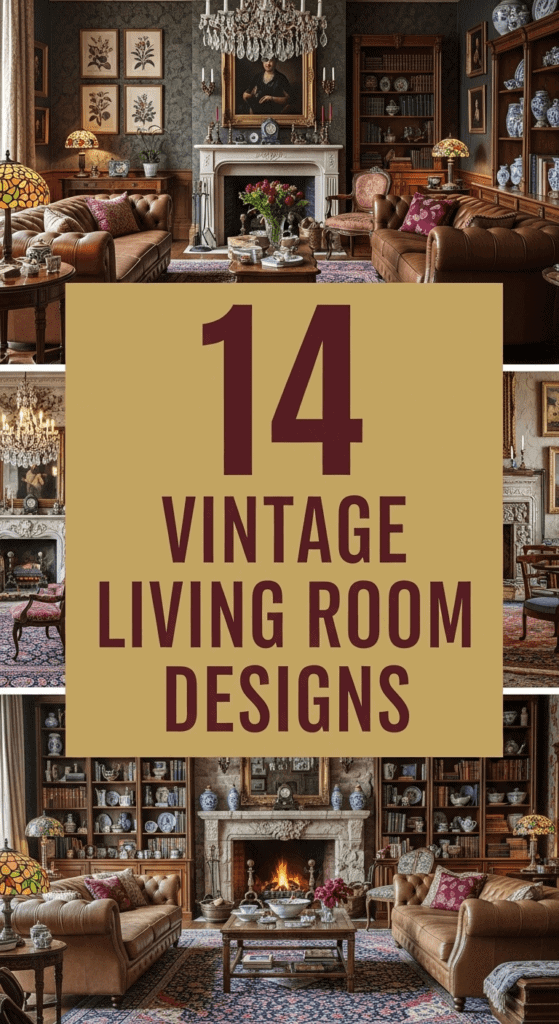
Vintage Living Room Designs
Vintage living room designs transport spaces back through time while maintaining warmth, character, and timeless elegance that modern aesthetics often lack. Drawing inspiration from various eras—Art Deco glamour, mid-century modernism, Victorian grandeur, 1970s groovy charm—vintage design celebrates the beauty of the past while creating environments that feel rich, layered, and authentically lived-in. The following fourteen designs showcase how vintage aesthetics transform ordinary living rooms into captivating spaces filled with history, nostalgia, and the kind of soul that only aged, treasured pieces can provide.
See also: Moody Guest Bedroom Designs 15 Ways to Embrace the Dark Side
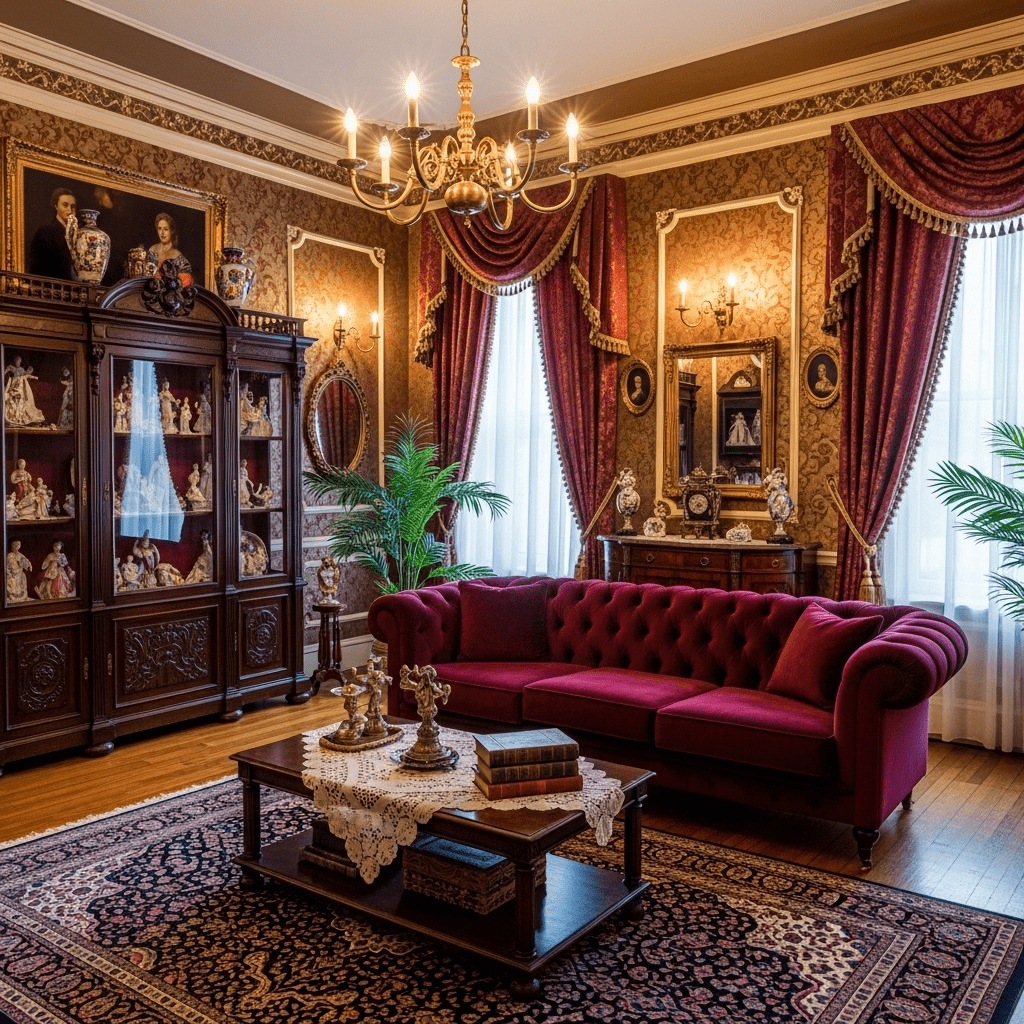
1. Victorian Parlour Elegance
Rich jewel tones, ornate carved furniture, tufted velvet sofas, and elaborate moldings recreate Victorian-era sophistication. Dark woods, brass fixtures, and layered textiles create opulent, dramatic living spaces.
See also: Guest Bedroom Paint Colors Ideas 12 Shades for a Flawless Finish
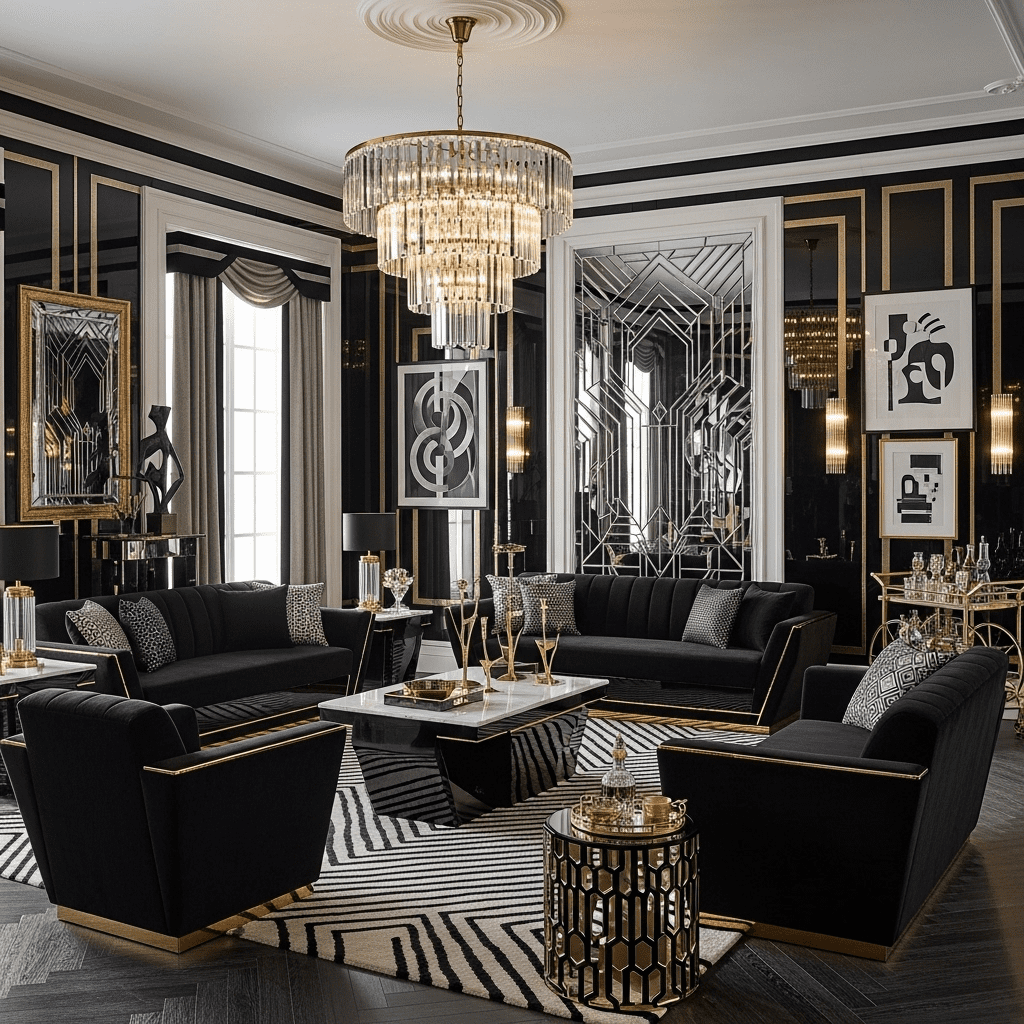
2. Art Deco Glamour Revival
Bold geometric patterns, mirrored surfaces, black and gold color schemes, and sleek angular furniture recreate 1920s Hollywood glamour. Luxurious materials and dramatic contrasts define this striking era.
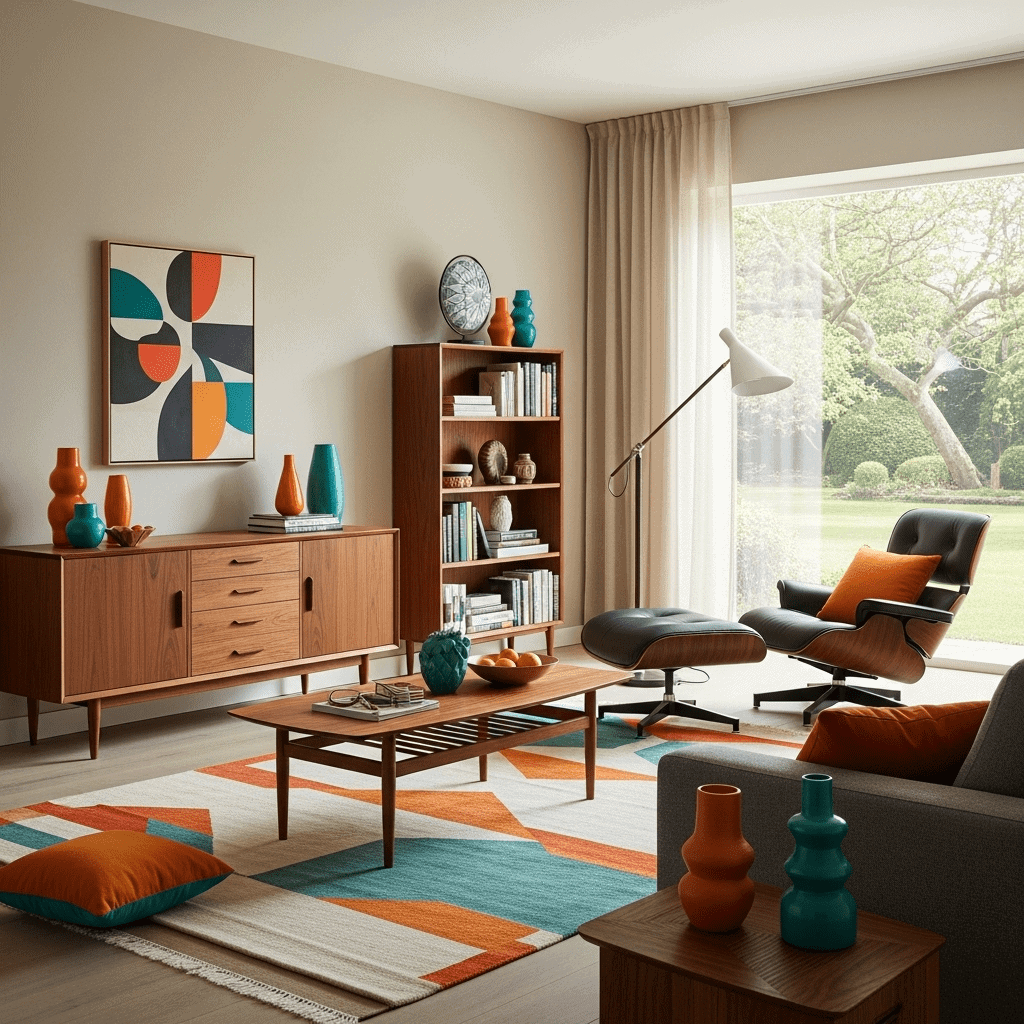
3. Mid-Century Modern Classic
Iconic tapered legs, organic shapes, walnut wood, and bold graphic patterns from the 1950s-60s create timeless elegance. Clean lines combined with warm wood tones deliver sophisticated vintage charm.
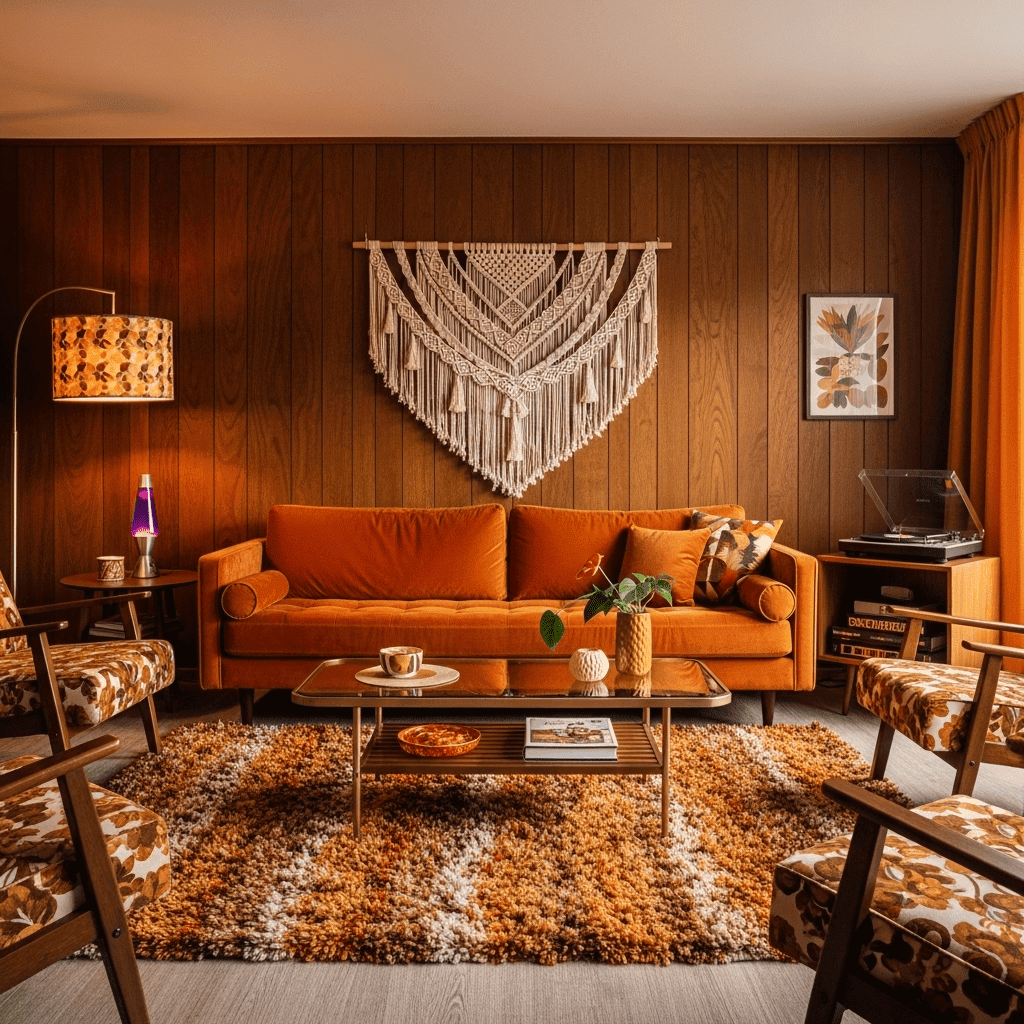
4. 1970s Groovy Warmth
Warm browns, burnt oranges, avocado greens, and shag textures recreate the groovy decade’s distinctive aesthetic. Curved furniture, macramé, and wood paneling define this retro era.
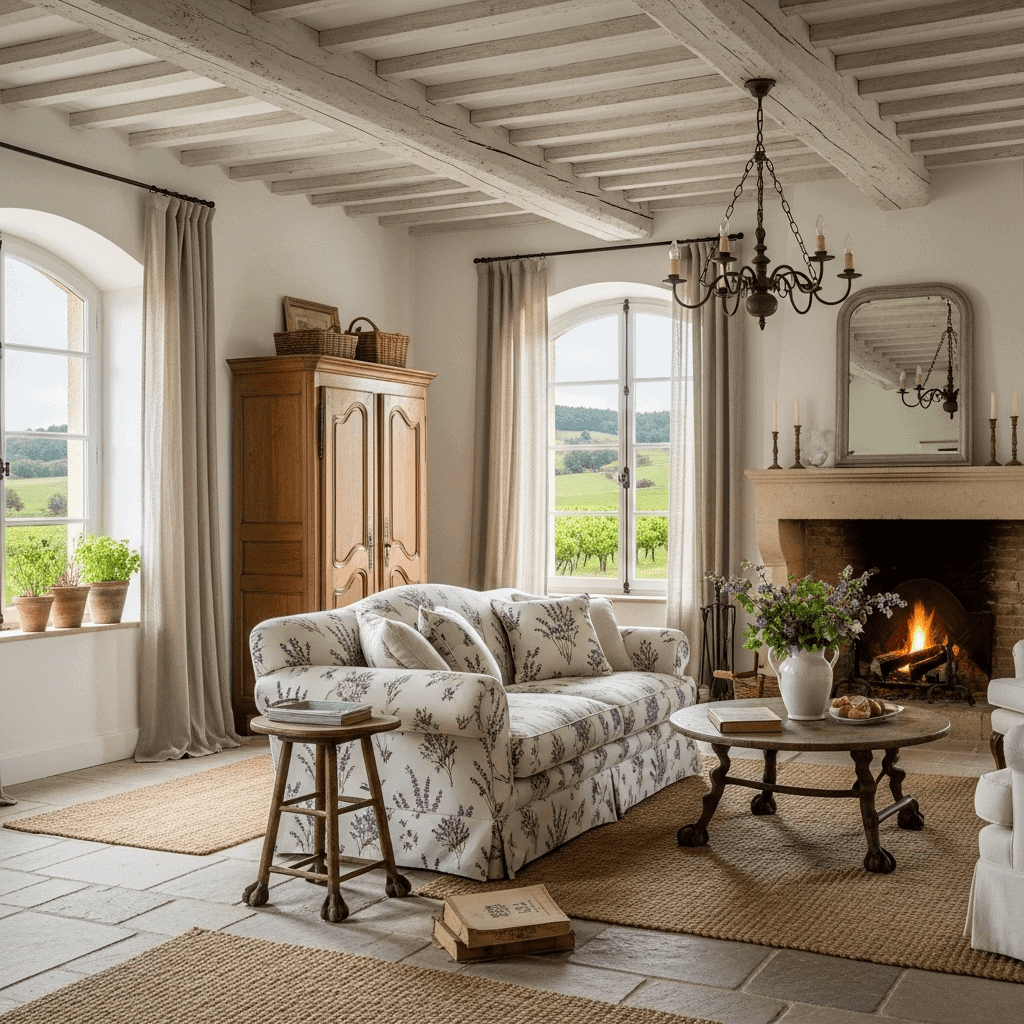
5. French Country Countryside
Rustic wooden beams, whitewashed walls, floral fabrics, and antique furniture create charming French countryside atmosphere. Soft, romantic aesthetics with genuine vintage character throughout.
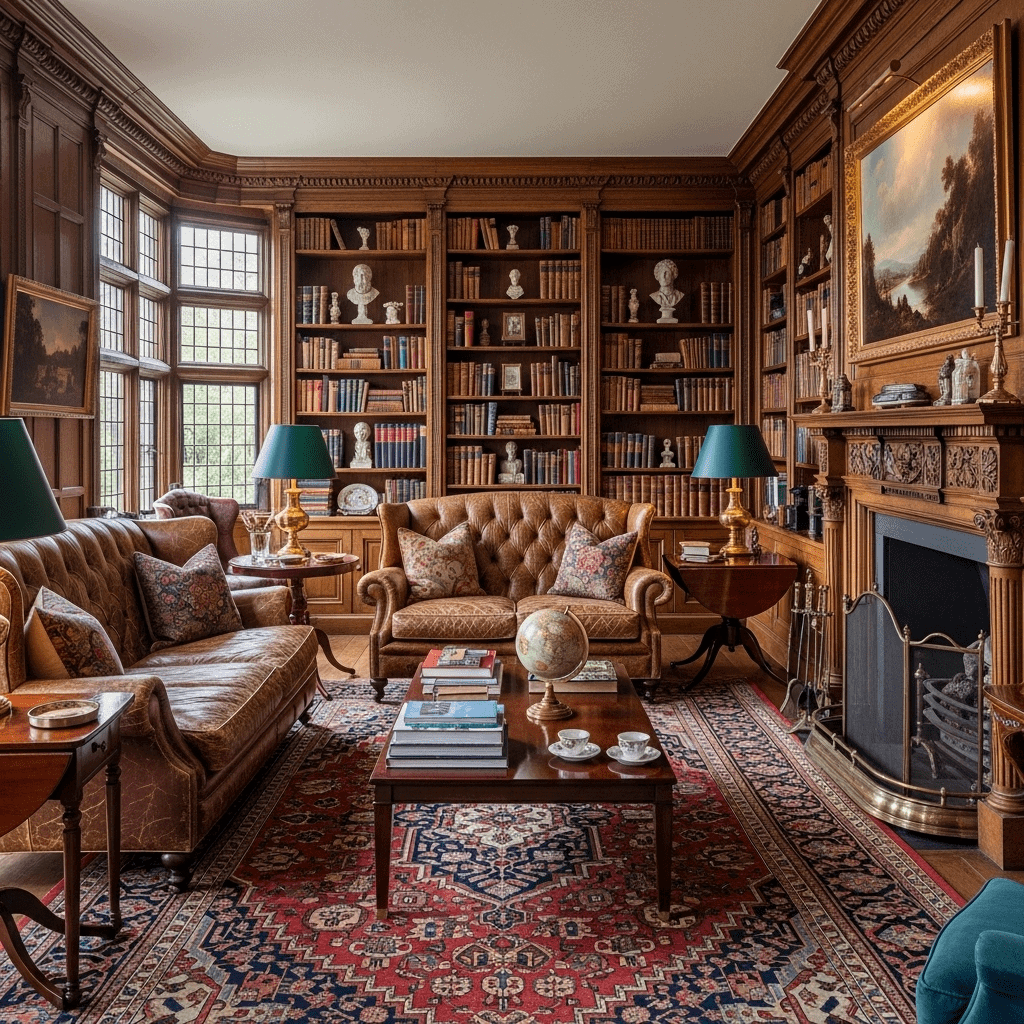
6. English Traditional Library
Dark wood paneling, leather-bound books, leather sofas, brass lamps, and oriental rugs create classic English study atmosphere. Rich textures and warm tones create intellectual sophistication.
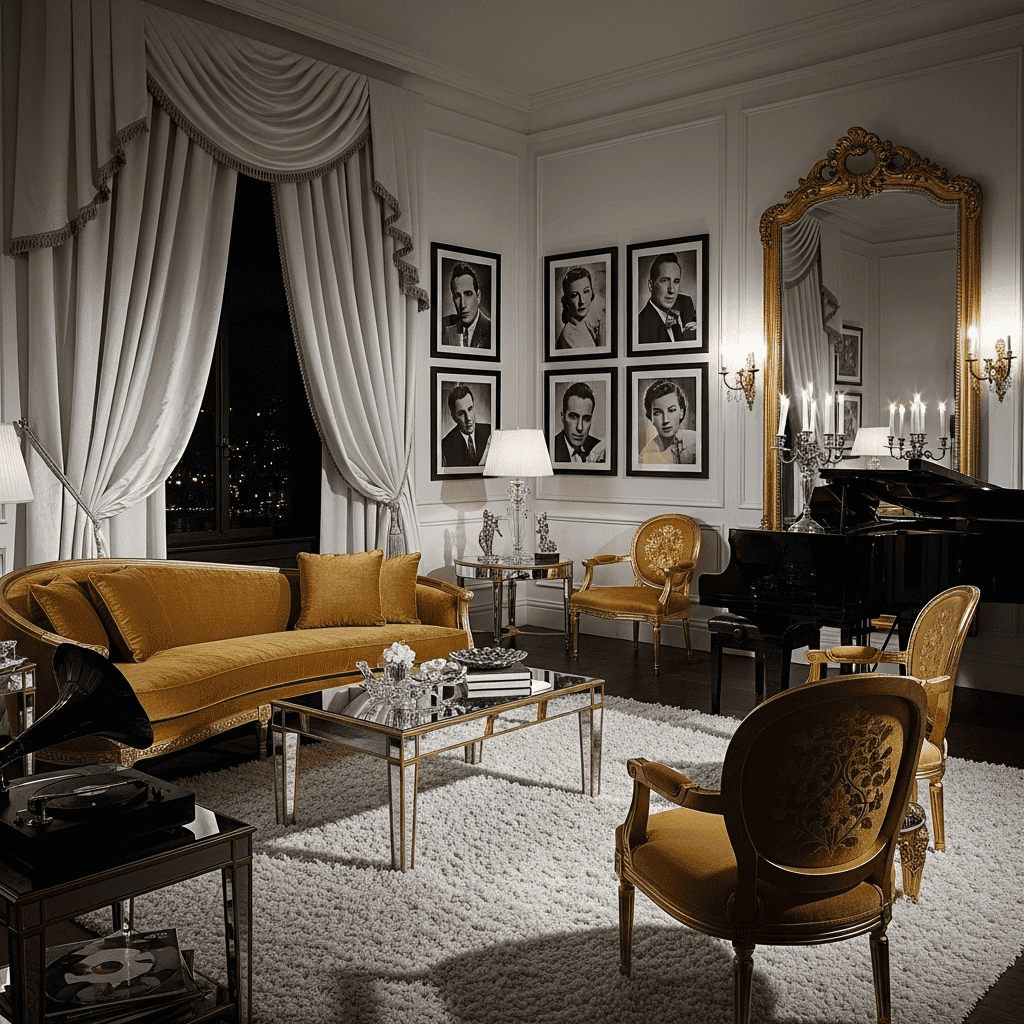
7. 1940s Hollywood Glamour
Satin fabrics, Hollywood Regency furniture, gold accents, and dramatic lighting recreate silver-screen era elegance. Sophisticated black and white with gold touches deliver timeless glamour.
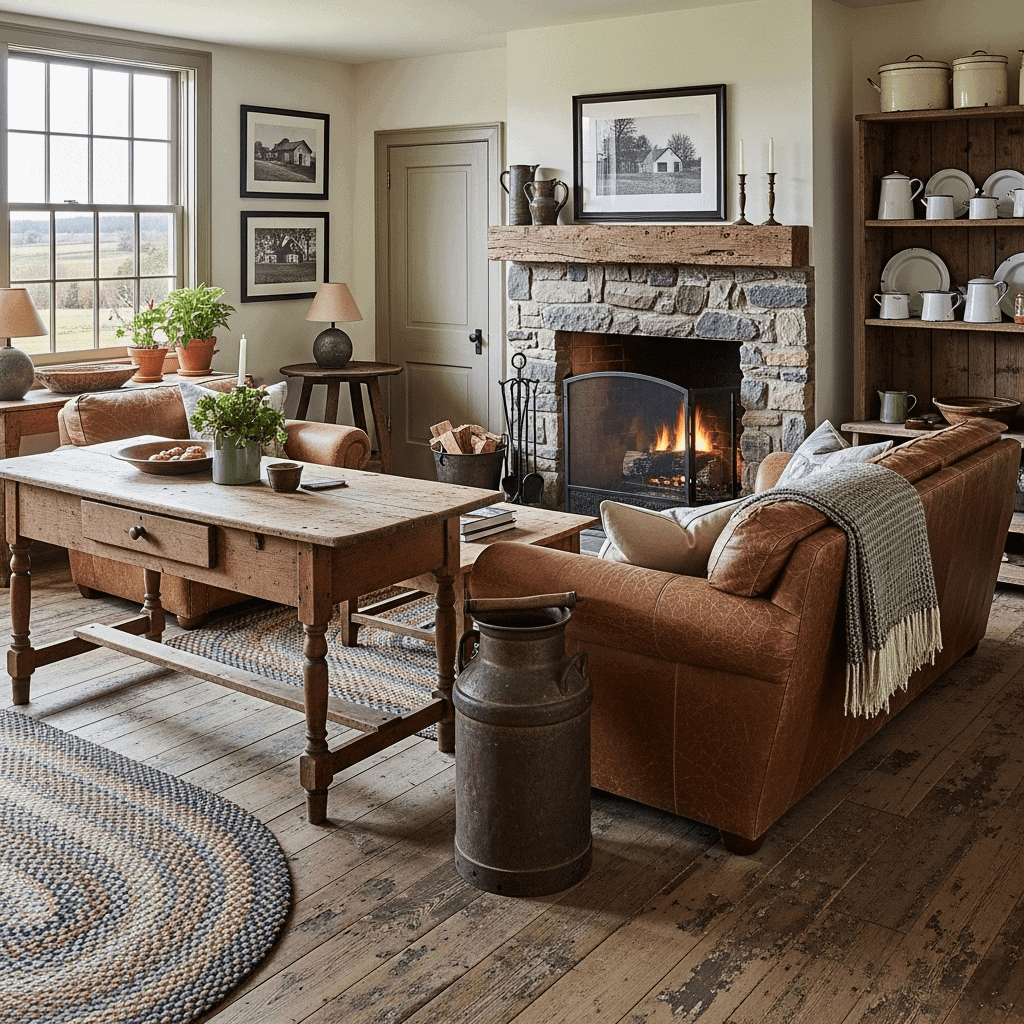
8. Rustic Farmhouse Antique
Weathered wood, vintage farm tables, worn leather, and countryside antiques create authentic farmhouse charm. Imperfect, aged pieces tell stories of generations past.
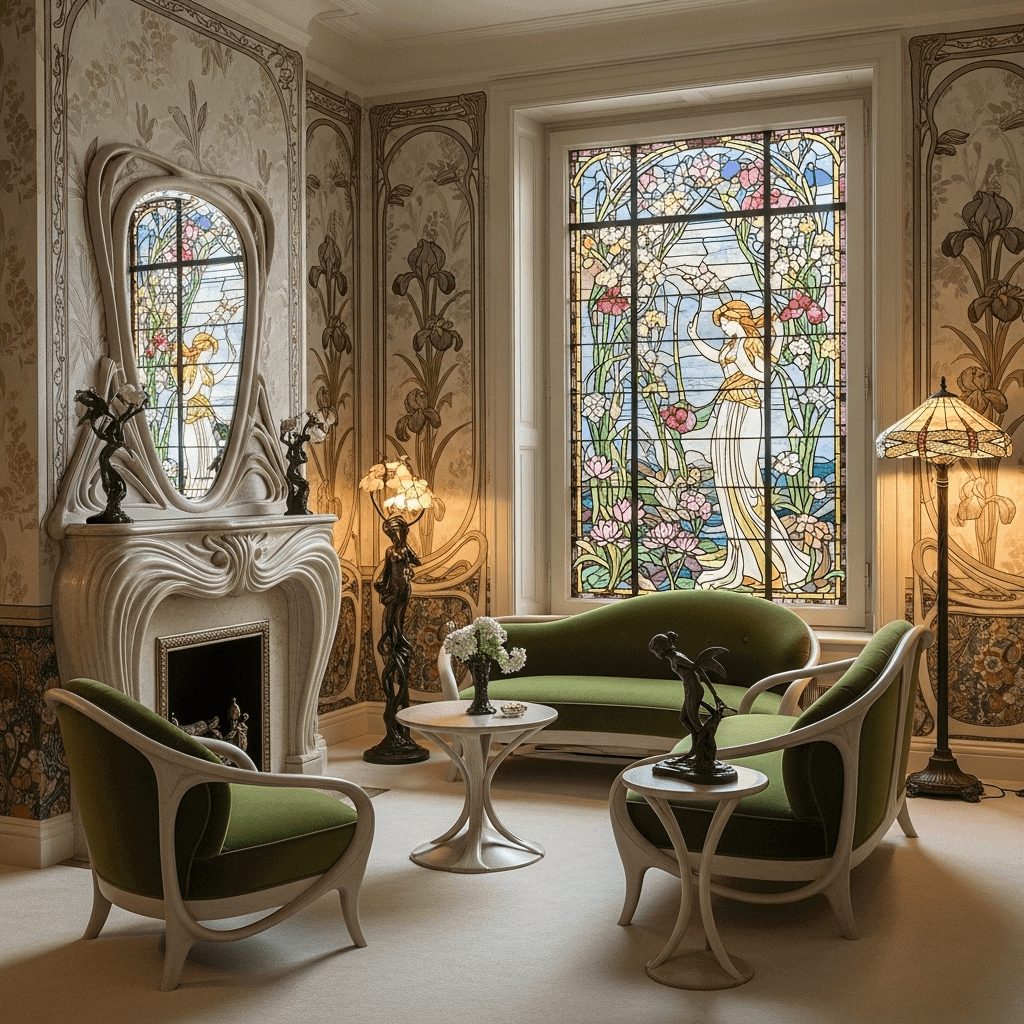
9. Art Nouveau Organic Elegance
Flowing organic forms, nature-inspired motifs, stained glass accents, and sinuous furniture lines recreate early 1900s artistic movement. Floral patterns and natural materials define this romantic era.
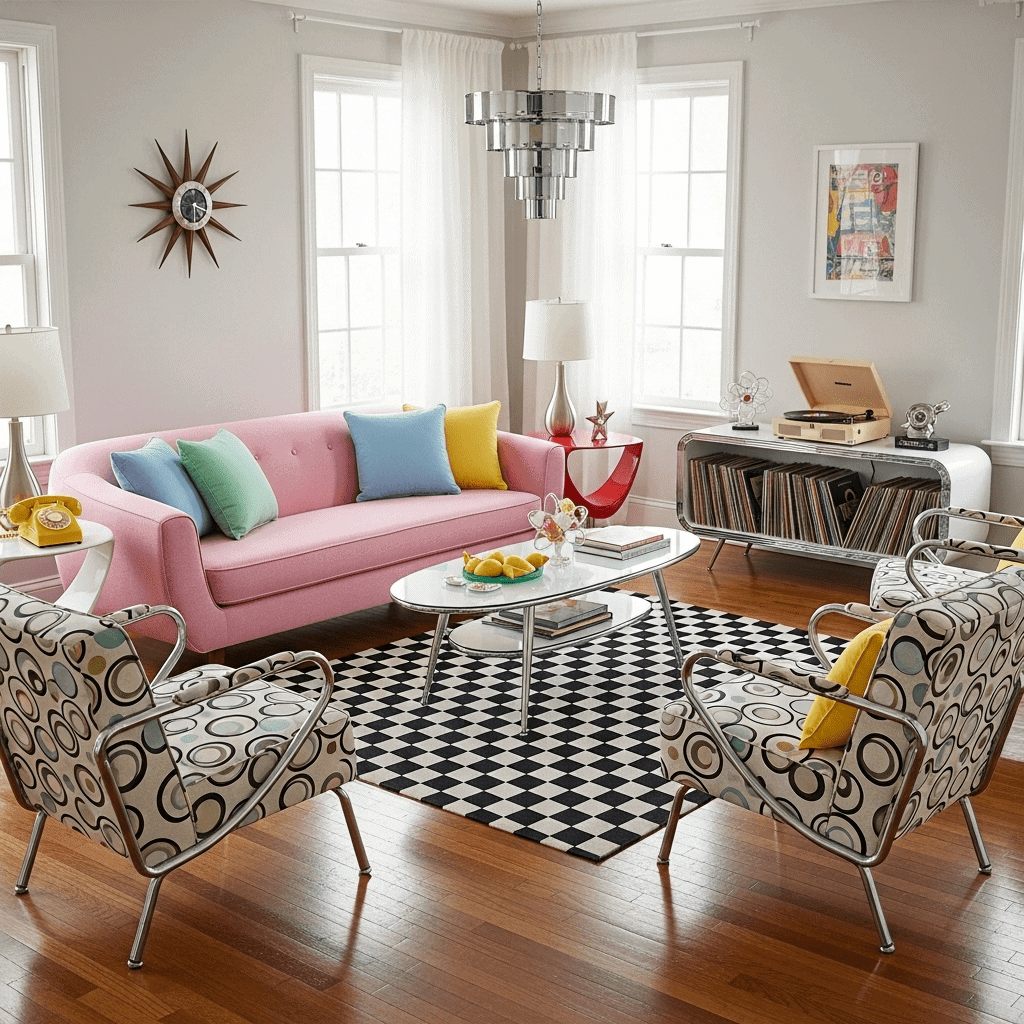
10. 1950s Retro Diner Style
Candy colors, chrome accents, checkered patterns, and atomic-age furniture recreate cheerful mid-century American style. Playful, optimistic aesthetics bring nostalgic joy.
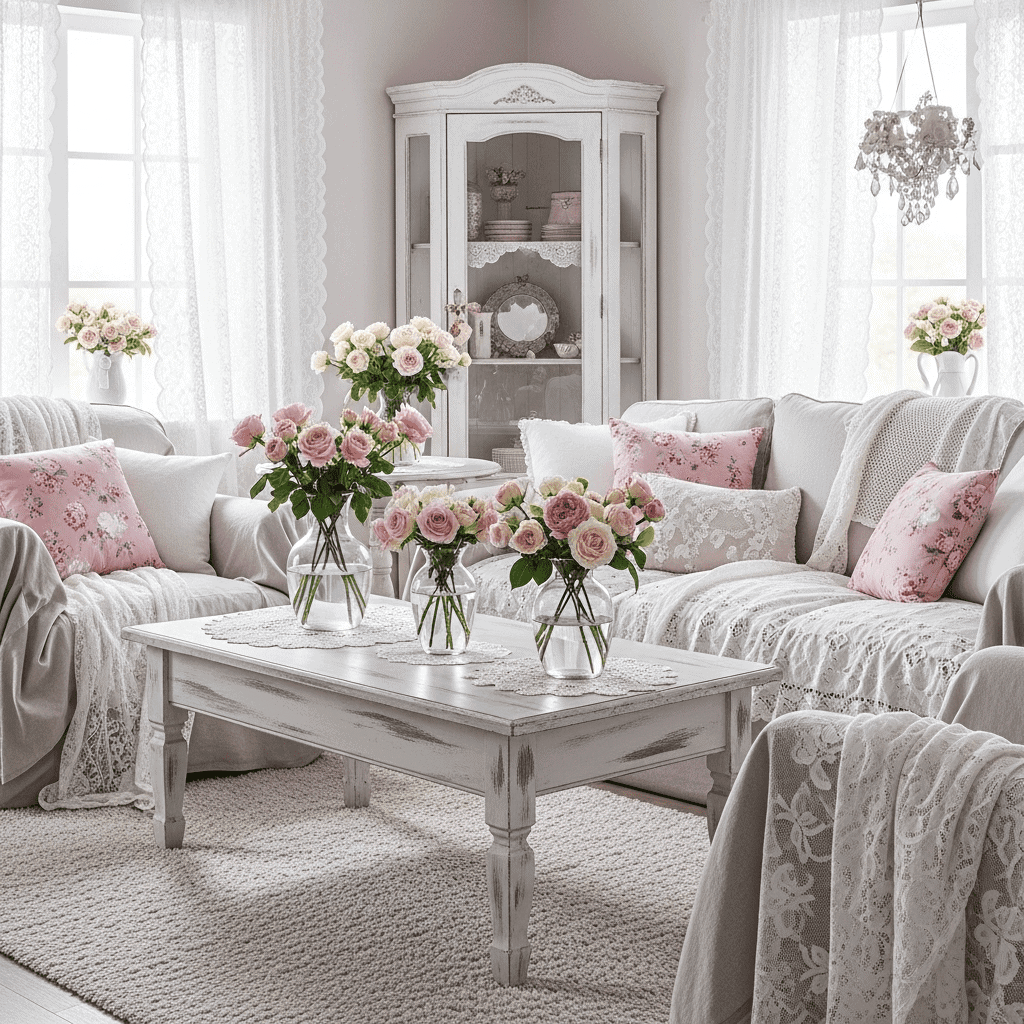
11. Shabby Chic Cottage Romance
Distressed white furniture, floral prints, soft pinks, lace curtains, and layered vintage textiles create romantic cottage atmosphere. Deliberately worn pieces add feminine, dreamy character.
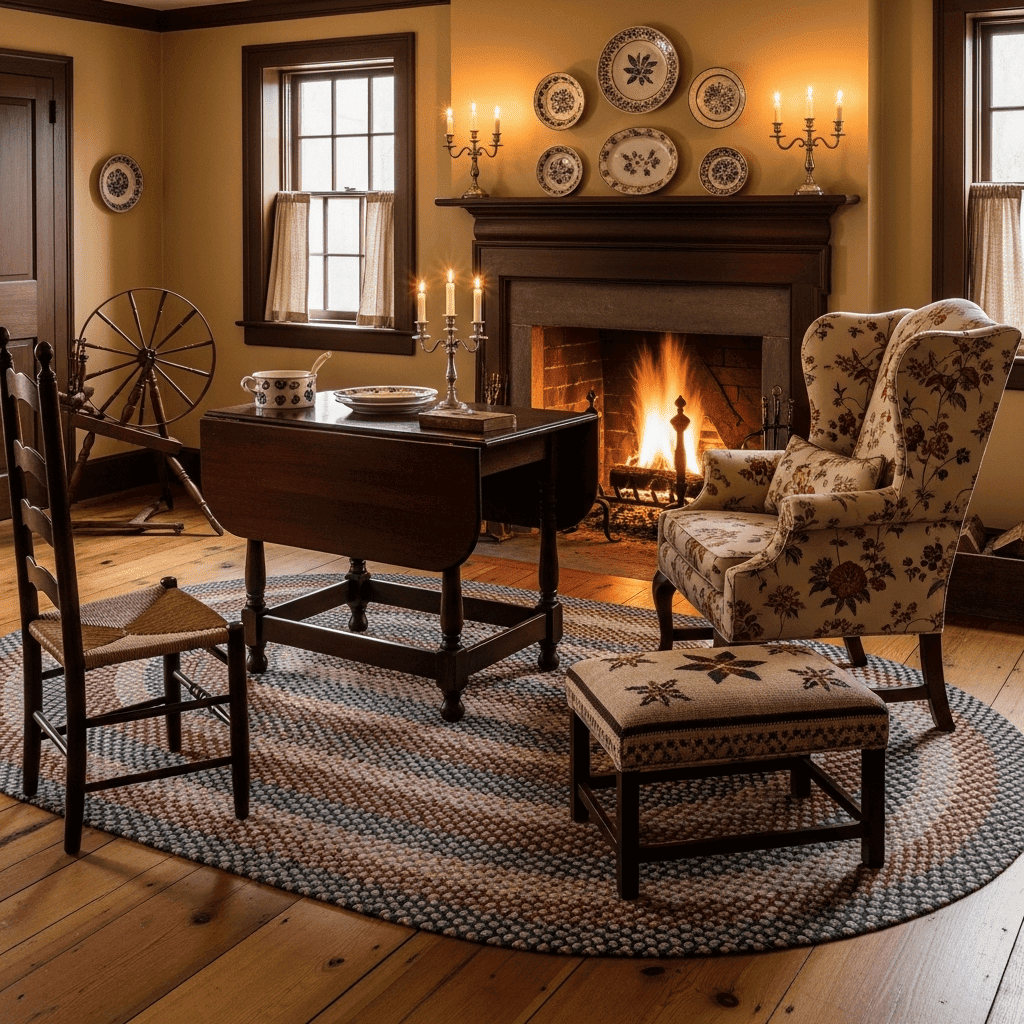
12. Colonial American Heritage
Dark wood colonial furniture, braided rugs, pewter accents, and traditional fabrics recreate early American homestead warmth. Sturdy, handcrafted pieces reflect pioneering heritage aesthetics.
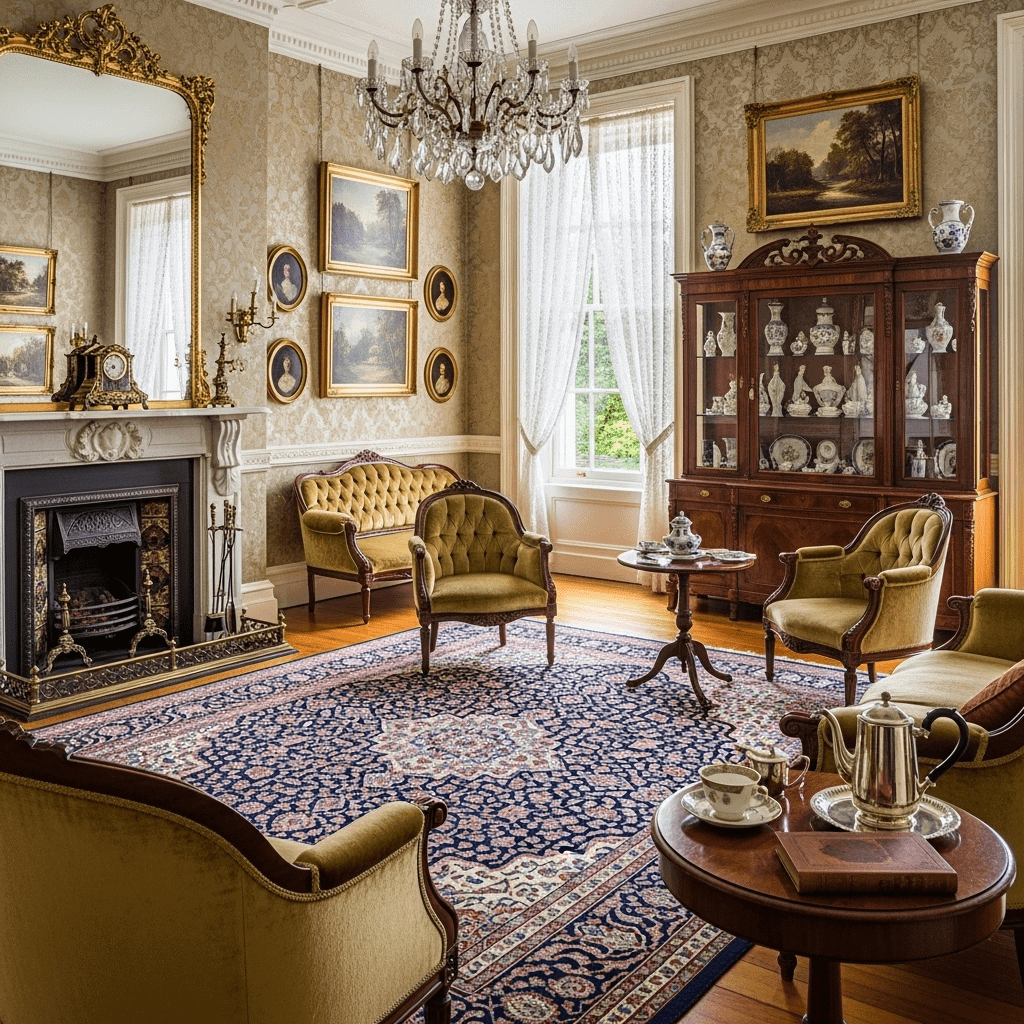
13. Edwardian Refined Grace
Elegant carved furniture, silk wallpapers, gilded frames, and delicate porcelain recreate early 1900s refined sophistication. Lighter than Victorian, Edwardian style brings graceful elegance.
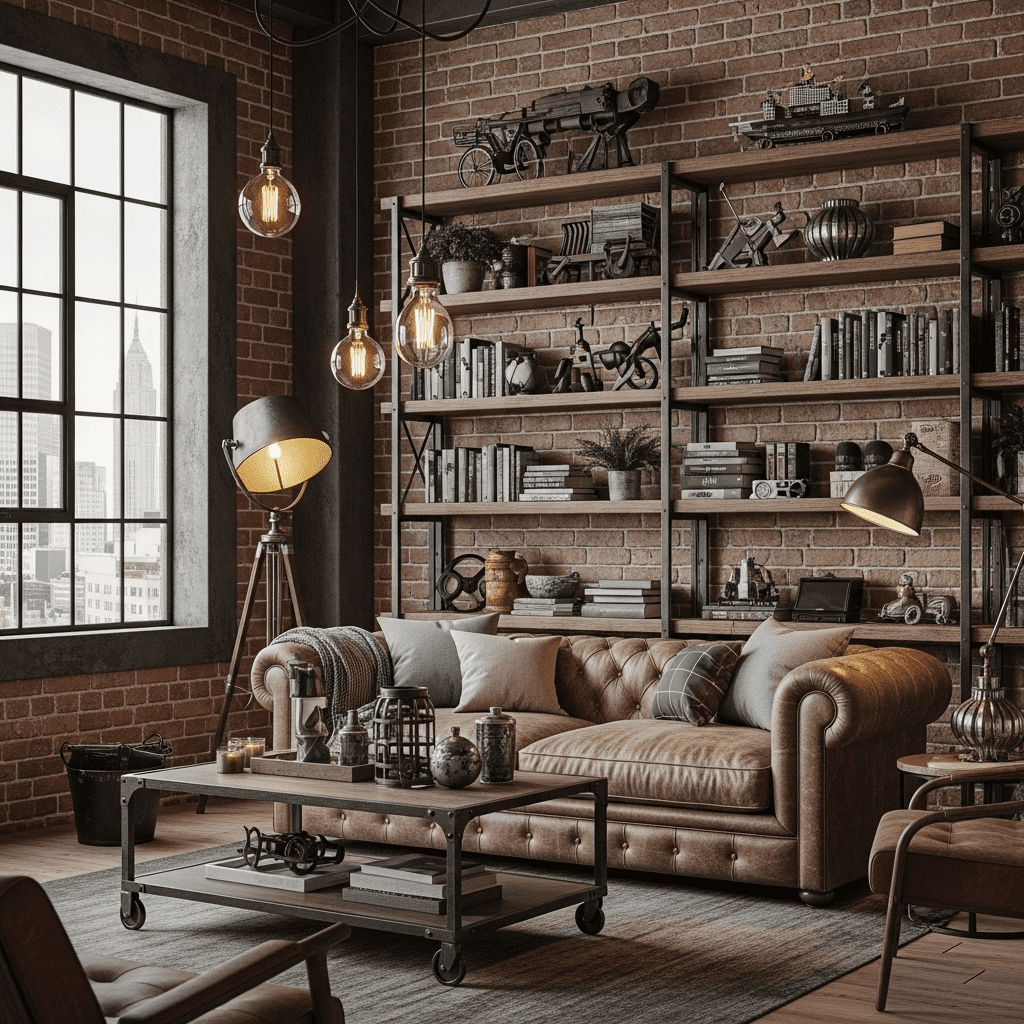
14. Industrial Vintage Warehouse
Exposed brick, reclaimed wood, vintage Edison bulbs, leather furniture, and metal accents recreate converted warehouse charm. Raw industrial elements combine with vintage warmth.
Understanding Vintage Design Philosophy
Vintage living room design operates on principles fundamentally different from contemporary approaches:
Story and History: Every vintage piece carries history—where it came from, who owned it, what era it represents. These stories add emotional depth impossible with new furniture.
Imperfection as Beauty: Worn edges, patina, slight damage—vintage design celebrates aging rather than fearing it. Character develops over time, becoming more beautiful with age.
Authenticity Over Perfection: Genuine vintage pieces always outperform reproductions. Real aging, real craftsmanship, and real history create authenticity no reproduction achieves.
Layered Accumulation: Vintage spaces feel collected over decades rather than purchased in single shopping trips. This layered quality creates visual richness and personal meaning.
Quality Craftsmanship: Older furniture often demonstrates superior craftsmanship compared to modern mass production. Joinery, detailing, and material quality frequently exceed contemporary equivalents.
Sustainability Consciousness: Vintage design inherently supports sustainability by extending furniture lifespan rather than contributing to landfill through disposable modern alternatives.
Era-Specific Design Elements
Understanding each era’s defining characteristics ensures authentic vintage recreations:
Victorian (1837-1901): Dark woods, rich jewel tones, ornate carving, heavy drapery, elaborate moldings, tufted upholstery, brass hardware.
Edwardian (1901-1910): Lighter woods, more delicate carving, silk fabrics, graceful proportions, white and gold accents, refined elegance.
Art Nouveau (1890-1910): Flowing organic forms, nature-inspired motifs, sinuous curves, stained glass, floral patterns, natural materials.
Art Deco (1920-1940): Geometric patterns, bold contrasts, chrome and glass, mirrored surfaces, stepped forms, luxurious materials.
Mid-Century Modern (1945-1969): Tapered legs, organic shapes, walnut wood, bold colors, minimal ornamentation, functional elegance.
1970s Retro (1970-1979): Warm browns, burnt oranges, shag textures, wood paneling, curved furniture, macramé, earth tones.
Shabby Chic: Distressed white furniture, floral prints, soft pastels, lace, vintage roses, romantic femininity.
Color Palettes Across Eras
Victorian: Deep burgundy, forest green, navy, gold, cream—rich, saturated, dramatic.
Art Deco: Black, gold, white, emerald green, sapphire blue—bold geometric contrasts.
Mid-Century: Mustard, teal, burnt orange, olive green, walnut brown—warm, confident.
1970s: Burnt orange, avocado green, harvest gold, brown, rust—earthy, warm.
French Country: Soft blues, creamy whites, sage green, dusty rose—gentle, romantic.
Shabby Chic: Whites, pinks, soft blues, cream, pale green—light, feminine, dreamy.
Industrial Vintage: Dark browns, charcoal, warm black, aged brass, exposed brick red.
Colonial: Dark walnut, burgundy, cream, forest green—traditional, grounded.
Sourcing Authentic Vintage Pieces
Finding genuine vintage furniture requires patience and knowledge:
Antique Markets and Fairs: Weekend markets offering diverse vintage pieces at negotiable prices. Regular attendance builds relationships with dealers and access to best finds.
Estate Sales: Deceased homeowners’ collections often include quality vintage pieces at reasonable prices. Early arrival provides access to best selections.
Antique Dealers: Reputable dealers curate quality pieces with provenance information. Higher prices reflect expertise and selection quality.
Thrift Stores: Unexpected vintage finds appear regularly. Frequent visits increase discovery probability dramatically.
Online Platforms: eBay, Ruby Lane, Chairish, and similar platforms offer worldwide vintage selection. Photographs and descriptions vary in quality; request additional images.
Inheritance: Family pieces carry irreplaceable emotional value alongside aesthetic merit.
Auctions: Both live and online auctions provide quality vintage pieces, sometimes below dealer prices.
Garage and Yard Sales: Neighborhood sales occasionally yield remarkable vintage finds at minimal cost.
Restoring Vintage Furniture
Proper restoration preserves value and beauty while extending usability:
Assessment: Evaluate condition honestly—structural integrity, surface damage, and restoration requirements.
Conservative Approach: Less intervention preserves authenticity and value. Clean before refinishing; refinish only when necessary.
Professional Help: Complex repairs, significant structural damage, or valuable pieces warrant professional restoration.
Wood Cleaning: Gentle wood cleaners remove accumulated grime revealing natural beauty without stripping patina.
Reupholstery: Vintage frames deserve quality fabric replacement. Choose period-appropriate fabrics maintaining era authenticity.
Hardware Restoration: Original brass or metal hardware cleaned and polished rather than replaced maintains authenticity.
Patina Preservation: Natural aging creates character. Stripping everything removes valuable history and authenticity.
Mixing Vintage with Modern
Successfully blending eras creates sophisticated, personal spaces:
Anchor Pieces: One or two significant vintage pieces anchor rooms while modern elements provide comfort and functionality.
Textile Bridge: Modern textiles on vintage furniture or vintage textiles on modern furniture create seamless transitions.
Color Cohesion: Maintain consistent color palettes regardless of furniture era, creating visual unity.
Lighting Balance: Modern lighting technology improves functionality while vintage fixtures add character.
Art Integration: Mix vintage and contemporary artwork creating dynamic gallery walls spanning eras.
Accessory Mixing: Vintage and modern accessories coexist beautifully when sharing color schemes or themes.
Vintage Living Room Lighting
Lighting dramatically impacts vintage atmosphere:
Edison Bulbs: Exposed filament bulbs create warm, industrial-vintage ambiance in pendant and table fixtures.
Brass Table Lamps: Traditional brass lamps with fabric shades deliver classic vintage warmth.
Crystal Chandeliers: Vintage or antique chandeliers become stunning focal points in traditional spaces.
Sconces: Wall-mounted vintage sconces add character while providing ambient illumination.
Floor Lamps: Tall vintage floor lamps provide reading light and decorative interest simultaneously.
Warm Color Temperature: Vintage spaces benefit from warmest available bulbs (2200-2700K) creating golden, nostalgic glow.
Textile Selection for Vintage Rooms
Fabrics powerfully establish era authenticity:
Velvet: Rich, plush velvet in jewel tones suits Victorian, Art Deco, and glamorous vintage styles.
Chintz: Floral chintz fabric defines cottage, shabby chic, and country vintage aesthetics.
Leather: Aged leather establishes English traditional, industrial vintage, and rustic farmhouse styles.
Silk: Luxurious silk wallpapers and curtains suit Edwardian and refined traditional aesthetics.
Linen: Relaxed linen works beautifully in French country and casual vintage environments.
Wool: Thick wool throws and rugs add warmth to mid-century and colonial vintage spaces.
Lace: Delicate lace curtains and table covers define shabby chic and romantic vintage styles.
Vintage Art and Accessories
Art and accessories complete vintage atmospheres:
Vintage Photography: Black and white or sepia photographs in antique frames add nostalgic character.
Oil Paintings: Traditional landscapes, portraits, or still lifes suit classical vintage styles beautifully.
Antique Mirrors: Ornate vintage mirrors add character while reflecting light throughout spaces.
Ceramic Collections: Vintage china, pottery, or porcelain displayed in cabinets or on shelves adds traditional charm.
Vintage Maps and Prints: Framed antique maps or botanical prints add intellectual vintage interest.
Brass Accessories: Candleholders, picture frames, and decorative objects in aged brass finish add warmth.
Vintage Books: Displayed leather-bound or cloth-covered vintage books add intellectual character and visual texture.
Rug Selection for Vintage Spaces
Rugs ground vintage living rooms beautifully:
Persian and Oriental: Intricate patterns in jewel tones suit Victorian, traditional, and English styles perfectly.
Kilims: Geometric tribal patterns complement mid-century, bohemian, and eclectic vintage spaces.
Braided Rugs: Oval braided rugs define colonial American and rustic farmhouse aesthetics authentically.
Shag Rugs: Deep-pile shag rugs recreate 1970s retro atmosphere convincingly.
Floral Axminster: Elaborate floral patterns suit Victorian and Edwardian traditional spaces.
Jute and Natural Fiber: Simple natural rugs complement French country and casual vintage styles.
Creating Cohesion in Multi-Era Vintage Rooms
Dominant Era: Choose one primary era as foundation; introduce secondary era elements as accents.
Color Unification: Consistent color palettes bridge different era pieces creating visual harmony.
Scale Coordination: Ensure furniture proportions relate well regardless of individual era origins.
Material Consistency: Similar wood tones, metal finishes, or textile qualities create cohesive connections.
Deliberate Contrast: Intentional contrast between eras creates interesting visual dialogue rather than confusion.
Budget Considerations for Vintage Design
Investment Pieces: Allocate most budget to statement vintage pieces—sofas, dining tables, wardrobes—that anchor spaces.
Affordable Accents: Source accessories, textiles, and smaller pieces from thrift stores and markets affordably.
Restoration Costs: Factor restoration and reupholstery costs when purchasing vintage furniture requiring work.
Insurance: Valuable antique pieces warrant proper insurance coverage protecting significant investments.
Gradual Building: Build vintage collections over years rather than purchasing everything simultaneously; patience yields better finds.
Value Assessment: Learn to identify quality vintage pieces versus reproductions; knowledge saves money and disappointment.
Maintenance of Vintage Living Rooms
Regular Dusting: Vintage pieces accumulate dust; gentle regular cleaning prevents damage and maintains appearance.
Fabric Care: Follow upholstery care instructions; professional cleaning for valuable or delicate vintage textiles.
Wood Conditioning: Periodically oil or polish wooden pieces maintaining moisture and preventing cracking.
Hardware Care: Clean and oil vintage metal hardware preventing rust and maintaining smooth operation.
Textile Rotation: Rotate cushions and throws preventing uneven wear on vintage textiles.
Environmental Control: Maintain consistent temperature and humidity preventing wood warping or textile deterioration.
Vintage Design for Different Personalities
History Enthusiasts: Research piece provenance deeply; create themed rooms around specific eras or cultures.
Romantic Souls: Embrace shabby chic, French country, or Victorian romance through soft colors and feminine details.
Sophisticated Tastes: Choose Art Deco, mid-century, or English traditional reflecting refined vintage aesthetics.
Collectors: Display collections prominently—vintage cameras, books, ceramics, or travel pieces telling accumulated stories.
Minimalists: Select mid-century modern or industrial vintage providing vintage character without excessive ornamentation.
Maximalists: Layer Victorian or Art Deco vintage creating rich, layered environments celebrating abundance.
Photography and Displaying Vintage Collections
Gallery Walls: Arrange vintage photographs, artwork, and mirrors in curated gallery arrangements.
Shadow Boxes: Display three-dimensional vintage objects—jewelry, letters, small artifacts—in framed shadow boxes.
Display Cabinets: Glass-fronted cabinets showcase ceramic, porcelain, or glass vintage collections beautifully.
Book Displays: Stack vintage books as decorative objects throughout rooms adding intellectual character.
Symmetrical Arrangements: Traditional vintage styles often favor symmetrical placement creating balanced, formal compositions.
Asymmetrical Collections: More casual vintage approaches use asymmetrical arrangements creating dynamic, collected-over-time feelings.
The Emotional Power of Vintage Design
Vintage living rooms evoke emotions modern spaces rarely achieve:
Nostalgia: Familiar vintage elements trigger positive memories and emotional connections to past experiences.
Warmth and Character: Aged pieces possess soul that manufactured furniture fundamentally cannot replicate.
Story Connection: Every vintage piece connects inhabitants to previous owners, craftspeople, and historical periods.
Timeless Beauty: Great design transcends eras; vintage pieces demonstrate enduring aesthetic principles.
Sustainability Pride: Choosing vintage over new demonstrates environmental consciousness and material appreciation.
Uniqueness: Vintage rooms never duplicate exactly—each piece’s history and condition creates truly one-of-a-kind environments.
Vintage living room designs offer something increasingly rare in contemporary interiors—genuine soul, accumulated character, and emotional resonance built through decades of existence. Whether you gravitate toward Victorian opulence, mid-century sophistication, 1970s groovy warmth, or shabby chic romance, vintage design invites you to create spaces that celebrate the past while remaining beautifully livable in the present. The most successful vintage living rooms feel neither museum-like nor costume-like, but rather genuinely inhabited—spaces where history and comfort coexist harmoniously, where every piece tells a story, and where the patina of time becomes the most beautiful decoration of all.