 Skip to content
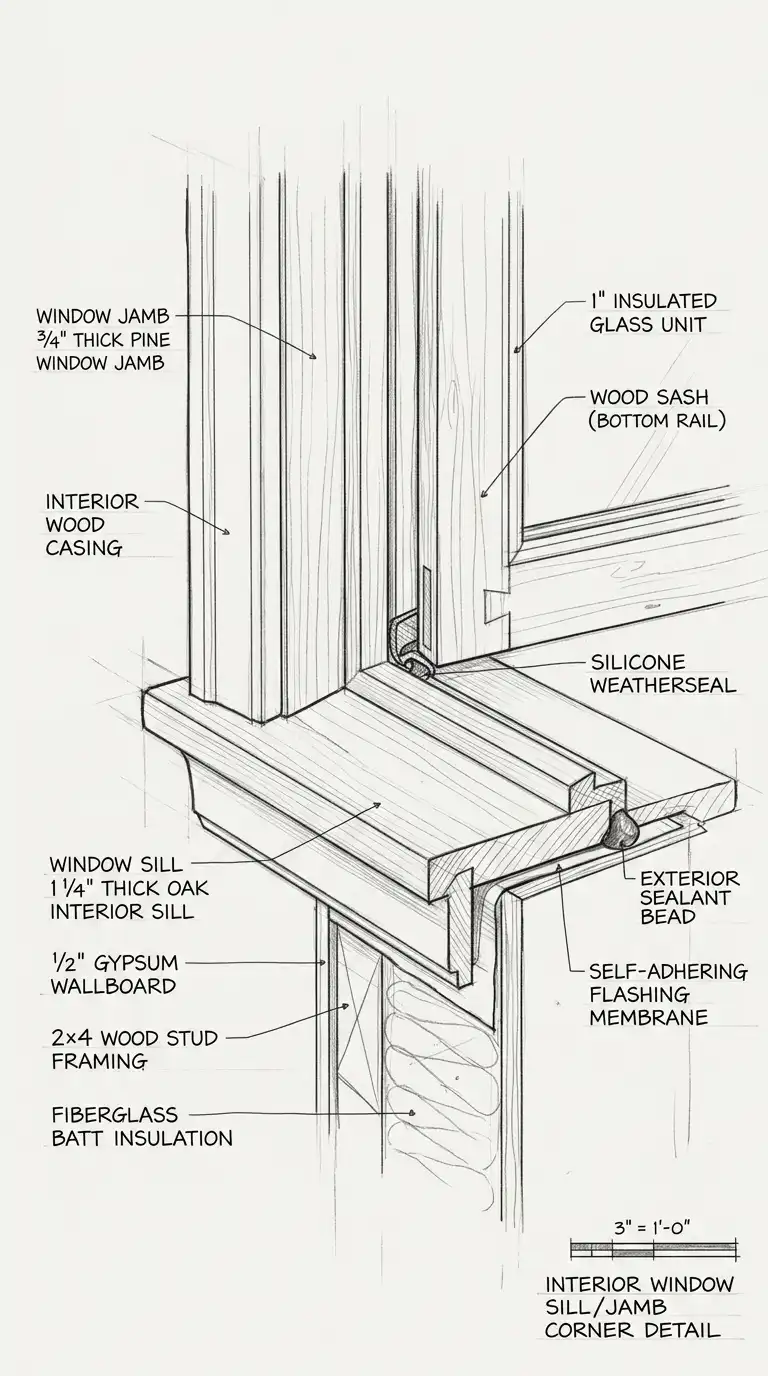
A building sketch is not a technical drawing. It is a thought made visible. Unlike a CAD drawing, which is precise and measured, a sketch is loose, quick, and expressive. A sketch captures the essence of a building — its mass, its light, its shadow, its feeling. A great sketch is not accurate — it is alive.
These 12 building drawing architecture sketches span techniques, subjects, and approaches. Each sketch includes defining characteristics, drawing principles, and artistic strategies.
1. The Gesture Sketch
The gesture sketch is the fastest sketch. It is drawn in 30 seconds to 2 minutes. The pencil moves quickly. The lines are loose and overlapping. The gesture sketch captures the overall mass and movement of the building. Details are ignored. The gesture sketch is about energy, not accuracy.
This sketch is ideal for capturing the feeling of a building on site. The emotional effect is energetic, loose, and alive.
Quick Tips
- Set a timer for 1 minute.
- Do not lift the pencil from the paper.
- Draw the mass, not the details.
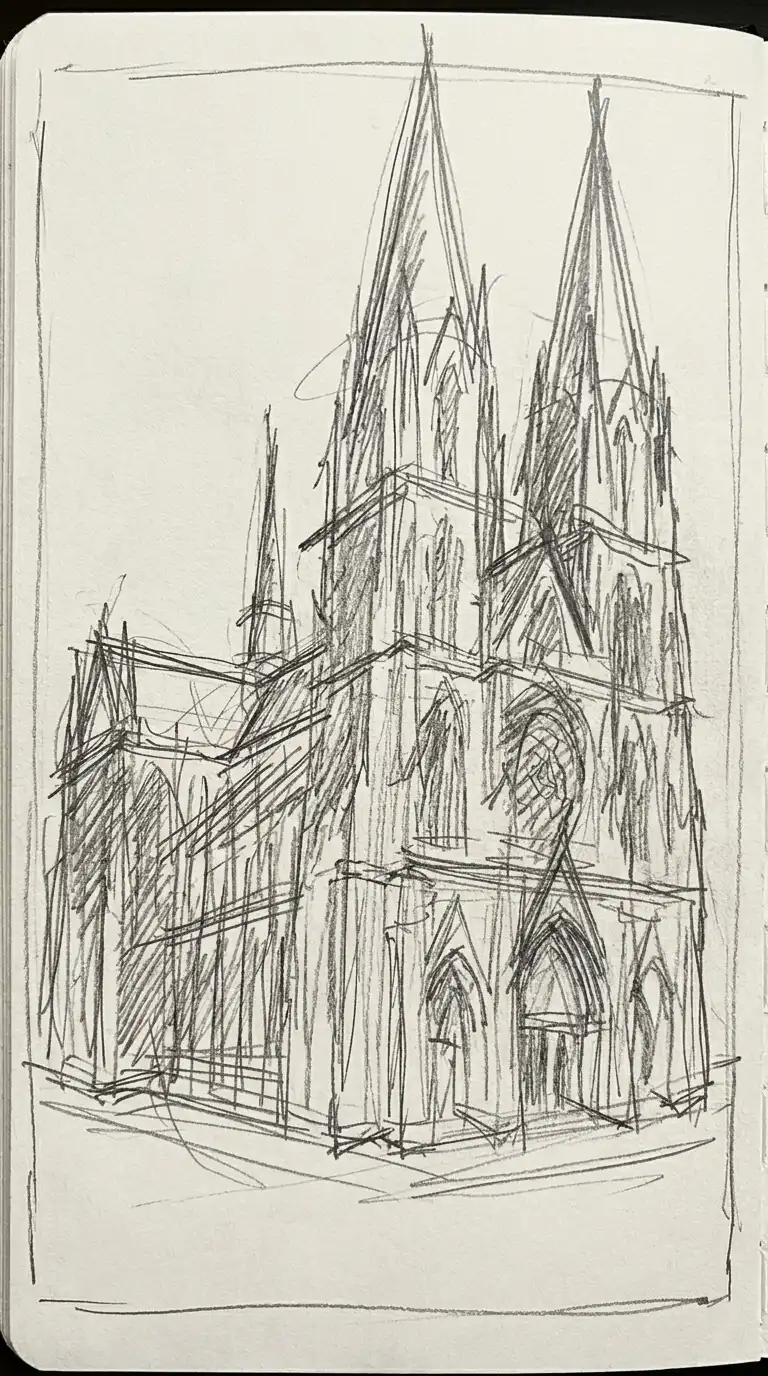
2. The Contour Sketch
The contour sketch follows the edges of the building. The pencil moves slowly along each edge. The line is continuous and careful. The contour sketch captures the shape of the building without shading. The contour sketch is about line, not value.
This sketch is ideal for studying the outline and silhouette of a building. The emotional effect is linear, careful, and edged.
Quick Tips
- Draw the outline of the building first.
- Add interior edges (windows, doors) second.
- Do not shade — lines only.
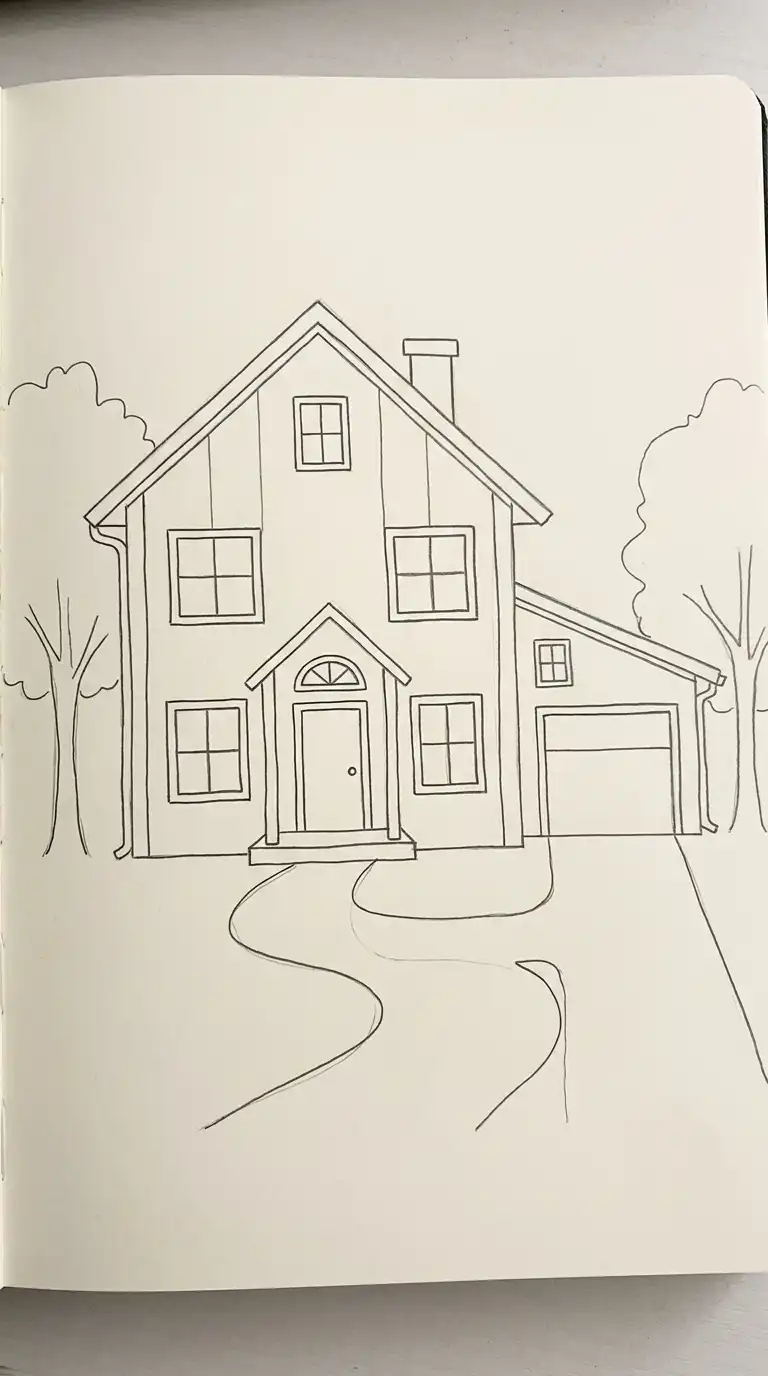
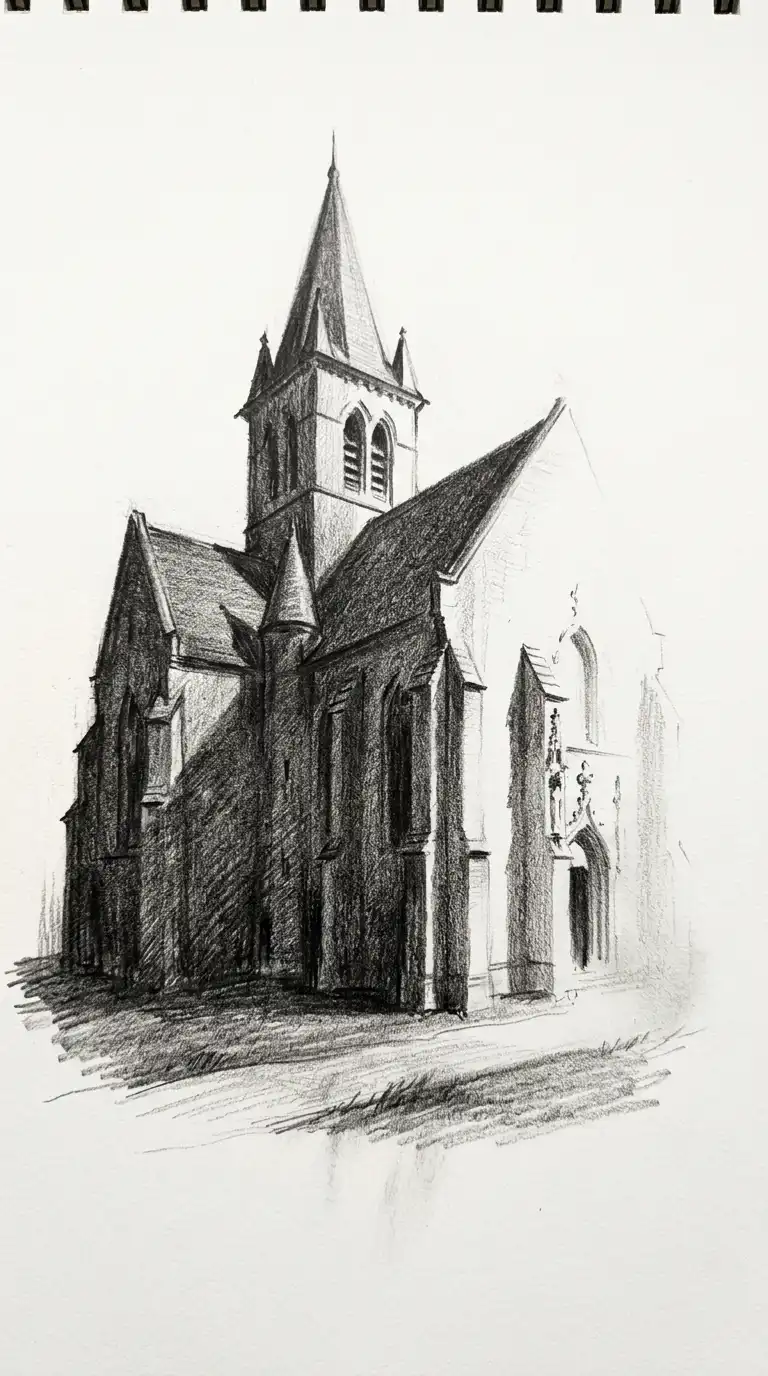
3. The Shadow Sketch
The shadow sketch focuses on light and shadow, not on line. The pencil is used for shading, not for drawing edges. The building emerges from the shadows. The shadow sketch is about value, not line.
This sketch is ideal for studying how light falls on a building. The emotional effect is tonal, dramatic, and shadowed.
Quick Tips
- Use the side of a soft pencil (4B or 6B).
- Shade the shadows first.
- Leave the light areas white.
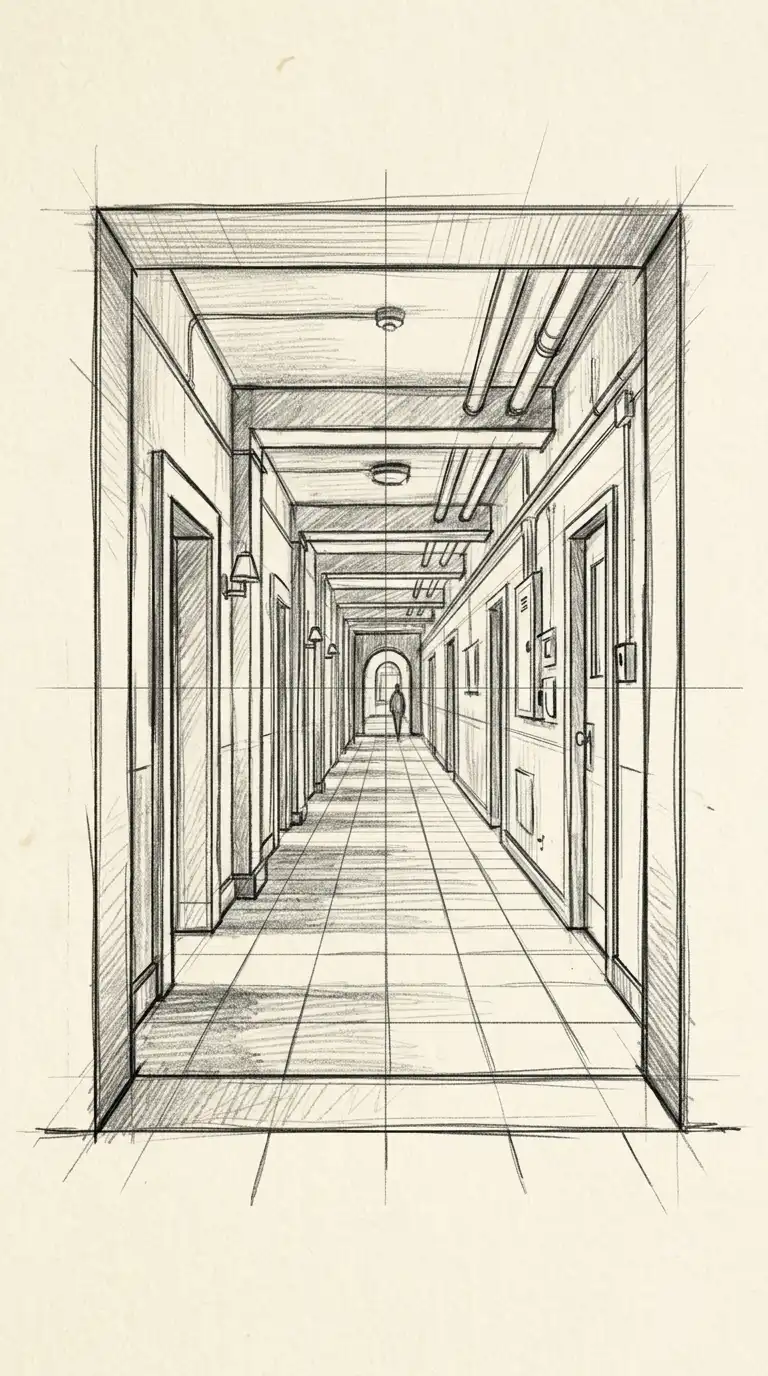
4. The One-Point Perspective Sketch
The one-point perspective sketch shows a building receding to a single vanishing point. The front face is flat. The side faces recede. The one-point perspective is ideal for interiors and building facades seen straight on.
This sketch is ideal for studying depth and space. The emotional effect is deep, receding, and centred.
Quick Tips
- Place the vanishing point on the horizon line.
- Draw the front face first.
- Draw lines from the corners to the vanishing point.
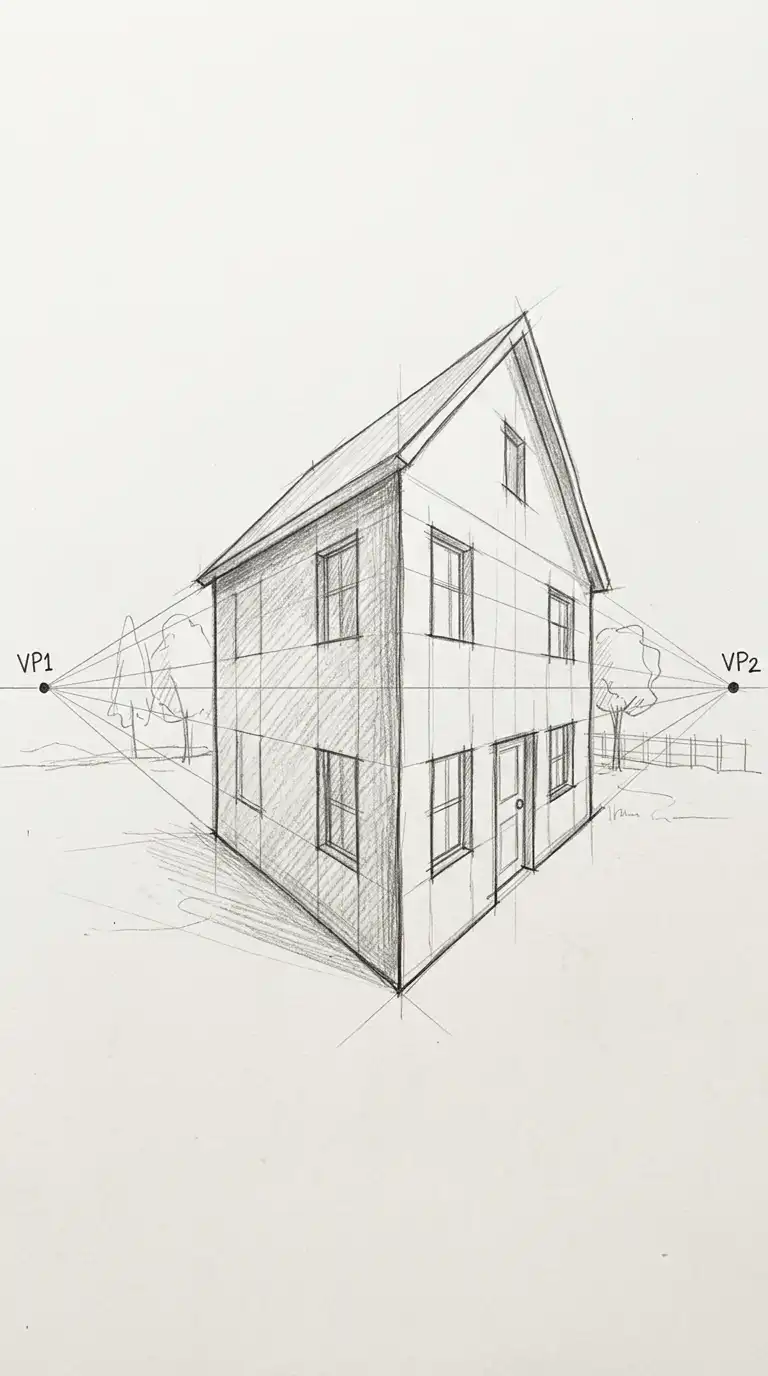
5. The Two-Point Perspective Sketch
The two-point perspective sketch shows a building from a corner. Two vanishing points are on the horizon line. The two-point perspective is ideal for building exteriors.
This sketch is ideal for studying mass and form. The emotional effect is three-dimensional, cornered, and solid.
Quick Tips
- Place the two vanishing points far apart.
- Draw the closest vertical corner first.
- Draw lines from the top and bottom to both vanishing points.
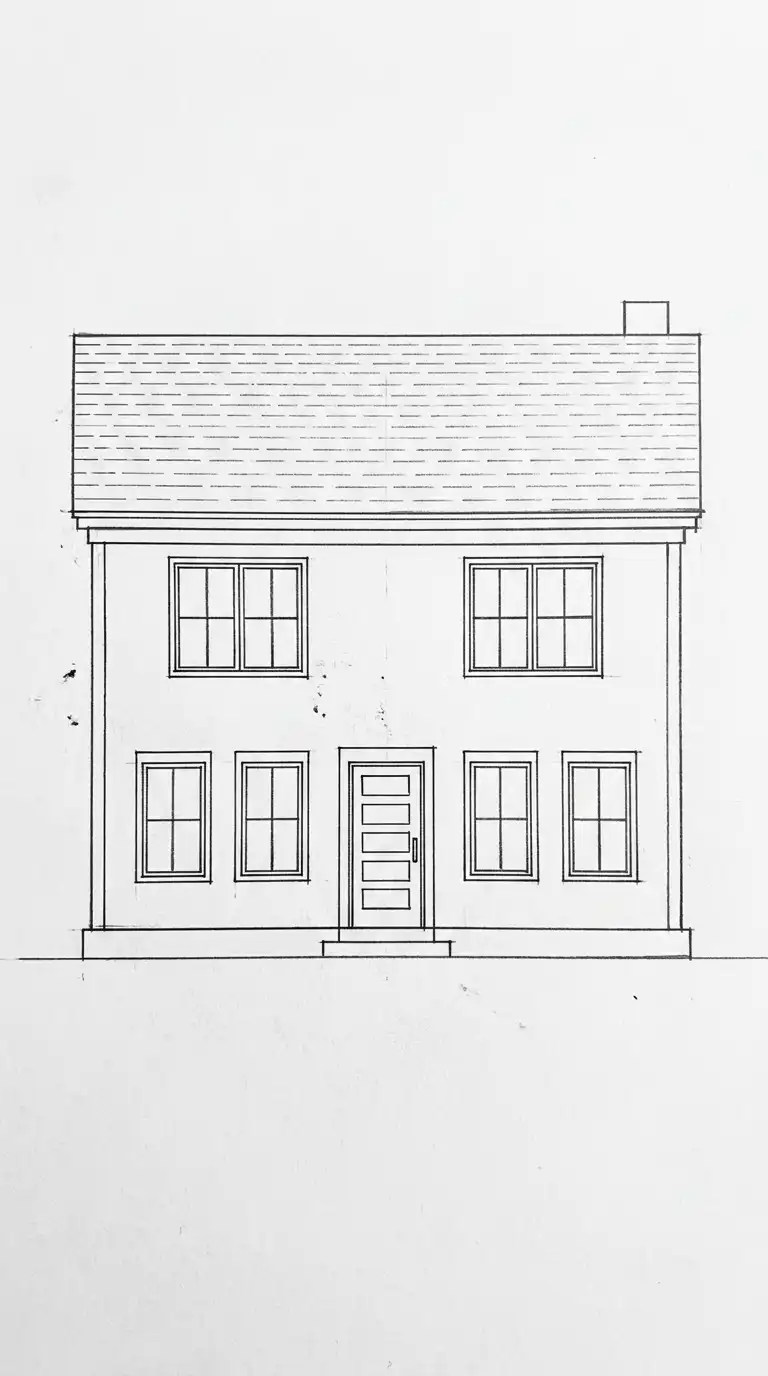
6. The Elevation Sketch
The elevation sketch shows a building as a flat, two-dimensional facade. No perspective. All lines are vertical or horizontal. The elevation sketch is ideal for studying proportions and patterns.
This sketch is ideal for studying window patterns, roof shapes, and facade composition. The emotional effect is flat, proportional, and patterned.
Quick Tips
- Draw the outline of the building first.
- Add windows, doors, and details second.
- Keep all lines vertical or horizontal.
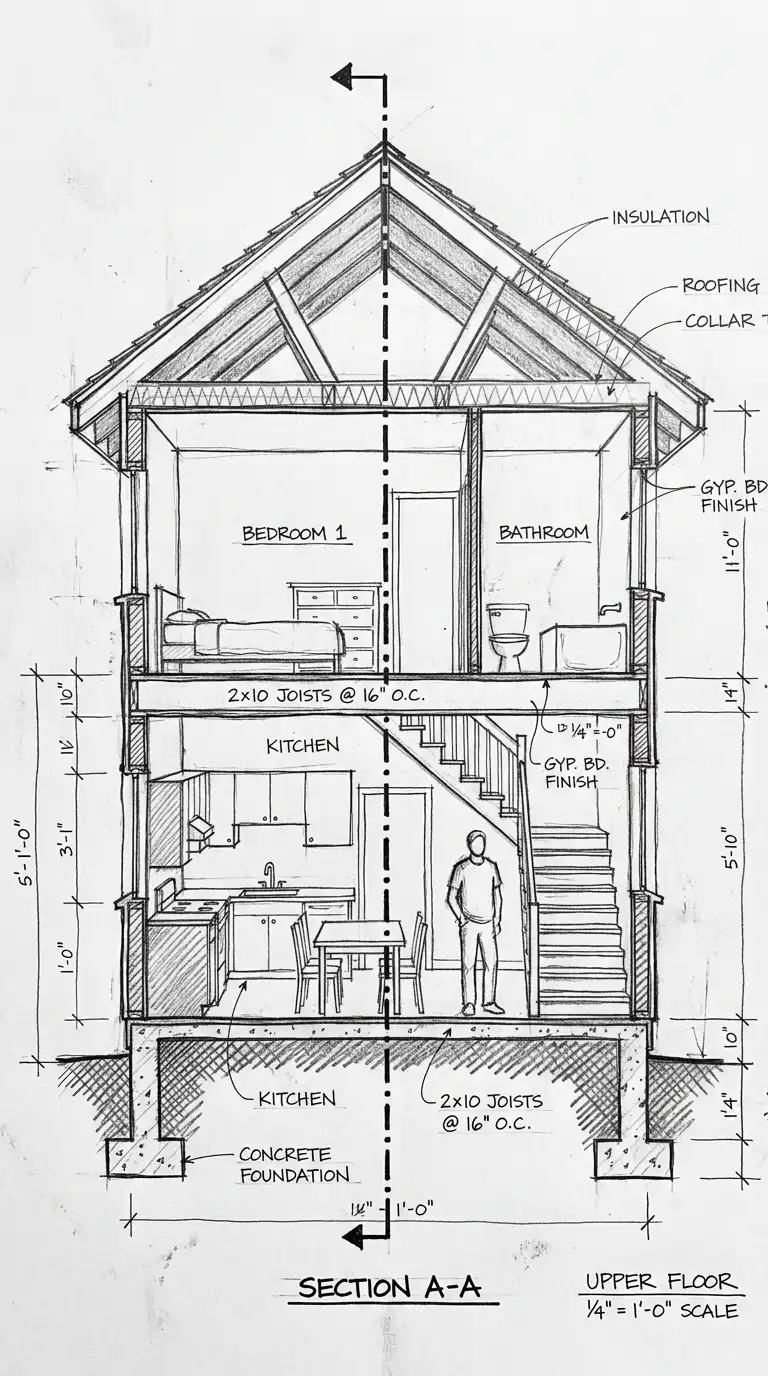
7. The Section Sketch
The section sketch shows a building cut vertically through the middle. The cut surfaces are shaded. The spaces beyond are outlined. The section sketch is ideal for studying interior spaces and vertical relationships.
This sketch is ideal for studying floor-to-ceiling heights, stair relationships, and light penetration. The emotional effect is cut, sectional, and revealed.
Quick Tips
- Draw the cut line through the most interesting part of the building.
- Shade the cut surfaces (walls, floors, roof).
- Add a human figure for scale.
8. The Detail Sketch
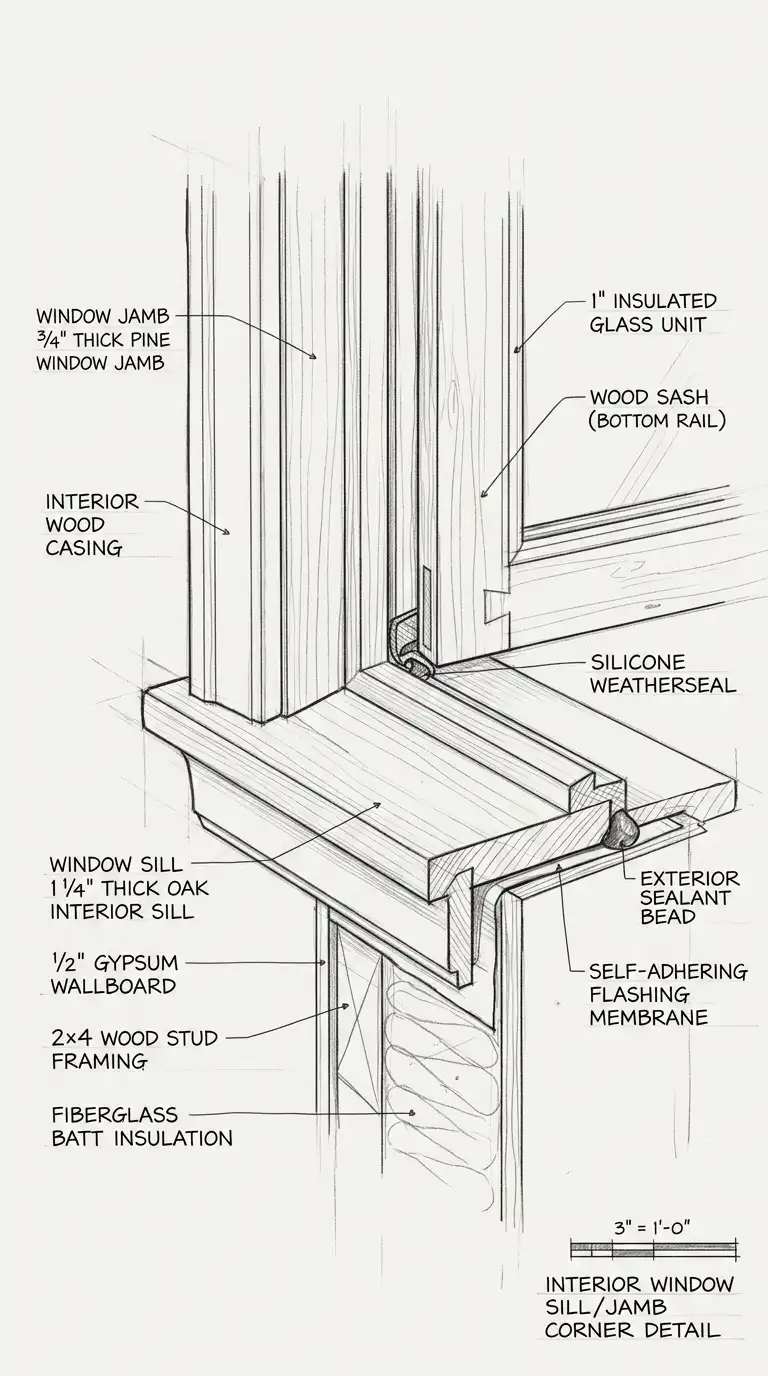
The detail sketch zooms in on a small part of a building. A corner, a window, a door, a column capital. The detail sketch is drawn at a large scale. The detail sketch is ideal for studying how things connect.
This sketch is ideal for studying construction, materials, and craft. The emotional effect is zoomed, detailed, and crafted.
Quick Tips
- Draw only one small part of the building.
- Draw at a large scale (fill the page).
- Show how materials connect.
9. The Urban Sketch
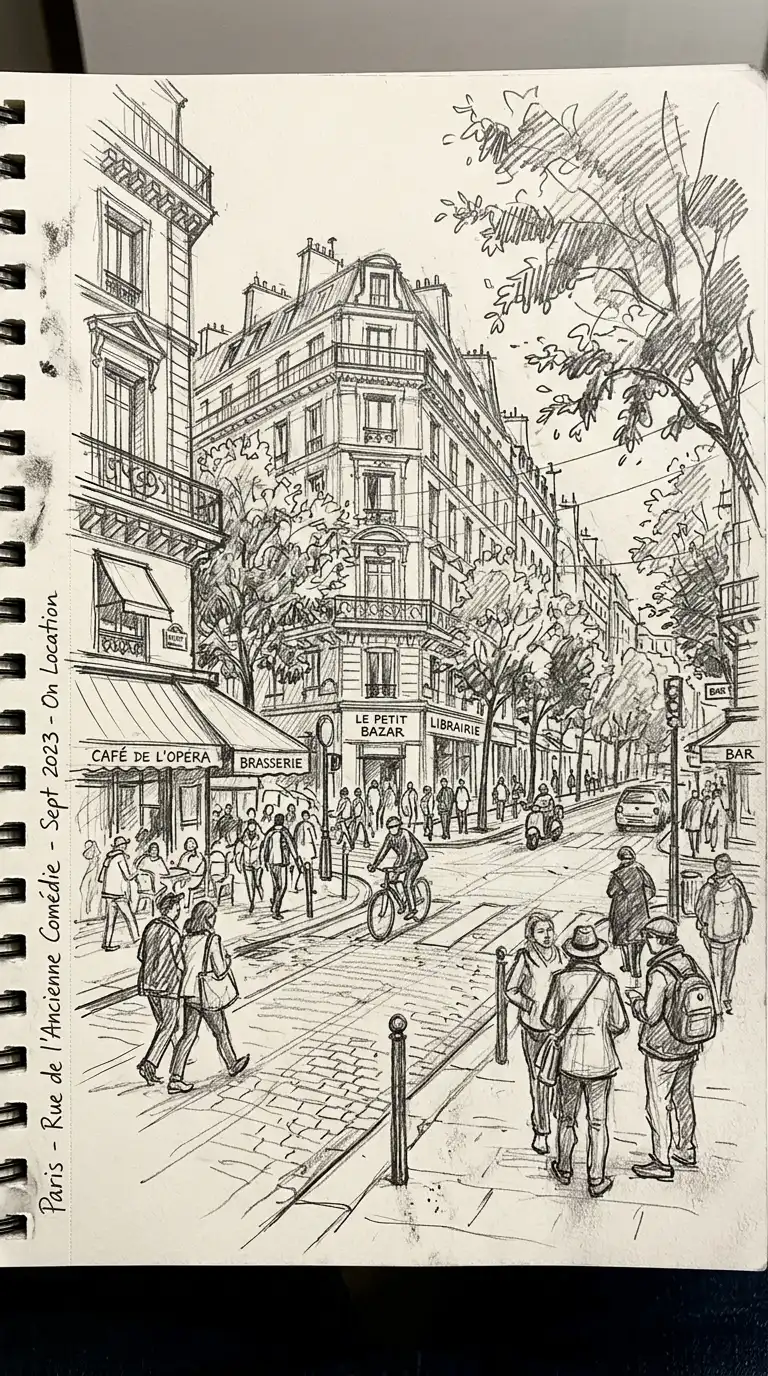
The urban sketch is drawn on location, in the city. The sketch includes buildings, streets, people, and trees. The urban sketch is quick, loose, and impressionistic. The urban sketch captures the feeling of a place.
This sketch is ideal for travel and site analysis. The emotional effect is urban, on-location, and impressionistic.
Quick Tips
- Draw on location, not from a photo.
- Work quickly — 10-20 minutes.
- Add people and trees for scale and life.
10. The Massing Sketch
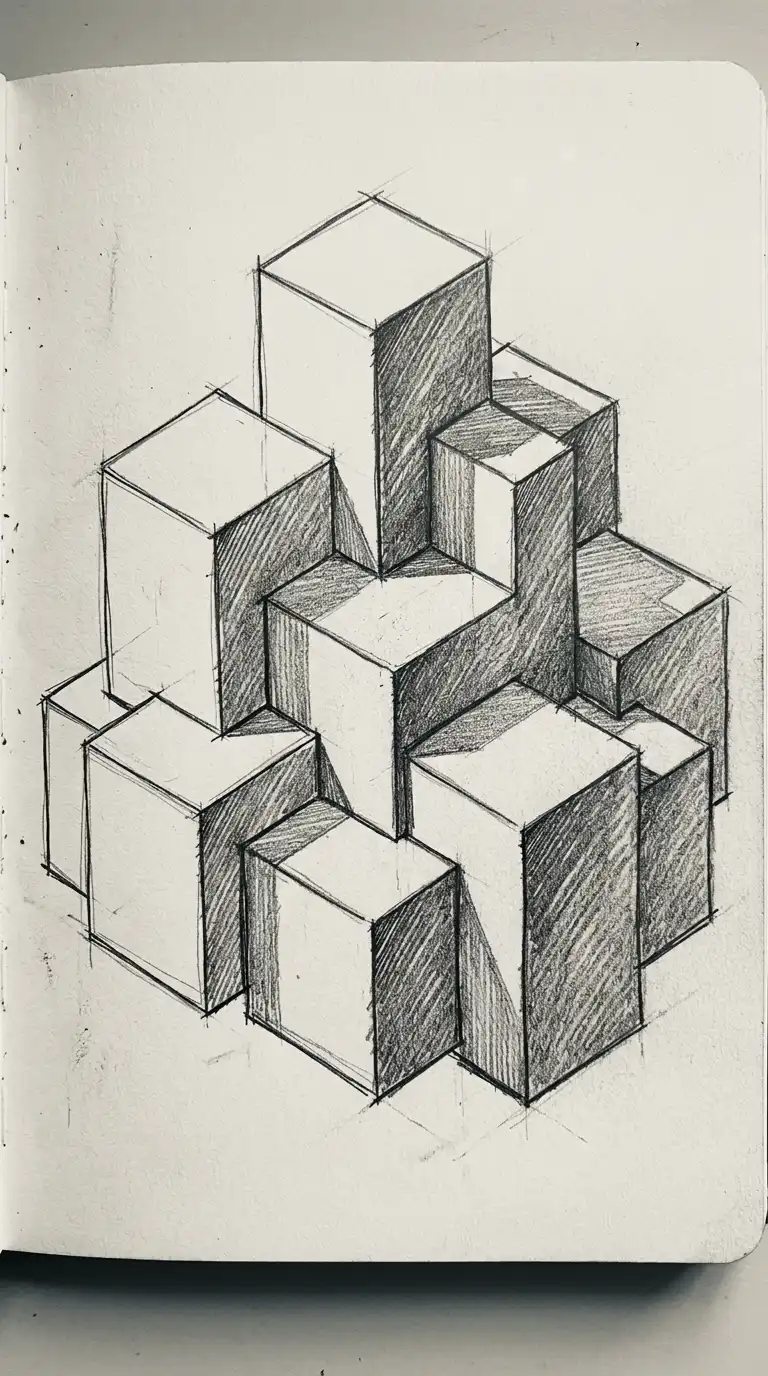
The massing sketch shows the building as simple solid volumes. No windows, no doors, no details. Only cubes, rectangles, and cylinders. The massing sketch is ideal for studying proportion, siting, and overall form.
This sketch is ideal for early design exploration. The emotional effect is massed, solid, and volumetric.
Quick Tips
- Use simple geometric volumes (cubes, rectangles, cylinders).
- No details — no windows, no doors.
- Shade one side for depth.
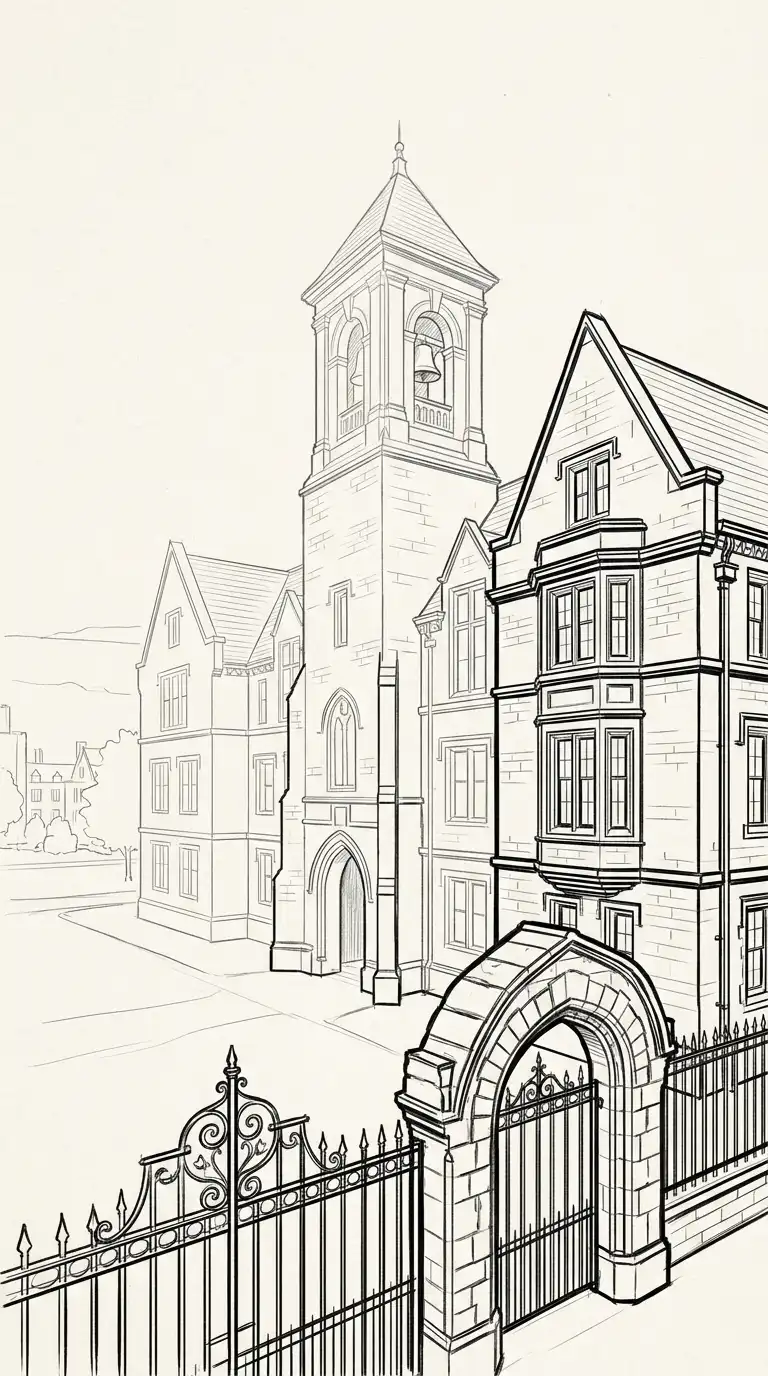
11. The Line Weight Sketch
The line weight sketch uses thick lines and thin lines to create depth. Thick lines are in the foreground. Thin lines are in the background. Thick lines are for shadows. Thin lines are for light surfaces. The line weight sketch is about hierarchy, not value.
This sketch is ideal for creating depth without shading. The emotional effect is hierarchical, weighted, and linear.
Quick Tips
- Use thick lines for foreground and shadows.
- Use thin lines for background and light surfaces.
- No shading — lines only.
12. The Hybrid Sketch
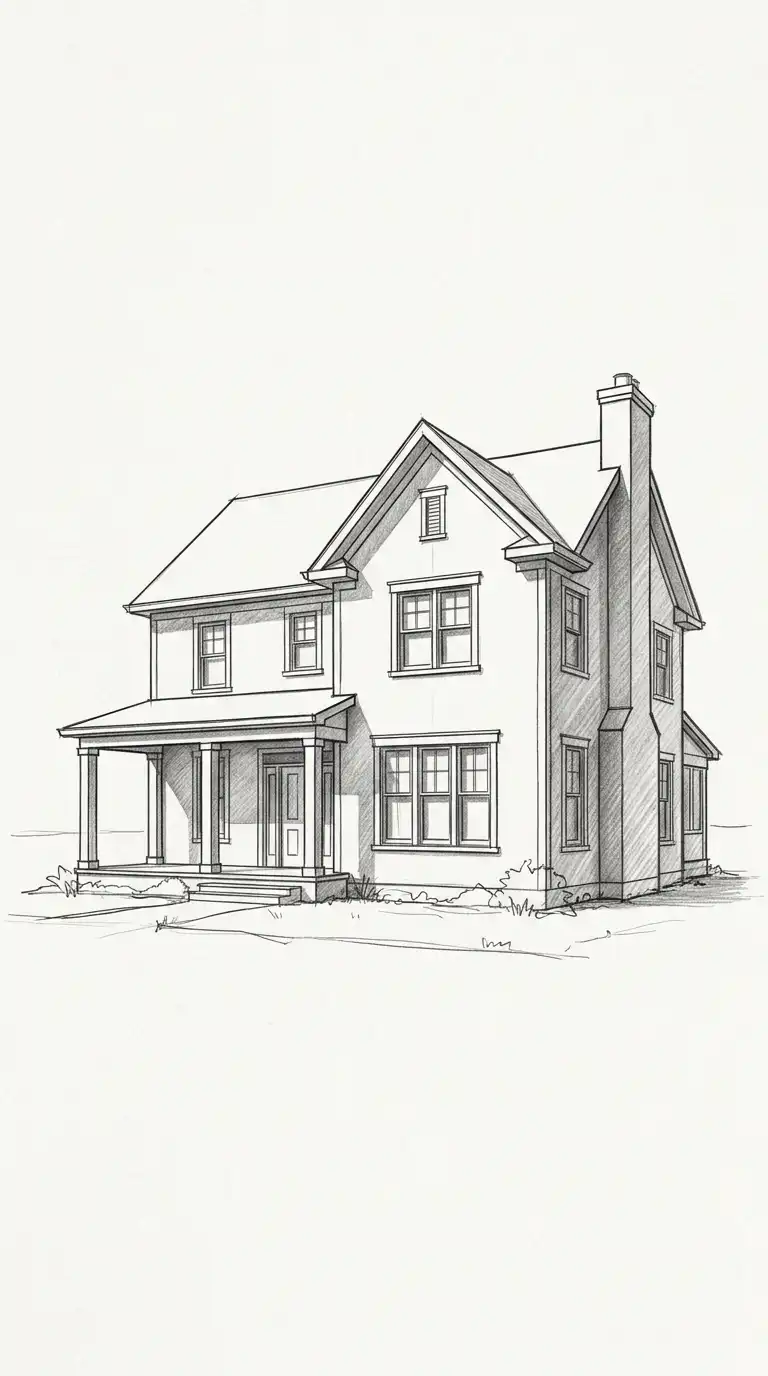
The hybrid sketch combines line and shadow. The outline is drawn with line. The shadows are shaded with pencil. The hybrid sketch is the most common architectural sketch. It is clear and readable.
This sketch is ideal for presentations and portfolios. The emotional effect is clear, readable, and hybrid.
Quick Tips
- Draw the outline first.
- Add shading to one side for depth.
- Keep the light direction consistent.
Final Thoughts
A building sketch is not a rendering. It is a thought. A gesture sketch captures energy. A contour sketch captures edges. A shadow sketch captures light. A one-point perspective captures depth. A two-point perspective captures mass. An elevation captures proportion. A section captures interior space. A detail captures connection. An urban sketch captures place. A massing sketch captures volume. A line weight sketch captures hierarchy. A hybrid sketch captures clarity.
These 12 sketch types are not mutually exclusive. A two-point perspective can be a shadow sketch. An elevation can be a line weight sketch. A section can be a hybrid sketch. The best sketches are not the most detailed — they are the most clear. They capture the idea, not the building. They are sketches. They are fast. They are alive. They are architecture thinking out loud.
