Skip to content
Byzantine architecture is the architecture of the Eastern Roman Empire. It is the architecture of Constantinople (Istanbul), of Ravenna, of Venice, of Russia. Byzantine buildings are domed, golden, and mystical. The dome is the vault of heaven. The mosaics are the stars. Light enters from above, illuminating the gold. Byzantine architecture is celestial, golden, and mysterious.
These 12 Byzantine architecture designs span churches, palaces, and civic buildings. Each design includes defining characteristics, structural principles, and spiritual strategies.
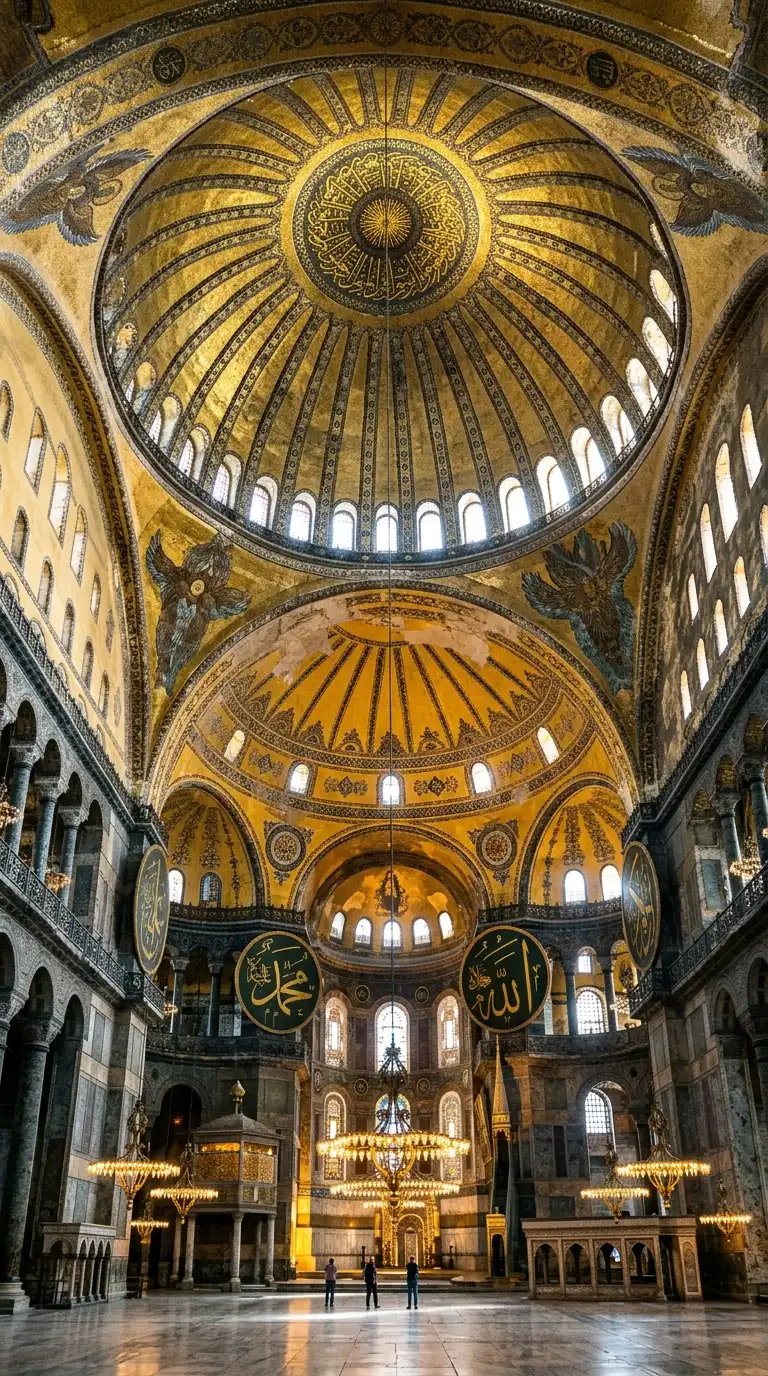
1. Hagia Sophia
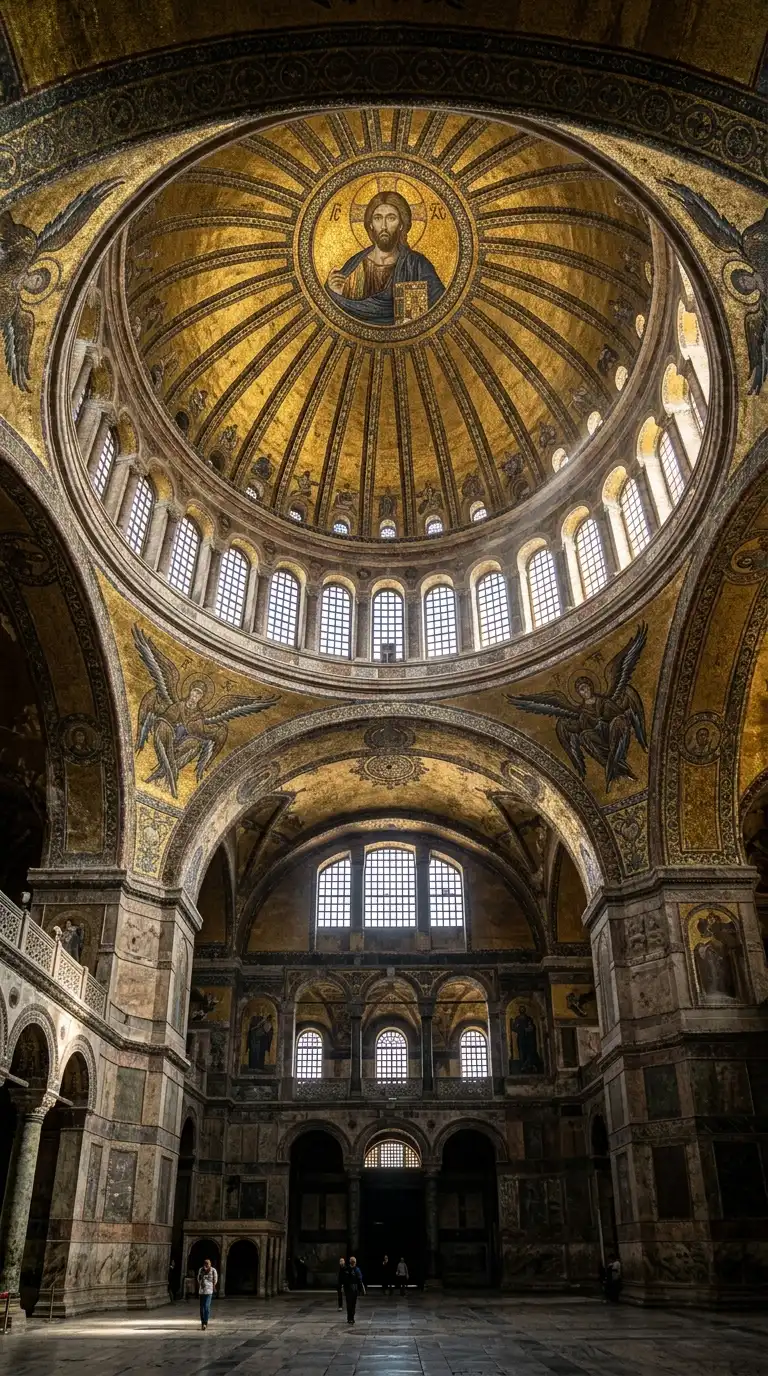
Hagia Sophia (537 CE) in Istanbul is the masterpiece of Byzantine architecture. It has a massive dome on pendentives. The dome seems to float. The interior is filled with golden light. The dome is 55 metres high and 31 metres wide. Hagia Sophia is domed, floating, and golden.
This design is ideal for cathedrals and mosques. The emotional effect is domed, floating, and golden.
Quick Tips
- The dome must be on pendentives.
- The dome must appear to float.
- The interior must have golden mosaics.
2. The Pendentive Dome
The pendentive is the Byzantine solution for placing a dome on a square base. A pendentive is a curved triangle that transitions from the square corners to the circular base of the dome. The pendentive is structural, elegant, and Byzantine.
This design is ideal for domed churches. The emotional effect is structural, elegant, and Byzantine.
Quick Tips
- The pendentive must be a curved triangle.
- The pendentive must connect the square corners to the circular dome.
- The pendentive can be decorated with mosaics.
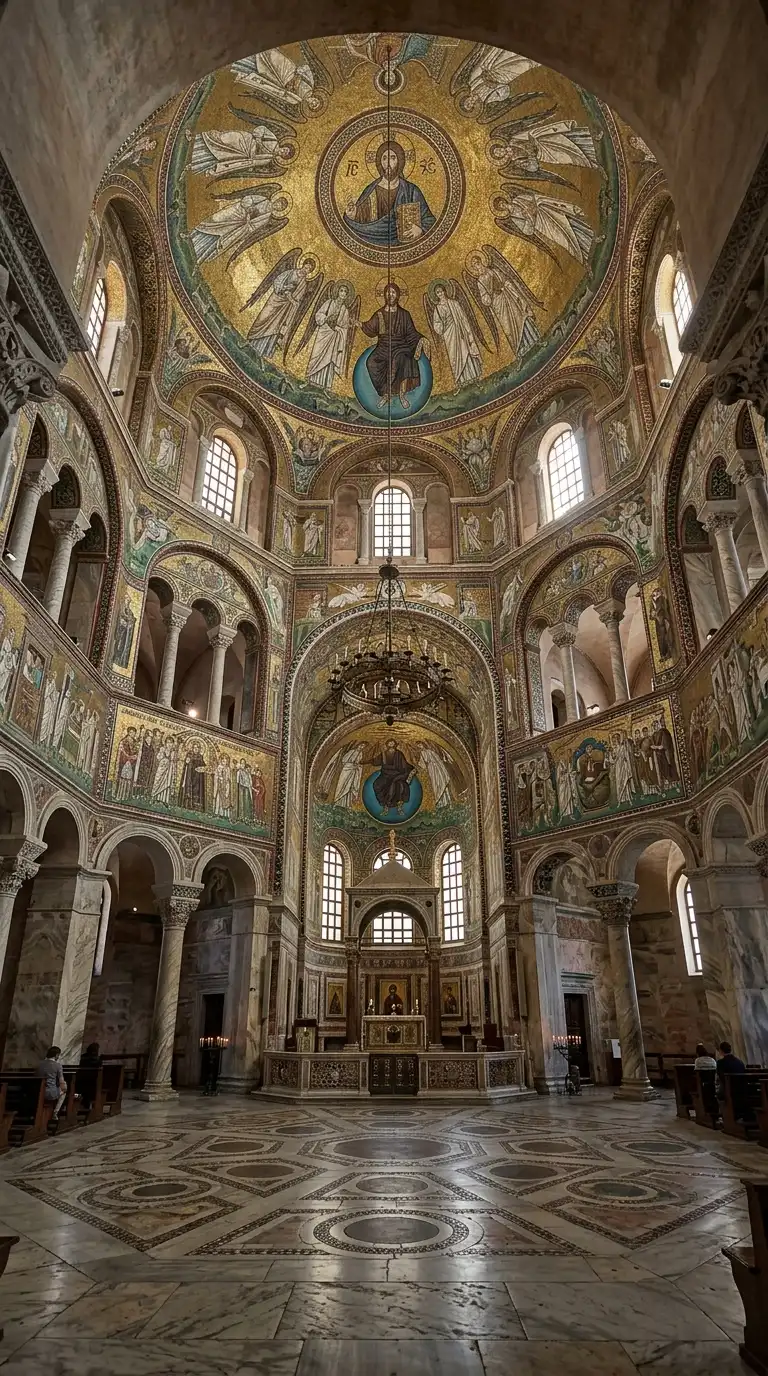
3. The Central Plan Church
The central plan church is organised around a central dome. The plan is a circle, octagon, or Greek cross. The altar is in the centre or in an apse. The congregation surrounds the altar. The central plan church is centralised, domed, and unified.
This design is ideal for baptisteries and martyria. The emotional effect is centralised, domed, and unified.
Quick Tips
- The plan must be circular, octagonal, or Greek cross.
- The dome must be at the centre.
- The altar must be in the centre or apse.
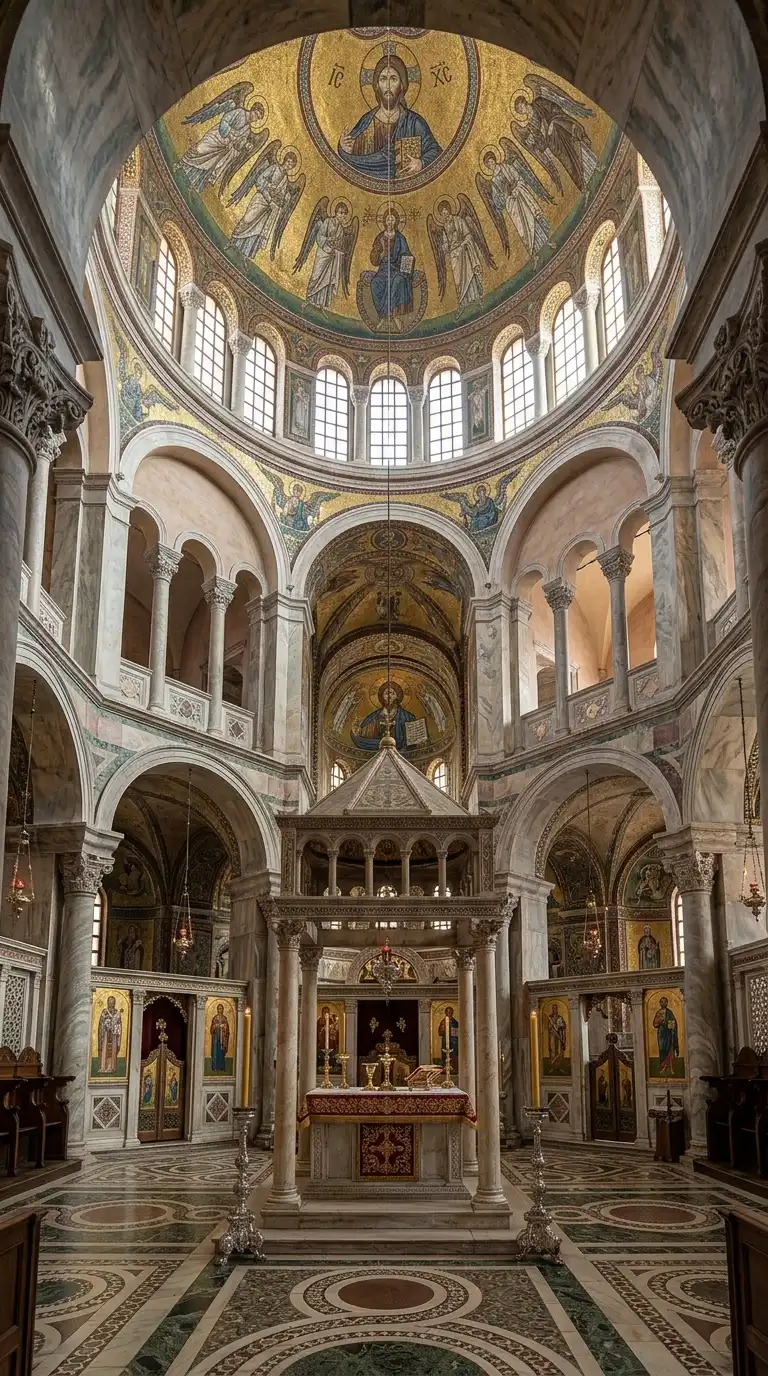
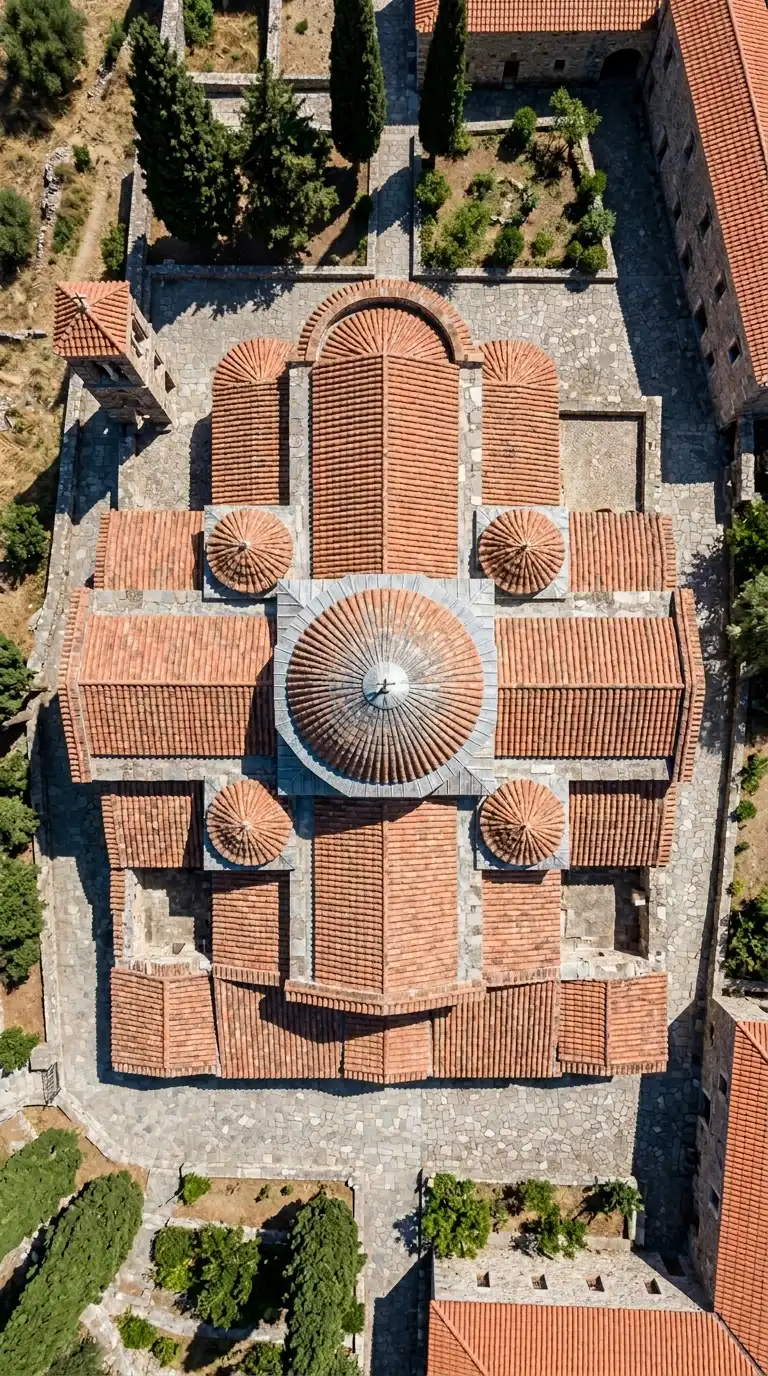
4. The Greek Cross Plan
The Greek cross plan has four equal arms. The arms are of the same length. The centre is domed. The Greek cross plan is used for many Byzantine churches. The Greek cross is equal-armed, domed, and symmetrical.
This design is ideal for churches and monasteries. The emotional effect is equal-armed, domed, and symmetrical.
Quick Tips
- The four arms must be equal in length.
- The centre must be domed.
- The plan must be symmetrical.
5. The Narthex
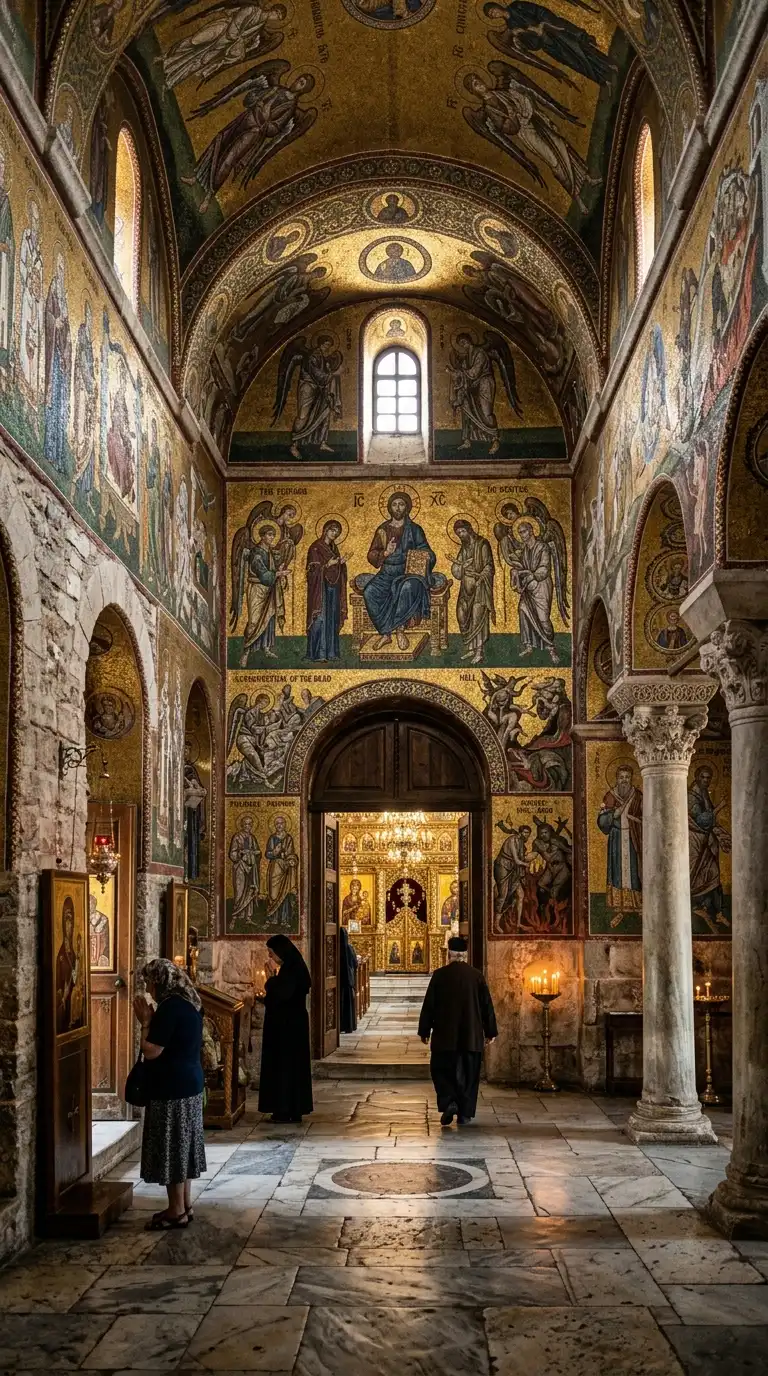
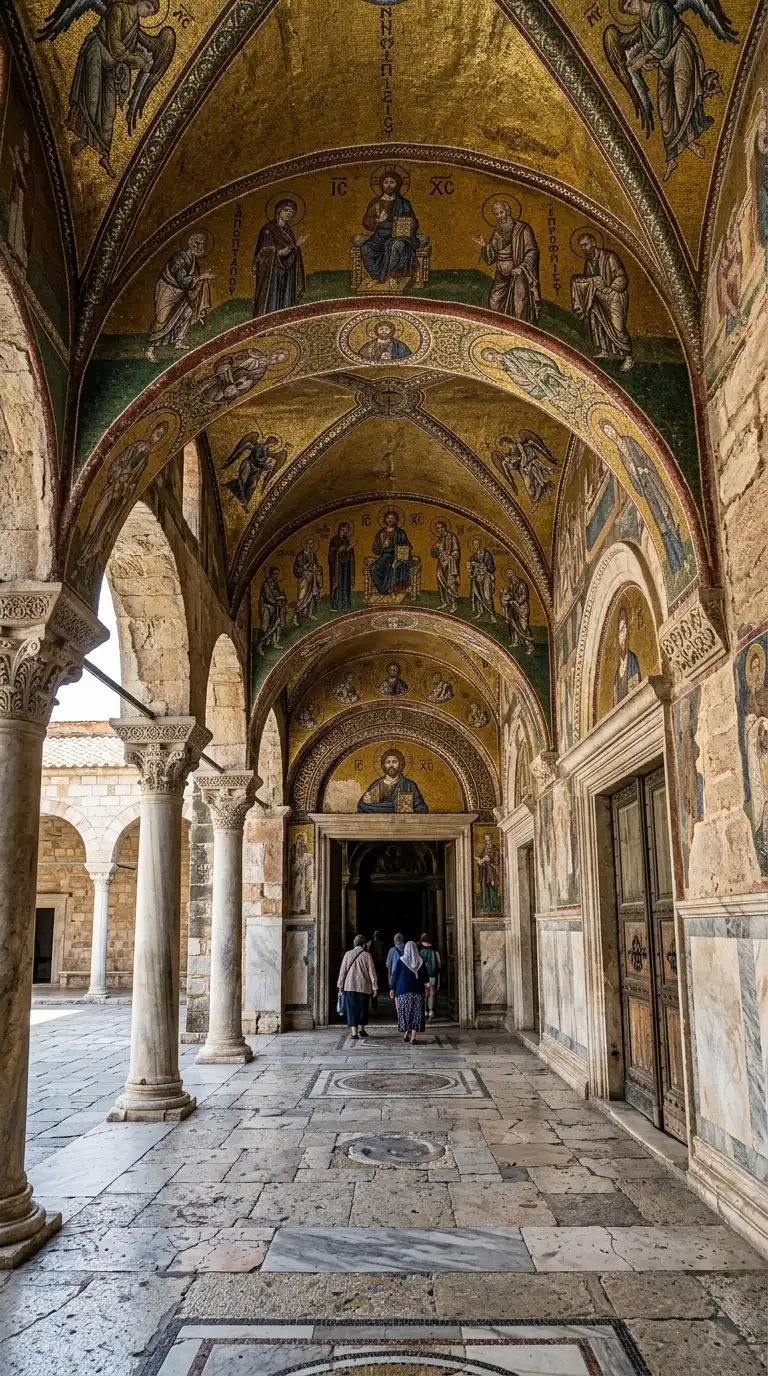
The narthex is an entrance porch at the west end of a Byzantine church. The narthex is a transition space — from the world into the church. The narthex is often decorated with mosaics of the Second Coming. The narthex is transitional, preparatory, and mosaic-decorated.
This design is ideal for churches and cathedrals. The emotional effect is transitional, preparatory, and mosaic-decorated.
Quick Tips
- The narthex must be at the west end.
- The narthex must be a transition space.
- The narthex must have mosaics.
6. The Apse
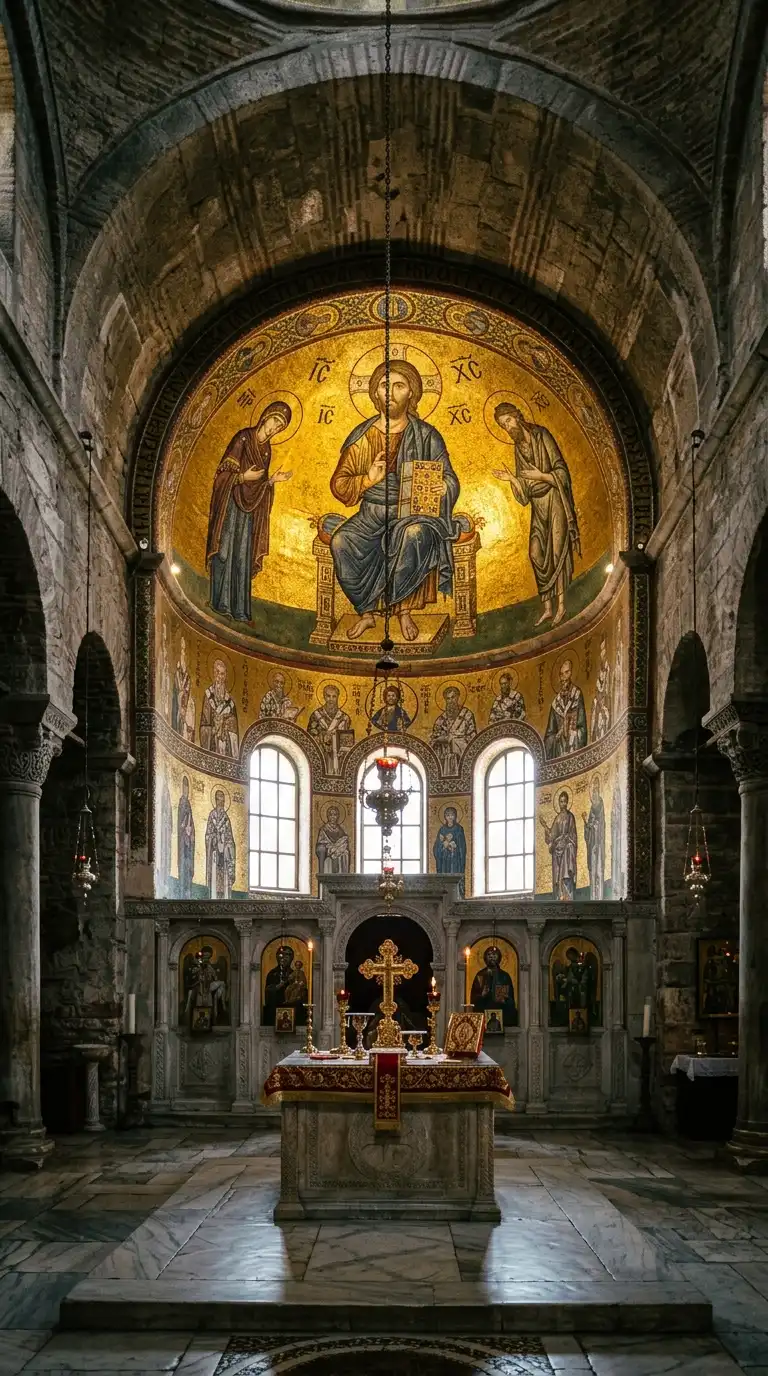
The apse is the semi-circular or polygonal termination of the church at the east end. The apse contains the altar. The apse is decorated with a mosaic of Christ or the Virgin. The apse is sacred, apsidal, and mosaic-decorated.
This design is ideal for churches and cathedrals. The emotional effect is sacred, apsidal, and mosaic-decorated.
Quick Tips
- The apse must be at the east end.
- The apse must contain the altar.
- The apse must have a mosaic of Christ or the Virgin.
7. The Mosaic
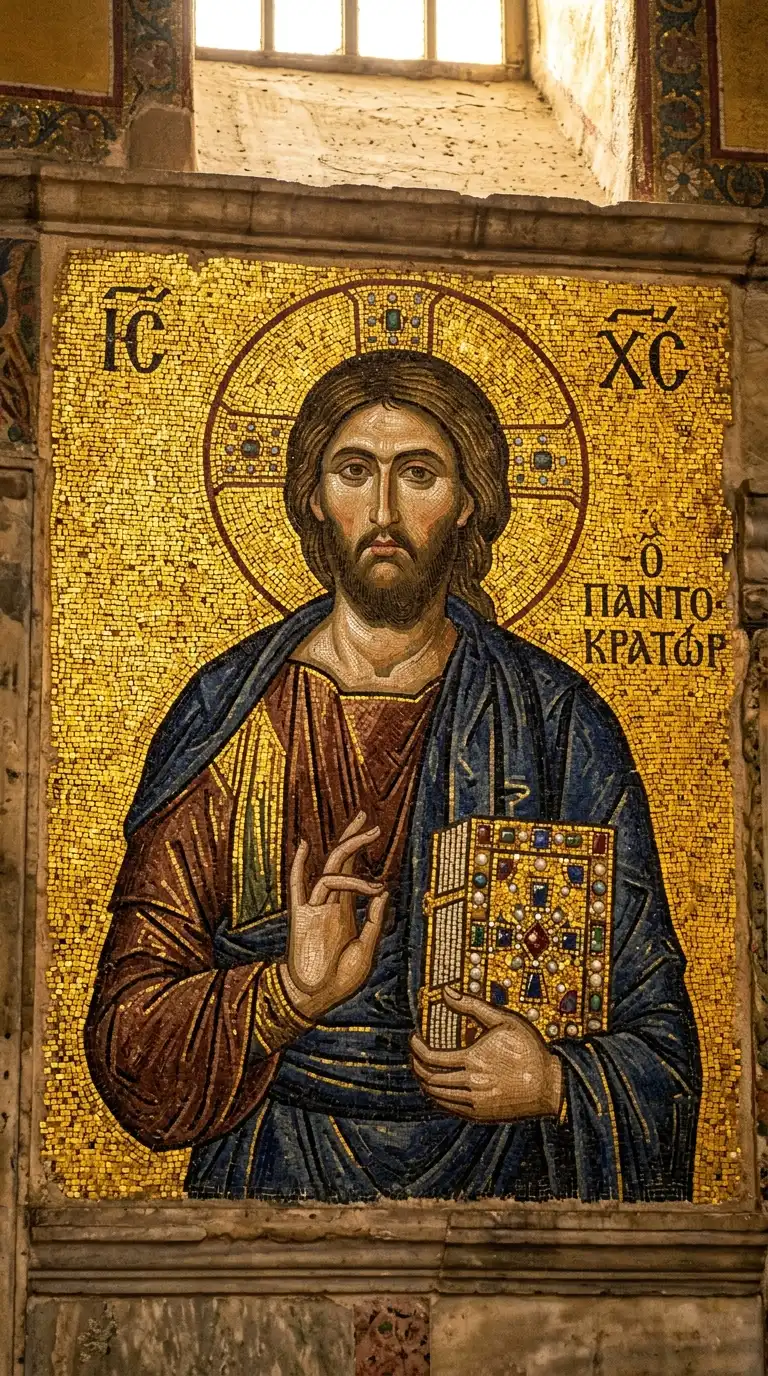
Byzantine mosaics are made of gold glass tesserae (small cubes). The gold reflects light. The mosaic seems to glow. The figures are flat, frontal, and iconic. The mosaic is golden, glowing, and iconic.
This design is ideal for walls, domes, and apses. The emotional effect is golden, glowing, and iconic.
Quick Tips
- The tesserae must be gold glass.
- The figures must be flat and frontal.
- The background must be gold.
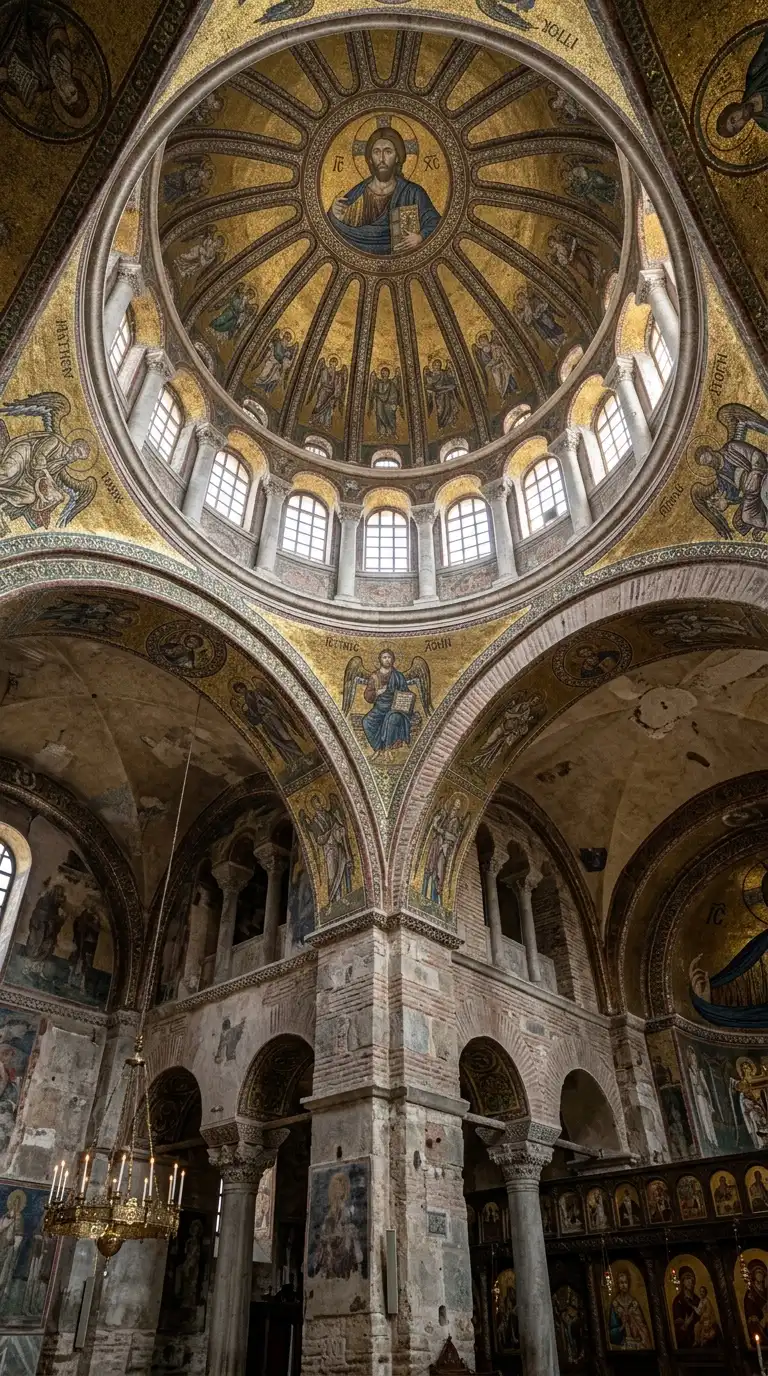
8. The Dome on Drums
The Byzantine dome often sits on a drum — a cylindrical or polygonal wall that raises the dome higher. The drum has windows. Light enters through the drum windows. The dome on drums is high, windowed, and luminous.
This design is ideal for churches and cathedrals. The emotional effect is high, windowed, and luminous.
Quick Tips
- The dome must sit on a drum.
- The drum must have windows.
- The drum must be cylindrical or polygonal.
9. The Exonarthex
The exonarthex is an outer narthex, outside the inner narthex. It is a second entrance porch. The exonarthex is found in larger Byzantine churches. The exonarthex is additional, outer, and preparatory.
This design is ideal for large churches and monasteries. The emotional effect is additional, outer, and preparatory.
Quick Tips
- The exonarthex must be outside the inner narthex.
- The exonarthex must be at the west end.
- The exonarthex must have mosaics.
10. The Parecclesion
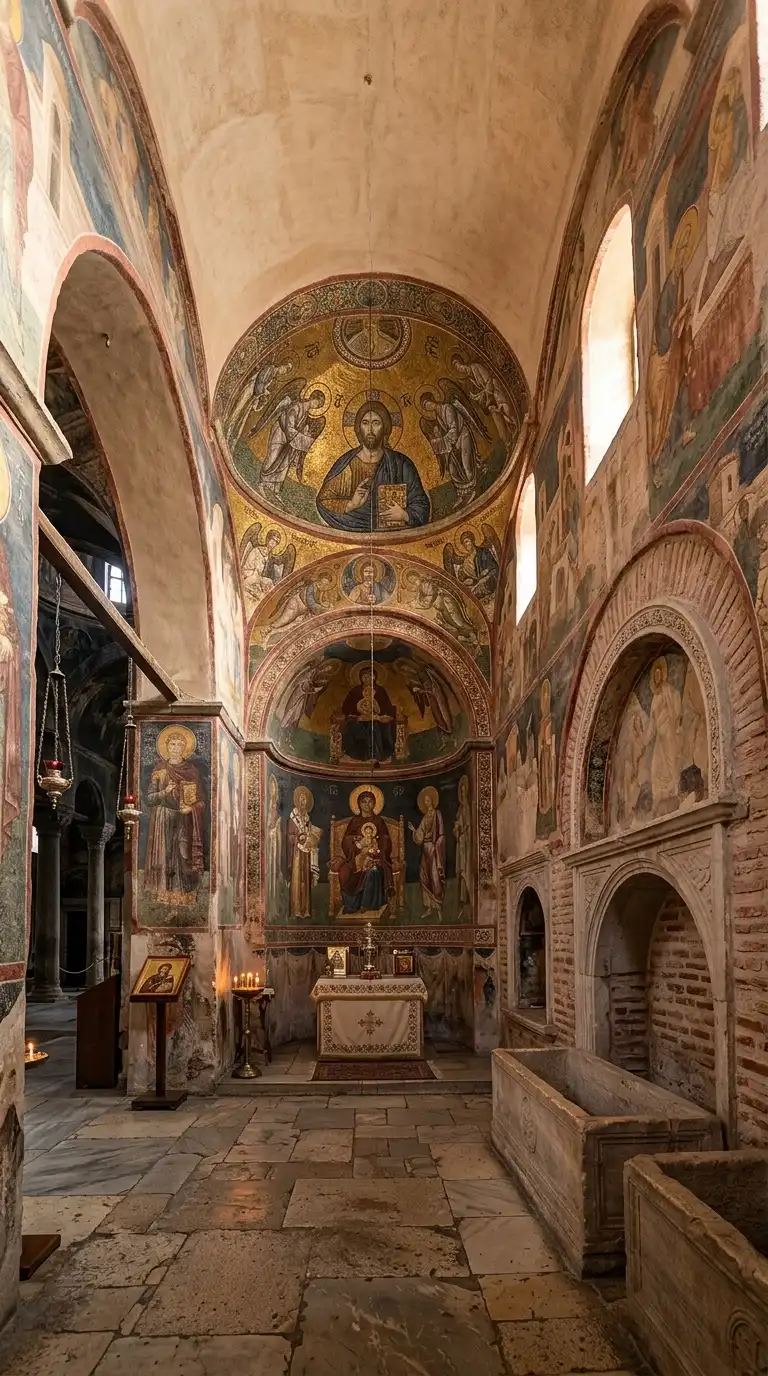
The parecclesion is a side chapel attached to the main church. The parecclesion is often used for funerary purposes. The parecclesion has its own dome and apse. The parecclesion is side, funerary, and domed.
This design is ideal for churches and monasteries. The emotional effect is side, funerary, and domed.
Quick Tips
- The parecclesion must be attached to the main church.
- The parecclesion must have its own dome and apse.
- The parecclesion is often funerary.
11. The Ambulatory
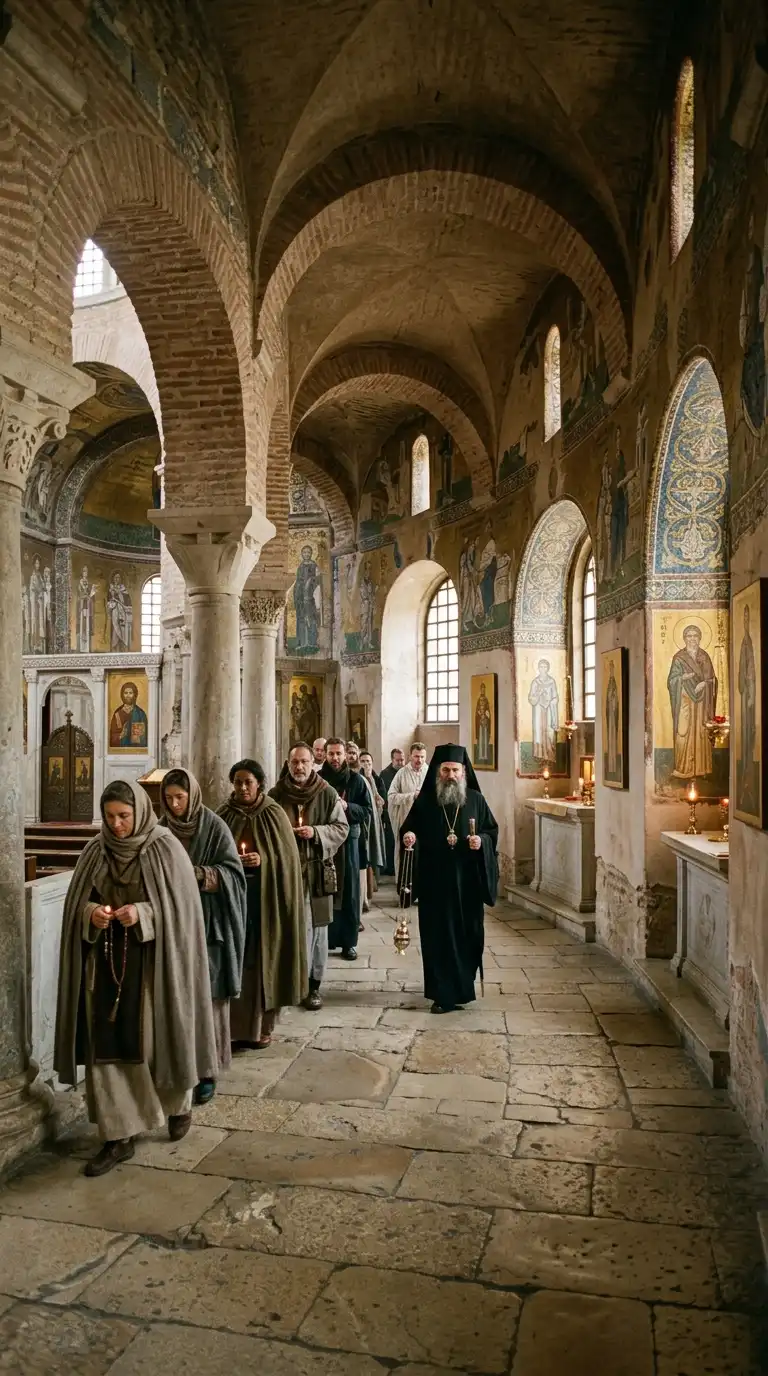
The ambulatory is a covered walkway around the apse. The ambulatory allows pilgrims to circulate without disturbing the clergy. The ambulatory often has radiating chapels. The ambulatory is processional, radiating, and pilgrim-friendly.
This design is ideal for pilgrimage churches. The emotional effect is processional, radiating, and pilgrim-friendly.
Quick Tips
- The ambulatory must be around the apse.
- The ambulatory must have radiating chapels.
- The ambulatory must allow circulation.
12. The Octagon Church
The octagon church is a central plan church with an octagonal shape. The octagon is eight-sided. The dome is on the octagon. The octagon church is eight-sided, domed, and centralised.
This design is ideal for baptisteries and martyria. The emotional effect is eight-sided, domed, and centralised.
Quick Tips
- The plan must be an octagon.
- The dome must be on the octagon.
- The altar must be in the centre or apse.