 Skip to content
French architecture is the architecture of Europe. From Romanesque pilgrimage churches to Gothic cathedrals, from Renaissance châteaux to Baroque palaces, from Beaux-Arts civic buildings to Modernist villas, France has been at the centre of architectural innovation for a thousand years. French architecture is rational, elegant, and monumental.
These 12 French architecture designs span the Middle Ages to the present day. Each design includes defining characteristics, key examples, and architectural principles.
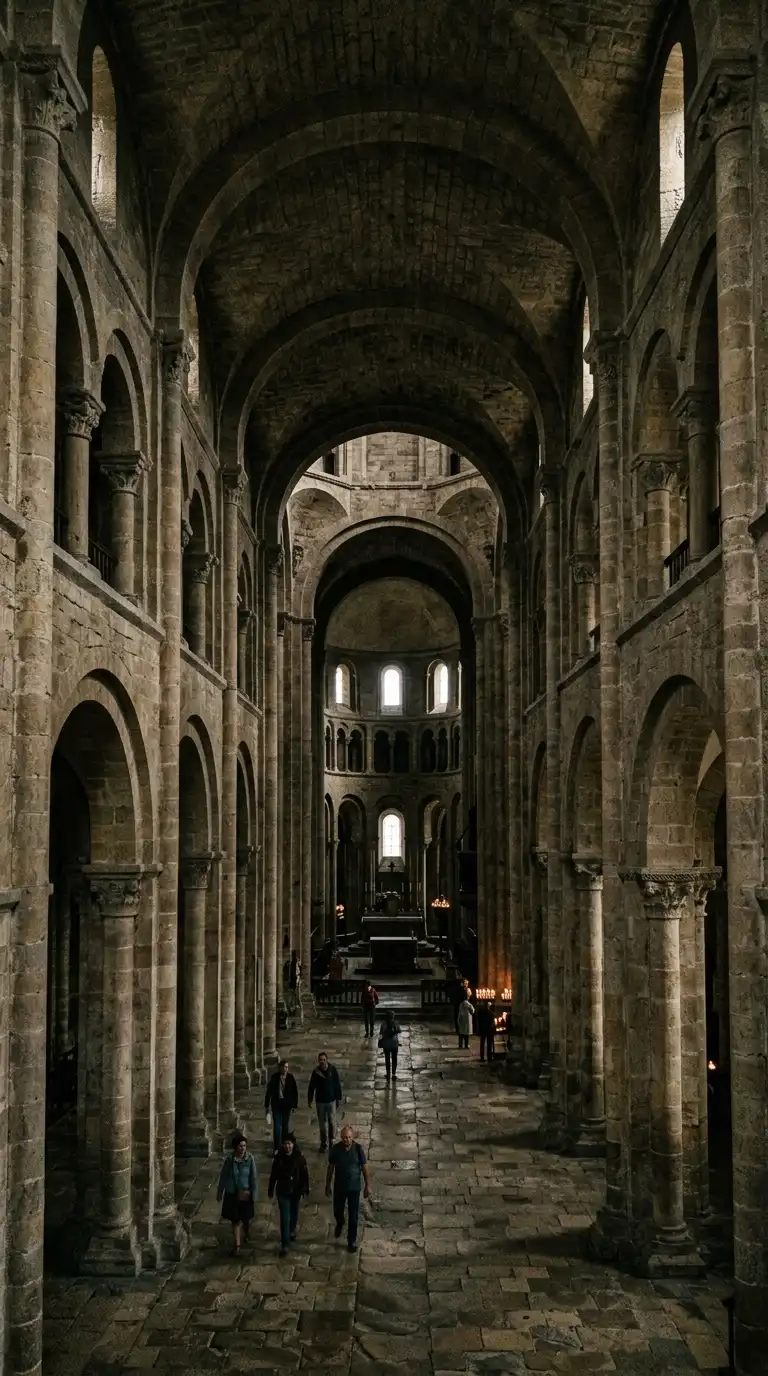
1. The Romanesque Pilgrimage Church
The Romanesque pilgrimage church is a large stone church built along the pilgrimage routes to Santiago de Compostela. The plan has a nave, side aisles, a transept, an ambulatory, and radiating chapels. The vault is a stone barrel vault. The church is dark, solid, and fortress-like.
This design is ideal for pilgrimage churches and cathedrals. The emotional effect is dark, solid, and fortress-like.
Quick Tips
- The plan must have a nave, side aisles, transept, ambulatory, and radiating chapels.
- The vault must be a stone barrel vault.
- The walls must be thick stone.
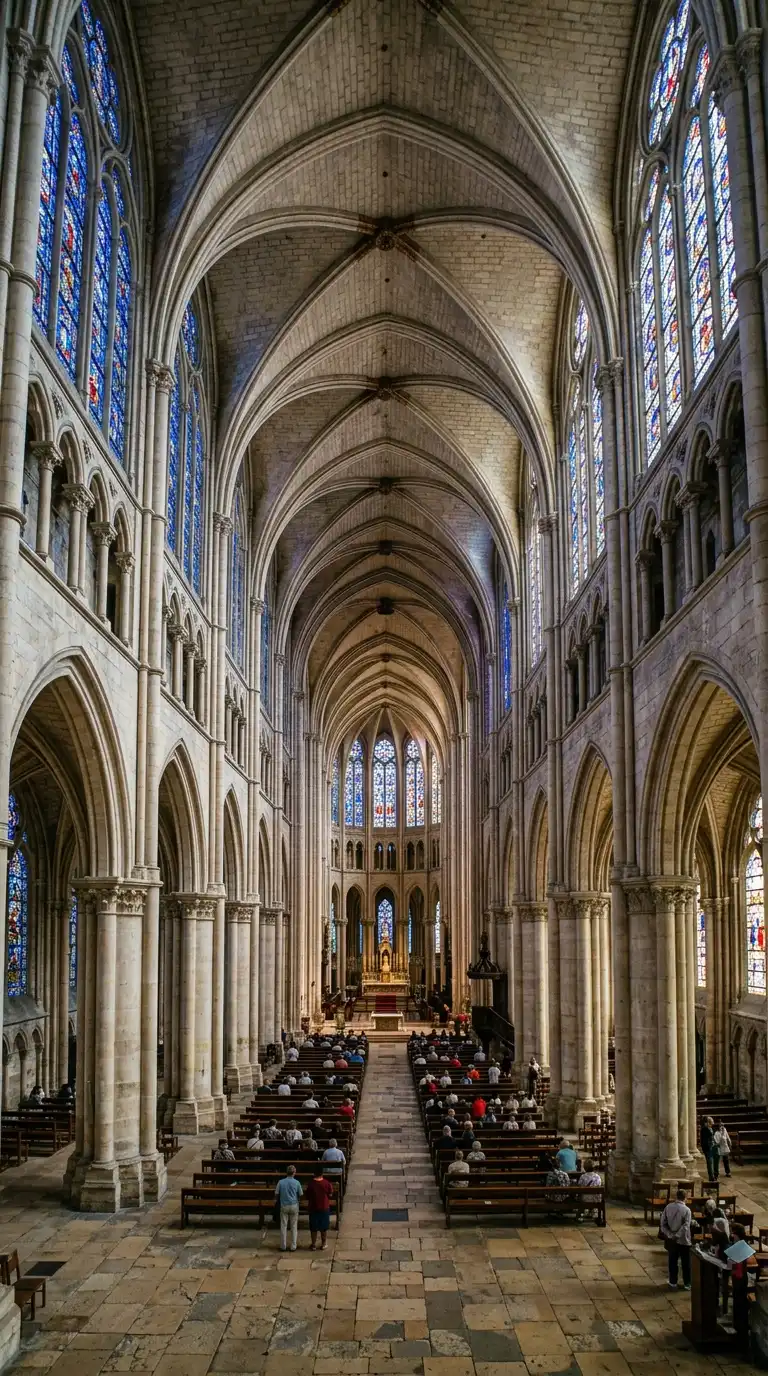
2. The Gothic Cathedral
The Gothic cathedral is the most famous French building type. The nave is tall with pointed arches and ribbed vaults. Flying buttresses support the upper walls. The walls are filled with stained glass. The Gothic cathedral is vertical, luminous, and awe-inspiring.
This design is ideal for cathedrals and large churches. The emotional effect is vertical, luminous, and awe-inspiring.
Quick Tips
- The nave must be tall with pointed arches.
- The vaults must be ribbed.
- Flying buttresses must support the upper walls.
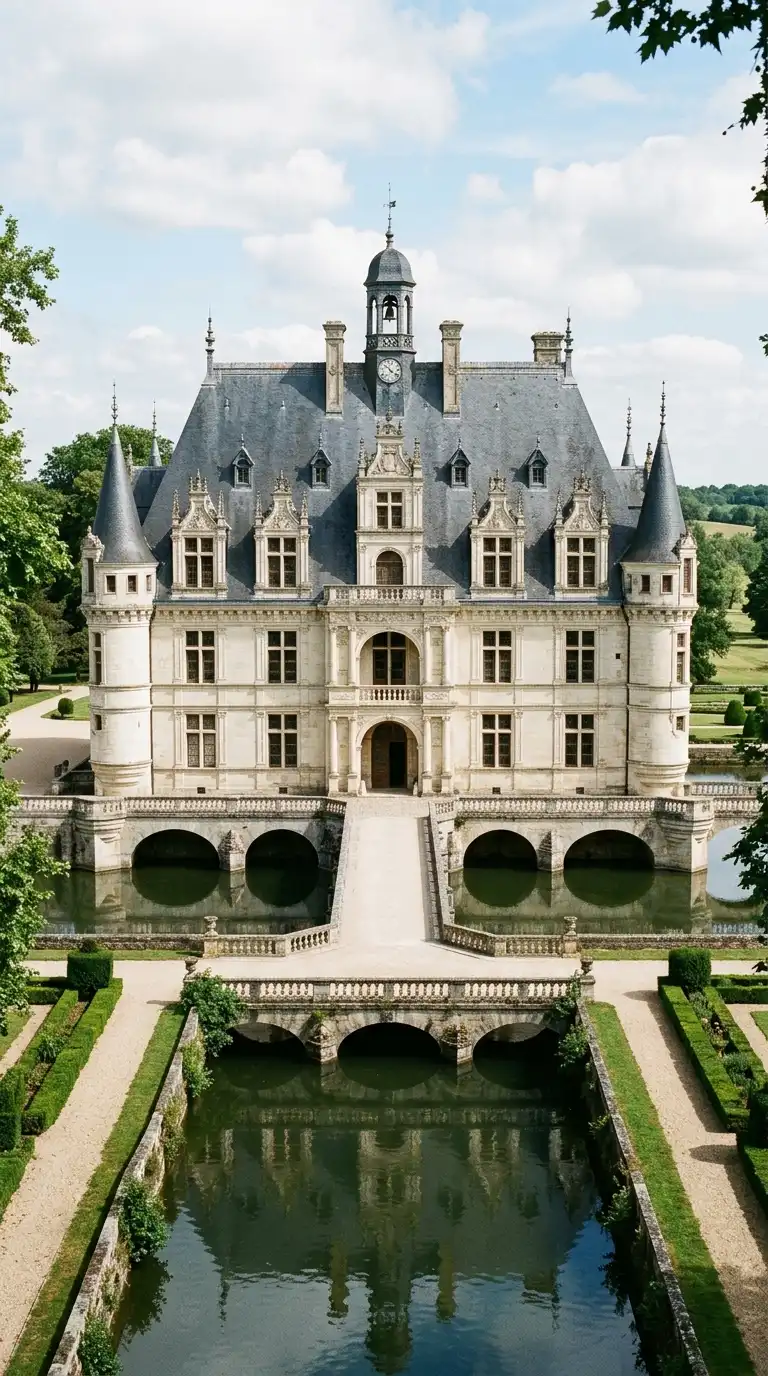
3. The Château
The château is a French country house or palace. The Renaissance château is symmetrical, with a central staircase, high roofs, and elaborate dormers. The château is often surrounded by a moat or garden. The château is elegant, symmetrical, and aristocratic.
This design is ideal for palaces and country houses. The emotional effect is elegant, symmetrical, and aristocratic.
Quick Tips
- The plan must be symmetrical.
- The roof must be high with dormers.
- A moat or garden must surround the château.
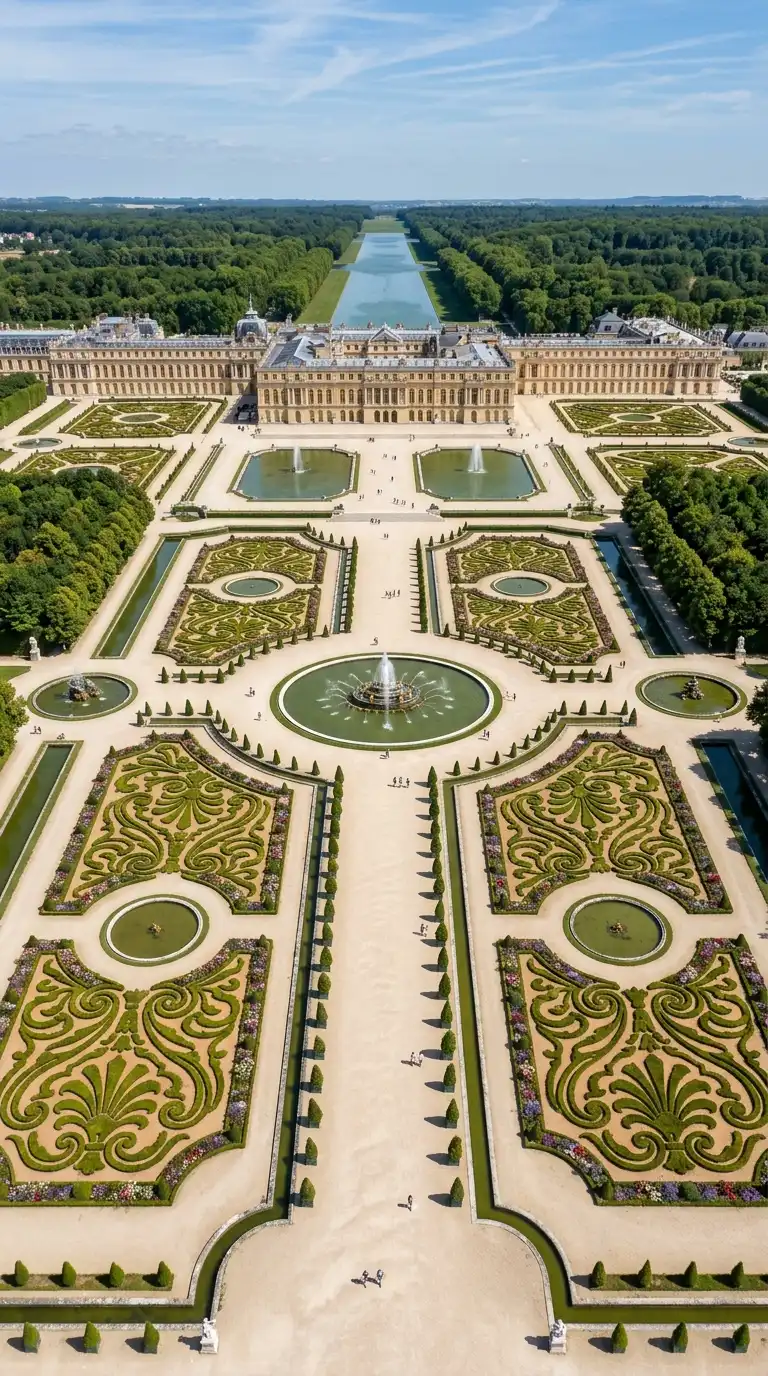
4. The French Formal Garden
The French formal garden is a geometric, axial garden designed by André Le Nôtre. The garden has parterres (patterned flower beds), fountains, canals, and allées (tree-lined walks). The garden is an extension of the palace. The French formal garden is ordered, axial, and grand.
This design is ideal for palaces and large estates. The emotional effect is ordered, axial, and grand.
Quick Tips
- The garden must have a central axis.
- Parterres must be geometric.
- Fountains and canals must be present.
5. The Place Royale
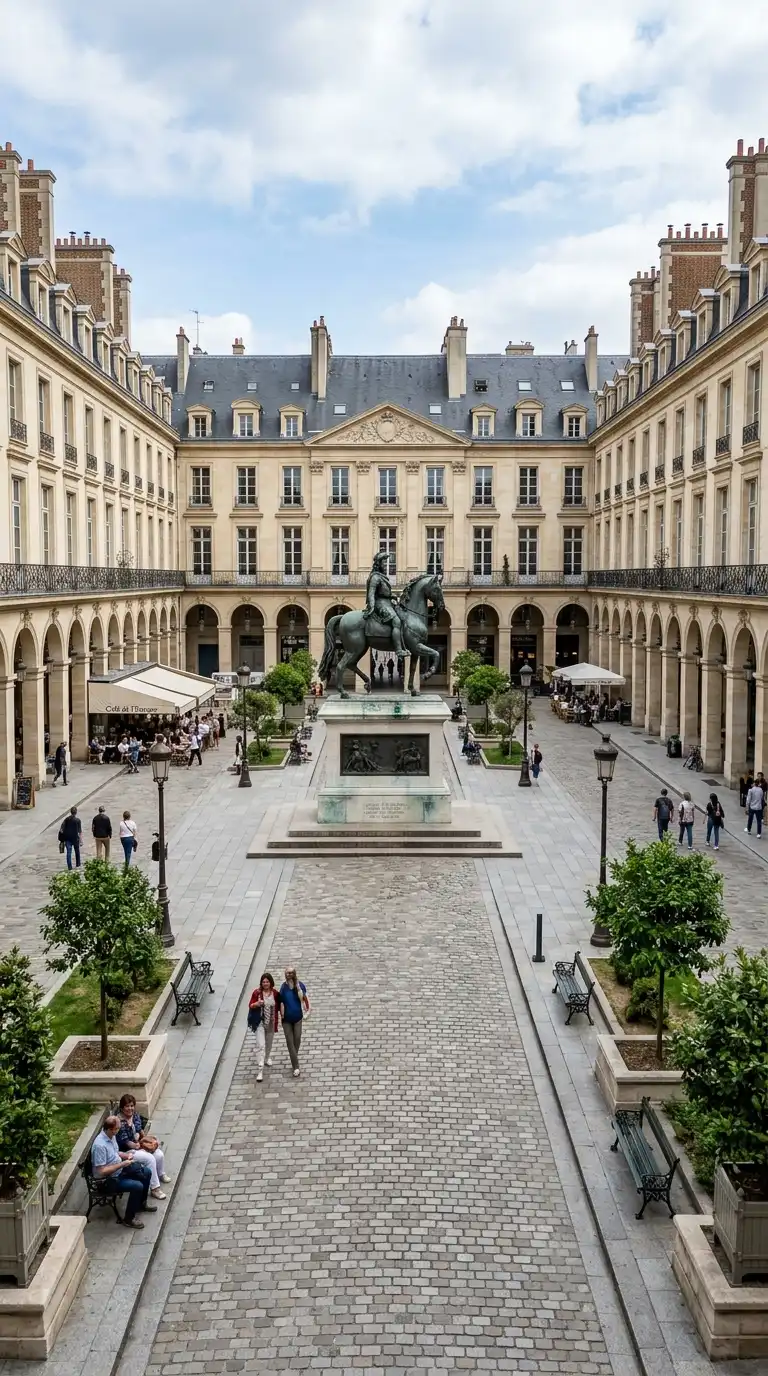
The place royale is a royal square in a French city. The square is surrounded by uniform townhouses. The centre has an equestrian statue of the king. The place royale is symmetrical, uniform, and urban.
This design is ideal for urban squares and civic spaces. The emotional effect is symmetrical, uniform, and urban.
Quick Tips
- The square must be surrounded by uniform townhouses.
- The centre must have an equestrian statue.
- The townhouses must have arcades on the ground floor.
6. The Baroque Palace (Versailles)
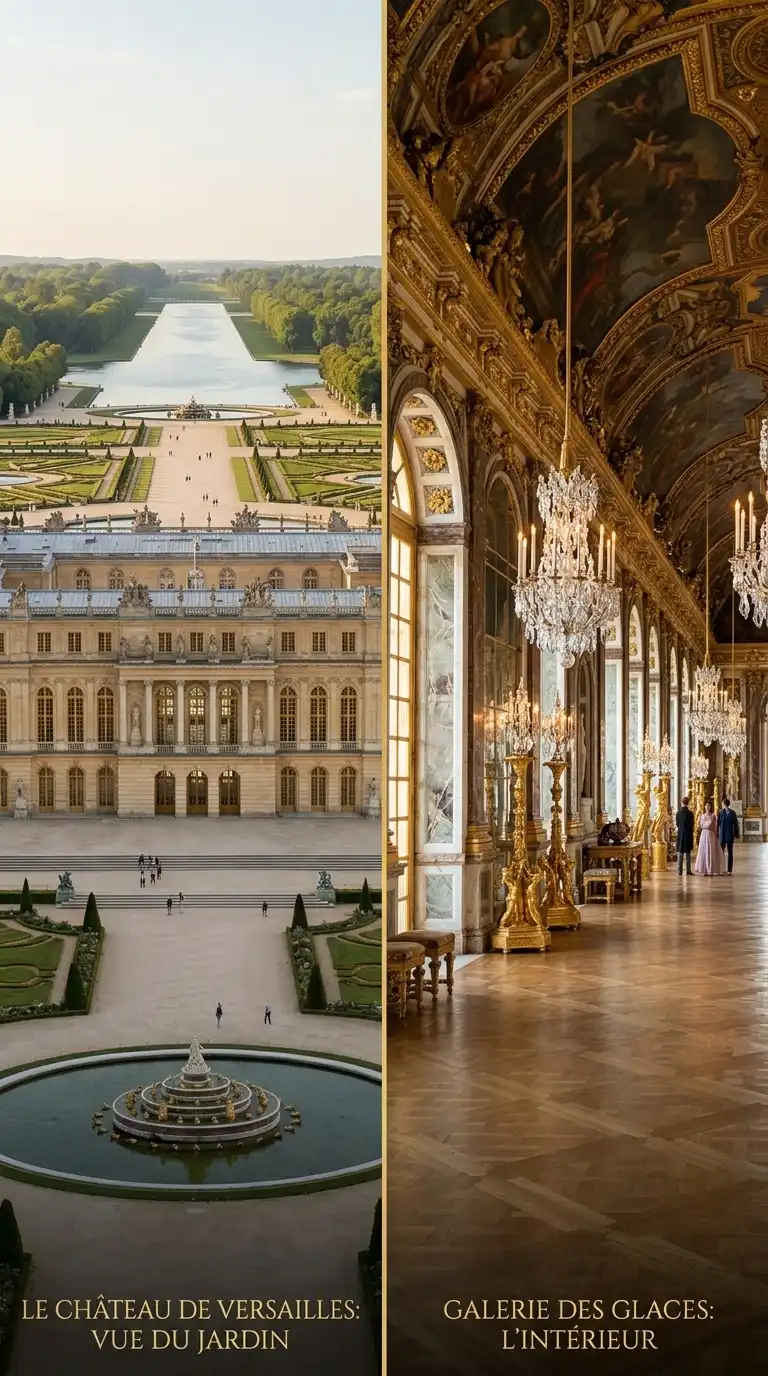
Versailles is the ultimate French Baroque palace. The facade is long and symmetrical. The Hall of Mirrors is the grandest room. The gardens extend to the horizon. Versailles is grand, symmetrical, and extravagant.
This design is ideal for palaces and government buildings. The emotional effect is grand, symmetrical, and extravagant.
Quick Tips
- The facade must be long and symmetrical.
- The Hall of Mirrors must be grand.
- The gardens must extend to the horizon.
7. The Parisian Arcade
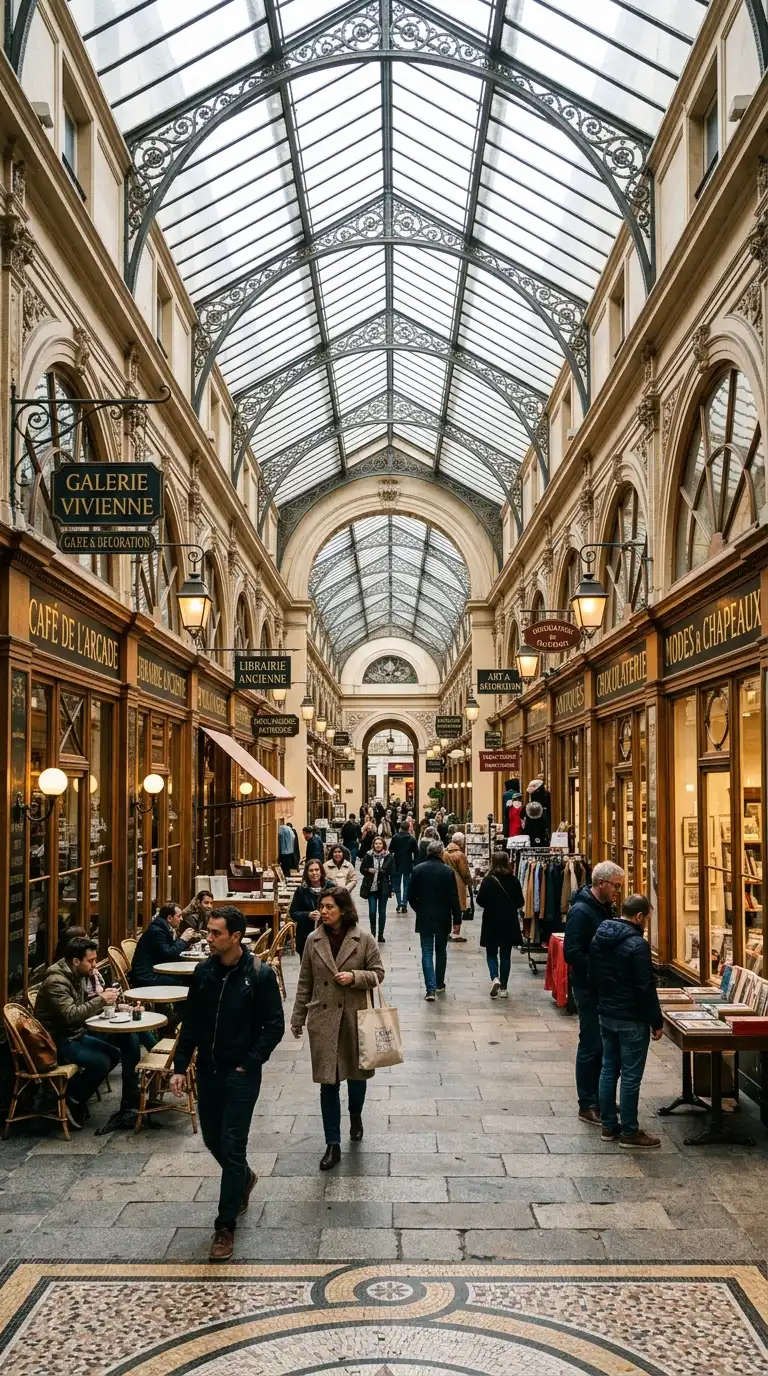
The Parisian arcade is a covered shopping street with glass roofs. The arcade is lined with shops, cafes, and bookstores. The arcade is a 19th-century invention. The Parisian arcade is covered, glass-roofed, and commercial.
This design is ideal for shopping streets and passages. The emotional effect is covered, glass-roofed, and commercial.
Quick Tips
- The arcade must be covered with a glass roof.
- The street must be lined with shops.
- The arcade must be pedestrian-only.
8. The Haussmannian Apartment Building
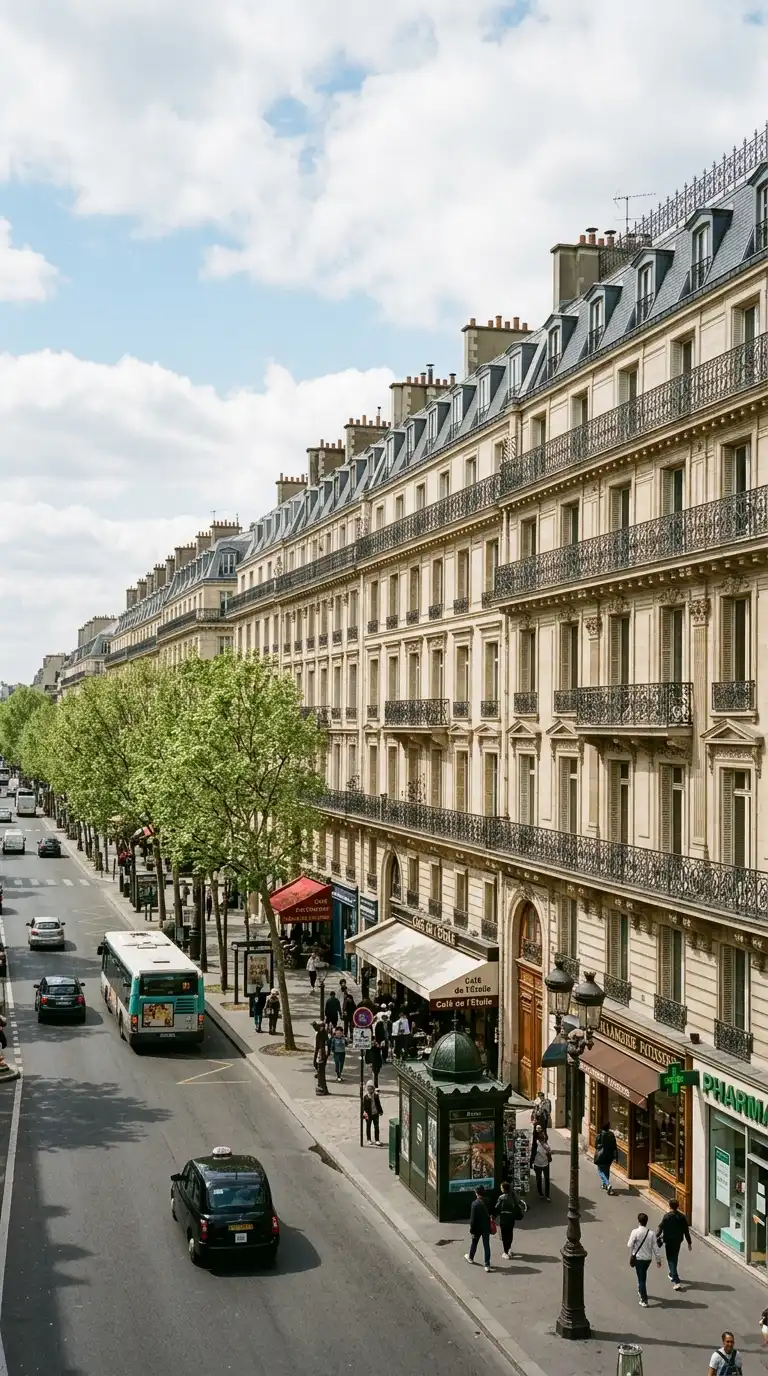
The Haussmannian apartment building is the typical Parisian building. The facade is stone. The windows are tall. The roof is mansard. The balconies are cast iron. The Haussmannian building is uniform, elegant, and urban.
This design is ideal for apartment buildings in city centres. The emotional effect is uniform, elegant, and urban.
Quick Tips
- The facade must be stone.
- The roof must be mansard.
- The balconies must be cast iron.
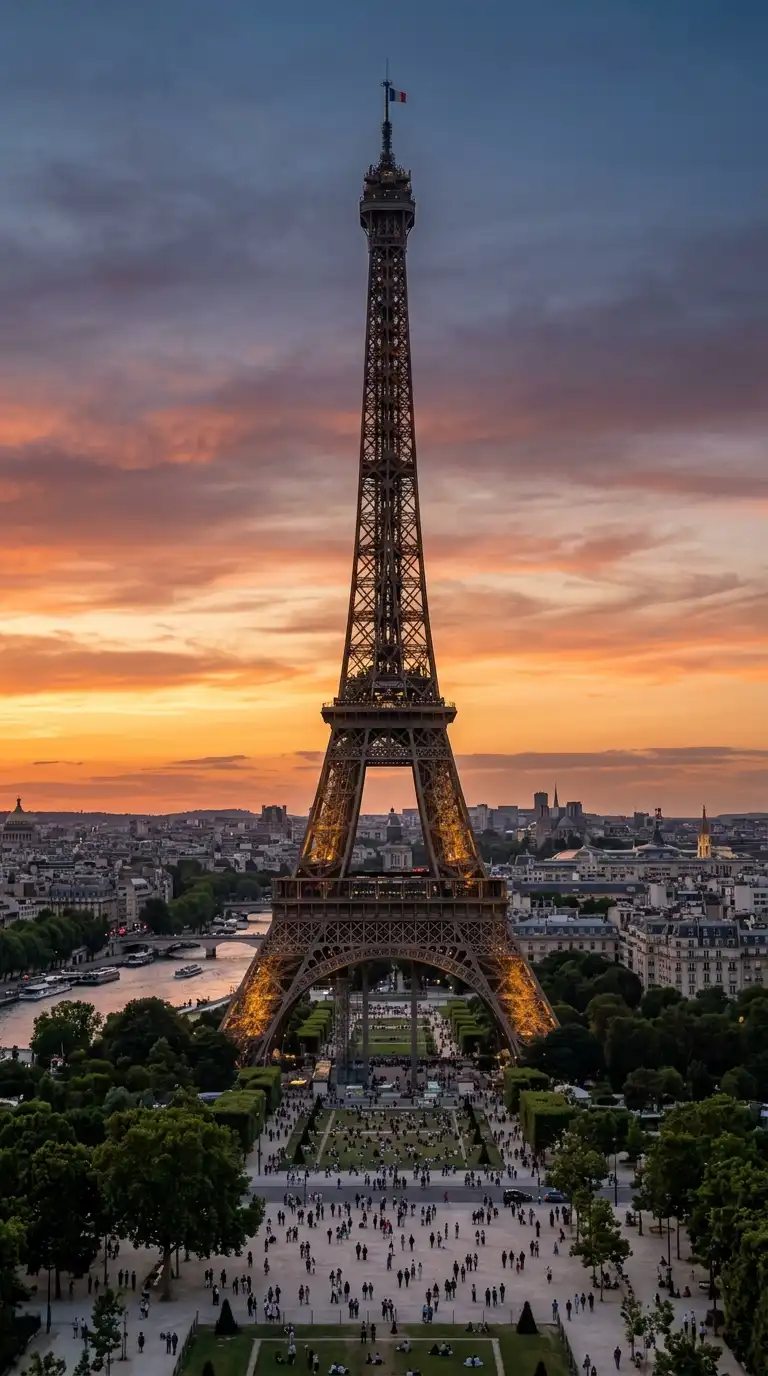
9. The Eiffel Tower
The Eiffel Tower (1889) is a wrought-iron lattice tower. It is 300 metres tall. It was the tallest building in the world for 40 years. The Eiffel Tower is a symbol of France. The Eiffel Tower is latticed, vertical, and iconic.
This design is ideal for towers and landmarks. The emotional effect is latticed, vertical, and iconic.
Quick Tips
- The tower must be a wrought-iron lattice.
- The tower must be tall (at least 300 metres).
- The tower must have observation decks.
10. The Beaux-Arts Building
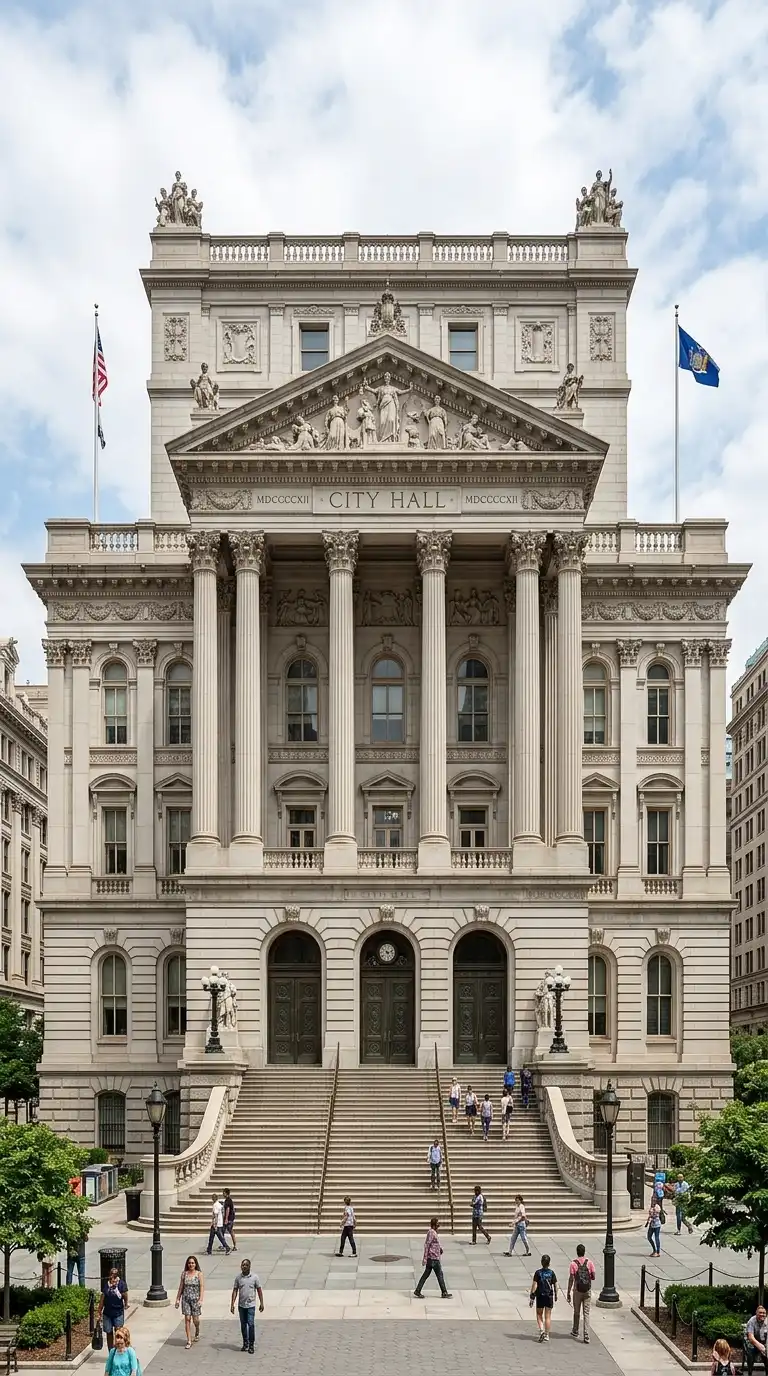
The Beaux-Arts building is a grand civic building from the late 19th century. The facade is symmetrical, with a raised basement, a grand staircase, a columned portico, and an attic storey. The Beaux-Arts building is monumental, hierarchical, and classical.
This design is ideal for museums, libraries, and train stations. The emotional effect is monumental, hierarchical, and classical.
Quick Tips
- The facade must be symmetrical.
- The building must have a raised basement and grand staircase.
- A columned portico must be at the main level.
11. The Modernist Villa (Villa Savoye)
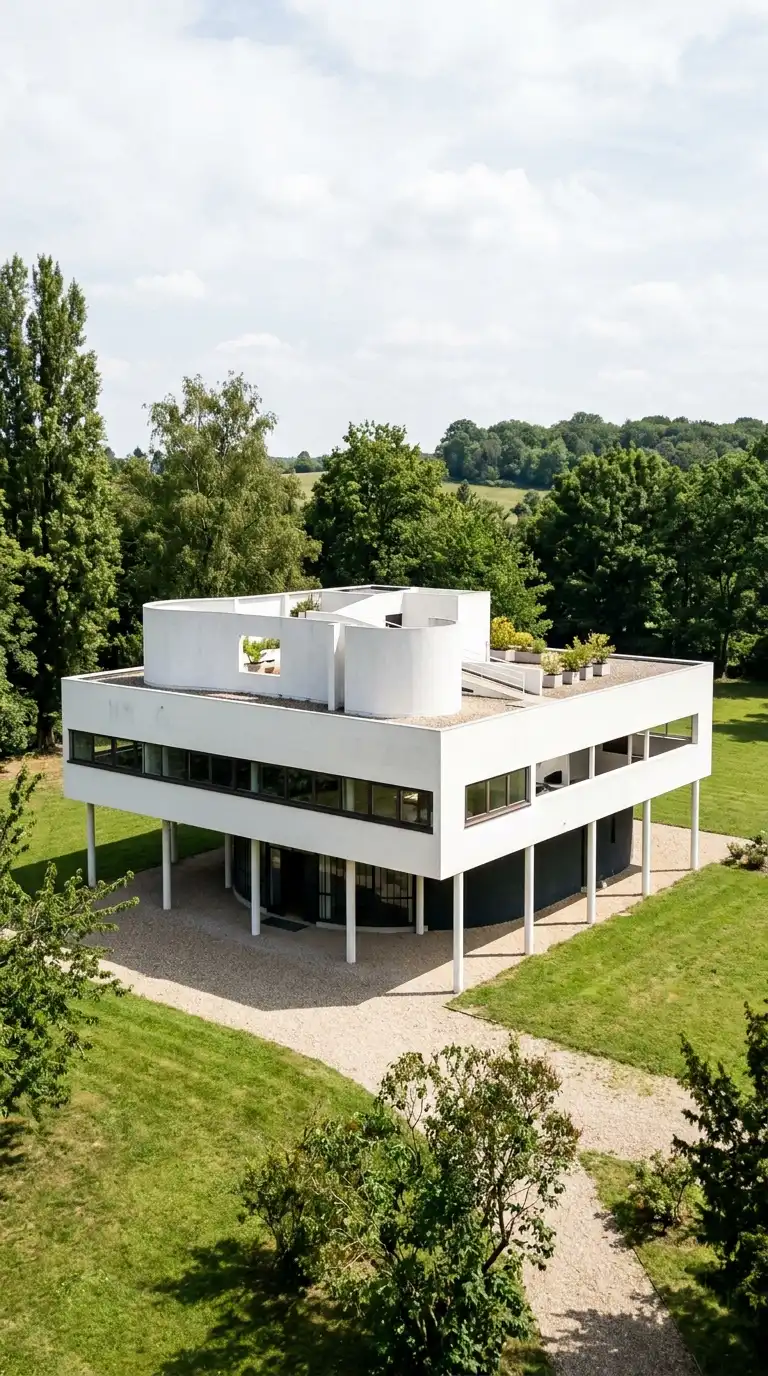
Villa Savoye (1931) by Le Corbusier is the manifesto of modern architecture. The house is a white cube raised on pilotis. The windows are ribbon windows. The roof is a roof garden. The plan is free. Villa Savoye is white, cubic, and modern.
This design is ideal for modern houses and villas. The emotional effect is white, cubic, and modern.
Quick Tips
- The house must be raised on pilotis.
- The windows must be ribbon windows.
- The roof must be a roof garden.
12. The Contemporary French Museum
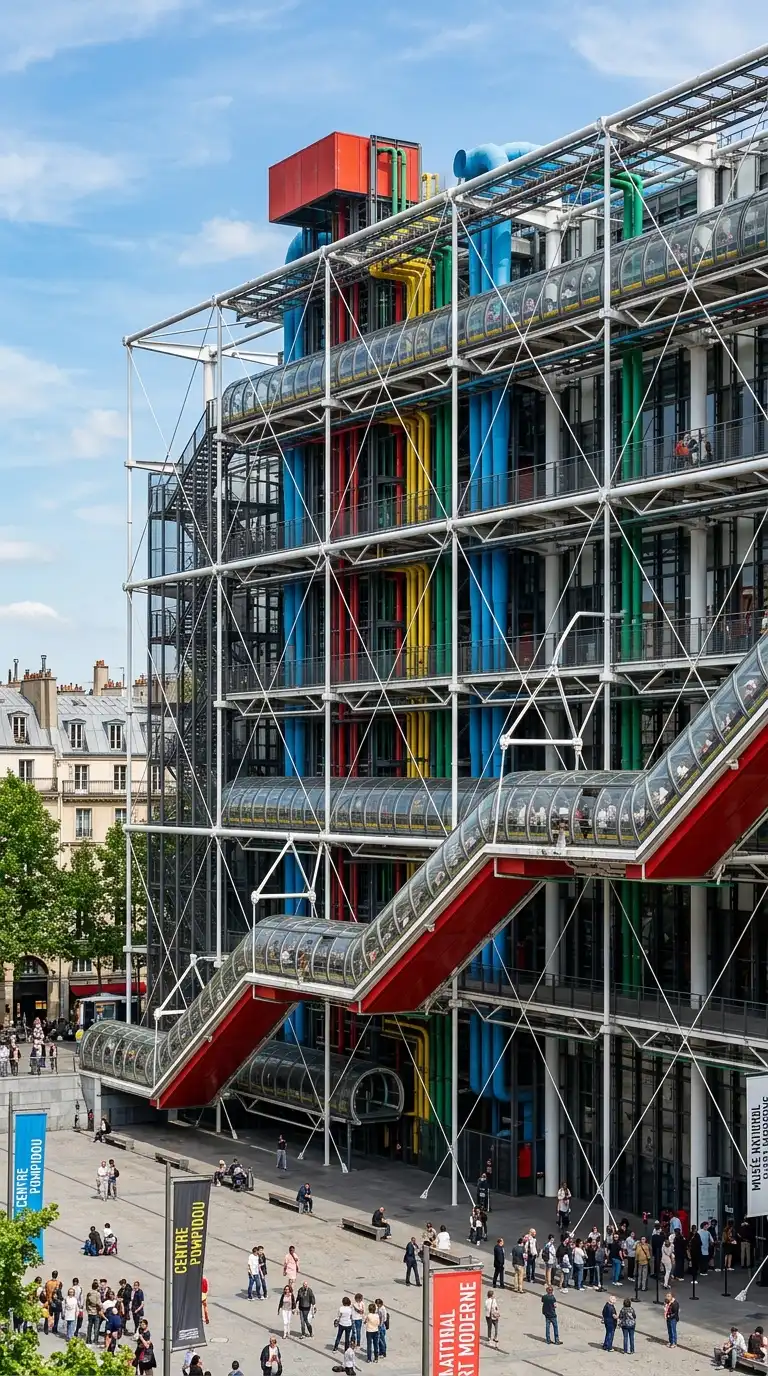
The contemporary French museum is a modern building for art. The most famous is the Centre Pompidou (1977) by Renzo Piano and Richard Rogers. The building has exposed structure and services on the exterior. The escalators are in glass tubes. The Centre Pompidou is high-tech, colourful, and inside-out.
This design is ideal for museums and cultural centres. The emotional effect is high-tech, colourful, and inside-out.
Quick Tips
- The structure and services must be on the exterior.
- The escalators must be in glass tubes.
- The colours must be bright (red, blue, yellow, green).
Final Thoughts
These 12 French designs are not mutually exclusive. A Gothic cathedral can have a Romanesque crypt. A château can have a French formal garden. A Haussmannian building can be near a place royale. The best French architecture is not the most decorated — it is the most rational. It is the architecture of reason, light, and elegance. It is the architecture of France. It is French.
