 Skip to content
Green architecture is not a style. It is a response to climate, resources, and responsibility. A green building uses less energy, less water, and fewer materials. It generates its own power, collects its own water, and treats its own waste. It is designed for its climate, oriented for the sun, and built to last. Green architecture is not an add-on — it is the architecture itself.
These 12 green architecture ideas span passive strategies, active systems, and regenerative concepts. Each design includes defining characteristics, environmental principles, and technical considerations.
1. The Passive Solar House
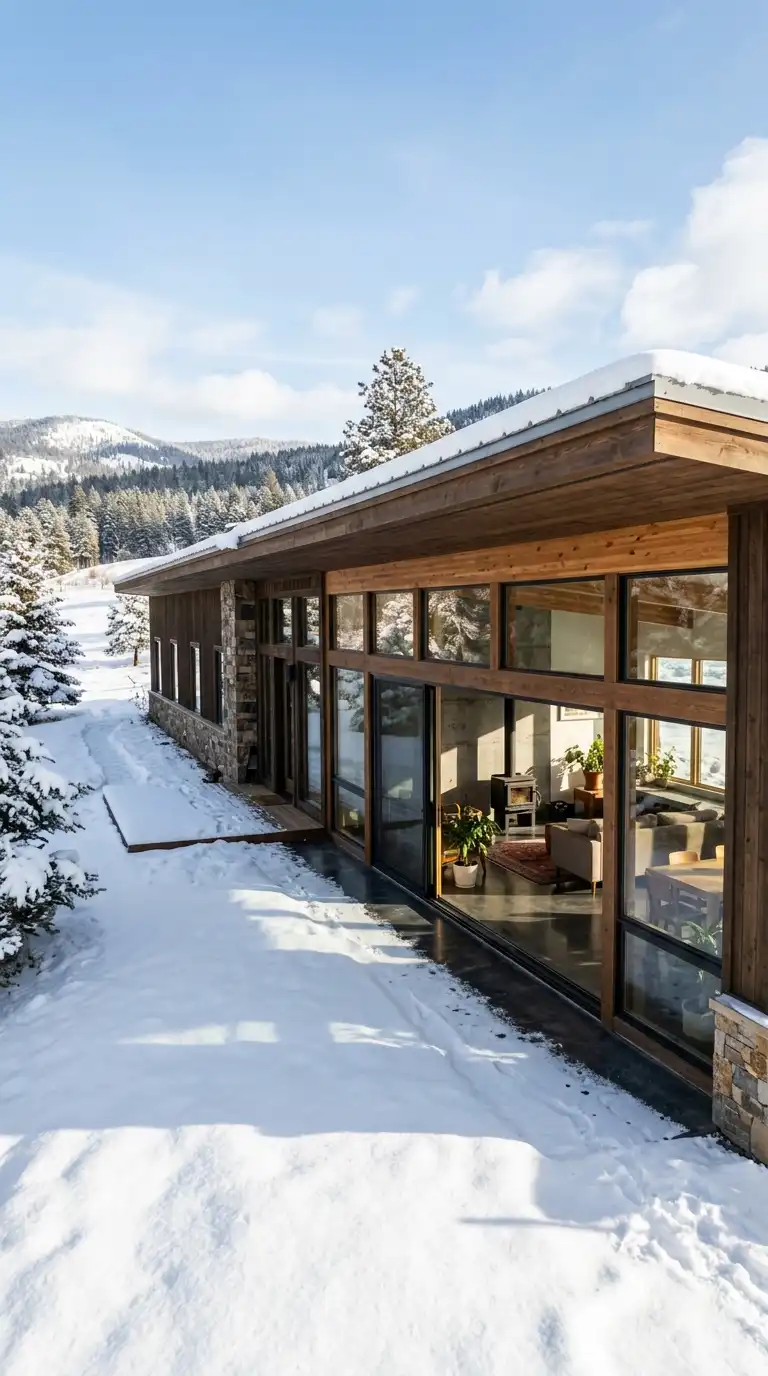
The passive solar house uses the sun for heating without mechanical systems. The building is oriented with its long axis east-west. Large windows face south (in the northern hemisphere). The windows admit winter sun, which warms the thermal mass inside. Deep overhangs block high summer sun. The building heats and cools itself.
This design is ideal for cold and temperate climates. The emotional effect is warm, bright, and self-sufficient.
Quick Tips
- Orient the long axis east-west, with south-facing glazing.
- Use thermal mass (concrete, stone, water) inside the south-facing spaces.
- Size overhangs to block summer sun, admit winter sun.
2. The Green Roof House
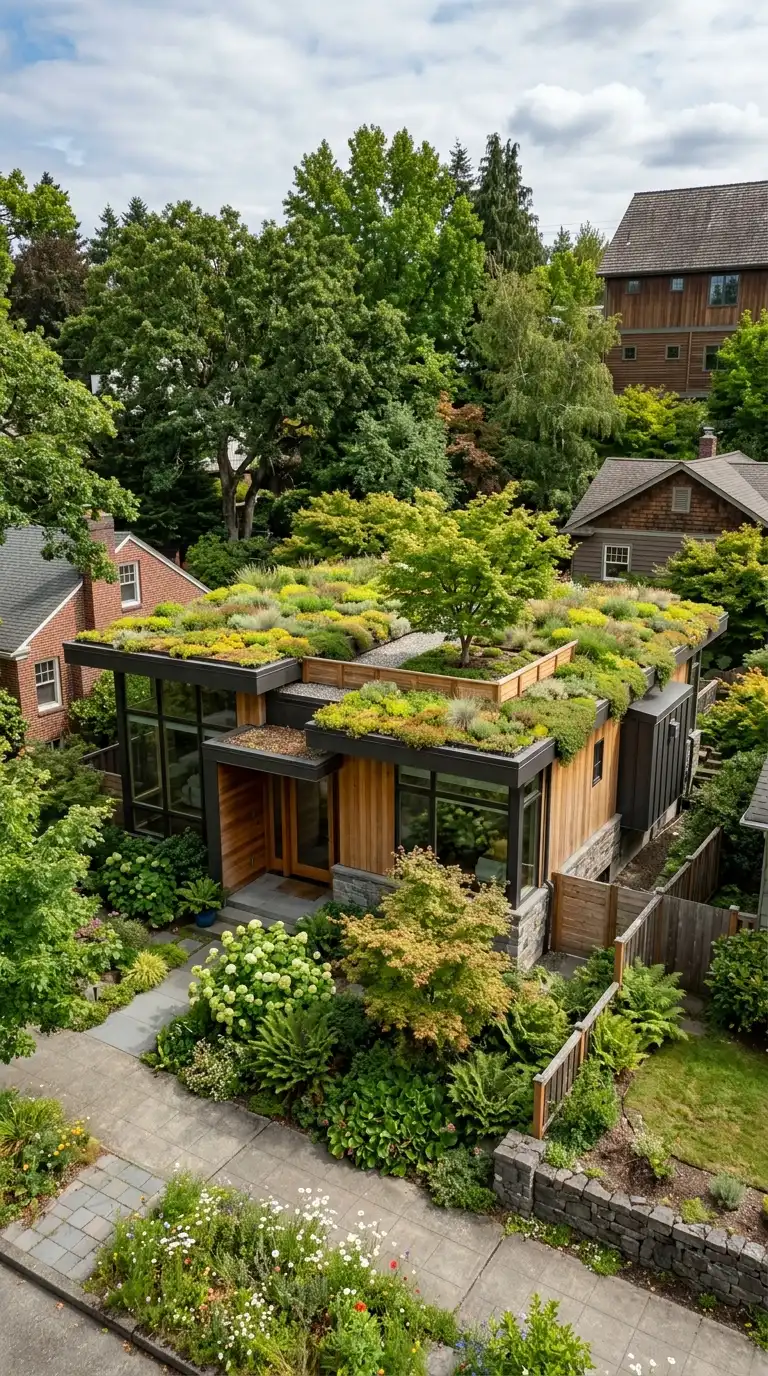
The green roof house has a roof planted with vegetation. The roof absorbs rainwater, reduces stormwater runoff, insulates the building, and provides habitat. The roof can be extensive (shallow soil, low plants) or intensive (deep soil, shrubs and trees). The green roof is visible from above and often from inside through skylights.
This design is ideal for urban sites and buildings with flat or low-pitched roofs. The emotional effect is green, insulated, and ecologically responsible.
Quick Tips
- Extensive roofs need 5-15cm of soil, intensive roofs need 15-50cm.
- Use native, drought-tolerant plants adapted to the roof’s exposure.
- Include a drainage layer and waterproof membrane below the soil.
3. The Earth-Sheltered House
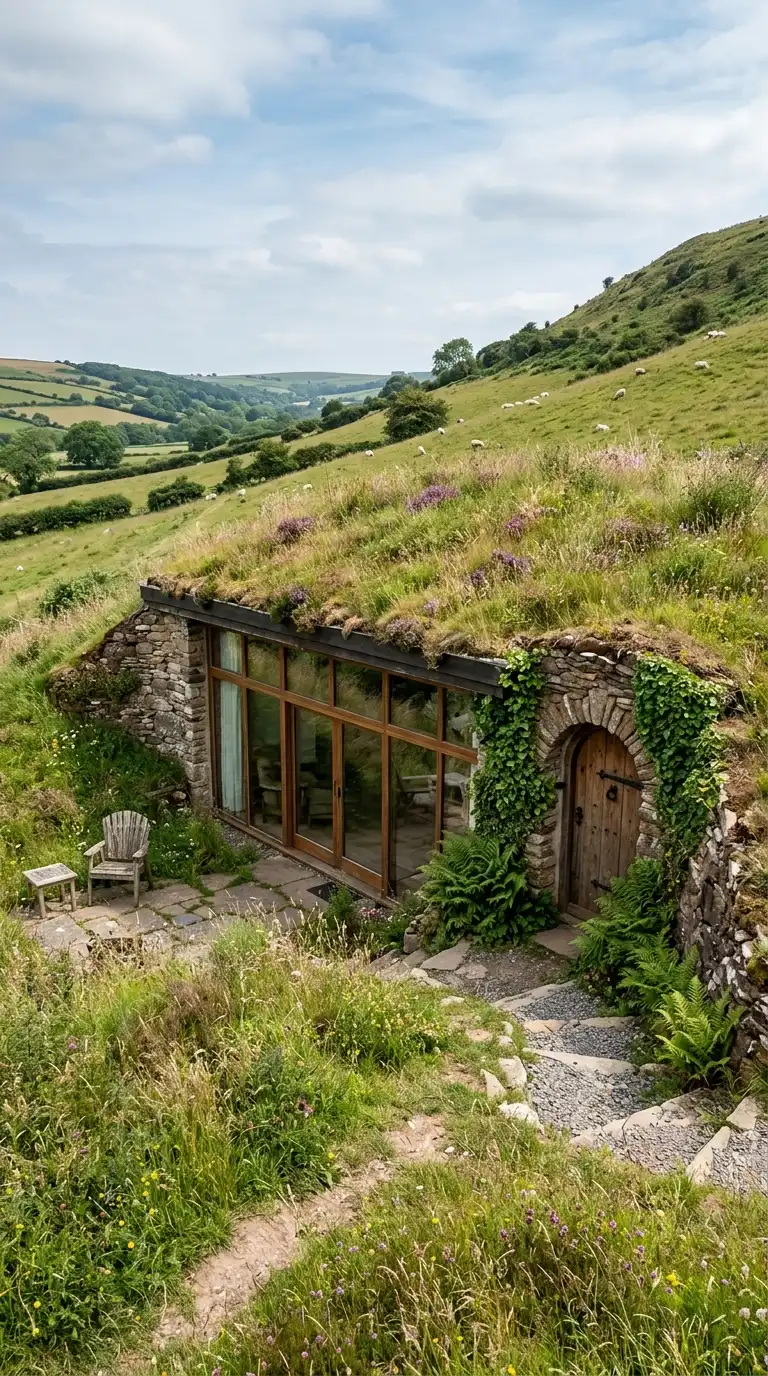
The earth-sheltered house is built into a hillside or buried underground. The earth provides thermal mass, moderating temperature year-round. The roof is planted. The walls are earth or concrete. The only visible elements are the entrance, windows, and skylights.
This design is ideal for sloped sites and extreme climates. The emotional effect is protected, mysterious, and deeply grounded.
Quick Tips
- The earth must cover the roof and at least three walls.
- South-facing windows should be large for passive solar gain.
- Waterproofing and drainage are critical — consult an engineer.
4. The Straw Bale House
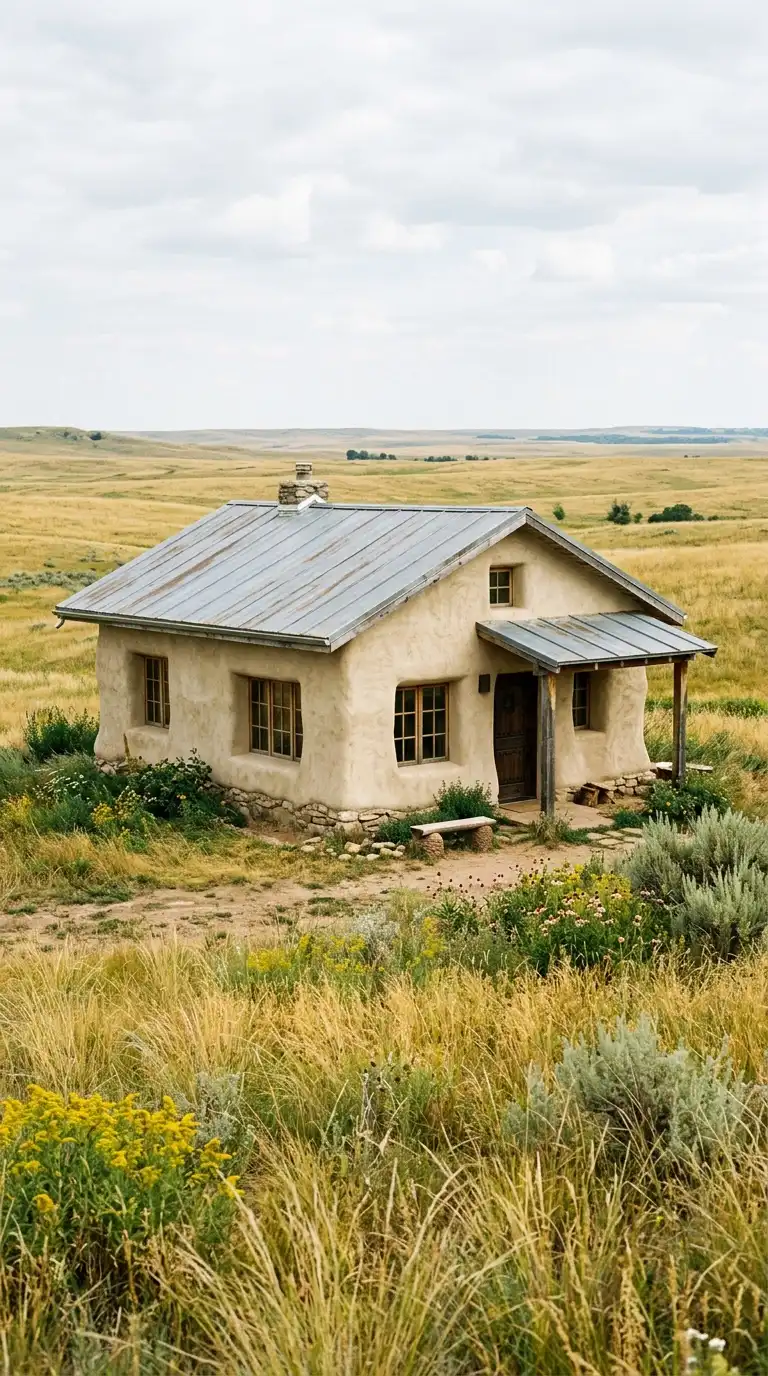
The straw bale house uses bales of straw as insulation and structure. The bales are stacked like bricks, then plastered with clay or lime. The walls are thick (45-60cm) and highly insulating. Straw is a renewable agricultural waste product.
This design is ideal for dry climates and owner-builders. The emotional effect is organic, thick-walled, and rustic.
Quick Tips
- Use straw bales as infill between a timber or post-and-beam frame.
- Keep bales dry during construction — moisture ruins straw.
- Plaster with breathable lime or clay, not cement.
5. The Rammed Earth House
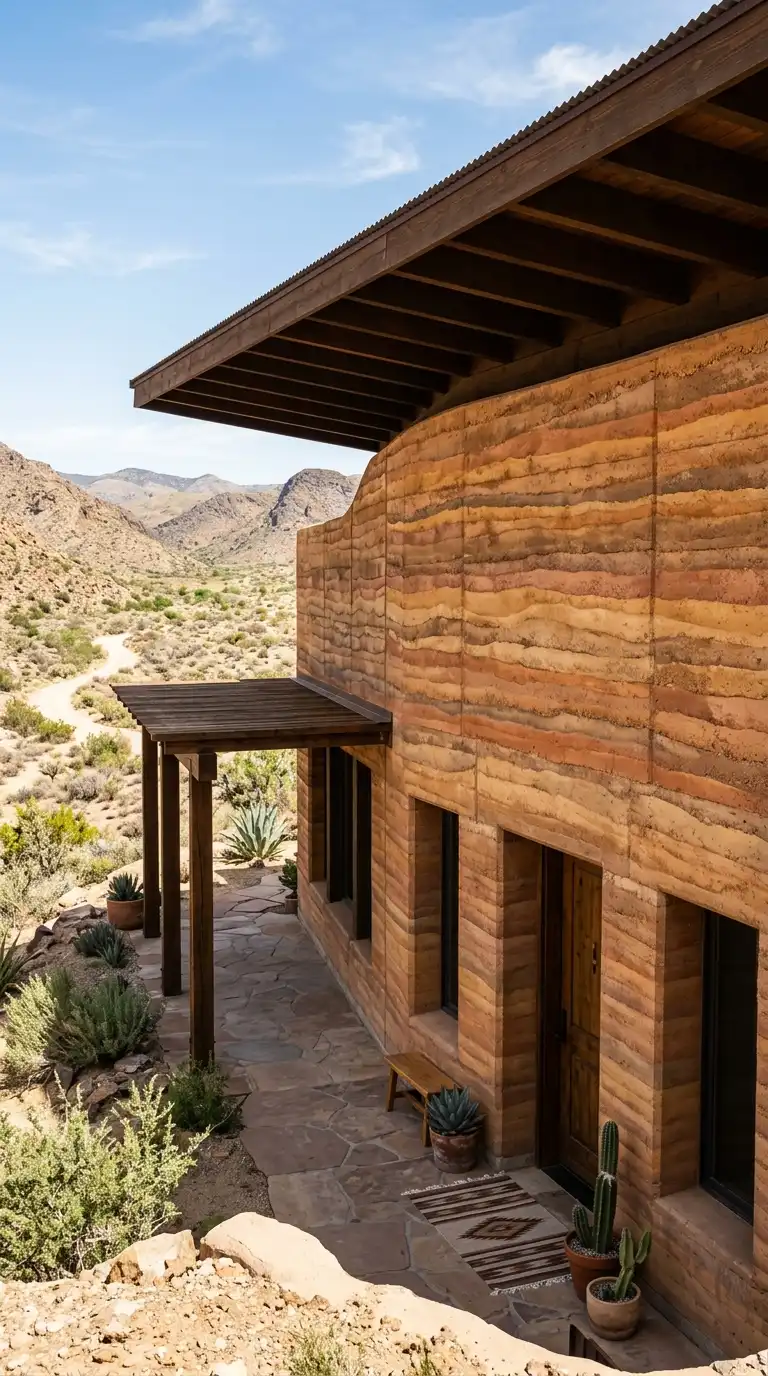
Rammed earth is an ancient construction technique revived in contemporary architecture. Soil is mixed with a small percentage of cement, then compacted in forms in layers. The result is a solid, monolithic wall with visible horizontal strata. The colour comes from the local soil.
This design is ideal for hot, dry climates. The emotional effect is ancient, grounded, and deeply connected to place.
Quick Tips
- Use local soil for authentic colour and low embodied energy.
- Rammed earth must be protected from rain with deep overhangs or sealers.
- The wall is structural — openings must be planned carefully.
6. The Earthship
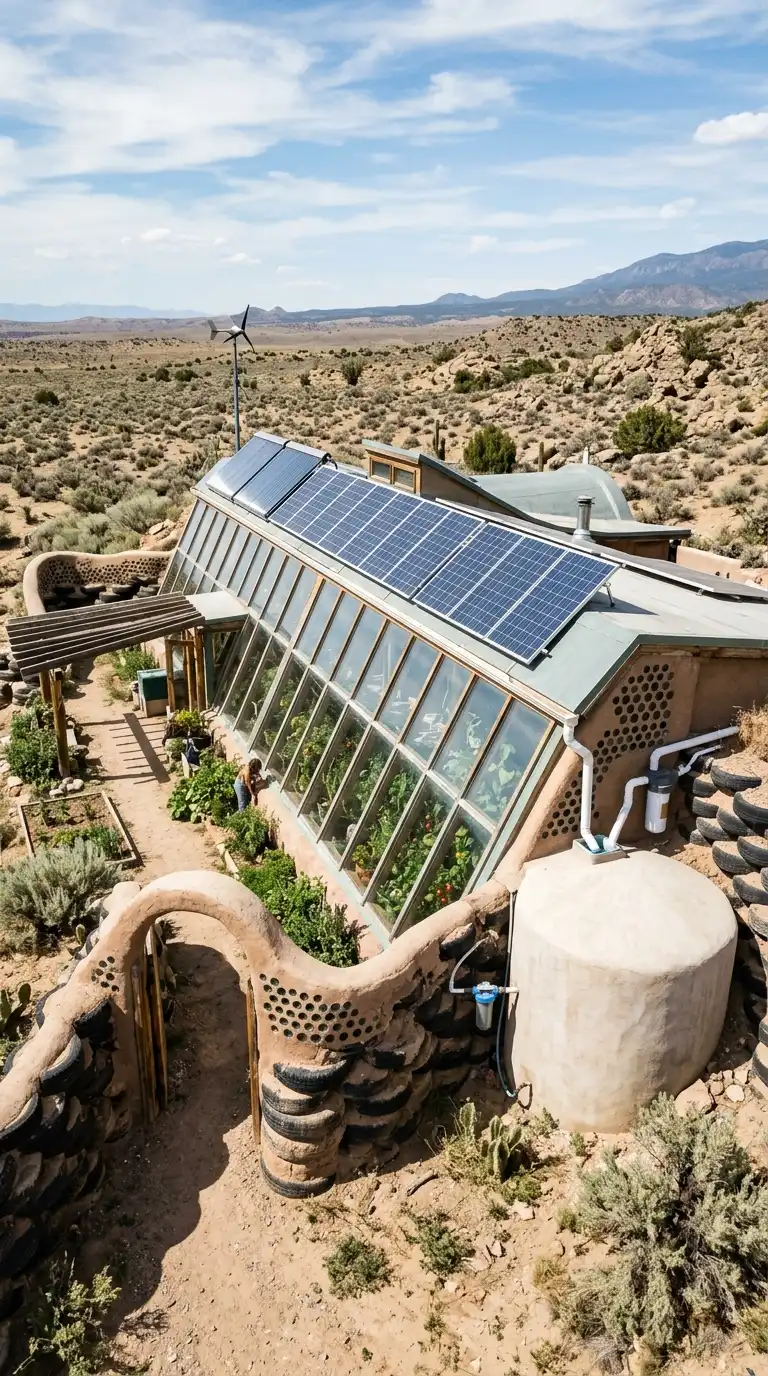
The Earthship is a passive solar house made of recycled materials — tyres, cans, bottles. The tyres are rammed with earth to create thermal mass walls. The bottles and cans are set in concrete for non-structural walls. The Earthship collects its own water, treats its own waste, and generates its own power.
This design is ideal for off-grid sites and warm climates. The emotional effect is recycled, self-sufficient, and radical.
Quick Tips
- Rammed earth tyres are heavy — foundations must be substantial.
- Collect rainwater from the roof into cisterns.
- Use a greenhouse along the south wall for food production.
7. The Net-Zero Energy House
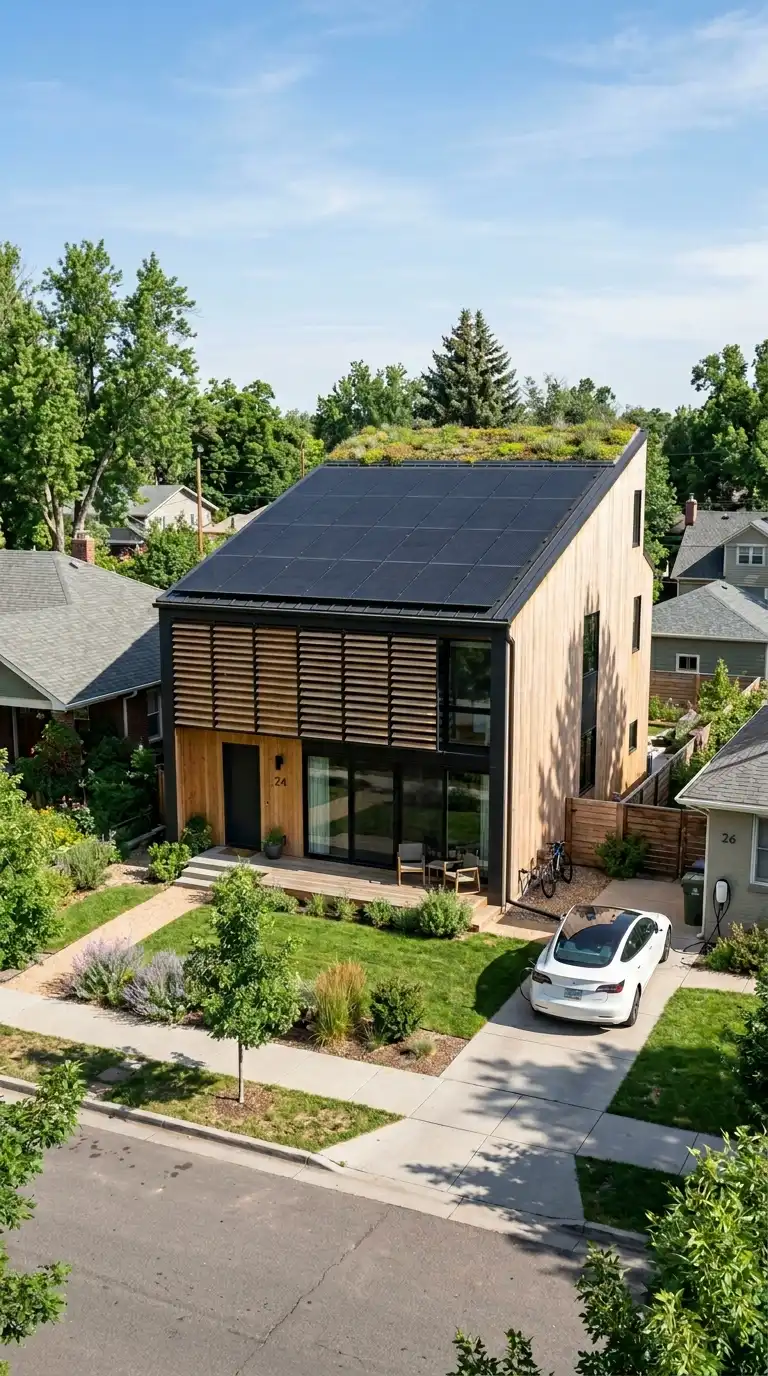
The net-zero energy house produces as much energy as it consumes over a year. The building is super-insulated and airtight. Windows are triple-glazed. Solar panels cover the roof. The house may also use wind or geothermal energy. Energy use is minimised first, then generated.
This design is ideal for any climate with adequate sun. The emotional effect is responsible, efficient, and future-proof.
Quick Tips
- The form must be compact to minimise energy loss.
- South-facing windows should be large, north-facing windows small.
- Solar panels should be integrated into the roof design.
8. The Passive House (Passivhaus)
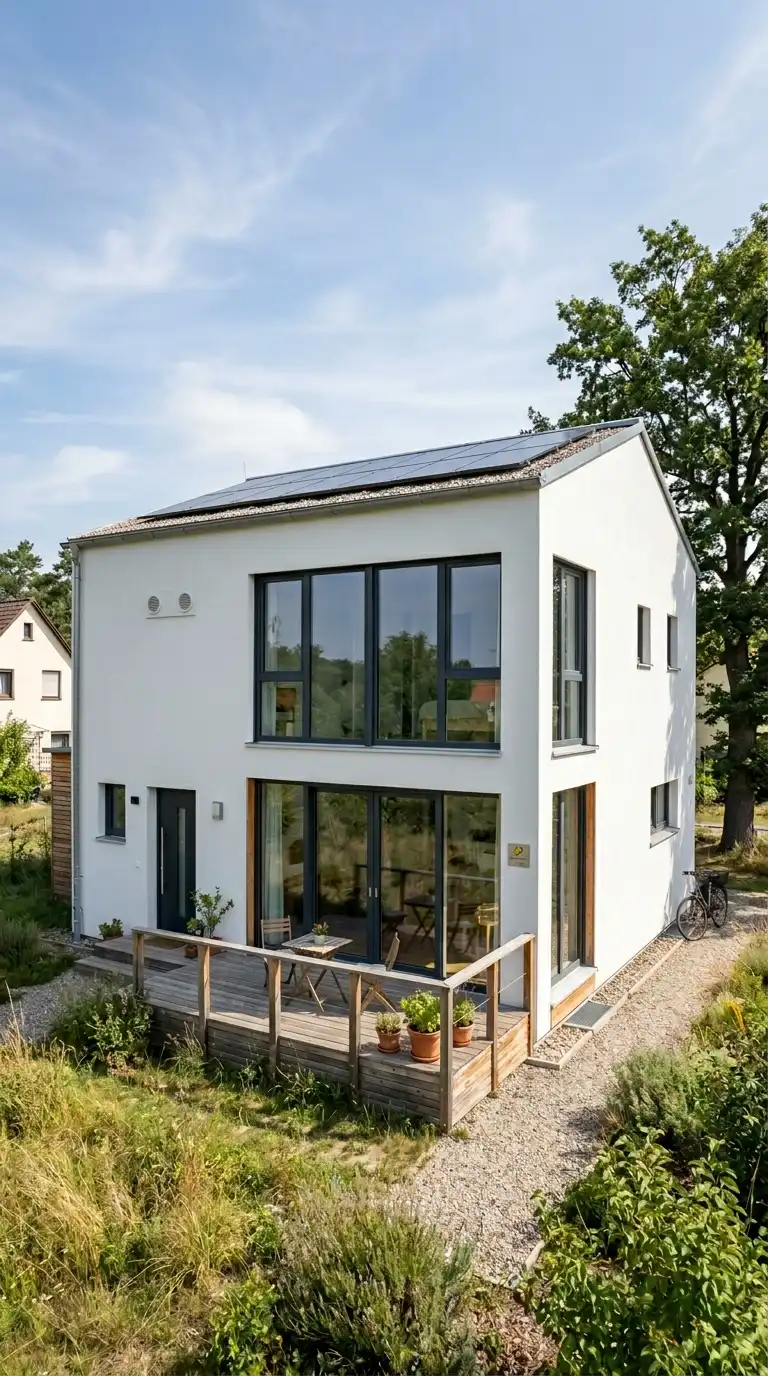
The Passive House is a rigorous energy standard developed in Germany. The building is super-insulated (walls R-40 or higher), airtight (0.6 air changes per hour at 50 Pascals), and ventilated with a heat recovery ventilator (HRV). The building needs almost no heating or cooling.
This design is ideal for cold and temperate climates. The emotional effect is comfortable, healthy, and efficient.
Quick Tips
- The form must be compact — avoid bays, bump-outs, and complex roofs.
- Windows must be triple-glazed with insulated frames.
- The building must be tested for airtightness.
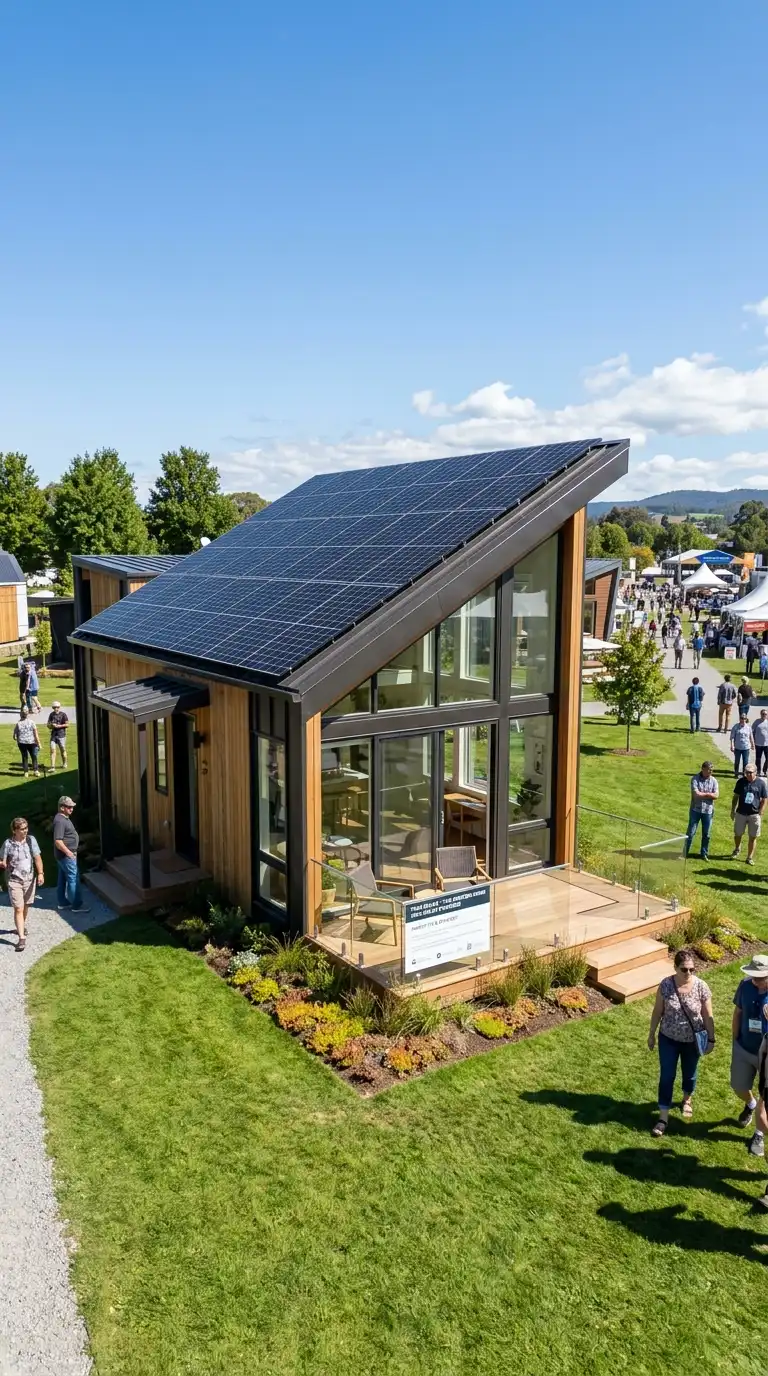
9. The Solar Decathlon House
The Solar Decathlon is a competition to design and build the best solar-powered house. The houses are small (60-100 square metres), highly efficient, and powered entirely by the sun. They are also beautiful and livable.
This design is ideal for students, researchers, and anyone interested in solar technology. The emotional effect is innovative, solar-powered, and hopeful.
Quick Tips
- The house must be powered entirely by solar energy.
- Energy efficiency comes first, solar generation second.
- The design should be attractive and livable, not just technical.
10. The Living Building
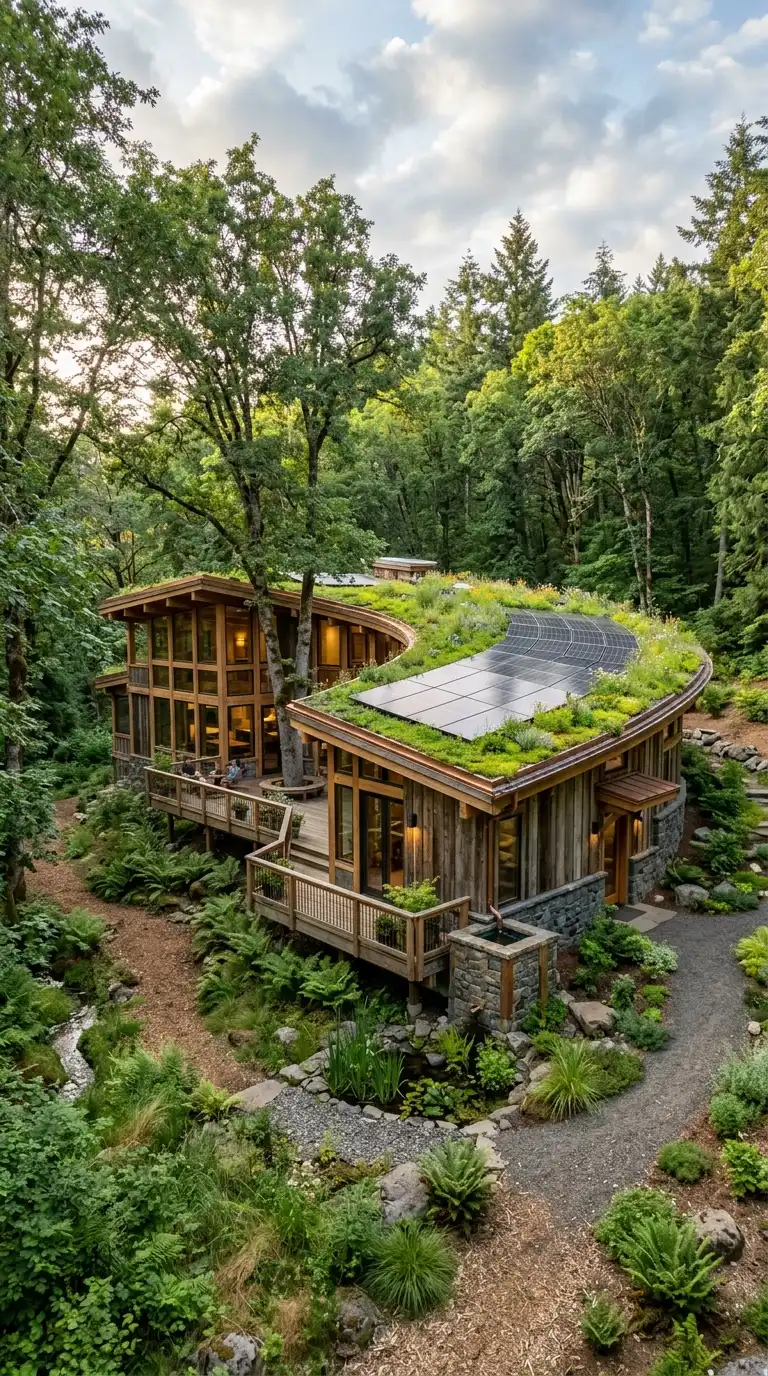
The Living Building Challenge is the most rigorous sustainability standard. A Living Building must generate its own energy, collect its own water, treat its own waste, and use non-toxic materials. The building must be beautiful and site-specific.
This design is ideal for demonstration projects and committed clients. The emotional effect is regenerative, beautiful, and holistic.
Quick Tips
- The building must be net-zero energy and water.
- All materials must be non-toxic (Red List free).
- The building must be beautiful — ugliness is not sustainable.
11. The Bamboo House
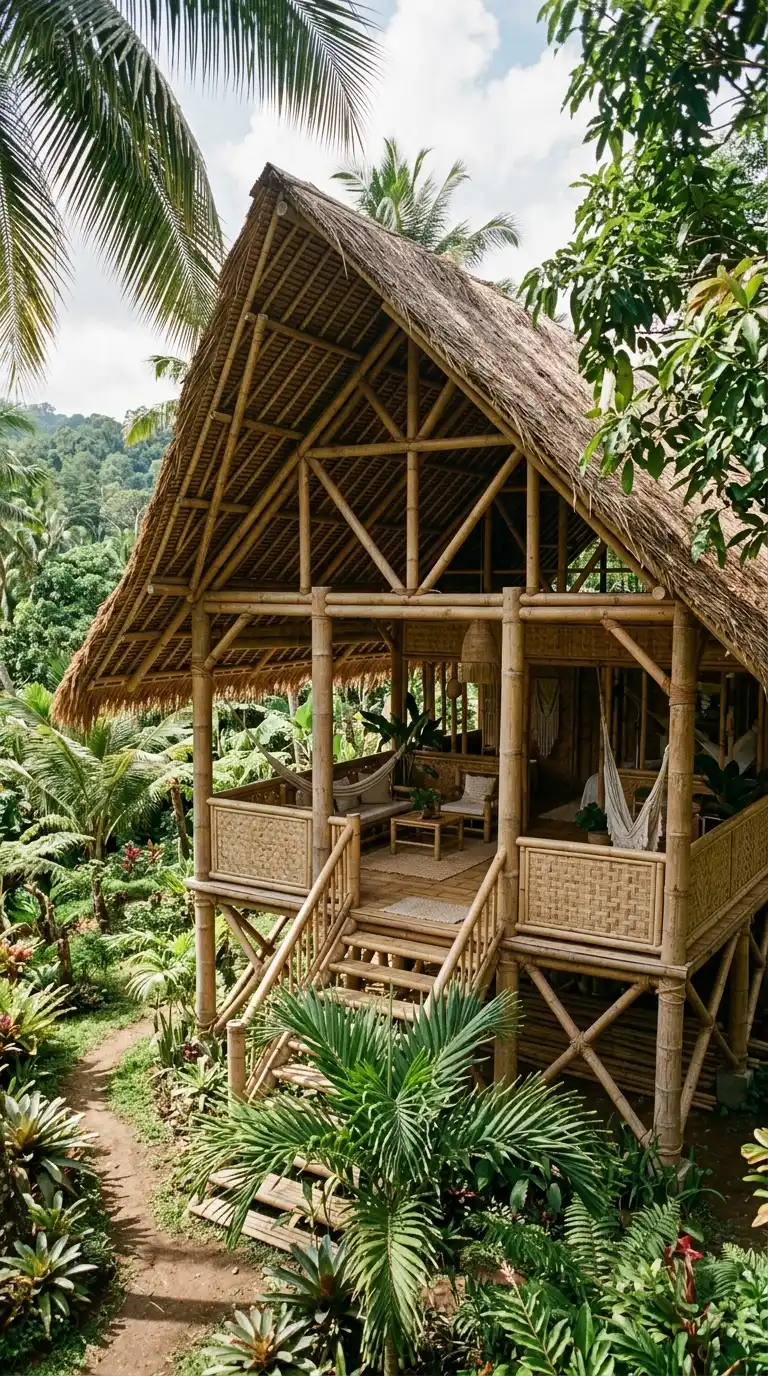
Bamboo is a rapidly renewable material — it grows up to one metre per day. Bamboo is strong, lightweight, and flexible. Bamboo houses are common in tropical Asia and South America. The bamboo is treated for durability and formed into beams, columns, and trusses.
This design is ideal for tropical climates and low-cost housing. The emotional effect is light, natural, and rapidly renewable.
Quick Tips
- Treat bamboo against insects and rot — borax solution is common.
- Use bamboo in tension and compression, but avoid bending.
- Connections must be carefully detailed — bolts or lashings.
12. The Adaptive Reuse Sustainable Building
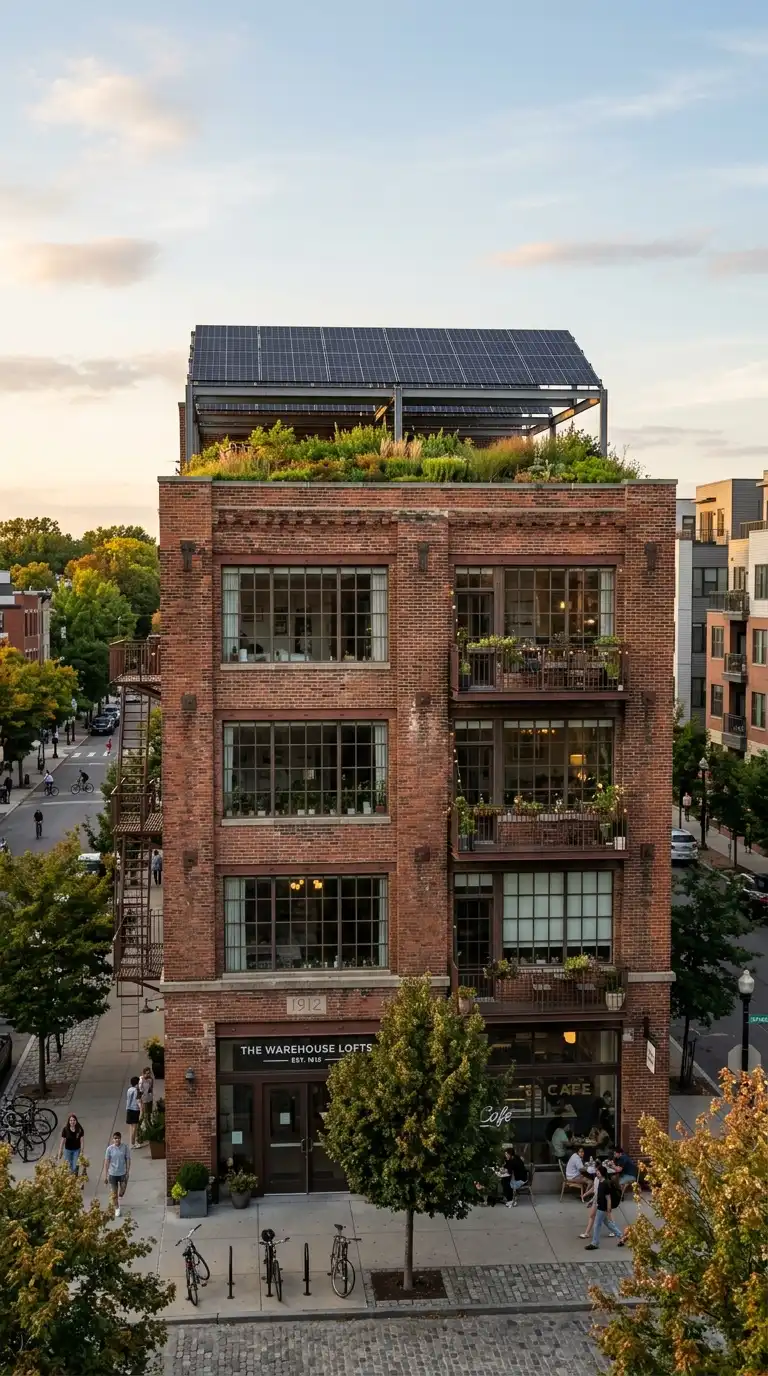
The most sustainable building is the one already built. Adaptive reuse transforms an existing building — a warehouse, a factory, a church, a school — into a new use. The embodied energy is preserved. The structure is already paid for. The building has character that cannot be faked.
This design is ideal for urban sites and historic buildings. The emotional effect is historic, sustainable, and characterful.
Quick Tips
- Preserve original fabric wherever possible — do not remove it to make the building feel new.
- Add insulation, new windows, and efficient systems to an existing shell.
- The original character of the building must remain legible.
Final Thoughts
These 12 green designs are not mutually exclusive. A Passive House can have a green roof. An Earthship can be passive solar. An adaptive reuse building can be net-zero energy. The best green architecture is not the most technological — it is the most integrated. It works with the sun, the wind, the rain, and the earth. It does not fight — it belongs. It is green. It is the architecture of enough. It is the architecture of the future. It is now.
