 Skip to content
Indian temple architecture is the architecture of the divine. It is not a building — it is a cosmic diagram. The temple represents the universe. The tower is the cosmic mountain. The sanctum is the womb of creation. Indian temples are carved, layered, and symbolic. Every surface is covered with sculpture.
These 12 Indian temple architecture designs span the Nagara (north) and Dravida (south) styles. Each design includes defining characteristics, structural principles, and spiritual strategies.
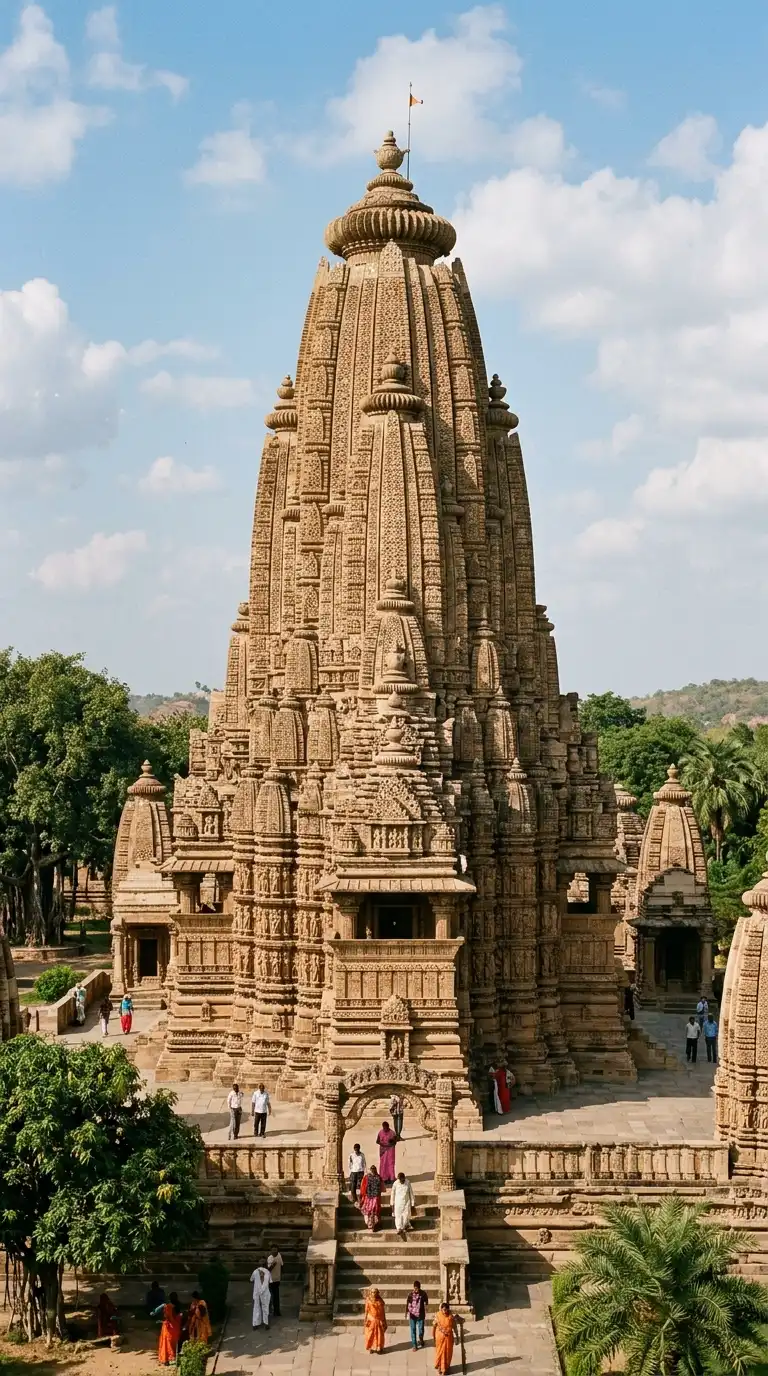
1. The Nagara Shikhara
The Nagara shikhara is the tower of a North Indian temple. It is curved and beehive-shaped. The shikhara is covered with miniature shikharas (urushringas). The shikhara rises over the sanctum. The Nagara shikhara is curved, beehive-shaped, and vertical.
This design is ideal for North Indian temples. The emotional effect is curved, beehive-shaped, and vertical.
Quick Tips
- The shikhara must be curved and beehive-shaped.
- The shikhara must be covered with miniature shikharas.
- The shikhara must rise over the sanctum.
2. The Dravida Vimana
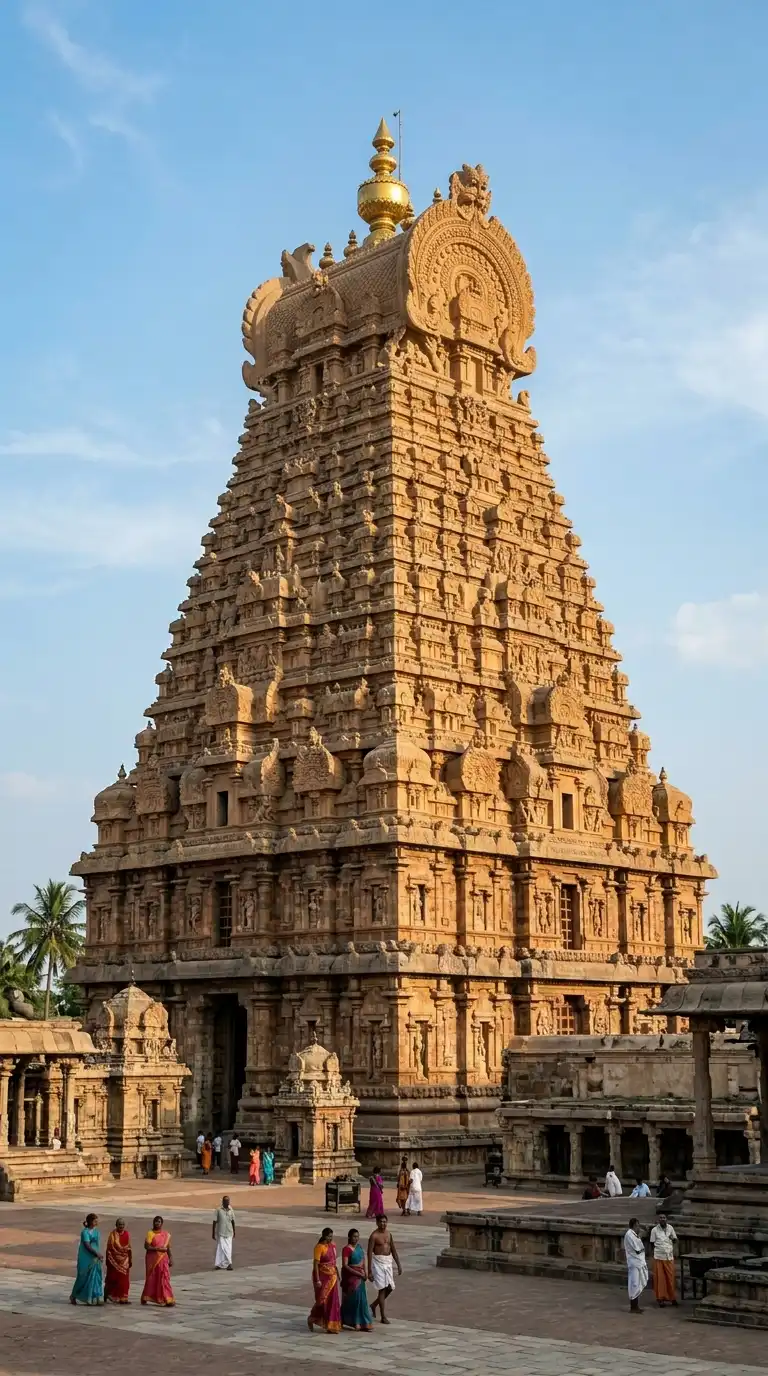
The Dravida vimana is the tower of a South Indian temple. It is stepped and pyramidal. The vimana has horizontal storeys (talas). Each storey is smaller than the one below. The vimana is topped with a barrel-vaulted roof (shala) and a finial (kalasha). The Dravida vimana is stepped, pyramidal, and horizontal.
This design is ideal for South Indian temples. The emotional effect is stepped, pyramidal, and horizontal.
Quick Tips
- The vimana must be stepped and pyramidal.
- The vimana must have horizontal storeys (talas).
- The top must have a barrel-vaulted roof and finial.
3. The Mandapa
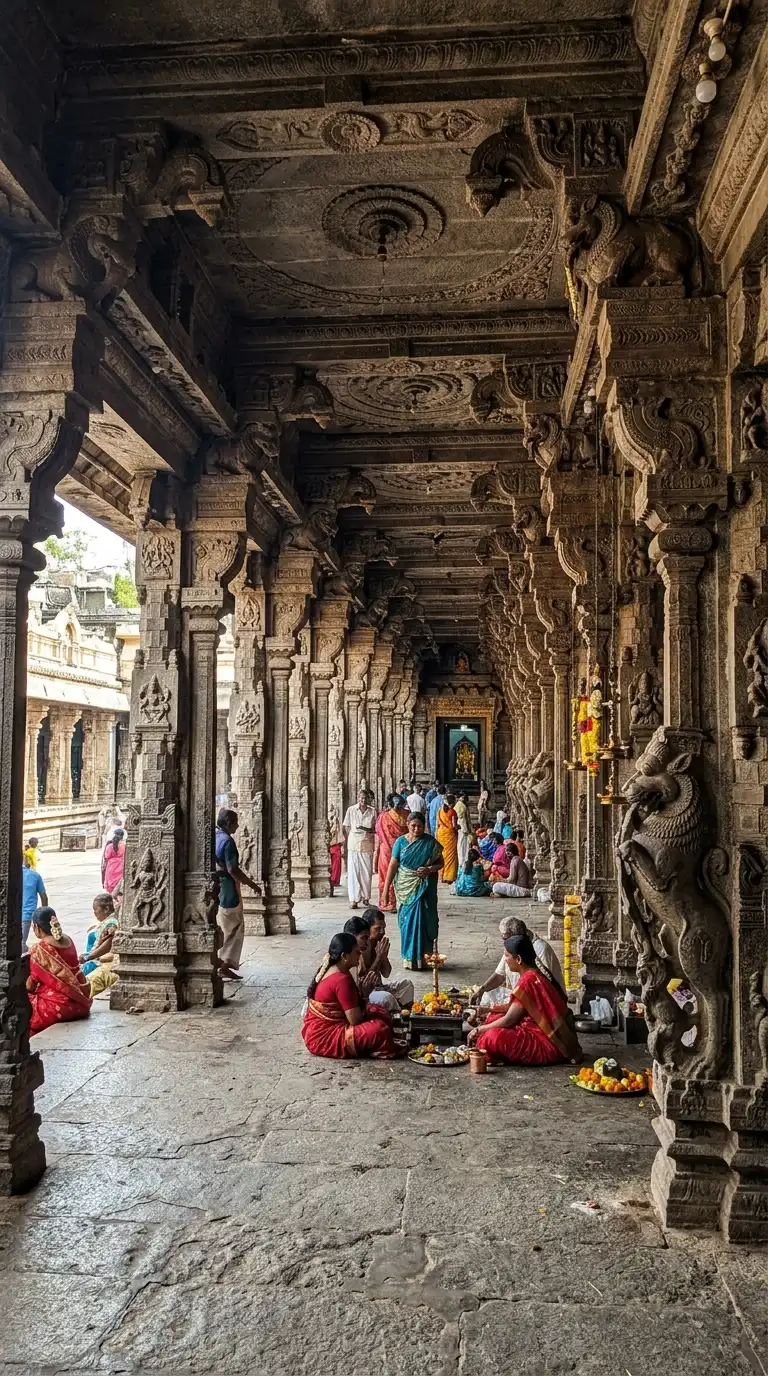
The mandapa is a pillared hall in an Indian temple. The mandapa is open or closed. The pillars are carved with figures. The mandapa is used for rituals, dance, and gatherings. The mandapa is pillared, carved, and communal.
This design is ideal for temple complexes. The emotional effect is pillared, carved, and communal.
Quick Tips
- The mandapa must have pillars.
- The pillars must be carved with figures.
- The mandapa must be open or partially open.
4. The Garbhagriha (Sanctum)
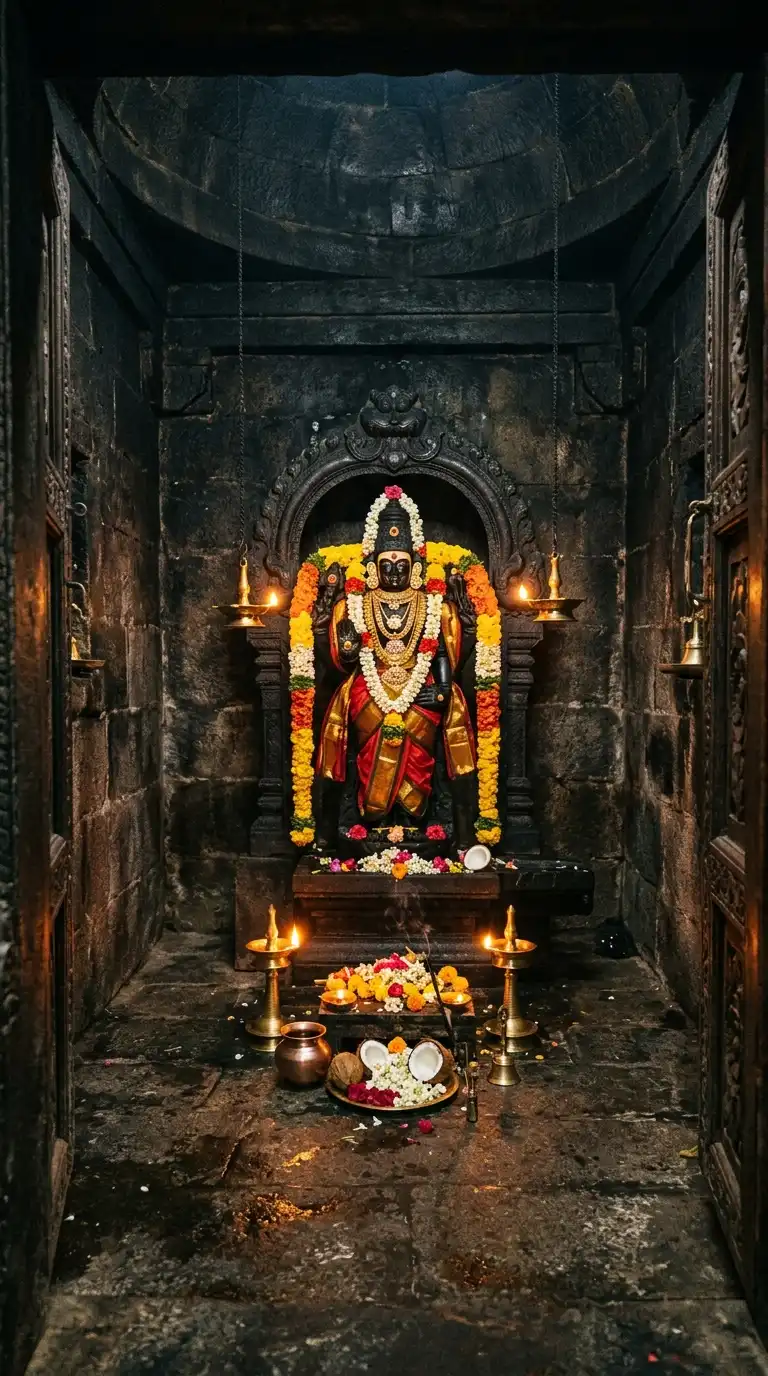
The garbhagriha is the innermost sanctum of an Indian temple. It is small, dark, and windowless. It contains the main deity. The garbhagriha is the womb of the temple. The garbhagriha is small, dark, and sacred.
This design is ideal for all Indian temples. The emotional effect is small, dark, and sacred.
Quick Tips
- The garbhagriha must be small and windowless.
- The garbhagriha must contain the main deity.
- The garbhagriha must be dark.
5. The Amalaka
The amalaka is a ribbed stone disc at the top of a Nagara shikhara. It is shaped like an amla fruit (Indian gooseberry). The amalaka is the crowning element of the North Indian temple. The amalaka is ribbed, disc-shaped, and crowning.
This design is ideal for North Indian temples. The emotional effect is ribbed, disc-shaped, and crowning.
Quick Tips
- The amalaka must be ribbed.
- The amalaka must be disc-shaped.
- The amalaka must be at the top of the shikhara.
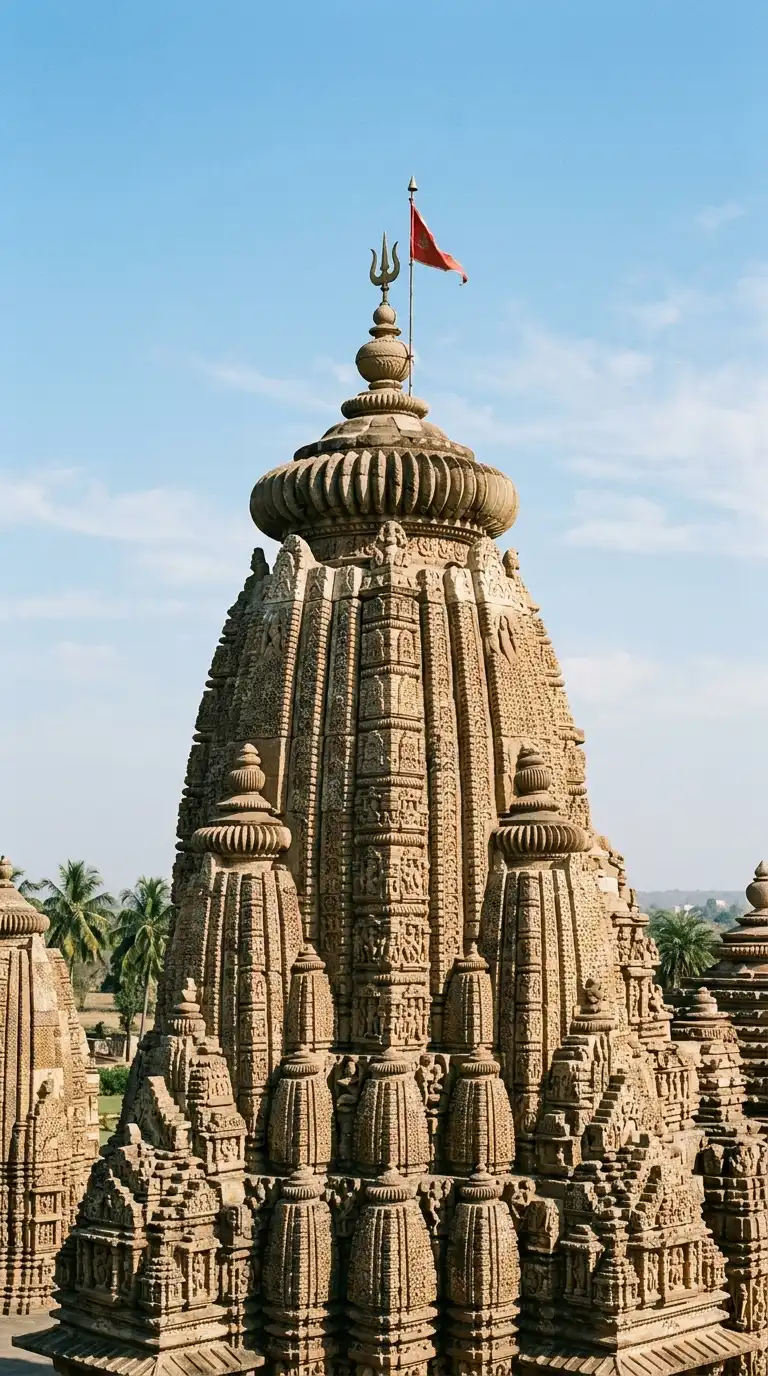
6. The Kalasha
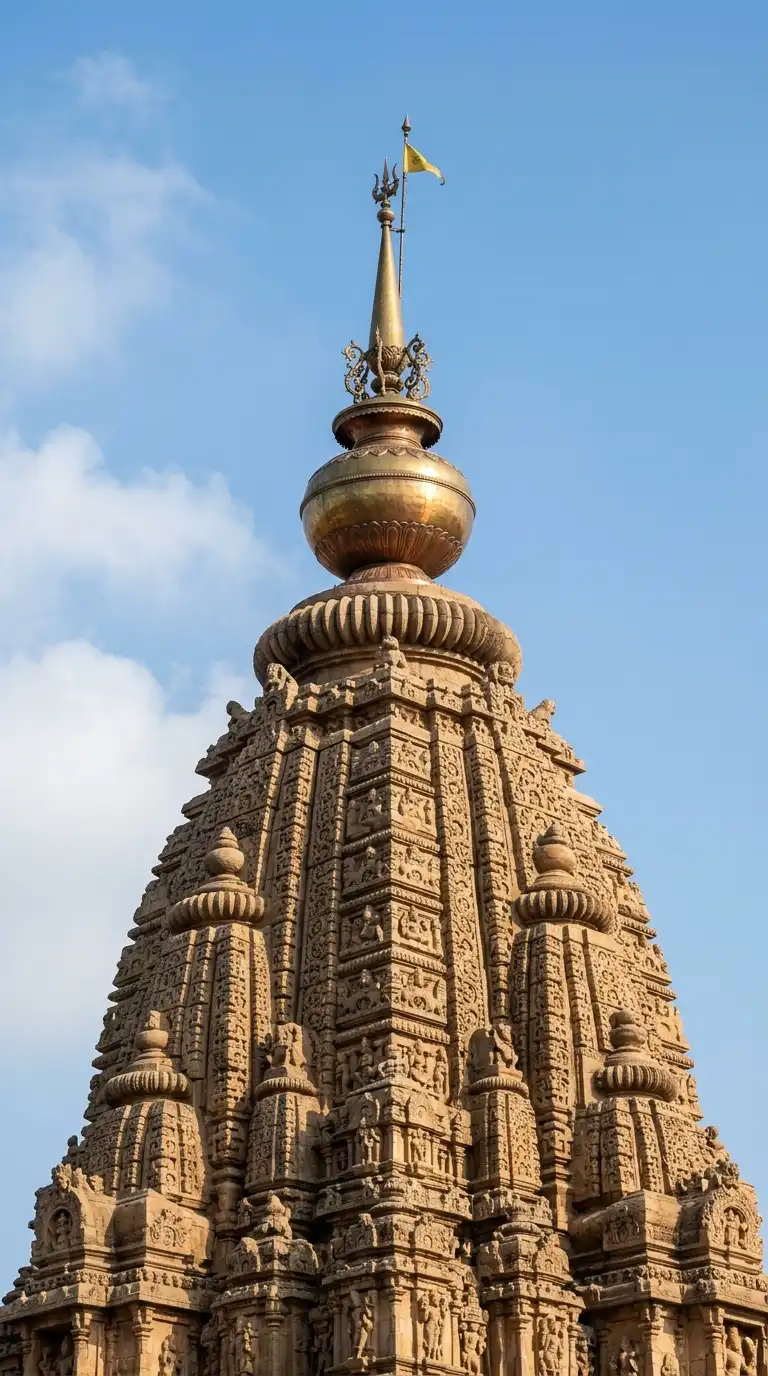
The kalasha is a finial at the top of a temple tower. It is shaped like a pot with a pointed top. The kalasha represents abundance and divinity. The kalasha is pot-shaped, pointed, and crowning.
This design is ideal for both Nagara and Dravida temples. The emotional effect is pot-shaped, pointed, and crowning.
Quick Tips
- The kalasha must be shaped like a pot.
- The kalasha must have a pointed top.
- The kalasha must be at the very top of the tower.
7. The Gopuram
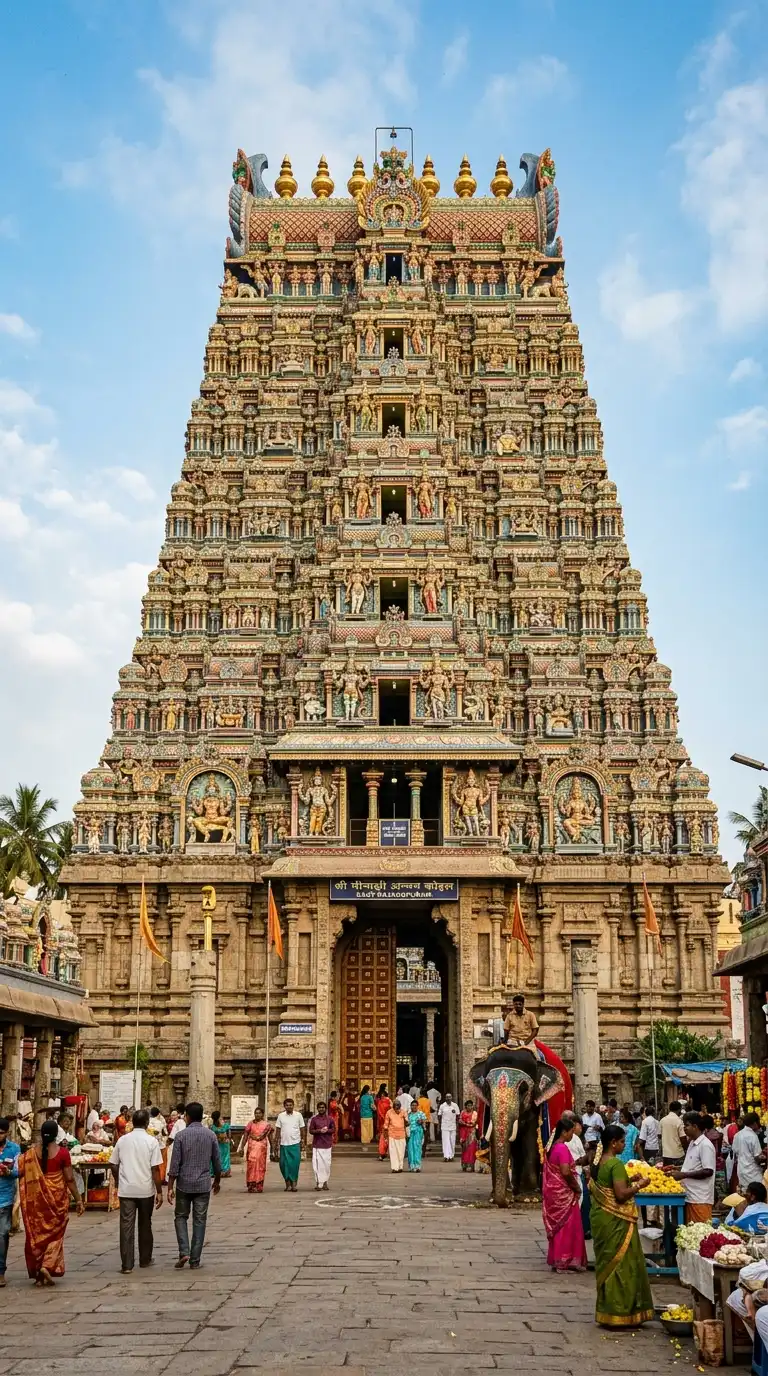
The gopuram is a monumental gateway tower in a South Indian temple. It is tall, stepped, and covered with sculpture. The gopuram is the entrance to the temple. The gopuram is monumental, sculptural, and gateway.
This design is ideal for South Indian temple complexes. The emotional effect is monumental, sculptural, and gateway.
Quick Tips
- The gopuram must be tall and stepped.
- The gopuram must be covered with sculpture.
- The gopuram must be at the entrance.
8. The Prakara
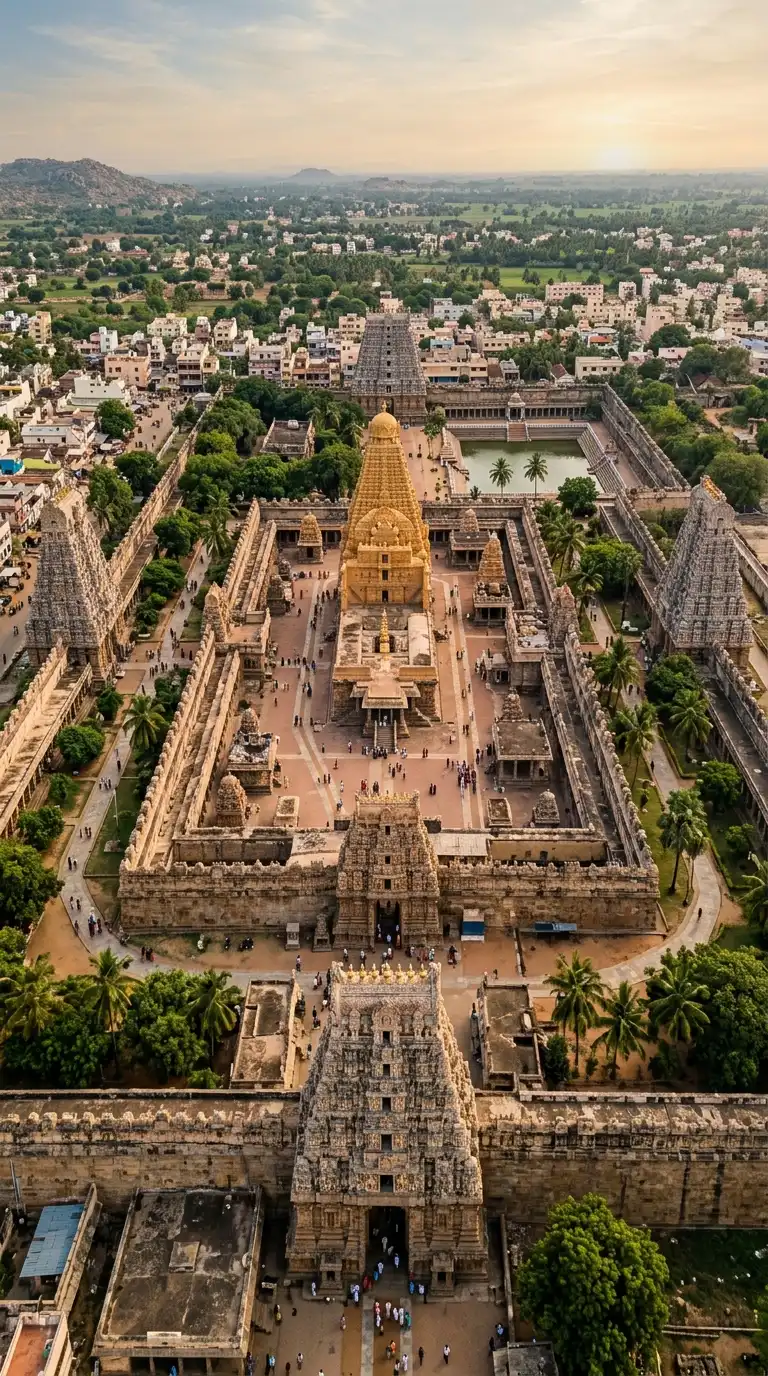
The prakara is a concentric enclosure wall around an Indian temple. The prakara defines the sacred boundary. The prakara has gates (gopurams) at the cardinal directions. The prakara is concentric, enclosing, and sacred.
This design is ideal for large temple complexes. The emotional effect is concentric, enclosing, and sacred.
Quick Tips
- The prakara must be a concentric wall.
- The prakara must have gates at the cardinal directions.
- The prakara must enclose the temple.
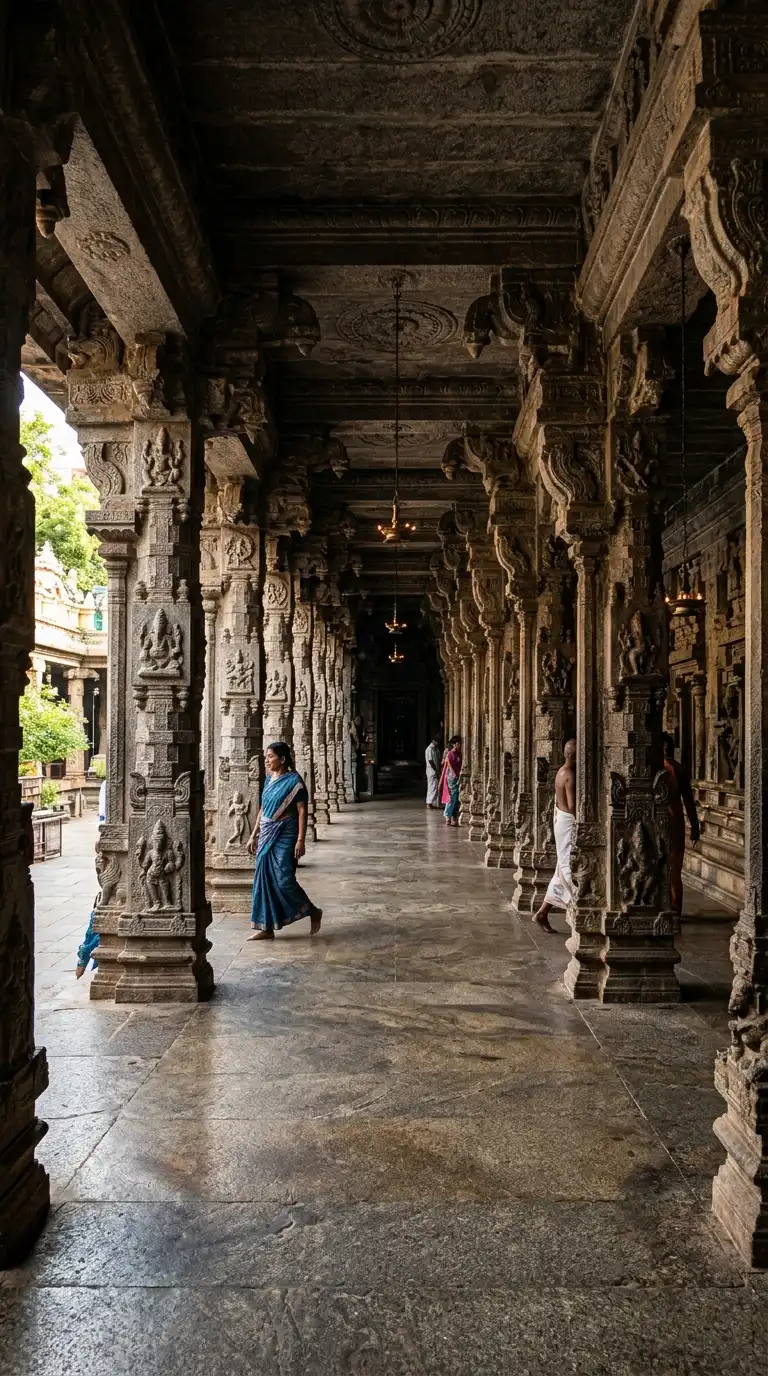
9. The Pillared Corridor
The pillared corridor is a covered walkway lined with pillars. The corridor surrounds the temple or the courtyard. The pillars are carved. The pillared corridor is shaded, carved, and processional.
This design is ideal for temple complexes. The emotional effect is shaded, carved, and processional.
Quick Tips
- The corridor must have pillars.
- The pillars must be carved.
- The corridor must be covered.
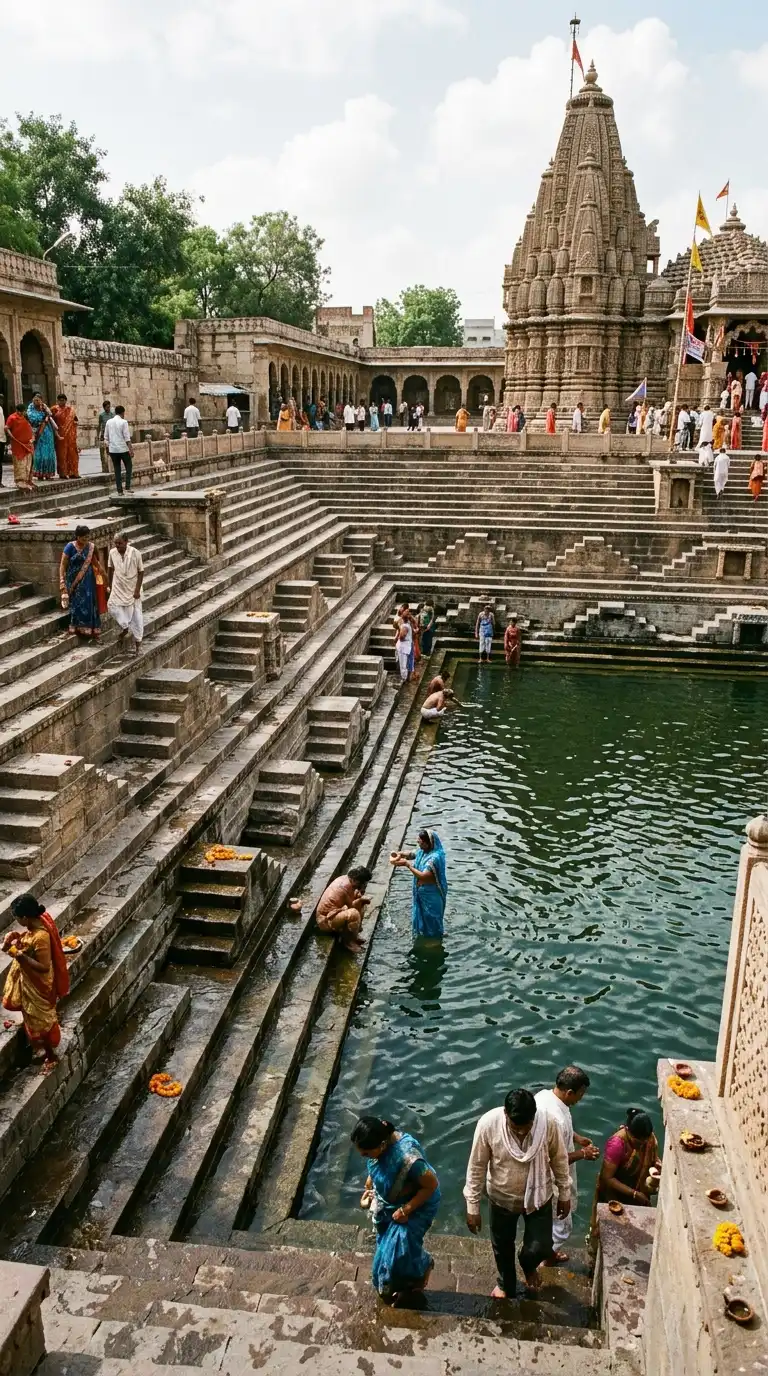
10. The Kunda (Stepwell)
The kunda is a stepped tank or stepwell in a temple complex. The kunda has steps descending to the water. The kunda is used for ritual bathing. The kunda is stepped, watery, and ritual.
This design is ideal for temple complexes. The emotional effect is stepped, watery, and ritual.
Quick Tips
- The kunda must have steps descending to the water.
- The kunda must be used for ritual bathing.
- The kunda must be near the temple.
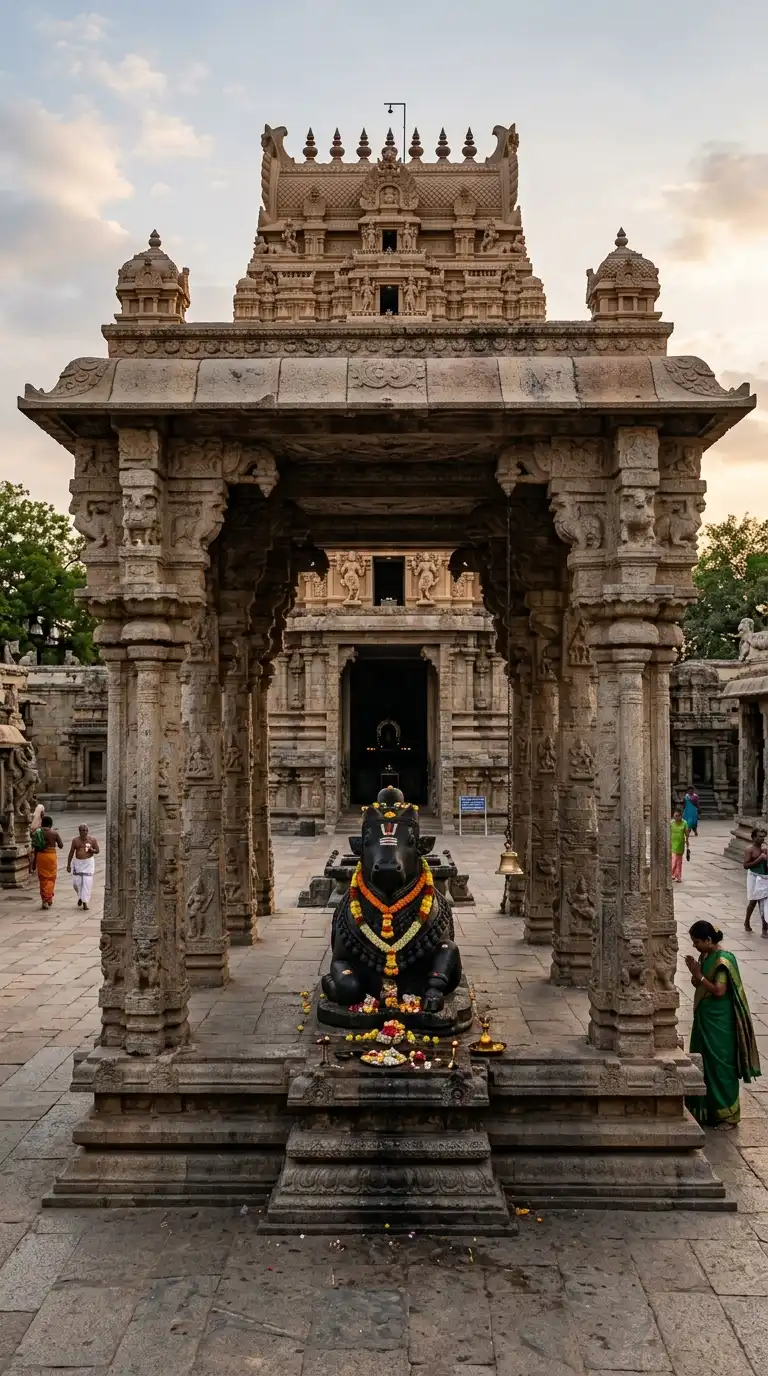
11. The Nandi Mandapa
The Nandi mandapa is a pillared hall containing a stone bull (Nandi), the vehicle of Shiva. The Nandi mandapa faces the main shrine. The Nandi is always looking at Shiva. The Nandi mandapa is pillared, bull-centred, and axial.
This design is ideal for Shiva temples. The emotional effect is pillared, bull-centred, and axial.
Quick Tips
- The mandapa must contain a stone bull (Nandi).
- The mandapa must face the main shrine.
- The bull must face the shrine.
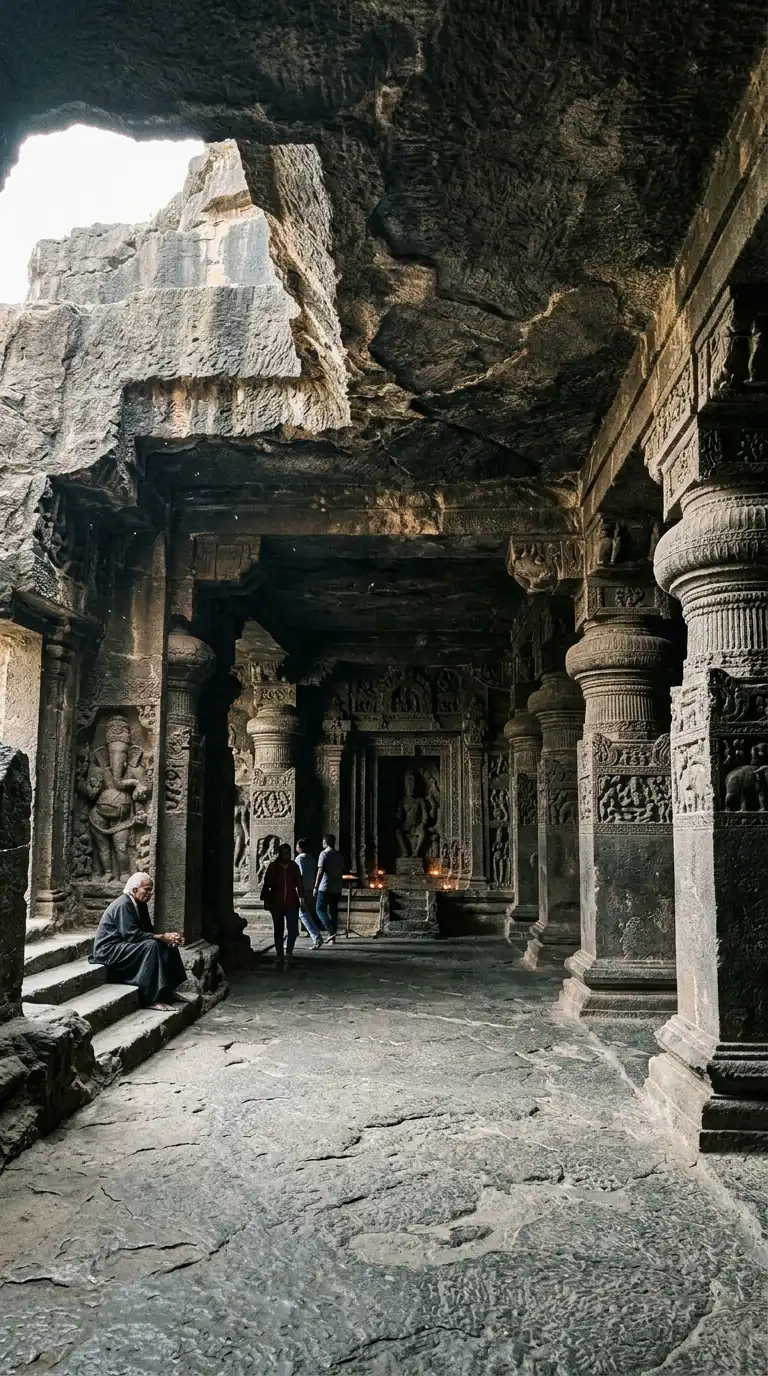
12. The Rock-Cut Temple
The rock-cut temple is carved from a single rock. The temple is excavated from the top down. The rock becomes the building. The rock-cut temple is monolithic, carved, and subterranean. The Kailasa Temple at Ellora is the defining example.
This design is ideal for rock-cut architecture. The emotional effect is monolithic, carved, and subterranean.
Quick Tips
- The temple must be carved from a single rock.
- The carving must be from the top down.
- The temple must be partially subterranean.
Final Thoughts
Indian temple architecture is a cosmic diagram in stone. The shikhara is the mountain. The garbhagriha is the womb. The gopuram is the gateway. Every surface is carved. Every form is symbolic. These 12 designs are the language of the divine. They are not built — they are revealed.
