 Skip to content
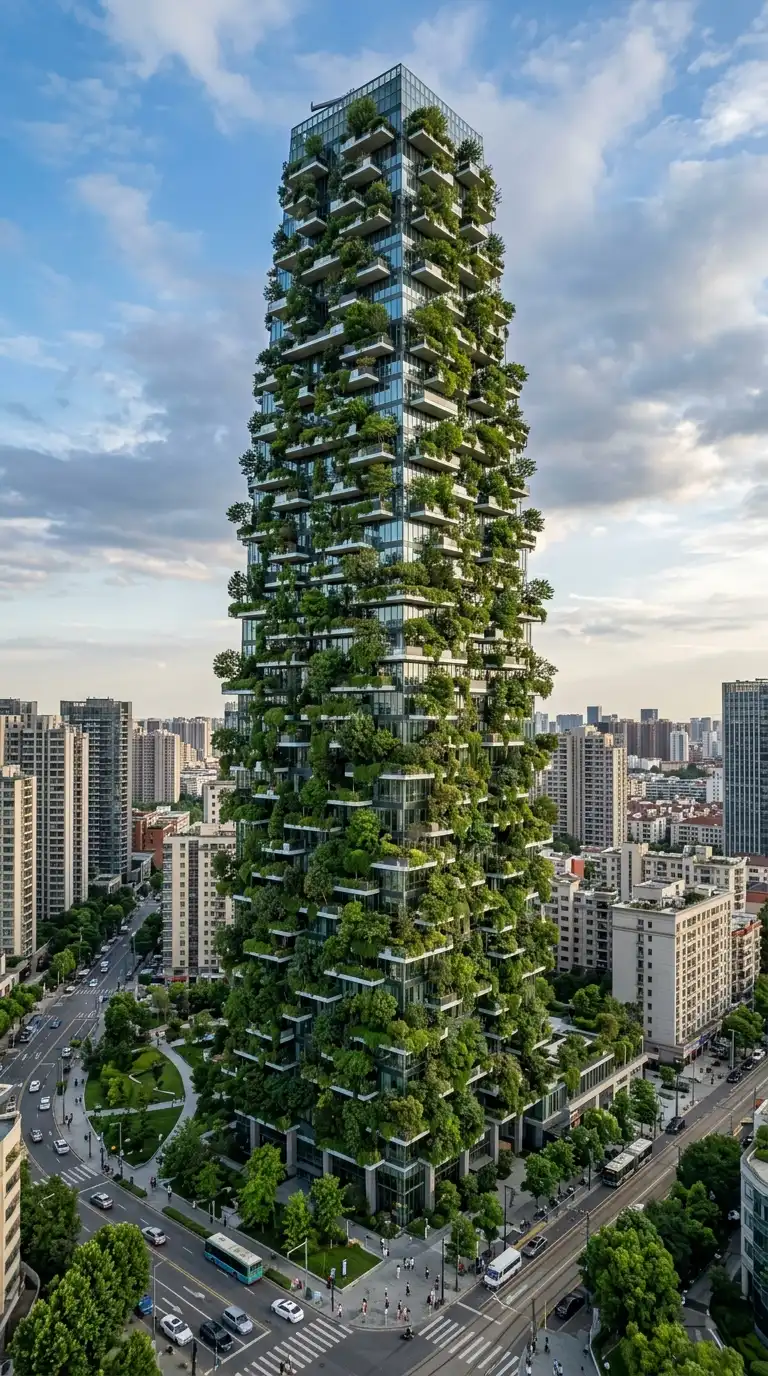
The skyscraper is the defining building type of the modern city. It is a vertical city. It is a symbol of power, wealth, and ambition. Skyscrapers are not just tall — they are structural, technological, and iconic. A great skyscraper touches the sky without falling.
These 15 skyscraper architecture designs span the history of the tall building, from Chicago to Dubai. Each design includes defining characteristics, structural principles, and architectural strategies.
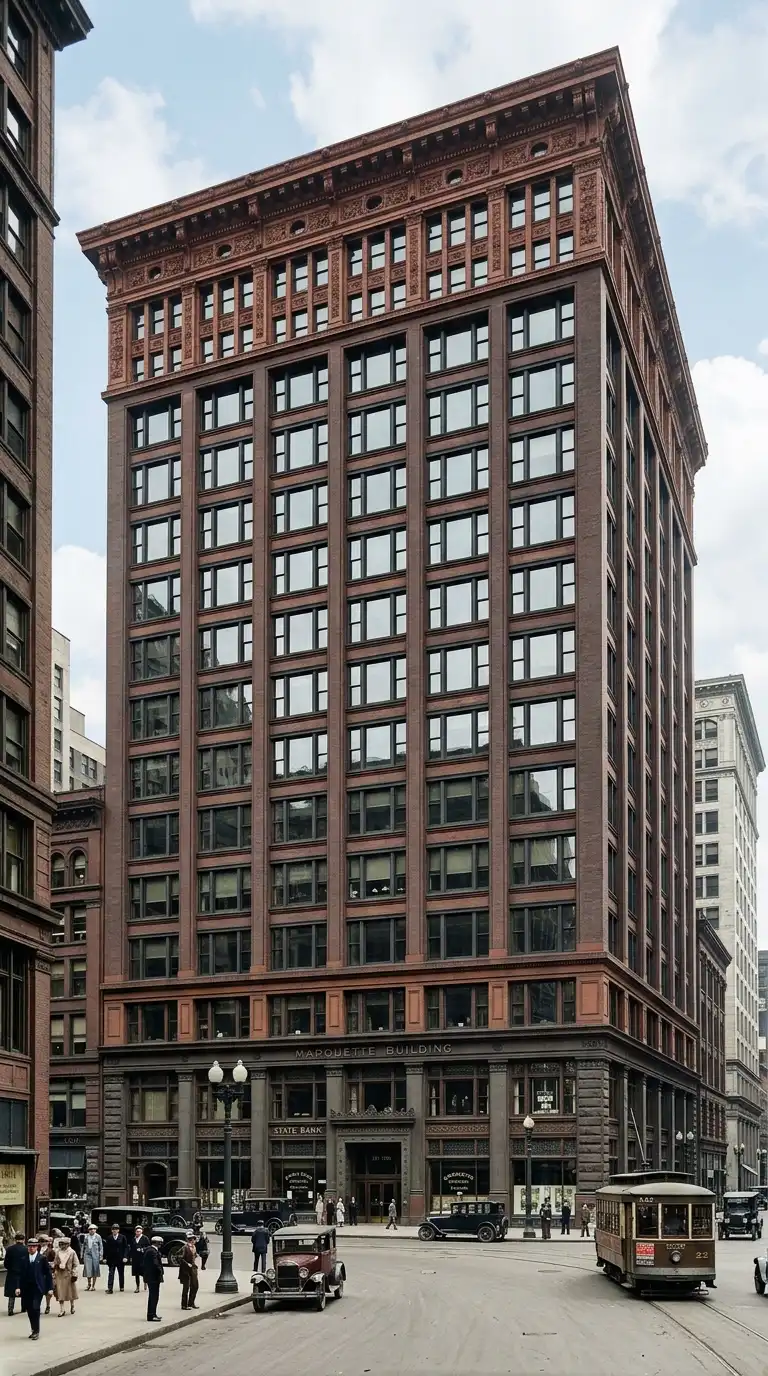
1. The Chicago School Skyscraper
The Chicago School skyscraper (1880s-1890s) was the first skyscraper type. It has a steel frame, large windows, and a tripartite facade (base, shaft, capital). The Home Insurance Building in Chicago (1885) is the first. The Chicago School skyscraper is structural, rational, and tripartite.
This design is ideal for early skyscrapers. The emotional effect is structural, rational, and tripartite.
Quick Tips
- The building must have a steel frame.
- The facade must be tripartite (base, shaft, capital).
- Windows must be large (Chicago windows).
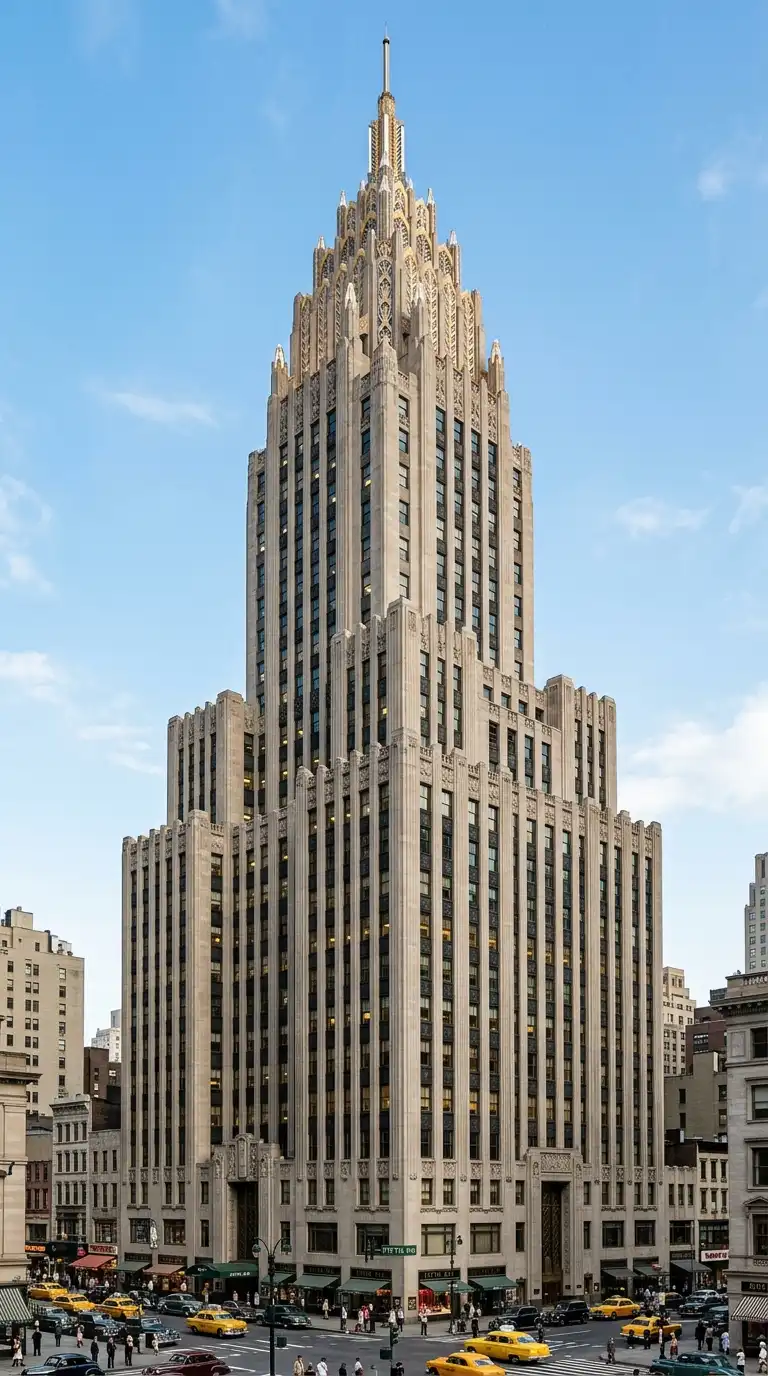
2. The Art Deco Skyscraper
The Art Deco skyscraper (1920s-1930s) is vertical, stepped, and decorated. The setbacks were required by zoning law. The crown is a ziggurat, spire, or lantern. The Chrysler Building in New York (1930) is the masterpiece. The Art Deco skyscraper is vertical, stepped, and decorative.
This design is ideal for 1920s and 1930s skyscrapers. The emotional effect is vertical, stepped, and decorative.
Quick Tips
- The building must have stepped setbacks.
- The crown must be a ziggurat, spire, or lantern.
- Vertical lines must dominate horizontal lines.
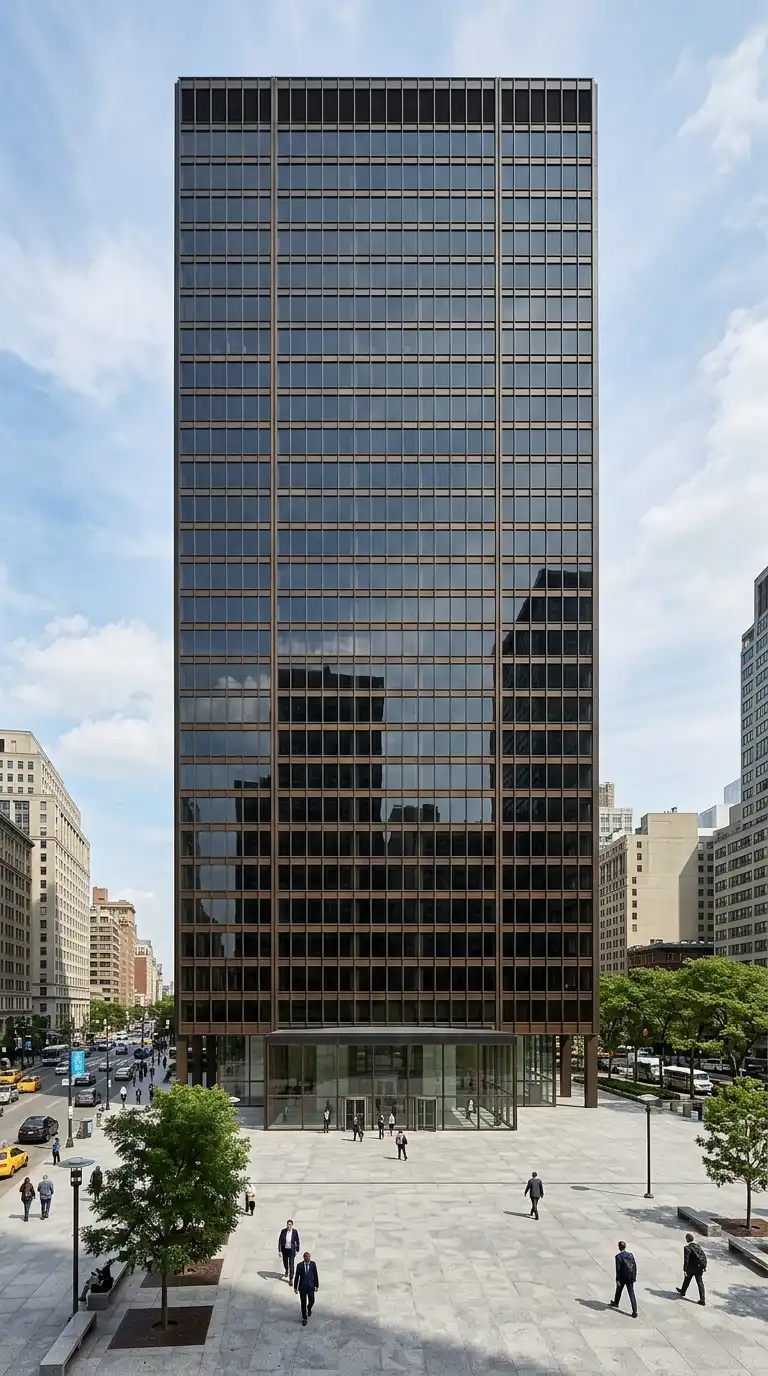
3. The International Style Skyscraper
The International Style skyscraper (1950s-1960s) is a glass box. The building is a simple prism. The curtain wall is glass and steel. The Seagram Building in New York (1958) by Mies van der Rohe is the masterpiece. The International Style skyscraper is glass, simple, and elegant.
This design is ideal for mid-century modern skyscrapers. The emotional effect is glass, simple, and elegant.
Quick Tips
- The building must be a simple glass prism.
- The curtain wall must be glass and steel.
- The building must be set back on a plaza.
4. The Structural Expressionist Skyscraper
The Structural Expressionist skyscraper (1960s-1970s) expresses its structure on the exterior. The John Hancock Center in Chicago (1969) has exposed X-bracing. The structural expressionist skyscraper is structural, honest, and dramatic.
This design is ideal for expressive skyscrapers. The emotional effect is structural, honest, and dramatic.
Quick Tips
- The structure must be expressed on the exterior.
- The bracing must be visible.
- The building must be tall.
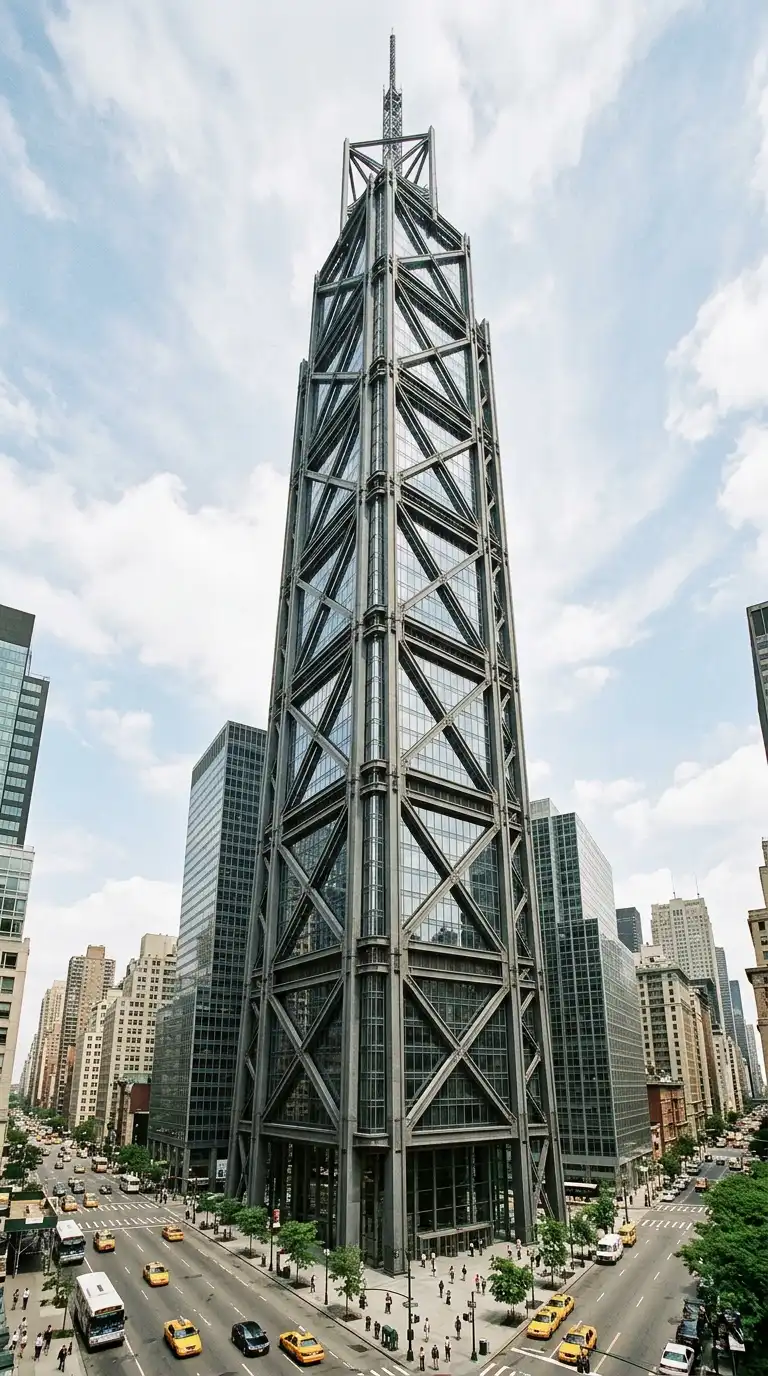
5. The Postmodern Skyscraper
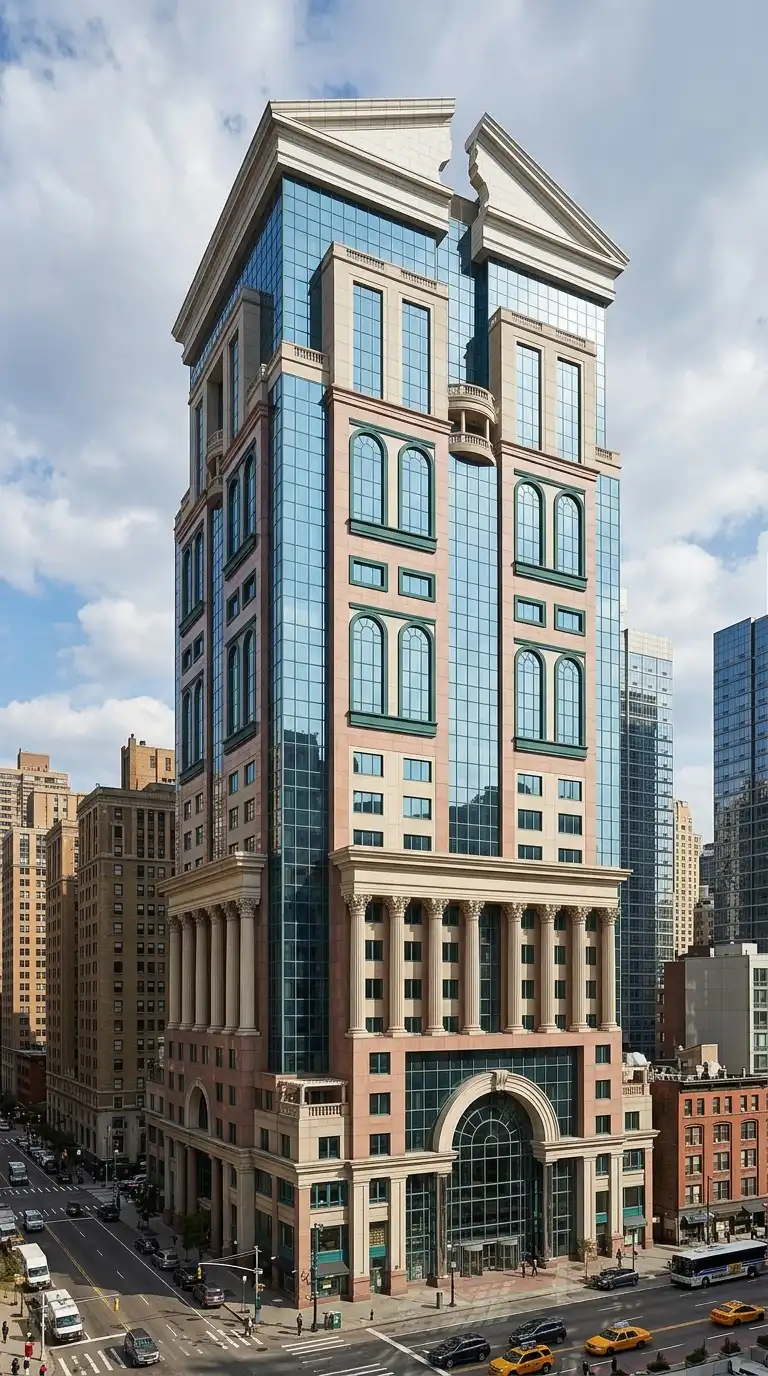
The Postmodern skyscraper (1980s) quotes historical forms ironically. The AT&T Building in New York (1984) by Philip Johnson has a broken pediment at the crown. The Postmodern skyscraper is ironic, historical, and playful.
This design is ideal for 1980s skyscrapers. The emotional effect is ironic, historical, and playful.
Quick Tips
- The building must quote historical forms.
- The quotation must be out of context.
- The building must be ironic.
6. The Deconstructivist Skyscraper
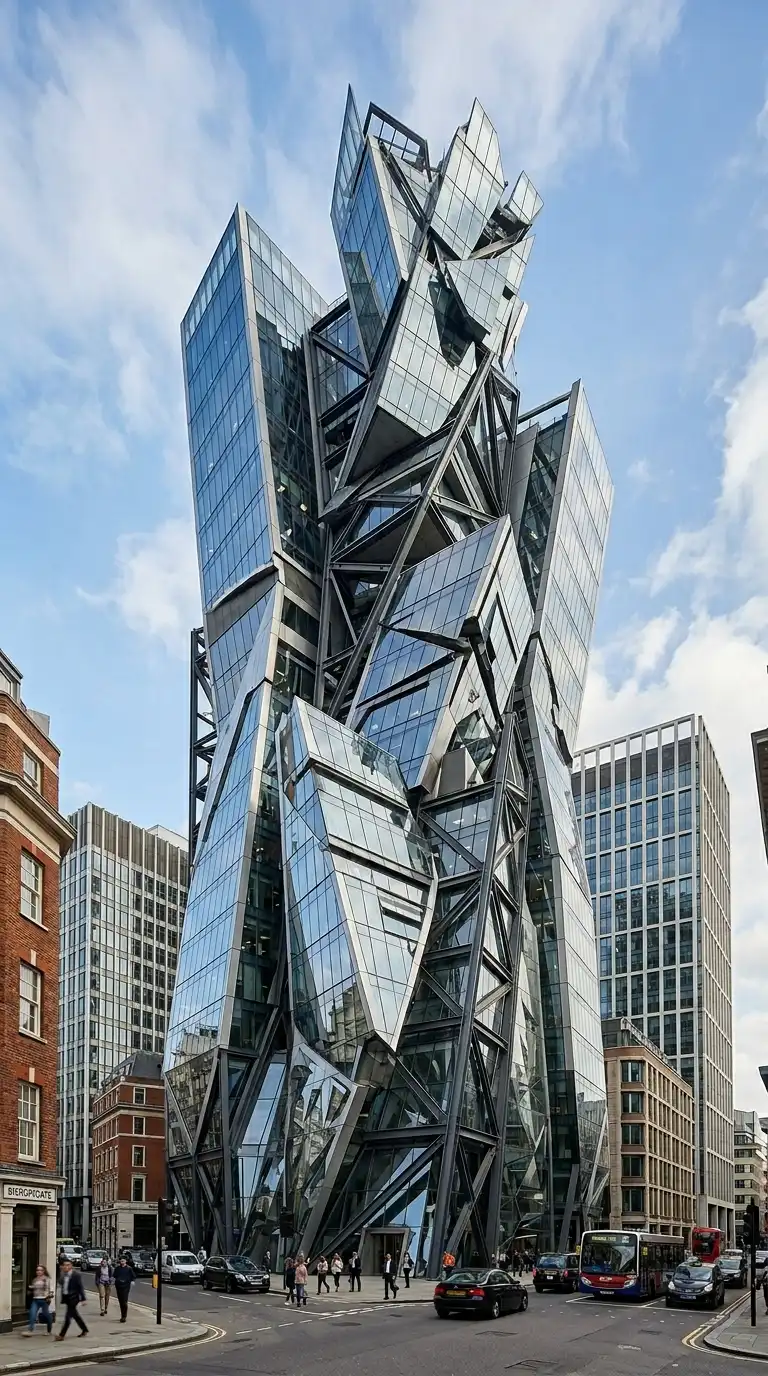
The Deconstructivist skyscraper (1990s-2000s) fragments and distorts the box. The form is unstable, tilted, and intersecting. The CCTV Building in Beijing (2012) by Rem Koolhaas is a loop of towers. The Deconstructivist skyscraper is fragmented, tilted, and dynamic.
This design is ideal for iconic skyscrapers. The emotional effect is fragmented, tilted, and dynamic.
Quick Tips
- The form must be fragmented and distorted.
- The building must look unstable.
- No right angles.
7. The Supertall Skyscraper
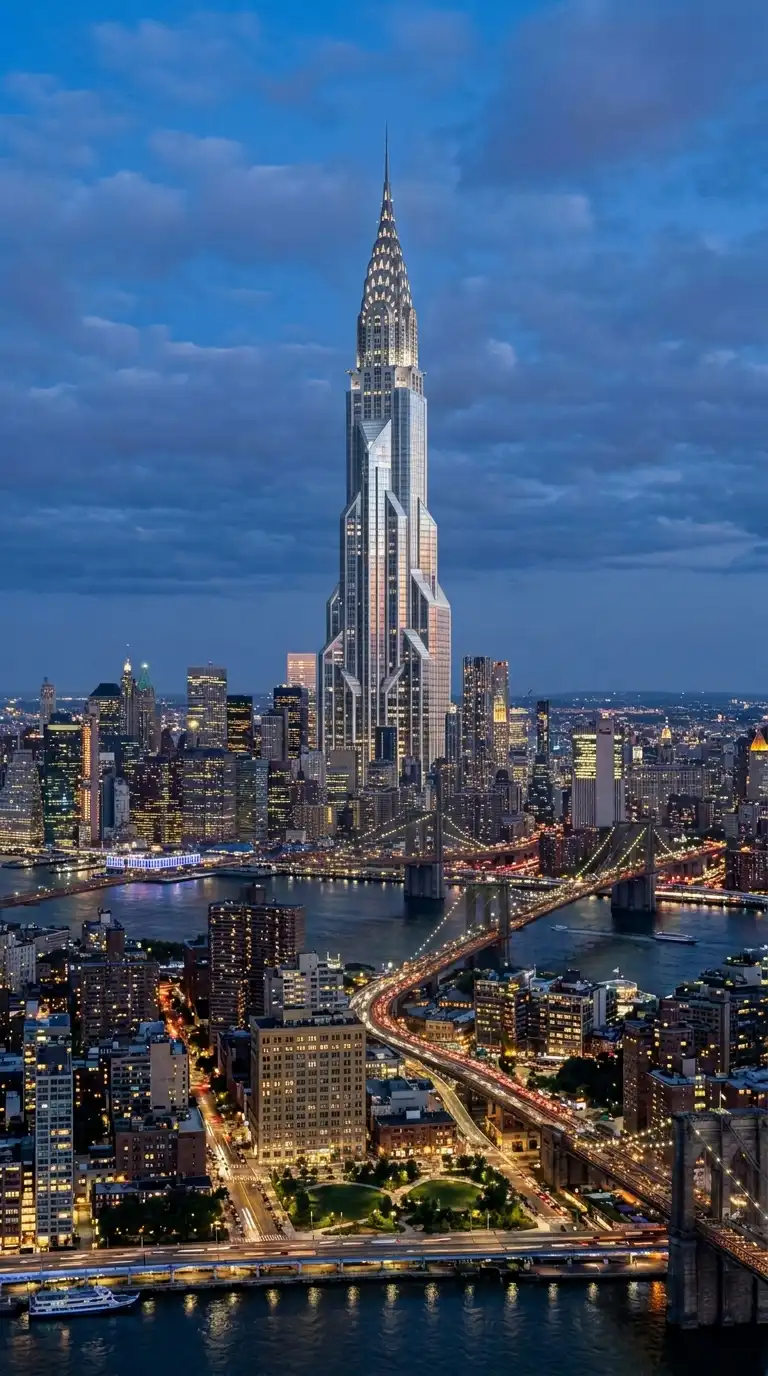
The supertall skyscraper is over 300 metres tall. The Burj Khalifa in Dubai (2010) is 828 metres tall. The form is stepped and tapering. The supertall skyscraper is vertical, tapering, and skyline-defining.
This design is ideal for the tallest buildings. The emotional effect is vertical, tapering, and skyline-defining.
Quick Tips
- The building must be over 300 metres tall.
- The form must be stepped and tapering.
- The building must have a spire.
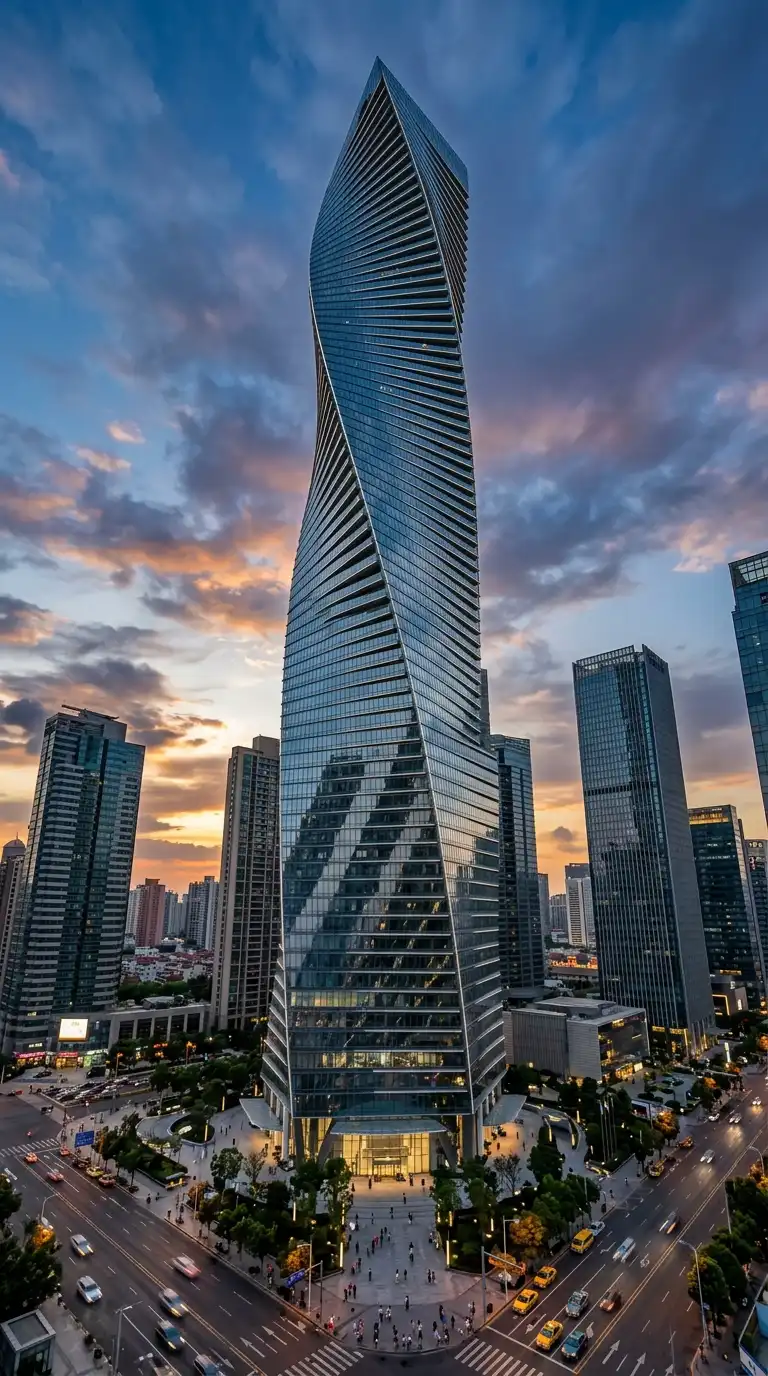
8. The Twisted Skyscraper
The twisted skyscraper rotates as it rises. Each floor is rotated slightly. The Turning Torso in Malmö (2005) by Santiago Calatrava has a 90-degree twist. The twisted skyscraper is twisting, dynamic, and sculptural.
This design is ideal for iconic towers. The emotional effect is twisting, dynamic, and sculptural.
Quick Tips
- Each floor must be rotated relative to the floor below.
- The total twist should be 90 to 180 degrees.
- The twist must be consistent.
9. The Diagrid Skyscraper
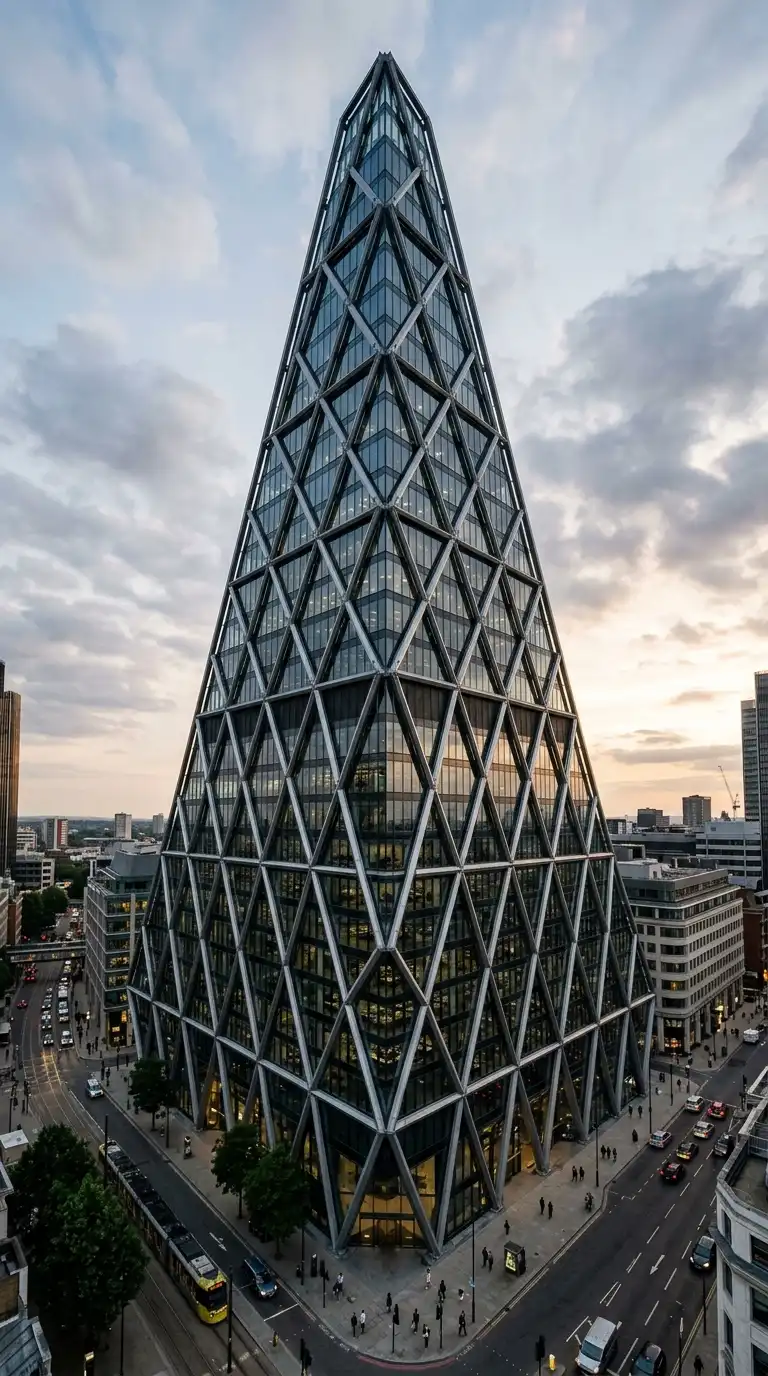
The diagrid skyscraper has a diagonal grid structure. The diagrid is expressed on the exterior. The Hearst Tower in New York (2006) by Norman Foster has a triangular diagrid. The diagrid skyscraper is triangular, structural, and efficient.
This design is ideal for modern skyscrapers. The emotional effect is triangular, structural, and efficient.
Quick Tips
- The structure must be a diagonal grid (diagrid).
- The diagrid must be expressed on the exterior.
- No vertical columns.
10. The Green Skyscraper
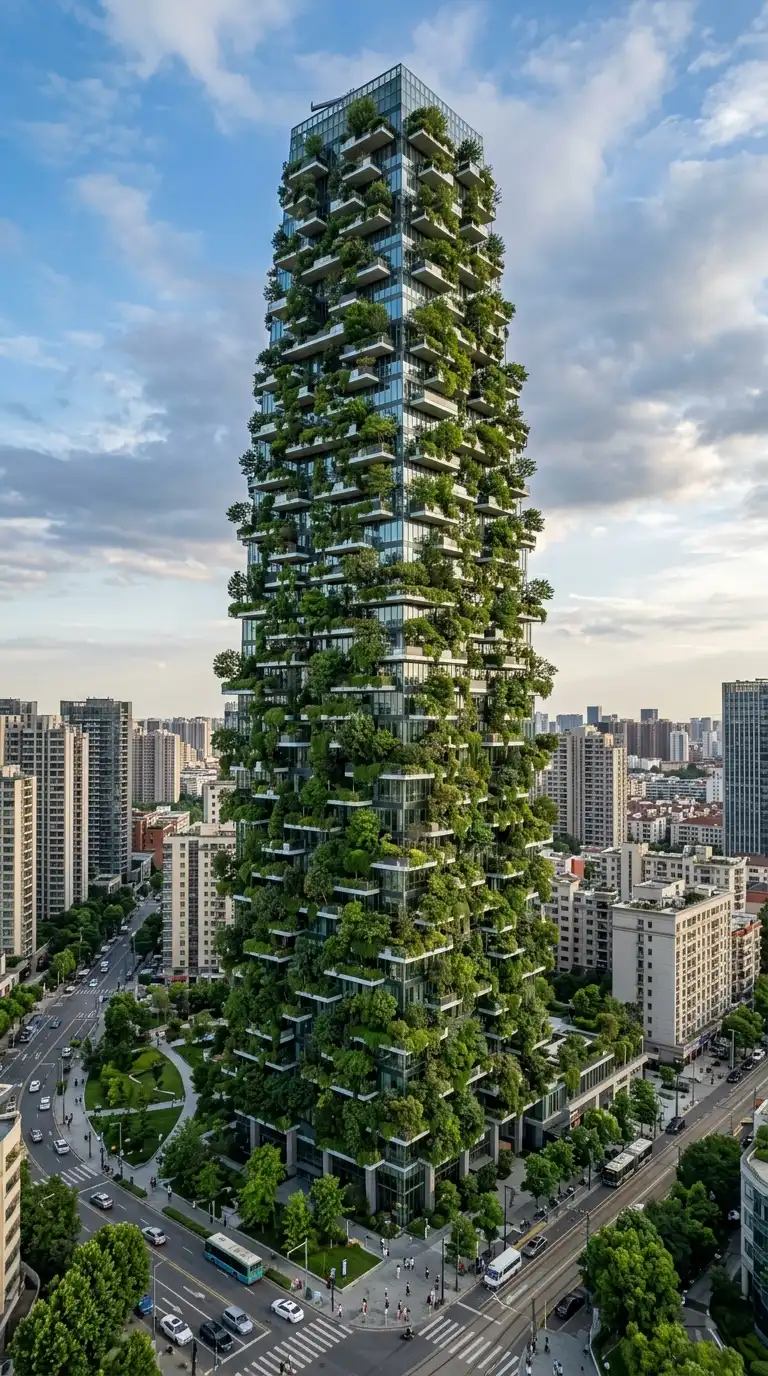
The green skyscraper is covered in plants. The facade has balconies or trellises for vegetation. The Bosco Verticale in Milan (2014) by Stefano Boeri is a vertical forest. The green skyscraper is green, vertical, and ecological.
This design is ideal for sustainable skyscrapers. The emotional effect is green, vertical, and ecological.
Quick Tips
- The building must have vegetation on the facade.
- The vegetation must be visible.
- The building must be tall.
11. The Tapered Skyscraper
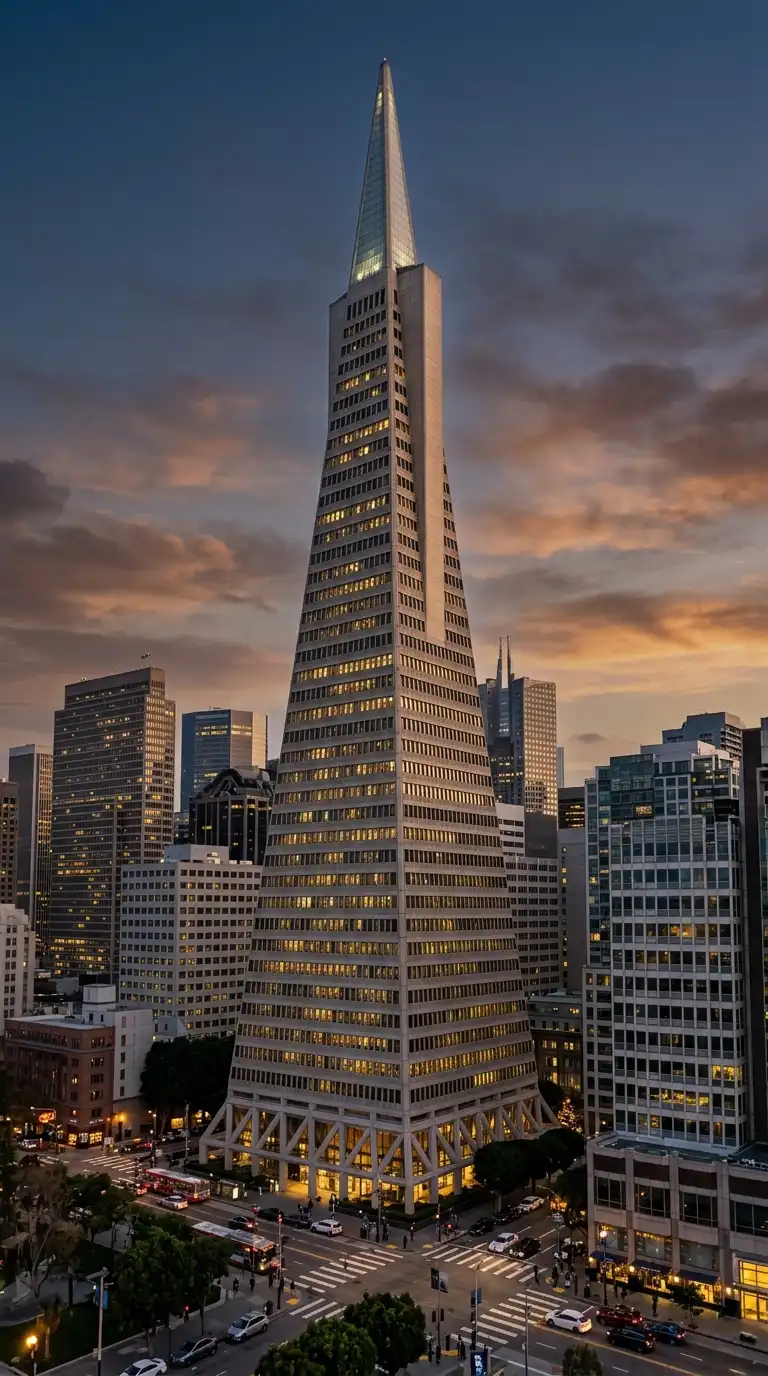
The tapered skyscraper gets narrower as it rises. The taper is structural and aerodynamic. The Shard in London (2012) by Renzo Piano is a glass pyramid. The tapered skyscraper is tapered, pyramidal, and sharp.
This design is ideal for slender towers. The emotional effect is tapered, pyramidal, and sharp.
Quick Tips
- The building must taper from base to top.
- The taper must be consistent.
- The top must be a point.
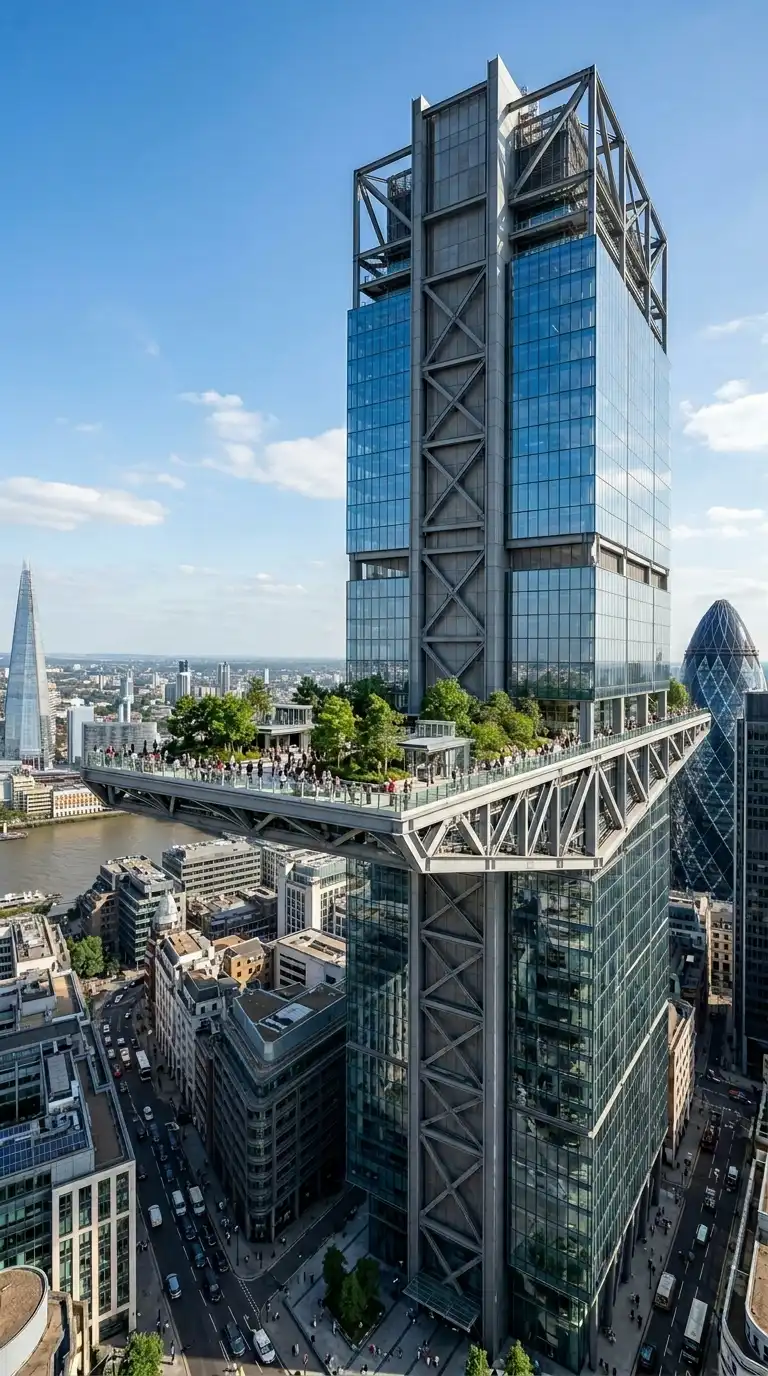
12. The Cantilevered Skyscraper
The cantilevered skyscraper has floors that cantilever outward. The form is dramatic and impossible-looking. The Marina Bay Sands in Singapore (2010) by Moshe Safdie has a cantilevered sky park. The cantilevered skyscraper is cantilevered, dramatic, and floating.
This design is ideal for iconic hotels and mixed-use towers. The emotional effect is cantilevered, dramatic, and floating.
Quick Tips
- The cantilever must be dramatic.
- The cantilever must be visible.
- The structure must be expressed.
13. The Mixed-Use Skyscraper
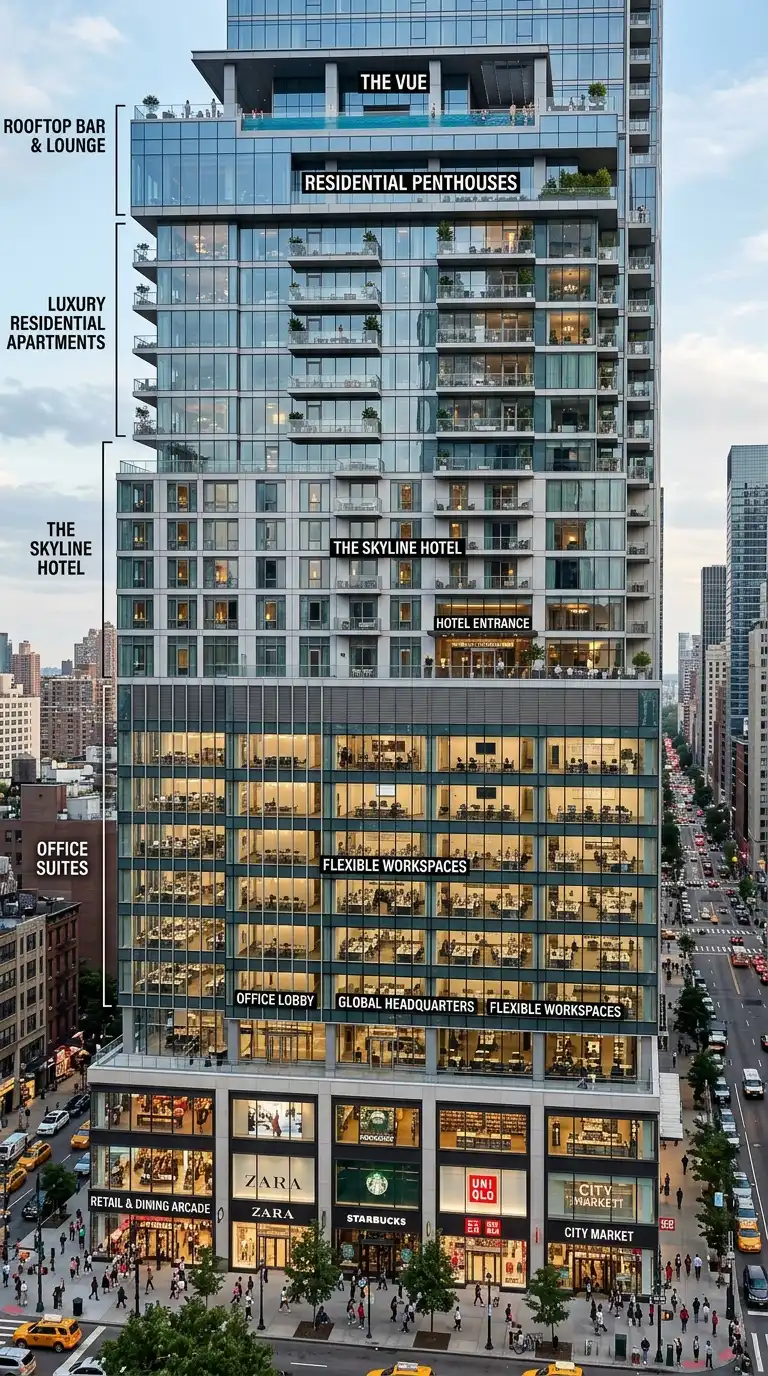
The mixed-use skyscraper combines residential, office, hotel, and retail in one tower. The different uses are stacked vertically. Retail is at the base. Office is in the middle. Hotel and residential are at the top. The mixed-use skyscraper is vertical, diverse, and efficient.
This design is ideal for urban skyscrapers. The emotional effect is vertical, diverse, and efficient.
Quick Tips
- Retail must be at the base.
- Office must be in the middle.
- Hotel and residential must be at the top.
14. The Twin Skyscrapers
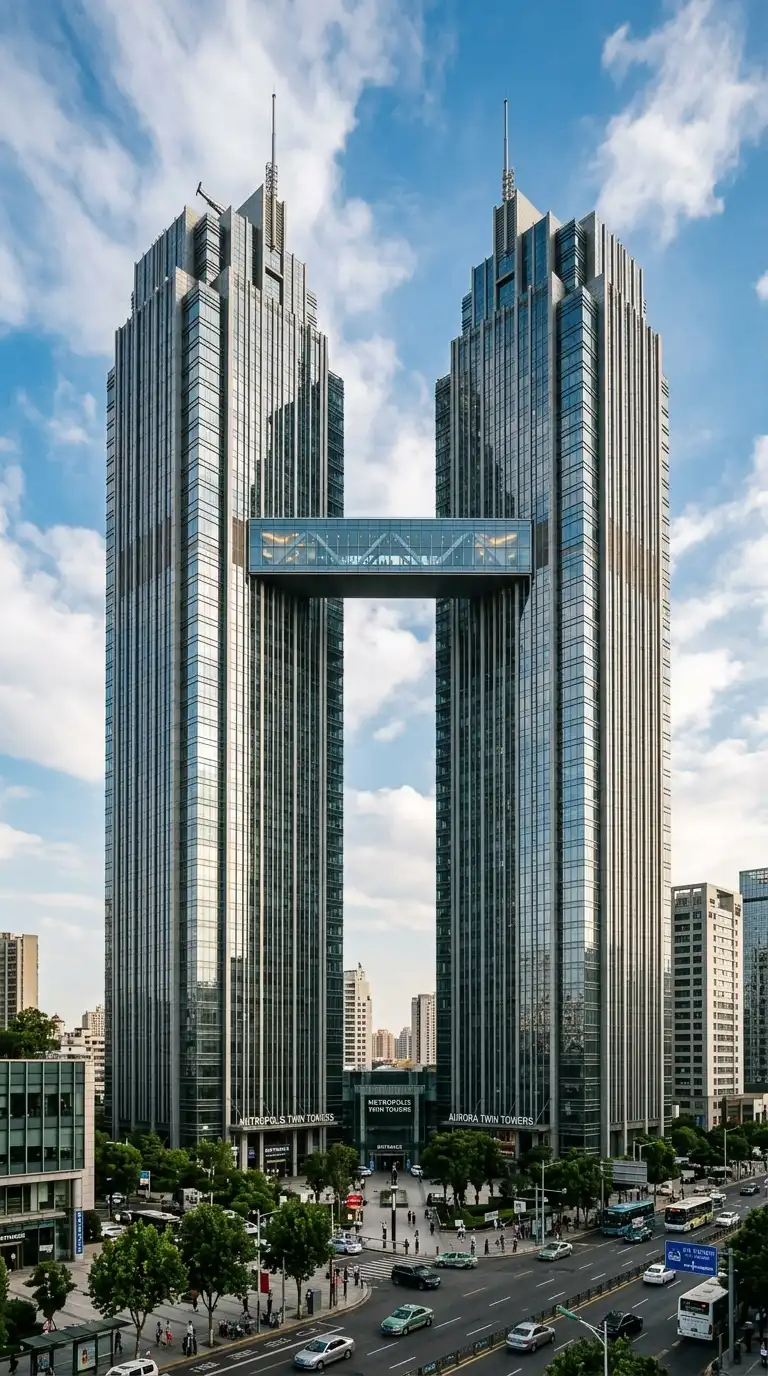
Twin skyscrapers are two identical towers side by side. The Petronas Towers in Kuala Lumpur (1998) by César Pelli are connected by a skybridge. Twin skyscrapers are symmetrical, paired, and iconic.
This design is ideal for landmarks and corporate headquarters. The emotional effect is symmetrical, paired, and iconic.
Quick Tips
- The two towers must be identical.
- The towers must be side by side.
- A skybridge may connect them.
15. The Blob Skyscraper
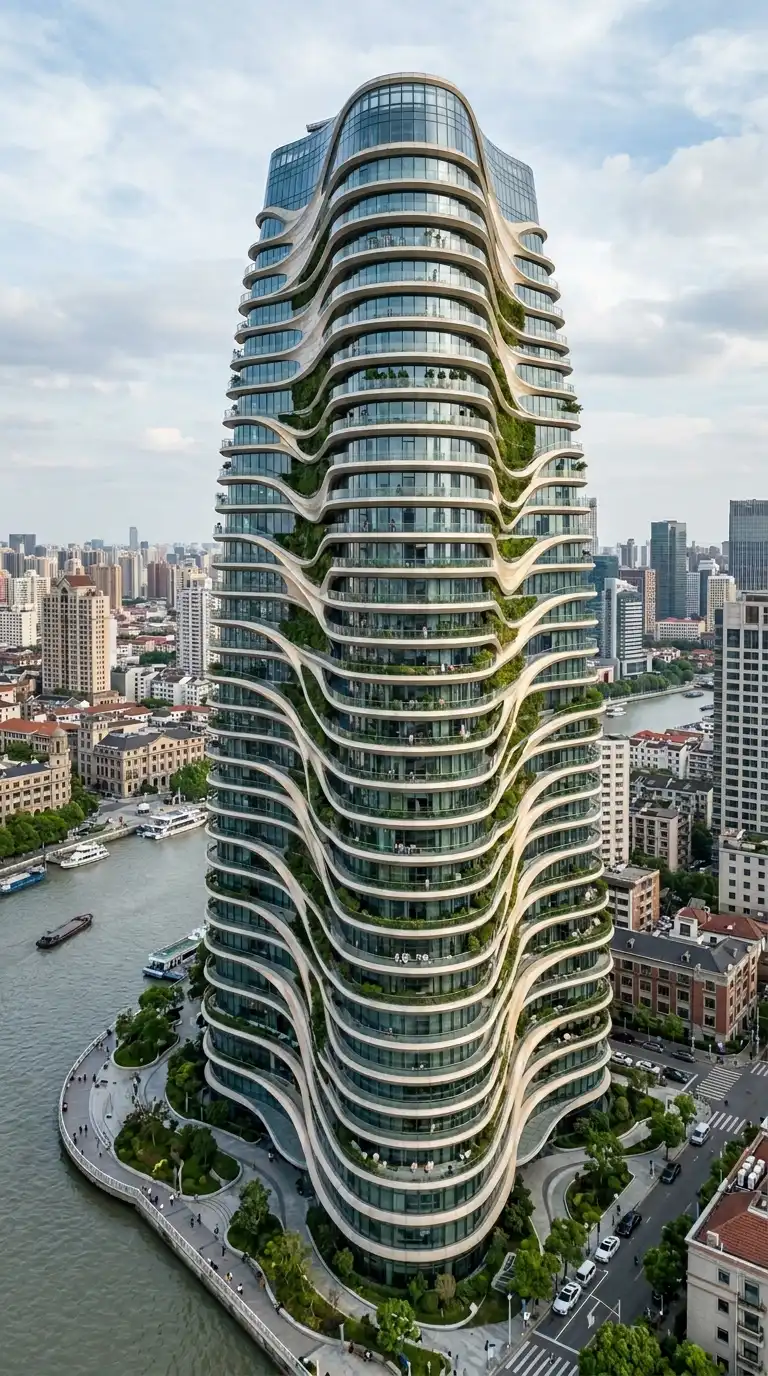
The blob skyscraper has a soft, curving, organic form. There are no straight lines. The form is like a living organism. The Absolute Towers in Mississauga (2012) by MAD Architects are called the Marilyn Monroe Towers. The blob skyscraper is organic, curving, and soft.
This design is ideal for iconic residential towers. The emotional effect is organic, curving, and soft.
Quick Tips
- The form must be soft and curving.
- No straight lines.
- The balconies must wrap around the building.
Final Thoughts
The skyscraper is the cathedral of the modern city. From Chicago to Dubai, from steel to glass, from box to blob — the skyscraper is always reaching higher. These 15 designs are not the last word. They are steps in a vertical journey. The sky is not the limit. It is only the beginning.
