 Skip to content
Minimalist architecture strips building to its essentials: form, light, material, and space. Nothing else. No ornament, no decoration, no unnecessary elements. Colour is restricted to white, grey, black, and natural material tones. Junctions are flush and seamless. Light is the primary ornament. Minimalism is not about having less — it is about making every element essential.
These 12 minimalist architecture designs span houses, pavilions, and sacred spaces. Each design includes defining characteristics, material strategies, and spatial principles.
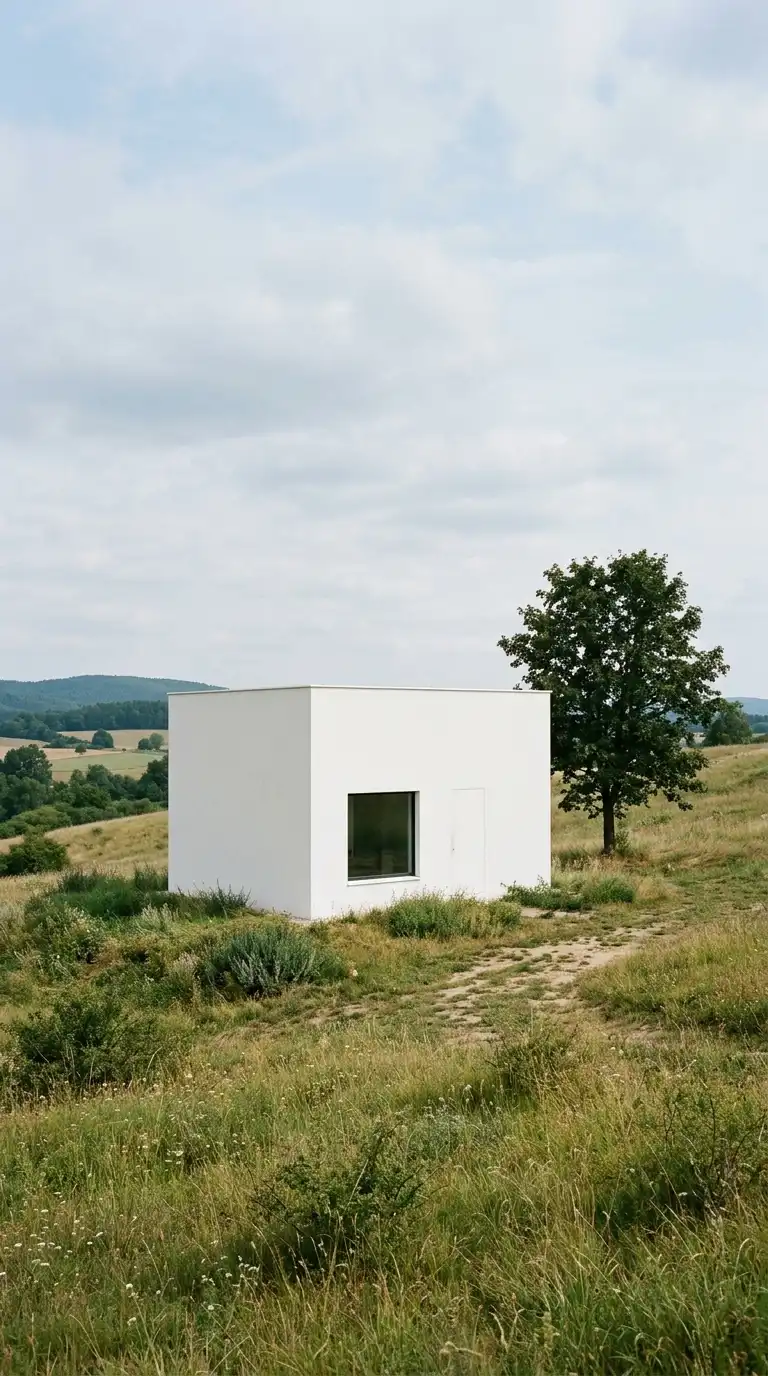
1. The White Cube House
The white cube house is a simple cubic volume. White walls, white ceiling, white floor. No ornament, no visible hardware, no gutters. One carefully placed window. The house is a container for light. The light changes throughout the day, animating the white surfaces. The white cube house is the purest expression of minimalist architecture.
This design is ideal for private houses on secluded sites. The emotional effect is calm, pure, and luminous.
Quick Tips
- The form must be a simple cube or rectangular prism.
- All surfaces must be white.
- No visible hardware, no gutters, no trim.
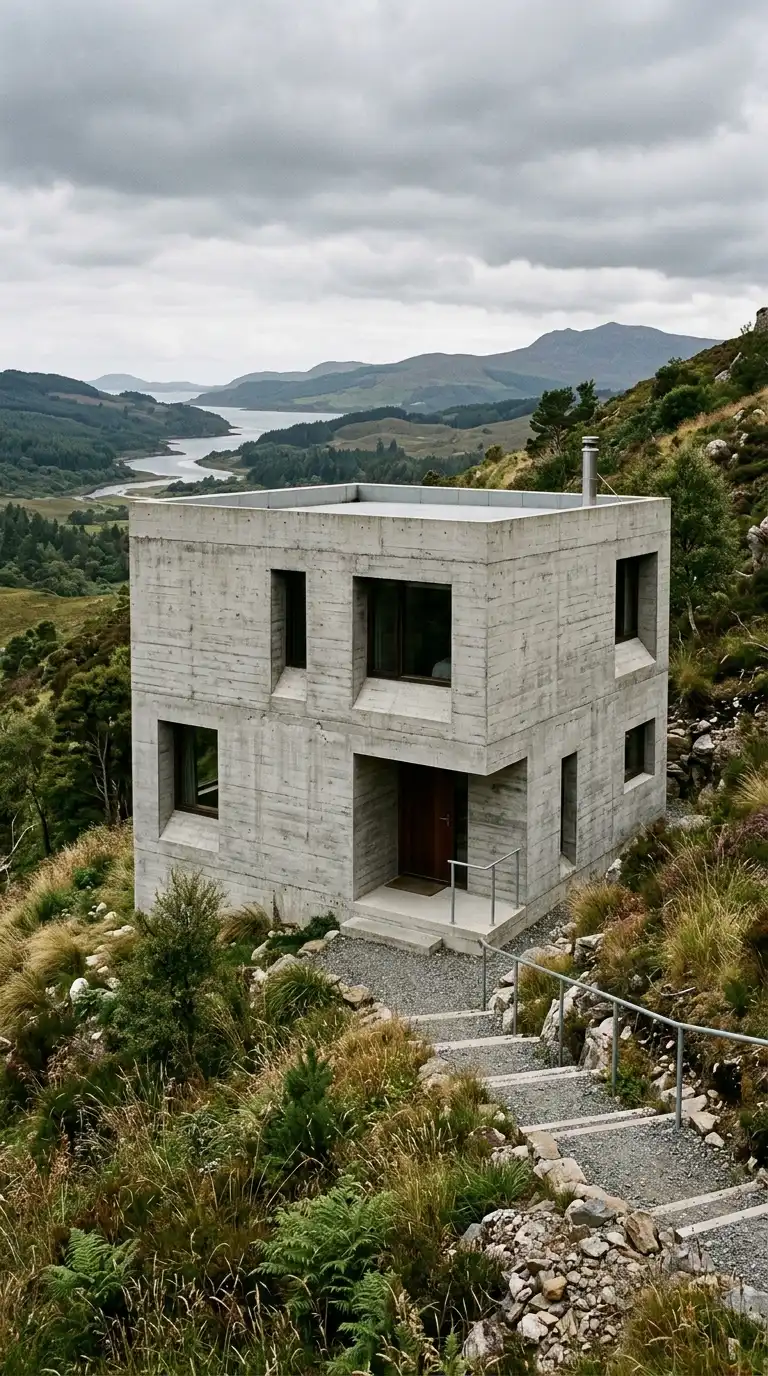
2. The Concrete Box
The concrete box is made of smooth, board-formed concrete. The concrete is left raw — no paint, no sealer. The formwork marks are visible and celebrated. The concrete box is heavy, solid, and silent. The only openings are deep-set windows and a recessed entrance.
This design is ideal for houses on dramatic sites. The emotional effect is solid, silent, and heavy.
Quick Tips
- The form must be a simple box.
- The concrete must be board-formed with visible grain.
- Windows must be deep-set.
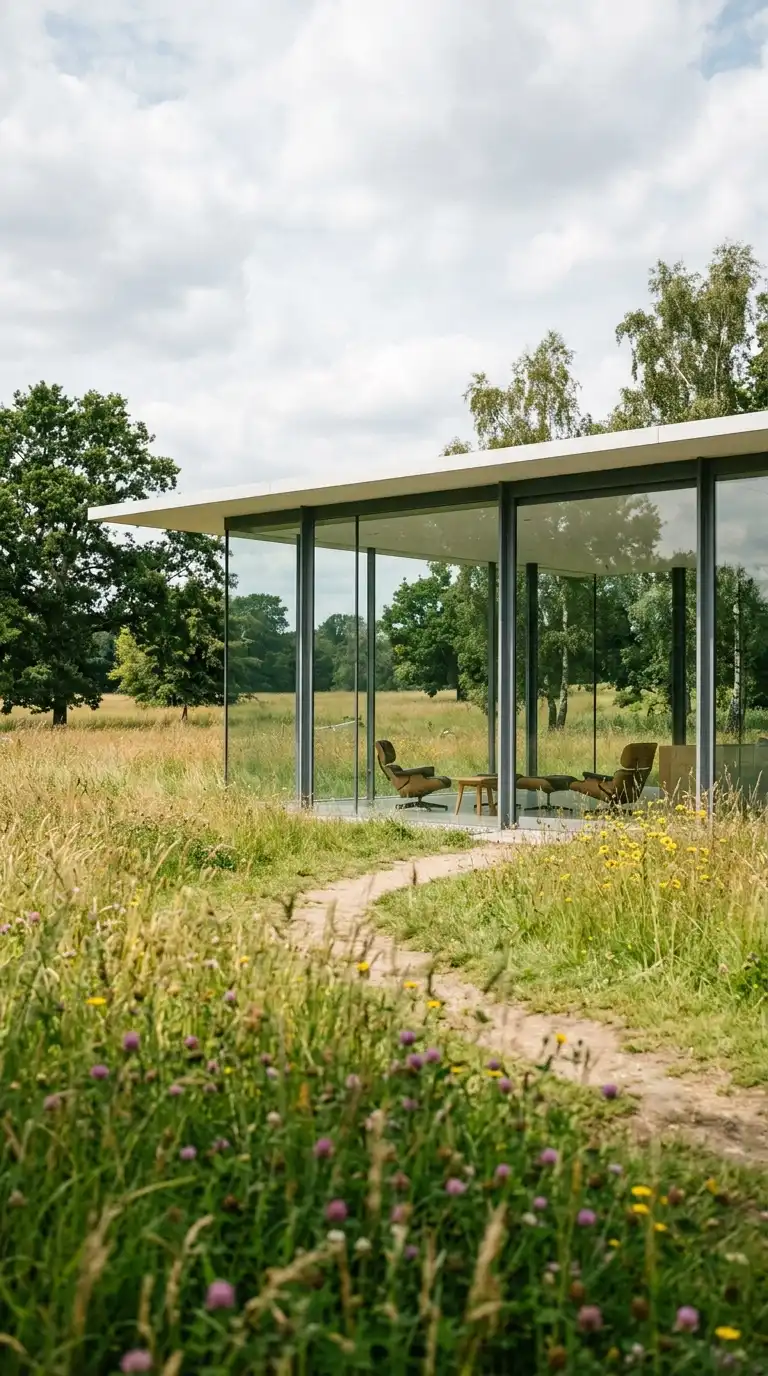
3. The Glass Pavilion
The glass pavilion is a transparent box. The walls are floor-to-ceiling glass. The roof is a thin white slab. The structure is minimal — thin steel columns, flush details. The glass pavilion disappears. The landscape becomes the room.
This design is ideal for private sites with beautiful views. The emotional effect is transparent, weightless, and connected to nature.
Quick Tips
- Walls must be floor-to-ceiling glass.
- The structure must be minimal — thin columns, flush details.
- The roof must be a thin white slab.
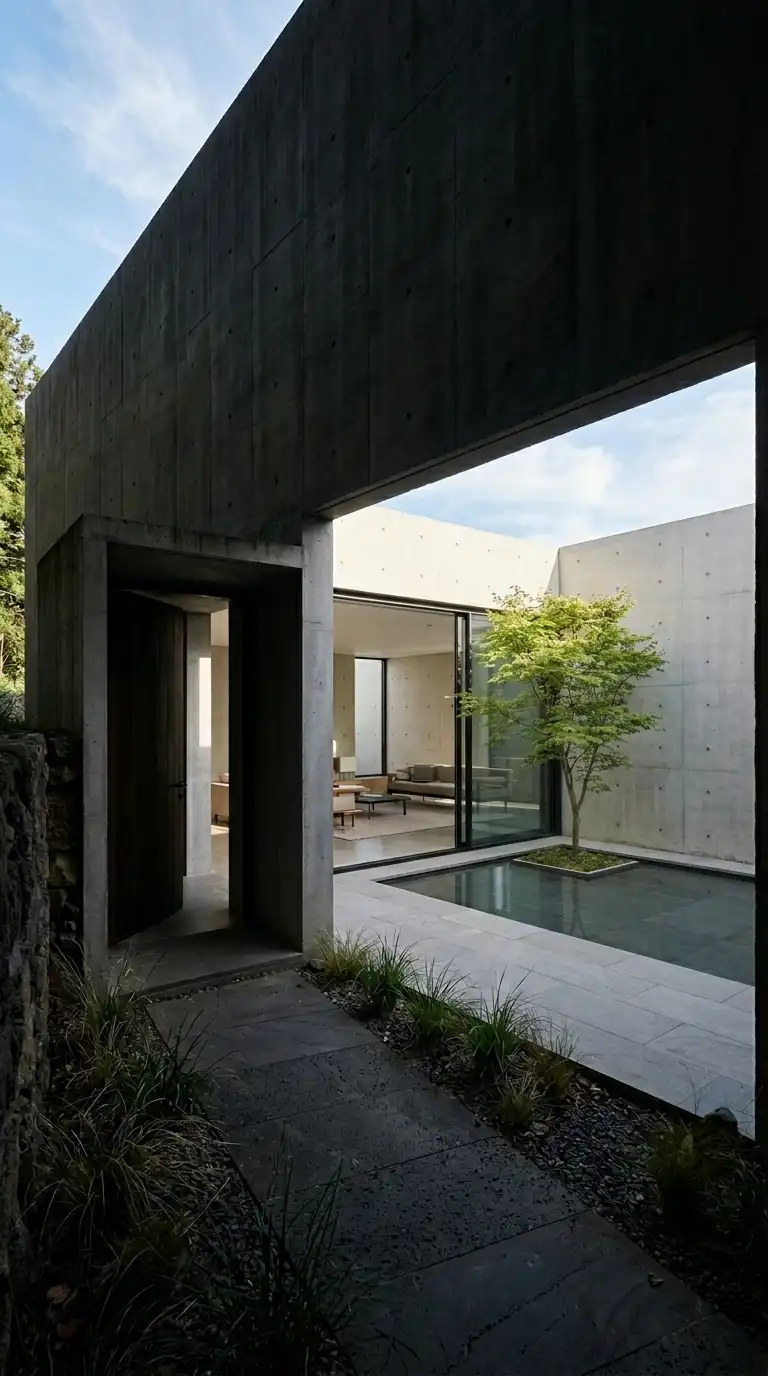
4. The Courtyard Minimalist
The courtyard minimalist wraps a simple box around a central courtyard. The exterior is solid and windowless. The interior opens entirely to the courtyard. The courtyard is the only source of light and air. The courtyard contains a single tree, a pool of water, or a stone garden.
This design is ideal for urban sites and hot climates. The emotional effect is private, calm, and inward-focused.
Quick Tips
- Exterior walls must be solid and windowless.
- The courtyard must be the only source of light.
- The courtyard should contain a single tree or water feature.
5. The Black Box
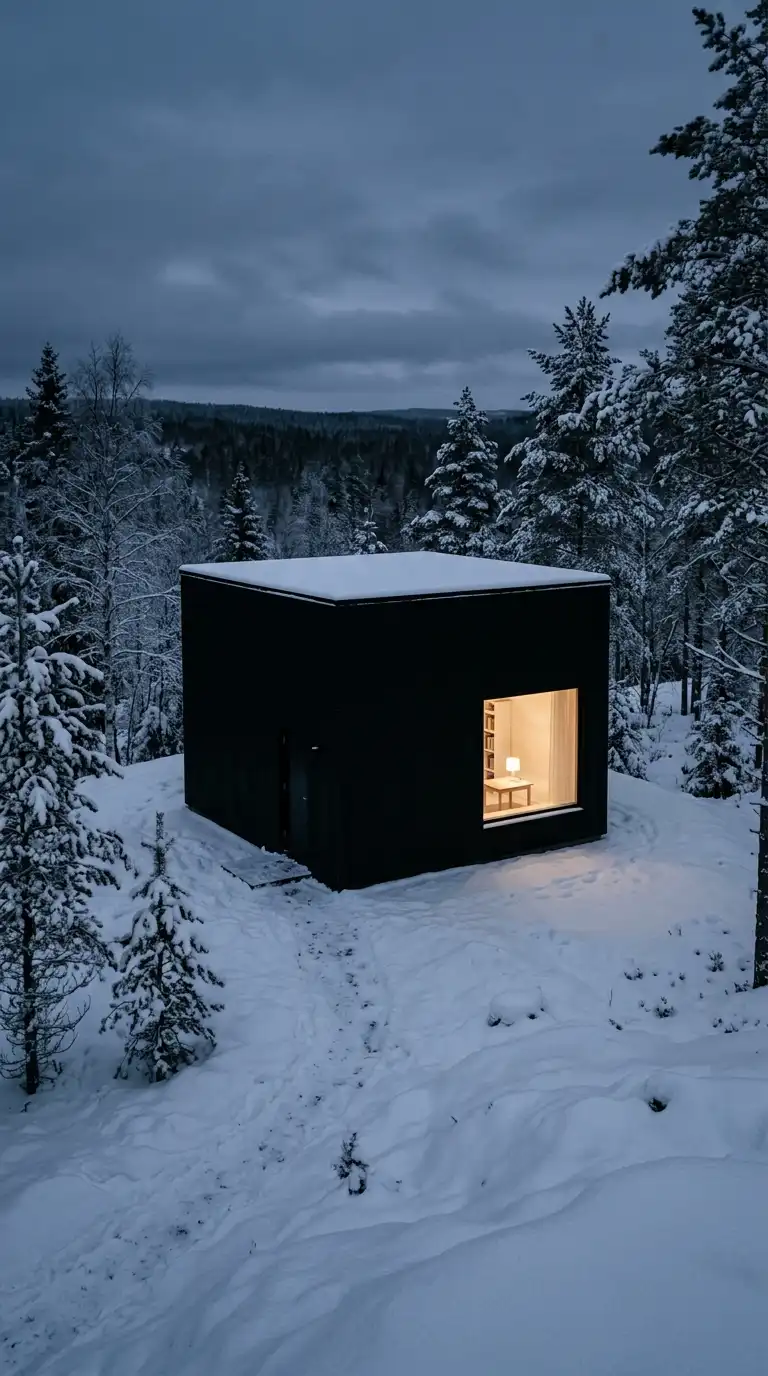
The black box is the inverse of the white cube. The exterior is matte black. The interior is white. The black box is dramatic and mysterious. The building recedes into the landscape. Only the lit windows reveal its presence at night.
This design is ideal for dramatic sites and night-time viewing. The emotional effect is dramatic, mysterious, and receding.
Quick Tips
- The exterior must be matte black.
- The interior must be white.
- The form must be a simple box.
6. The Floating Roof
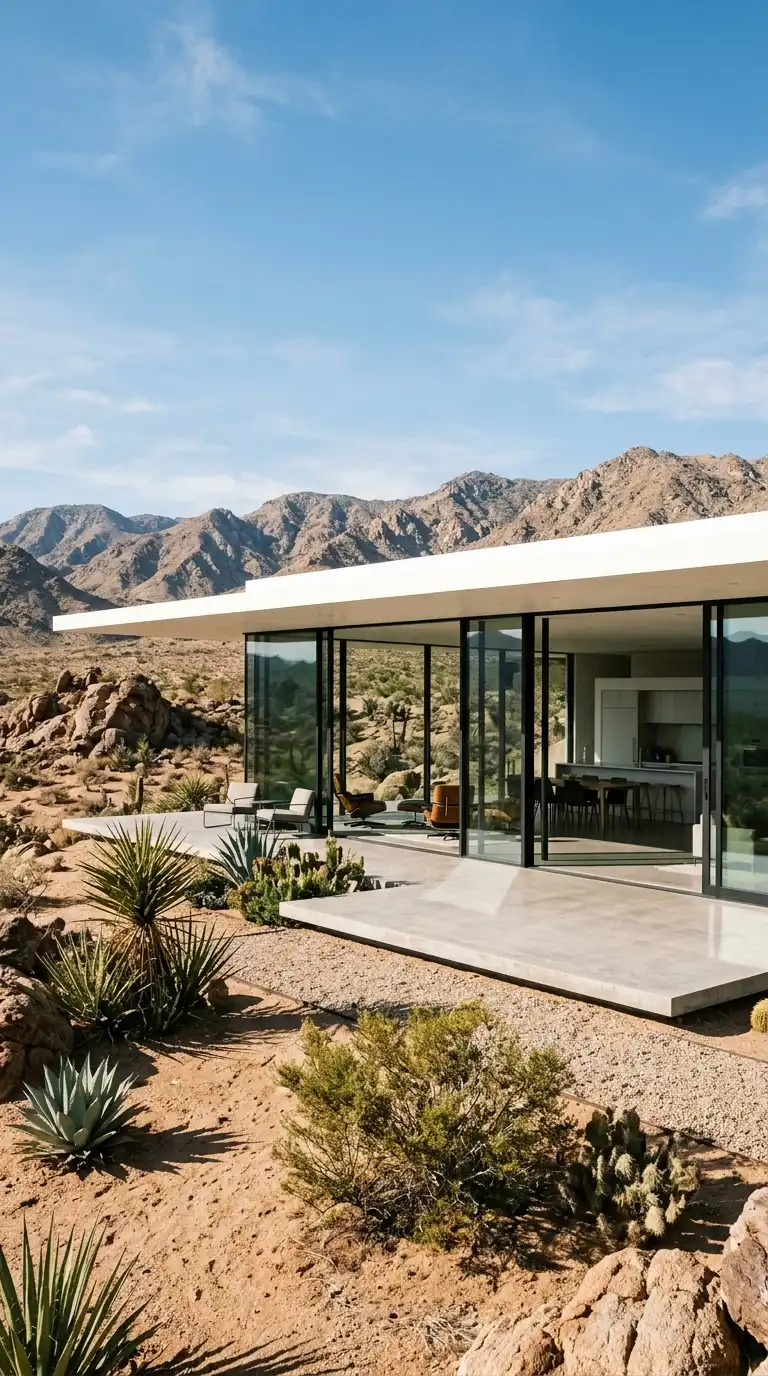
The floating roof is a thin white slab that appears to float above glass walls. The roof extends beyond the walls, creating deep overhangs. The roof is not supported by visible columns — it is cantilevered or supported by thin pins. The floating roof is light, horizontal, and sheltering.
This design is ideal for houses in hot, sunny climates. The emotional effect is horizontal, sheltering, and floating.
Quick Tips
- The roof must be thin and white.
- The roof must extend beyond the walls.
- Columns must be invisible or very thin.
7. The Single-Material House
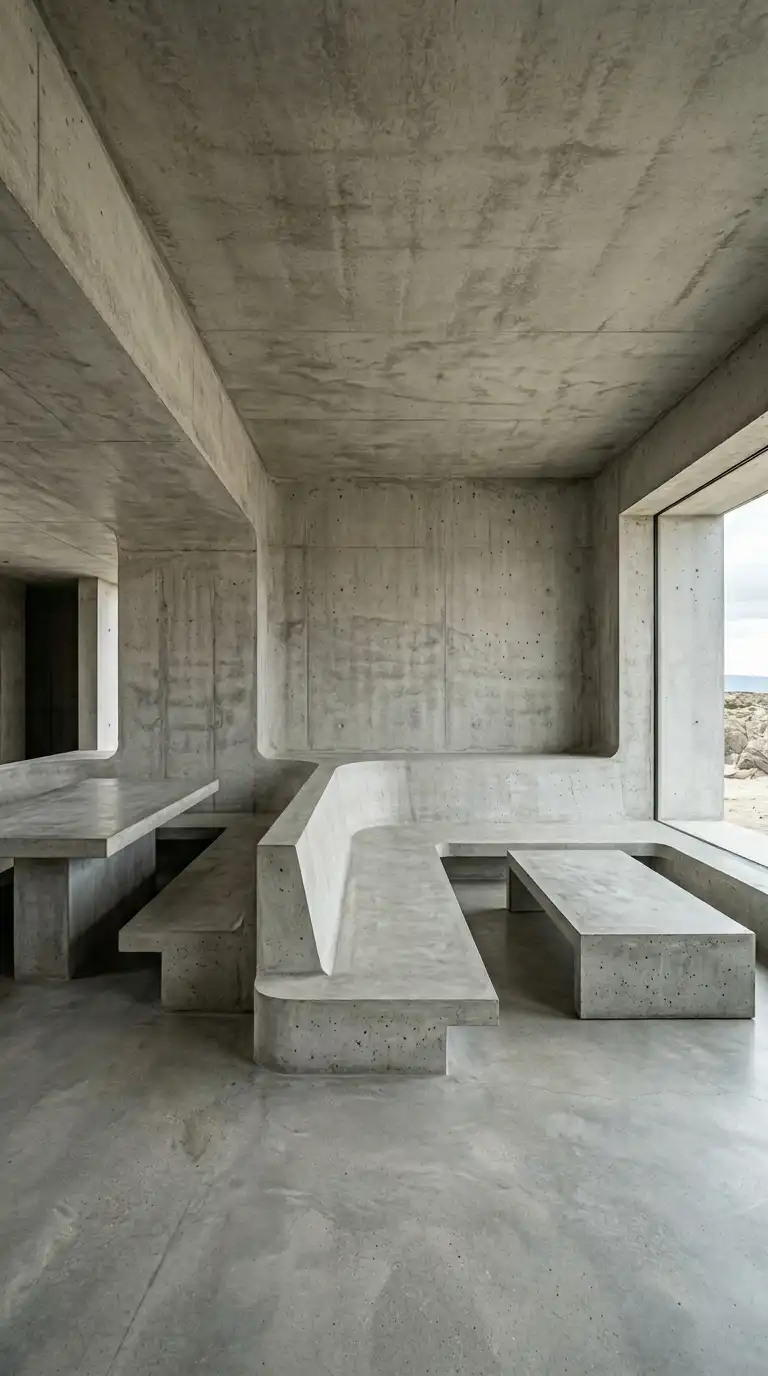
The single-material house is made of one material throughout. Walls, floor, ceiling, and built-in furniture are the same material. The material can be concrete, timber, plaster, or stone. The single-material house is monolithic and seamless. There are no joints, no changes, no distractions.
This design is ideal for houses where material is the subject. The emotional effect is monolithic, seamless, and material-focused.
Quick Tips
- Walls, floor, and ceiling must be the same material.
- Built-in furniture must be the same material.
- No joints or changes in material.
8. The Clerestory House
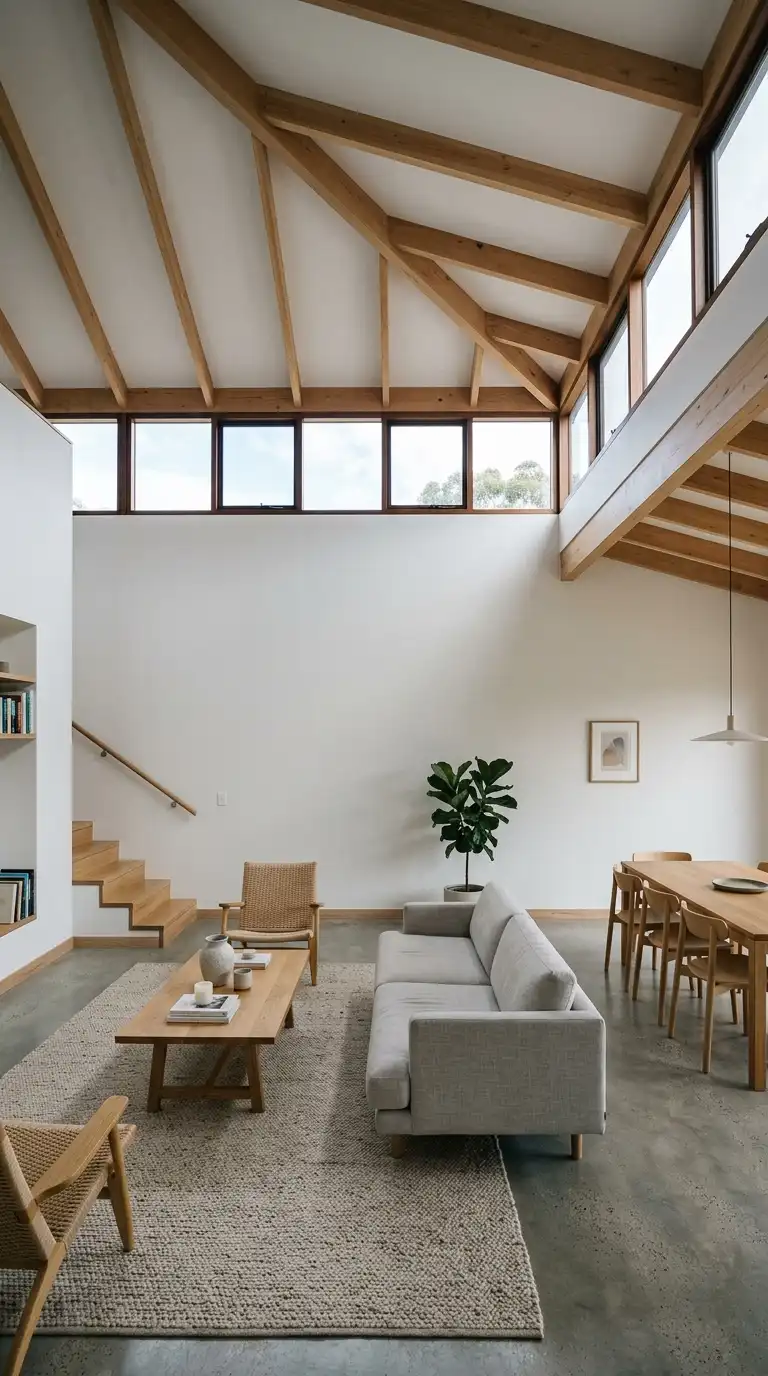
The clerestory house has no windows at eye level. All light enters from above through a band of clerestory windows. The walls are solid and private. The light is even and shadowless. The clerestory house is calm, private, and top-lit.
This design is ideal for urban sites and private houses. The emotional effect is calm, private, and top-lit.
Quick Tips
- No windows at eye level.
- Light must enter from clerestory windows above.
- Walls must be solid.
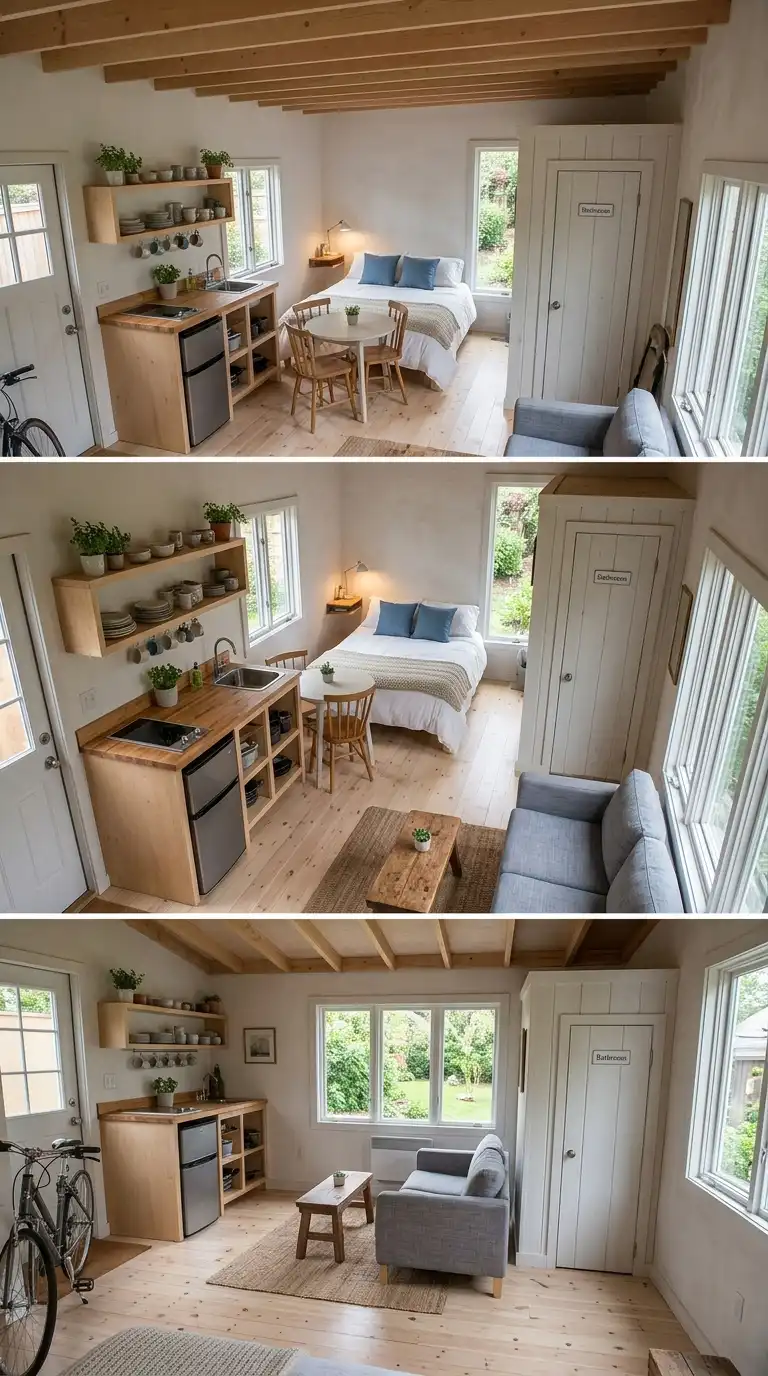
9. The One-Room House
The one-room house is a single volume with no interior walls. Sleeping, living, cooking, and eating happen in the same space. The only separate space is the bathroom. The one-room house is small, efficient, and free.
This design is ideal for singles, couples, and tiny houses. The emotional effect is free, efficient, and undivided.
Quick Tips
- No interior walls except for the bathroom.
- The space must be a single volume.
- The house must be small (under 60 square metres).
10. The Platform House
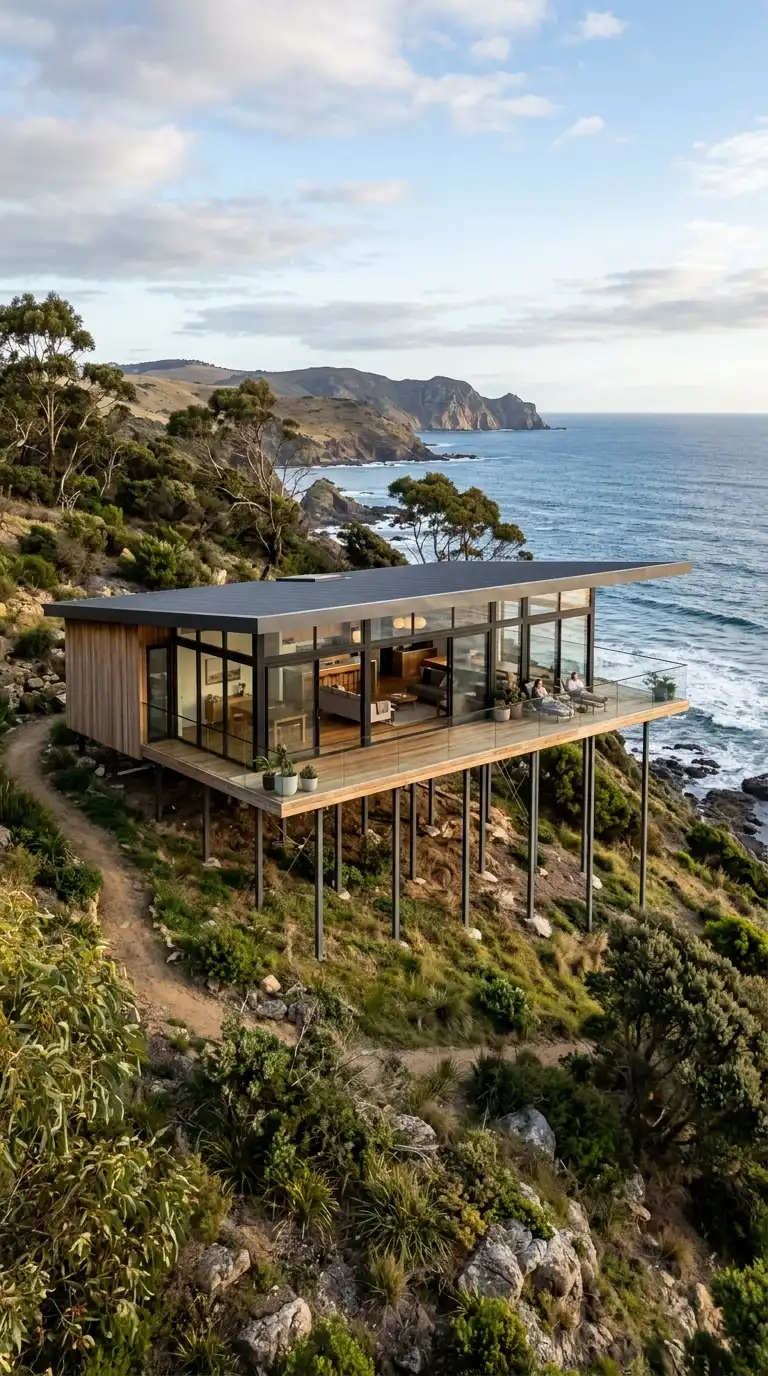
The platform house is a single horizontal plane raised above the ground. The platform is the floor. The roof is another plane above. The space between is open. The platform house is minimal, horizontal, and landscape-integrated.
This design is ideal for sloping sites and coastal sites. The emotional effect is horizontal, raised, and landscape-integrated.
Quick Tips
- The floor must be a single horizontal plane.
- The house must be raised above the ground.
- The roof must be a plane above.
11. The Slot Window House
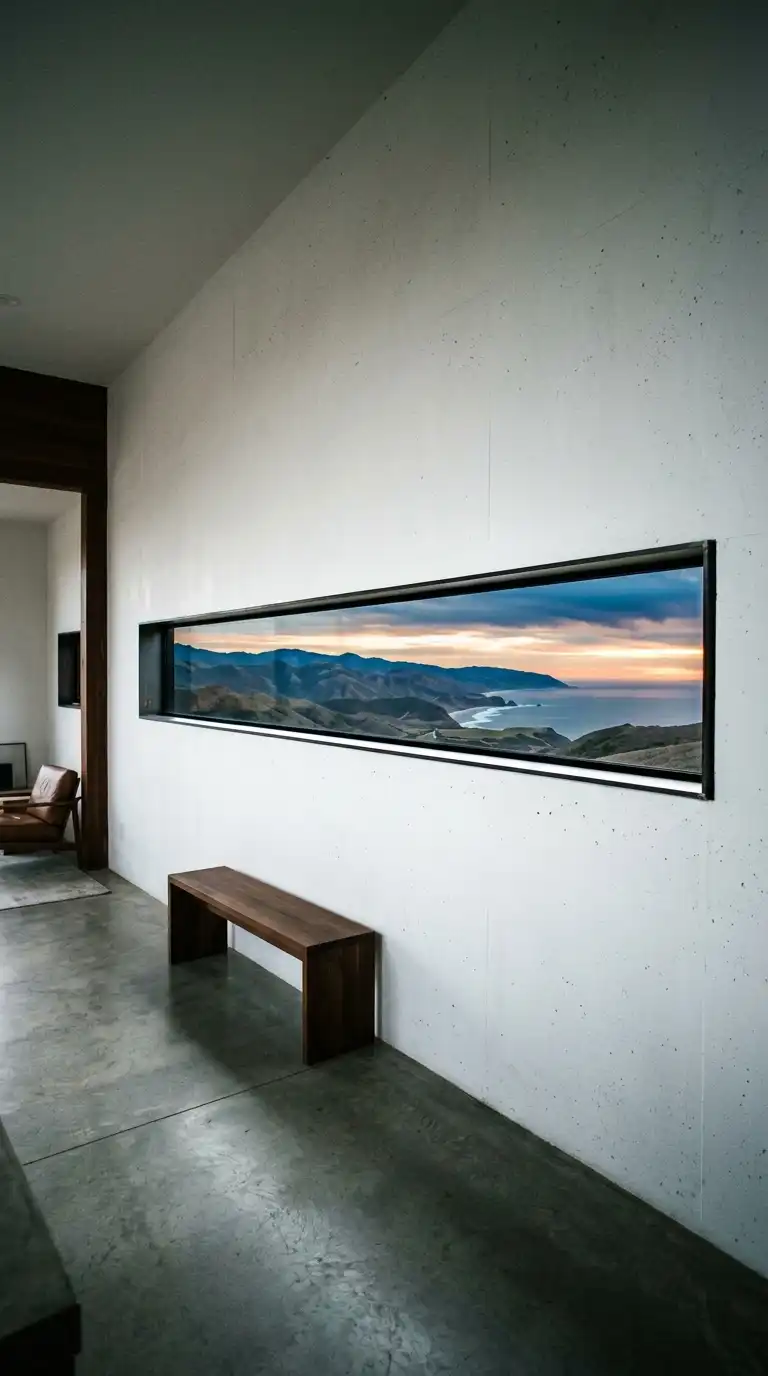
The slot window house has narrow horizontal slot windows instead of large picture windows. The slots frame specific views — a strip of horizon, a line of trees, a slice of sky. The slots create drama and mystery. The rest of the wall is solid.
This design is ideal for houses where privacy and view must be balanced. The emotional effect is framed, dramatic, and mysterious.
Quick Tips
- Windows must be narrow horizontal slots.
- Each slot should frame a specific view.
- The rest of the wall must be solid.
12. The Shadow House
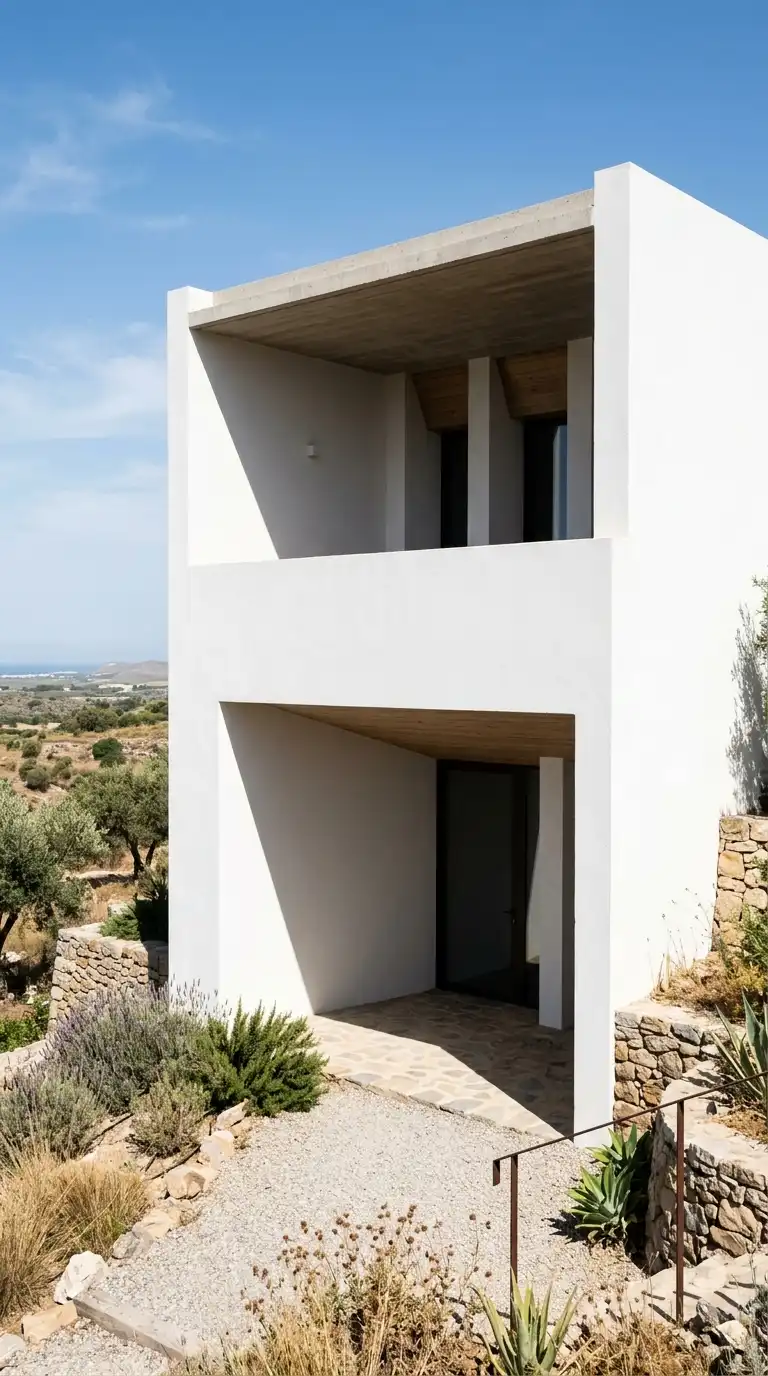
The shadow house is a white box with deep overhangs and recessed openings. The shadows are the ornament. The white walls catch the light. The deep recesses create dark, sharp shadows. The shadow house changes throughout the day.
This design is ideal for sunny climates. The emotional effect is shadowed, changing, and dramatic.
Quick Tips
- The walls must be white.
- Overhangs must be deep.
- Openings must be recessed.
Final Thoughts
Minimalist architecture is not about emptiness. It is about essence. A white cube house is not empty — it is full of light. A concrete box is not cold — it is solid and silent. A glass pavilion is not fragile — it is transparent and connected. A black box is not dark — it is dramatic and mysterious. A floating roof is not heavy — it is light and sheltering.
These 12 minimalist designs are not mutually exclusive. A white cube can have a courtyard. A concrete box can have slot windows. A glass pavilion can have a floating roof. The best minimalist architecture is not the most empty — it is the most essential. It removes everything that is not needed. It keeps only what matters. It is not about having less. It is about making every element essential. It is the architecture of subtraction. It is the architecture of enough.
