Skip to content
Medieval architecture spans a thousand years, from the fall of Rome to the Renaissance. It is the architecture of castles, cathedrals, monasteries, and walled cities. Medieval buildings are made of stone. They are heavy, defensive, and vertical. They were built for God, for war, and for eternity. Medieval architecture is not primitive — it is powerful.
These 13 medieval architecture designs span Romanesque, Gothic, and military architecture. Each design includes defining characteristics, construction principles, and cultural meanings.
1. The Romanesque Church
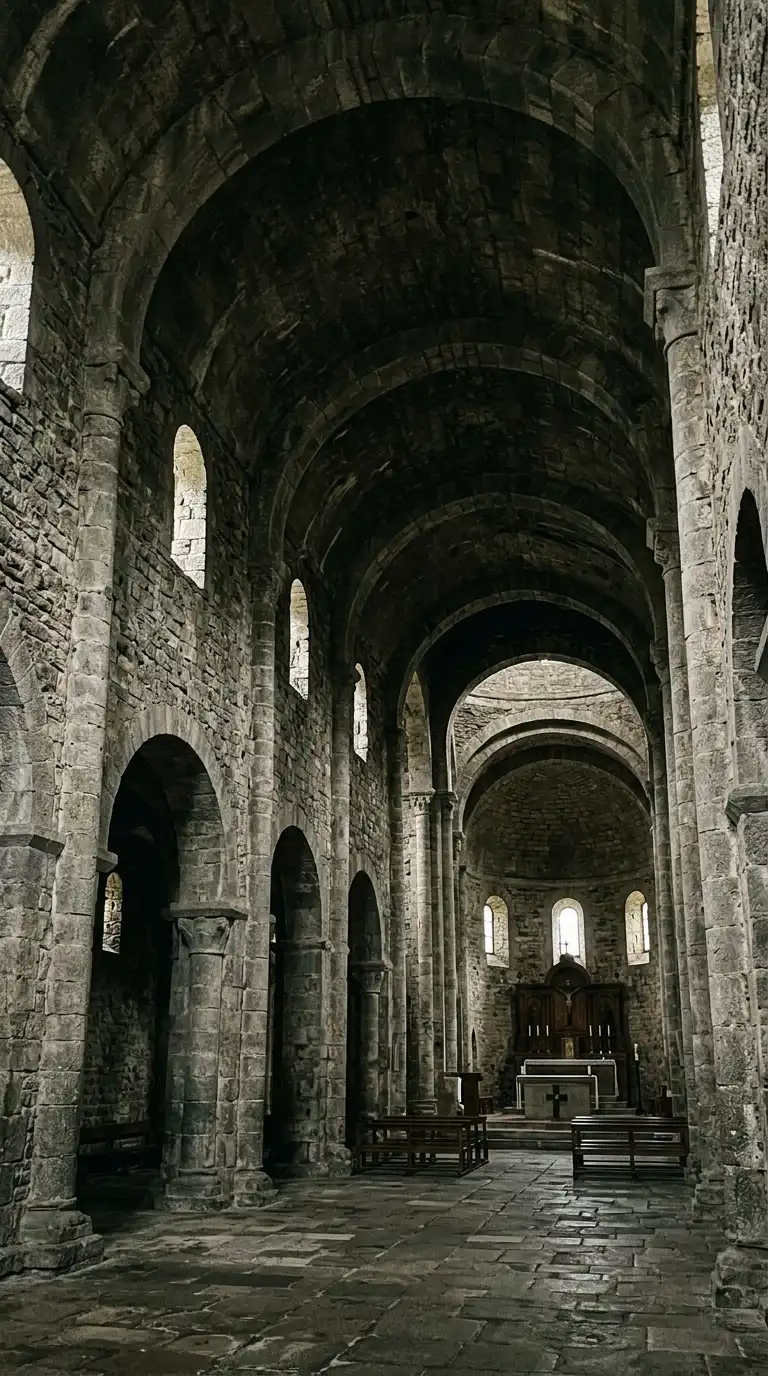
The Romanesque church has thick stone walls, small windows, and round arches. The interior is dark and heavy. The vault is a stone barrel vault. The Romanesque church is fortress-like, solid, and dark.
This design is ideal for pilgrimage churches and monasteries. The emotional effect is fortress-like, solid, and dark.
Quick Tips
- Walls must be thick stone.
- Windows must be small.
- Arches must be round (not pointed).
2. The Gothic Cathedral
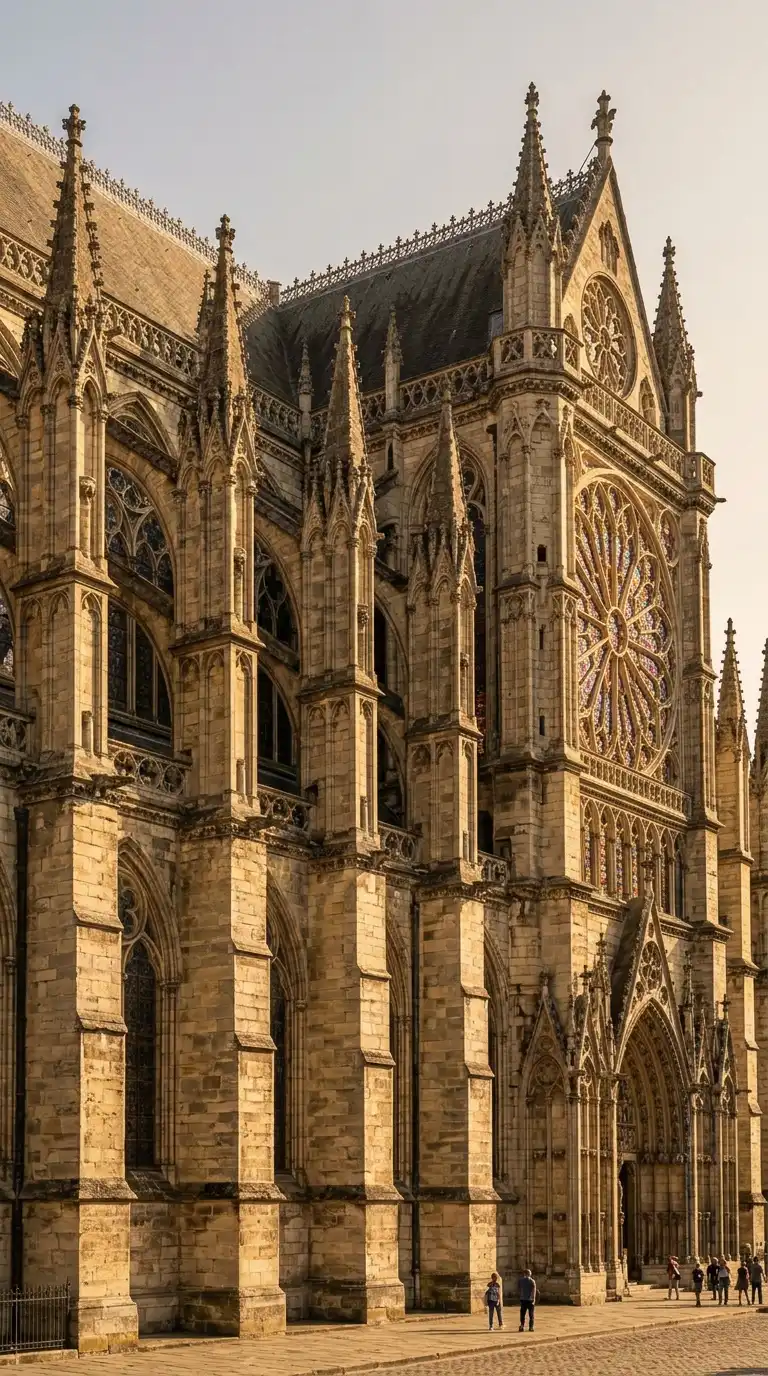
The Gothic cathedral has pointed arches, ribbed vaults, and flying buttresses. The walls are thin and filled with stained glass. The cathedral is tall, light, and vertical. The Gothic cathedral is aspiring, luminous, and awe-inspiring.
This design is ideal for cathedrals and large churches. The emotional effect is aspiring, luminous, and awe-inspiring.
Quick Tips
- Arches must be pointed.
- Vaults must be ribbed.
- Flying buttresses must support the upper walls.
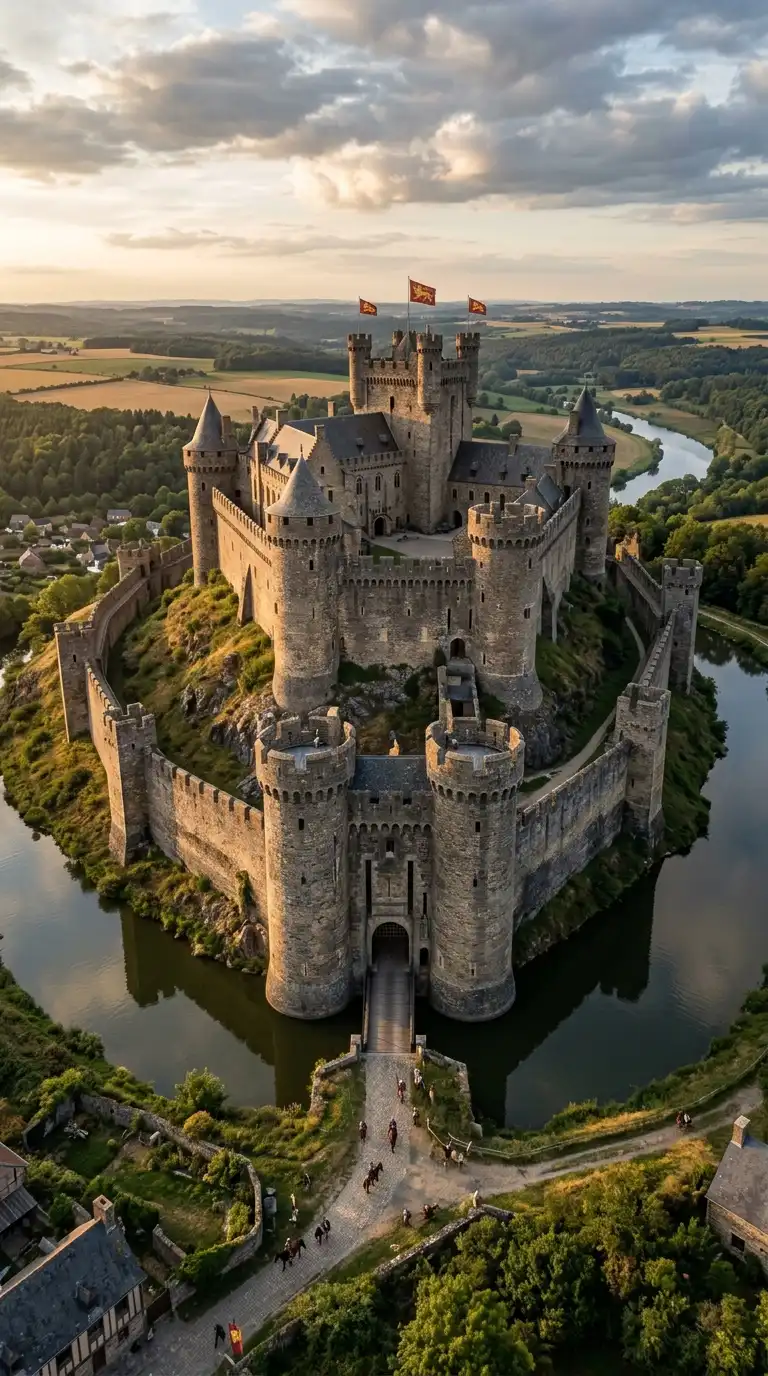
3. The Castle
The castle is a fortified residence for a lord or king. The castle has high stone walls, corner towers, a gatehouse, and a moat. The walls are crenellated for defence. The castle is defensive, vertical, and powerful.
This design is ideal for fortresses and palaces. The emotional effect is defensive, vertical, and powerful.
Quick Tips
- Walls must be high stone with crenellations.
- Towers must be at the corners.
- A gatehouse and moat must be present.
4. The Keep
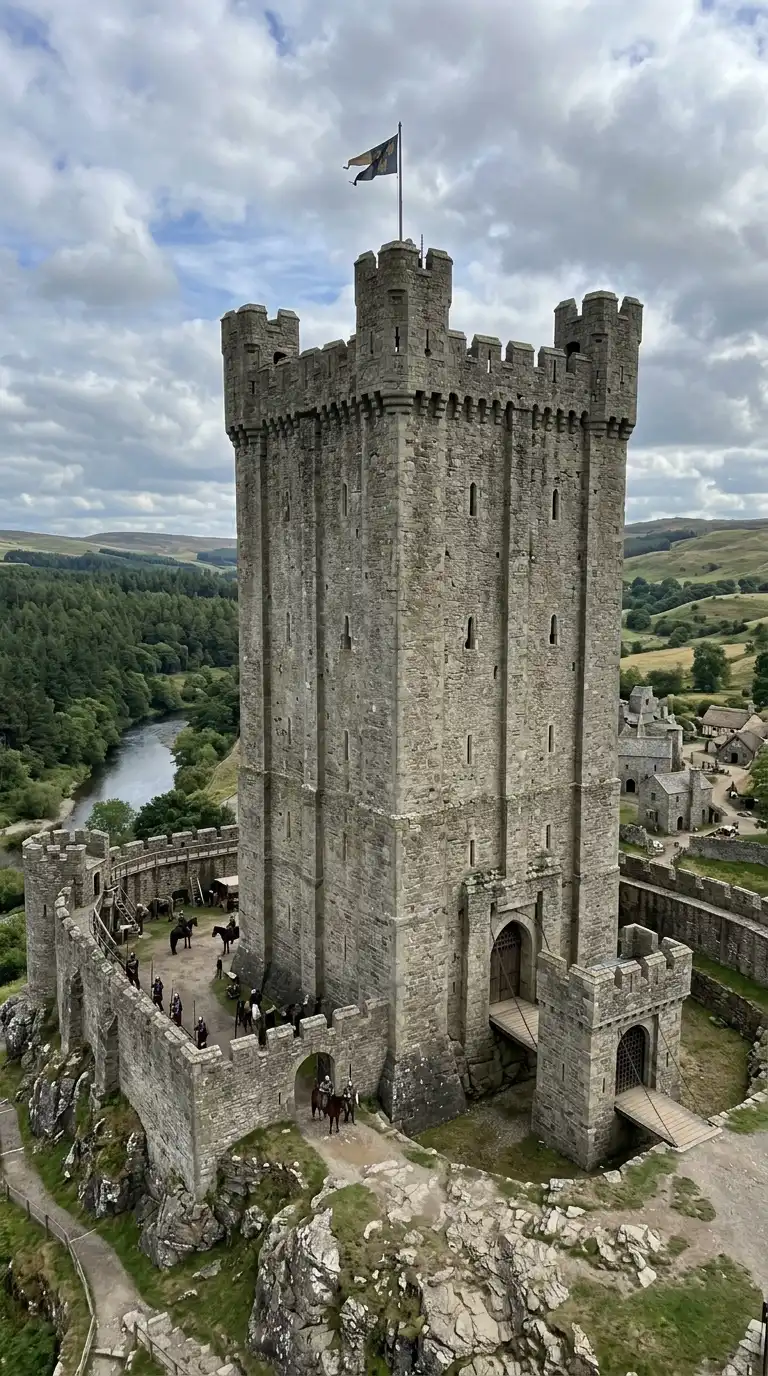
The keep is the strongest tower in a castle. It is the last line of defence. The keep has thick walls, small windows, and a single entrance. The keep is massive, defensive, and vertical.
This design is ideal for castles and fortresses. The emotional effect is massive, defensive, and vertical.
Quick Tips
- The keep must be the tallest tower.
- Walls must be thick (at least 3 metres).
- Windows must be small (arrow slits).
5. The Gatehouse
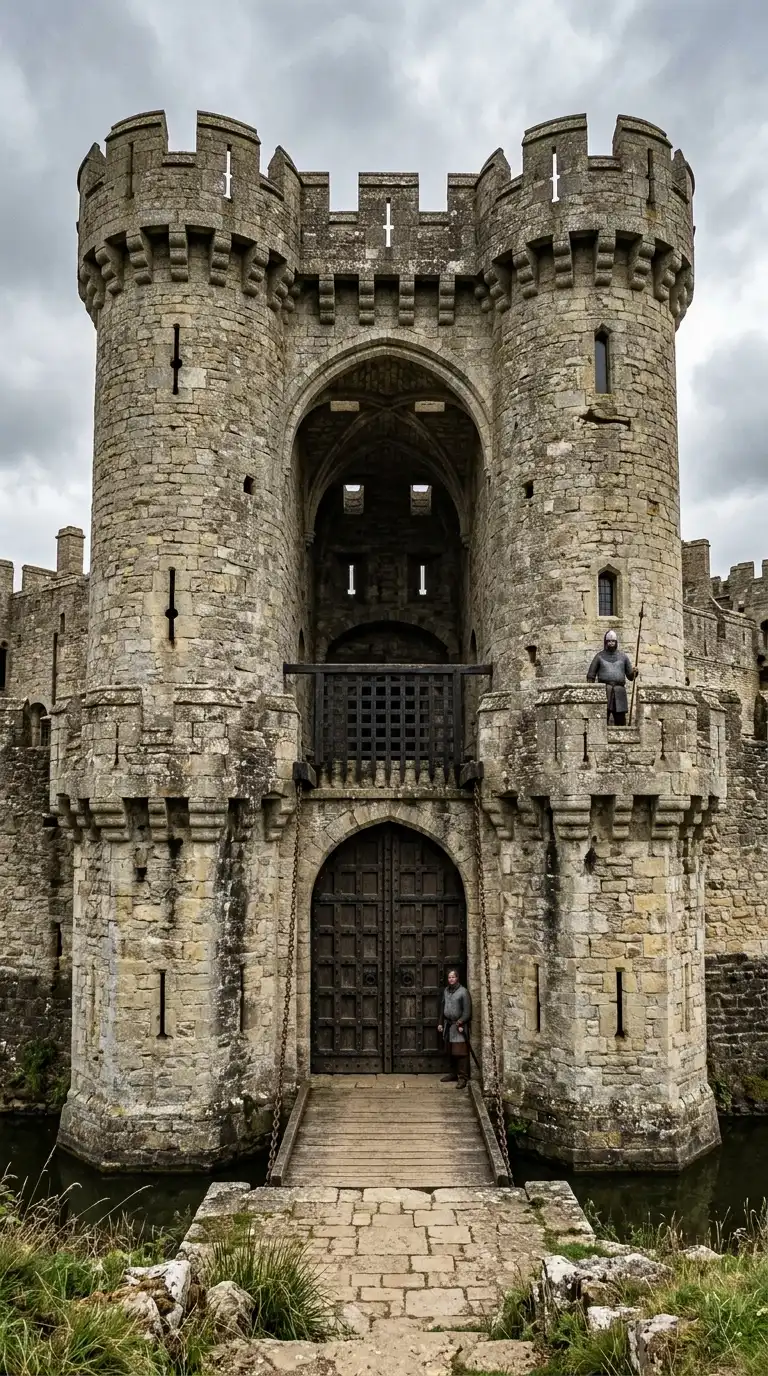
The gatehouse is the entrance to a castle. It has a gate, a portcullis, murder holes, and flanking towers. The gatehouse is the most heavily defended part of the castle. The gatehouse is defensive, fortified, and imposing.
This design is ideal for castle entrances. The emotional effect is defensive, fortified, and imposing.
Quick Tips
- The gatehouse must have a gate and a portcullis.
- Murder holes must be in the ceiling of the passage.
- Flanking towers must protect the gate.
6. The Fortified Bridge
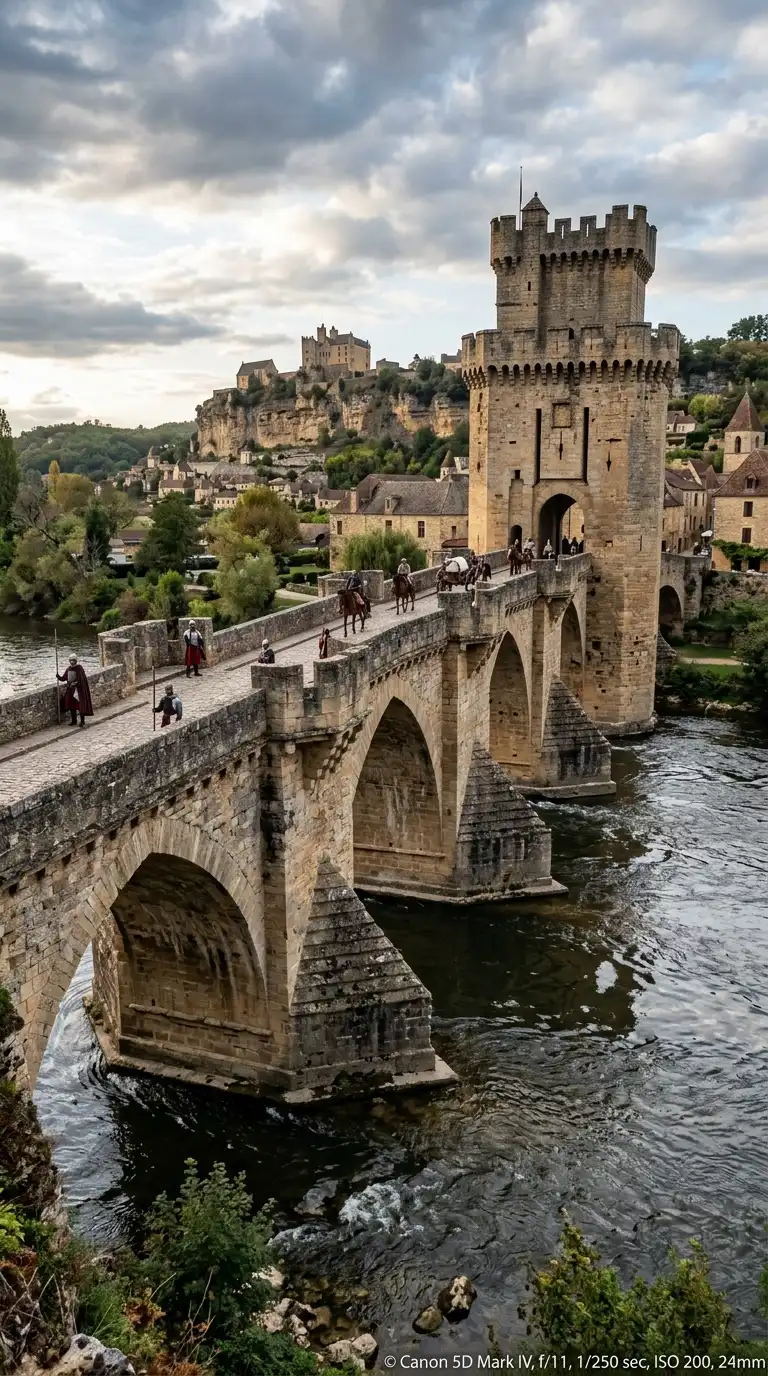
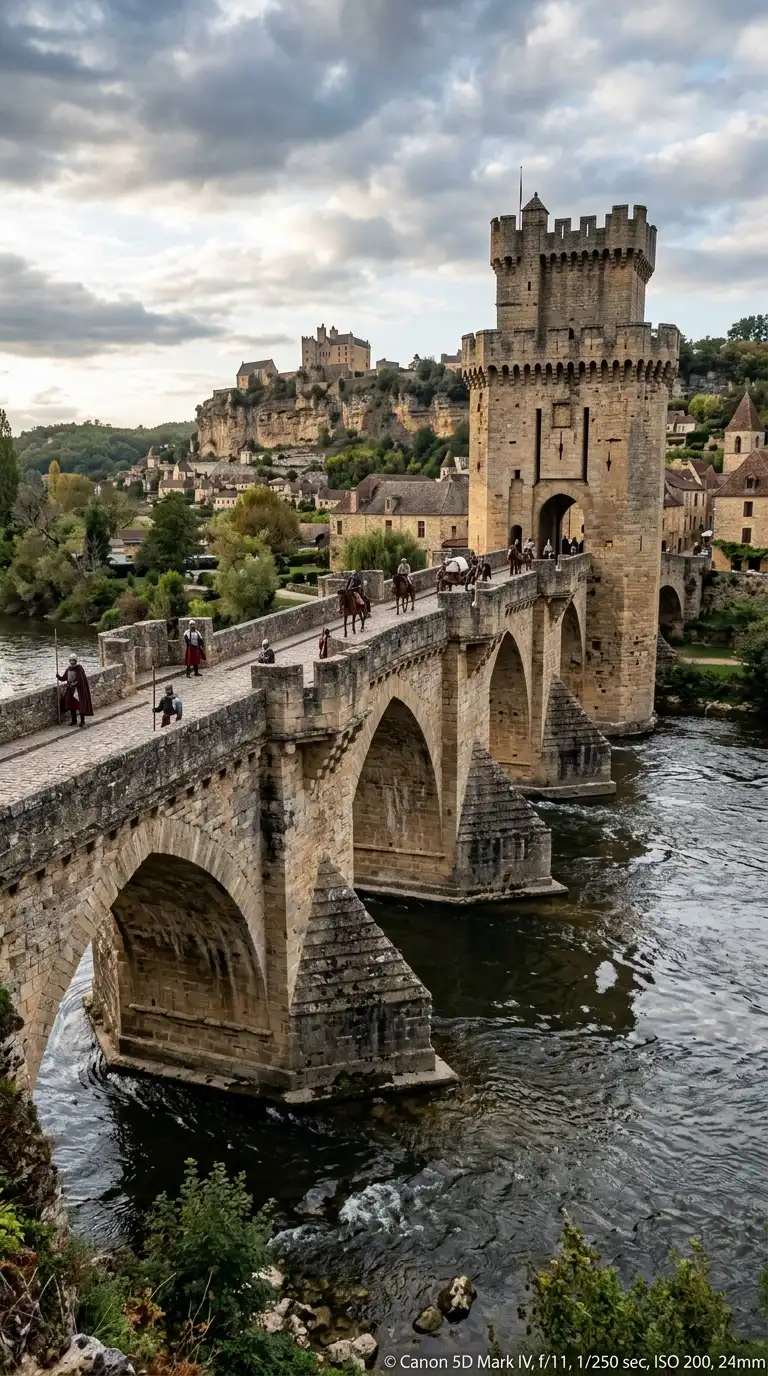
The fortified bridge is a stone arch bridge with defensive towers. The bridge has cutwaters on the piers. A defensive tower is at one or both ends. The fortified bridge is defensive, arched, and stone.
This design is ideal for river crossings and fortified towns. The emotional effect is defensive, arched, and stone.
Quick Tips
- Arches must be pointed.
- Piers must have cutwaters.
- A defensive tower must be at one or both ends.
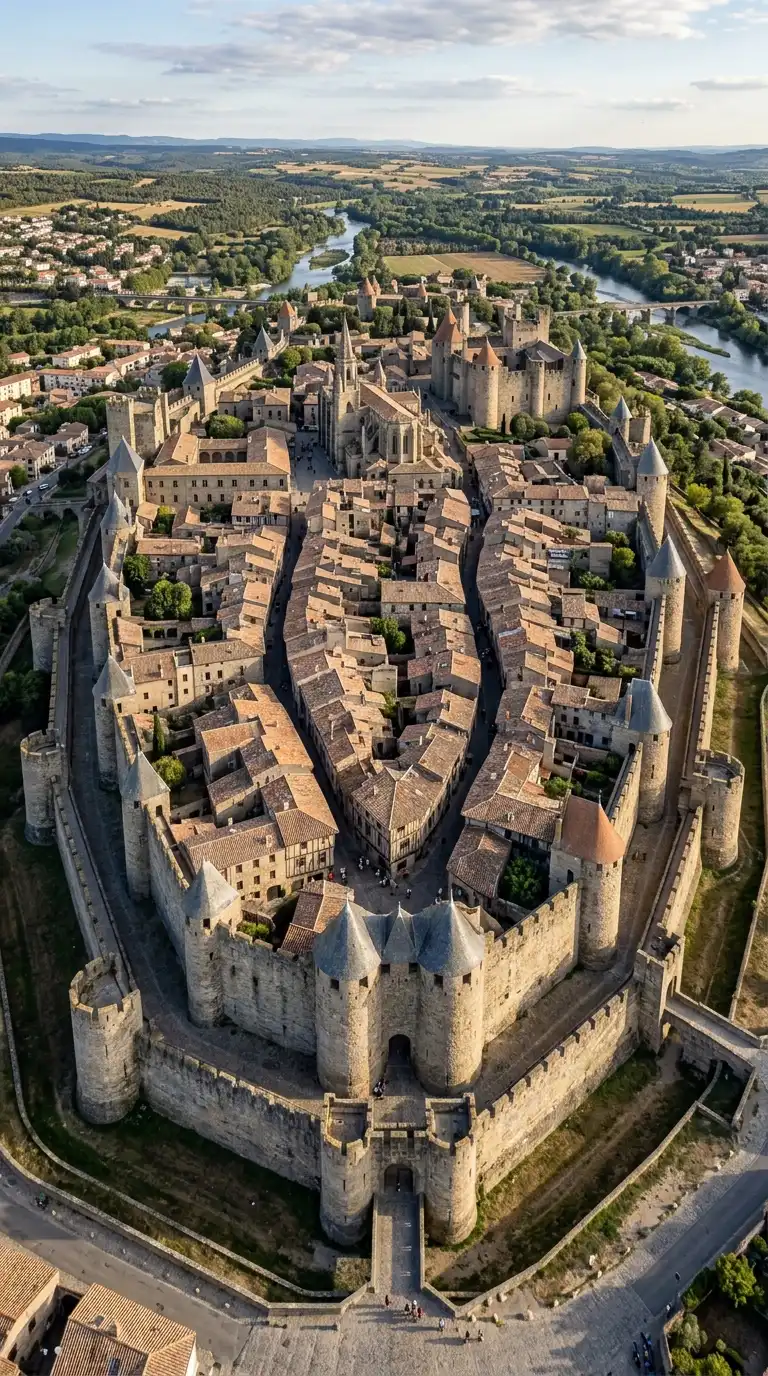
7. The Walled City
The walled city is a city surrounded by a stone wall with gates and towers. The streets are narrow and winding. The buildings are timber-framed. The walled city is defensive, dense, and medieval.
This design is ideal for old towns and historic centres. The emotional effect is defensive, dense, and medieval.
Quick Tips
- The city must be surrounded by a stone wall.
- The wall must have gates and towers.
- Streets must be narrow and winding.
8. The Guildhall
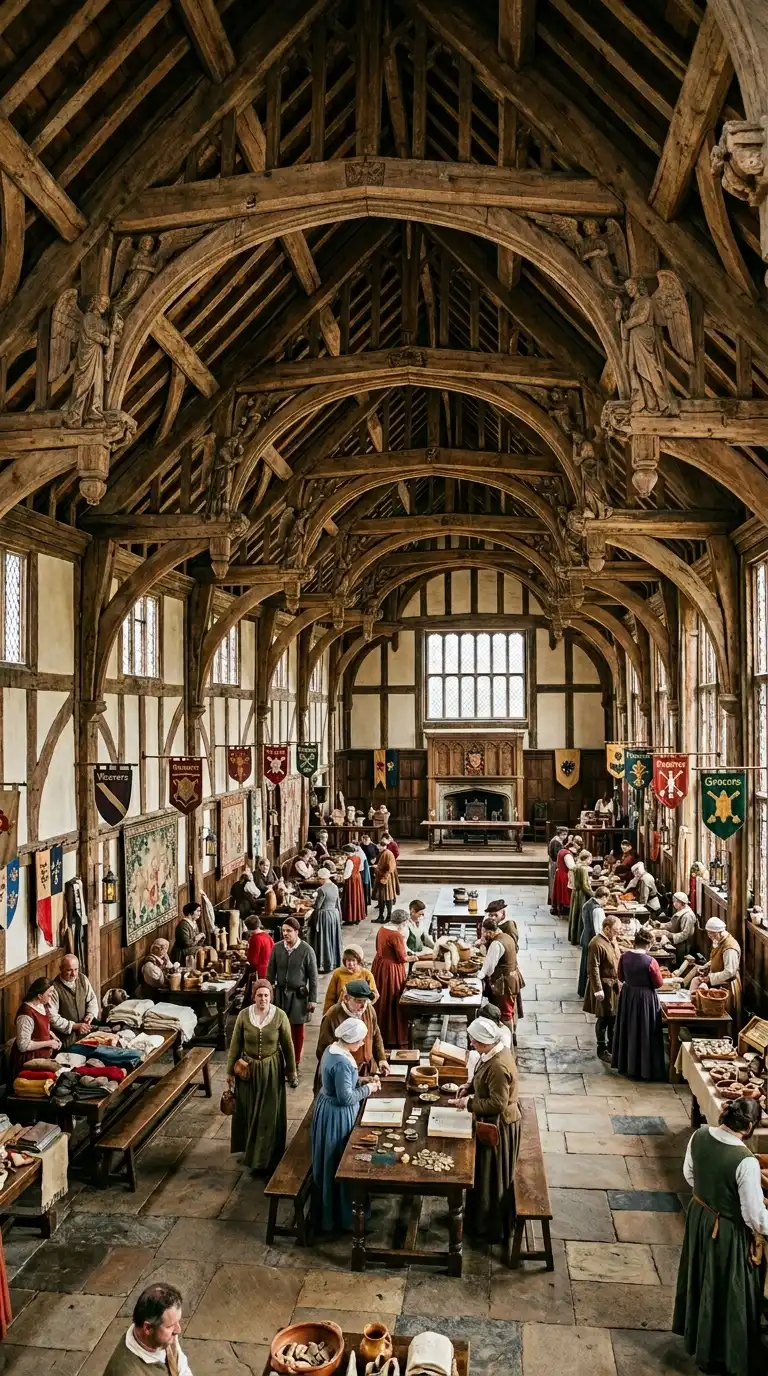
The guildhall is a timber-framed hall for trade guilds. The hall is large and open. The roof is a hammerbeam roof. The guildhall is commercial, civic, and timber.
This design is ideal for town halls and guildhalls. The emotional effect is commercial, civic, and timber.
Quick Tips
- The hall must be a single large room.
- The roof must be a hammerbeam roof.
- The frame must be exposed timber.
9. The Market Cross
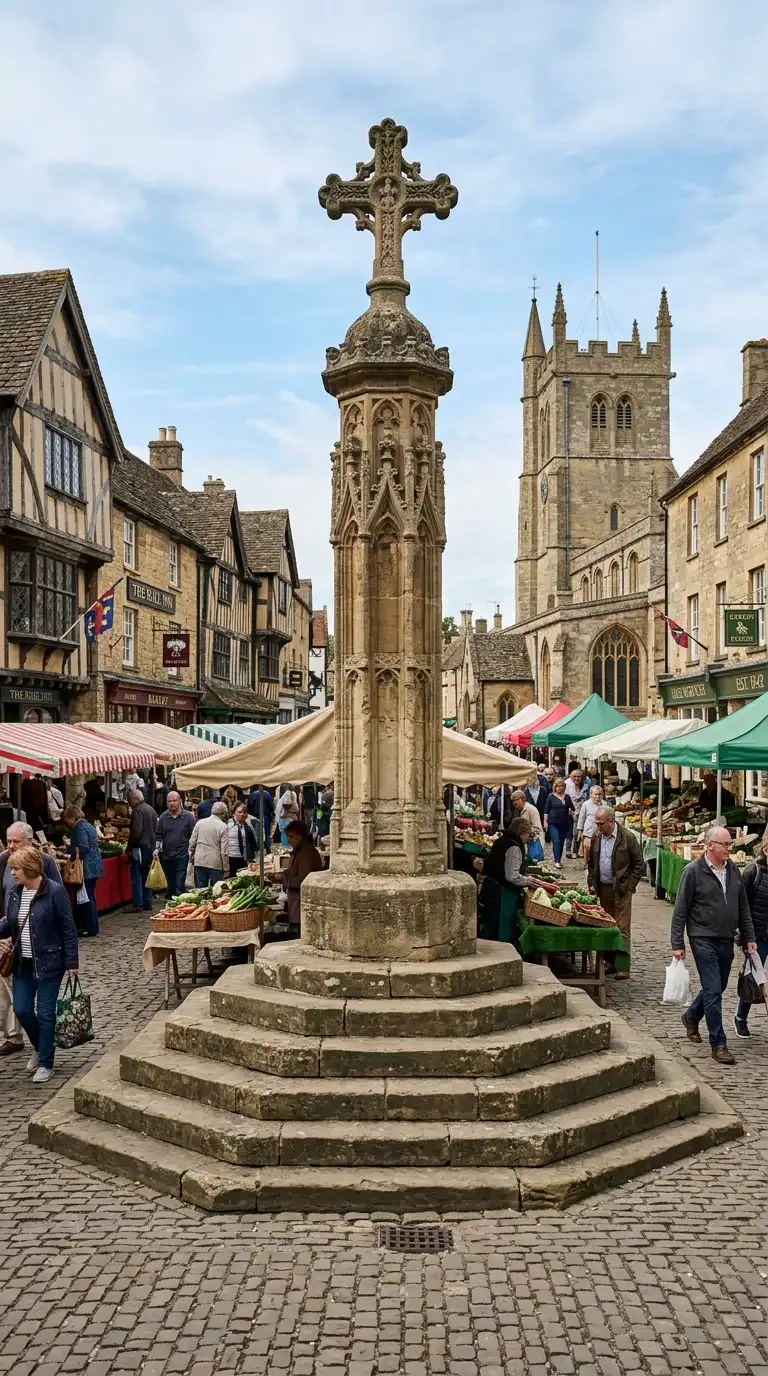
The market cross is a stone column with a cross on top. The column is on a stepped base. The market cross marks the centre of the market. The market cross is civic, commemorative, and stone.
This design is ideal for market squares and town centres. The emotional effect is civic, commemorative, and stone.
Quick Tips
- The column must be on a stepped base.
- A cross must be on top.
- The column must be freestanding.
10. The Cloister
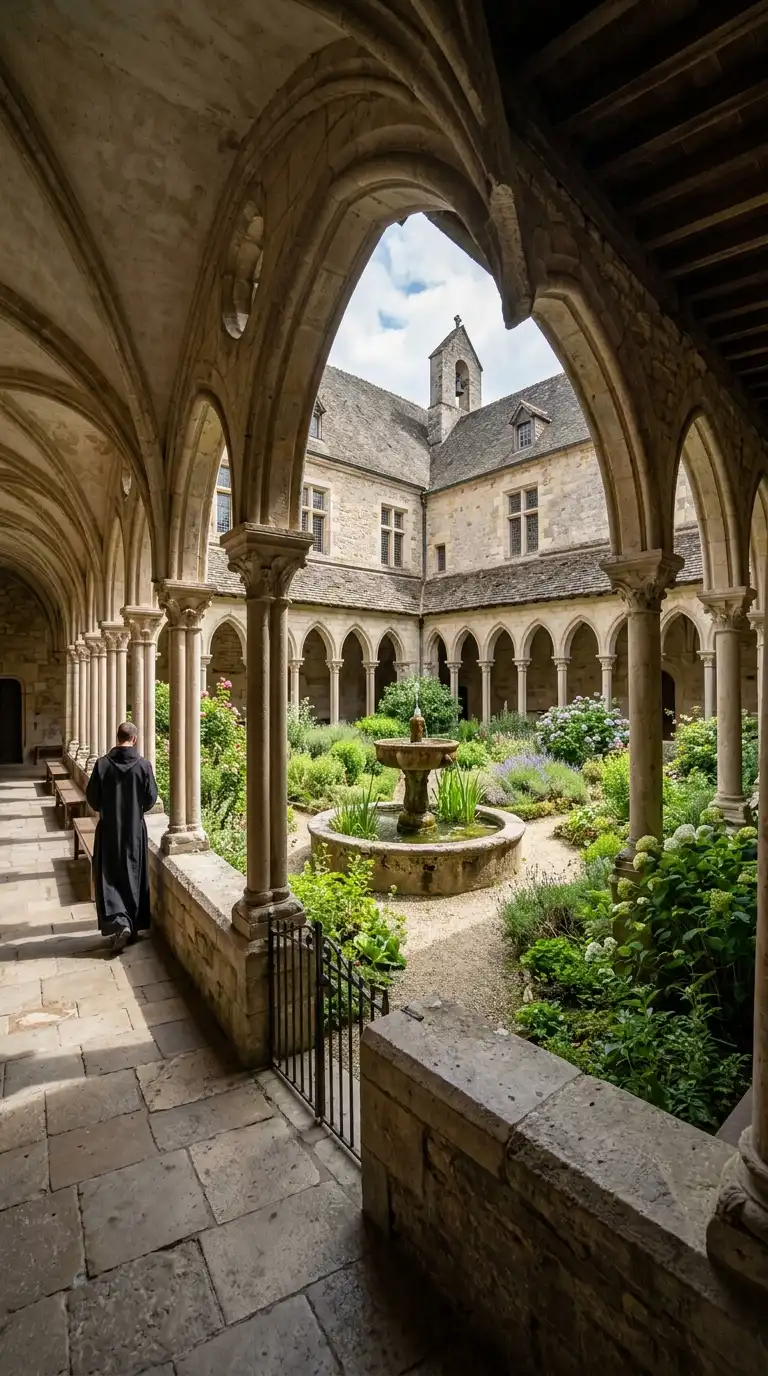
The cloister is a covered walkway around a courtyard in a monastery. The walkway has an arcade of arches. The courtyard has a garden and a fountain. The cloister is calm, sheltered, and monastic.
This design is ideal for monasteries and cathedrals. The emotional effect is calm, sheltered, and monastic.
Quick Tips
- The cloister must be a covered walkway around a courtyard.
- The walkway must have an arcade of arches.
- The courtyard must have a garden and fountain.
11. The Chapter House
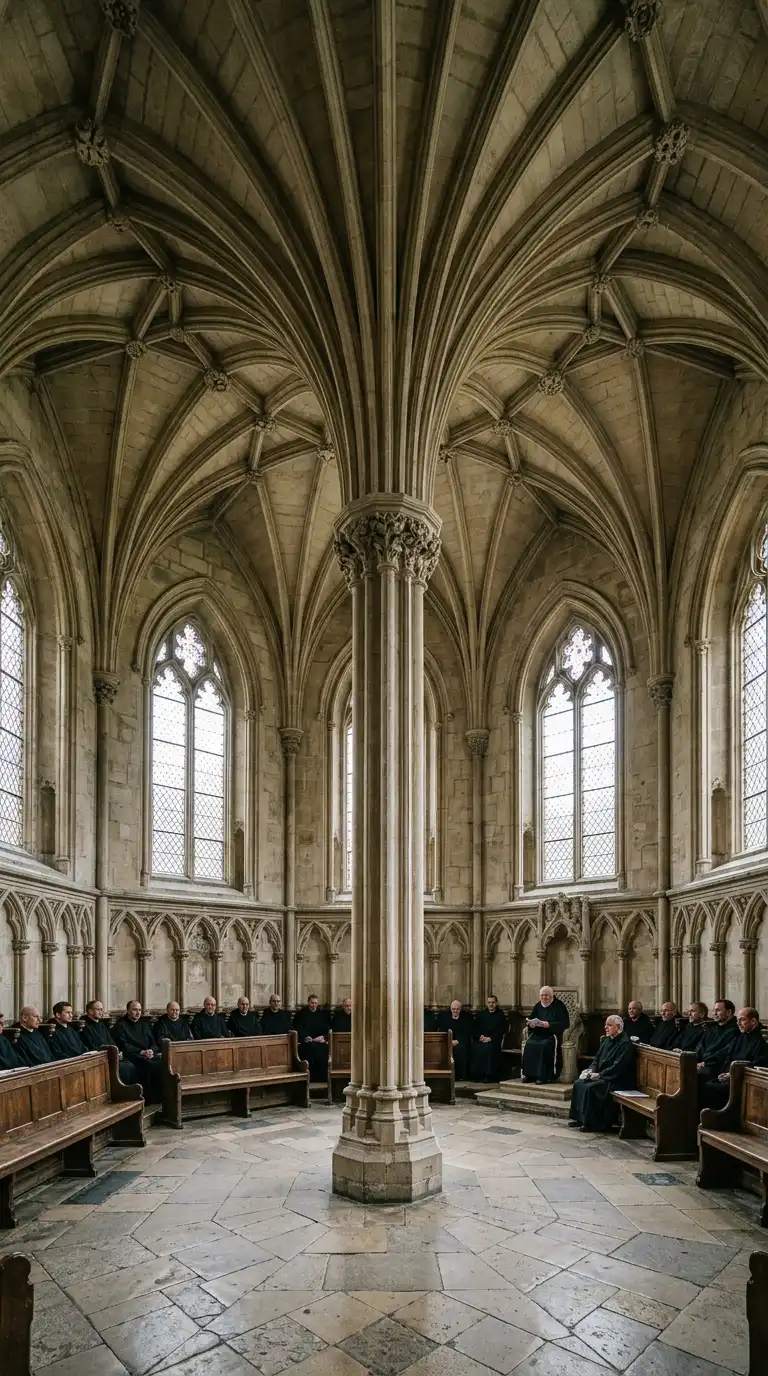
The chapter house is a meeting room for monks or canons. The chapter house is often polygonal or circular, with a central column and a vaulted ceiling. Benches line the walls. The chapter house is communal, vaulted, and monastic.
This design is ideal for monasteries and cathedrals. The emotional effect is communal, vaulted, and monastic.
Quick Tips
- The plan must be polygonal or circular.
- A single central column must support the vault.
- Benches must line the walls.
12. The Tithe Barn
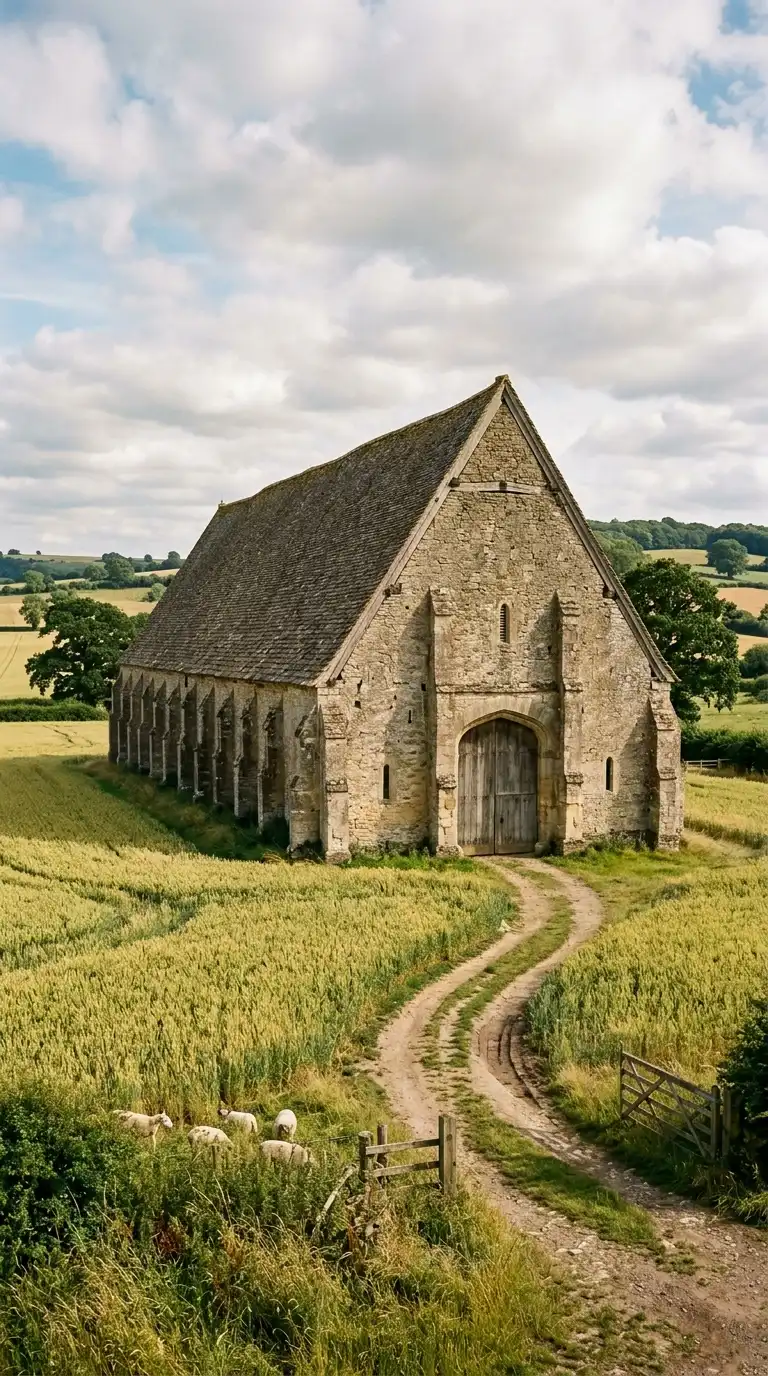
The tithe barn is a large stone barn for storing agricultural produce. The barn is long and tall. The roof is high and steep. The tithe barn is agricultural, monumental, and stone.
This design is ideal for farms and monastic estates. The emotional effect is agricultural, monumental, and stone.
Quick Tips
- The barn must be long and tall.
- The roof must be high and steep.
- The walls must be stone.
13. The Hospital
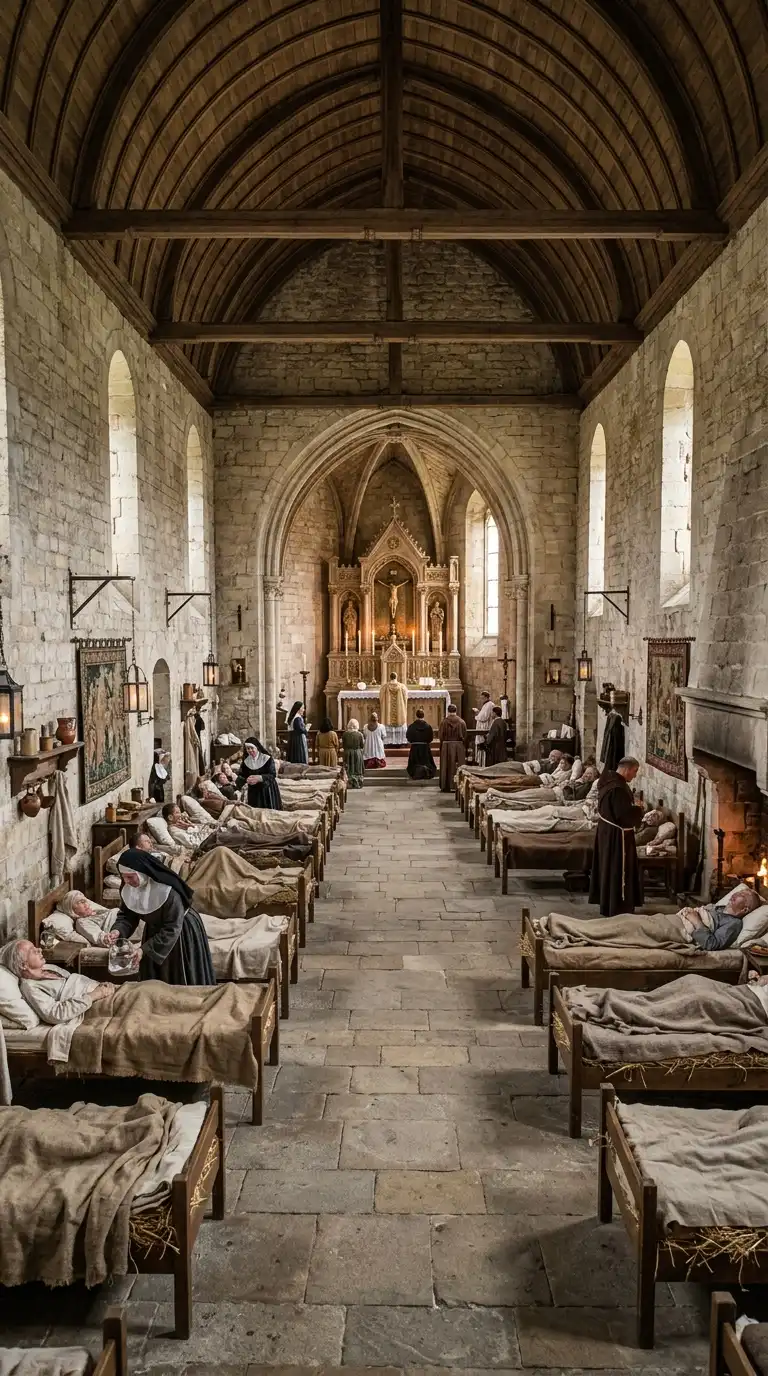
The medieval hospital was not a medical hospital. It was a hostel for pilgrims and the poor. The hospital was a long hall with a high roof. Beds lined the walls. An altar was at one end. The medieval hospital was charitable, communal, and hall-like.
This design is ideal for almshouses and hospices. The emotional effect is charitable, communal, and hall-like.
Quick Tips
- The hall must be long and tall.
- Beds must line the walls.
- An altar must be at one end.