13 Small play area in living room designs
Small play area in living room designs prioritize the delicate balance between a child’s need for creative exploration and a parent’s desire for a sophisticated, clutter-free lounge. In a shared living space, the goal is to create a “micro-zone” that feels integrated through a cohesive color palette and smart, hidden storage solutions. By utilizing low-profile furniture and stylish bins, you can establish a dedicated play nook that provides a sense of ownership for the child while maintaining the room’s adult aesthetic. Here are 13 designs to master the living room play zone.
See also: 15 Very Small Living Room Designs
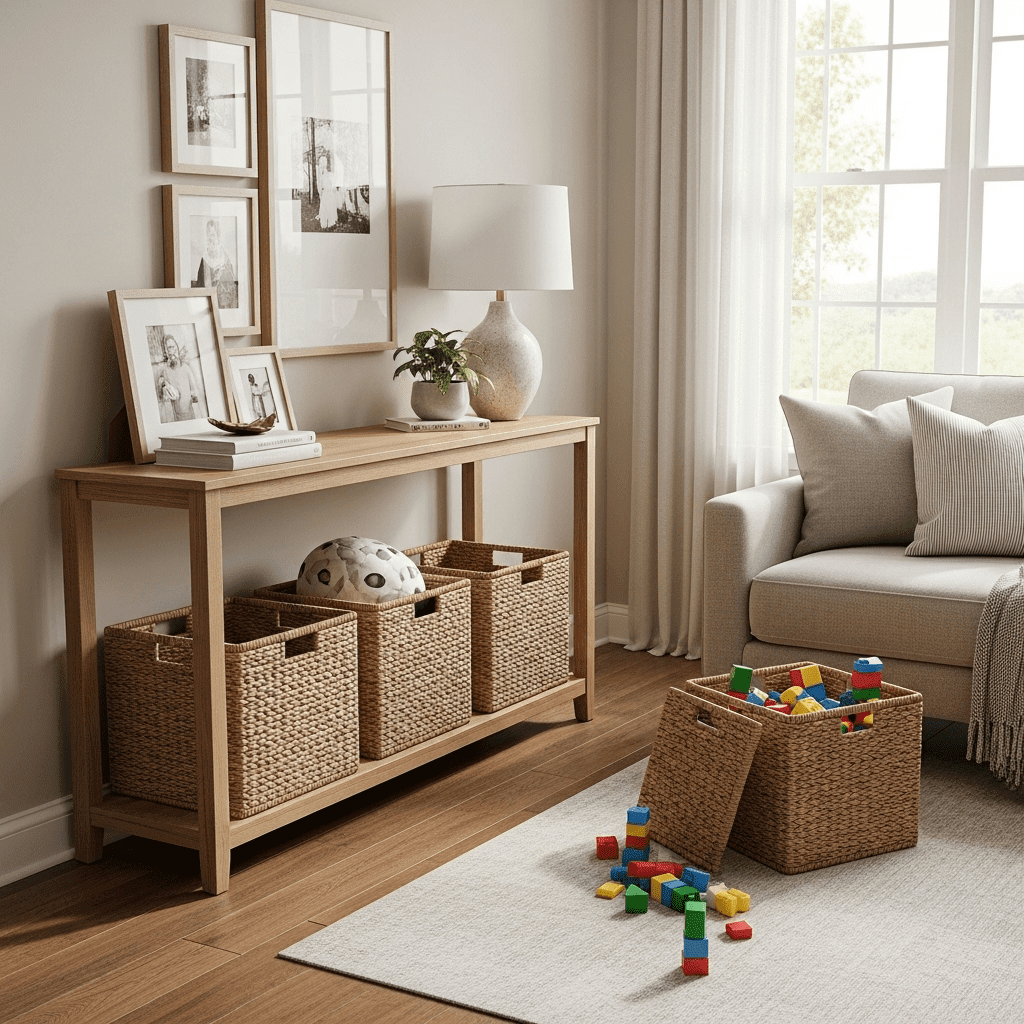
1. The Under-Console Storage Lane
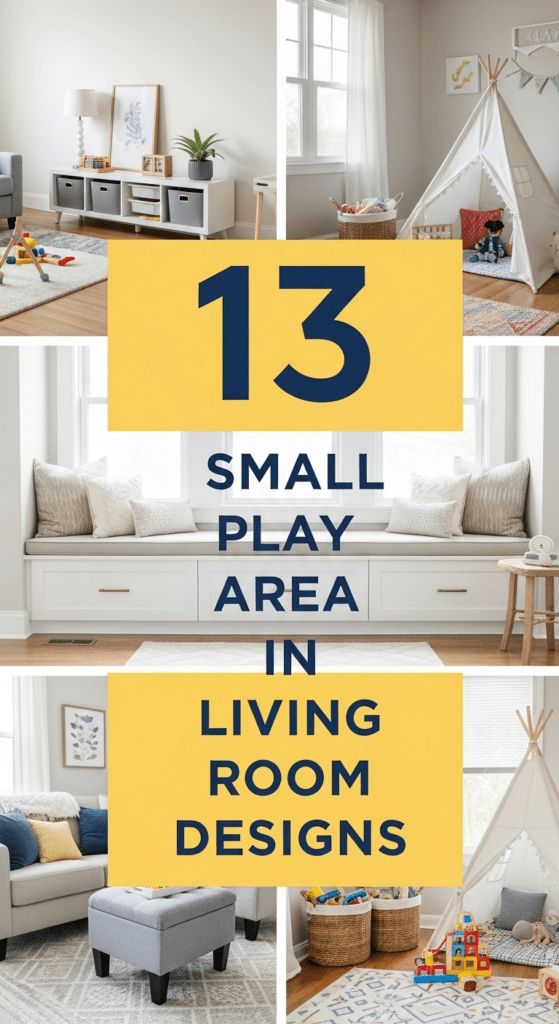
Utilize the open space beneath a long, leggy console table to house several uniform woven baskets. This allows the child to pull out toys easily while keeping the primary floor area clear and the “mess” tucked away under a stylish surface.
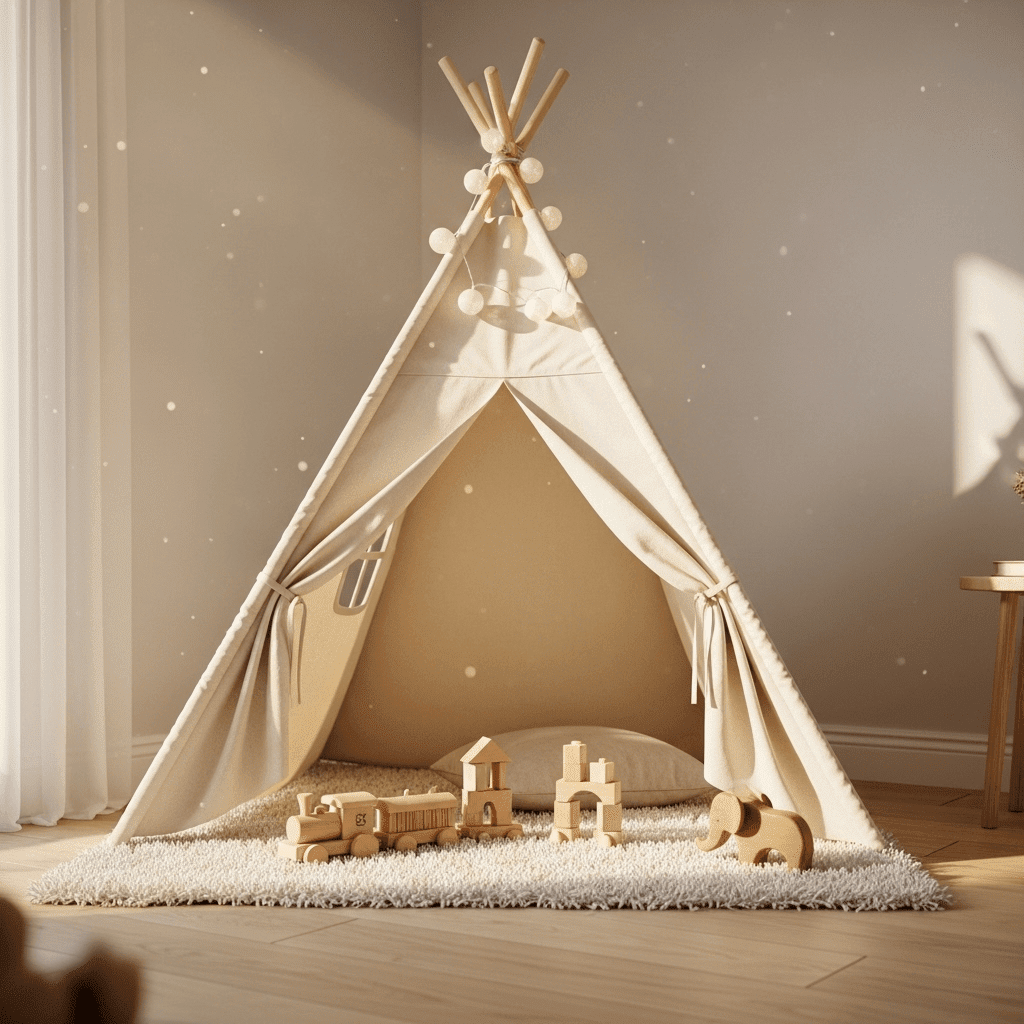
2. The Teepee Sanctuary Corner
Place a small canvas teepee in an unused corner. It serves as a visual focal point that signals a “kids only” zone and provides a cozy place for quiet reading or imaginative play without requiring permanent construction.
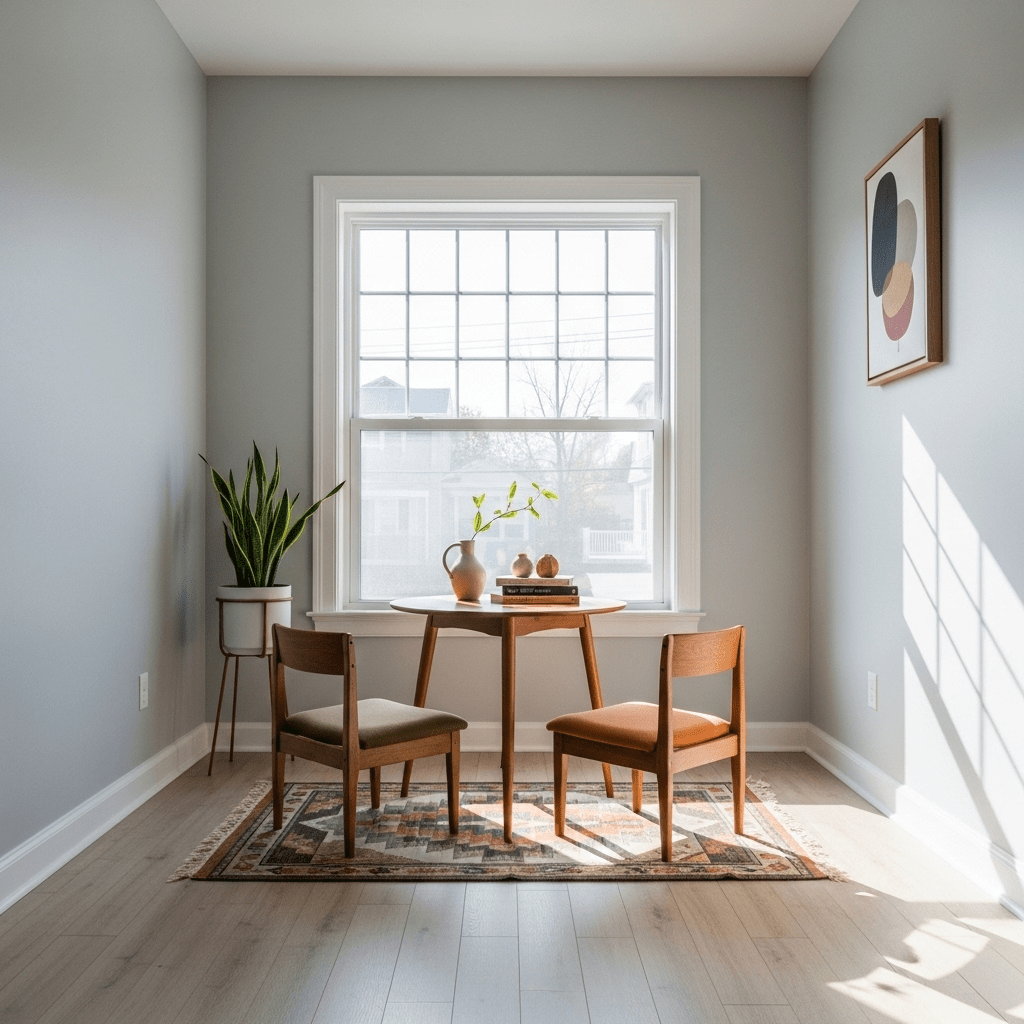
3. The Low-Profile Activity Table
Incorporate a minimalist, kid-sized table and chairs that match the wood tone of your coffee table. This creates a functional workspace for coloring and crafts that blends seamlessly with the rest of your furniture.
See also: 13 Small Living Room Ideas With TV
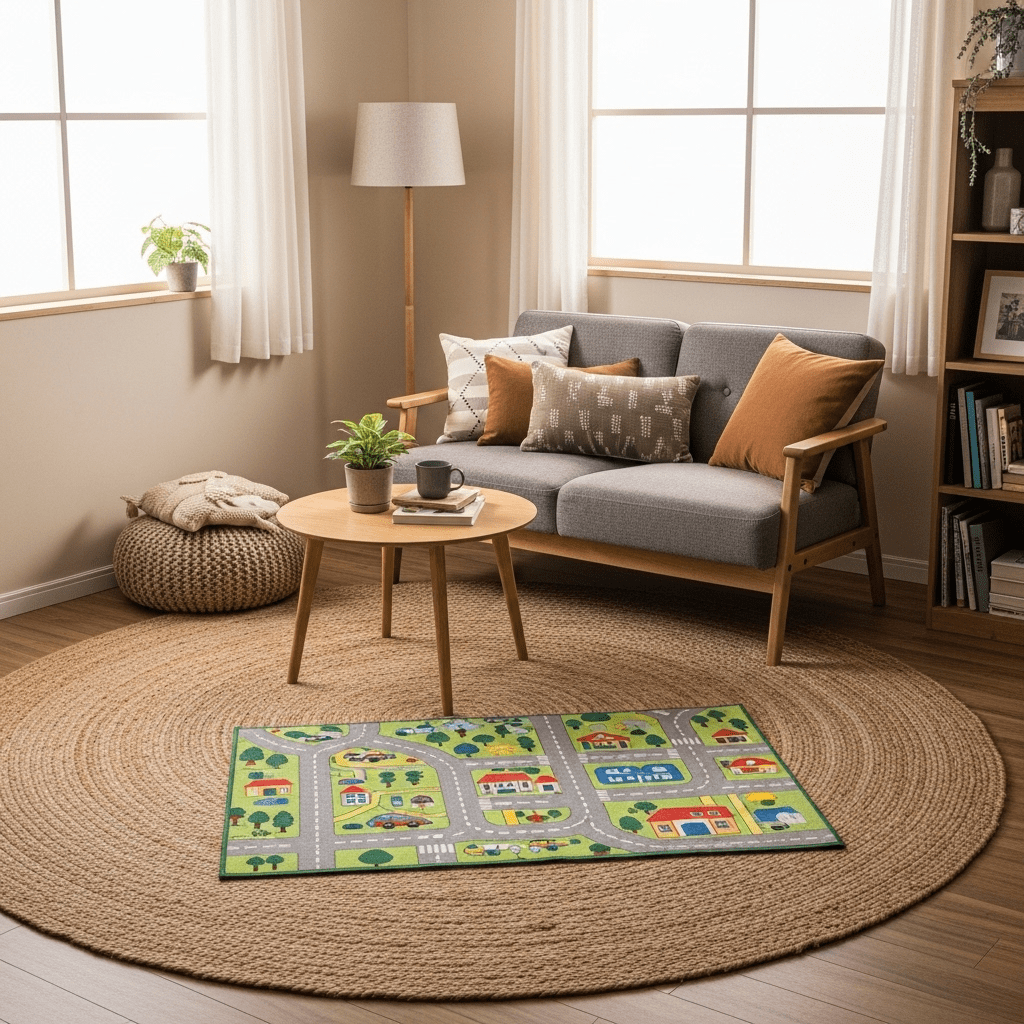
4. Rug-Within-a-Rug Zoning
Place a small, washable patterned rug on top of your main living room rug. This defines the boundaries of the play area and provides a durable, easy-to-clean surface specifically for blocks and play-dough.
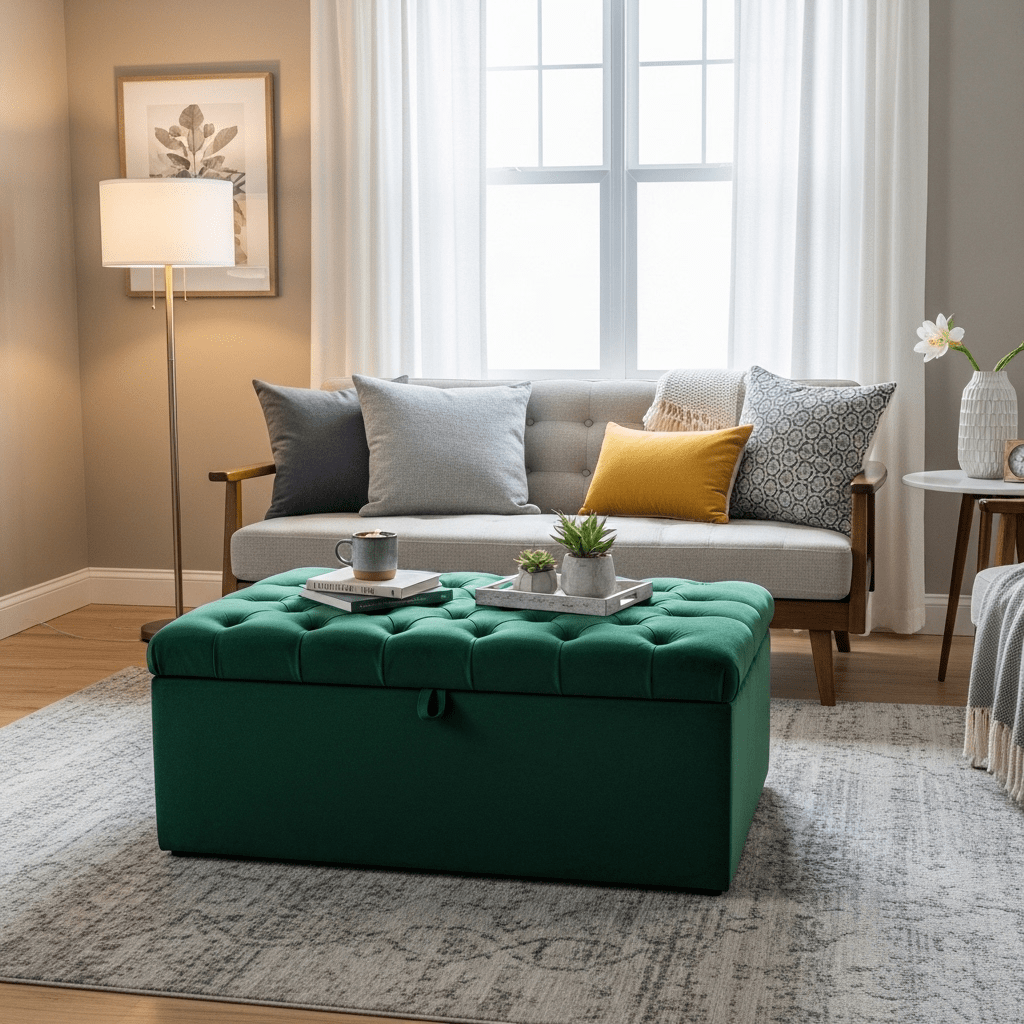
5. The Hidden Ottoman Toy Chest
Replace a traditional coffee table with a large, hinged storage ottoman. It provides a soft surface for safety and offers a massive hidden cavity for stashing larger toys at a moment’s notice.
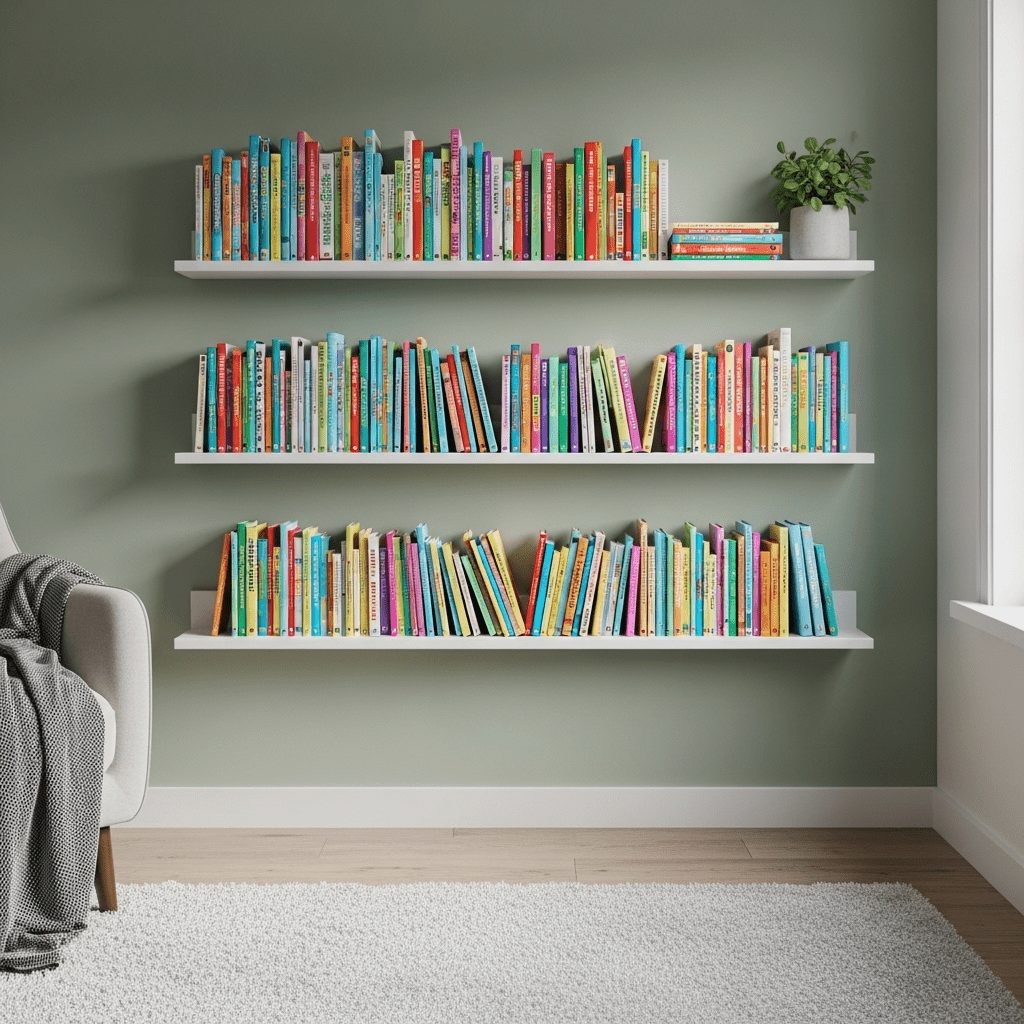
6. Floating Bookshelf Gallery
Install slim floating “picture ledges” at a child’s height on one wall. Displaying colorful children’s books facing forward turns the play area into a vibrant, changing art gallery that encourages reading.
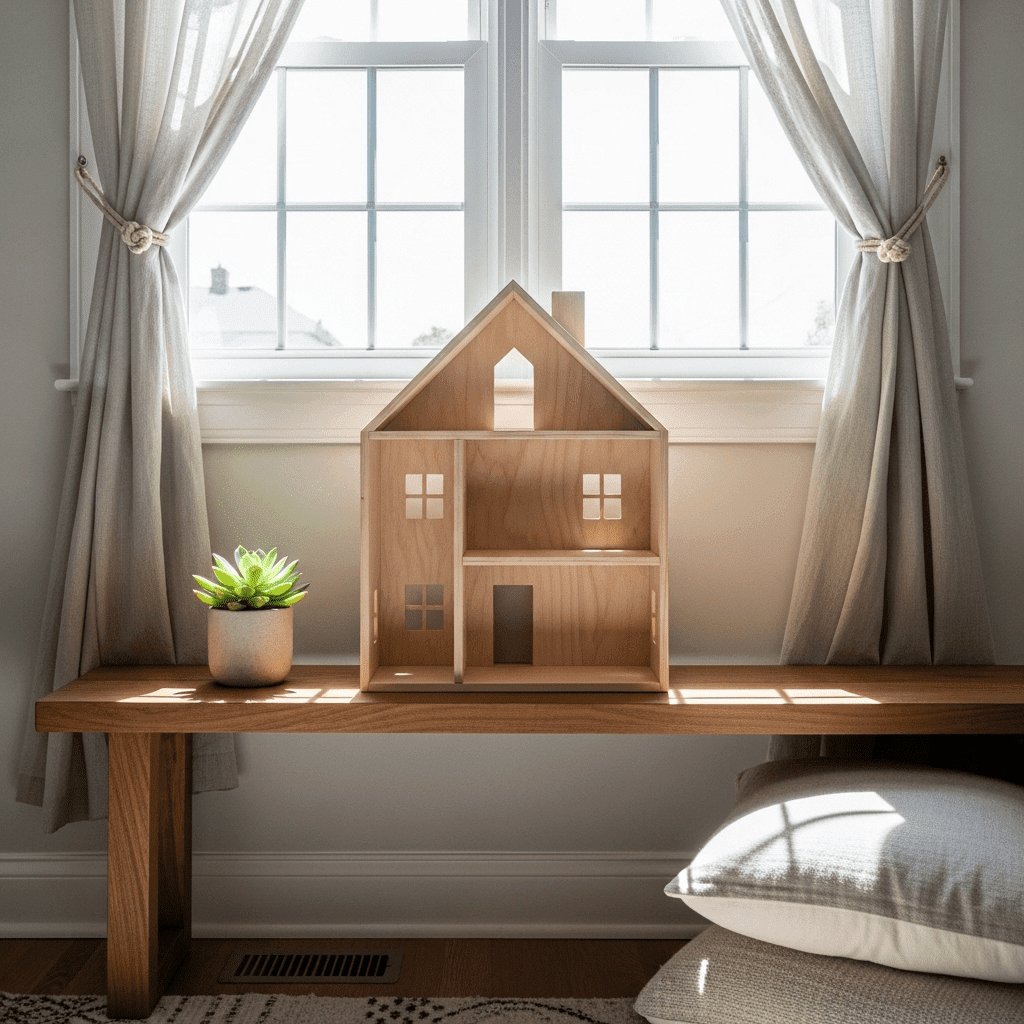
7. The Bench-Window Nook
Convert a low-profile bench near a window into a play station. Use the top for a dollhouse or train set and the space underneath for bins, turning a window view into a dedicated destination.
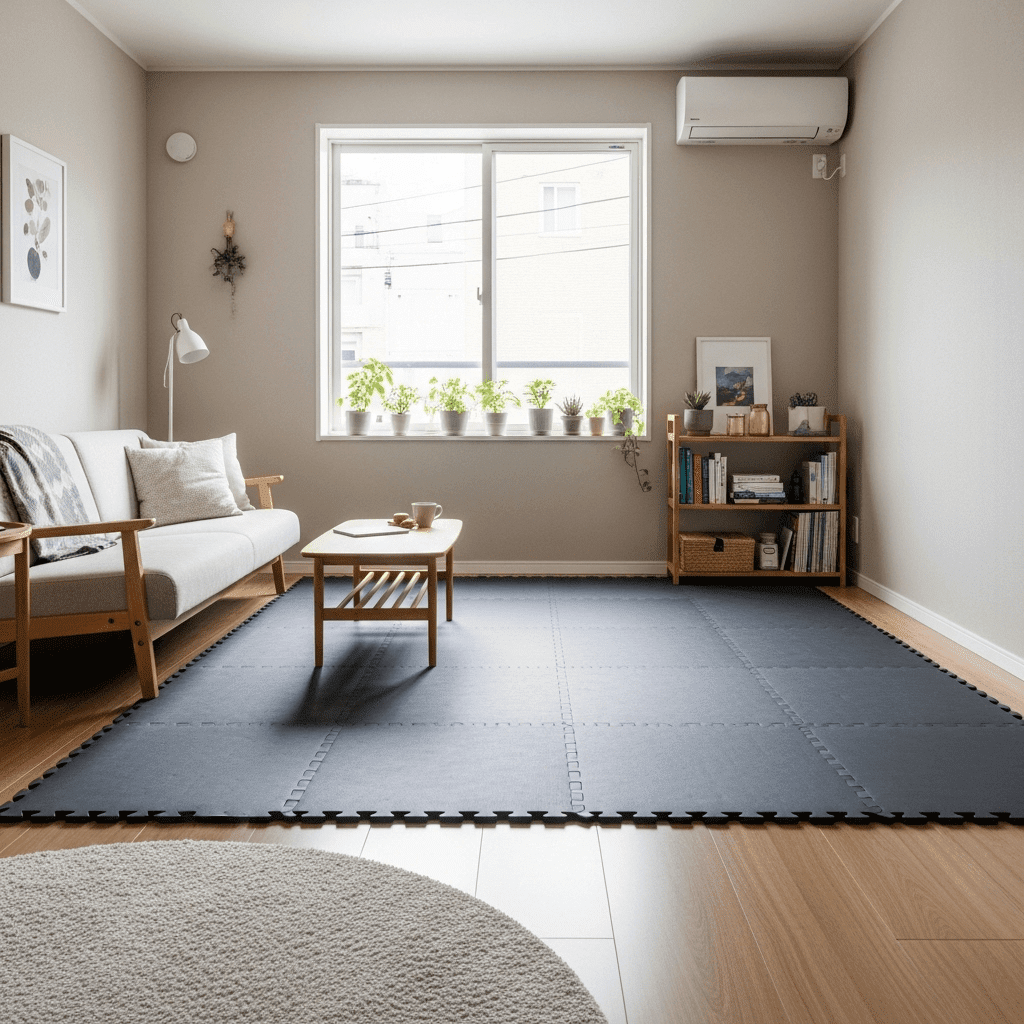
8. Neutral-Toned Play Mats
Use interlocking foam play mats in sophisticated colors like gray, cream, or sage green. These provide a soft landing for toddlers but maintain a modern, grown-up look that doesn’t clash with your decor.
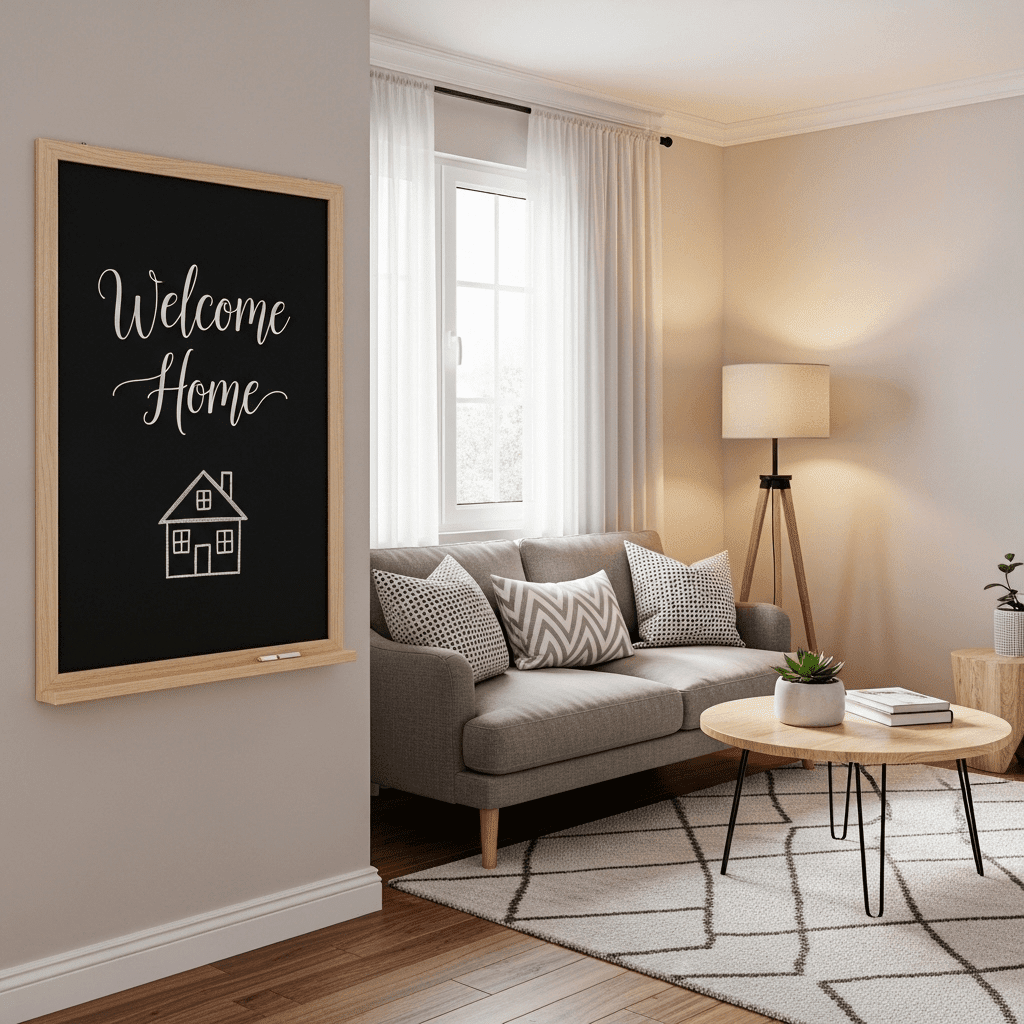
9. The Wall-Mounted Chalkboard
Paint a small section of a wall with chalkboard paint or hang a framed chalkboard. It offers a vertical creative outlet that takes up zero floor space and acts as a dynamic piece of interactive art.
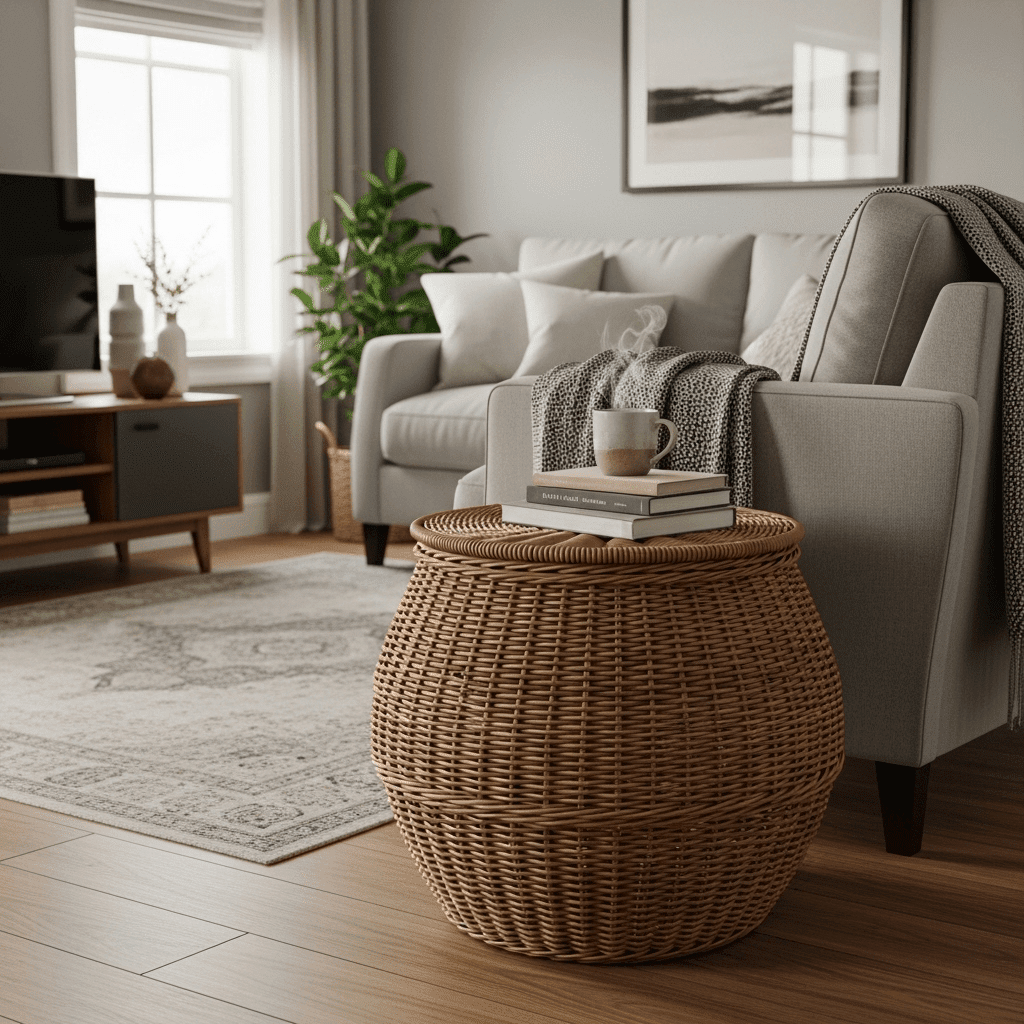
10. The Basket-End Table Swap
Replace one of your sofa’s end tables with a sturdy, large-lidded wicker basket. It functions as a side table for your lamp while acting as a deep storage bin for soft toys and plushies.
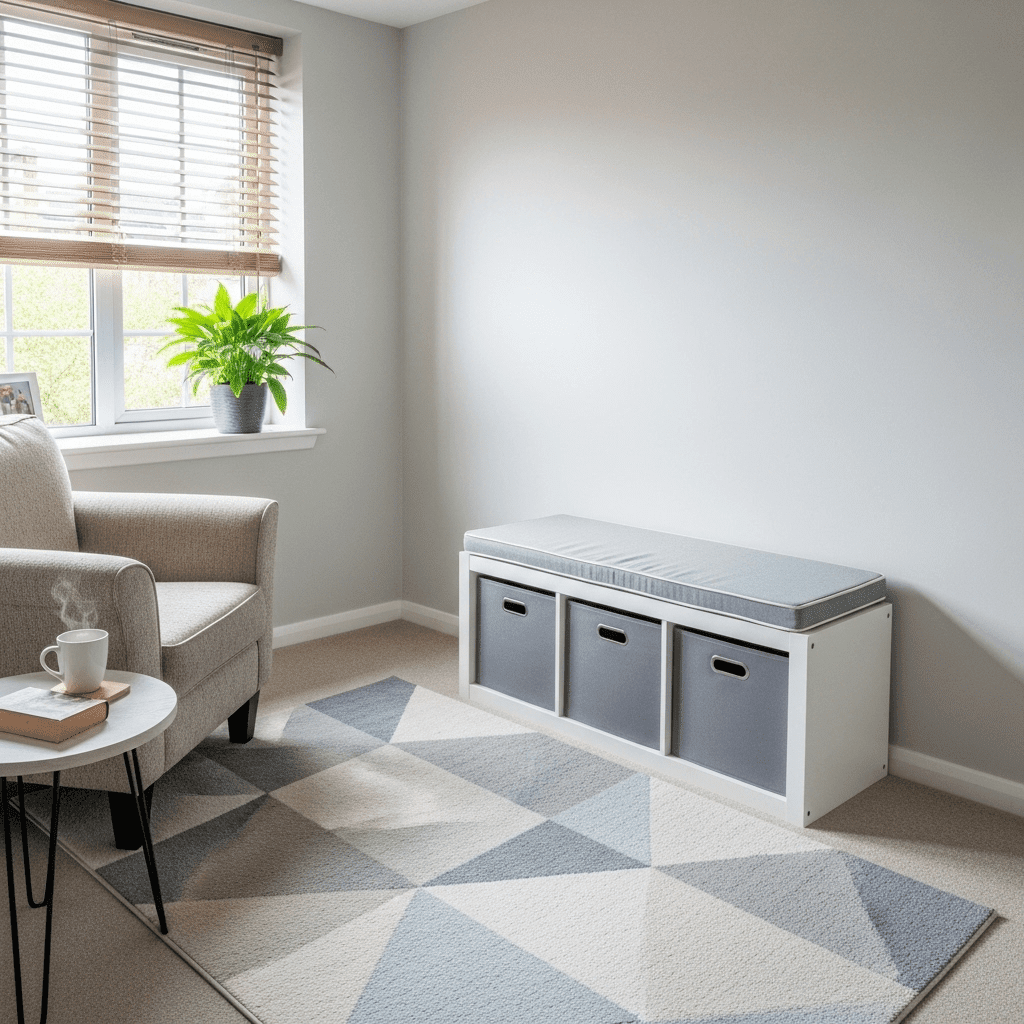
11. Integrated Cubby Seating
Incorporate a low cubby storage unit that doubles as a bench. By adding a few custom cushions on top, you create extra seating for adults and a perfect “home base” for a child’s toy collection.
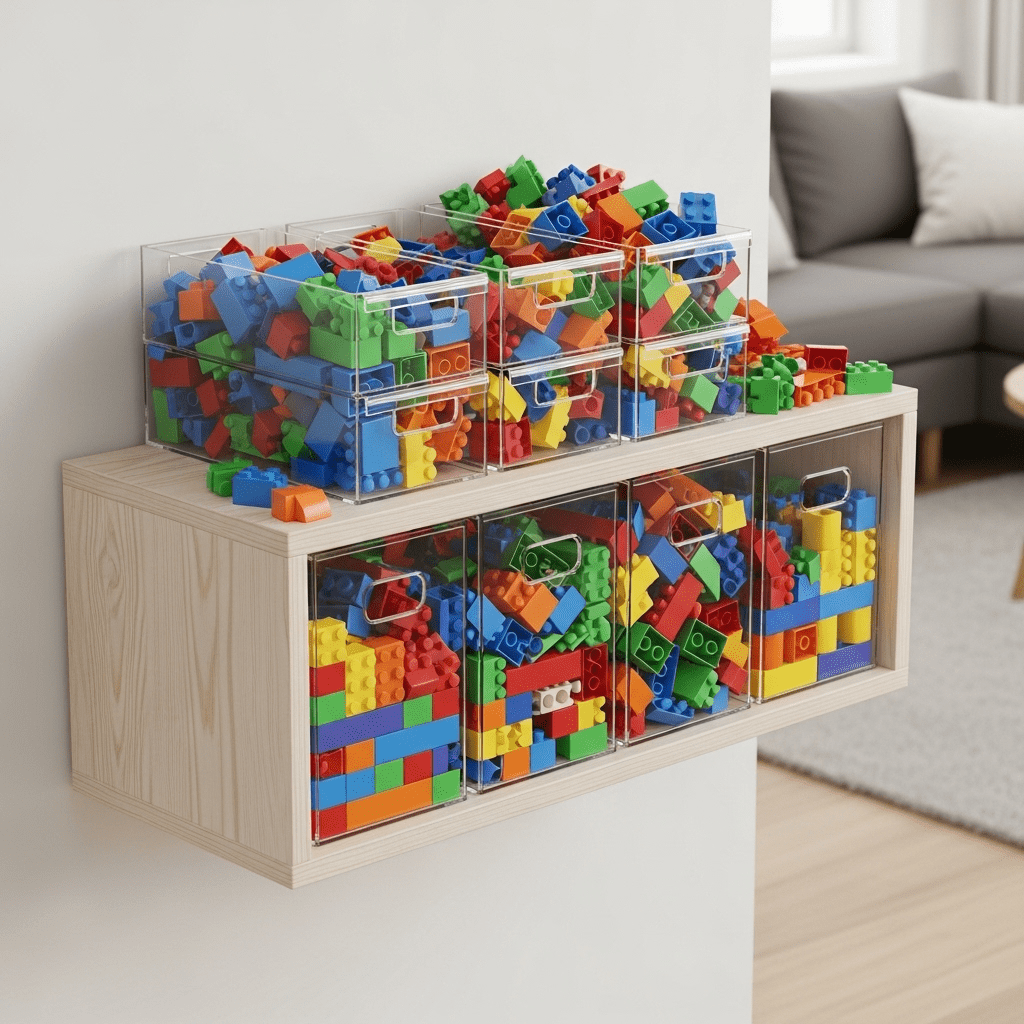
12. The Transparent Toy Display
Use clear acrylic bins for blocks or LEGOs. Much like a glass coffee table, transparent storage reduces the visual weight of the “clutter” and allows the colors of the toys to act as the room’s accent colors.
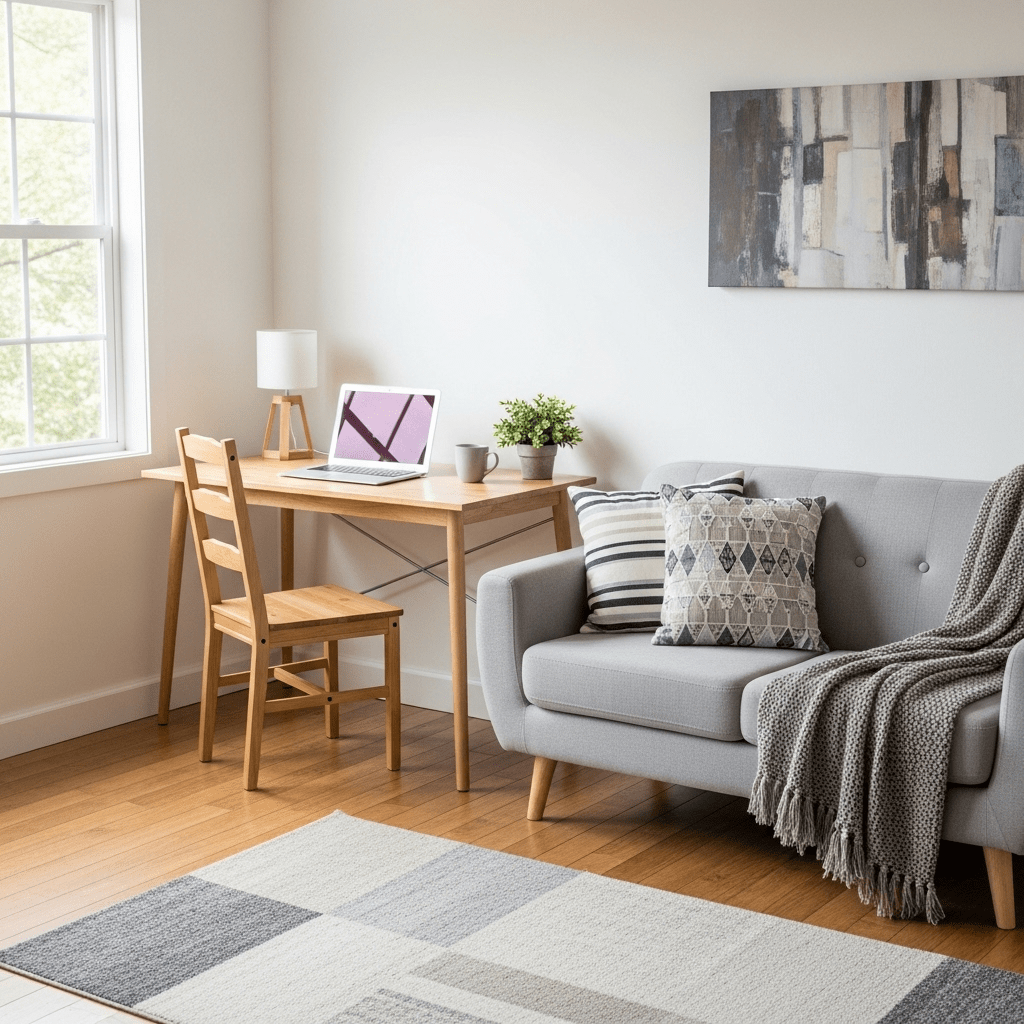
13. The Behind-the-Sofa Activity Zone
If your sofa is floated in the middle of the room, use the space behind it for a slim play table. This keeps the play area “hidden” from the main entryway while making the most of the floor plan.
Conclusion
Creating a small play area in a living room is about merging function with aesthetics. By using “stealthy” storage and materials that complement your existing furniture, you can ensure that the play zone feels like a natural extension of the home. Focus on keeping the toys organized in uniform containers to make the transition from “playtime” to “adult time” as quick as possible. Would you like me to suggest specific toy-friendly fabrics that are also stain-resistant for your seating?