 Skip to content
Biophilic architecture is design that connects people to nature. The word comes from “biophilia” — the innate human tendency to seek connections with nature. Biophilic design is not just about putting plants in a building. It is about light, air, water, views, materials, and patterns. It is about creating spaces that feel alive.
These 14 biophilic architecture designs span residential, workplace, and public buildings. Each design includes defining characteristics, biophilic strategies, and spatial principles.
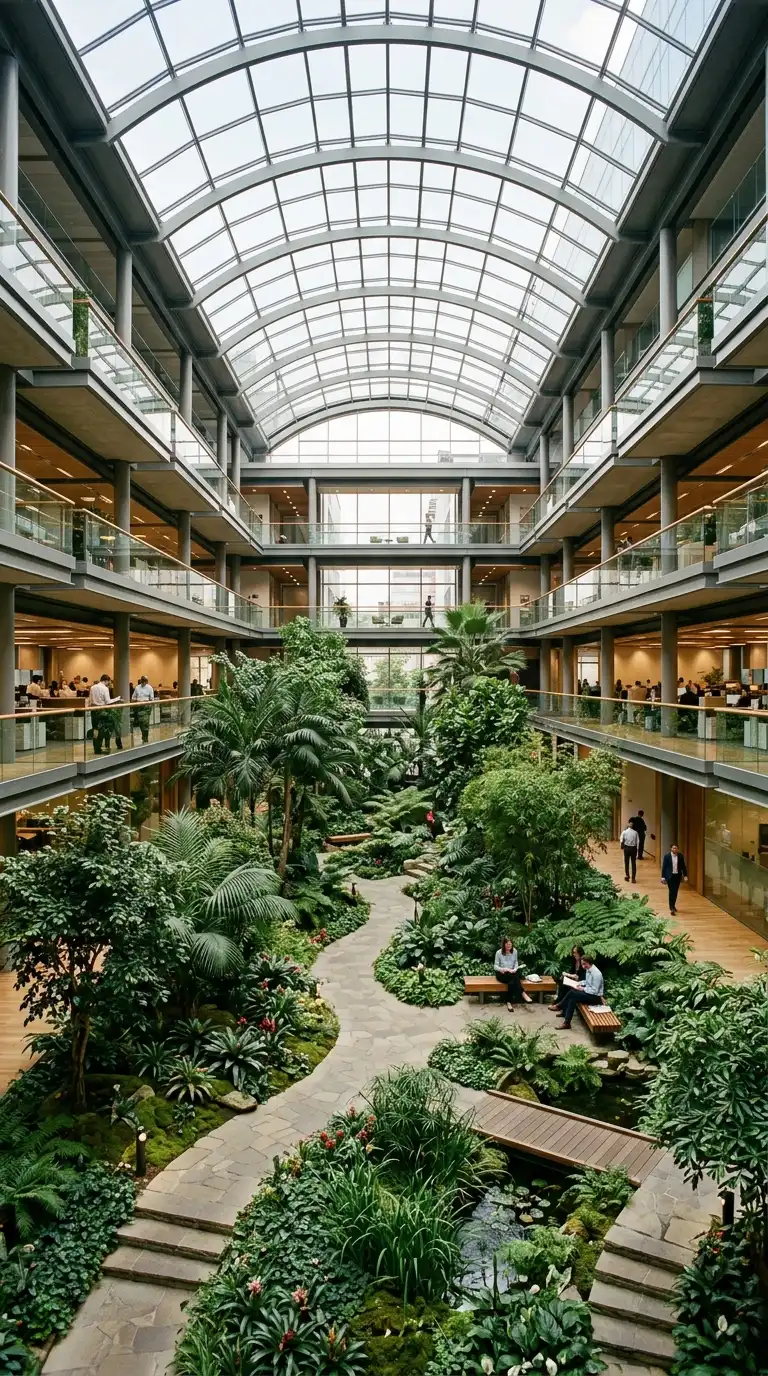
1. The Indoor Garden Atrium
The indoor garden atrium is a large interior space filled with plants. The atrium is open to the sky or lit by skylights. The plants are trees, shrubs, and ground cover. The atrium is a garden inside the building. Offices, apartments, or walkways surround the atrium.
This design is ideal for offices, hotels, and hospitals. The emotional effect is green, lush, and garden-like.
Quick Tips
- The atrium must be open to the sky or have skylights.
- Plants must be trees, shrubs, and ground cover — not just potted plants.
- The atrium must be visible from surrounding spaces.
2. The Living Wall
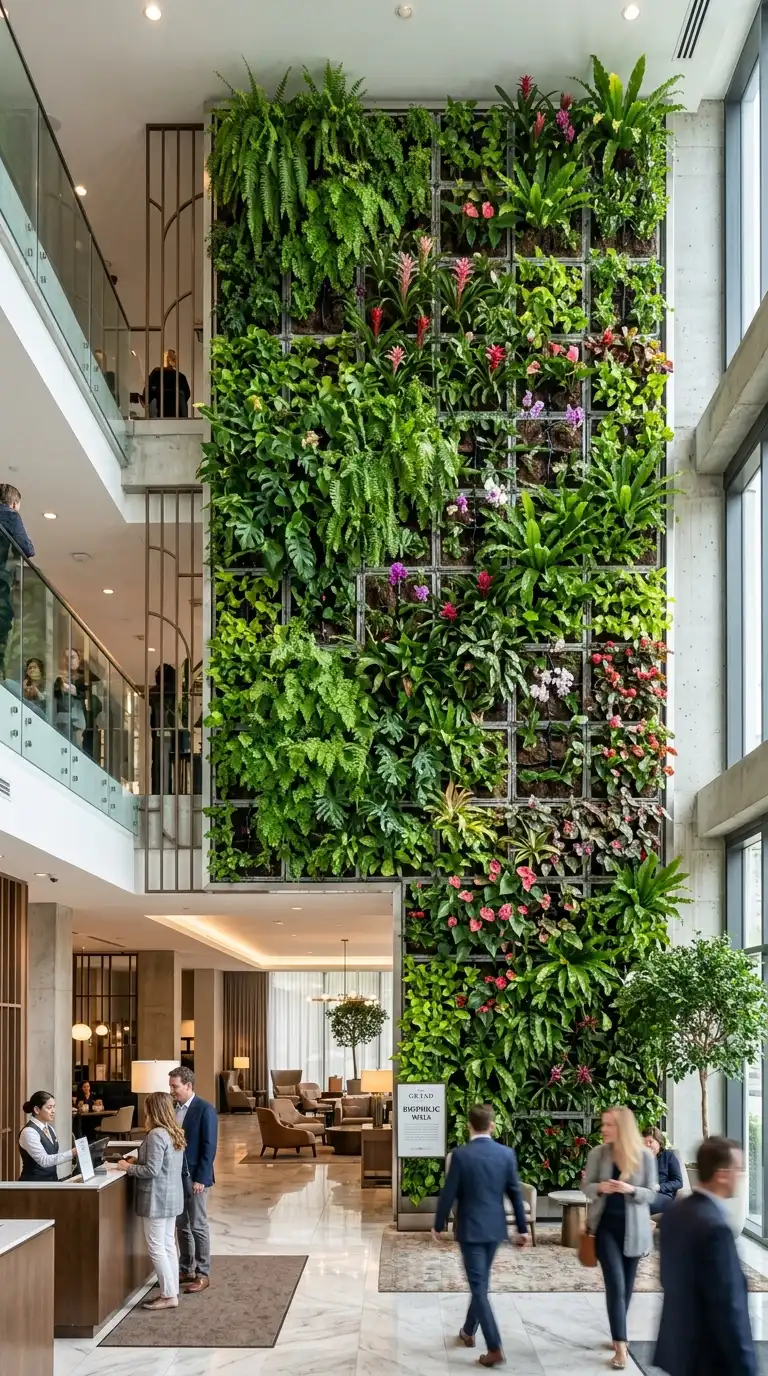
The living wall is a vertical garden attached to a building interior or exterior. The wall is covered with plants growing in modular panels. The living wall improves air quality, reduces noise, and provides visual interest. The living wall is a green tapestry.
This design is ideal for lobbies, atriums, and outdoor facades. The emotional effect is vertical, green, and textured.
Quick Tips
- The wall must be covered with living plants.
- The plants must be grown in modular panels.
- An irrigation system must be provided.
3. The Clerestory Daylit Space
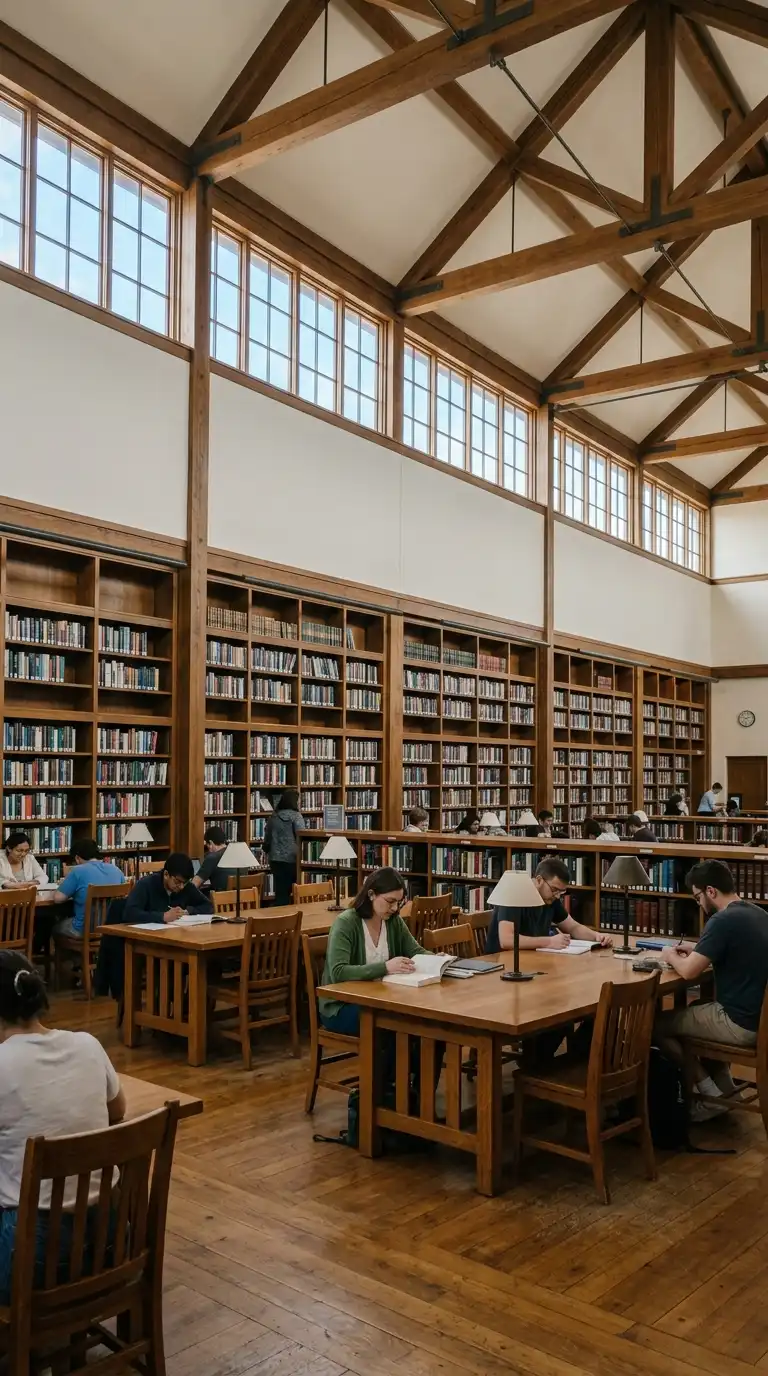
The clerestory daylit space is a room lit entirely by high windows. The windows are above eye level. The light is even and shadowless. The space is calm and luminous. The clerestory connects the occupant to the sky and the changing light of day.
This design is ideal for galleries, libraries, and offices. The emotional effect is calm, luminous, and sky-connected.
Quick Tips
- Windows must be above eye level.
- No windows at eye level.
- Light must be even and shadowless.
4. The Water Feature
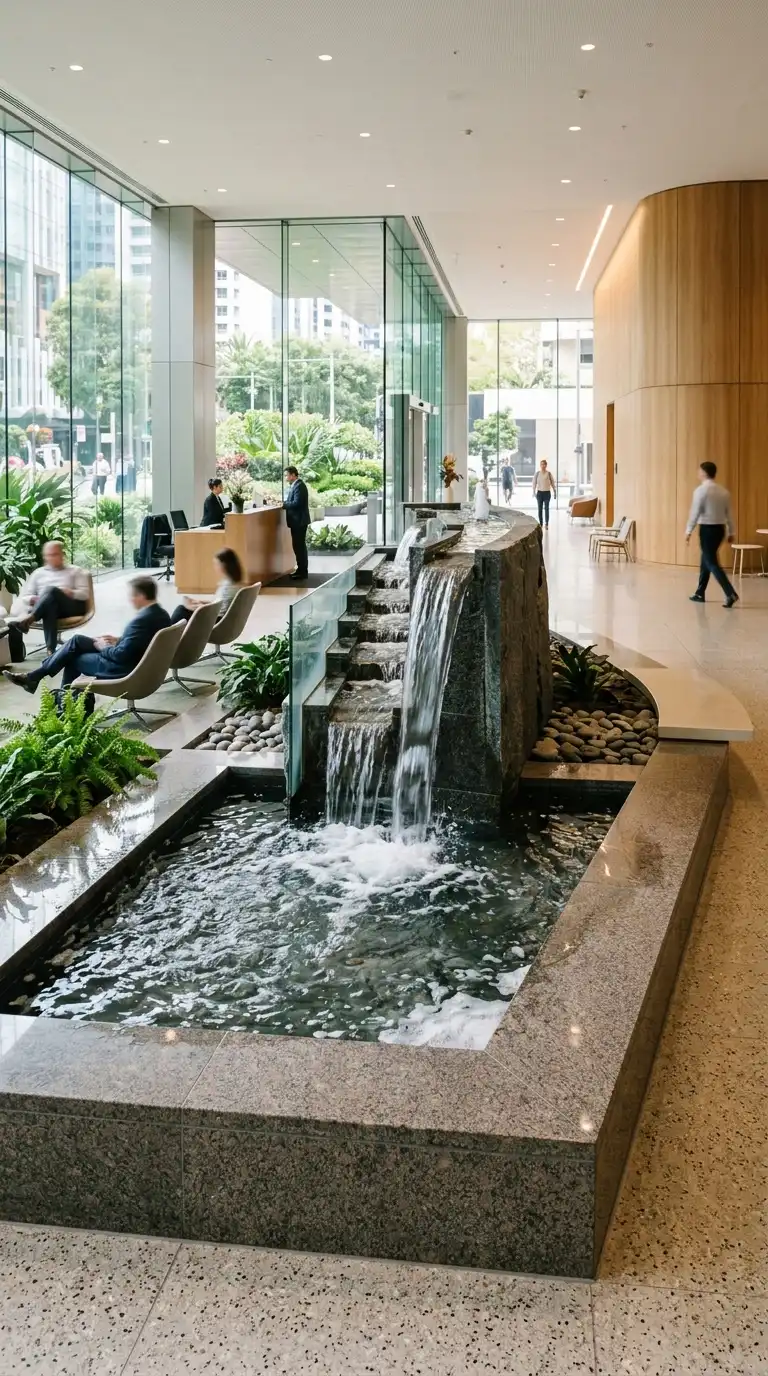
The water feature is a pool, fountain, or waterfall inside or outside a building. The sight of water is calming. The sound of water masks noise. The movement of water is hypnotic. The water feature connects occupants to the element of water.
This design is ideal for lobbies, atriums, gardens, and courtyards. The emotional effect is calming, masking, and flowing.
Quick Tips
- Water must be moving (fountain, waterfall, or stream).
- The water feature must be visible and audible.
- The water must be clean and clear.
5. The View to Nature
The view to nature is a window framing a view of trees, sky, water, or garden. The view is the primary design element. The window is large and unobstructed. The view connects the occupant to the outdoors. The view reduces stress and improves mood.
This design is ideal for offices, hospital rooms, and houses. The emotional effect is restorative, calming, and connected.
Quick Tips
- The window must be large and unobstructed.
- The view must be of nature (trees, sky, water, garden).
- The window should be placed at seated or standing eye level.
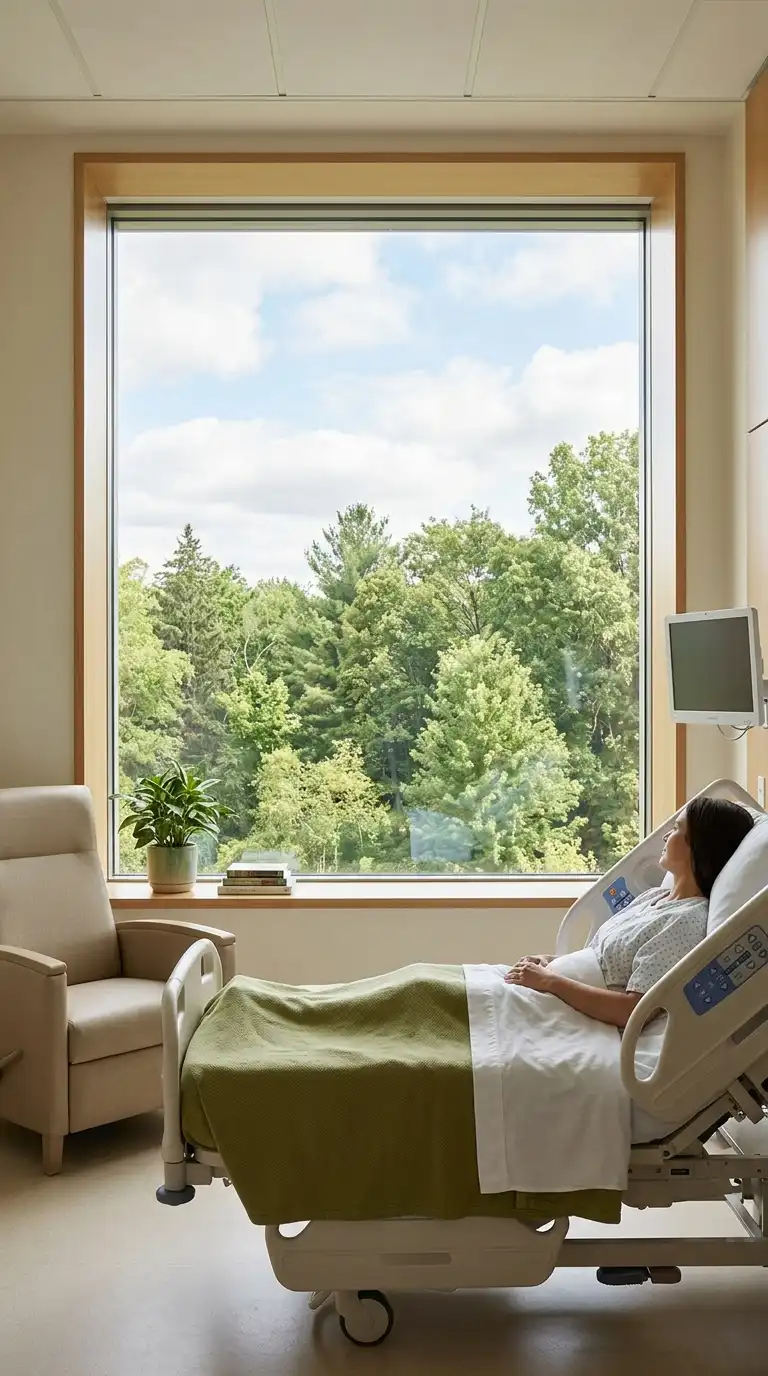
6. The Natural Materials Interior
The natural materials interior uses wood, stone, bamboo, cork, and wool. The materials are left in their natural state — unpainted, unstained, unvarnished. The grain, texture, and colour of the materials are visible. The natural materials interior is warm, tactile, and grounded.
This design is ideal for houses, offices, and spas. The emotional effect is warm, tactile, and grounded.
Quick Tips
- Materials must be natural (wood, stone, bamboo, cork, wool).
- Materials must be left in their natural state.
- Synthetic materials are prohibited.
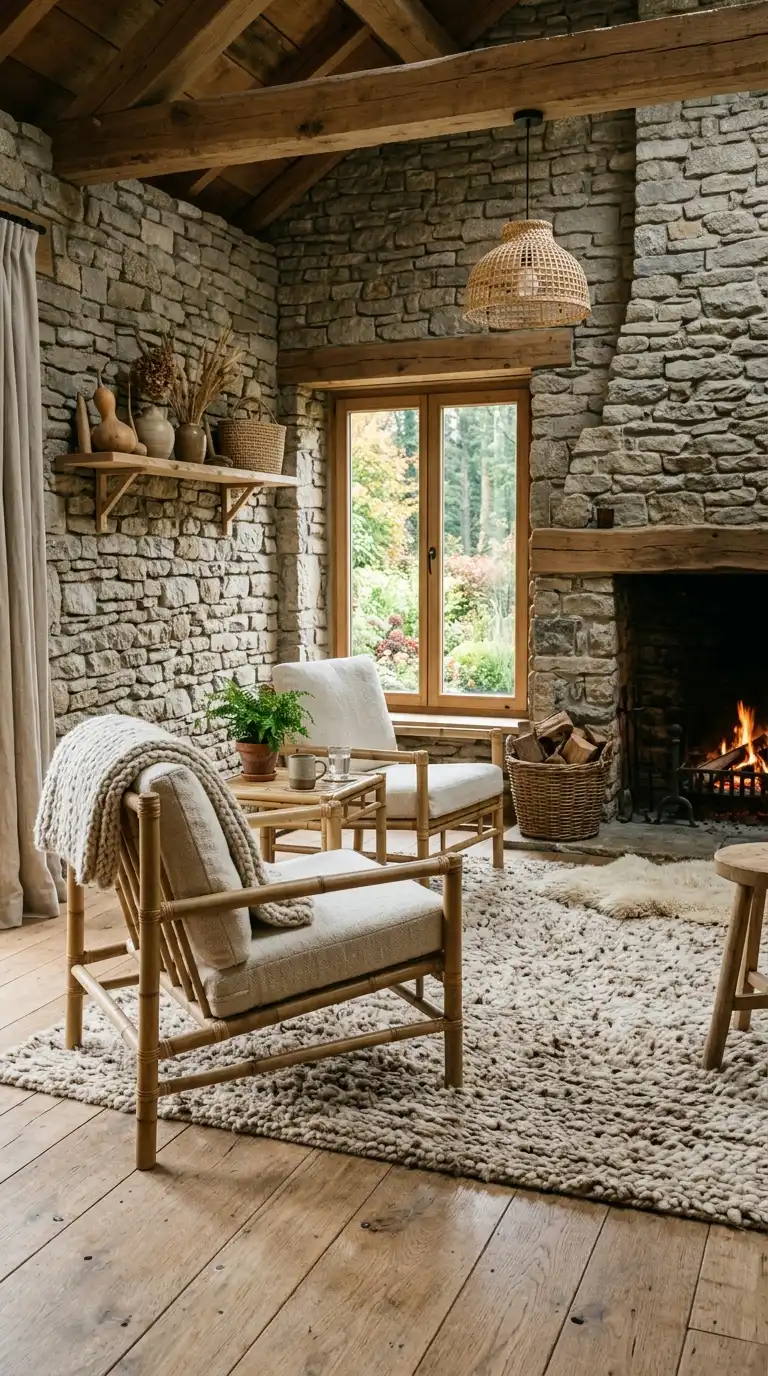
7. The Biomimetic Form
Biomimetic form is architecture shaped by nature. The building looks like a leaf, a shell, a bone, or a tree. The form is organic, curved, and non-rectilinear. The biomimetic form connects occupants to nature through shape.
This design is ideal for museums, pavilions, and signature buildings. The emotional effect is organic, curved, and nature-shaped.
Quick Tips
- The form must be inspired by a natural object (leaf, shell, bone, tree).
- The form must be organic and curved.
- No straight lines or right angles.
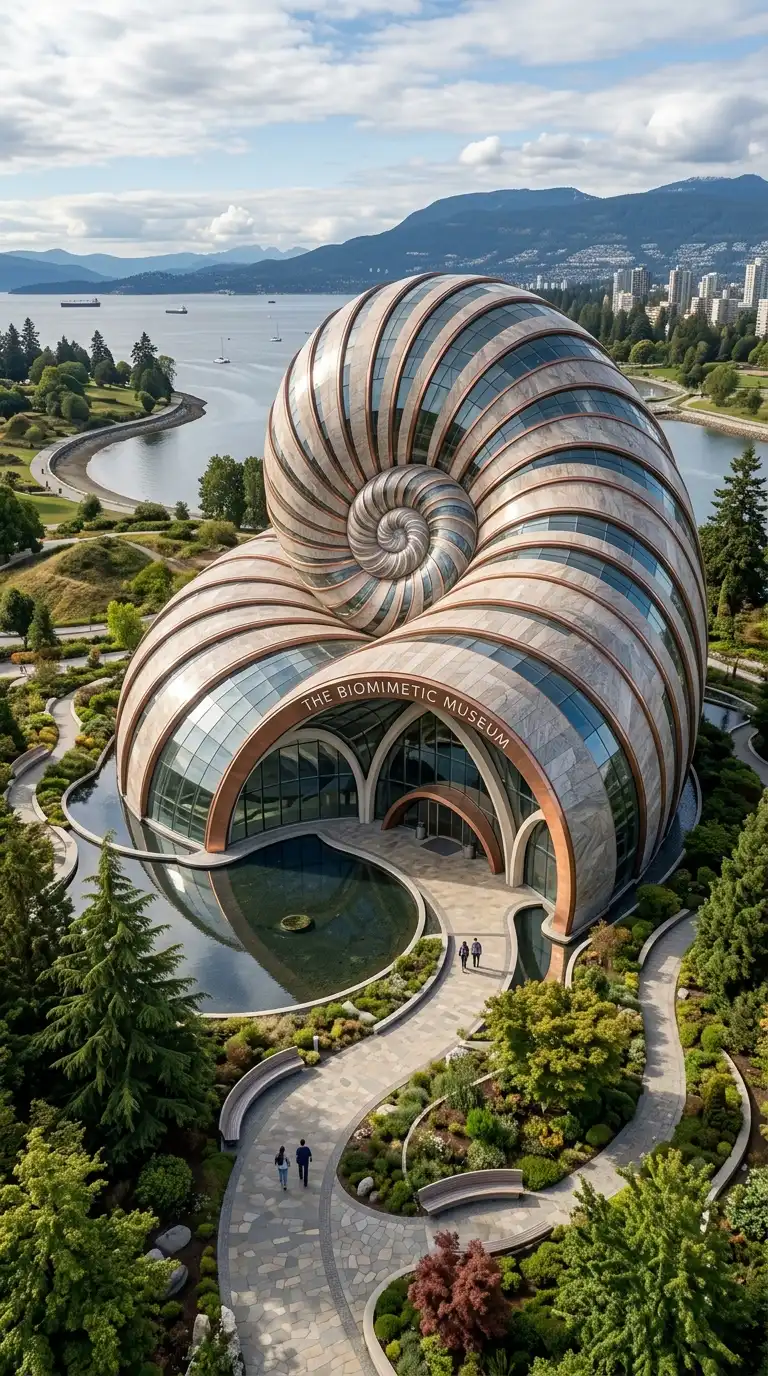
8. The Patterned Light
Patterned light is light filtered through leaves, branches, or a patterned screen. The light dapples the floor and walls. The pattern moves with the sun and wind. Patterned light connects occupants to the movement of the sun and the presence of trees.
This design is ideal for atriums, corridors, and outdoor rooms. The emotional effect is dappled, moving, and tree-filtered.
Quick Tips
- The light must be filtered through leaves, branches, or a screen.
- The pattern must be irregular and natural.
- The light must move with the sun.
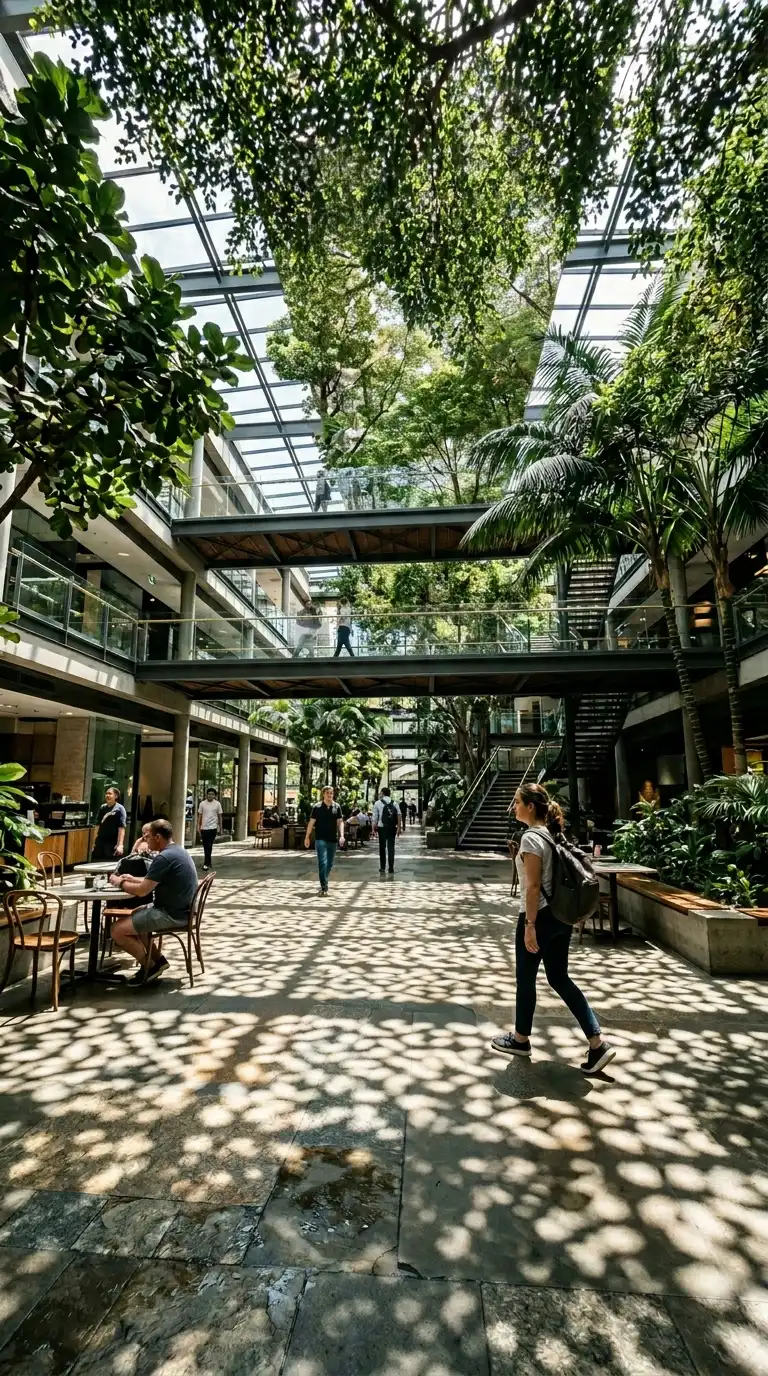
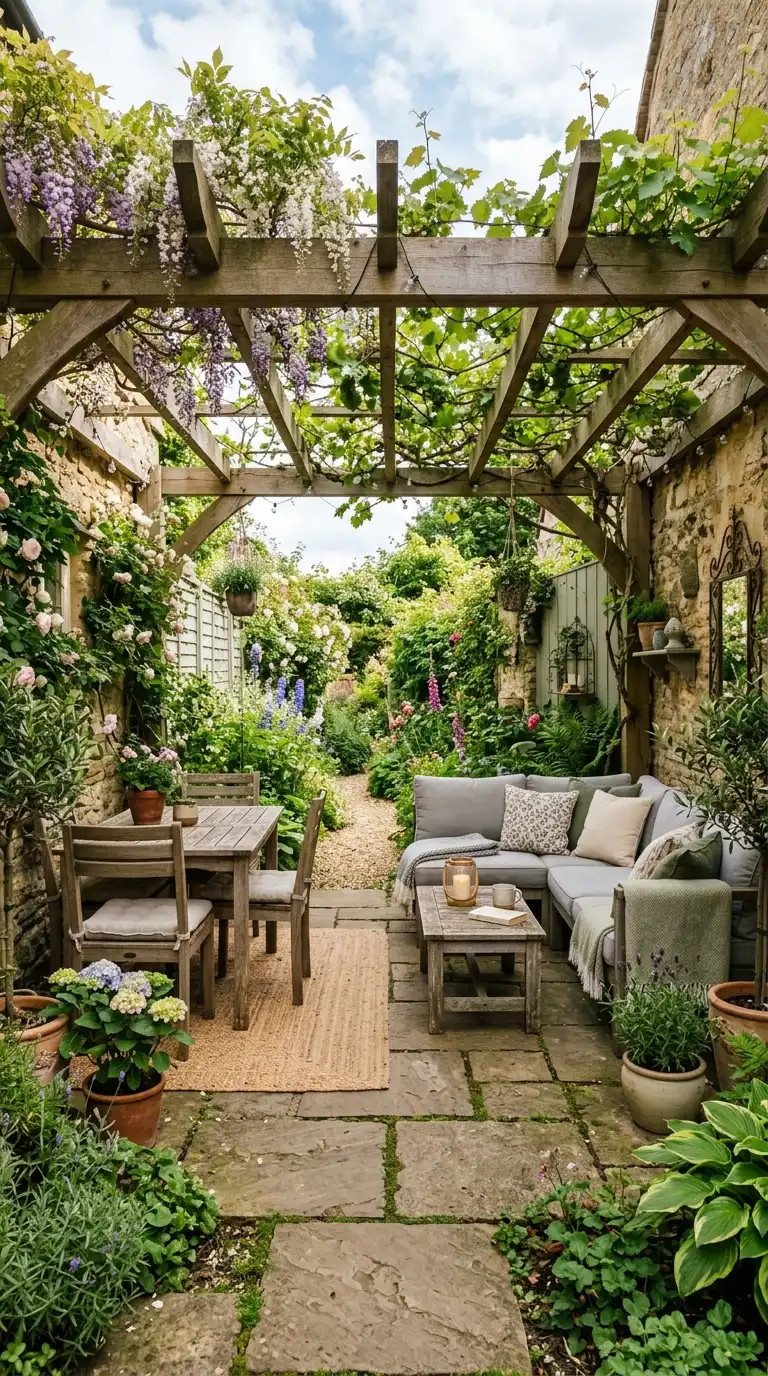
9. The Outdoor Room
The outdoor room is an exterior space enclosed by walls, hedges, or buildings. The outdoor room has a floor, walls, and a ceiling (the sky or a pergola). The outdoor room is a room without a roof. It is a place to sit, eat, and gather, protected from wind and view.
This design is ideal for houses, restaurants, and offices. The emotional effect is sheltered, open, and room-like.
Quick Tips
- The space must be enclosed on at least three sides.
- The floor must be paved or decked.
- The ceiling is the sky or a pergola.
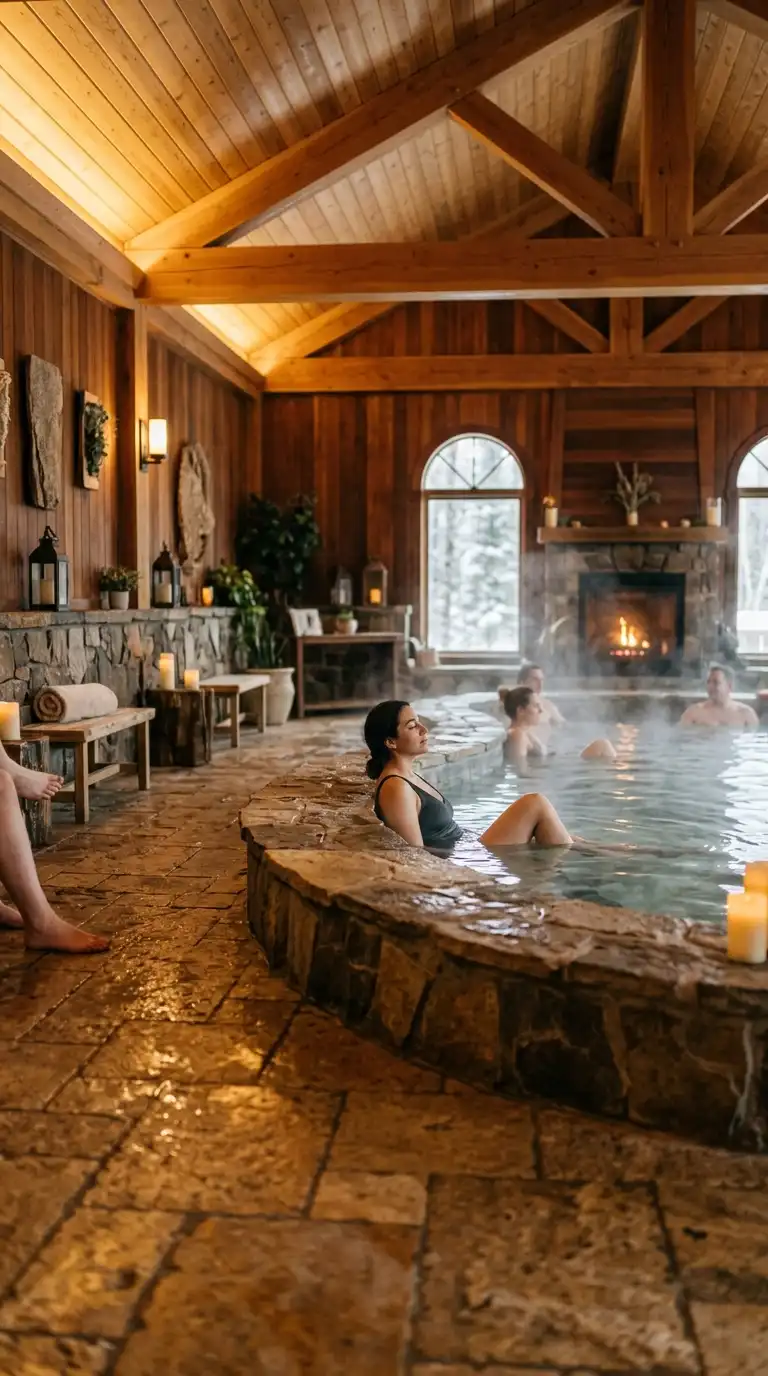
10. The Thermal Bath
The thermal bath is a space with warm surfaces and warm light. The floor is heated. The walls are warm wood or stone. The light is warm (2700K). The thermal bath is designed for comfort and relaxation. It is a space for the body.
This design is ideal for spas, bathrooms, and wellness centres. The emotional effect is warm, comfortable, and bodily.
Quick Tips
- The floor must be heated.
- Surfaces must be warm wood or stone.
- Light must be warm (2700K).
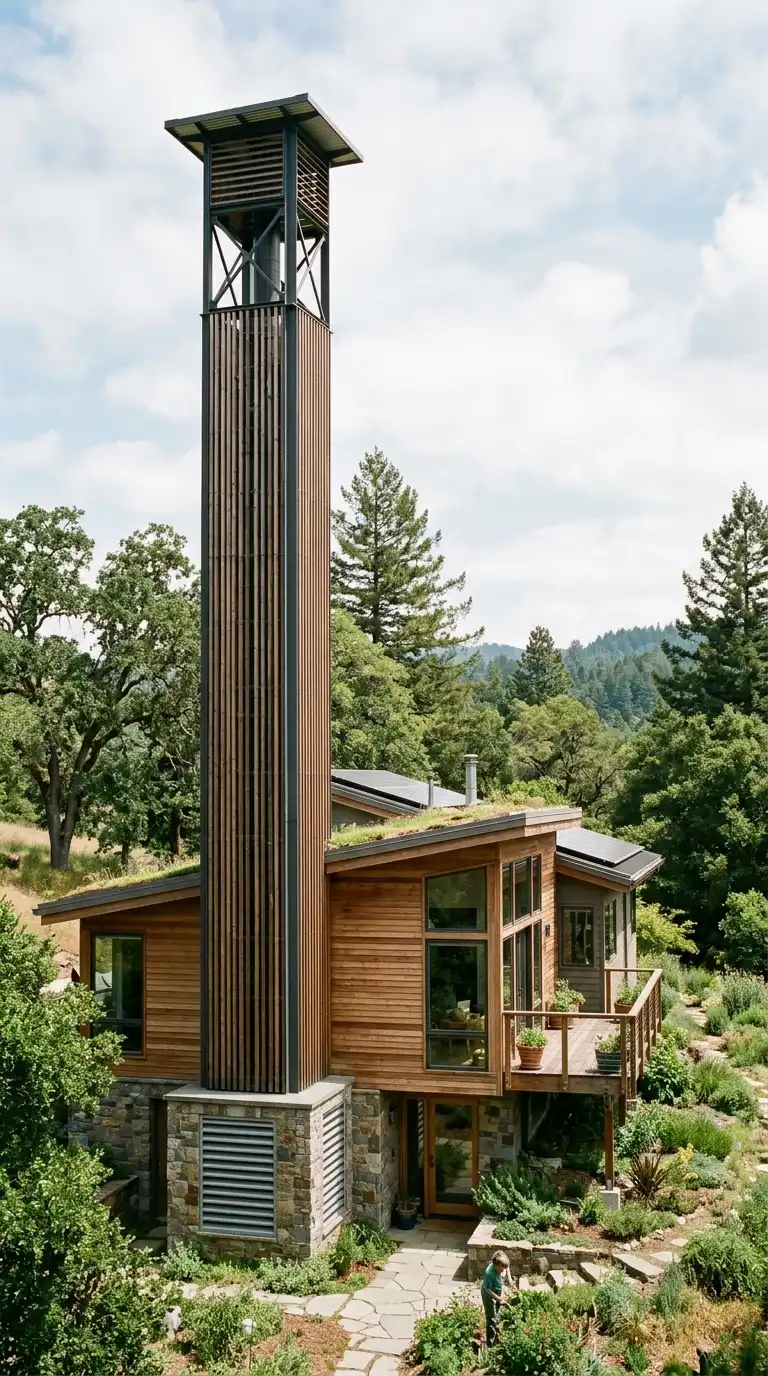
11. The Natural Ventilation Tower
The natural ventilation tower is a tall structure that draws air through a building. The tower is open at the top. Hot air rises and exits the tower. Cool air is drawn in at the bottom. The natural ventilation tower cools the building without energy.
This design is ideal for hot, dry climates and passive buildings. The emotional effect is cooling, passive, and tower-like.
Quick Tips
- The tower must be open at the top.
- The tower must be taller than the building.
- The tower must have openings at the bottom for air intake.
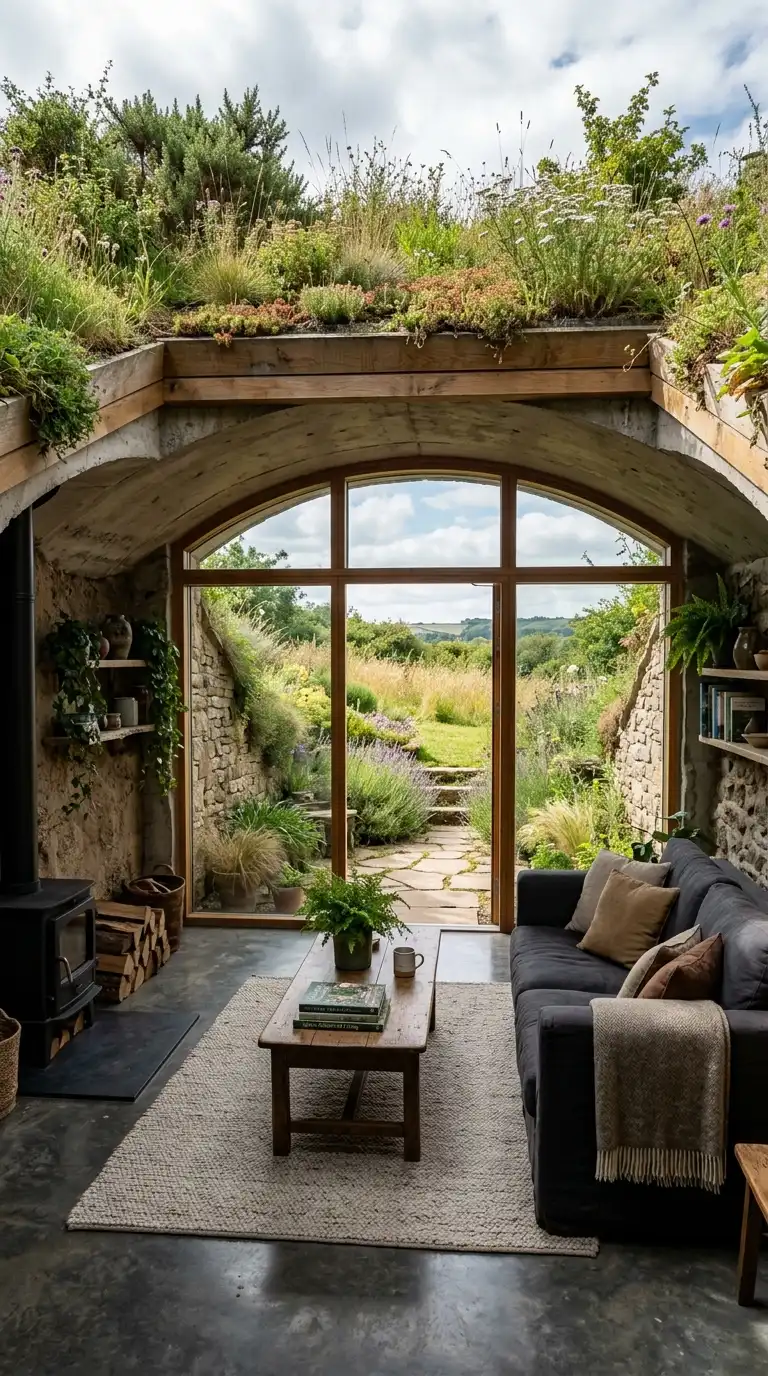
12. The Earth-Sheltered Space
The earth-sheltered space is a room buried in the ground. The walls are earth. The ceiling is earth. Only one wall is glass. The earth-sheltered space is cool in summer, warm in winter, and quiet always. The earth-sheltered space connects occupants to the ground.
This design is ideal for houses, museums, and root cellars. The emotional effect is cool, quiet, and earth-connected.
Quick Tips
- The space must be below grade on at least three sides.
- The exposed wall must be glass facing south.
- The roof must be planted.
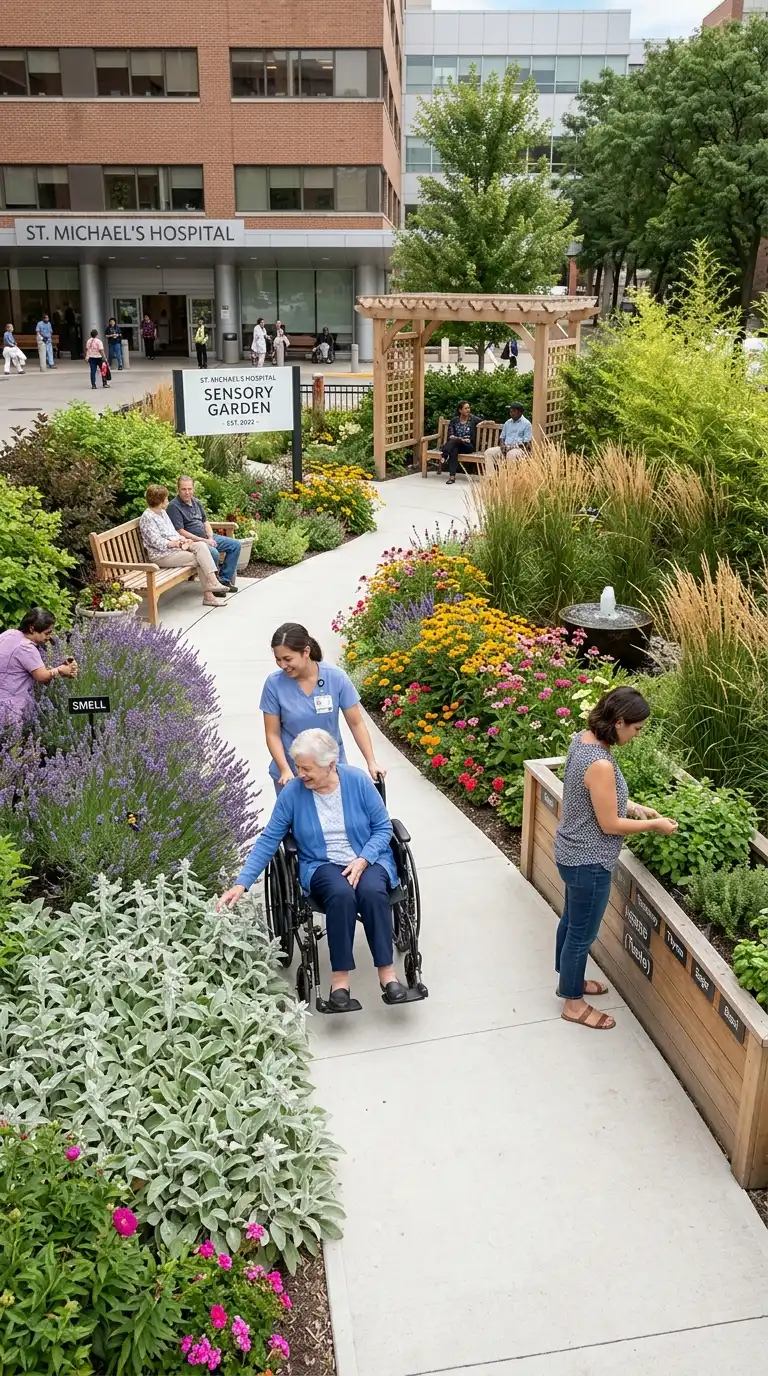
13. The Sensory Garden
The sensory garden is a garden designed for the senses. Fragrant plants for smell (lavender, jasmine, rosemary). Textured plants for touch (lamb’s ear, moss, bamboo). Colourful plants for sight (flowers, berries, autumn leaves). Rustling plants for sound (grasses, bamboo). Edible plants for taste (herbs, berries, fruit).
This design is ideal for hospitals, schools, and public gardens. The emotional effect is sensory, engaging, and garden-like.
Quick Tips
- Include plants for each sense: smell, touch, sight, sound, taste.
- Paths must be accessible.
- Seating must be provided.
14. The Prospect and Refuge Space
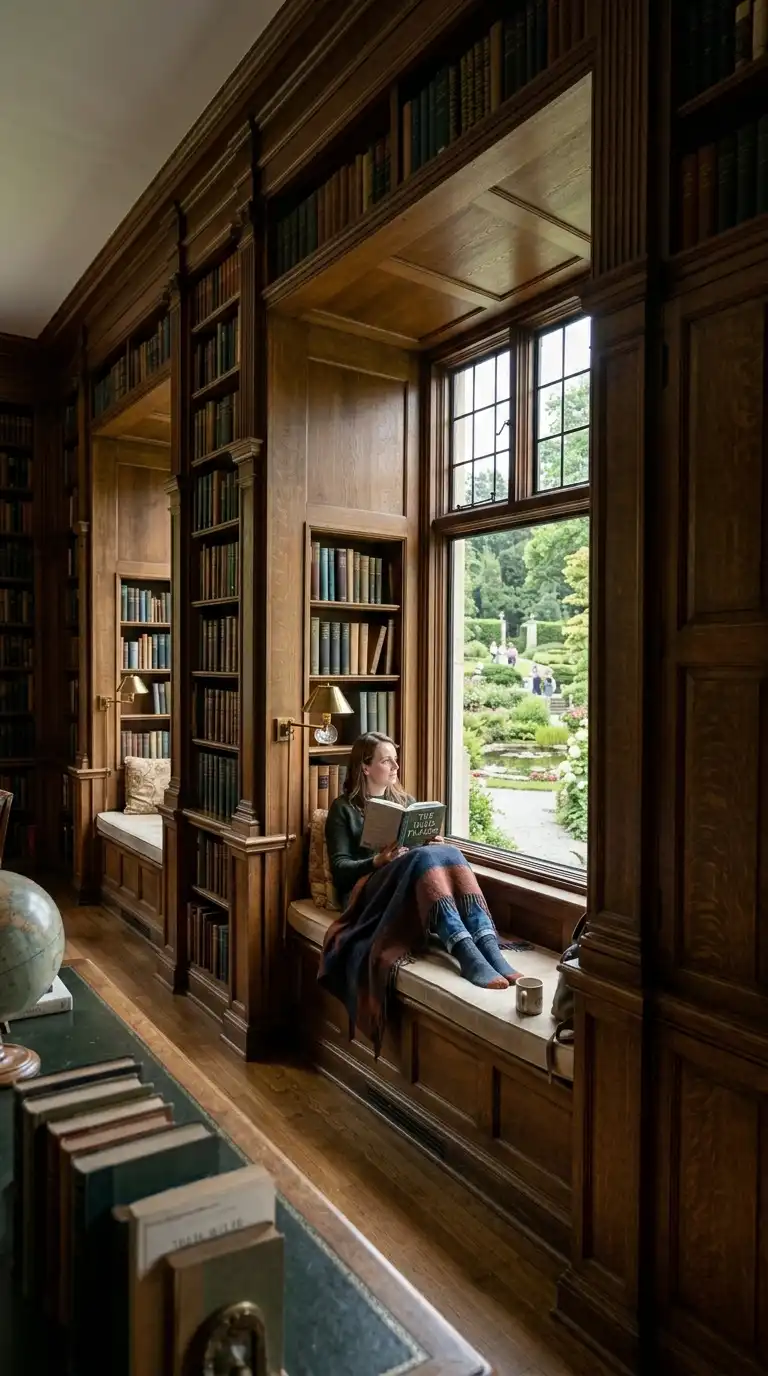
The prospect and refuge space is a space with a view (prospect) and a protected place to sit (refuge). The prospect is a window or balcony overlooking a landscape. The refuge is a niche, alcove, or deep window seat. The prospect and refuge space is safe and expansive at the same time.
This design is ideal for houses, libraries, and cafes. The emotional effect is safe, expansive, and prospect-refuge.
Quick Tips
- The prospect must be a view of nature (trees, sky, water).
- The refuge must be a protected place to sit.
- The refuge must have a view of the prospect.
Final Thoughts
Biophilic architecture is not a style. It is a strategy. It is design that connects people to nature. An indoor garden atrium brings nature inside. A living wall makes a surface green. A clerestory connects to the sky. A water feature calms with sound and sight. A view to nature restores. Natural materials warm. Biomimetic forms shape. Patterned light dapples. An outdoor room shelters. A thermal bath comforts. A natural ventilation tower cools. An earth-sheltered space grounds. A sensory garden engages. A prospect and refuge space protects and expands.
These 14 biophilic designs are not mutually exclusive. An indoor garden atrium can have a living wall. A view to nature can be from a thermal bath. A prospect and refuge space can be in an earth-sheltered space. The best biophilic architecture is not the most technological — it is the most natural. It does not add nature to a building — it designs the building to be part of nature. It is not about green features. It is about feeling alive.
