 Skip to content
Contemporary architecture is the architecture of now. It is not a style — it is a condition. Contemporary architecture is diverse, global, and technologically advanced. It can be minimal or complex, concrete or glass, green or high-tech. Contemporary architecture responds to climate, culture, and computation. It is the architecture of the 21st century.
These 14 contemporary architecture designs span museums, houses, offices, and public buildings. Each design includes defining characteristics, material strategies, and spatial principles.
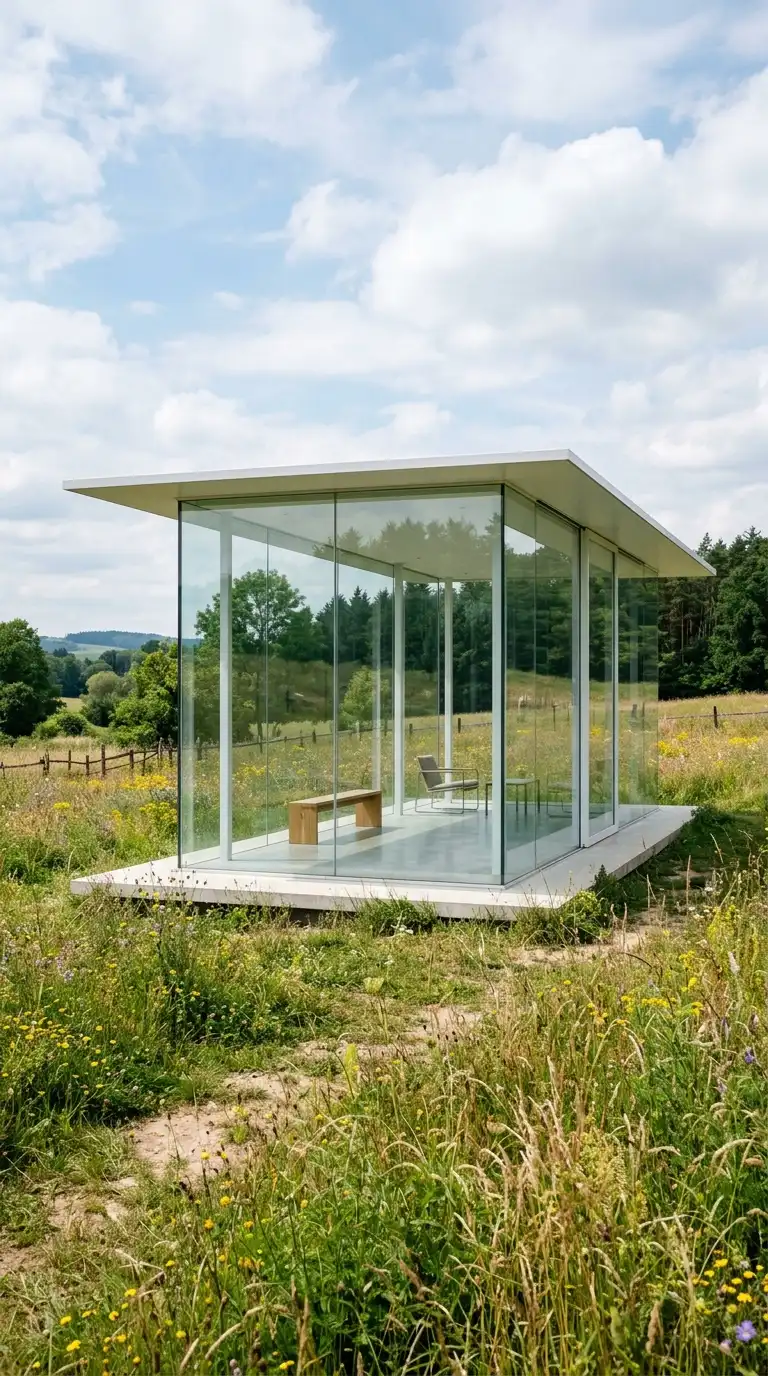
1. The Glass Pavilion
The glass pavilion is a transparent, minimalist building. The walls are floor-to-ceiling glass. The roof is a thin white slab. The structure is minimal — thin columns, flush details. The glass pavilion disappears. The landscape becomes the room.
This design is ideal for houses, pavilions, and exhibition spaces. The emotional effect is transparent, weightless, and landscape-connected.
Quick Tips
- Walls must be floor-to-ceiling glass.
- The structure must be minimal.
- The roof must be a thin white slab.
2. The Concrete House
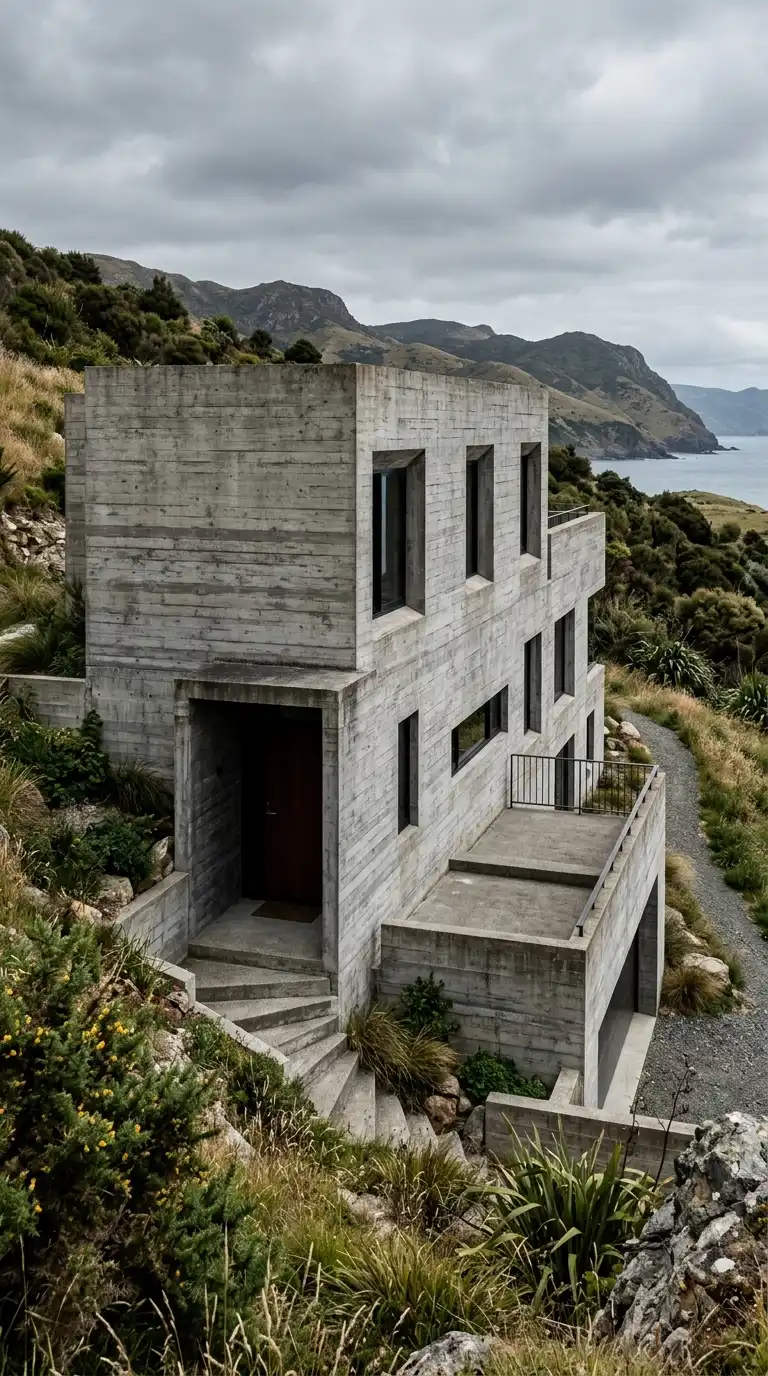
The concrete house is made of board-formed concrete. The concrete is left raw — no paint, no cladding. The formwork marks are visible. The windows are deep-set. The entrance is recessed. The concrete house is solid, silent, and heavy.
This design is ideal for houses on dramatic sites. The emotional effect is solid, silent, and heavy.
Quick Tips
- The house must be board-formed concrete.
- Windows must be deep-set.
- The entrance must be recessed.
3. The Green Roof House
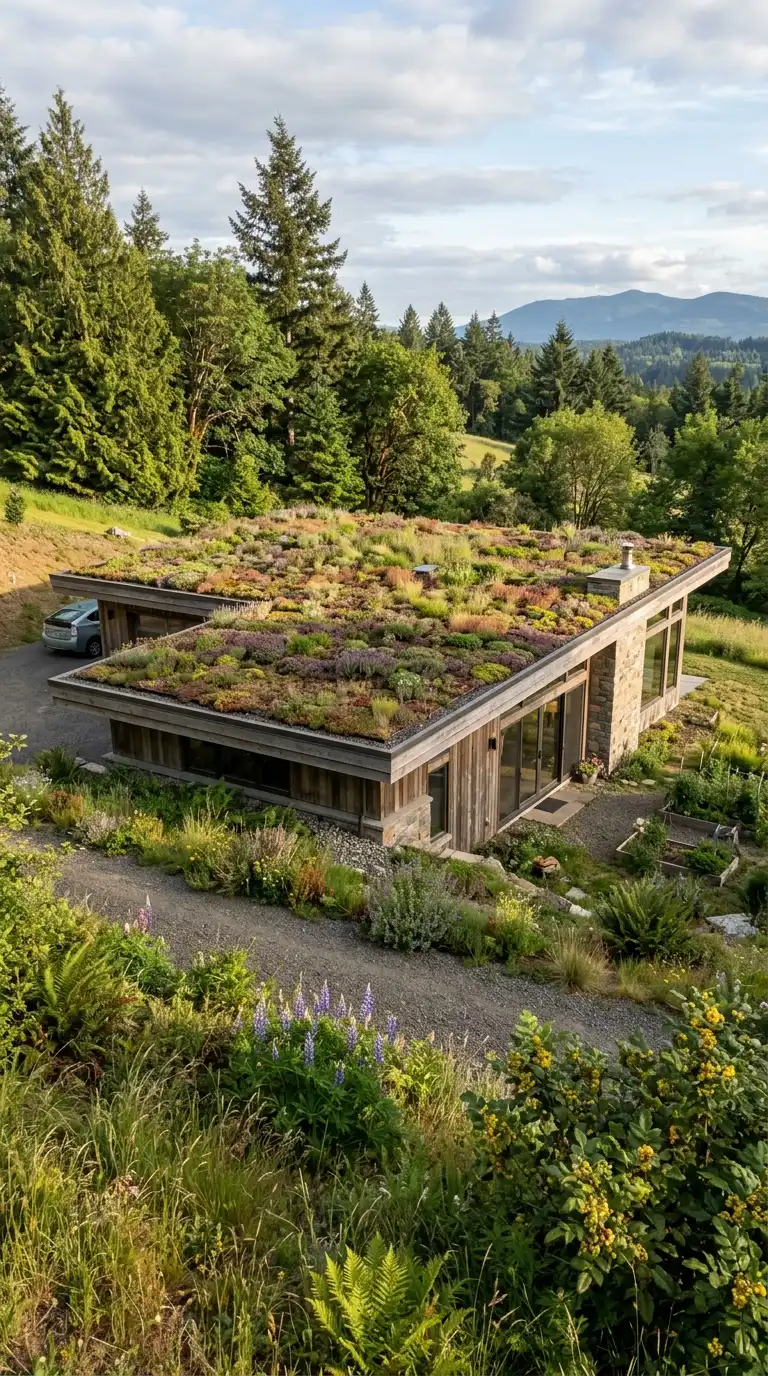
The green roof house has a roof planted with vegetation. The roof is visible from above. The house is integrated with the landscape. The green roof insulates, absorbs rainwater, and provides habitat. The green roof house is green, ecological, and landscape-integrated.
This design is ideal for houses in natural settings. The emotional effect is green, ecological, and landscape-integrated.
Quick Tips
- The roof must be planted.
- The roof must be visible from above.
- The plants must be native and drought-tolerant.
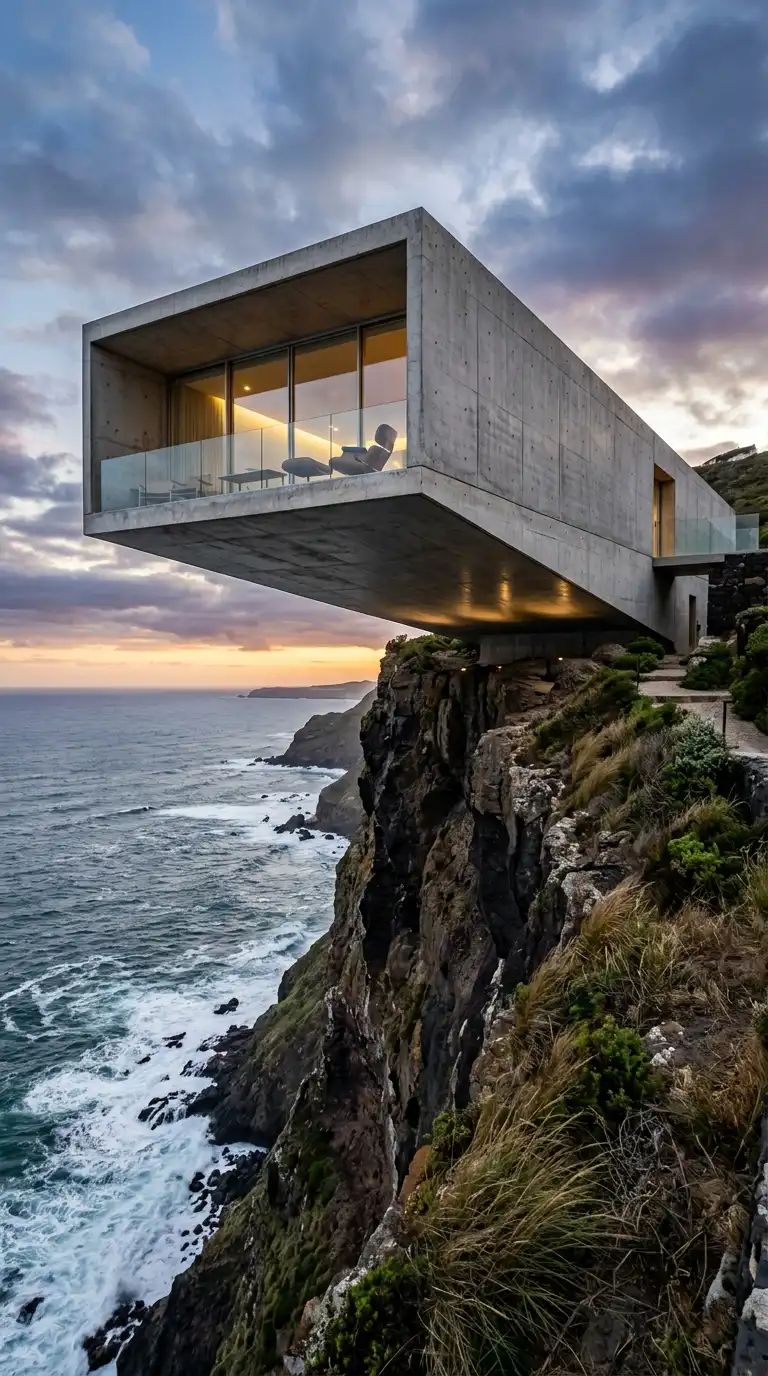
4. The Cantilevered House
The cantilevered house projects dramatically over a slope or water. The cantilever is the drama. The house appears to float. The cantilevered house is dynamic, dramatic, and floating.
This design is ideal for houses on dramatic sites. The emotional effect is dynamic, dramatic, and floating.
Quick Tips
- The cantilever must be at least 3 metres.
- The underside must be finished.
- The view must be dramatic.
5. The Stacked Boxes House
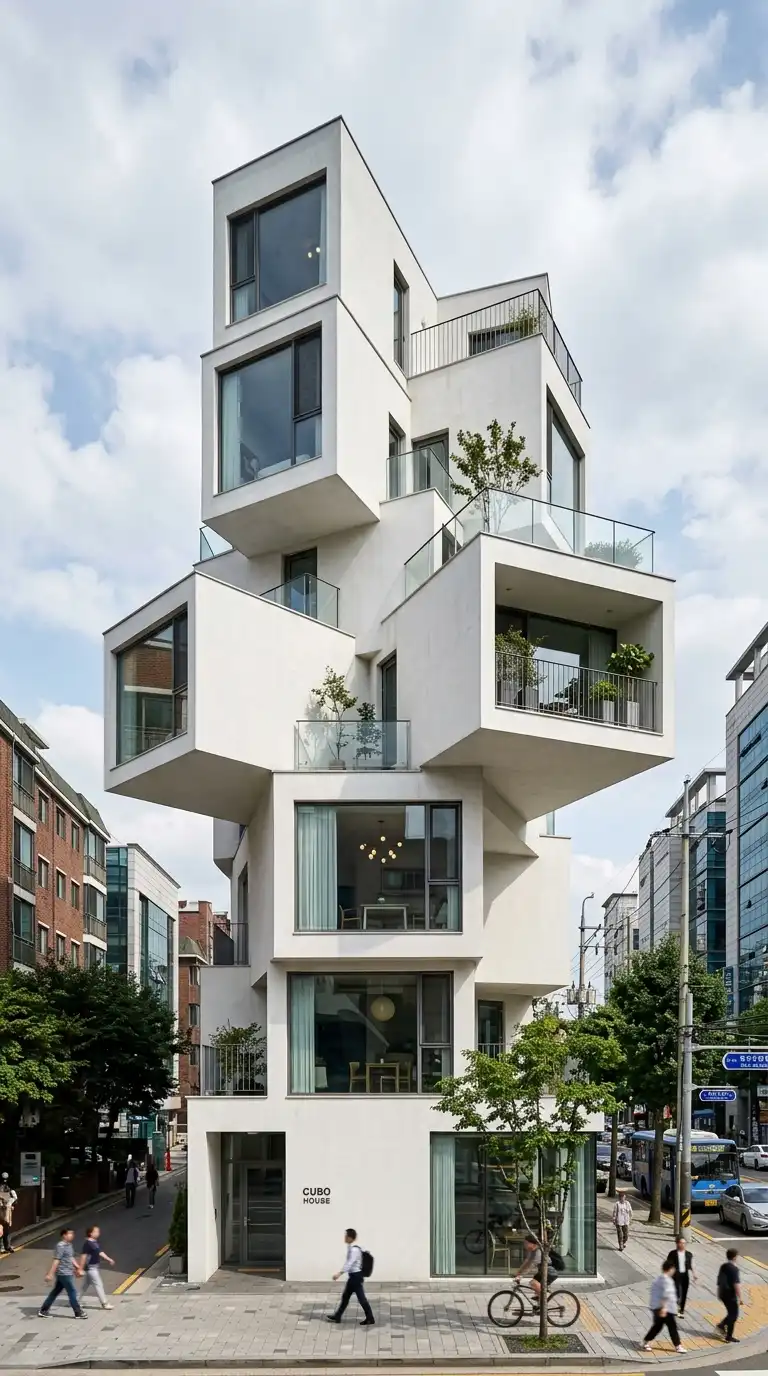
The stacked boxes house is a composition of stacked rectangular volumes. Each box is a different size or orientation. The boxes cantilever and rotate. The stacked boxes house is playful, sculptural, and dynamic.
This design is ideal for houses on small sites. The emotional effect is playful, sculptural, and dynamic.
Quick Tips
- Each box must be a different size or orientation.
- Boxes must cantilever or rotate.
- The composition must be asymmetrical.
6. The Glass Skyscraper
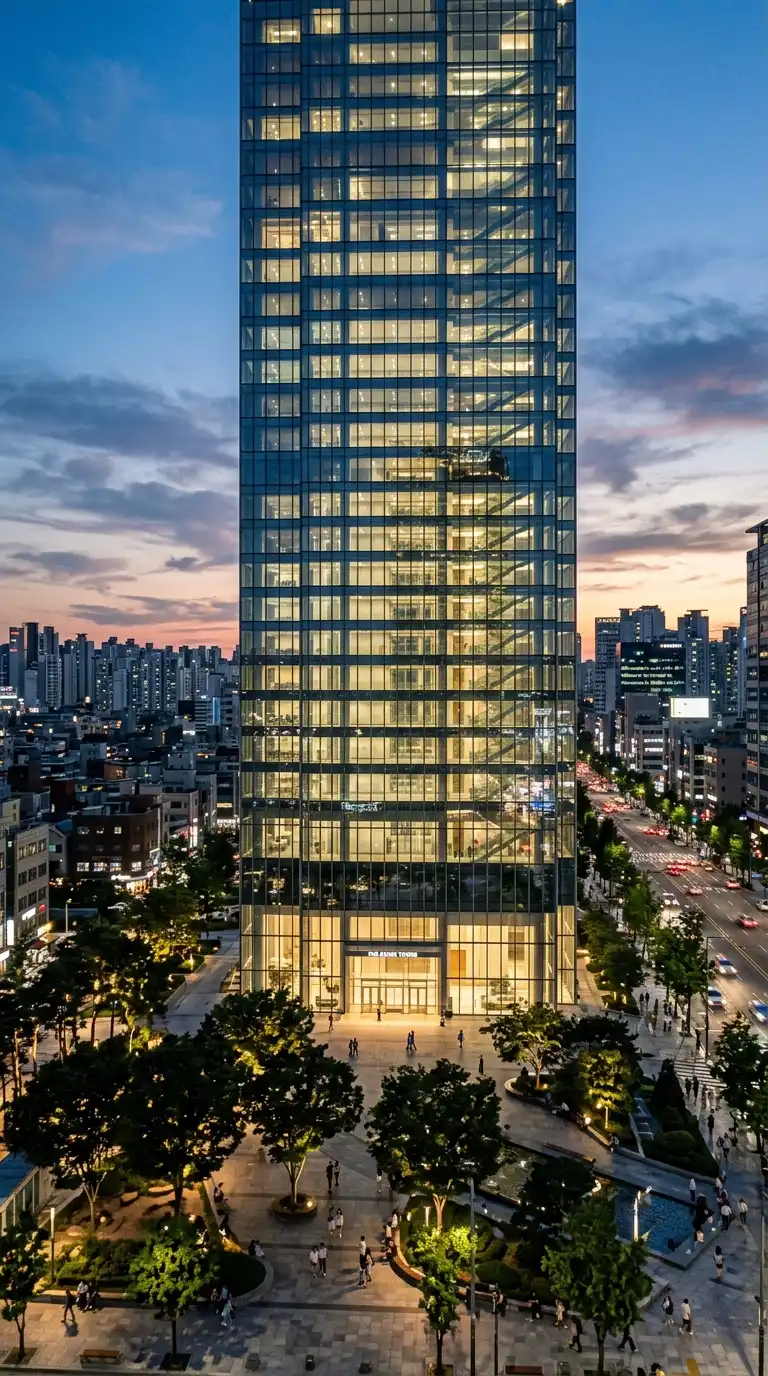
The glass skyscraper is a tall building with a glass curtain wall. The building is simple and elegant. The structure is expressed on the exterior. The glass skyscraper is transparent, reflective, and vertical.
This design is ideal for office buildings and residential towers. The emotional effect is transparent, reflective, and vertical.
Quick Tips
- The building must have a glass curtain wall.
- The structure must be expressed on the exterior.
- The building must be set back on a plaza.
7. The Museum of the Future
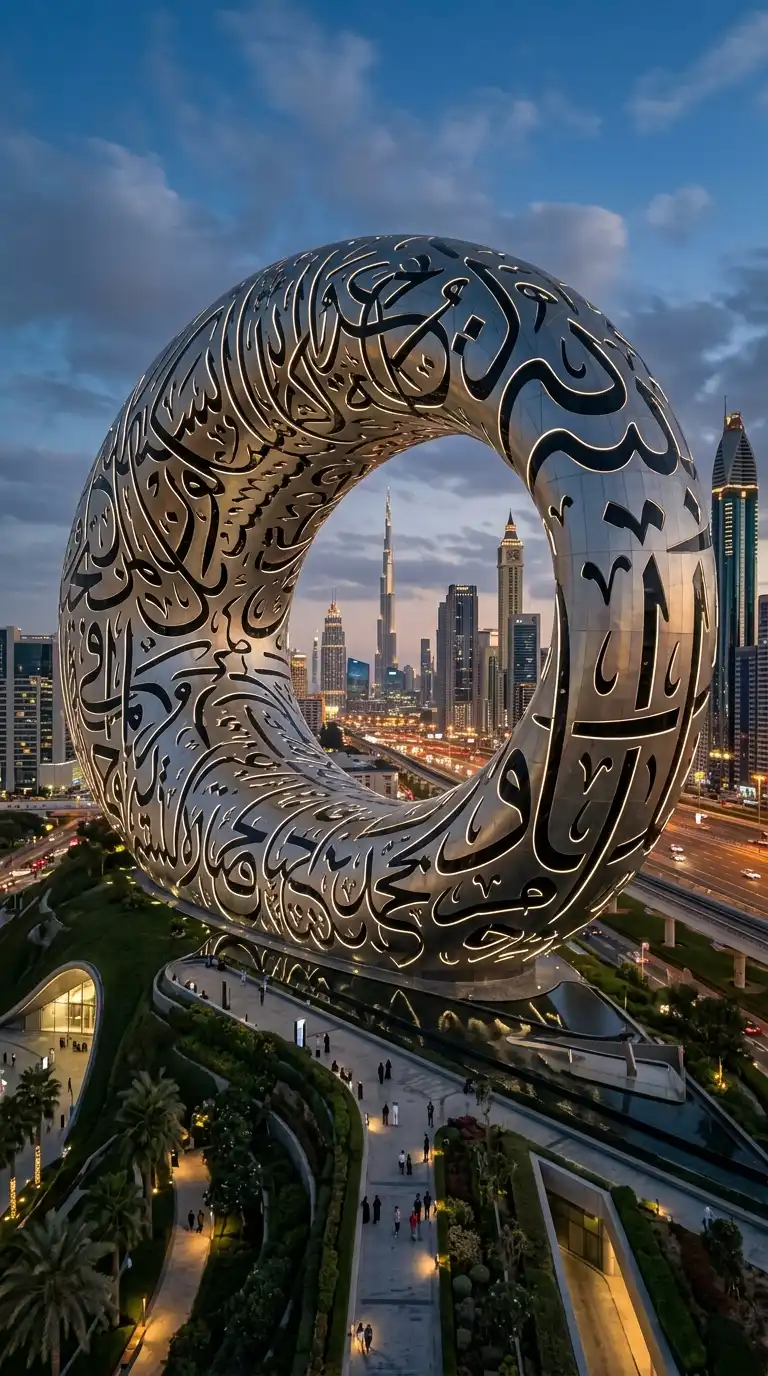
The museum of the future is a building shaped like a torus (a donut) with a void in the centre. The facade is covered in Arabic calligraphy. The museum is futuristic, calligraphic, and toroidal.
This design is ideal for museums and cultural centres. The emotional effect is futuristic, calligraphic, and toroidal.
Quick Tips
- The building must be a torus (donut shape).
- The facade must have calligraphy.
- The void must be at the centre.
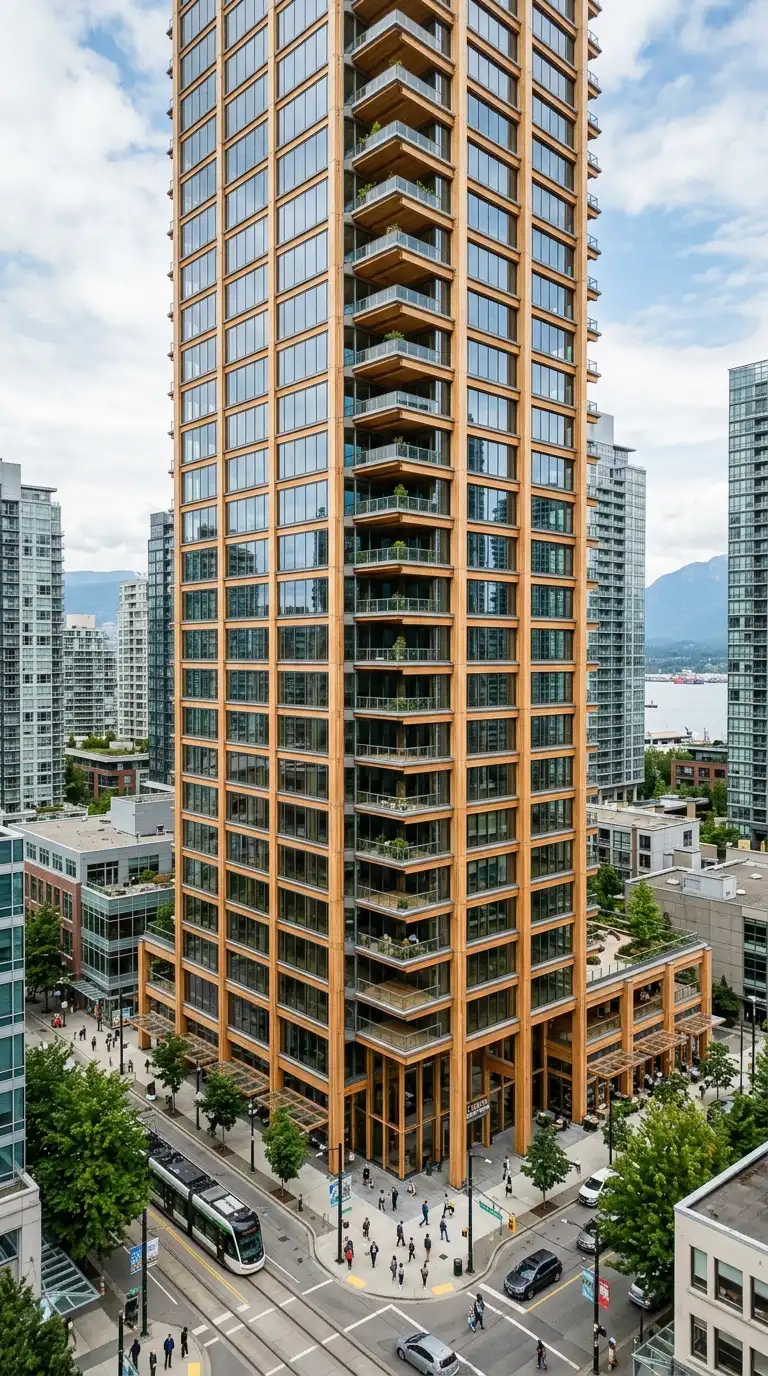
8. The Timber Tower
The timber tower is a tall building made of mass timber (CLT, glulam). The structure is exposed. The timber is warm and natural. The timber tower is sustainable, warm, and vertical.
This design is ideal for office buildings and residential towers. The emotional effect is sustainable, warm, and vertical.
Quick Tips
- The structure must be mass timber.
- The timber must be exposed.
- The building must be tall (at least 10 storeys).
9. The Adaptive Reuse Warehouse
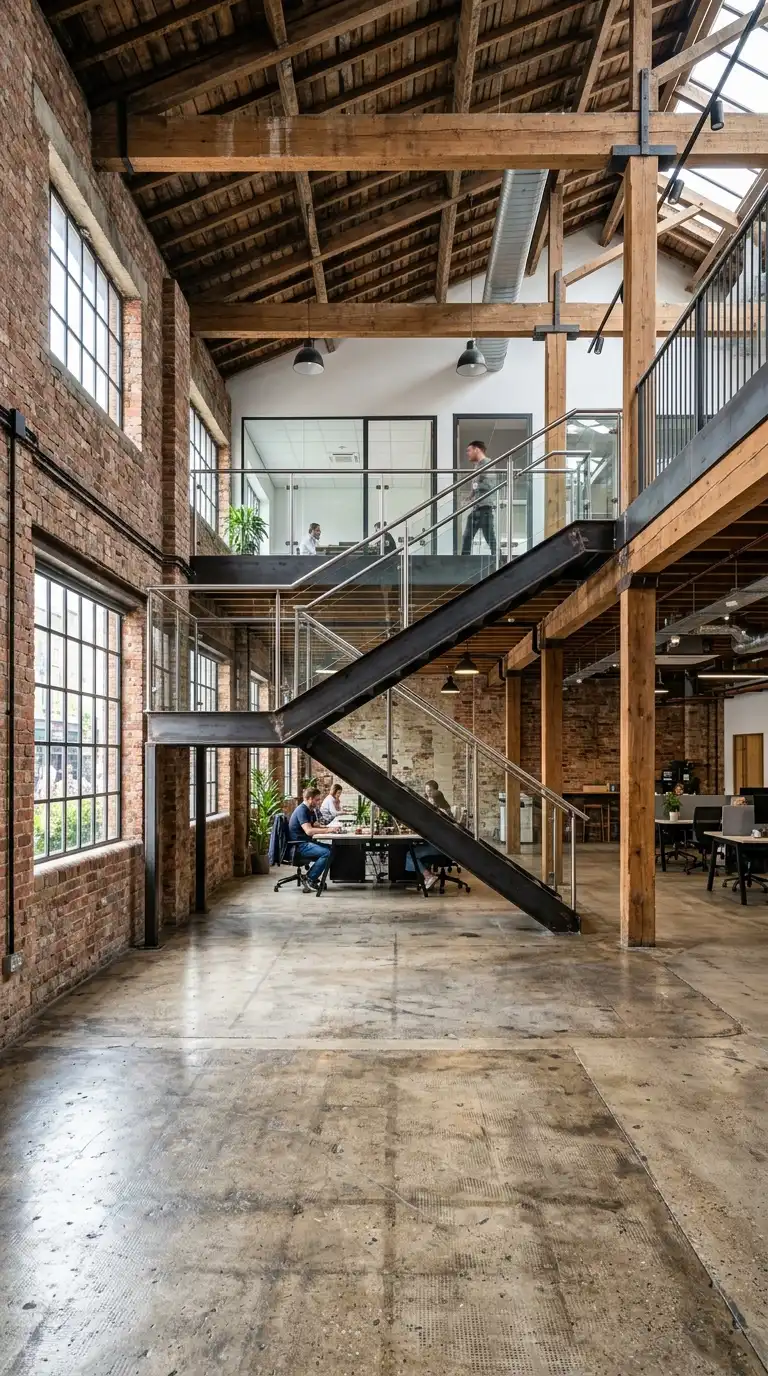
The adaptive reuse warehouse is a former industrial building converted into housing, offices, or a museum. The original structure is preserved. New insertions are clearly modern. The adaptive reuse warehouse is industrial, modern, and layered.
This design is ideal for urban sites with historic industrial buildings. The emotional effect is industrial, modern, and layered.
Quick Tips
- Original structure must be preserved.
- New insertions must be clearly modern.
- The industrial character must remain legible.
10. The Green Skyscraper
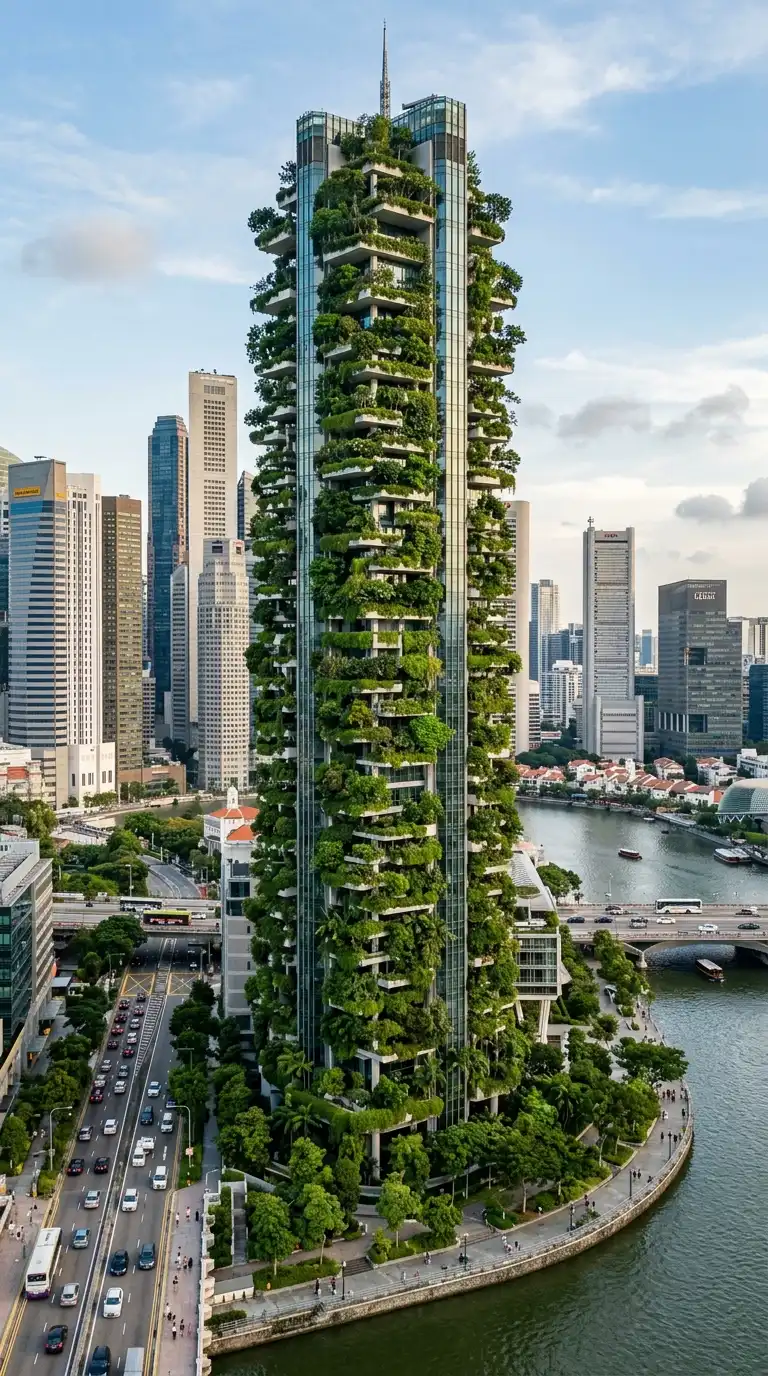
The green skyscraper is a tall building covered in plants. The facade has balconies or trellises for vegetation. The building is a vertical forest. The green skyscraper is green, vertical, and ecological.
This design is ideal for office buildings and residential towers in dense cities. The emotional effect is green, vertical, and ecological.
Quick Tips
- The building must have vegetation on the facade.
- The vegetation must be visible.
- The building must be tall.
11. The Undulating Museum
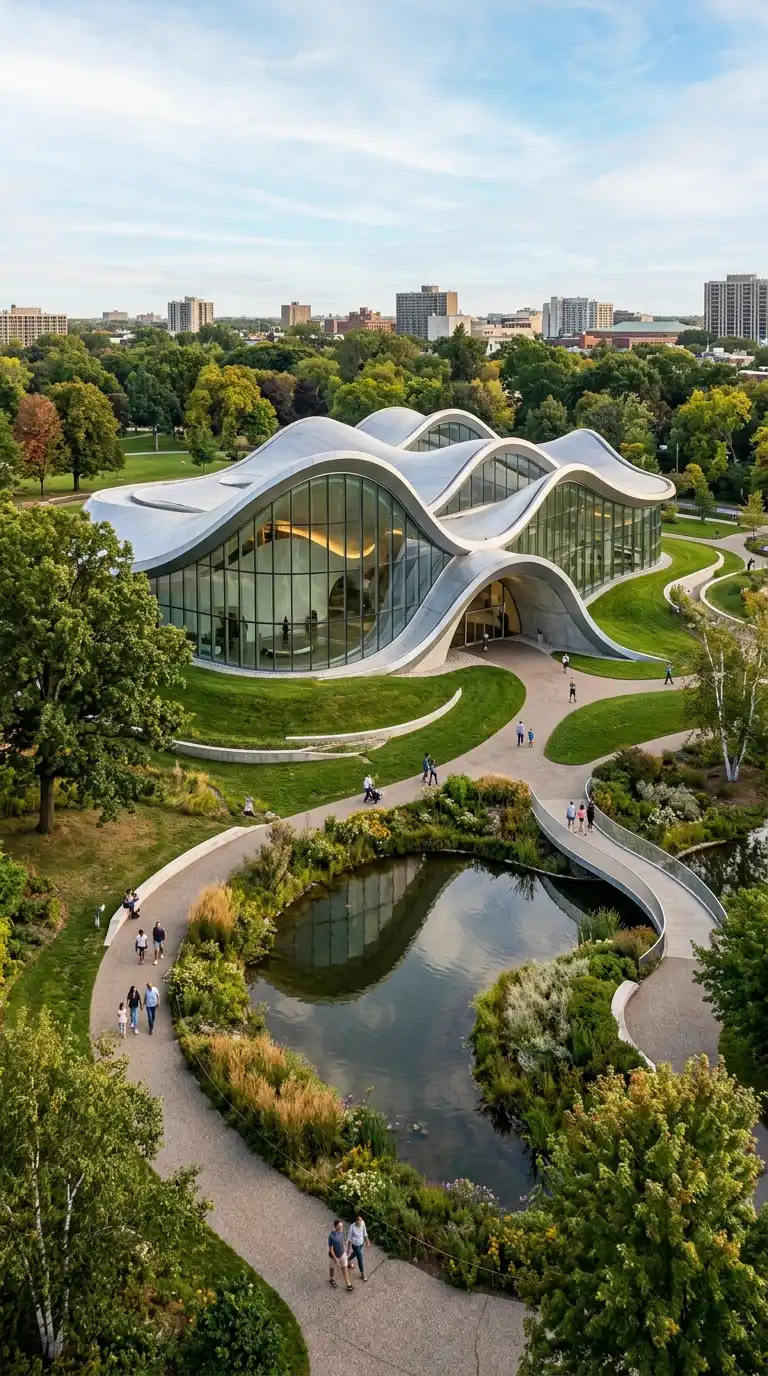
The undulating museum is a building with a curving, undulating roof. The roof is a single continuous surface. The museum is sculptural, fluid, and organic.
This design is ideal for art museums and cultural centres. The emotional effect is sculptural, fluid, and organic.
Quick Tips
- The roof must be a single continuous curve.
- The building must have no straight lines.
- The museum must be on a prominent site.
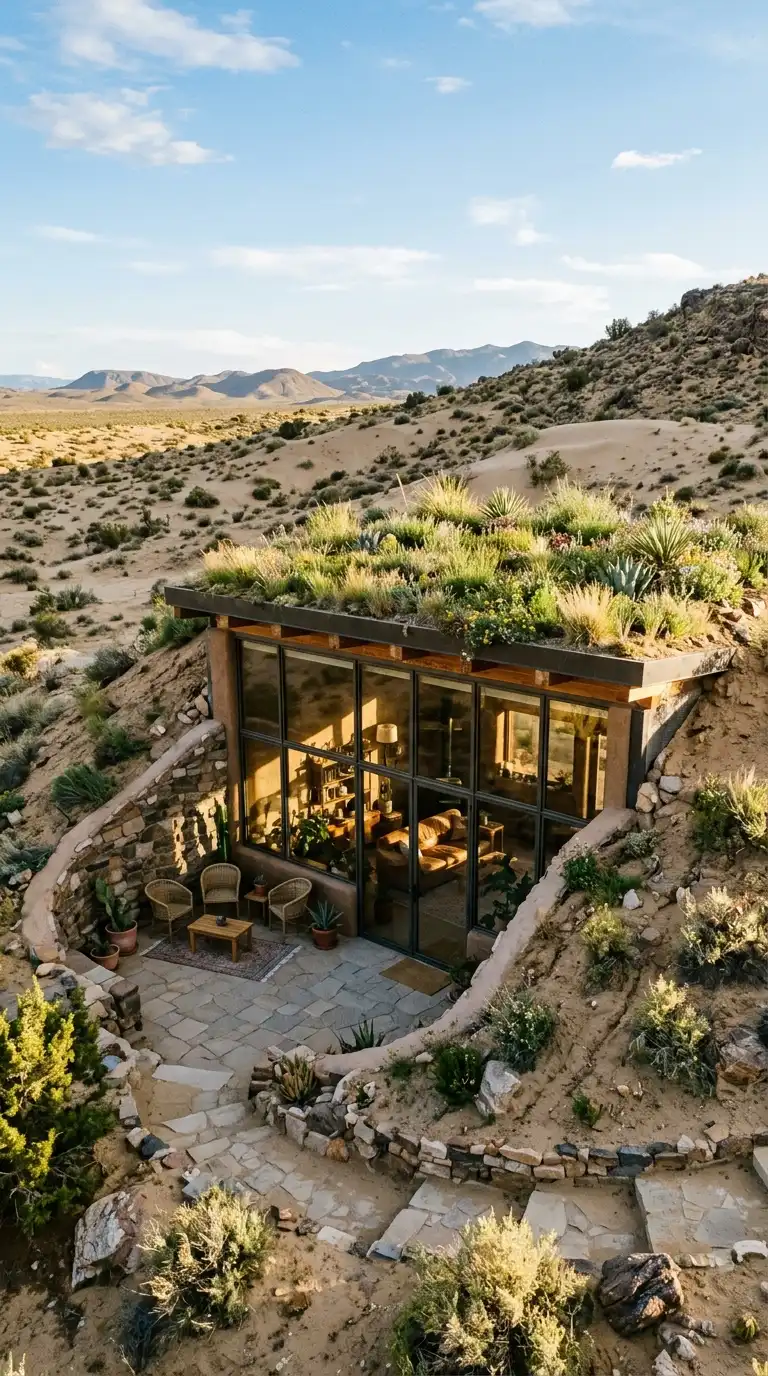
12. The Sunken House
The sunken house is built into the ground. The roof is planted. The walls are earth. The house is partially buried. The sunken house is protected, cool, and earth-sheltered.
This design is ideal for houses in hot climates and sensitive landscapes. The emotional effect is protected, cool, and earth-sheltered.
Quick Tips
- The house must be partially buried.
- The roof must be planted.
- The south-facing wall must be glass.
13. The Parametric Pavilion
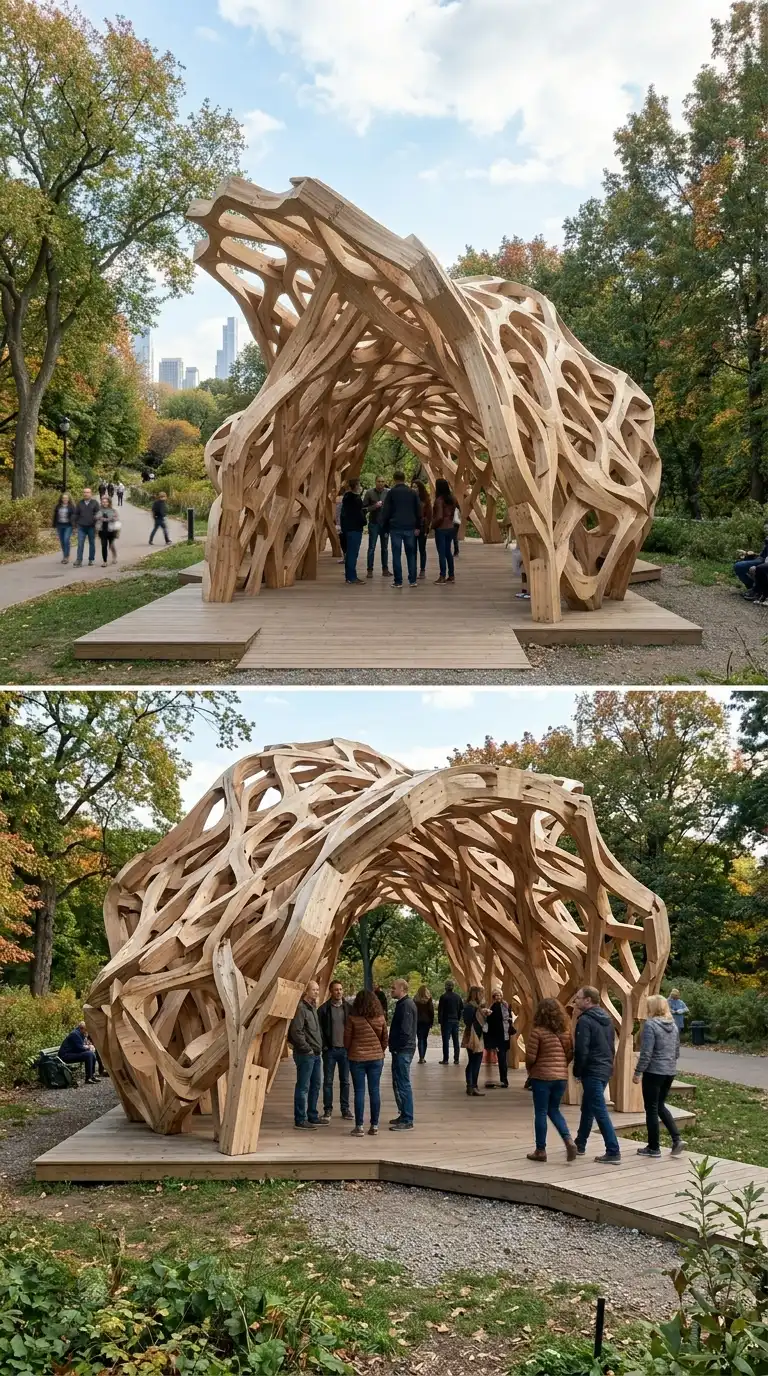
The parametric pavilion is a temporary structure generated by algorithm. The form is complex, non-repetitive, and organic. The pavilion is a showcase for digital design and fabrication. The parametric pavilion is complex, algorithmic, and temporary.
This design is ideal for exhibitions, fairs, and events. The emotional effect is complex, algorithmic, and temporary.
Quick Tips
- The form must be generated by algorithm.
- The structure must be complex and non-repetitive.
- The pavilion must be temporary.
14. The Floating Office
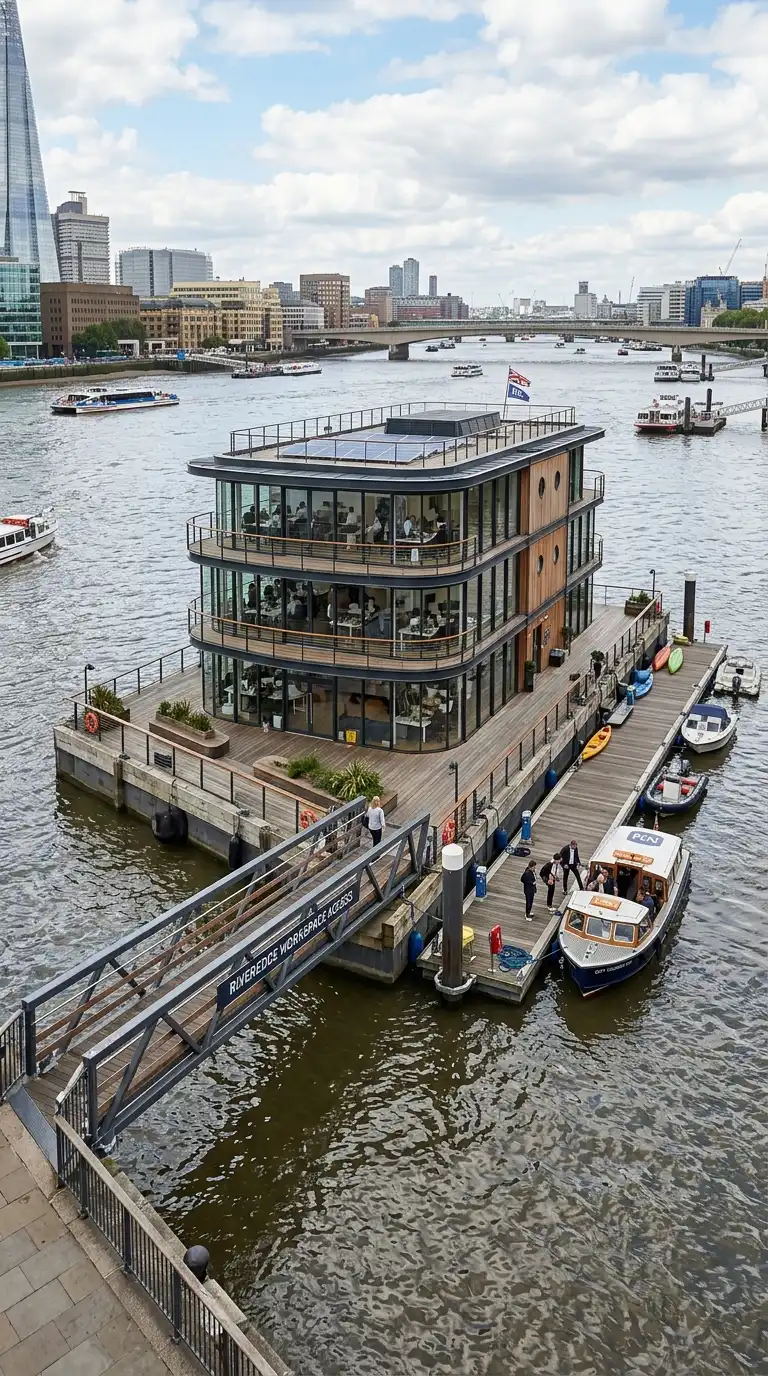
The floating office is an office building on water. The building is a floating platform. The office is accessible by land and by boat. The floating office is nautical, floating, and waterfront.
This design is ideal for waterfront sites and climate adaptation. The emotional effect is nautical, floating, and waterfront.
Quick Tips
- The office must be on a floating platform.
- The office must be accessible by land and water.
- The building must have water views.
Final Thoughts
These 14 contemporary designs are not mutually exclusive. A glass skyscraper can be a green skyscraper. A timber tower can be a stacked boxes house. An undulating museum can be a parametric pavilion. The best contemporary architecture is not the most fashionable — it is the most intelligent. It responds to climate, culture, and computation. It is the architecture of the 21st century. It is the architecture of now. It is contemporary.
