 Skip to content
Ancient architecture is the foundation of all building. Before steel, before concrete, before computers, ancient builders built with stone, mud, and timber. They built for gods, kings, and the dead. They built without drawings, without cranes, without engines. Ancient architecture is not primitive — it is ingenious. It is the accumulated wisdom of ten thousand years.
These 24 ancient architecture designs span prehistory to late antiquity, from Europe to Asia to the Americas. Each design includes defining characteristics, construction principles, and cultural meanings.
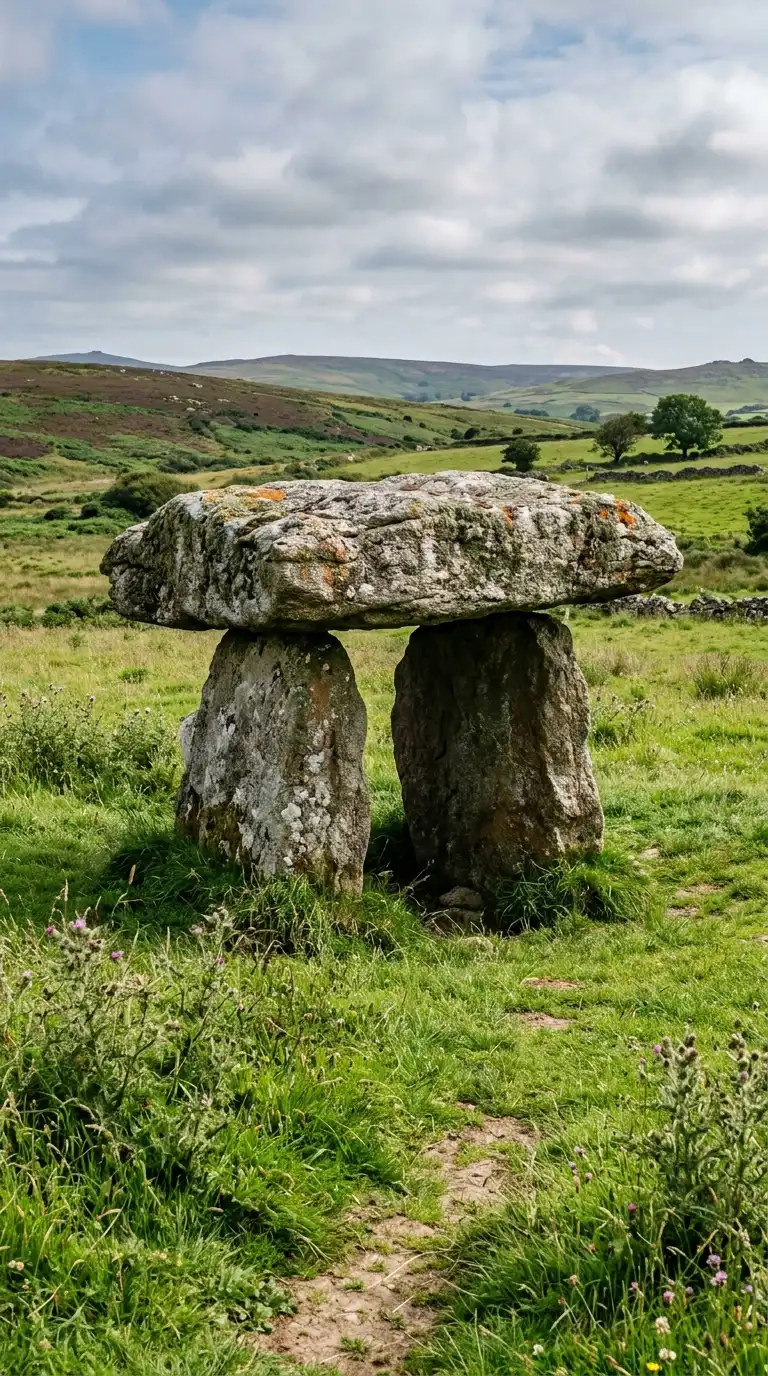
1. The Megalithic Dolmen
The dolmen is a stone table: two upright stones supporting a horizontal capstone. The dolmen is a tomb, a marker, a sacred place. The stones weigh many tons. They were moved without wheels or pulleys. The dolmen is ancient, heavy, and mysterious.
This design is ideal for tombs and memorials. The emotional effect is ancient, heavy, and mysterious.
Quick Tips
- Two upright stones must support a horizontal capstone.
- The capstone must be larger than the uprights.
- The structure must be dry-stone (no mortar).
2. The Stone Circle
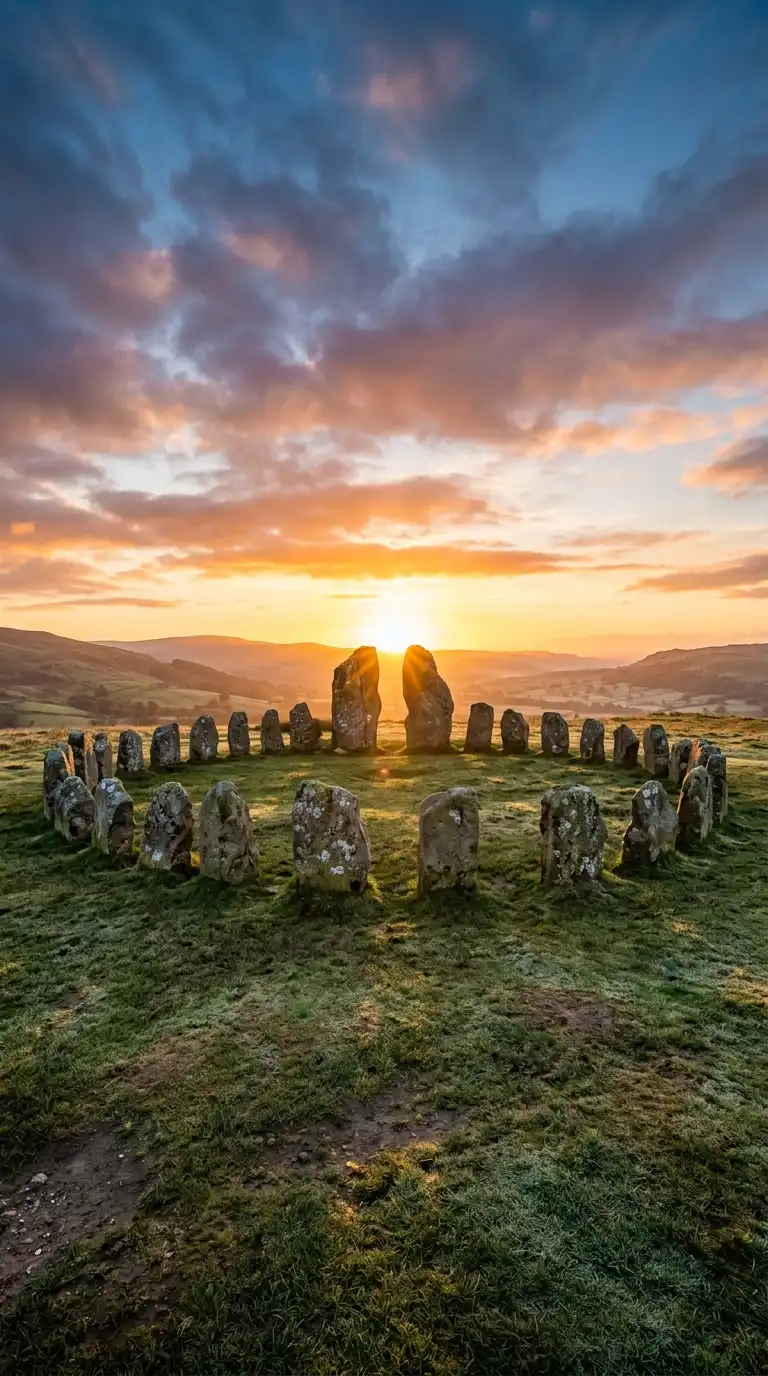
The stone circle is a ring of standing stones. The stones are evenly spaced. The circle is aligned with the sun or stars. Stonehenge is the most famous. The stone circle is a calendar, a temple, a gathering place.
This design is ideal for ceremonial sites and parks. The emotional effect is circular, aligned, and ceremonial.
Quick Tips
- The stones must be arranged in a circle.
- The stones must be evenly spaced.
- The circle must be aligned with the sun or stars.
3. The Egyptian Pyramid
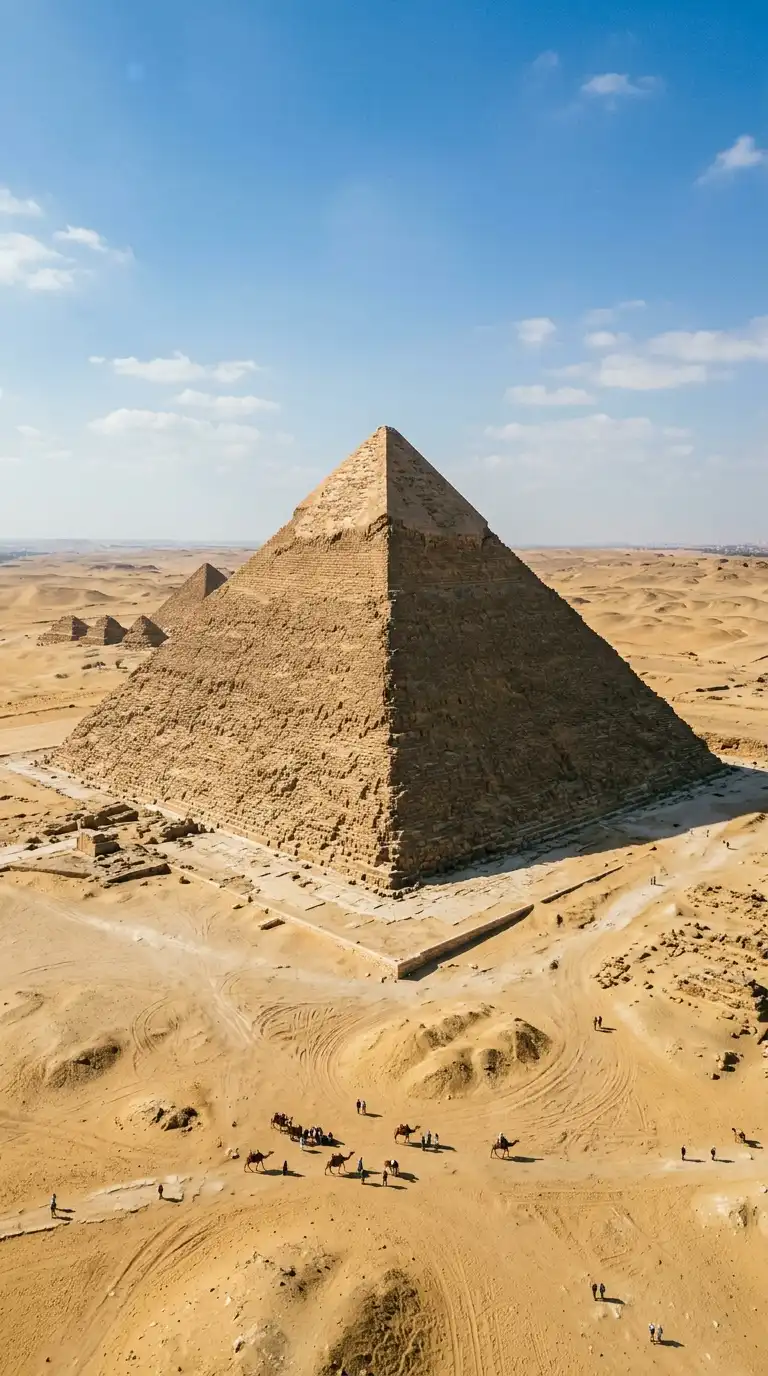
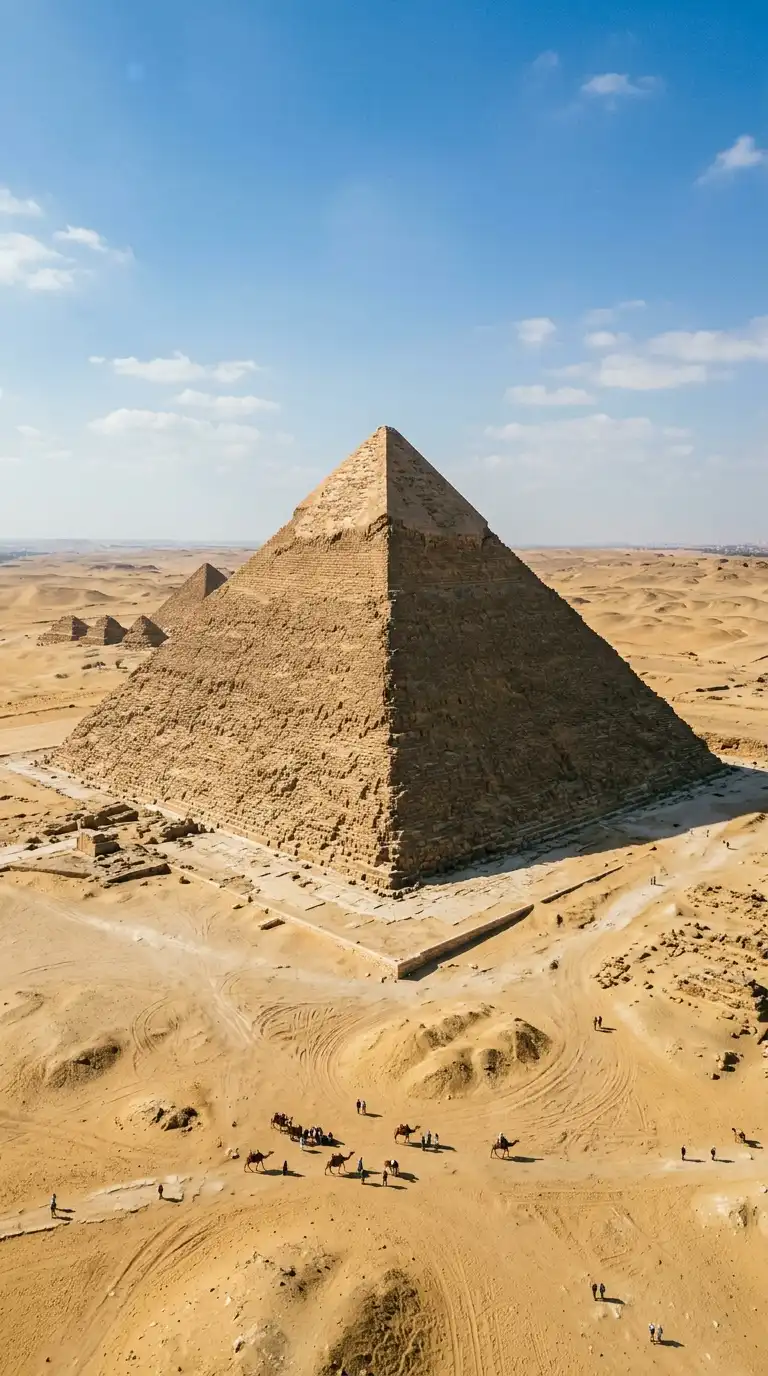
The pyramid is a square-based, four-sided stone tomb. The sides are smooth and sloping. The pyramid is aligned with the cardinal directions. The pyramid is the tomb of a pharaoh. The pyramid is massive, geometric, and eternal.
This design is ideal for tombs and monuments. The emotional effect is massive, geometric, and eternal.
Quick Tips
- The base must be square.
- The sides must slope to a point.
- The pyramid must be aligned with the cardinal directions.
4. The Egyptian Temple
The Egyptian temple is a linear sequence of spaces: pylon gateway, open court, hypostyle hall, sanctuary. The hypostyle hall has a forest of columns. The temple is dark inside. The sanctuary is the darkest. The Egyptian temple is axial, columned, and mysterious.
This design is ideal for temples and religious buildings. The emotional effect is axial, columned, and mysterious.
Quick Tips
- The temple must have a linear sequence of spaces.
- The hypostyle hall must have many columns.
- The sanctuary must be the darkest.
5. The Minoan Palace
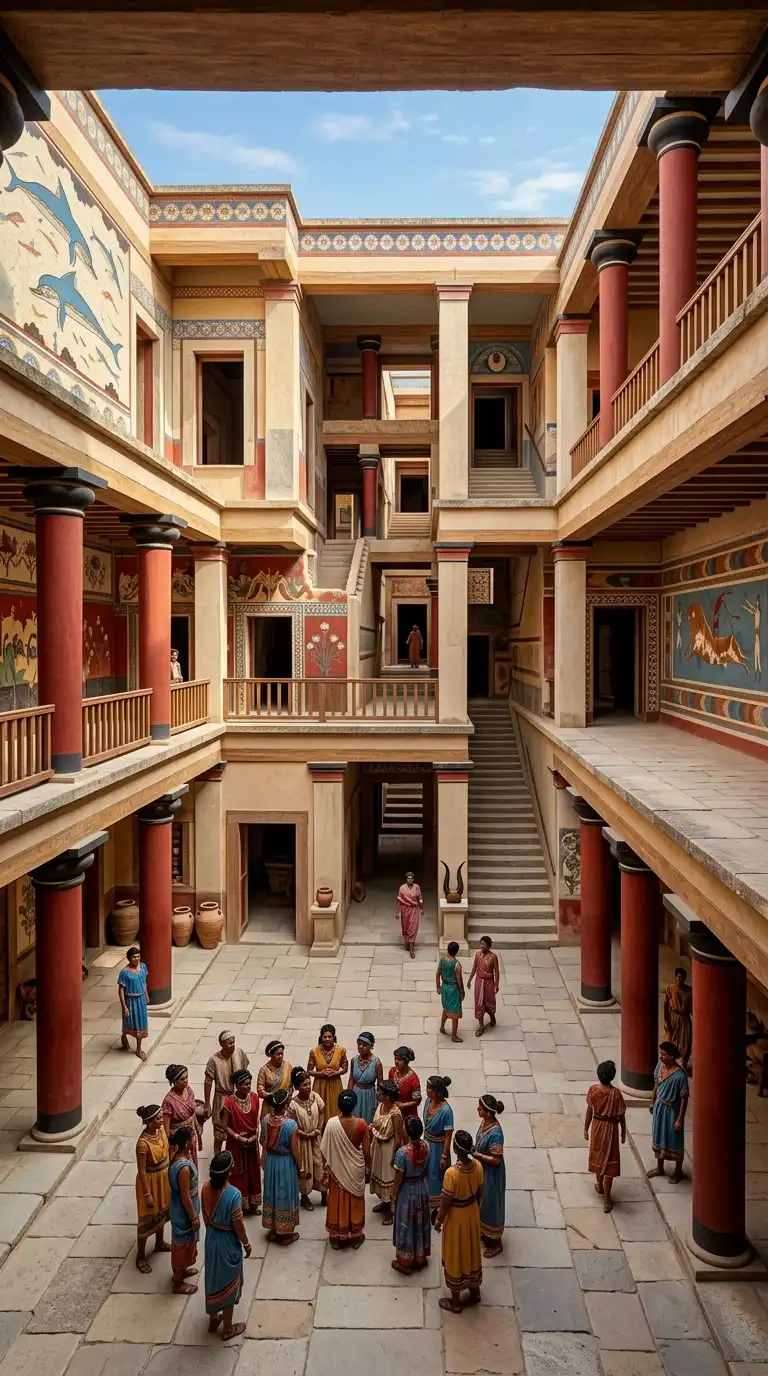
The Minoan palace is a sprawling complex of rooms, courts, and corridors. The palace is not fortified. It is open and light. The walls have frescoes. The palace has a central court. The Minoan palace is open, colourful, and labyrinthine.
This design is ideal for palaces and administrative centres. The emotional effect is open, colourful, and labyrinthine.
Quick Tips
- The palace must have a central court.
- The walls must have frescoes.
- The plan must be labyrinthine (not simple).
6. The Mycenaean Tholos Tomb
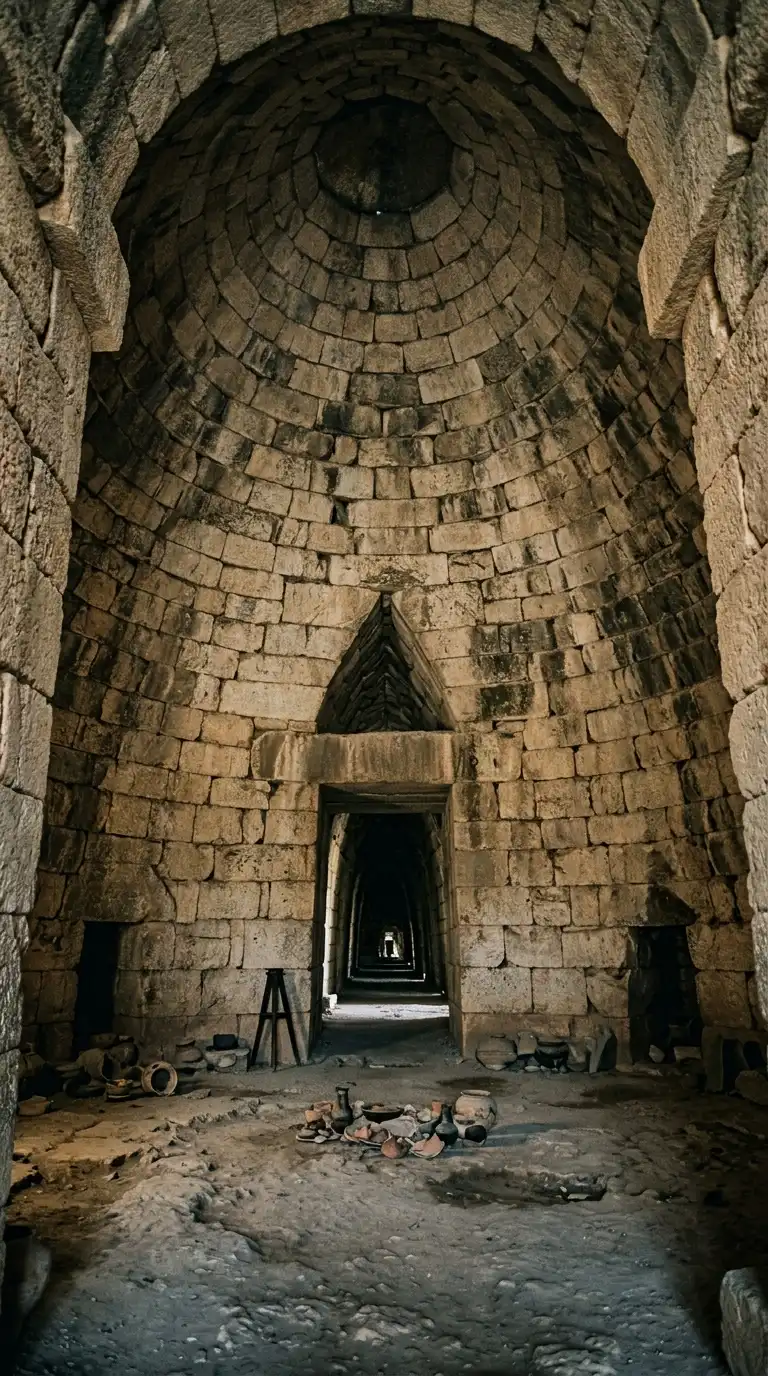
The tholos tomb is a beehive-shaped stone tomb. It is a circular chamber with a corbelled dome. The entrance is a long passage (dromos). The tholos tomb is the tomb of a king. The tholos tomb is beehive-shaped, corbelled, and monumental.
This design is ideal for tombs and memorials. The emotional effect is beehive-shaped, corbelled, and monumental.
Quick Tips
- The chamber must be circular.
- The dome must be corbelled (not true arch).
- The entrance must have a long passage (dromos).
7. The Greek Temple
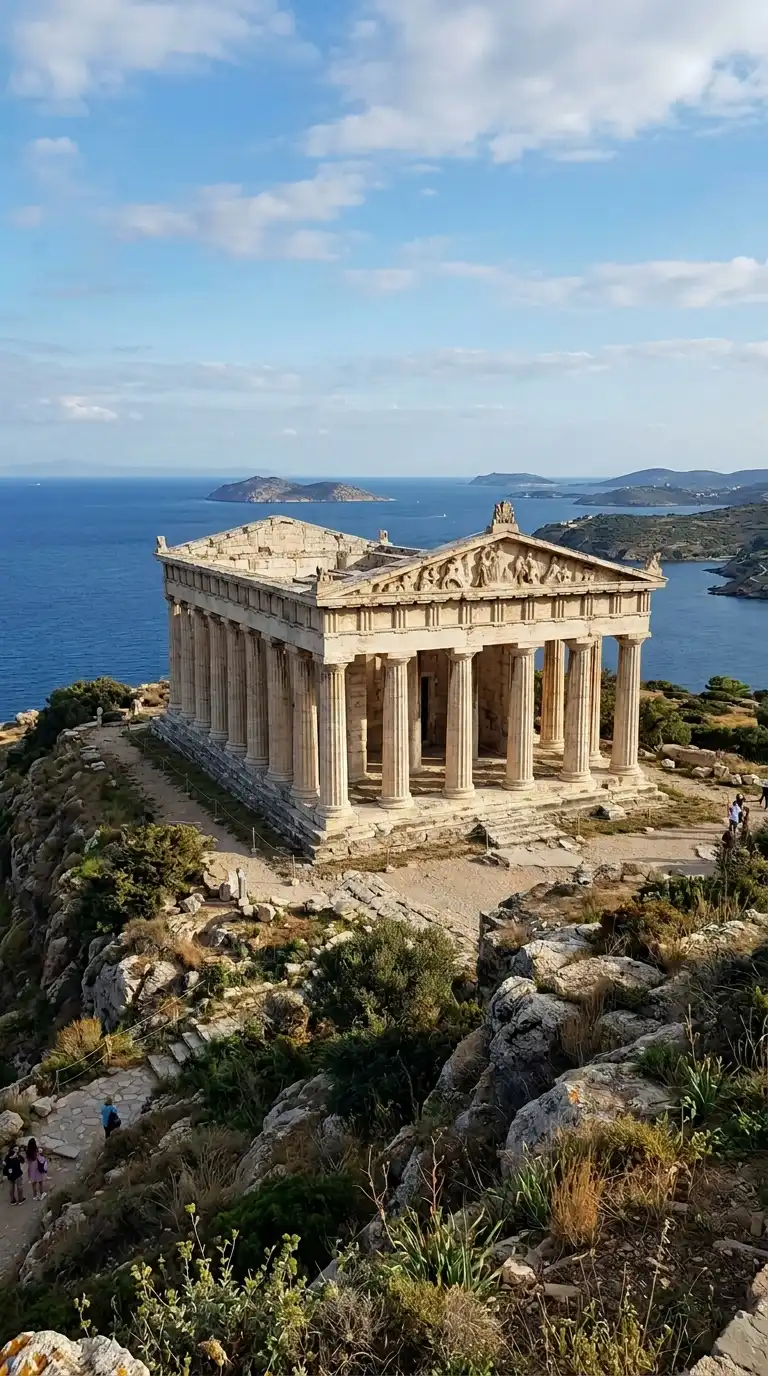
The Greek temple is a rectangular building with a colonnade on all sides. The columns are Doric, Ionic, or Corinthian. The roof is a low pediment. The temple is the home of a god. The Greek temple is rational, proportional, and ideal.
This design is ideal for temples and civic buildings. The emotional effect is rational, proportional, and ideal.
Quick Tips
- The plan must be rectangular with a colonnade on all sides.
- The columns must follow a single order (Doric, Ionic, Corinthian).
- The roof must be a low pediment.
8. The Greek Theatre
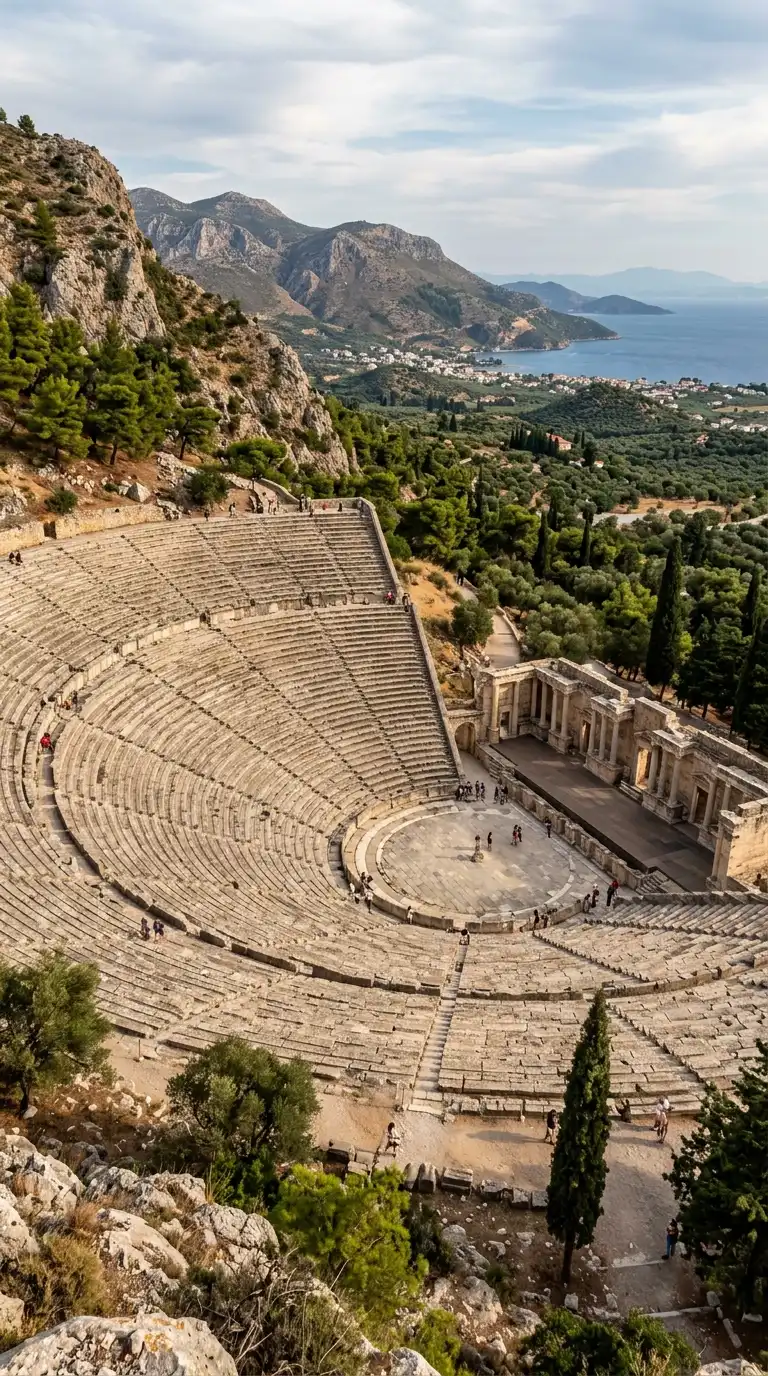
The Greek theatre is carved into a hillside. The seating is a semicircle rising up the slope. The orchestra is a circle at the bottom. The skene is the stage building. The theatre is designed for acoustics. The Greek theatre is dramatic, acoustic, and landscape-integrated.
This design is ideal for theatres and performance spaces. The emotional effect is dramatic, acoustic, and landscape-integrated.
Quick Tips
- The seating must be a semicircle steeper than 30 degrees.
- The orchestra must be a full circle.
- The theatre must be carved into a hillside.
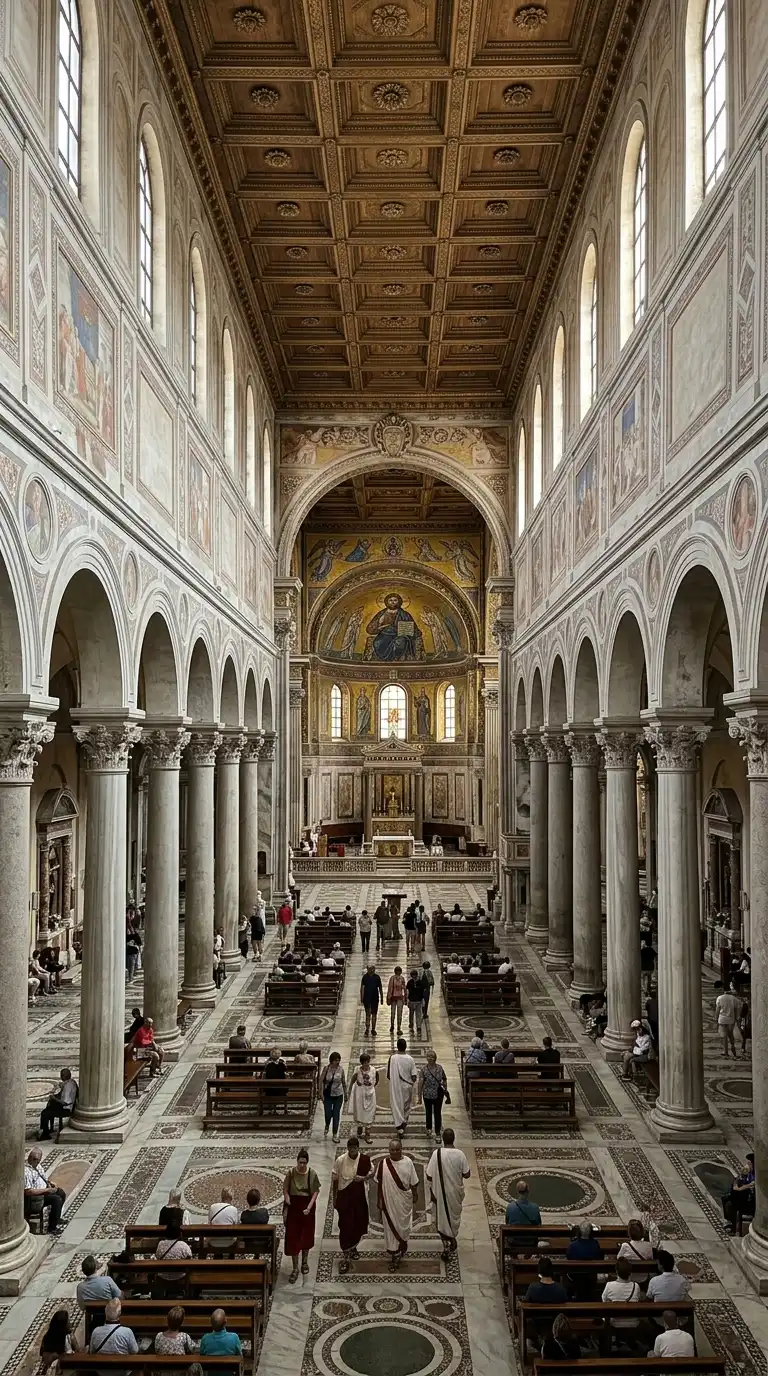
9. The Roman Basilica
The Roman basilica is a long rectangular hall with a central nave and lower side aisles. The nave is lit by a clerestory. The apse at the end held the magistrate’s tribunal. The basilica is a law court, a meeting hall, a market. The basilica is axial, hierarchical, and public.
This design is ideal for law courts and public halls. The emotional effect is axial, hierarchical, and public.
Quick Tips
- The plan must be a long rectangle with a nave and side aisles.
- The nave must be higher than the aisles with a clerestory.
- An apse must be at one or both ends.
10. The Pantheon
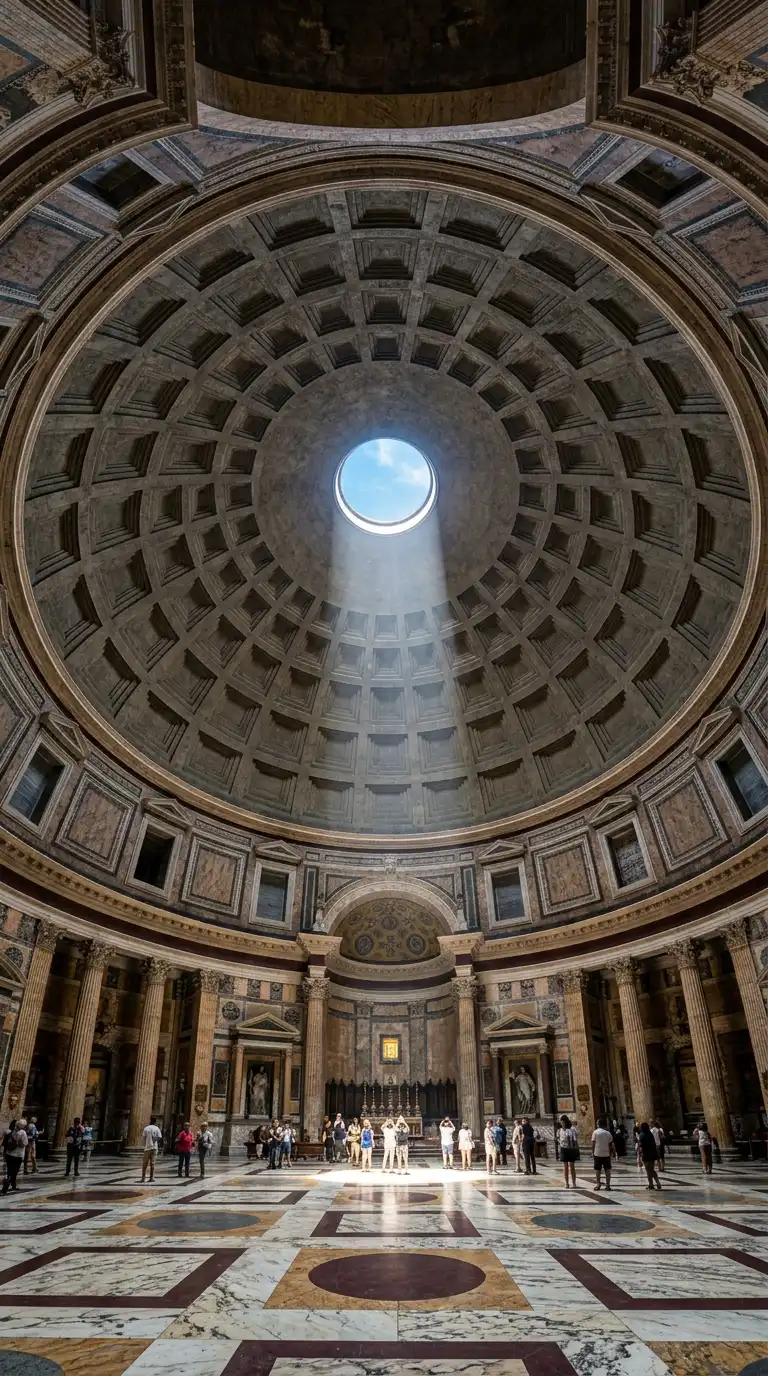
The Pantheon in Rome (126 CE) is the best-preserved Roman building. It is a rotunda with a domed ceiling. The dome has an oculus open to the sky. The Pantheon is a temple to all gods. The Pantheon is circular, domed, and celestial.
This design is ideal for churches and memorials. The emotional effect is circular, domed, and celestial.
Quick Tips
- The plan must be a circle.
- The dome must be a hemisphere.
- The oculus must be open to the sky.
11. The Roman Amphitheatre
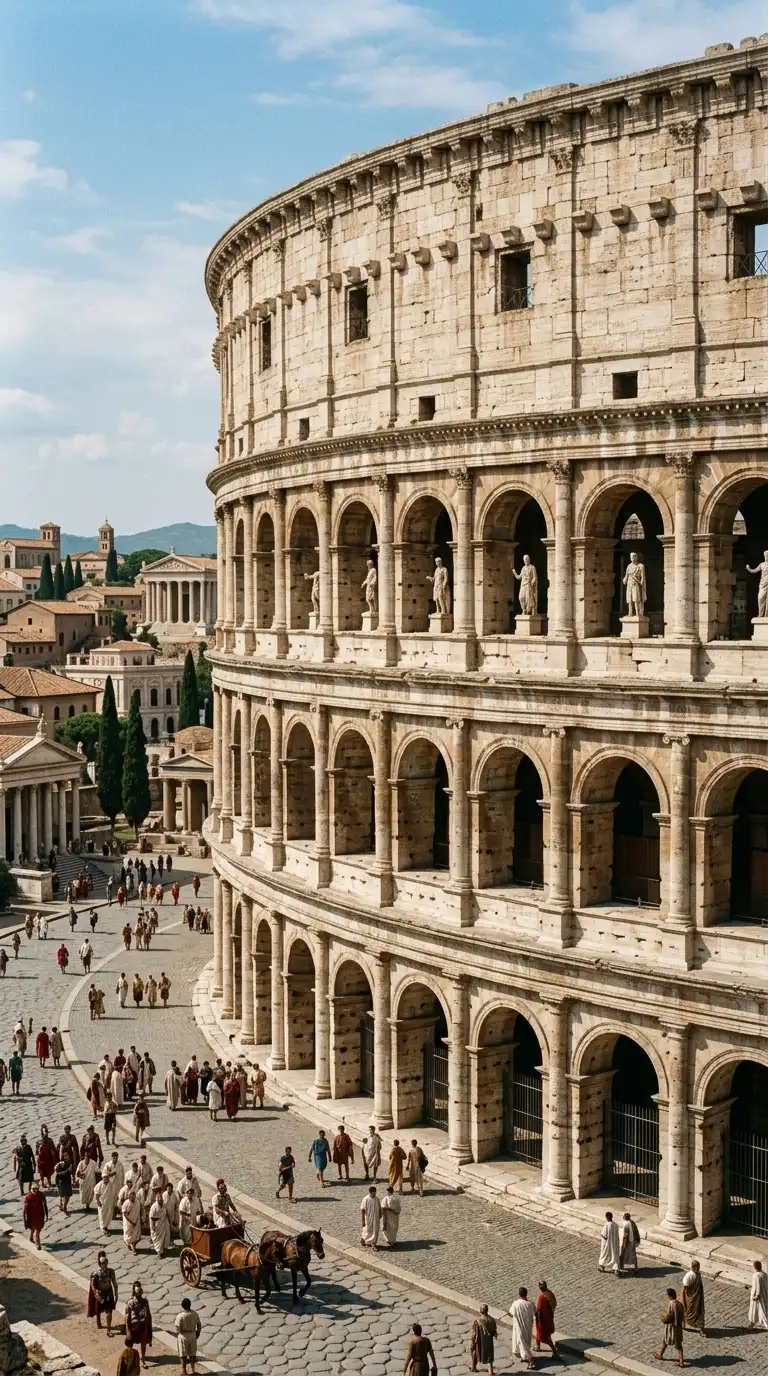
The amphitheatre is a Roman invention. Two theatres placed face to face create an oval arena surrounded by rising seating. The amphitheatre hosted gladiatorial combats, animal hunts, and executions. The seating is supported by concrete vaults and arches. The amphitheatre is monumental, public, and terrifying.
This design is ideal for arenas and stadiums. The emotional effect is monumental, public, and terrifying.
Quick Tips
- The plan must be an oval or ellipse.
- Seating should rise on all sides around a central arena.
- The exterior should have arched openings on multiple levels.
12. The Roman Aqueduct
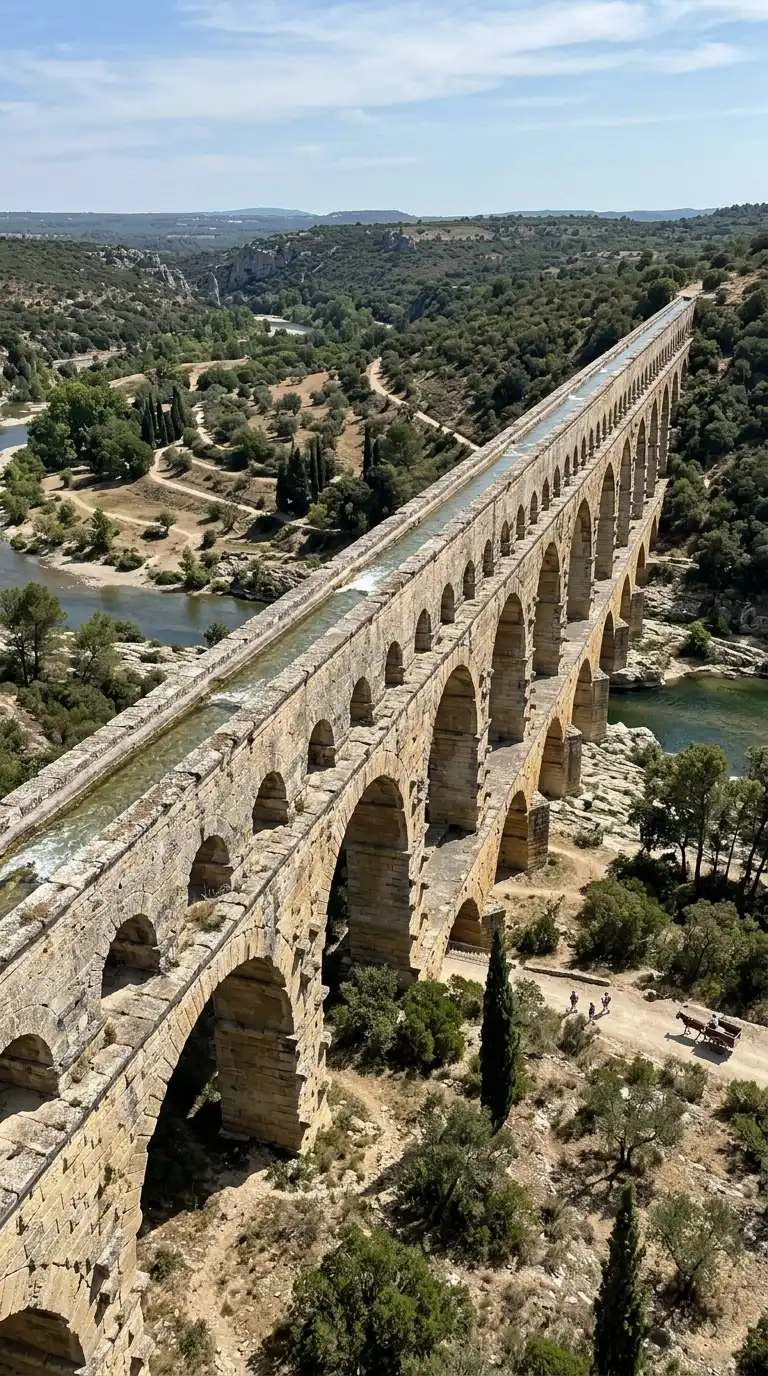
The Roman aqueduct is a long arcade of arches carrying water across valleys. The arches are stacked in two or three levels. The top level carries the water channel. The aqueduct is infrastructure as architecture. The aqueduct is engineered, rhythmic, and monumental.
This design is ideal for water supply and bridges. The emotional effect is engineered, rhythmic, and monumental.
Quick Tips
- The aqueduct must have two or three levels of arches.
- The top level must carry the water channel.
- The arches must be semicircular.
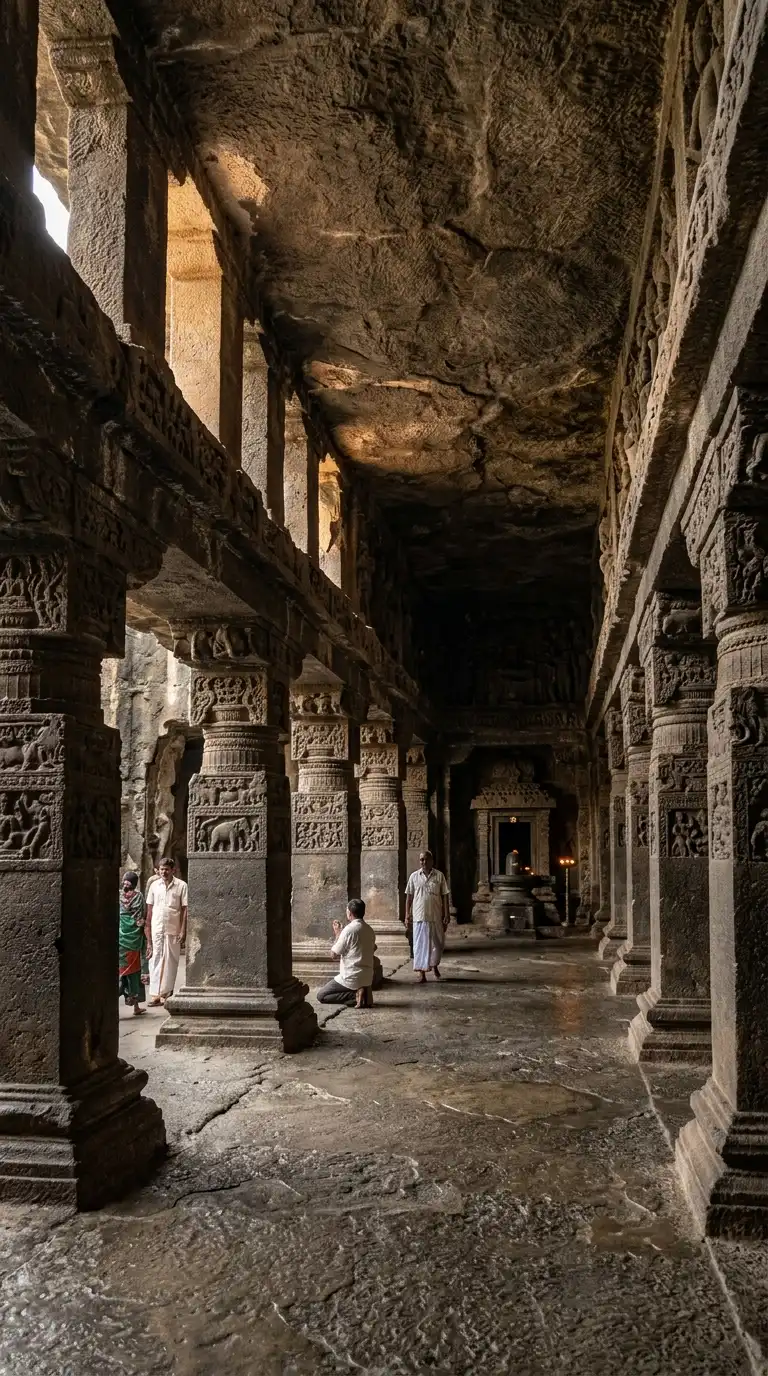
13. The Indian Rock-Cut Temple
The rock-cut temple is carved from a single rock. The temple is excavated from the top down. The rock becomes the building. The rock-cut temple is monolithic, carved, and subterranean.
This design is ideal for temples and religious buildings. The emotional effect is monolithic, carved, and subterranean.
Quick Tips
- The temple must be carved from a single rock.
- The carving must be from the top down.
- The temple must be partially subterranean.
14. The Indian Stupa
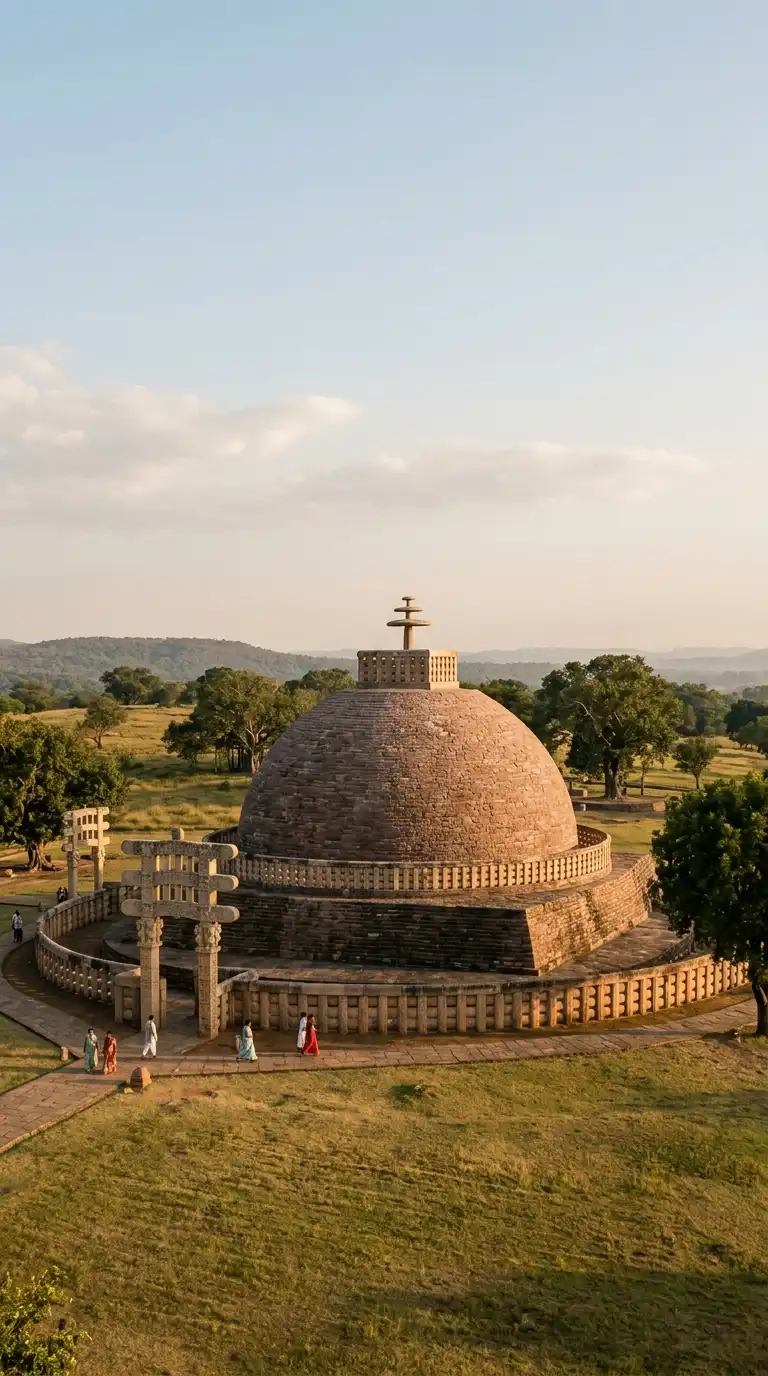
The stupa is a Buddhist reliquary mound. It is a hemispherical dome on a square base. The dome is surrounded by a railing. The stupa has a central pillar (yasti) with umbrellas. The stupa is domed, hemispherical, and sacred.
This design is ideal for Buddhist monuments and temples. The emotional effect is domed, hemispherical, and sacred.
Quick Tips
- The dome must be hemispherical.
- The base must be square.
- The central pillar must have umbrellas.
15. The Chinese Han Dynasty Tomb
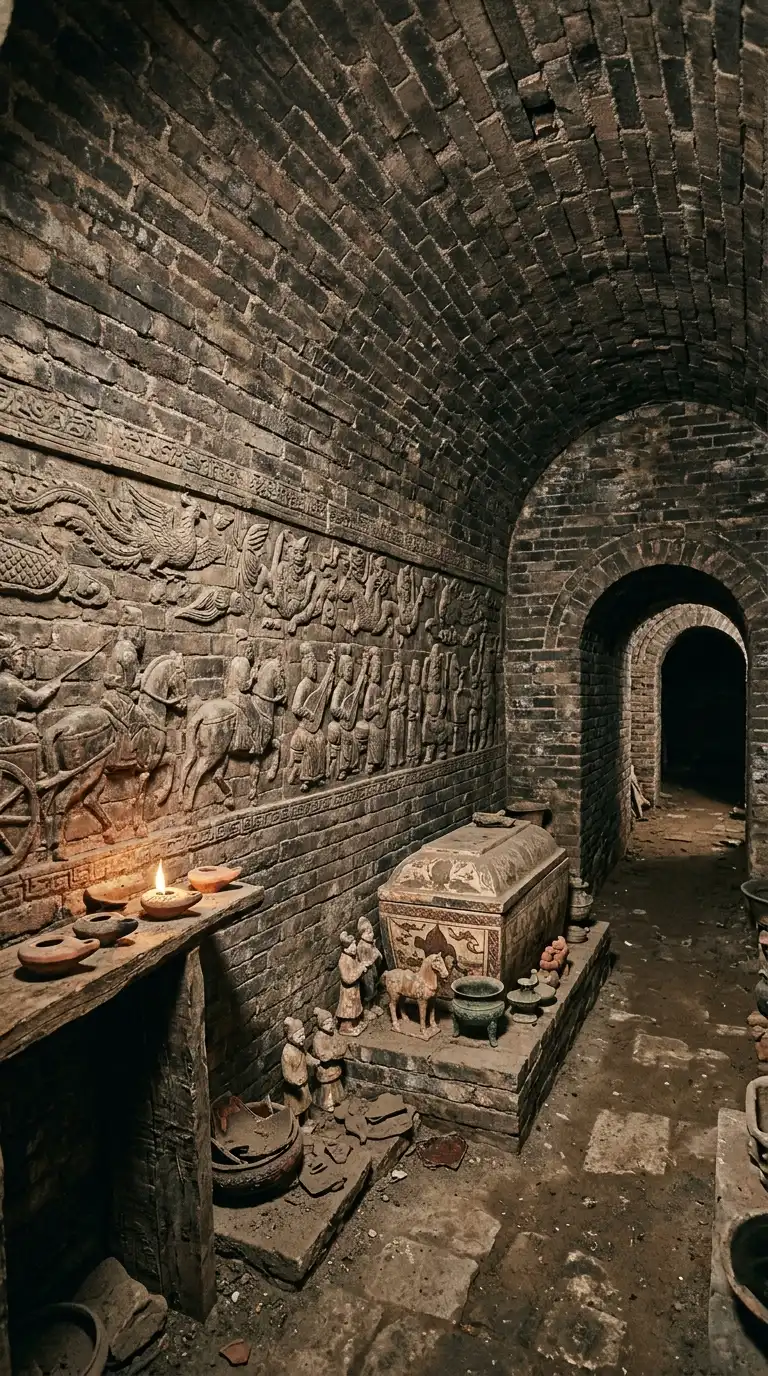
The Han Dynasty tomb is an underground tomb with brick vaults. The tomb has a central chamber and side chambers. The walls have brick reliefs. The tomb is for an emperor or noble. The Han tomb is subterranean, vaulted, and brick.
This design is ideal for tombs and memorials. The emotional effect is subterranean, vaulted, and brick.
Quick Tips
- The tomb must be underground.
- The vaults must be brick.
- The walls must have brick reliefs.
16. The Chinese Great Wall
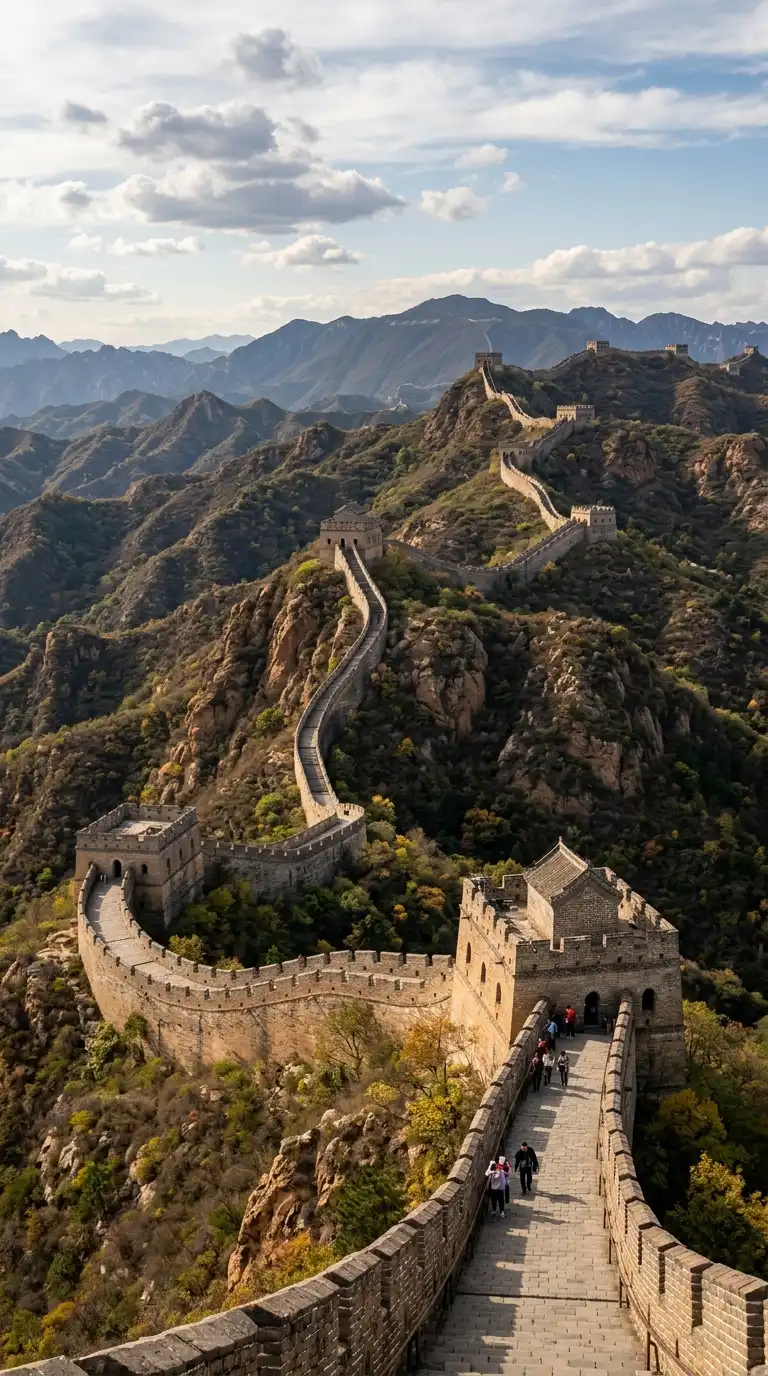
The Great Wall is a massive defensive wall across northern China. The wall is made of stone, brick, and rammed earth. It has watchtowers and fortresses. The Great Wall is defensive, monumental, and continuous.
This design is ideal for fortifications and borders. The emotional effect is defensive, monumental, and continuous.
Quick Tips
- The wall must be long and continuous.
- Watchtowers must be at intervals.
- The wall must be on a ridge.
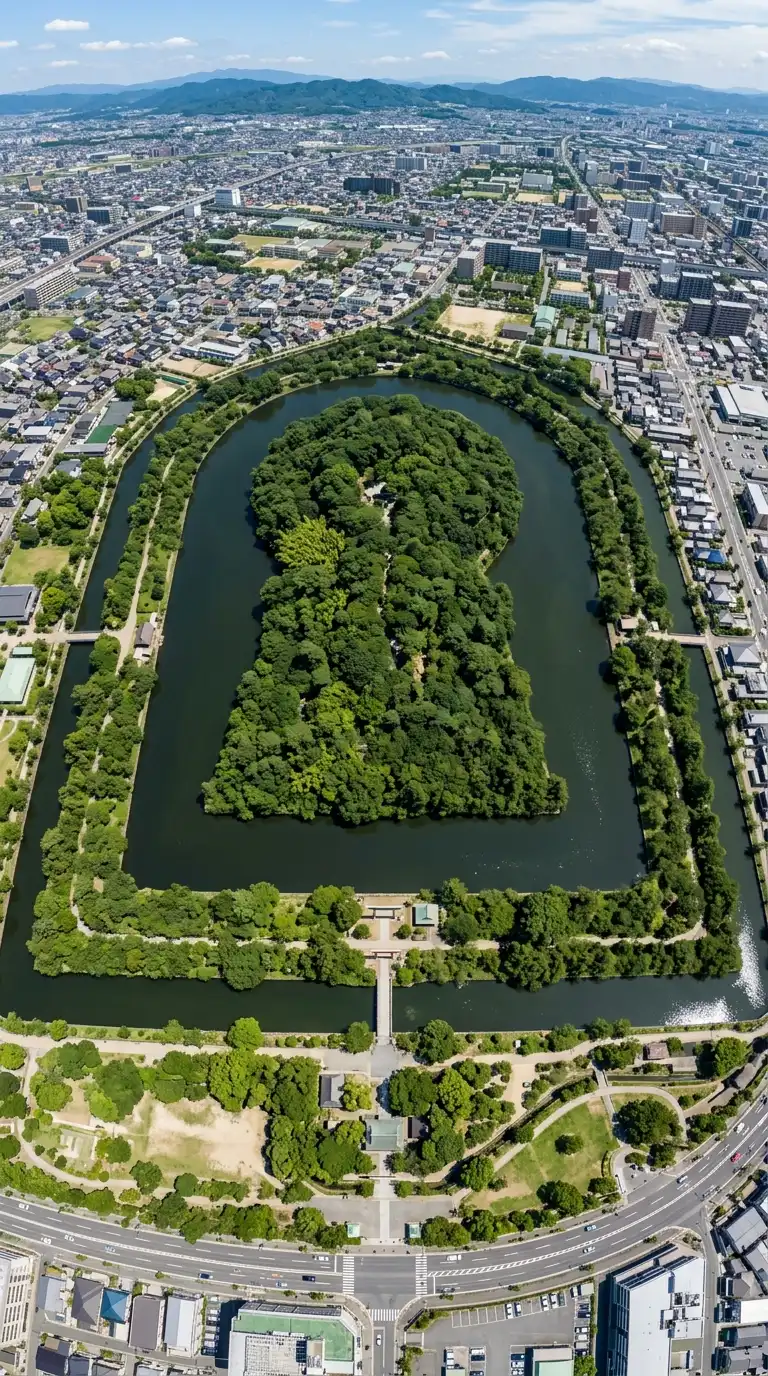
17. The Japanese Kofun Tomb
The kofun tomb is a keyhole-shaped earthen mound. The mound is surrounded by a moat. The tomb is for an emperor. The kofun tomb is keyhole-shaped, earthen, and moated.
This design is ideal for tombs and memorials. The emotional effect is keyhole-shaped, earthen, and moated.
Quick Tips
- The mound must be keyhole-shaped (round front, square back).
- The mound must be earthen.
- A moat must surround the mound.
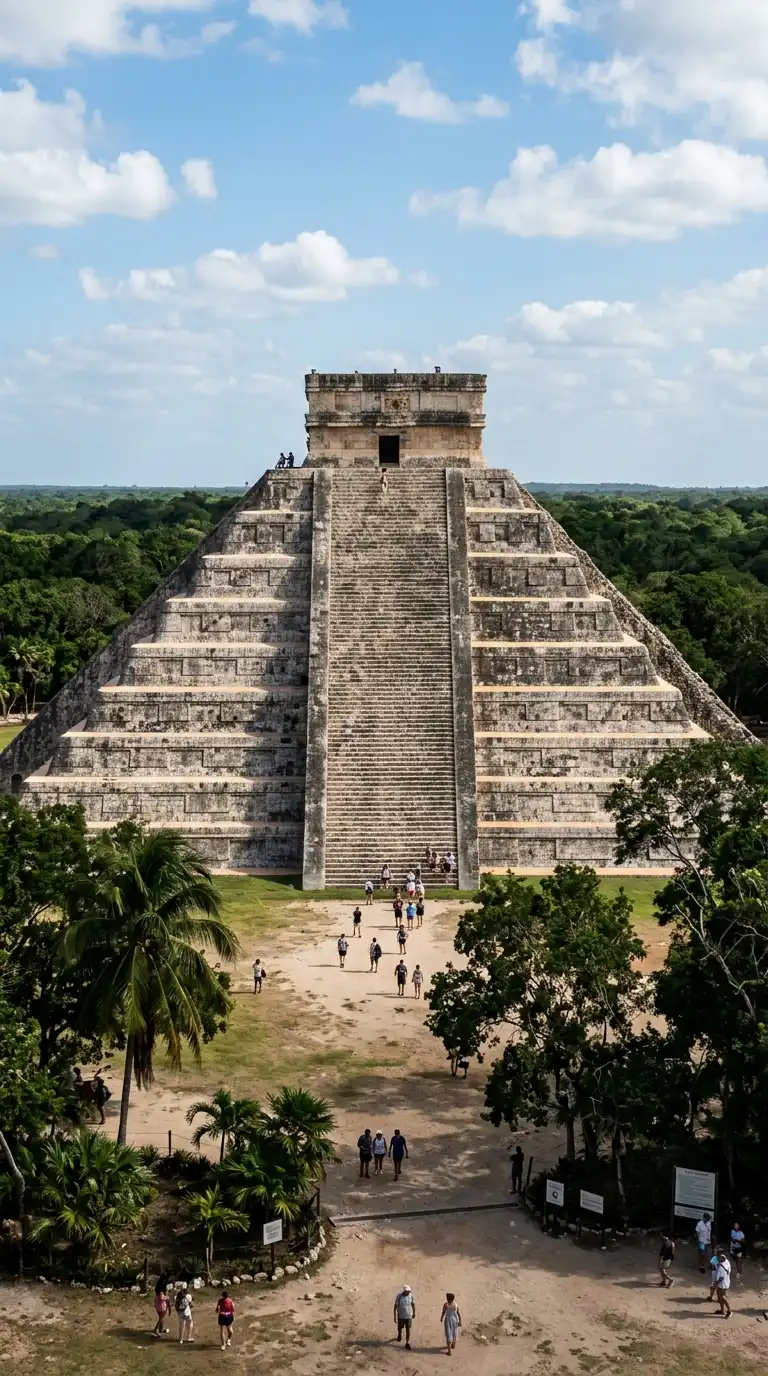
18. The Maya Pyramid
The Maya pyramid is a stepped pyramid with a temple on top. The pyramid has steep stairs on one side. The pyramid is made of stone. The Maya pyramid is stepped, vertical, and temple-topped.
This design is ideal for temples and ceremonial centres. The emotional effect is stepped, vertical, and temple-topped.
Quick Tips
- The pyramid must be stepped (not smooth).
- Stairs must be on one side.
- A temple must be on top.
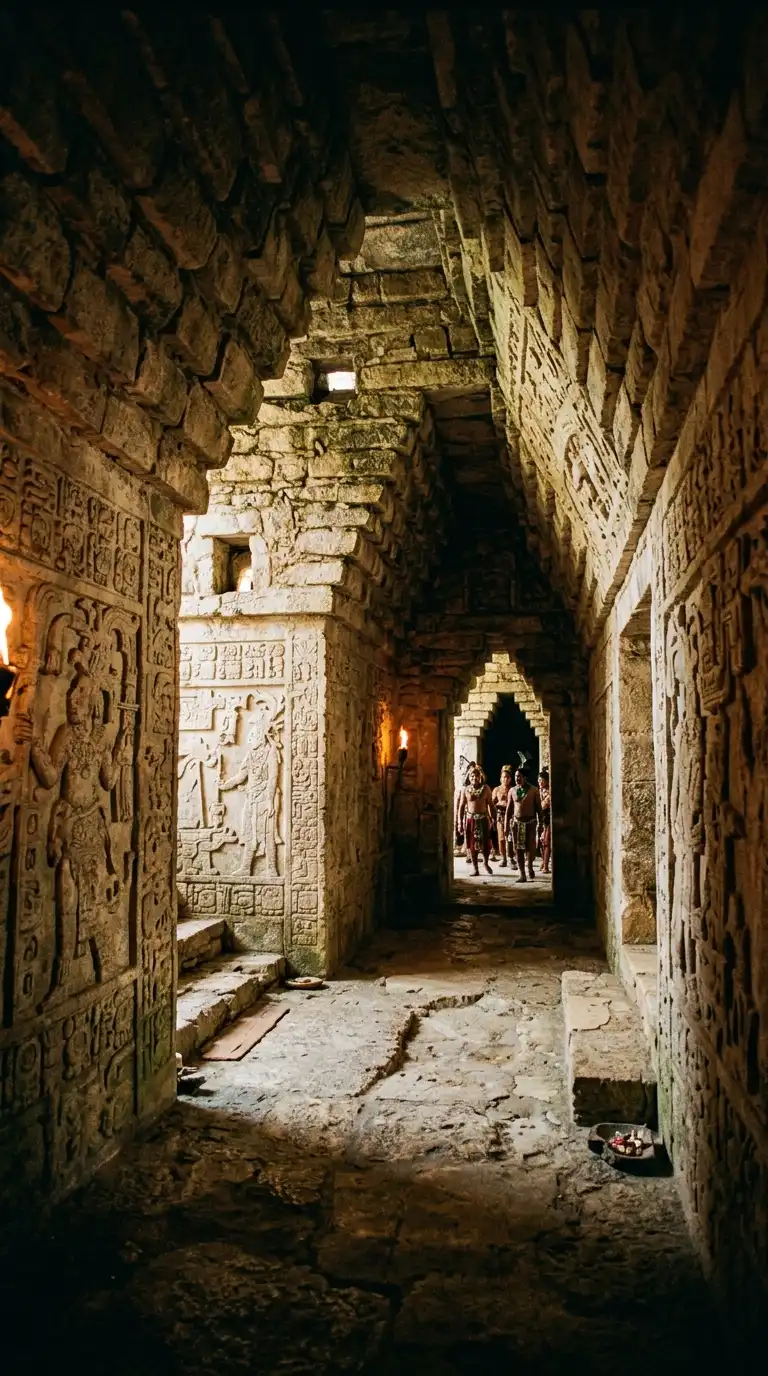
19. The Maya Palace
The Maya palace is a low, sprawling complex of rooms around courtyards. The palace has corbelled vaults. The walls have stone reliefs and carvings. The palace is for the ruler. The Maya palace is sprawling, vaulted, and carved.
This design is ideal for palaces and administrative centres. The emotional effect is sprawling, vaulted, and carved.
Quick Tips
- The palace must be low and sprawling.
- The vaults must be corbelled.
- The walls must have carvings.
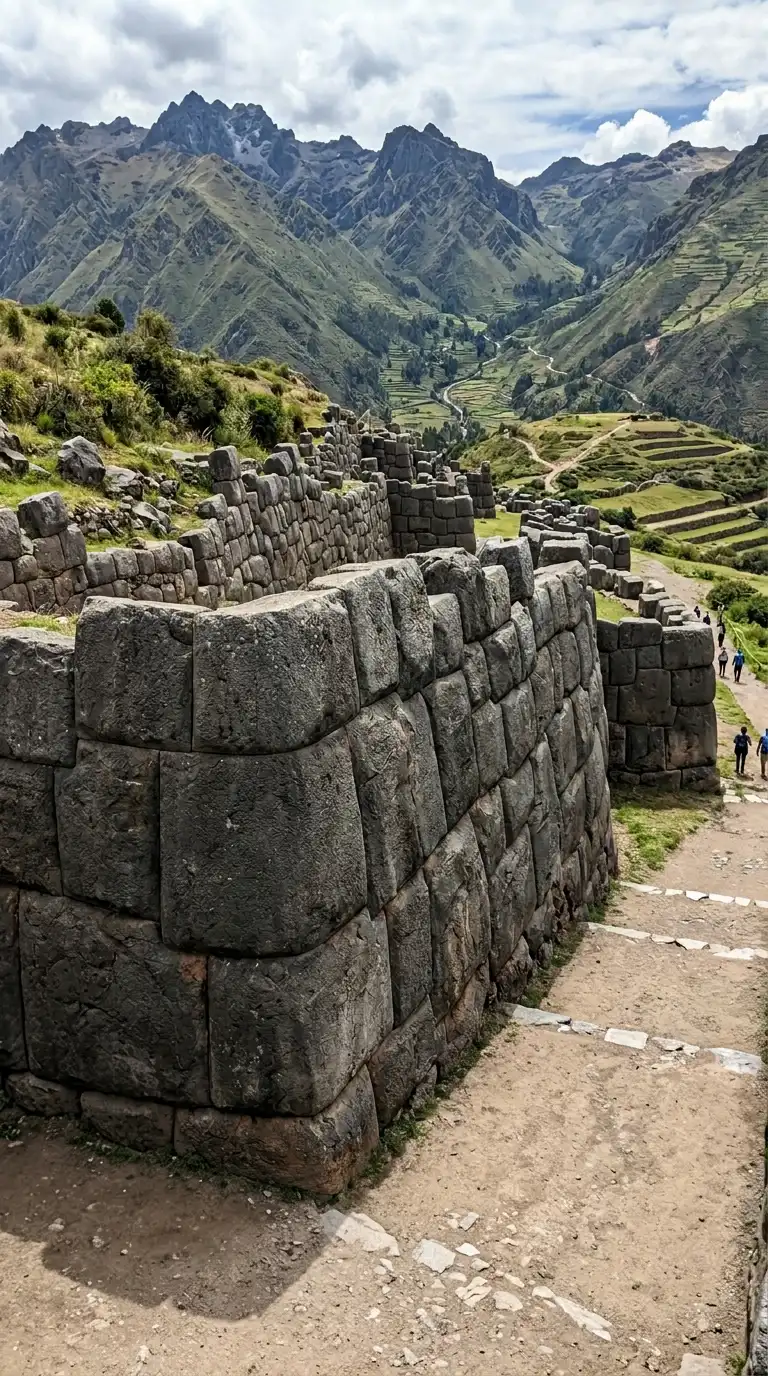
20. The Inca Stone Wall
The Inca stone wall is made of massive stone blocks fitted together without mortar. The blocks are cut to fit exactly. The joints are so tight that a knife blade cannot fit between them. The Inca stone wall is massive, fitted, and mortarless.
This design is ideal for fortifications and temples. The emotional effect is massive, fitted, and mortarless.
Quick Tips
- The blocks must be massive.
- The joints must be tight (no mortar).
- The blocks must be irregularly shaped.
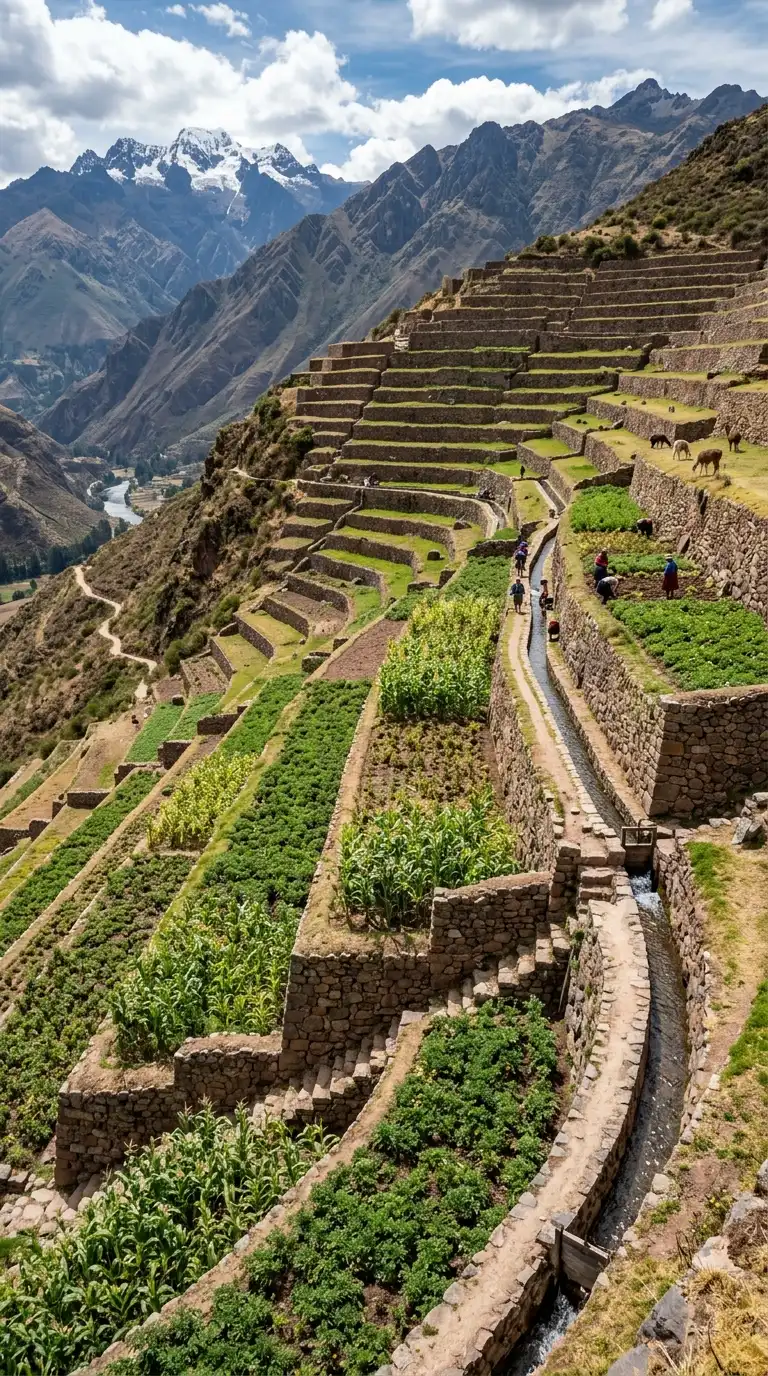
21. The Inca Terrace
The Inca terrace is a stepped agricultural terrace on a mountainside. The terrace is supported by a stone retaining wall. The terrace is irrigated by canals. The Inca terrace is stepped, agricultural, and mountainside.
This design is ideal for agriculture and landscape architecture. The emotional effect is stepped, agricultural, and mountainside.
Quick Tips
- The terrace must be stepped.
- The retaining wall must be stone.
- Irrigation canals must be visible.
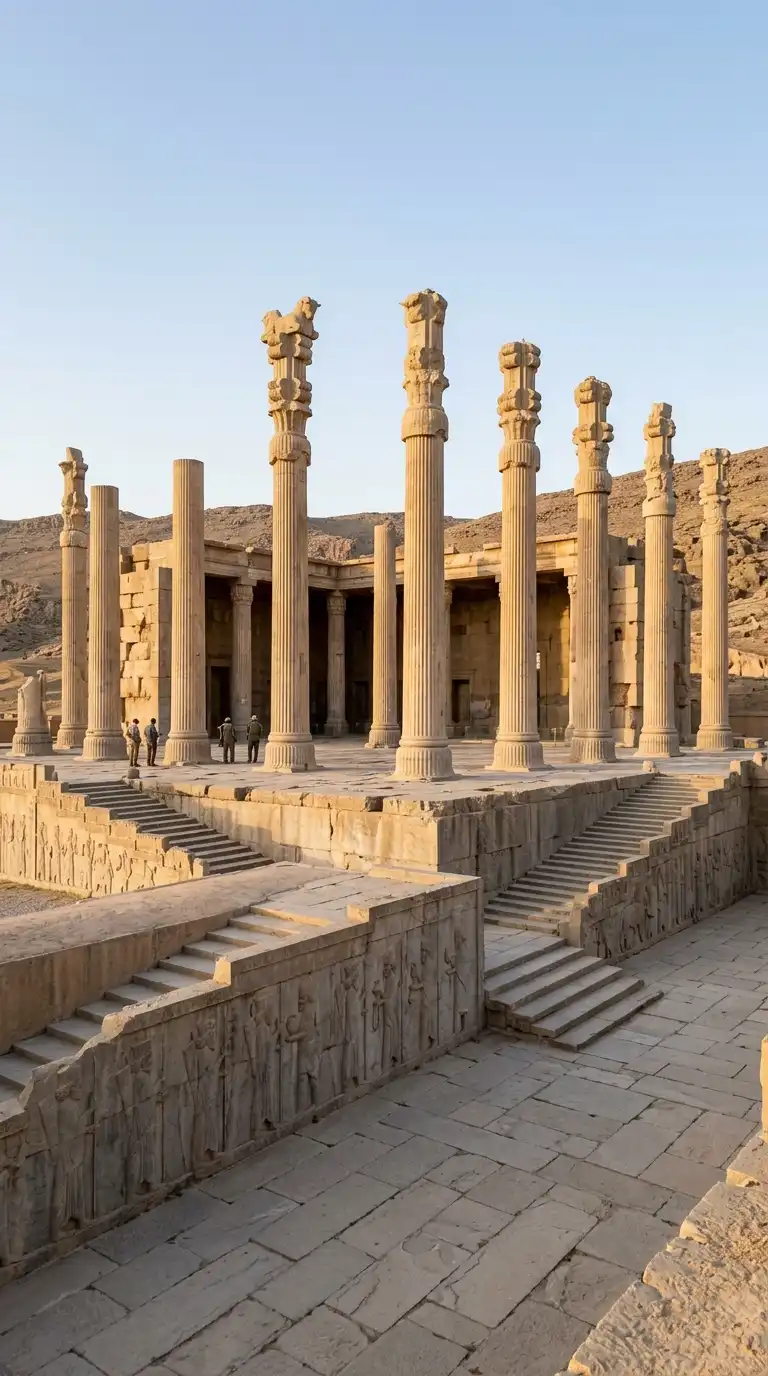
22. The Persian Palace (Persepolis)
Persepolis was the ceremonial capital of the Persian Empire. The palace complex has grand staircases, columned halls, and reliefs. The columns are tall and slender. The reliefs show tribute bearers. Persepolis is columned, relief-carved, and imperial.
This design is ideal for palaces and ceremonial centres. The emotional effect is columned, relief-carved, and imperial.
Quick Tips
- The halls must have many columns.
- The columns must be tall and slender.
- The reliefs must show tribute or procession.
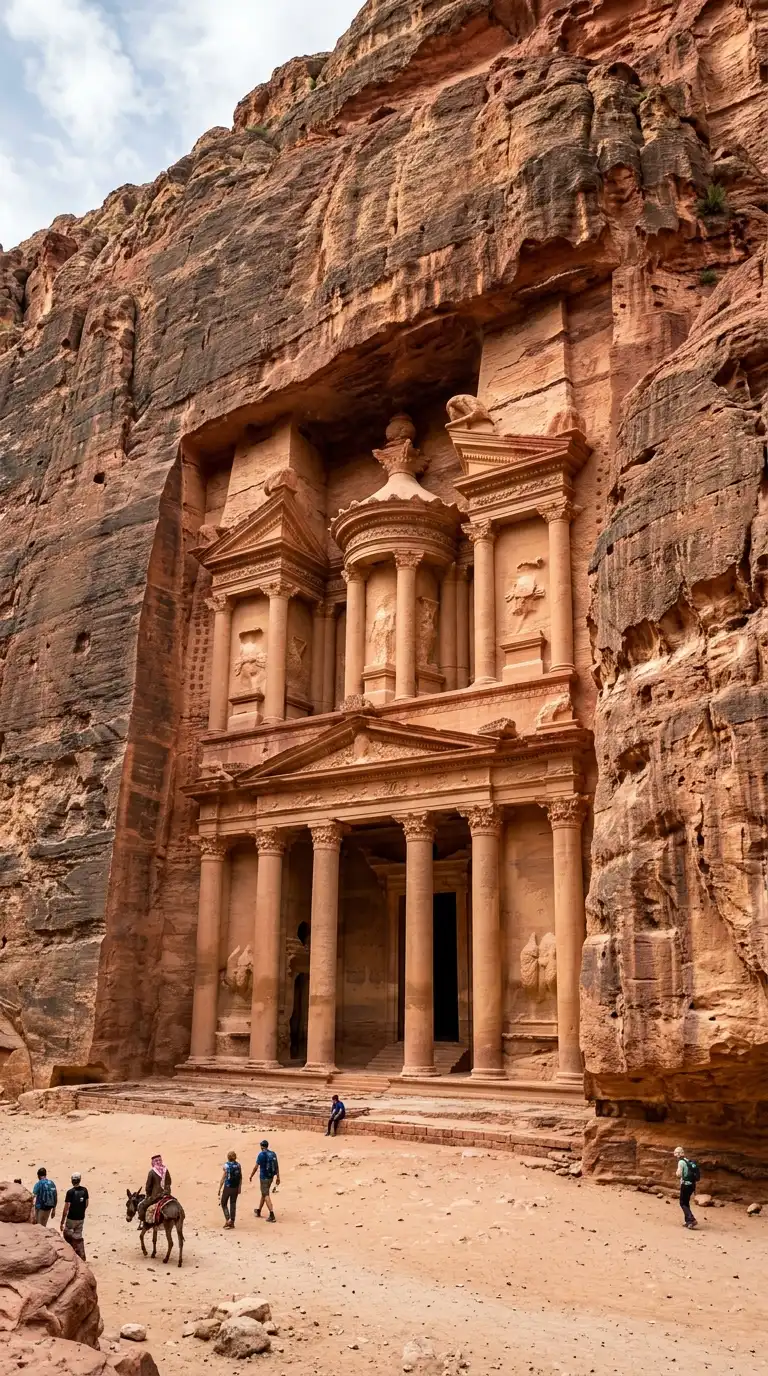
23. The Petra Tomb
Petra is a city carved into rose-red sandstone cliffs. The tombs have facades with columns, pediments, and urns. The facades are carved from the rock. Petra is rock-cut, rose-red, and tomb-faced.
This design is ideal for tombs and memorials. The emotional effect is rock-cut, rose-red, and tomb-faced.
Quick Tips
- The tomb must be carved from rock.
- The facade must have columns and a pediment.
- The rock must be red sandstone.
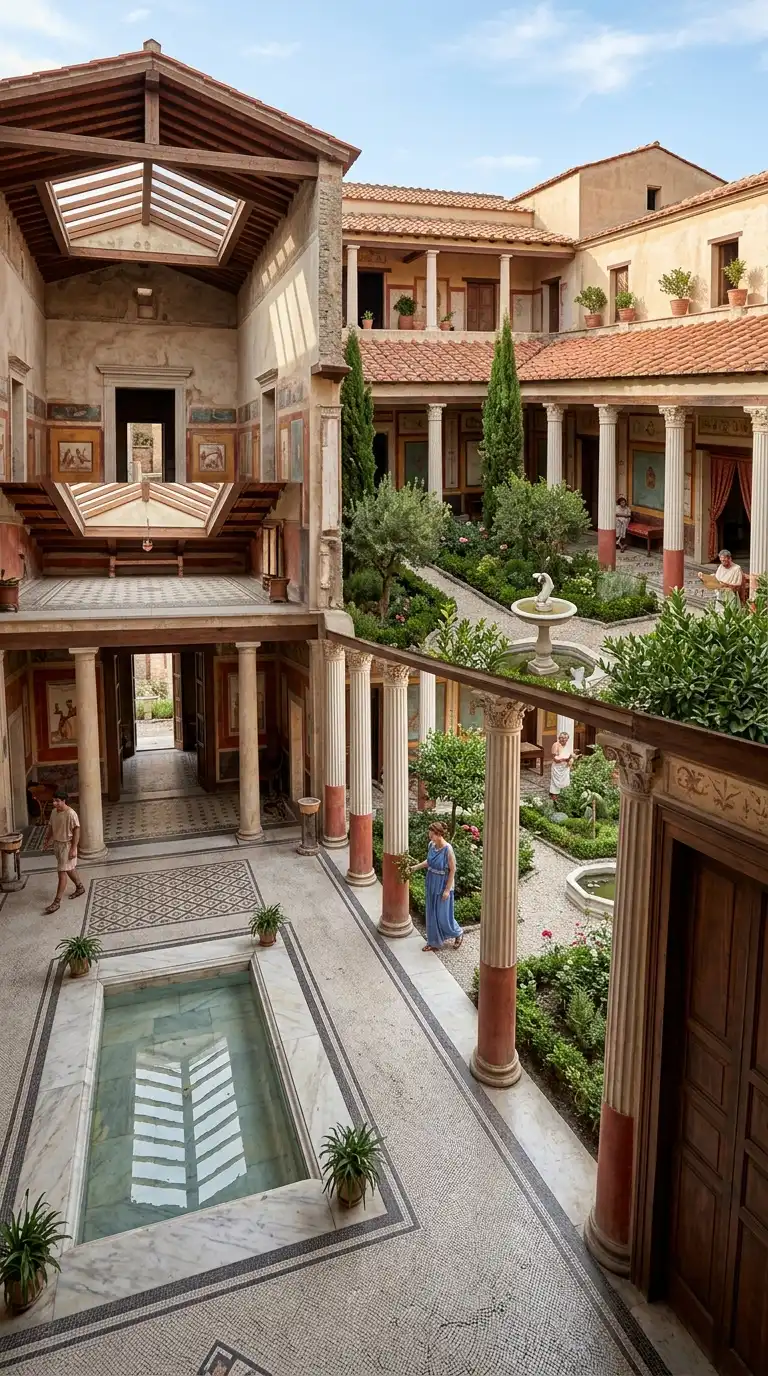
24. The Roman Villa
The Roman villa was a country house for the wealthy. The villa was organised around a central atrium (courtyard with a pool) and a peristyle (colonnaded garden). The rooms included triclinium (dining room), cubiculum (bedroom), and bath suite. The Roman villa is courtyard-centred, colonnaded, and domestic.
This design is ideal for houses and country estates. The emotional effect is courtyard-centred, colonnaded, and domestic.
Quick Tips
- The villa must have an atrium with an impluvium (pool).
- The villa must have a peristyle garden.
- Rooms must be organised around the atrium and peristyle.
Final Thoughts
These 24 ancient designs are not mutually exclusive. A Roman villa can have a peristyle like a Greek temple. A Maya palace can have corbelled vaults like a Mycenaean tomb. A Persian palace can have reliefs like an Egyptian temple. The best ancient architecture is not the most primitive — it is the most ingenious. It uses local materials. It responds to climate. It expresses its culture. It is the foundation. It is ancient. It is eternal.
