 Skip to content
Modular architecture is building with prefabricated modules. A module is a box — a room, a unit, a cell — built in a factory and assembled on site. Modular architecture is faster, cheaper, and more precise than traditional construction. It is also more sustainable — less waste, less disruption, less time. Modular is not a style. It is a method.
These 14 modular architecture ideas span housing, offices, schools, and hotels. Each design includes defining characteristics, construction principles, and spatial strategies.
1. The Single Module House
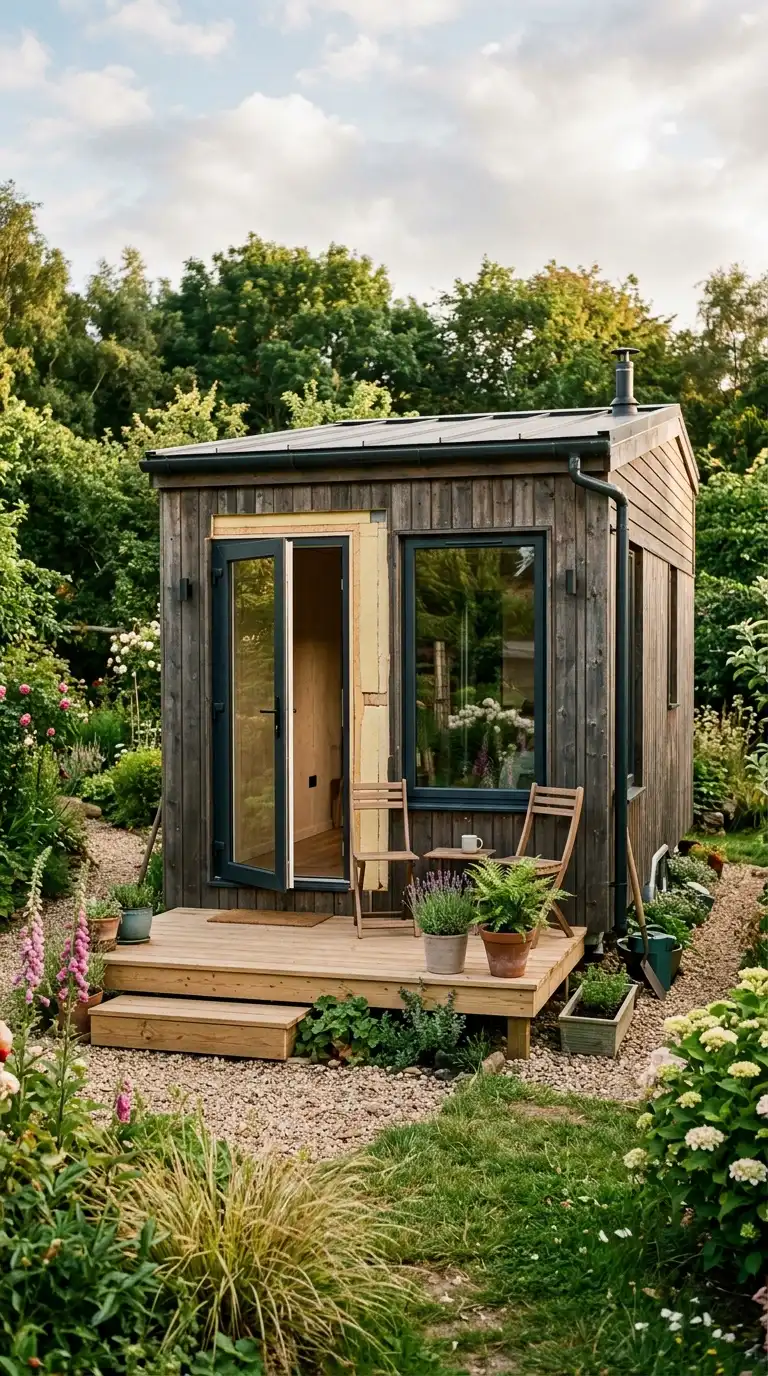
The single module house is one shipping container or modular unit. The unit is 3-4 metres wide and 6-12 metres long. The unit is modified with doors and windows. The interior is finished. The single module house is tiny, cheap, and fast.
This design is ideal for tiny houses, guest houses, and studios. The emotional effect is tiny, cheap, and fast.
Quick Tips
- Use a 12-metre module for more space.
- Cut openings for doors and windows.
- Insulate well — steel conducts heat and cold.
2. The Stacked Module House
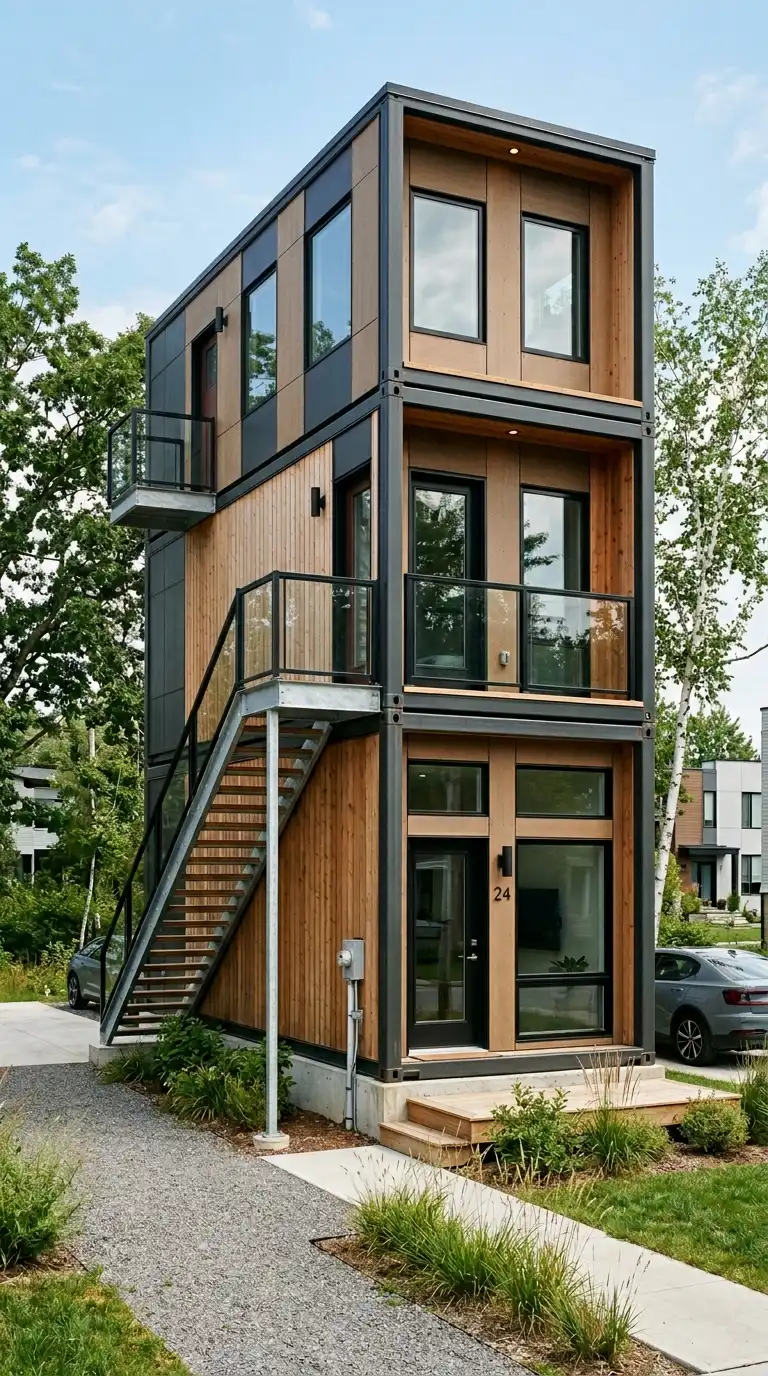
The stacked module house stacks two or more modules. The modules are stacked like bricks. The stack creates a two-storey house. The stacked module house is vertical, stacked, and efficient.
This design is ideal for houses on small sites. The emotional effect is vertical, stacked, and efficient.
Quick Tips
- Modules must be stacked with corners aligned.
- The lower modules must be reinforced for the load.
- Stairs must connect the floors.
3. The Offset Module House
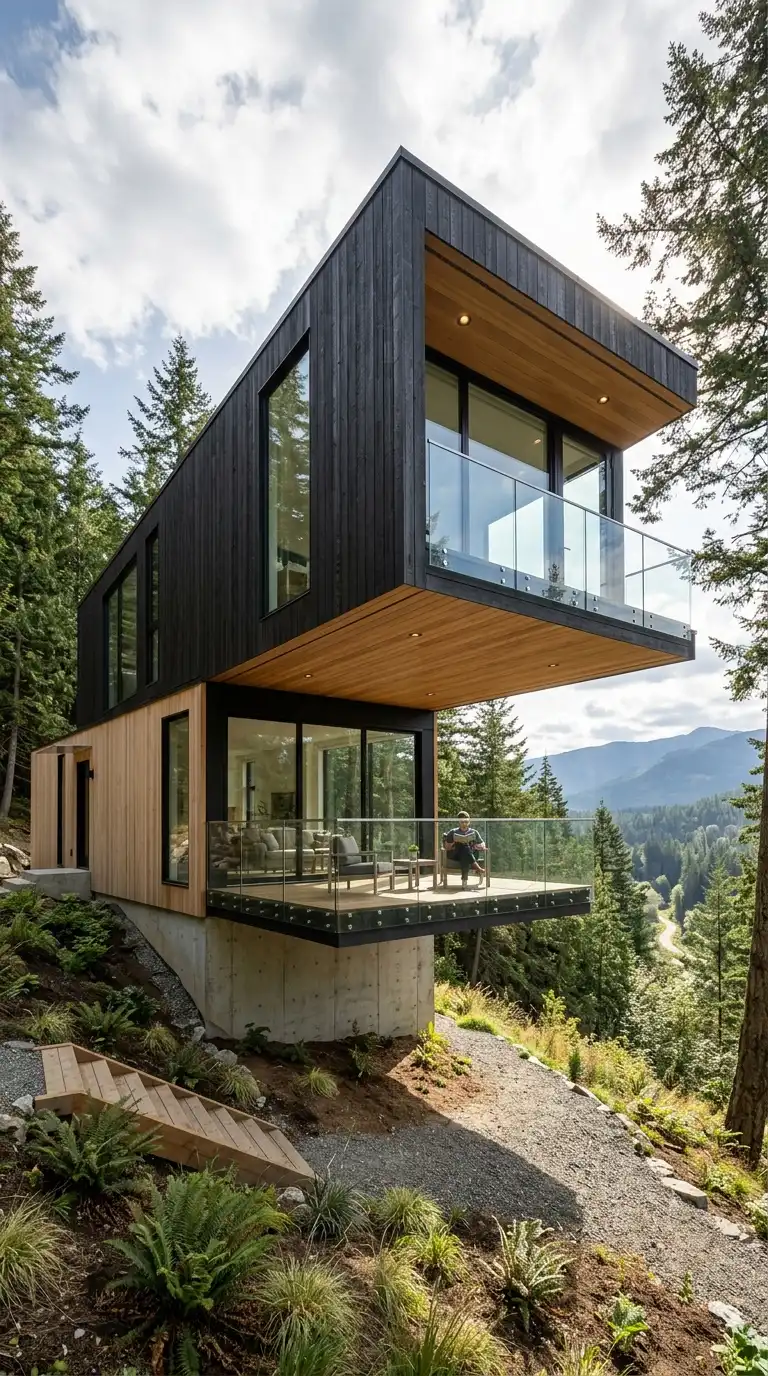
The offset module house stacks modules but offsets them. The upper module is shifted sideways or backward. The offset creates cantilevers, balconies, and covered spaces. The offset module house is dynamic, cantilevered, and sculptural.
This design is ideal for houses on scenic sites. The emotional effect is dynamic, cantilevered, and sculptural.
Quick Tips
- The offset must be at least 1 metre for a balcony.
- The cantilever must be engineered.
- The underside of the cantilever can be finished.
4. The Module Courtyard House
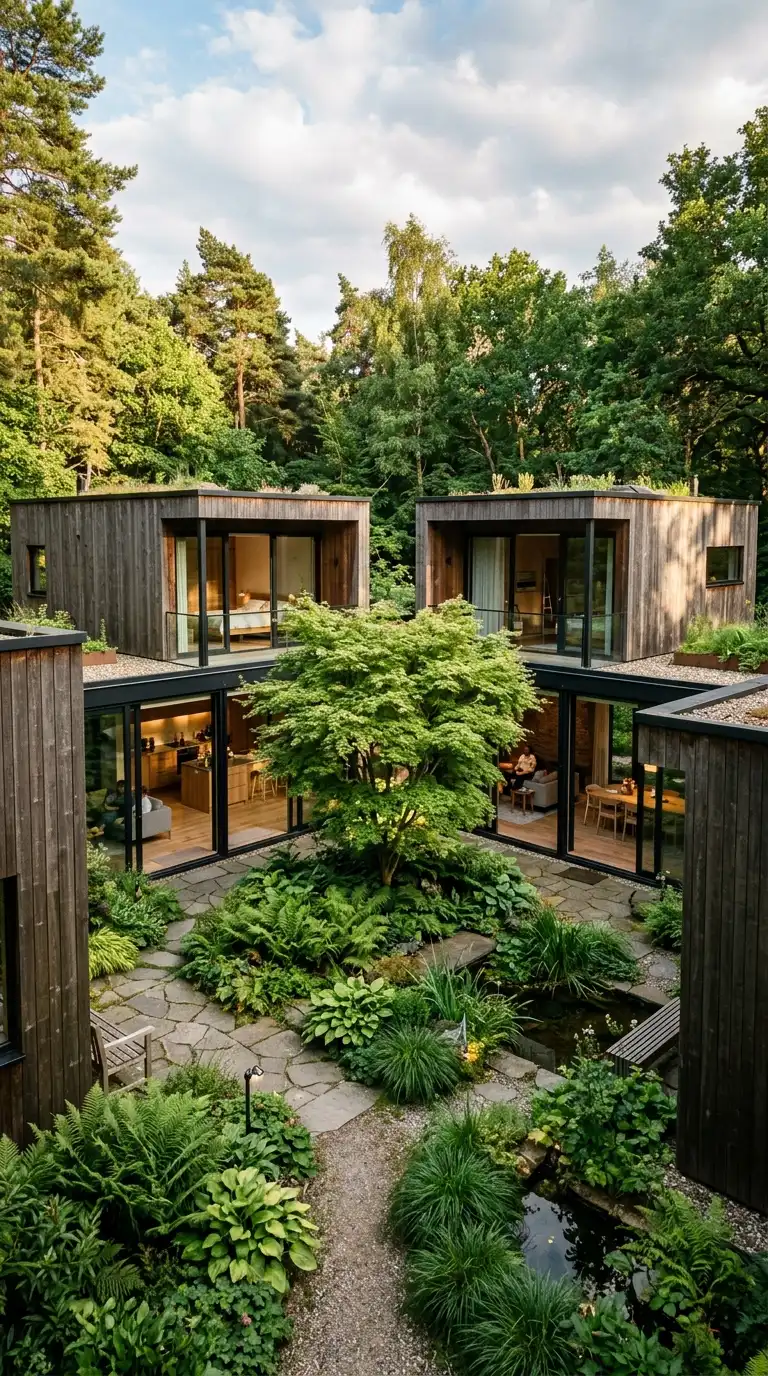
The module courtyard house arranges modules around a central courtyard. The modules are placed on three or four sides. The courtyard is open to the sky. The module courtyard house is private, shaded, and courtyard-centred.
This design is ideal for houses in hot climates and urban sites. The emotional effect is private, shaded, and courtyard-centred.
Quick Tips
- The courtyard must be at least 5×5 metres.
- Modules must face the courtyard with glass walls.
- The courtyard must have a tree or garden.
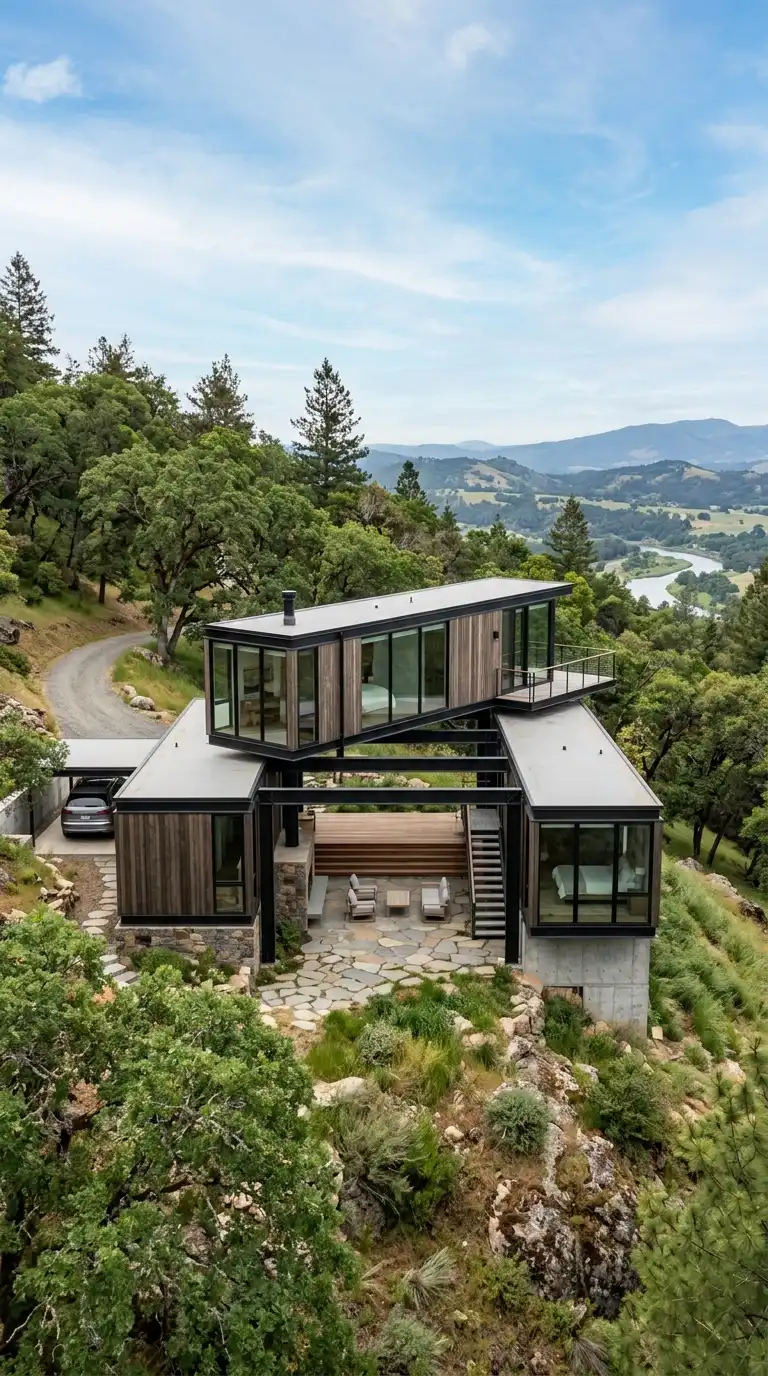
5. The Module Bridge House
The module bridge house spans between two modules. Two modules are placed parallel, like piers. A third module is placed on top, spanning between them. The bridge module is a room in the air. The module bridge house is spanning, elevated, and dramatic.
This design is ideal for houses on sloping sites. The emotional effect is spanning, elevated, and dramatic.
Quick Tips
- The two supporting modules must be parallel.
- The bridge module must be structurally reinforced.
- The space under the bridge can be a carport or garden.
6. The Module Rowhouse
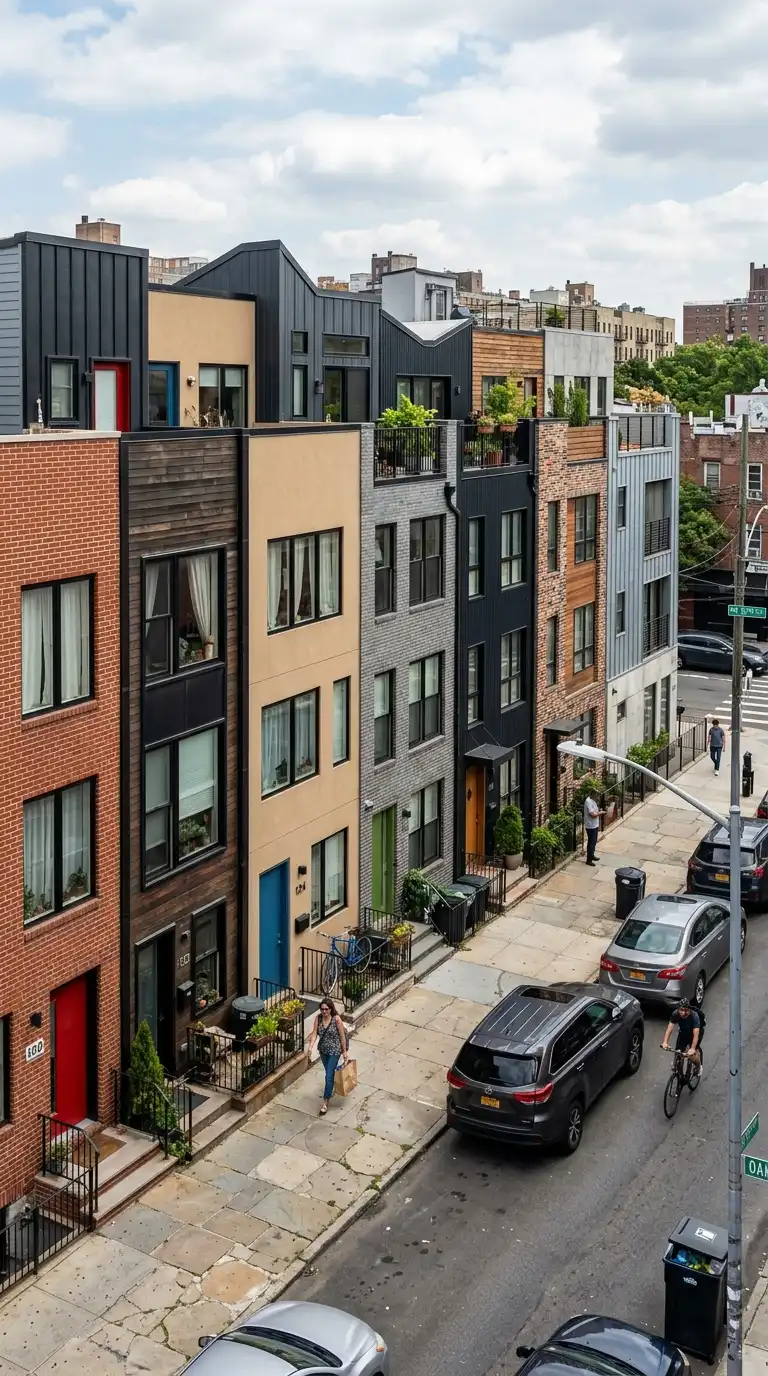
The module rowhouse is a row of modules attached side by side. Each module is a separate house. The rowhouse is efficient and dense. The module rowhouse is urban, dense, and repetitive.
This design is ideal for affordable housing and urban infill. The emotional effect is urban, dense, and repetitive.
Quick Tips
- Modules must be attached side by side.
- Each module must have its own entrance.
- Shared walls reduce construction cost.
7. The Module Apartment Building
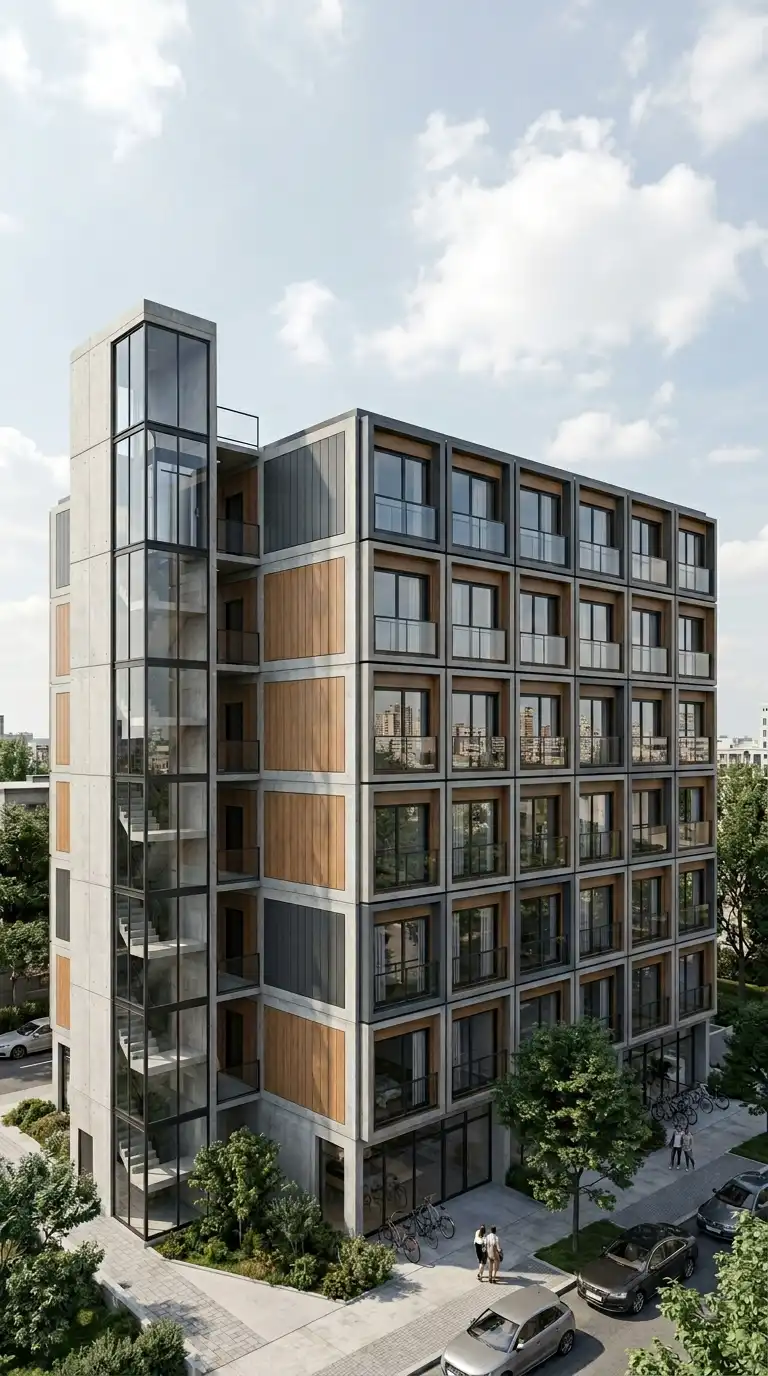
The module apartment building stacks modules to create multiple apartments. The modules are arranged in a grid. The building is 3-6 storeys tall. The module apartment building is dense, modular, and fast to build.
This design is ideal for affordable housing and student housing. The emotional effect is dense, modular, and fast.
Quick Tips
- Use a regular grid of modules.
- Provide stairs and elevators in a separate core.
- Each apartment must have a window and ventilation.
8. The Module Office
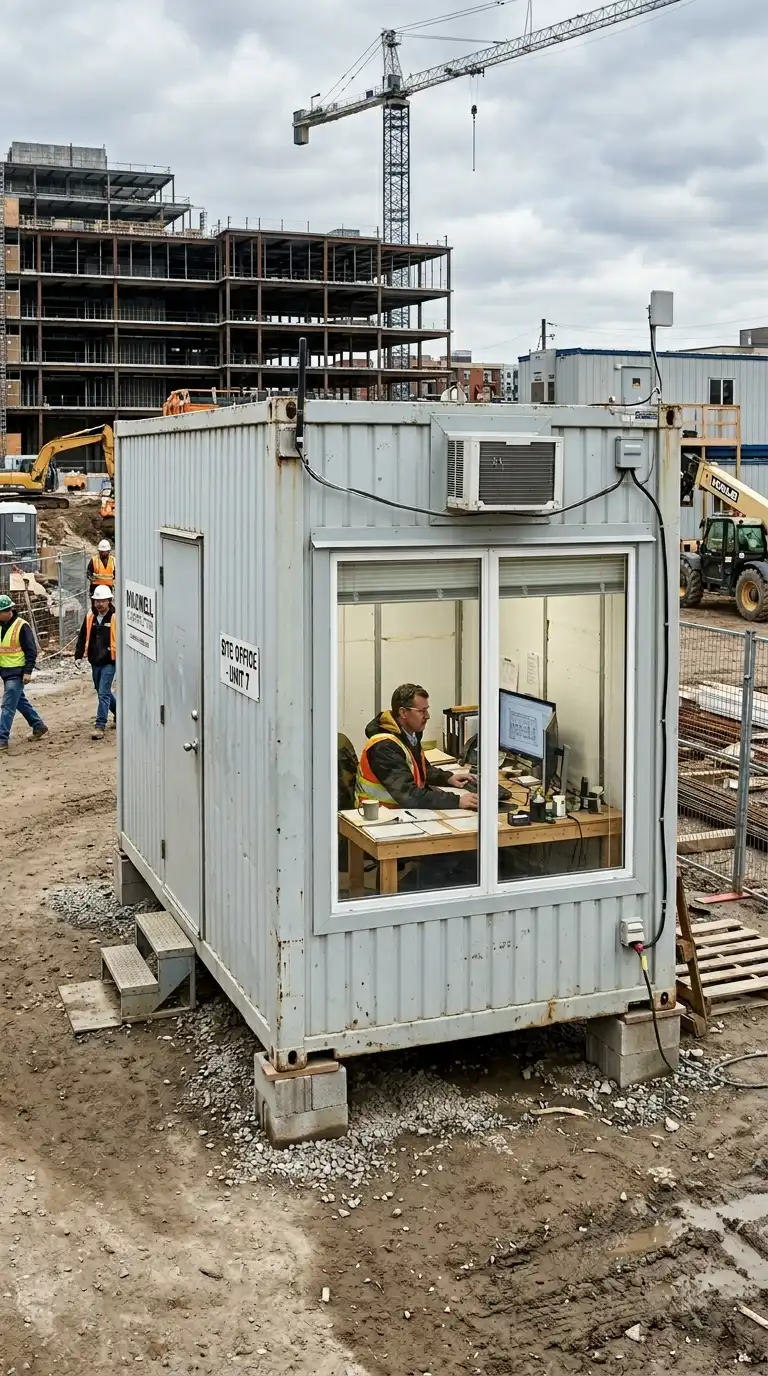
The module office is a single module or a cluster of modules used as an office. The modules are modified with large windows, insulation, and finishes. The module office is cheap, fast, and portable.
This design is ideal for construction site offices, start-ups, and remote work. The emotional effect is cheap, fast, and portable.
Quick Tips
- Use large windows for light.
- Insulate well — offices need comfort.
- Provide power and data connections.
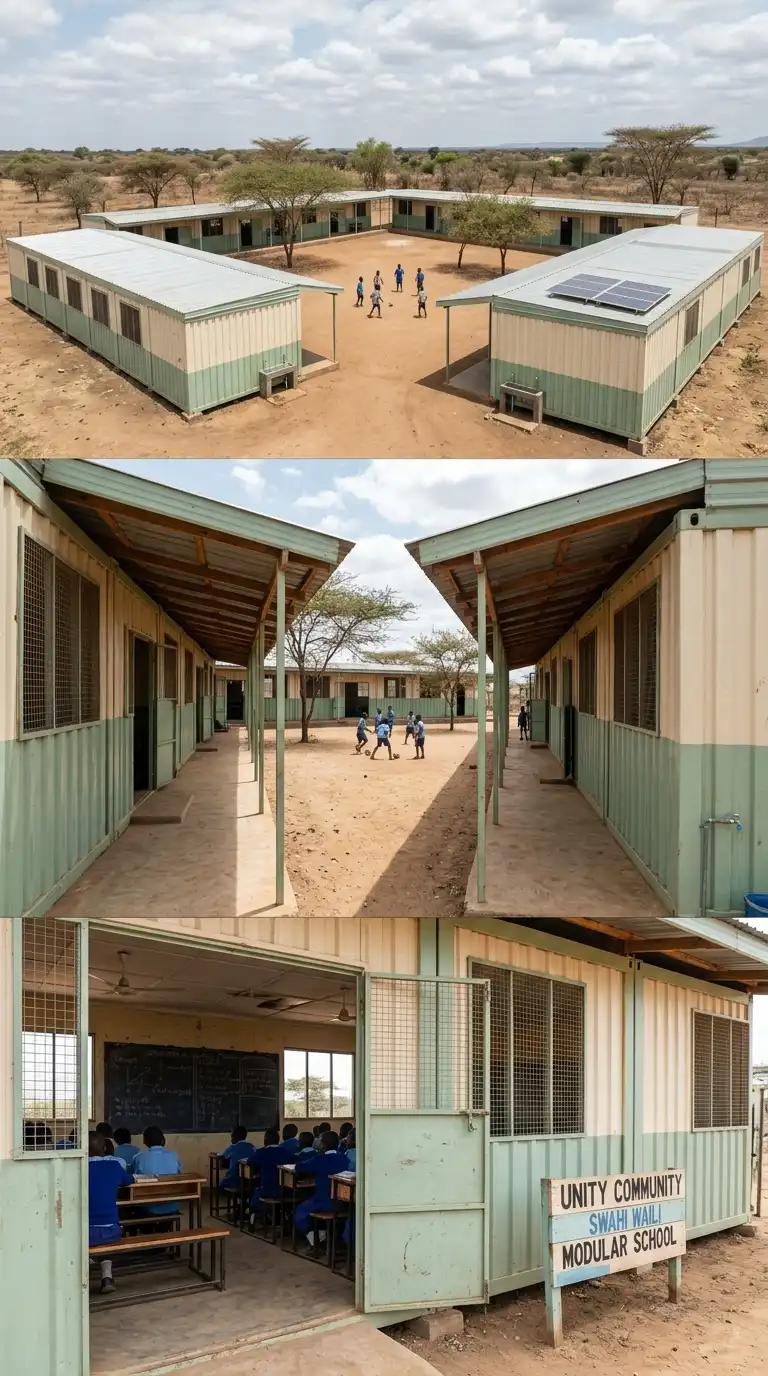
9. The Module School
The module school is a cluster of modules used as a school. The modules are arranged around a courtyard. Some modules are classrooms. Some are offices. Some are toilets. The module school is cheap, fast, and modular.
This design is ideal for developing countries and temporary schools. The emotional effect is cheap, fast, and modular.
Quick Tips
- Arrange modules around a courtyard for outdoor space.
- Provide shade over the courtyard.
- Insulate and ventilate classrooms.
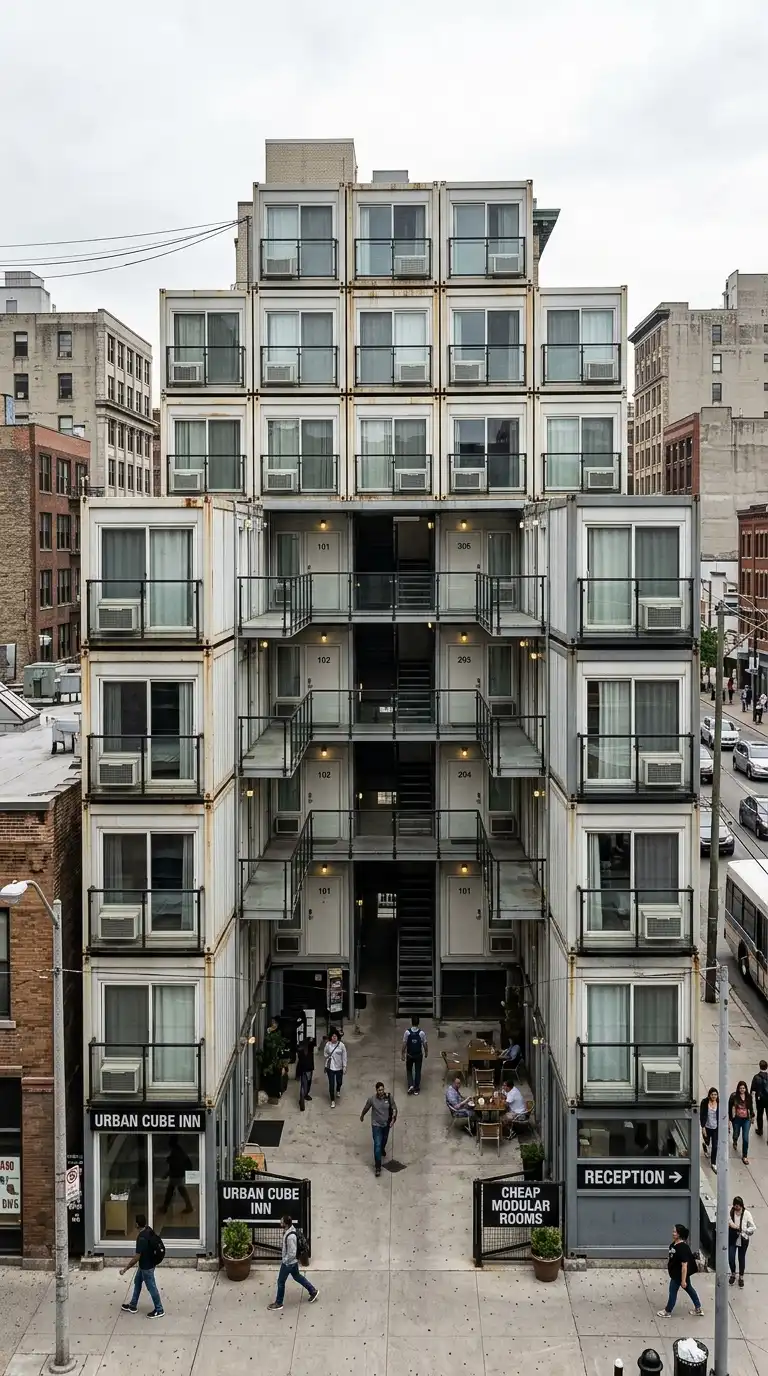
10. The Module Hotel
The module hotel is a cluster of modules used as hotel rooms. Each module is a guest room. The modules are stacked and arranged around a courtyard or corridor. The module hotel is cheap, fast, and modular.
This design is ideal for budget hotels and hostels. The emotional effect is cheap, fast, and modular.
Quick Tips
- Each module must have a window and a bathroom.
- Provide a central corridor or courtyard for access.
- Insulate for sound and temperature.
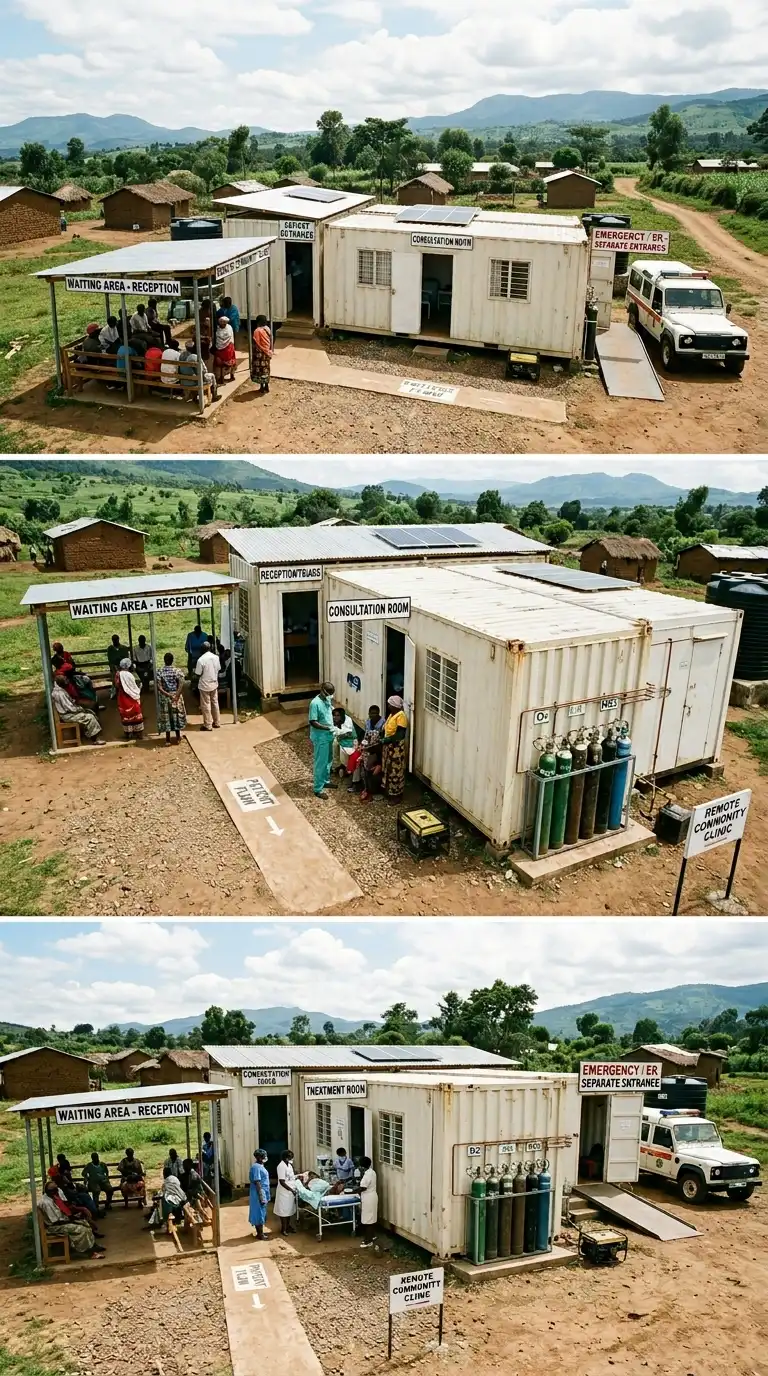
11. The Module Medical Clinic
The module medical clinic is a cluster of modules used as a clinic. The modules are arranged for patient flow: waiting, consultation, treatment, pharmacy. The module clinic is cheap, fast, and deployable.
This design is ideal for remote areas and disaster relief. The emotional effect is cheap, fast, and deployable.
Quick Tips
- Arrange modules in a logical patient flow.
- Provide a separate entrance for emergencies.
- Install medical gases and power.
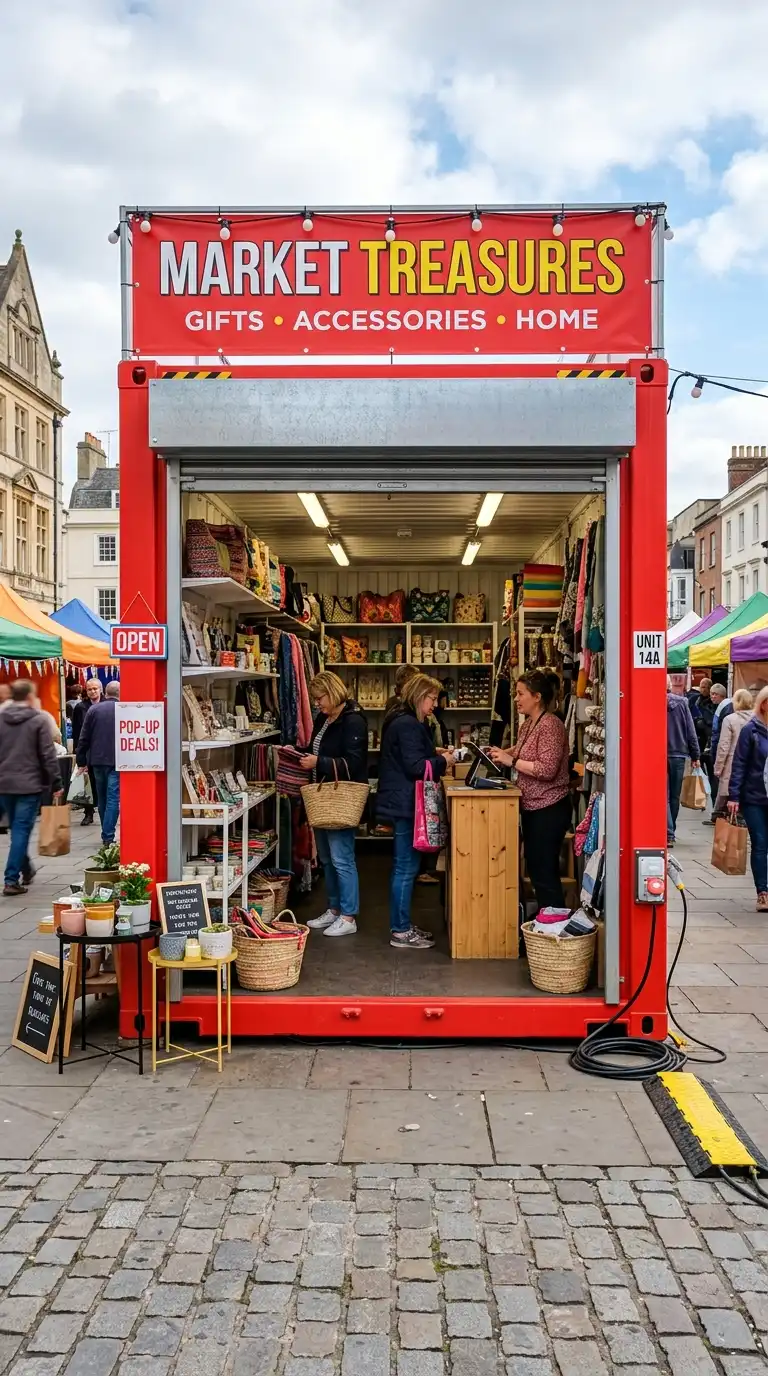
12. The Module Retail Pop-Up
The module retail pop-up is a single module used as a temporary shop. The module has a large opening on one side — a roll-up door or glass wall. The module retail pop-up is cheap, fast, and eye-catching.
This design is ideal for pop-up shops, food stalls, and markets. The emotional effect is cheap, fast, and eye-catching.
Quick Tips
- The front must be a large opening (roll-up door or glass).
- The module can be painted bright colours.
- Provide power for lighting and refrigeration.
13. The Module Disaster Shelter
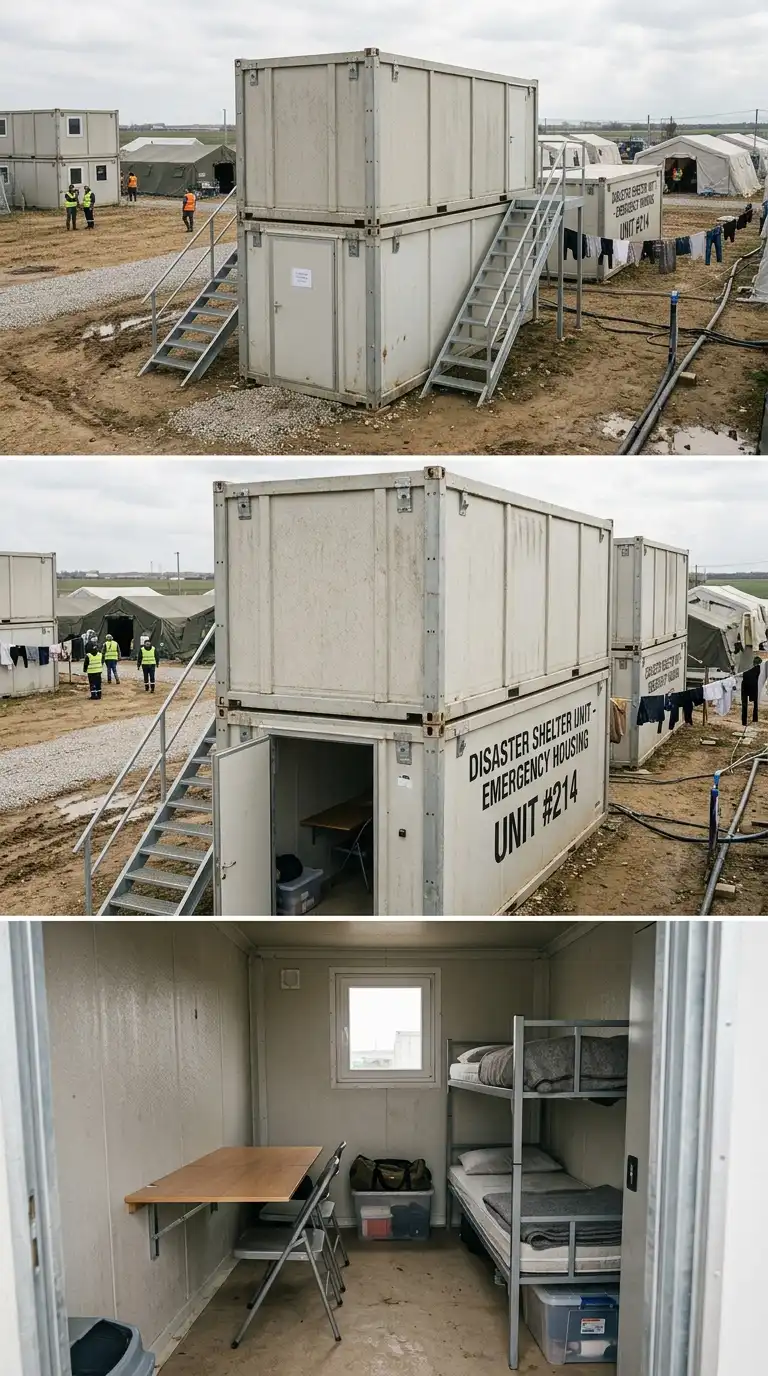
The module disaster shelter is a single module used as emergency housing after a disaster. The module is basic — a bed, a table, a light, a door. The module is delivered by truck and placed on the ground. The module disaster shelter is cheap, fast, and lifesaving.
This design is ideal for disaster relief and humanitarian aid. The emotional effect is cheap, fast, and lifesaving.
Quick Tips
- The module must be basic (no luxury).
- The module must be stackable for shipping.
- The module must be waterproof and insulated.
14. The Module Research Station
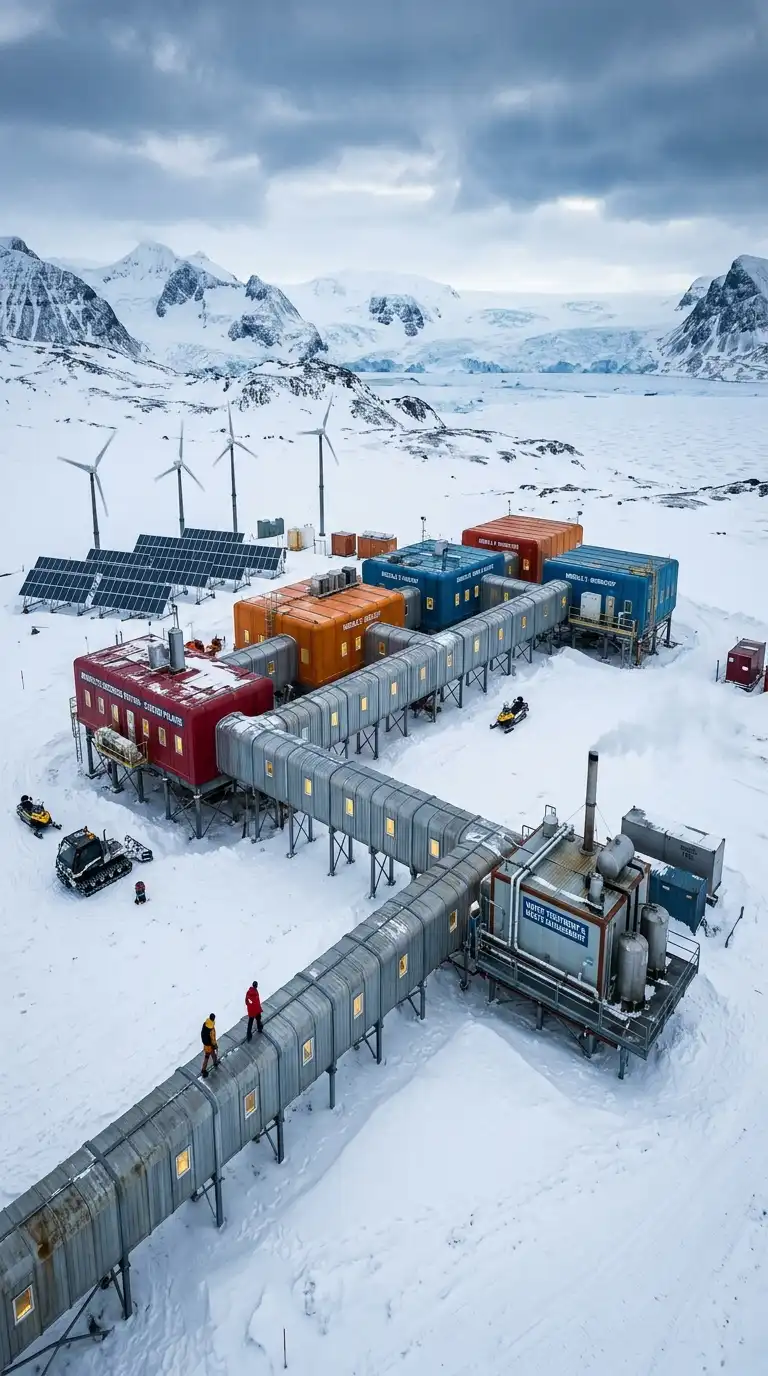
The module research station is a cluster of modules in a remote location — Antarctica, the Arctic, a desert. The modules are connected by enclosed walkways. The station has living modules, work modules, and storage modules. The module research station is remote, self-sufficient, and modular.
This design is ideal for polar research, desert research, and space analogue missions. The emotional effect is remote, self-sufficient, and modular.
Quick Tips
- Modules must be connected by enclosed walkways.
- The station must have power, water, and waste systems.
- The station must be insulated for extreme cold or heat.
Final Thoughts
These 14 modular designs are not mutually exclusive. A stacked module house can be offset. A module courtyard house can have a module bridge. A module hotel can be a module apartment building. The best modular architecture is not the most complex — it is the most appropriate. It uses the module for what it is: fast, cheap, and precise. It does not disguise the module. It celebrates it. It is the architecture of the factory, the truck, and the crane. It is modular. It is the future of building.
