 Skip to content
Victorian architecture is named for Queen Victoria, who reigned from 1837 to 1901. It is not one style but a family of styles — Gothic Revival, Italianate, Second Empire, Queen Anne, Romanesque Revival, and Stick Style. Victorian architecture is exuberant, eclectic, and richly decorated. It celebrates the picturesque, the asymmetrical, and the ornate.
These 14 Victorian architecture designs span the most important Victorian styles. Each design includes defining characteristics, key examples, and architectural principles.
1. The Gothic Revival House
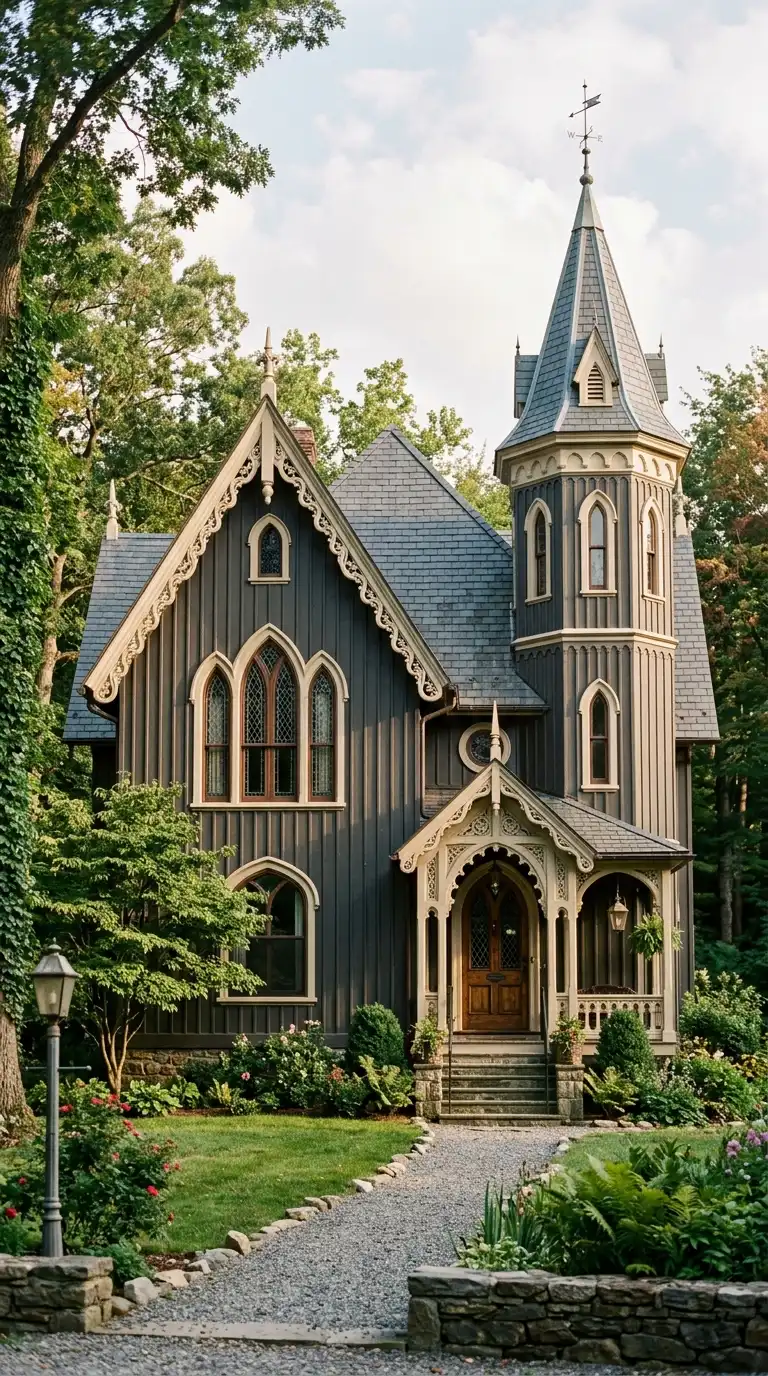
The Gothic Revival house is the earliest Victorian style. It is inspired by medieval cathedrals and castles. The roof is steep with decorative bargeboards. The windows are pointed arches, often grouped in twos or threes. The walls are stone or board-and-batten. The Gothic Revival house is vertical, picturesque, and romantic.
This design is ideal for houses in rural and suburban settings. The emotional effect is vertical, picturesque, and romantic.
Quick Tips
- The roof must be steep with decorative bargeboards.
- Windows must be pointed arches.
- The facade must be asymmetrical.
2. The Italianate House
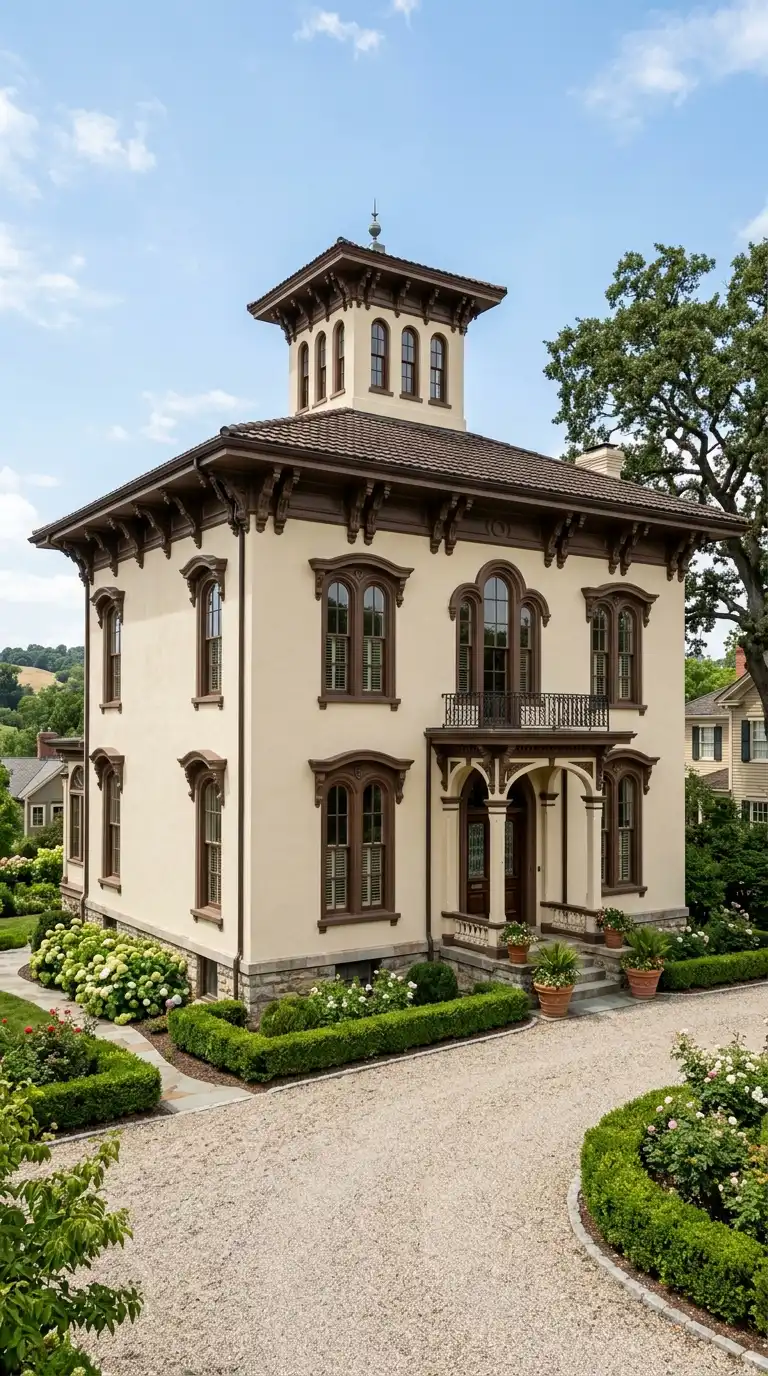
The Italianate house is inspired by Italian Renaissance villas. The roof is low-pitched with wide overhanging eaves. The eaves are supported by decorative brackets. The windows are tall and narrow, often arched or curved at the top. The Italianate house is picturesque, lush, and exotic.
This design is ideal for houses in suburban and urban settings. The emotional effect is picturesque, lush, and exotic.
Quick Tips
- The roof must be low-pitched with wide eaves.
- Eaves must have decorative brackets.
- Windows must be tall and narrow, often arched.
3. The Second Empire House
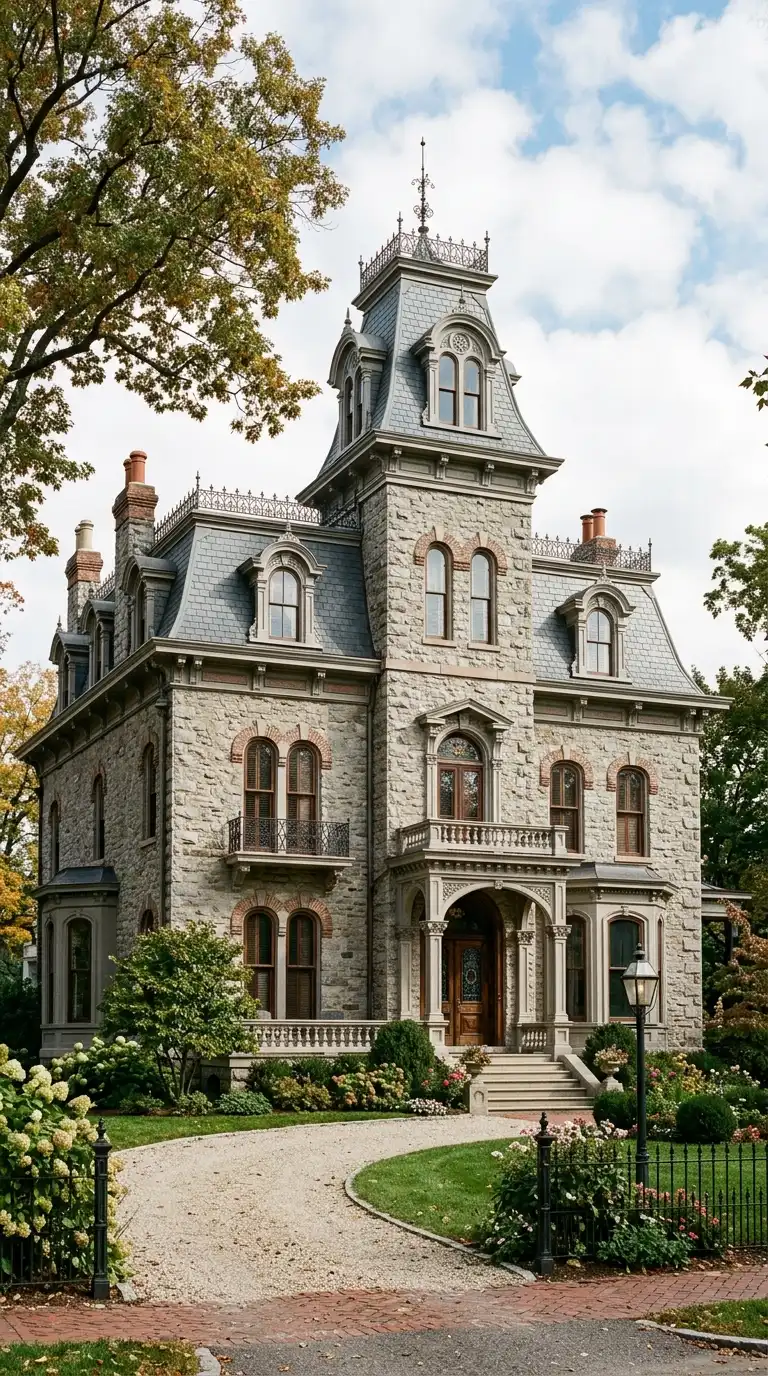
The Second Empire house is named for the French Empire of Napoleon III. The defining feature is the mansard roof — a double-pitched roof with a steep lower slope. The steep lower slope contains dormer windows. The Second Empire house is grand, urbane, and confident.
This design is ideal for houses in urban settings. The emotional effect is grand, urbane, and confident.
Quick Tips
- The roof must be a mansard with a steep lower slope.
- Dormer windows must be on the steep slope.
- The roof must be slate or metal.
4. The Queen Anne House
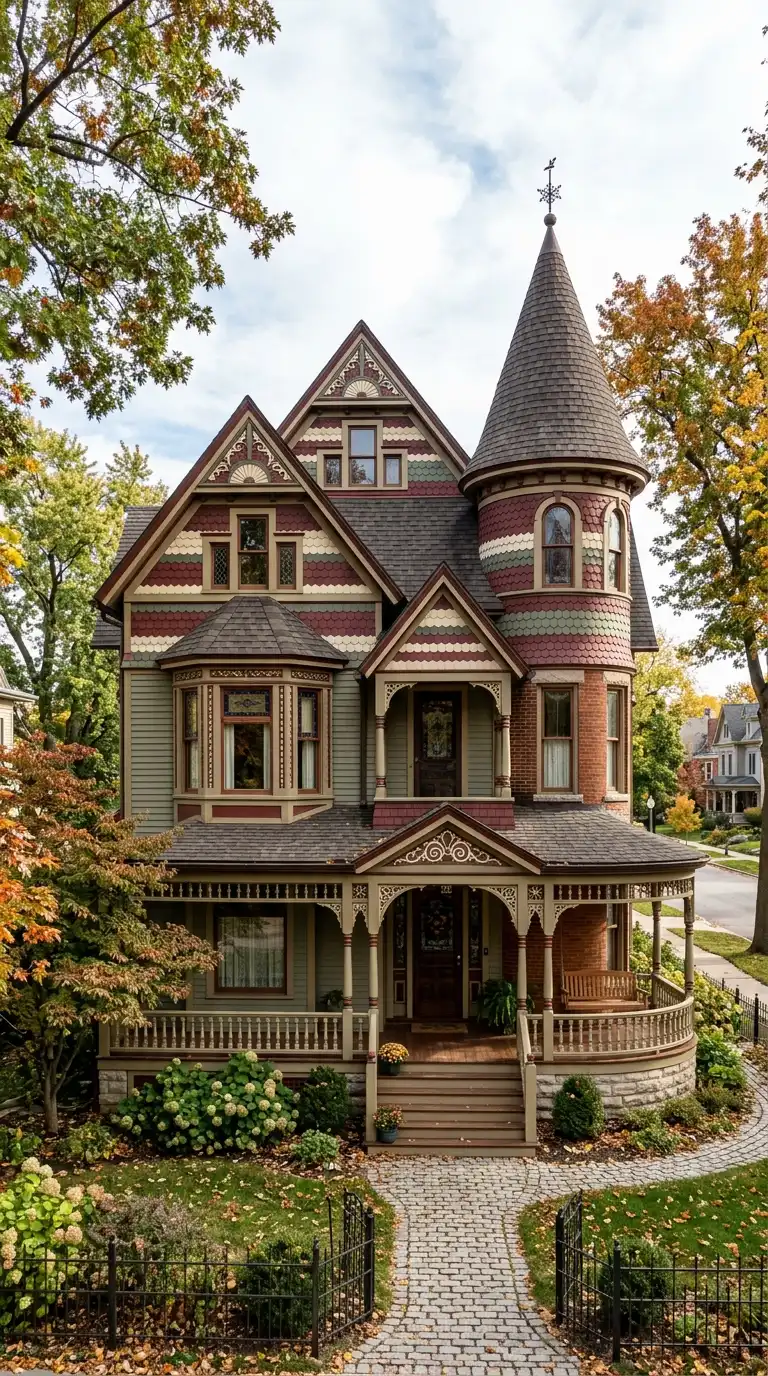
The Queen Anne house is the most exuberant Victorian style. It has multiple rooflines, a corner tower with a conical roof, a wrap-around porch with turned spindles, decorative shingles in the gables, and cut-away bay windows. The facade is asymmetrical. The Queen Anne house is picturesque, welcoming, and proudly ornate.
This design is ideal for houses in suburban settings. The emotional effect is picturesque, welcoming, and ornate.
Quick Tips
- The house must have multiple rooflines.
- A corner tower with a conical roof is characteristic.
- The wrap-around porch must have turned spindles.
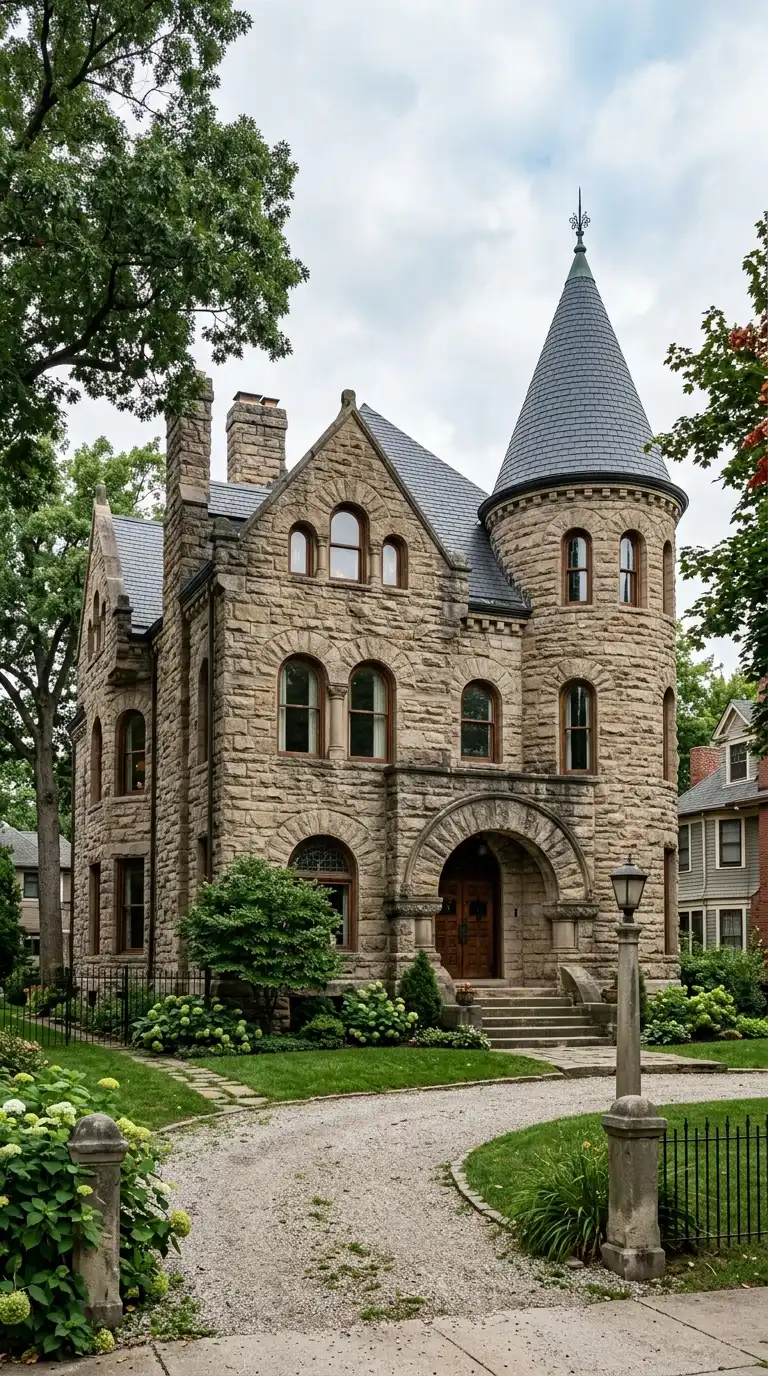
5. The Romanesque Revival House
The Romanesque Revival house is inspired by Romanesque churches. The walls are heavy stone. The windows are rounded arches. The entrance is a deep, recessed arch. The Romanesque Revival house is solid, heavy, and fortress-like.
This design is ideal for houses on corner lots and large suburban sites. The emotional effect is solid, heavy, and fortress-like.
Quick Tips
- The walls must be stone — not wood or brick.
- Windows must be rounded arches.
- The entrance must be a deep, recessed arch.
6. The Stick Style House
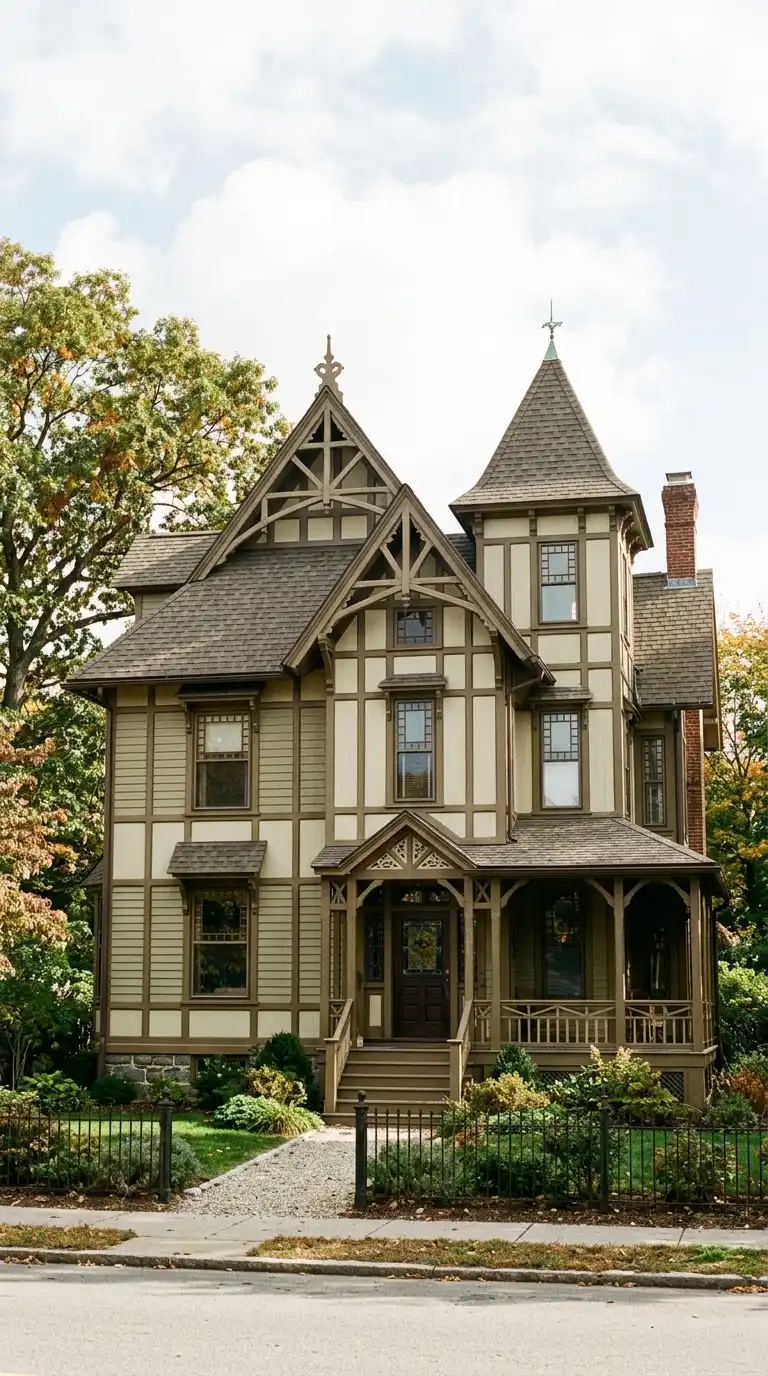
The Stick Style house is named for the decorative stickwork on the exterior. The walls are covered with a grid of flat boards. The roof is steep with decorative trusses in the gables. The Stick Style house is vertical, linear, and structural.
This design is ideal for houses in seaside and mountain settings. The emotional effect is vertical, linear, and structural.
Quick Tips
- The exterior must have decorative stickwork (a grid of flat boards).
- The roof must be steep with decorative trusses in the gables.
- The facade must be asymmetrical.
7. The Shingle Style House
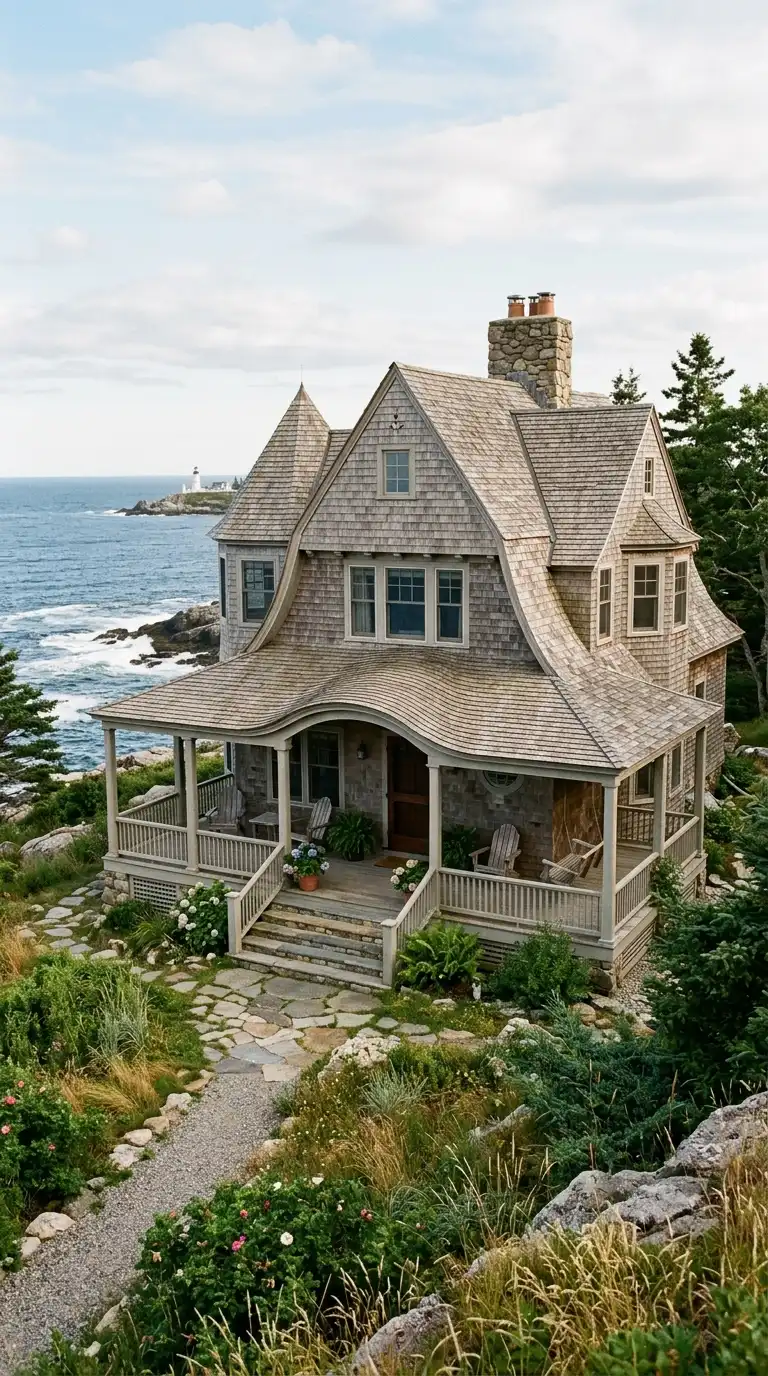
The Shingle Style house is covered entirely in wood shingles. The walls and roof are a continuous surface of shingles. The house is asymmetrical with a sweeping roof. The Shingle Style house is American, informal, and landscape-integrated.
This design is ideal for houses on the New England coast. The emotional effect is shingled, informal, and landscape-integrated.
Quick Tips
- The entire exterior must be wood shingles.
- The roof must sweep and curve.
- The house must be asymmetrical.
8. The Victorian Rowhouse
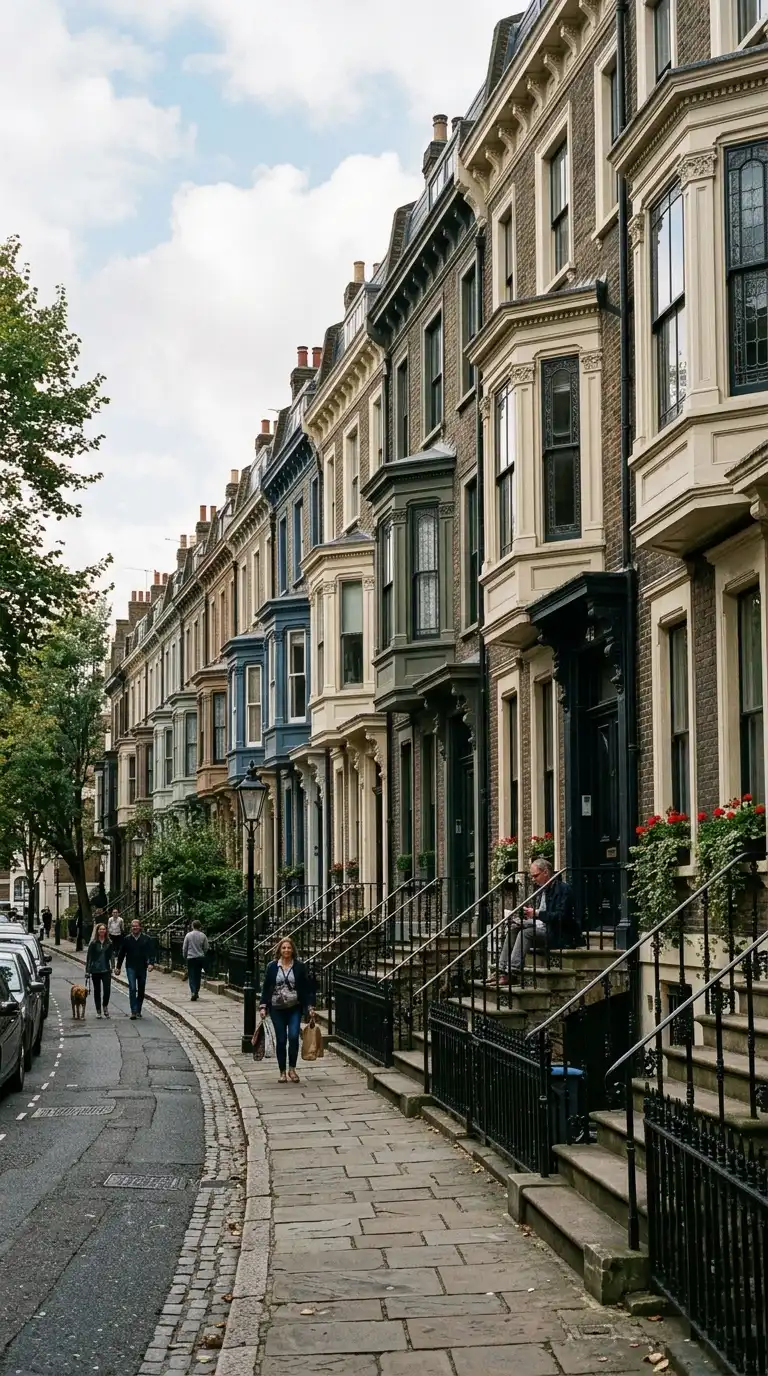
The Victorian rowhouse is a narrow house attached to its neighbours. The facade is tall and narrow. The windows are tall. The entrance is a steep stoop. The Victorian rowhouse is urban, dense, and rhythmic.
This design is ideal for urban row house districts. The emotional effect is urban, dense, and rhythmic.
Quick Tips
- The house must be attached to its neighbours on both sides.
- The facade must be tall and narrow.
- The entrance must be a steep stoop.
9. The Victorian Porch
The Victorian porch is a deep, wrap-around porch. The porch has turned spindles, decorative brackets, and a sloping roof. The porch is a room outside. It is a place to sit, watch the street, and escape the sun. The Victorian porch is welcoming, shaded, and leisurely.
This design is ideal for houses in warm climates. The emotional effect is welcoming, shaded, and leisurely.
Quick Tips
- The porch must be deep (at least 2 metres).
- The porch must have turned spindles and decorative brackets.
- The porch must wrap around at least two sides.
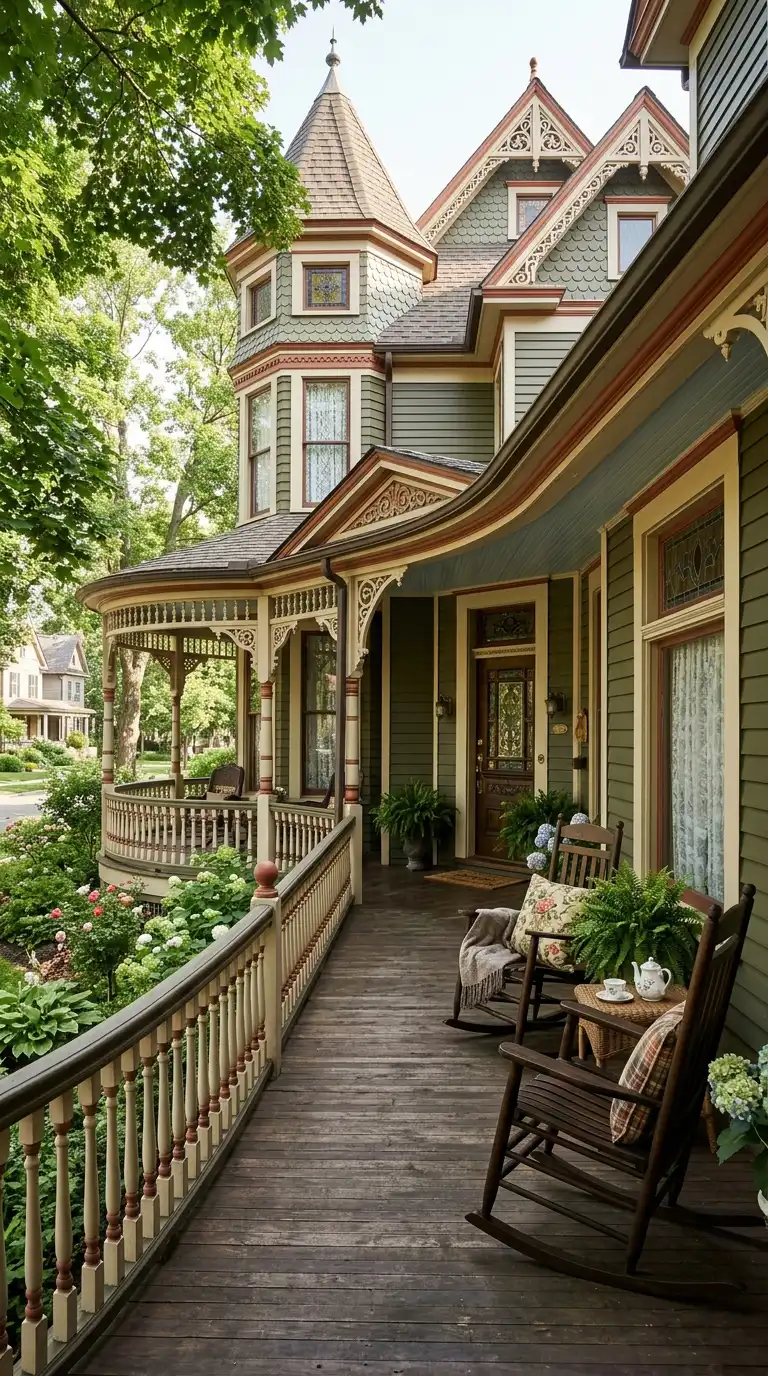
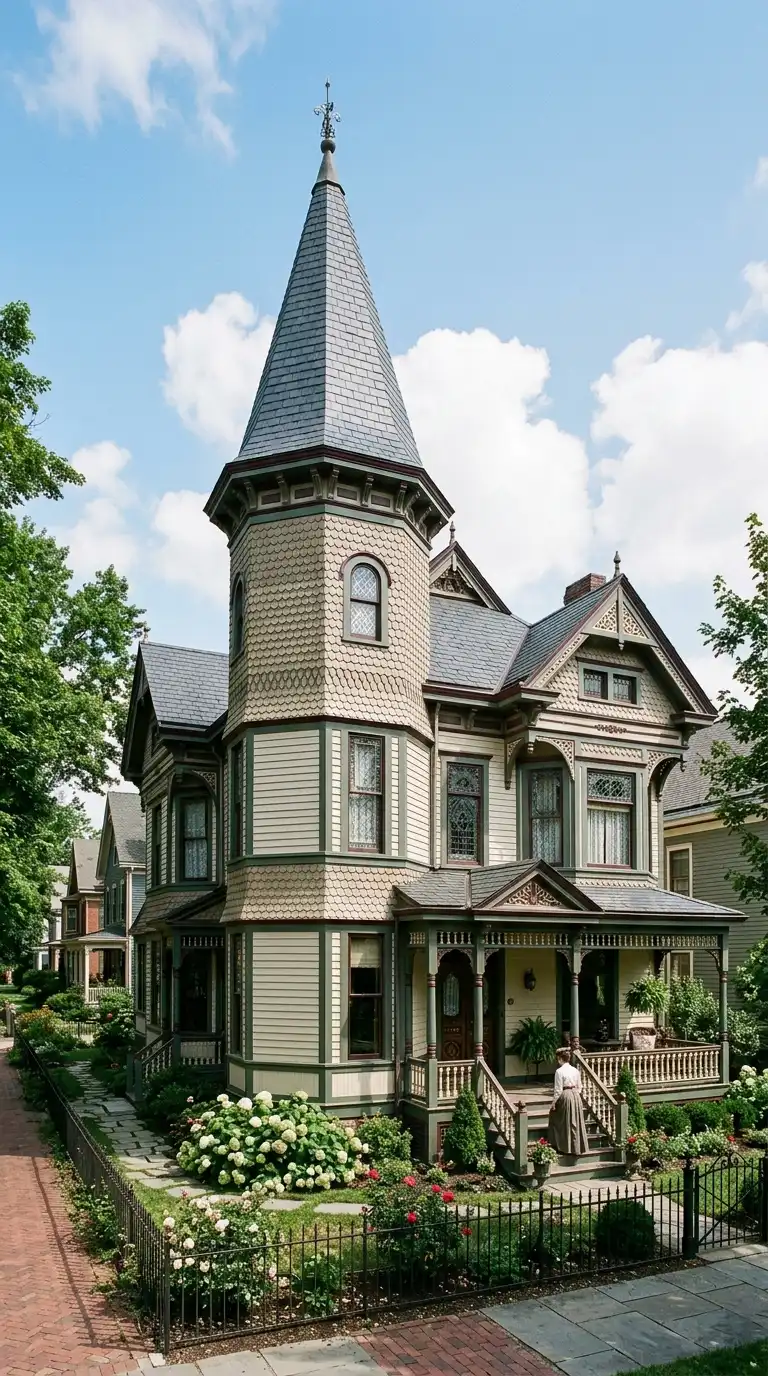
10. The Victorian Tower
The Victorian tower is a corner tower with a conical or pyramidal roof. The tower is often the tallest part of the house. The tower contains a stair or a small room. The Victorian tower is vertical, dramatic, and picturesque.
This design is ideal for Queen Anne and Stick Style houses. The emotional effect is vertical, dramatic, and picturesque.
Quick Tips
- The tower must be at a corner of the house.
- The roof must be conical or pyramidal.
- The tower must be taller than the rest of the house.
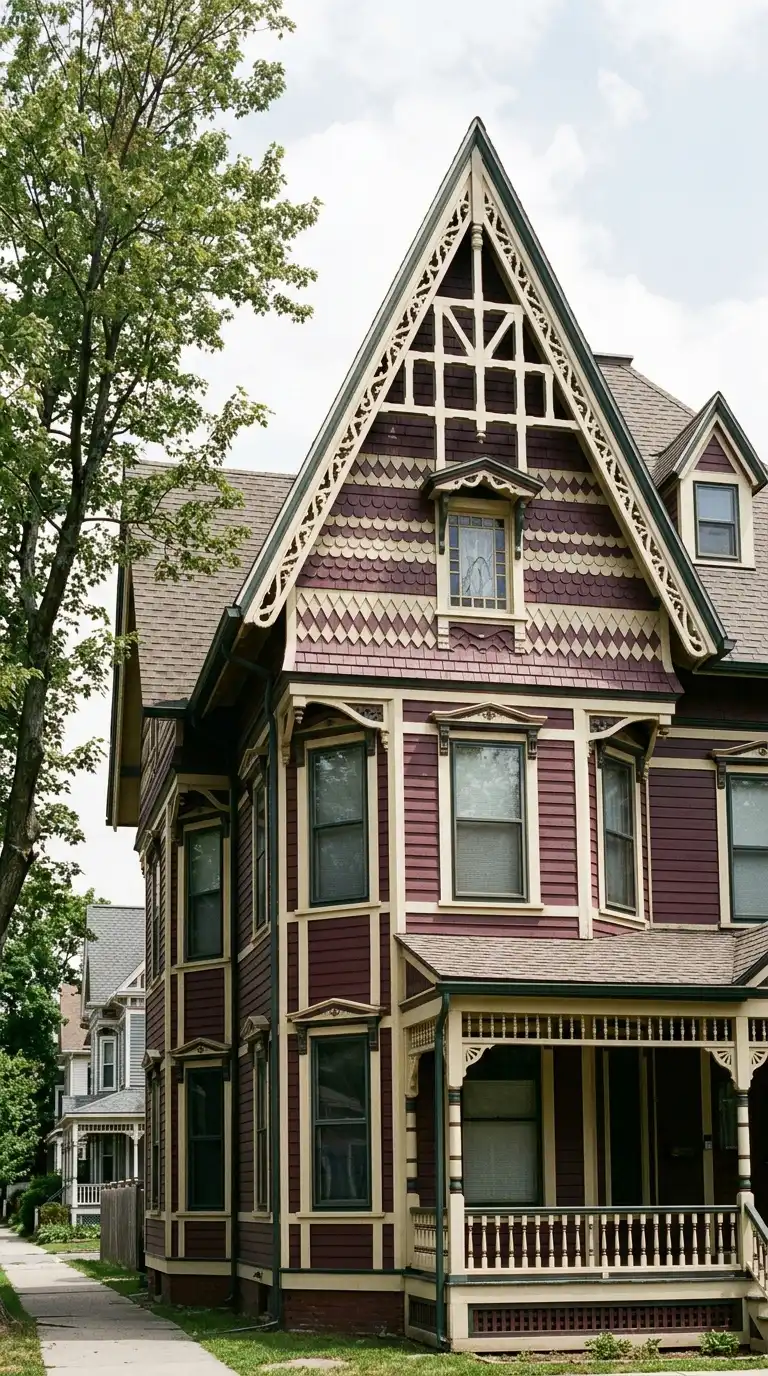
11. The Victorian Gable
The Victorian gable is decorated with shingles, trusses, or bargeboards. The gable is often cut away or stepped. The gable is a decorative element, not just a roof end. The Victorian gable is patterned, textured, and ornate.
This design is ideal for all Victorian styles. The emotional effect is patterned, textured, and ornate.
Quick Tips
- The gable must be decorated (shingles, trusses, or bargeboards).
- The gable may be cut away or stepped.
- The gable must be visible from the street.
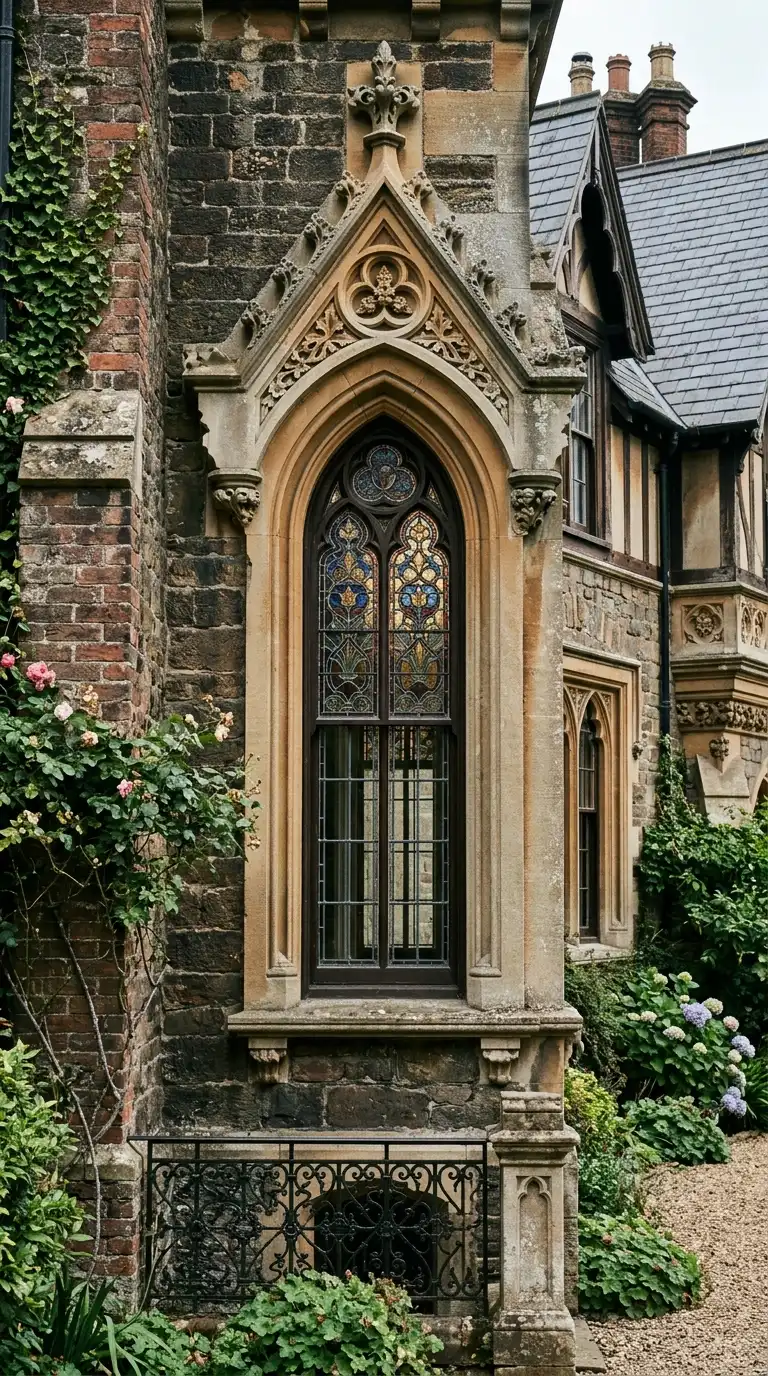
12. The Victorian Window
The Victorian window is tall and narrow. The window has a decorative hood or pediment. The window may be arched or rectangular. The window may have stained glass in the upper sash. The Victorian window is tall, decorative, and light-filled.
This design is ideal for all Victorian styles. The emotional effect is tall, decorative, and light-filled.
Quick Tips
- The window must be tall and narrow.
- The window must have a decorative hood or pediment.
- The upper sash may have stained glass.
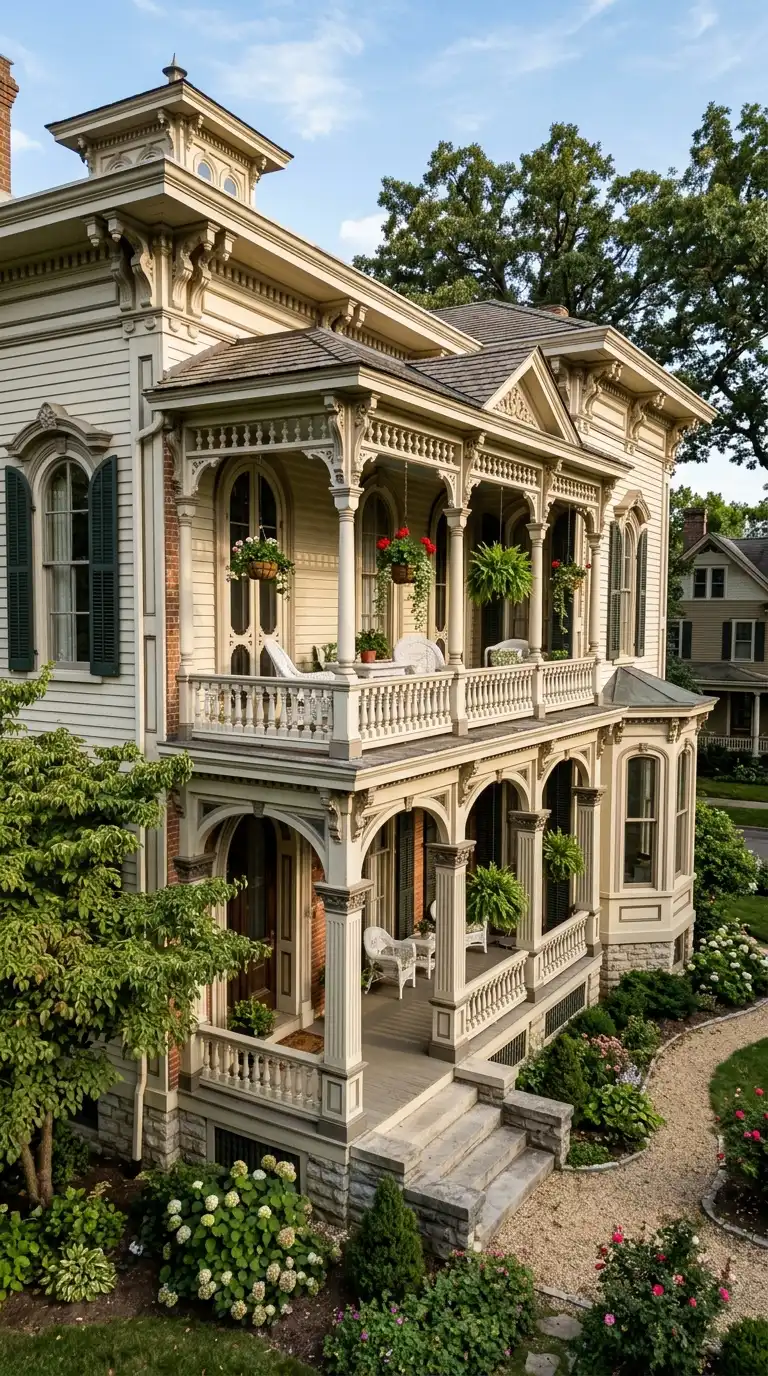
13. The Victorian Veranda
The Victorian veranda is a second-storey balcony. The veranda is often above the front porch. The veranda has turned spindles and a sloping roof. The veranda is a place to sit above the street. The Victorian veranda is elevated, decorative, and street-facing.
This design is ideal for urban row houses and Italianate houses. The emotional effect is elevated, decorative, and street-facing.
Quick Tips
- The veranda must be on the second storey.
- The veranda must be above the front porch.
- The veranda must have turned spindles.
14. The Victorian Conservatory
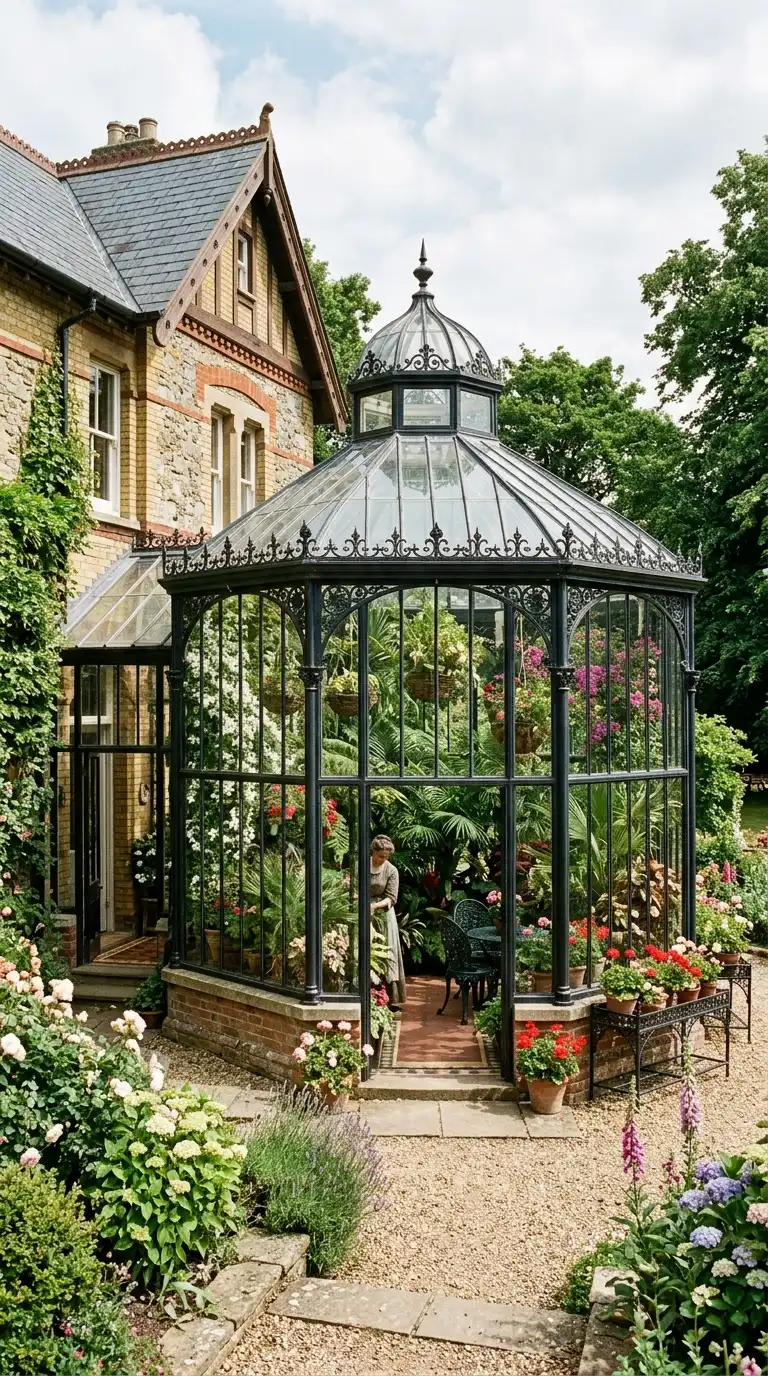
The Victorian conservatory is a glass-and-iron structure attached to the house. The conservatory has a curved or polygonal shape. The roof is glass. The walls are glass. The conservatory is a greenhouse for plants. The conservatory is light-filled, plant-filled, and Victorian.
This design is ideal for houses with gardens. The emotional effect is light-filled, plant-filled, and Victorian.
Quick Tips
- The conservatory must be attached to the house.
- The walls and roof must be glass.
- The structure must be iron (not wood or aluminium).
Final Thoughts
These 14 Victorian designs are not mutually exclusive. A Queen Anne house can have a Romanesque Revival tower. An Italianate house can have a Victorian conservatory. A Gothic Revival house can have a Stick Style gable. The best Victorian architecture is not the most restrained — it is the most joyful. It is architecture of abundance, of pattern, of texture, of colour. It is architecture that says: more is more. It is the architecture of Queen Victoria’s reign — exuberant, eclectic, and unforgettable.
