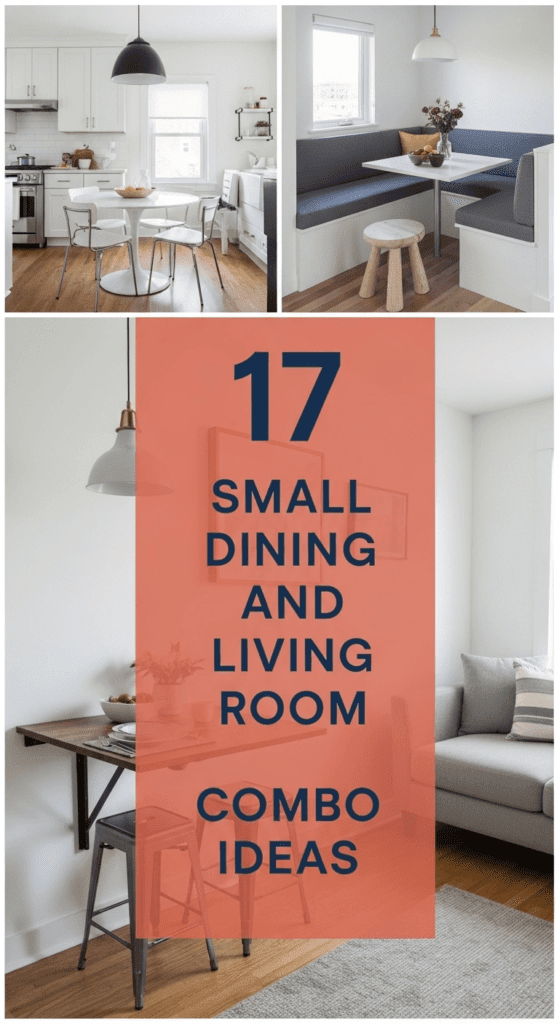
17 Small dining and living room combo ideas
Small dining and living room combo ideas are centered on the art of “zoning,” where a single open space is cleverly divided into two distinct functional areas without the use of walls. In a compact home, the secret to success lies in maintaining a cohesive color story while using furniture orientation and floor coverings to signal where the dining ends and the lounging begins. By prioritizing slim-profile furniture and transparent materials, you can create a multipurpose “great room” that feels organized and expansive. Here are 17 ideas to help you master the combo layout.
See also: 16 Small Pooja Room in Living Room Ideas
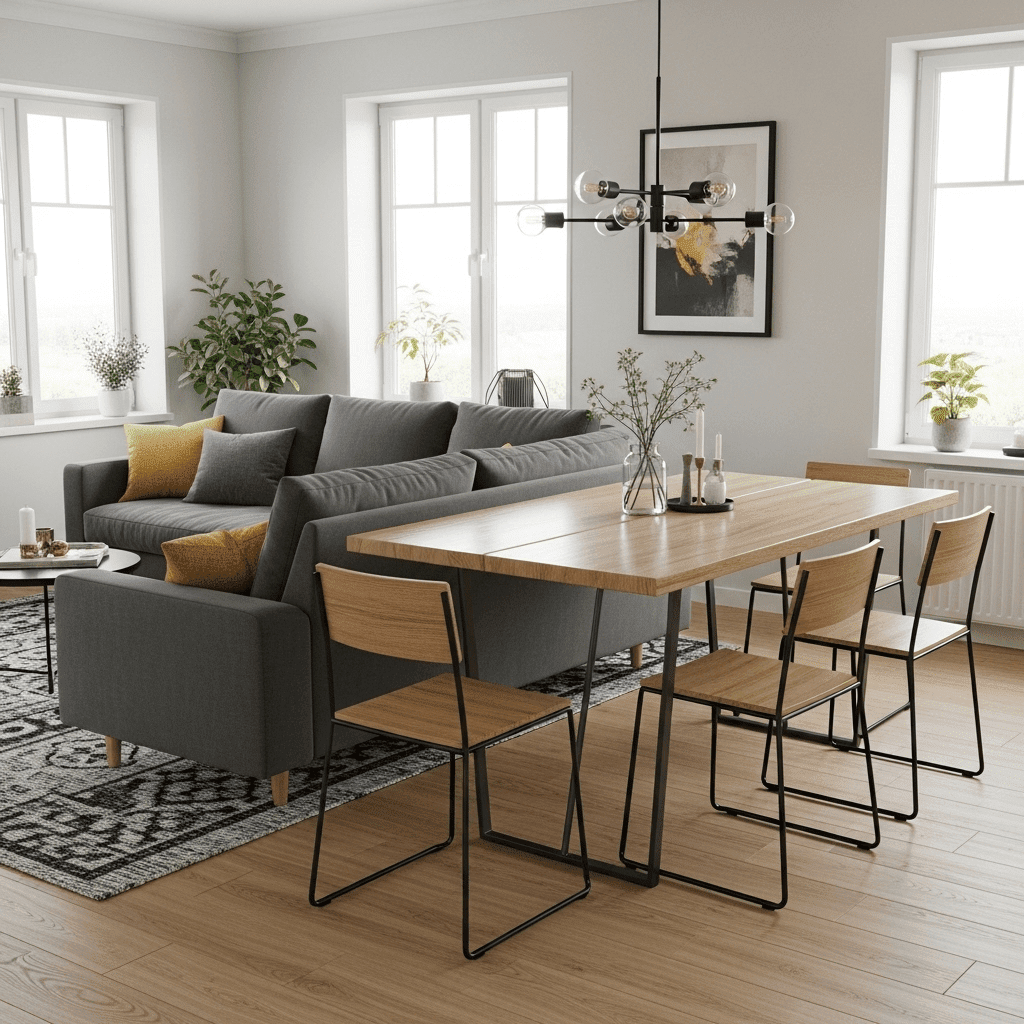
1. The Sofa-Back Partition
Place your sofa with its back to the dining table. This creates a physical yet low-profile “wall” that provides a clear psychological break between the eating and relaxing zones.
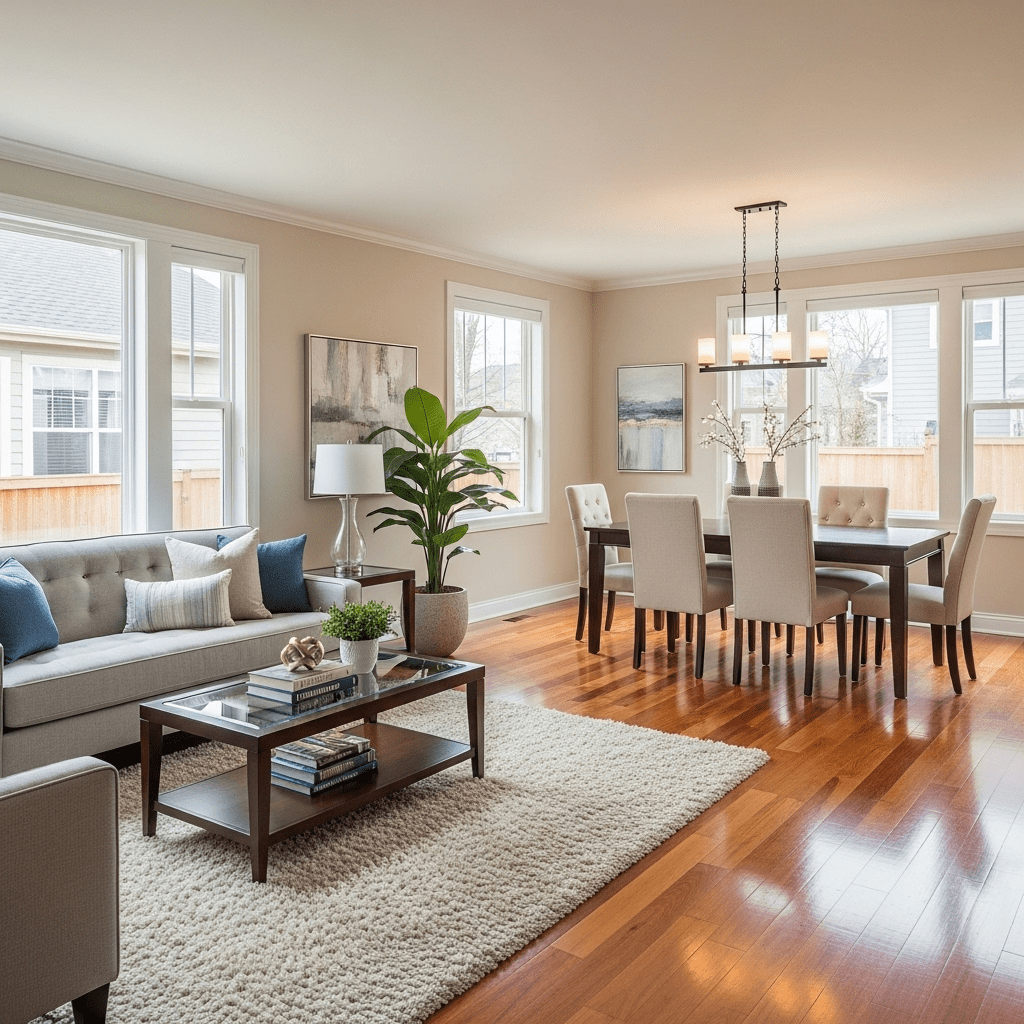
2. Rug-Based Zoning
Anchor the living area with a large, plush rug and leave the dining area on the bare floor. The change in texture underfoot clearly defines the “comfort zone” versus the “utility zone.”
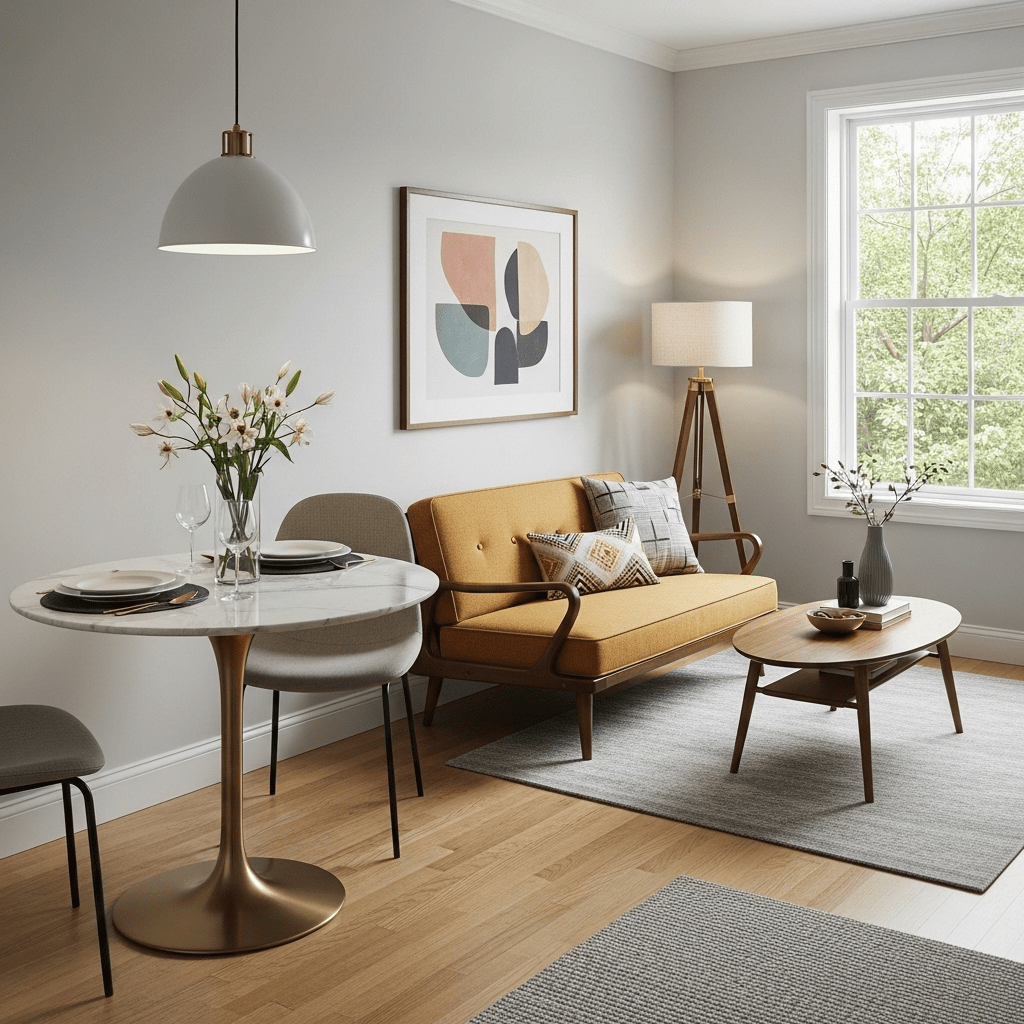
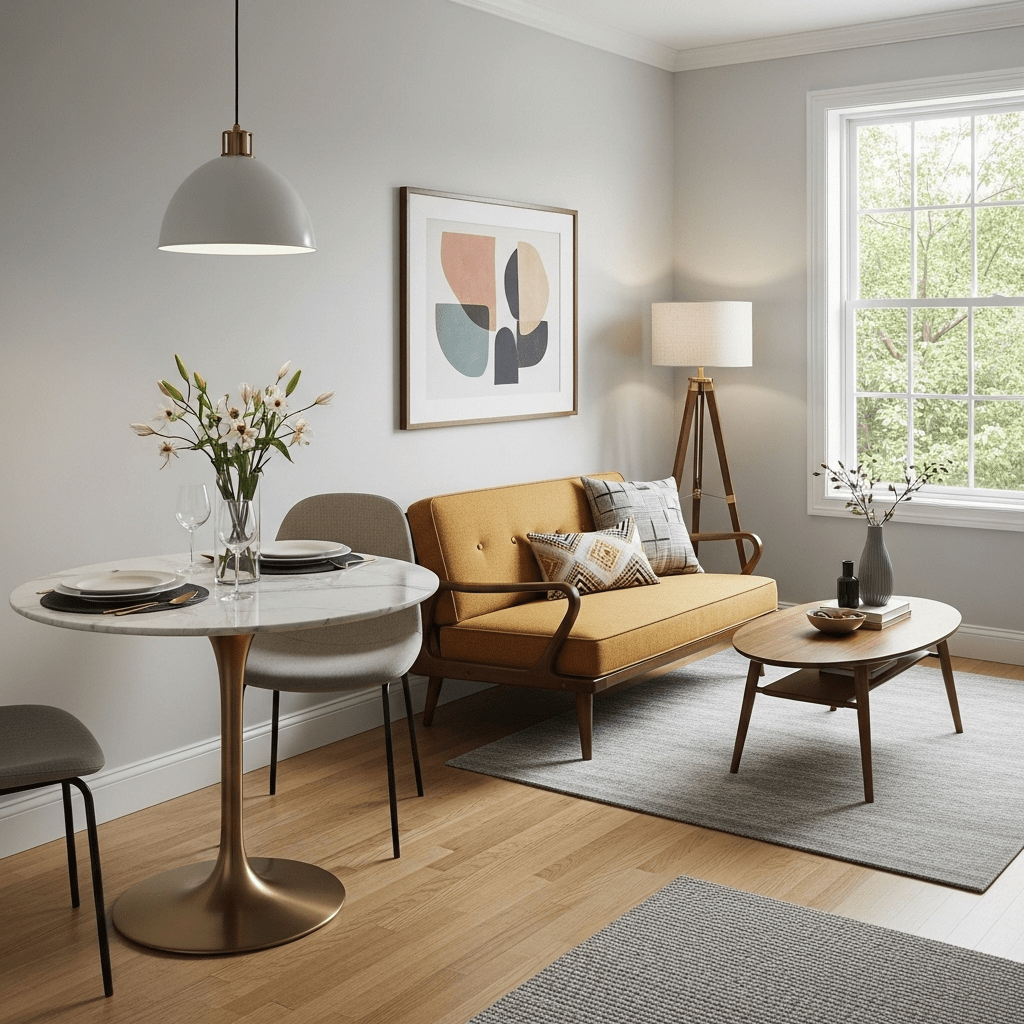
3. The Round Table Flow
Opt for a round dining table instead of a rectangular one. The lack of sharp corners improves the “traffic flow” in a tight space, making it easier to walk between the two areas.
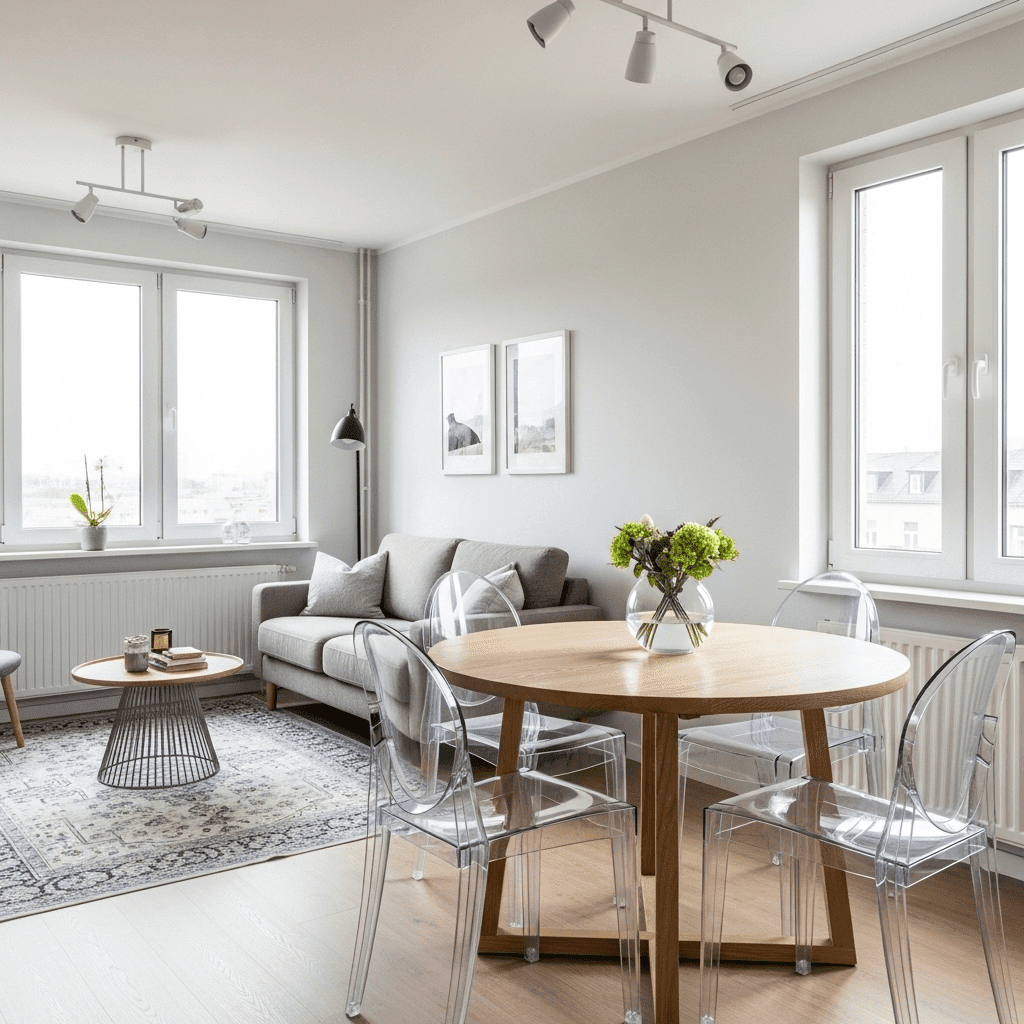
4. Transparent Ghost Chairs
Use clear acrylic “Ghost” chairs for the dining set. Because they are transparent, they don’t block the sightlines, allowing the living room to feel much larger than it actually is.
See also: 15 Very Small Living Room Designs
5. The Built-in Banquet Nook
Install a corner banquet or bench seating against a wall. This “tucked-in” dining solution saves space and makes the transition to the living area feel intentional and cozy.
6. Consistent Color Continuity
Paint the walls a single, light color throughout both zones. Using a unified palette prevents the room from feeling “choppy,” making the entire combo area feel like one grand suite.
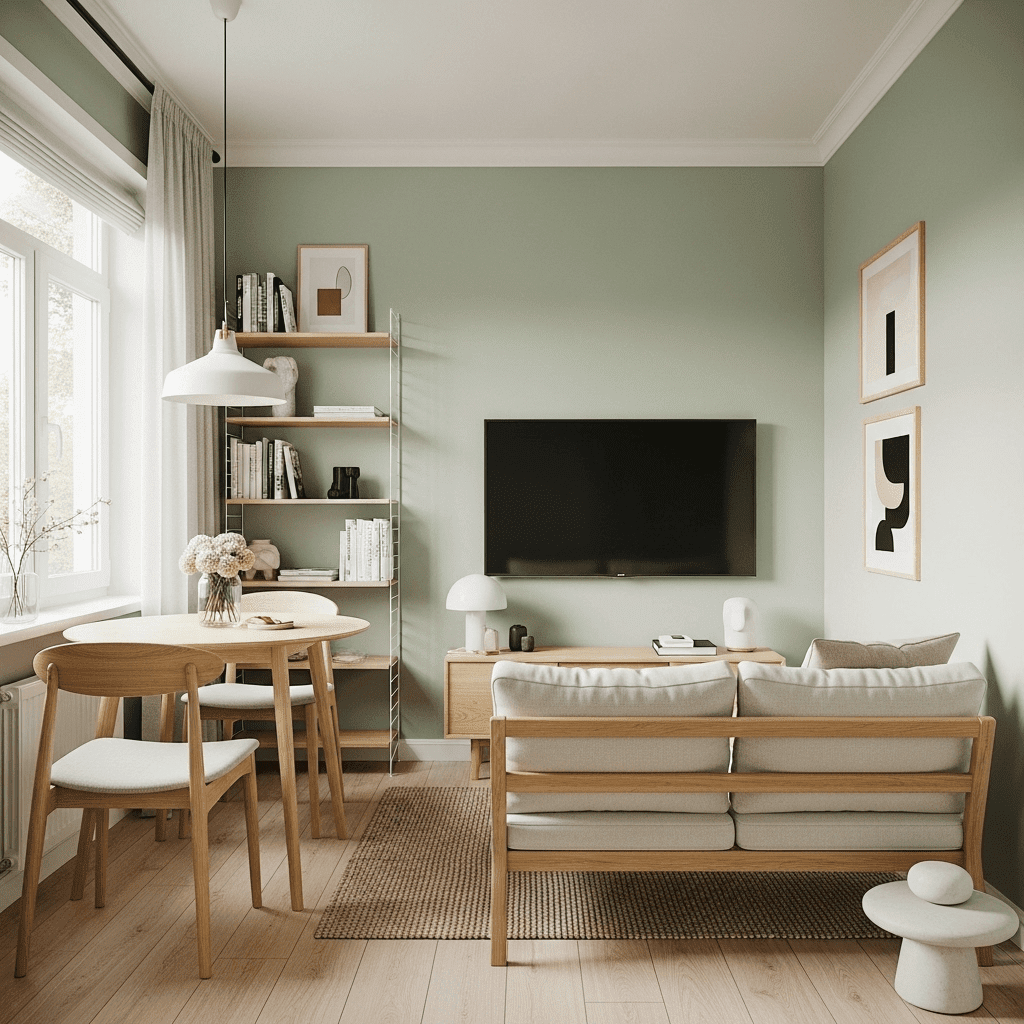
7. The Linear “Hallway” Layout
Align the dining table and the sofa along the same long wall. This keeps one side of the room completely clear for movement, which is ideal for very narrow rectangular floor plans.
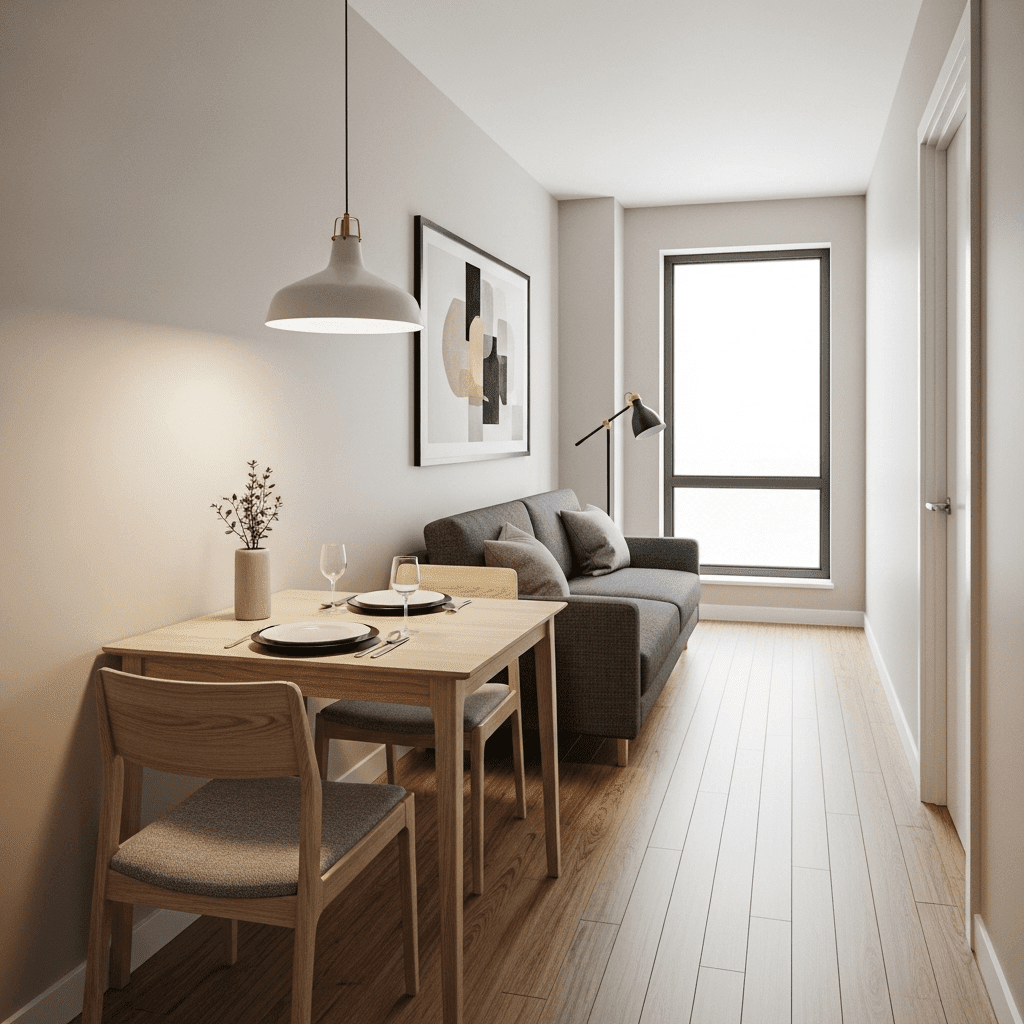
8. Pendant Light Anchoring
Hang a statement pendant light specifically over the dining table. The light acts as a “visual anchor,” defining the dining space from the ceiling down without needing floor barriers.
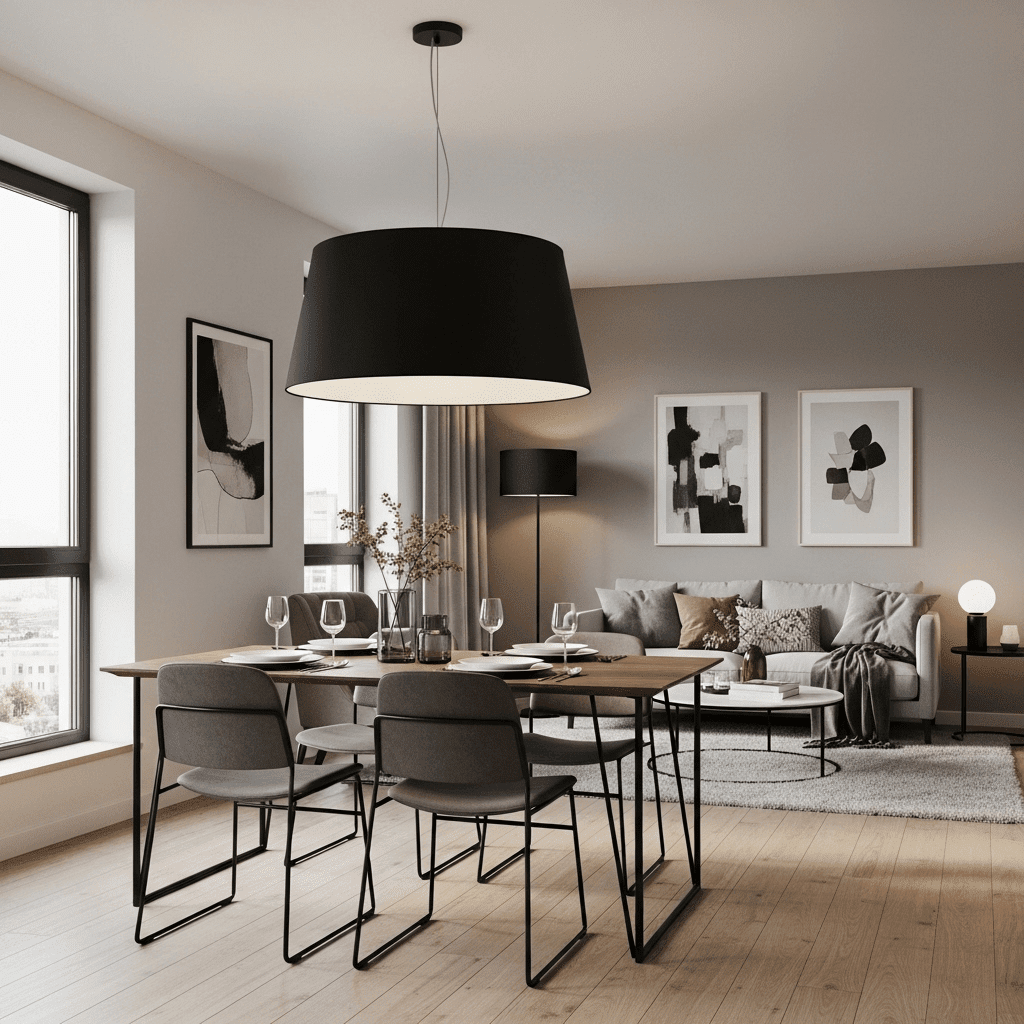
9. The Mirror Window Trick
Place a large mirror on the wall behind the dining table. It reflects the living room and the natural light, making the entire shared space feel twice as deep.
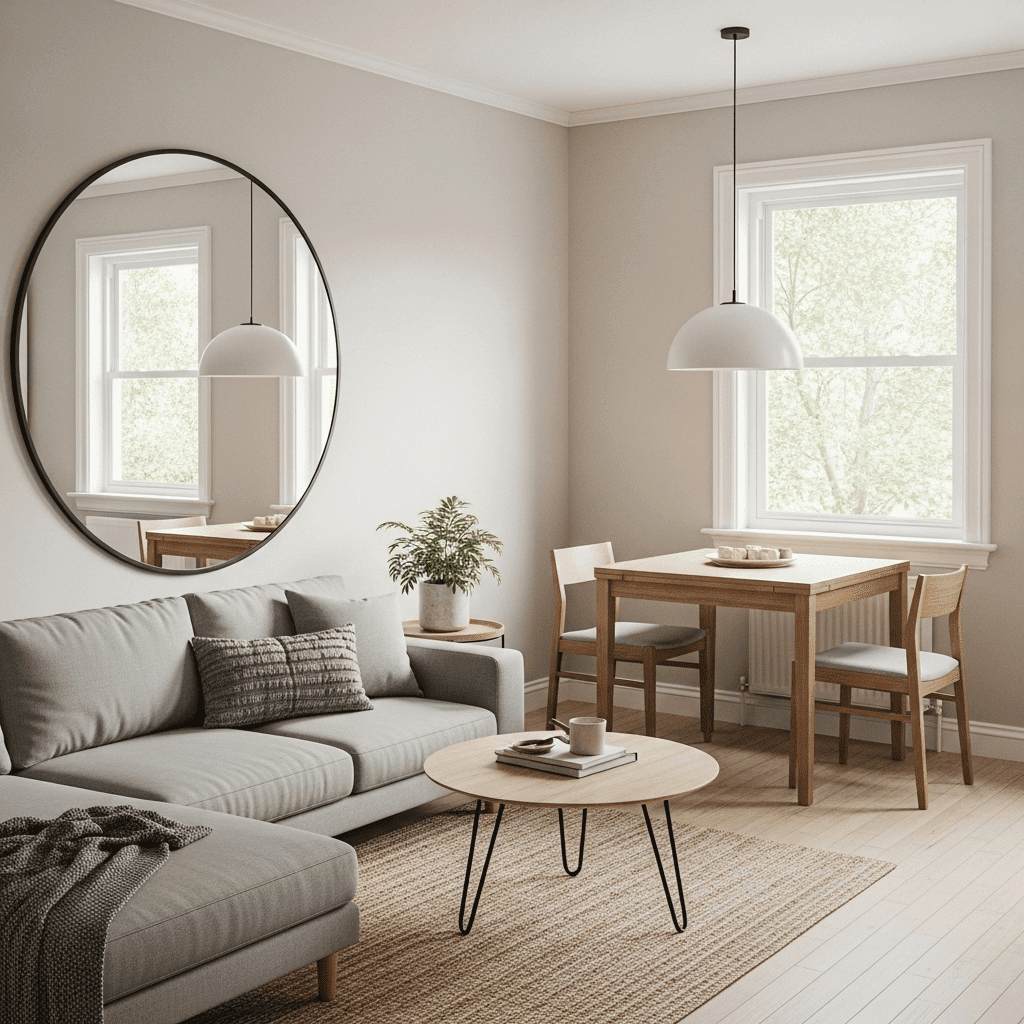
10. Low-Profile Furniture Scaling
Choose a low-backed sofa and low dining chairs. Keeping the “horizon line” of the furniture low ensures that you can see across the entire room, maximizing the sense of volume.
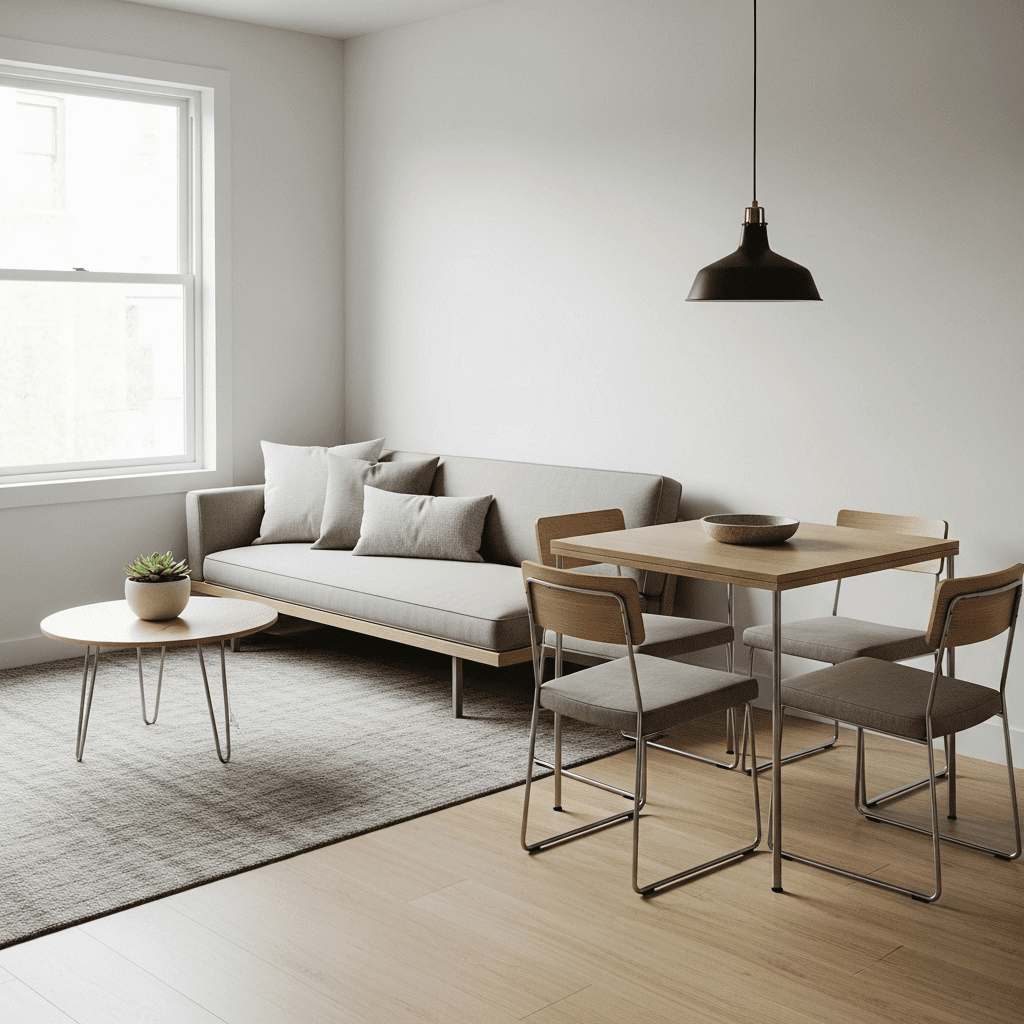
11. The Floating Bar Transition
Use a slim console table or a “bar” height table between the sofa and the kitchen or dining area. This provides a transition spot for drinks or work without the bulk of a full table.
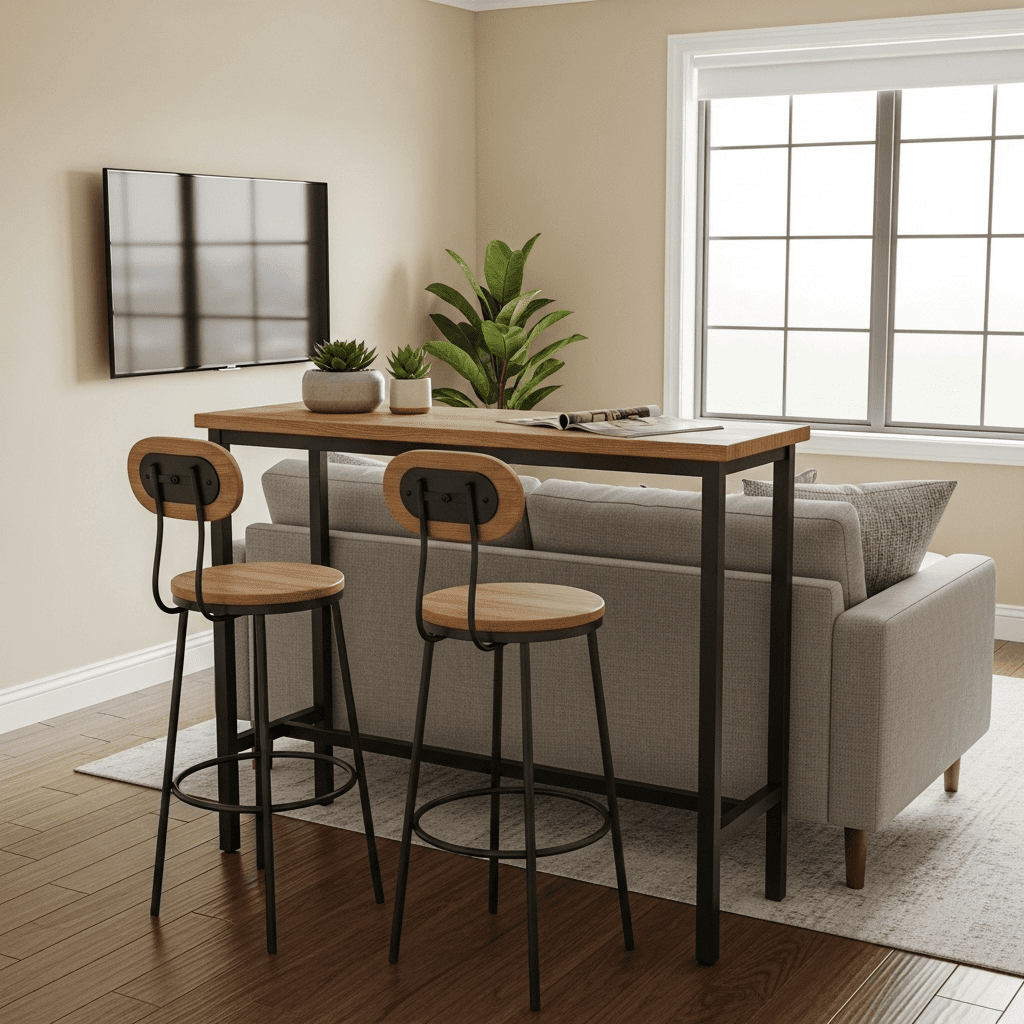
12. Vertical Storage Unity
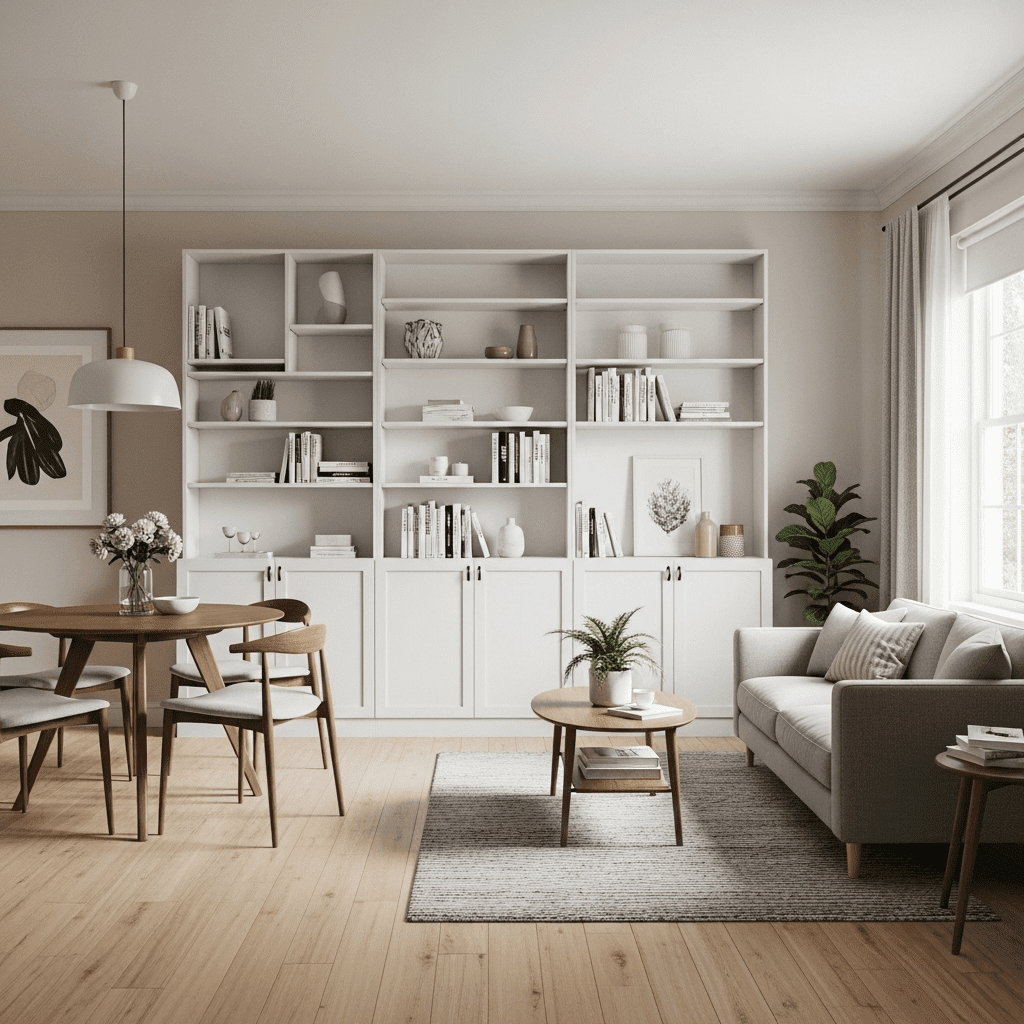
Run a single long bookshelf or media unit across both the dining and living walls. This continuous line ties the two areas together architecturally, making the room look longer.
13. The Pedestal Table Advantage
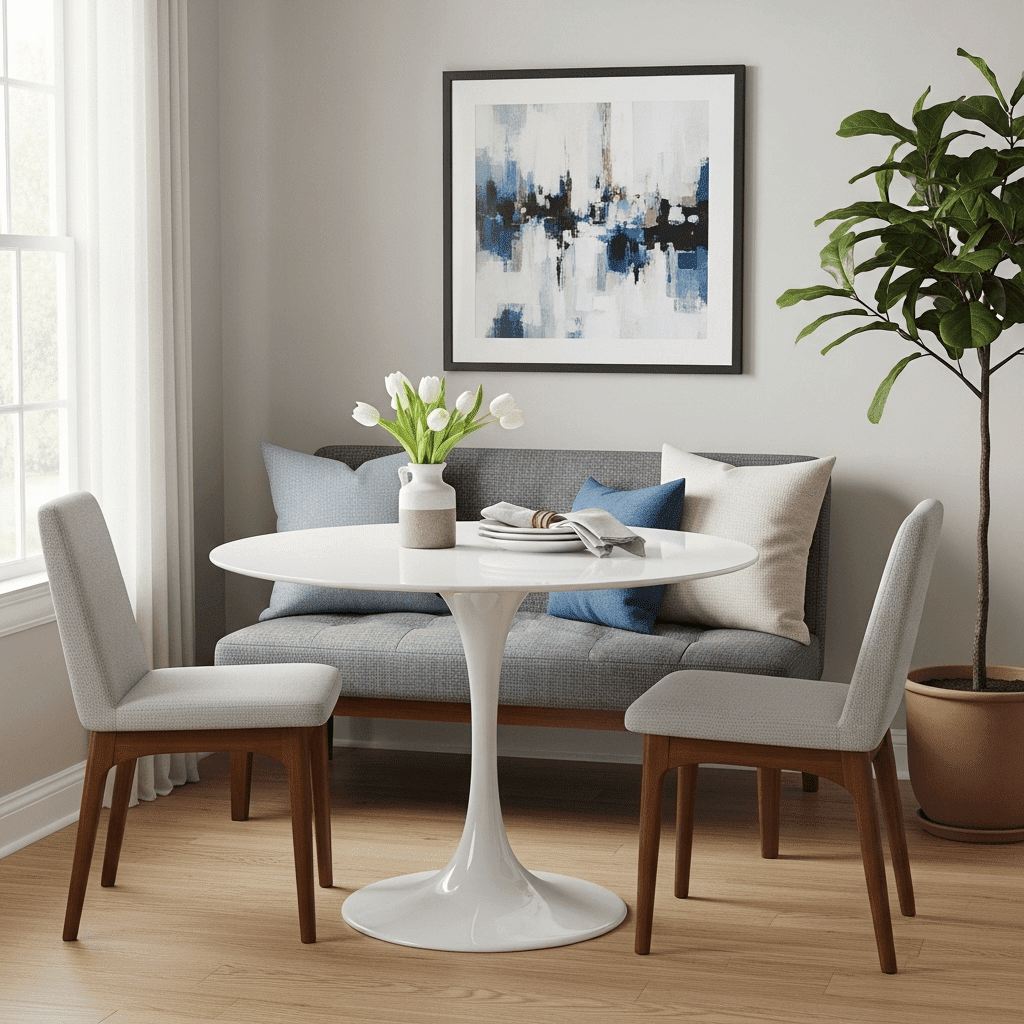
Use a pedestal-base dining table instead of one with four legs. This creates more “legroom” and visual openness, which is vital in a cluttered or very small layout.
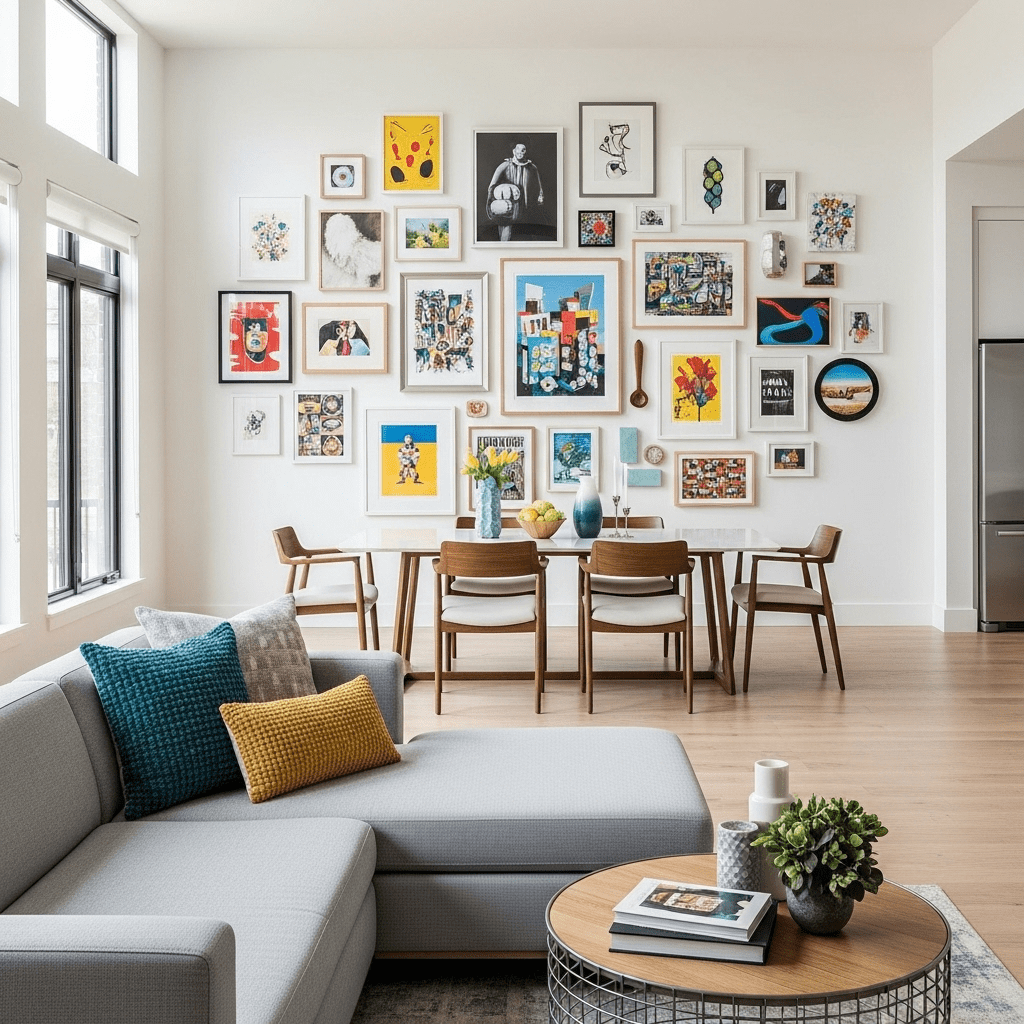
14. Corner Gallery Balance
Place a gallery wall behind the dining area to give it personality, while keeping the living room walls more minimalist. This balances the “energy” of the room.
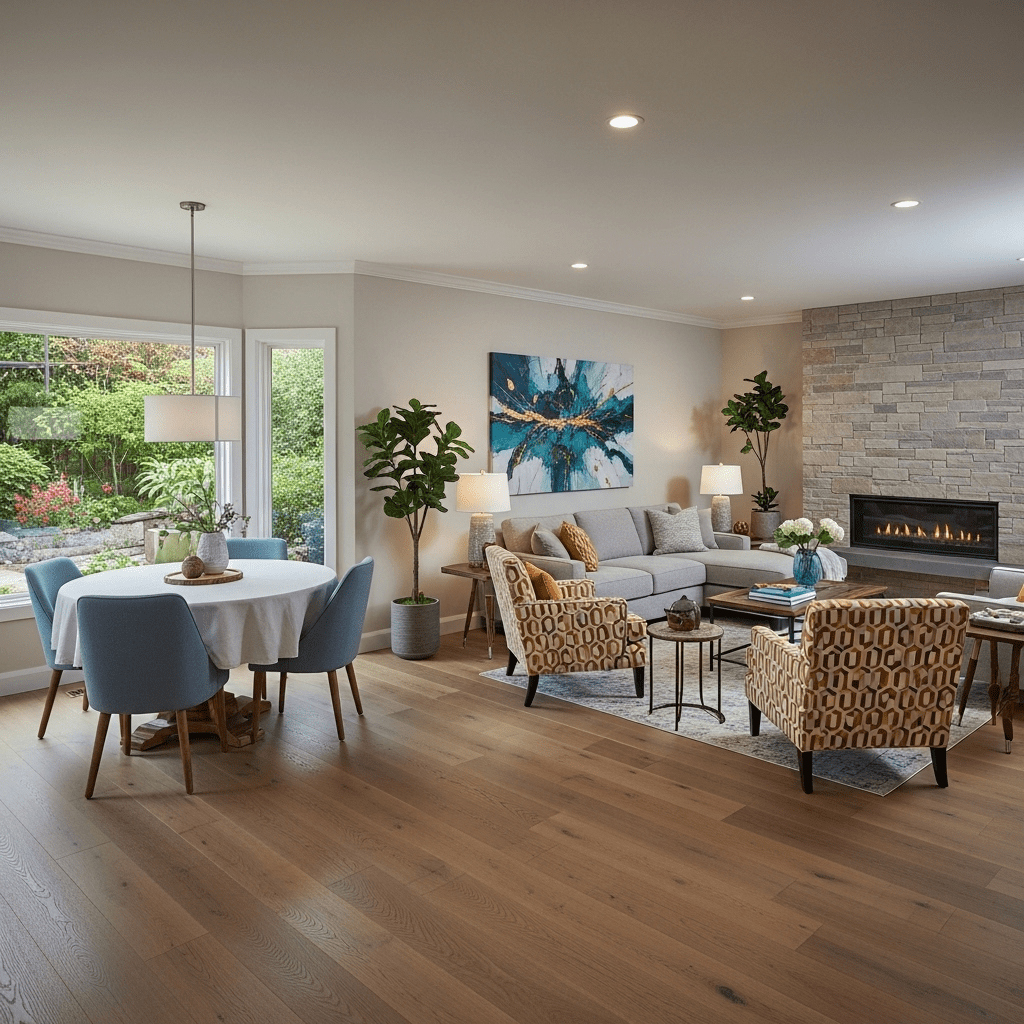
15. The “L” Shaped Zoning
Arrange your furniture in an L-shape, with the dining table in the “short” part of the L and the living area in the “long” part. This naturally separates functions by the room’s shape.
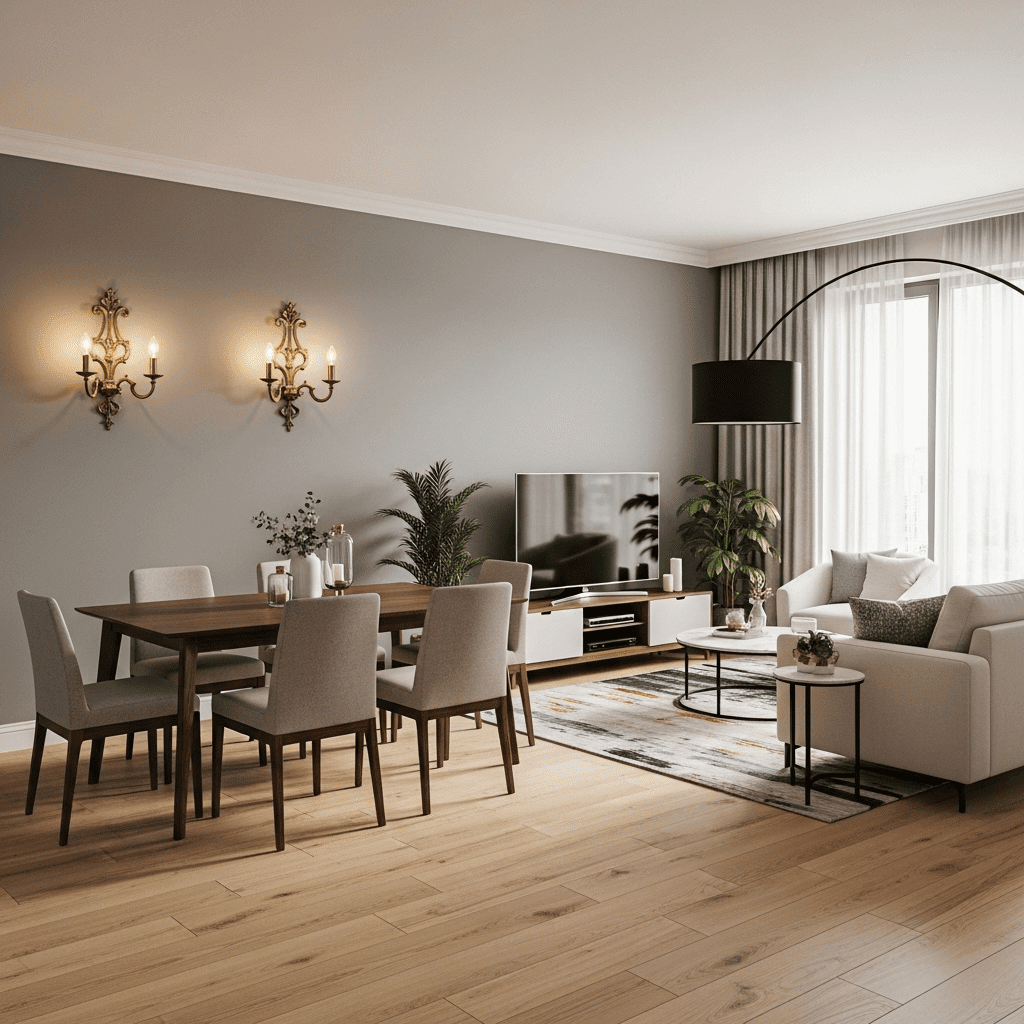
16. Sconce Lighting vs. Lamps
Use wall-mounted sconces in the dining area to save floor space, while using a floor lamp in the living room. This different lighting style further defines each zone.
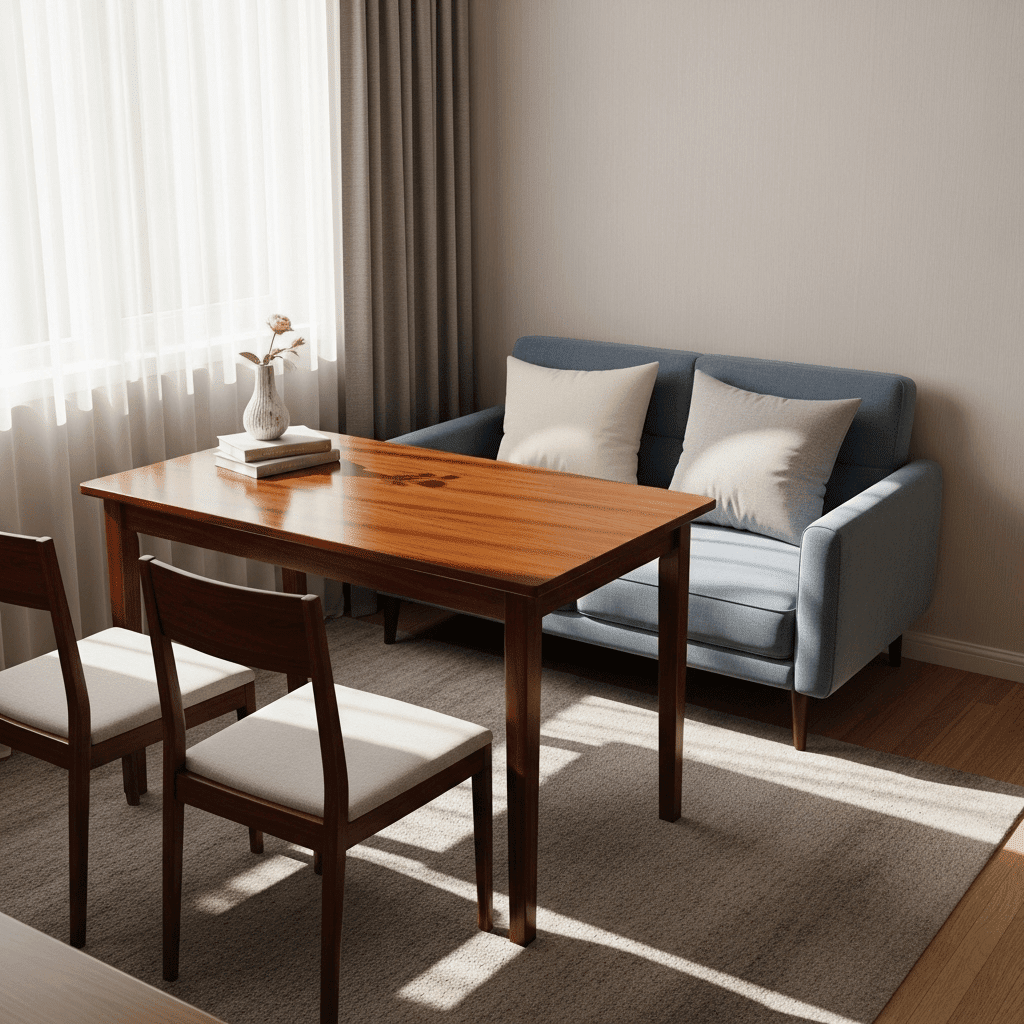
17. The Armless Dining Chair
Choose dining chairs without arms. They can be tucked completely under the table when not in use, clearing the “aisle” for moving into the living room.
Conclusion
Mastering a small dining and living room combo is about embracing the openness while respecting the boundaries of each zone. By utilizing rugs, lighting, and furniture orientation, you can create a home that feels both social and structured. Focus on keeping the main pathways clear to ensure that moving between dinner and the movie feels effortless and fluid.