 Skip to content
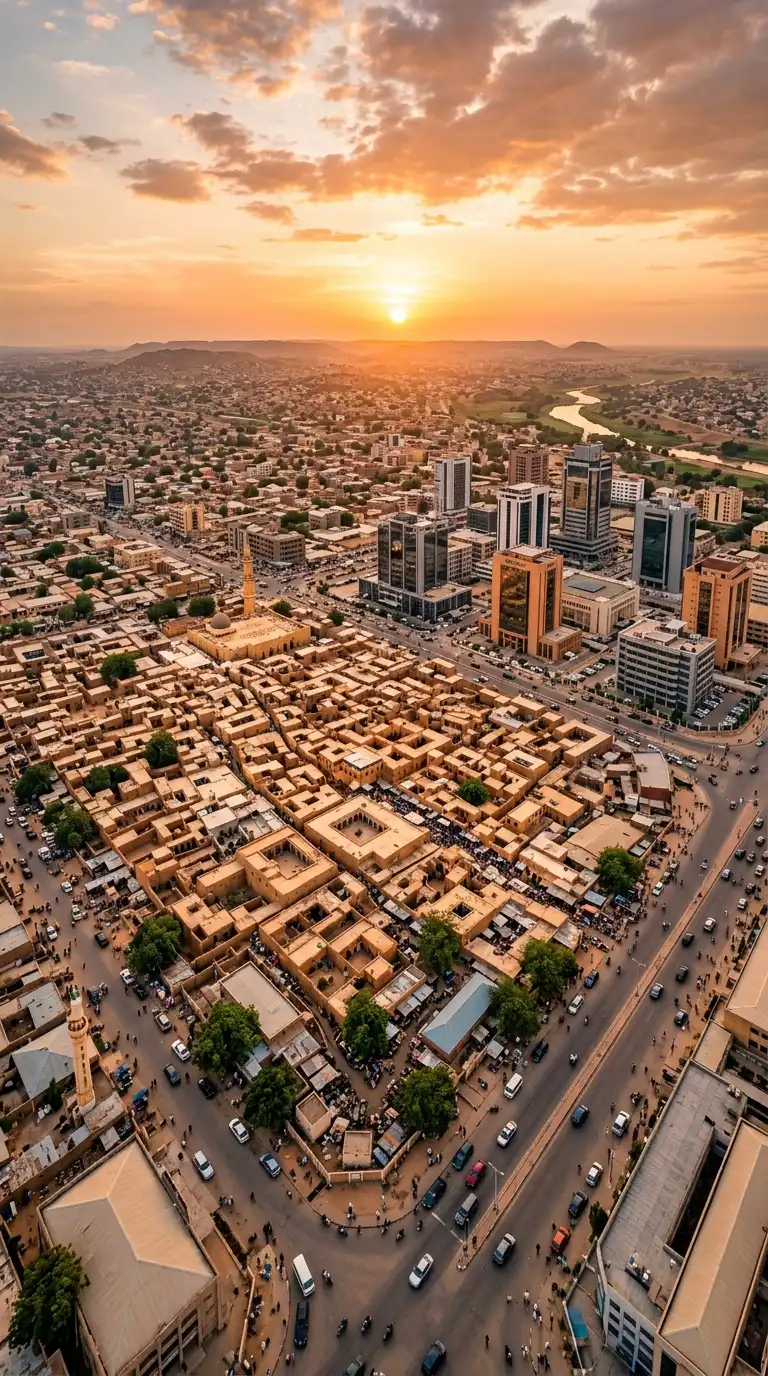
From ancient mud-brick wonders to dazzling contemporary skylines, African architecture is one of the most diverse, innovative, and culturally rich building traditions on the planet. Whether you’re an architecture enthusiast, a traveler planning your next adventure, or simply someone who loves beautiful design, this collection of 54 African architecture designs is guaranteed to inspire.
Why African Architecture Deserves Global Attention
Africa is a continent of 54 countries, over 1.4 billion people, and thousands of distinct ethnic groups — and its architecture reflects every bit of that staggering diversity. Long before steel-frame towers and glass facades dominated the skyline conversation, African builders were engineering thermal insulation into mud walls, designing courtyard homes that managed airflow without electricity, and constructing cliff-side villages that have stood for hundreds of years.
Today, a new wave of African architects is combining these ancestral principles with cutting-edge design to produce buildings that are both culturally rooted and globally competitive. From Lagos to Nairobi, Accra to Johannesburg, the continent is experiencing an architectural renaissance that the world is only beginning to notice.
This post celebrates 54 remarkable African architecture designs — one for each nation on the continent — spanning ancient wonders, regional vernacular styles, and breathtaking modern structures.
Ancient & Traditional African Architecture
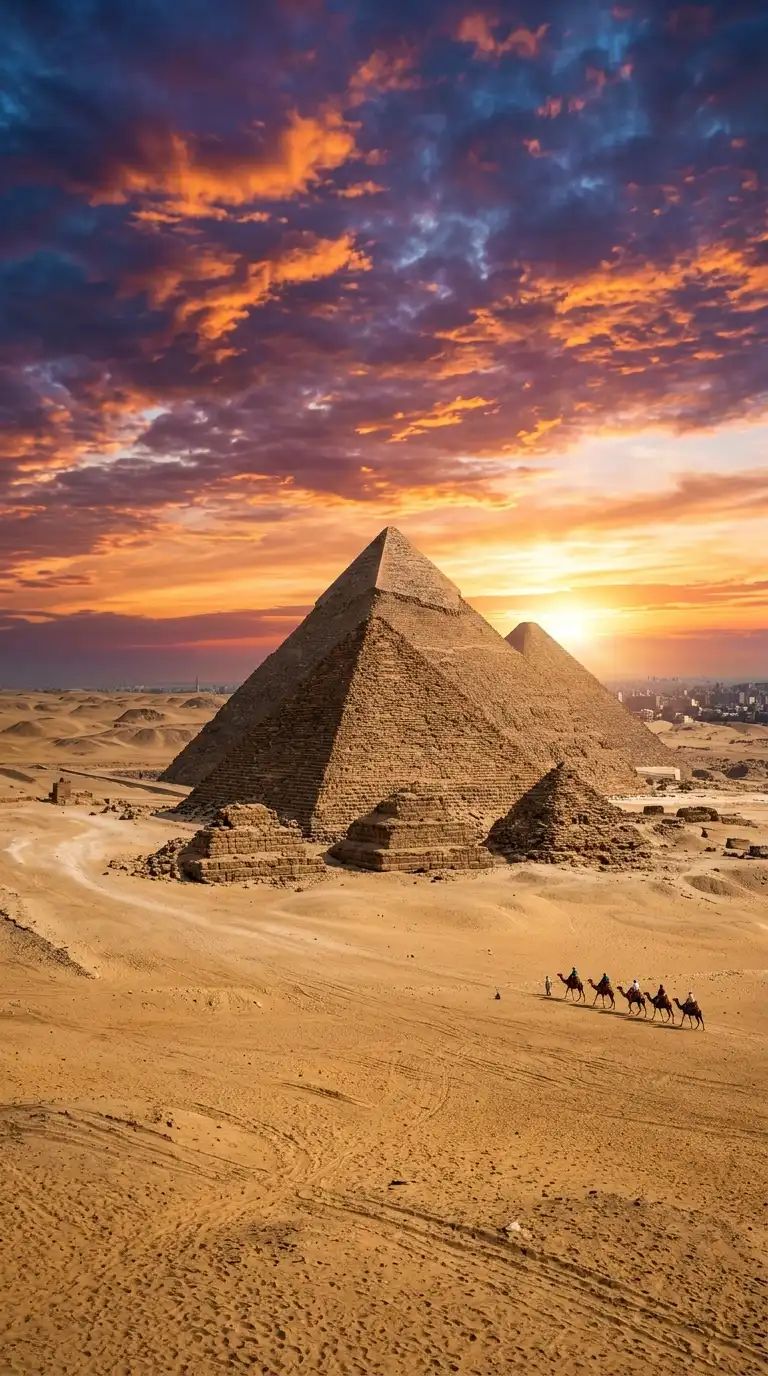
1. The Great Pyramid of Giza, Egypt
No list of African architecture would be complete without the Great Pyramid of Giza — the only surviving structure of the original Seven Wonders of the Ancient World. Built around 2560 BCE for Pharaoh Khufu, the pyramid stands 138 meters tall and was constructed from over 2.3 million limestone and granite blocks. It remains one of the most precisely engineered structures ever built, and its alignment with true north is off by only 0.05 degrees.
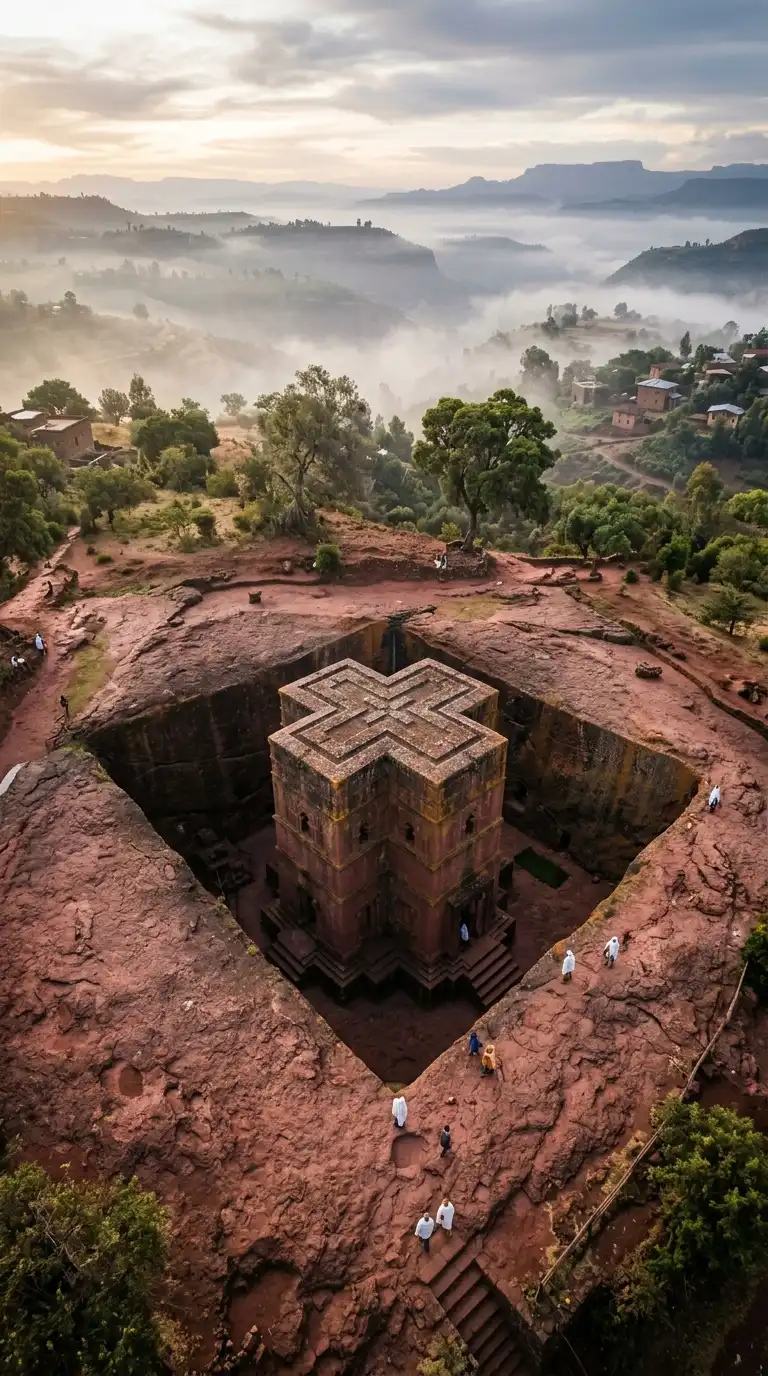
2. The Rock-Hewn Churches of Lalibela, Ethiopia
Carved entirely from a single mass of red volcanic rock in the 12th and 13th centuries, the eleven churches of Lalibela in northern Ethiopia are among the most extraordinary architectural achievements in human history. King Lalibela ordered their construction as a “New Jerusalem,” and today they remain active places of worship. The most famous, Bete Giyorgis (Church of St. George), is carved in the shape of a Greek cross and descends 15 meters below the surrounding landscape.
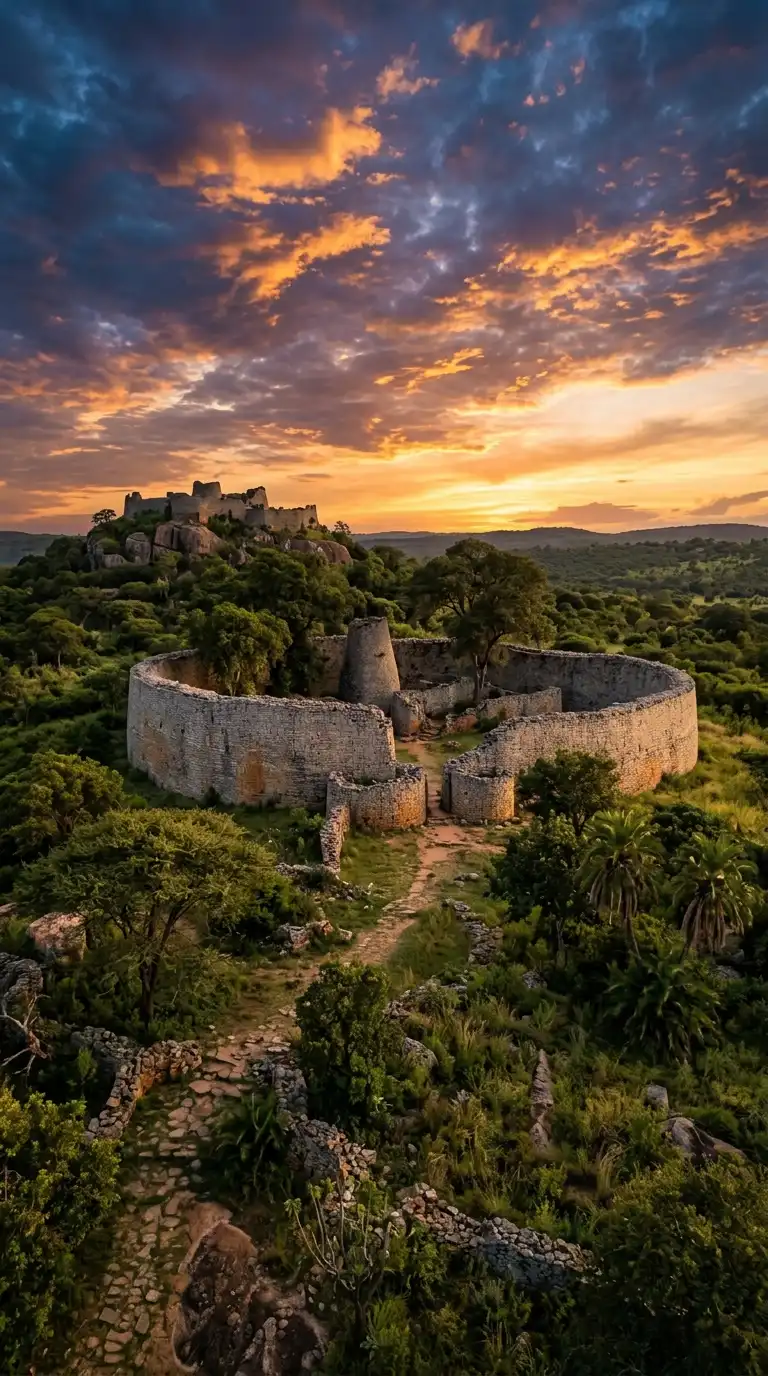
3. Great Zimbabwe Ruins, Zimbabwe
Built between the 11th and 15th centuries by the ancestors of the Shona people, Great Zimbabwe is the largest ancient stone structure in sub-Saharan Africa. The complex spans over 700 hectares and features massive dry-stone walls — constructed without mortar — some of which stand over 11 meters tall and 5 meters thick. The name “Zimbabwe” itself derives from the Shona word for “stone houses.” The site was a major political and trading center that connected Africa to trade routes stretching as far as China.
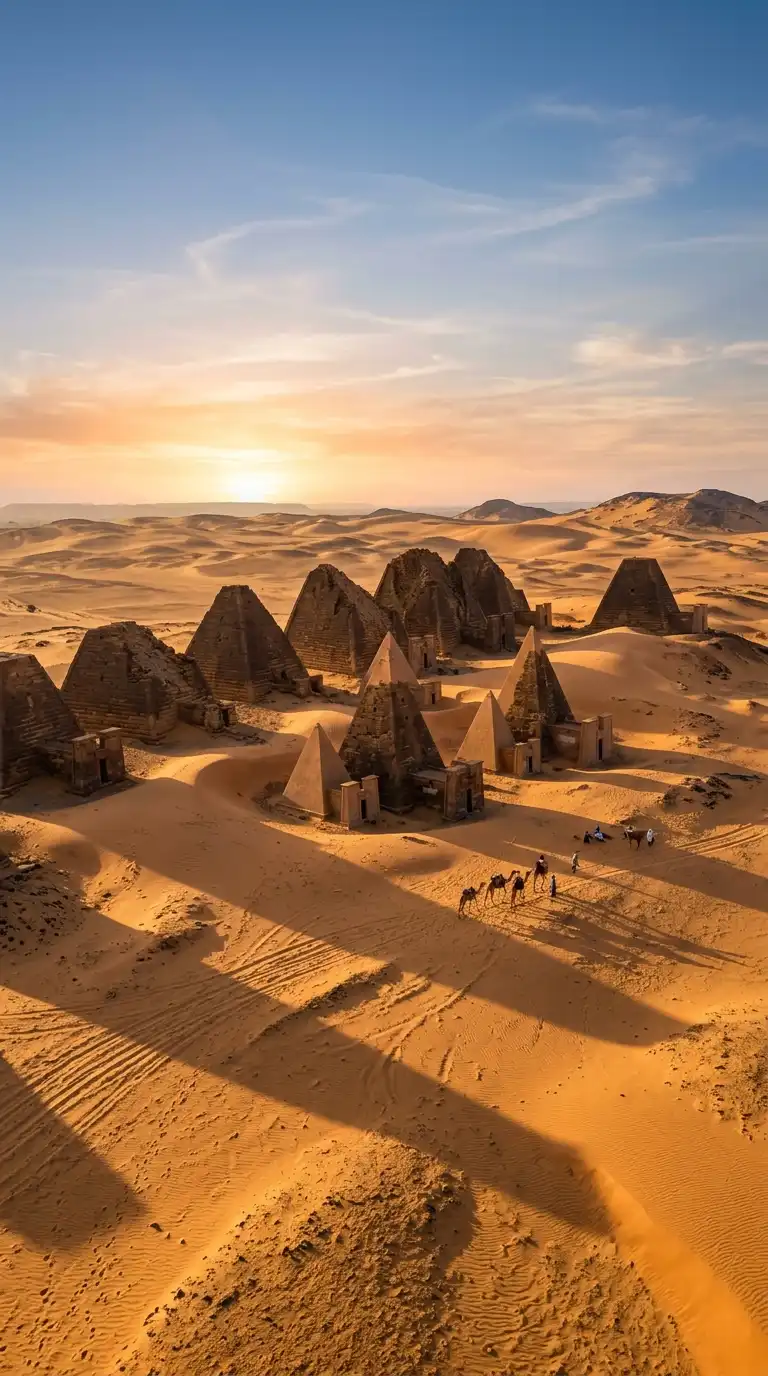
4. The Nubian Pyramids of Meroe, Sudan
Less visited than their Egyptian counterparts but no less impressive, the Nubian pyramids of Meroe in modern-day Sudan number over 200 and were built by the rulers of the ancient Kushite kingdoms between 300 BCE and 350 CE. Steeper and narrower than Egyptian pyramids, with distinctive flat-topped or broken crowns caused by 19th-century treasure hunters, they rise from the Saharan desert in clusters. Their sheer quantity and concentration in a single landscape makes for one of Africa’s most striking visual experiences.
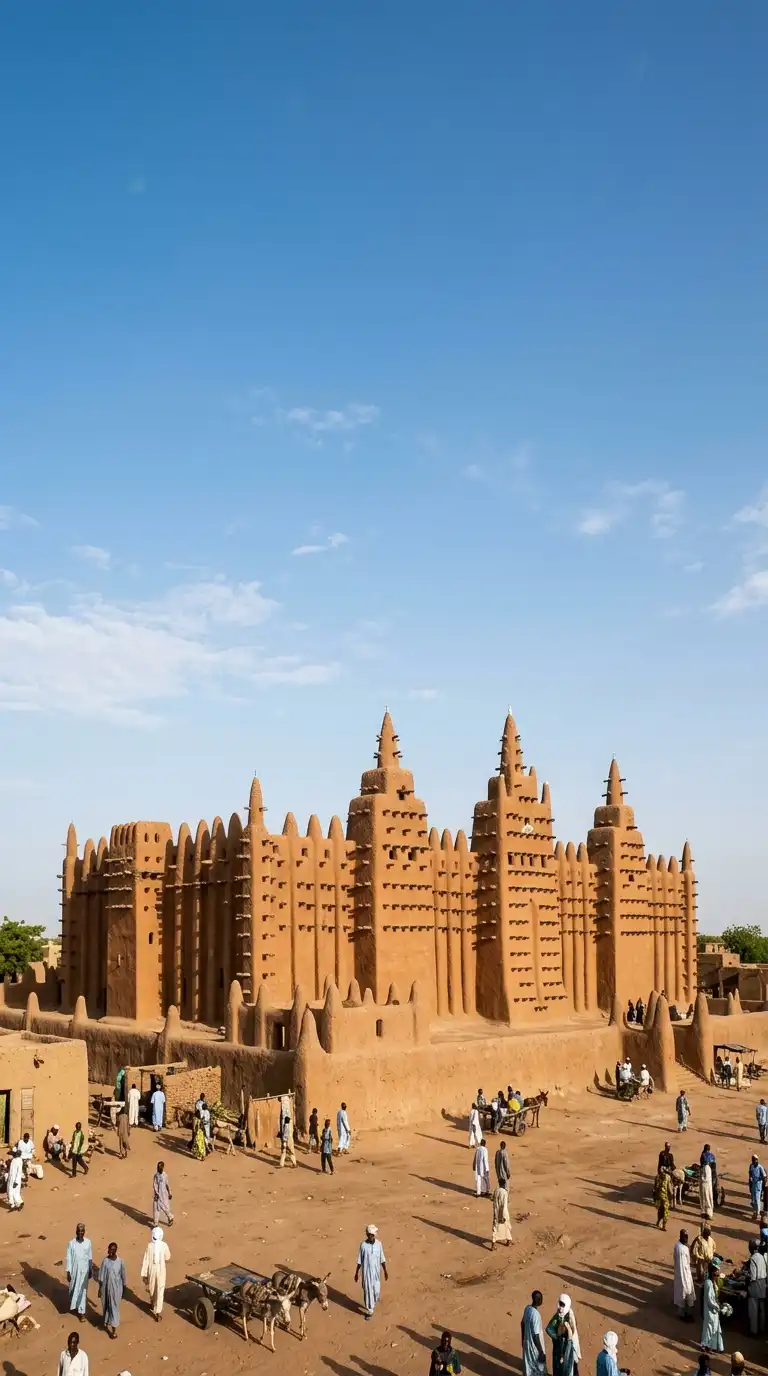
5. Djenné Mosque, Mali
The Great Mosque of Djenné in Mali is the largest mud-brick building in the world and is considered the greatest achievement of the Sudano-Sahelian architectural style. Originally built in the 13th century and reconstructed in 1907, it is constructed from sun-baked mud bricks called ferey, coated in smooth mud plaster that gives it an organic, almost sculpted appearance. Protruding wooden beams called toron serve both as scaffolding during annual replastering festivals and as a distinctive decorative feature.
West African Architecture Designs
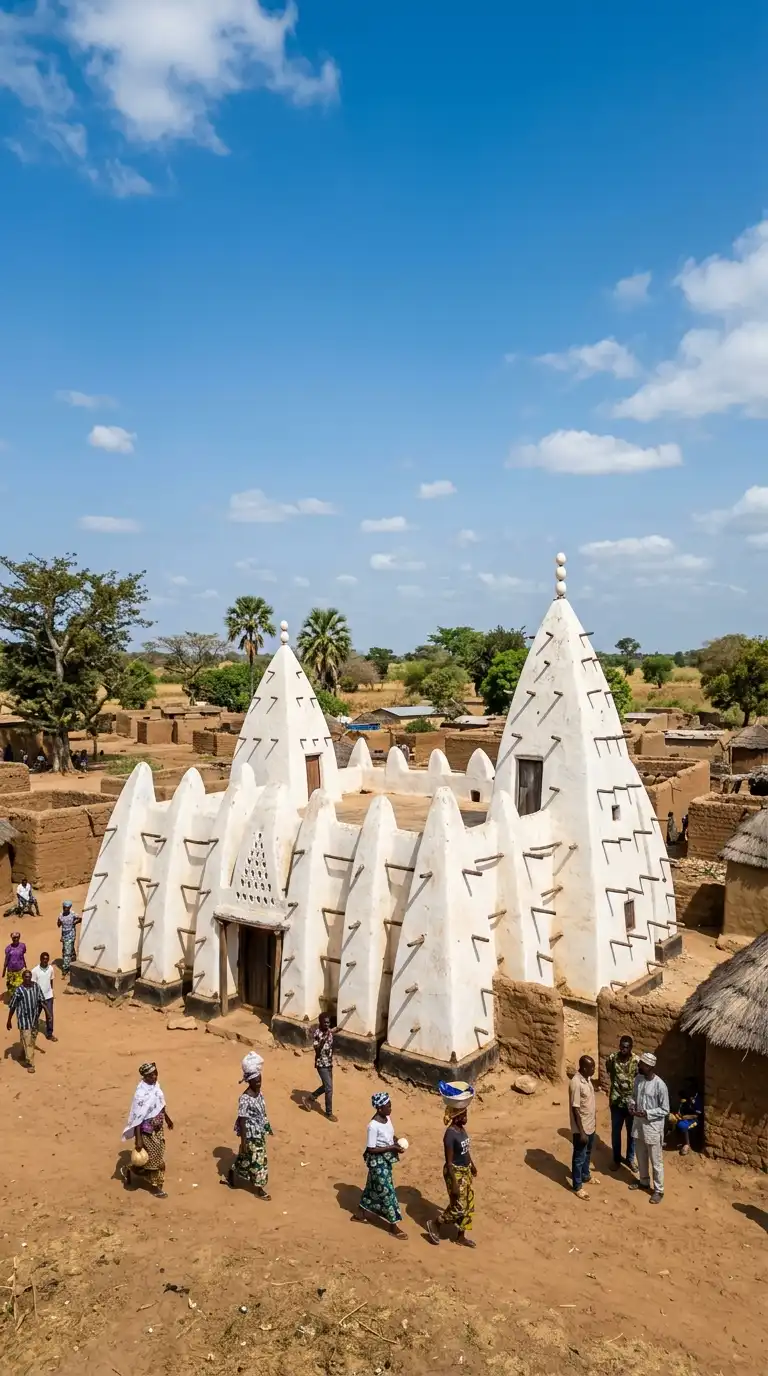
6. Larabanga Mosque, Ghana
Dating to the 15th century, the Larabanga Mosque in northern Ghana is one of the oldest mosques in West Africa and is often called the “Mecca of West Africa.” Built in the Sudanese mud-brick style, it features a distinctive whitewashed exterior with ostrich eggs placed on top of its minarets — a symbol of fertility and purity in Islamic architecture throughout the Sahel region.
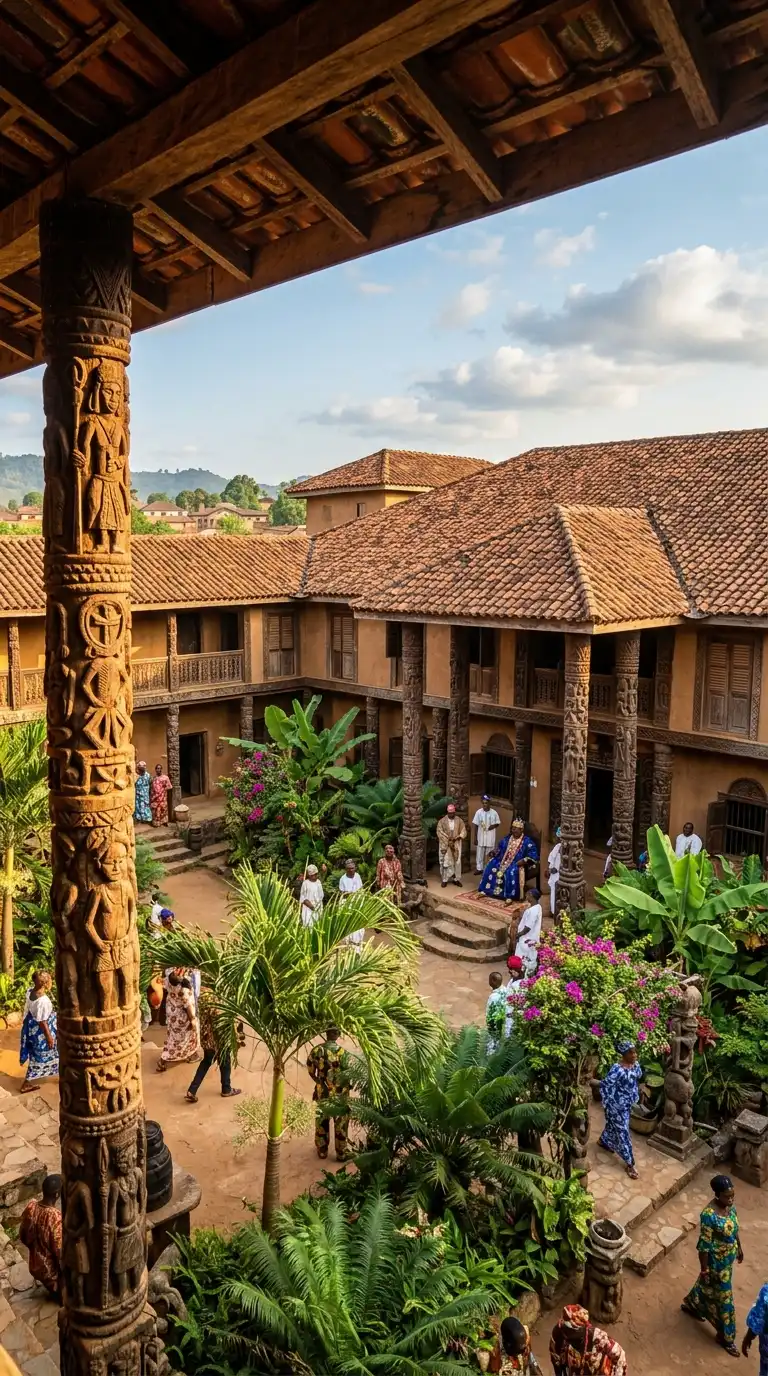
7. Afin Oyo (Alaafin’s Palace), Nigeria
The traditional Yoruba palace complex of the Alaafin of Oyo in Oyo State, Nigeria, represents one of West Africa’s most impressive examples of pre-colonial courtly architecture. Featuring expansive open courtyards, carved wooden veranda posts known as opa, terracotta roof tiles, and intricate figurative carvings that tell the stories of Yoruba history and mythology, the palace is a living museum of architectural tradition.
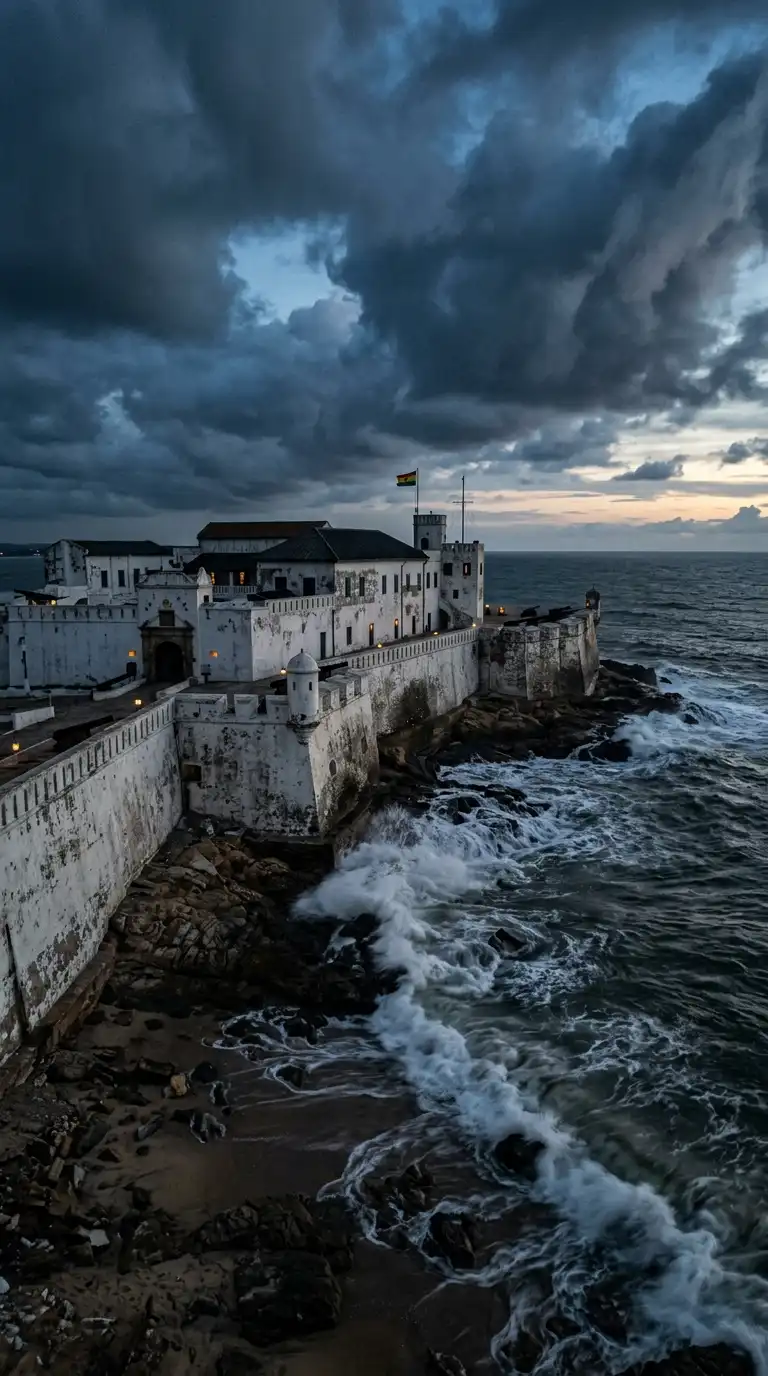
8. Cape Coast Castle, Ghana
Built by the Swedes in 1653 and later expanded by the British, Cape Coast Castle on the Gulf of Guinea coast is one of about forty “slave castles” built along Ghana’s coast. Architecturally, it is a brooding, white-washed fortress of European colonial design, but it holds enormous cultural significance — it was the final stop for millions of enslaved Africans before the “Door of No Return.” Today it is a UNESCO World Heritage Site and a place of pilgrimage and memory.
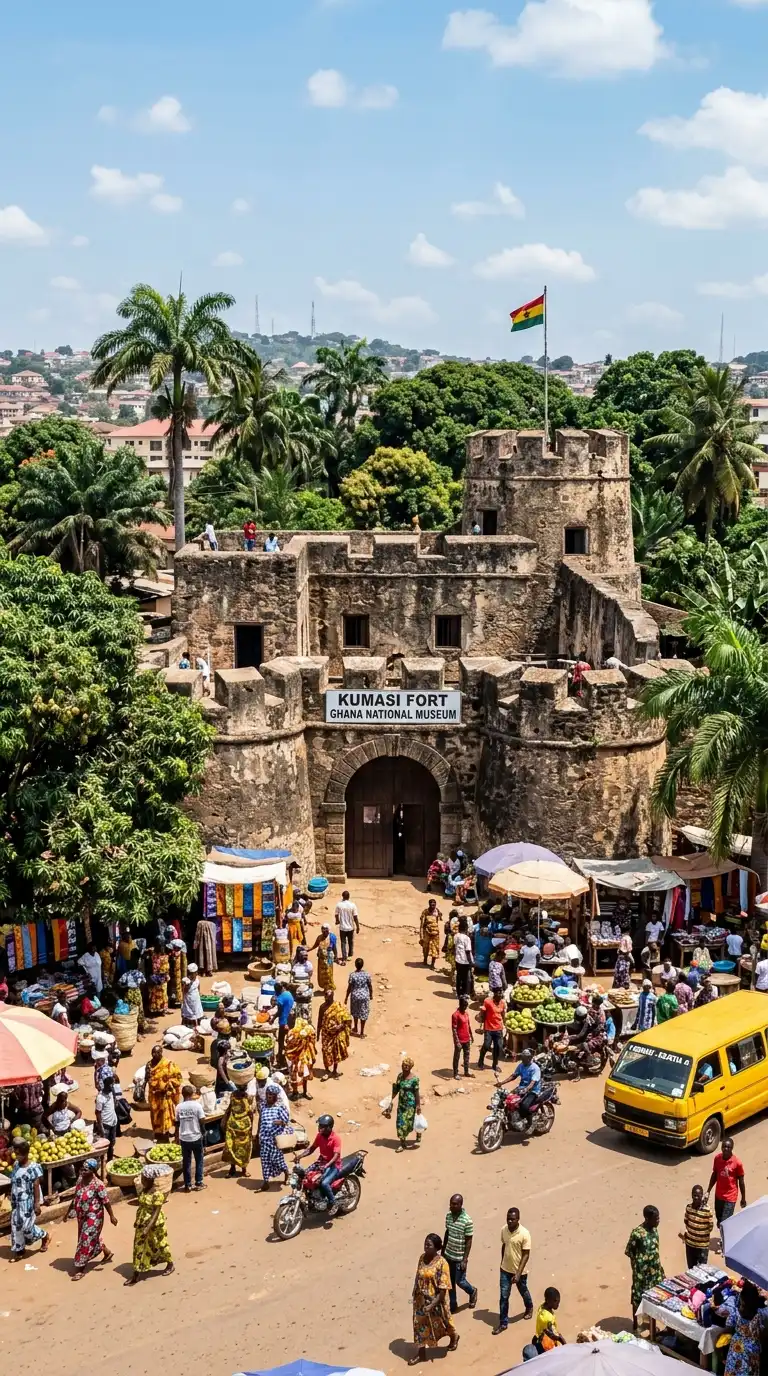
9. Kumasi Fort and Military Museum, Ghana
Originally constructed by the British in 1896, Fort Kumasi served as a garrison and administrative center during colonial rule. Its thick stone walls, arched doorways, and commanding position in the heart of Kumasi — the capital of the Ashanti Kingdom — make it a fascinating hybrid of European fortification design built on deeply Ashanti sacred ground.
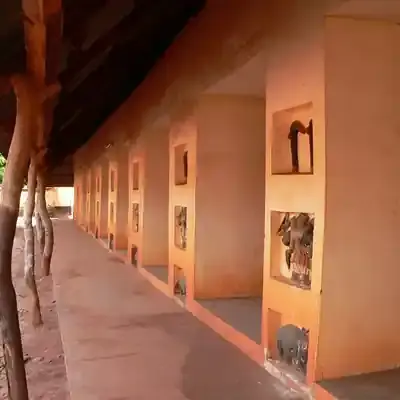
10. Abomey Royal Palaces, Benin
The Royal Palaces of Abomey were the seat of the powerful Dahomey Kingdom from 1625 to 1900. The complex consists of twelve palaces spread across 40 hectares, featuring bas-relief murals that cover the mud walls with scenes of military victories, royal ceremonies, and Dahomey mythology. These vivid, colorful pictorial records make the palaces unique as an architectural storytelling device, earning the site UNESCO World Heritage status.
East African Architecture Designs
11. Lamu Old Town, Kenya
Built on the island of Lamu off Kenya’s northern coast, Lamu Old Town is the oldest and best-preserved Swahili settlement in East Africa. Its architecture is a fascinating fusion of Swahili, Arab, Persian, Indian, and European influences, featuring narrow coral-stone streets, inner courtyards, intricately carved wooden doors, and buildings designed to maximize shade and natural ventilation. The carved doors of Lamu — featuring Islamic geometric patterns, lotus flowers, and Arabic inscriptions — are considered some of the finest woodcarving examples in the world.
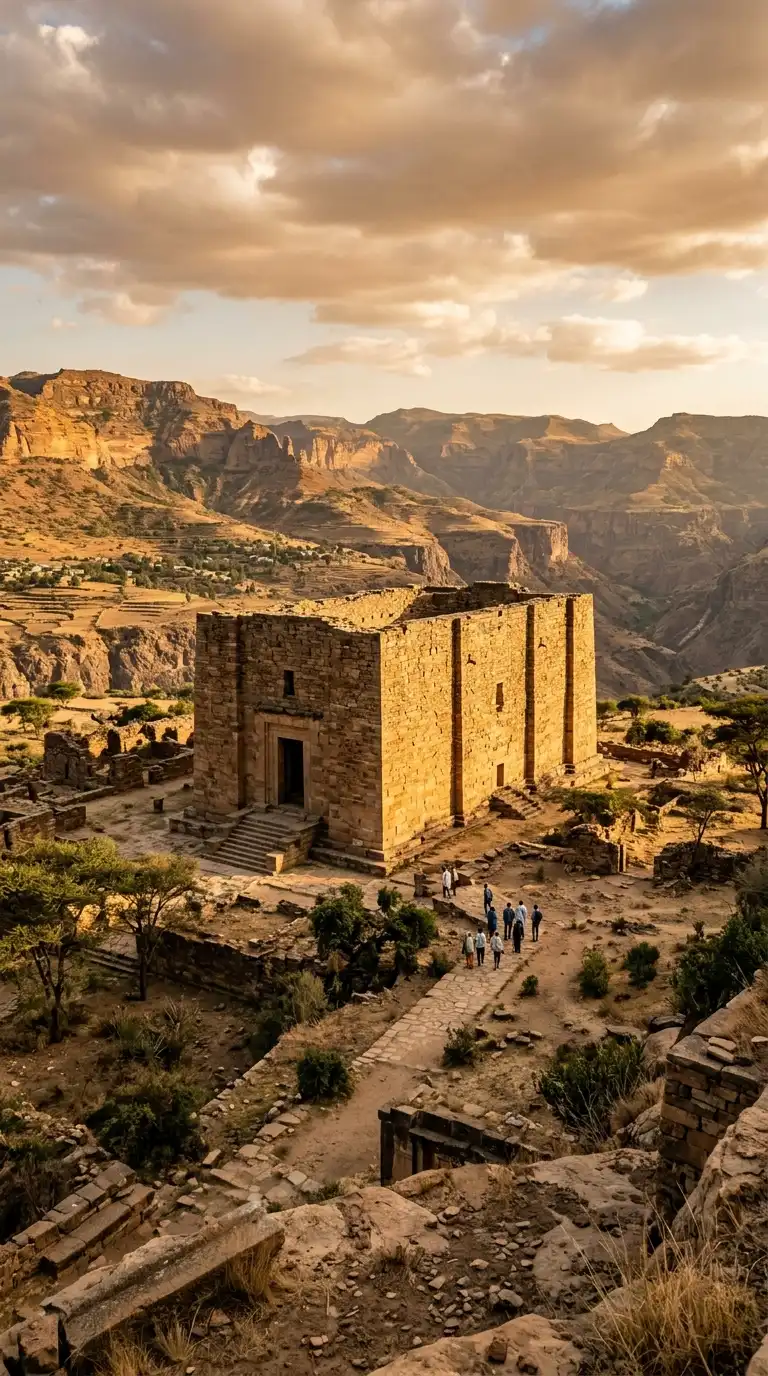
12. Palace of the Queen of Sheba (Yeha Temple), Ethiopia
The Temple of Yeha in the Tigray region of Ethiopia is the oldest standing structure in the country and one of the oldest in sub-Saharan Africa, dating to the 5th century BCE. Built by the ancient D’mt civilization, its walls of dry-laid sandstone blocks rise to over 12 meters and show a remarkable engineering sophistication that predates most other known sub-Saharan construction by centuries.
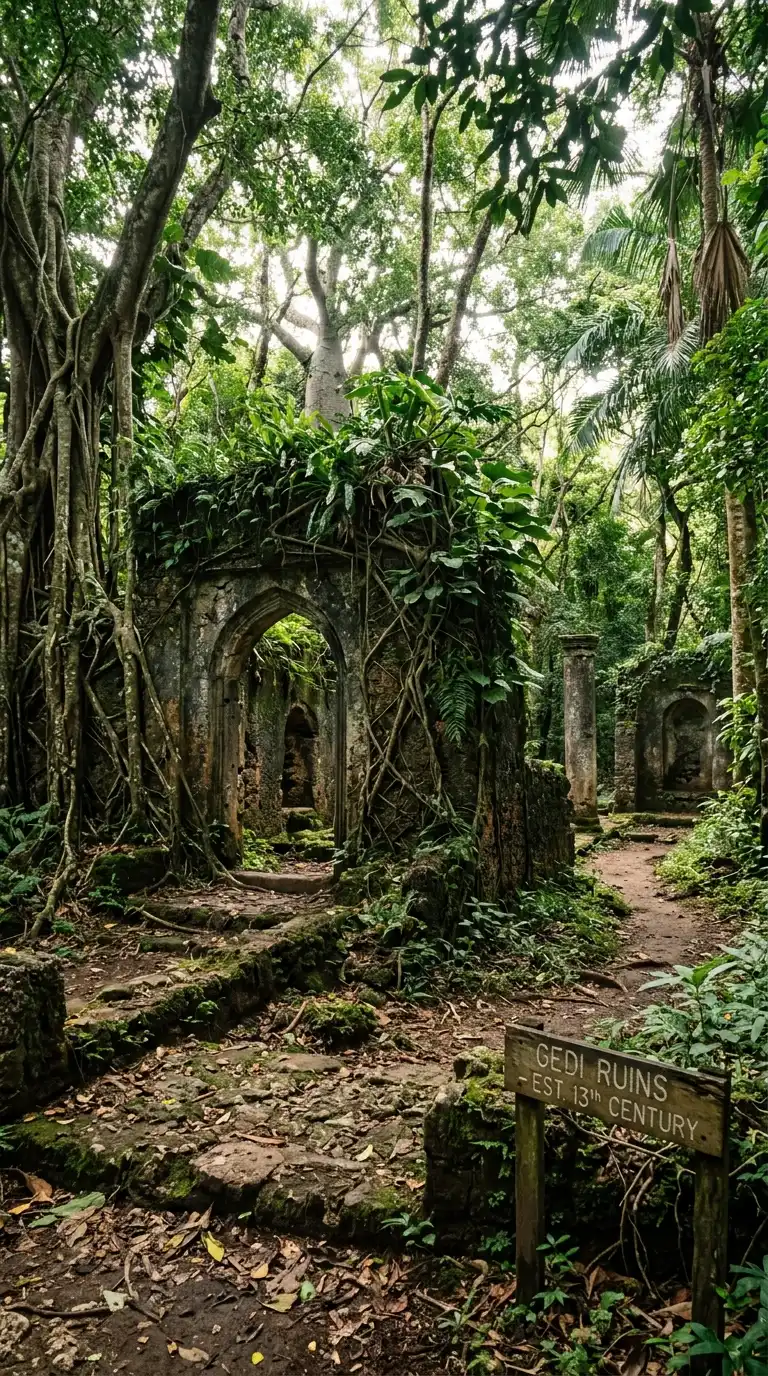
13. Ruins of Gedi, Kenya
Hidden in the coastal forest of Malindi, the ruins of Gedi are the remains of a Swahili town that flourished between the 13th and 17th centuries. The site includes a palace, several mosques, and dozens of stone houses, all built from coral rag in a style that reveals the town’s role as a prosperous trading center. The jungle has since reclaimed much of the site, with fig trees growing through walls and vines wrapping pillar tombs, creating an ethereal, overgrown atmosphere.
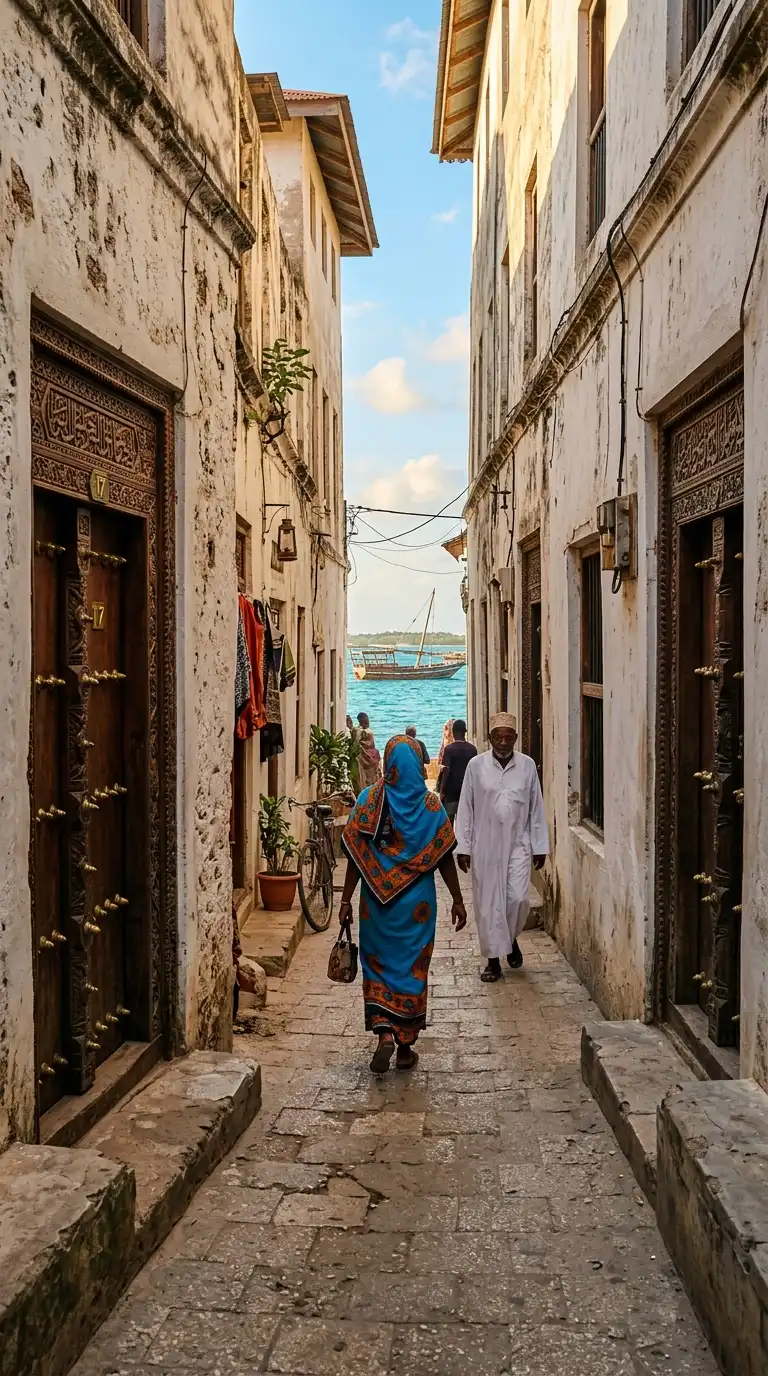
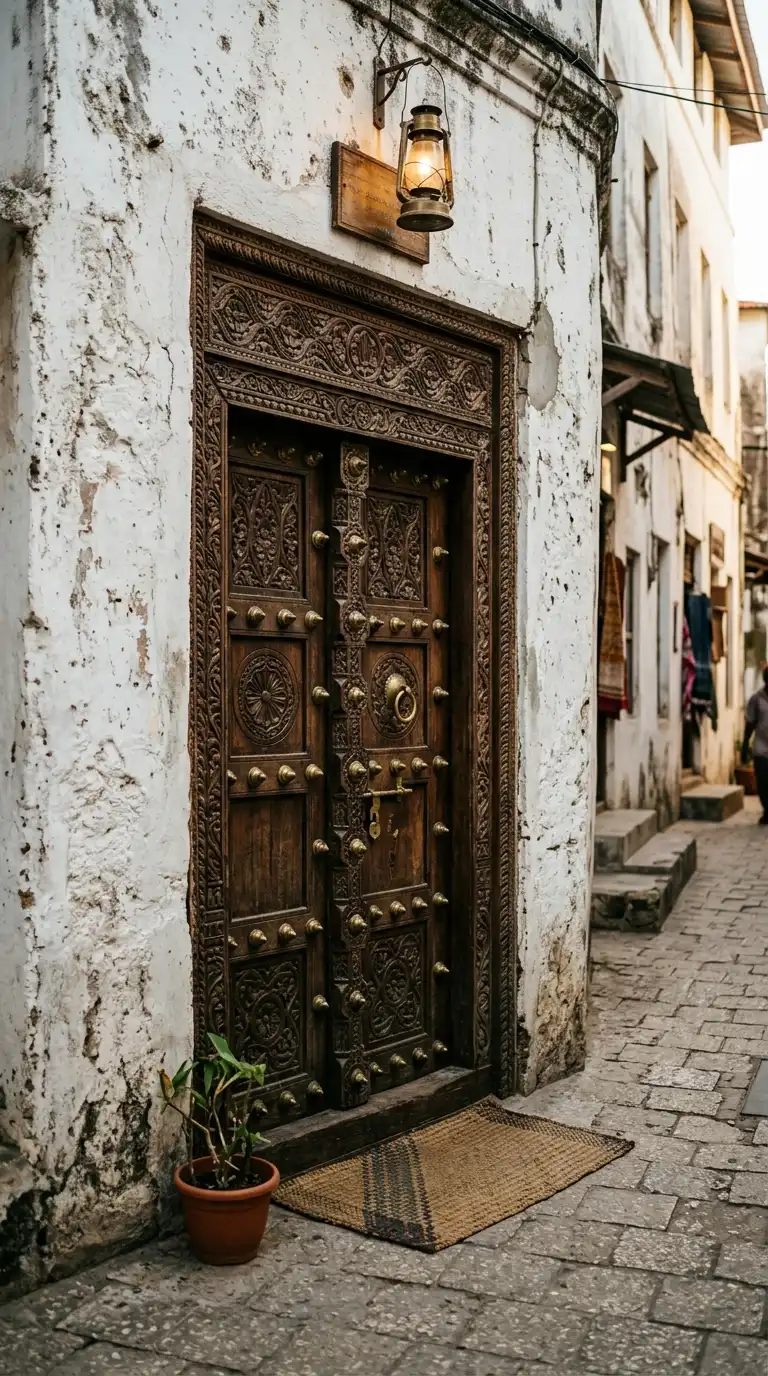
14. Zanzibar Stone Town, Tanzania
Stone Town on the island of Zanzibar is another UNESCO-listed Swahili coastal city renowned for its architectural complexity. Its most celebrated features are its doors — over 500 intricately carved examples survive, with Zanzibari doors traditionally having brass studs (an Indian influence to ward off war elephants) and Omani-style arched tops. The narrow labyrinthine streets, whitewashed walls, and rooftop terraces give Stone Town an atmosphere unlike anywhere else on earth.
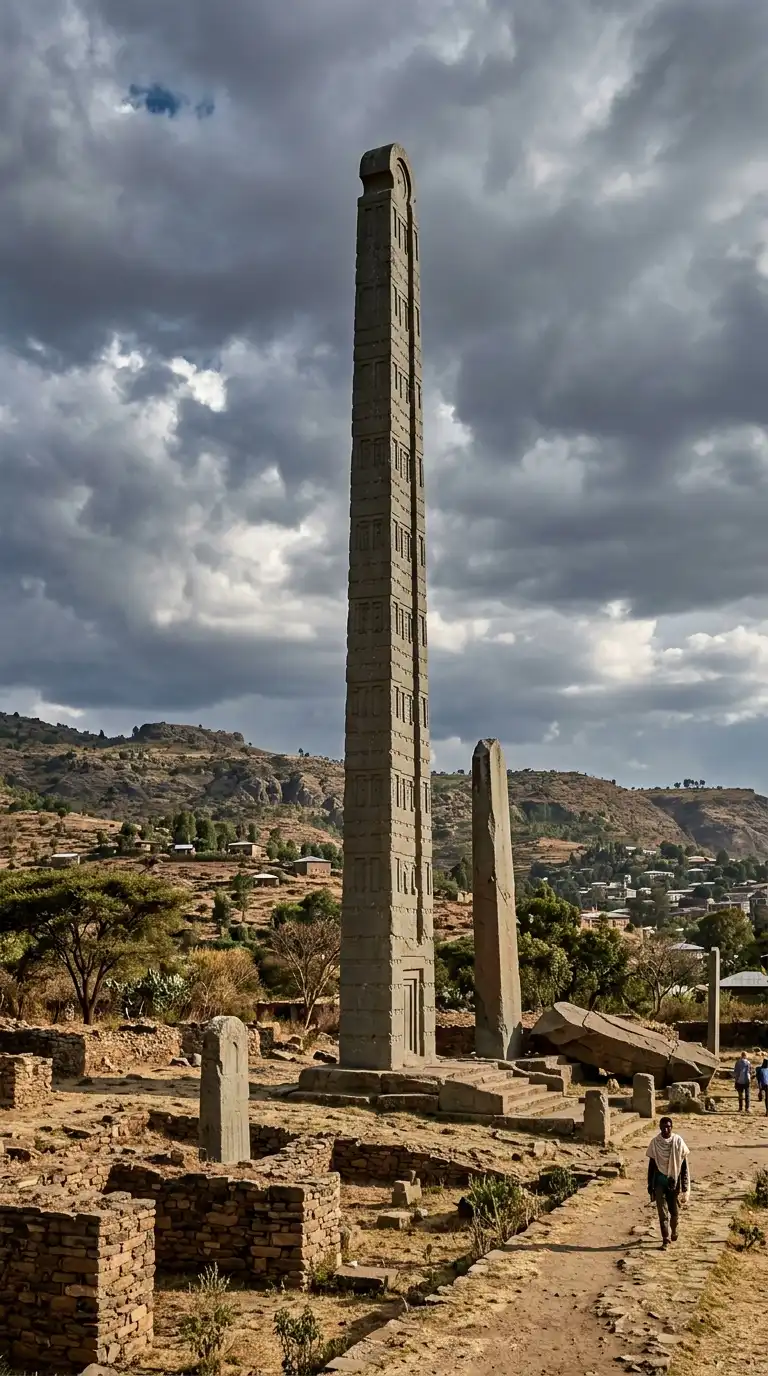
15. The Stelae of Aksum, Ethiopia
The ancient city of Aksum in northern Ethiopia contains several giant obelisks — called stelae — carved from single blocks of granite and believed to mark royal burial chambers. The tallest still standing reaches 24 meters. Their carved false doors and windows at the base and regular horizontal bands above mimic multi-story buildings, making them architectural representations of Aksumite palace architecture.
16. Ruwenzori Mountain Villages, Uganda/DRC
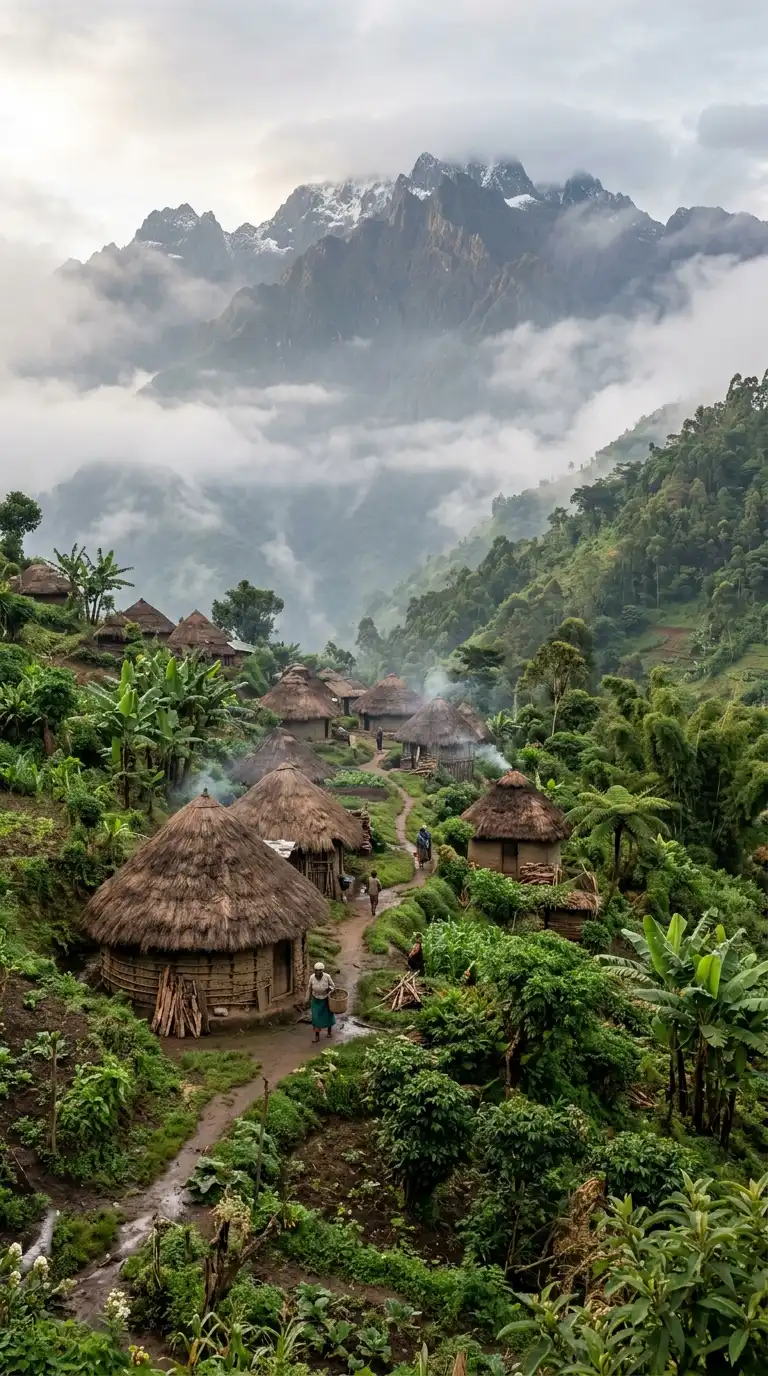
The Bakonzo people of the Ruwenzori mountain range have developed a unique high-altitude vernacular architecture consisting of cylindrical huts with high-pitched thatched roofs, elevated slightly off the ground on stilts to deal with the wet highland climate. These compact, ingeniously ventilated structures blend seamlessly with the mist-shrouded mountain landscape.
North African Architecture Designs
17. Hassan II Mosque, Morocco
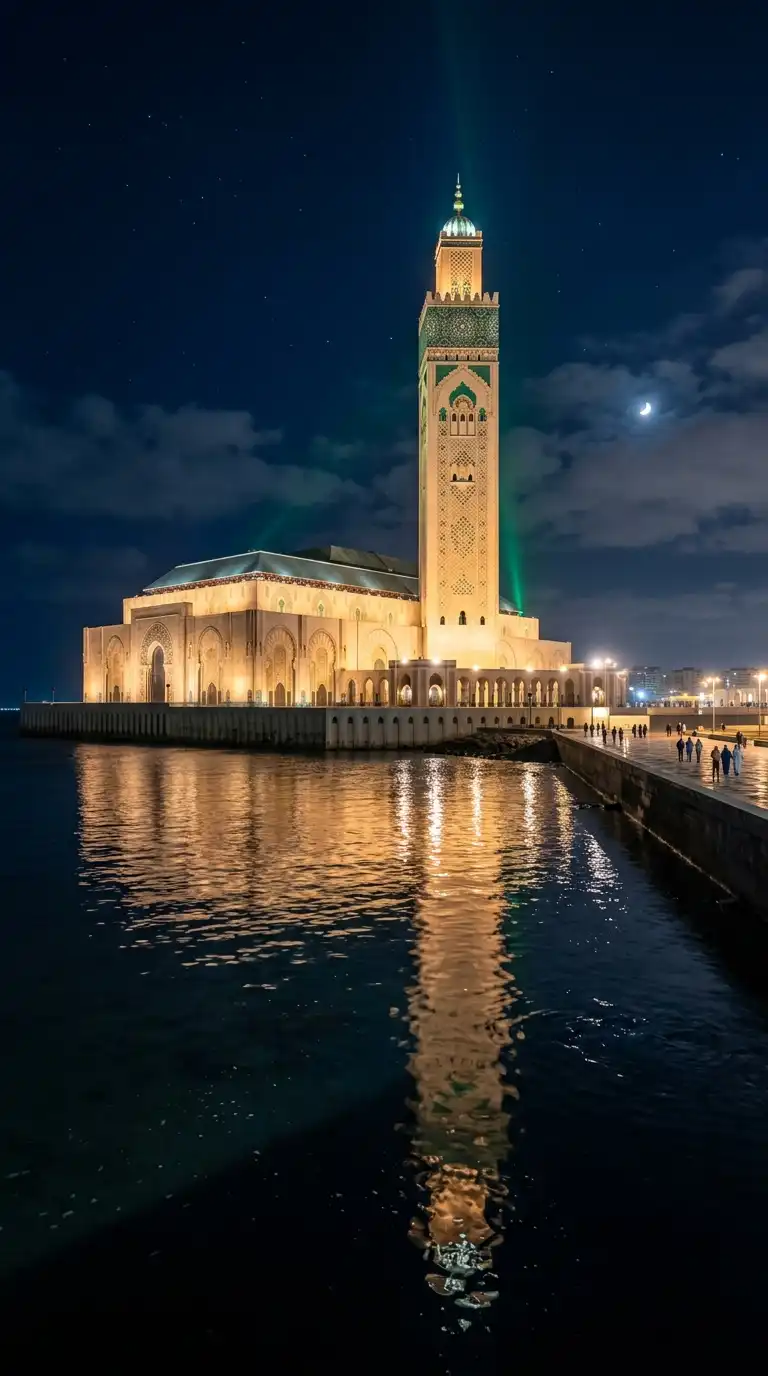
Completed in 1993 in Casablanca, the Hassan II Mosque is one of the largest mosques in the world and an extraordinary showcase of Moroccan craftsmanship. Its minaret stands 210 meters tall — the tallest religious structure in the world — and is topped with a laser that points toward Mecca. The mosque sits dramatically on a promontory over the Atlantic Ocean, with a retractable roof that opens to the sky. Over 6,000 artisans worked for six years to complete its intricate zellige tilework, carved stucco, and cedar wood marquetry.
18. Ksour of the Draa Valley, Morocco
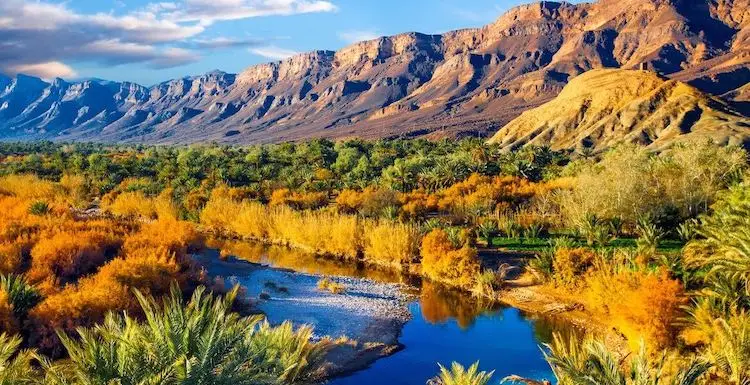
The Draa Valley in southern Morocco is lined with ancient ksour — fortified Berber villages built from pisé (rammed earth) that rise in multi-story towers from the desert floor. Their geometric mud-brick facades, carved with Amazigh symbolic patterns, glow golden at sunset. The most famous is Aït Benhaddou, a UNESCO-listed ksar whose labyrinthine towers and alleys have served as the backdrop for dozens of Hollywood films.
19. The Medina of Fez, Morocco
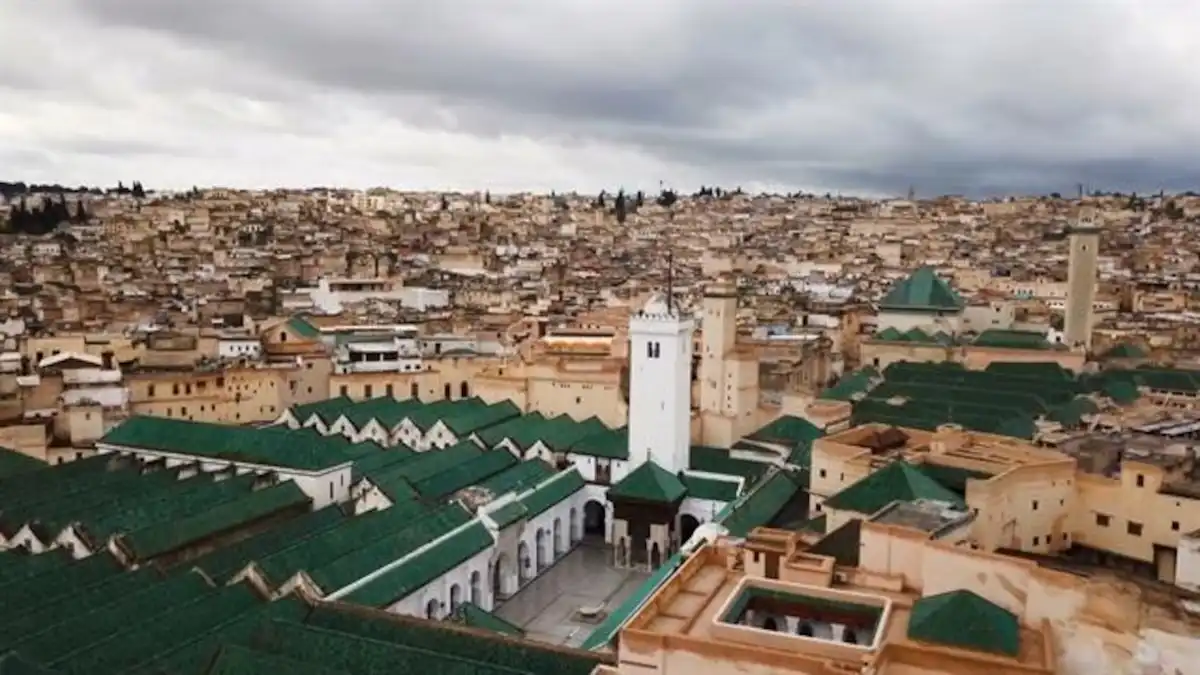
Fez al-Bali — the ancient medina of Fez — is the world’s largest living medieval city and a labyrinth of over 9,000 streets. Its architecture spans over 1,200 years, from the 9th-century Qarawiyyin Mosque (the world’s oldest continuously operating university) to intricately tiled 14th-century madrasas like the Bou Inania. The Chouara tannery, with its medieval dye vats visible from surrounding leather shop balconies, is one of the most photographed architectural and industrial scenes in all of Africa.
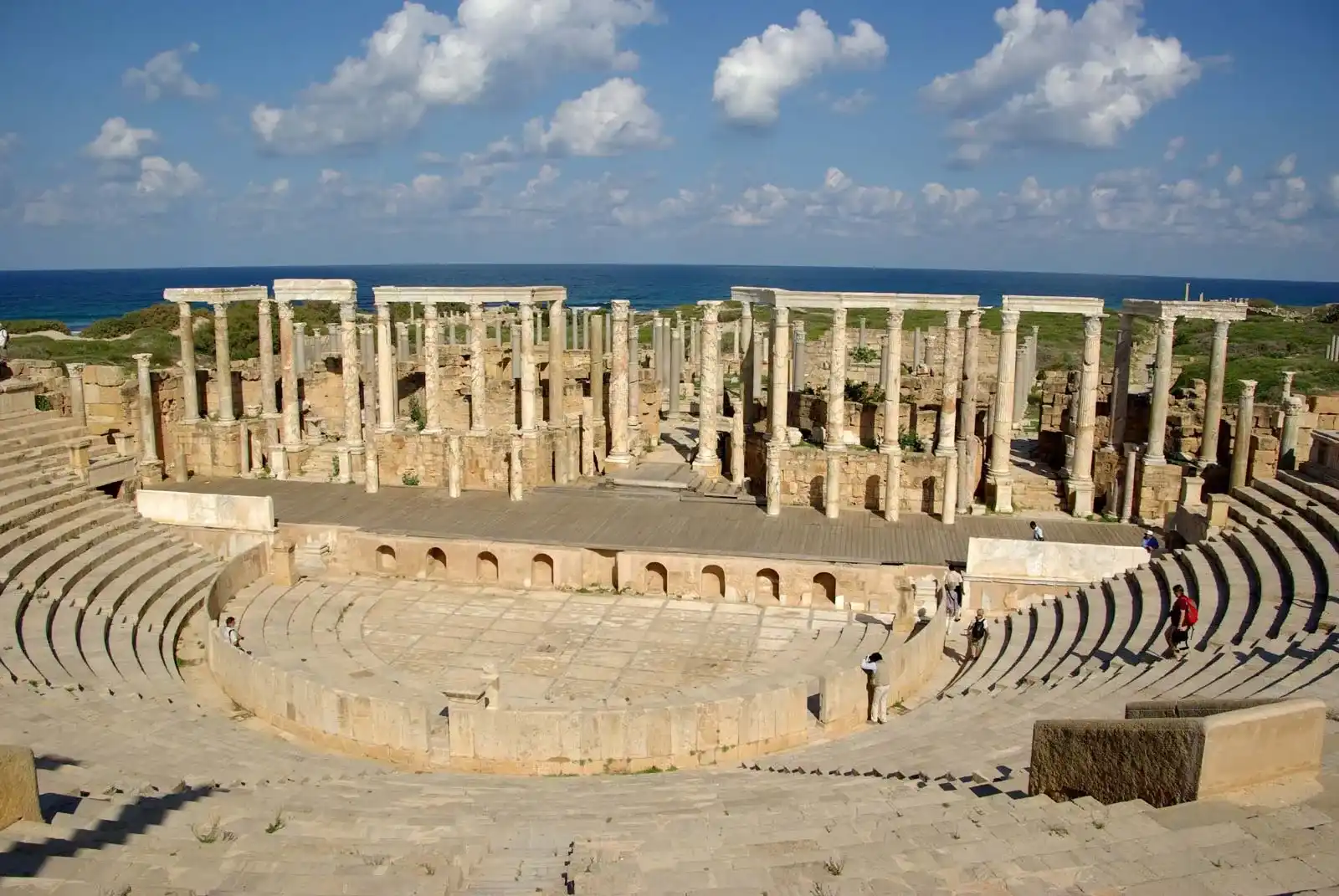
20. Roman Ruins of Leptis Magna, Libya
Founded by the Phoenicians and later becoming one of the greatest cities of the Roman Empire, Leptis Magna in modern Libya is arguably the best-preserved Roman city in the world. Its colonnaded streets, market, theater, basilica, and triumphal arch have remained remarkably intact, making it a stunning tableau of Mediterranean classical architecture set against the Libyan coast.
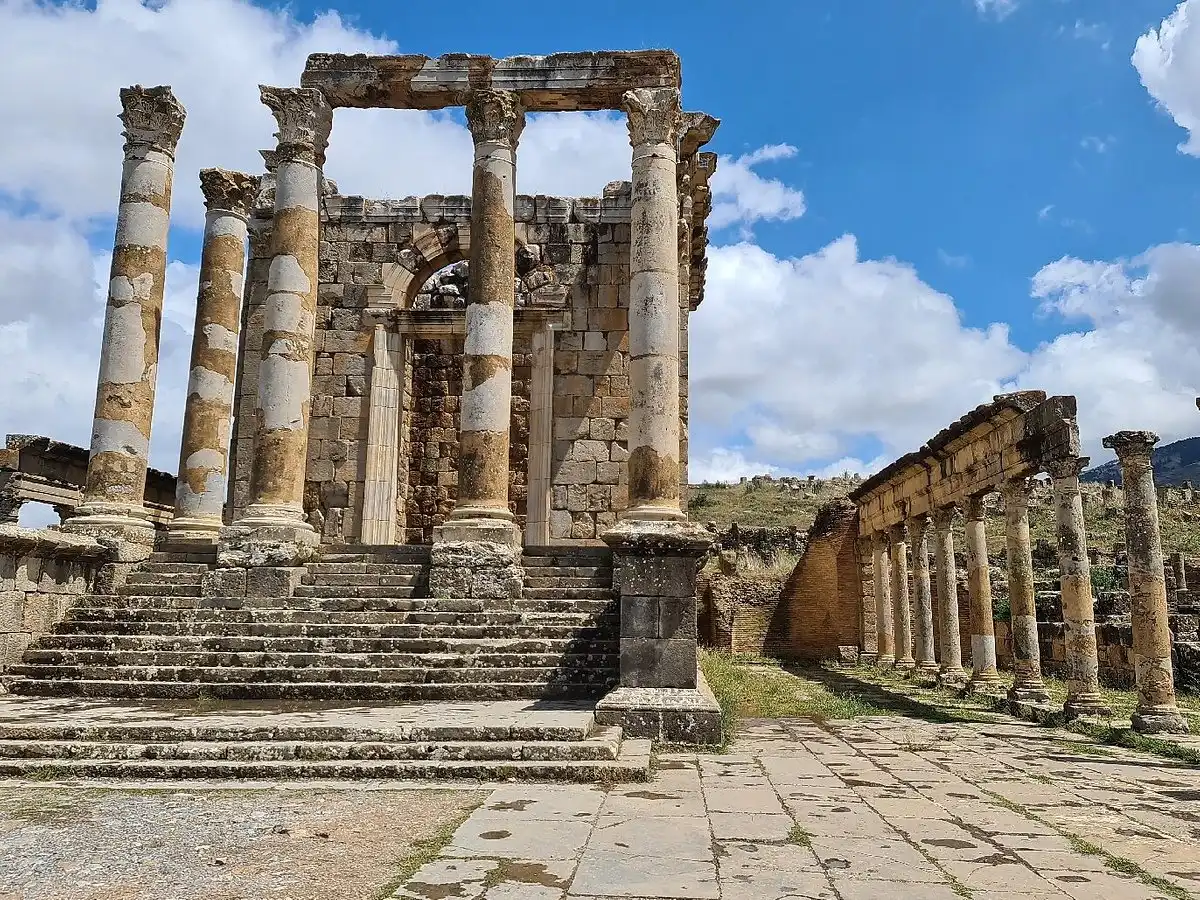
21. Djemila Roman Ruins, Algeria
Nestled in the mountains of northeastern Algeria, Djemila (ancient Cuicul) is one of the most beautiful Roman ruins in North Africa. Founded in the 1st century CE, the town features a well-preserved forum, theater, temples, and triumphal arches, all built from golden-brown stone that glows warmly in the Algerian sun.
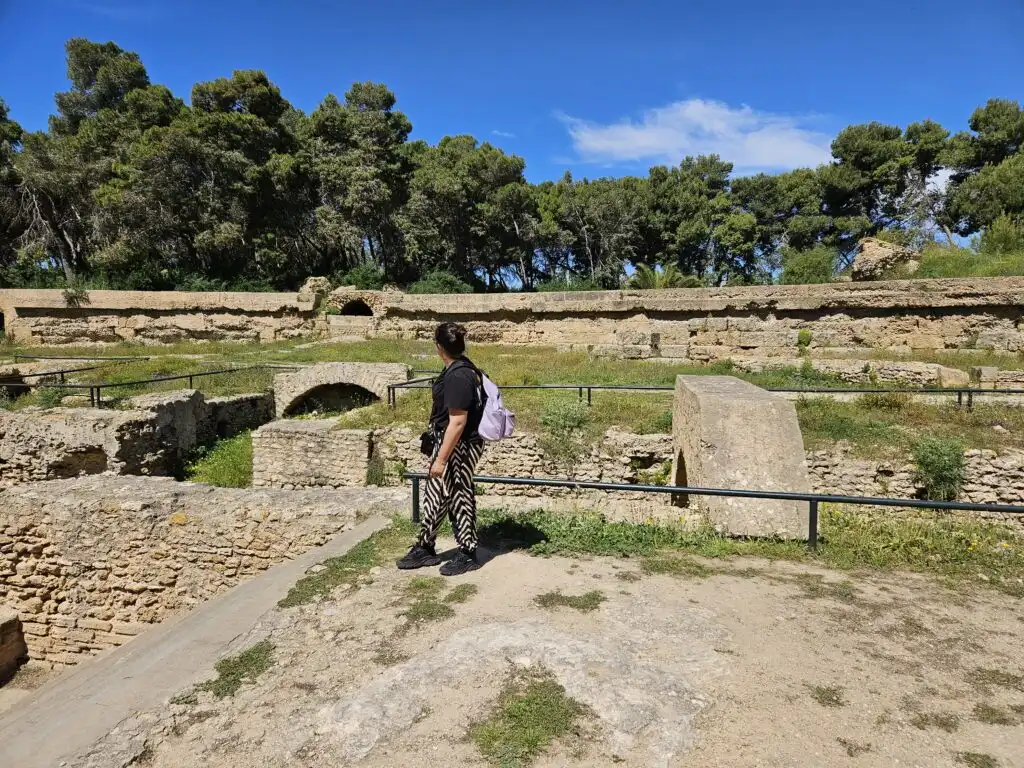
22. Carthage Ruins, Tunisia
Once the most powerful city in the ancient Mediterranean world before its destruction by Rome in 146 BCE, the ruins of Carthage sit on a promontory overlooking the Gulf of Tunis. The remains include Punic-era tophet burial grounds, Roman baths of Antoninus (the largest in Africa), an amphitheater, and a residential district with fine mosaic floors.
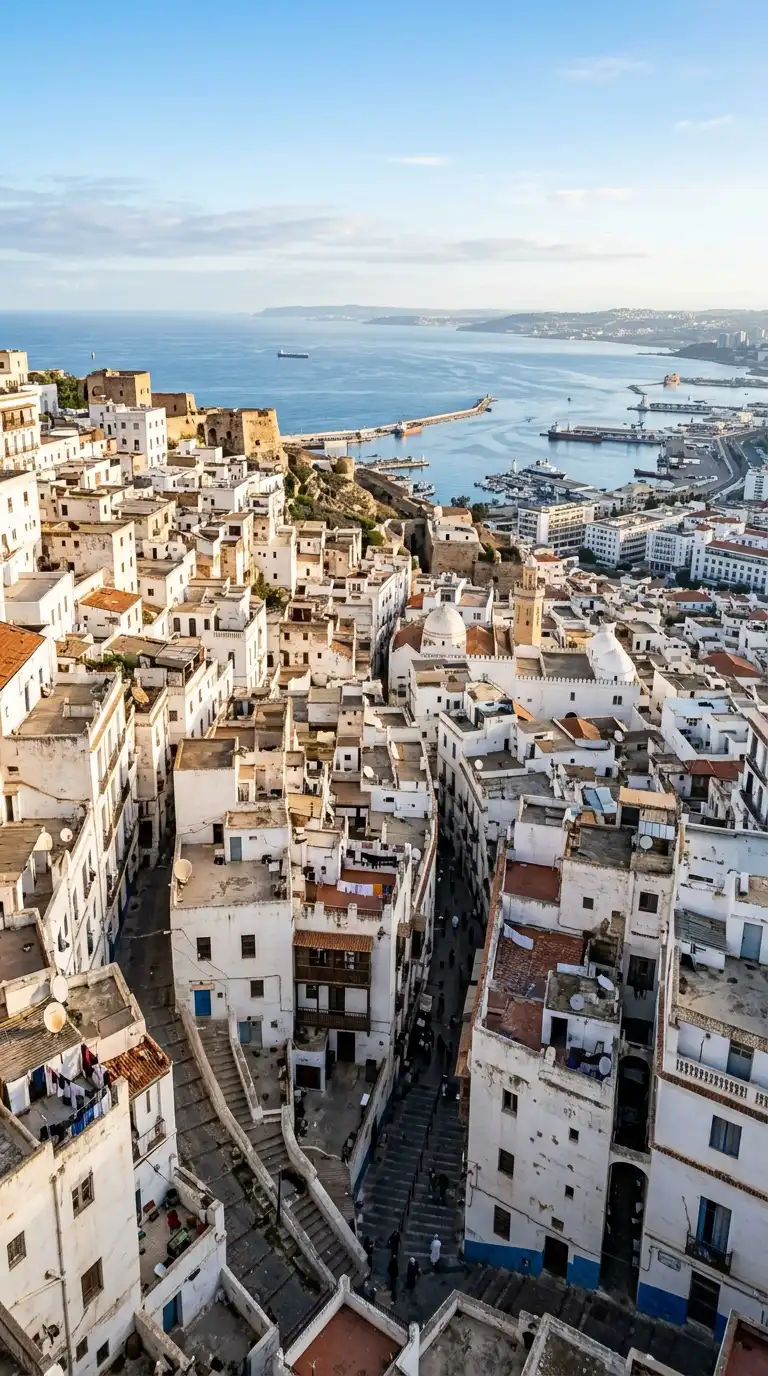
23. The White City of Algiers (Casbah), Algeria
The Casbah of Algiers is a UNESCO World Heritage Site and one of the most remarkable examples of Ottoman-influenced urban design in Africa. Its densely packed white-washed houses step down a steep hillside toward the sea, featuring shaded internal courtyards, ornate tilework, and painted interior ceilings. Ottoman palaces, mosques, and a citadel anchor the historic center.
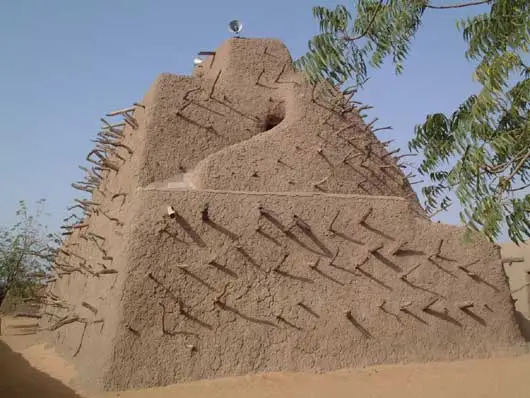
24. Tombs of the Askia, Mali
The Tomb of Askia in Gao, Mali, is a remarkable earthen pyramid-shaped funerary monument built in 1495 by Askia Mohammad, the greatest ruler of the Songhai Empire. Rising 17 meters from the ground in classic Sudano-Sahelian style, its surface is studded with protruding wooden beams and requires annual mud-plastering by the local community to maintain its distinctive form.
Southern African Architecture Designs
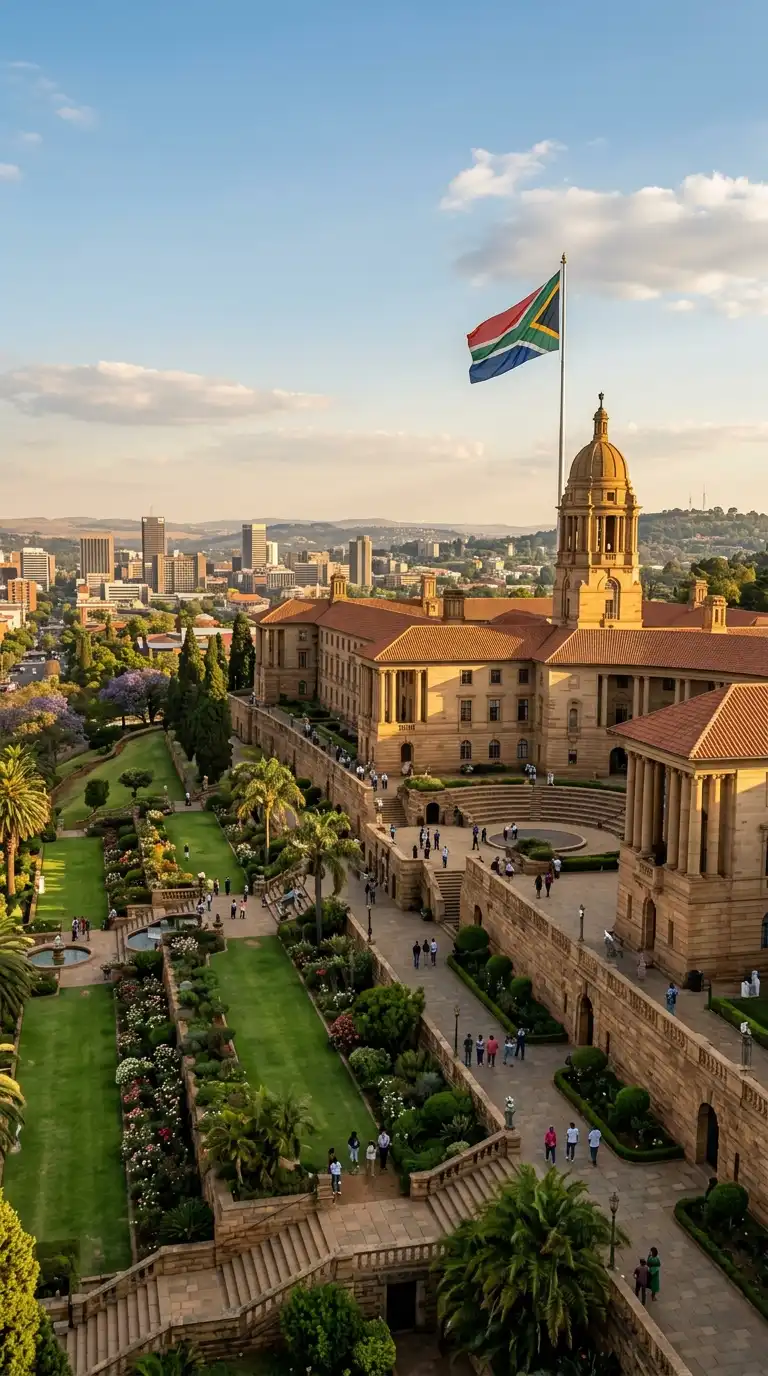
25. The Union Buildings, South Africa
Designed by Sir Herbert Baker and completed in 1913, the Union Buildings in Pretoria are South Africa’s seat of government and one of the finest examples of Edwardian Renaissance architecture on the continent. Twin sandstone office blocks flank a central semicircular amphitheater garden, set on a hill with sweeping views over the capital. Nelson Mandela was inaugurated as president here in 1994.
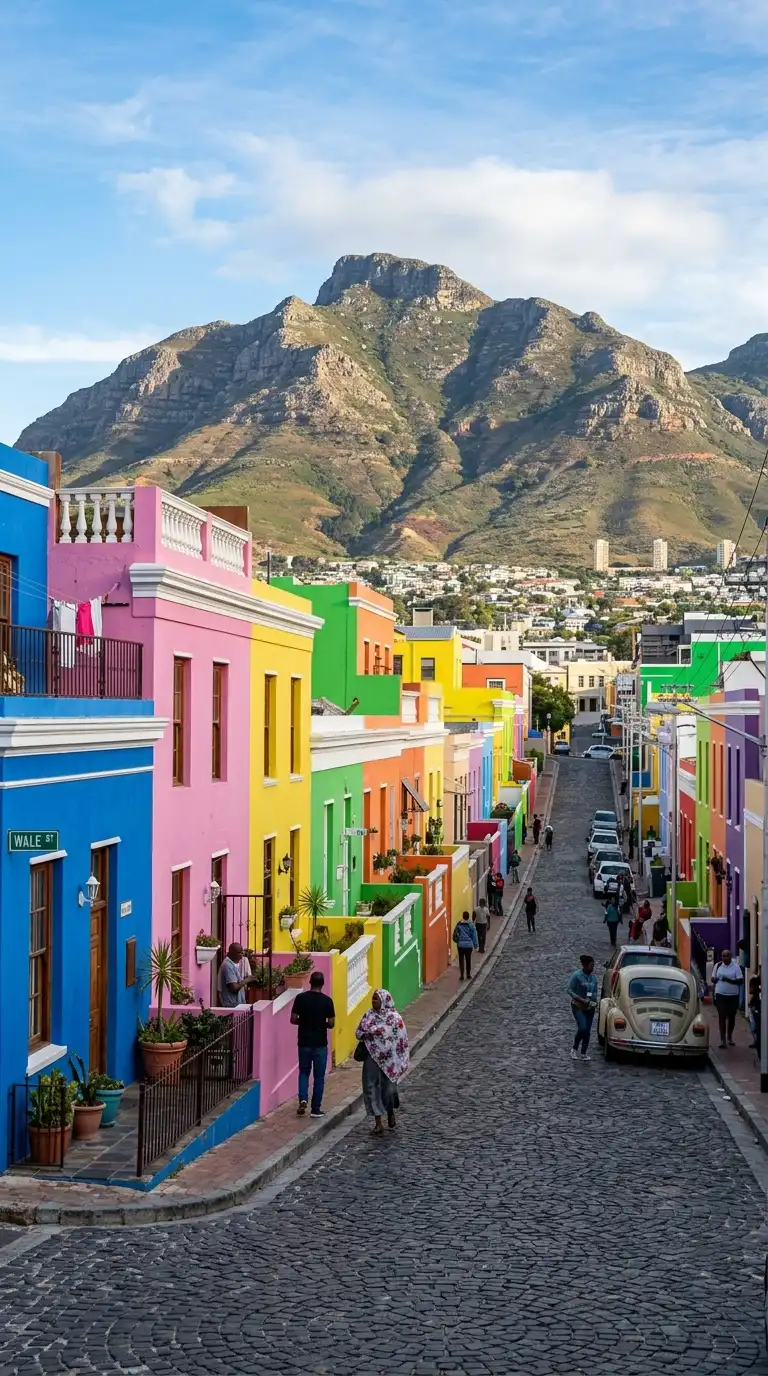
26. Cape Malay Vernacular Houses, Cape Town
The Bo-Kaap neighborhood of Cape Town is famous for its rows of brightly painted 18th and 19th-century Cape Malay terraced houses. Originally built by enslaved and freed people from South and Southeast Asia, these flat-roofed, narrow-fronted homes — painted in every shade of cobalt blue, lime green, hot pink, and yellow — create one of the most vibrant streetscapes in Africa.
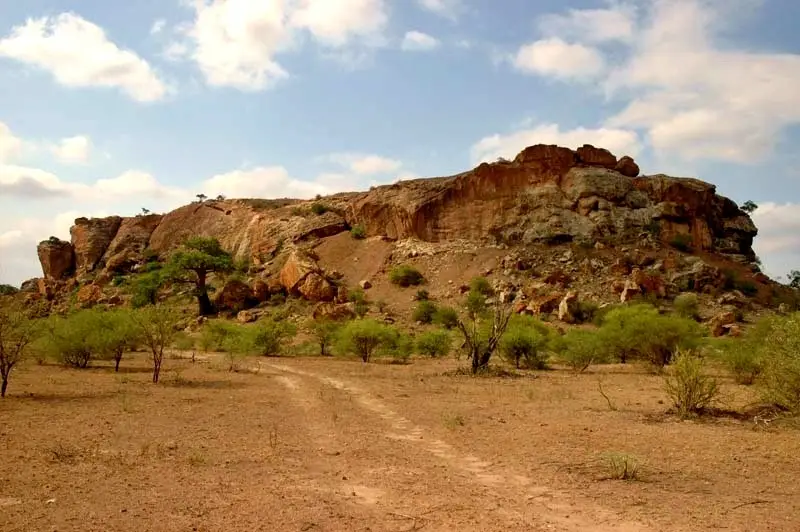
27. Mapungubwe Palace Hill, South Africa
Mapungubwe Hill in Limpopo Province was the capital of the first known kingdom in southern Africa (1220–1300 CE). The hilltop palace complex was accessible only by hidden stone stairways cut into the cliff face, with commoners forbidden from looking up at the royals above. The dry-stone walling techniques used at Mapungubwe are believed to have influenced the later construction of Great Zimbabwe.
28. Ndebele Painted Houses, South Africa/Zimbabwe
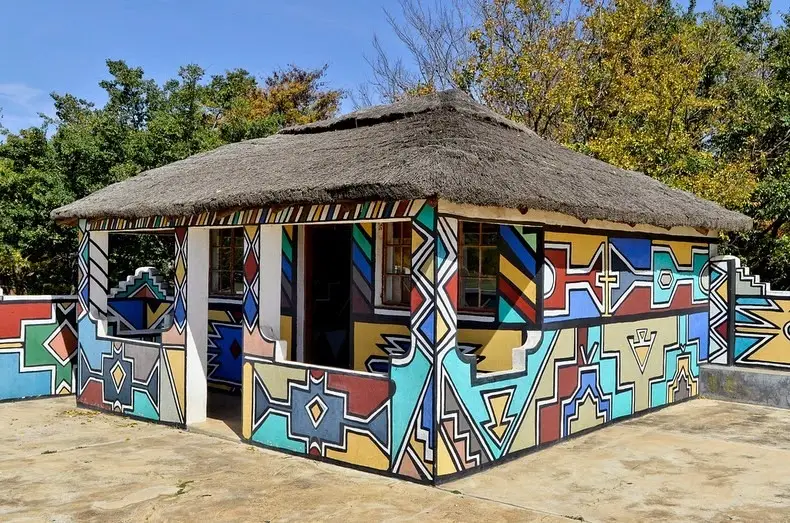
Ndebele women of the Ndzundza clan have for centuries created elaborate geometric wall murals on their homes using natural earth pigments and, more recently, commercial paints. These colorful designs — featuring bold black outlines filled with vivid patterns of triangles, chevrons, and stylized figures — transform each house into a work of art that is repainted and updated over time, making Ndebele architecture a living, evolving tradition.
29. Chissano Gallery and Studio, Mozambique
The home and studio compound of legendary Mozambican sculptor Alberto Chissano in Matola is one of the most organically fascinating architectural spaces in southern Africa. Built over decades from reclaimed materials, found objects, and locally made brick, the compound integrates outdoor sculpture gardens, workshop spaces, and living areas in a manner that blurs the boundary between architecture, landscape, and art.

30. Khami Ruins, Zimbabwe
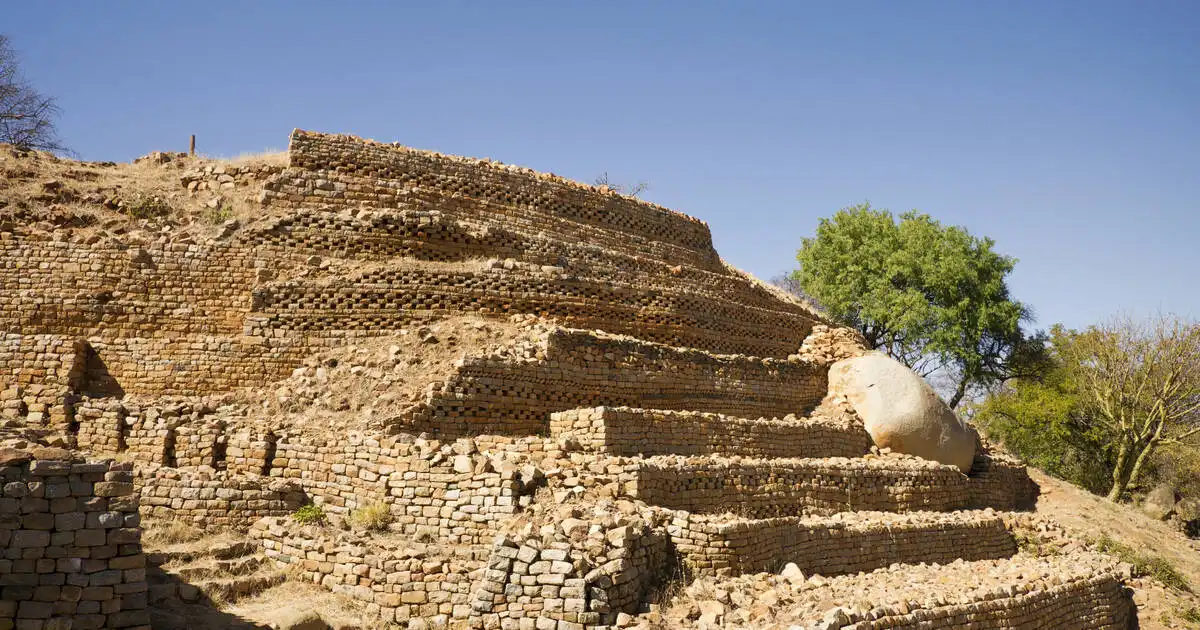
A UNESCO World Heritage Site, the Khami Ruins near Bulawayo were the capital of the Torwa state after the fall of Great Zimbabwe. Its most distinctive feature is a series of decorated retaining walls built in a distinctive “chequer” or “herringbone” pattern using carefully selected granite blocks — a technical and aesthetic achievement that represents the pinnacle of later stone-walling traditions in southern Africa.
Central African Architecture Designs
31. Royal Palace of Abomey, Benin (Central Region Details)
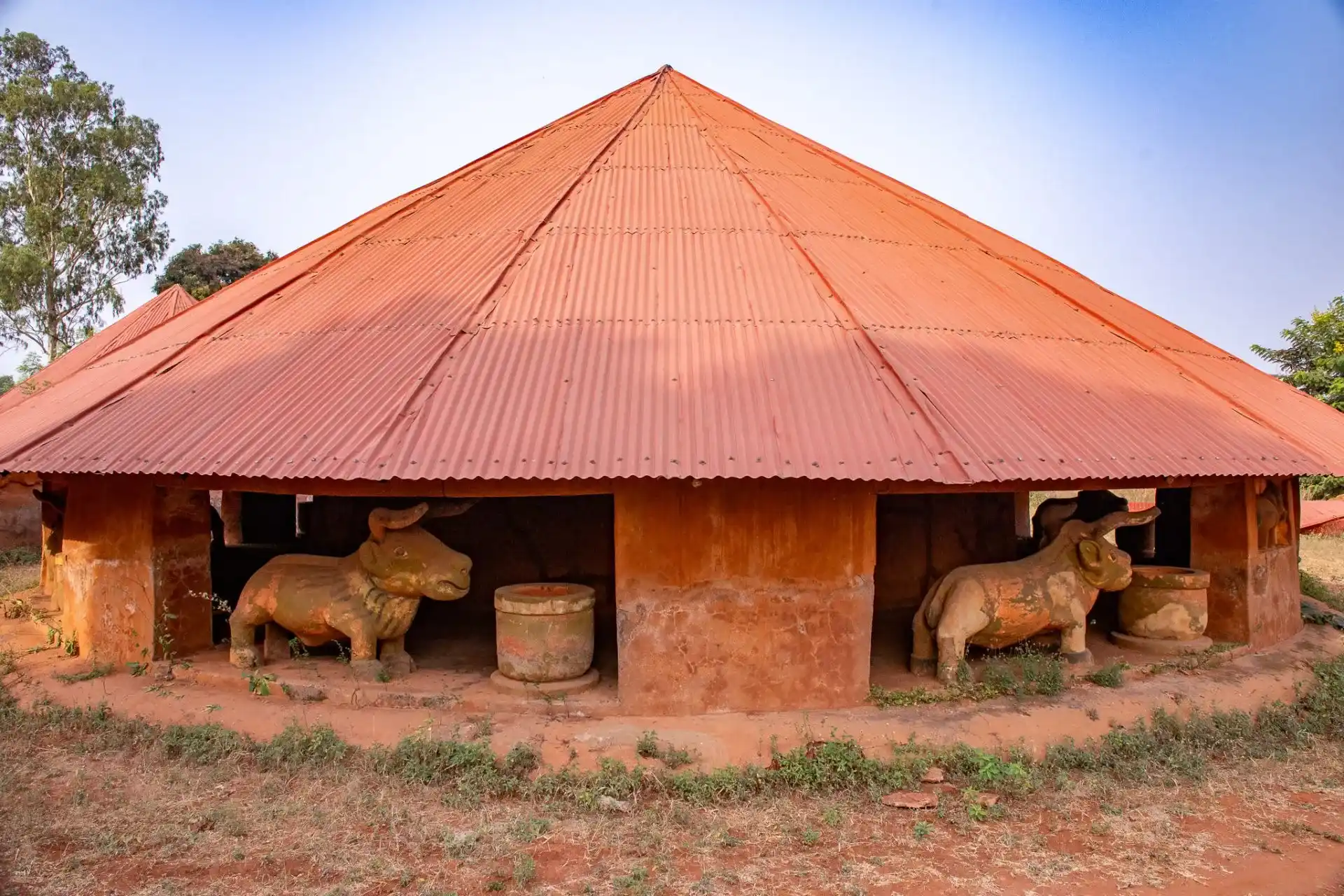
Extending on our earlier entry, the inner sanctuaries of the Abomey palaces — including the royal tent-like ceremonial spaces with their swelling thatched roofs, earth pigment wall paintings, and sacred thrones — represent a distinct Central African palatial tradition separate from the better-known West African styles.
32. Musée National de Kinshasa, DRC
The National Museum of Kinshasa, redesigned and expanded in recent years, is one of Central Africa’s most important cultural landmarks. Its architecture attempts to synthesize modernist functionality with references to Congolese vernacular building forms, using local materials and incorporating symbolic spatial arrangements drawn from Bantu cultural traditions.
33. Traditional Bamileke Chieftaincy Compounds, Cameroon
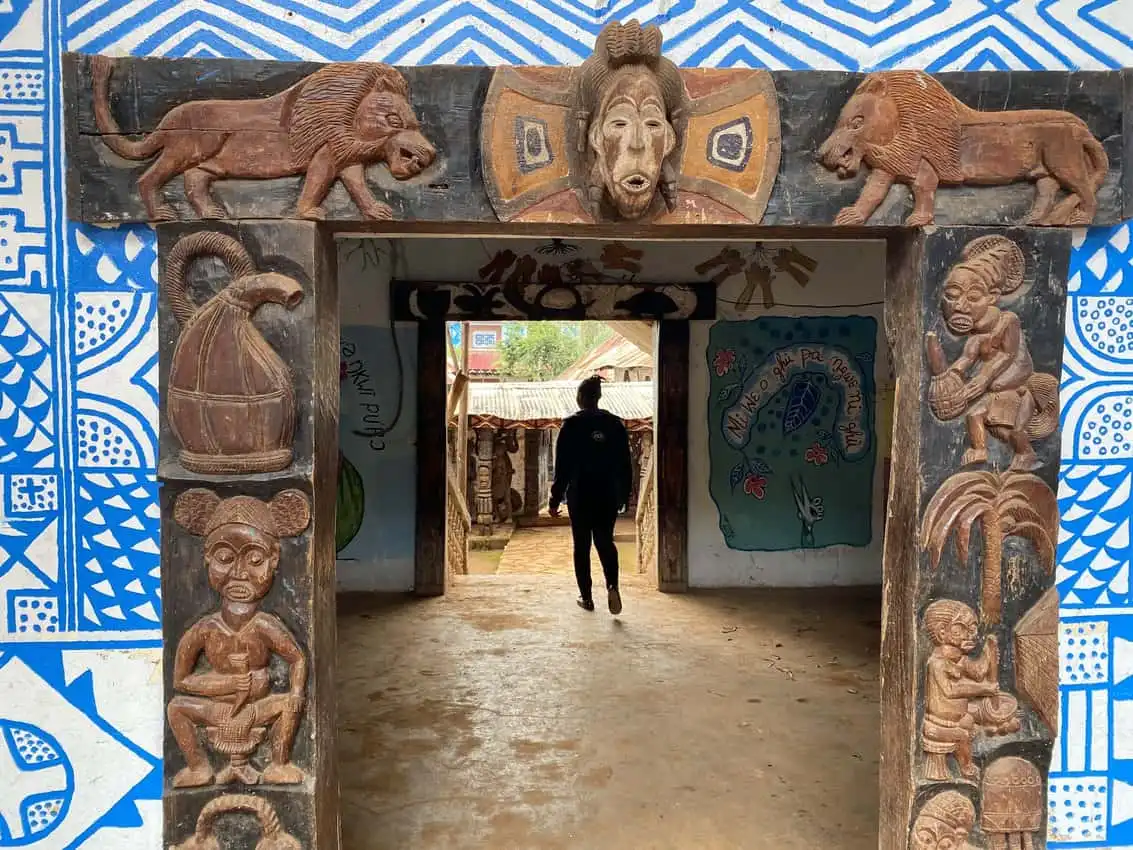
The Bamileke people of the Grassfields region of Cameroon build extraordinary royal compound architectures centered on the chief’s palace. The most striking element is the njuu — a monumental entrance pavilion with a towering conical thatched roof that can reach 15 meters in height, supported by carved wooden posts depicting royal ancestors, skulls, and fertility figures.
34. Palace of the Sultan of Foumban, Cameroon
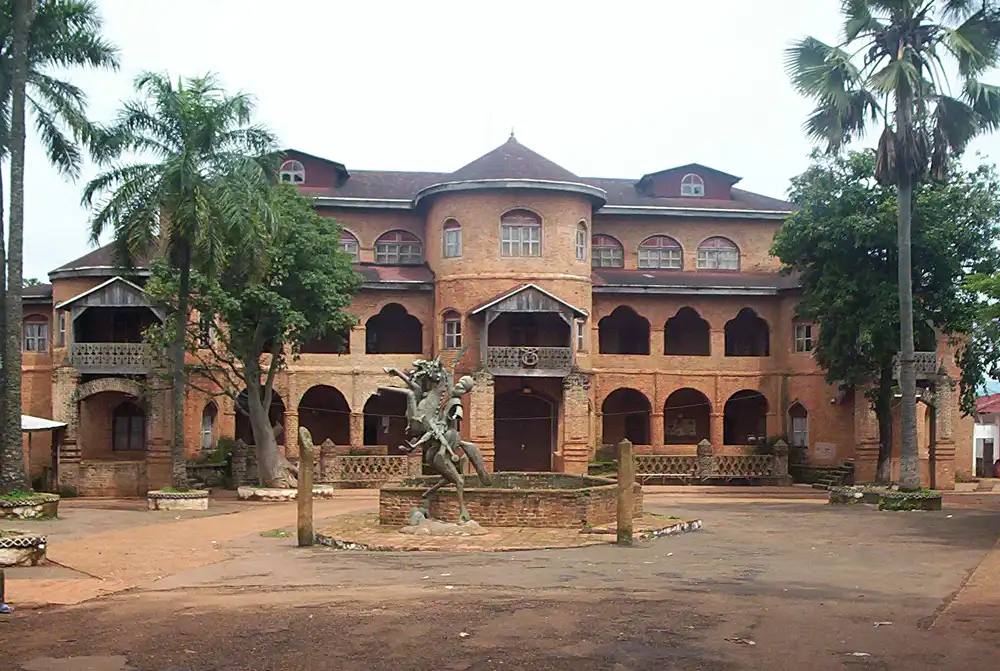
The palace of the Bamoun Sultan in Foumban, Cameroon, is a grand and unusual structure that combines local Bamoun architectural traditions with German colonial and later Moorish-inspired additions. The current building, constructed in 1917 under Sultan Njoya — himself an inventor of a writing script — features crenelated towers, a central courtyard, and a remarkable personal museum housing Bamoun royal regalia.
35. Mbari Houses, Nigeria (Igbo)
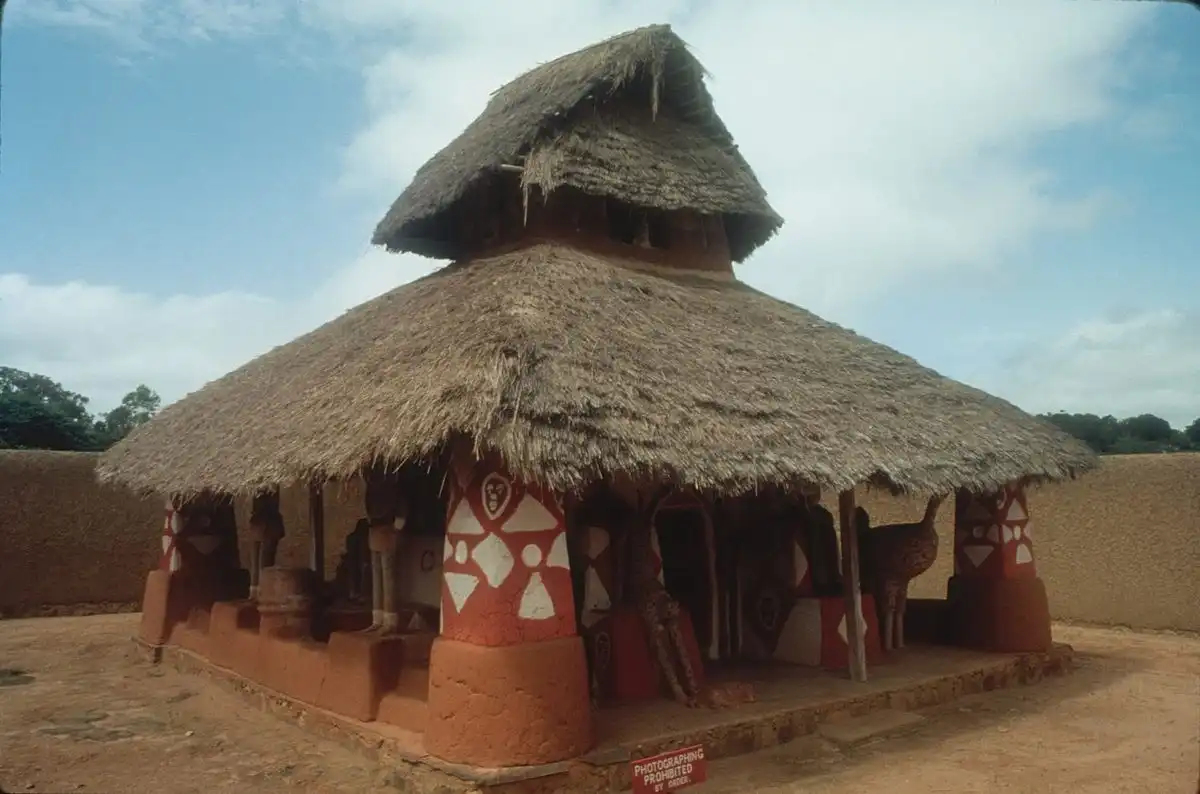
Mbari houses are ceremonial structures built by the Igbo people of southeastern Nigeria as offerings to the earth goddess Ala. Unlike permanent architecture, mbari houses are constructed during elaborate community rituals over months or years, then deliberately allowed to decay and return to the earth. Inside, they house dozens of painted clay figures depicting gods, spirits, and everyday life scenes — making them three-dimensional narrative environments.
Contemporary & Modern African Architecture
36. Leonardo, Sandton, Johannesburg, South Africa
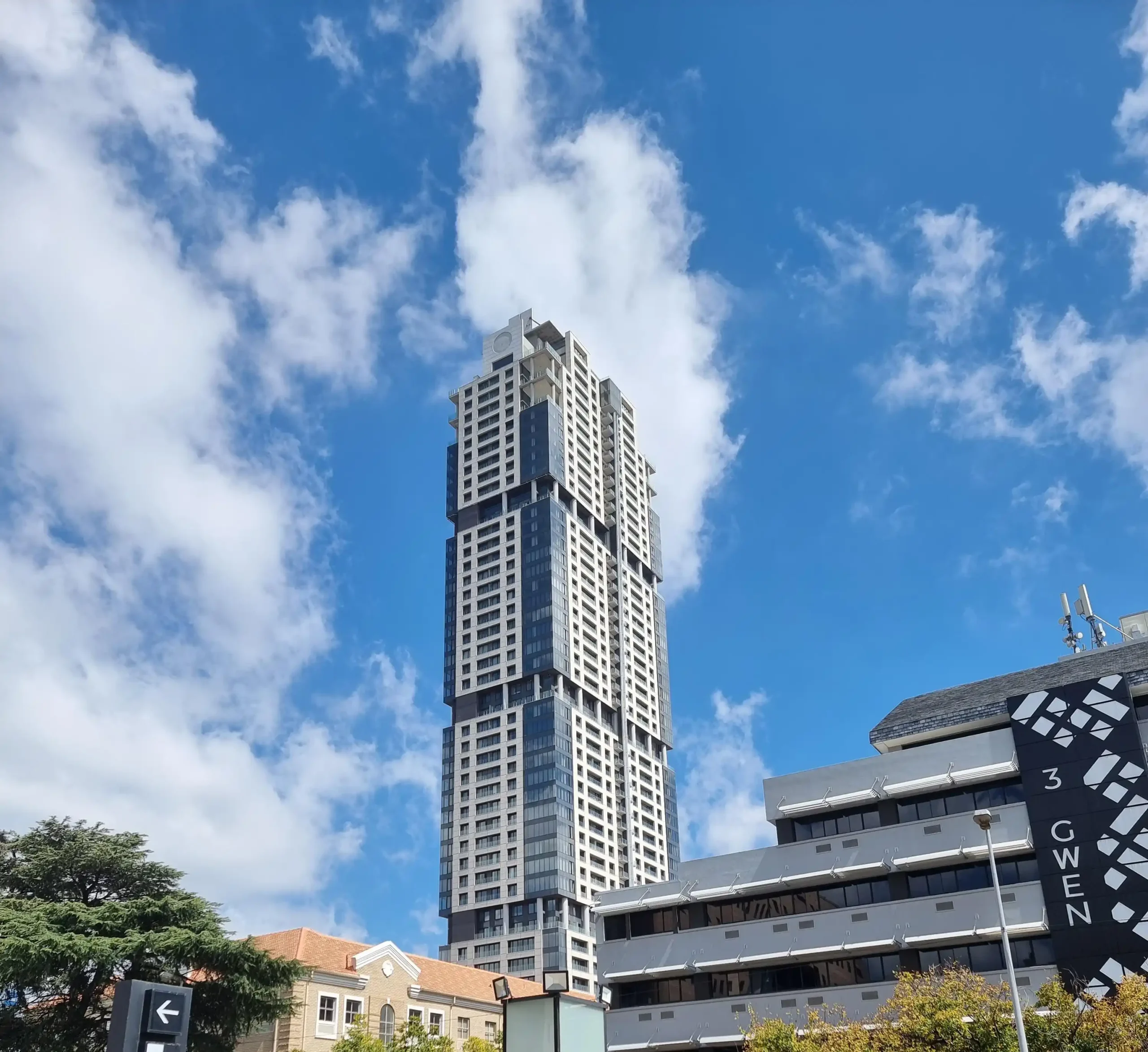
Standing 234 meters tall, the Leonardo in Sandton is the tallest building in Africa. Completed in 2019, the residential and mixed-use tower features a distinctive setback profile — tapering at its upper levels — clad in a curtain wall of glass and aluminum. Its construction marked a new era for African supertall architecture.
37. Kigali Convention Centre, Rwanda
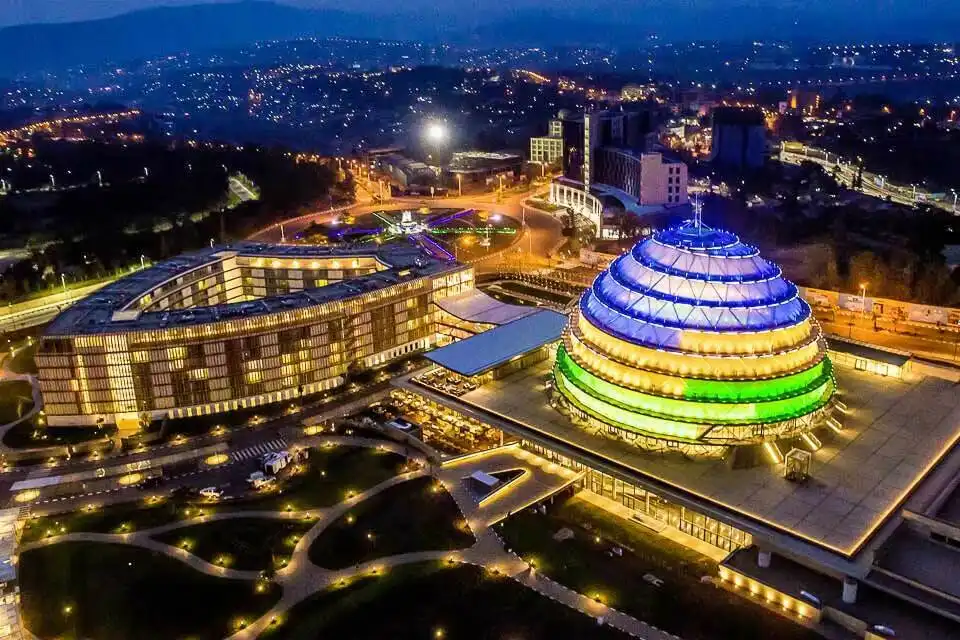
Completed in 2016, the Kigali Convention Centre is one of the most architecturally distinctive buildings in East Africa. Its signature feature is a massive silver dome — 70 meters in diameter and 90 meters high — that is visible from across the city. Designed by the Rwandan government as a statement of the country’s post-genocide rebirth and ambition, the center hosts state events and international summits.
38. Zeitz MOCAA, Cape Town, South Africa
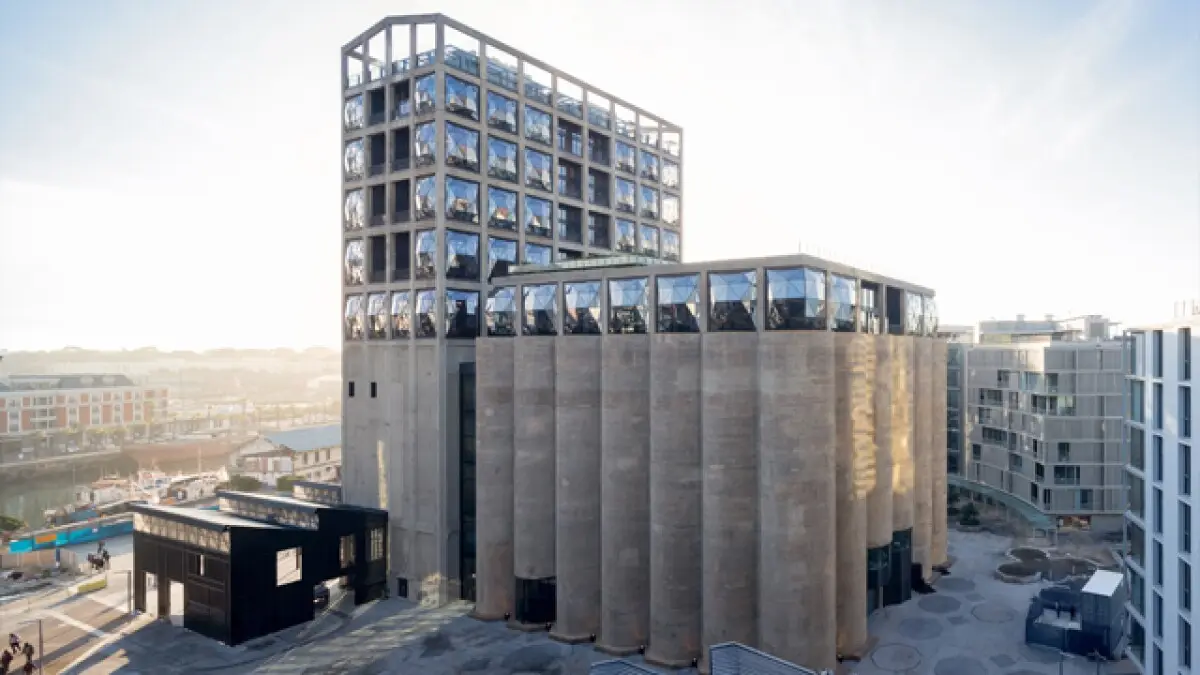
The Zeitz Museum of Contemporary Art Africa, opened in 2017 in Cape Town’s V&A Waterfront, is a masterwork of adaptive reuse by British architect Thomas Heatherwick. The museum was carved from a 1920s grain silo — one of the most structurally challenging adaptive reuse projects ever undertaken — transforming 9,500 cylindrical tubes into dramatic gallery spaces, with the central atrium featuring a carved interior that references the cross-section of a single grain of corn.
39. Accra City Tower (Proposed), Ghana
Various masterplan proposals for an iconic tower in Accra’s central business district have drawn on Ghanaian Adinkra symbols — a rich graphic language of West African philosophical concepts — to create a skyscraper whose facade would be patterned with symbolic meaning. While still in proposal stages, these concepts represent the exciting frontier of culturally-encoded African high-rise design.

40. The Cube (BCEAO Headquarters), Dakar, Senegal
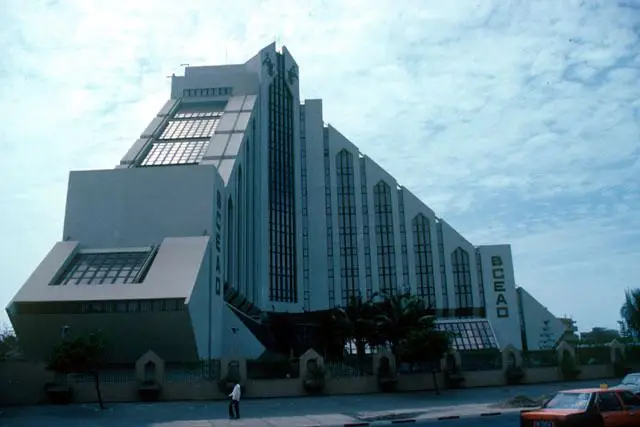
The headquarters of the Central Bank of West African States in Dakar is an important example of post-independence modernist architecture in West Africa. Its bold cubic form clad in precast concrete screens reflects the optimism of 1970s African modernism, when newly independent nations used grand civic architecture to project confidence and identity on the world stage.
41. Eko Atlantic City, Lagos, Nigeria
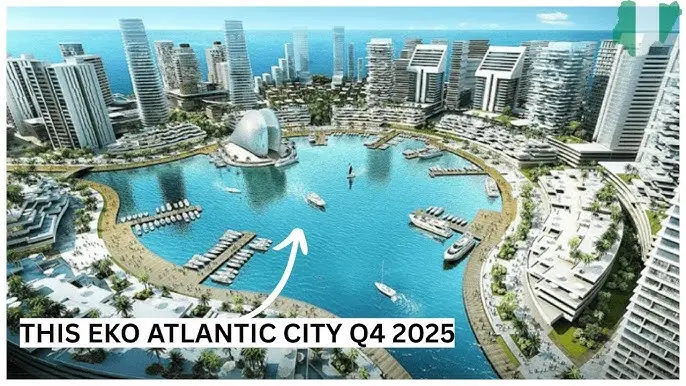
Eko Atlantic is an ambitious land reclamation project creating a brand-new 10-square-kilometer city directly from the Atlantic Ocean off the coast of Victoria Island, Lagos. When complete, it will house up to 250,000 residents and 150,000 daily commuters in a district of high-rise towers, wide boulevards, and a continuous sea wall. It represents Africa’s most ambitious urban development project of the 21st century.
42. Cairo Tower, Egypt
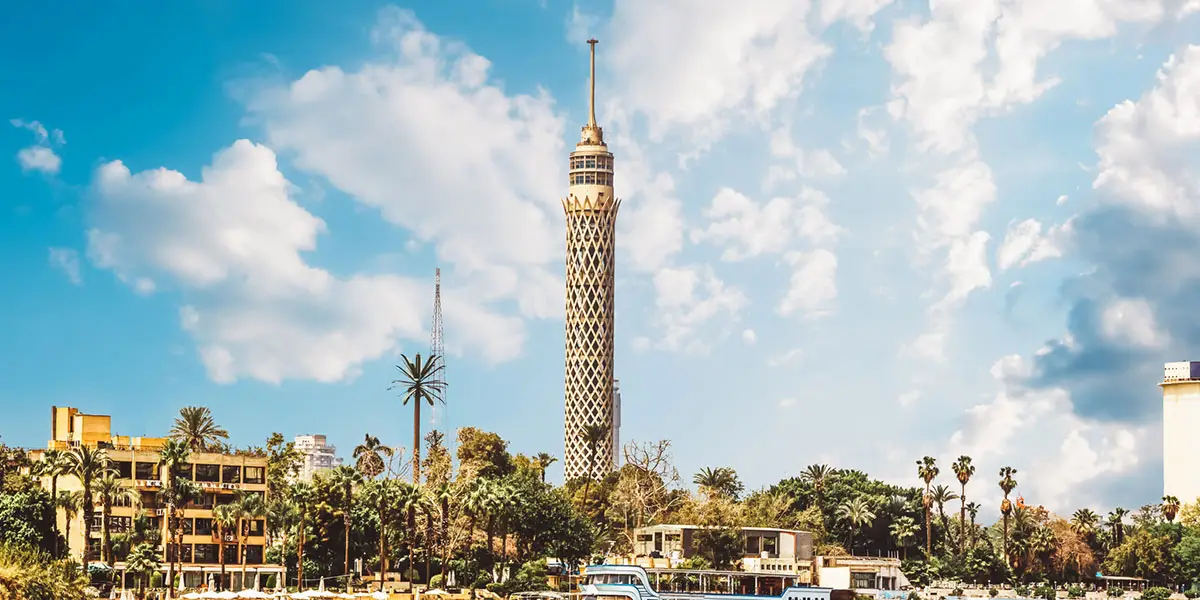
Completed in 1961, the Cairo Tower remains one of the most elegant pieces of modernist architecture in Africa. Standing 187 meters tall on Gezira Island in the Nile, it was designed by Egyptian architect Naoum Shebib with a latticed outer shell of reinforced concrete inspired by the lotus plant — one of ancient Egypt’s most sacred symbols — creating a visual connection between pharaonic tradition and mid-century modernism.
43. Nairobi Expressway and Westlands Skyline, Kenya
Nairobi’s rapidly evolving Westlands district is transforming into one of the most dynamic urban skylines in East Africa, with dozens of new towers under construction or recently completed. The 2022 Nairobi Expressway, which threads through and above the city on elevated concrete piers, has added a bold infrastructural stroke to the urban landscape, redefining movement and connectivity in sub-Saharan Africa’s most cosmopolitan city.

Sustainable African Architecture
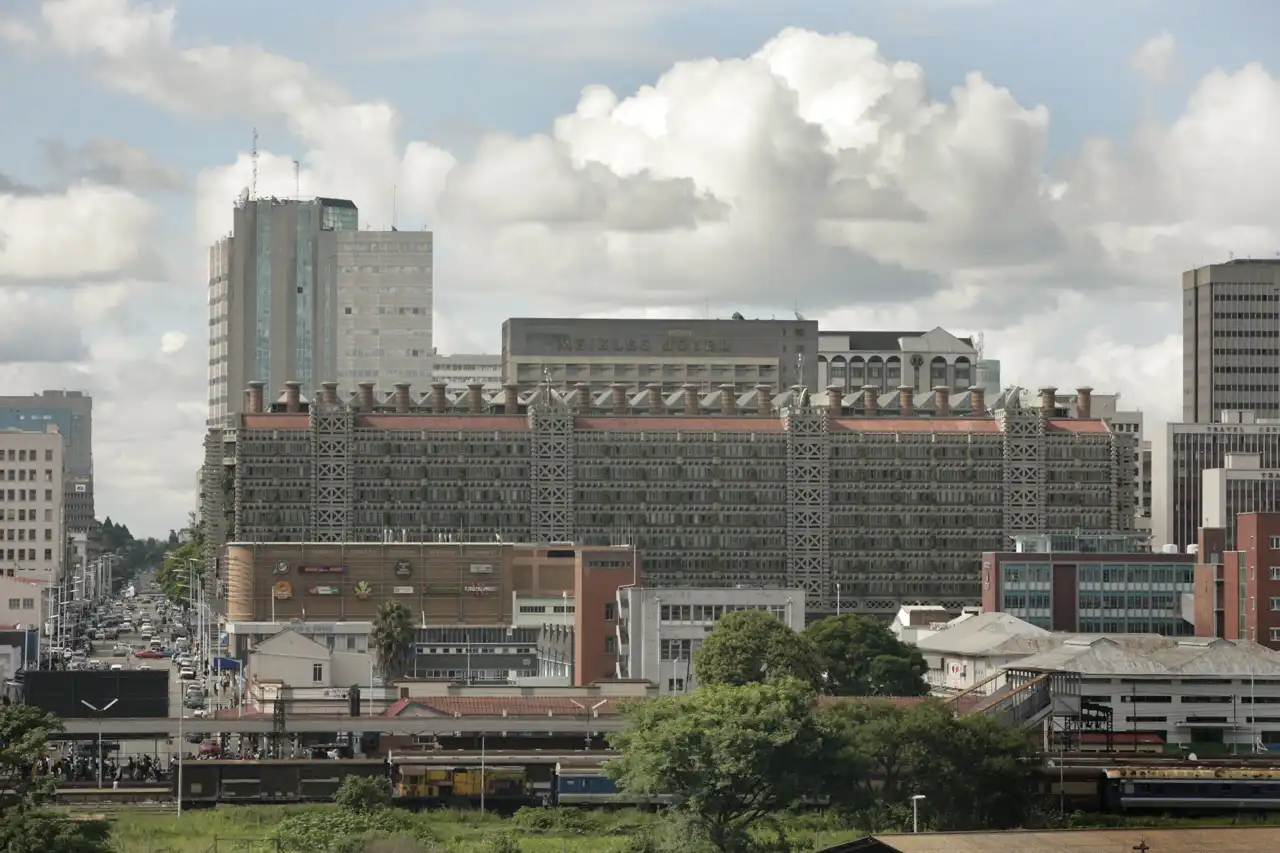
44. The Eastgate Centre, Harare, Zimbabwe
Designed by architect Mick Pearce and completed in 1996, the Eastgate Centre in Harare is a global landmark of sustainable design. Inspired by the self-cooling mounds of Macrotermes termites in nearby miombo woodland, the building uses no conventional air conditioning or heating. Instead, a system of passive ventilation flues draws cool night air through the building and exhausts hot daytime air through chimney stacks, maintaining stable internal temperatures year-round at a fraction of conventional energy costs.
45. Laamu Atoll Eco-Lodge, Kenya (Swahili Sustainable)
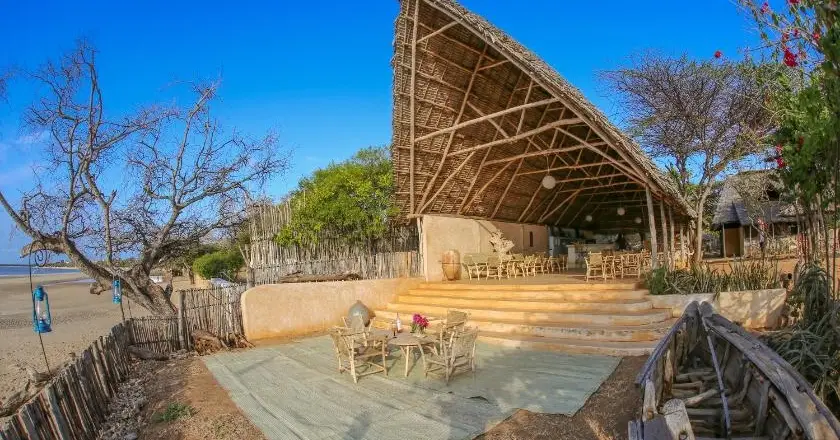
Contemporary eco-lodges along Kenya’s Lamu Archipelago have revived and refined traditional Swahili building techniques — using coral stone foundations, makuti (palm thatch) roofing, and deep verandahs oriented to catch sea breezes — and combined them with solar power and rainwater harvesting. These lodges demonstrate that vernacular sustainability can be both luxurious and environmentally sound.
46. The CSIR Campus, Pretoria, South Africa
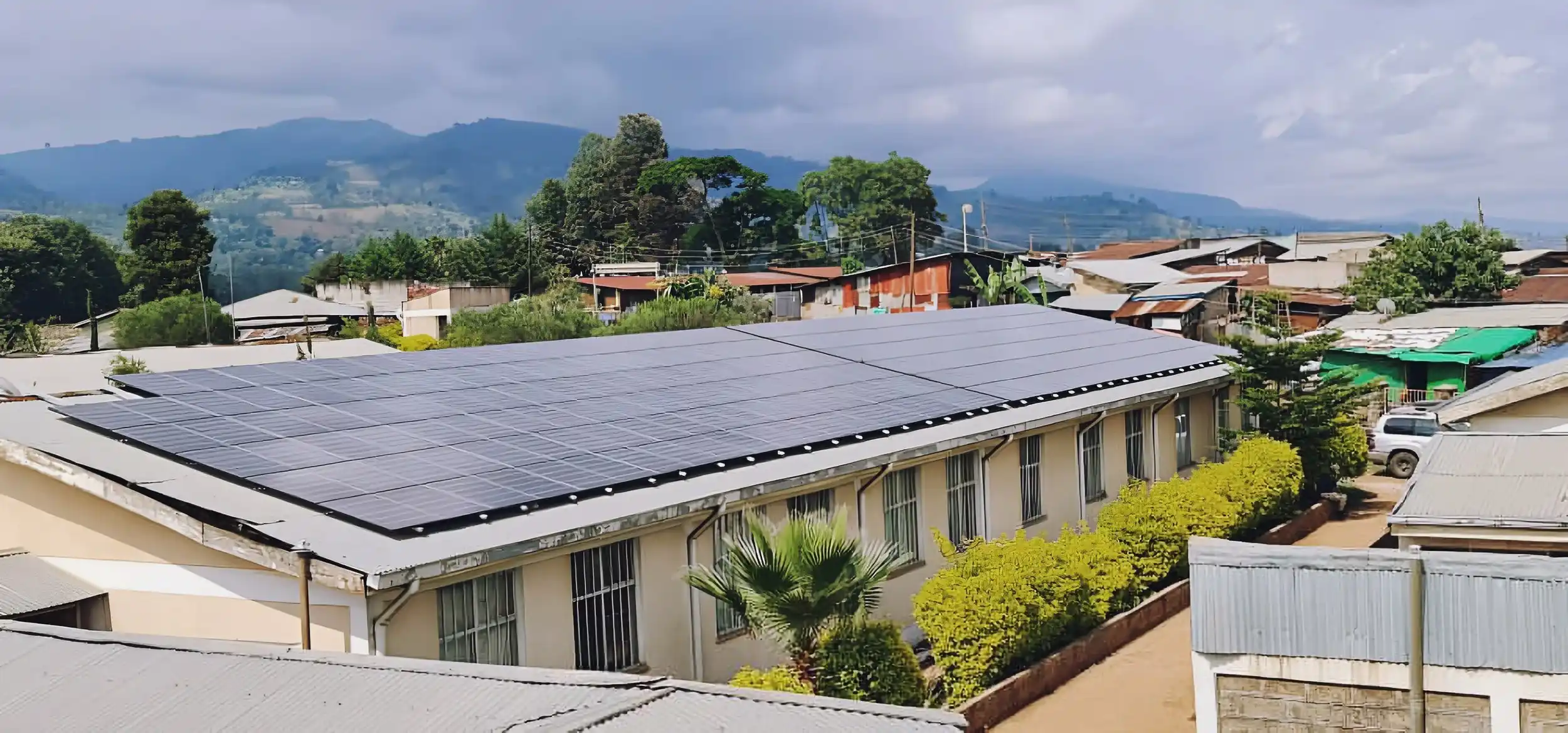
The Council for Scientific and Industrial Research campus in Pretoria has been the site of pioneering green building design in South Africa for decades. Recent buildings on campus have achieved leading Green Star ratings through passive solar orientation, high-performance insulation, natural ventilation shafts, and large photovoltaic installations — making it a showcase for sustainable architecture in the African climate.

47. YSE (Yield Solar Energy) Community Housing, Ethiopia
Affordable solar-integrated housing prototypes being developed across Ethiopia’s secondary cities represent a crucial frontier of African sustainable architecture. These projects combine the thermal mass of compressed earth block construction — drawing on ancient Ethiopian traditions — with rooftop solar panels and biogas systems, producing net-zero homes accessible to lower-income communities.
48. Druk White Lotus–Inspired Schools in the Sahel
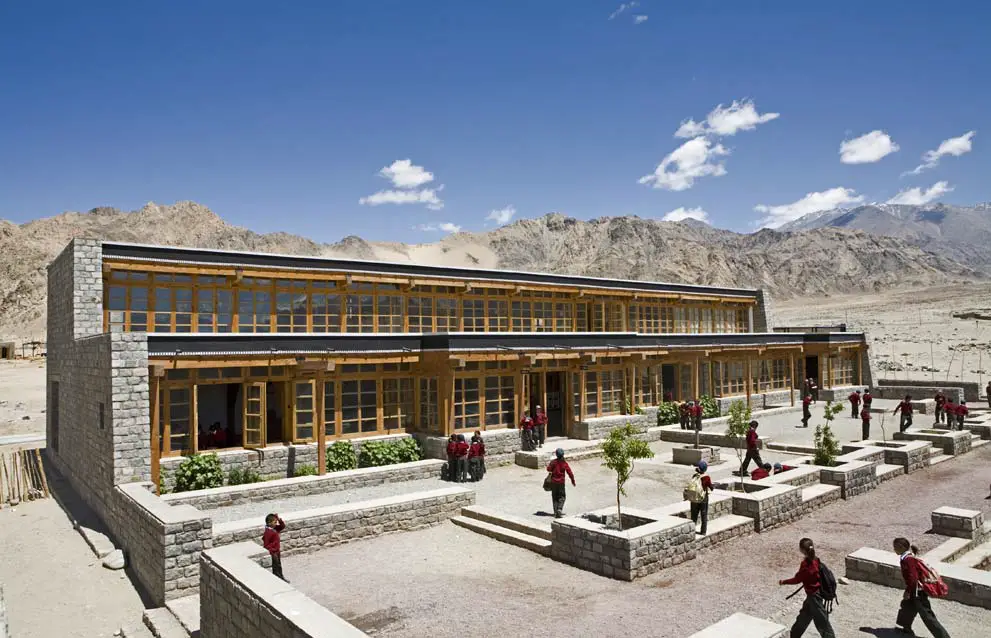
Several organizations working across the Sahel are building schools using locally sourced materials — rammed earth walls, stabilized adobe bricks, and thatch — using labor-intensive techniques that simultaneously provide local employment and result in buildings with extraordinary thermal performance in extreme heat, requiring no air conditioning and lasting for generations.
49. The Maputo Civic Center, Mozambique
Maputo’s new civic architecture has been guided by a philosophy of tropical modernism — using deep brise-soleil screens, raised ground floors to allow ventilation, and courtyard spaces that create shaded microclimates in the city. The civic center exemplifies this approach, combining locally made terracotta cladding panels with a contemporary structural grid.

50. Tamale Teaching Hospital, Ghana
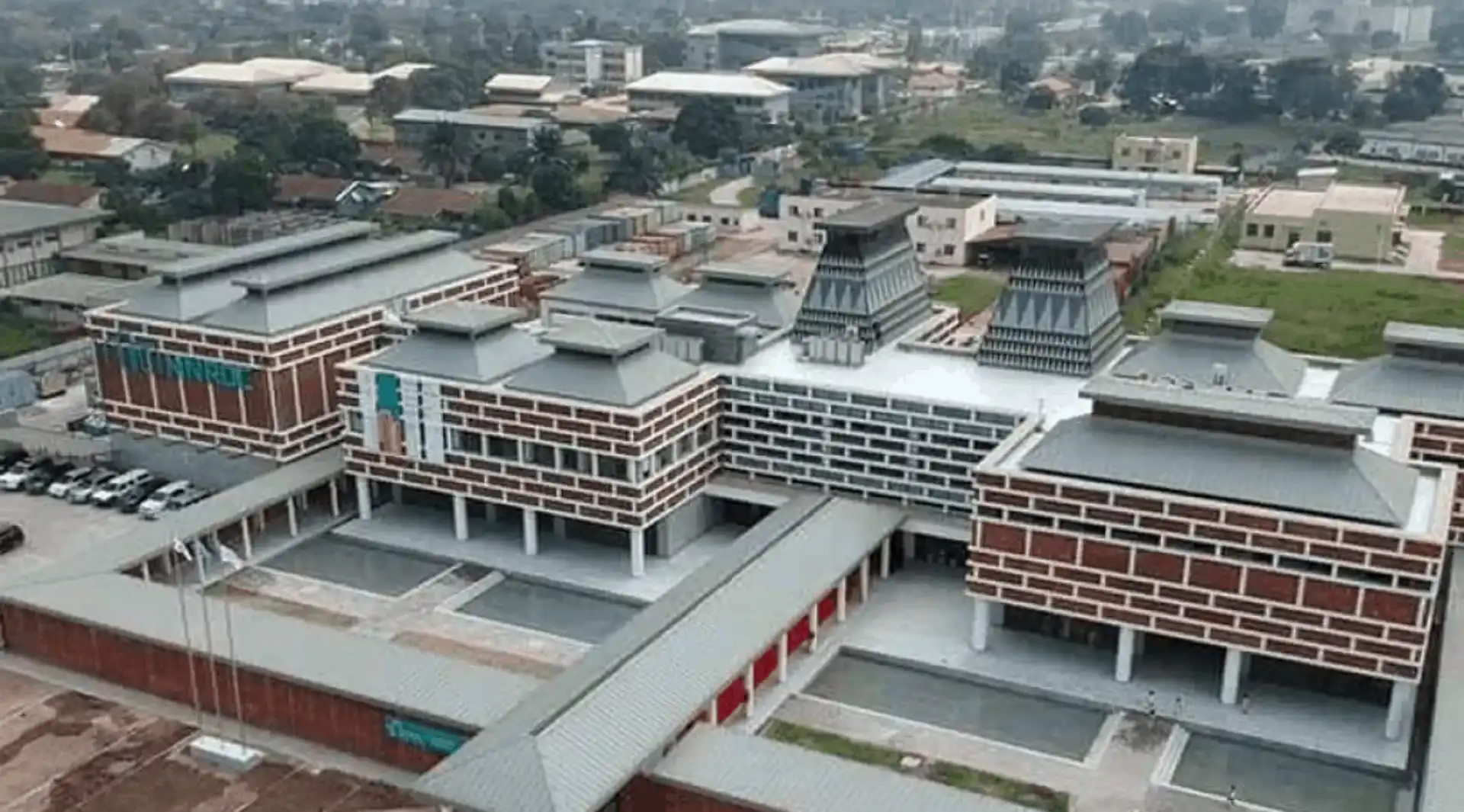
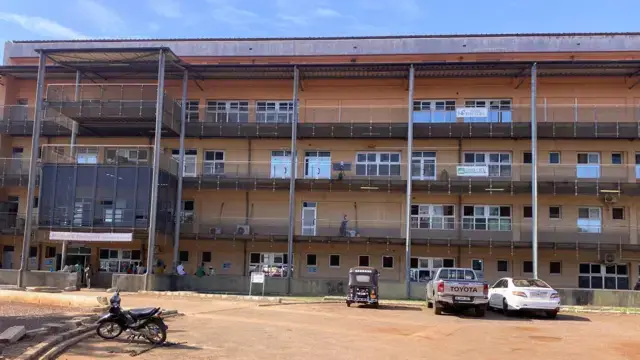
The Tamale Teaching Hospital in northern Ghana is an exemplary case of climate-responsive institutional architecture in West Africa. Deep overhanging eaves, cross-ventilated ward blocks, shaded walkways connecting buildings, and a central landscaped courtyard all work together to reduce heat gain and create a healing environment without total dependence on mechanical cooling.
More Architectural Gems Across the Continent
51. Slave House (Maison des Esclaves), Gorée Island, Senegal
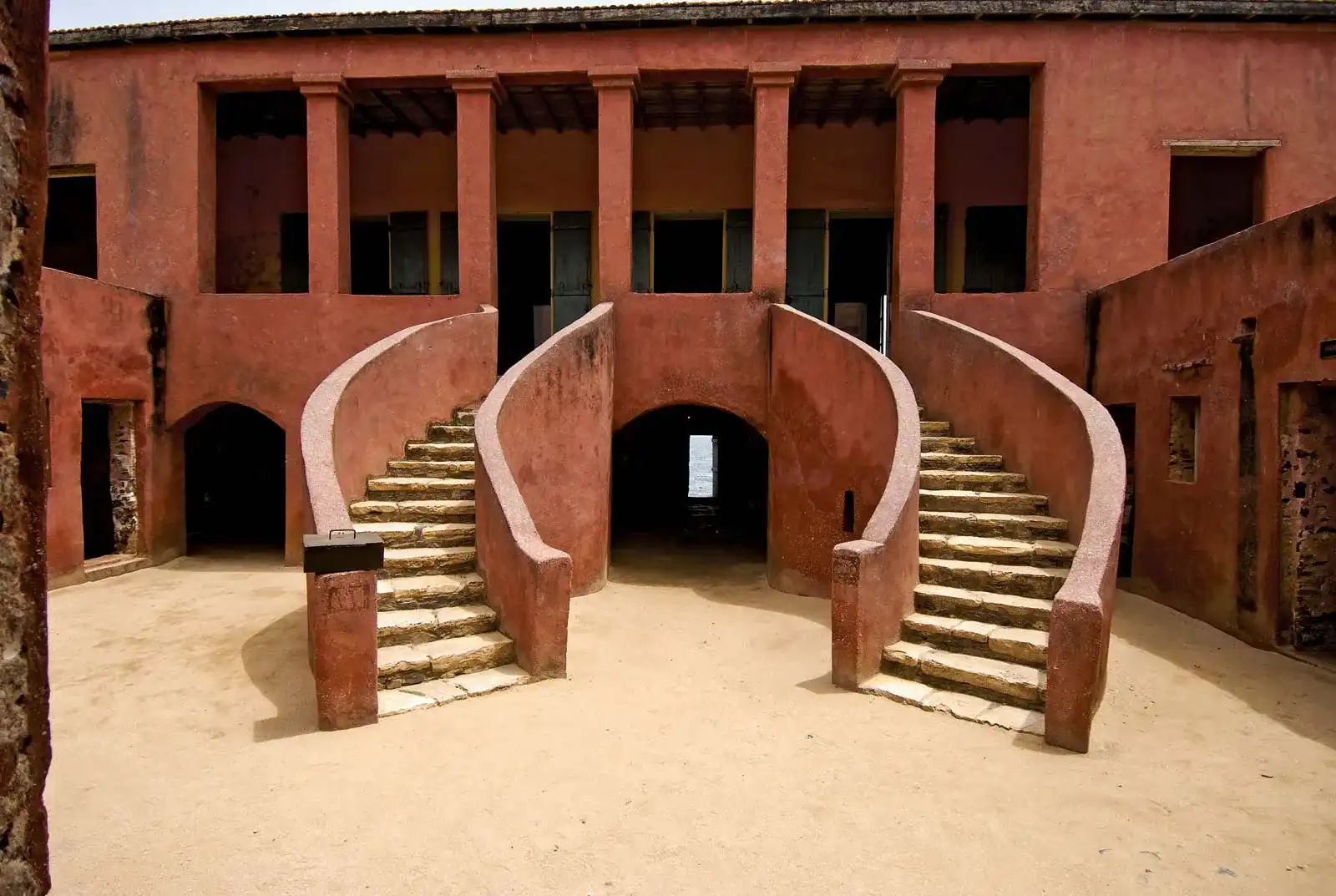
The House of Slaves on Gorée Island, off Dakar, is the most visited historic site in West Africa. Built in 1776, this coral-pink two-story colonial house served as a holding facility for enslaved people awaiting transatlantic shipment. Its most powerful architectural feature is the “Door of No Return” — an opening directly onto the Atlantic Ocean through which enslaved people were loaded onto ships — a space that has become a global symbol of historical reckoning.
52. The Bibliotheca Alexandrina, Egypt
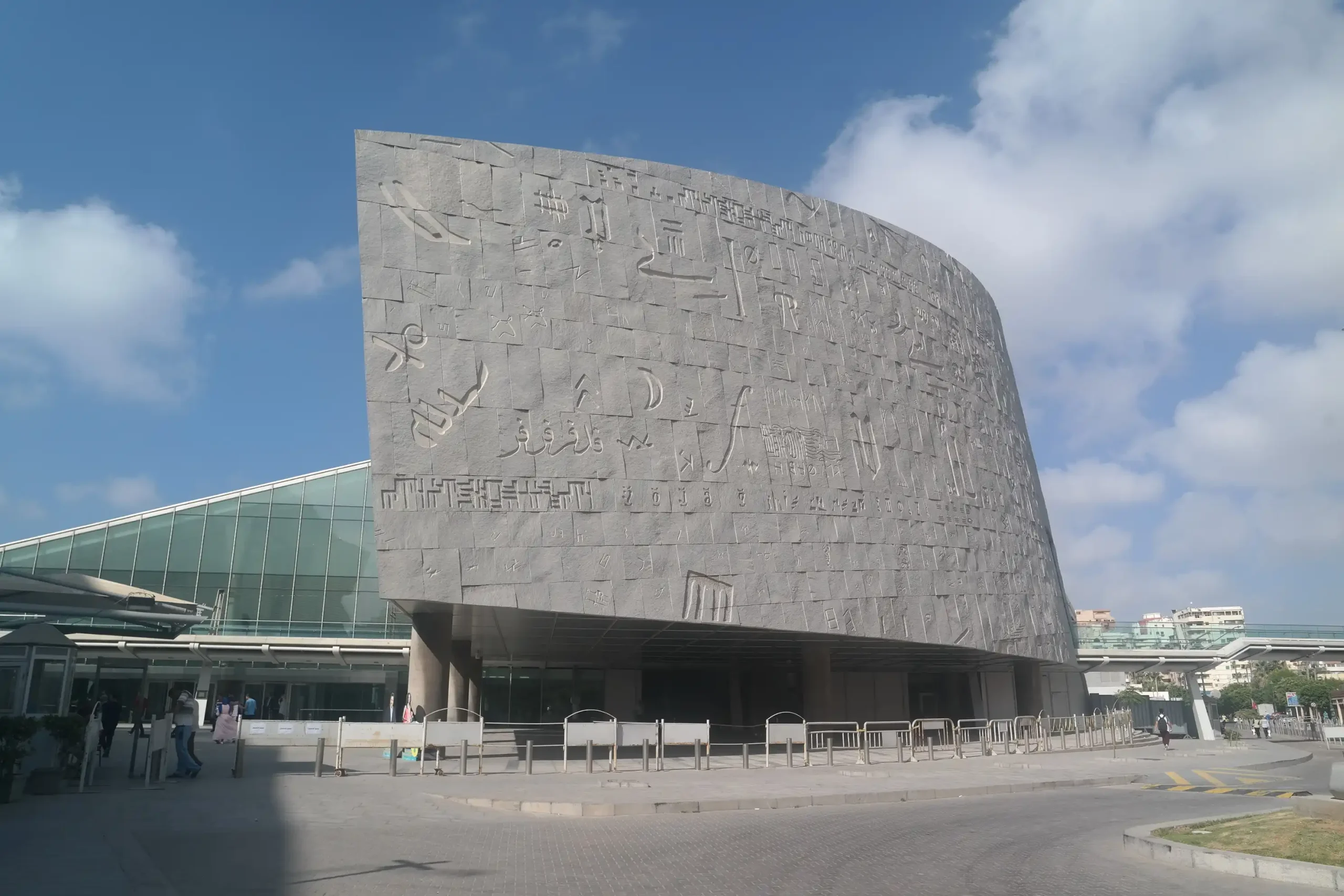
Opened in 2002 on the site of the ancient Library of Alexandria, the Bibliotheca Alexandrina is one of the most architecturally significant buildings in modern Africa. Designed by the Norwegian firm Snøhetta, it takes the form of a massive tilted disc — like the sun rising from the Mediterranean Sea — clad in Aswan granite engraved with scripts from every known writing system. Its interior reading room, lit through a slanted glass roof, is one of the great library spaces in the world.
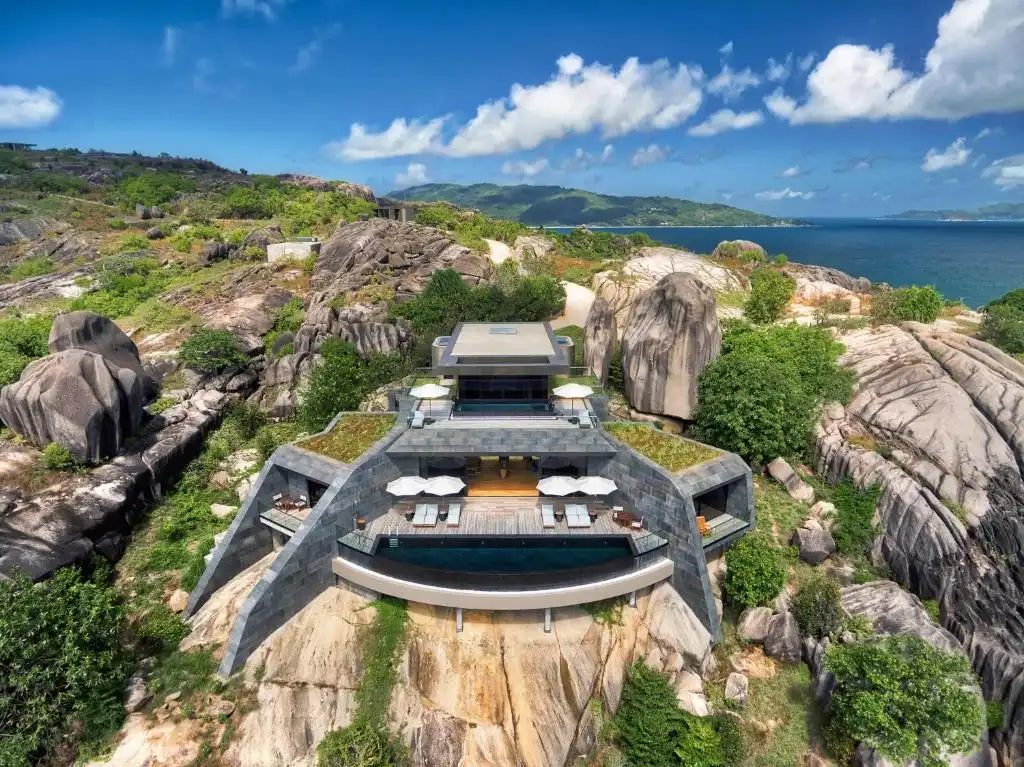
53. The Felicite Island Overwater Villas, Seychelles
The Seychelles’ luxury resort architecture has developed a distinctive language of overwater villas that blends the natural granite boulders that characterize the islands’ landscape with contemporary tropical minimalism — open-sided living pavilions, infinity pools that appear to merge with the Indian Ocean, and structures built to complement rather than compete with the extraordinary natural setting.
Final Thoughts
From the ancient precision of the pyramids to the biomimetic genius of the Eastgate Centre, from carved rock churches to reclaimed-ocean cities, African architecture is a testament to the continent’s extraordinary creative capacity across 4,000 years of building history.
What’s most exciting is that this story is far from over. A new generation of African architects — trained at institutions across the continent and the world, and deeply rooted in their own cultural traditions — is producing work that is turning heads at every global architecture award. The next great chapter of world architecture will very likely be written on African soil.
Whether you’ve been inspired by the ancient wonders, the vernacular traditions, or the dazzling contemporary designs featured here, we hope this collection has opened your eyes to the richness of African architectural heritage and the brilliance of its future.
