12 Small Living Room with Front Door Entry Designs
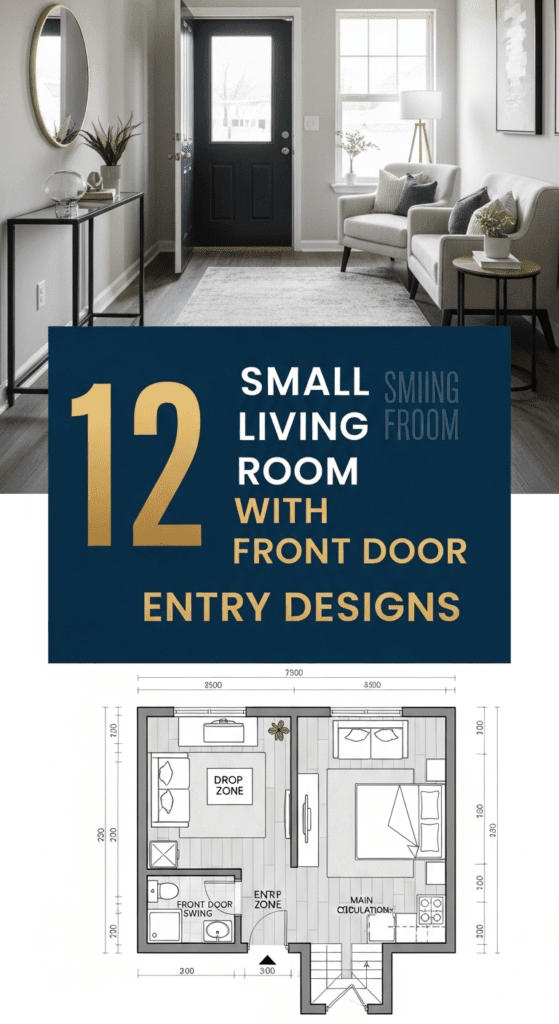
Small Living Room with Front Door Entry Designs focus on creating a “landing strip” where there is no formal foyer. In homes where the front door opens directly into the lounge, the challenge is to prevent the entrance from feeling like a chaotic thoroughfare. By utilizing “zoning” furniture, slim consoles, and wall-mounted storage, you can define a functional entryway that blends seamlessly into your living space without sacrificing comfort or style. Here are 12 designs to master the direct-entry layout.
See also: 13 Small House Living Room Ideas
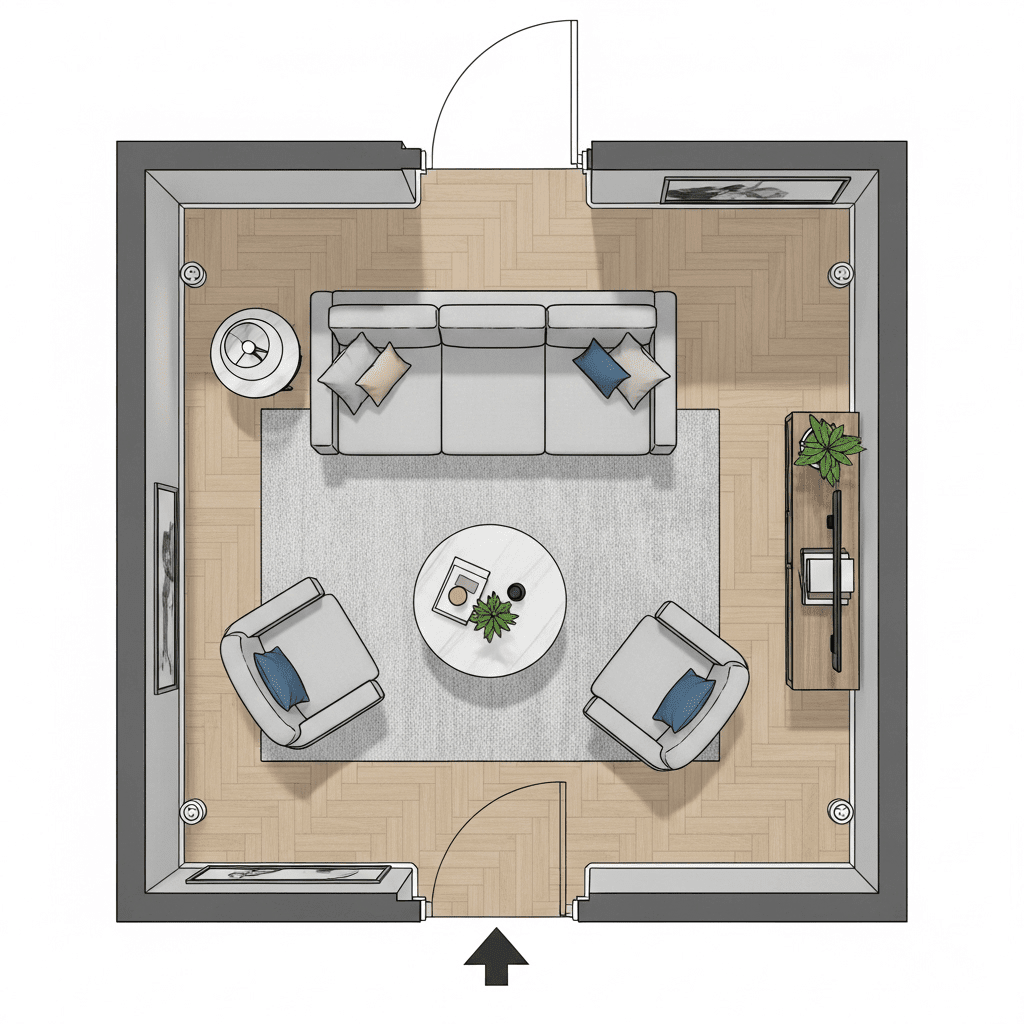
1. The Sofa-Back Foyer
Position the back of your sofa a few feet away from the front door to create an “artificial hallway.” This provides a physical barrier that guides guests into the seating area while giving the door its own dedicated zone.
2. The Slim Console Buffer
Place a very narrow console table behind the sofa or against the wall immediately next to the door. This acts as a designated “drop zone” for keys and mail without encroaching on the main living area.
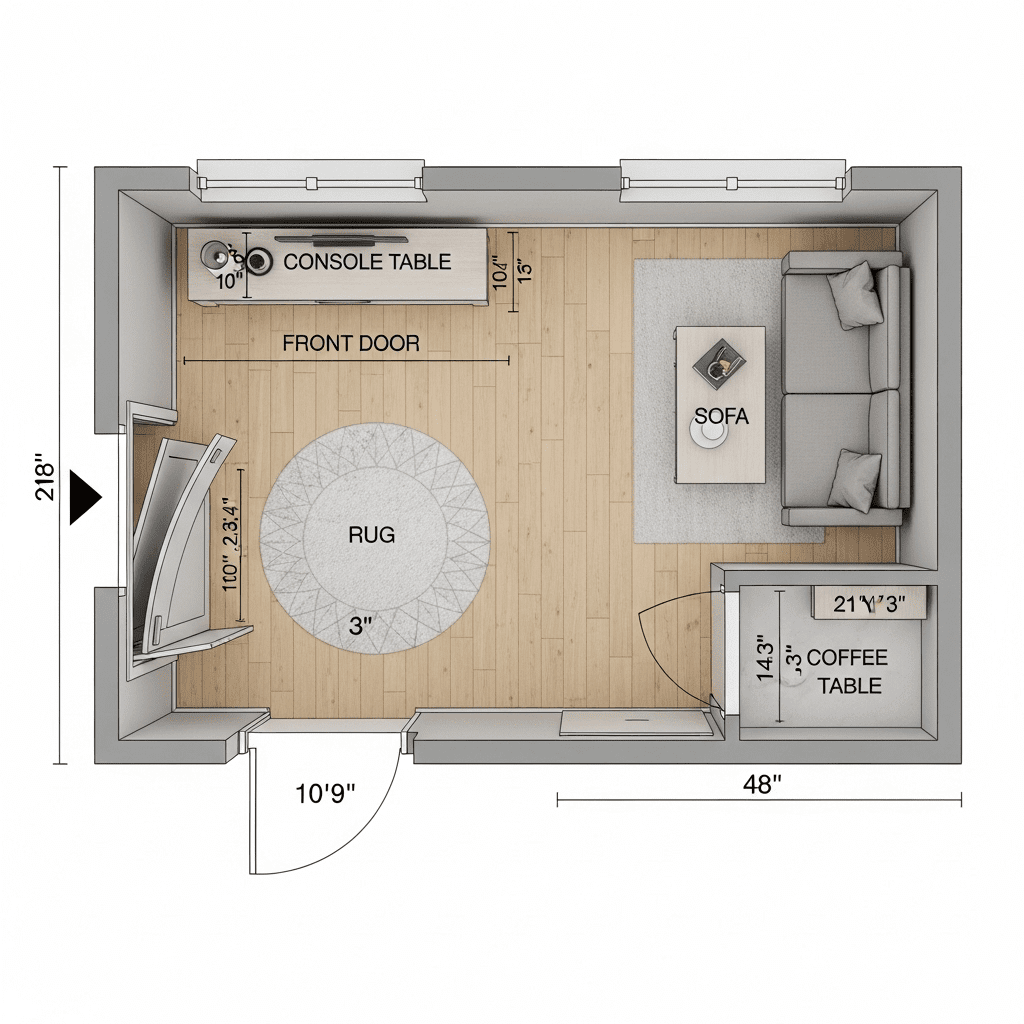
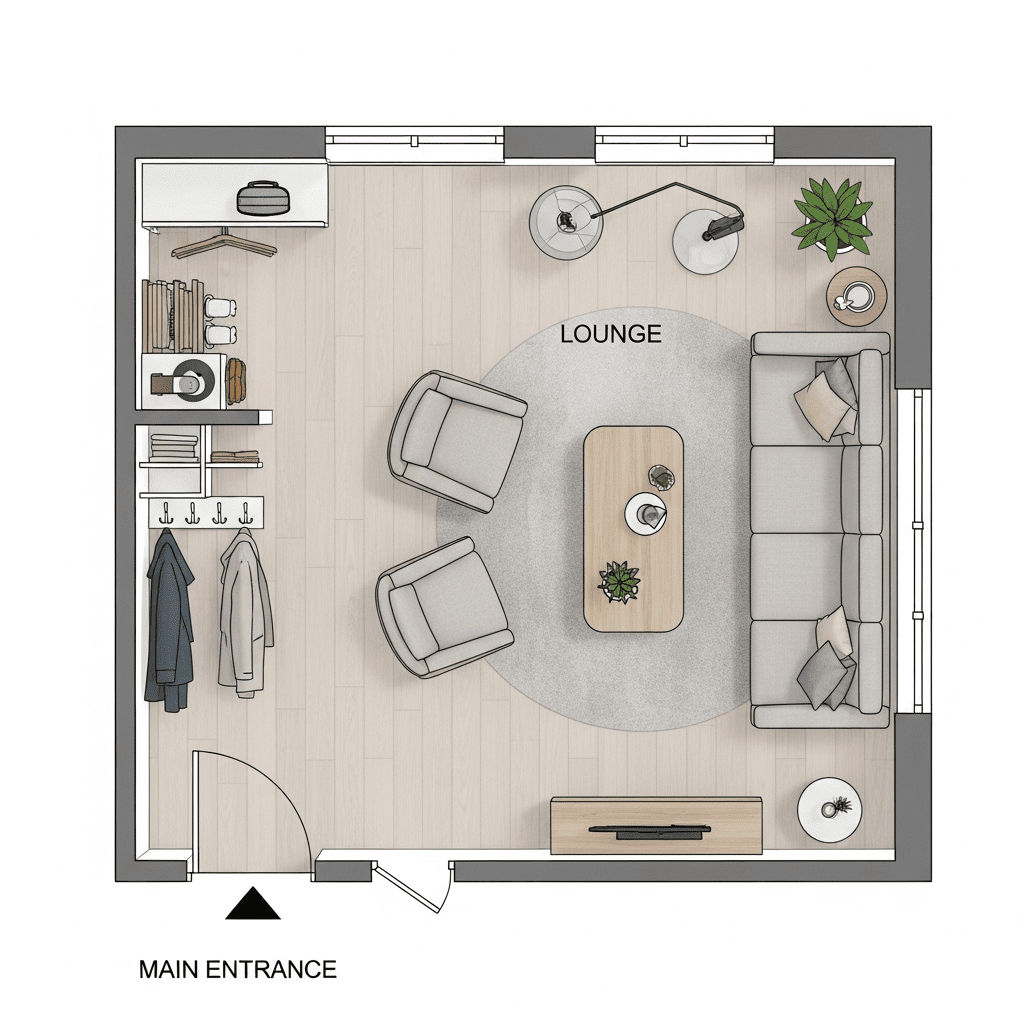
3. Vertical Command Center
Install a series of wall-mounted hooks and a slim floating shelf right behind the door. Utilizing vertical space keeps coats and bags off the furniture, maintaining a tidy look in a small footprint.
See also: 14 Sectional in Small Living Room Layout
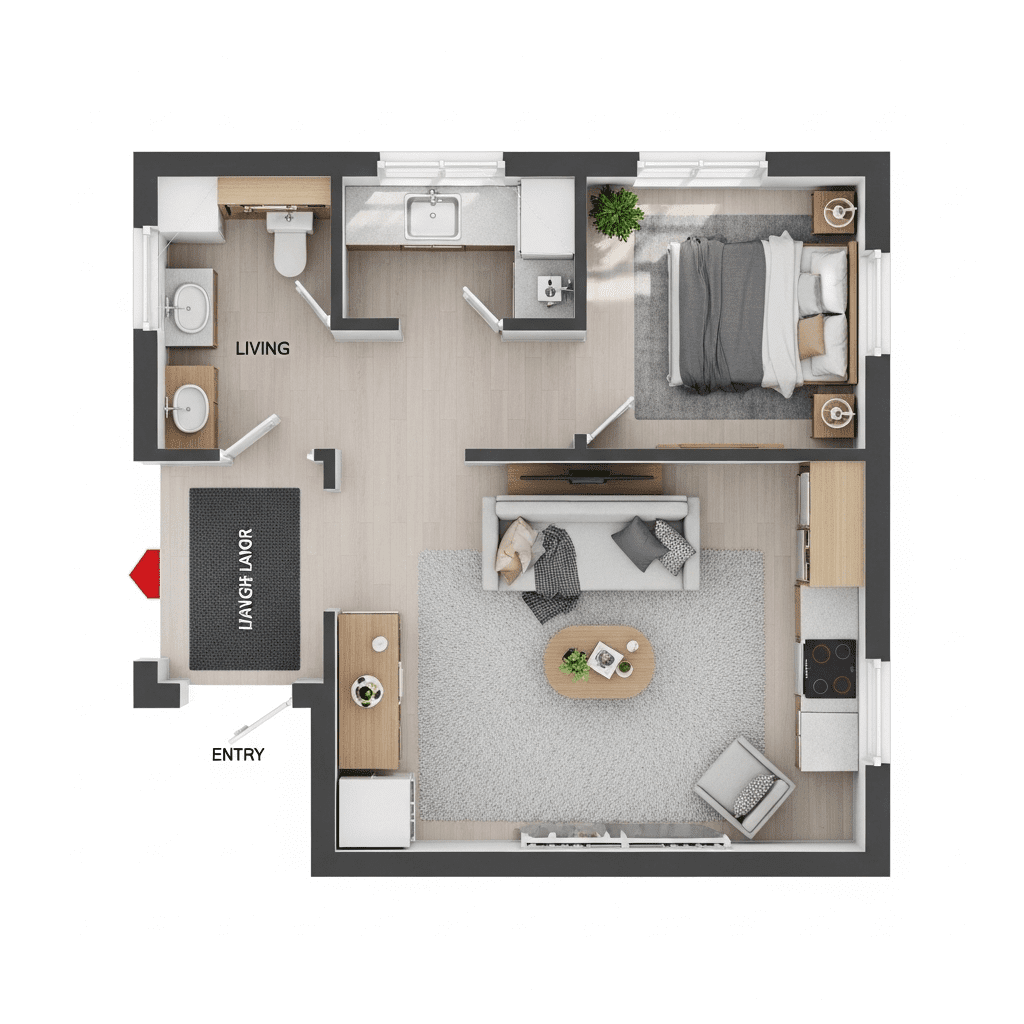
4. The Rug-Defined Landing
Use a durable, high-traffic rug or runner at the door that is distinct from the living room rug. The change in texture and color provides a visual cue that the entryway is its own separate “room.”
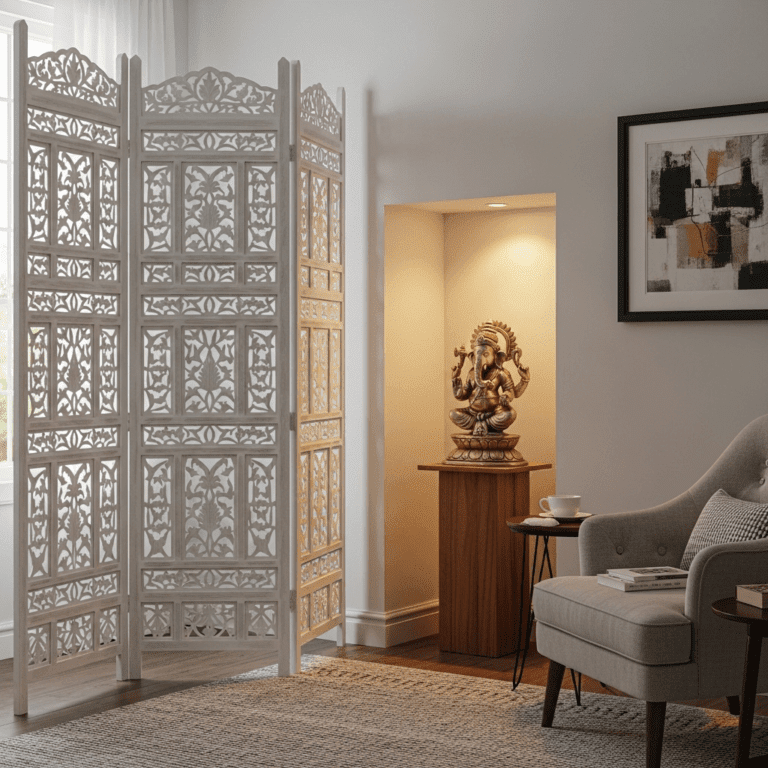
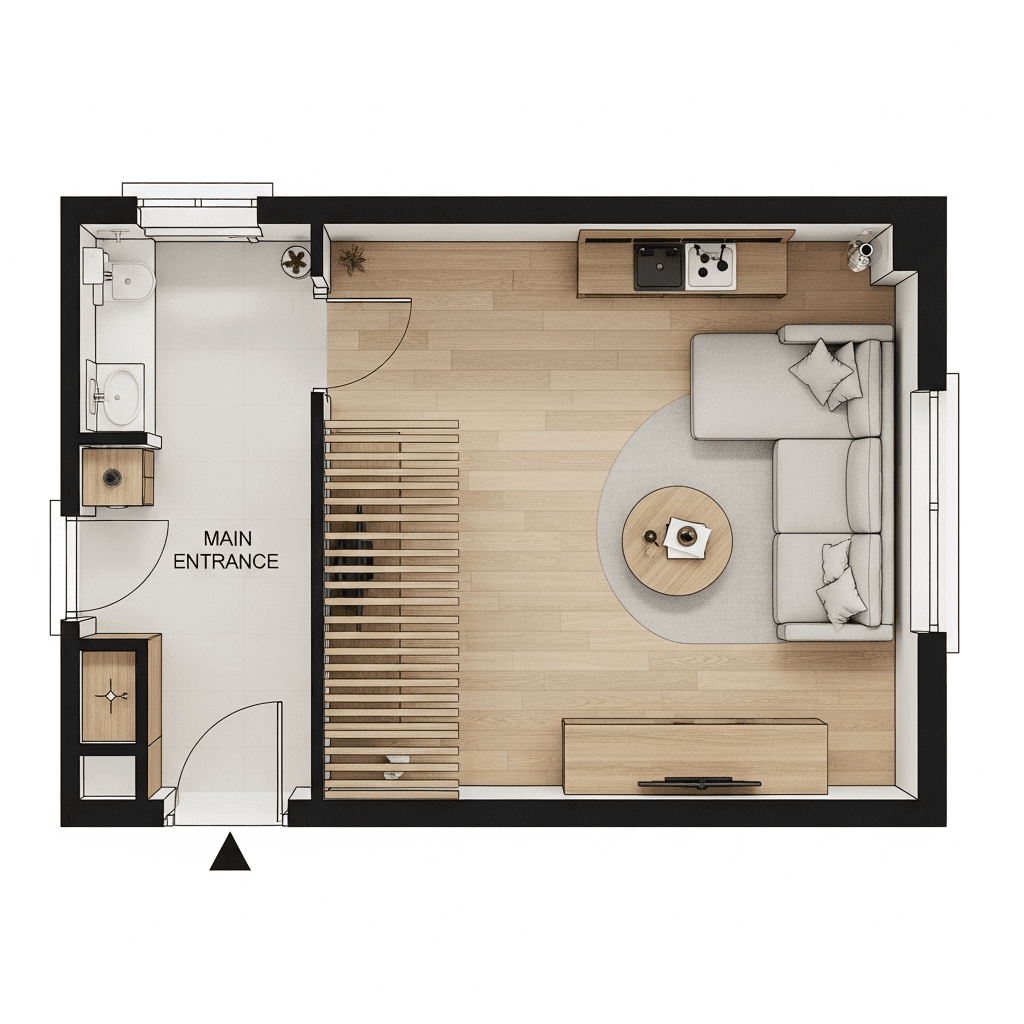
5. Open-Slat Privacy Screen
Install a floor-to-ceiling wooden slat partition next to the door. This creates a semi-private entryway “nook” that shields the sofa from the initial blast of cold air or the eyes of delivery drivers.
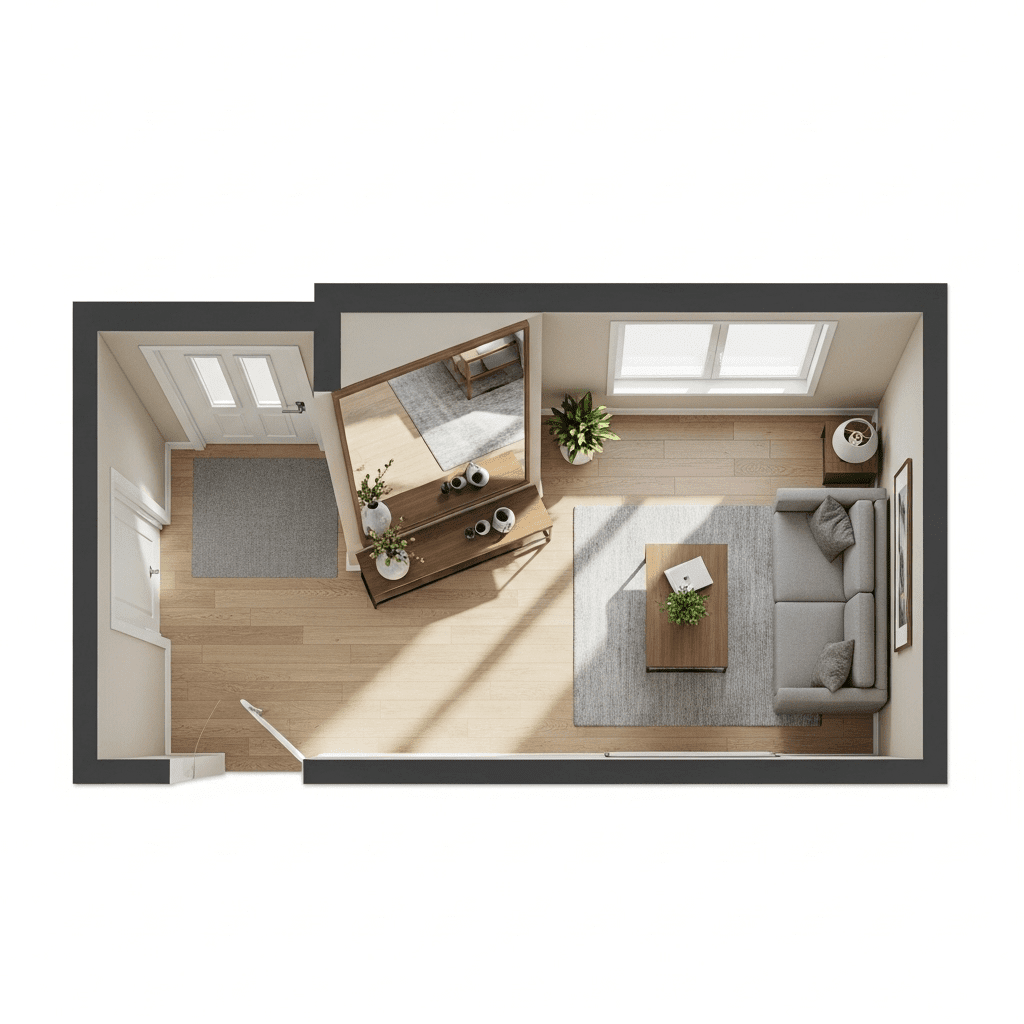
6. The Mirrored Expansion
Hang a large mirror on the wall directly facing or adjacent to the front door. This bounces light from the entrance into the rest of the room, making the “entry-living” combo feel significantly deeper.
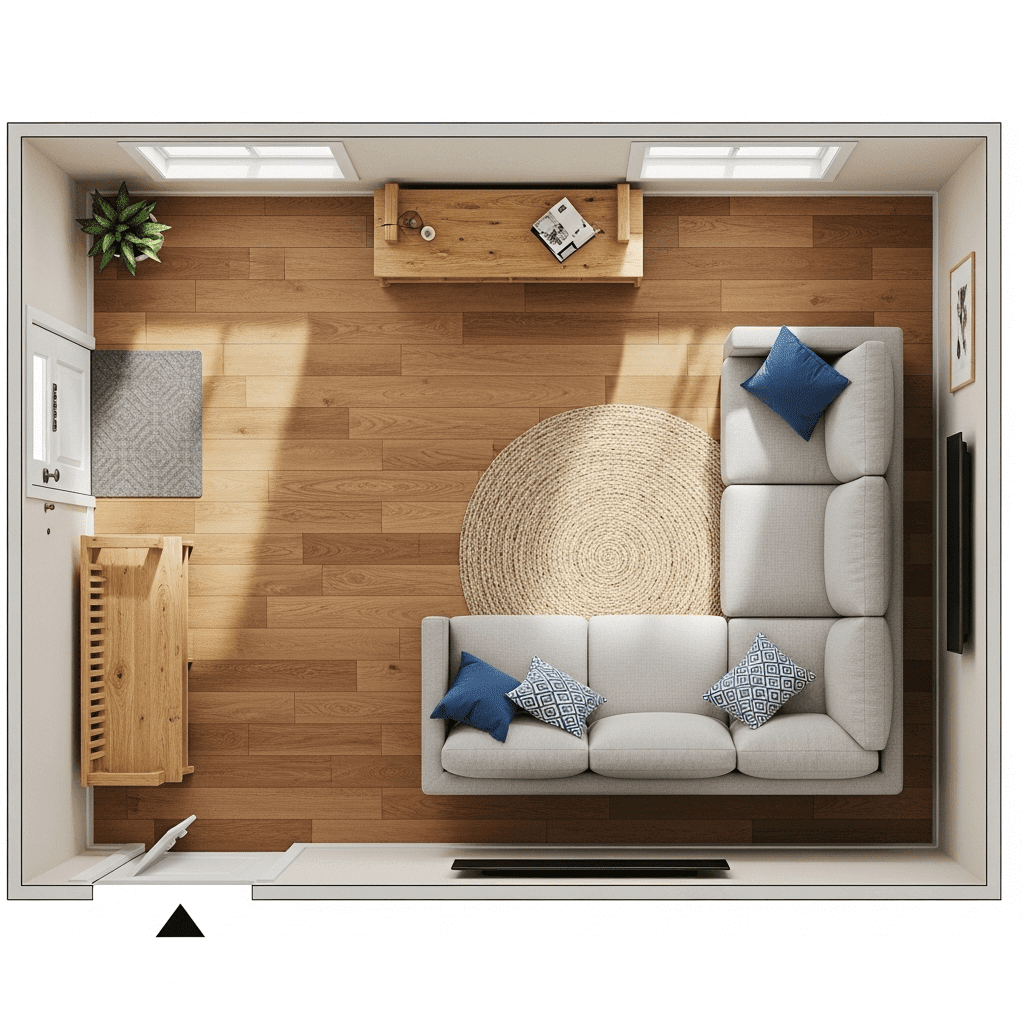
7. Bench-to-Sofa Continuity
Place a low, stylish bench next to the door that transitions into your living room seating. This provides a place to sit and remove shoes while maintaining a cohesive furniture line.
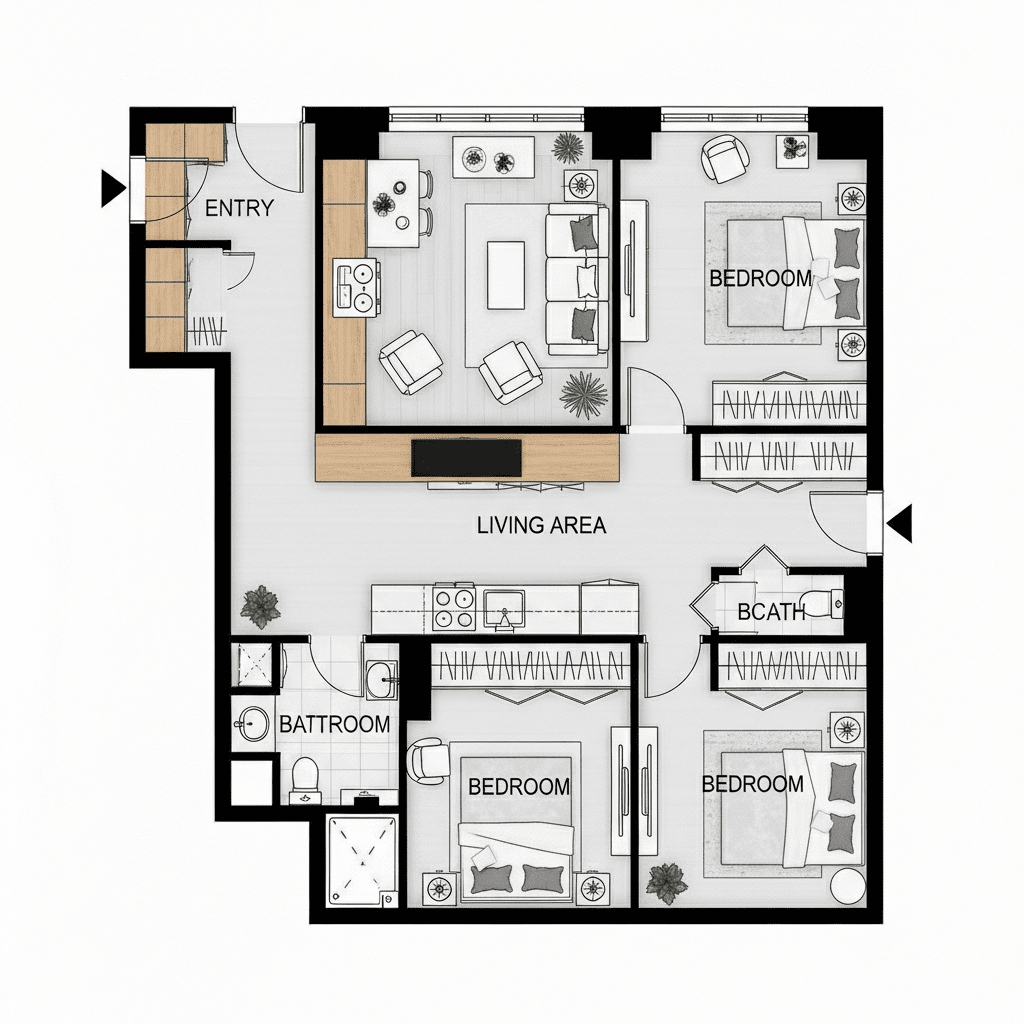
8. The “Built-In” Entry Wall
Incorporate a tall bookshelf or storage unit that spans the wall from the door into the living area. This unifies the two zones into one architectural feature, making the entry feel intentional.
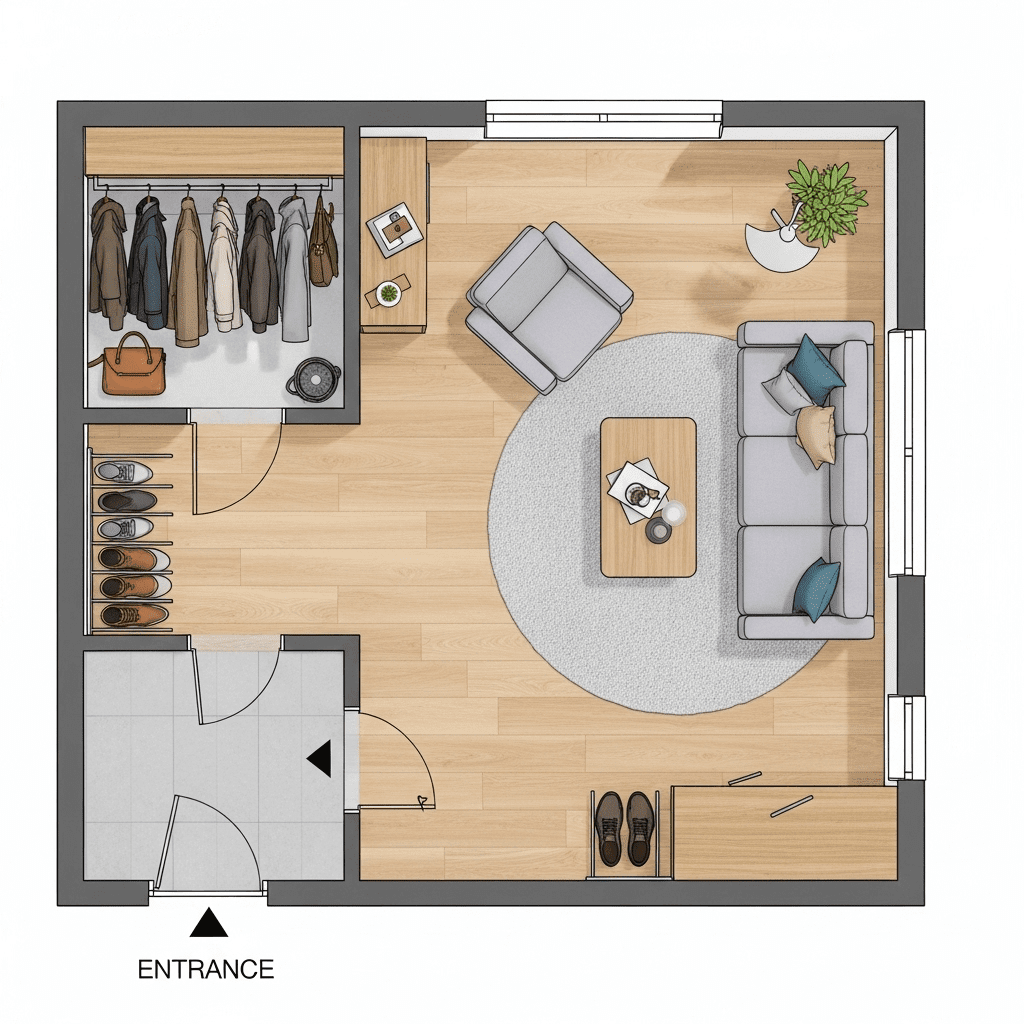
9. Corner “Mudroom” Nook
If the door is in a corner, use a small corner hall tree or a triangular shelf. This captures “dead space” for storage and keeps the entrance tucked away from the main lounging flow.
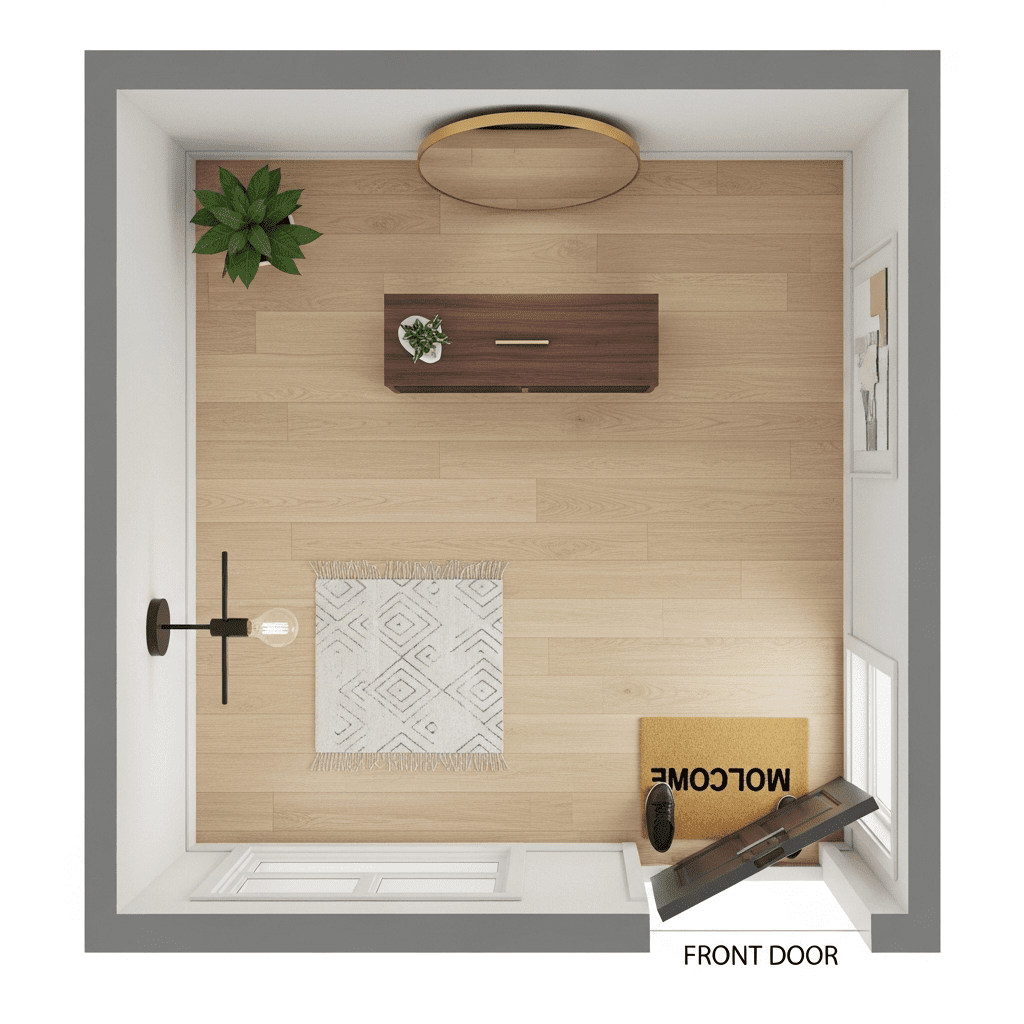
10. Floating Shelf Minimalist Entry
For a sleek modern look, use only a single floating drawer and a wall sconce. This “weightless” design provides the function of an entryway while keeping the floor area completely open and airy.
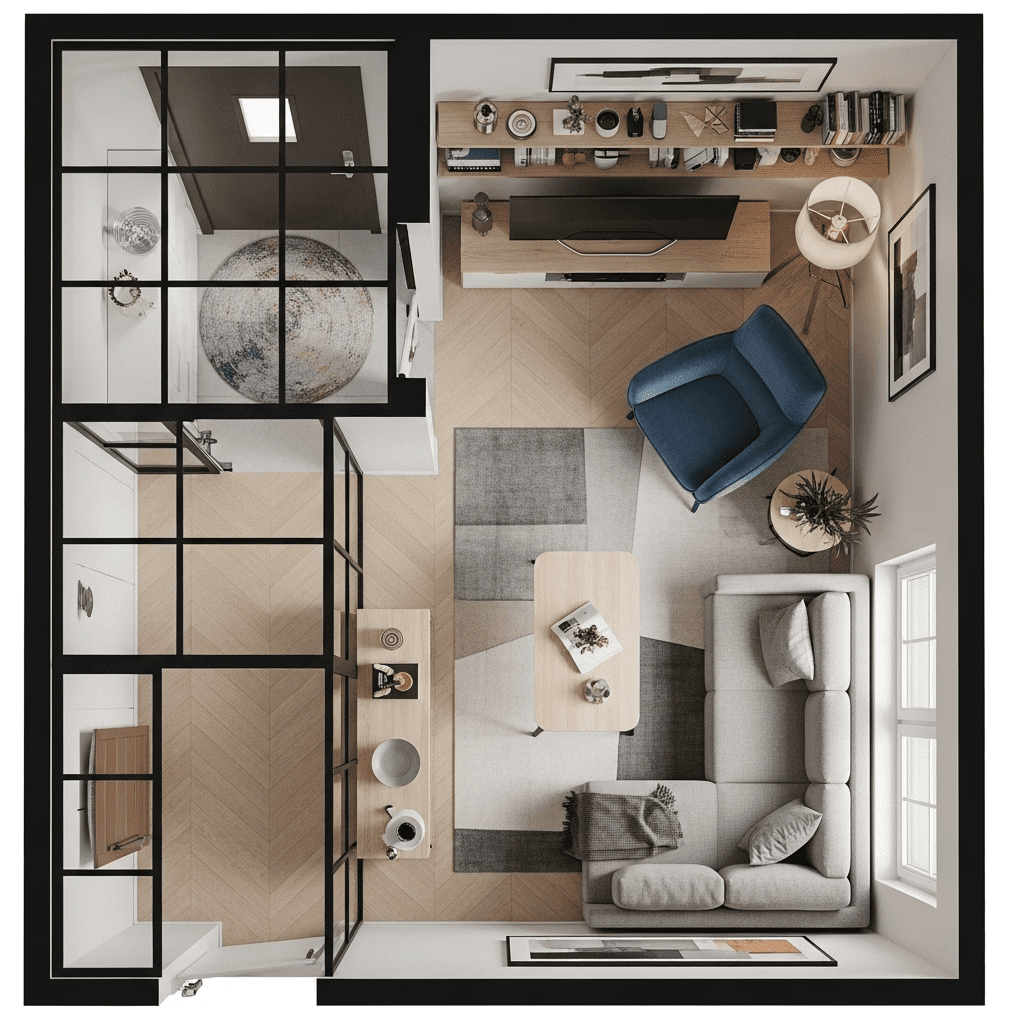
11. Transparent Partitioning
Use a glass-paned “Crittall-style” screen or a clear acrylic divider. It defines the entry path clearly while ensuring that 100% of the natural light from the door reaches the living room.
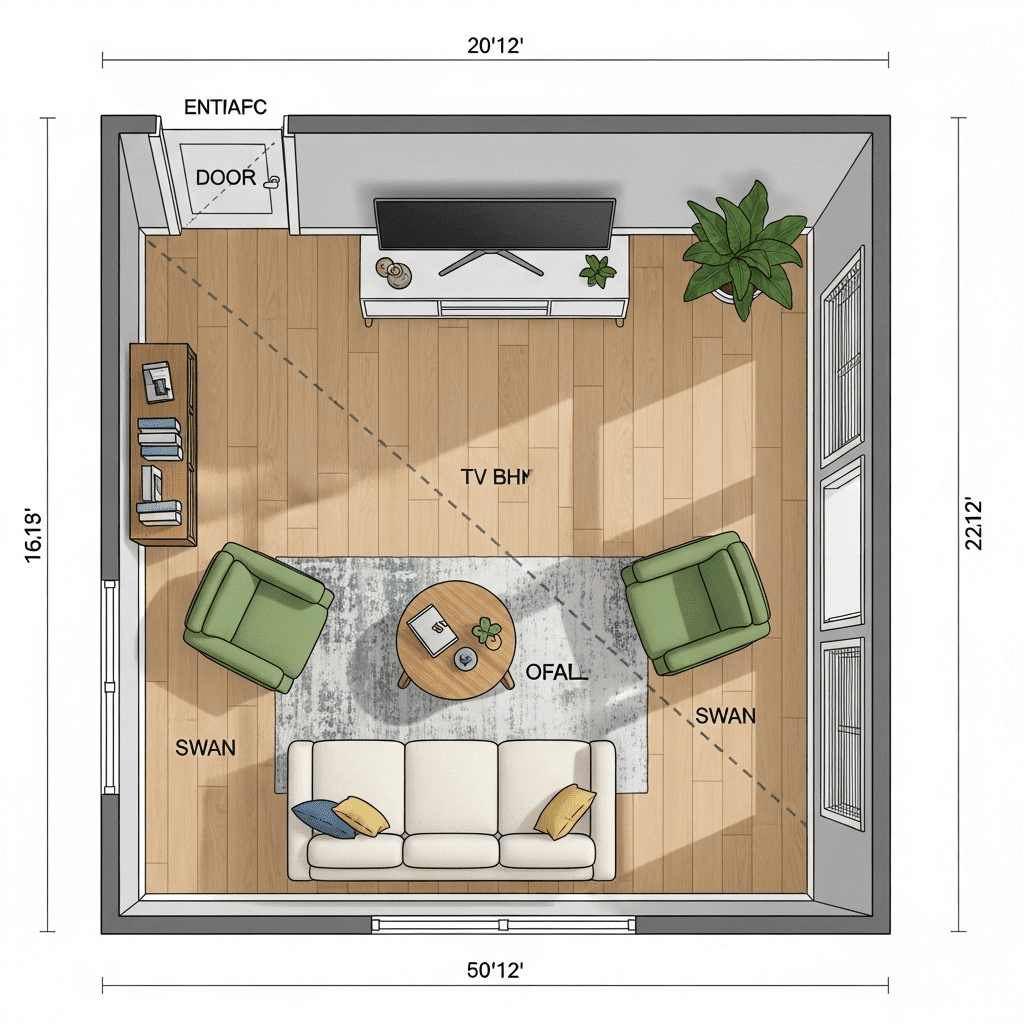
12. Diagonal Path Layout
Angle your armchair or a small rug diagonally to create a clear “walking path” from the door to the kitchen or hallway. This prevents people from walking directly through the “conversation circle.”
Conclusion
Managing a small living room with a front door entry is about creating “invisible boundaries.” By using rugs, consoles, and smart furniture placement, you can transform a direct-entry lounge into a home that feels organized and welcoming from the moment the door opens. Focus on keeping the entry path clear to ensure the room remains functional for both arriving and relaxing.