8 Pediatric Occupational Therapy Activities
Pediatric occupational therapy helps children develop the skills they need for daily living, learning, and playing. Children may receive occupational therapy for a variety of reasons including developmental delays, autism spectrum disorder, sensory processing disorder, cerebral palsy, Down syndrome, ADHD, fine motor delays, or handwriting difficulties. The activities are designed to be fun, engaging, and play-based while targeting specific developmental domains. Here are eight pediatric occupational therapy activities that address fine motor skills, sensory processing, visual-motor integration, and self-care.
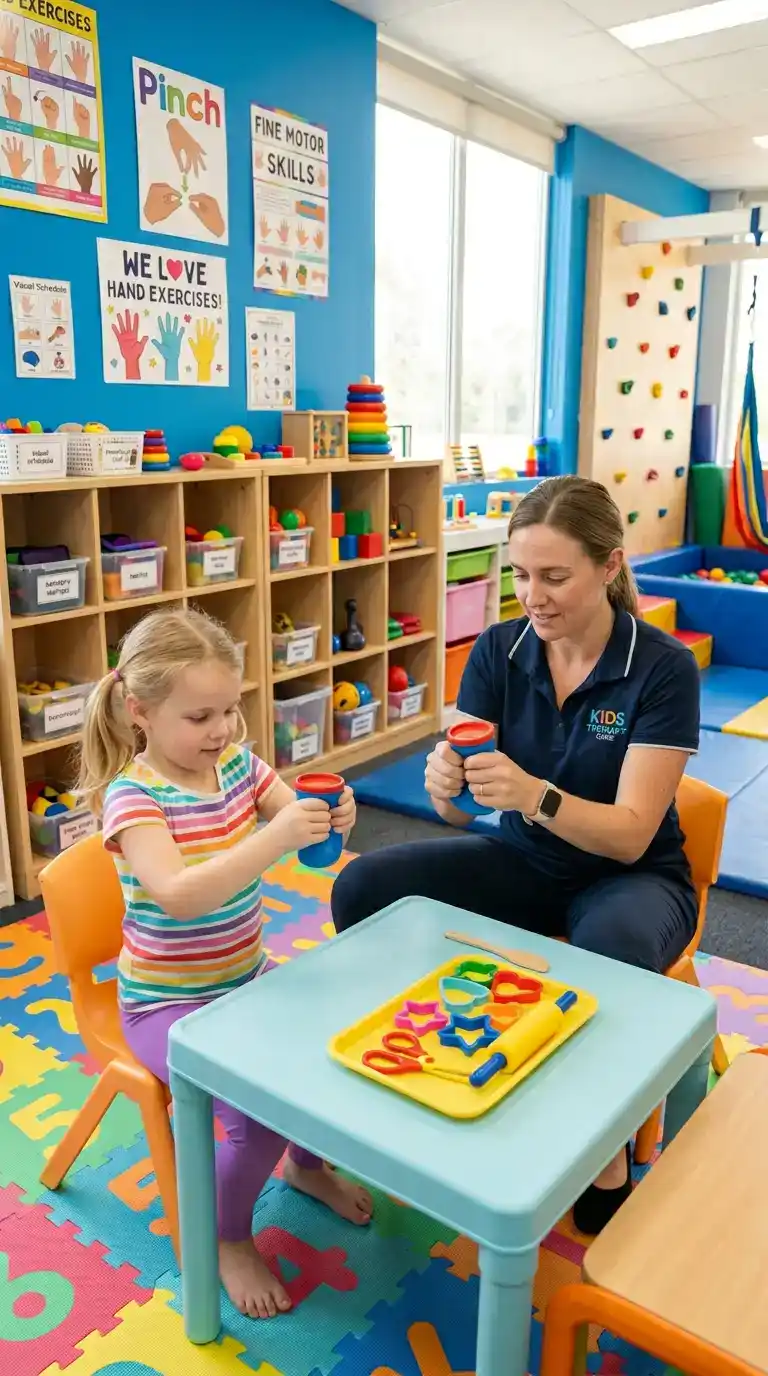
1. Playdough and Putty Strengthening
Playdough and therapy putty are excellent tools for building hand strength, finger dexterity, and fine motor control. Activities include rolling, squeezing, pinching, pulling, cutting with plastic knives, and hiding small objects inside to be retrieved. For children with low muscle tone or weak hand strength, resistive putty provides graded resistance. This activity also provides calming proprioceptive input for children who need sensory regulation.
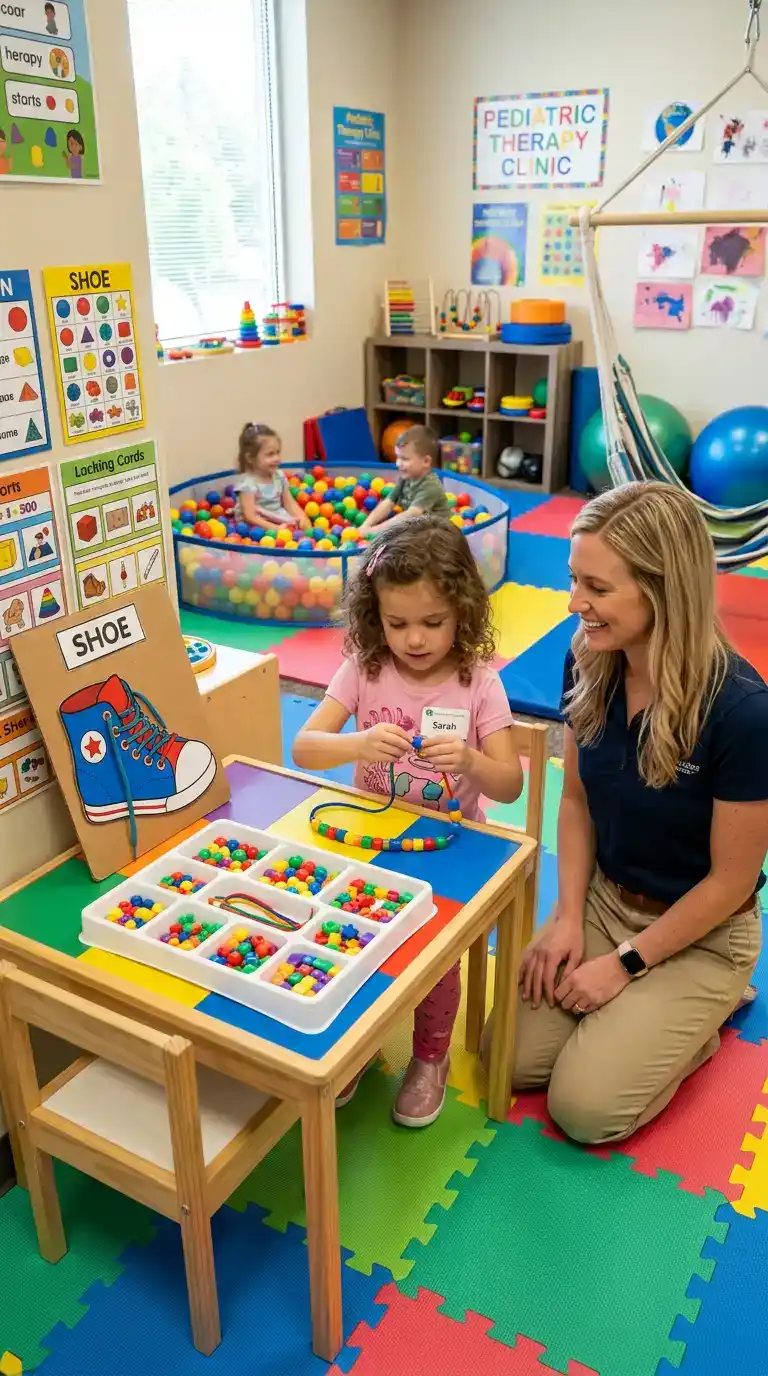
2. Bead Stringing and Lacing Cards
Bead stringing and lacing cards build fine motor precision, bilateral coordination, visual tracking, and pincer grasp. Children thread beads onto a string or lace a card by following the holes in sequence. For younger children or those with emerging skills, use larger beads with stiff tips on the strings. As skills improve, introduce smaller beads and more complex lacing patterns. This activity also supports pre-writing skills and sustained attention.
3. Animal Walks for Sensory Regulation and Gross Motor Skills
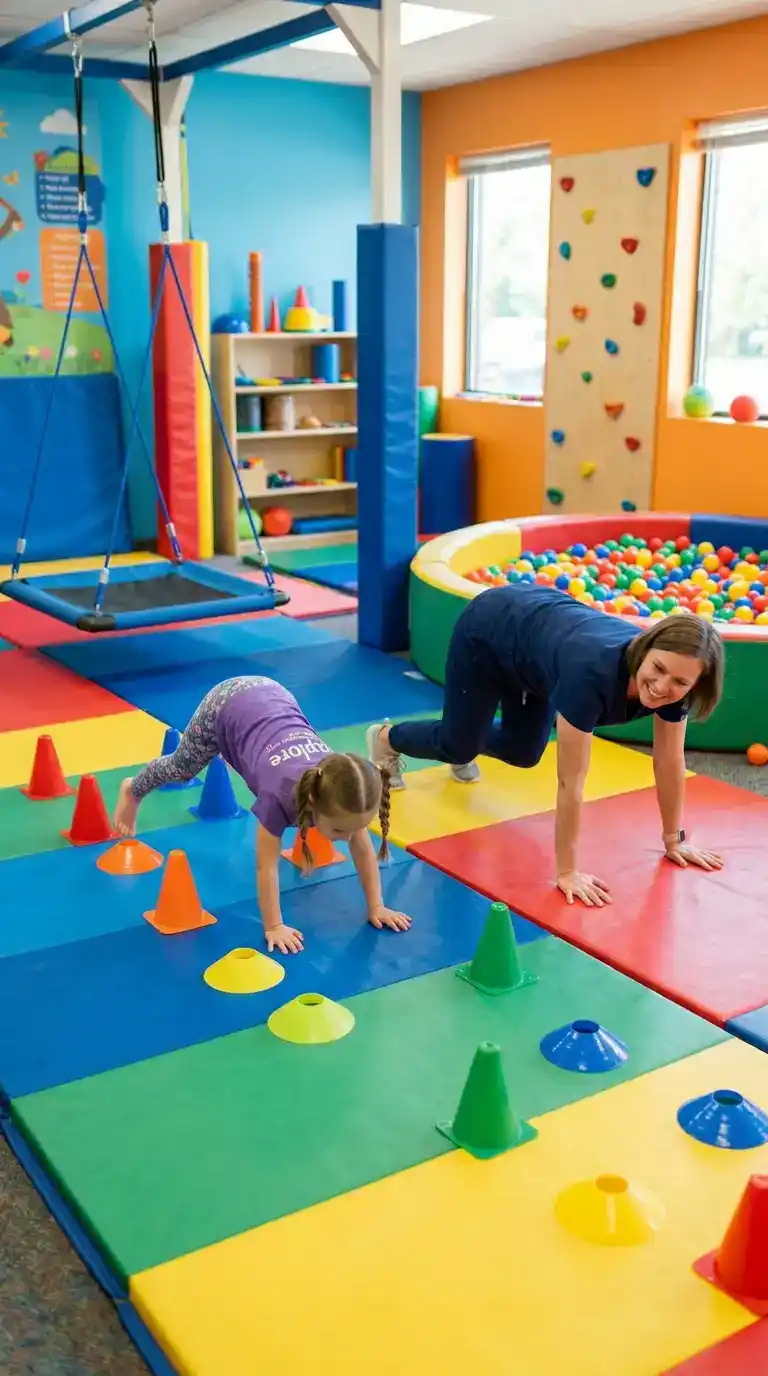
Animal walks are playful gross motor activities that provide proprioceptive and vestibular input while building core strength, coordination, and body awareness. Children pretend to be various animals: bear walk (on hands and feet with hips up), crab walk (on hands and feet with belly up), frog jump (deep squat and leap), and snake slither (lying on belly and pulling forward with arms). These activities are especially beneficial for children with sensory processing disorder or ADHD who need heavy work input to regulate.
4. Scissor Skills Cutting Practice
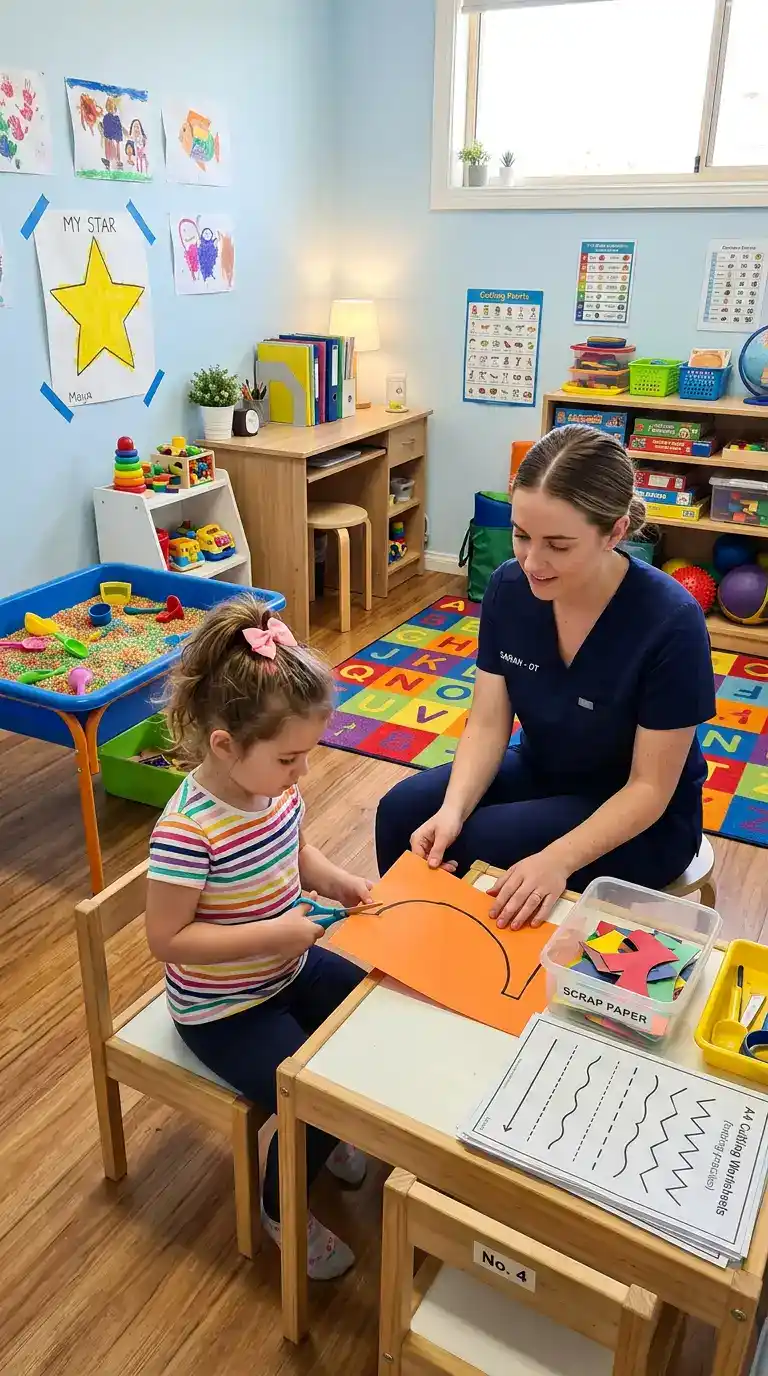
Cutting with scissors builds hand strength, bilateral coordination, visual-motor integration, and fine motor precision. Start with thick straight lines, then progress to curves, zigzags, and shapes. Use colored paper or magazines to increase engagement. For children who struggle, use adaptive scissors or spring-loaded scissors. This activity directly supports classroom readiness for arts and crafts projects.
5. Sensory Bin Exploration
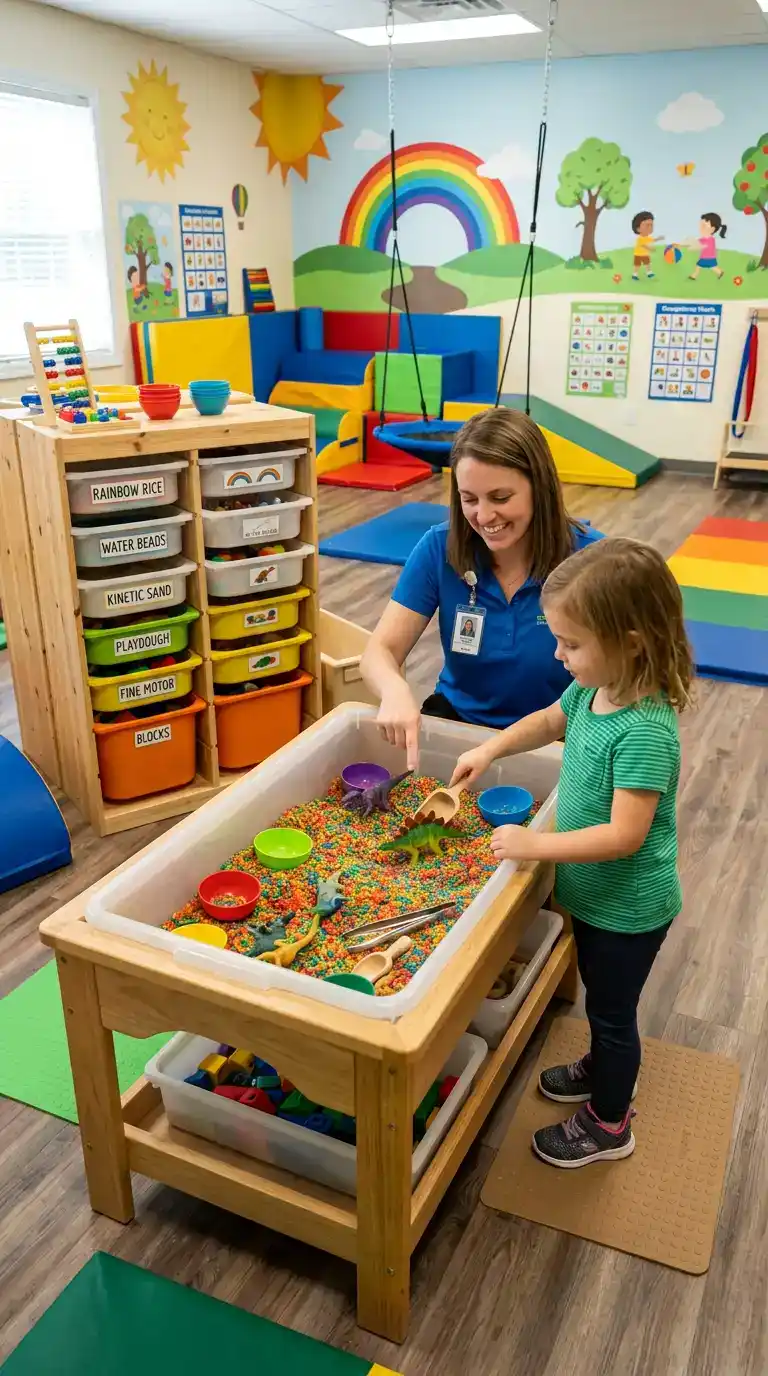
Sensory bins are containers filled with materials like rice, beans, sand, water beads, or dry pasta, along with scoops, tweezers, and small hidden objects. Children explore the bin by scooping, pouring, digging, and finding hidden items. This activity provides tactile input that can be calming or alerting depending on the child’s sensory needs. It also builds fine motor skills, visual scanning, and attention. Sensory bins can be themed to match a child’s interests (dinosaurs, ocean, farm).
6. Handwriting Without Tears Activities
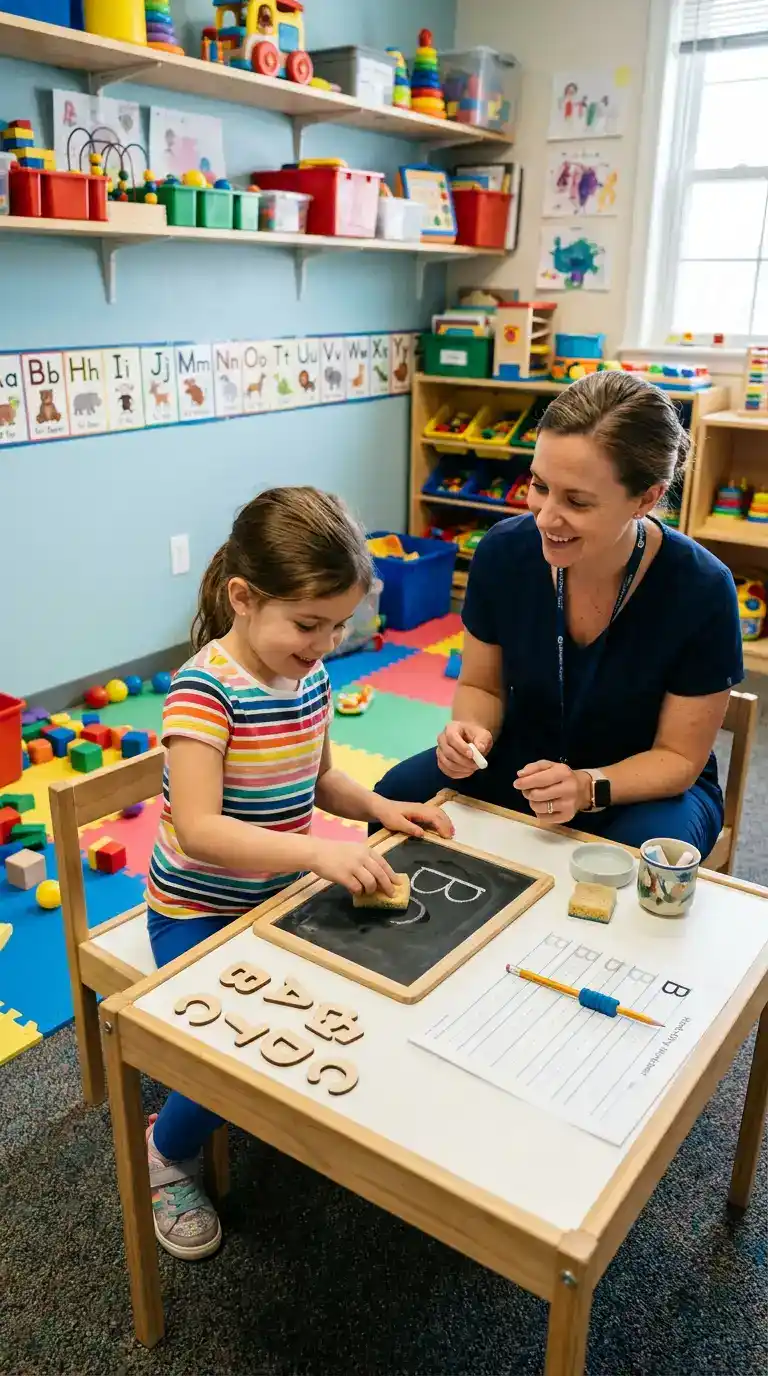
The Handwriting Without Tears program uses multisensory techniques to teach pre-writing and handwriting skills. Activities include building letters with wood pieces, tracing in a salt tray, using a wet-dry-try slate, and practicing on double-lined paper. These activities build fine motor control, visual-motor integration, letter recognition, and proper pencil grip. The program is developmentally sequenced and uses consistent language for letter formation.
7. Obstacle Course for Motor Planning
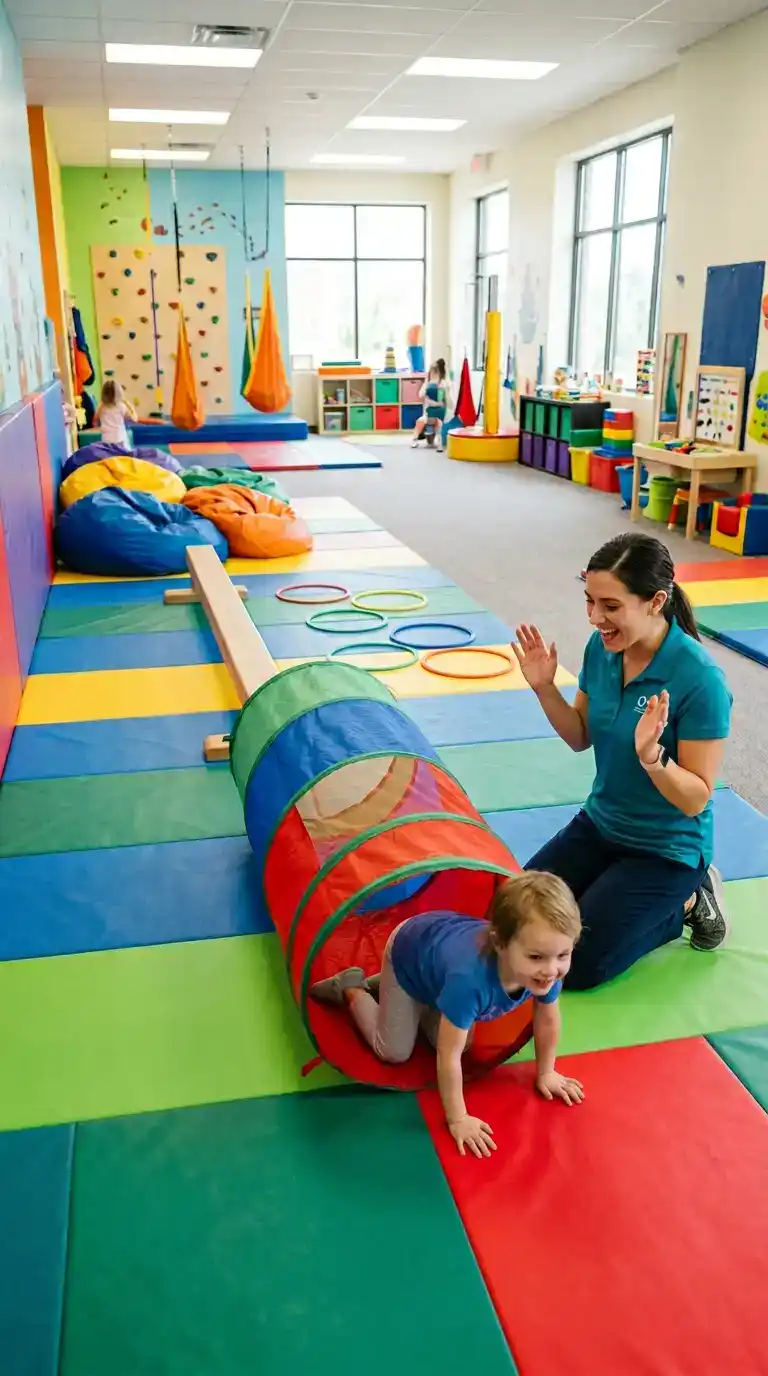
An obstacle course requires children to sequence multiple motor actions, plan movements, and adapt to changing sensory input. Set up stations for crawling through a tunnel, walking on a balance beam, jumping over pillows, hopping into hoops, and crashing into a beanbag pile. This activity builds motor planning, sequencing, bilateral coordination, balance, and sensory regulation. It is also excellent for children with dyspraxia or motor coordination difficulties.
8. Self-Care Dressing Practice
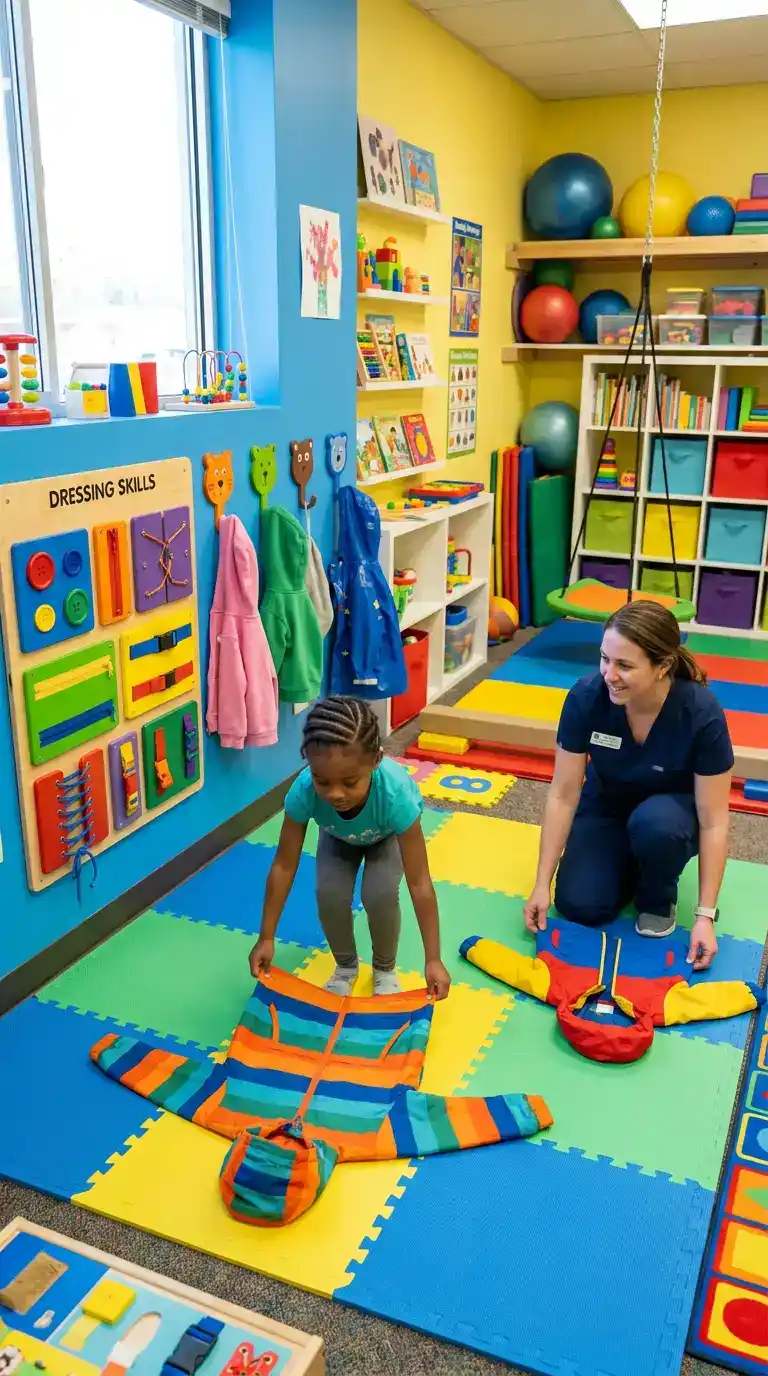
Teaching dressing skills builds independence, bilateral coordination, fine motor skills, and body awareness. Practice putting on jackets using the coat flip method (laying the jacket on the floor, standing at the hood end, flipping over the head), buttoning, zipping, snapping, and tying. Use adaptive dressing tools like button hooks or zipper pulls as needed. This activity directly supports daily living skills for home and school success.
Conclusion
Pediatric occupational therapy activities are designed to be fun, engaging, and play-based while targeting specific developmental domains. These eight activities—playdough strengthening, bead stringing, animal walks, scissor skills, sensory bin exploration, handwriting practice, obstacle courses, and dressing practice—address fine motor skills, sensory processing, visual-motor integration, gross motor coordination, and self-care independence. By grading activities to each child’s developmental level and following the child’s interests, occupational therapists help children build the foundational skills they need for success at home, at school, and in the community.