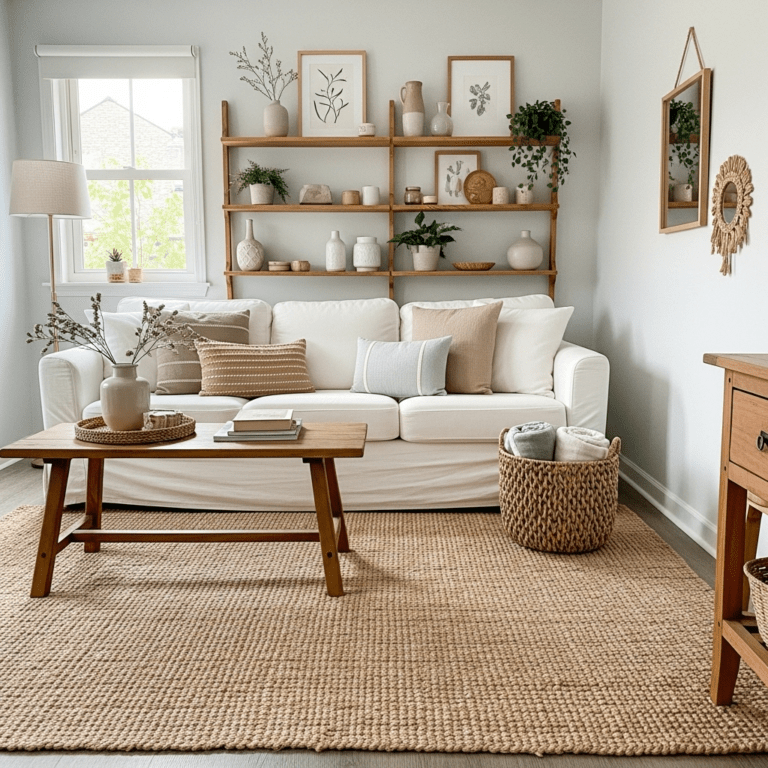
13 Small Living Room with Dining Table Designs
Small living room with dining table designs require a masterful use of zoning to ensure both areas function without feeling cramped. In a shared space, the key is to use furniture as “invisible walls”—using the orientation of a sofa or the shape of a table to define where eating ends and relaxing begins. By prioritizing slim-profile furniture and utilizing corners, you can create a high-functioning great room that accommodates both dinner parties and movie nights. Here are 13 designs to help you integrate a dining area into your small lounge.
See also: 14 Small Rectangular Living Room Layouts
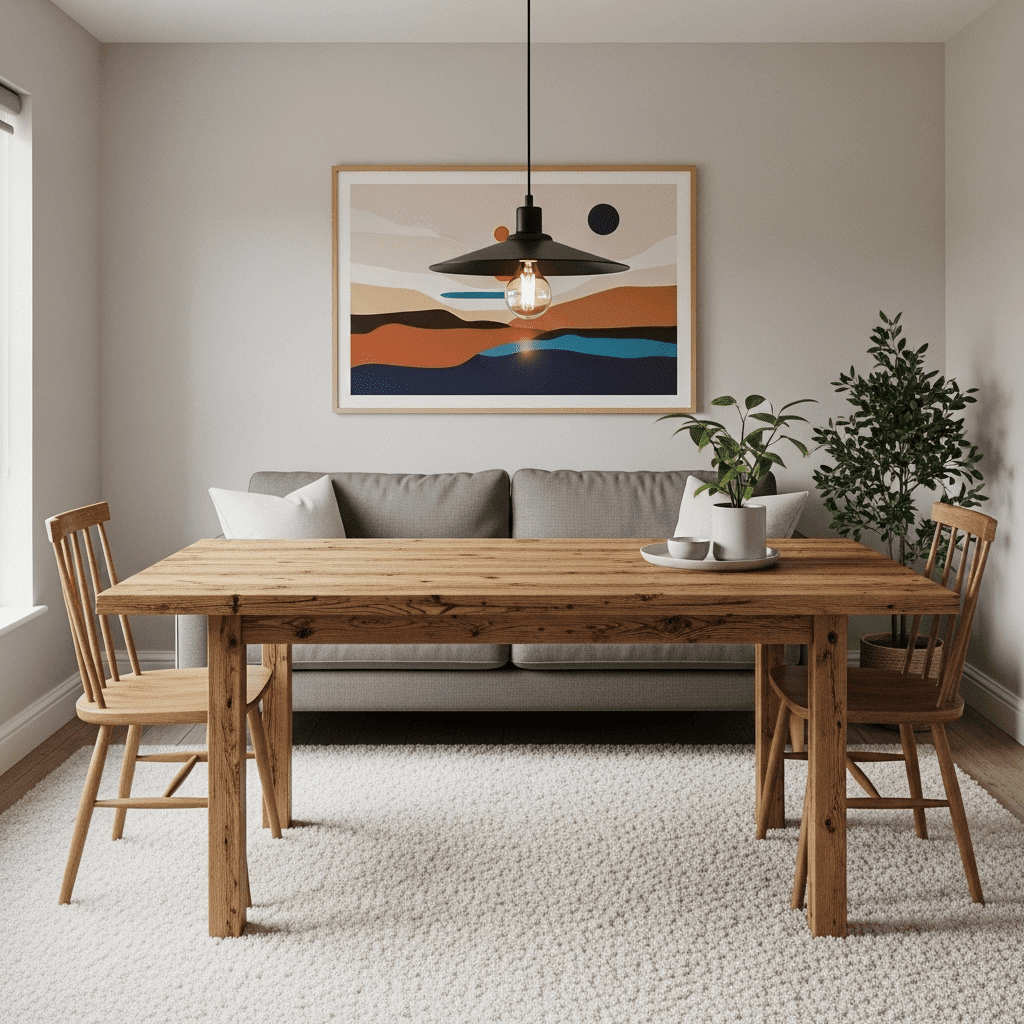
1. The Sofa-Back Dining Anchor
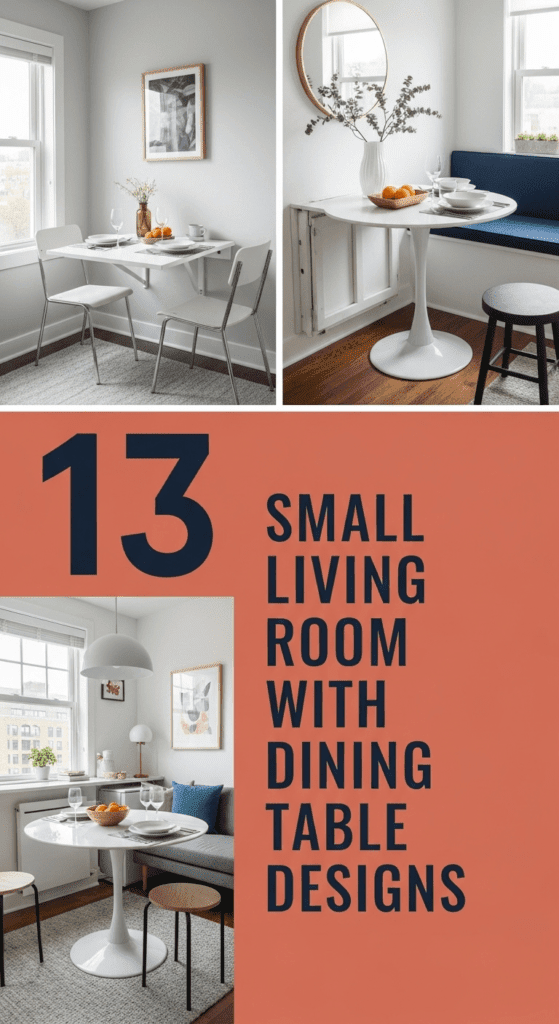
Position a slim rectangular dining table directly behind the back of your sofa. This creates a “hallway” effect and allows the sofa to act as a room divider, clearly separating the two functional zones.
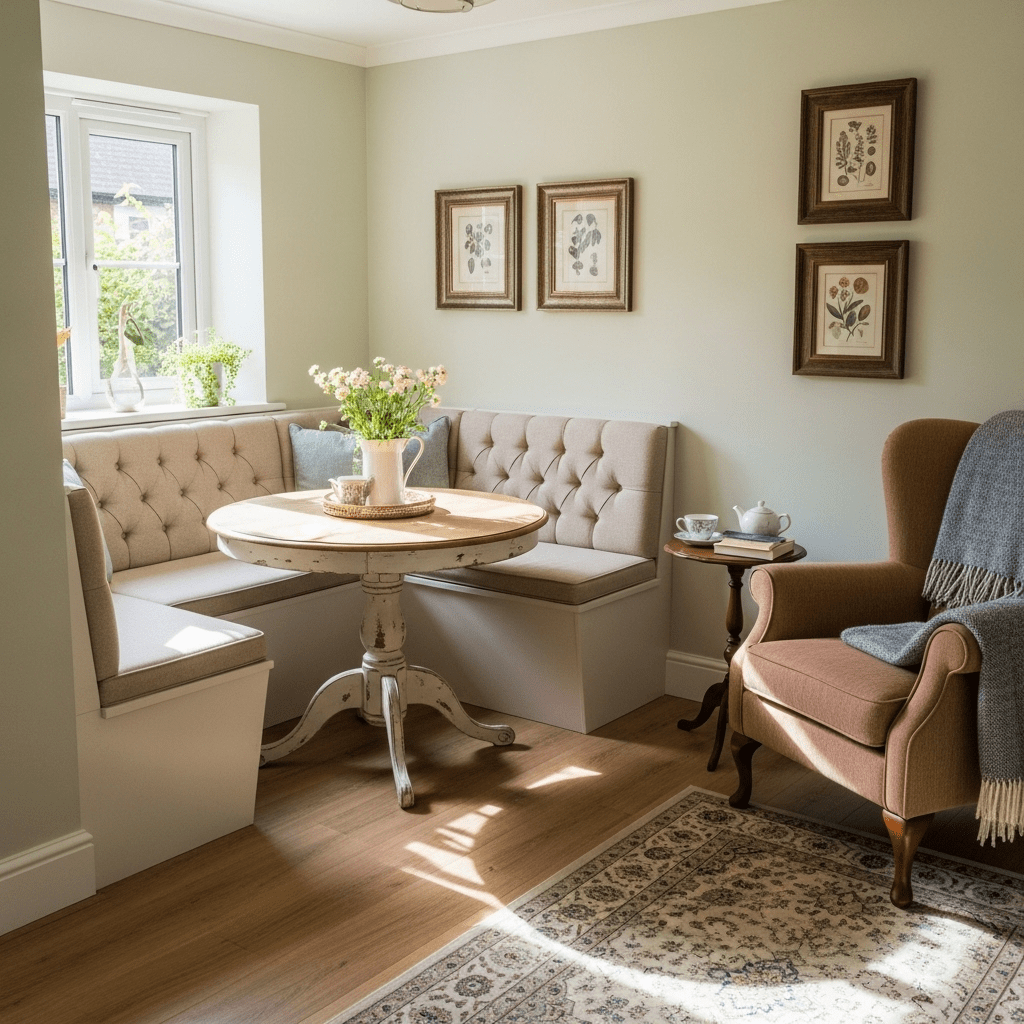
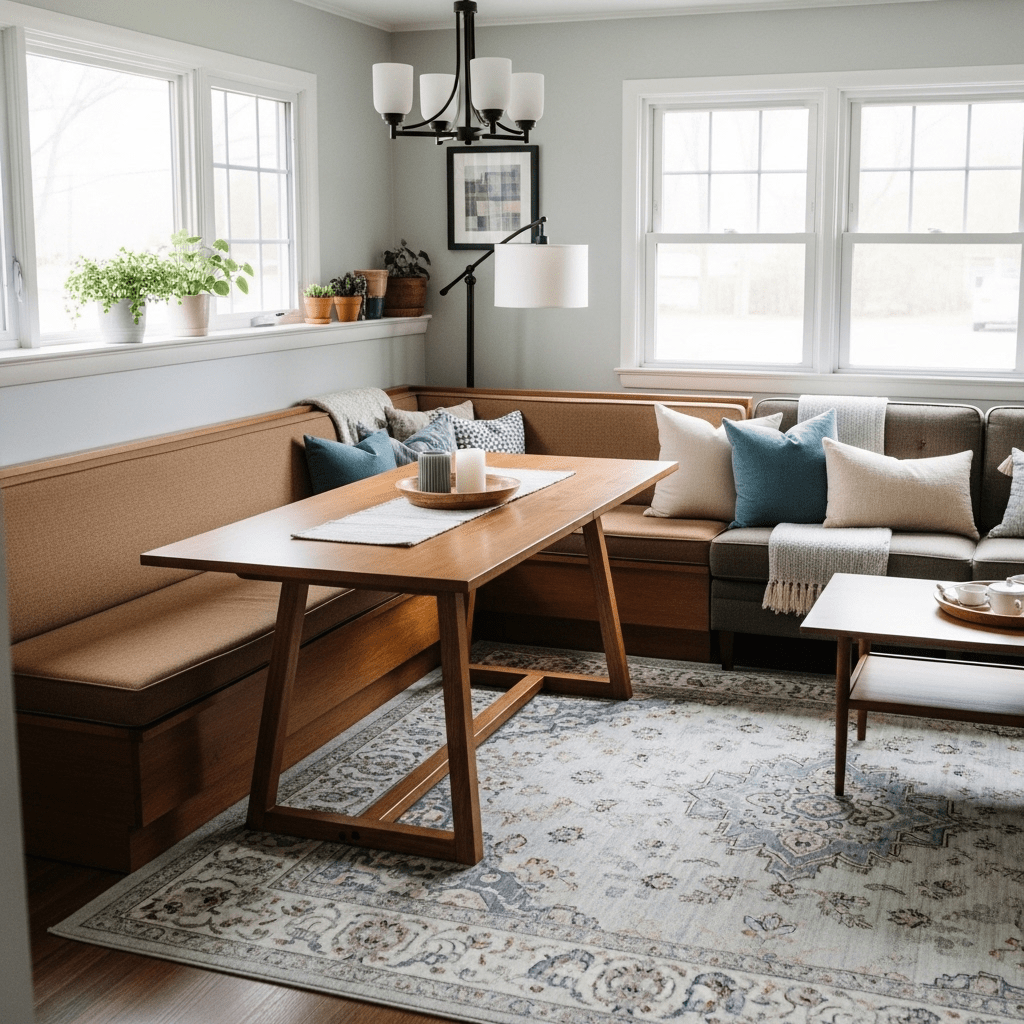
2. The Corner Banquet Nook
Replace two dining chairs with an L-shaped built-in bench tucked into a corner. This “booth” style saves significant floor space by allowing the table to sit much closer to the wall.
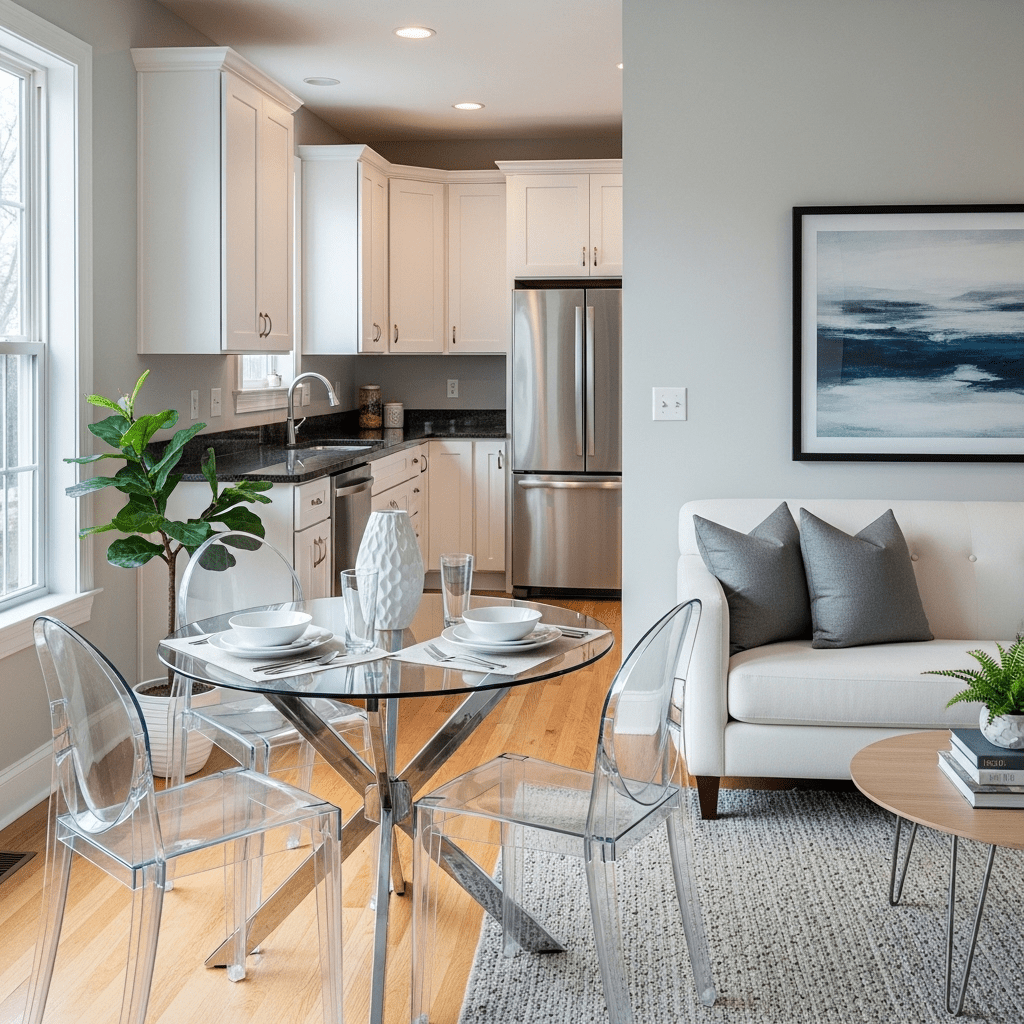
3. The Transparent “Ghost” Zone
Use a glass-topped table and clear acrylic chairs. Because the set is transparent, it occupies zero “visual space,” allowing the living room and kitchen to feel completely open and unobstructed.
See also: 16 Couch Designs for Small Living Room
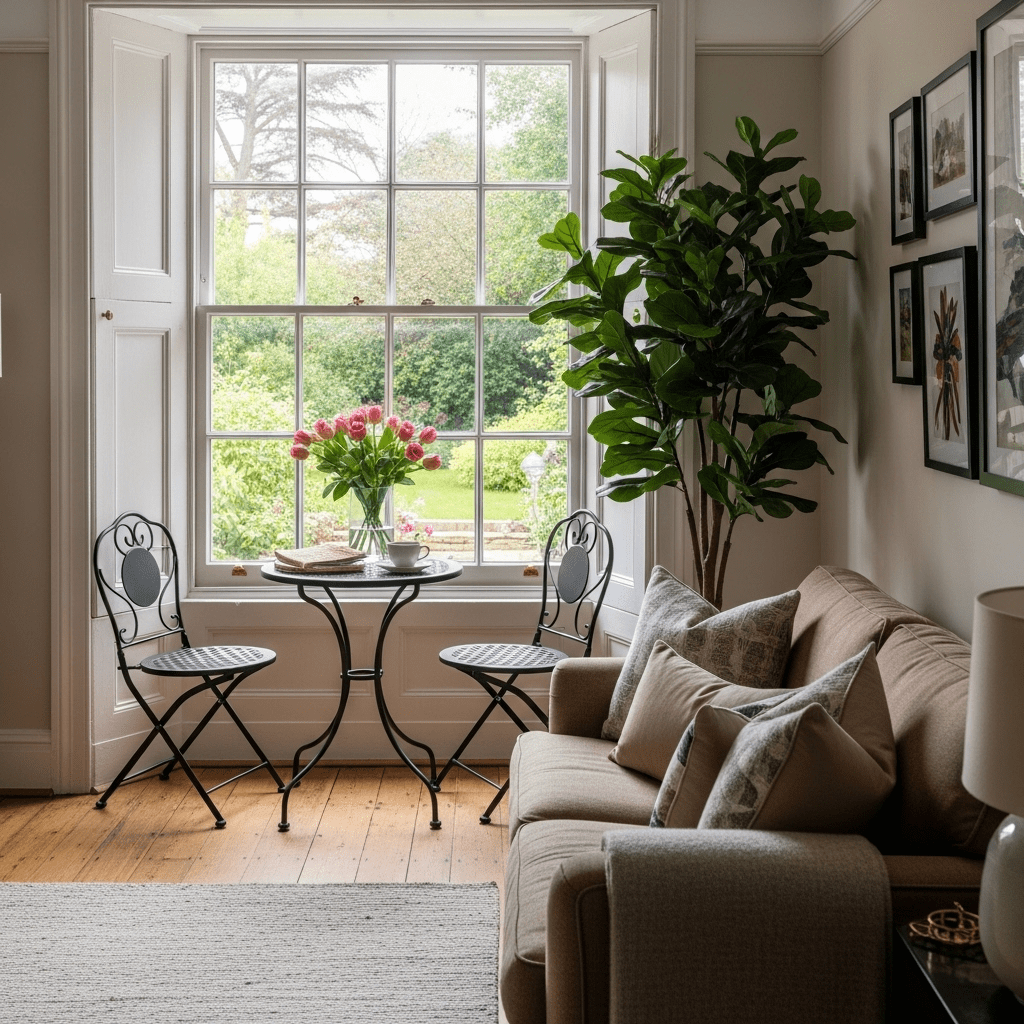
4. The Bistro Window Perch
Place a small, round bistro table right in front of a window. This utilizes a space that is often left empty and provides a scenic spot for meals without encroaching on the main living area.
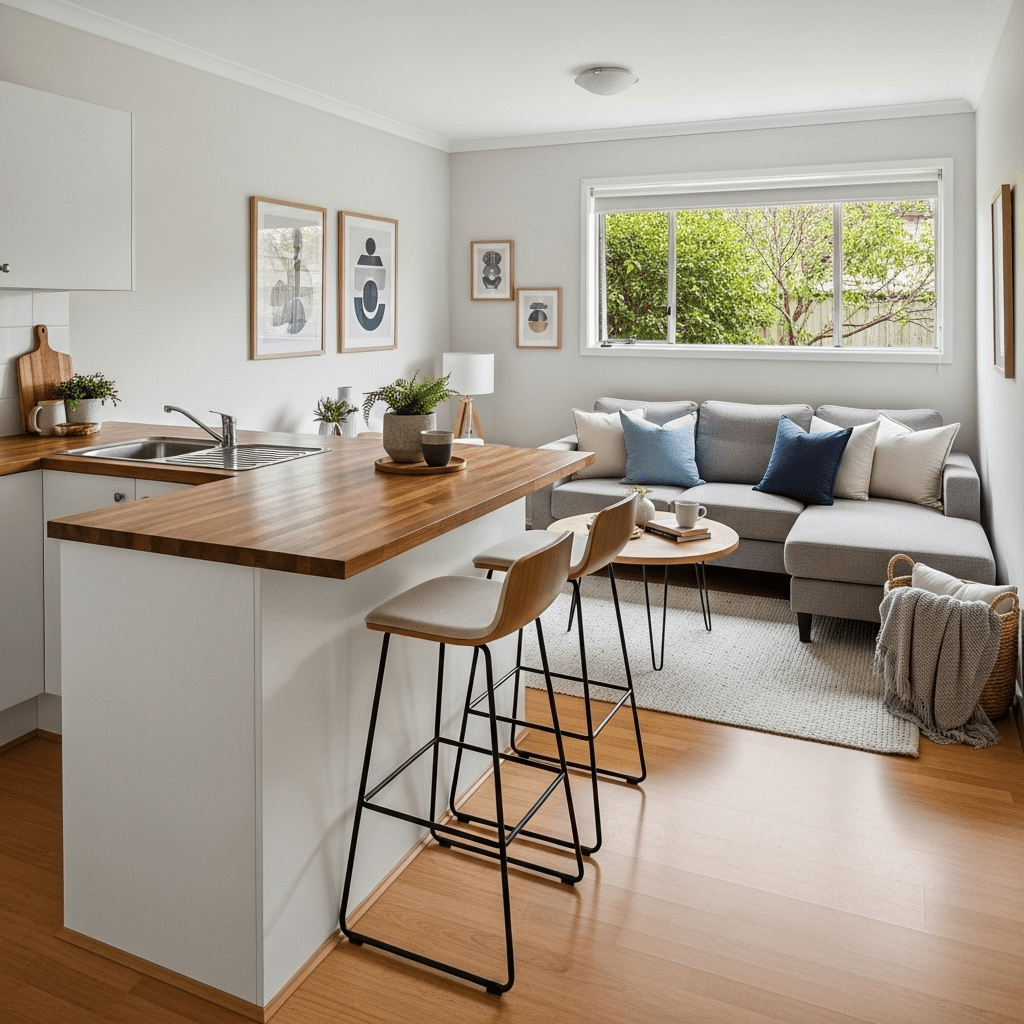
5. The Multi-Functional Peninsula Extension
If your kitchen has a peninsula, extend the countertop or add a lower-level table attached to it. This creates a dining zone that feels like a natural architectural extension rather than a separate piece of furniture.
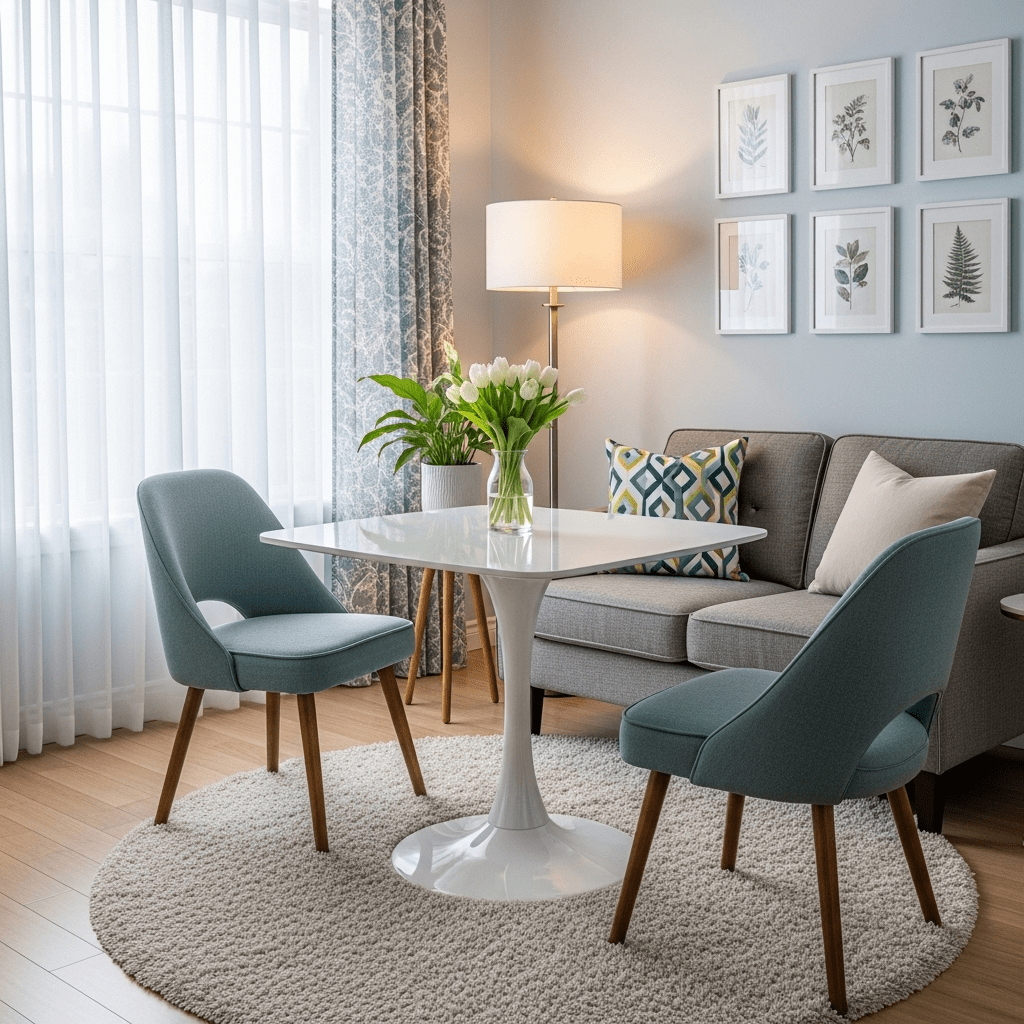
6. The Round Pedestal Path
Choose a round pedestal table instead of a rectangular one with four legs. The central base makes it easier to navigate around in a small room and allows for flexible seating for guests.
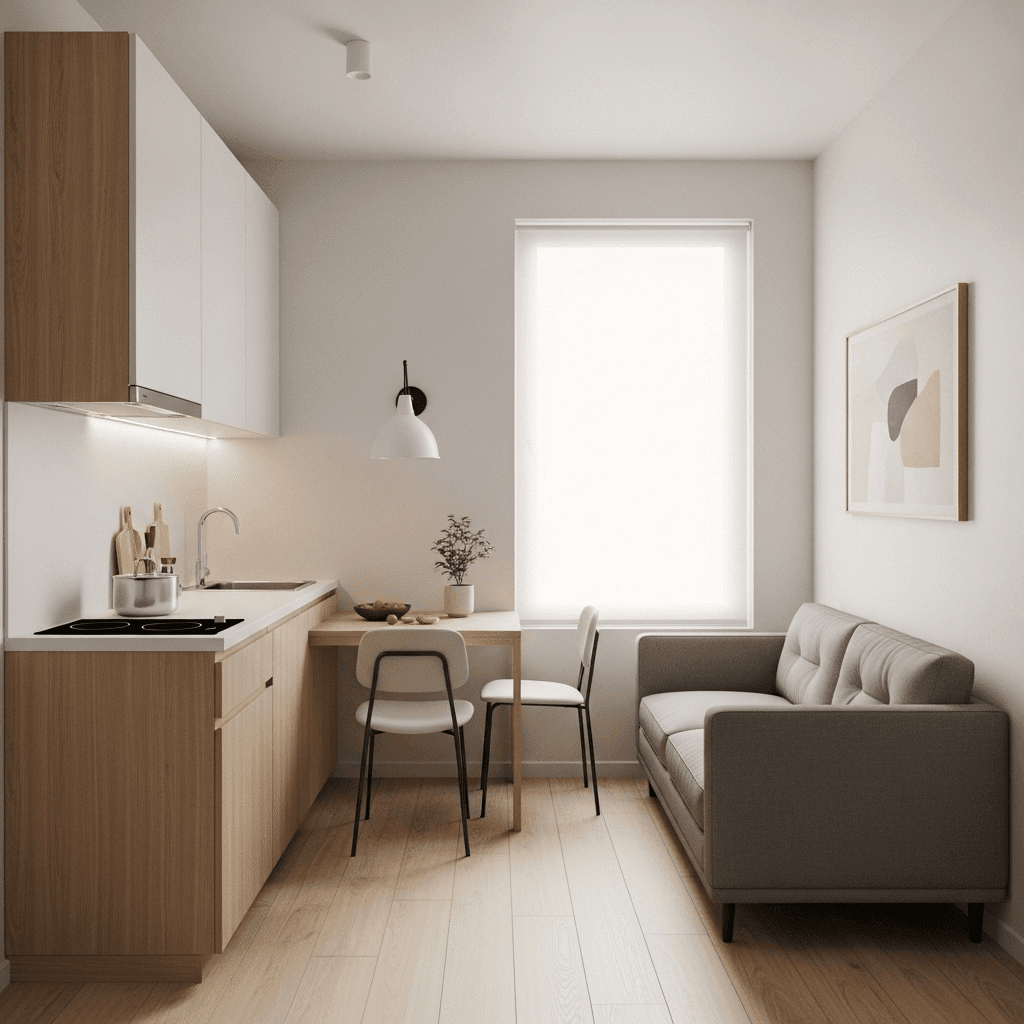
7. The Linear Wall Line-Up
In a narrow apartment, line up the kitchen, dining table, and sofa against one long wall. This keeps the opposite side of the room clear for walking, creating a “galley” flow.
8. Zoning with Area Rugs
Place a distinct rug under the living room furniture and leave the dining area on the bare floor (or use a different texture). This creates a visual “island” for the lounge area.
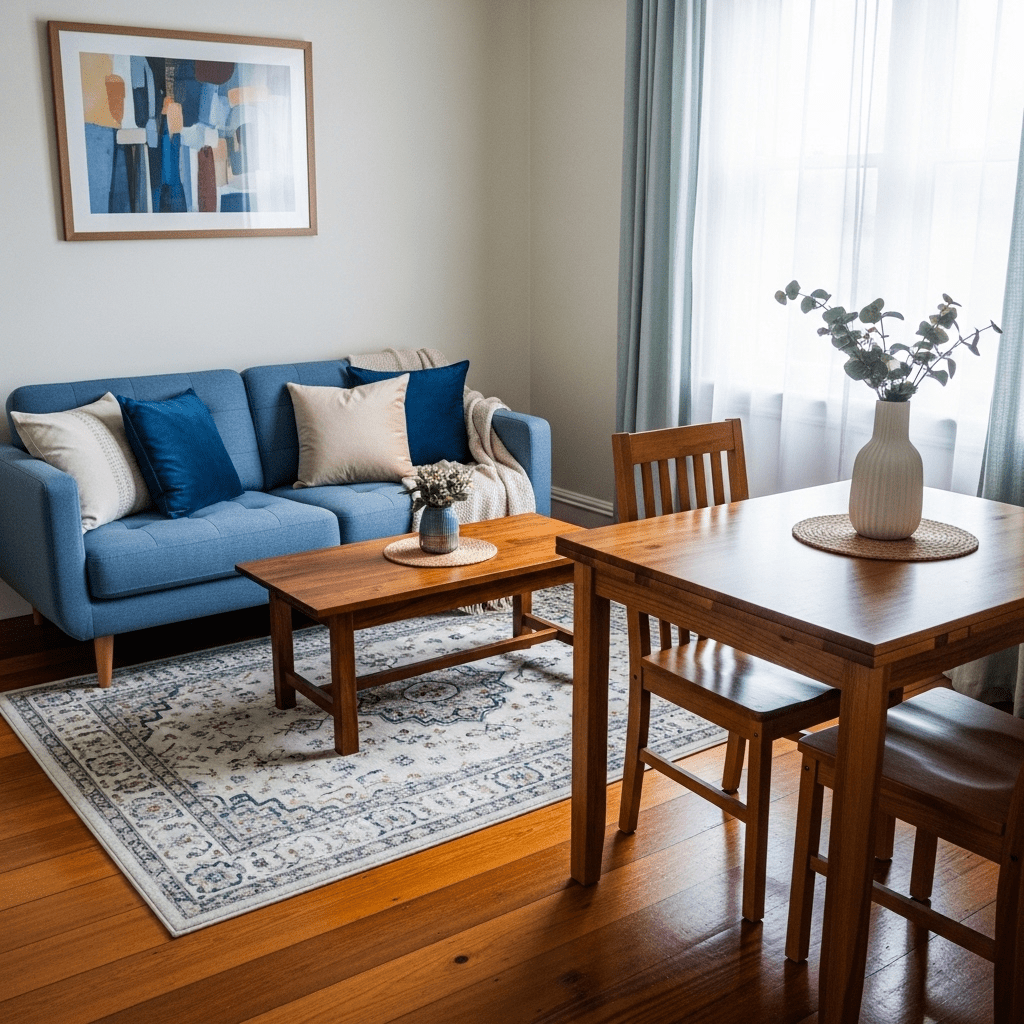
9. The Drop-Leaf Space Saver
Use a drop-leaf table that can be pushed against a wall when not in use. This allows you to expand the table for dinner guests while keeping the room open for daily living.
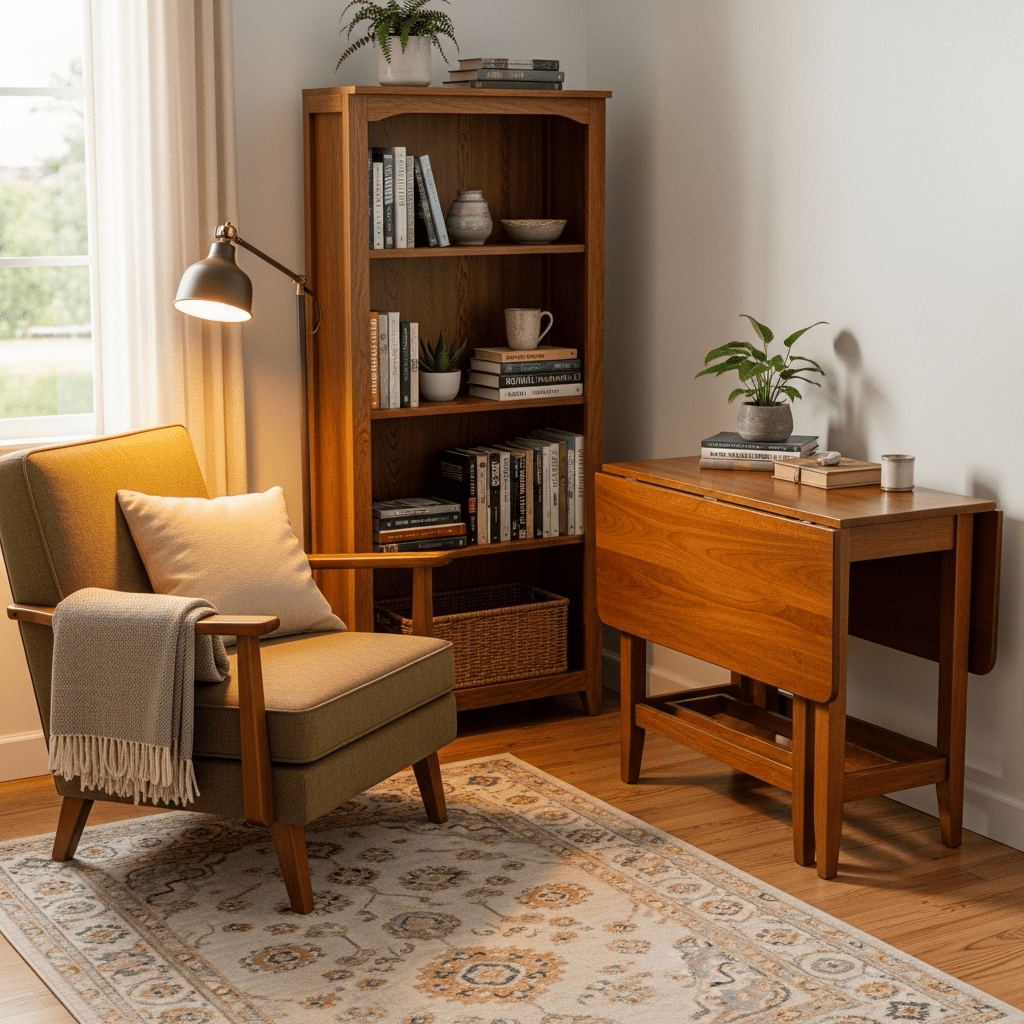
10. The Library Dining Hybrid
Surround your dining table with bookshelves. This makes the dining area feel like a sophisticated library nook, helping it blend seamlessly into the “living” part of the room.
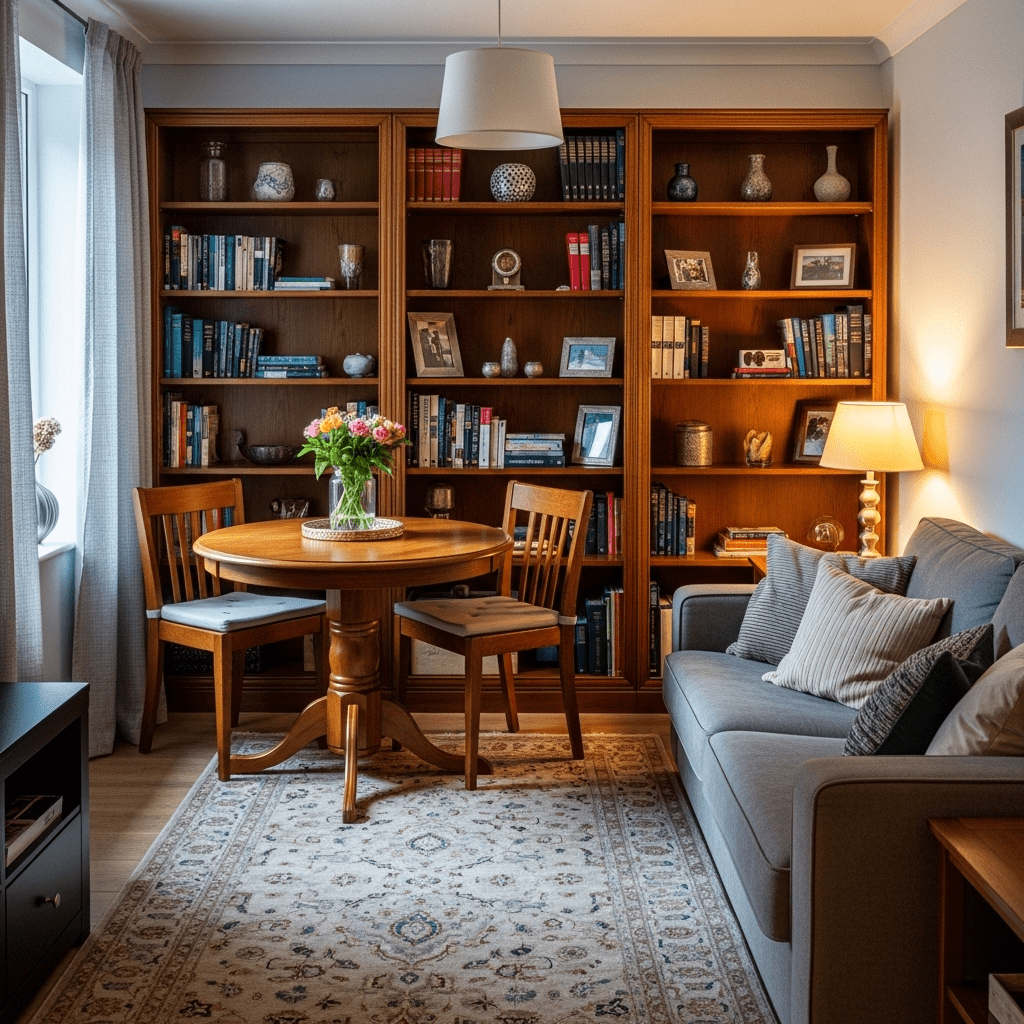
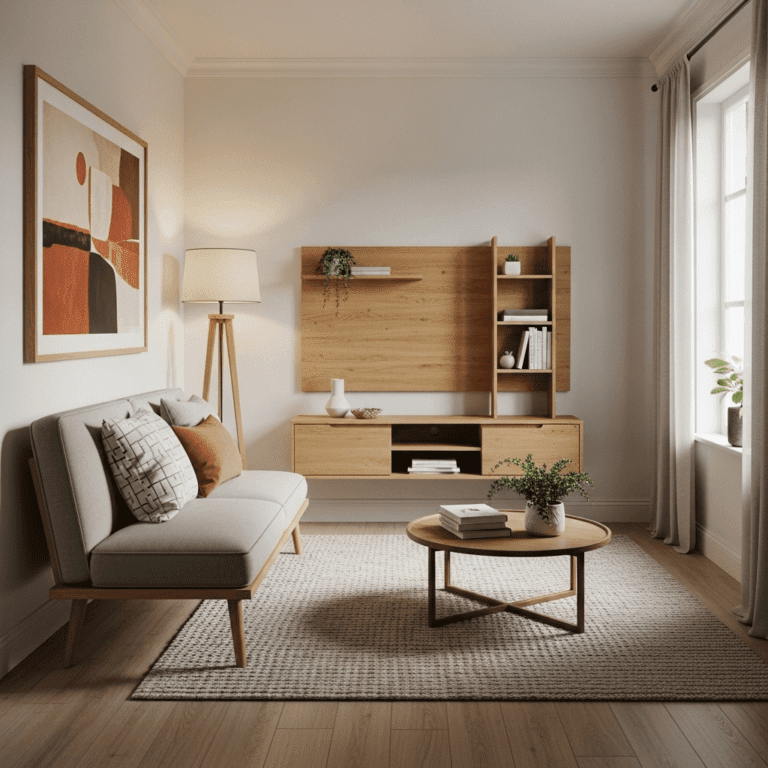
11. Low-Profile Scandi Minimalist
Use a dining set with a low back and slim legs. Lowering the visual “horizon” of the dining furniture ensures that it doesn’t block the view of the living room or window.
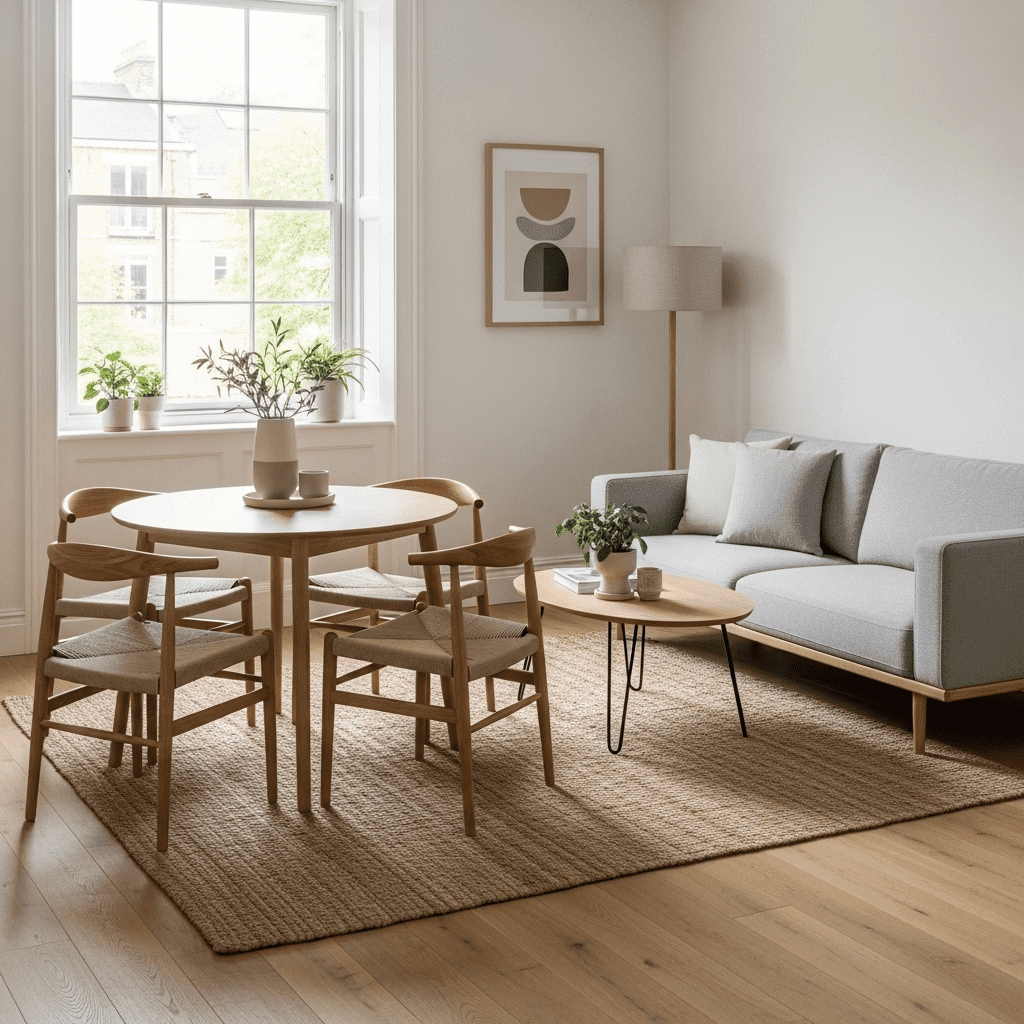
12. The Bench-to-Sofa Flow
Use a long upholstered bench against one wall that serves as seating for the dining table on one end and transitions into a decorative ledge or seating for the lounge on the other.
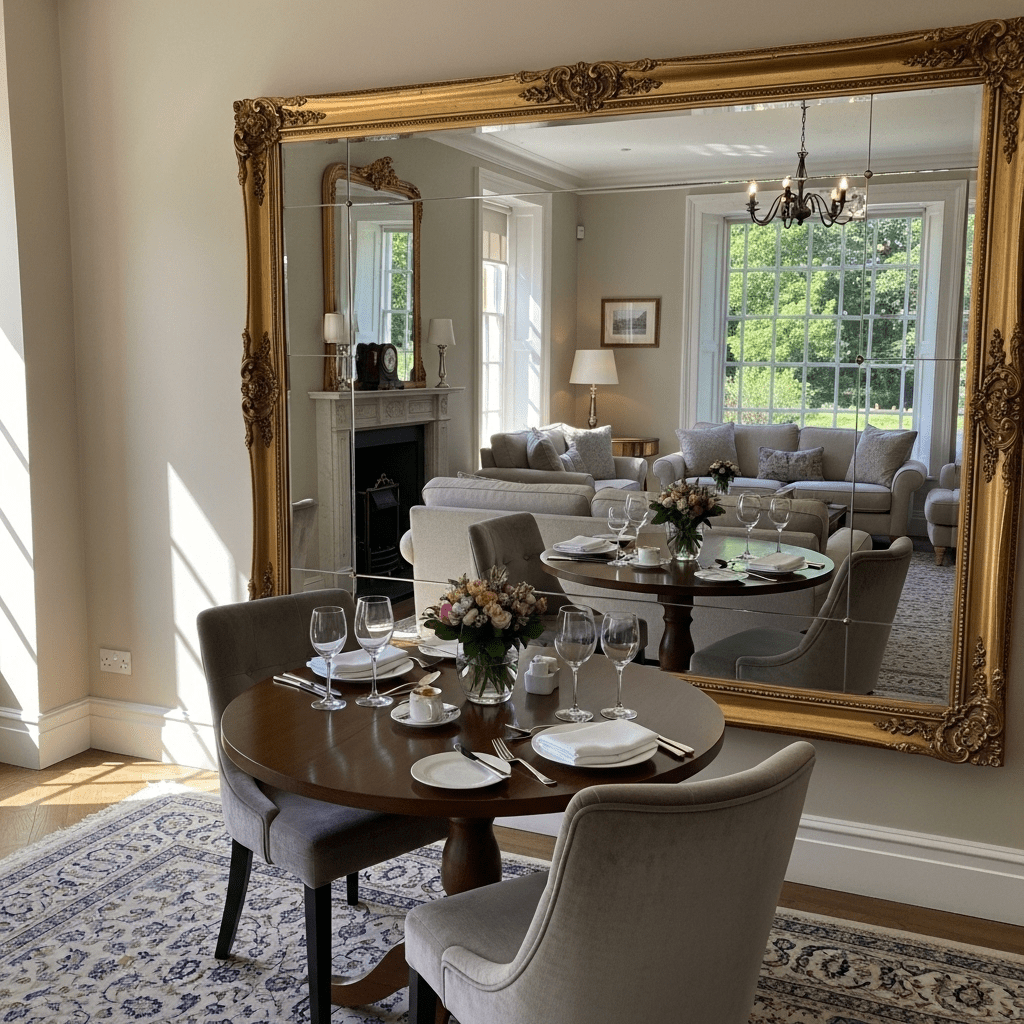
13. The Mirror-Reflected Dining Wall
Hang a large mirror on the wall behind the dining table. This reflects the rest of the living room, making the dining “nook” feel twice as deep and much brighter.
Conclusion
Designing a combined living and dining space is all about the balance of “scale.” By selecting furniture that allows for clear walking paths and using visual cues like rugs or lighting to define zones, you can create a room that feels organized and spacious. Focus on round shapes and leggy furniture to keep the floor plan feeling airy and easy to move through.