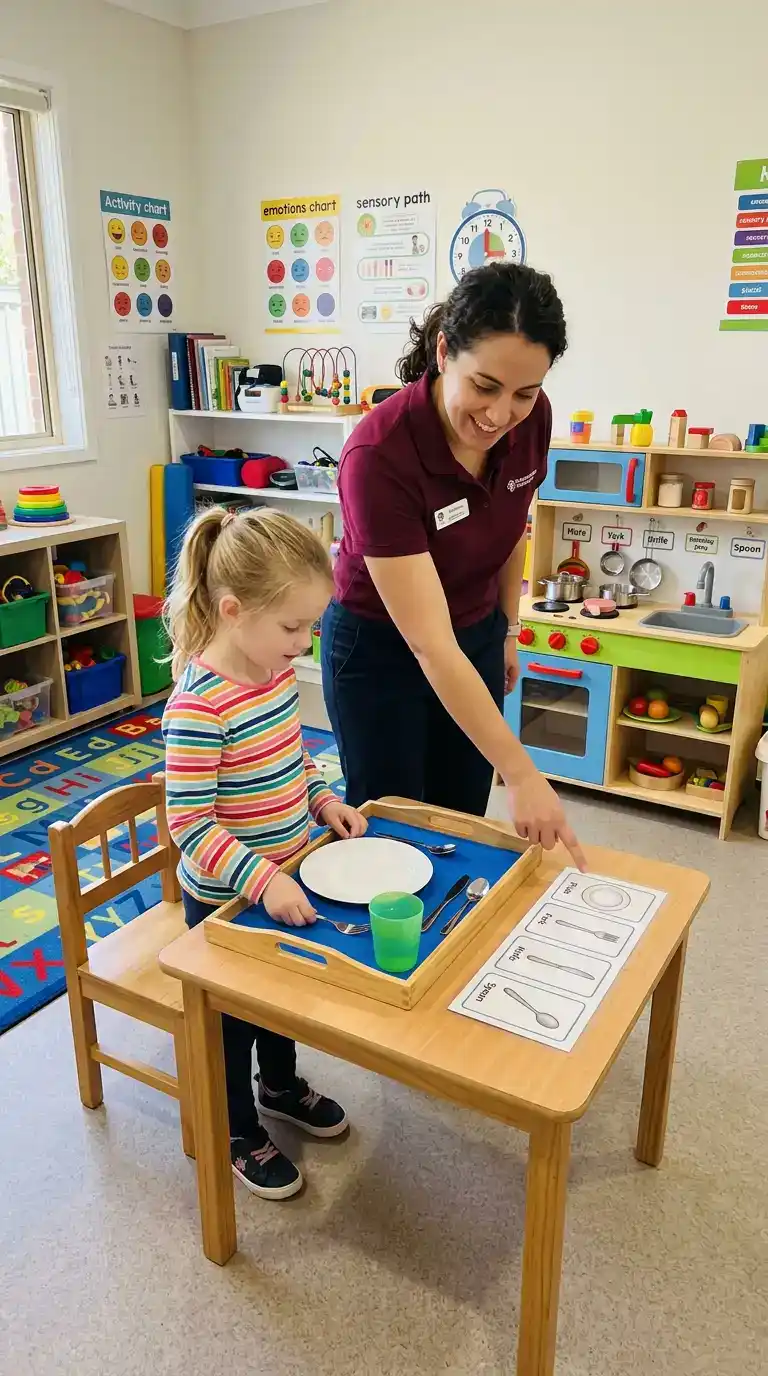
18 Free Printable Coloring Pages Mandala Art Therapy
Mandala coloring has become a widely recognized tool in art therapy for reducing stress, improving focus, and promoting emotional regulation. The word “mandala” comes from Sanskrit meaning “circle,” and these circular geometric designs represent wholeness, balance, and the universe. Coloring mandalas engages both hemispheres of the brain, inducing a meditative state similar to mindfulness practice. For children and adults alike, mandala coloring can calm anxiety, improve fine motor skills, and provide a creative outlet for self-expression. Here are eighteen free printable mandala coloring pages organized by theme and difficulty level. Each can be printed at home or in a therapy setting.
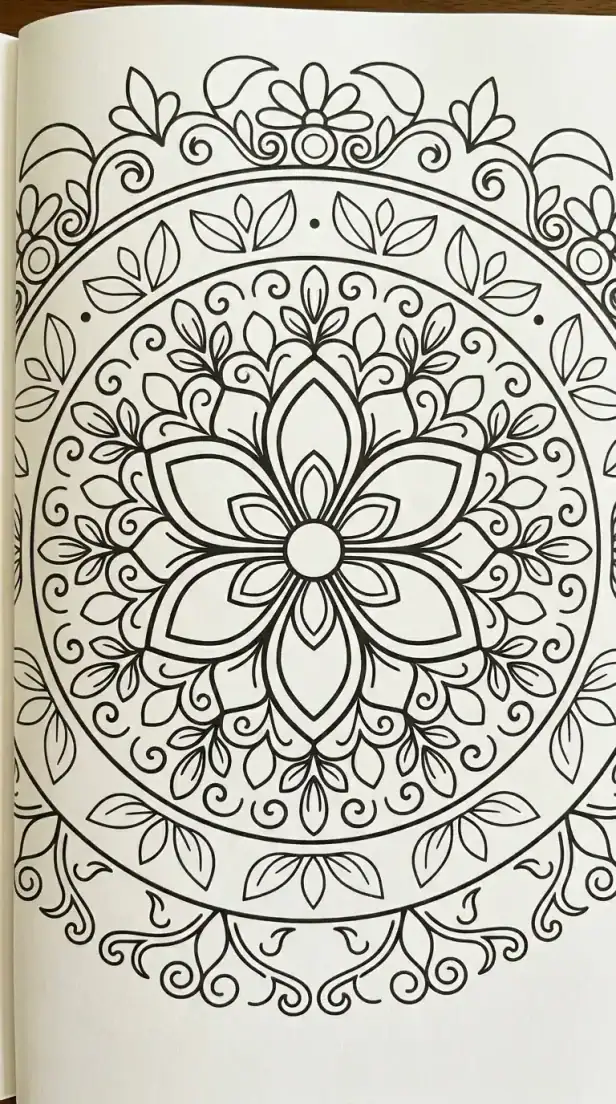
1. Simple Floral Mandala for Beginners
This beginner-friendly mandala features a central flower with six petals, surrounded by simple circular patterns. The open spaces are large and easy to color, making it ideal for young children, seniors, or anyone new to mandala coloring. Use bright, cheerful colors like yellow, pink, and orange to make the flower pop.
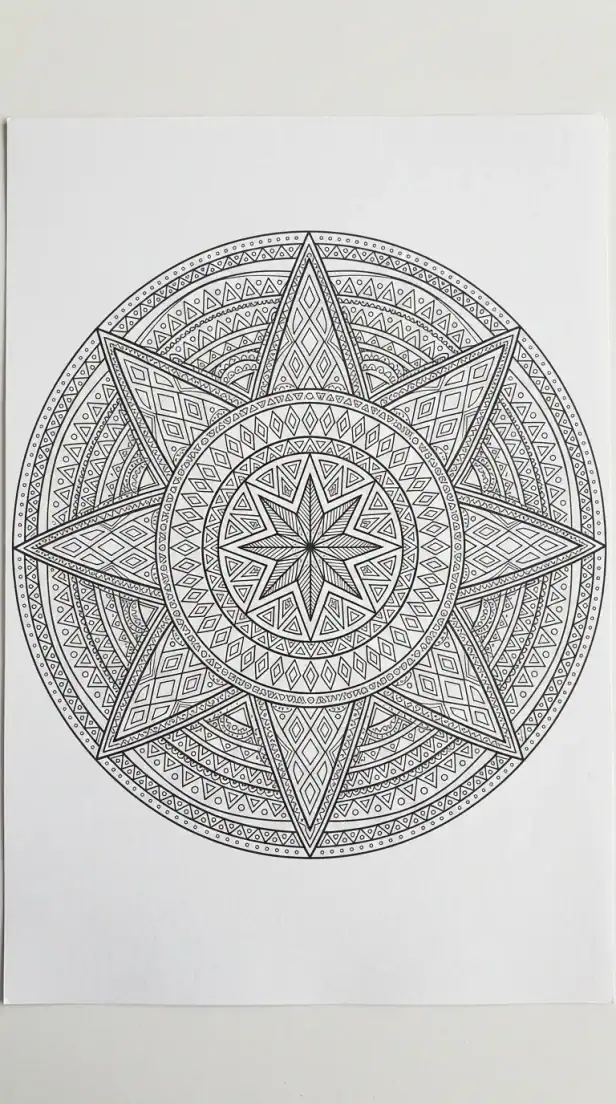
2. Symmetrical Star Mandala
This mandala features an eight-pointed star at its center with repeating geometric shapes radiating in perfect symmetry. The design includes diamonds, triangles, and small circles. This intermediate level mandala is excellent for practicing color symmetry and pattern repetition. Use contrasting colors on alternating sections for a vibrant stained-glass effect.
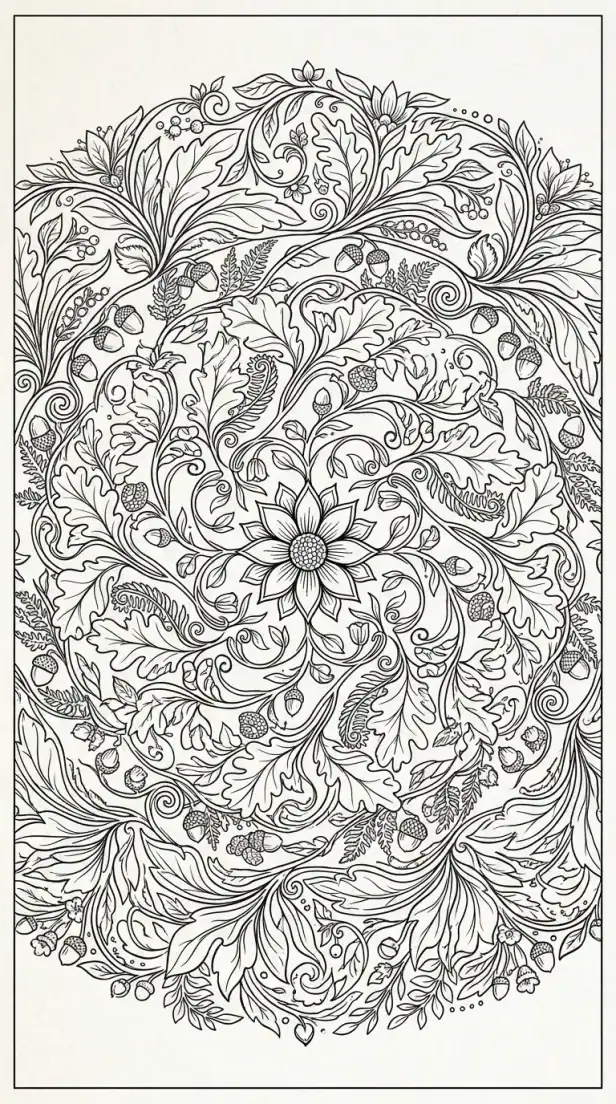
3. Nature-Inspired Leaf Mandala
Bring the outdoors in with this nature-inspired mandala featuring leaves, vines, and acorns arranged in a circular pattern. The organic shapes offer a different feel from geometric mandalas. This design is perfect for those who prefer natural, flowing forms. Use earthy greens, browns, and golds to enhance the woodland theme.
4. Spiral Mandala for Relaxation
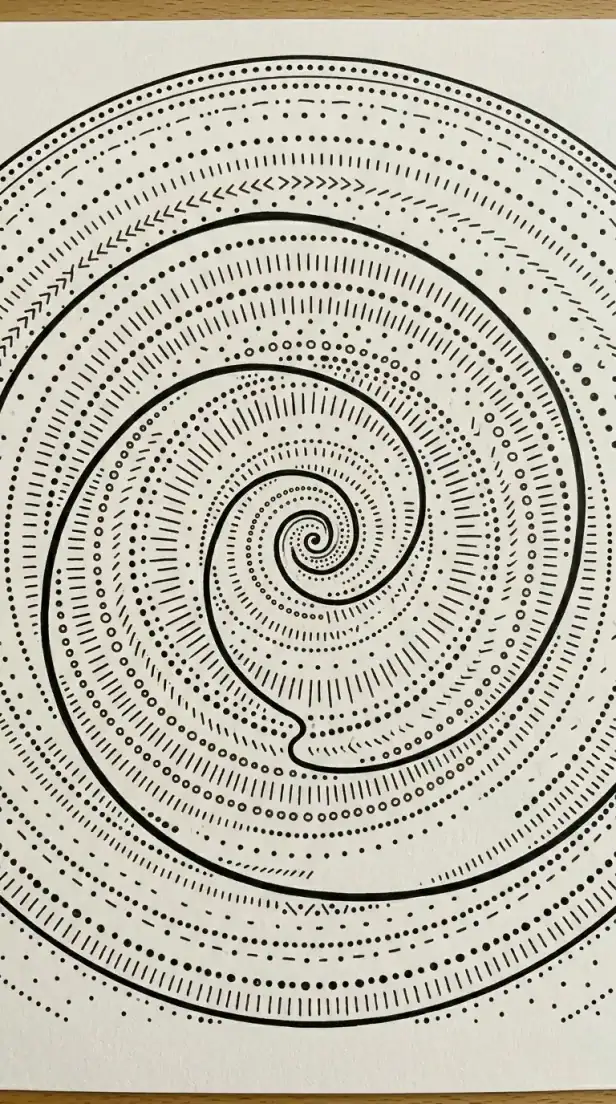
The spiral is a powerful symbol of personal growth, journey, and life cycles. This mandala features a continuous spiral that winds from the center to the outer edge, surrounded by small dots and dashes. Coloring spirals can be particularly meditative, as the repetitive motion induces a calm, focused state. Use a single color or gradient for a subtle effect.
5. Heart Mandala for Self-Compassion
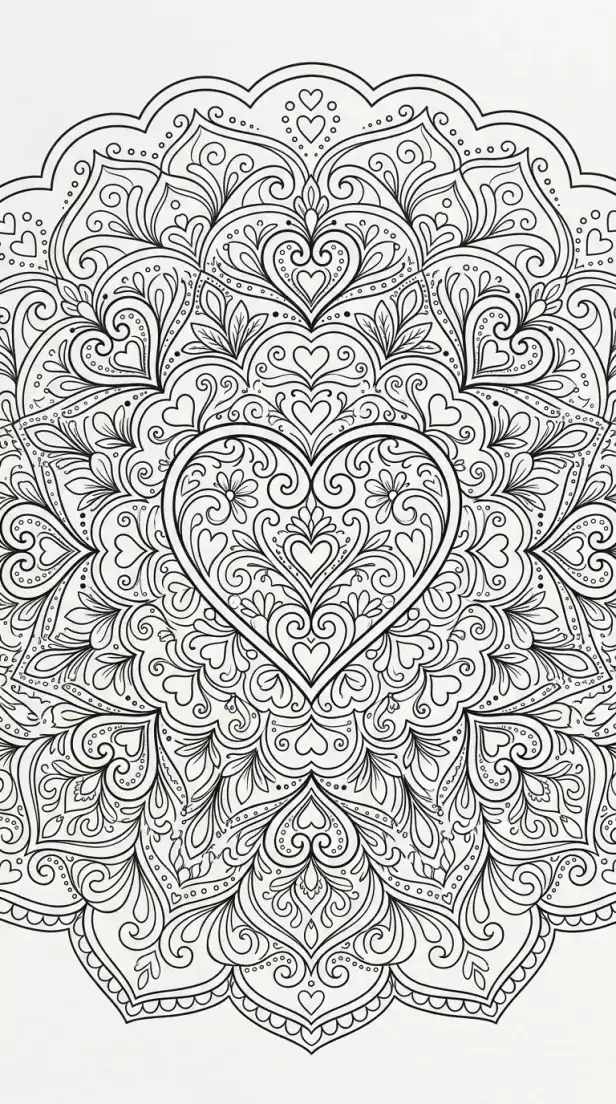
This mandala incorporates hearts of various sizes into the traditional circular design. The center features a large heart surrounded by smaller hearts, petals, and curves. This design is excellent for self-compassion work, grief counseling, or Valentine’s Day activities. Use shades of pink, red, and purple to emphasize the heart theme.
6. Geometric Mandala for Focus
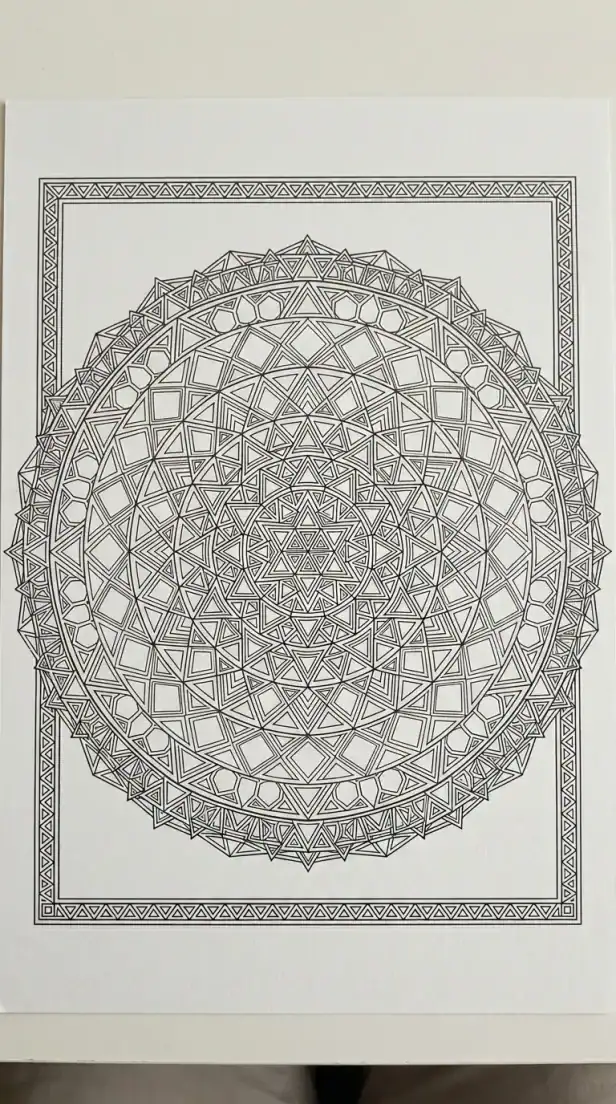
This highly detailed geometric mandala features triangles, squares, and hexagons arranged in precise mathematical symmetry. Coloring this design requires concentration and attention to detail, making it ideal for improving focus and reducing intrusive thoughts. Use cool blues and greens for a calming effect or warm reds and oranges for energizing.
7. Zodiac or Sunburst Mandala
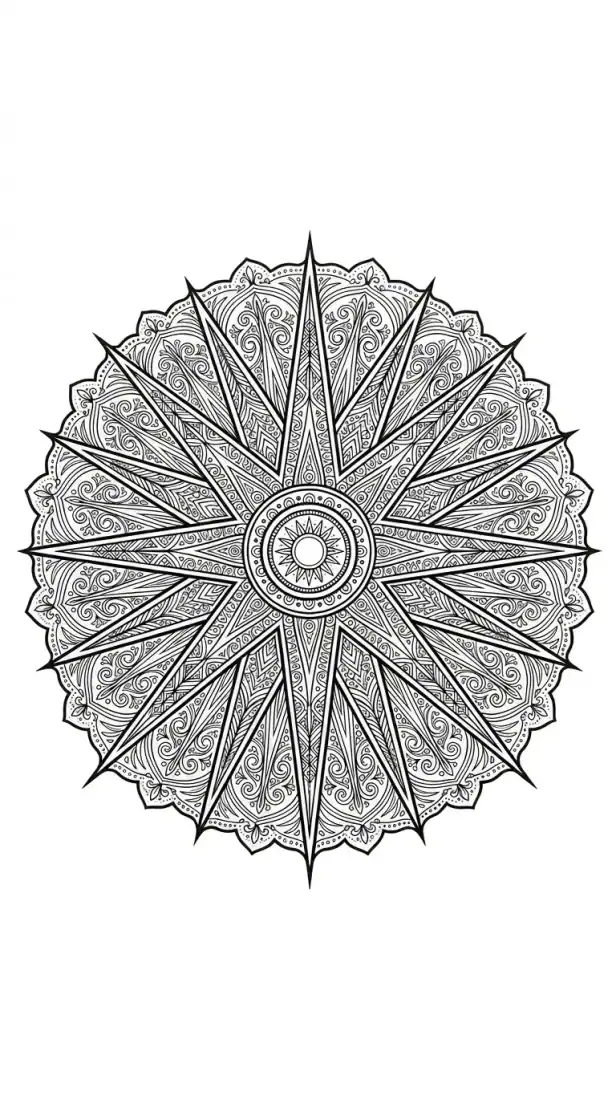
This bold mandala features a radiant sunburst pattern with pointed rays extending outward from a circular center. The alternating long and short rays create a dynamic, energetic feel. This design is perfect for those needing an energy boost or for use in vision boarding and goal-setting activities. Use bright yellows, oranges, and golds.
8. Lotus Flower Mandala
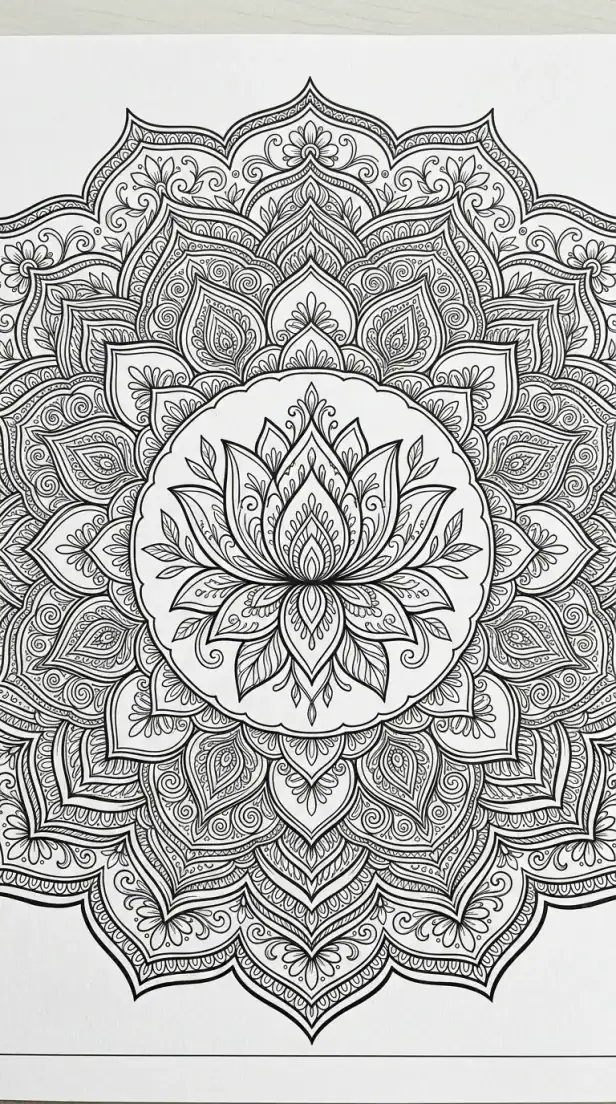
The lotus flower is a powerful symbol of purity, enlightenment, and rebirth in many cultures. This mandala features a blooming lotus at its center with petals unfurling outward in concentric rings. The design includes teardrop shapes and scalloped edges. Use soft pastels for a gentle, spiritual feel or vibrant jewel tones for drama.
9. Complex Circular Labyrinth Mandala
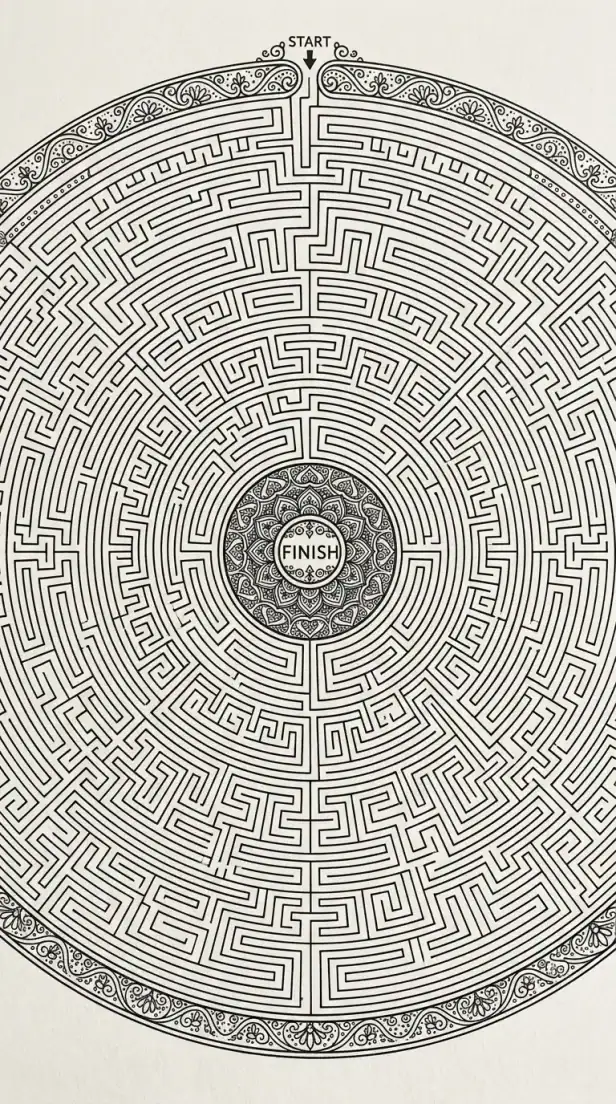
This advanced mandala is actually a single-path labyrinth designed for finger tracing as well as coloring. The circular path winds from the outer edge to the center and back out. Coloring and tracing labyrinths can be a powerful mindfulness practice for reducing anxiety. Take your time with this one, moving methodically from one section to the next.
10. Animal Mandala: Owl Hidden Inside
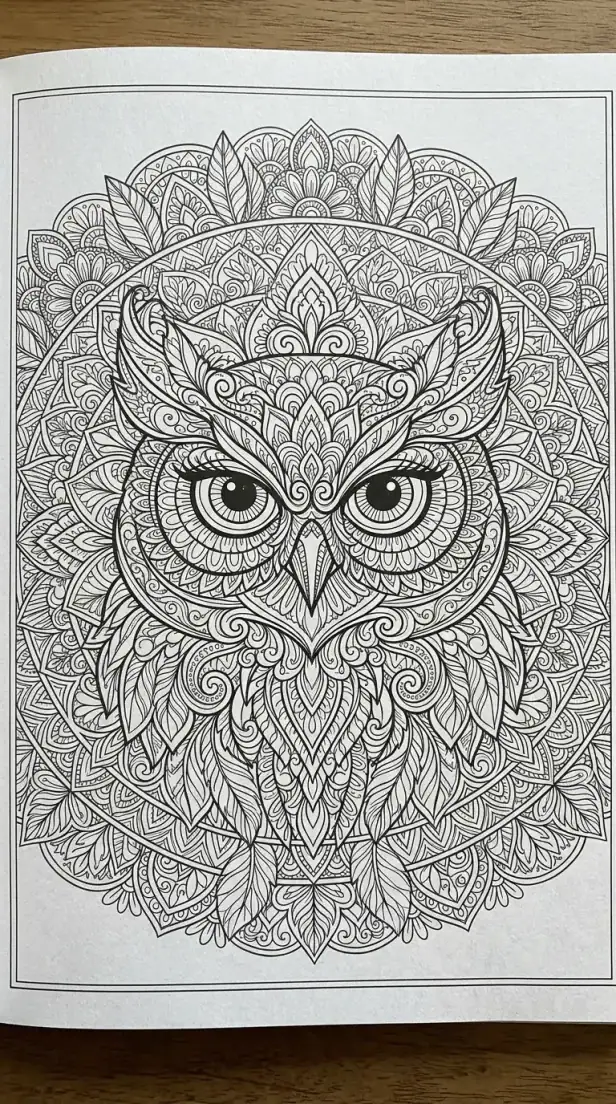
This whimsical mandala has an owl hidden within the circular patterns. The owl’s eyes are at the center, with feathers forming the concentric rings. This type of hidden image mandala is excellent for visual perception and figure-ground skills. Use browns, golds, and creams to make the owl emerge from the pattern.
11. Celtic Knot Mandala
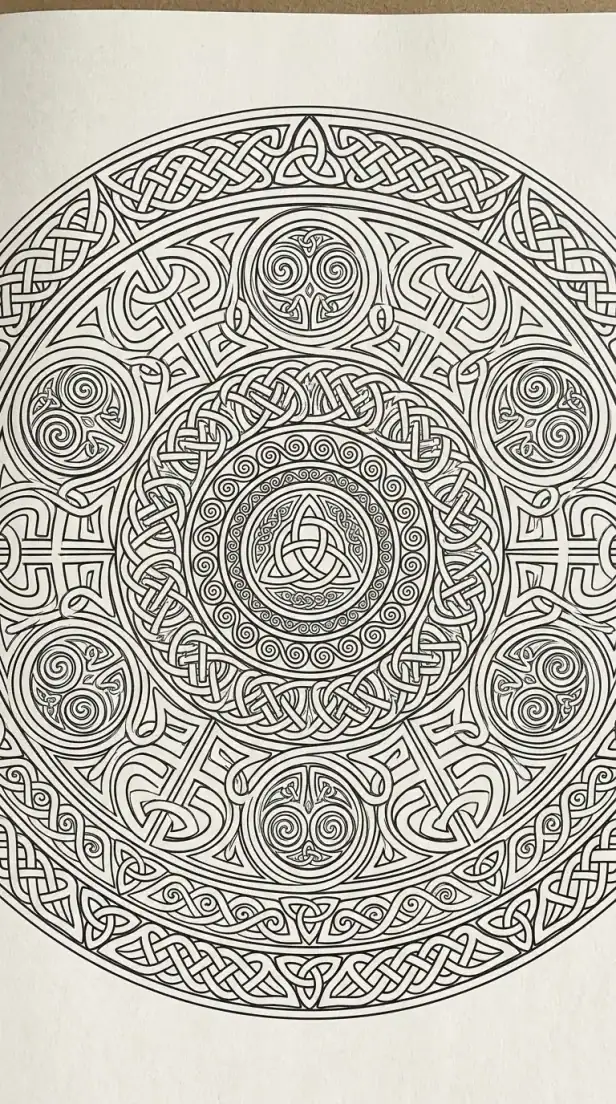
Inspired by Celtic art, this mandala features interlocking knotwork patterns that have no beginning or end. The continuous lines symbolize eternity and connection. Coloring knotwork is excellent for improving fine motor control and attention to detail. Use earth tones like forest green, burgundy, and gold for a traditional Celtic feel.
12. Seasonal Mandala: Autumn Leaves
Celebrate the turning seasons with this autumn-themed mandala featuring oak and maple leaves, acorns, and vine patterns. The warm, organic shapes are perfect for fall counseling sessions or seasonal affective disorder support. Use warm oranges, reds, browns, and golds.
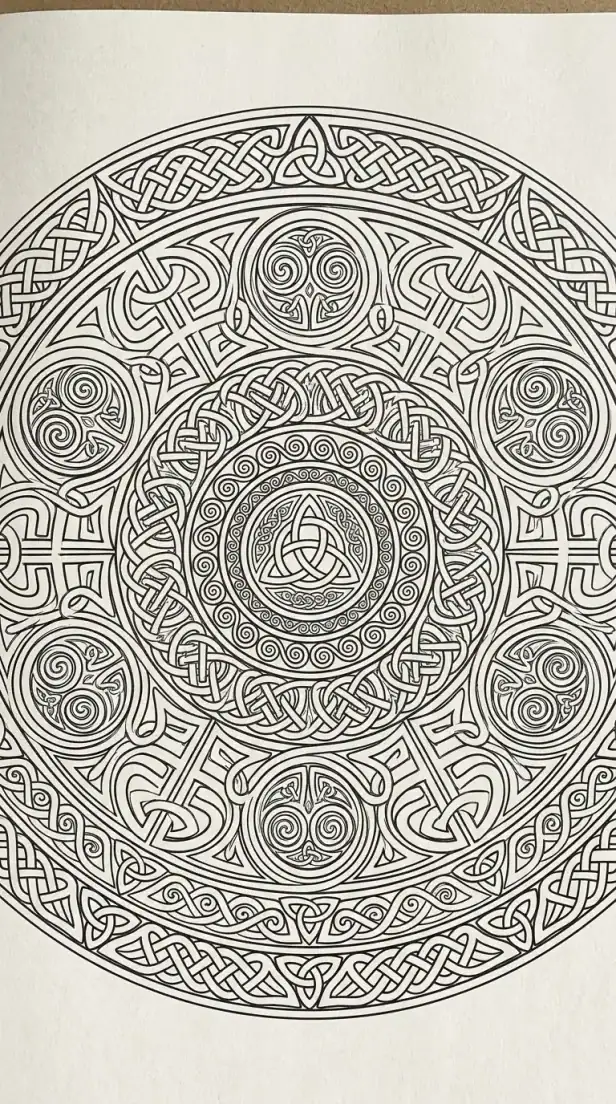
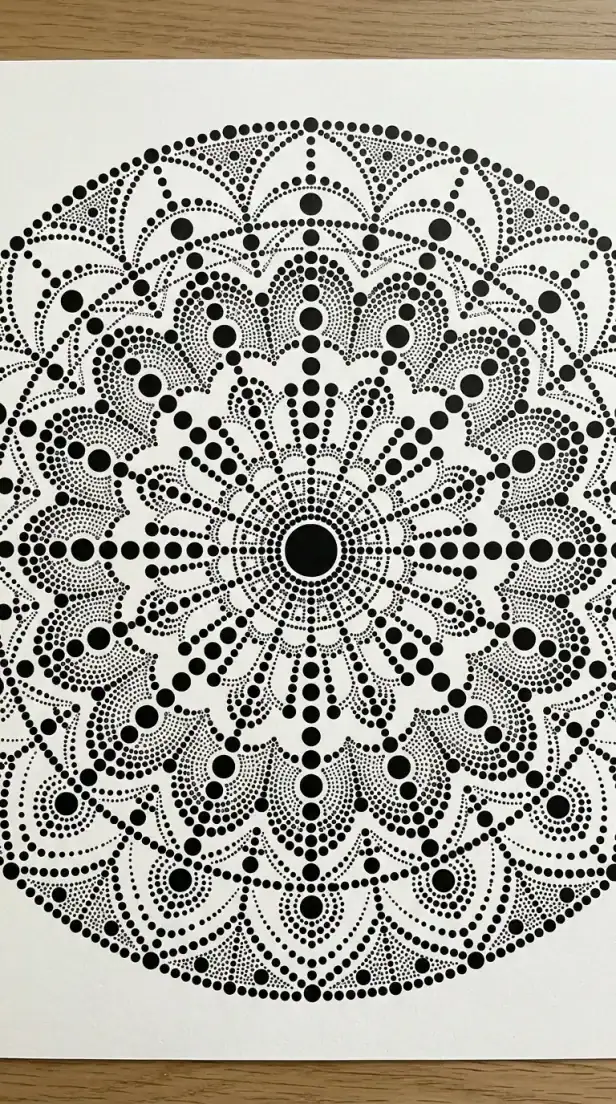
13. Dot Mandala for Beginners
Dot mandalas are simple but beautiful. This design consists entirely of dots of varying sizes arranged in concentric circles. No lines, no shapes, just dots. This is an excellent entry point for those intimidated by complex designs. Use a different color for each ring of dots or create an ombre effect.
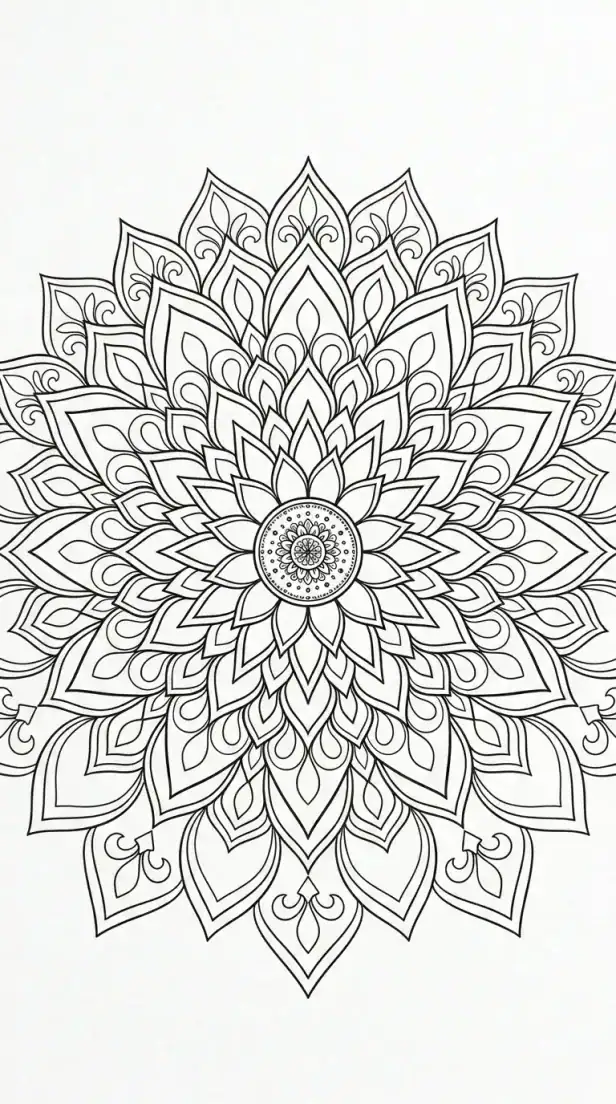
14. Petal and Teardrop Mandala
This elegant mandala features alternating petals and teardrops in concentric rings. The design is symmetrical and rhythmic, making it satisfying to color in a systematic way. This intermediate level mandala is perfect for group therapy settings where participants can color together while discussing feelings.
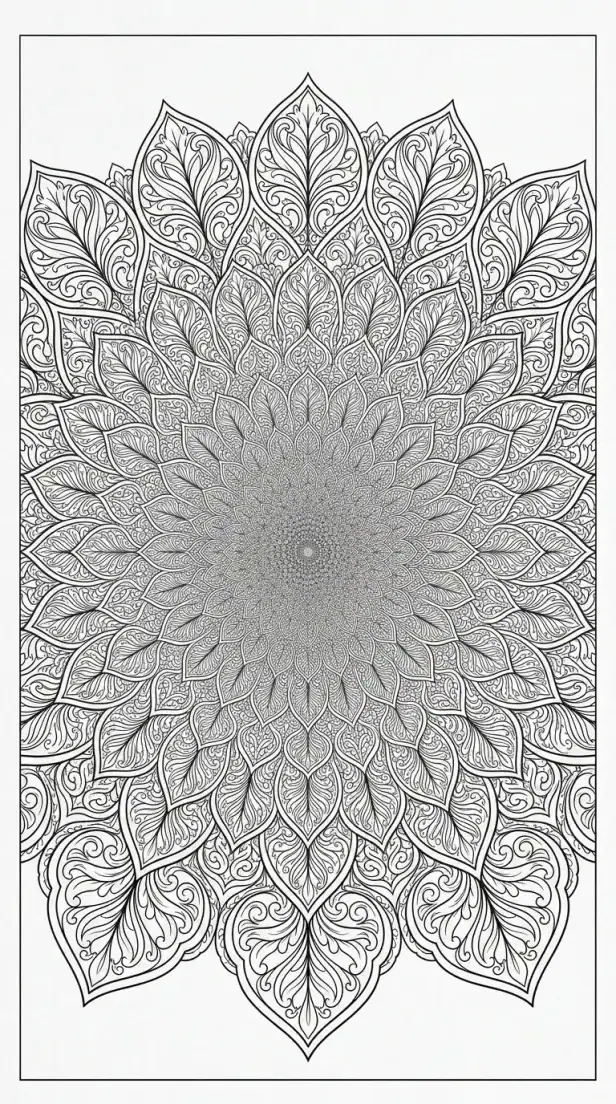
15. Fractal-Inspired Mandala
Fractals are patterns that repeat at different scales. This mandala incorporates self-repeating shapes that get smaller toward the center, creating a mesmerizing optical effect. Coloring fractals can be deeply absorbing and meditative. Use a monochromatic color scheme for a cohesive look or rainbow colors for maximum impact.
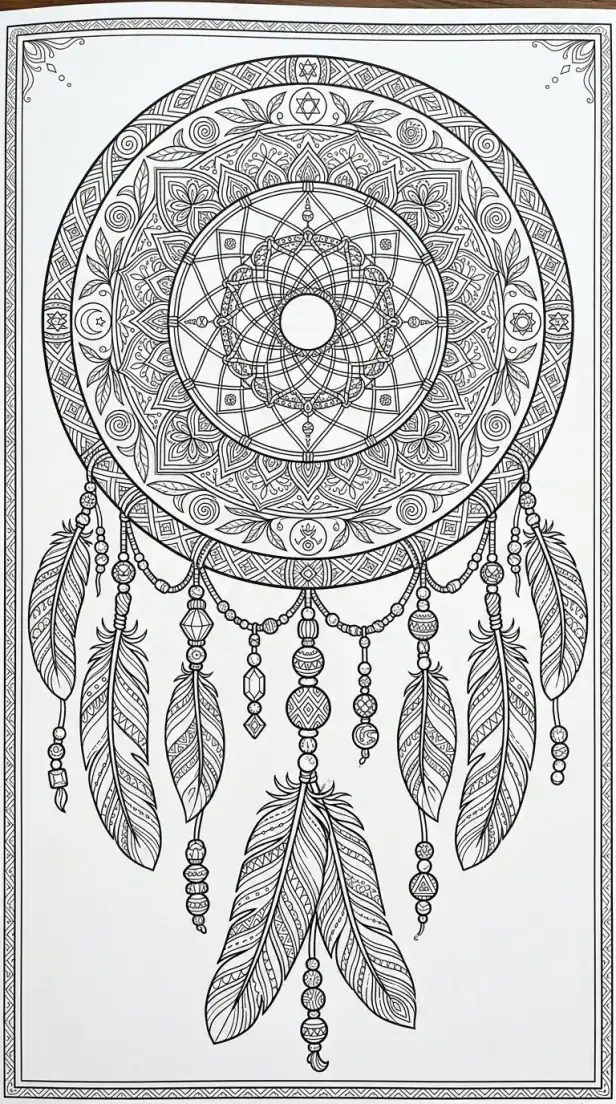
16. Dreamcatcher Mandala
Inspired by Native American dreamcatchers, this mandala features a central web pattern with hanging feathers and beads. The circular design is perfect for discussing dreams, hopes, and fears in a therapeutic setting. Use natural colors like tan, brown, turquoise, and white.
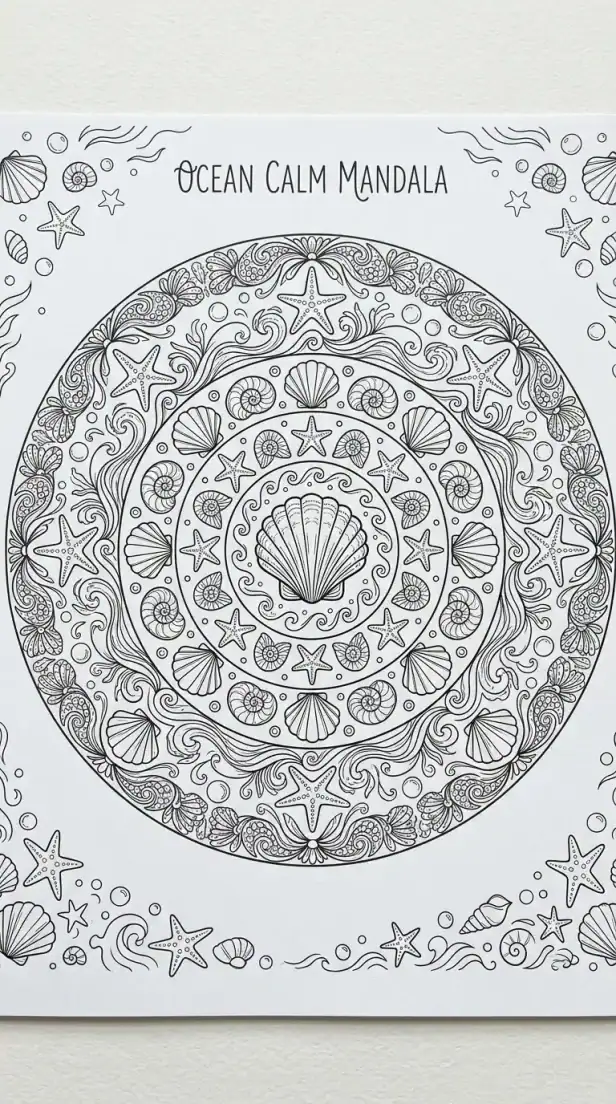
17. Seashell and Ocean Mandala
Bring the calming energy of the ocean to your coloring practice with this seashell mandala. The design features scallop shells, starfish, and wave patterns arranged in concentric circles. This is excellent for beach therapy themes or for clients who find the ocean calming. Use blues, seafoam greens, and sandy beiges.
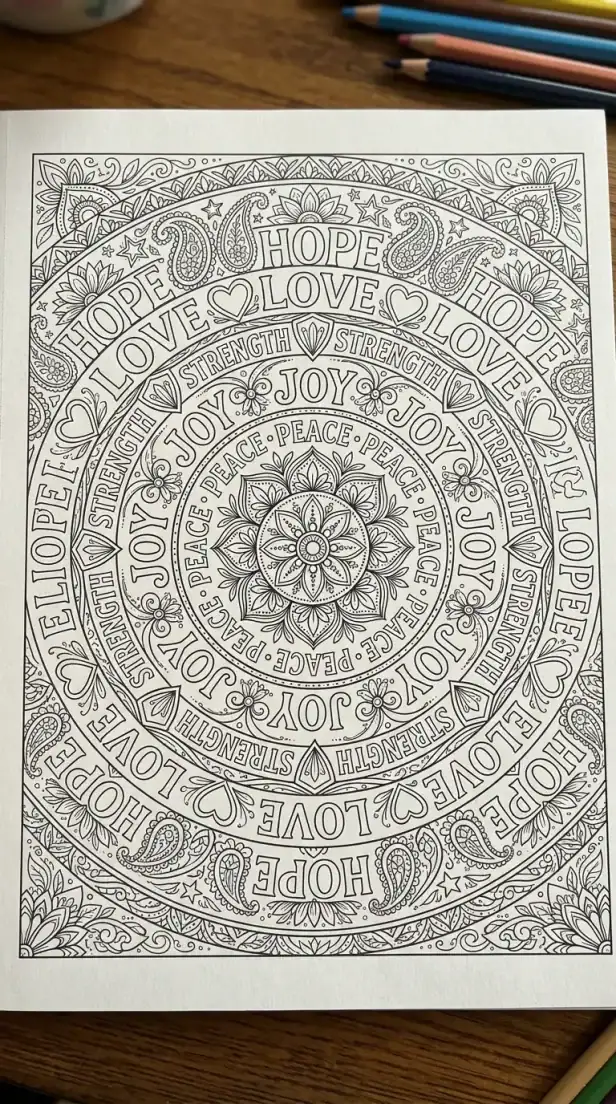
18. Positive Affirmation Mandala
This mandala incorporates positive affirmations written into the circular design. Words like “peace,” “joy,” “strength,” “love,” and “hope” are woven into the pattern. Coloring and reading the affirmations simultaneously reinforces positive self-talk. This is excellent for self-esteem work, anxiety reduction, and trauma recovery.
How to Use These Mandala Coloring Pages in Therapy
Print these mandalas on standard 8.5 x 11 inch paper. Use crayons, colored pencils, markers, or gel pens. For group therapy, print multiple copies and allow participants to choose their design. For individual sessions, observe the client’s color choices, pressure, and approach to the task. Dark, heavy coloring may indicate stress or anger. Light, tentative strokes may indicate anxiety or low energy. Symmetrical color choices may indicate a need for control and order.
Encourage clients to name their mandala or write a few sentences about how they felt while coloring. Display finished mandalas in the therapy space to build a sense of accomplishment and community. For clients who resist talking, mandala coloring provides a non-threatening entry point to conversation.
Copyright and Usage
These mandala designs are original and free for personal and therapeutic use. You may print them for yourself, your clients, your students, or your family. You may not sell them or claim them as your own. For commercial use, please contact the artist for licensing.
Conclusion
Mandala coloring is a simple, accessible, and powerful tool for art therapy. It reduces stress, improves focus, promotes emotional regulation, and provides a creative outlet for self-expression. These eighteen free printable mandala coloring pages offer a range of difficulty levels and themes to suit clients of all ages and needs. Print them, color them, and share them. The act of coloring a circle may seem small, but its effects on mental health can be profound.