7 Occupational Therapy Activities for Adults
Occupational therapy for adults focuses on regaining, maintaining, or improving the skills needed for daily living, working, and participating in meaningful activities. Whether recovering from a stroke, traumatic brain injury, orthopedic surgery, or managing a chronic condition like Parkinson’s disease or multiple sclerosis, adults need practical, engaging interventions that translate directly to real-world functioning. Here are seven occupational therapy activities for adults that address physical, cognitive, and psychosocial goals across various settings.
1. Meal Preparation and Cooking
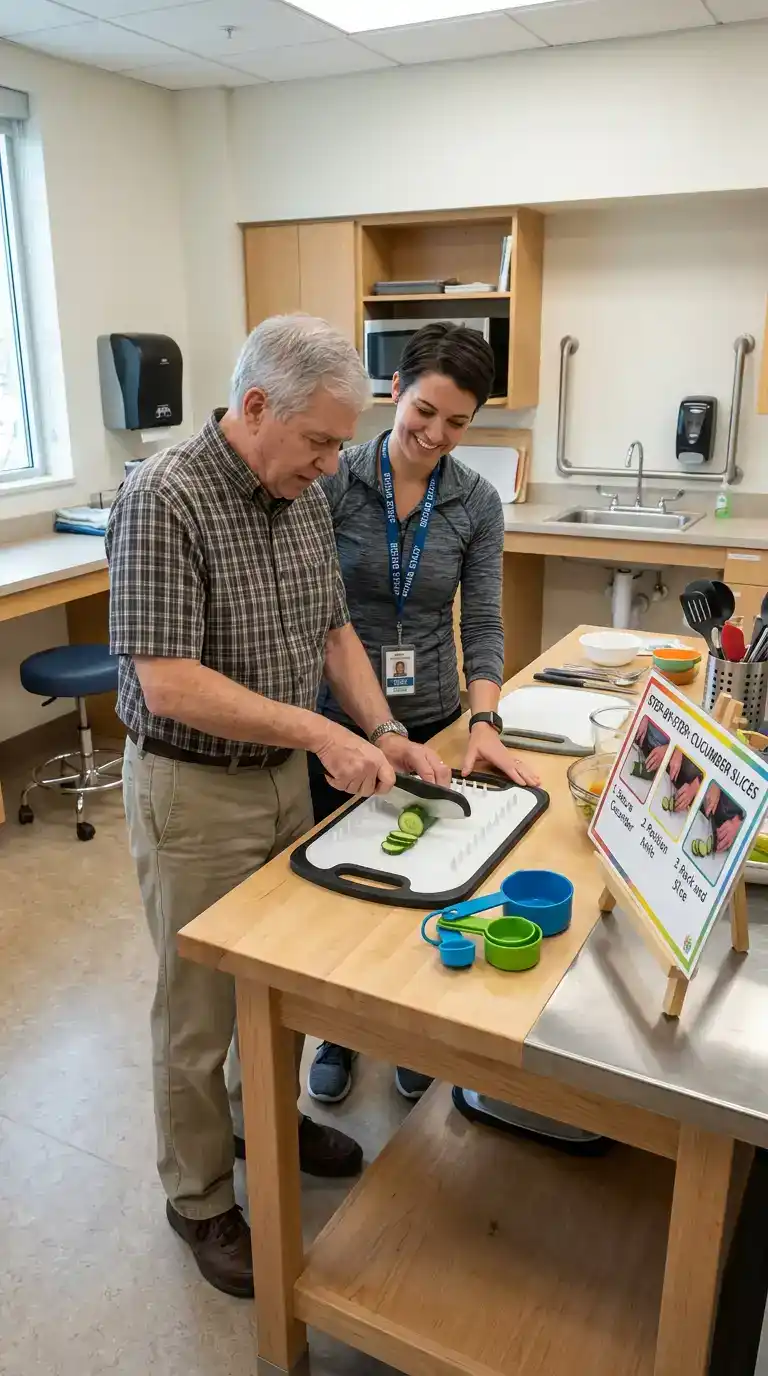
Meal preparation is a cornerstone occupational therapy activity that addresses physical, cognitive, and psychosocial domains. Tasks include planning a simple meal, reading recipes, gathering ingredients, measuring, chopping, stirring, using appliances, managing time, and cleaning up. For stroke survivors, this activity builds fine motor coordination, bilateral hand use, and safety awareness. For individuals with traumatic brain injury, it addresses sequencing, memory, and problem-solving. Use adaptive equipment like rocker knives, angled measuring cups, or one-handed cutting boards as needed. Cooking also provides a sense of accomplishment and normalcy.
2. Dressing and Grooming Retraining
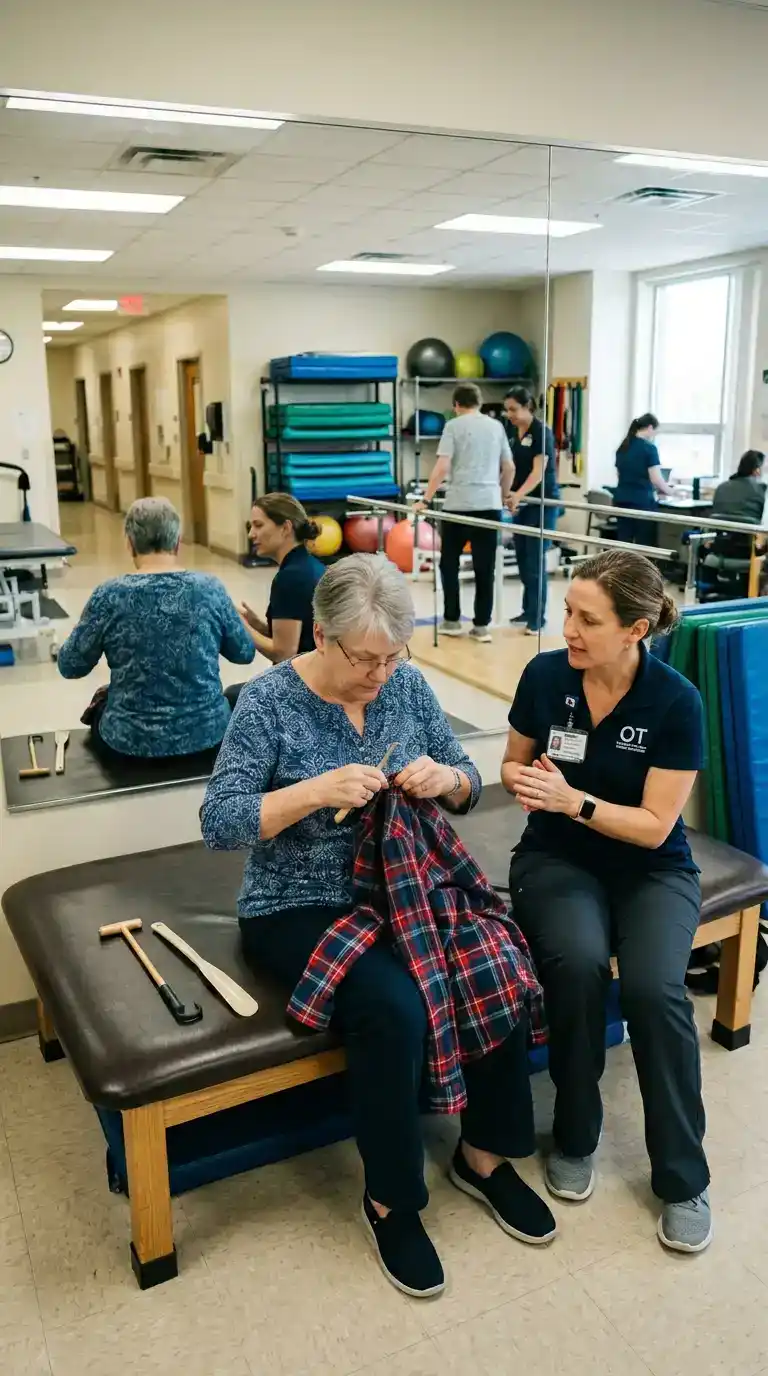
Dressing and grooming are essential activities of daily living (ADLs) that occupational therapists address with adults recovering from stroke, brain injury, orthopedic surgery, or progressive conditions. Tasks include putting on a button-down shirt, fastening buttons, zipping pants, tying shoelaces, brushing teeth, combing hair, and shaving. Therapists teach one-handed techniques, use adaptive equipment like button hooks, zipper pulls, long-handled sponges, and reachers, and practice energy conservation strategies. For clients with cognitive impairments, therapists use visual schedules and step-by-step cueing.
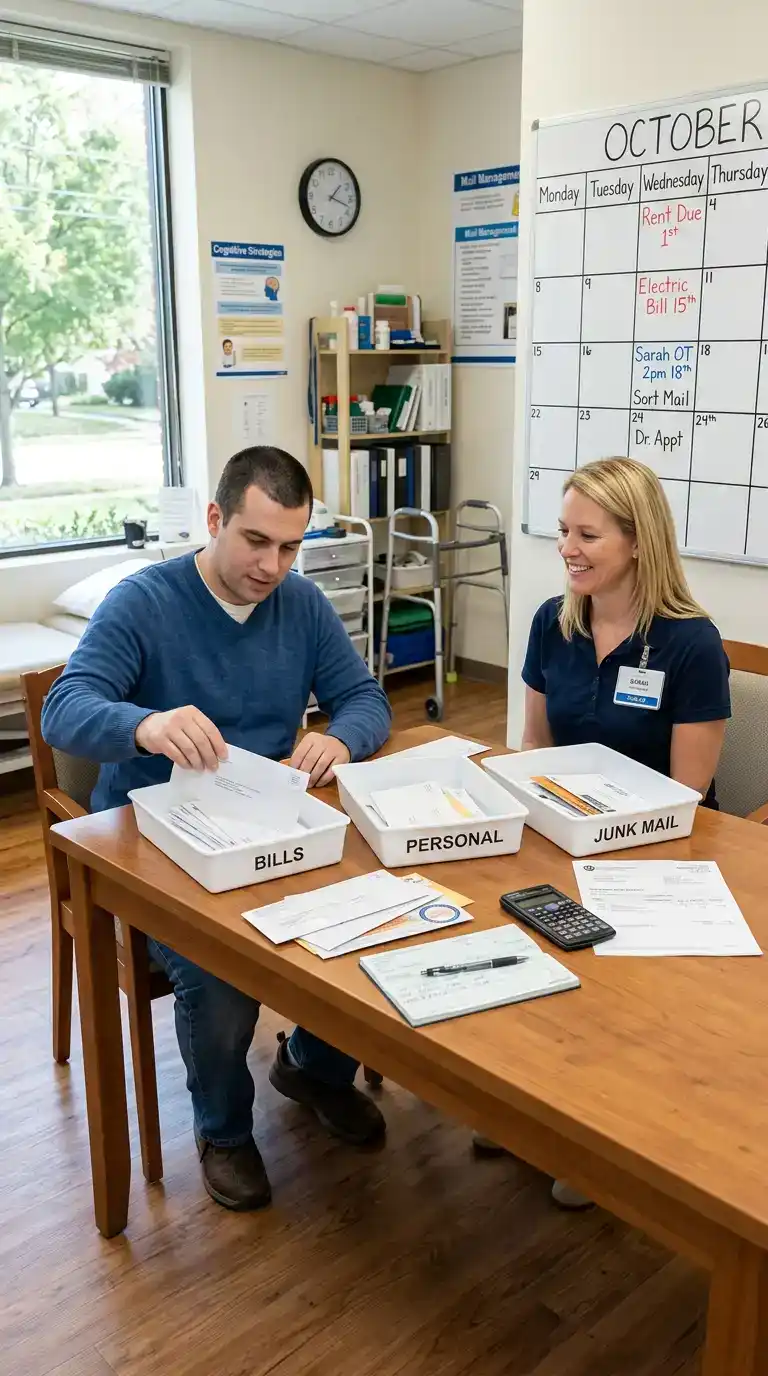
3. Bill Management and Financial Organization
Managing finances is a complex instrumental activity of daily living (IADL) that occupational therapists address with adults recovering from traumatic brain injury, stroke, or cognitive decline. Tasks include sorting mail, identifying bills, writing checks, recording payments in a register, balancing a checkbook, budgeting, and using online banking. This activity addresses attention, memory, sequencing, calculation, problem-solving, and executive function. Therapists use checklists, planners, pill-style bill organizers, and digital apps to support clients.
4. Home Management: Grocery Shopping
Grocery shopping is a complex IADL that addresses physical mobility, cognitive skills, and community reintegration. Tasks include making a grocery list based on a weekly meal plan, navigating the store, comparing prices, reading labels, managing a budget, and transporting groceries. In the clinic, therapists simulate the task with mock grocery stores or tablet-based apps. In the community, therapists accompany clients to actual stores. This activity builds memory, planning, problem-solving, social interaction, and endurance.

5. Medication Management
Managing medications is a critical IADL for adults with chronic conditions, cognitive impairments, or polypharmacy. Tasks include identifying each medication, understanding dosage and timing, filling a pill organizer, setting up reminders, and tracking refills. This activity addresses memory, attention, sequencing, problem-solving, and health literacy. Therapists use real or practice medication bottles, pill organizers, timers, and medication logs. For clients with low vision, large-print labels or talking pill reminders are used.
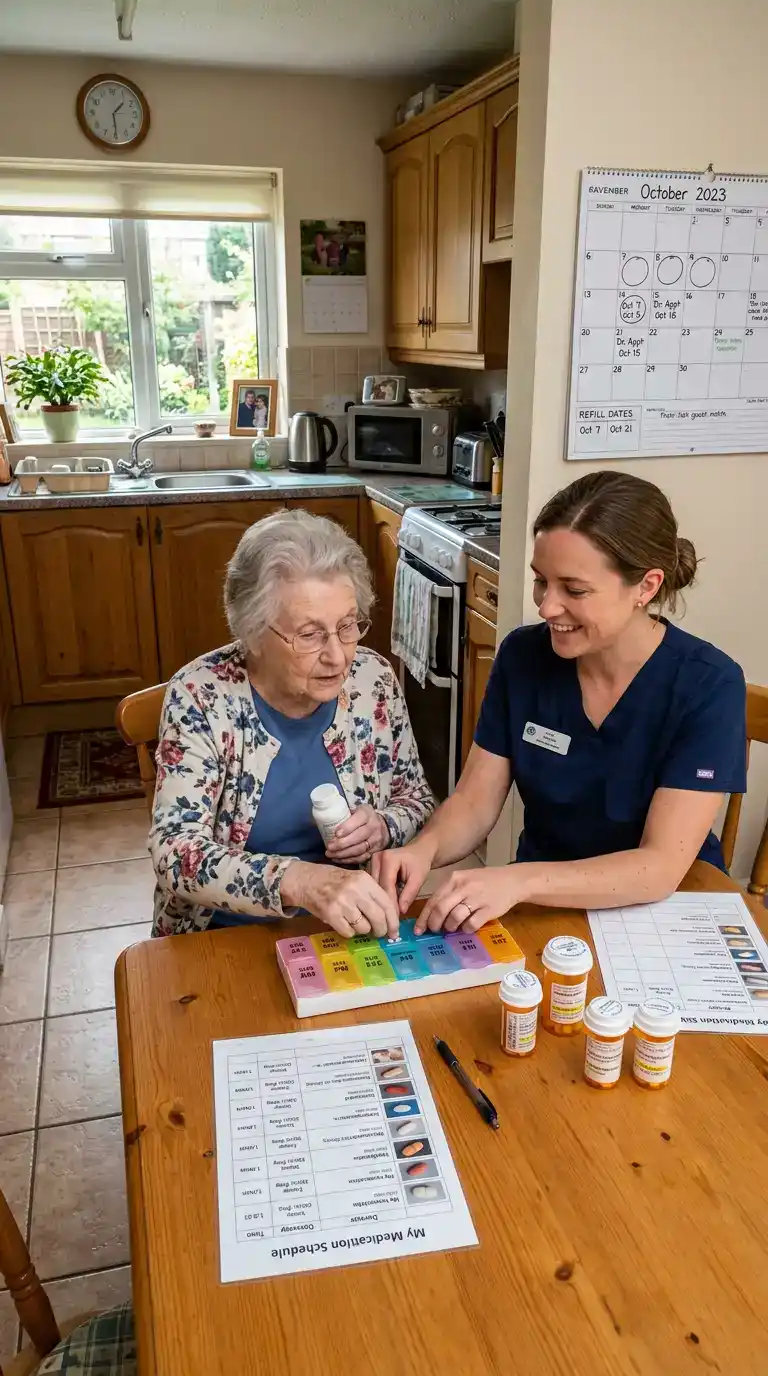
6. Using Adaptive Technology and Smart Devices
Learning to use adaptive technology and smart devices is increasingly important for adults with disabilities. Tasks include using voice-activated assistants (Alexa, Google Home) to set reminders, make calls, or control home environments, using smartphone accessibility features (voice control, magnification, text-to-speech), and using specialized apps for task management. This activity addresses cognitive skills, problem-solving, and community participation while promoting independence.
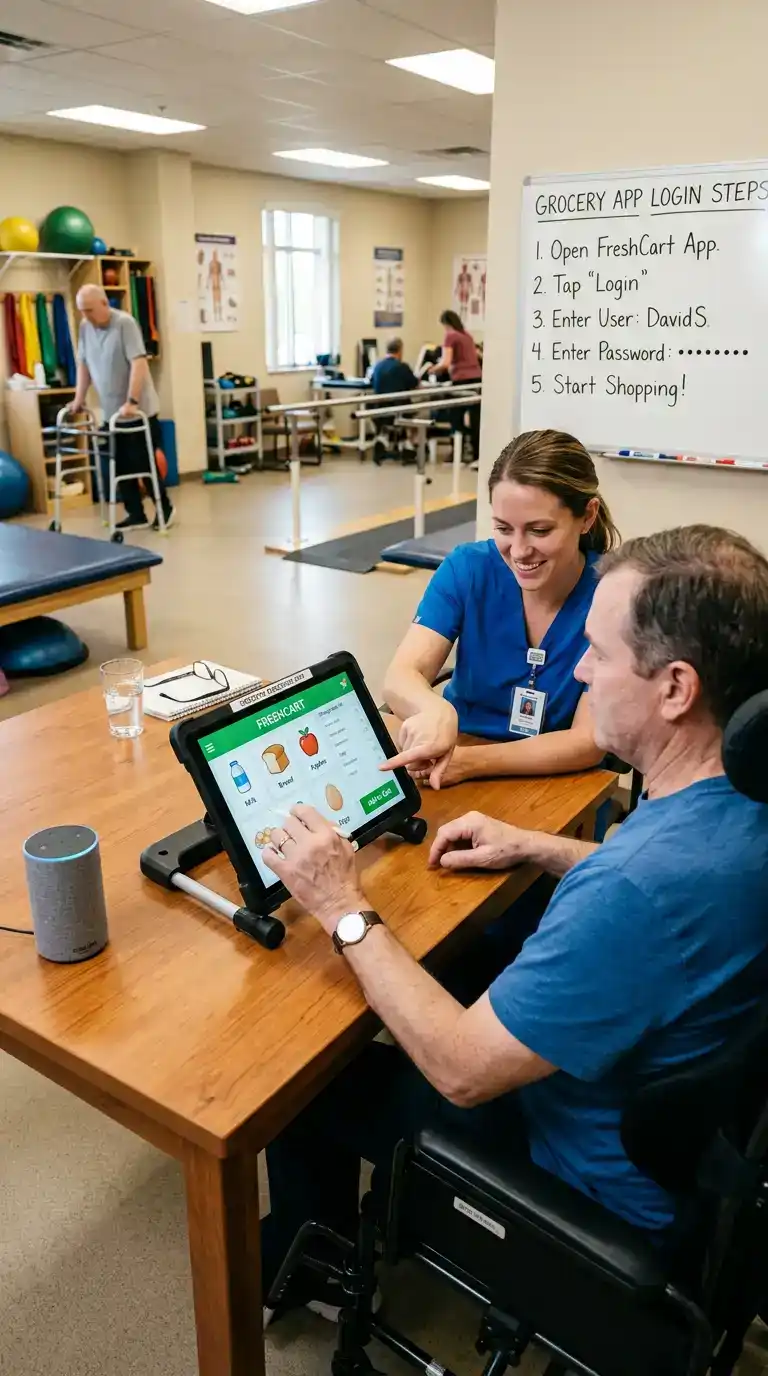
7. Community Reintegration: Using Public Transportation
Using public transportation is a complex IADL that supports community reintegration for adults recovering from brain injury, stroke, or psychiatric conditions. Tasks include planning a route, reading a schedule, obtaining correct fare, boarding and exiting, and problem-solving unexpected changes. In the clinic, therapists use maps and schedules. In the community, they accompany clients on actual trips. This activity builds memory, planning, social skills, safety awareness, and confidence.

Conclusion
Occupational therapy for adults addresses the skills needed for meaningful daily living, working, and participating in the community. These seven activities—meal preparation, dressing and grooming, bill management, grocery shopping, medication management, adaptive technology use, and public transportation training—target physical, cognitive, and psychosocial goals in practical, real-world contexts. By grading tasks to each individual’s level and using adaptive equipment and strategies as needed, occupational therapists help adults regain independence, confidence, and quality of life.