9 Skin Red Light Therapy Before and After
Red light therapy (RLT), also known as photobiomodulation or low-level laser therapy, uses specific wavelengths of red and near-infrared light to penetrate the skin and stimulate cellular activity. Unlike UV light, red light is safe and non-thermal, meaning it does not burn or damage the skin. Over the past two decades, hundreds of peer-reviewed studies have demonstrated RLT’s benefits for skin health, including reducing wrinkles, improving skin tone, accelerating wound healing, reducing inflammation, and treating acne. Here is what you need to know about red light therapy for skin, including typical before and after outcomes based on clinical research.
1. Wrinkles and Fine Lines Reduction
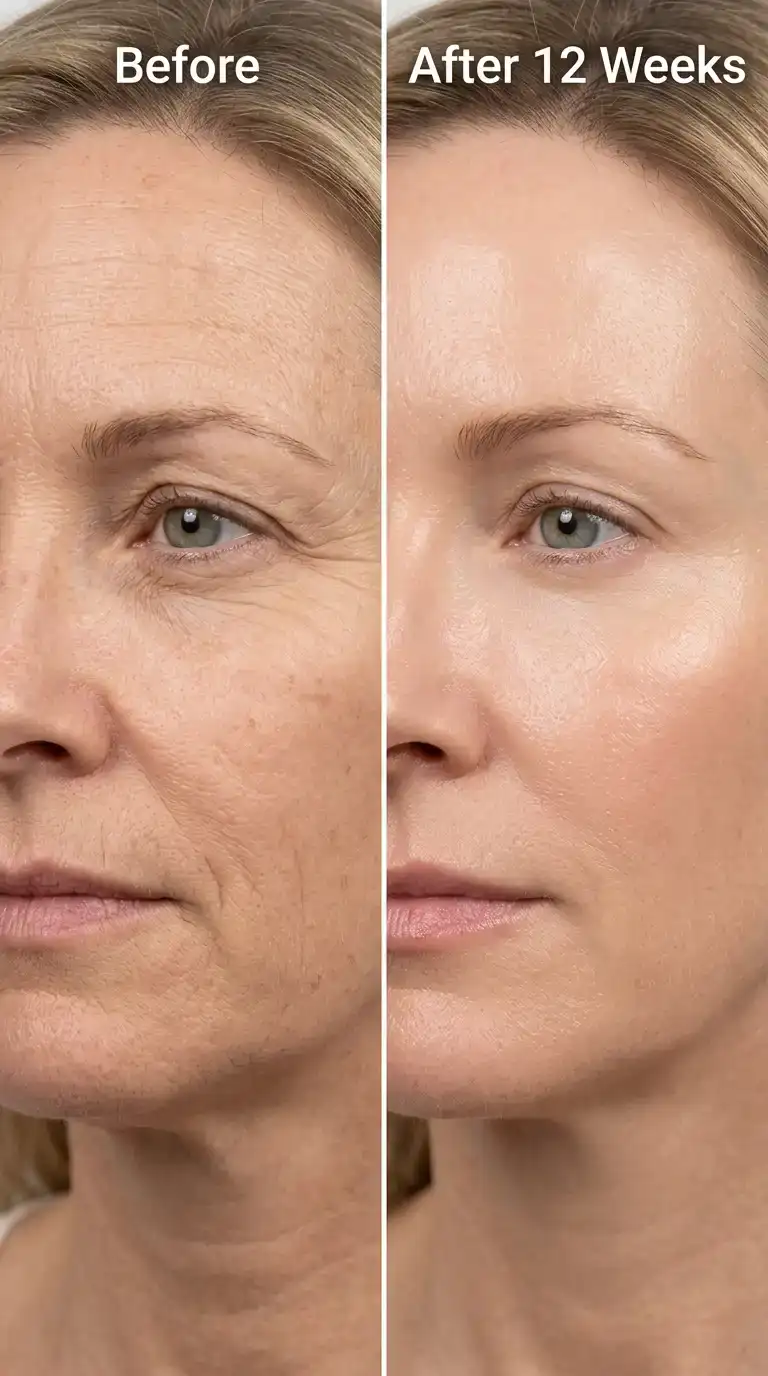
Before treatment, skin shows visible signs of aging including crow’s feet, forehead lines, nasolabial folds, and fine lines around the mouth. Collagen production has naturally declined with age or sun exposure, leading to thinner, less elastic skin. The skin may also appear dull or dehydrated.
After 8 to 12 weeks of consistent treatment (3 to 5 times per week), clinical studies show a statistically significant reduction in fine lines and wrinkle depth. Red light therapy stimulates fibroblasts to produce new collagen and elastin, which plump the skin from within. Improvement continues for weeks after stopping treatment as new collagen remodels.
2. Deep Wrinkles and Skin Laxity
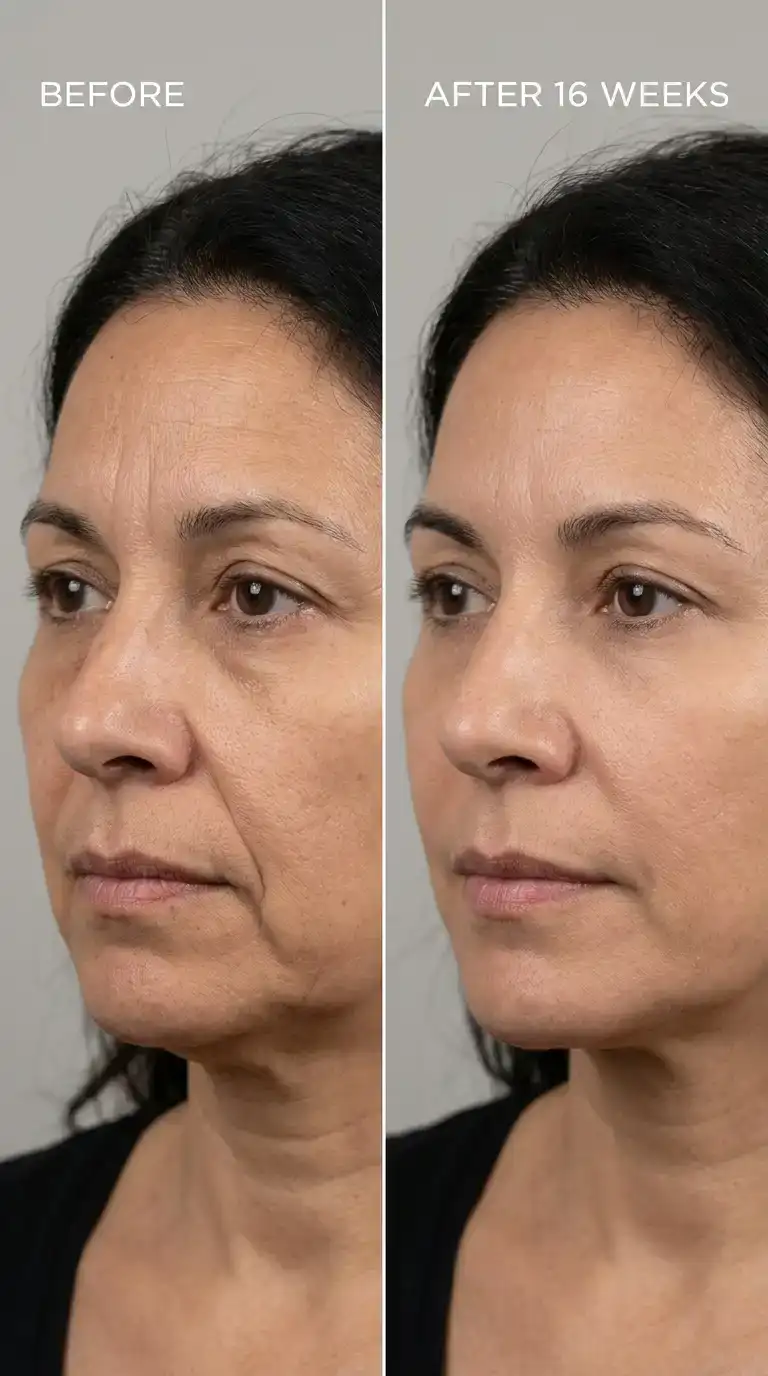
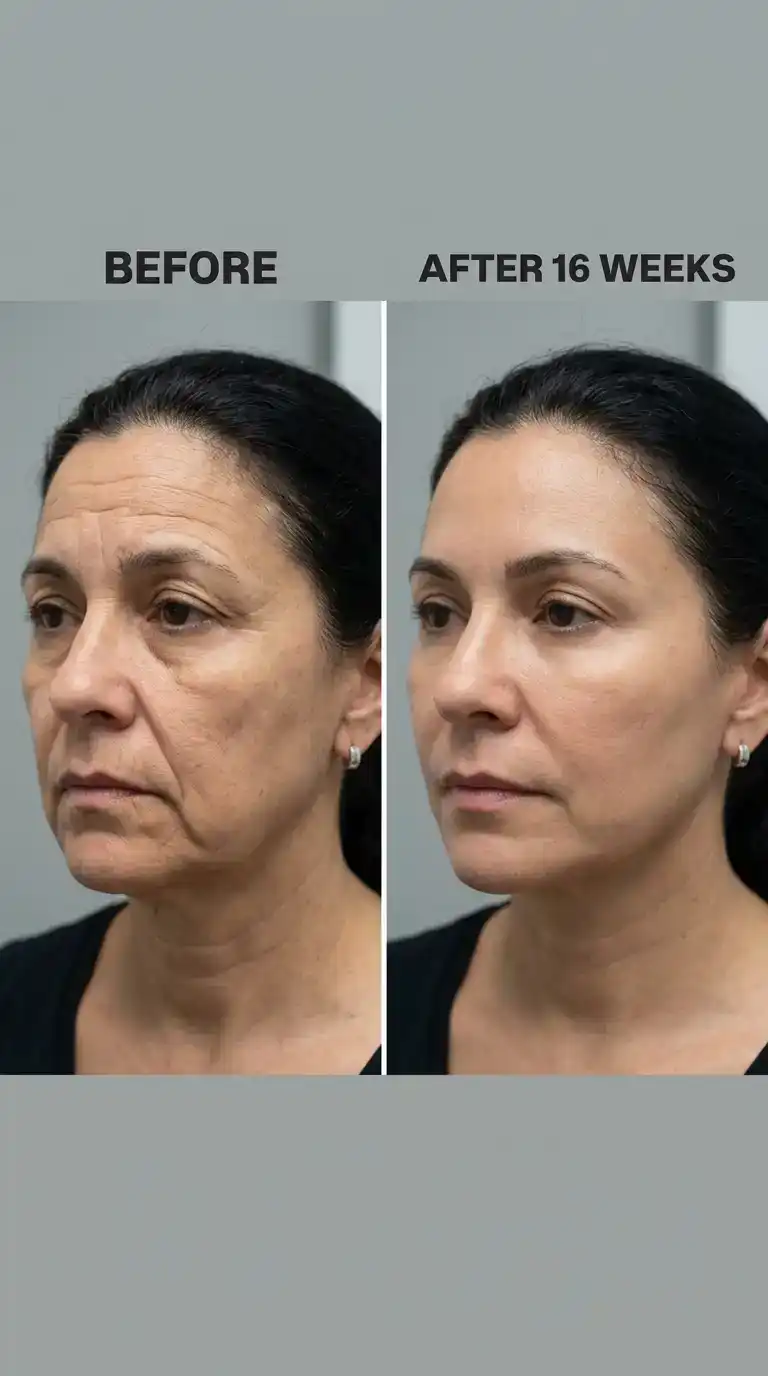
Before treatment, deep wrinkles including nasolabial folds (smile lines), marionette lines, and forehead furrows are visible even when the face is at rest. Skin shows noticeable sagging or loss of firmness due to age-related collagen and elastin depletion. The skin may feel loose to the touch.
After 12 to 16 weeks of consistent treatment, many users report improvement in deep wrinkle depth and overall skin firmness. Studies using skin biopsy and ultrasound have confirmed increased collagen density after RLT. While red light therapy cannot lift severely sagging skin like a surgical facelift, it can improve skin density and tightness.
3. Skin Texture and Tone Improvement
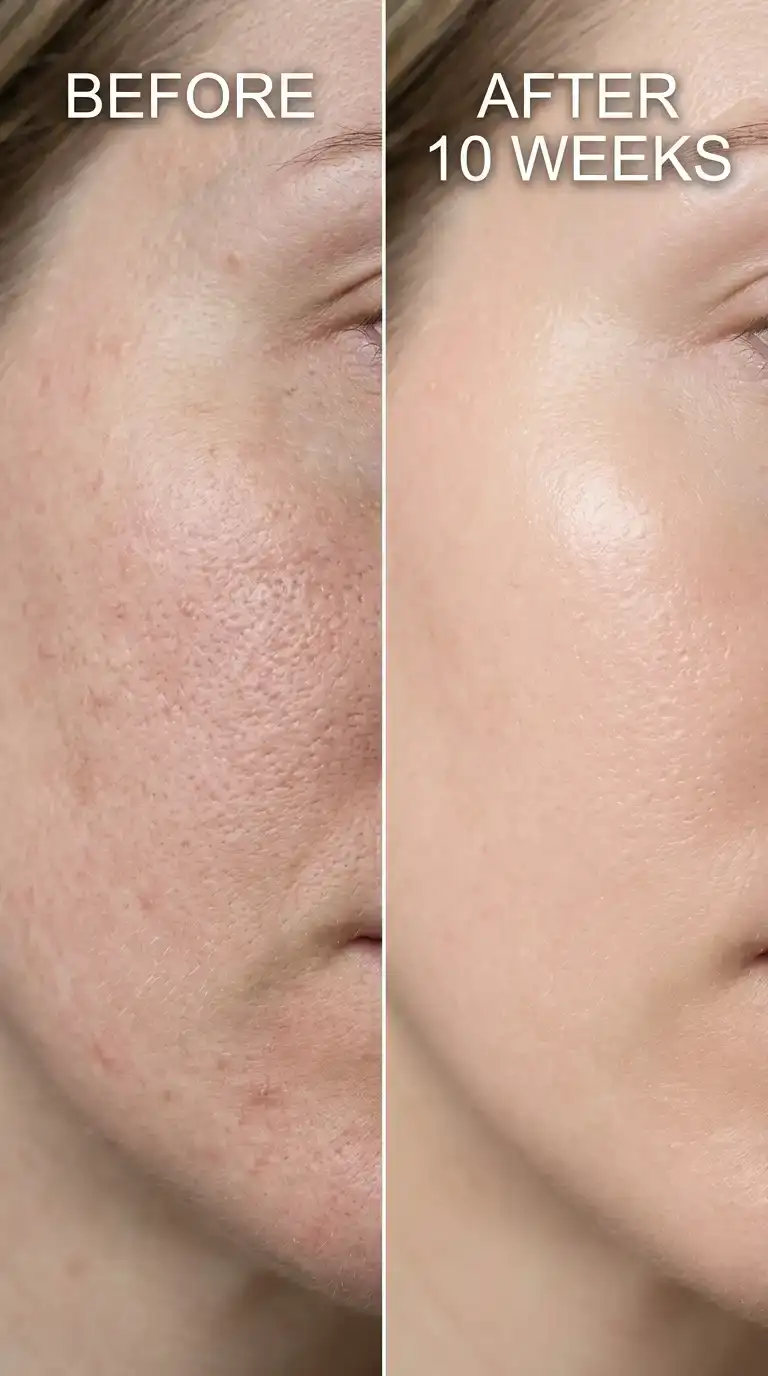
Before treatment, skin appears dull, rough, uneven, or tired. Enlarged pores, rough patches, and lack of radiance are common complaints. Skin texture may feel gritty or uneven to the touch. The complexion may look uneven with areas of redness or pigmentation.
After 6 to 10 weeks of treatment, skin often appears brighter, smoother, and more even-toned. Red light therapy increases cellular energy production (ATP), which accelerates the natural skin renewal process. Users frequently describe their skin as having a “healthy glow.” Pores may appear smaller as skin becomes plumper and more hydrated.
4. Acne Reduction and Scar Healing
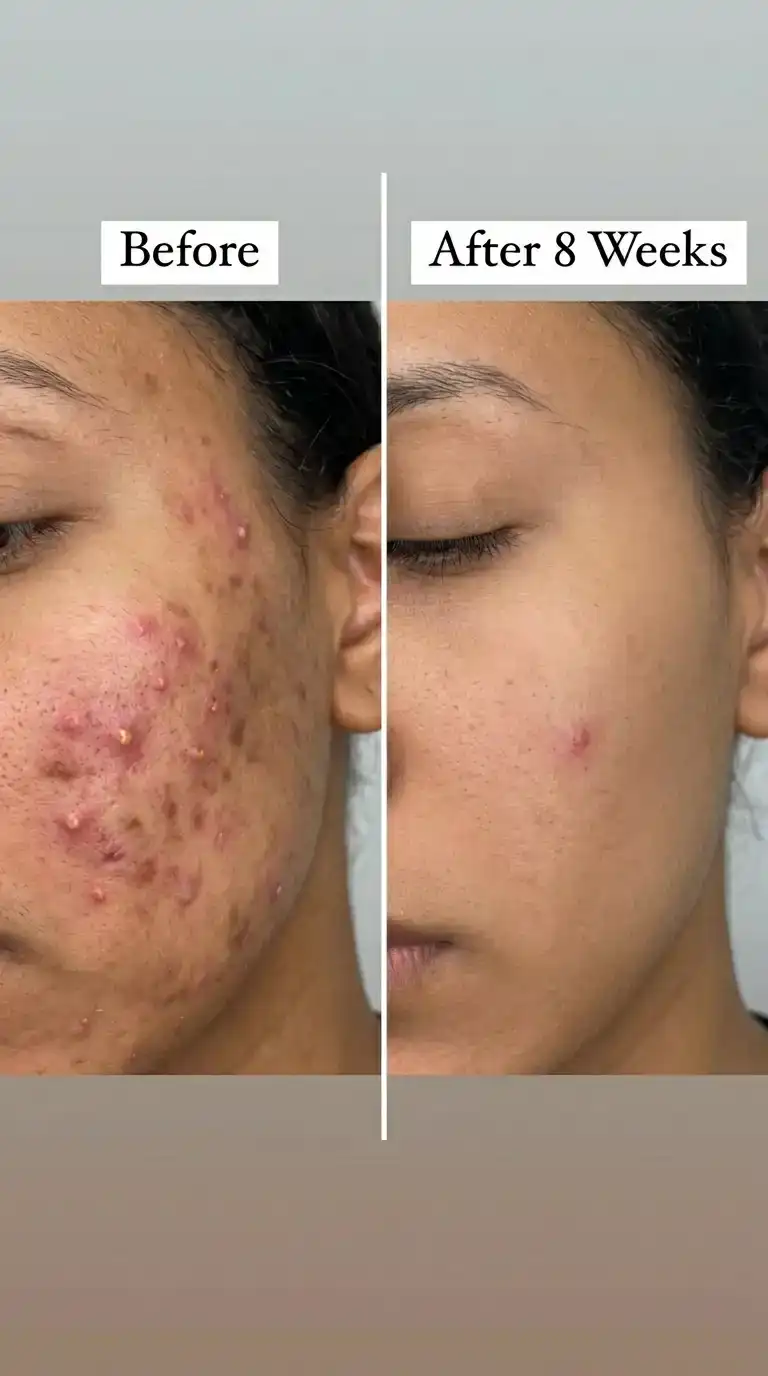
Before treatment, active acne lesions including papules, pustules, cysts, or comedones are present. The skin shows areas of inflammation, redness, and swelling. Post-inflammatory erythema (red marks) and rolling or icepick scars from previous breakouts may also be visible.
After 4 to 8 weeks of treatment, active acne lesions are often significantly reduced. Red light therapy has anti-inflammatory effects that calm redness and swelling. When combined with blue light, it also kills acne-causing bacteria (Cutibacterium acnes). For acne scars, longer treatment protocols (12 to 20 weeks) may improve texture and reduce the appearance of shallow scars.
5. Rosacea and Redness Reduction
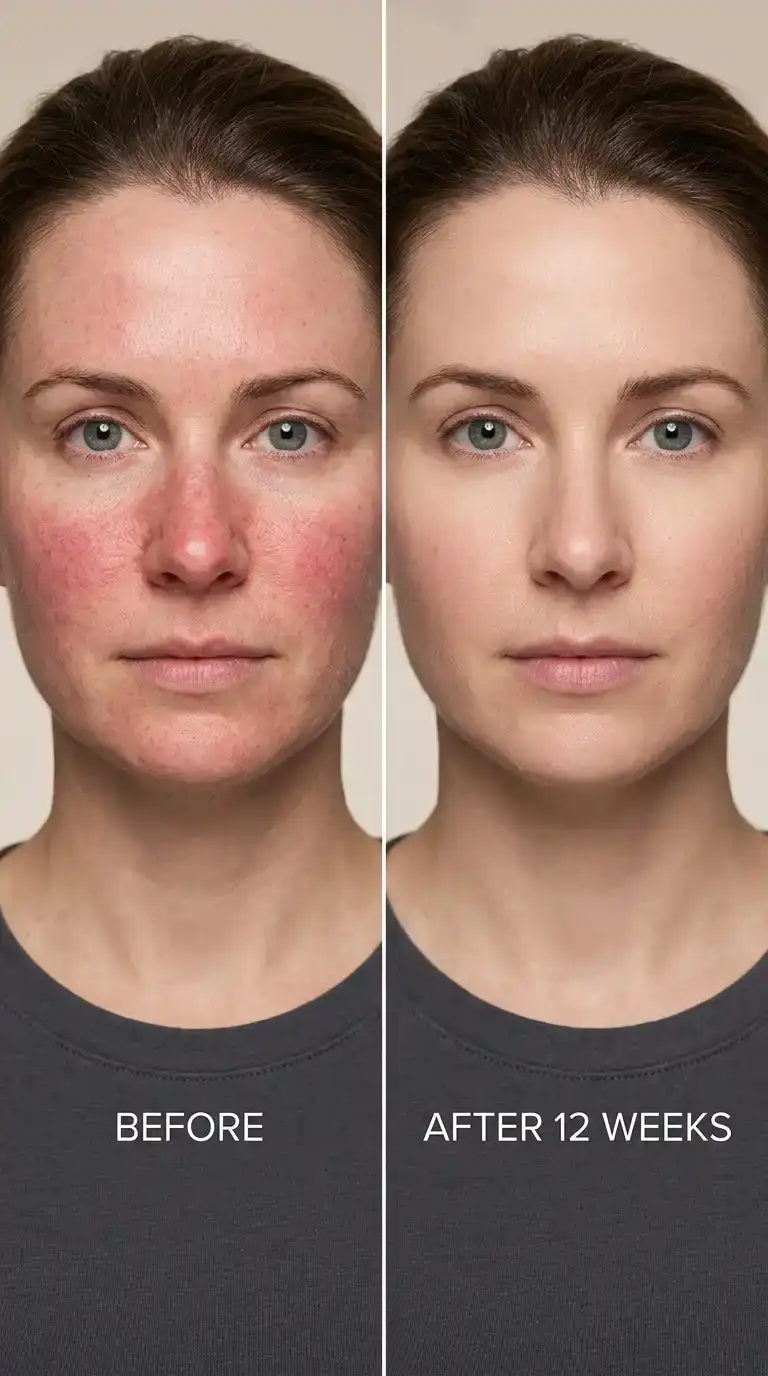
Before treatment, skin shows persistent facial redness across the cheeks, nose, chin, or forehead. Visible blood vessels (telangiectasias) may be present. Flushing episodes occur frequently, often triggered by sun, stress, or certain foods. The skin may feel warm or sensitive to the touch.
After 8 to 12 weeks of consistent treatment, many rosacea patients report reduced baseline redness and fewer flushing episodes. Red light therapy strengthens blood vessel walls and reduces chronic inflammation. While it may not eliminate visible telangiectasias, it often improves overall skin tone and reduces flare-up frequency.
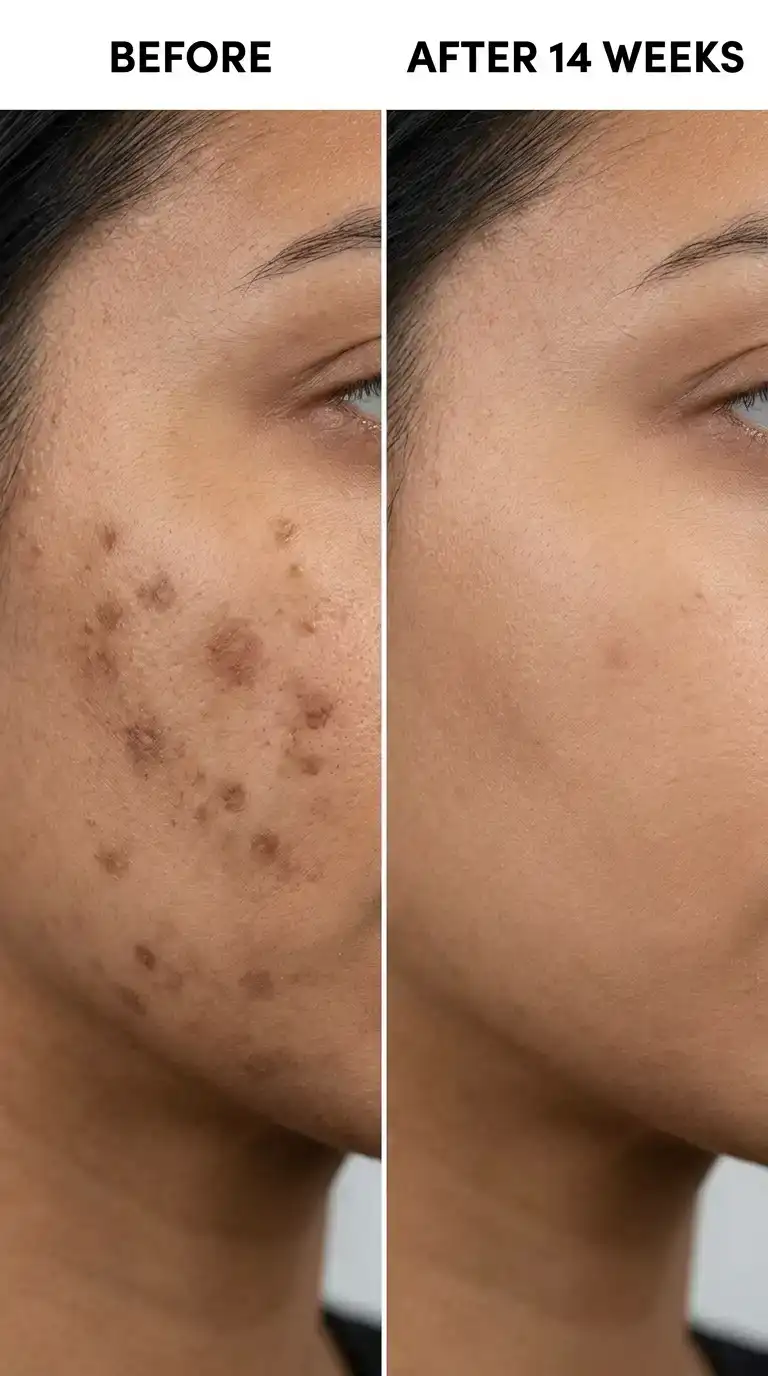
6. Post-Inflammatory Hyperpigmentation
Before treatment, dark spots or patches remain on the skin after an acne lesion, injury, or inflammation has healed. These marks can persist for months or even years without treatment. Pigmentation may be red, brown, or purple depending on skin tone and the age of the lesion.
After 10 to 14 weeks of treatment, post-inflammatory hyperpigmentation often fades more quickly than it would naturally. Red light therapy increases cellular turnover, helping to shed pigmented cells and replace them with healthy new cells. It does not bleach the skin like hydroquinone but rather accelerates the skin’s natural renewal process.
7. Surgical and Wound Healing
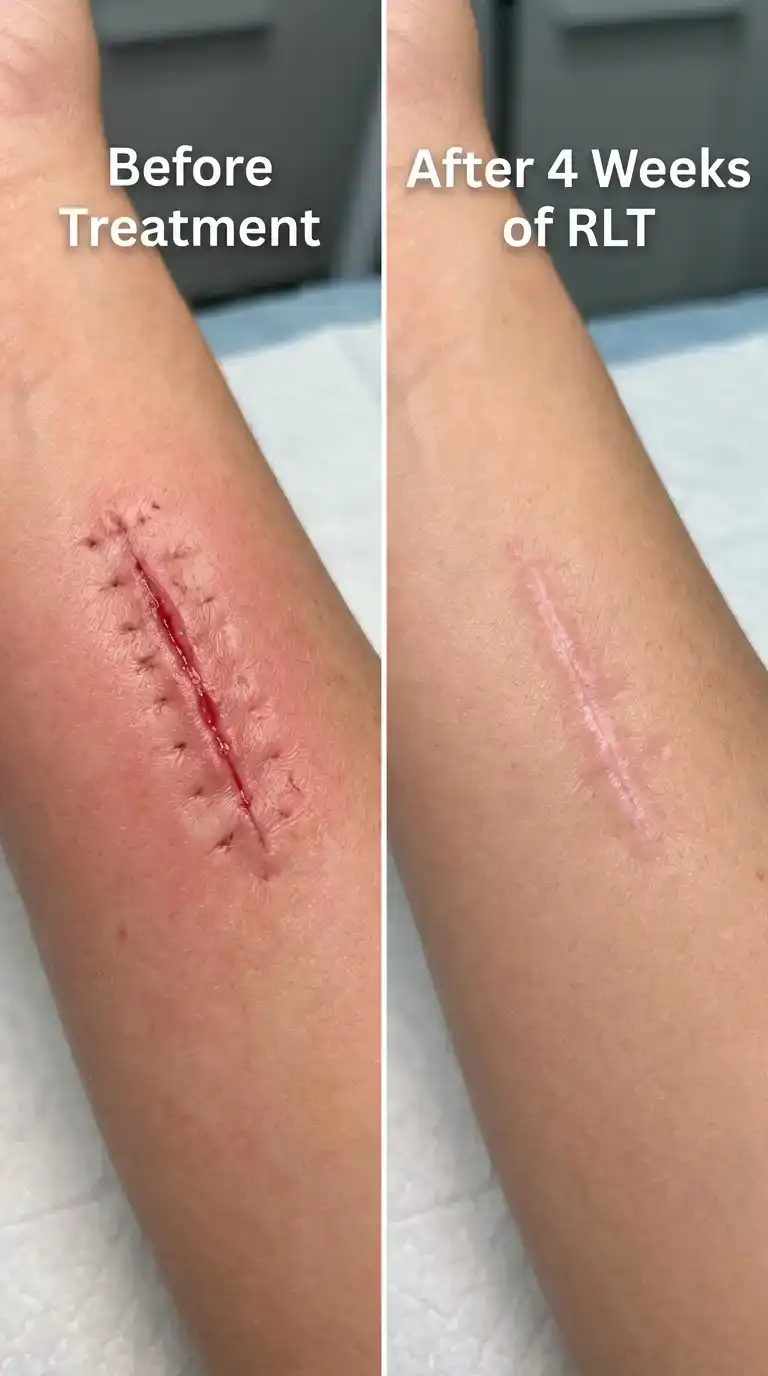
Before treatment, a fresh surgical incision, laceration, or chronic wound shows slow healing, redness, swelling, or incomplete closure. Wound healing is delayed due to age, diabetes, smoking, or poor circulation. The wound edges may be red and inflamed.
After a series of treatments (often 3 to 5 times per week for several weeks), wound healing accelerates significantly. Studies show that red light therapy reduces inflammation, stimulates new blood vessel formation (angiogenesis), and increases collagen deposition. Surgical scars may be flatter, paler, and less noticeable after healing compared to untreated wounds.
8. Sun Damage and Photoaging
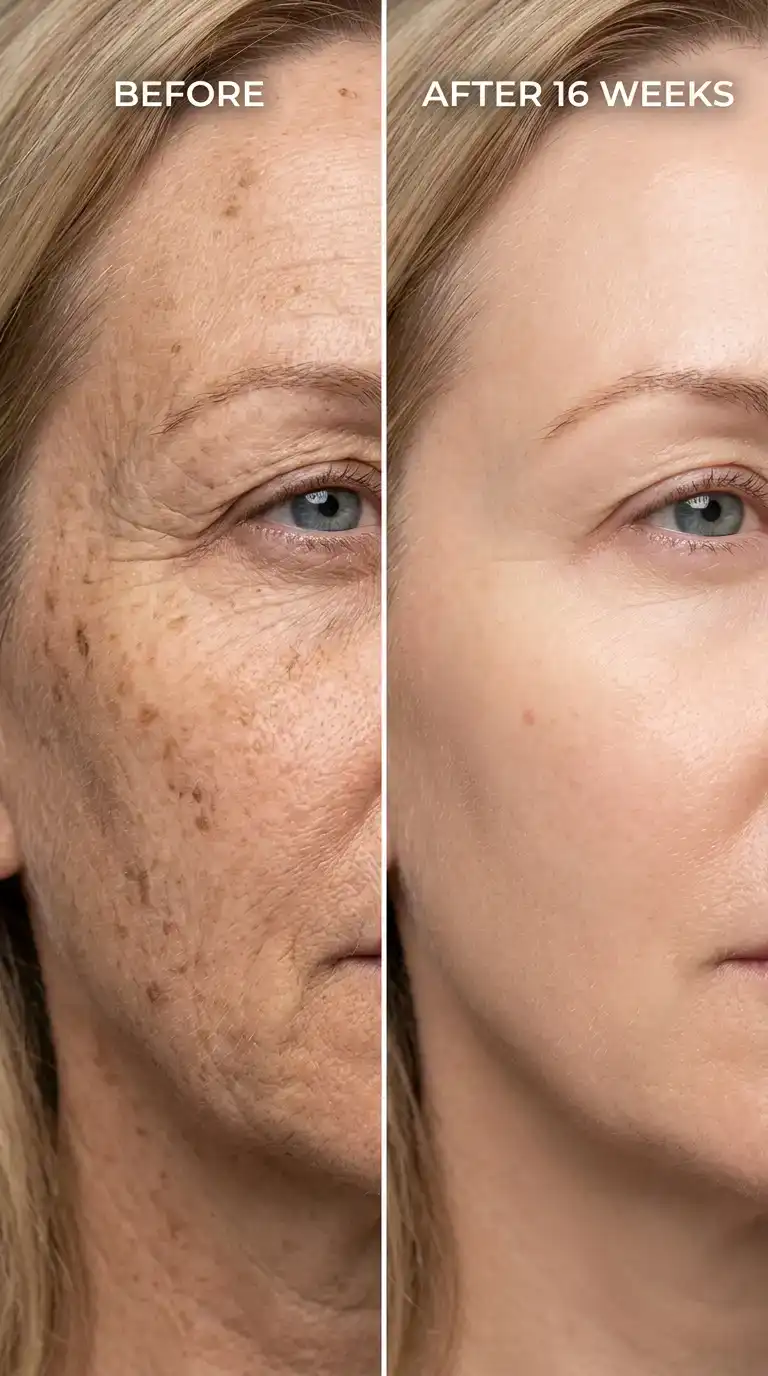
Before treatment, skin shows signs of chronic sun exposure including actinic keratoses (rough, scaly patches), uneven pigmentation (sunspots), leathery texture, and deep wrinkles. The skin may feel dry and lack elasticity. Fine lines are numerous and close together.
After 12 to 16 weeks of treatment, photoaged skin often shows improvement in texture, pigmentation, and fine lines. Studies using clinical grading scales have demonstrated statistically significant improvement in photoaging parameters following RLT. Skin becomes smoother, more hydrated, and more even in tone.
9. Overall Skin Health and Maintenance
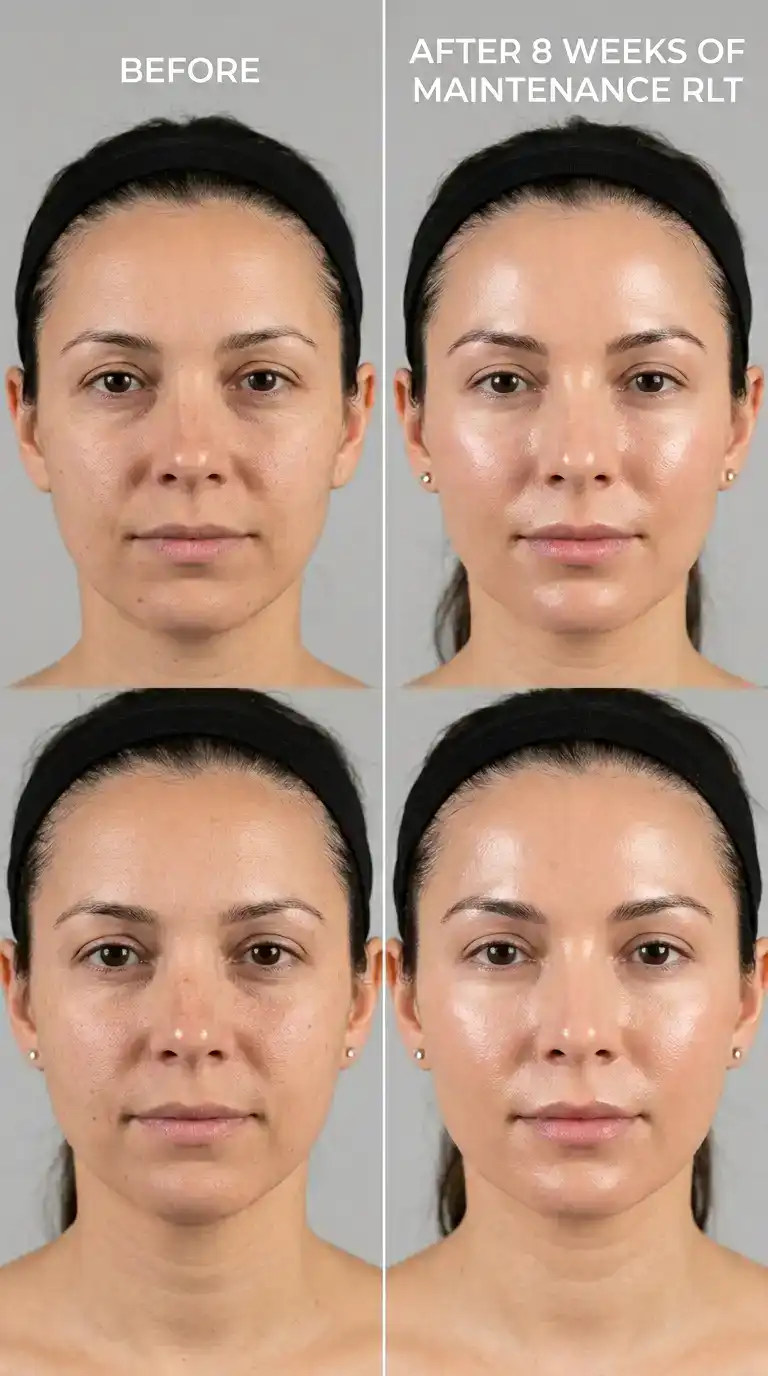
Before treatment, skin is healthy but could use maintenance. No specific concerns, but the person wants to prevent aging, maintain collagen, and keep skin looking its best for the long term. Skin is in good condition but lacks radiance.
After 2 to 3 treatments per week ongoing, users report continued improvements in skin radiance, firmness, and resilience. Red light therapy acts as a preventive measure, supporting mitochondrial function and collagen production to slow the visible signs of aging. Many users incorporate RLT into their long-term skincare routine alongside sunscreen, retinoids, and antioxidants.
How to Use Red Light Therapy at Home
- Frequency: 3 to 5 times per week for best results.
- Duration: 10 to 20 minutes per treatment area.
- Distance: Follow device instructions, typically 6 to 12 inches from the skin.
- Wavelengths: Look for devices that emit 630 to 660 nanometers (red) and 810 to 850 nanometers (near-infrared).
- Consistency: Results take time. Most studies show noticeable improvement after 8 to 12 weeks.
What Red Light Therapy Will Not Do
Red light therapy is not a miracle cure. It will not lift severely sagging skin, eliminate deep wrinkles equivalent to a facelift, remove large raised scars, or treat active skin cancer. It also will not produce results overnight—consistent use over weeks to months is required.
Safety Considerations
Red light therapy is generally safe for all skin types and tones. Unlike lasers, it does not heat or damage the skin. However, protect your eyes with opaque goggles or closed eyelids, as bright light can be uncomfortable. Do not use red light therapy over active skin cancer or suspicious moles without medical clearance.
Conclusion
Red light therapy offers a non-invasive, painless, and scientifically supported approach to improving skin health. From reducing wrinkles and acne to accelerating wound healing and fading hyperpigmentation, the evidence is substantial. However, realistic expectations are essential. Red light therapy is not a substitute for a facelift or prescription medications, but for many people, it provides meaningful, visible improvements in skin quality over time. Consistency is the most important factor. Commit to a regular treatment schedule, protect your skin from the sun, and be patient. With dedicated use, the before and after results speak for themselves.