9 Eye-Hand Coordination Activities Occupational Therapy
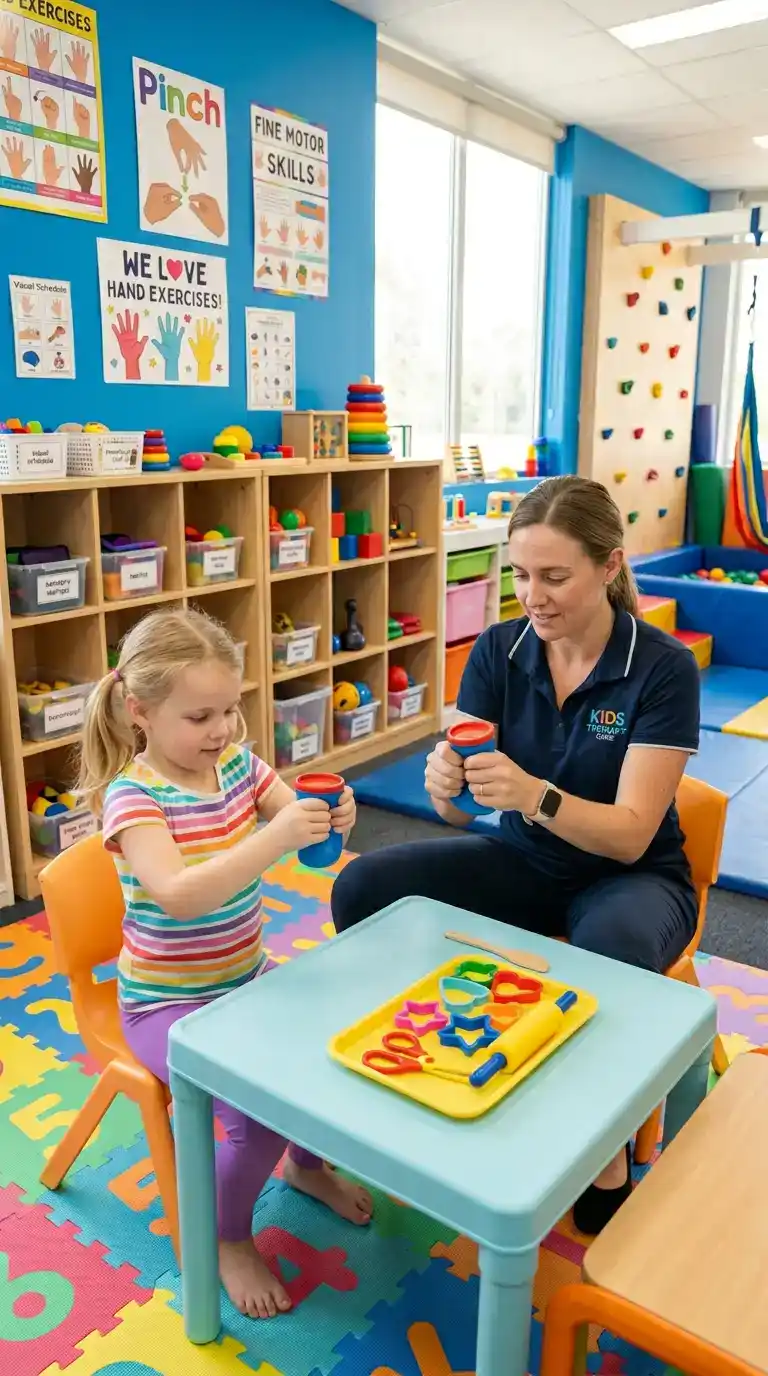
Eye-hand coordination is the ability to process visual information and use it to guide hand movements. It is a foundational skill for nearly every daily activity, from writing and drawing to catching a ball, using scissors, tying shoelaces, and even eating. In occupational therapy, eye-hand coordination activities are essential for children with developmental delays, fine motor difficulties, visual processing issues, or conditions like autism and dyspraxia. Here are nine effective eye-hand coordination activities that are fun, engaging, and easy to do at home or in a therapy setting.
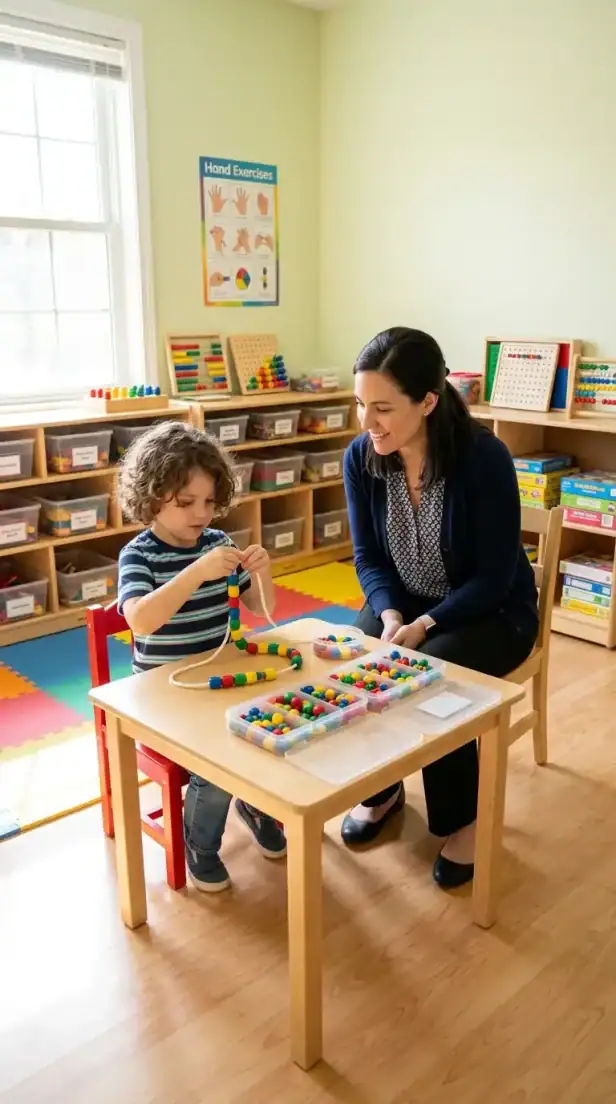
1. Bead Stringing
Bead stringing is a classic eye-hand coordination activity that builds fine motor control, visual tracking, and bilateral coordination. Provide your child with a variety of beads in different sizes, shapes, and colors, along with a string or lace. For beginners, use large beads with a stiff tip on the string. As skills improve, introduce smaller beads and thinner strings. Encourage your child to sort beads by color or create patterns to add a cognitive challenge. This activity also strengthens the pincer grasp needed for writing.
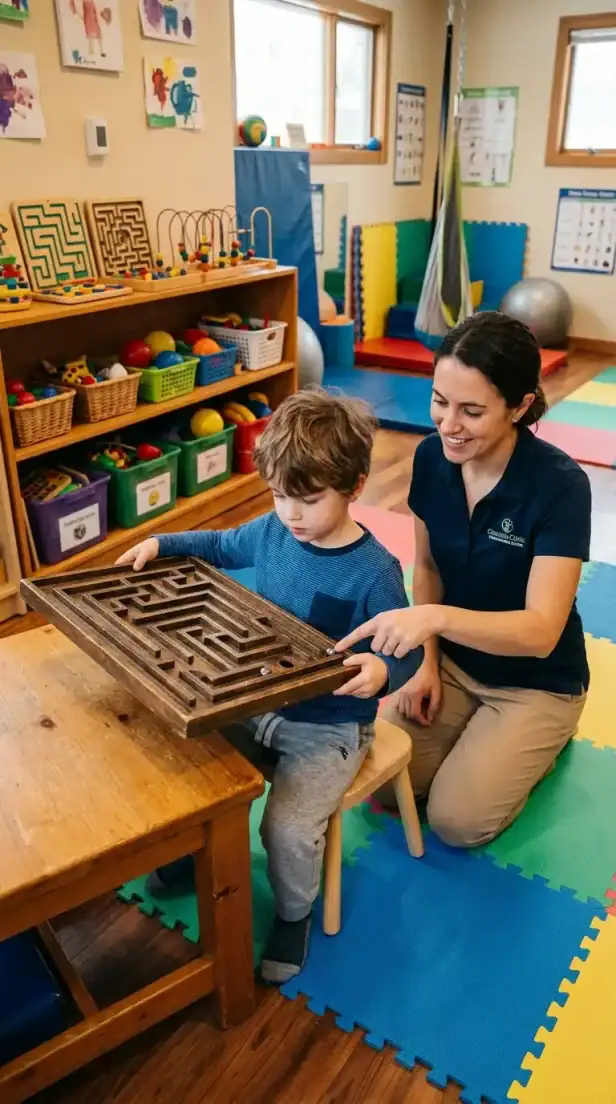
2. Marble Maze or Labyrinth
A marble maze requires the child to guide a marble through a path or maze using a wooden board with knobs or a handheld maze. This activity demands precise visual tracking and controlled hand movements. For a DIY version, cut a path in a cardboard box lid and tilt the box to guide a marble. This exercise builds visual-motor integration, problem-solving skills, and sustained attention. It is especially helpful for children who have difficulty with tasks that require steady hand control.
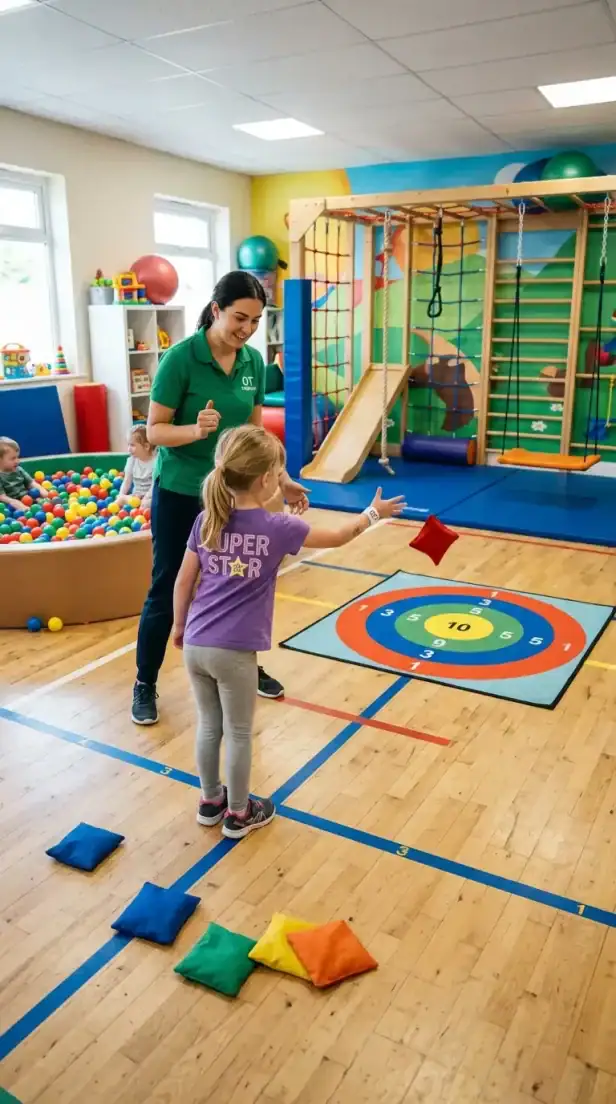
3. Target Throwing with Beanbags
Throwing beanbags at a target combines gross motor movement with precise visual aiming. Set up a target on the floor or wall, such as a hoop, a bucket, or a color-coded mat. Have your child stand at a designated distance and toss beanbags toward the target. As skills improve, increase the distance or use smaller targets. This activity builds depth perception, hand-eye coordination, and spatial awareness. It is also excellent for children who need gross motor input before sitting for fine motor tasks.
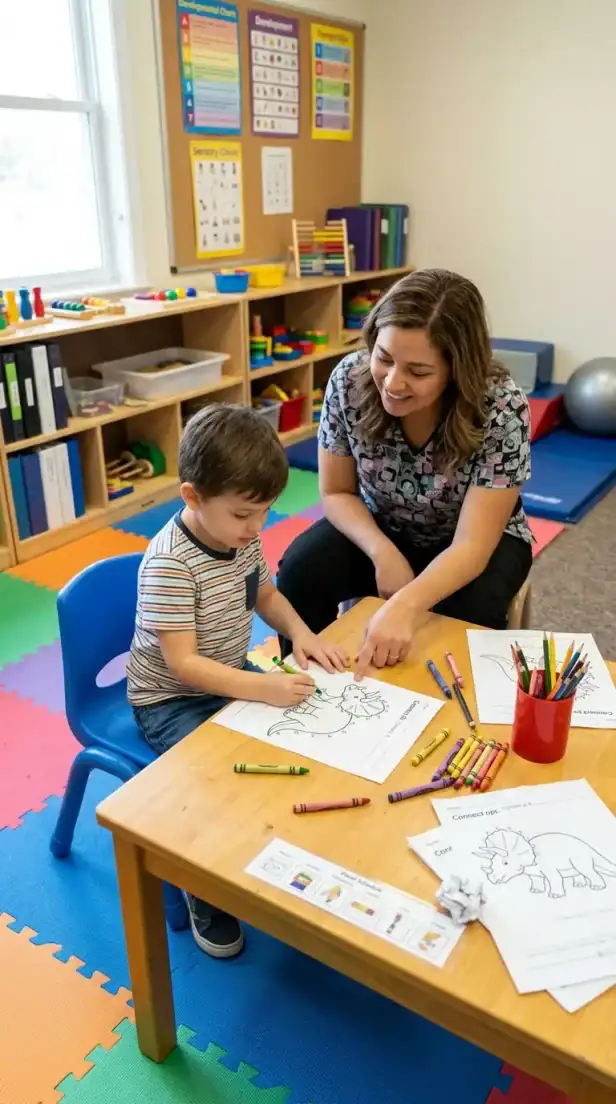
4. Connect the Dots
Connect-the-dots worksheets require the child to visually track from one dot to the next while controlling a pencil or crayon. Start with simple patterns of three to five dots, then progress to more complex pictures. This activity builds visual scanning, motor planning, and pencil control. For added challenge, use dot-to-dot puzzles that create letters, numbers, or shapes. This is an excellent pre-writing activity that strengthens the foundation for handwriting.
5. Cutting Along Lines
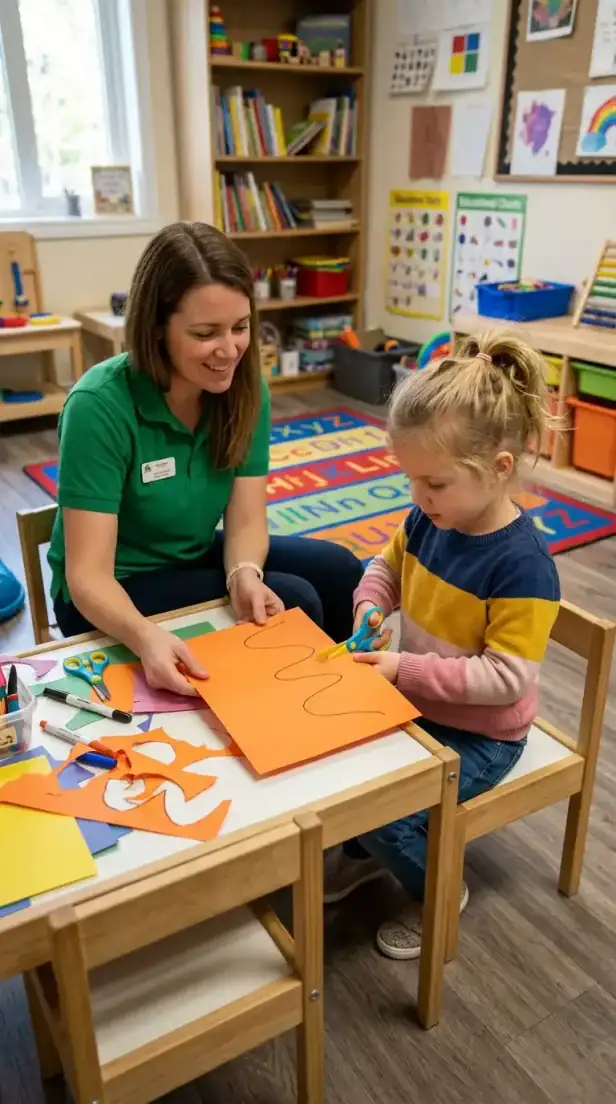
Cutting with scissors requires the eyes to guide the hands along a specific path. Start with thick, straight lines, then progress to curves, zigzags, and shapes. Use colored paper or magazines to make it more engaging. This activity builds bilateral coordination, visual tracking, and fine motor strength. For children who struggle, use adaptive scissors or spring-loaded scissors. Always supervise closely during cutting activities.
6. Ball Rolling and Catching
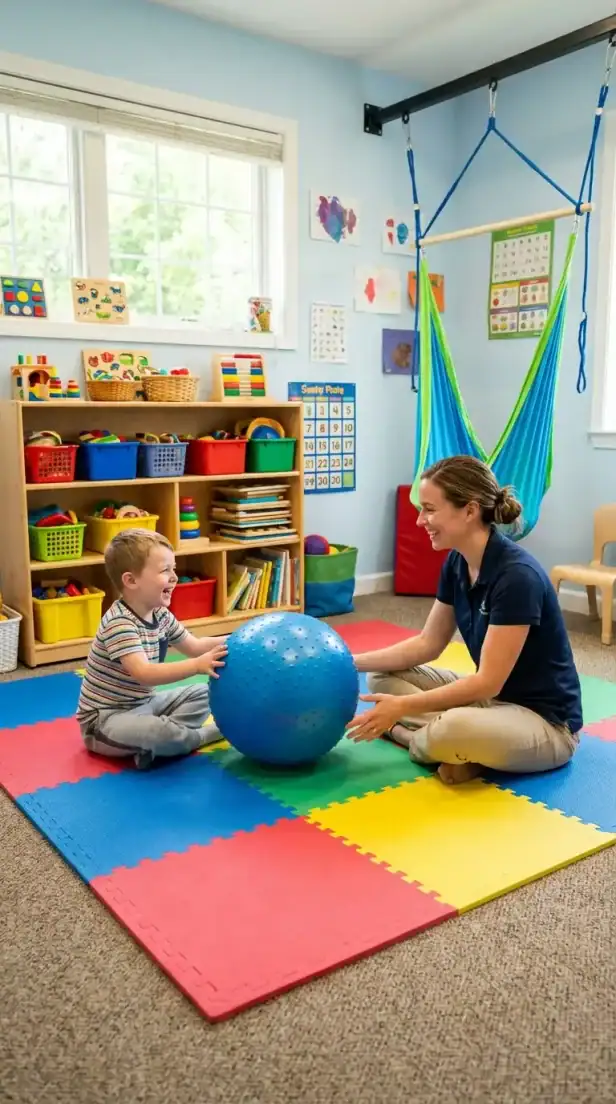
Ball rolling and catching activities build visual tracking, timing, and motor planning. Start by rolling a ball back and forth across a table or floor. Progress to bouncing and catching, then to throwing and catching at increasing distances. Use balls of different sizes and textures to provide varied sensory input. For children who are very young or have significant challenges, use a larger, slower-moving ball like a beach ball.
7. Poking and Placing Activities
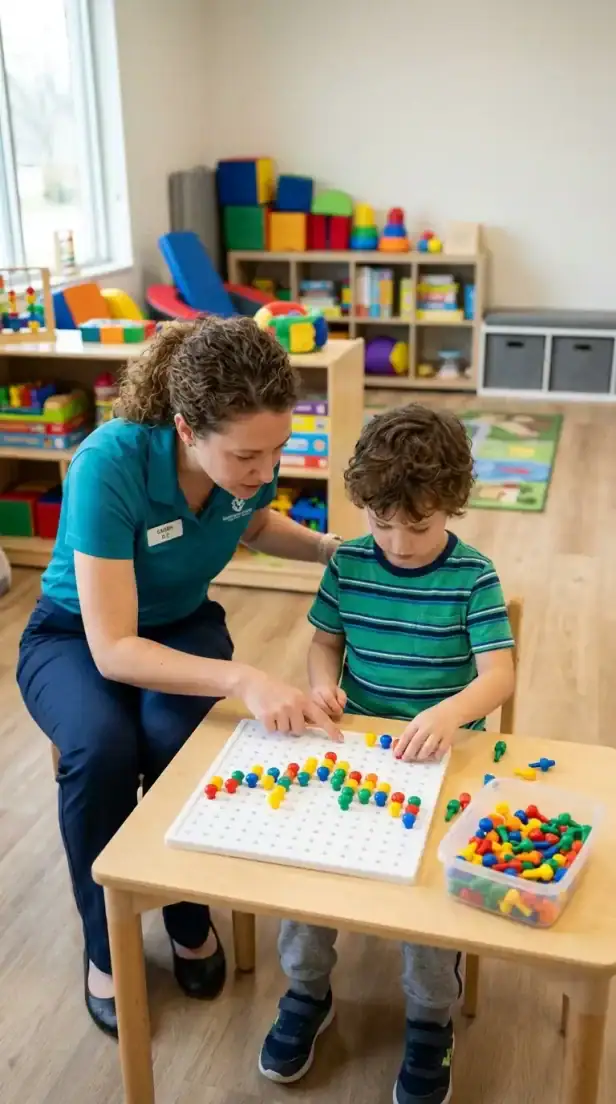
Poking and placing activities build finger strength, visual precision, and hand control. Provide a soft foam board or a Theraputty mat and have your child poke toothpicks or golf tees into it. For placing activities, use pegboards, Lite-Brite, or sorting toys where small objects must be placed into specific holes. These activities require the eyes to guide the hands with accuracy and are excellent for building the fine motor control needed for writing.
8. Tracing and Drawing in Sand or Salt
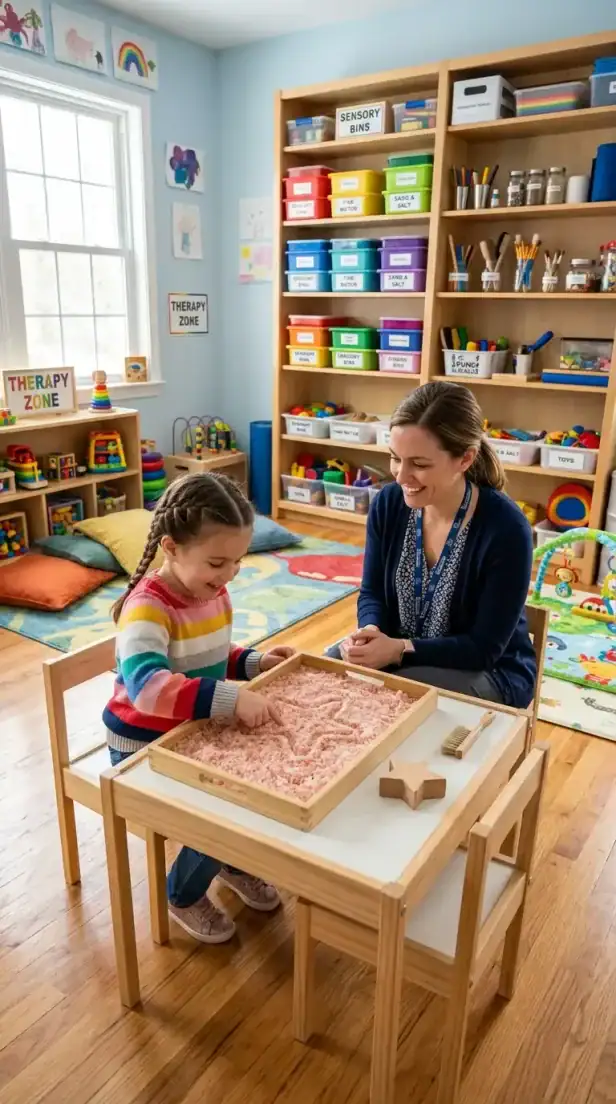
Tracing and drawing in a sensory bin filled with sand, salt, or rice provides tactile feedback while building eye-hand coordination. Pour a thin layer of sand or salt into a shallow tray. Have your child use their finger or a stylus to trace letters, shapes, or lines. The sensory input can be calming for children who are overstimulated, and the resistance provides proprioceptive feedback that enhances motor learning.
9. Lacing Cards
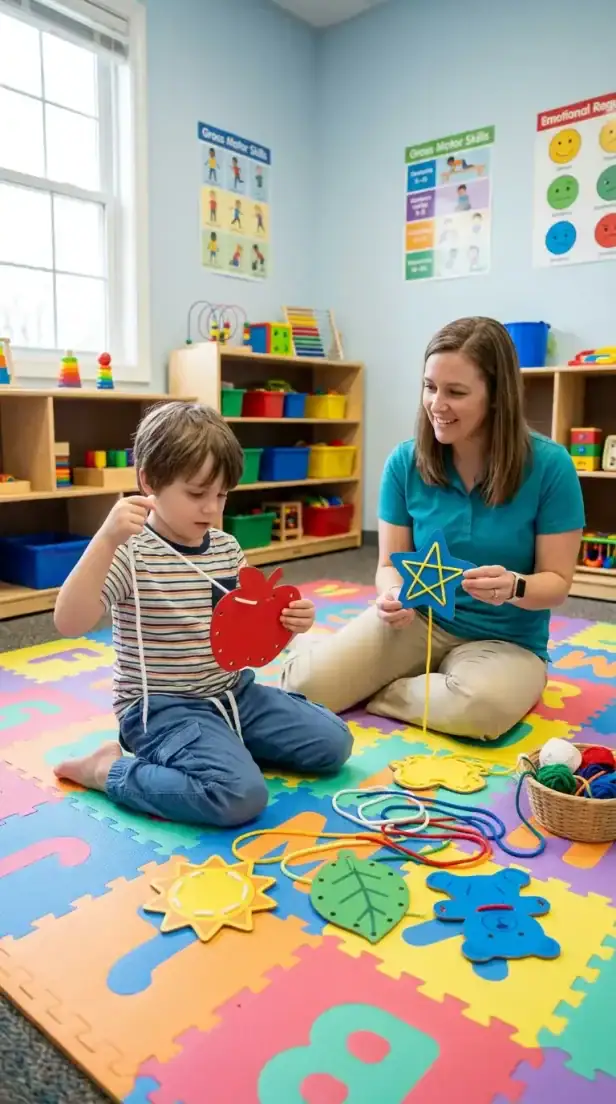
Lacing cards are sturdy cardboard shapes with holes around the edges. Children thread a lace through the holes, following the edge of the shape. This activity builds visual tracking, bilateral coordination, and fine motor precision. Start with simple shapes like circles or squares, then progress to more complex shapes like animals or letters. Lacing cards are portable and can be used anywhere.
Conclusion
Eye-hand coordination is a foundational skill that affects a child’s ability to write, draw, play sports, and perform daily tasks. For children with developmental delays, fine motor difficulties, or visual processing issues, specific eye-hand coordination activities can make a profound difference in their development. These nine activities—bead stringing, marble maze, target throwing, connect the dots, cutting along lines, ball rolling and catching, poking and placing activities, tracing in sand, and lacing cards—are fun, engaging, and easy to incorporate into home or therapy routines. Always consult with an occupational therapist before starting a new activity program, and encourage consistency and positive reinforcement to keep children motivated. With regular practice, these activities can help build the visual-motor foundation every child needs to thrive.