10 Counseling Office Decor Therapy Room School Counselor
A well-designed counseling office is more than just a room with chairs and a desk. It is a sanctuary—a space where students feel safe, heard, and supported. The decor, layout, and atmosphere of a school counselor’s office directly impact a student’s willingness to open up, relax, and engage in the therapeutic process. From color psychology and comfortable seating to privacy considerations and calming sensory elements, here are ten counseling office decor ideas for school counselors.
1. Choose Calming, Neutral Wall Colors
Color psychology plays a crucial role in creating a therapeutic atmosphere. Soft, muted tones promote relaxation and reduce anxiety. Paint your walls in warm off-white, soft beige, pale sage green, light gray, or gentle blue. These colors are known to lower heart rate and create a sense of safety. Avoid bright, stimulating colors like red, orange, or neon shades. If you cannot paint, use fabric panels, tapestries, or removable wallpaper in calming hues.

2. Provide Comfortable, Age-Appropriate Seating
Comfortable seating is essential for helping students relax during sessions. Choose a small loveseat or two armchairs with soft, washable fabric. Avoid leather or vinyl, which can feel cold and unwelcoming. For younger students, add a small beanbag chair or floor cushions. Place chairs at a comfortable distance—not too close, not too far. Allow students to choose where they want to sit, including the floor if they prefer.

3. Create a Private, Confidential Layout
Privacy is paramount in a school counseling office. Position seating away from windows and the door. Avoid placing chairs where students can be seen through a window or when the door is open. Use a room divider or a bookshelf to create a separate intake area. Ensure that the door has a lock and a “Do Not Disturb” sign for sessions. If possible, place the desk near the door so you can control access.

4. Add Soft, Warm Lighting
Harsh overhead fluorescent lights can create a cold, clinical atmosphere. Replace them with softer, warmer lighting. Use table lamps, floor lamps, or string lights. Choose bulbs with a warm color temperature (2700K to 3000K). Natural light is ideal, so position seating near a window if possible. Use sheer curtains to diffuse harsh sunlight. Dimmer switches allow you to adjust light levels to suit each student’s needs.

5. Incorporate Sensory and Fidget Tools
Many students benefit from having something to hold or manipulate during sessions. Provide a basket of fidget tools like stress balls, putty, squishy toys, or textured stones. Add a small sand tray or a collection of calm-down jars. A weighted lap pad can be comforting for students who need deep pressure. Keep these tools accessible but organized.

6. Display Calming Art and Nature Imagery
Art can influence mood and emotional state. Choose calming, abstract art or nature scenes in soft colors. Landscapes, oceans, forests, and skies promote relaxation. Avoid abstract art that is chaotic or confusing. Place one or two pieces on the walls. Consider a small, quiet water feature to add the soothing sound of trickling water.

7. Create a Kid-Friendly Zone
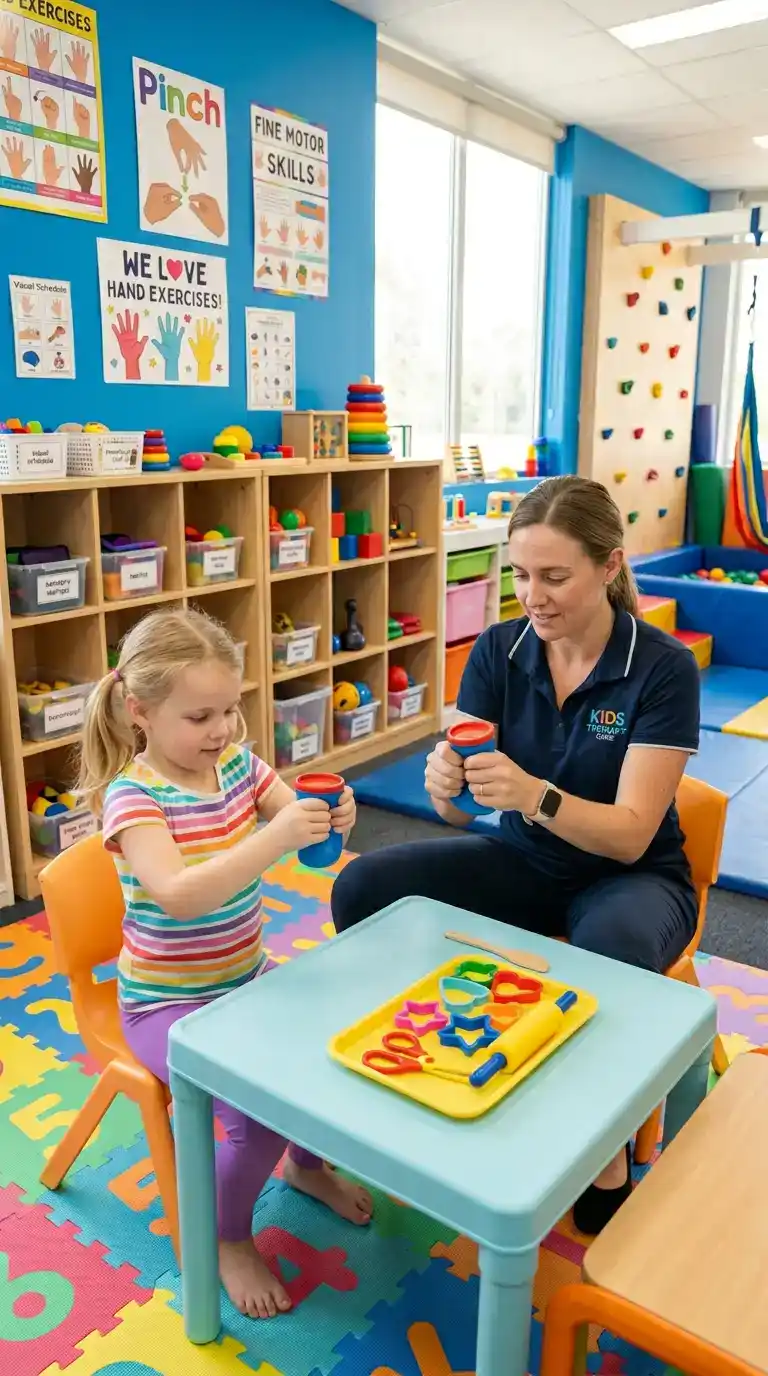
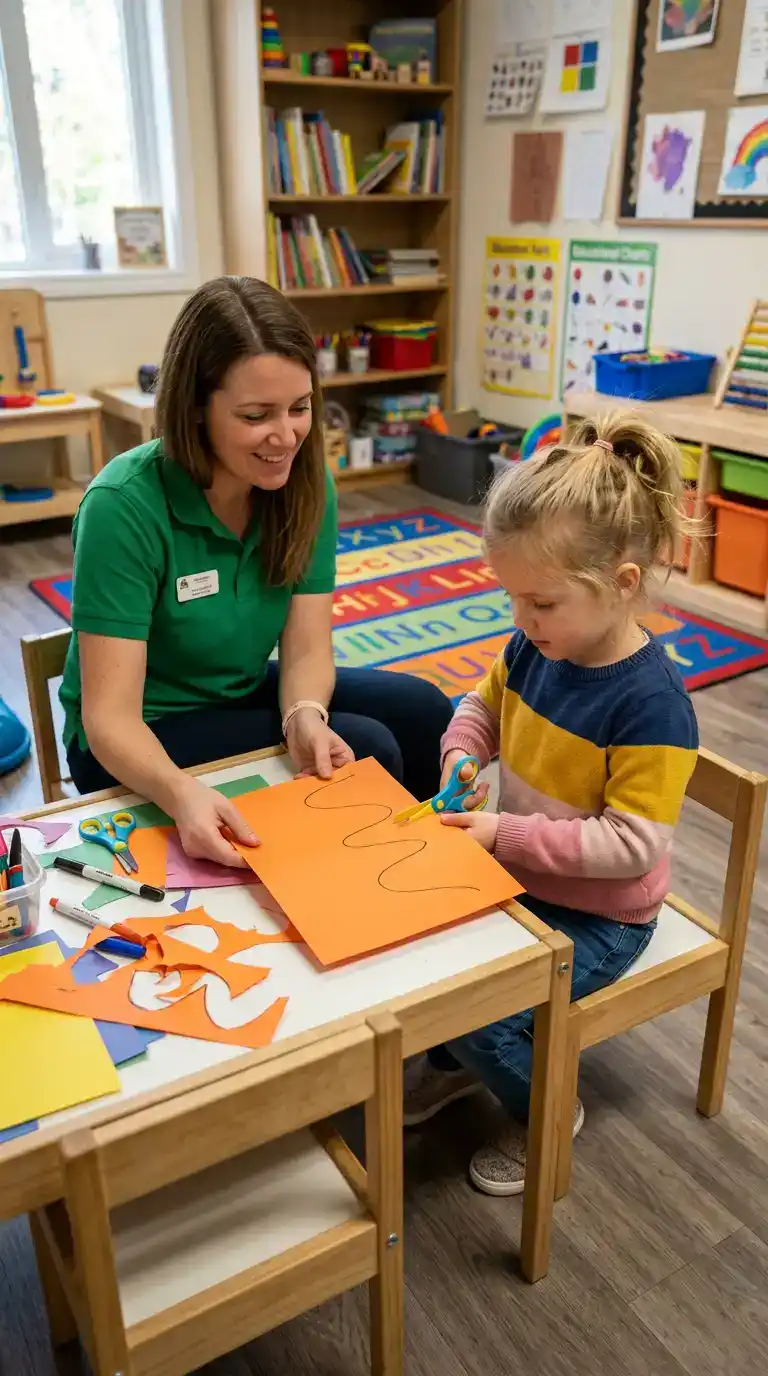
For younger students, a designated kid-friendly zone can help them feel at ease. Include a small table with crayons, paper, and coloring books. Add puppets or a small sandbox. Use child-sized chairs or floor cushions. Keep the area organized but inviting. This zone allows younger children to express themselves through play and art when words are hard to find.

8. Use a Neutral, Uncluttered Desk
Your desk sends a message about your professionalism and approachability. Keep it clean and uncluttered. Avoid stacks of papers or visible files. Use drawers or cabinets to store materials. Place a small plant, a lamp, or a photo on your desk for warmth. Position your desk so you can see the door but not between you and the student during sessions.

9. Add Plants and Natural Elements
Plants bring life, color, and a sense of calm to any space. Choose low-maintenance, non-toxic plants like snake plants, pothos, or peace lilies. Use natural materials like wood, stone, or woven baskets for storage. These elements connect students to nature and create a grounded, peaceful environment.

10. Provide a Confidential Intake Area
When a student first arrives, they may not be ready to sit in the main seating area. Create a small intake area near the door with a single chair and a small table. Use this space for initial check-ins, paperwork, or for students who need a brief, less intense interaction. This area also serves as a waiting space for students arriving early for appointments.

Conclusion
A school counselor’s office is a therapeutic space where students come to feel safe, heard, and supported. The decor, layout, and atmosphere directly impact a student’s willingness to open up and engage in the counseling process. By choosing calming wall colors, providing comfortable and age-appropriate seating, ensuring privacy, using soft lighting, incorporating sensory tools, displaying calming art, creating a kid-friendly zone, keeping an uncluttered desk, adding plants, and creating a confidential intake area, you can transform your office into a genuine sanctuary. These small changes make a significant difference in helping students feel welcome, relaxed, and ready to do the important work of healing and growth.